


VELROSIER
Chinese · Shimogyō, Kyoto
Restaurant in Kyoto, Japan
 Book with Pearl
The Read
Sino-French Precision Cooking
Price
$200–300per person
Chef
Yuji Iwasaki
Dress
Smart Casual
Why go
VELROSIER holds one Michelin star and an La Liste top-tier score in Kyoto, making it one of the city's hardest tables to book. Chef Yuji Iwasaki's modern Chinese-French menu sits outside Kyoto's kaiseki tradition, using decompression cooking and French technique to deliver a distinctive ¥¥¥ experience. Book 2 to 3 months out minimum for special occasions.
About VELROSIER
Verdict: Worth Every Yen — If You Can Get a Table
At the ¥¥¥ price tier, VELROSIER is one of the most technically ambitious restaurants in Kyoto, holding two Michelin stars and scoring 87 points on La Liste 2025. It is also one of the hardest tables to secure in the city. If you are planning a special occasion dinner in Kyoto and want something that diverges meaningfully from the kaiseki tradition, VELROSIER is the booking to pursue. If you cannot commit to the lead time required, consider Kyo Seika as a more accessible Chinese alternative in the same city.
About VELROSIER
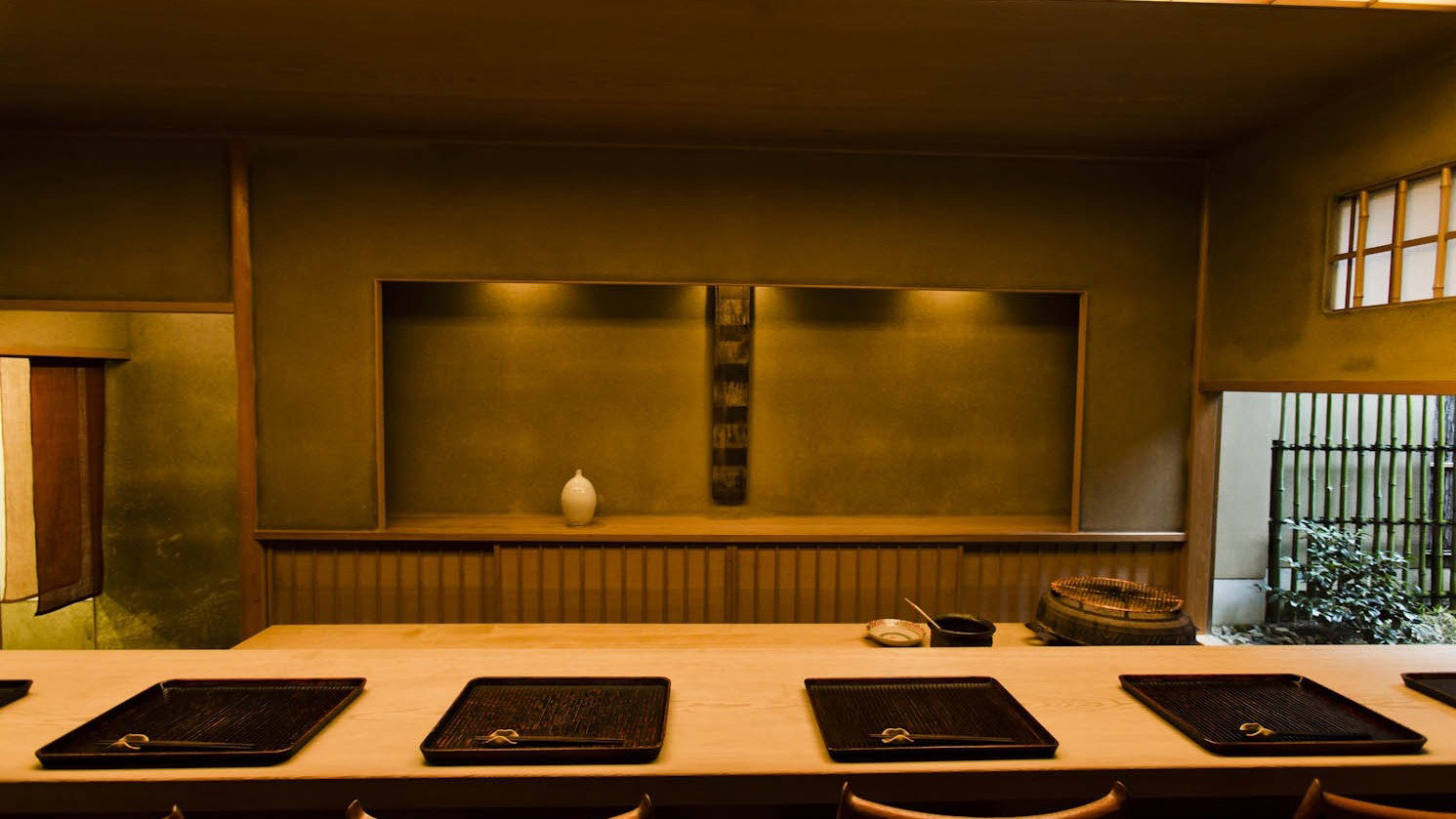
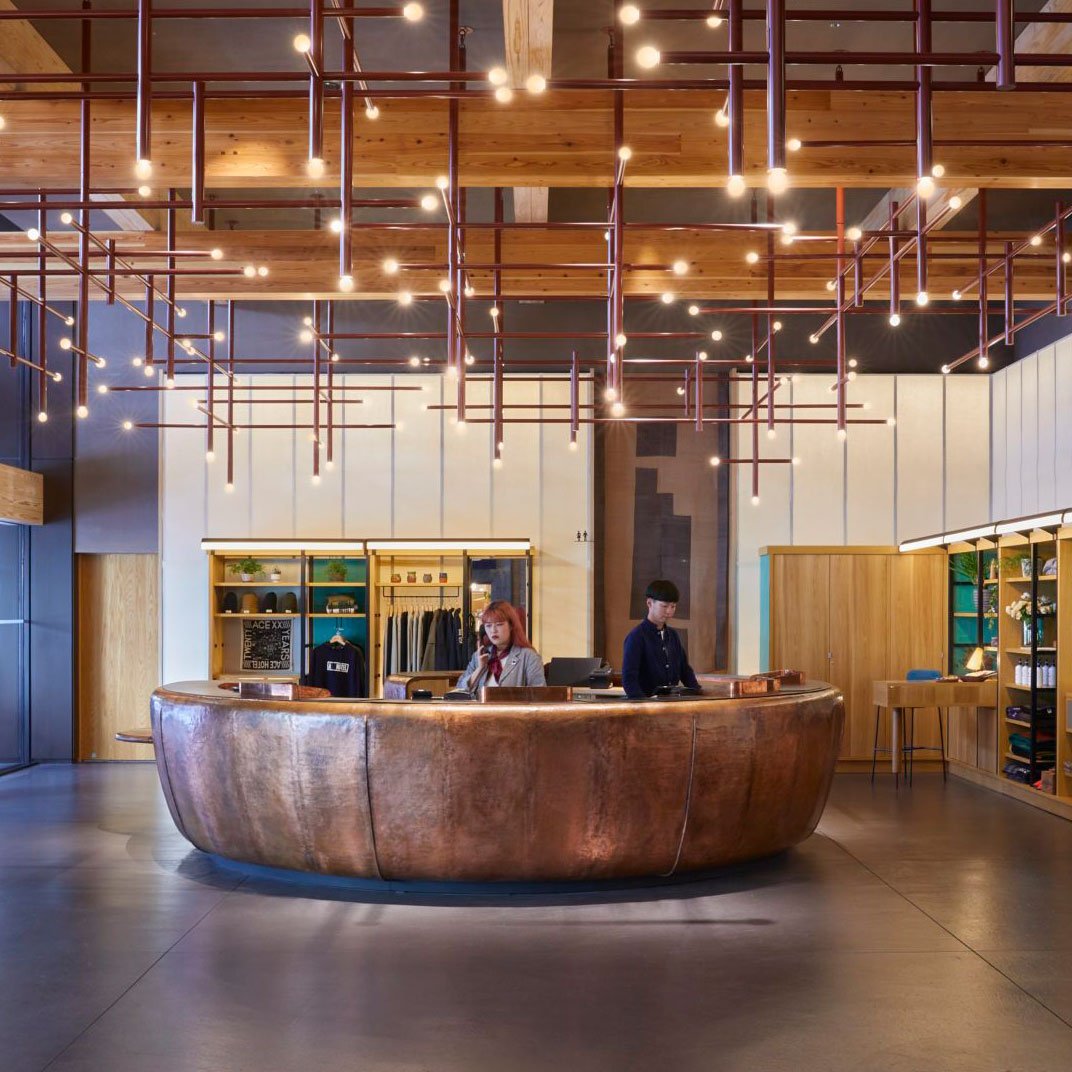
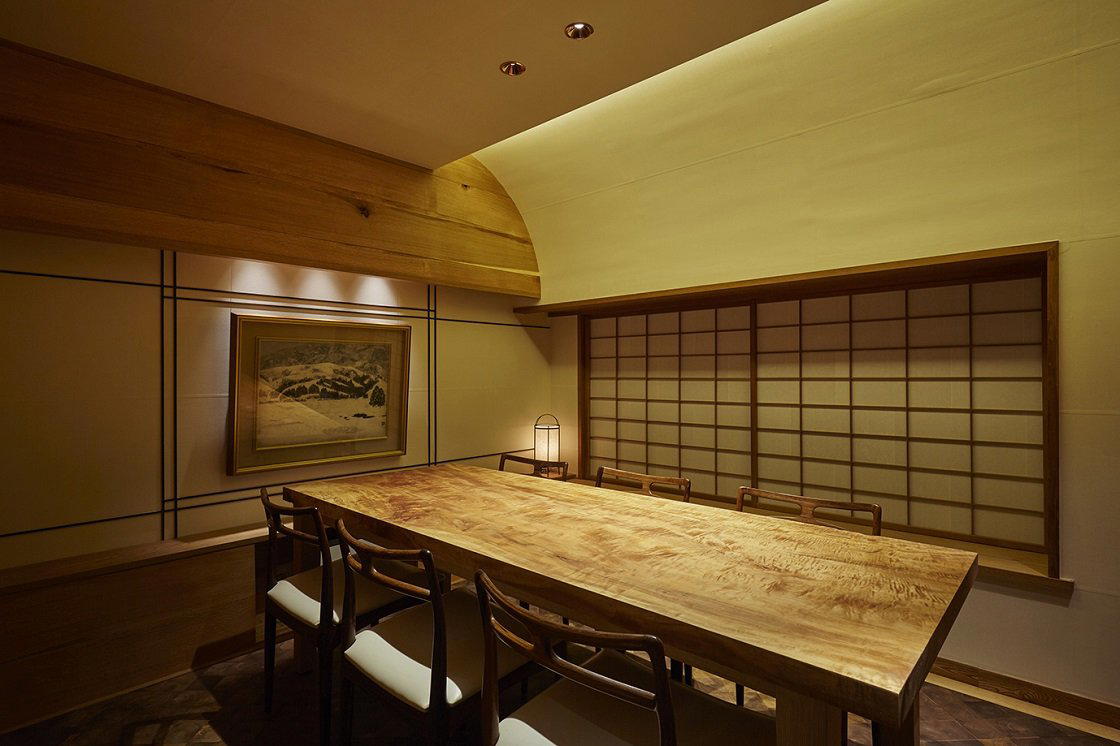
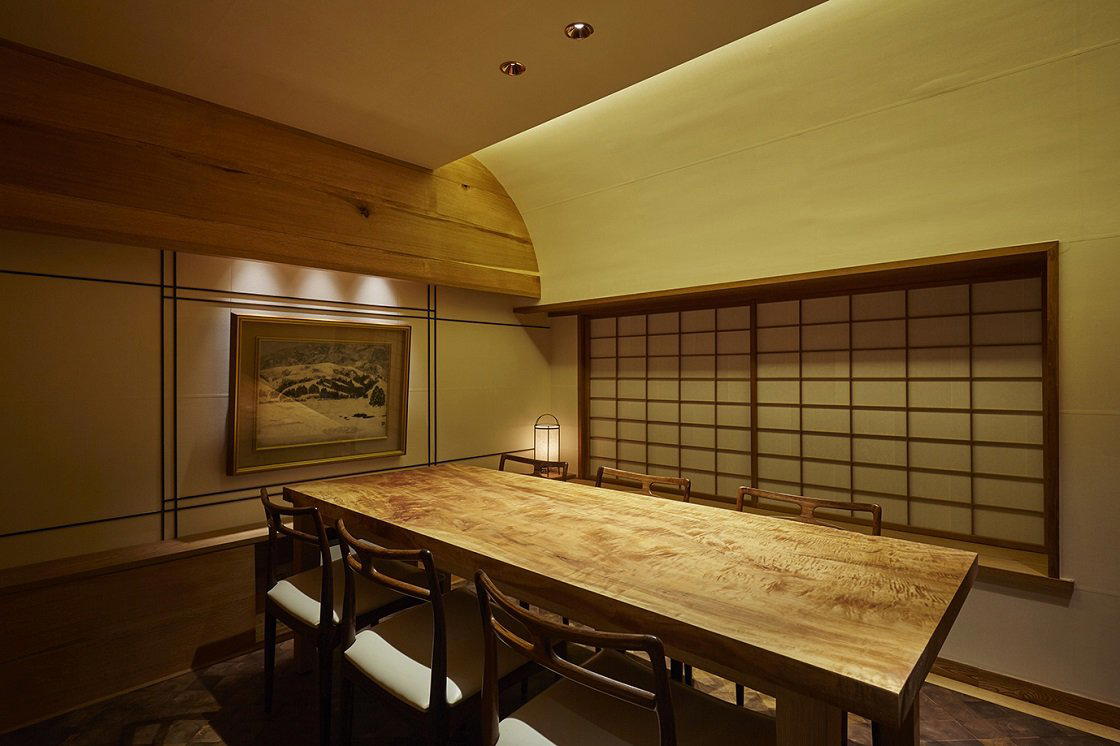
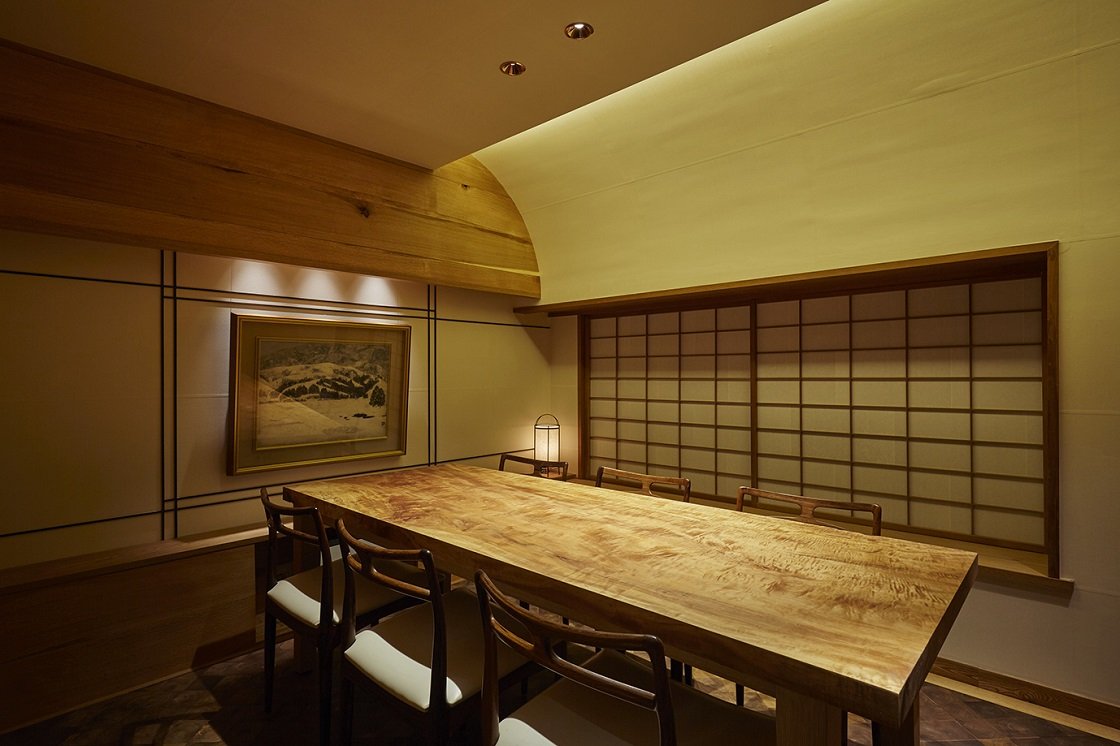
VELROSIER sits in Shimogyo Ward, Kyoto, at an address that places it within the city's dense cultural core rather than its tourist-facing restaurant corridors. The dining room's keynote black interior signals what you are walking into: a modern, precision-focused environment where the visual and technical language of the food is the point. This is not a venue built around heritage atmosphere or the layered seasonal rituals of traditional Kyoto dining. It is built around innovation.
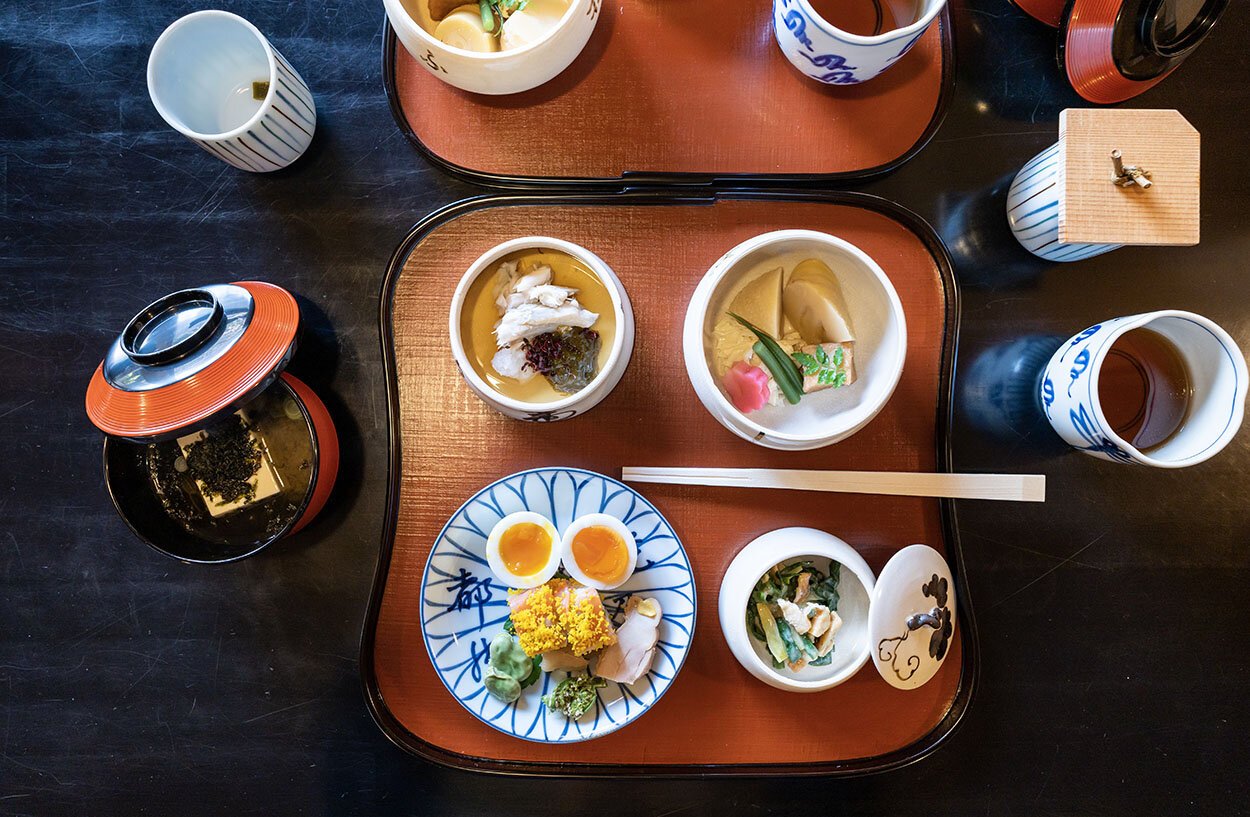
Chef Yuji Iwasaki works in a format leading described as modern Chinese-French fusion, a pairing that is genuinely uncommon at this level anywhere in Japan. The approach documented by La Liste points to decompression cooking and liquid nitrogen as core techniques, both deployed not for theatrical effect but to preserve ingredient flavour at a level conventional heat cannot match. The signature reference to foie gras sandwiched between two thin, crisp wafers fragrant with Shaoxing wine gives you a precise picture of how the kitchen thinks: French luxury ingredients, Chinese aromatics, and a textural construction that belongs to neither tradition. This is a kitchen that has made a coherent creative argument out of fusion rather than simply combining two menus.
For a special occasion, VELROSIER offers something Kyoto's predominantly kaiseki fine-dining circuit does not: a meal where the frame of reference is genuinely international. If your guest has already experienced kaiseki at venues like Gion Sasaki or Ifuki, this is the meaningful contrast. Two Michelin stars and a strong La Liste score provide the credentialing most celebration diners need when booking somewhere outside their direct experience.
At ¥¥¥, where diner expectations are calibrated against the leading Kyoto has to offer, a score that high across a meaningful sample suggests consistent execution rather than occasional brilliance. That matters for anniversary and milestone dinners, where the stakes of a disappointing visit are higher than for a casual meal.
VELROSIER's La Liste score shifted from 87 points in 2025 to 79 points in 2026. That is a change worth noting, though La Liste scoring methodology means a drop of this size does not necessarily indicate a decline in kitchen quality. Both scores sit within the top tier of the global list, and the two Michelin stars from 2024 remain the more stable credential. What it does suggest is that anyone tracking VELROSIER over time should pay attention to whether the 2026 Michelin assessment maintains the two-star position.
For context on what this kind of modern Chinese fine dining looks like elsewhere in the world, the format has a small but growing set of serious practitioners. Restaurant Tim Raue in Berlin and Mister Jiu's in San Francisco both work at the intersection of Chinese culinary tradition and contemporary fine dining. VELROSIER adds the French technical layer to that equation and locates it in a city where the dining standard is among the highest in Japan.
If you are building a broader Japan itinerary around high-ambition cooking, VELROSIER pairs well with HAJIME in Osaka for modern Japanese precision, Harutaka in Tokyo for sushi at the leading level, or akordu in Nara for a different kind of international-Japanese fusion within easy reach of Kyoto. Further afield, Goh in Fukuoka and 1000 in Yokohama represent other serious contemporary options if your itinerary extends. For something more unusual, 6 in Okinawa offers a very different register entirely.
Within Kyoto specifically, VELROSIER occupies a distinct position. It is not the city's most traditional fine-dining option, but it is one of the few two-star venues that makes a compelling case for Chinese cuisine in a city whose identity is built around Japanese culinary heritage. For a first visit to Kyoto, the kaiseki houses remain the reference point. For a return trip, or for a diner who already knows what kaiseki delivers, VELROSIER is the more interesting choice. Explore the full picture with our full Kyoto restaurants guide, or plan around it using our Kyoto hotels guide, bars guide, wineries guide, and experiences guide.
Practical Details
| Detail | VELROSIER | Kyo Seika | Canton Shunsai Ikki |
|---|---|---|---|
| Cuisine | Modern Chinese-French | Chinese | Cantonese |
| Price tier | ¥¥¥ | ¥¥¥ | Available on venue page |
| Awards | Michelin 2 Stars, La Liste Leading | Check venue page | Check venue page |
| Booking difficulty | Near impossible | More accessible | More accessible |
| Check venue page | Check venue page | ||
| Leading for | Special occasions, milestone dinners | Chinese dining, easier access | Cantonese format |
Also worth considering for Kyoto dining: Akihana, Hachiraku, and hakubi.
Planning details
- Location
- 318-6 Inaricho, Shimogyo Ward, Kyoto, 600-8031, Japan
- Reservations
- Book on TableCheck
- Website
- vel-rosier.com/en
- Phone
- +81 75-744-6984
The take
The Take
The Vibe
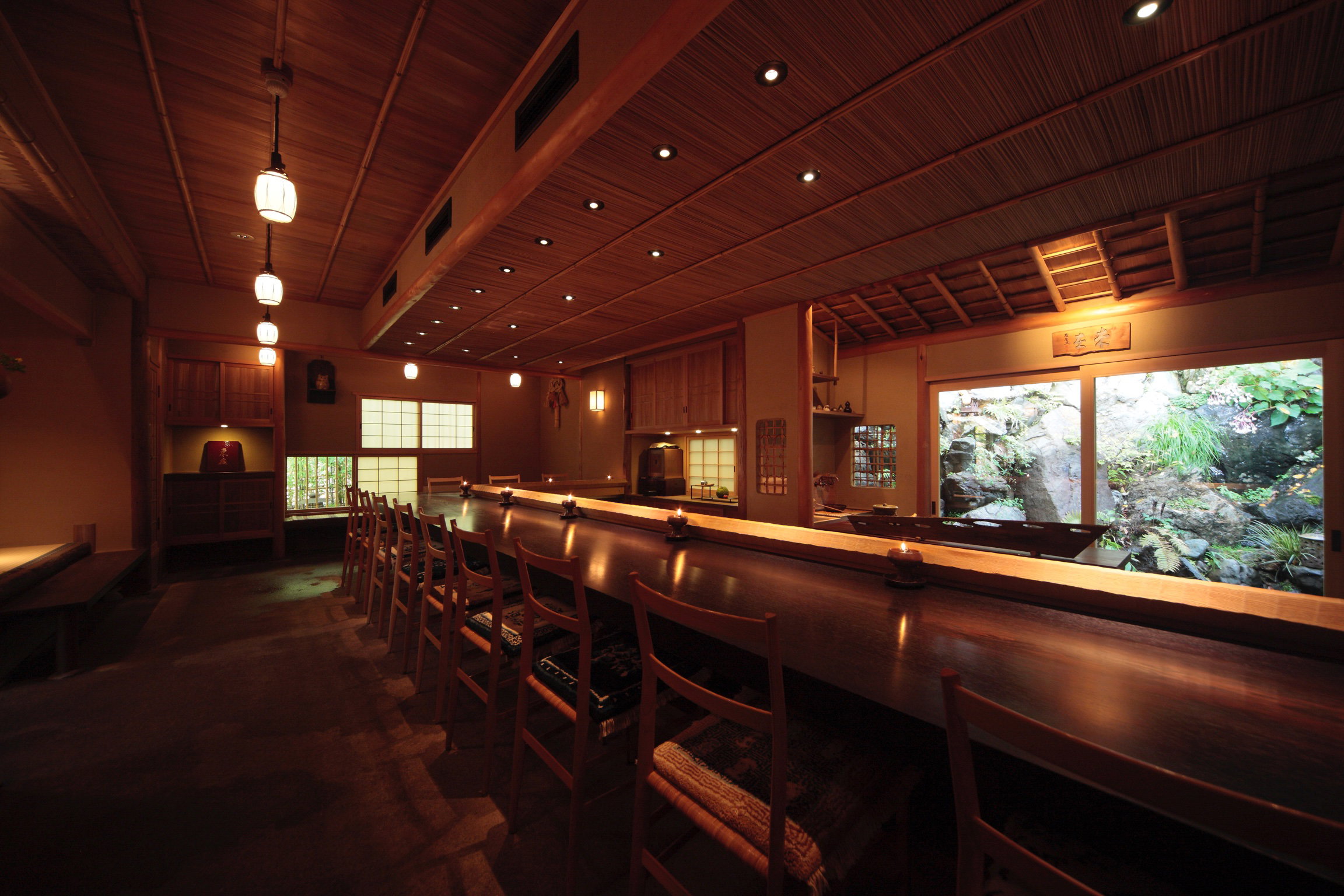
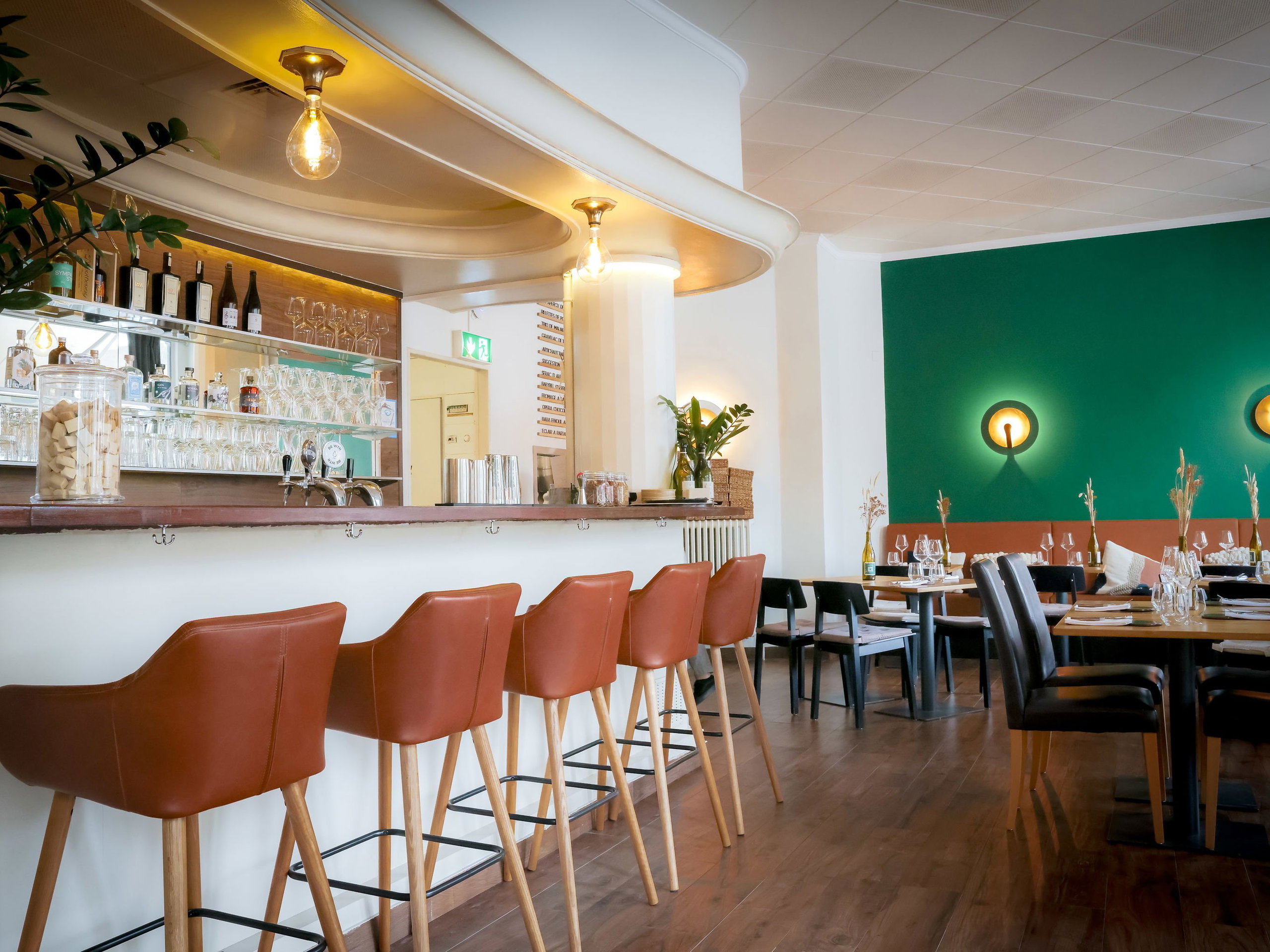
VELROSIER presents a restrained, minimalist fine-dining environment that deliberately departs from Kyoto’s lacquered-wood kaiseki houses. The dining room’s keynote black and carefully considered architecture create a focused stage for technically rigorous cooking. The kitchen operates with a modern, almost clinical precision—decompression cooking and liquid nitrogen are described as serious tools rather than flourishes—so the room feels like an atelier for flavor extraction. The overall sensibility reads as quietly assertive and composed: it prioritizes ingredient clarity and measured presentation over ceremony, making the space feel intimate and purpose-built for attentive dining.
Best For
VELROSIER is best experienced at dinner, when its technical program and composed plating are most at home. The restaurant’s placement within Kyoto’s fine-dining conversation and its recognition in dining guides position it for special evenings—celebrations, date nights and other formal occasions where precision matters. The interior’s restrained, deliberate design supports quieter, focused meals rather than boisterous group gatherings. Visitors looking for a meticulously executed, ingredient-forward interpretation of Chinese flavours through a European lens will find the restaurant most rewarding after dark, when courses arrive in sequence and the kitchen’s methods are on full display.
Ordering Tips
When dining at VELROSIER, make time to sample the kitchen’s signature preparations—items such as the foie gras monaka, deconstructed gyoza and shark fin soup are highlighted as exemplars of the restaurant’s approach. Expect high-intervention techniques: the team uses decompression cooking and liquid nitrogen to preserve volatile aromatics and delicate textures, so flavours are precise and often concentrated. Because the menu foregrounds technical refinement, consider prioritising those signature plates to understand the chef’s intention; allow the service to describe how each technique shapes texture and aroma to get the fullest appreciation of the food.
Venue details
Ambiance
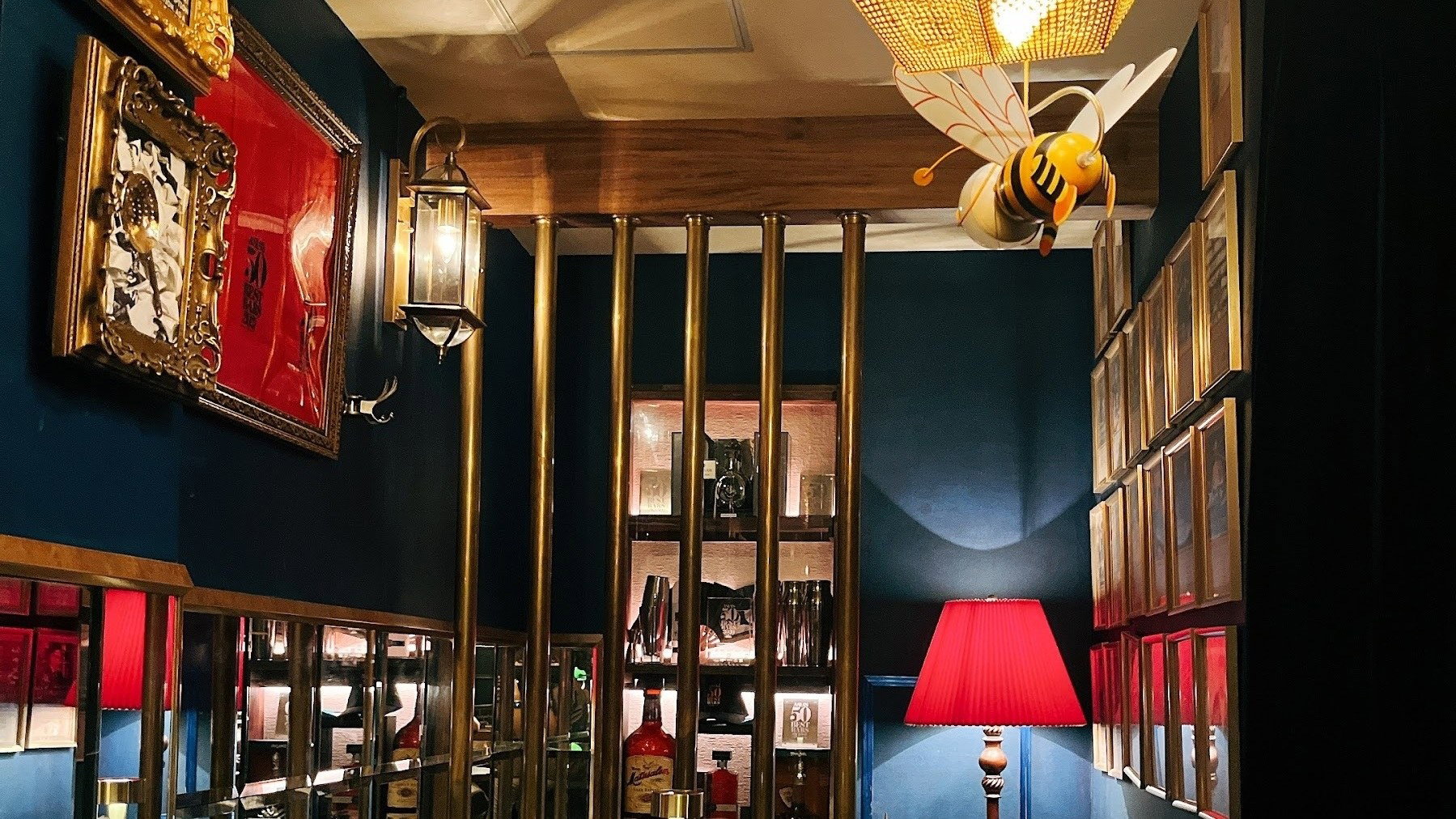
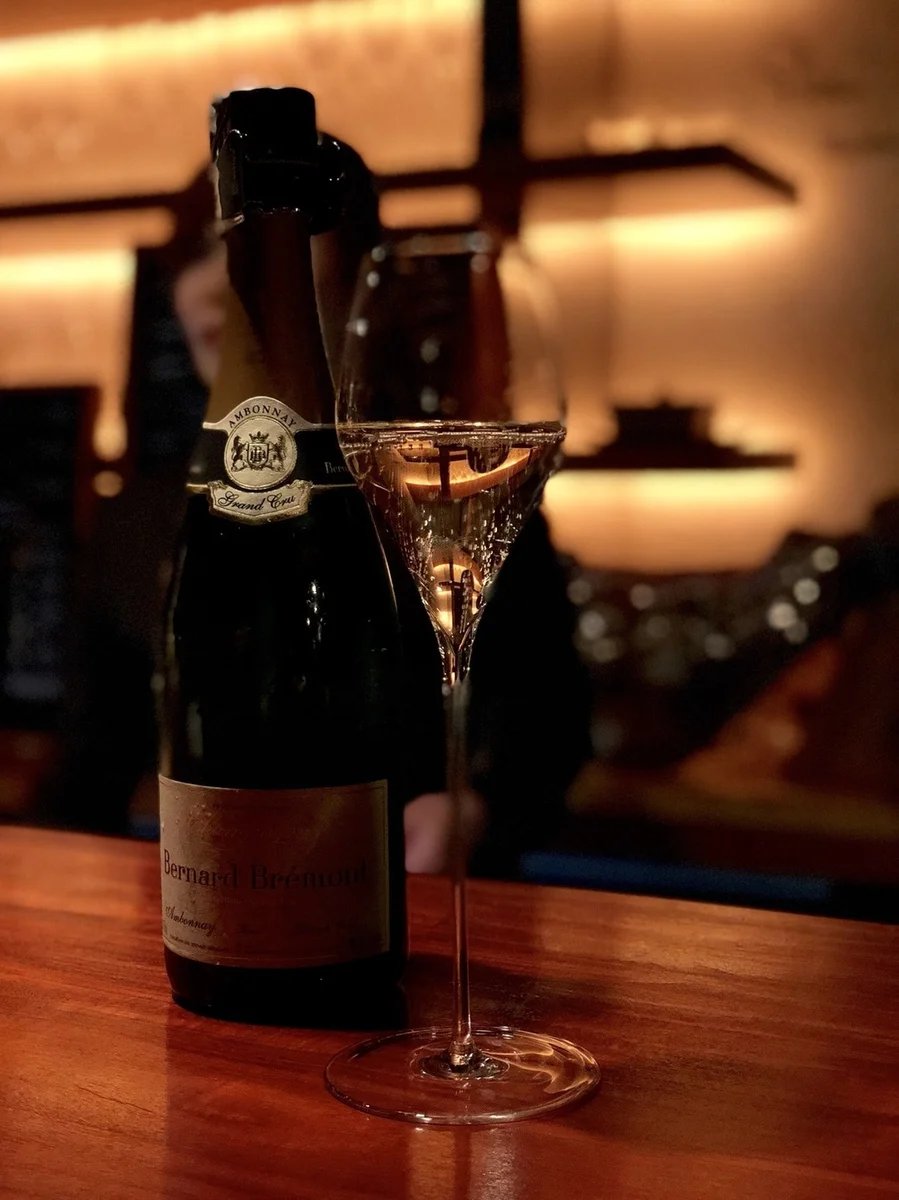
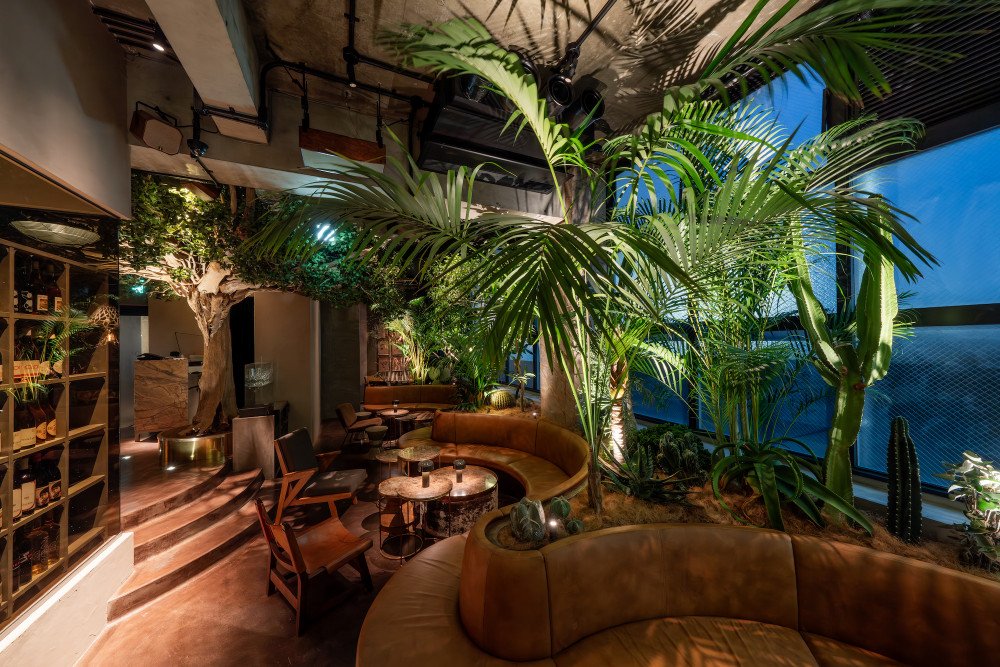
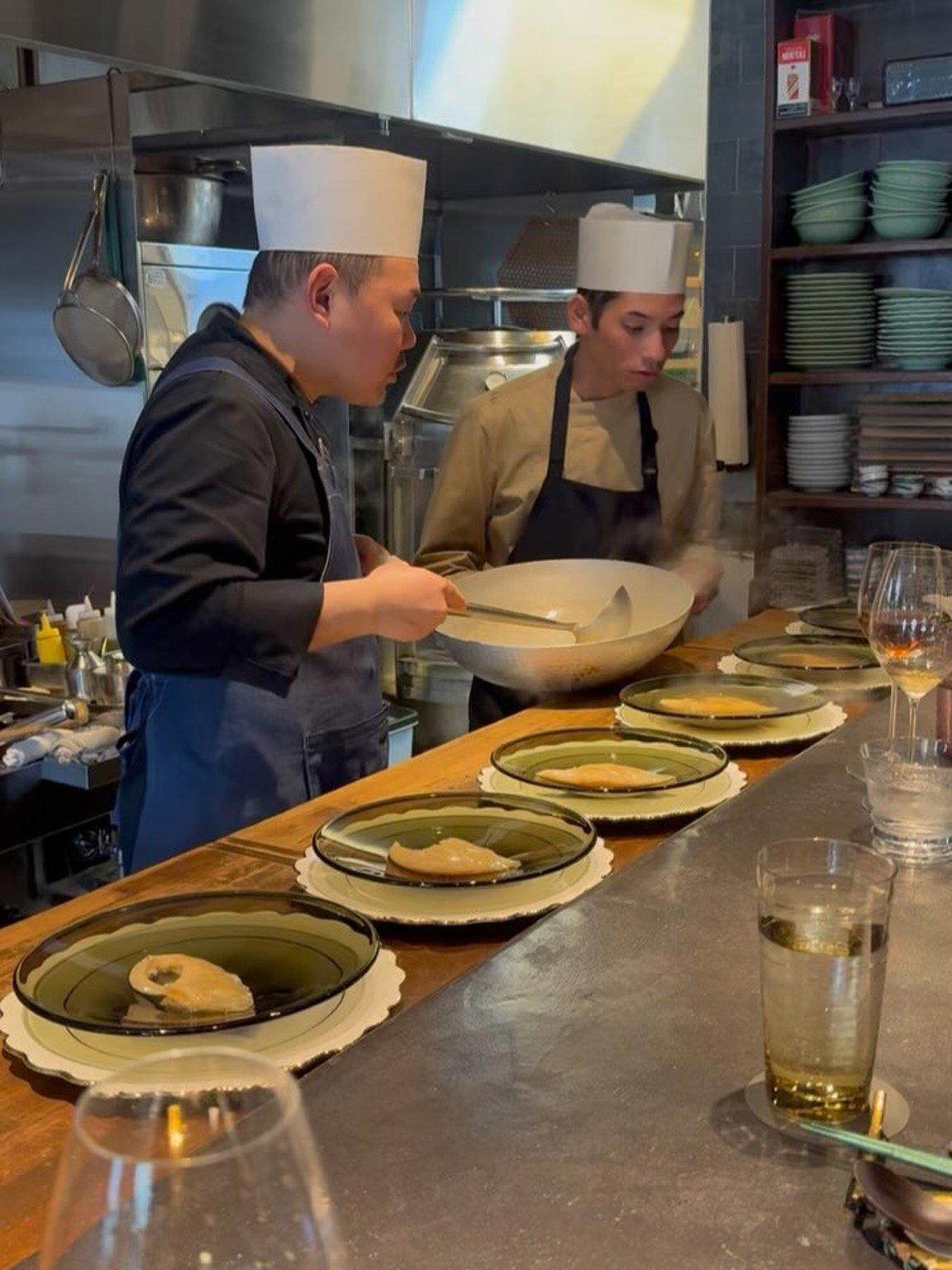
Dark, stylish, and cozy with dramatic lighting, black decor, and an open kitchen view creating an intimate, refined atmosphere.
Tags
Vibe
Best For
Experience
Accessibility
At the Table
- Dress Code
- Smart Casual
- Noise Level
- Quiet
- Service Style
- Formal
- Meal Pacing
- Leisurely
- Capacity
- Intimate
- Kitchen
- Modern
- Menu Format
- Tasting menu
- Wine Program
- Curated
- Drinks Focus
- Wine pairing
Signature Dishes
- foie gras monaka
- deconstructed gyoza
- shark fin soup
Know before you go
Know Before You Go
- Getting there
- 318-6 Inaricho, Shimogyo Ward, Kyoto, 600-8031, Japan
Planning details
Location
318-6 Inaricho, Shimogyo Ward, Kyoto, 600-8031, Japan · Directions
Recognition and awards

Also consider
Also Consider
- Gion Sasaki, Kaiseki, Japanese, ¥¥¥¥
- cenci, Italian, ¥¥¥
- Ifuki, Kaiseki, ¥¥¥¥
- Kyokaiseki Kichisen, Japanese, ¥¥¥¥
- Kyo Seika, Chinese, ¥¥¥
Restaurant context
VELROSIER sits at ¥¥¥ with two Michelin stars, making it the most decorated Chinese restaurant in Kyoto's fine-dining circuit and a more accessible price point than most of its serious competition. Gion Sasaki, Ifuki, and Kyokaiseki Kichisen all sit at ¥¥¥¥ and operate in the kaiseki format that defines Kyoto's culinary identity. If kaiseki is the experience you are after, those three are the references; Kyokaiseki Kichisen in particular carries one of the deepest reputations in the city. But if you have already experienced kaiseki or want a two-star meal that takes a different creative direction, VELROSIER's Chinese-French fusion format makes it the more distinctive booking.
cenci offers Italian fine dining at ¥¥¥, making it the closest peer in terms of price tier and the same departure from kaiseki tradition. Between the two, VELROSIER carries the stronger awards profile at this point; cenci suits diners whose preference runs toward Italian-Japanese crossover rather than Chinese-French. Kyo Seika is the practical fallback if VELROSIER is fully booked: same Chinese cuisine focus, same ¥¥¥ tier, and meaningfully easier to book.
For pure booking difficulty, VELROSIER and the top kaiseki houses are roughly equivalent in how far ahead you need to plan. The key decision is format: if you want Kyoto's defining culinary tradition, book one of the ¥¥¥¥ kaiseki houses. If you want two-star technical cooking at a price tier that is a notch below, and a format that does not exist elsewhere in the city at this level, VELROSIER is the right call.
Explore Kyoto
Around this place
Discover more on Pearl
Unlock the full VELROSIER guide in Pearl, including awards, comparisons, FAQs, planning details, and nearby places.
Compare VELROSIER
| Venue | Price | Awards |
|---|---|---|
| VELROSIER | ¥¥¥ | Tabelog 100 - Chinese cuisine - WEST - 2026 · #20Michelin Guide Kyoto Osaka 20262026 La Liste Top Restaurants2026 Michelin 1 Star2025 La Liste Top Restaurants2024 Michelin 2 Stars |
| Gion Sasaki | ¥¥¥¥ | 2026 Tabelog Bronze · #3862026 OAD Top Restaurants in Japan RecommendedMichelin Guide Kyoto Osaka 20262026 La Liste Top RestaurantsTabelog 100 - Japanese cuisine - WEST - 2025 · #132025 OAD Top Restaurants in Japan Ranked · #2462025 Tabelog Silver2025 Michelin 3 Stars2025 La Liste Top Restaurants |
| cenci | ¥¥¥ | 2026 Tabelog Bronze · #442026 Asia's 50 Best Restaurants · #762026 OAD Top Restaurants in Japan Highly RecommendedMichelin Guide Kyoto Osaka 2026Tabelog 100 - Italian - WEST - 2025 · #632025 Asia's 50 Best Restaurants · #632025 OAD Top Restaurants in Japan Ranked · #1682025 Tabelog Bronze2024 OAD Top Restaurants in Japan Ranked · #135 |
| Ifuki | ¥¥¥¥ | 2026 OAD Top Restaurants in Japan Ranked · #1222026 Tabelog Bronze · #128Michelin Guide Kyoto Osaka 20262026 La Liste Top RestaurantsTabelog 100 - Japanese cuisine - WEST - 2025 · #622025 OAD Top Restaurants in Japan Ranked · #1002025 La Liste Top Restaurants2025 Tabelog Bronze2025 Michelin 2 Stars |
| Kyokaiseki Kichisen | ¥¥¥¥ | 2026 Tabelog Bronze · #1752026 OAD Top Restaurants in Japan Highly RecommendedMichelin Guide Kyoto Osaka 20262025 OAD Top Restaurants in Japan Ranked · #1862025 Michelin 2 Stars2025 La Liste Top Restaurants2024 OAD Top Restaurants in Japan Ranked · #1422024 Michelin 2 Stars2023 OAD Top Restaurants in Japan Ranked · #136 |
| Kyo Seika | ¥¥¥ | Tabelog 100 - Chinese cuisine - WEST - 2026 · #762026 Tabelog Bronze · #2162026 OAD Top Restaurants in Japan Recommended2026 Michelin 1 Star2025 OAD Top Restaurants in Japan Ranked · #3262025 Tabelog Bronze2024 OAD Top Restaurants in Japan Ranked · #3042024 Michelin Plate2024 Michelin 1 Star |





.png?width=1200&quality=80)
A quick look at how VELROSIER measures up.
FAQ
Frequently Asked Questions
Does VELROSIER handle dietary restrictions?
Communicate any restrictions at the time of booking, not on arrival. The kitchen operates at a technically advanced level — decompression cooking and liquid nitrogen are part of the repertoire — so adjustments require advance notice to maintain the integrity of the progression. Given the Chinese-French fusion format, shellfish, foie gras, and Shaoxing wine appear in the cooking; flag all relevant allergies clearly.
What should I order at VELROSIER?
VELROSIER runs a set menu format at the ¥¥¥ tier, so ordering à la carte is not the model here. The La Liste citation specifically references foie gras sandwiched between crisp wafers infused with Shaoxing wine as a defining dish. Trust the progression — the kitchen's use of decompression cooking and liquid nitrogen is central to how the cuisine works, not decorative.
What should a first-timer know about VELROSIER?
This is not a conventional Kyoto kaiseki experience — VELROSIER's two Michelin stars are awarded for modern Chinese cuisine with French technique, which is rare in the city. Chef Yuji Iwasaki's approach is concept-driven and technically precise; expect innovation over tradition. The interior is described as keynote black, signalling a modern dining tone rather than a classical Japanese aesthetic. First-timers should arrive knowing this is a full commitment: price point ¥¥¥, set format, no walk-in culture.
Can VELROSIER accommodate groups?
Group suitability depends on the restaurant's seating configuration, which is not publicly documented. At the ¥¥¥ price tier with two Michelin stars, private dining or semi-private arrangements are worth requesting directly when booking. Groups larger than four should confirm availability early — high-demand two-star venues in Kyoto often have fixed seating layouts that limit large-party options.
What should I wear to VELROSIER?
The La Liste citation describes the interior as deliberately modern, with a keynote black aesthetic that reads as a formal dining environment. Smart dress is appropriate — polished, put-together, and consistent with a two-Michelin-star dinner. Avoid casual or beachwear; Kyoto's top restaurants hold an implicit expectation of effort even when no explicit dress code is posted.