




Flore
€€€€ · Contemporary · BG-terrein e.o., Amsterdam
Restaurant in Amsterdam, Netherlands
The Read
Botanical Precision Dining
Price
€€€€
Chef
El Bulli: Ferran Adrià
Dress
Formal
Why go
Flore at Hotel de l'Europe holds two Michelin stars and a We're Smart Green Guide top ranking for its 80-plant Botanic Menu; the most credentialed plant-forward tasting experience in Amsterdam. Book 8–12 weeks ahead minimum; the format is set-menu only, seasonal variation between spring-summer and autumn-winter makes return visits worthwhile.
About Flore
Should You Book Flore?
Yes; but you need to plan two to three months ahead and commit to the Botanic Menu format before you arrive. Flore holds two Michelin stars and sits inside Hotel de l'Europe on the Amstel, its plant-forward tasting menu built from 80 different botanicals is recognised by the We're Smart Green Guide as one of the finest fully plant-based dining experiences in the world. If you are coming to Amsterdam for a serious fine-dining meal, this is the most credible option in the city for that specific category. If you want a conventional protein-led tasting menu, look at Ciel Bleu (€€€€ · Creative) or Spectrum (€€€€ · Creative) instead.
What Flore Is
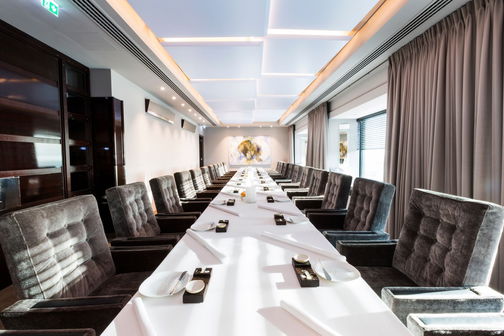
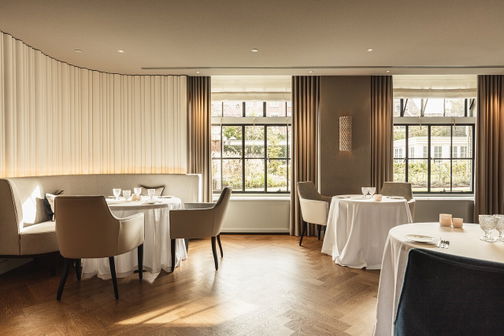
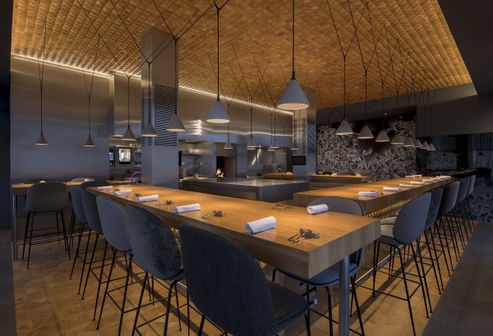
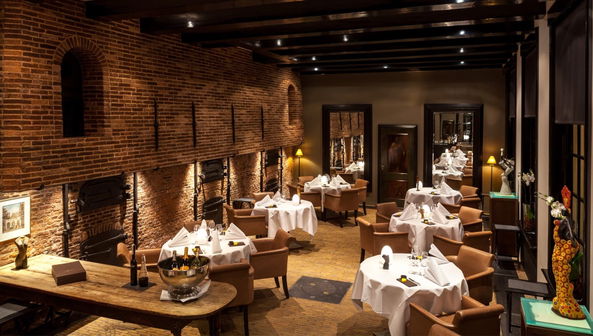
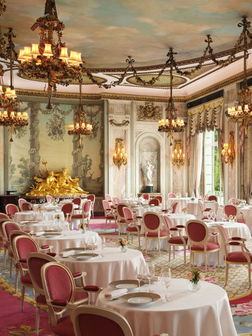
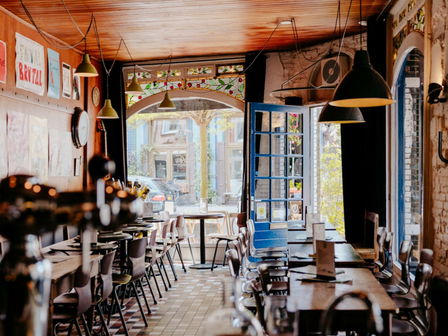
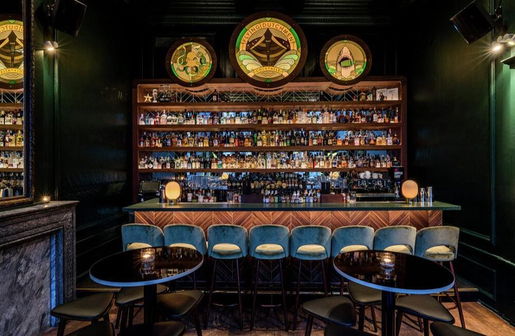
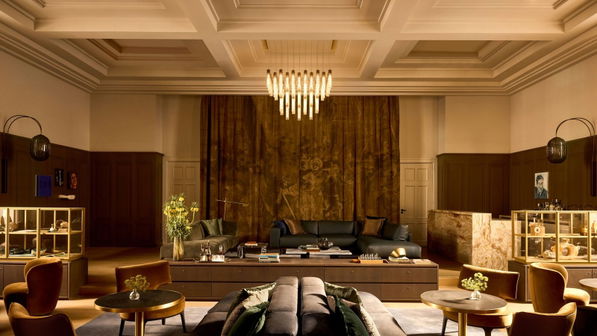
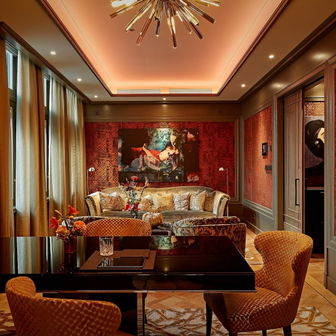
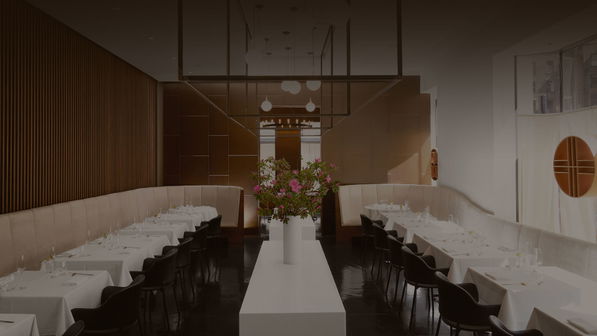
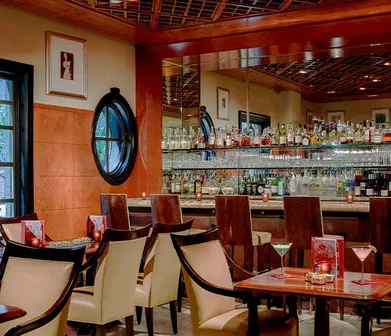
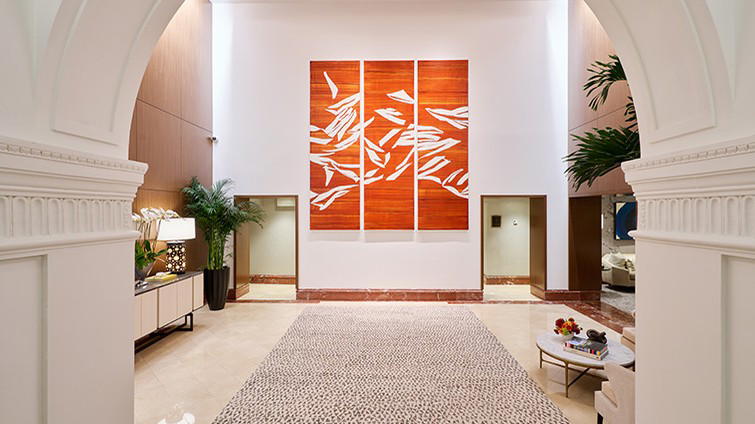
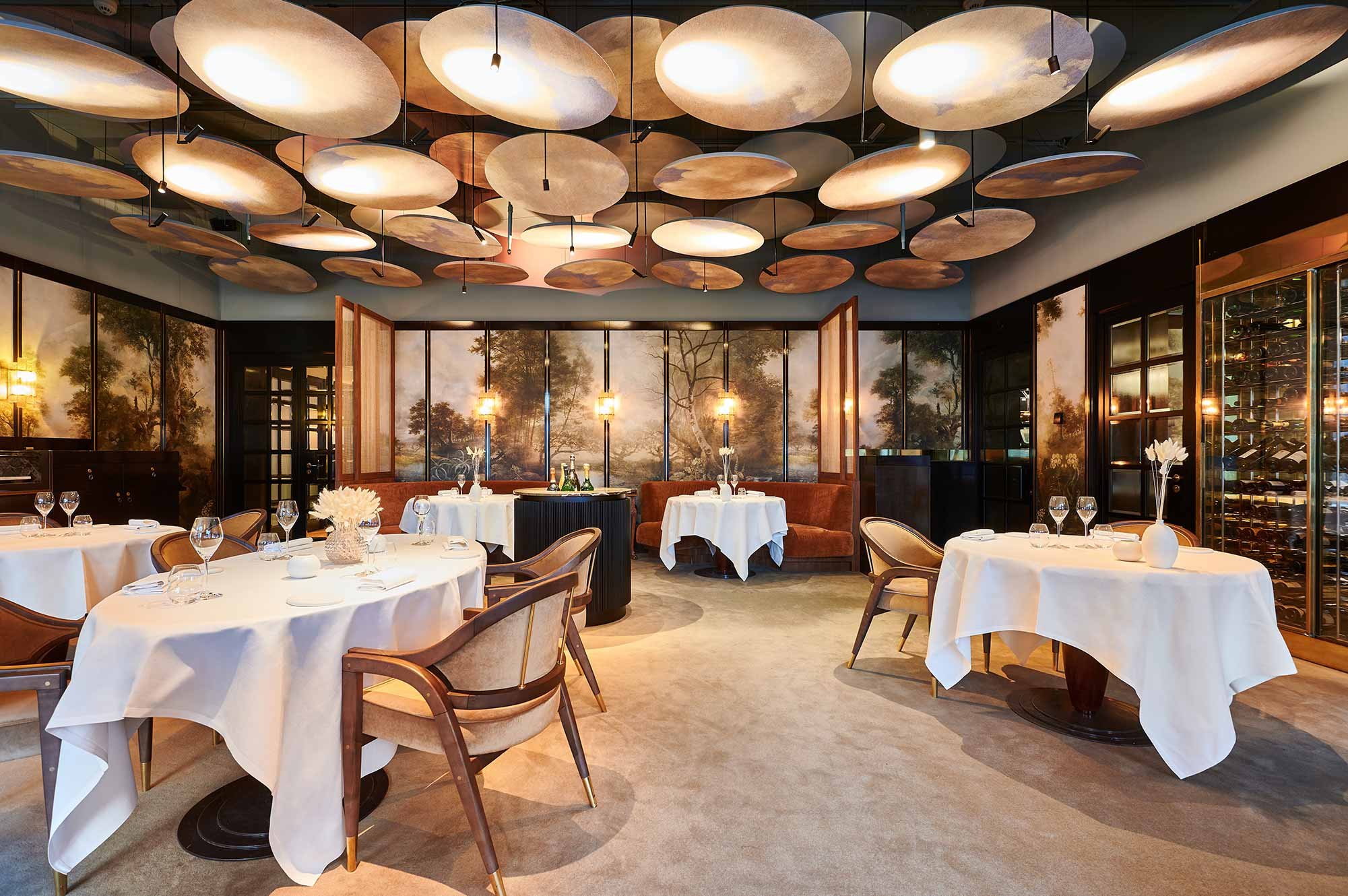
Flore is the restaurant that replaced Bord'Eau inside Hotel de l'Europe, the transformation has been substantial. Under head chef Bas van Kranen, the kitchen moved away from a classical French identity toward a programme defined almost entirely by vegetables, plants, seasonal Dutch produce. The dining room feels spacious and clubby; think natural materials, controlled lighting, the kind of low ambient noise that makes conversation possible throughout the meal. It does not feel like a hotel restaurant trying to be something more; the room holds its own.
The energy here is measured rather than electric. If you come expecting the buzzy unpredictability of a neighbourhood restaurant, you will find Flore a different register entirely. The mood is focused and deliberate, which suits the format: this is a slow, multi-course experience that asks something of the diner. The team operates with a clear collective direction, that coherence is noticeable from the moment you are seated.
The wine programme is serious. Wine Director Antonello Nicastri oversees a list of around 1,400 selections from an inventory of 9,000 bottles, with particular strength in France, Italy, Austria. Star Wine List ranked it among its leading Amsterdam picks in both 2024 and 2025. If wine pairing matters to you, this is one of the few Amsterdam restaurants where the list genuinely supports the food at this level. The corkage fee is €80 if you bring your own.
Multi-Visit Strategy
If you have already been once, the question is how to approach a second or third visit intelligently. The Botanic Menu is the constant, it runs all year, but the seasonal framework means the menu shifts meaningfully across spring and summer (when van Kranen turns to the North Sea alongside plant ingredients) and autumn and winter (when game appears). Booking in two different seasons will give you a substantially different experience: the botanical architecture of the menu remains consistent, but the ingredients anchoring each course change.
On a second visit, ask to be seated at a position where you can observe the service flow more closely. The kitchen's approach to textural contrast and flavour layering, as evidenced in the detail around seasonal fruits, fig peel oil, hazelnut emulsions noted in the restaurant's own framing, rewards attention you may not have given fully on a first visit. The sommelier team, which includes Lars Kleverlaan and Freek Pongers alongside Nicastri, is worth engaging directly on a return visit; with 1,400 selections and strength across three regions, there is room to explore beyond a standard pairing package.
A third visit is justified if the plant-based format is something you want to track at the highest level. Van Kranen has an explicit stated goal of positioning Flore at the top of the global pure plant movement, the We're Smart recognition suggests the kitchen is operating with that ambition consistently rather than sporadically.
Booking
Booking difficulty is rated Near Impossible. Plan a minimum of eight to twelve weeks ahead, expect to find limited availability even then. Flore is currently operating a pop-up at Basecamp Amsterdam (Tom Schreursweg 40, 1067 MC Amsterdam) while the main Hotel de l'Europe location is temporarily closed, confirm which location is active and check availability directly before making travel plans around a reservation here. Arrival at the Nieuwe Doelenstraat address without a confirmed booking is not a viable approach.
The cuisine pricing is in the €€€€ tier, with meals at the €66+ level for a typical two-course reference point, though the tasting menu format here means your actual spend will be meaningfully higher. Budget accordingly, factor in wine pairing separately given the strength of the list.
Know Before You Go
- Address (main): Nieuwe Doelenstraat 2-14, 1012 CP Amsterdam
- Current pop-up: Basecamp Amsterdam, Tom Schreursweg 40, 1067 MC Amsterdam (confirm before visiting)
- Price tier: €€€€ (tasting menu format; budget above the two-course baseline)
- Wine list: 1,400 selections, 9,000 bottles in inventory; France, Italy, Austria strengths
- Corkage: €80
- Meals served: Lunch and dinner
- Booking window: 8–12 weeks minimum; rated Near Impossible
- Awards: Michelin 2 Stars (2024); We're Smart Green Guide top-ranked; Star Wine List (2024, 2025)
- Chef: Bas van Kranen
- Wine Director: Antonello Nicastri
- General Manager: Robert-Jan Woltering
- Format: Plant-forward tasting menu (Botanic Menu, 80 plants); seasonal variations
Amsterdam Fine Dining Context
Flore sits at the top of Amsterdam's plant-forward fine dining tier, there is no direct equivalent in the city operating at this award level in this format. For the wider Amsterdam fine-dining scene, see our full Amsterdam restaurants guide. If you are exploring the Netherlands more broadly, De Librije in Zwolle, 't Nonnetje in Harderwijk, Aan de Poel in Amstelveen, De Bokkedoorns in Overveen, Brut172 in Reijmerstok, and De Groene Lantaarn in Staphorst cover the country's Michelin-level range. For international reference points in the plant-forward fine dining category, Atomix in New York City and Le Bernardin in New York City give a sense of where Flore sits on a global scale, though in a different culinary idiom. Amsterdam visitors should also check our Amsterdam hotels guide, bars guide, wineries guide, and experiences guide.
Located inside
 HotelDe L’Europe AmsterdamFull hotel guide
Planning details
- Location
- Nieuwe Doelenstraat 2-14, 1012 CP Amsterdam, Netherlands
- Reservations
- Book on SevenRooms
- Website
- restaurantflore.com
- Phone
- +31 20 730 3398
The take
The Take
The Vibe
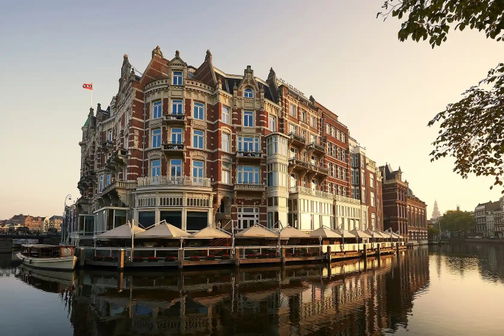
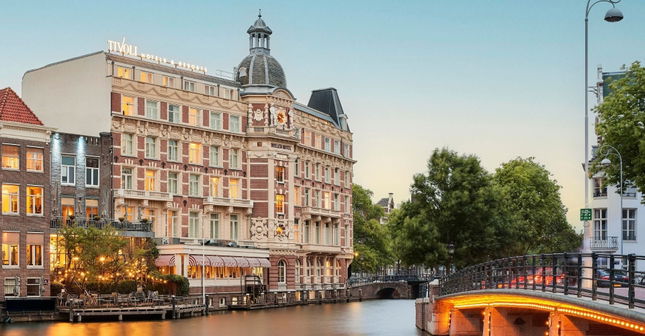
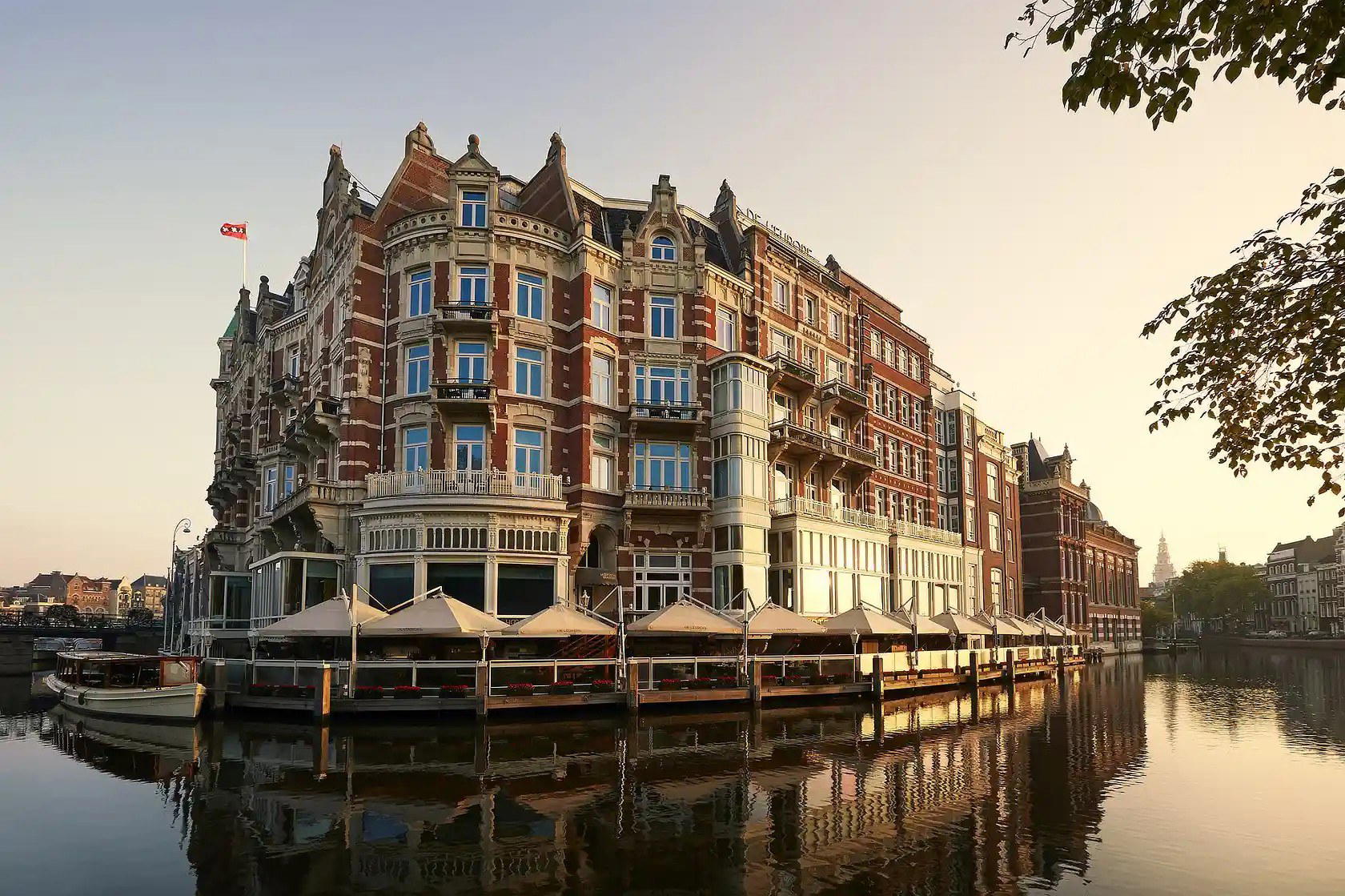
Flore sits in the hushed, canal‑front hush of Hotel de L'Europe and pairs historic architecture with a clubby, intimate dining room. The 19th‑century facade and the quiet lap of water outside prime the occasion; inside, natural materials and a deliberately composed interior feel studied rather than ostentatious. The overall impression is quietly refined: a place where design and provenance are in clear conversation, and where the room’s warmth and old‑world setting frame a cuisine rooted in the land. It reads as a considered, classic dining experience that keeps the focus on what arrives on the plate.
Best For
Flore presents itself as fine dining with serious culinary intent, making it a natural choice for date nights, special occasions and business dinners. Housed within Hotel de L'Europe on a canal, the restaurant’s setting and price positioning put it in the same competitive tier as Amsterdam’s leading French‑inflected tables. The atmosphere—spacious yet clubby—supports attentive, formal service and an evening‑forward meal format. Guests seeking a memorable, polished dinner driven by seasonality and close supplier relationships will find Flore aligned with those expectations.
Ordering Tips
The Botanic Menu is the clearest expression of what Flore is about: a plant‑based tasting built from some 80 plant varieties and anchored by biodynamic suppliers. Chef Bas van Kranen removes dairy from production and lets the season determine supplementary elements (game in autumn/winter; North Sea ingredients in spring/summer), so expect variations across the year. If you want the restaurant’s signature identity on a plate, opt for the Botanic Menu and note standout preparations listed for the house—vegetables, fruit, herbs and flowers compositions, the fried oyster in miso and the tomato-and-raspberry dessert are examples that illustrate its range.
Planning details
Location
Nieuwe Doelenstraat 2-14, 1012 CP Amsterdam, Netherlands · Directions
Recognition and awards



Restaurant context
At the €€€€ tier with two Michelin stars, Flore and Ciel Bleu are Amsterdam's clearest like-for-like comparison at the top of the market. Ciel Bleu operates from the Okura Hotel and covers a broader creative range, including protein-led courses, making it the better choice if the strictly plant-based format at Flore is not what you want. For pure award-level ambition and a singular point of view, Flore has the stronger case; but the format demands commitment to the concept. If you are uncertain, Ciel Bleu is the safer first booking.
Bolenius sits at the same €€€€ price point and emphasises Modern Dutch and seasonal produce, but with a more relaxed register and an easier booking window. It is the right alternative if you want local-product focus without the intensity of Flore's full plant-based programme. At €€€, De Kas is the most accessible farm-to-table option, set in a converted greenhouse with organic produce grown on site; a genuinely different atmosphere and a lower spend, though it operates a tier below on format and award recognition. Wils and BAK both offer seasonal and farm-to-table approaches at €€€ with shorter booking lead times, making them practical alternatives when Flore is fully booked out.
The practical decision comes down to this: if you specifically want plant-forward fine dining at the highest credentialed level in Amsterdam, Flore has no direct competition in the city. If you want Michelin-level creativity with more format flexibility, Ciel Bleu is the answer. If budget is a factor, De Kas gives you the closest philosophical overlap at a meaningfully lower price point.
Around this place
Discover more on Pearl
Unlock the full Flore guide in Pearl, including awards, comparisons, FAQs, planning details, and nearby places.
FAQ
Frequently Asked Questions
Is Flore worth the price?
For a plant-focused tasting menu at two Michelin star level, yes. The Botanic Menu; built from 80 different plants; sits at €€€€ pricing, which is consistent with Amsterdam's top fine dining tier. The We're Smart Green Guide places it among the finest 100% pure plant dining experiences in the world, the wine list runs to 1,400 selections with a Wine & Dine accreditation from World of Fine Wine. If you want a conventional meat-led tasting menu, this format will not suit you; if plant-forward fine dining is the point, Flore is the strongest argument for it in the city.
What should I order at Flore?
Flore operates on a set menu format, so there is no à la carte ordering. The Botanic Menu is the experience; a tasting menu built from 80 different plants, running year-round as the constant, with seasonal shifts in spring and summer toward North Sea produce and in autumn and winter toward game. Adding the wine pairing from sommelier Lars Kleverlaan or Freek Pongers is worth considering given the depth of the list, particularly its French, Italian, Austrian strengths.
What are alternatives to Flore in Amsterdam?
Ciel Bleu (two Michelin stars, Hotel Okura) is the closest like-for-like on award level and price, but takes a classical French approach rather than plant-forward. De Kas is the obvious alternative if you want seasonal, locally grown produce in a more relaxed setting and at a lower price point. Bolenius also works from kitchen garden produce at one Michelin star level and is easier to book. BAK and Wils are worth considering if you want chef-driven seasonal cooking without the full fine dining commitment of a two-star set menu.