
Ajinotabibito Roman
Japanese · Nara
Restaurant in Nara, Japan
 Book with Pearl
The Read
Calendar-Driven Washoku
Price
$100–150per person
Dress
Smart Casual
Why go
Ajinotabibito Roman earned its 2024 Michelin star on the strength of a monthly-rotating menu that fuses traditional Japanese dishes with home-cooking references — chargrilled ayu in June, curry in July, cold miso soup in August. With a small family-run kitchen, reservations are genuinely hard to secure. Book two to three months out and align your visit with the seasonal menu that appeals most.
About Ajinotabibito Roman
Verdict: Worth the Effort to Book — But Plan Months Ahead
Getting a seat at Ajinotabibito Roman is genuinely difficult. If you are planning a trip and this restaurant is on your list, treat the reservation as the fixed point and build your itinerary around it — not the other way around. The cooking here is personal, seasonal, and unlike the kaiseki formality you find across much of the ¥¥¥ tier in the region. Whether the style suits you depends on what you want from a Japanese dinner, and this portrait is designed to help you figure that out before you try to book.
What Ajinotabibito Roman Actually Is
Chef Tomio Onda describes himself as a "taste traveller", a framing that matters practically, not just philosophically. The monthly menu rotates around a seasonal theme, drawing on old cookbooks, regional home cooking, and traditional Japanese dishes rather than any single culinary school. In June, that means chargrilled ayu. July brings curry. August shifts to cold miso soup. These are not the dishes you encounter at the average ¥¥¥ Japanese restaurant. They are specific, considered, and rooted in a particular idea of what a summertime meal in Japan should feel like.
Onda's path was self-directed: he started at a general eatery, sought out historical cookbooks independently, and developed his technique without the formal apprenticeship structure that defines most high-end Japanese cooking careers. The result is a kitchen with a strong point of view, and a menu that shifts enough month to month that a second or third visit delivers a meaningfully different experience. His daughters also work in the kitchen, which gives the operation a family-run character that shapes the atmosphere as much as the food does.
A Multi-Visit Strategy
If you can only visit Nara once, aim for the month whose menu most appeals to you based on the seasonal framework above. June through August, with the ayu, curry, and cold miso soup progression, represents the most documented stretch of the calendar. But the logic of the restaurant rewards return visits more than most Michelin-starred destinations in the region.
On a first visit, focus on understanding the seasonal theme and the structural rhythm of the meal, how Onda moves between traditional and home-cooking registers. On a second visit, you can engage more deliberately with how the menu has shifted and what the new seasonal framing reveals. A third visit, ideally in a different season entirely, gives you the full span of what Onda is doing across the year. This is not a restaurant with a fixed greatest hits menu. The monthly rotation is the product. Plan accordingly.
For context on what else the Nara dining scene offers across multiple visits, see our full Nara restaurants guide.
How It Compares
At the ¥¥¥ tier in Nara, your main alternatives are Wa Yamamura for traditional kaiseki, Araki for sushi, akordu for Spanish-influenced innovation, Tama for Okinawan-French fusion, and NARA NIKON for a more direct Japanese experience. Each sits at the same price tier, but they serve fundamentally different purposes.
If you want formal kaiseki structure and the full traditional service arc, Wa Yamamura is the more appropriate choice. If you want technically precise sushi, Araki delivers that focus without the seasonal home-cooking register that Ajinotabibito Roman operates in. For first-timers who want to understand what makes Ajinotabibito Roman worth the booking difficulty, the comparison that matters most is with NARA NIKON: Ajinotabibito Roman is harder to book, more personal in character, and more dependent on seasonal timing, but it has the Michelin recognition and the 4.9 rating to justify the extra effort.
If booking difficulty is your deciding factor and Ajinotabibito Roman turns out to be unavailable, Oryori Hanagaki and Ajinokaze Nishimura are worth considering as fallbacks within Nara's Japanese dining tier. For a broader perspective on Nara's food scene, including bars and experiences, see our full Nara bars guide and our full Nara experiences guide.
Practical Details
Reservations: Book as far ahead as possible, two to three months is not excessive for a 2024 Michelin-starred restaurant with a 4.9 rating and a small, family-run kitchen. Walk-in availability is not confirmed and should not be assumed. Price Range: ¥¥¥, consistent with Nara's top-tier dining options. Location: 485 Sanjocho, Nara, 630-8244, Japan, central Nara, accessible by rail from Kyoto and Osaka. Dress: Not formally specified, but smart casual is appropriate for a Michelin-starred setting of this type. Group Size: The family-run character of the kitchen suggests intimate seatings; large groups should confirm availability before booking. Timing: If your visit has flexibility, align with a month whose seasonal menu appeals, June for ayu, July for curry, August for cold miso soup are the documented anchors.
Pearl Ratings
- Food:
- Recognition: Michelin 1 Star (2024)
- Booking Difficulty: Hard
- Value at Price Tier: Strong, the monthly menu rotation means repeat visits deliver new content at the same price point
If You Are Exploring Beyond Nara
Nara sits within easy reach of some of Japan's most recognised restaurant destinations. HAJIME in Osaka and Gion Sasaki in Kyoto are the two most obvious additions to a Kansai itinerary built around serious Japanese cooking. For those extending further, Harutaka in Tokyo and Myojaku in Tokyo are worth noting, as is Azabu Kadowaki for Japanese cooking at a similar personal-chef register. Goh in Fukuoka is the comparison point if you are travelling south. For the Nara hotel and winery picture, see our full Nara hotels guide and our full Nara wineries guide.
Planning details
- Location
- 485 Sanjocho, Nara, 630-8244, Japan
- Phone
- +81 742-26-1881
The take
The Take
The Vibe
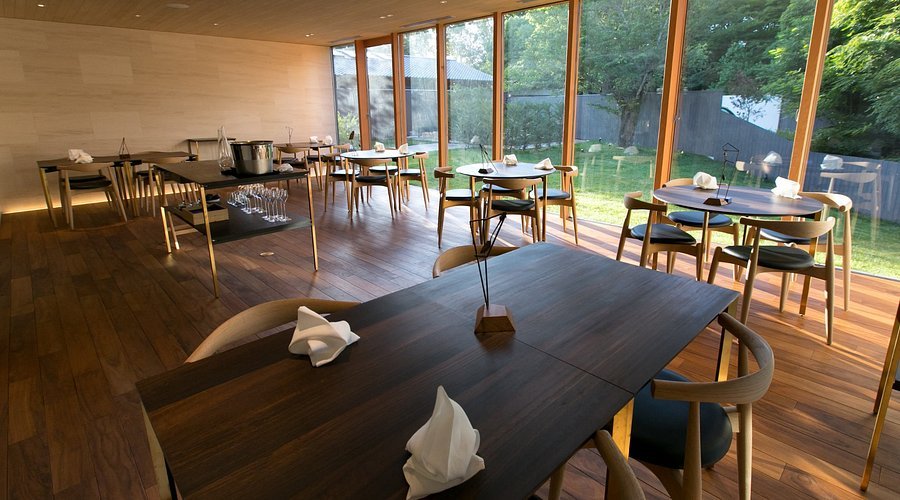
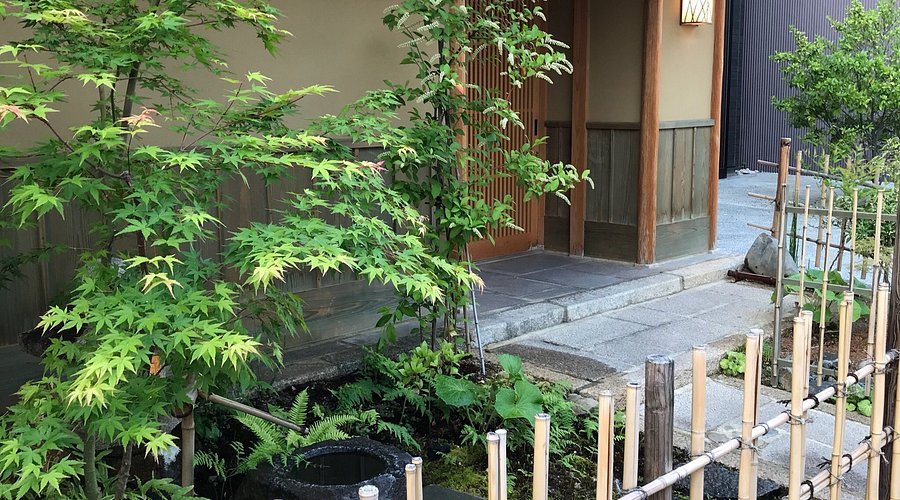
Ajinotabibito Roman feels rooted, refined and quietly assured. The room’s small scale and owner-operated kitchen foreground seasonality and technical precision rather than showy presentation. The writing highlights a calendar-driven approach to menus, a respect for local freshwater and coastal rhythms, and a kitchen that responds to what lands at the pass. Located in central Nara, within walking distance of older merchant streets, the restaurant reads as a contemporary outgrowth of regional tradition: not flashy, but exacting and deliberate. Its 2024 Michelin one-star underlines consistency and care across changing months and ingredients.
Best For
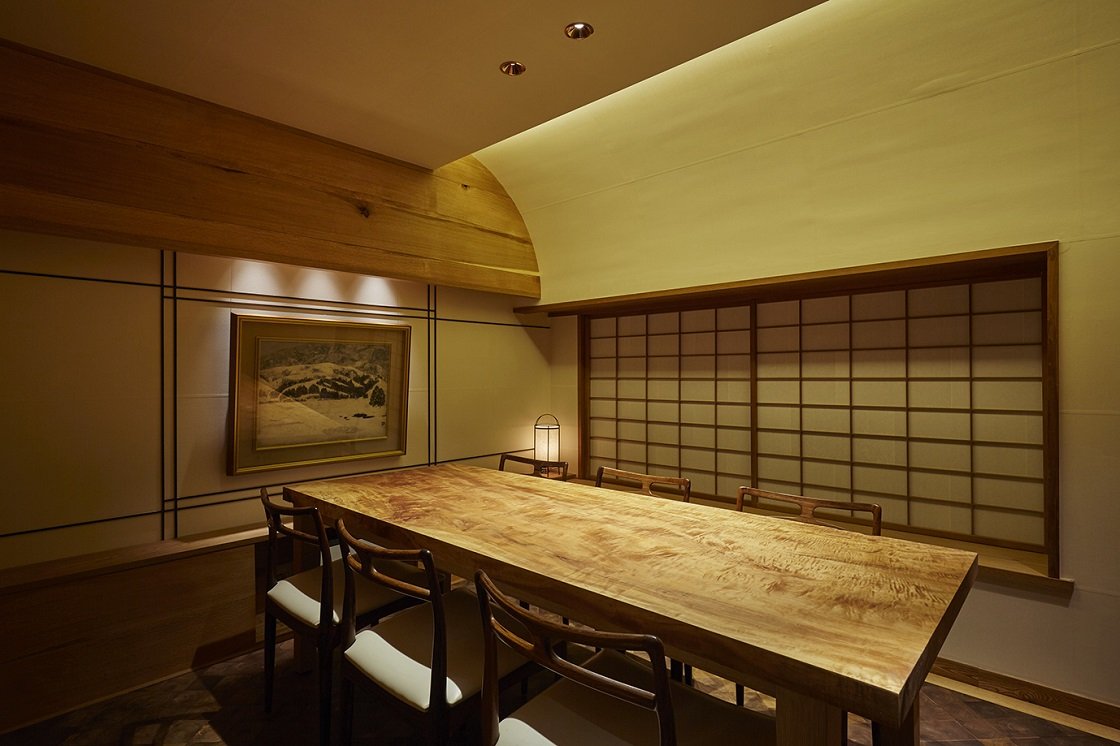
This is a place for diners who prize seasonal exactitude and focused tasting programmes. Operating at a ¥¥¥ price tier and recognised with a Michelin one-star, Ajinotabibito Roman is best suited to an attentive evening where the monthly menu is the point of the meal. The format rewards guests who want to follow Japan’s ingredient calendar—experiencing what’s at peak, from coastal catches to river fish—rather than those seeking à la carte variety. Its intimate rooms and concentrated service make it particularly fitting for refined, low-key special evenings.
Ordering Tips
The kitchen runs a calendar-driven monthly menu, so expect a rotating prix-fixe that highlights seasonal peaks; the June programme, for example, centres on chargrilled ayu, a benchmark ingredient in traditional Japanese kitchens. Because the menu answers to the ingredient calendar rather than permanent signature plates, guests should come ready to embrace what the season supplies. The Michelin recognition and ¥¥¥ price bracket signal a consistent, seasonally focused experience. The restaurant’s central Nara address places it within easy reach of the city’s older merchant streets, framing the meal as part of a local exploration.
Venue details
Ambiance
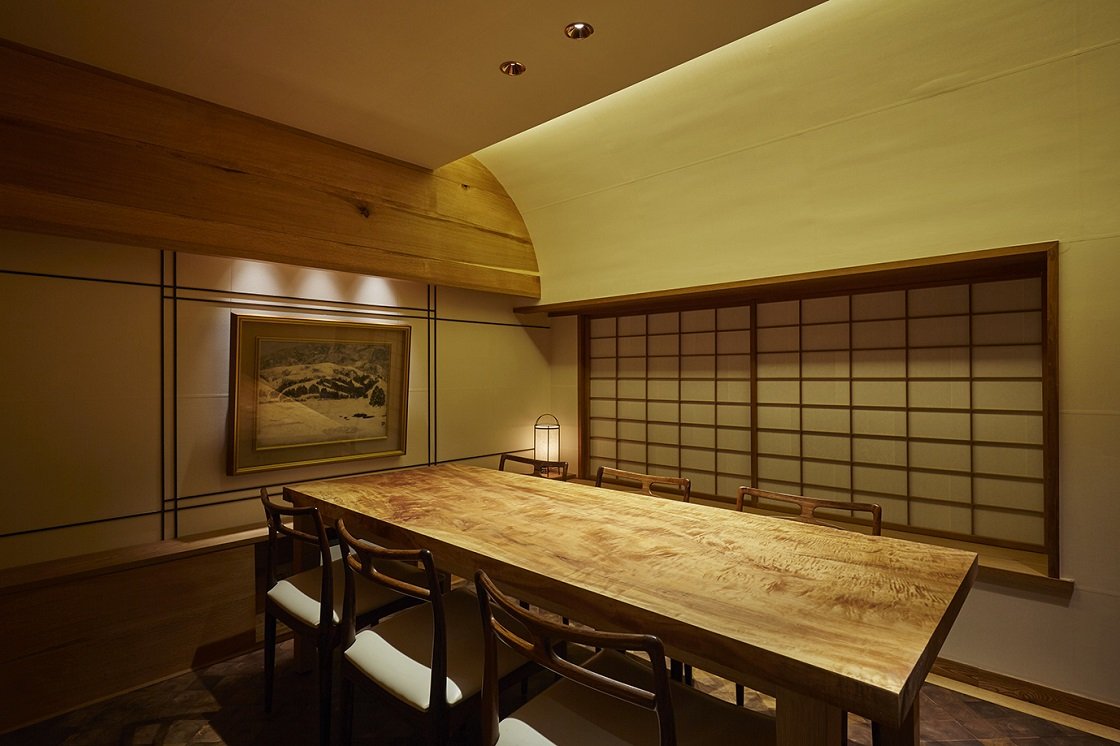
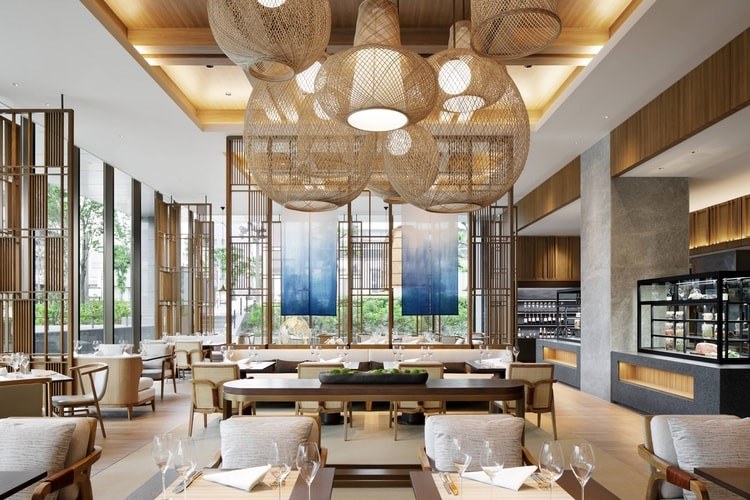
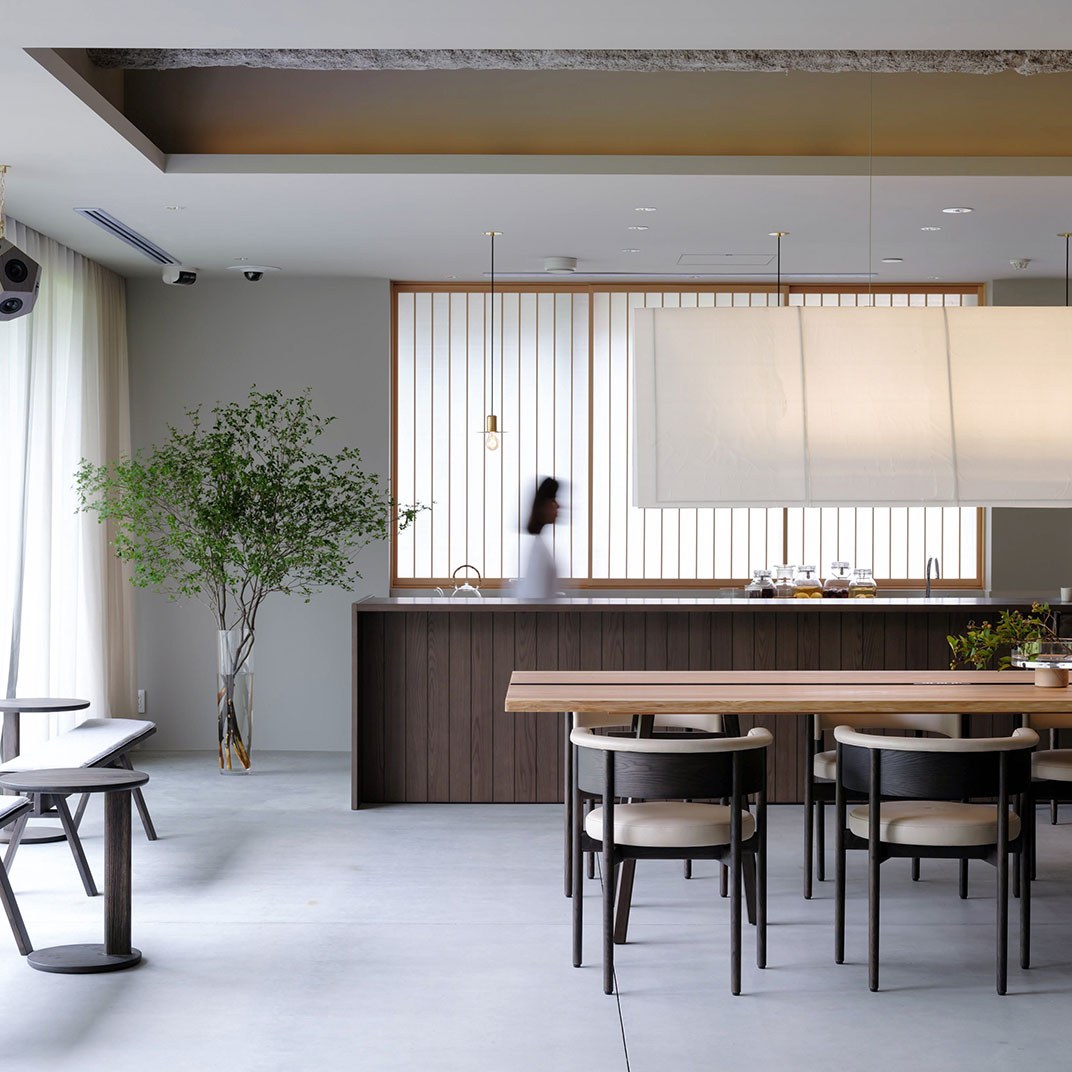
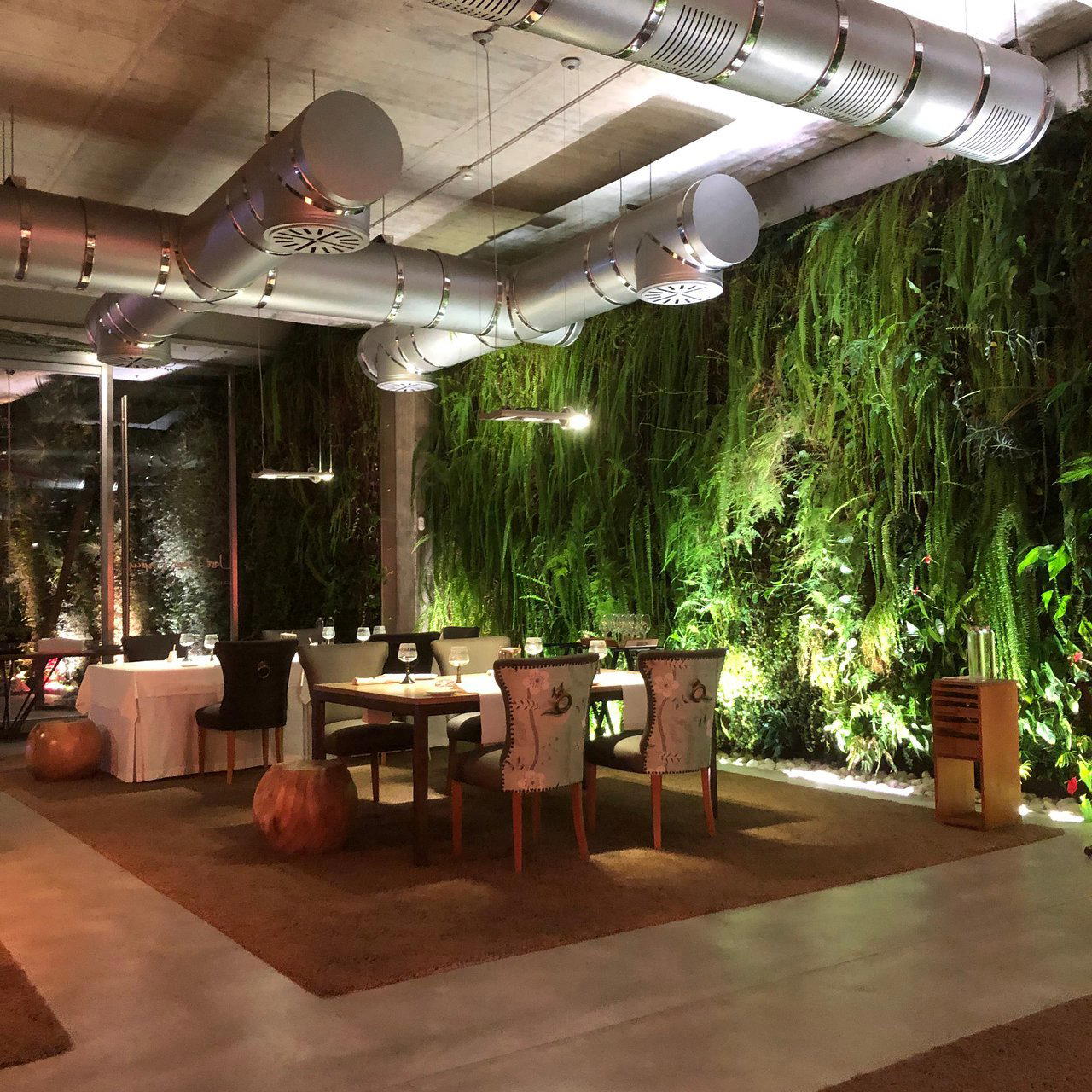
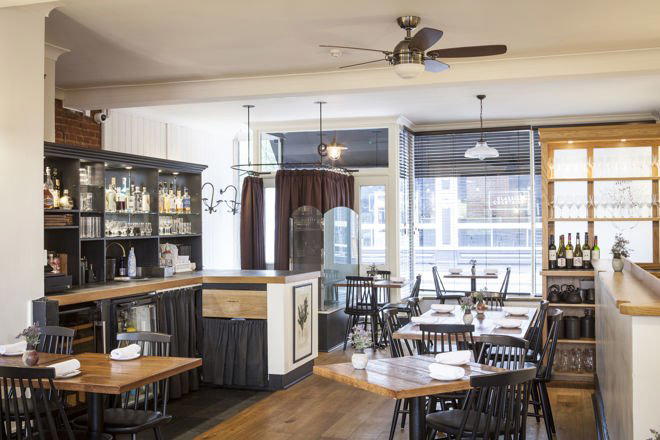
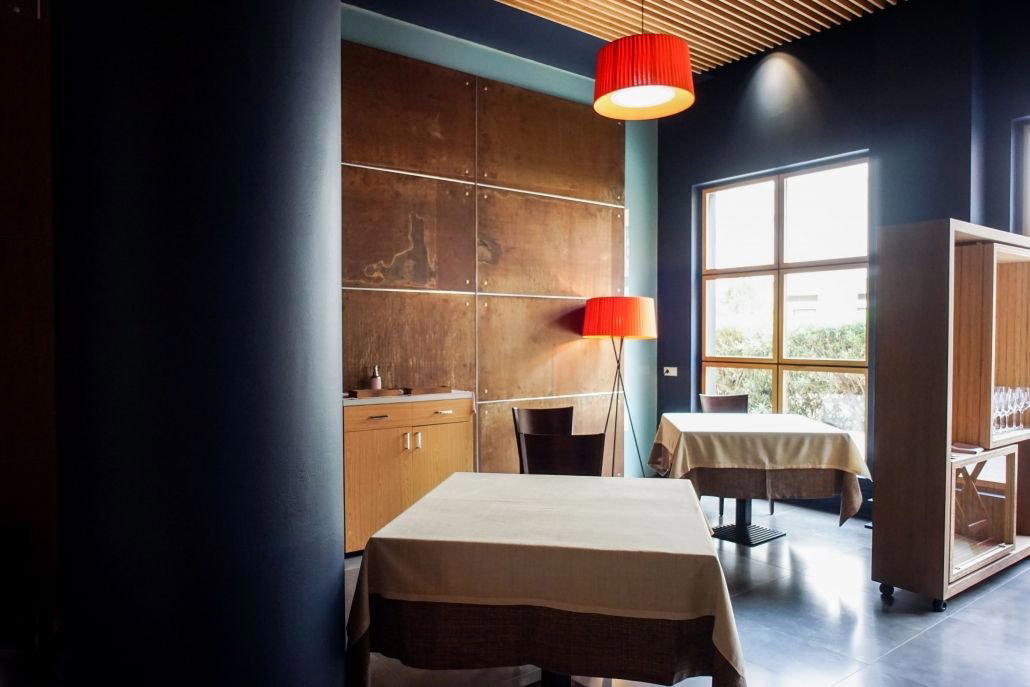
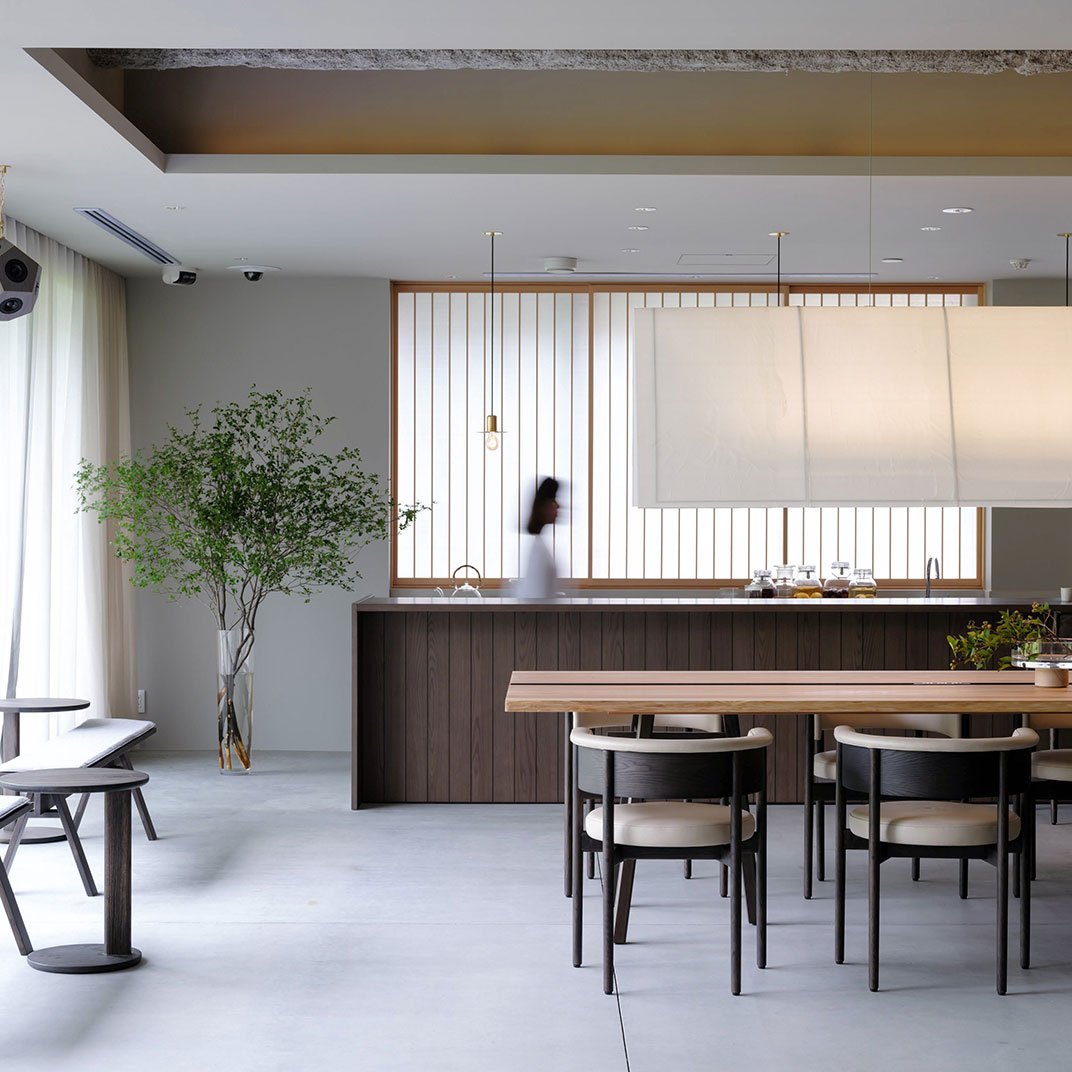
Calm, inviting, and warm atmosphere with gracious family service and focus on simple, heartfelt dishes.
Tags
Vibe
Best For
Sourcing
Accessibility
At the Table
- Dress Code
- Smart Casual
- Noise Level
- Quiet
- Service Style
- Formal
- Meal Pacing
- Leisurely
- Capacity
- Intimate
- Kitchen
- Traditional
- Menu Format
- Tasting menu, Set menu
- Wine Program
- Curated
Know before you go
Know Before You Go
- Getting there
- 485 Sanjocho, Nara, 630-8244, Japan
Planning details
Location
485 Sanjocho, Nara, 630-8244, Japan · Directions
Recognition and awards
Also consider
Also Consider
- akordu, Spanish, Innovative, ¥¥¥
- Wa Yamamura, Kaiseki, Japanese, ¥¥¥
- Araki, Sushi, Japanese, ¥¥¥
- Tama, Okinawan, French, ¥¥¥
- NARA NIKON, Japanese, ¥¥¥
Restaurant context
Within Nara's ¥¥¥ tier, Wa Yamamura is the clearest alternative if formal kaiseki structure matters to you. It delivers the seasonal progression and service formality that Ajinotabibito Roman deliberately steps away from. If you want precision sushi rather than a seasonal home-cooking register, Araki is the more focused choice. For something further outside the Japanese tradition, akordu brings a Spanish-innovative approach that has no direct equivalent in the city, and Tama offers Okinawan-French fusion at the same price tier.
Ajinotabibito Roman sits apart from all of them because of the monthly rotation and the self-directed, personal character of the cooking. It is the hardest to book of the group following its 2024 Michelin star, and it is the most dependent on seasonal timing, visiting in the wrong month relative to your preferences is a real risk. NARA NIKON is the most accessible fallback at the same price point if your dates do not align or the reservation proves impossible.
For first-timers to Nara choosing between these options: book Ajinotabibito Roman if the seasonal, personal-chef format appeals and you can plan far enough ahead. Choose Wa Yamamura if you want the kaiseki framework and a more predictable service experience. Use NARA NIKON as your practical backup. All five venues sit at ¥¥¥, so the decision comes down to format and booking availability rather than budget.
Explore Nara
Around this place
Discover more on Pearl
Unlock the full Ajinotabibito Roman guide in Pearl, including awards, comparisons, FAQs, planning details, and nearby places.
Compare Ajinotabibito Roman
| Venue | Location | Cuisine | Awards | Price |
|---|---|---|---|---|
| Ajinotabibito Roman | Nara | Japanese | 2025 Michelin 1 Star2024 Michelin 1 Star | ¥¥¥ |
| akordu | Nara | Spanish, Innovative | 2026 Tabelog Bronze · #142026 OAD Top Restaurants in Japan RecommendedMichelin Guide Nara 20262026 La Liste Top RestaurantsTabelog 100 - Innovative / Creative cuisine - 2025 · #762025 OAD Top Restaurants in Japan Ranked · #5192025 Tabelog Silver2025 Michelin 2 Stars2025 La Liste Top Restaurants | ¥¥¥ |
| Wa Yamamura | Nara | Kaiseki, Japanese | 2026 OAD Top Restaurants in Japan RecommendedMichelin Guide Nara 20262025 OAD Top Restaurants in Japan Ranked · #2052025 Michelin 1 Star2024 OAD Top Restaurants in Japan Ranked · #1952024 Michelin 1 Star2023 OAD Top Restaurants in Japan Highly Recommended | ¥¥¥ |
| Araki | Nara | Sushi, Japanese | 2026 Tabelog Bronze · #23Michelin Guide Nara 2026Tabelog 100 - Tempura - 2025 · #202025 Michelin Plate2025 Tabelog Bronze2024 Michelin Plate2023 OAD Top Restaurants in Asia Ranked · #24 | ¥¥¥ |
| Tama | Nara | Okinawan, French | Michelin Guide Nara 20262025 OAD Casual in Japan Ranked · #902025 Michelin Plate2024 OAD Casual in Japan Ranked · #802024 Michelin Plate2023 OAD Casual in Japan Ranked · #63 | ¥¥¥ |
| NARA NIKON | Nara | Japanese | 2026 Tabelog Bronze · #315Michelin Guide Nara 2026Tabelog 100 - Japanese cuisine - WEST - 2025 · #692025 La Liste Top Restaurants2025 Tabelog Bronze2025 Michelin 2 Stars2024 Michelin 2 Stars | ¥¥¥ |





.png?width=1200&quality=80)
How Ajinotabibito Roman Nara compares with similar nearby venues.
FAQ
Frequently Asked Questions
What should I order at Ajinotabibito Roman?
There is no à la carte — chef Tomio Onda runs a fixed monthly menu, so what you eat depends entirely on when you visit. The seasonal framework is the draw: chargrilled ayu in June, curry in July, cold miso soup in August. Pick your visit month based on which ingredients appeal most to you rather than trying to steer the menu once you arrive.
How far ahead should I book Ajinotabibito Roman?
Two to three months ahead is a reasonable minimum for a 2024 Michelin-starred restaurant running a small-format operation in Nara. Demand increased sharply after the star was awarded, and the monthly rotation means specific months fill faster than others. If you have a fixed travel window, book the day your dates are confirmed.
Is the tasting menu worth it at Ajinotabibito Roman?
At ¥¥¥ pricing with a 2024 Michelin star, Ajinotabibito Roman sits at a level where the value case depends on your appetite for chef-driven, self-taught Japanese cooking with a strong seasonal logic. Chef Onda built his repertoire from old cookbooks and regional traditions rather than formal culinary training, which gives the menu a character you will not find at convention-following Kyoto or Osaka counterparts. If that framing appeals, the price is justified. If you want a more classical kaiseki structure, Gion Sasaki in Kyoto is the stronger fit.
Is Ajinotabibito Roman good for a special occasion?
Yes, provided the occasion suits an intimate, chef-led format with no menu choice. The Michelin star and the involvement of Onda's daughters in the kitchen give it a personal, family-run character that works well for dinners where the experience itself is the point. For occasions requiring a private room or a large group, check capacity before booking as this is a small operation.
What are alternatives to Ajinotabibito Roman in Nara?
Within Nara, Wa Yamamura and Tama are the most direct comparisons for seasonal Japanese cooking. If you are willing to travel, HAJIME in Osaka operates at a higher technical register with multiple Michelin stars, and Gion Sasaki in Kyoto offers a more traditional kaiseki framework. Ajinotabibito Roman is the stronger pick if self-taught, monthly-rotation cooking with a local character is specifically what you are after.