

Tabelog 100 - Hot Pot - 2024: Japan’s Finest Hot Pot Destinations
Tabelog 100 (Hyakumeiten) Hot Pot selection for 2024. Tabelog publishes these as source-ordered lists of 100 restaurants.

Venues on this list
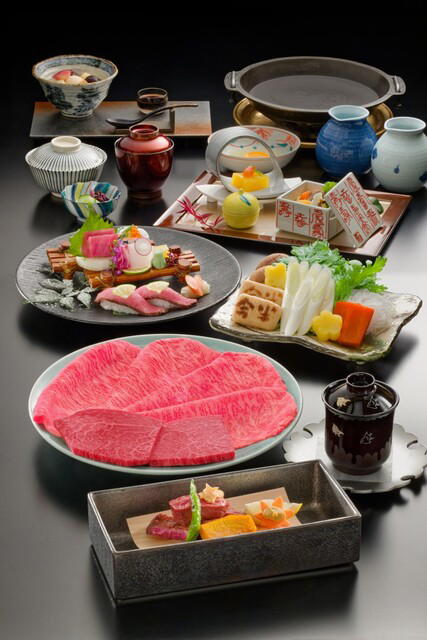
Ningyocho Imahan Ueno hirokoji ten
Tokyo, Japan
A 180-seat hot pot specialist in Ueno, named to Tabelog's 2024 Hot Pot 100. Sukiyaki, shabu-shabu, and steak run JPY 10,000–14,999 at dinner, with private rooms for two to eight and a kids' menu. One minute from Ueno-Hirokoji Station, it trades intimacy for capacity and convenience; book when group logistics outweigh chef-counter ambitions.
Imafuku
Tokyo, Japan
Imafuku is Tokyo's most consistently recognised sukiyaki specialist, ranked on Opinionated About Dining's Top Restaurants in Japan list three years running. Based in Shirokane, Minato City, it serves dinner only (Tuesday to Saturday) and suits occasions where quality of beef and broth execution matter. Book ahead and arrive with a specific evening in mind.
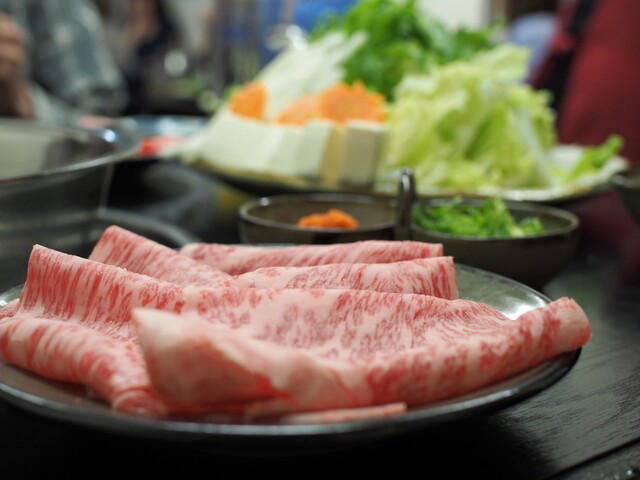
Yasuda
Osaka, Japan
Neighborhood hot-pot specialist in Miyakojima-ku earning Tabelog 100 recognition for shabu-shabu, beef tataki, and yakiniku at JPY 5,000–5,999. The 24-seat room splits between table and tatami seating; book on the 20th of the prior month and bring cash. Five minutes from Kema-cho 2-chome bus stop.
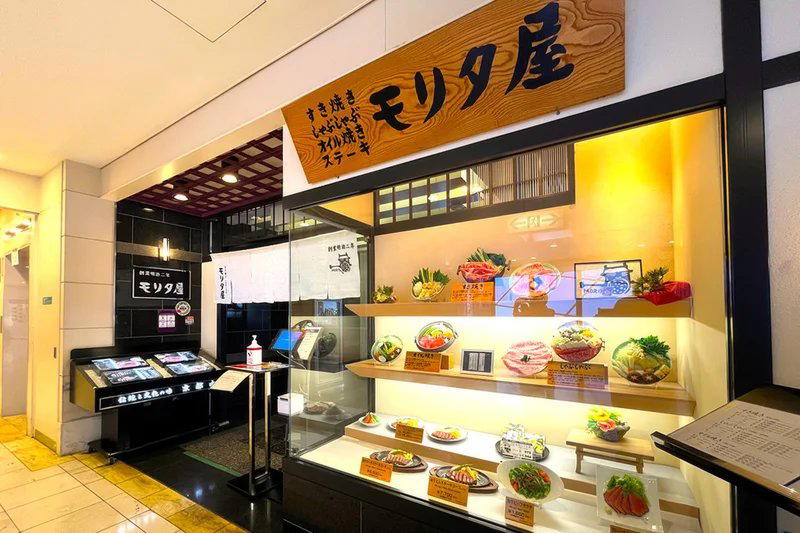
Morita Ya JR kyoto isetan ten
Kyoto, Japan
Tabelog Hot Pot 100 (2024) sukiyaki and shabu-shabu on JR Kyoto Isetan's 11th floor. Lunch runs JPY 2,000–2,999, dinner JPY 5,000–5,999. Walk-ins succeed most nights; tatami and private rooms available. Convenient for travelers staying near Kyoto Station, though noise level climbs after 7 PM.
Kitsune
Nara, Japan
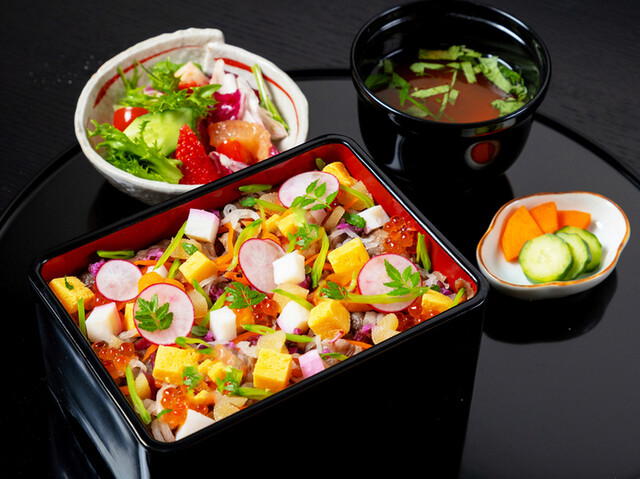
Kitsune reimagines sukiyaki as a multi-course progression, emphasizing Nara vegetables alongside premium beef in a contemporary 26-seat room. Dinner courses run JPY 10,000–14,999 with course-only service; lunch offers à la carte flexibility at JPY 4,000–4,999. Book if you want precision over tradition; Tabelog 100 recognition reflects the format's quality, but early last-order times and strict reservation policies require advance planning.
Arai Ya Bankokubashi ten
Yokohama, Japan
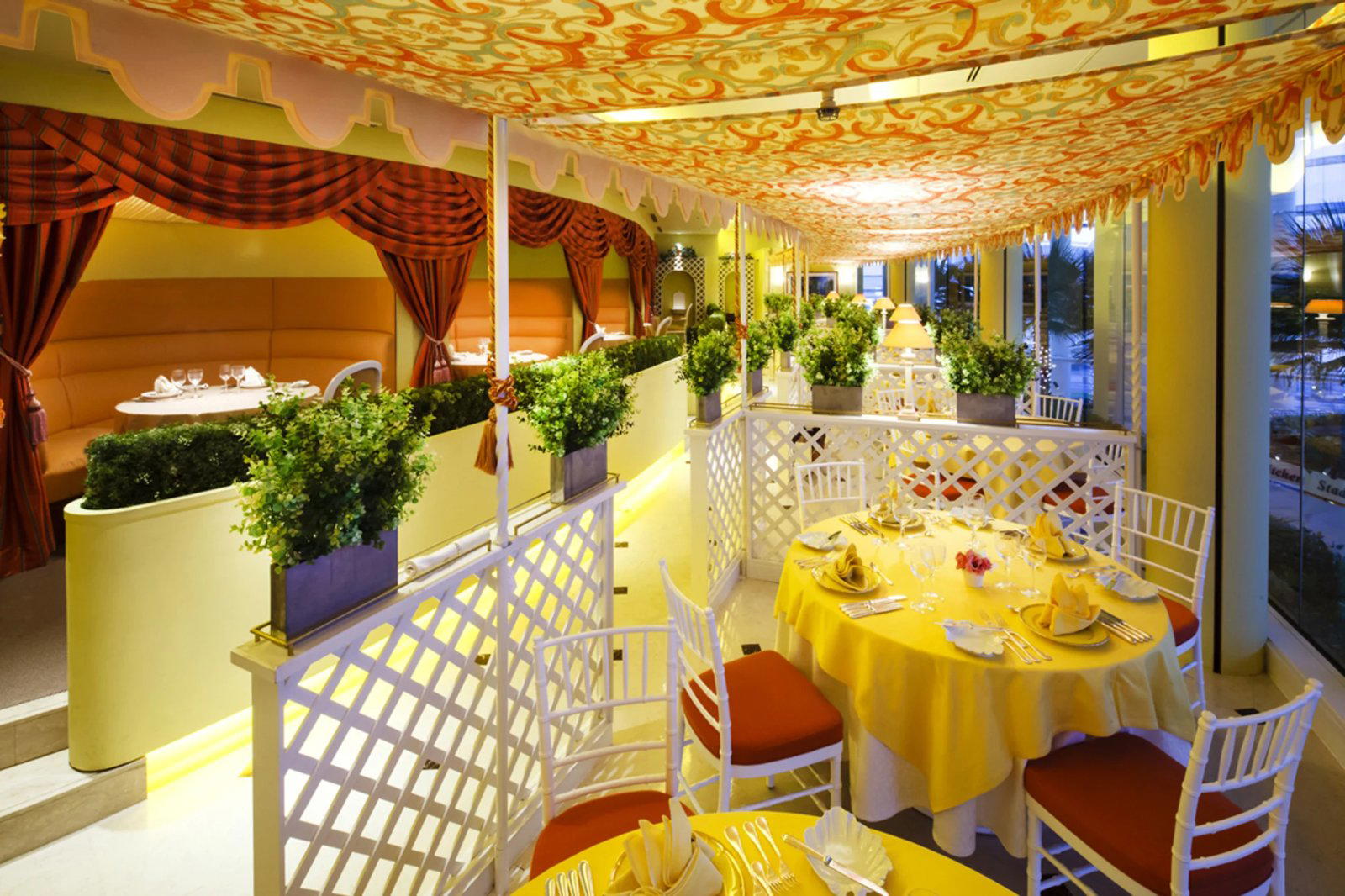
Kanto-style sukiyaki from Yokohama's 1895 hot-pot lineage, now in a 60-seat Bashamichi room with private tatami spaces and Tabelog 100 Hot Pot recognition. At JPY 8,000-9,999 for dinner (JPY 2,000-2,999 lunch), tableside service and family-friendly pacing make it a solid special-occasion choice without Tokyo pricing. Book ahead for semi-private rooms; the format favors groups over solo diners.
Sukiyaki Gyushabu Matsuju
Tsu, Japan
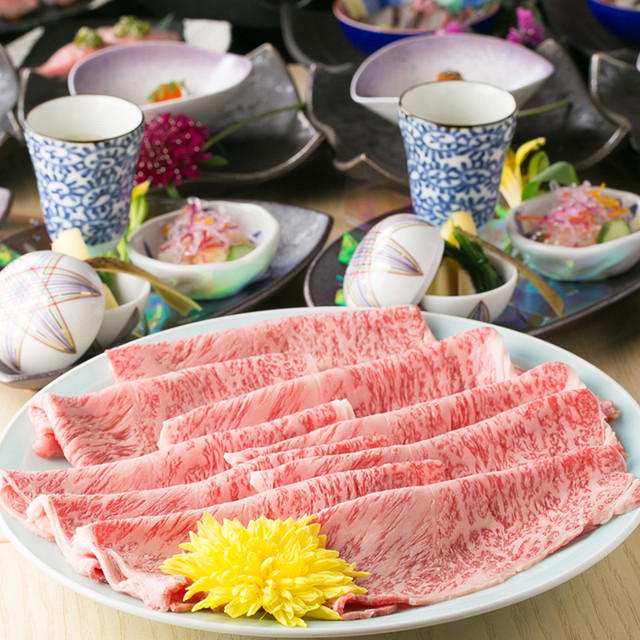
Tabelog Hot Pot 100 sukiyaki and shabu-shabu specialist one minute from Tsu station, operated by Asahiya butcher shop with vertical beef sourcing. Private rooms for 2–50, lunch JPY 1,000–1,999, dinner JPY 6,000–7,999; reservations easy, walk-ins possible at lunch.
Taka Fuku Nagoya JR sentoraru tawāzu ten
Nagoya, Japan
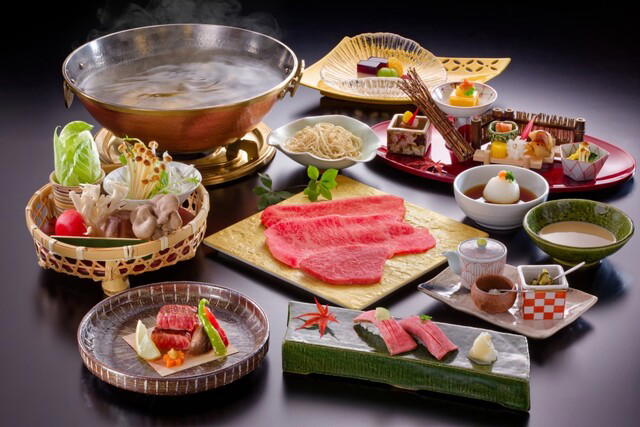
A Tabelog 100 Hot Pot 2024 selection on the 13th floor of JR Central Towers, Taka Fuku specialises in black wagyu shabu-shabu courses in a polished, family-friendly setting. Dinner runs JPY 15,000–JPY 19,999, lunch JPY 4,000–JPY 4,999. Private rooms for two to six are available, and the station-adjacent location makes it a practical choice for business or pre-departure dining.
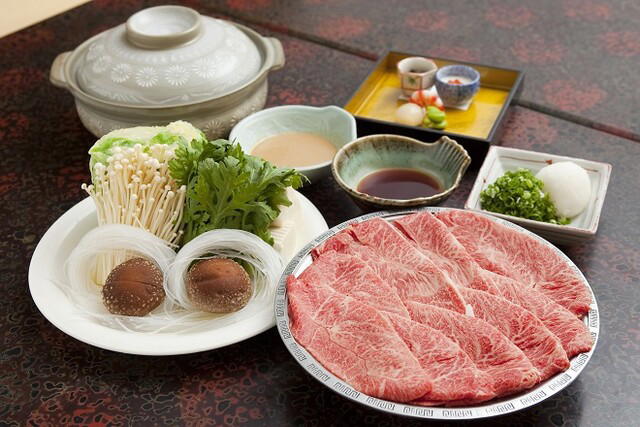
Hari Ju Doutonbori honten
Osaka, Japan
Century-old sukiyaki and shabu-shabu specialist in Dotonbori, serving premium black wagyu in a 200-seat traditional house with private tatami rooms. Tabelog 100 Hot Pot 2024 selection at JPY 8,000-9,999 dinner – well below peers at this tier, with easier booking and family-friendly policies. Best for groups and milestone meals without kaiseki-level pricing.
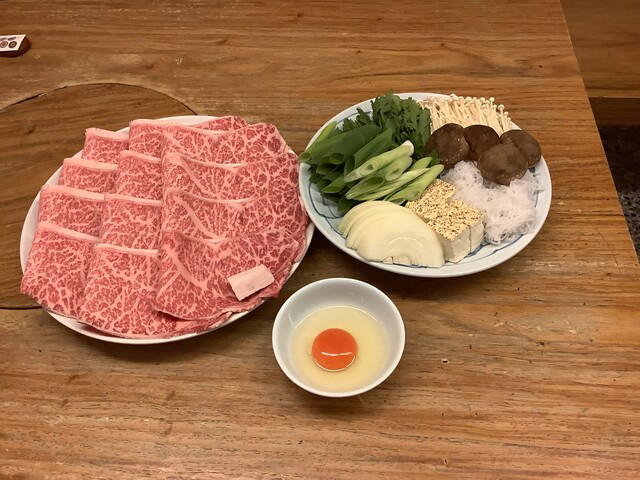
Matsuki Ya
Tokyo, Japan
Tabelog Hot Pot 100 honoree serving fish-forward sukiyaki in a three-zone room near Shinsen Station. Dinner runs JPY 8,000 to JPY 9,999, with a marble bar counter for solo diners, table seating for groups, and a private tatami room. Open Monday through Saturday, closed Sundays.
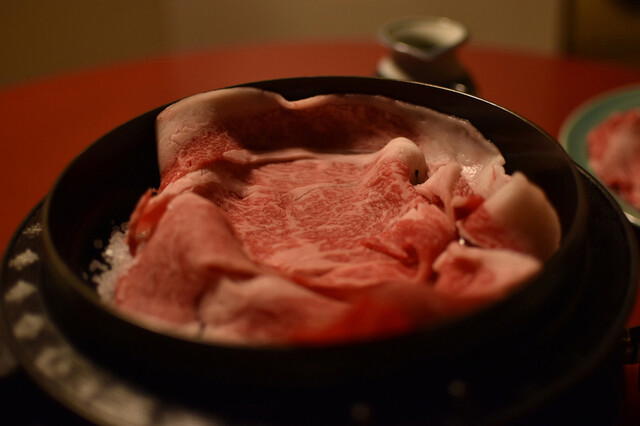
Sukiyaki Iroha Kita ten
Kyoto, Japan
A Pontocho sukiyaki specialist with tableside service and mid-tier wagyu at JPY 10,000–14,999. The 2024 Tabelog Hot Pot 100 recognition confirms consistent execution, and the tatami room with sunken seating adds atmosphere without kaiseki formality. Reservations are easy two to three weeks out, and private rooms suit small groups.
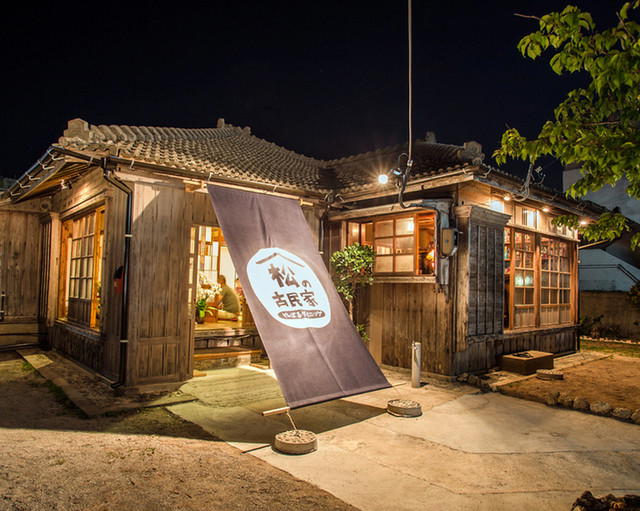
Yanbaru Dining Matsu no Kominka
Nago, Japan
Tabelog 100 Hot Pot selection (2024) serving rare Shima Kuro Agu pork shabu-shabu in a 70-year-old Ryukyu kominka. JPY 5,000-5,999 puts it 30-40% below Tokyo hot pot specialists, with a JPY 800 car service for groups who want to drink. Book 2-3 weeks ahead for weekends; counter seats offer kitchen theater, the 10-person private room suits families but isolates you from the action.
Yoyogi Imahan
Tokyo, Japan
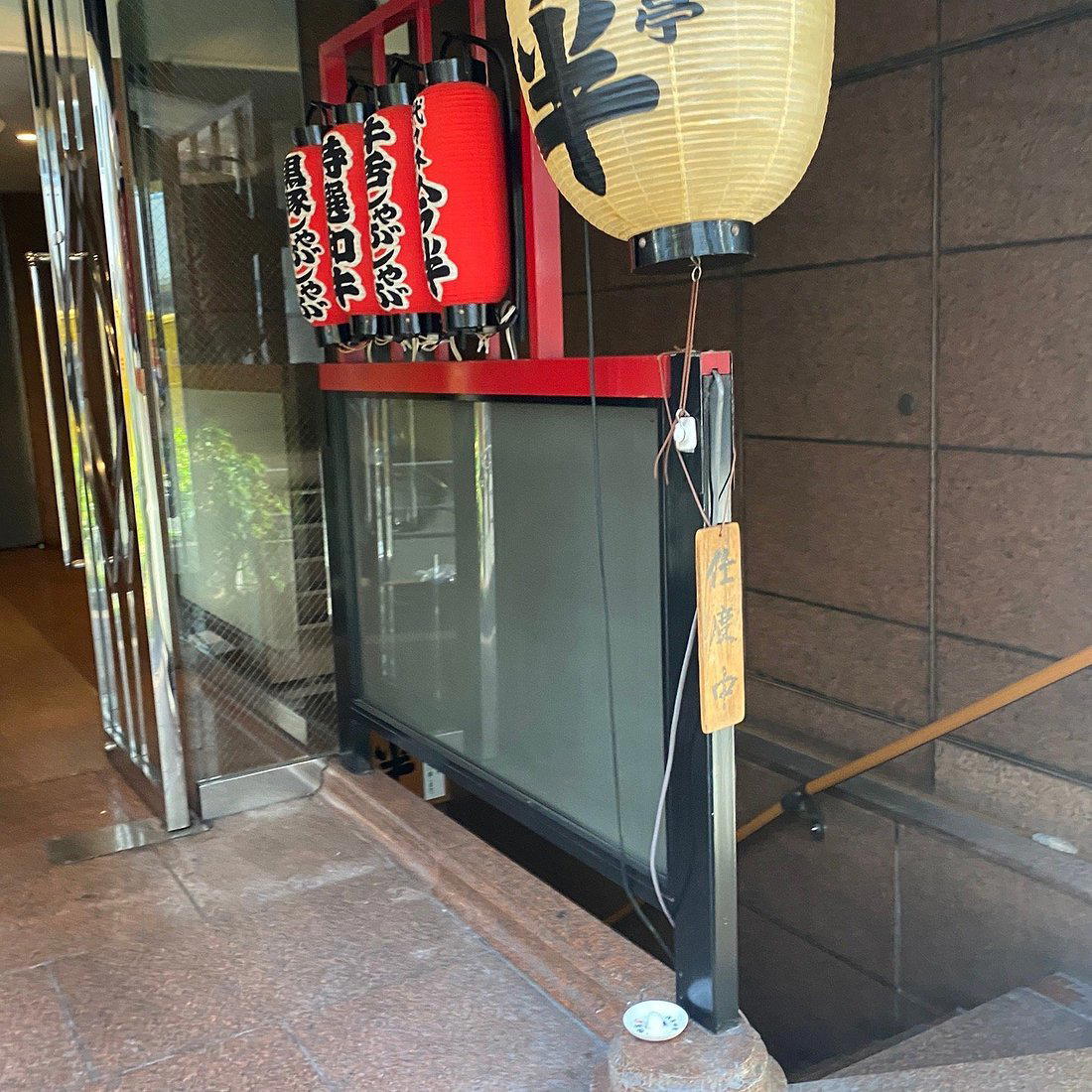
Yoyogi Imahan is a strong Tokyo choice for a quiet special-occasion dinner in Yoyogi, especially if conversation and a composed room matter more than counter energy. The 2024 Tabelog 100 recognition gives it a useful trust signal, and easy booking makes it less stressful than many celebration restaurants in the city.
Suki Tei Honten
Nagano, Japan
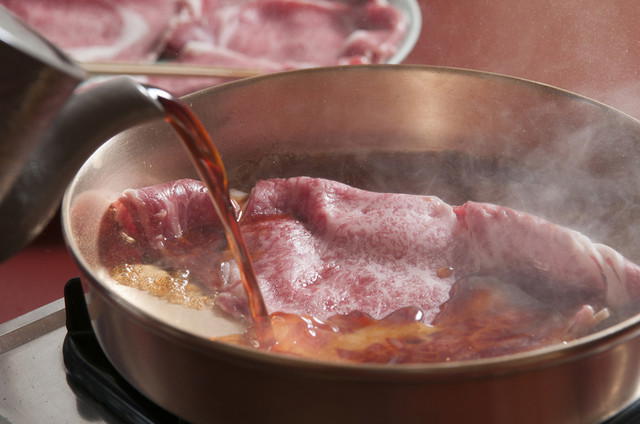
A Tabelog 100 Hot Pot selection near the Nagano Prefectural Office, serving Shinshu beef sukiyaki and shabu-shabu in a converted house with private rooms and banquet space. Dinner runs JPY 10,000–14,999, lunch JPY 4,000–4,999. The format is table service with course meals available by reservation; takeout is possible but the hot-pot experience loses impact off-premise.
Ishibashi
Tokyo, Japan
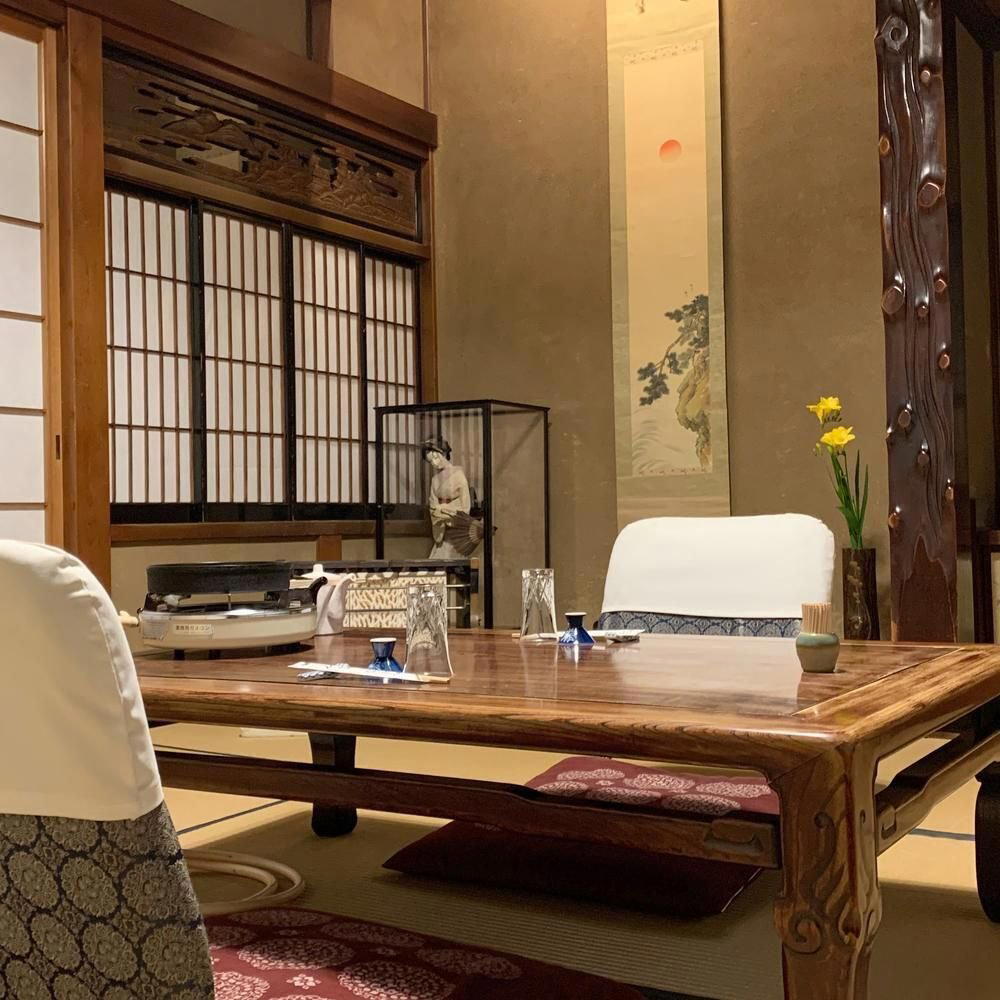
A Michelin Plate sukiyaki restaurant in Sotokanda with Tabelog Bronze recognition and OAD Top 400 ranking. Dinner runs ¥20,000–¥29,999; the signature unaju takes close to an hour to prepare from order. Evenings only, Monday through Friday, reservation-only. Easier to book than the city's top sushi counters, and priced a tier below them with comparable critical standing.
Zakuro
Hiroshima, Japan
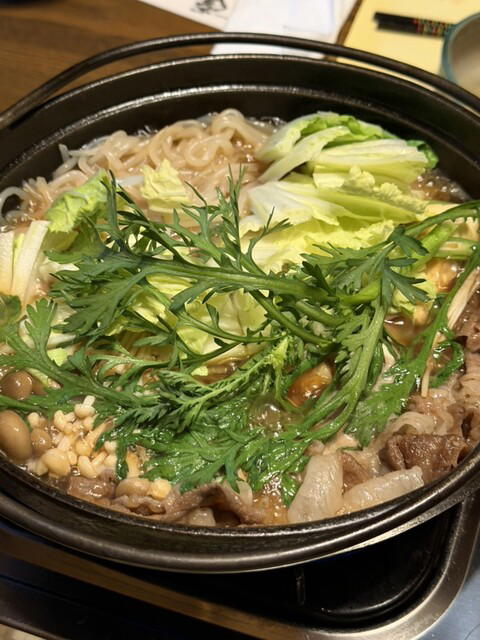
A Miyazaki shabu-shabu specialist earning its Tabelog 100 Hot Pot 2024 nod through better beef sourcing and private-room polish. At JPY 8,000–9,999 per person, the meat quality justifies the premium over casual chains, and the on-site parking and credit-card acceptance make logistics easy. Best for groups who want conversation space; solo diners will find better value at counter-seat formats.
Omi Niku Sennaritei Kyara
Hikone, Japan
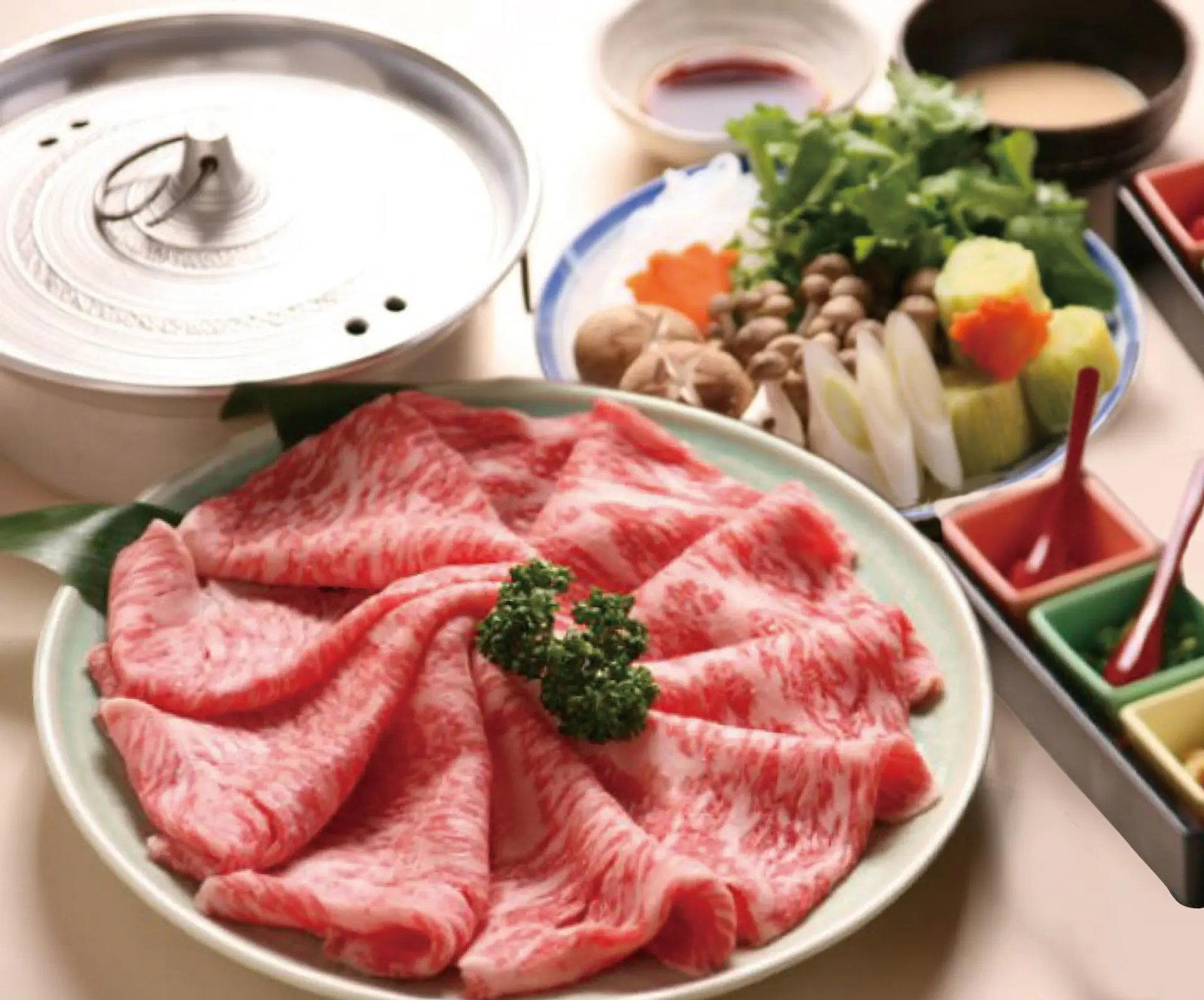
Tabelog Hot Pot 100 sukiyaki specialist in Hikone serving premium Omi beef in private tatami rooms, with lunch at JPY 4,000–4,999 and dinner at JPY 8,000–9,999. The 82-seat layout, family-friendly service, and regional sake list make this a solid anchor for castle-district tourism, though Tokyo-level collectors may find the format less refined than counter-only spots.
Yonezawa Gyuu Tokiwa
Yonezawa, Japan
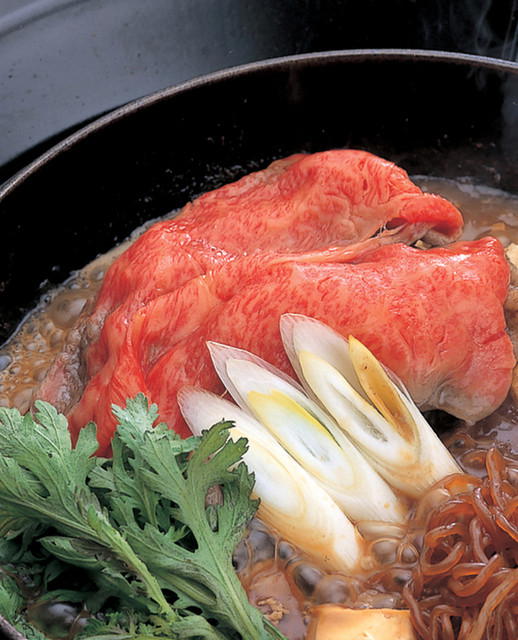
A butcher-shop-owned sukiyaki and yakiniku restaurant serving Tabelog 100-recognized Yonezawa beef in a 106-seat space above the family meat counter. Dinner runs JPY 8,000–9,999 for marbled cuts in three formats; sukiyaki, steak, or DIY grill; with easier booking and more flexible seating than Yonezawa's formal beef specialists.
Shokusai Shubo Matsumoto
Naha, Japan
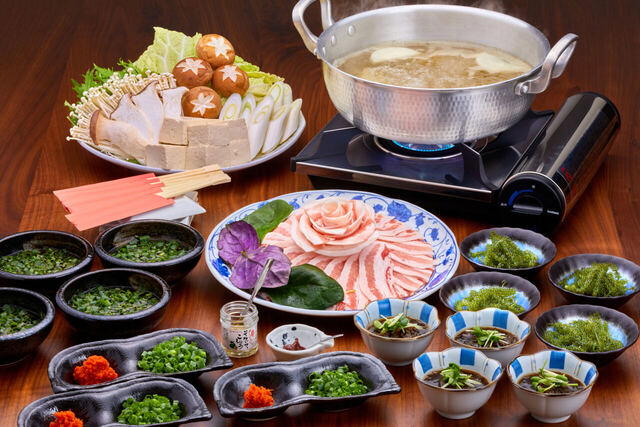
This Tabelog Hot Pot 100 selection in Naha's Matsuyama district delivers dinner-only shabu-shabu centered on Okinawan Agu pork, served table-side in kombu broth with house-made dipping sauce. At JPY 6,000-7,999 per head, the 114-seat venue accommodates families (infants until 8 PM only), couples, and small groups seeking a focused hot-pot experience without the competitive booking windows of higher-tier wagyu specialists.
Karen Kagoshima ten
Kagoshima, Japan
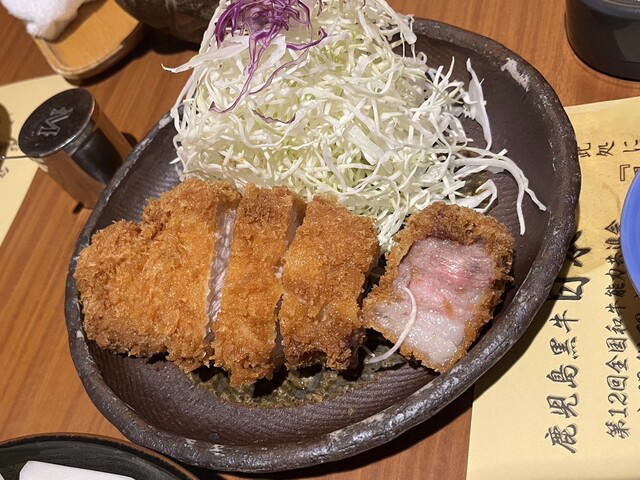
A Tabelog 100 Hot Pot 2024 selection offering shabu-shabu, steak, and Kagoshima pork in a 200-seat venue with private rooms and tatami seating. Dinner runs JPY 10,000–14,999 with a 10% service charge; lunch at JPY 4,000–4,999 delivers better value. Book ahead for groups of six or more, especially on weekends. Three minutes from Takamibaba tram stop.
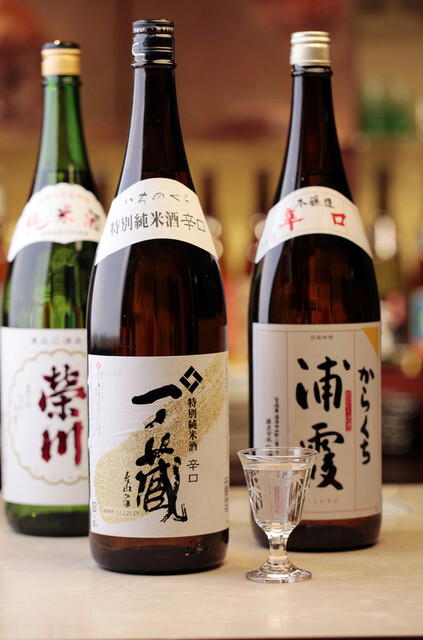
Akasaka Musashi
Tokyo, Japan
Mid-tier shabu-shabu specialist in Akasaka with Tabelog 2024 Hot Pot 100 recognition, 10-seat counter seating, and a pork-and-seafood menu that rewards technique-focused diners. Dinner runs JPY 6,000–7,999; Saturday lunch reservations available, weekday lunch walk-in only. Book the counter for proximity to the cooking rhythm and dashi-building process.
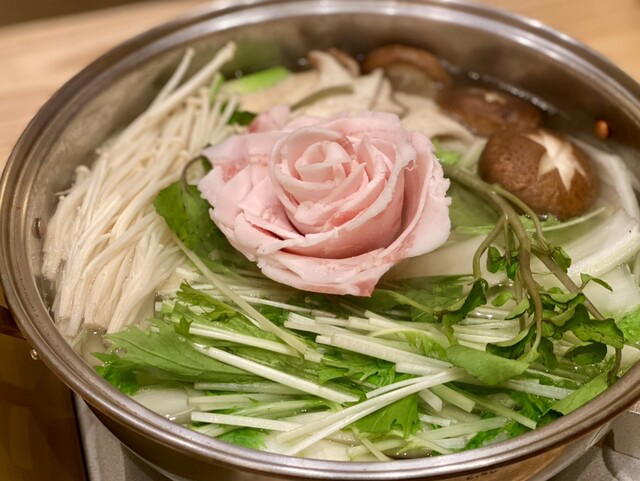
Agu Buta Shabushabu Senmon Ten Toriou Bettei
Fukushima, Japan
A focused Osaka-Fukushima pick for diners who already want agu pork shabu-shabu rather than a broad menu. The Tabelog 100 recognition makes it more compelling than a casual hot-pot stop, but choose Artisan instead if wine pairing depth is the priority.
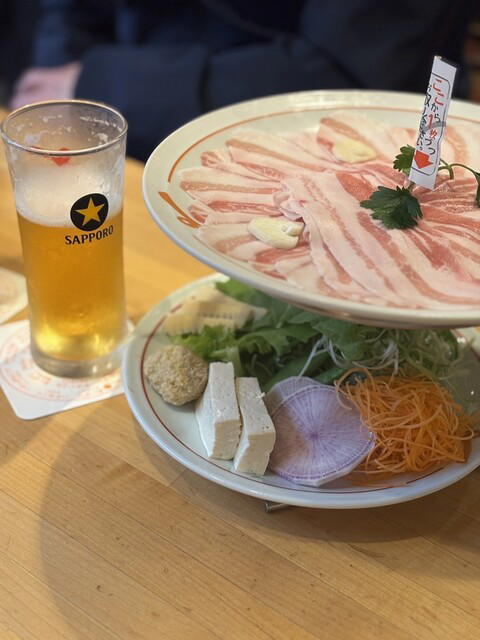
Ichinii San Tenmonkan ten
Kagoshima, Japan
A Tabelog Hot Pot 100 honoree serving kurobuta shabu-shabu in tatami rooms above Tenmonkan-dori. At JPY 4,000–4,999 for dinner, it delivers reliable ingredient quality and easy booking, though service is self-paced and the ambiance leans casual. Worth it for shabu-shabu enthusiasts; skip if you want chef-led precision.
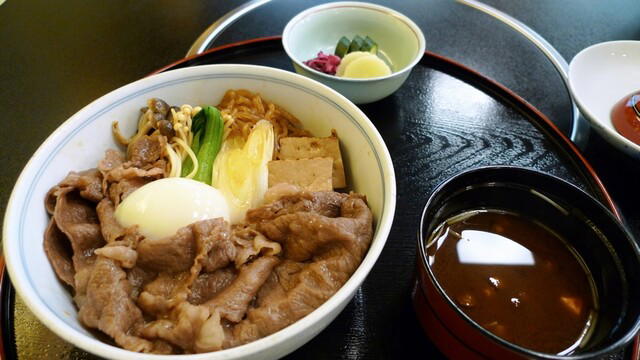
Asakusa Imahan Kokusai dori honten
Tokyo, Japan
Tabelog Hot Pot 100 sukiyaki and shabu-shabu house in Asakusa, seating 153 across tatami rooms and sunken tables. Dinner runs ¥15,000–¥19,999 with tableside service; lunch at ¥5,000–¥5,999 offers better value. Sake-focused beverage program, walk-in friendly most weekdays, private rooms available.
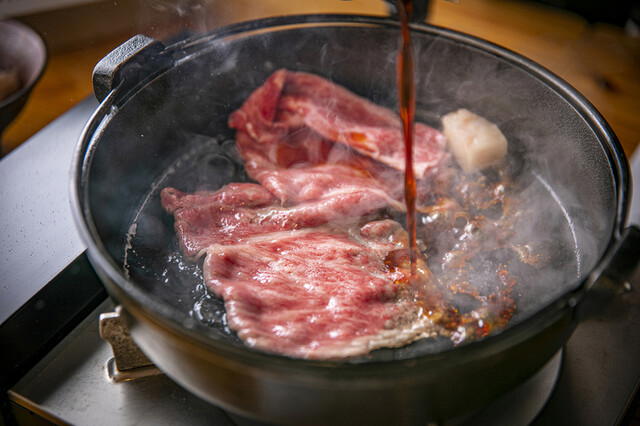
Momoshiki
Nara, Japan
Tabelog Hot Pot 100 (2024) sukiyaki specialist serving Yamato beef in private horigotatsu and table rooms. Lunch (JPY 2,000–2,999) and dinner (JPY 5,000–5,999) both feature house-blended dipping sauce and gyumabushi rice-bowl finishing. Opened July 2020, one minute from Kintetsu Nara Station; 80 seats with English menus and multilingual staff.
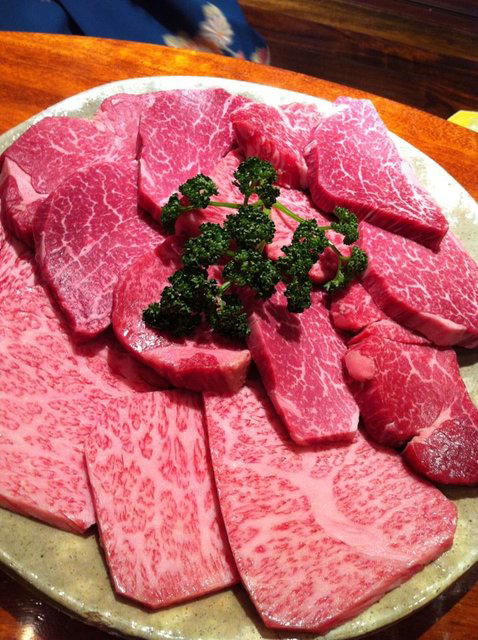
Matoba
Suzuka, Japan
Suzuka's Tabelog 100 Hot Pot 2024 specialist serves sukiyaki and shabu-shabu in private rooms at JPY 10,000 – JPY 14,999 dinner. Beef quality exceeds neighbourhood chains, but the format and price point suit groups more than solo diners. Book for weekend evenings; lunch offers better value at JPY 3,000 – JPY 3,999.
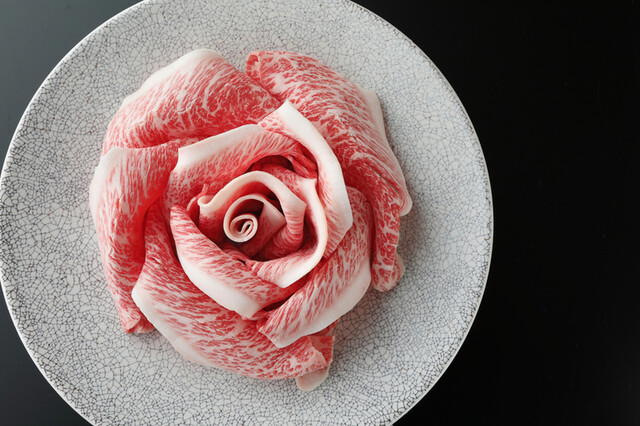
Saitobi Hida Gyu Shabusuki Ya Bakuro Ichidai Nagoya WEST
Nagoya, Japan
A Tabelog Hot Pot 100 honoree two minutes from Nagoya Station, specializing in Hida beef shabu-shabu and sukiyaki with private rooms for groups. Dinner runs JPY 6,000–7,999; lunch drops to JPY 2,000–2,999. The dual-format menu and family-friendly layout make it a reliable choice for group dining without the formality of omakase.
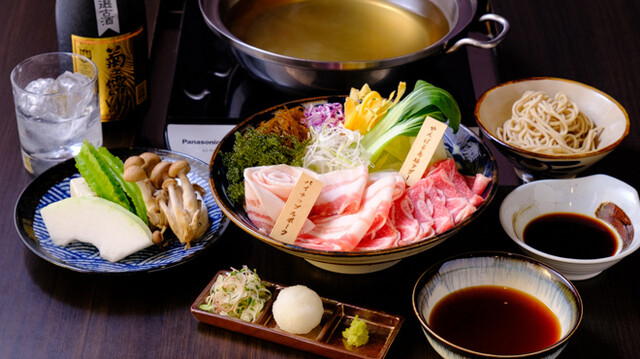
Shimabuta Ishiyaki San
Naha, Japan
A 2024 Tabelog Hot Pot 100 selection near Miebashi Station, serving Okinawan pork shabu shabu and stone-grilled dishes in private rooms and table seating at JPY 8,000–9,999 per head. The sourcing; island-raised <em>shimabuta</em>; and <em>ishiyaki</em> technique deliver leaner, mineral-driven flavor than typical yakiniku. Private rooms accommodate groups of five or more; counter seating is limited to shabu shabu only.
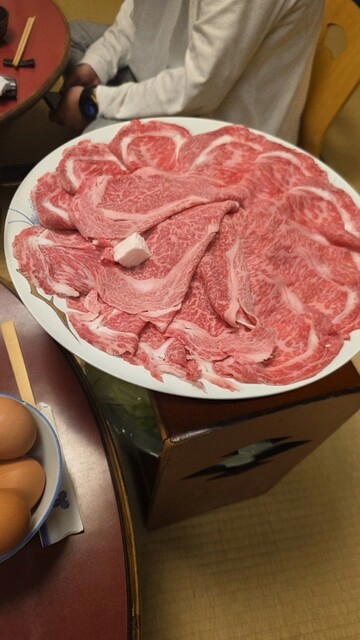
Hon Sekiguchi
Osaka, Japan
Hon Sekiguchi is a 100-seat sukiyaki and shabu-shabu specialist in Osaka's Sennichimae district, recognized in Tabelog 100 Hot Pot 2024. At JPY 20,000 to JPY 29,999 per person, it trades counter intimacy for private tatami rooms and group-friendly logistics, with easier booking than most hot pot competitors. Best for parties of four or more who value space and flexibility over chef interaction.
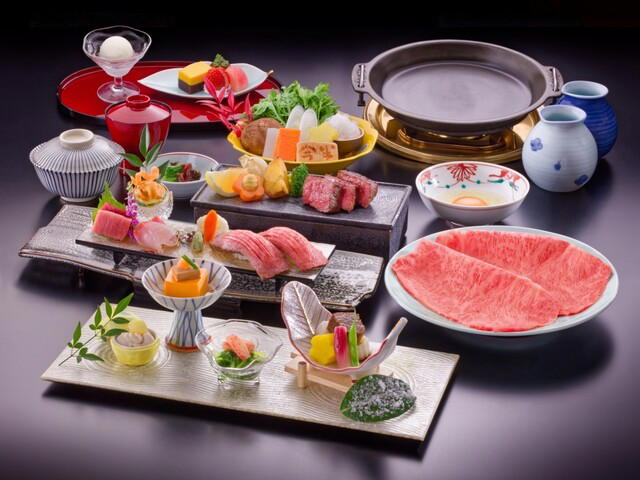
Ningyocho Imahan Toukyou gaaden terasu kioichou ten
Tokyo, Japan
Ningyocho Imahan Toukyou gaaden terasu kioichou ten earns its Tabelog 100 Hot Pot selection with private-room sukiyaki and shabu-shabu geared toward groups and business meals. At JPY 10,000–14,999 for dinner, the format prioritizes tableside service and privacy over counter intimacy, making it a practical choice for celebrations and first-timers in the Kioicho complex.
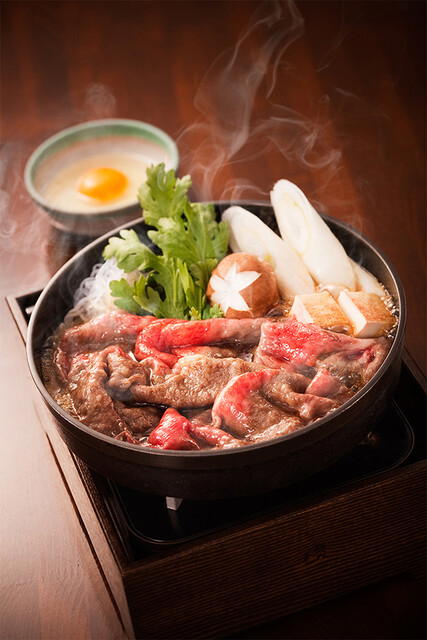
Arai Ya Honten
Yokohama, Japan
A Tabelog 100 Hot Pot selection since 2024, this 130-year-old sukiyaki and shabu-shabu restaurant offers three floors of seating, private tatami rooms for groups, and straightforward beef hot-pot execution at JPY 10,000–14,999 for dinner. Easy to book, family-friendly, and located five minutes from Isezaki Chojamachi Station.
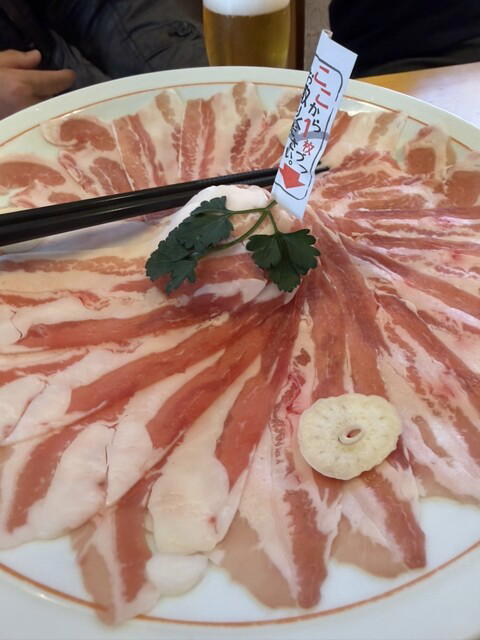
Ichinii San Kokubu ten
Kirishima, Japan
A Tabelog 100 – Hot Pot 2024 shabu-shabu specialist in Kirishima, centering on Kagoshima kurobuta (black pork) in a 102-seat space with counter, table, and tatami seating. Lunch (¥1,000–¥1,999) offers better value than dinner (¥5,000–¥5,999), and the venue welcomes families with children; uncommon in Japan's higher-end hot-pot category.
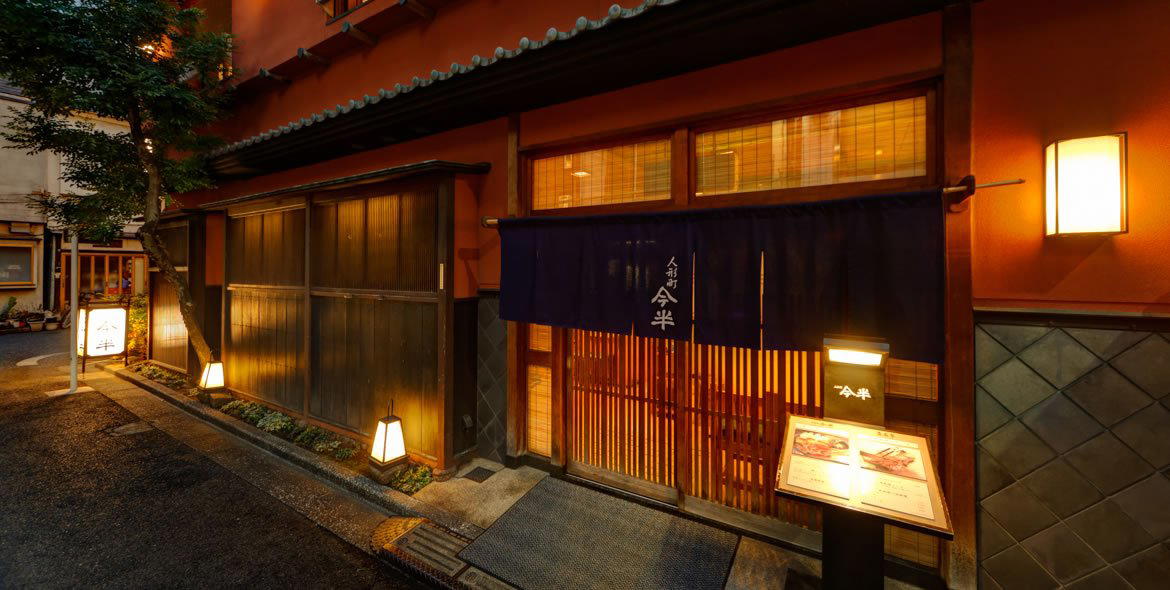
Ningyocho Imahan (人形町今半)
Tokyo, Japan
Book Ningyocho Imahan (人形町今半) for a polished Tokyo special-occasion meal when reliability matters more than trend value. The Chuo City location, easy booking signal, and Tabelog 100 recognition make it a strong low-risk choice for dates, family meals, or business dining, but it is not the pick if a dedicated cocktail or wine program is the main reason for going.
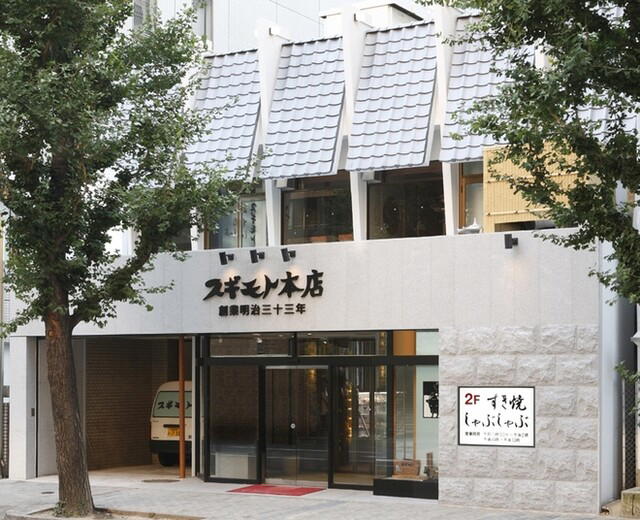
Sugimoto Honten
Nagoya, Japan
A meat specialist's hot pot restaurant in Sakae, operating from a 1900-founded butcher shop. Tabelog Hot Pot 100 recognition in 2024 reflects sourcing depth across sukiyaki and shabu-shabu formats, with private rooms available for two to twenty. Dinner runs JPY 8,000–JPY 9,999; lunch is JPY 1,000–JPY 2,000 and walk-in friendly.
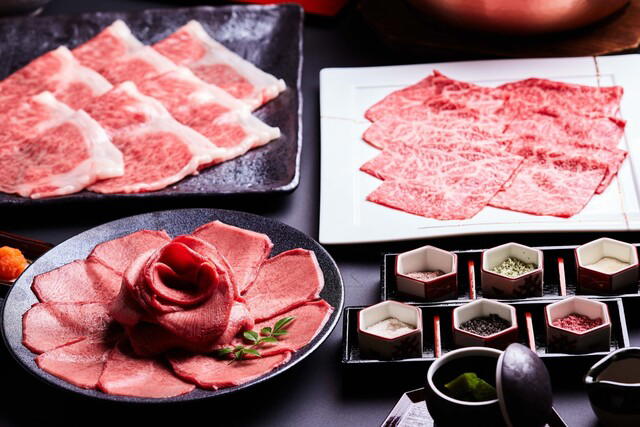
Kitashinchi Shabushabu Sukiyaki Kiraku
Osaka, Japan
Kitashinchi Shabushabu Sukiyaki Kiraku offers private-room shabu-shabu and sukiyaki at JPY 15,000–19,999, which sits below Osaka's top-tier hot-pot rooms while still earning a Tabelog 100 – Hot Pot 2024 spot. The five-room basement layout favors groups of four to eight who want space and control over tableside coaching. Value is strong if you prioritize privacy over rare ingredients, but solo diners and wine enthusiasts will find better options nearby.
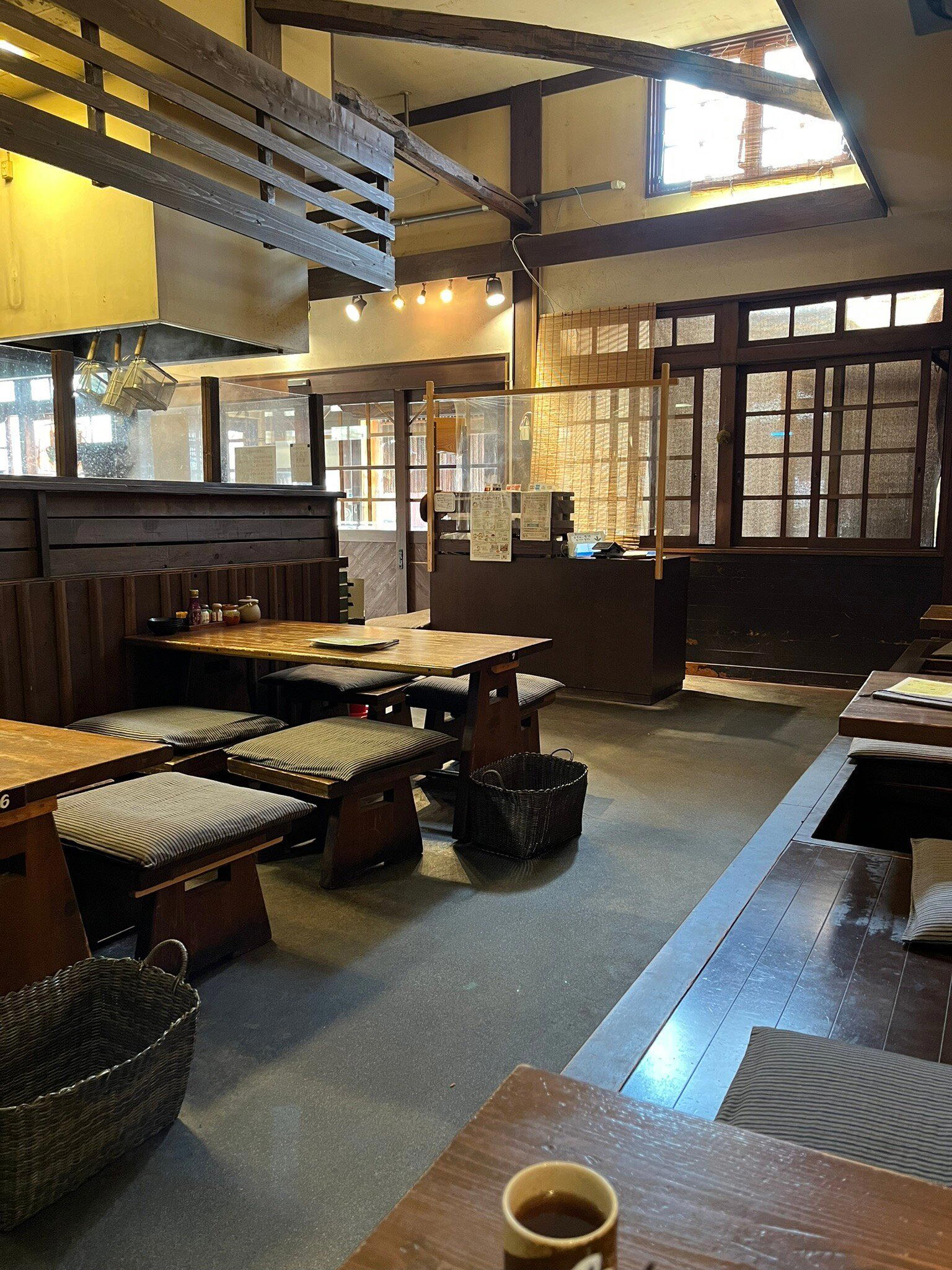
元祖伊賀肉 金谷
Iga, Japan
A serious Iga booking for diners who value recognition and local specificity over a fully published price or menu brief. Choose it when the meal can anchor part of the day; cross-shop L'etude for clearer spend expectations or nakamuraya for an Italian, mid-tier alternative.
Yushoku Tonsai Ichiniisan Kagoshima honten
Kagoshima, Japan
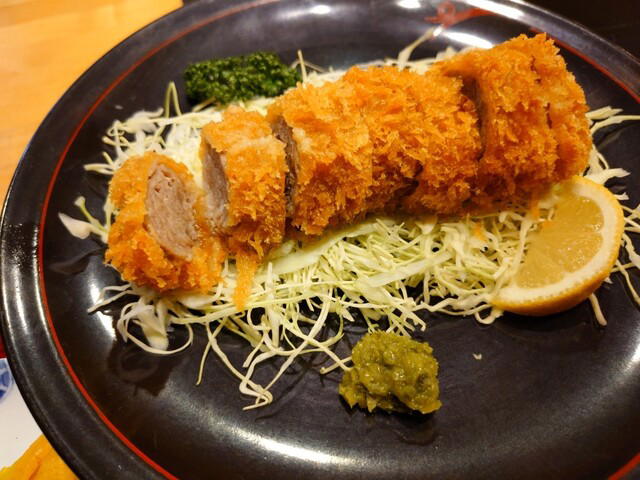
A Tabelog Hot Pot 100 selection in Kagoshima specializing in locally sourced kurobuta shabu-shabu, with 128 seats, private rooms, and straightforward reservations. Dinner runs JPY 3,000-JPY 3,999, lunch JPY 1,000-JPY 1,999; mid-tier pricing for award-backed quality focused on regional pork rather than wagyu beef.
Yagumo
Nagoya, Japan
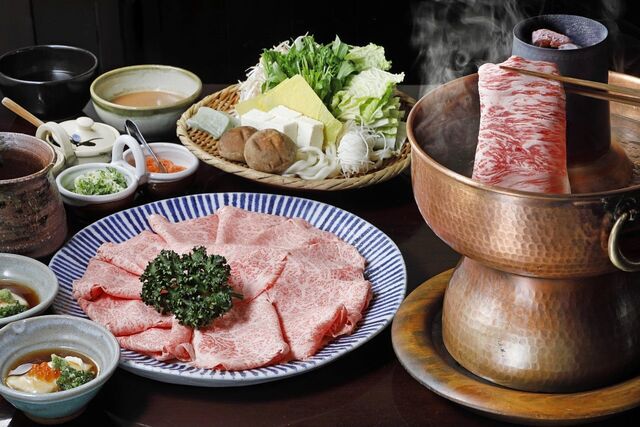
Yagumo is worth shortlisting for a planned Nagoya meal if you want local credibility without moving into the highest dinner bracket. Its 2024 Tabelog 100 #38 recognition gives it a stronger signal than a generic neighborhood pick, while Ronin, prospero, Maruko, Yakitori Kissho, and Trattoria Tope are the useful cross-shops depending on budget and cuisine direction.
Agotsuyu Shabushabu Yamafuku
Kyoto, Japan
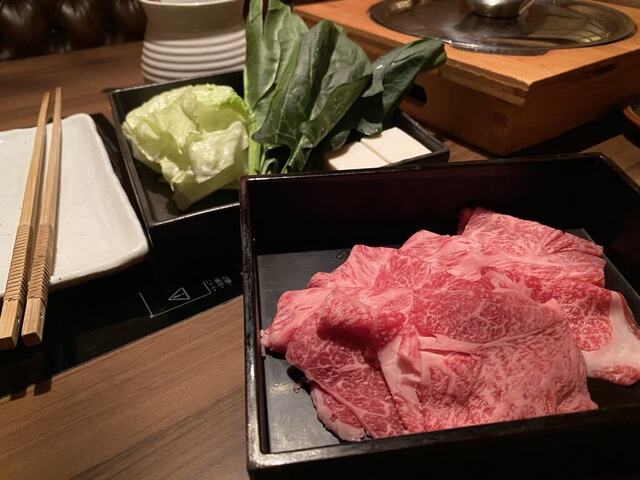
A Tabelog Hot Pot 100 selection specializing in shabu-shabu with ago dashi broth and Kyoto pork. Open nightly from 5 PM to midnight, the 36-seat space offers counter, tatami, and private-room seating at JPY 4,000–4,999 per person. Five minutes from Sanjo Station, reservations recommended but walk-ins occasionally succeed.
Agu Shabushabu Kami Mae
Nakagami-gun, Japan
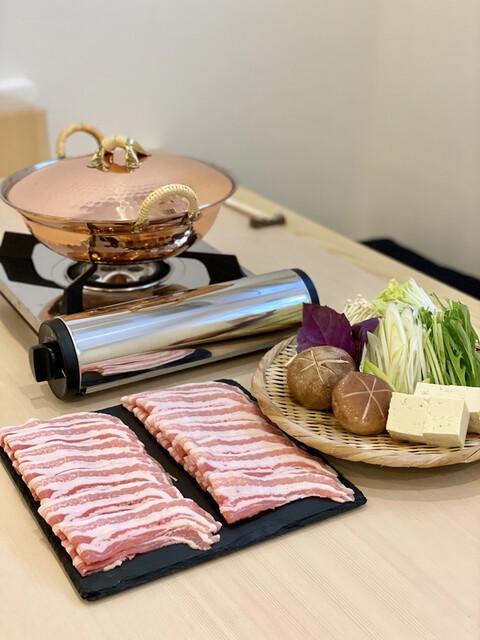
Agu Shabushabu Kami Mae is a strong evening pick in Chatan when the plan calls for a focused sit-down meal rather than a casual snack crawl. The JPY 4,000–4,999 range and 2024 Tabelog 100 recognition make it a safer dinner choice for couples or small groups, especially if shabu-shabu suits the night better than steak, yakiniku, or dessert.
Chinya
Tokyo, Japan
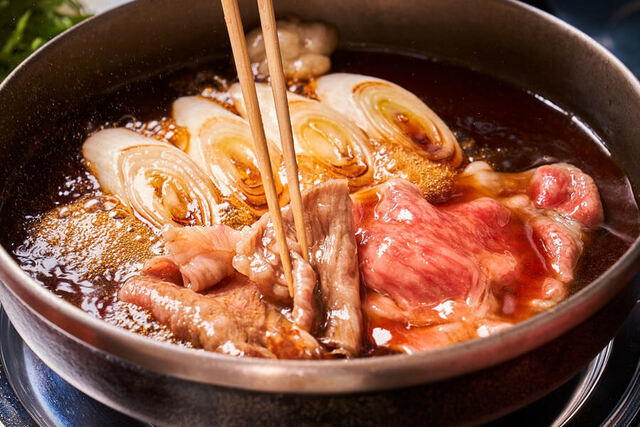
A Tabelog 100 Hot Pot selection operating since 1880, this Asakusa address serves Kanto-style sukiyaki in a 74-seat space where you cook your own beef at JPY 10,000–14,999 for dinner. Private rooms add a JPY 4,000 surcharge; reservations are straightforward. Worth it if heritage and format matter more than cutting-edge sourcing.
Ushiko Honten
Tokyo, Japan
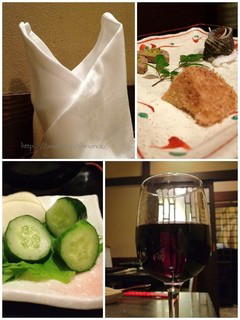
Sukiyaki specialist in Shinkawa where counter seats put you in front of precision timing and ingredient sequencing; request them when you book. Tabelog Hot Pot 100 credentials at JPY 8,000–9,999 dinner pricing, with lunch courses at JPY 4,000–4,999 and private tatami rooms for groups up to 20. Eight minutes from Kayabacho Station, closed Sundays.
Morita Ya Toukyou marunouchi ten
Tokyo, Japan
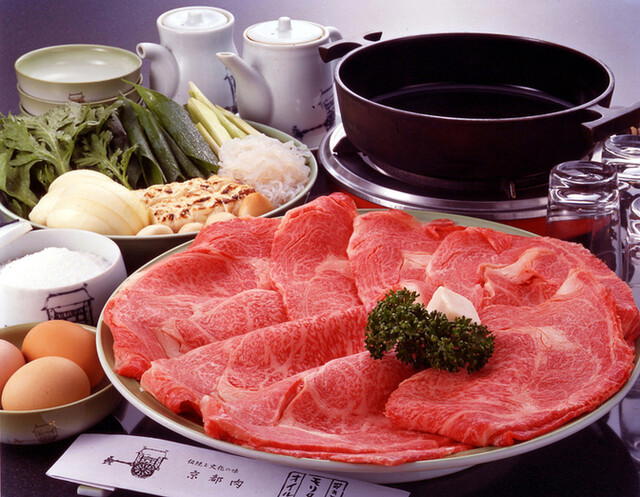
Kyoto-style sukiyaki from a century-old meat specialist, served on the 35th floor of the Marunouchi Building with Imperial Palace views. Tabelog 100 Hot Pot 2024 recognition. Lunch (JPY 6,000–7,999) delivers the same Wagyu quality as dinner (JPY 15,000–19,999) at half the cost and a quieter room. Book two weeks ahead for weekend slots; expect surcharges for window seating and tatami rooms.
Sanko Sha
Sapporo, Japan
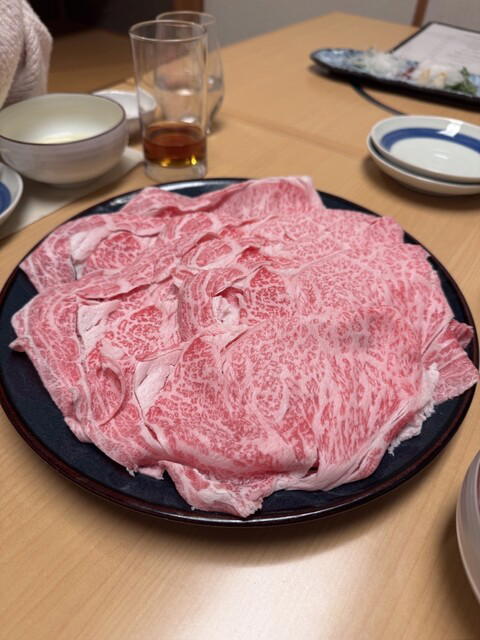
A Tabelog 100-recognized sukiyaki, shabu-shabu, and steak venue in Susukino with 65 seats and private rooms for 2-20 guests. Lunch runs JPY 1,000-1,999, dinner JPY 10,000-14,999. Reliable for group dining with sommelier service, though less specialized than counter-only hot-pot houses. Book private rooms for full control over pacing and conversation.
Edo Sho
Murakami, Japan
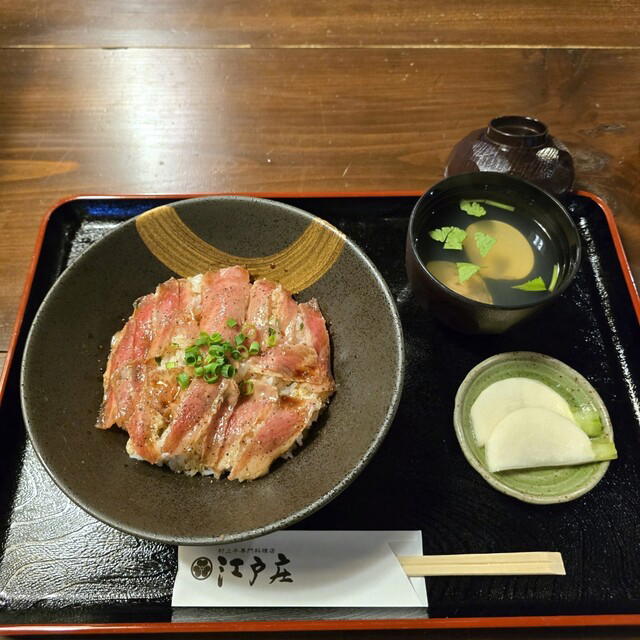
Tabelog Hot Pot 100 (2024) sukiyaki and shabu-shabu specialist in a castle town two hours north of Niigata City. Lunch-only service (11 AM–2 PM, closed Thursdays) at JPY 3,000–3,999, with tatami seating, wine list, and PayPay acceptance. Book ahead for weekend visits; the tight hours and national recognition create moderate demand.
Nishishin Hatsuki Honten
Fukuoka, Japan
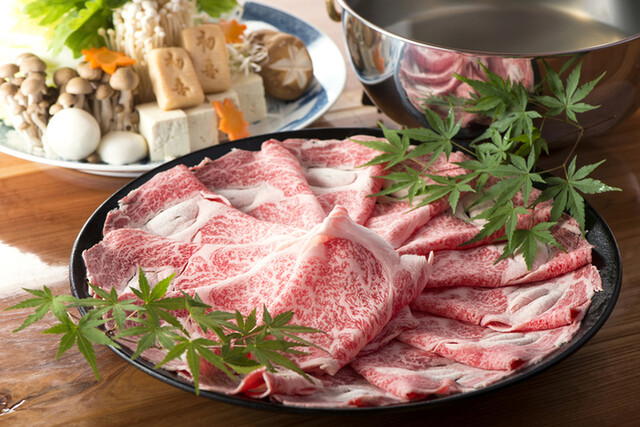
Tabelog Hot Pot 100 shabu-shabu and sukiyaki specialist in Nishijin, Fukuoka. Private tatami rooms for 2–50 guests, dinner at JPY 3,000–3,999. Book a week ahead for weekend evenings; walk-ins possible at lunch. Closed Tuesdays.
Zakuro TBS ten
Tokyo, Japan
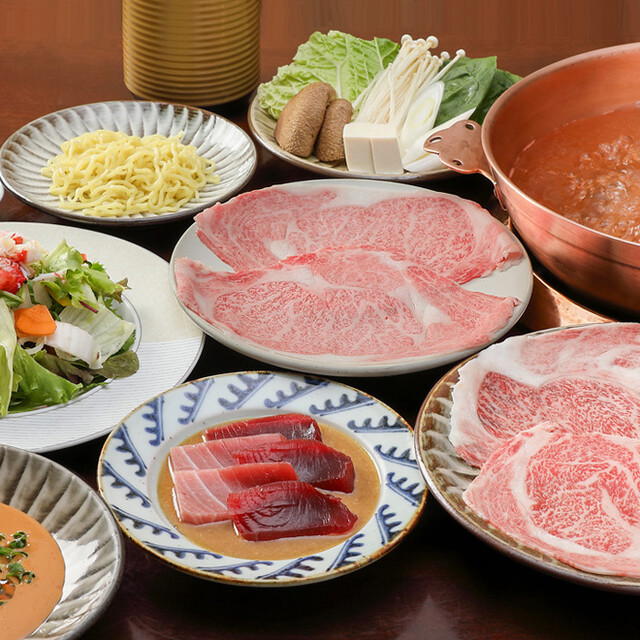
A 102-seat hot-pot specialist in Akasaka Biz Tower serving black wagyu shabu-shabu and sukiyaki (JPY 8,000–9,999 dinner, JPY 2,000–2,999 lunch). Tabelog 100 Hot Pot 2024 selection. Direct subway connection, six private rooms, and family-friendly service make it the district's most accessible award-recognized option for groups and corporate diners.
Matsuzaka Kaizu Honten
Matsusaka, Japan
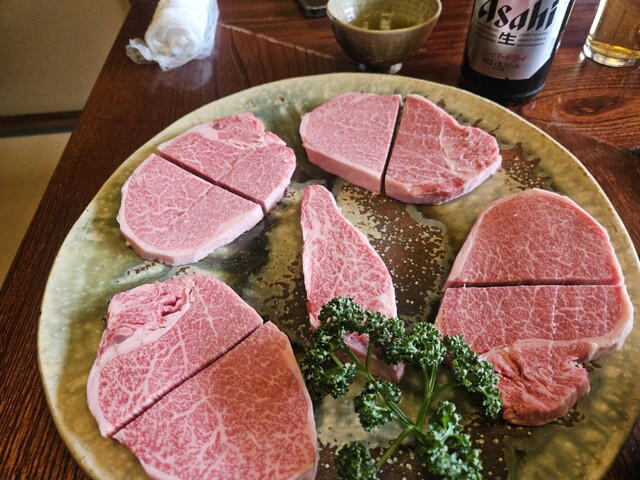
A Tabelog Hot Pot 100 sukiyaki specialist serving Matsusaka beef in private tatami rooms at JPY 8,000–9,999 per head. Easier to book than nearby peers and better for groups than solo diners, with a relaxed pace that lets you control the cooking. Worth the trip if you want the beef in its traditional hotpot format without formal service.
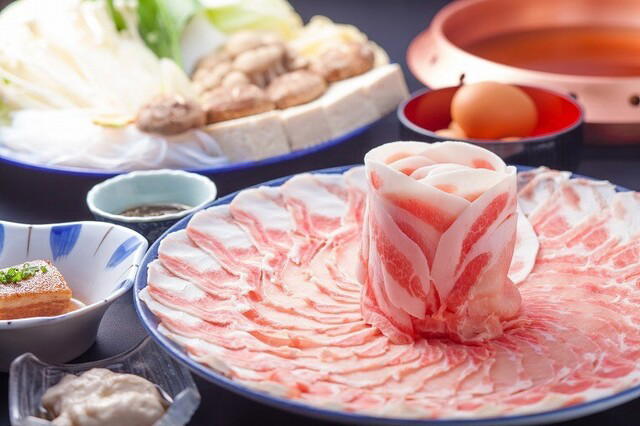
Agu Shabushabu Miruku Naha ten
Naha, Japan
A 130-seat hot pot specialist on Tabelog's 2024 Hot Pot 100 list, serving Okinawan Agu pork shabu-shabu and sukiyaki at JPY 6,000–7,999 (dinner) and JPY 3,000–3,999 (lunch). Easier to book than high-end Naha competitors, with wheelchair access and group-friendly seating across three floors. Self-service format, konbu or miso broth, reliable execution.
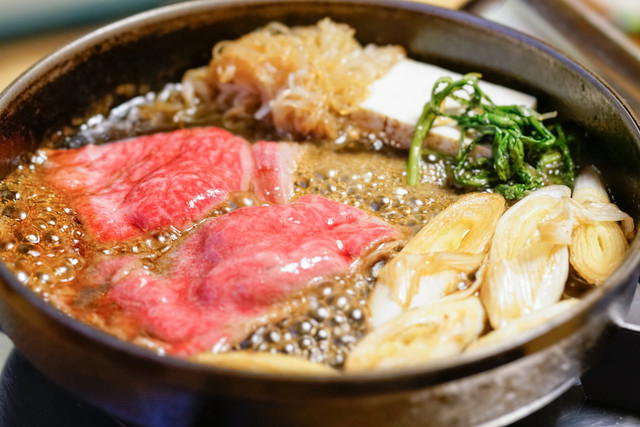
Imahan Bekkan
Tokyo, Japan
Tabelog Hot Pot 100 sukiyaki and shabu-shabu house in Asakusa offering walk-in seating and JPY 1,000–1,999 lunch sets in a 120-seat, family-friendly format. Lunch delivers exceptional value; dinner pricing climbs closer to mid-tier Tokyo hot-pot norms without corresponding service polish.
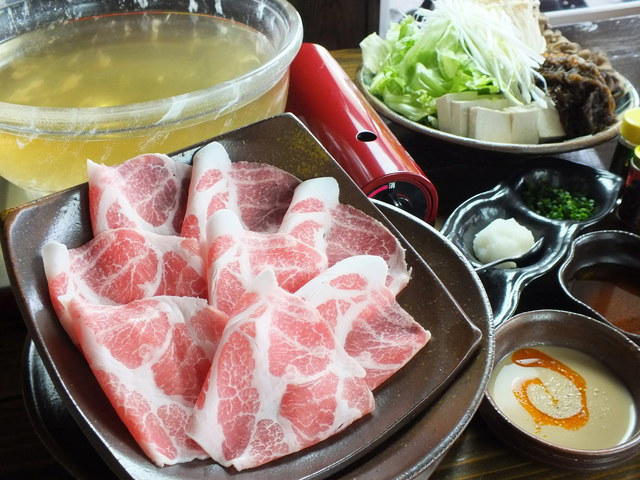
Shimabuta Ryukyu Gyuu San Bettei
Kunigami-gun, Japan
Tabelog 100 Hot Pot 2024 recognition for Okinawan A5 Wagyu and Agu pork shabu-shabu served in crystal pots. Located in Onna Village's Maeda district, the 26-seat room fills early; reservations open weeks ahead. Dinner runs JPY 6,000–7,999, with self-cook format and low seating at sunken kotatsu tables.
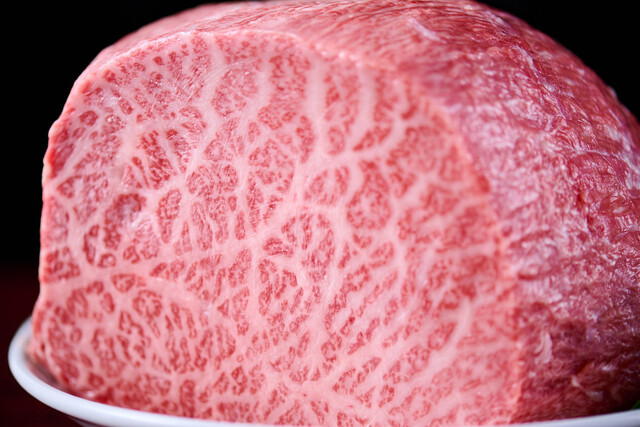
Kanazawa Ya Gyuniku Ten
Yamagata, Japan
Tabelog 100 Hot Pot selection serving Yamagata beef sukiyaki and shabu-shabu in a family-friendly tatami setting. Lunch runs under JPY 2,000, dinner JPY 6,000–7,999; competitive pricing for regional beef with easy same-day booking. Better for groups than solo diners; strong value, straightforward service.
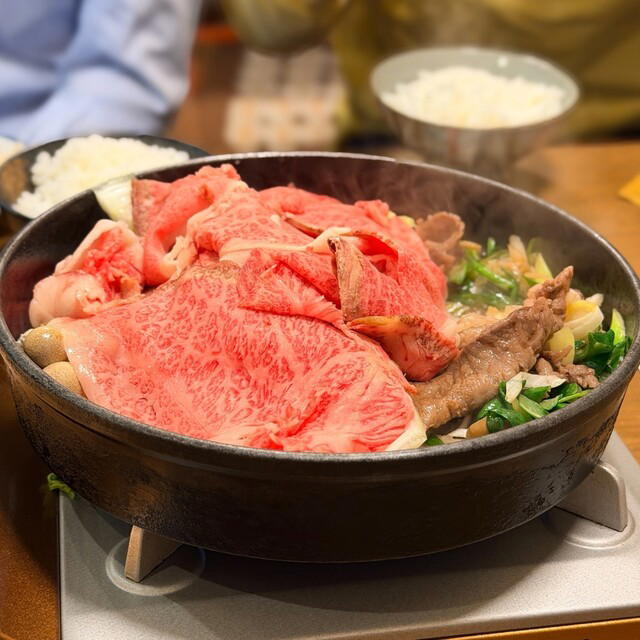
Oumi Kaneyasu
Omihachiman, Japan
A butcher-run sukiyaki specialist in Omihachiman offering certified Omi beef with calf registration paperwork at JPY 4,000–4,999. Walk-in only, 20 seats, and a 2024 Tabelog Hot Pot 100 mention. Arrive early to avoid peak queues; the direct sourcing and transparent prep justify the trip for beef-focused travelers.
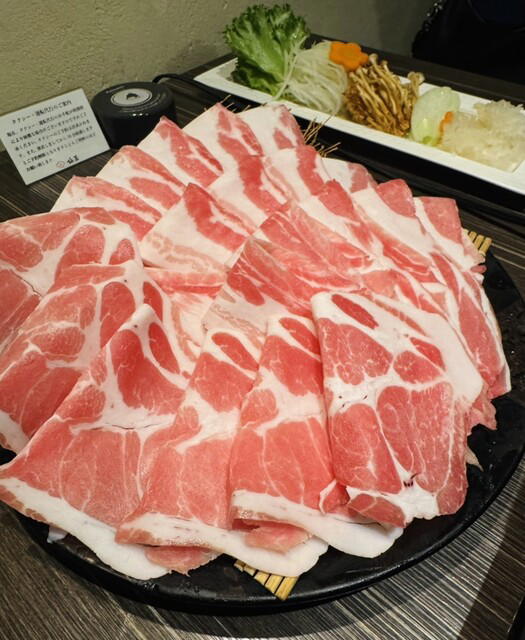
Umeya
Kagoshima, Japan
Course-focused shabu-shabu specialist on the Tabelog 100 Hot Pot list, anchored in Kagoshima Black Pork, wagyu beef, and a vegetable-sommelier's produce selection. Four broth bases and partitioned pots make it a solid mid-tier celebration pick at JPY 6,000–7,999, though the course-only format and table-time caps mean less flexibility than the city's yakitori specialists.
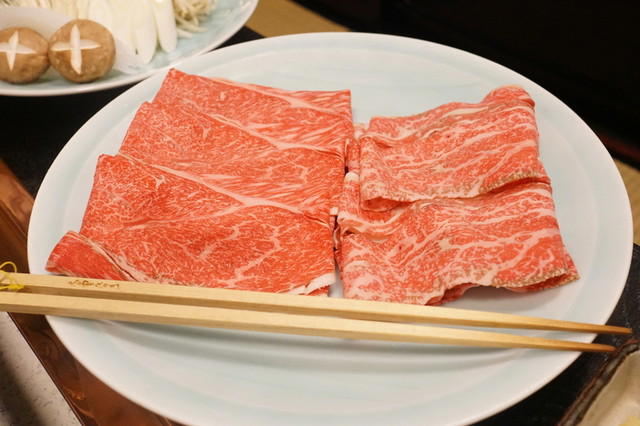
Matsuzaka Tei Misawa
Nishikasugai-gun, Japan
Matsuzaka Tei Misawa earned a Tabelog 100 Hot Pot 2024 designation for its Matsuzaka beef sukiyaki and shabu-shabu, served in private tatami rooms near Nagoya Airport. Lunch runs JPY 6,000-7,999, dinner JPY 10,000-14,999. Book for family celebrations or group dinners when you want premium beef in a quiet, house-restaurant setting; skip if you prefer urban dining energy or à la carte flexibility.
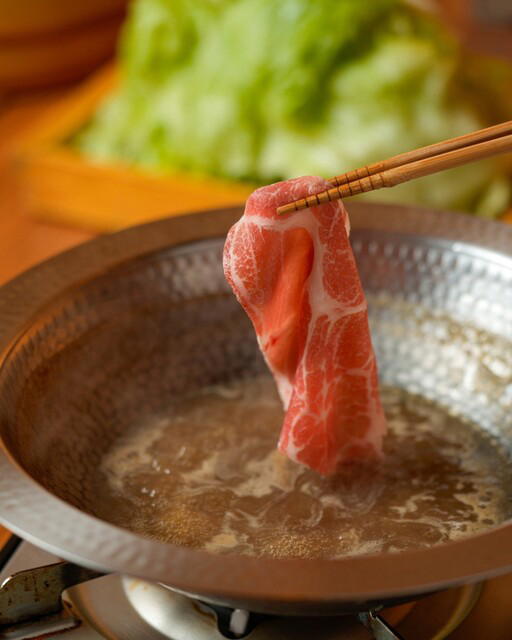
Shabushabu Creative Izakaya Butagin Sakae ten
Nagoya, Japan
A Tabelog 100 Hot Pot venue in Sakae that delivers pork shabu-shabu and izakaya flexibility at JPY 4,000–4,999; one of Nagoya's more approachable awards-recognized spots. Open until 3 AM with late-night bookings, group accommodations, and a casual counter-and-table layout. The trade-off: smoking is permitted and the setting skews informal. Book it when you want Tabelog credibility without white-tablecloth rigor.
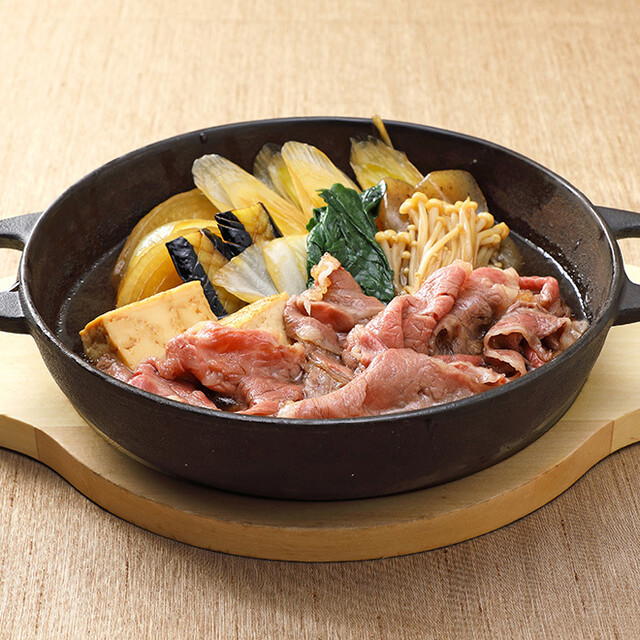
Zakuro Ginza ten
Tokyo, Japan
Tabelog 100 Hot Pot 2024 recognition and easier booking than most Ginza award-holders make this basement shabu-shabu specialist a practical choice for traditional table-side service. Dinner runs JPY 8,000–9,999, lunch drops to JPY 2,000–2,999, and private rooms accommodate two to twenty guests; one minute from Ginza Station.
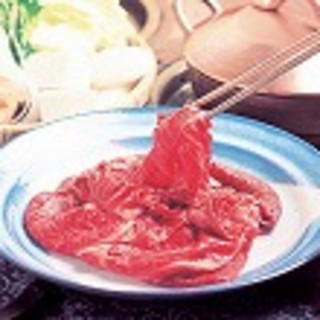
Shabushabu Kanoko
Nara, Japan
A 16-seat counter specialist in Ikoma beef shabu-shabu, recognized on Tabelog's 2024 Hot Pot 100. The format is participatory (you cook your own beef in Rishiri kelp broth), and the price; JPY 5,000–5,999; is lower than Nara's kaiseki tier without sacrificing ingredient quality. Book if you want a focused beef experience; skip it if you prefer broader hot pot variety or private-room dining.
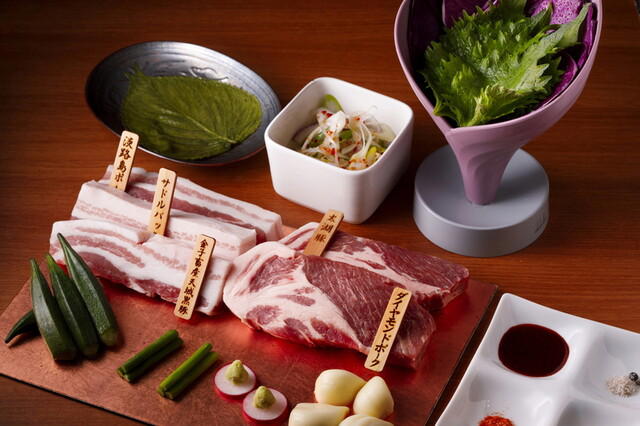
PRETTY PORK FACTORY
Tokyo, Japan
Pork-focused shabu-shabu in Kabukicho with Korean menu accents, semi-private booths, and family-friendly policies. Tabelog 100 Hot Pot 2024 (#59) and OAD Casual Japan 2026 recognition at JPY 6,000–7,999 dinner pricing; practical mid-tier alternative to beef-only fine-dining shabu houses.
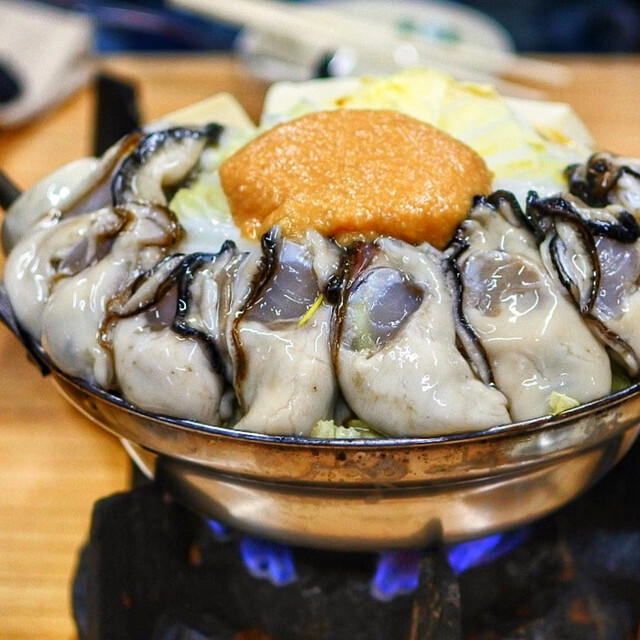
Sukiyaki Nabemono Nabeya
Osaka, Japan
Tabelog Hot Pot 100–recognized sukiyaki and nabe specialist in Tengachaya, serving individual hot pots at fixed-stove counters and tables for under JPY 2,000. The format favors solo diners and couples who want sukiyaki without sharing logistics, in a no-frills, family-friendly room. Cash-only, reservations required for groups of two or more.
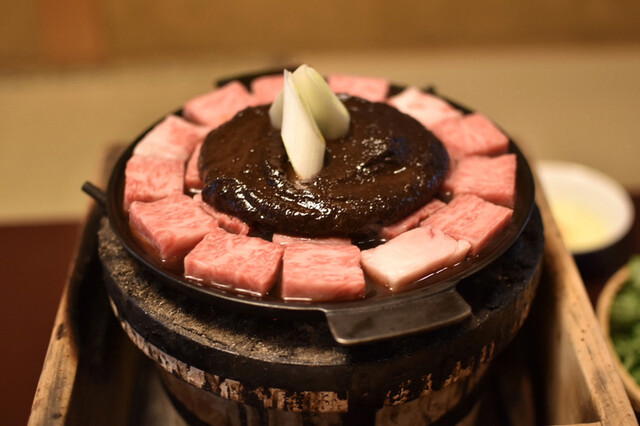
Ota Nawanoren
Yokohama, Japan
A Yokohama sukiyaki house named to Tabelog's 2024 Hot Pot 100 list, offering table-side beef hotpot service in private tatami rooms and family-friendly seating. Dinner runs JPY 15,000–19,999 with a 10% service charge; reservations recommended but walk-ins possible. Traditional atmosphere, non-smoking, and practical location near Hinodecho Station.
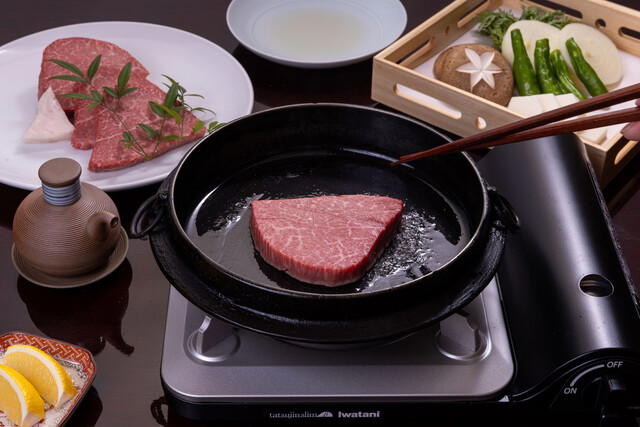
Oka Han
Tokyo, Japan
Tabelog 100–recognized sukiyaki and shabu-shabu specialist on the Hotel New Otani lobby floor, serving premium wagyu (Matsusaka, Tamura, Omi) in tatami-mat private rooms with tableside preparation. Dinner runs JPY 30,000–39,999; lunch offers the same quality at JPY 10,000–14,999. Book two to three weeks ahead for peak dinner slots, or secure weekday lunch inside a week.
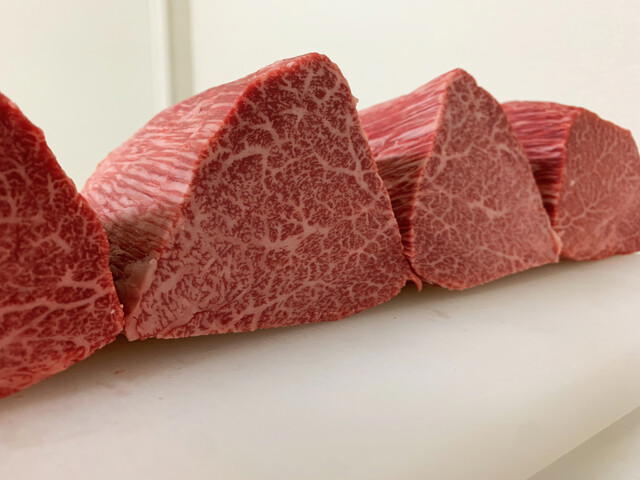
Shinohei
Sapporo, Japan
Shabu-shabu with a fish-forward focus in a 12-seat, third-floor Tanukikoji space. Tabelog 100 recognition for ingredient craft rather than room polish. Worth it at JPY 10,000–14,999 if you prize seasonal Hokkaido sourcing; skip if you need dramatic presentation or a larger party.
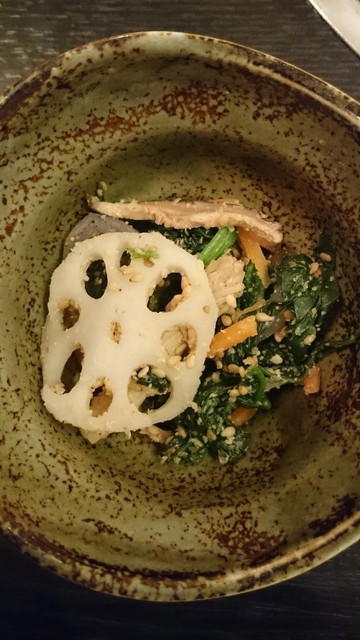
Masudaya
Tokyo, Japan
Tabelog Hot Pot 100 sukiyaki and shabu-shabu spot in Kagurazaka, serving traditional hotpot formats with sunken seating and a two-person reservation minimum. Dinner runs JPY 6,000–7,999, lunch under JPY 1,000, cash only. Closed Sundays, no solo bookings; reliable mid-tier execution without the splurge price or month-ahead reservations.
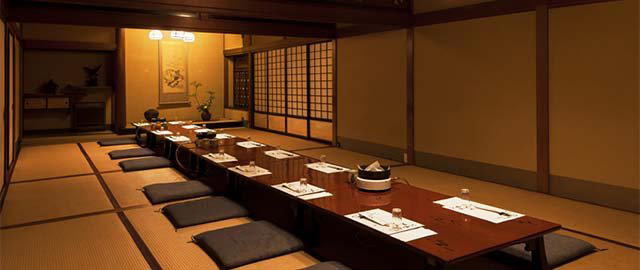
Hiyama
Tokyo, Japan
Hiyama is a Tabelog Silver Award winner (2025, 2026) with a 4.48 score, ranked 174th in Japan by Opinionated About Dining in 2025. Set in Higashi-Kawaguchi, Saitama; not central Tokyo; it is the most consistently decorated sukiyaki option in its Tabelog tier. Budget JPY 100,000 per head with drinks. Private tatami rooms for two to six make it a strong choice for celebratory dinners.
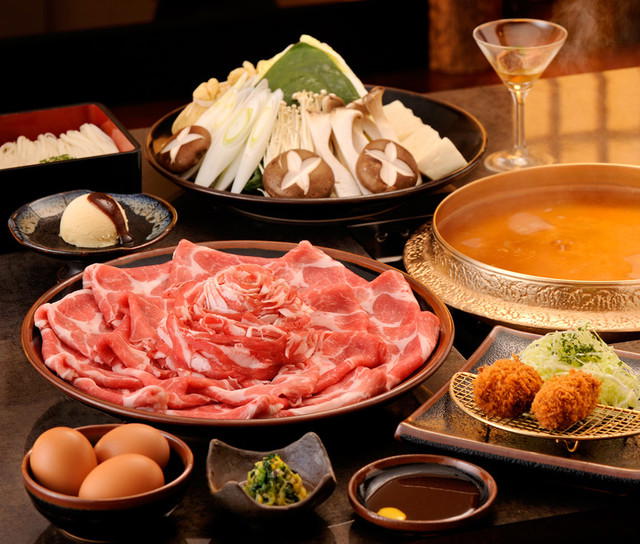
Kurobuta Ryori Ajimori
Kagoshima, Japan
A 48-year kurobuta pork specialist in Tenmonkan, serving tableside shabu-shabu in a format that skips ponzu for egg-only dipping. Tabelog 100 Hot Pot 2024 recognition, JPY 5,000–5,999 dinner courses, and 155 seats across three floors make it easier to book than smaller Kagoshima specialists.
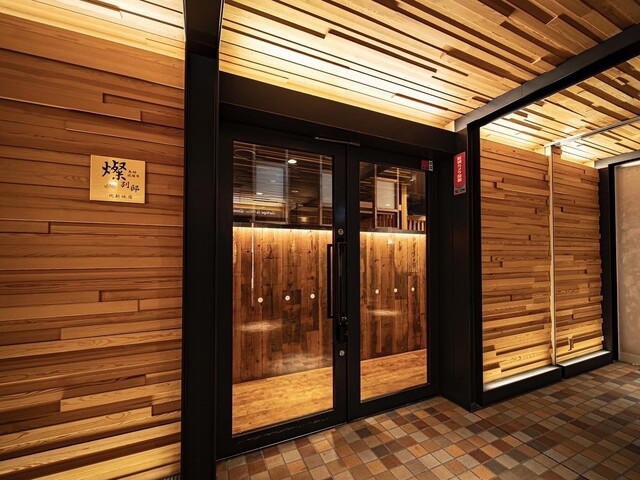
San Bettei Kitashinchi ten
Osaka, Japan
This Kitashinchi shabu-shabu specialist earned Tabelog Hot Pot 100 recognition within its first year, serving Okinawan agu pork until 11:30 PM on weeknights; later than most peers. At JPY 8,000–9,999 per person for dinner, it undercuts higher-priced competitors while offering private and semi-private seating for up to 16 guests. Best for late-night diners seeking quality hot-pot without kaiseki formality.
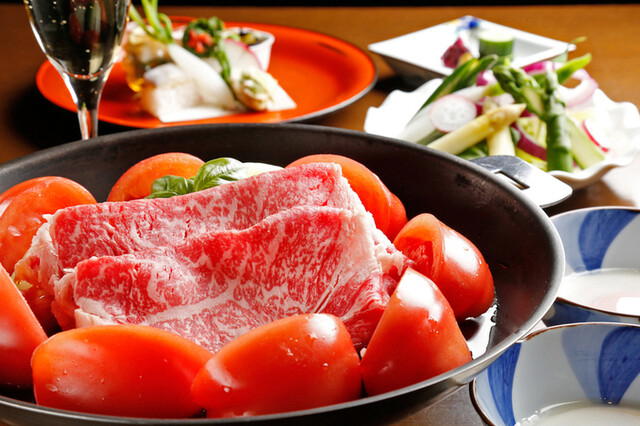
Mita Basara Honten
Tokyo, Japan
A Tabelog Hot Pot 100 pick in Shiba offering sukiyaki and shabu-shabu with private rooms (JPY 3,000–8,000 surcharge) for groups of four or more. Dinner runs JPY 10,000–14,999 with a sommelier-driven drink program; lunch drops to JPY 2,000–2,999. Book three weeks ahead for prime slots, or try Sunday lunch for occasional walk-in availability. The private rooms deliver better conversation control than the 58-seat main floor, making this a practical choice for business meals or celebrations where the format needs to support the occasion rather than steal the show.
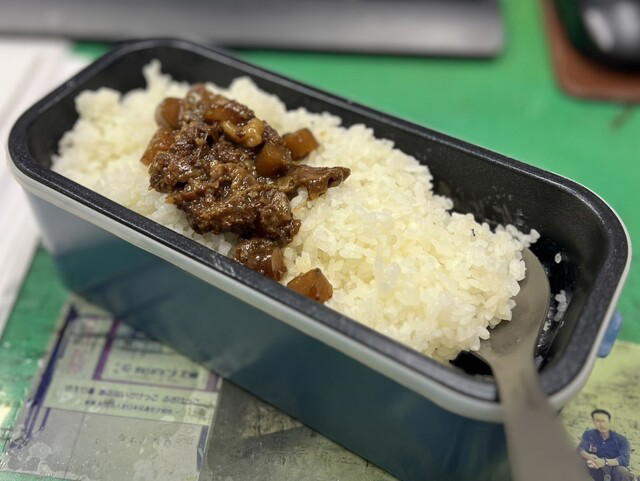
Kaki Yasu Ryoutei honten
Kuwana, Japan
Kaki Yasu Ryoutei honten earned Tabelog 100 Hot Pot 2024 recognition for its sukiyaki, shabu-shabu, and teppanyaki served in tatami-mat private rooms. Dinner runs JPY 10,000–14,999 with a 10% service charge, undercutting Tokyo hot-pot prices while offering group capacity up to 50. Book ahead for weekend dinners; lunch walk-ins are easier.
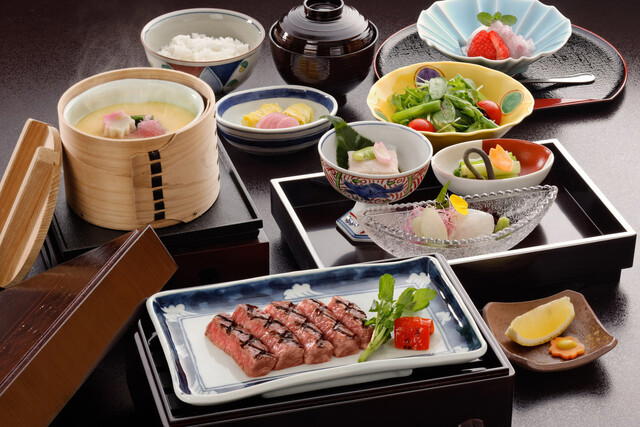
Ningyocho Imahan JR hakata shiti ten
Fukuoka, Japan
A hot-pot dining room above JR Hakata station serving table-cooked sukiyaki and shabu-shabu at JPY 10,000–14,999 for dinner. Recognized in Tabelog's 2024 Hot Pot 100 for reliable execution and convenient access for travelers, though neighborhood specialists offer more regional character. Book ahead for dinner; lunch runs JPY 5,000–5,999 with shorter waits.
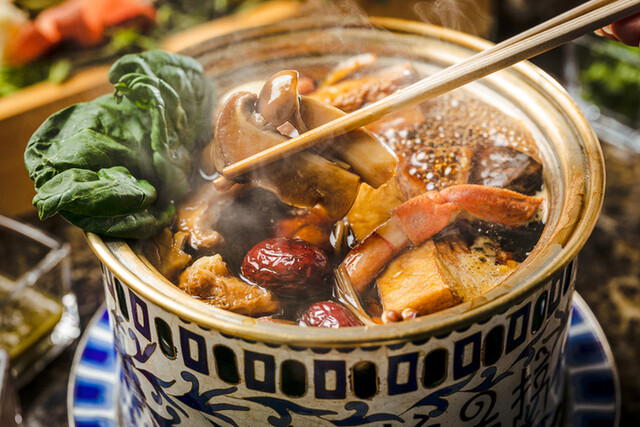
Shangri-La's secret ROPPONGI
Tokyo, Japan
A one-person-one-pot shabu-shabu specialist in Roppongi, emphasizing medicinal mushroom broths and health-conscious vegetables. Recognized in Tabelog 100 Hot Pot 2024 (#71), it suits solo diners and pairs who prefer customized timing over shared-broth service. Lunch runs JPY 6,000–JPY 7,999, dinner JPY 10,000–JPY 14,999. Private rooms available for groups of two to fourteen. Book ahead; two-hour seating limit applies.
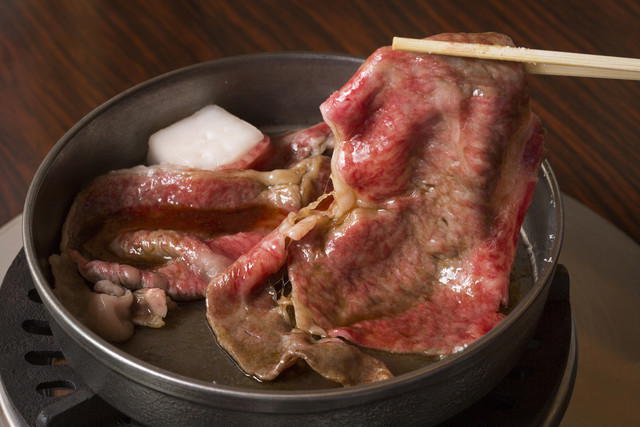
Gyugin Honten
Matsusaka, Japan
A Tabelog Hot Pot 100 sukiyaki restaurant in a Meiji-era building, serving Matsusaka beef in private tatami rooms. At JPY 10,000-14,999 per person, it anchors the high end of the city's beef-dining scene with a formal atmosphere suited to celebrations and group occasions.
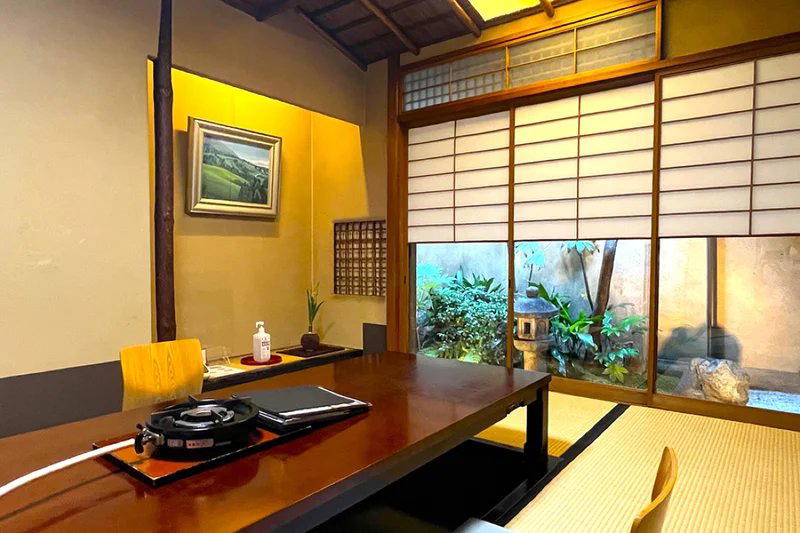
Moritaya Kiyamachi
Kyoto, Japan
A focused pick for repeat Kyoto visitors who want beef omakase without turning dinner into a formal production. Moritaya Kiyamachi makes sense for small groups that are aligned on beef and want a central Kiyamachi meal with credible recognition, including an Opinionated About Dining Japan recommendation for 2026.
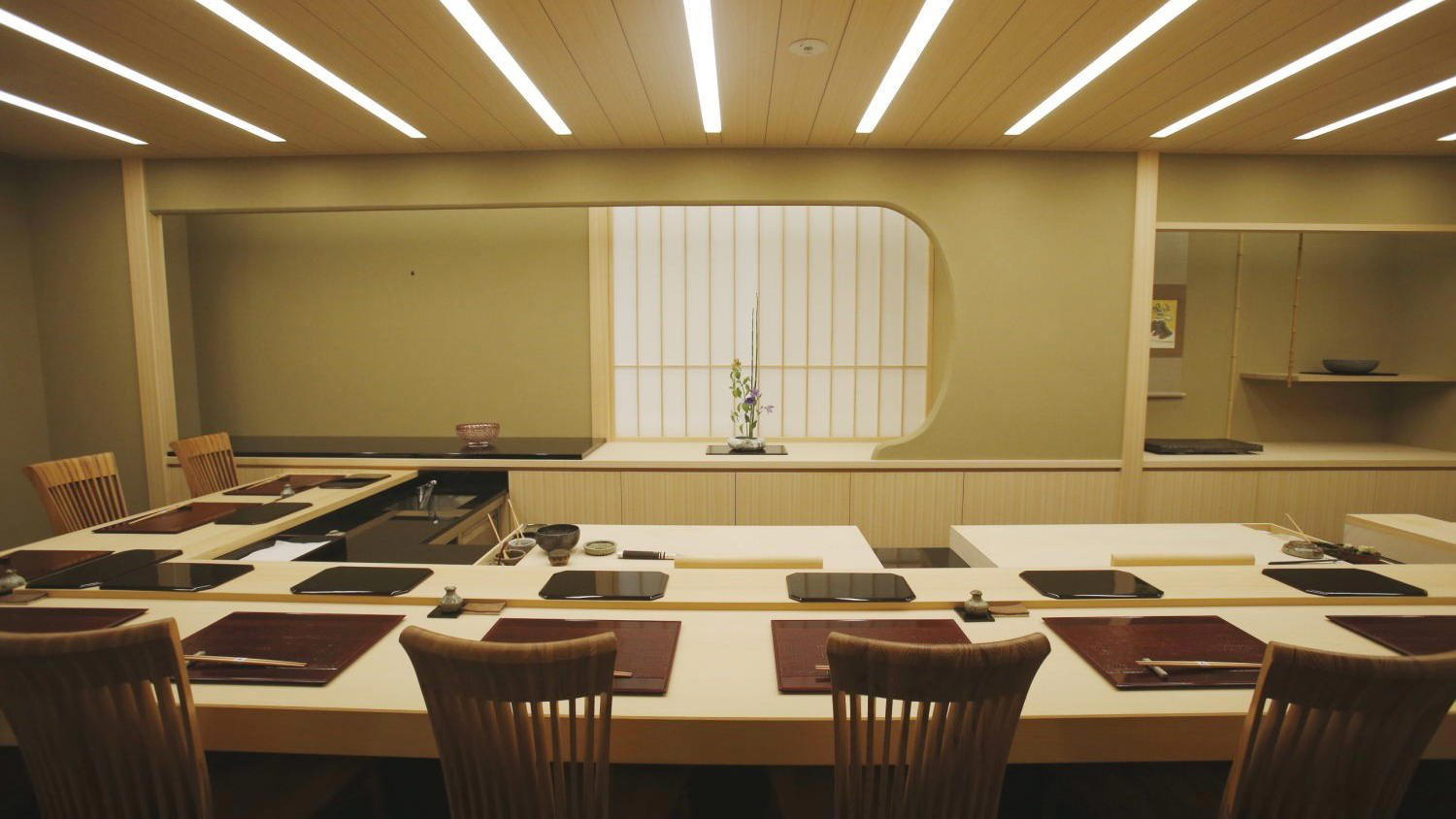
Tokyo Nikushabuya Subin
Tokyo, Japan
Tabelog Award 2026 Bronze winner specializing in Tajima beef shabu-shabu, with fixed-course lunches (JPY 15,000–19,999) and dinners (JPY 40,000–49,999) in a 16-seat Ginza basement. Ingredient sourcing justifies the premium, but strict format and high private-room fees (JPY 20,000) limit flexibility. Book two to three weeks ahead; sommelier-curated sake list supports BYO.
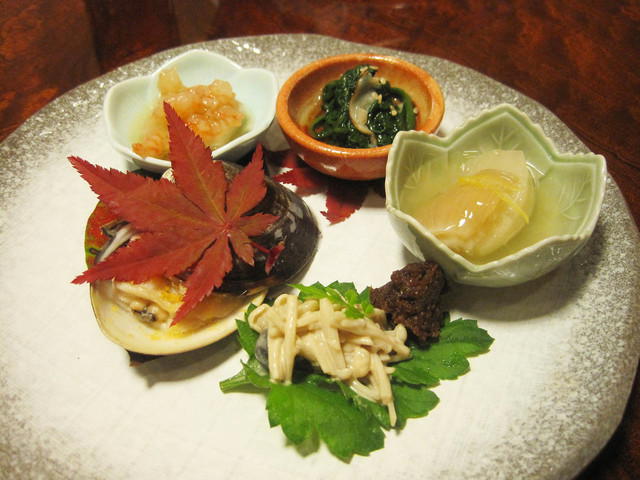
Morita Ya Shijo inokuma honten
Kyoto, Japan
Morita Ya Shijo inokuma honten offers sukiyaki, shabu-shabu, and steak across 182 seats with private room options near Hankyu Omiya Station. Dinner runs JPY 10,000–14,999 with a 10% service charge. The venue earned a Tabelog Hot Pot 100 spot in 2024 and provides sommelier-guided sake and wine pairings, making it a practical mid-premium choice for groups needing flexibility over exclusivity.
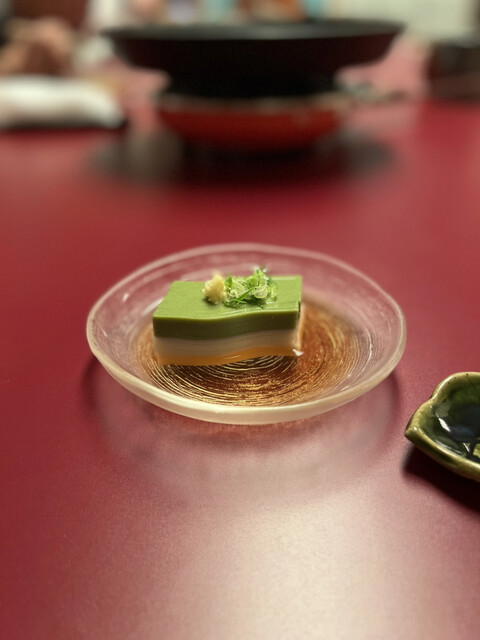
Kita Mura
Osaka, Japan
Kita Mura works for a focused Osaka dinner when the priority is a recognized, higher-spend meal rather than a casual stop. Its Tabelog 100 #76 placement in 2024 gives it a useful trust signal, but details on cuisine style, seating, and booking format should be checked before building a night around it.
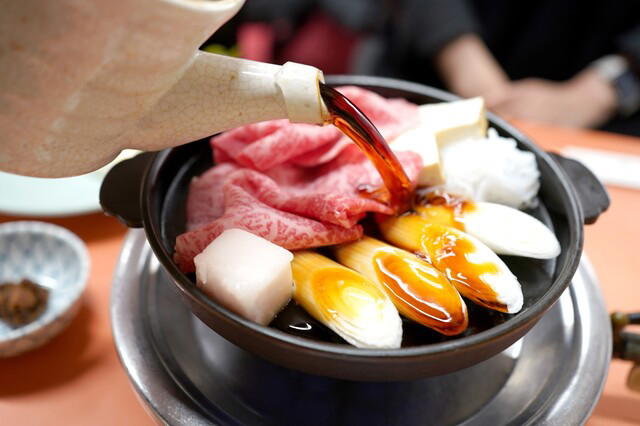
Yonekyu Honten
Tokyo, Japan
A neighborhood sukiyaki house in Asakusa offering private tatami rooms, solid wagyu hot-pot at JPY 4,000-7,999, and a walk-in-only policy that favors weekday lunch over weekend dinner. The Tabelog Hot Pot 100 2024 selection reflects steady mid-tier quality; better beef than chains, less polish than luxury Ginza specialists.
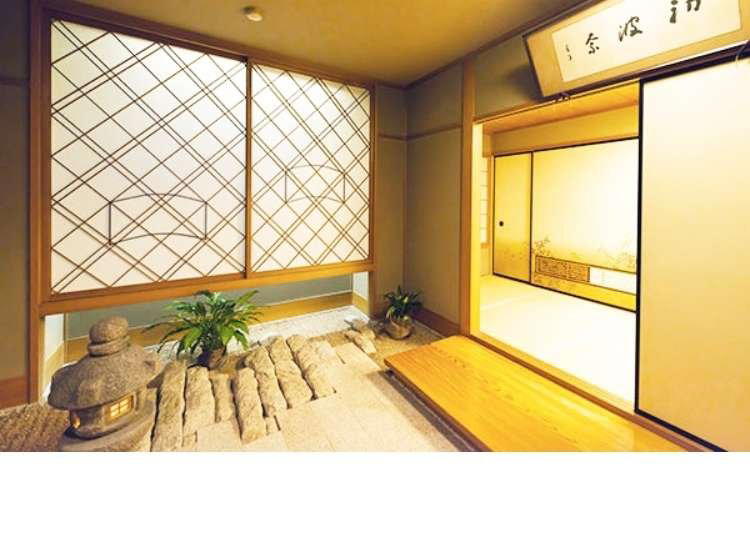
和田金
Matsusaka, Japan
和田金 sits in Matsusaka, Mie Prefecture; a city whose dining identity is built almost entirely around wagyu beef. Booking difficulty is rated Easy, making access straightforward for visitors travelling through the Kansai or Tokai regions. For food-focused travellers who want to eat well at the source of one of Japan's most sought-after beef designations, this address in Nakamachi is worth adding to your itinerary.
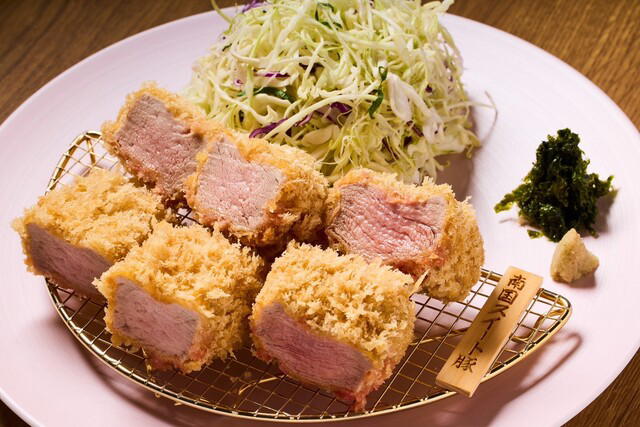
Pretty Pork Factory & Katsu Puripo
Tokyo, Japan
A 70-seat Harajuku hot-pot and tonkatsu specialist that earned a Tabelog Hot Pot 100 nod within months of opening. Shabu-shabu, Japanese samgyeopsal, and made-to-order tonkatsu anchor the menu; dinner averages ¥8,000–¥9,999, lunch ¥3,000–¥3,999. Semi-private rooms for two to twenty and a 10% service charge buy you patient pacing and indoor waits instead of sidewalk queues.
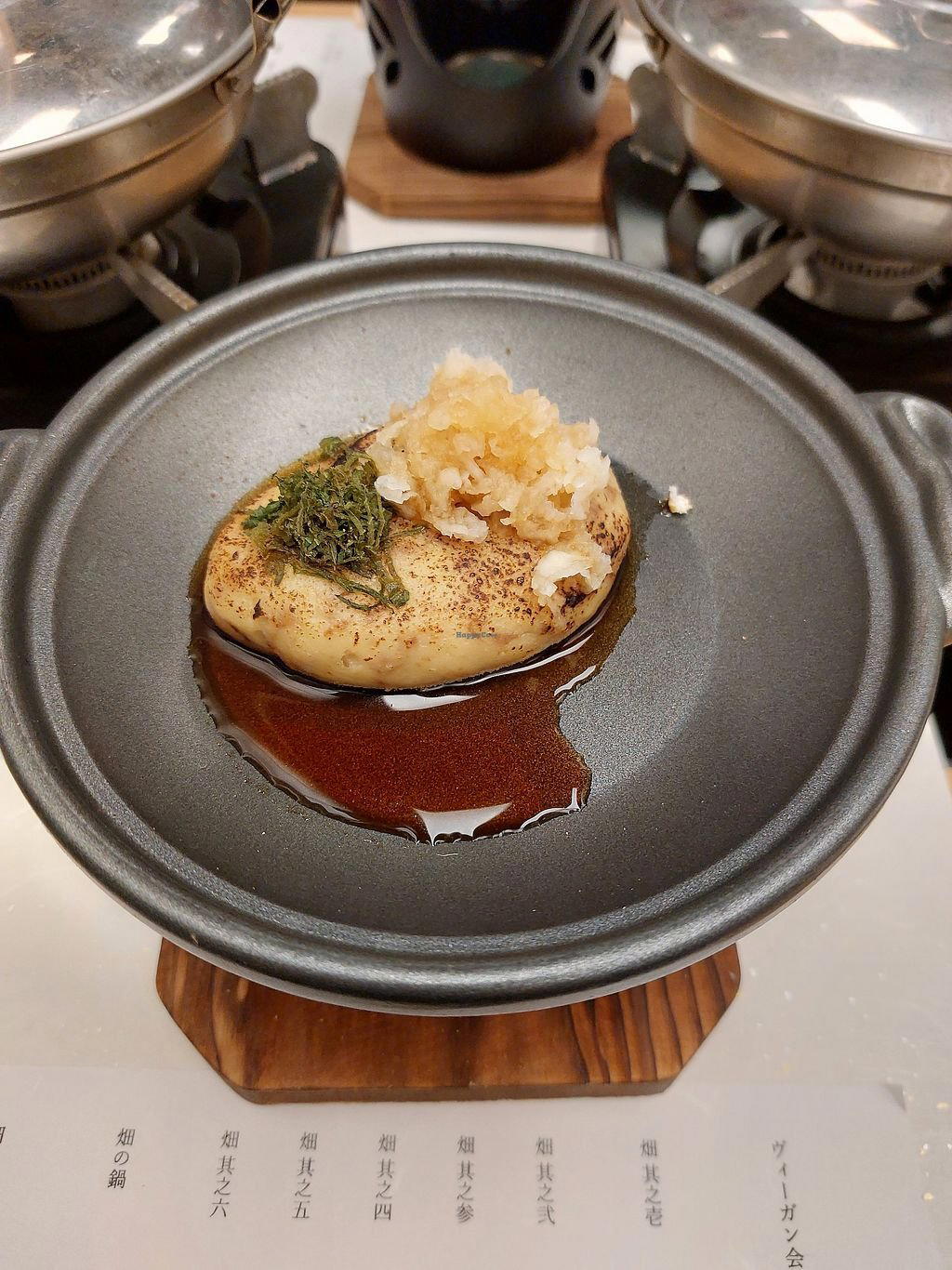
Kyōto Hyōto Kyōto Ekimae Honten
Kyoto, Japan
A practical Kyoto Station-area pick with easier booking and a real trust signal from Tabelog 100 in 2024. Lunch is the smarter default for travelers building a day around trains or hotel logistics; dinner works better after arrival, but this is more convenience-led than destination-only.
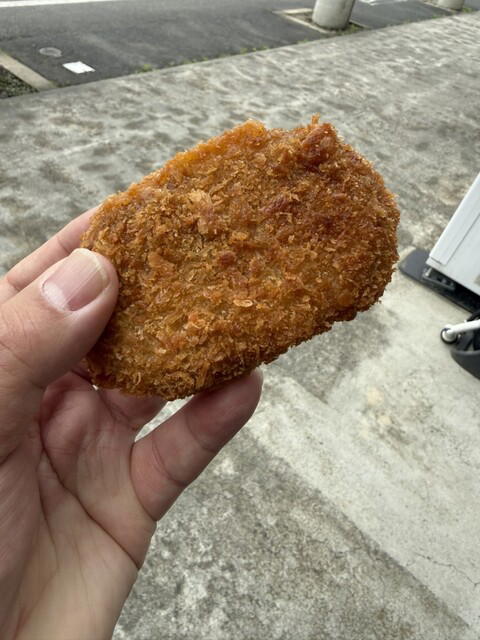
Torikatsu Gyuniku Ten
Yonezawa, Japan
Reservation-only sukiyaki and shabu-shabu specialist in Yonezawa, serving butcher-direct wagyu in private tatami rooms. Dinner JPY 6,000–7,999, lunch JPY 4,000–4,999. Tabelog 100 Hot Pot 2024. Book one day ahead by phone; family-friendly format with parking available. Middle-tier pricing for serious beef in a casual, communal setting.
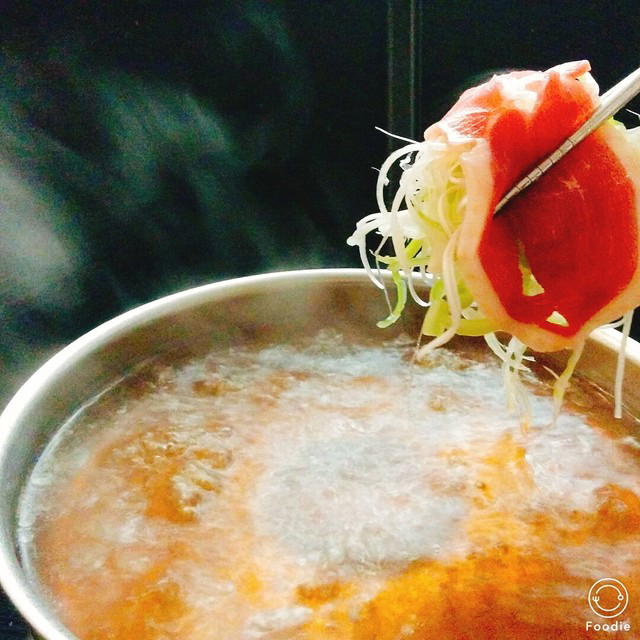
Kamo to Negi Yodomizu Nigyo
Fukuoka, Japan
Duck shabu-shabu specialist in Haruyoshi, recognized by Tabelog 100 Hot Pot 2024. Dinner-only, reservation-required format with service running 6 PM until the broth runs out. Counter and table seating for 24, closed Sundays. Book this if duck hot pot is your goal and you want a focused meal near Tenjin without extended lead time.
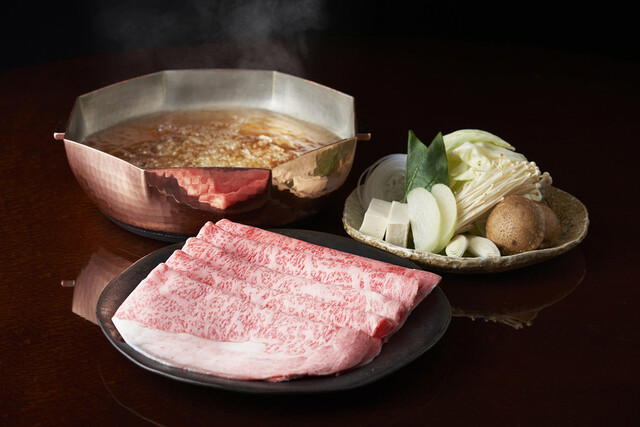
Matsusaka Ushi Yoshida
Tokyo, Japan
A Tabelog Hot Pot 100 venue on the 53rd floor of Tokyo Opera City Tower, serving Matsusaka beef sukiyaki, shabu-shabu, and teppanyaki. Dinner runs JPY 20,000–29,999; lunch drops to JPY 1,000–1,999 with advance booking. The 105-seat space includes private rooms and city views, suited to groups and families.
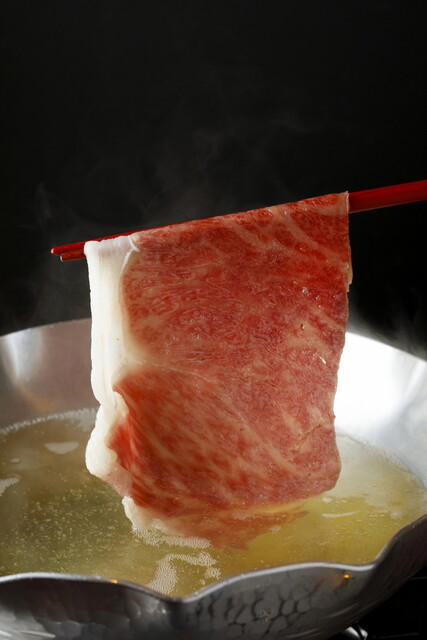
Tokyo Niku Shabuya
Tokyo, Japan
A 12-seat Okubo counter serving Tajima beef shabu-shabu and sukiyaki with precision pacing and broth control. Tabelog Bronze holder (2019–2026) and Tabelog Hot Pot 100 2024 selection. Lunch (JPY 15,000–19,999) offers the same cuts and technique as dinner (JPY 20,000–29,999) at lower cost. Strict policies (15+ age requirement, no perfume, 20-minute late = cancellation). Book via TableCheck 3–4 weeks ahead; peak slots fill fast.
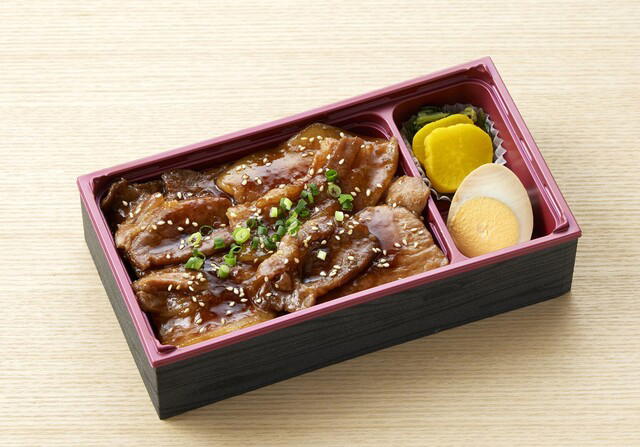
Nihonbashi Iseju
Tokyo, Japan
A Meiji-era sukiyaki specialist in Kodenmacho offering A5 wagyu tableside service in private tatami rooms. Tabelog 100 Hot Pot 2024 recognition, dinner courses at JPY 8,000–9,999, and capacity for groups up to 80 make it a practical choice for business meals and celebrations without Ginza-level ceremony or pricing.
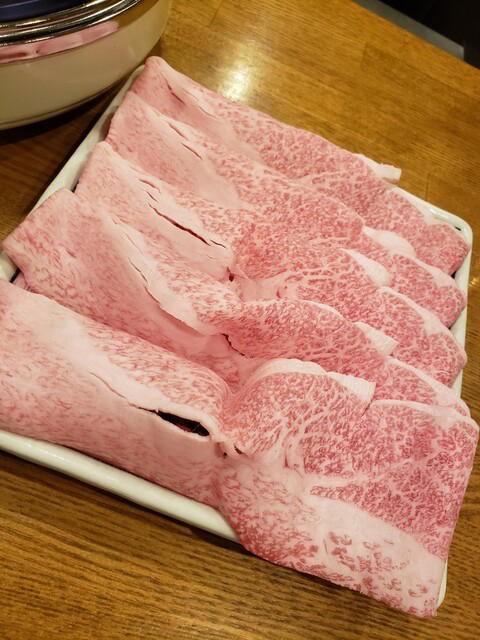
Kiyo Suke
Osaka, Japan
Sukiyaki and shabu-shabu specialist near Tanimachi Roku-chōme with Tabelog Hot Pot 100 recognition. Lunch runs JPY 2,000–2,999 without reservations; dinner reaches JPY 10,000–14,999 and requires advance booking. Cash only. The second-floor tatami room seats 10–20, offering group capacity rare among Osaka hotpot destinations.
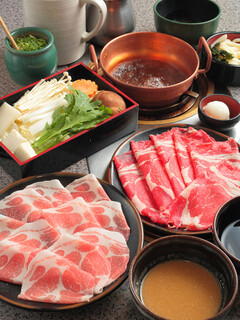
Shabu Tei Nishiumeda ten
Osaka, Japan
A Tabelog 100-listed shabu-shabu specialist charging JPY 2,000–2,999 at dinner and under JPY 1,000 at lunch, making it one of Osaka's most accessible award-recognized hotpot venues. The 50-seat counter-and-table format focuses on pork and beef shabu-shabu with house-made sesame sauce, open daily 11 AM–11 PM near Nishi-Umeda Station. Lunch delivers the sharper value; reservations are rarely needed.
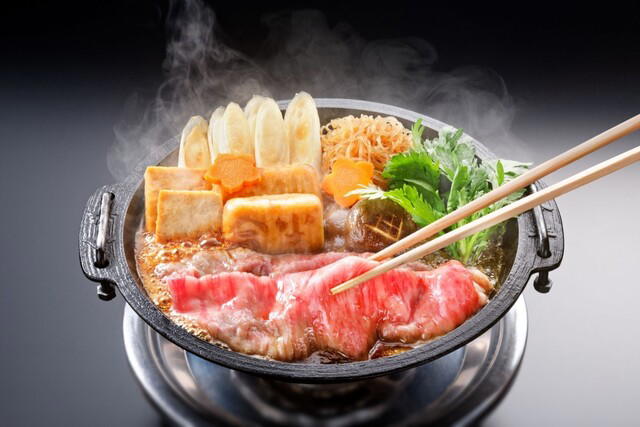
Ningyocho Imahan Nagoya Midland Square
Nagoya, Japan
Tabelog 100-recognized sukiyaki and shabu-shabu featuring Kuroge Wagyu, served on the 41st floor of Midland Square with sweeping city views. Dinner runs JPY 15,000–19,999, lunch JPY 6,000–7,999; easier to book and more affordable than Kyoto Kiccho Nagoya ten, with private rooms for up to 18 guests and seasonal ingredient rotations that shift the menu quarterly.
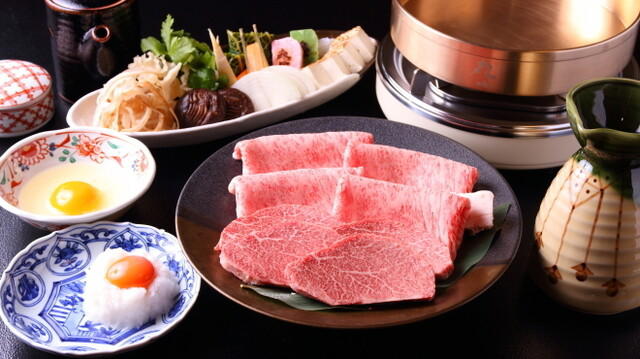
Maruko
Nagoya, Japan
Tabelog Hot Pot 100 specialist serving black wagyu sukiyaki and shabu shabu in private rooms for two to thirty-plus guests. Dinner JPY 10,000–14,999, lunch JPY 2,000–2,999. Better value at midday; reliable choice for family celebrations and groups prioritizing comfort over innovation.
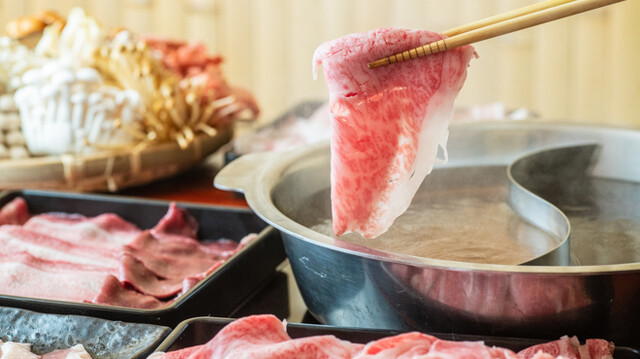
Kagayaki
Tokyo, Japan
Ginza shabu-shabu spot with two-hour all-you-can-eat courses at ¥6,000–¥7,999, balancing beef quality and value without the usual trade-offs. Counter seating for eight on the first floor (phone reservations only), 20 table seats upstairs, dinner-only service. Tabelog Hot Pot 100 recognition in 2024; closed Sundays.
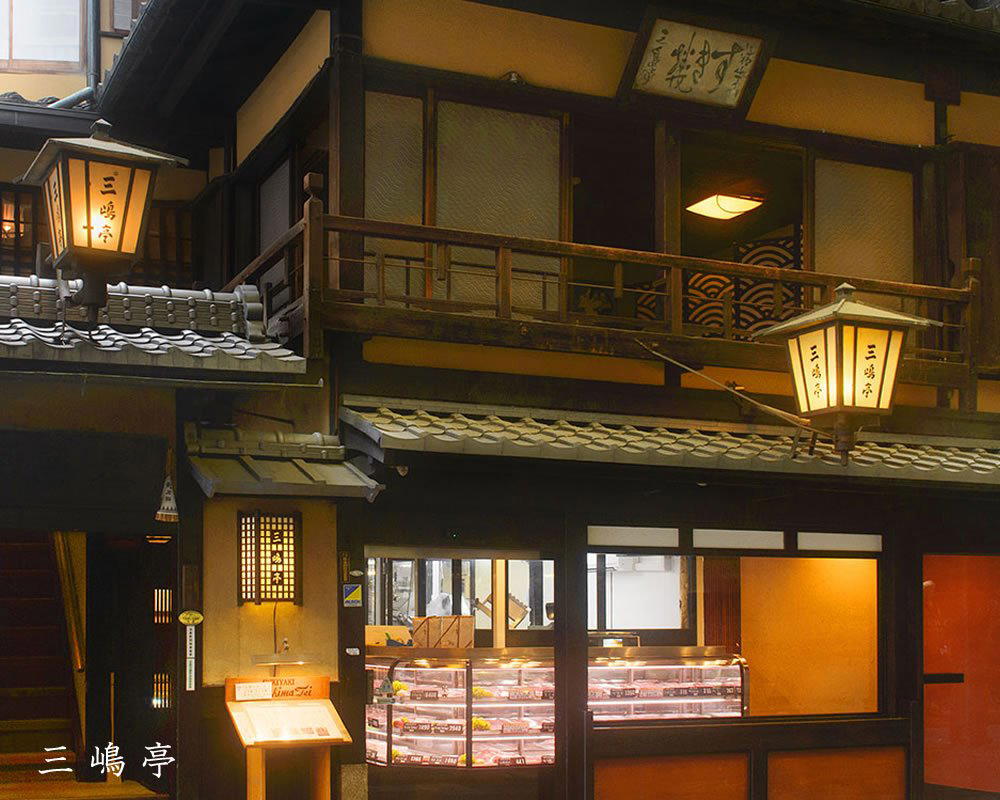
Mishimatei
Kyoto, Japan
Mishimatei is a practical central Kyoto pick when the goal is a recognized restaurant with easier booking pressure than the city's harder reservation targets. Use it for a first-trip lunch or early dinner around Nakagyo-ku; choose Smart Coffee for a lighter stop, Kyogoku Kaneyo for unagi value, or Ten-Yu for a higher-spend formal meal.
butasute Wakayanagi
Ise, Japan
A Tabelog 100 Hot Pot selection for 2024, butasute Wakayanagi serves Ise wagyu sukiyaki and shabu-shabu in 10 private rooms at JPY 10,000–14,999 per person. The 115-year butcher heritage ensures marbling consistency, while the DIY hot-pot format favors confident groups over omakase-style guidance. Reservations advised 2 weeks ahead for weekends; easier midweek.
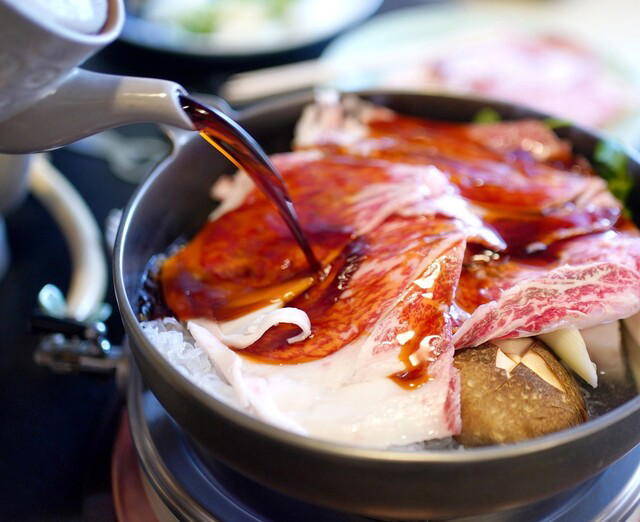
Asari Honten
Hakodate, Japan
Tabelog 100 Hot Pot sukiyaki house in Horaicho, known for beef quality sourced through its ground-floor butcher shop. Dinner runs JPY 5,000–5,999, weekday lunch drops to JPY 1,000–1,999. Spacious tatami rooms handle groups of two to thirty-plus; takeaway bento and croquettes available from the counter.
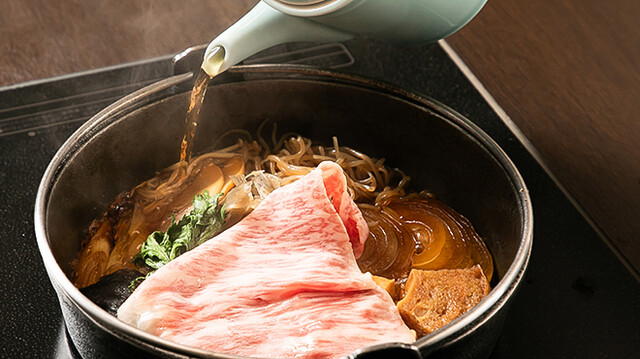
Gyu no Ishizaki
Sapporo, Japan
Tabelog Hot Pot 100 sukiyaki and shabu-shabu specialist in Susukino, serving Ezo Tajima black wagyu with Ministry-approved raw-meat processing on-site. Private rooms seat up to 30, making this a practical choice for business dinners or celebrations. Expect ¥10,000–¥14,999 per head, a 10% service charge, and straightforward booking for most nights.
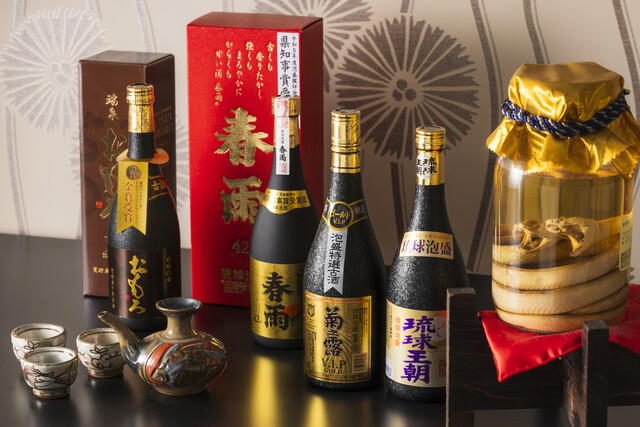
Shabushabu Kin Honten
Naha, Japan
Premium Agu pork shabu-shabu in Makishi, recognized on Tabelog 100 for hot pot in 2024. Course-only format (JPY 6,000–7,999) built around pure-bred Kin-cho Agu and house dashi, with private rooms for 6–30+. Book for group occasions willing to spend JPY 10,000+ per head; skip if you prefer à la carte flexibility or solo counter dining.
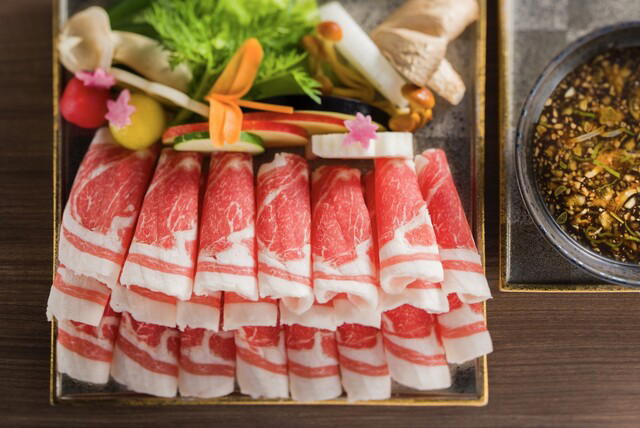
Dosan Youniku Kappou Lamb Pirika
Sapporo, Japan
A 13-seat counter in Susukino where farm-direct Hokkaido lamb is served shabu-shabu-style in individual pots, earning a Tabelog 100 Hot Pot 2024 nod. At JPY 10,000–14,999, the reservation-only format trades jingisukan's grilled-fat drama for kappou-level plating and produce-driven clarity. Counter seats near the station let you watch the progression; BYO drinks are welcome, and families are accommodated despite the quiet, technique-focused pacing.
Ningyocho Imahan Ginza ten
Tokyo, Japan
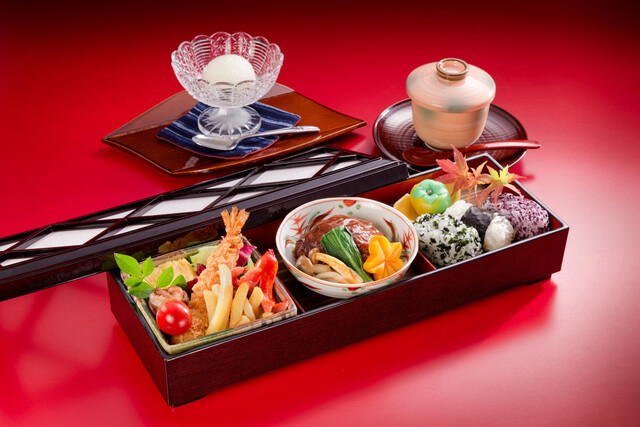
Sukiya-style private rooms and Tabelog-recognized sukiyaki in central Ginza, priced ¥4,000–¥7,000 below the neighborhood's heritage specialists. Lunch runs ¥6,000–¥7,999; dinner ¥10,000–¥14,999 before fees. Book for tableside beef service without white-glove formality, or skip if you need transparent sourcing and English support.
Ibuki
Tokyo, Japan
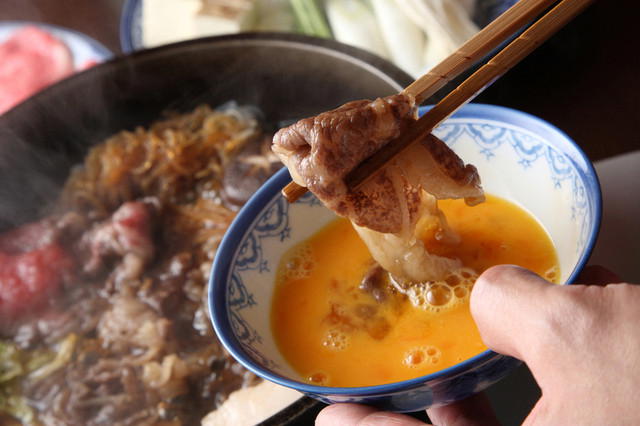
A Tabelog 100 Hot Pot 2024 selection in Shinjuku, this 20-seat venue focuses on sukiyaki and shabu shabu at JPY 5,000–5,999. The four-person party cap and intimate second-floor setting suit small groups seeking ingredient-driven hot pot without kaiseki formality. Three minutes from Shinjuku Station, it's easier to book than higher-tier peers and priced below the neighborhood's izakaya alternatives.
Karen Oosaka shinsaibashi ten
Osaka, Japan
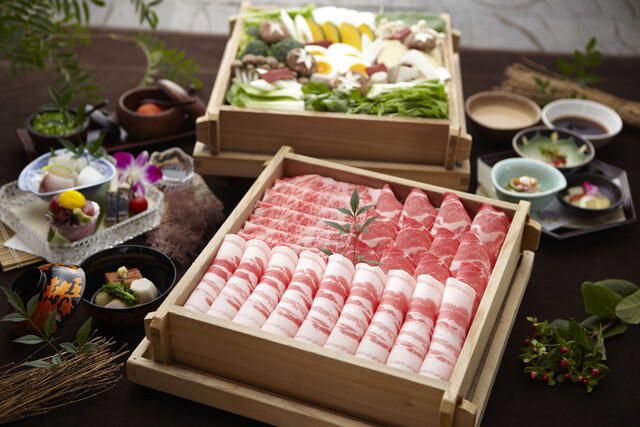
Tabelog Hot Pot 100 honoree serving Kagoshima Kuro Beef; the national Wagyu champion; in shabu-shabu, sukiyaki, and steak formats. Dinner runs JPY 10,000-14,999 with private tatami rooms for groups up to eight; lunch drops to JPY 4,000-4,999. Direct-managed by JA Kagoshima Prefecture Economic Association, so product provenance is locked in. Reservations recommended; six-minute walk from Shinsaibashi Station.
Overview
Tabelog 100 - Hot Pot - 2024 is an authoritative ranking of Japan’s top 100 hot pot restaurants, curated from millions of user reviews on Tabelog, the country’s premier restaurant platform. This list highlights outstanding establishments renowned for their quality, authenticity, and innovation within the hot pot culinary tradition.
Since its inception, Tabelog has become Japan’s most trusted restaurant review platform, akin to Yelp but with rigorous scoring and a dedicated foodie community. Its annual Top 100 lists across various cuisines spotlight Japan’s culinary excellence, with the Hot Pot category celebrating the nation’s rich heritage of communal dining and seasonal flavors. The 2024 edition reflects evolving tastes, regional specialties, and the enduring appeal of hot pot, from classic sukiyaki and shabu-shabu to lesser-known regional variants. With Japan’s culinary scene influencing global dining trends, this list serves as an essential guide for gourmets and travelers seeking authentic and exceptional hot pot experiences.
For discerning diners and travelers captivated by Japan’s culinary artistry, the Tabelog 100 - Hot Pot - 2024 list offers an unparalleled roadmap to the country’s most exceptional hot pot establishments. From the delicate balance of premium wagyu in sukiyaki to the vibrant umami-rich broths of regional specialties, these 100 restaurants showcase the depth and diversity of Japan’s hot pot culture. Whether seeking a refined kaiseki-style experience or a lively neighborhood shabu-shabu spot, this curated selection reveals where authenticity meets innovation in Japan’s beloved communal dining tradition.
Quick Facts
- Publisher
- Tabelog
- Year
- 2024
- Coverage
- Japan (nationwide)
- Items
- 100 hot pot restaurants
- Frequency
- Annual
About This Edition
The 2024 edition of the Tabelog 100 - Hot Pot list reflects notable shifts in Japan’s dining scene, including a surge in innovative hot pot concepts that blend traditional flavors with modern techniques. This year’s list features several newcomers from emerging culinary hubs outside Tokyo and Osaka, highlighting regional diversity. There is also a marked emphasis on sustainable sourcing and artisanal ingredients, responding to evolving consumer values. These trends underscore hot pot’s dynamic nature and its continuing evolution within Japan’s gastronomic culture.
Frequently Asked Questions
What is Tabelog 100 - Hot Pot - 2024?
How are honorees selected?
How often is this list updated?
How can I find these on Pearl?
How many of these have you visited?
Find out on Pearl and keep score across every place in Tabelog 100 - Hot Pot - 2024.