

2026 Falstaff Winery Guide: The Ultimate Wine Authority — Page 84
Falstaff's 2026 Wineries guide.

Venues on this list
Domaine Courbis - Laurent et Dominique
Châteaubourg, France
Domaine Courbis - Laurent et Dominique is a smart Châteaubourg stop for Rhône drinkers who want a serious Syrah tasting without a luxury-hospitality overlay. Book for the Cornas and Saint-Joseph comparison, especially if you are deciding what to cellar; skip if you need confirmed food service, published tasting pricing or a restaurant-style visit.
Esterházy Winery
Trausdorf, Austria
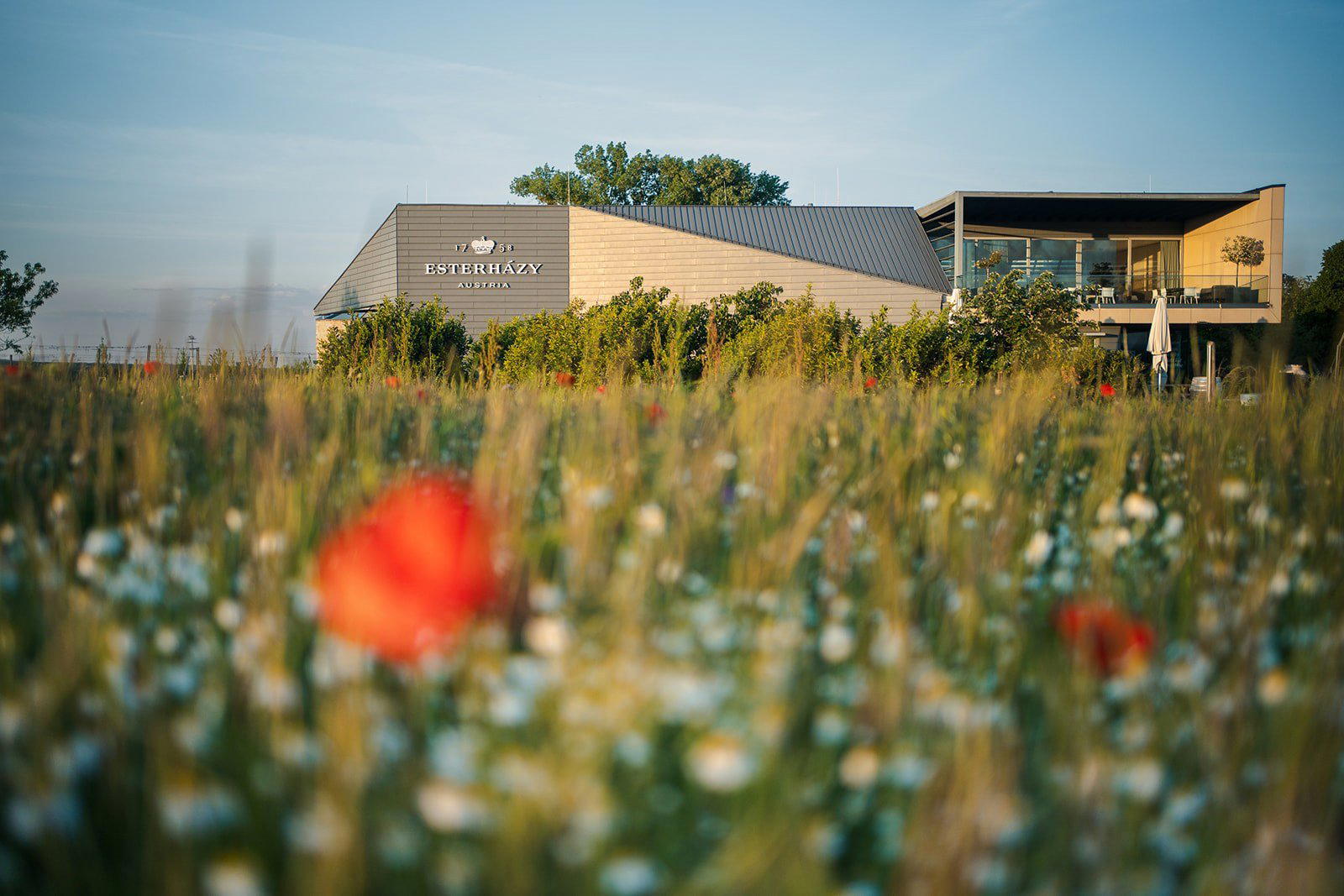
Choose Esterházy Winery if you want a polished Burgenland winery stop with a historic estate feel, especially for a private or upgraded tasting. It is a tougher fit for casual drop-ins or groups that want an easy, flexible tasting day; compare it with Moric, Kollwentz, Prieler, Gut Oggau, and Ernst Triebaumer before committing.
Cesarini Sforza Spumanti
Trento, Italy
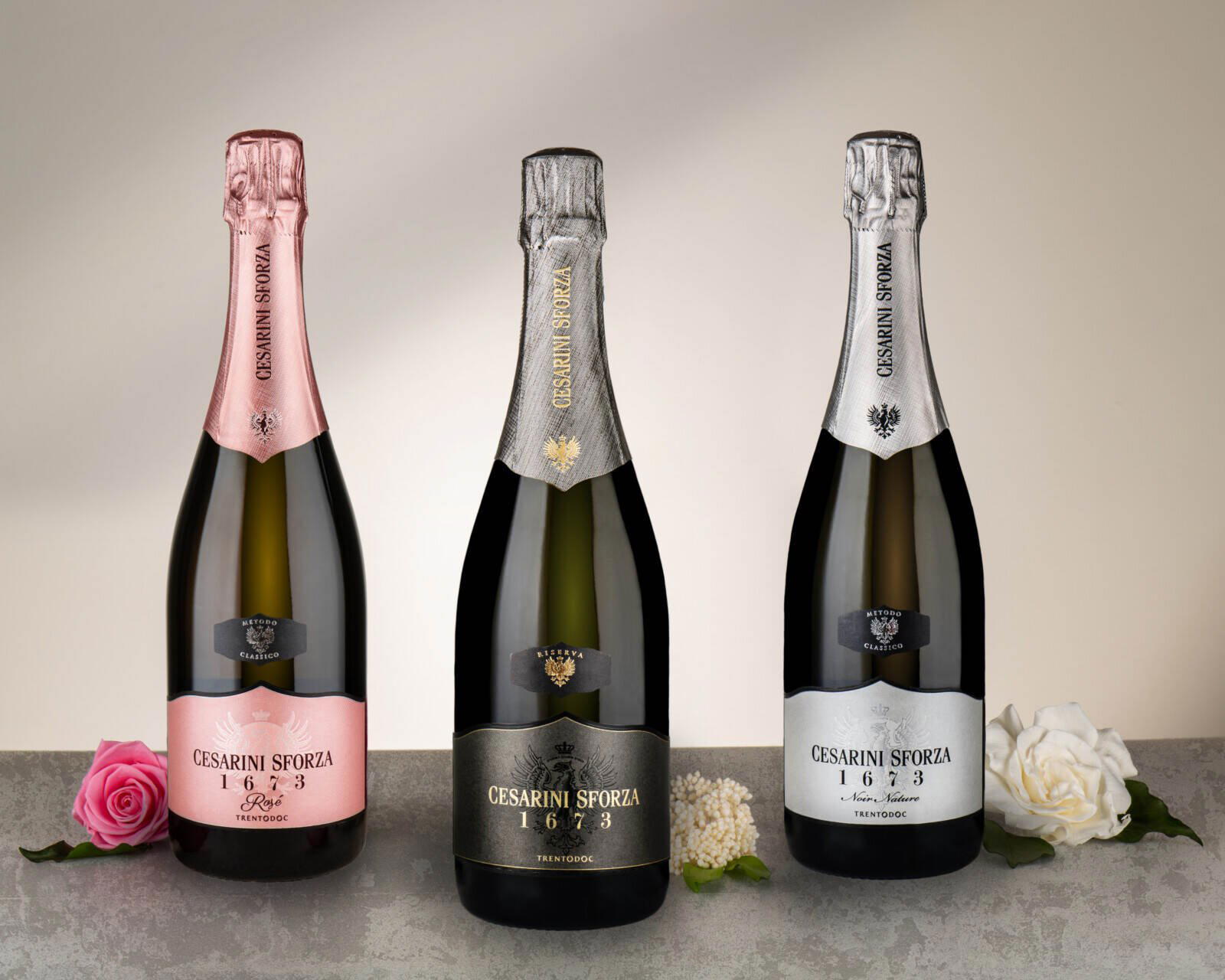
Cesarini Sforza Spumanti is worth booking if the goal is a polished Trentodoc tasting centered on classic-method mountain sparkling wine. Go for the producer’s depth in brut, rosé, vintage, and riserva styles; do not choose it for a full food-pairing lunch or a casual outdoor winery day.
Baroni Capoano
Ciro Marina, Italy
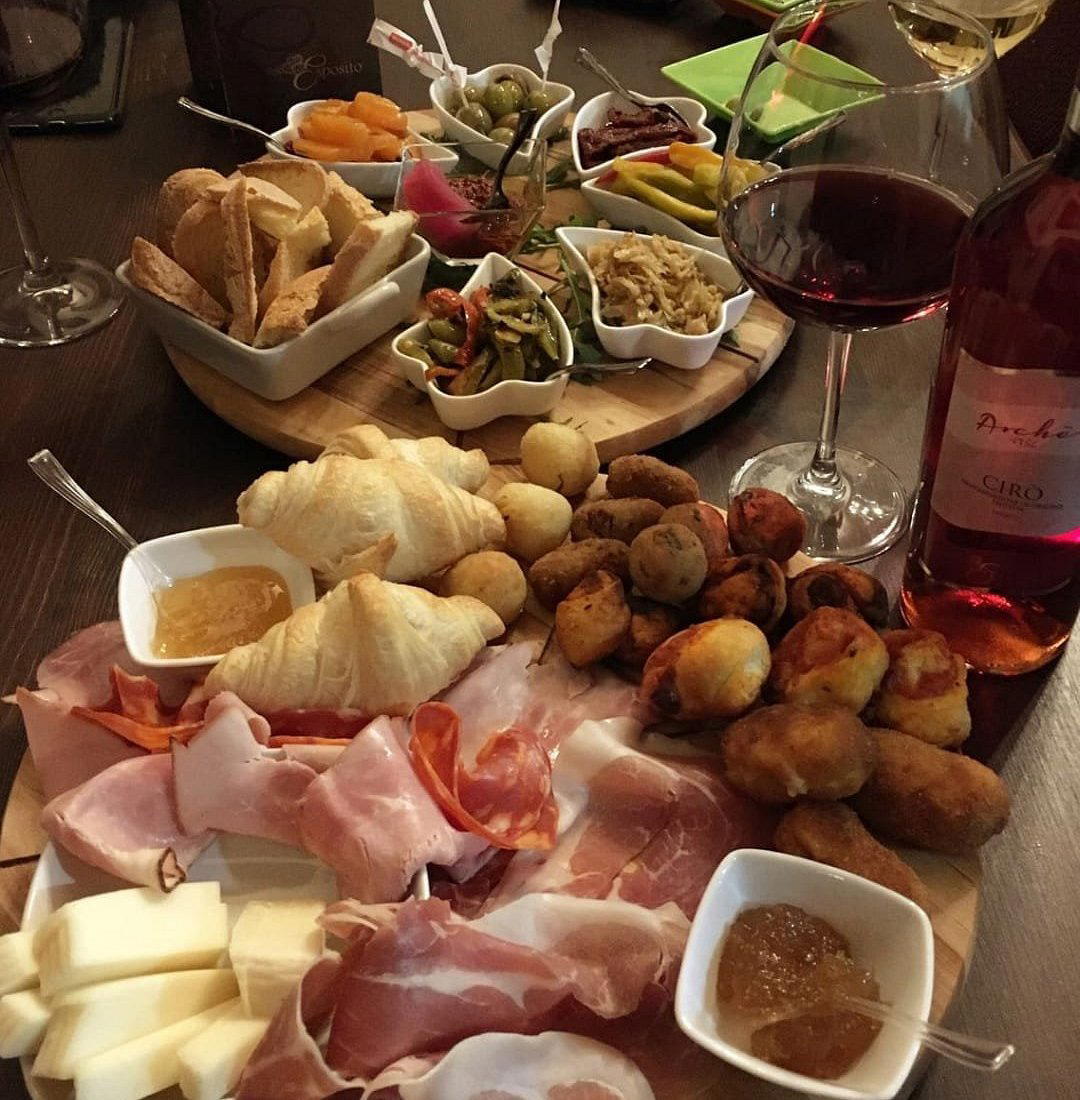
Baroni Capoano works if Cirò Marina wine context is the point of the trip and you are comfortable with a producer-led stop rather than a fully packaged visitor experience. Falstaff Listed in 2026, it works better for wine-focused travelers than for groups needing confirmed food, fixed timing, or extensive hospitality details.
Domaine Piquemal
Espira De L Agly, France
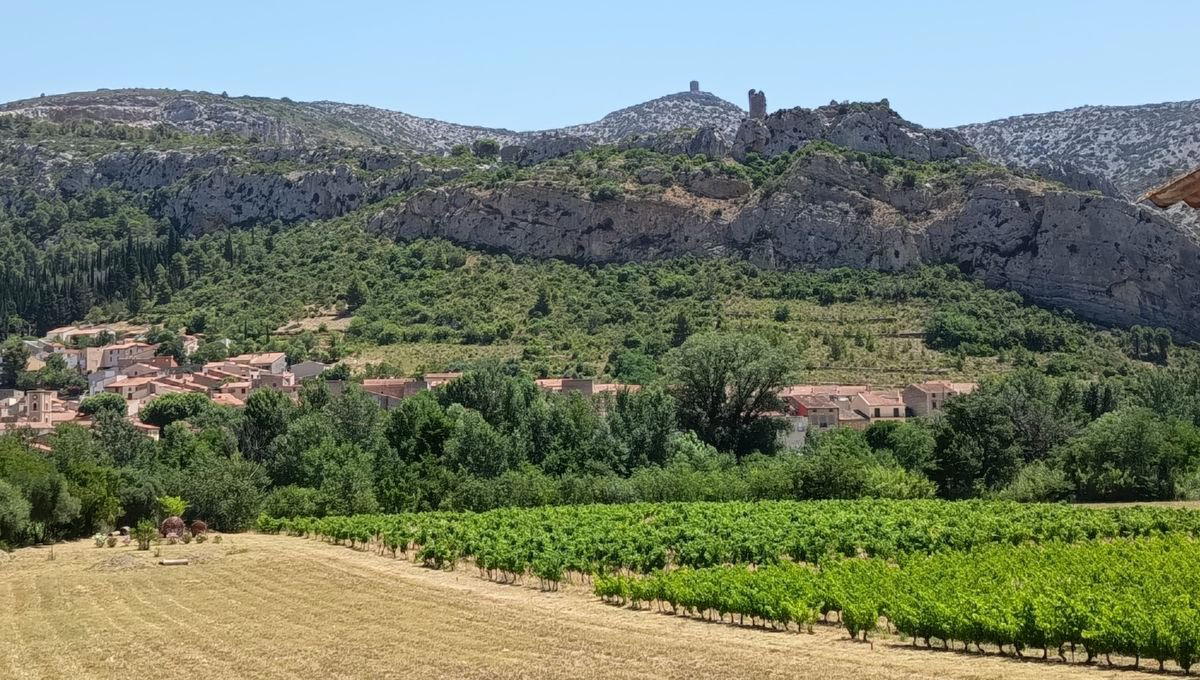
A good fit for a low-key Roussillon cellar visit, especially if the goal is Agly valley terroir, family-run continuity, and a broad local wine range rather than a formal food-pairing experience. Go for the regional context and rustic tasting-room feel; plan food separately unless timing lines up with one of the estate’s event-style evenings.
Château d’Issan
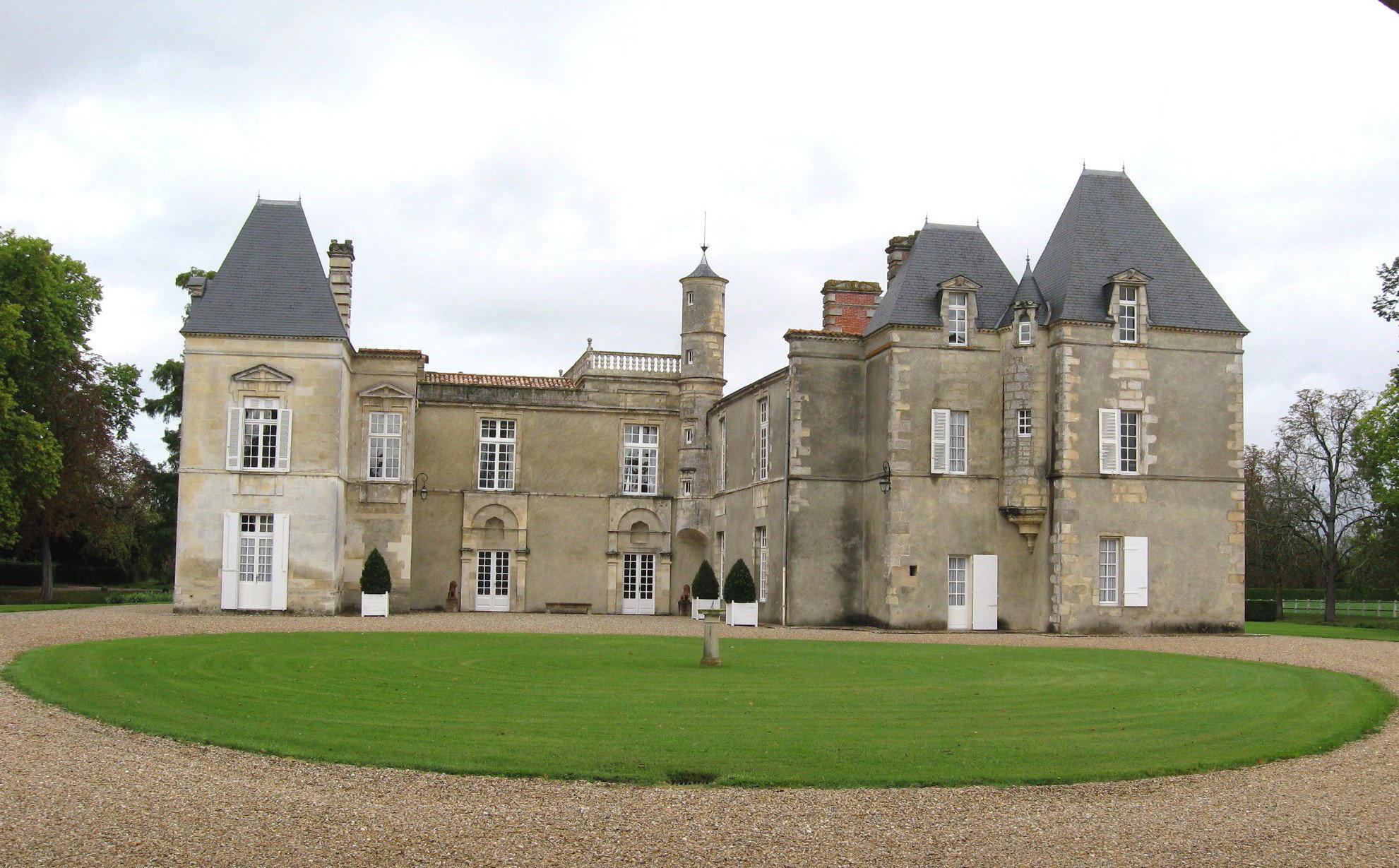
Cantenac, France
Château d'Issan is worth prioritizing for a serious Margaux-Cantenac tasting, especially if the goal is a more private, focused visit rather than a casual cellar-door stop. Plan early and keep a nearby backup: Château Prieuré-Lichine, Château Kirwan, and Château Pouget are more practical cross-shops if timing or availability becomes the constraint.
Champagne Brimoncourt
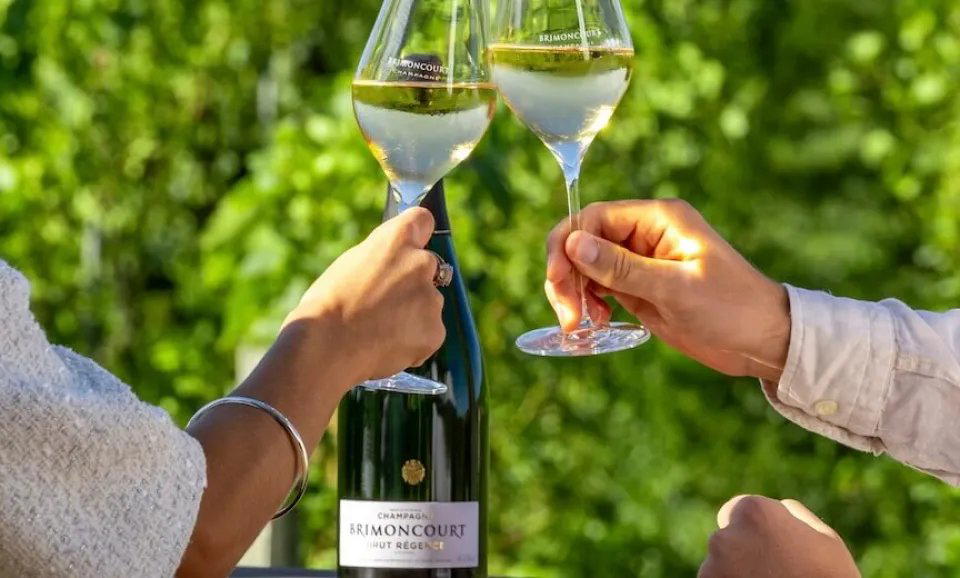
Aÿ, France
Book Champagne Brimoncourt if you want a polished, intimate Aÿ tasting with a clear four-cuvée structure rather than a large-house spectacle. It works well for couples, celebrations, and small groups who want heritage architecture, approachable guidance, and a Chardonnay-led Champagne style with Falstaff-listed recognition in 2026.
Despotika Winery
Smederevska Pa, Serbia
Choose Despotika Winery for a relaxed Šumadija estate visit with enough wine credibility to justify the trip. The draw is the mix of Morava and Prokupac, vineyard views, picnic-lawn pacing and Falstaff recognition, with accommodation added in 2023 for visitors who want to slow the day down.
Château Dalem
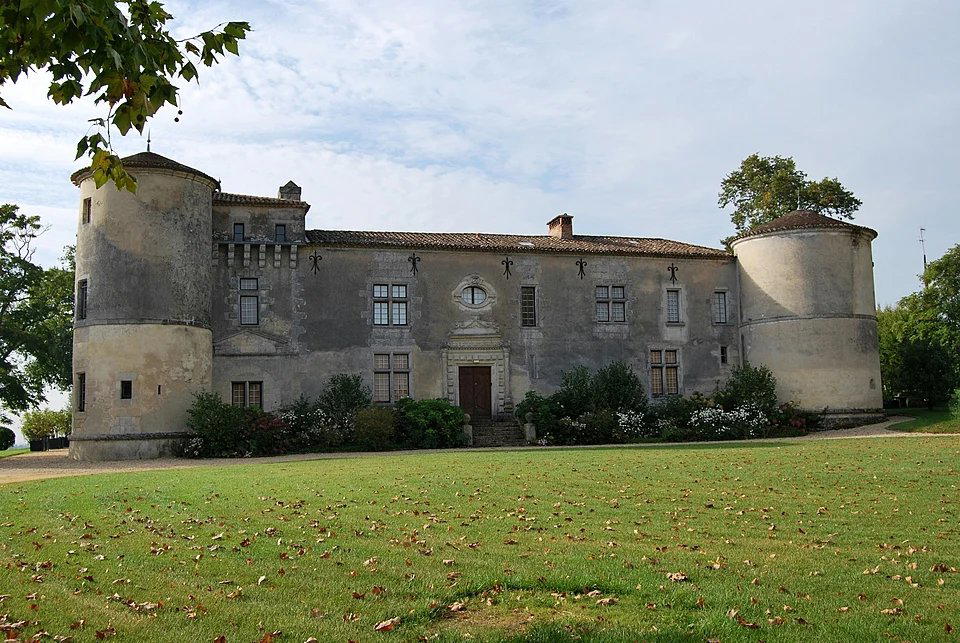
Saillans, France
Château Dalem is worth targeting if Fronsac is already part of the trip and the priority is a focused wine-country stop rather than a meal-led tasting day. The 2026 Falstaff 2-star recognition gives it a clear quality signal, but booking access looks difficult, so treat it as a planned appointment rather than a casual Saillans add-on.
Azienda Agricola Pietrafocaia di Ferretti Ivano
Montalcino, Italy
A focused Brunello di Montalcino producer for visitors who want a quiet, Sangiovese-led tasting rather than a broad hospitality stop. Better for small groups and serious wine buyers than large celebrations needing food, multiple labels, or a highly programmed tour.
Château Grand-Puy-Lacoste
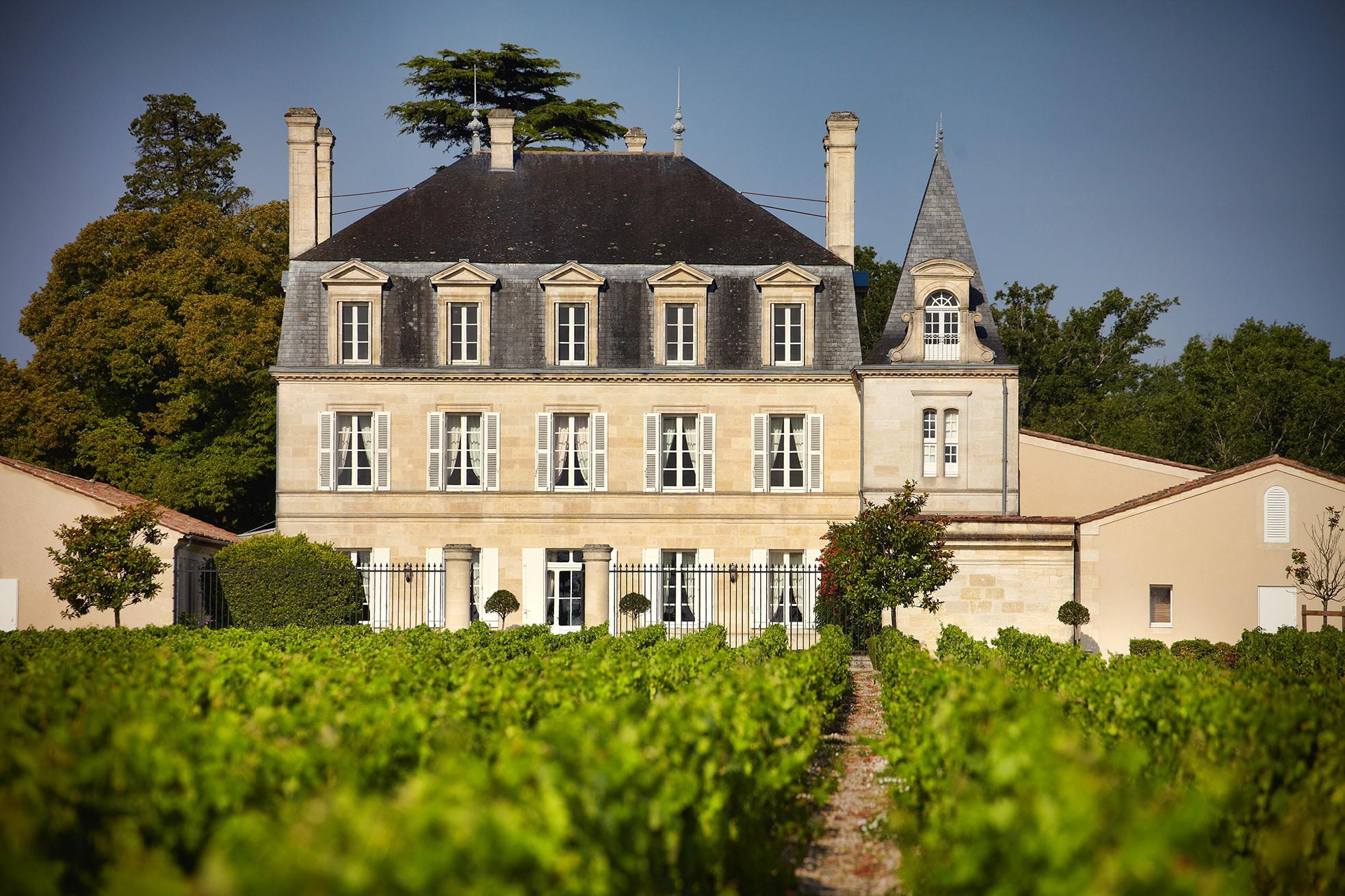
Pauillac, France
Château Grand-Puy-Lacoste is worth targeting for a serious Pauillac itinerary, especially if you care about estate history and a focused winery visit. Access should be planned well ahead, so treat it as the anchor of the day rather than a flexible drop-in between nearby châteaux.
Balla Geza
Paulis, Romania
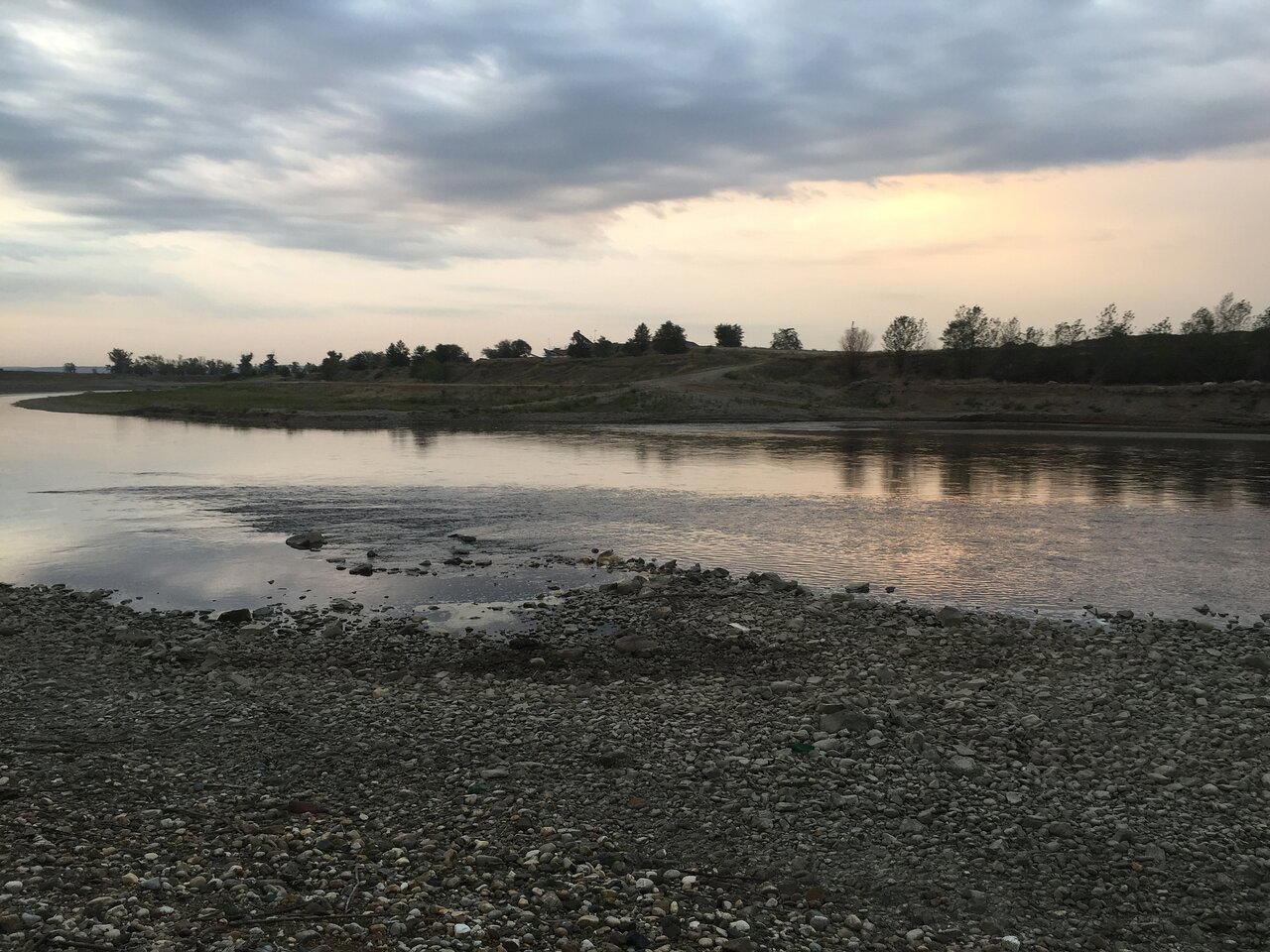
Book Balla Geza if the goal is a serious Miniș-Măderat winery visit focused on Romanian reds, indigenous grapes, and a rural estate setting. It suits wine travelers who want context in the glass more than resort-style polish; casual visitors should plan ahead and keep expectations centered on terroir, cellar rooms, and local pairings.
Fuligni
Montalcino, Italy
Fuligni is worth booking for a serious Brunello-focused visit in Montalcino, especially if the goal is to understand estate Sangiovese through ageing, vineyard position, and disciplined selection. It is appointment-only and priced as $$$, so it suits planned wine itineraries better than casual drop-ins or entertainment-led tastings.
Château d’Agassac
Ludon Medoc, France
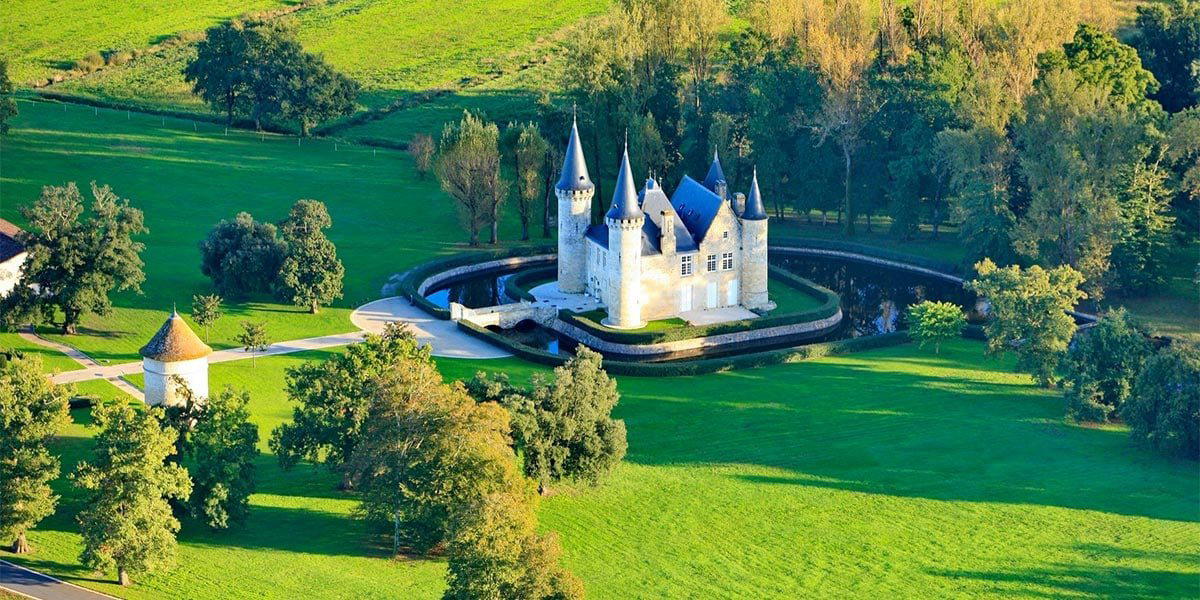
Book Château d’Agassac if the goal is a scenic Haut-Médoc tasting with real historical weight, not just a quick pour. The medieval château setting gives the visit strong visual appeal, while estate-grown red Bordeaux blends and documented sustainability work add enough substance for wine-focused travelers.
Bodegas Larchago
Lapuebla De Labarca, Spain
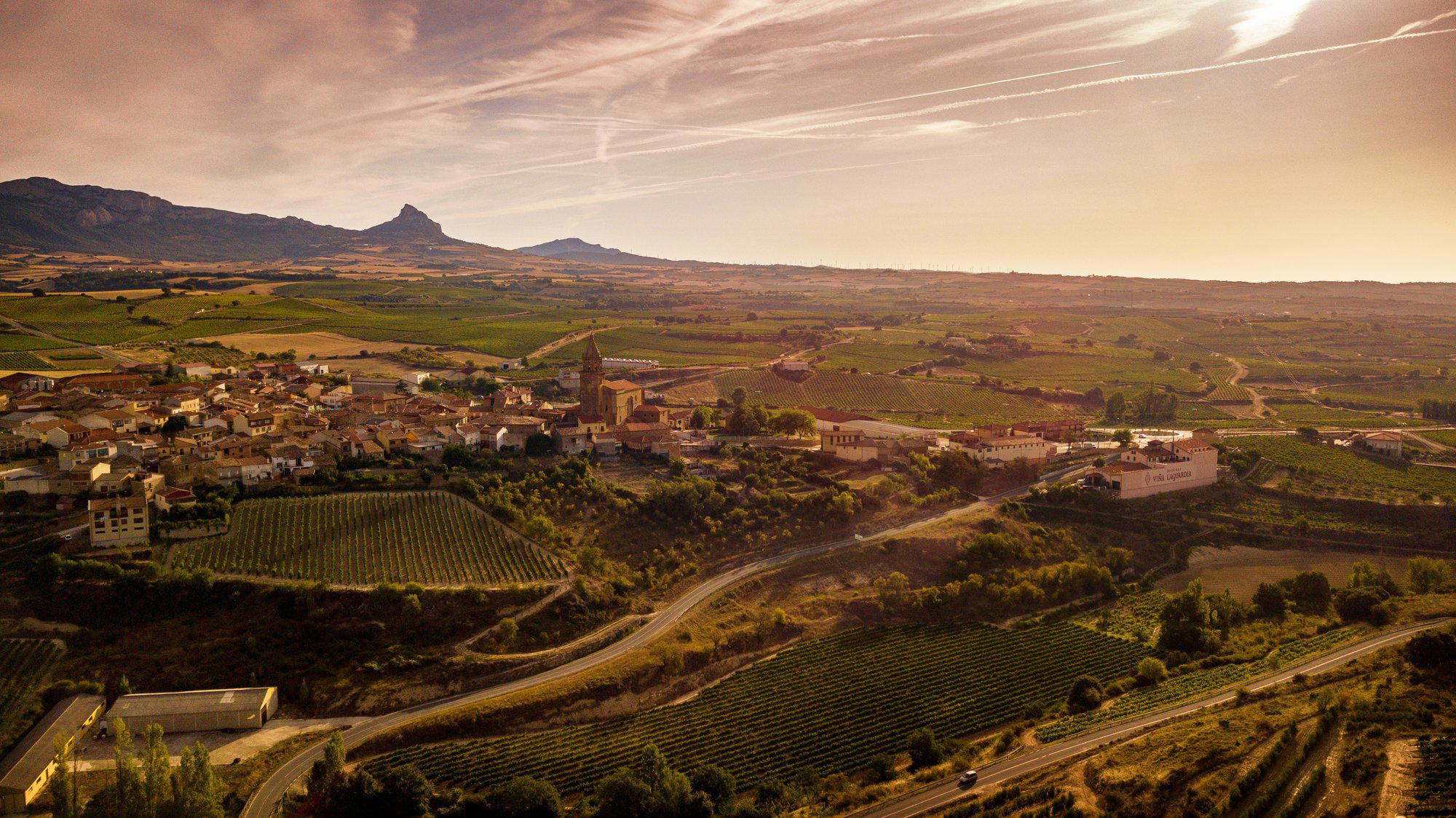
Worth booking if the goal is a classic Rioja Alavesa winery visit with family history, village atmosphere, and Tempranillo-focused context. Bodegas Larchago is better for travelers who want heritage and regional depth than for anyone chasing a polished destination-winery production. Plan ahead rather than treating it as a casual drop-in.
Cantine San Silvestro
Novello, Italy
Cantine San Silvestro is a cautious yes for a flexible Novello wine stop, especially if the tasting terms are simple and fairly priced. Its Falstaff Listed 2026 recognition gives it a useful credibility signal, but sparse public detail means it works better as part of a wider Piedmont wine day than as the sole anchor for a celebration.
Franco Pacenti
Montalcino, Italy
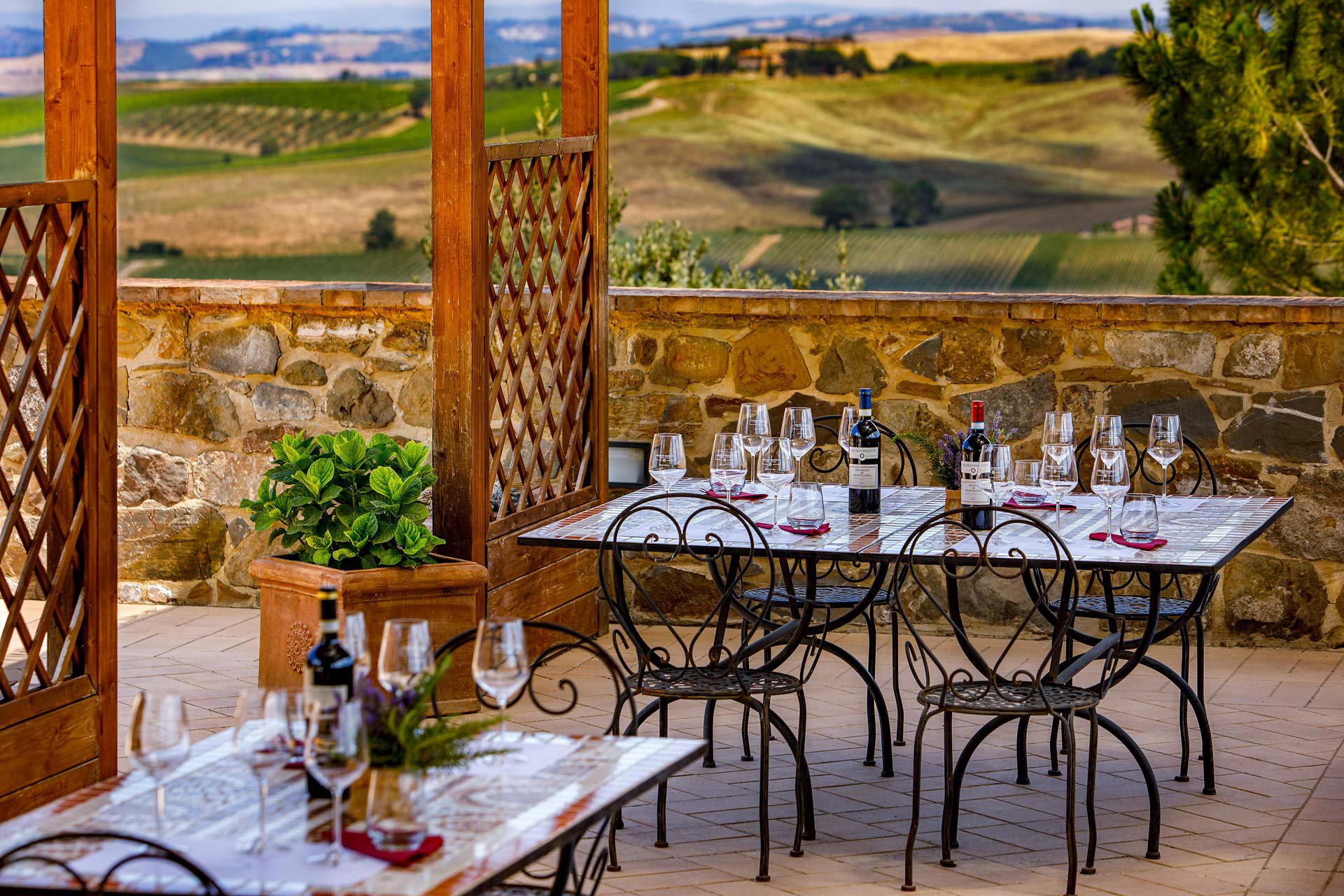
Franco Pacenti is worth booking if your Montalcino priority is classic Brunello rather than a broad or showy tasting format. The draw is a Sangiovese-only estate model, traditional large-barrel aging, family continuity since 1966, and a more intimate cellar-and-vineyard feel. It is less suited to visitors looking for dining, nightlife energy, or a wide Tuscan portfolio.
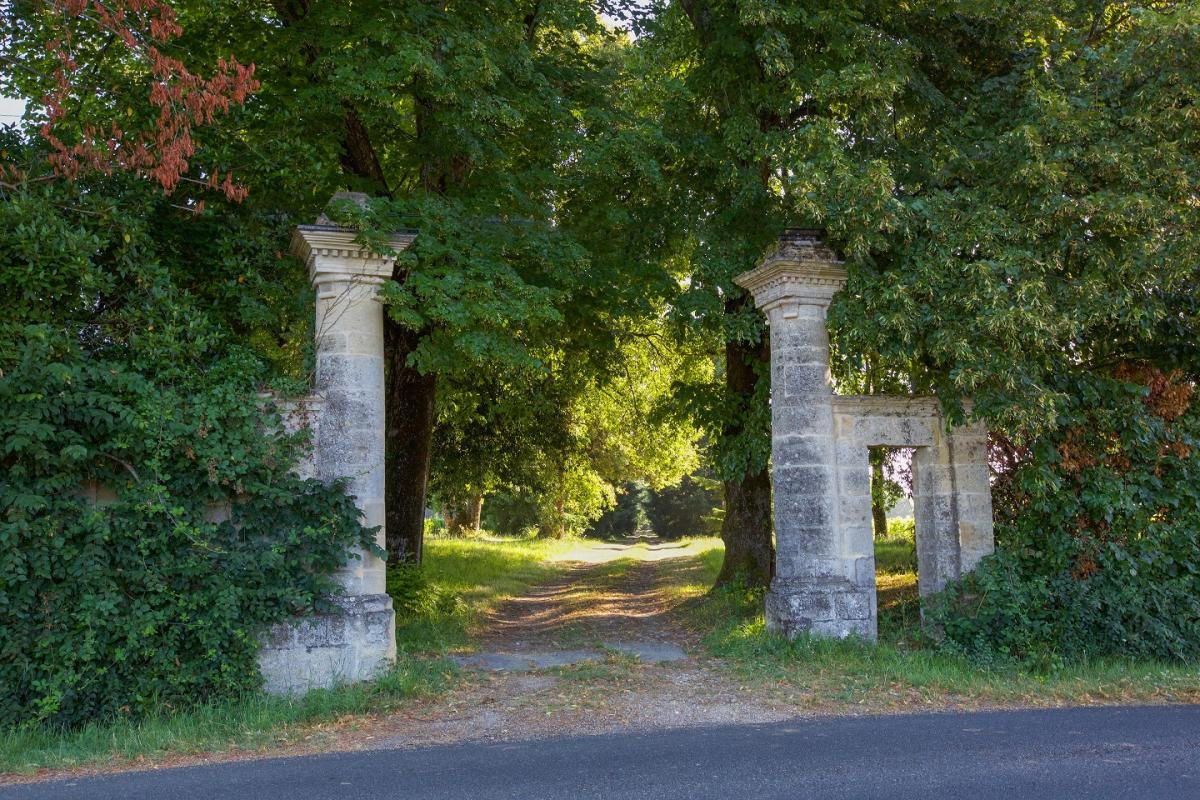
Château Guibeau
Puisseguin, France
Château Guibeau works for a calm Puisseguin winery stop, especially because its 2026 Falstaff listing gives it a useful external trust signal. Treat it as a flexible visit rather than a fully specified celebration anchor if the group needs confirmed food, seating, or a formal tasting format.
Franc Lizér
San Vito Al Tagliamento, Italy
Franc Lizér works when the occasion calls for alcohol-free Italian wine with a polished Friulian identity. It is better suited to a small celebration, date, or business context than to a conventional winery itinerary, especially since visits are appointment only and the strongest draw is the inclusive no-alcohol format rather than a broad estate experience.
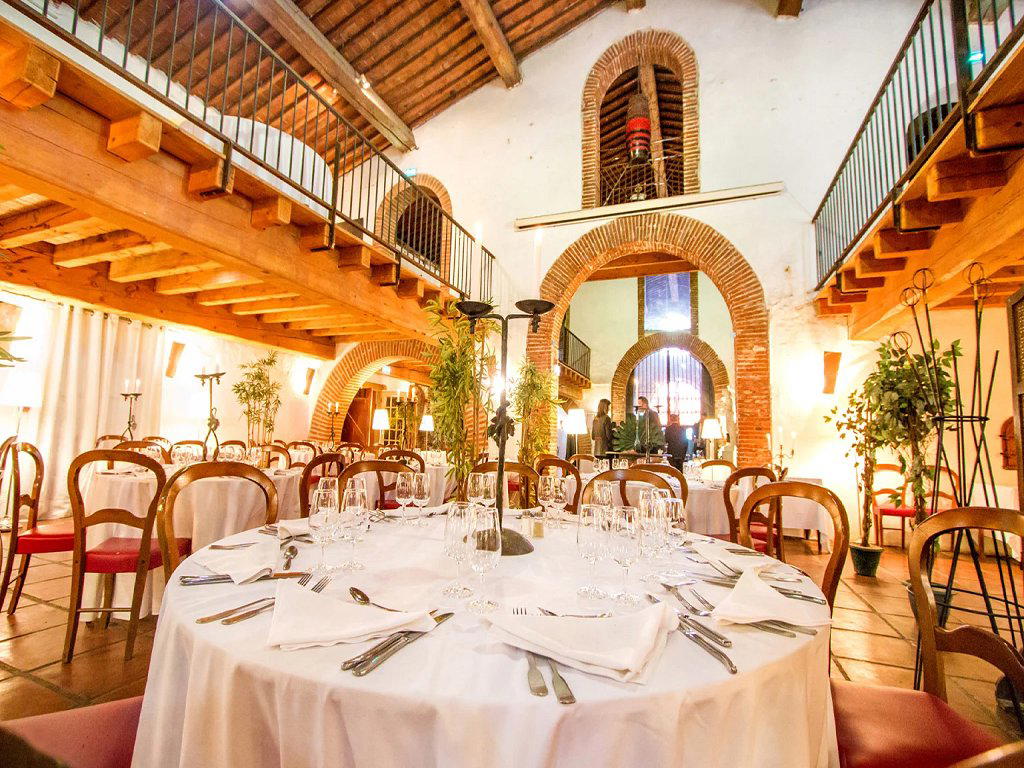
Domaine de Rombeau
Rivesaltes, France
Worth booking if the goal is a relaxed Roussillon estate visit with family history, broad wine styles, and a rustic setting that adds real context. Domaine de Rombeau is better for curious drinkers and mixed groups than for travellers seeking a formal luxury tasting. The 2026 Falstaff listing and accessible €16-per-person signal make it a practical Rivesaltes stop.
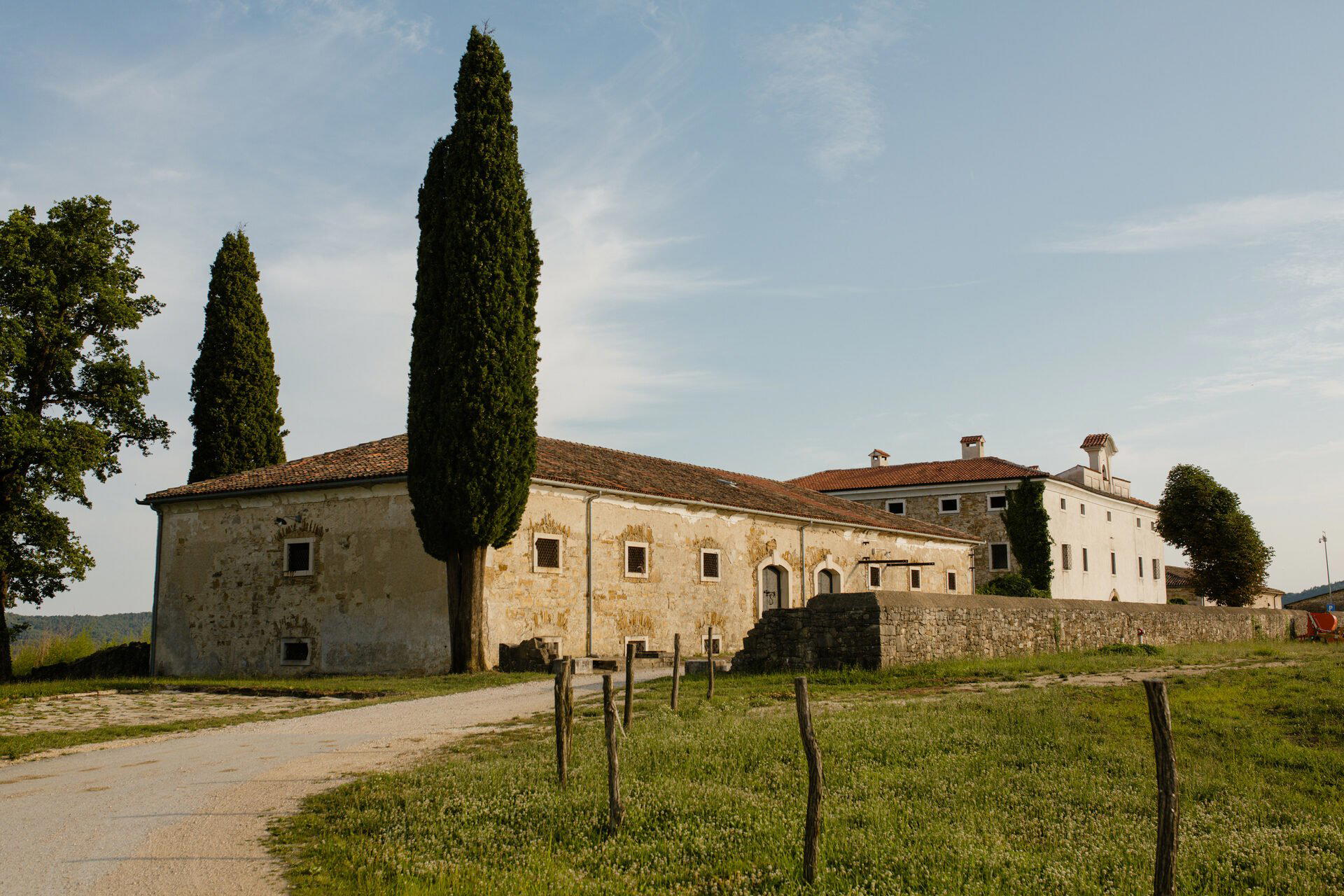
Belje Podrumi
Darda, Croatia
Book Belje Podrumi if the priority is a serious Baranja cellar experience with historic atmosphere and a strong Graševina focus. The $$$ positioning makes sense for visitors who value heritage, estate scale, and guided context; it is less suited to anyone looking for a tiny, informal tasting-room feel.
Cantine Bove
Avezzano, Italy
Cantine Bove is a sensible Avezzano shortlist pick for travelers who want an Abruzzo winery with a confirmed Falstaff listing, not a highly scripted hospitality stop. Book it for regional credibility and flexibility; confirm visit details before building a celebration or business itinerary around it.
Château Croix-Mouton
Lugon Et L Ile Du Carnay, France
Château Croix-Mouton works if a Bordeaux Supérieur visit fits a wine-focused itinerary and external recognition matters; it is Falstaff Listed for 2026. It is less suited to travelers who need published tasting prices, food details, or a highly structured hospitality format before deciding.
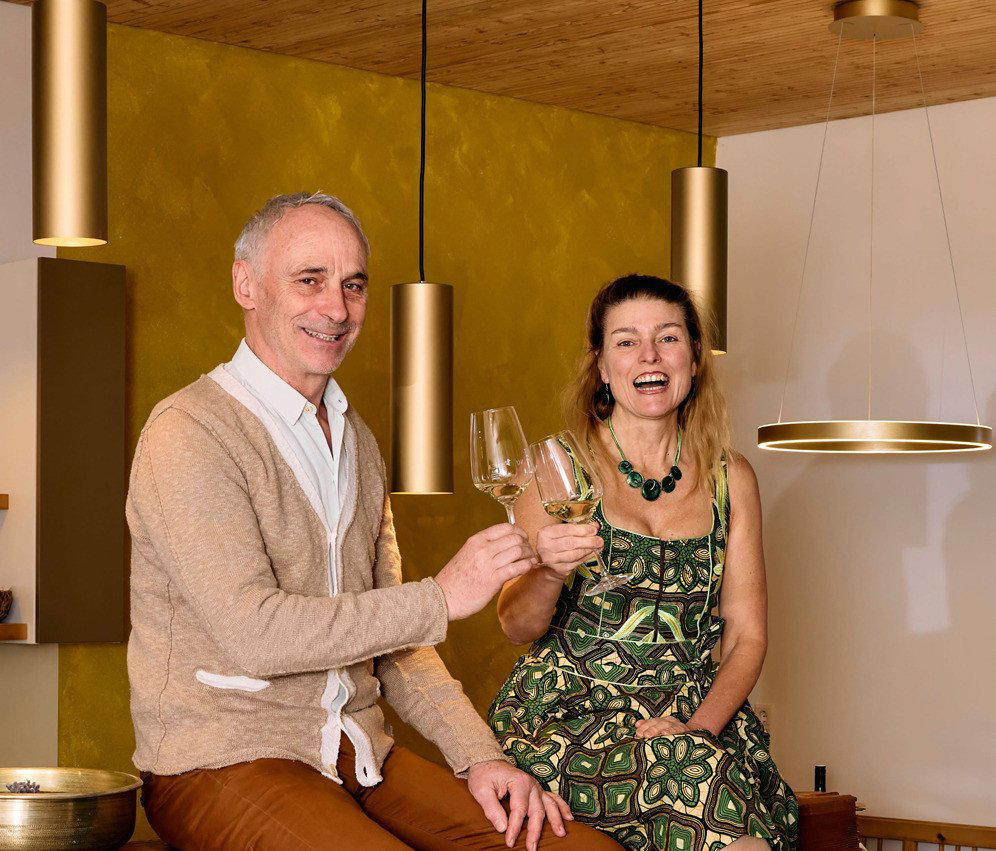
Bioweinhof Birgit Hoch
Krems At The Donau, Austria
A good Krems pick for travelers who want a quieter, producer-led wine stop rather than a large tasting-room experience. The value is strongest if you fold it into a wider Kremstal day and keep logistics flexible; Falstaff listing gives it a useful recognition signal, but appointment details should be handled carefully before planning around a group visit.
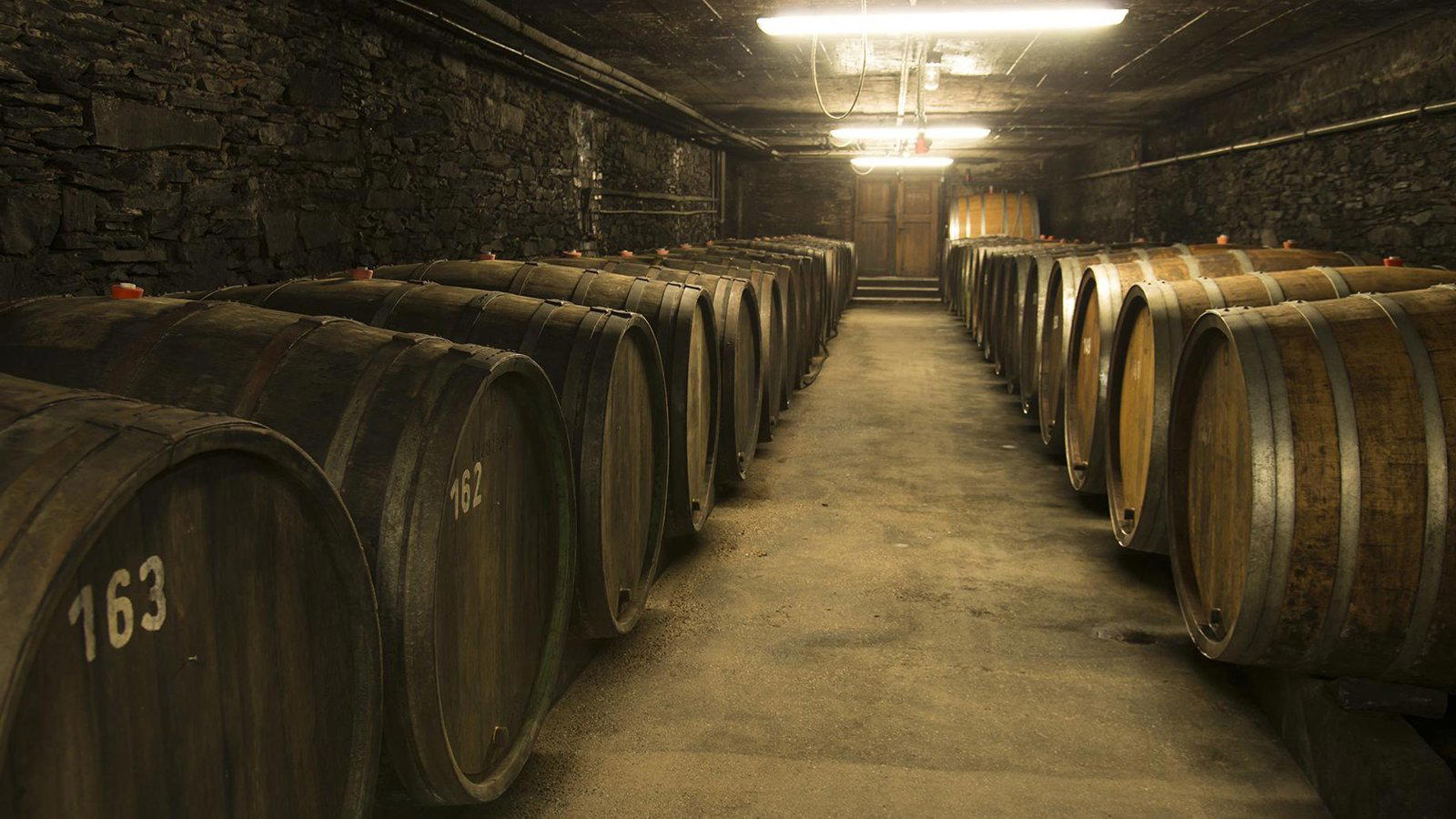
Weingut Selbach-Oster
Zeltingen-Rachtig, Germany
Weingut Selbach-Oster is worth prioritising for a Mosel trip built around Riesling and regional context, not casual tasting-room convenience. It is a stronger fit for collectors and wine-focused travellers than for groups looking for an easy drop-in stop, so treat access as an anchor and cross-shop nearby Mosel peers if timing does not work.
Huia Vineyards
Marlborough, New Zealand
Book Huia Vineyards if the goal is a quieter Marlborough tasting built around organic, biodynamic farming and a broader range than Sauvignon Blanc alone. The wine club is worth considering only after tasting, especially for repeat buyers interested in sparkling wines, aromatics, Pinot Noir, and member cellar-door access.
Domaine de la Charbonnière
Châteauneuf-du-Pape, France
Domaine de la Charbonnière is worth booking for a quiet, traditional Châteauneuf-du-Pape tasting focused on terroir rather than hospitality extras. It suits visitors who want to compare Grenache-led cuvées, understand the estate’s century-plus family history, and leave with a clearer sense of Southern Rhône structure and value.
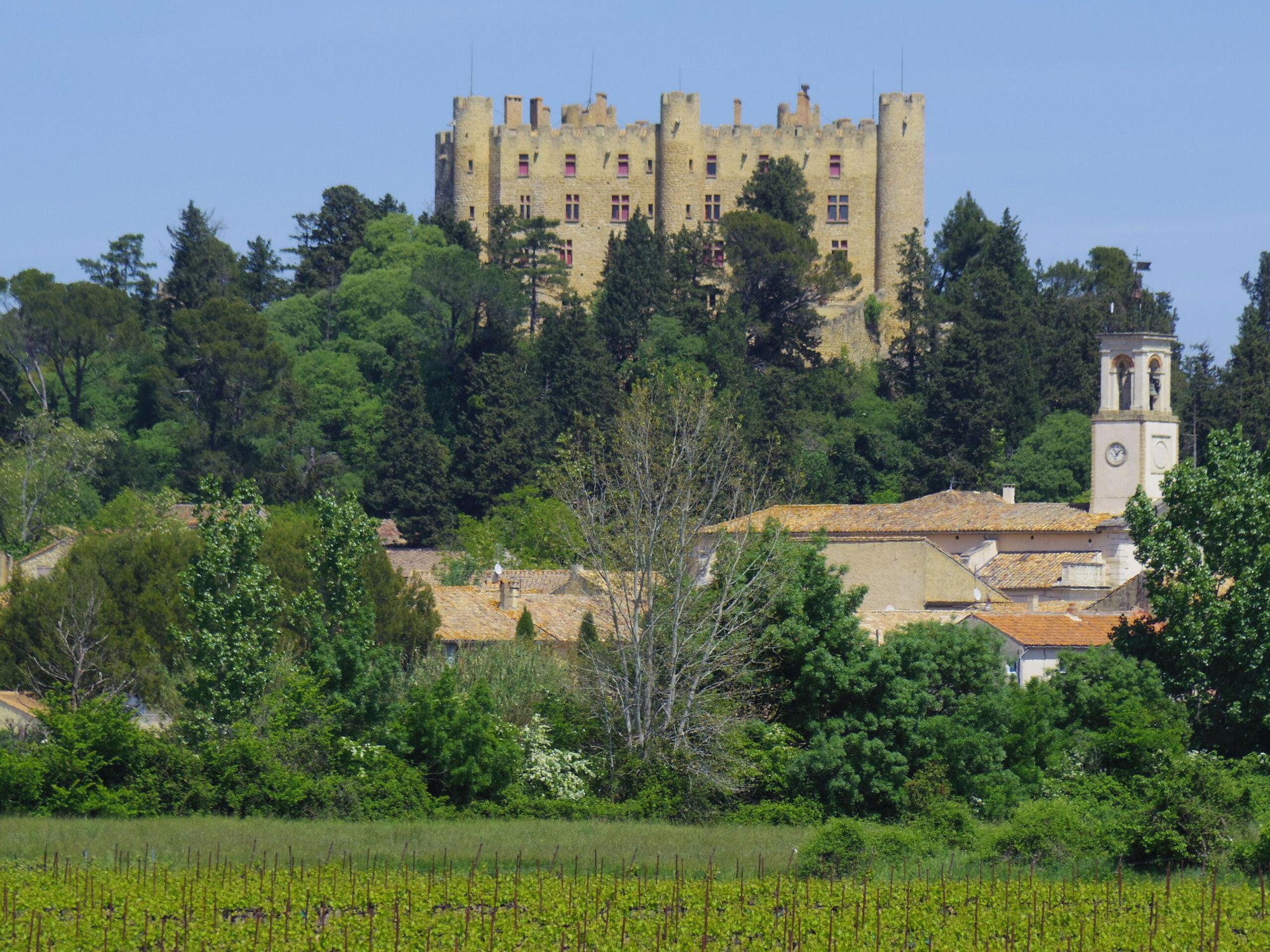
Château de Montfaucon
Montfaucon, France
Book Château de Montfaucon for an easy, occasion-friendly winery stop in Montfaucon rather than a tightly researched tasting built around a known flagship bottle. Falstaff’s 2026 winery listing adds credibility, but value should be judged on the day once pricing, pours, and purchase options are clear.
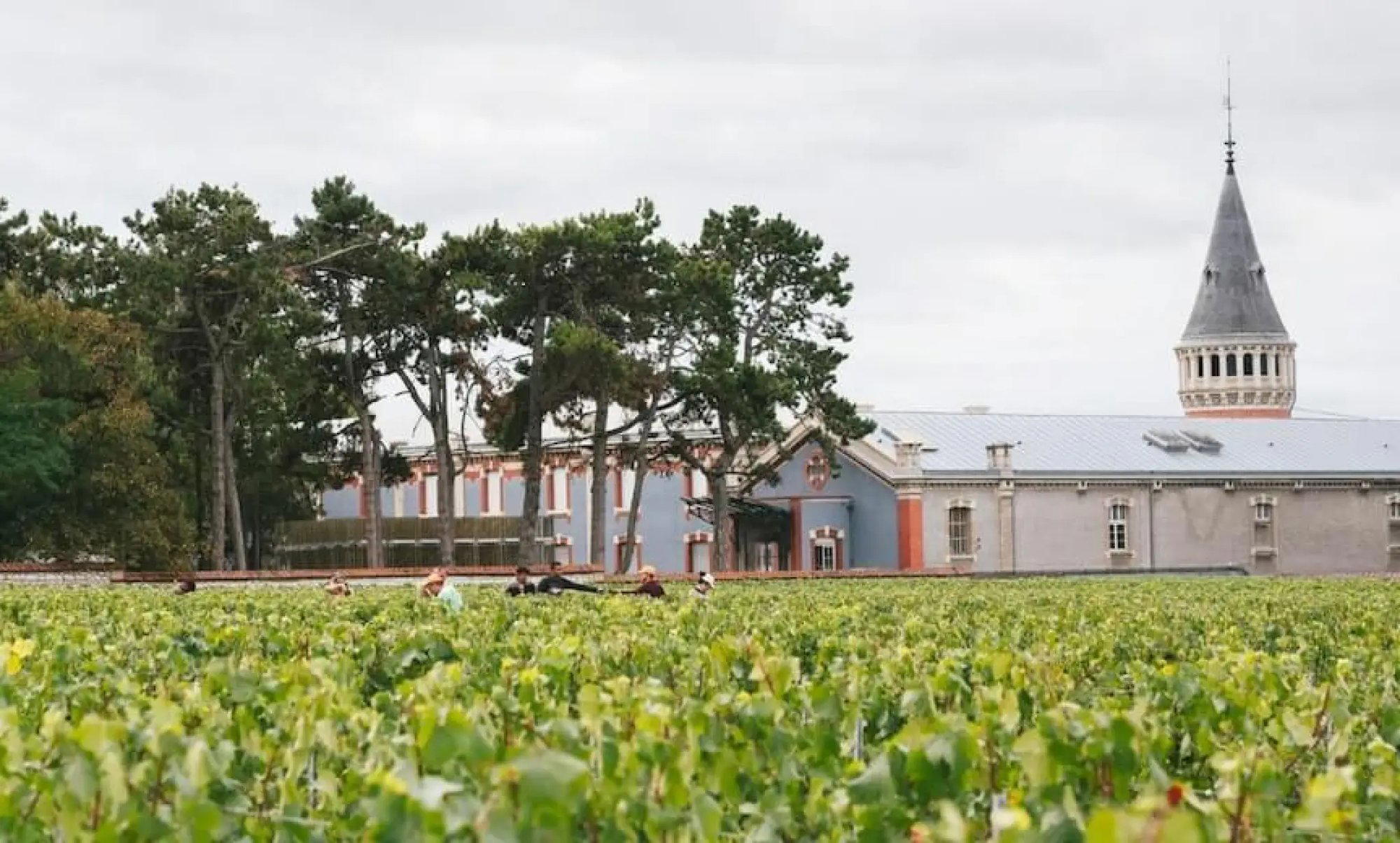
Champagne Jacquart
Reims, France
A strong Reims choice for a polished, small-group Champagne tasting with a contemporary feel. Choose Champagne Jacquart if Chardonnay-led blends, a relaxed urban setting, and clear house style matter more than a long, traditional cellar tour atmosphere.
Château Mont-Pérat
Naujan Et Postiac, France
Book Château Mont-Pérat if you want a calm, vineyard-led Bordeaux estate visit with a stronger pull for fresh white Bordeaux than hospitality spectacle. The appointment-only format rewards planning, and the 100-hectare clay-gravel estate setting gives wine-focused travelers enough context to justify the stop.
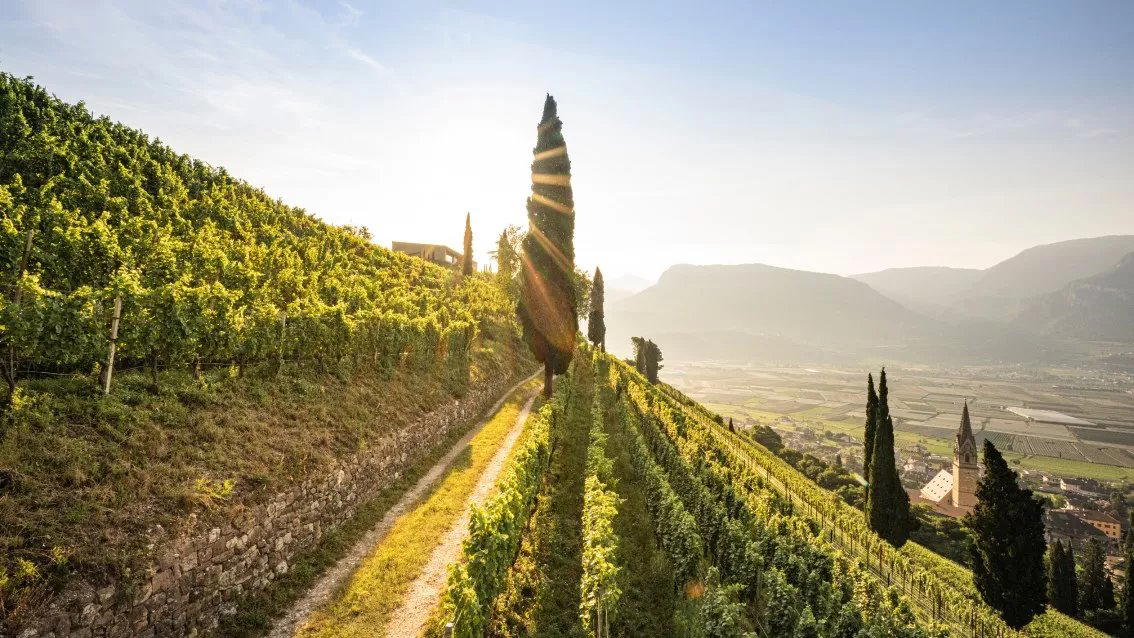
Elena Walch
Termeno, Italy
Elena Walch is worth prioritizing for a planned, wine-focused occasion in Termeno, especially when the goal is a calmer tasting stop rather than a casual spirits crawl. The main drawback is access: plan ahead and keep backup options nearby, especially J. Hofstätter, Distilleria Roner, and Distilleria Psenner.
Alan McCorkindale Limited
Christchurch, New Zealand
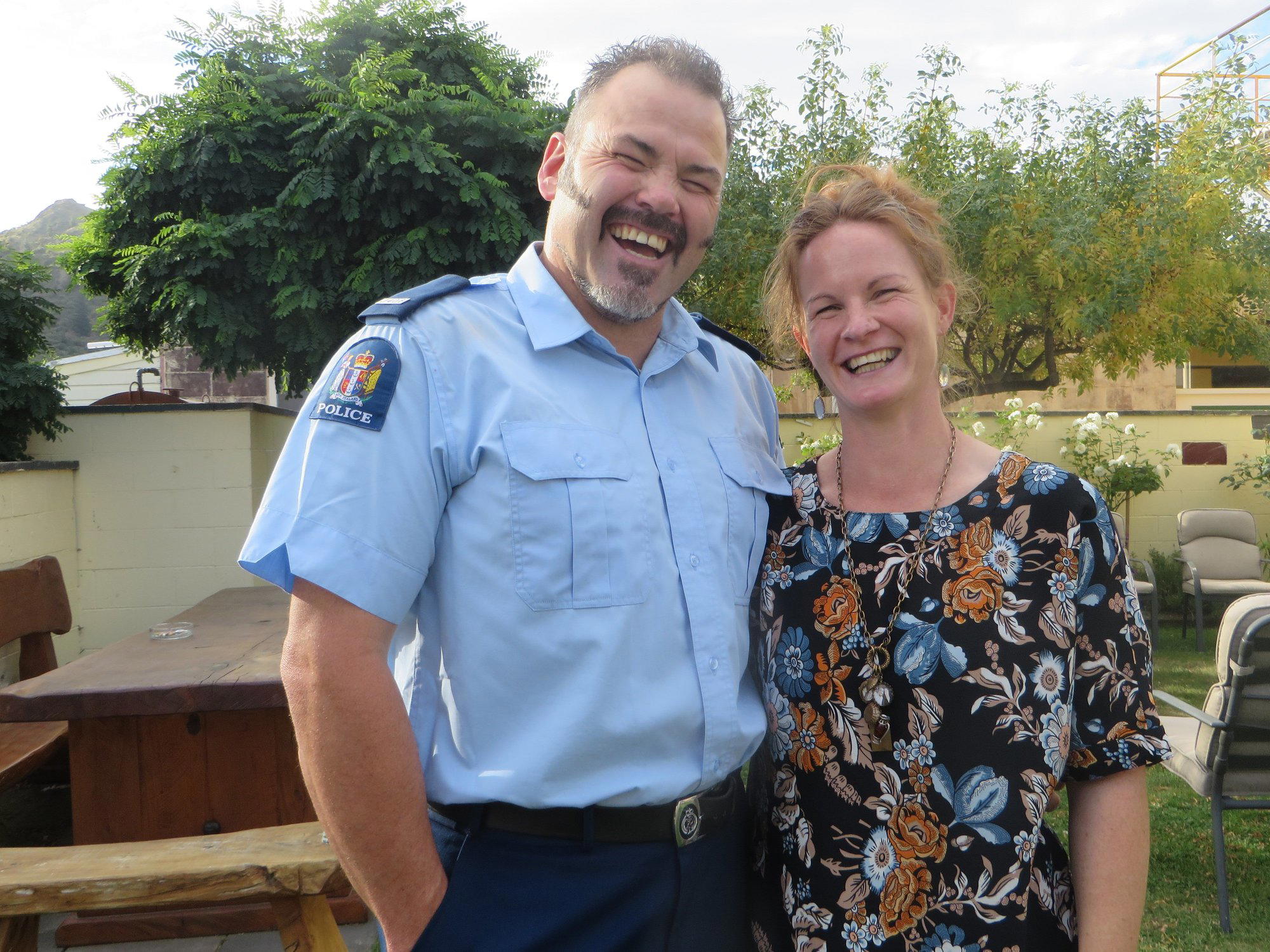
Worth arranging if you want a serious, small-scale Waipara Valley tasting rather than a large cellar-door experience. Alan McCorkindale Limited is strongest for drinkers interested in cool-climate Pinot Noir, Riesling, Chardonnay, and Blanc de Blancs shaped by European technique and limestone-rich regional context.
Bodega Orben
Laguardia, Spain
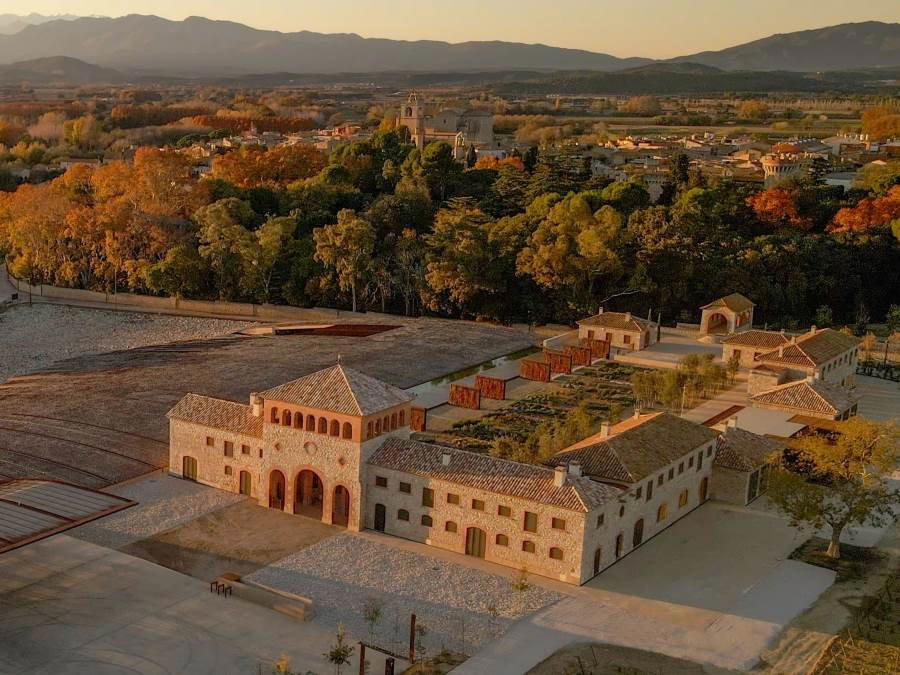
Book Bodega Orben if you want a polished Rioja Alavesa winery visit built around old-vine Tempranillo, modern architecture, underground aging, and a restaurant-led hospitality setup. It is better for a planned, longer stop than a casual tasting crawl, especially for first-timers who want contemporary Rioja with credible bottle recognition.
Gagliasso
La Morra, Italy
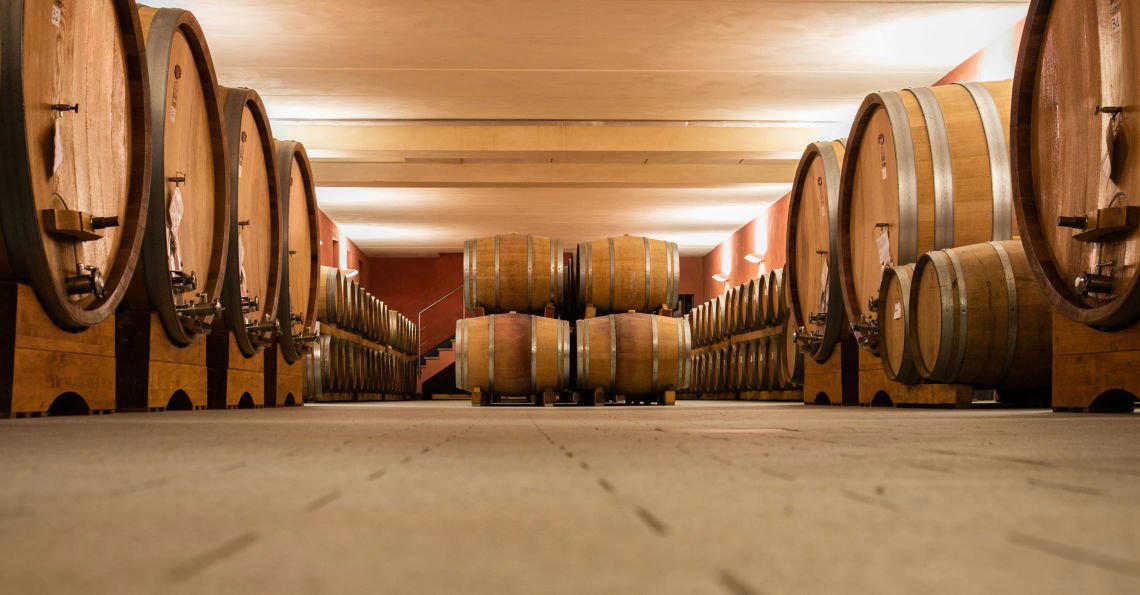
Book Gagliasso if you want a traditional La Morra Barolo estate where the Torriglione setting is part of the value. It suits couples, small celebrations, and wine-focused travelers who prefer family-run cellar context, named Barolo sites, and a rural Langhe feel over a scripted luxury tasting format.
Et Cetera
Crocmaz, Moldova
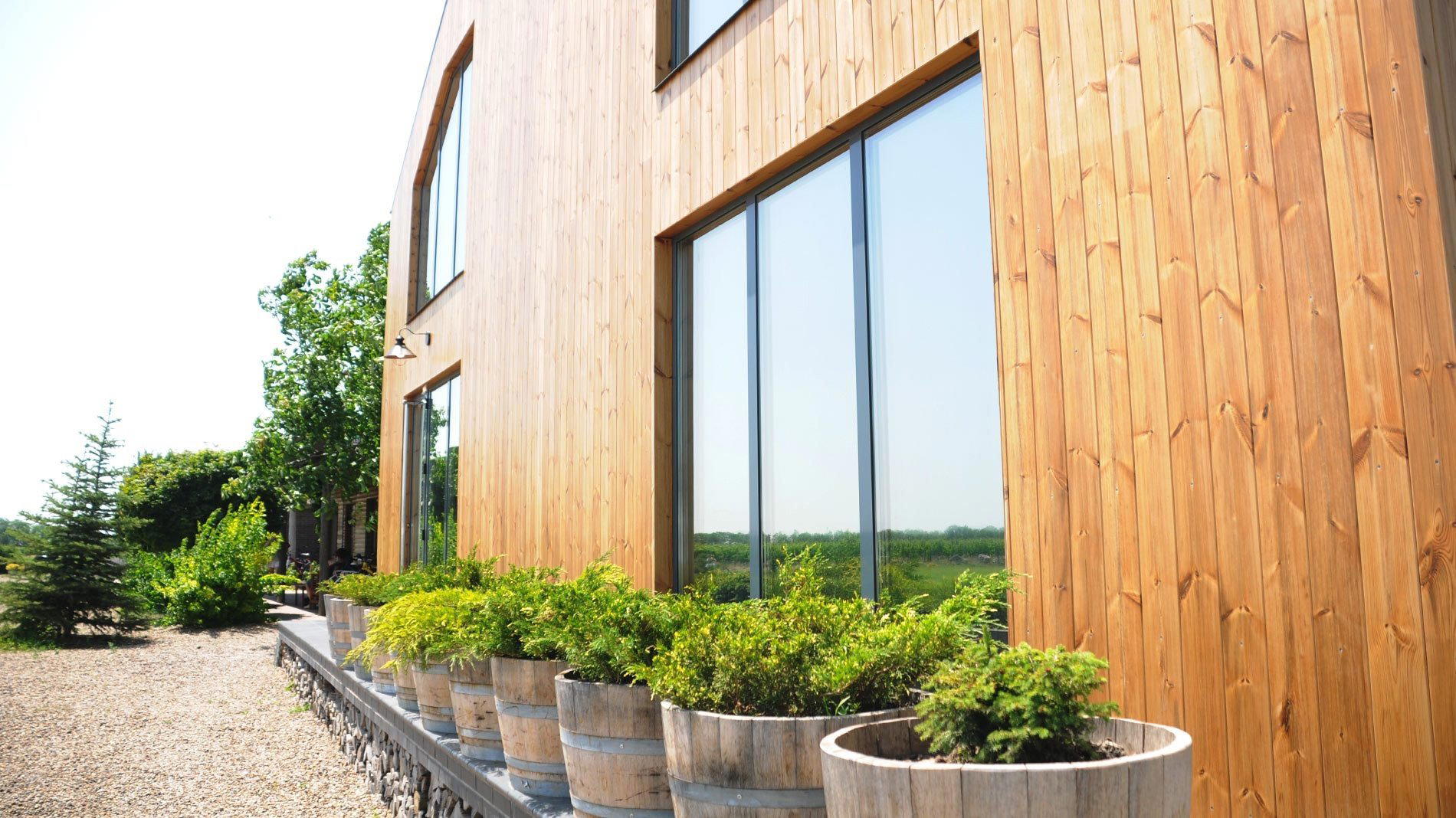
Book Et Cetera if the goal is a private-feeling Moldovan winery day with estate-grown wines, vineyard views, local cooking, and the option to stay overnight. It is better for couples and small celebrations than for quick drop-ins, with a 2026 Falstaff listing adding a useful trust signal.
Domaine Philippe Valette
Chaintré, France
Domaine Philippe Valette is worth pursuing if low-intervention Mâconnais Chardonnay is the reason for the trip or shipment. The appeal is patient élevage, organic and biodynamic farming, and a focused Chardonnay range; casual visitors wanting a broad tasting-room experience may find it too narrow.
Château de Pierreux
Odenas, France
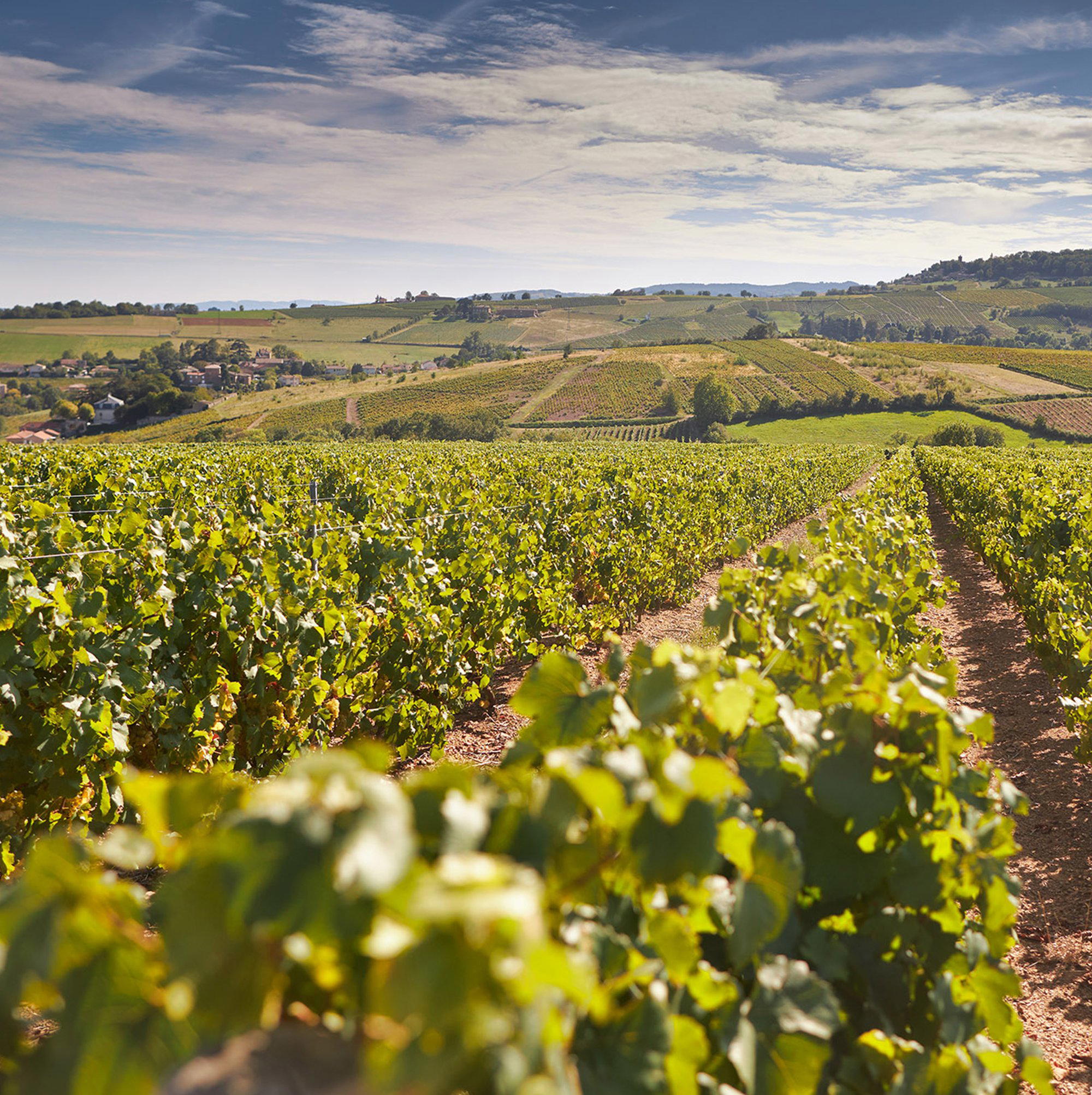
Château de Pierreux is worth choosing for a scenic Brouilly-focused winery visit with historic estate atmosphere and a clear Gamay identity. It suits couples, small groups, and special-occasion wine days better than visitors looking for a food-led stop or a broad multi-varietal tasting.
Anton Nothnagl
Spitz, Austria
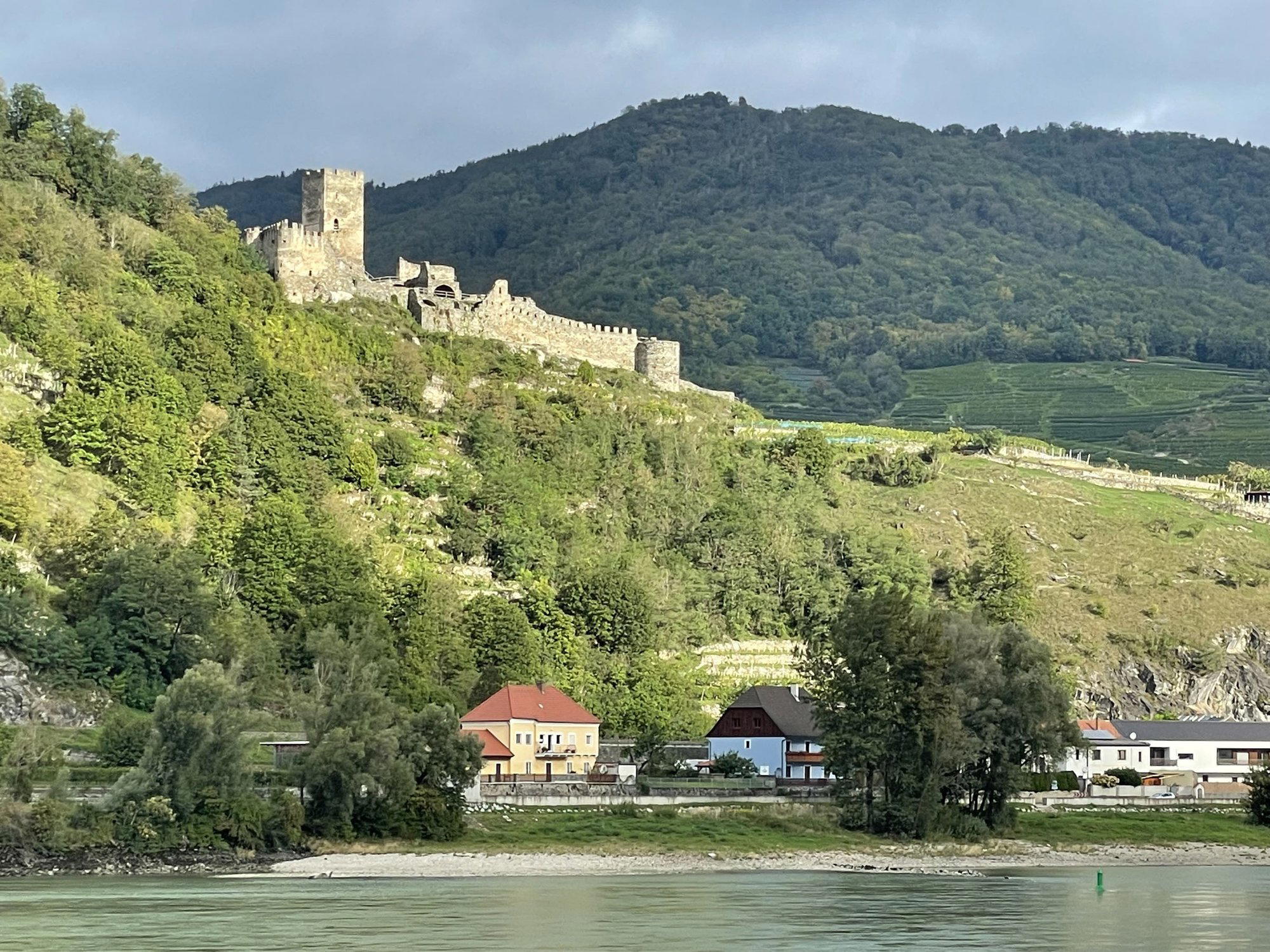
Book Anton Nothnagl if you want a quiet, rural Wachau winery visit focused on Grüner Veltliner, Riesling, and named Spitz vineyard sites rather than a polished tasting-room production. The $$ positioning and Falstaff 3 Stars in 2026 make it a strong value play, but appointment-only access means it suits planned wine days, not casual drop-ins.
GRAND C GmbH
Meerbusch, Germany
GRAND C GmbH works for a quiet, appointment-led wine stop in Meerbusch, especially if the draw is its Alsace-linked producer/export identity. It is less convincing as a full hospitality destination: no food program, flagship bottle, or public tasting format is clear, so small wine-focused groups are the safest fit.
Ippolito 1845
Ciro Marina, Italy
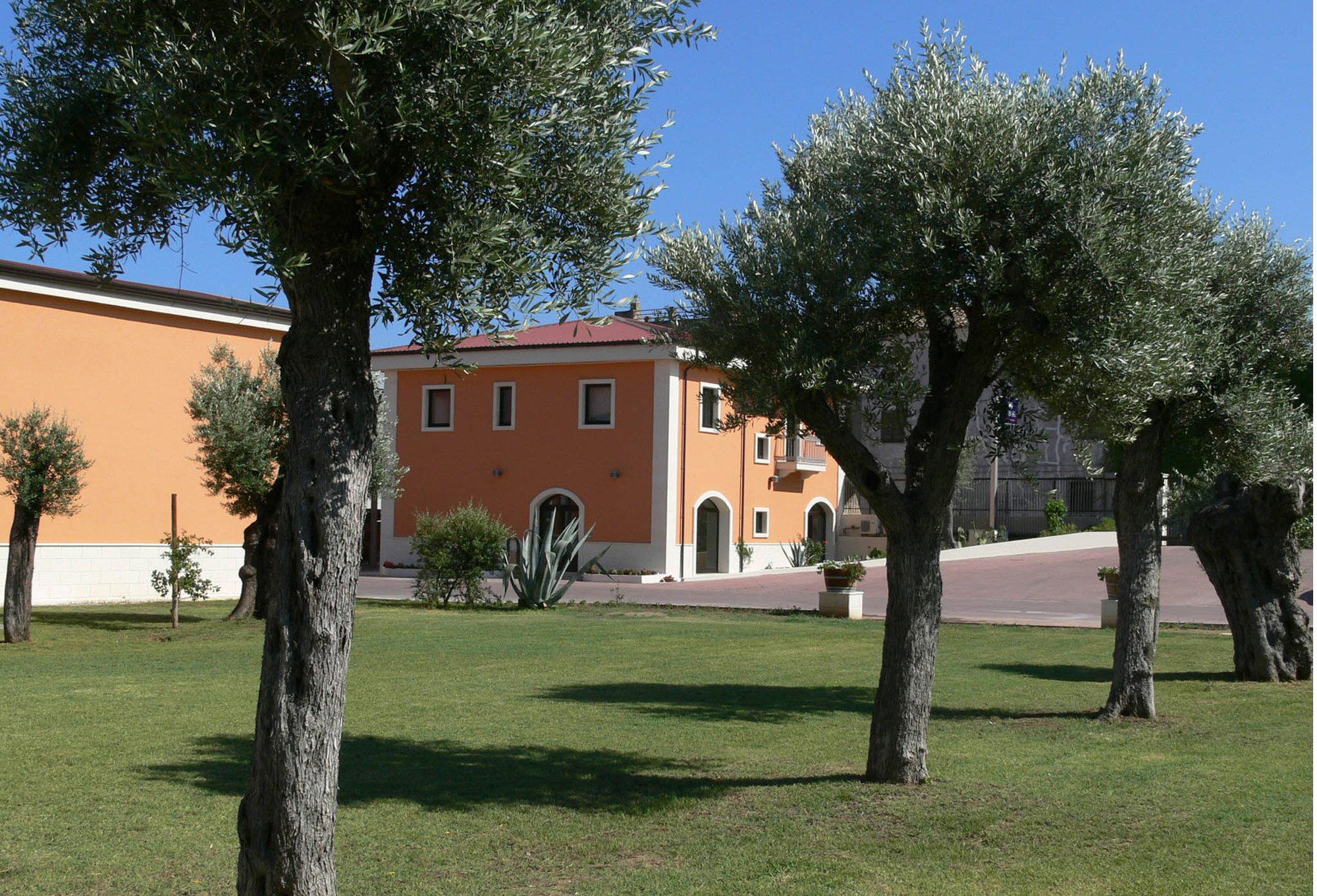
Book Ippolito 1845 if the goal is a serious Cirò Marina wine visit with heritage, native-vine focus, and a strong Calabrian sense of place. It is better for a planned special-occasion tasting than a casual drop-in, especially for travelers who want regional context rather than a design-led cellar-door experience.
Domain Leroy - Domaine d’Auvenay
Meursault, France
A yes for serious Burgundy collectors with genuine access, not for travelers seeking a standard tasting or food-pairing visit. Domain Leroy - Domaine d’Auvenay is ultra-private, biodynamic, tiny-production Burgundy where the value sits in scarcity, provenance, and Lalou Bize-Leroy’s personal estate rather than hospitality infrastructure.
Château de France
Pessac Leognan, France
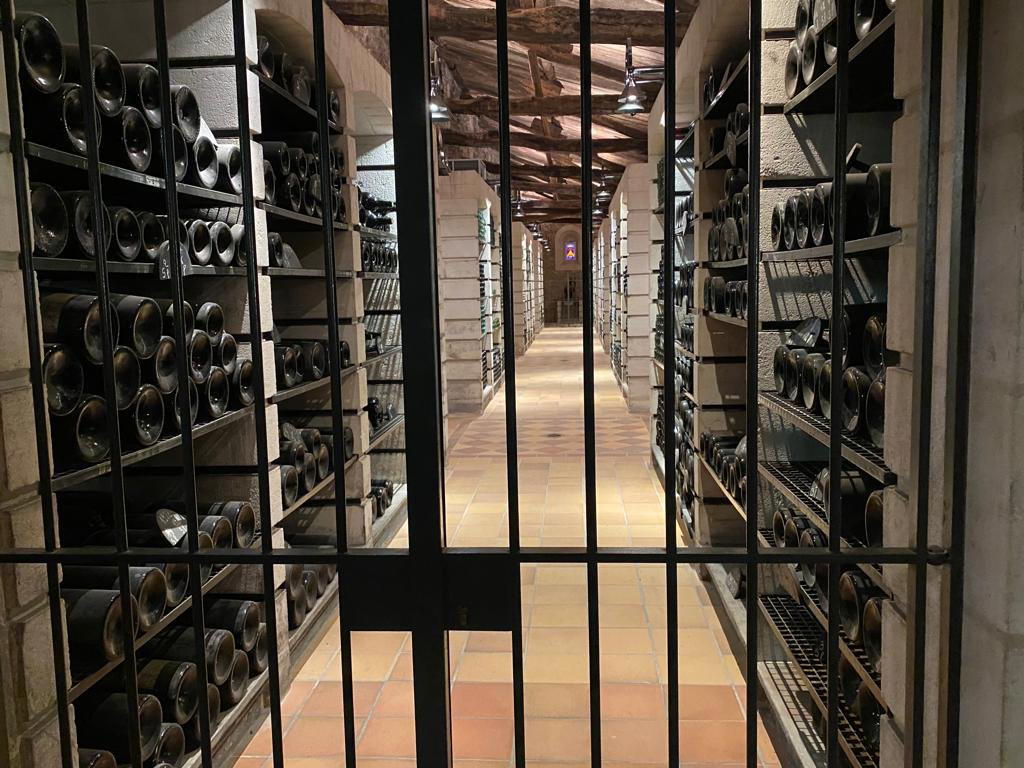
Worth planning for if the goal is a serious Pessac-Léognan winery stop with current recognition and regional context. Booking is hard, so confirm before building the day around it; skip if you need published walk-in logistics, food service, or an easy large-group setup.
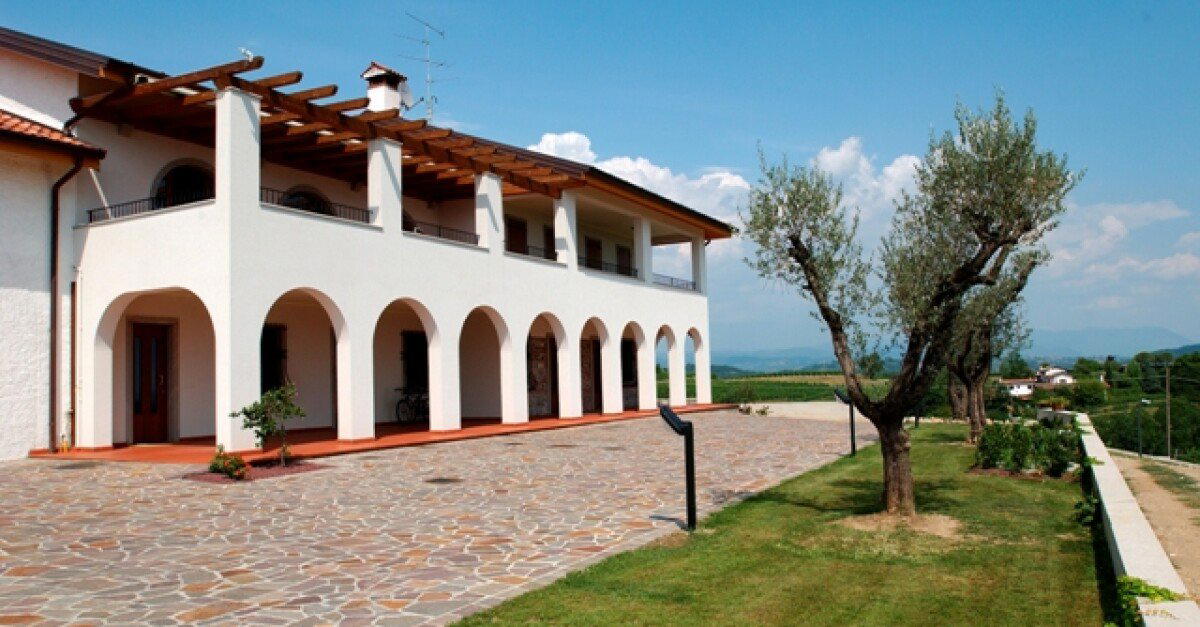
Cantarutti
San Giovanni al Natisone, Italy
Book Cantarutti if you want a calm, appointment-based Friulian tasting with family-run hospitality and useful context on Colli Orientali del Friuli. The experience suits wine travelers who want regional explanation, vineyard setting, and a guided format more than a quick drop-in pour.
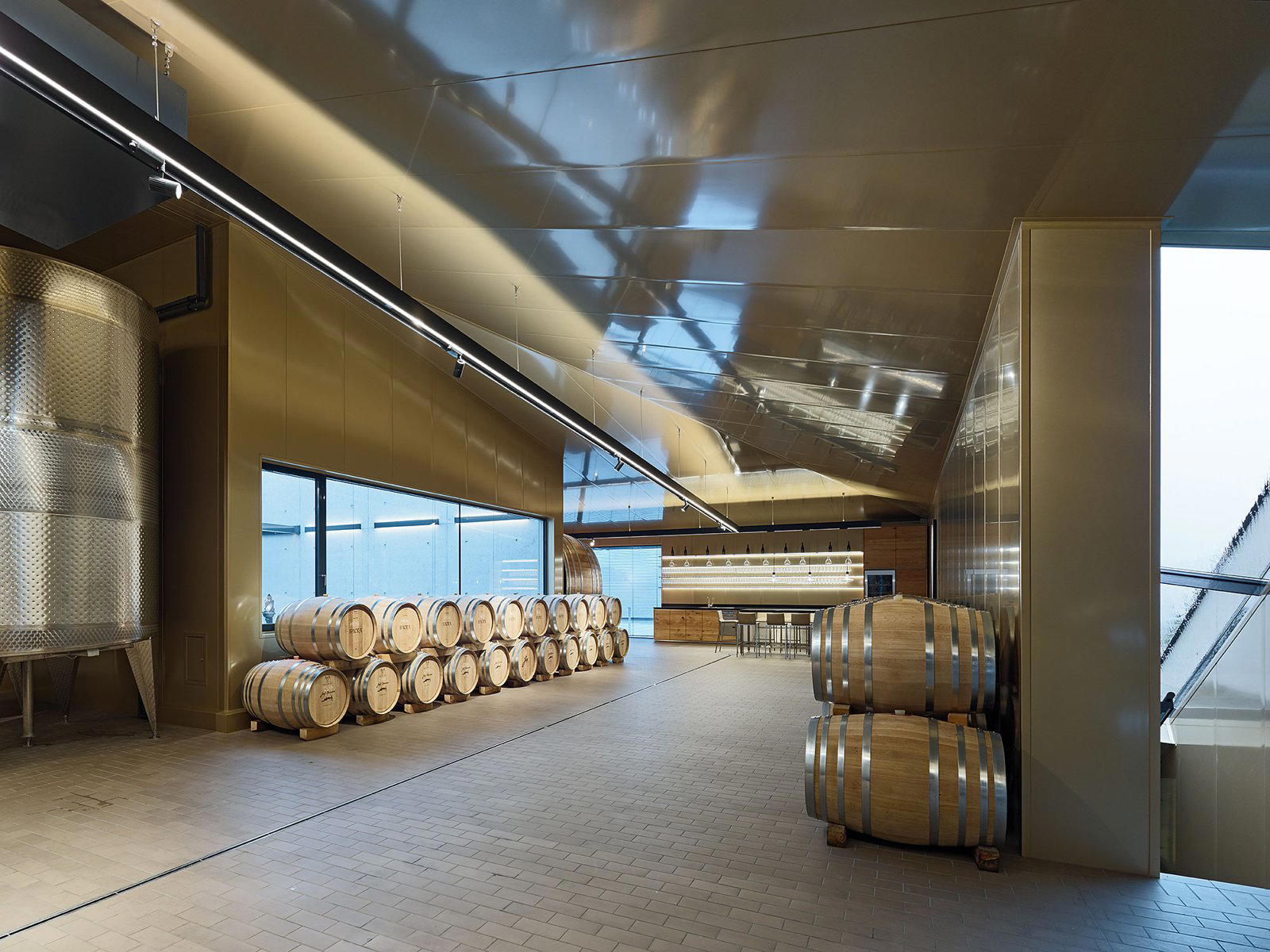
Winzerhof Dockner
Höbenbach, Austria
Winzerhof Dockner is a Höbenbach winery pick for visitors who care more about producer prestige than walk-in convenience. It works well as a special-occasion tasting anchor, but the lack of public detail on pricing, hours, and membership terms means wine-club value should be judged only after clear allocation terms are offered.
Domaine Karydas
Naoussa, Greece
Worth prioritizing if Naoussa is on the itinerary for serious Xinomavro. Domaine Karydas is a tiny family estate focused on one age-worthy red, with an old-school style that suits collectors and wine-focused travelers better than casual tasting groups. Expect depth and restraint rather than a broad hospitality program.
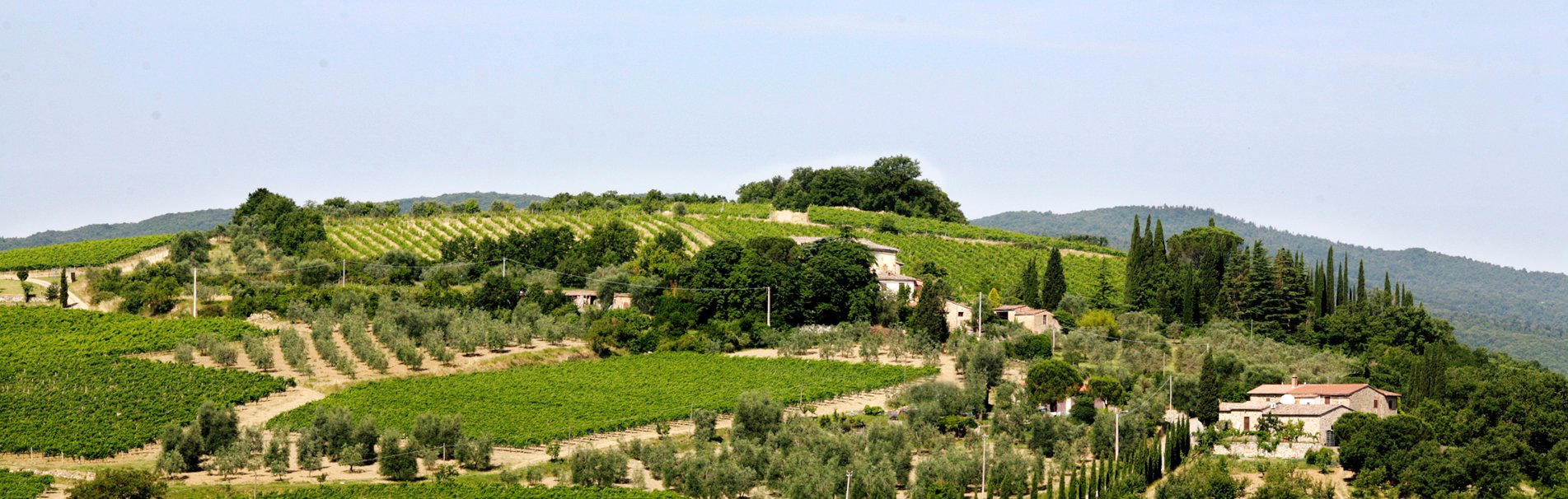
Baricci
Montalcino, Italy
A focused Montalcino winery choice for travelers who want the wine stop to lead the day, not a meal program. Baricci is better planned as part of a broader Brunello itinerary, with lunch or dinner arranged separately in town. Falstaff Listed in 2026 gives it a useful recognition signal for shortlist building.
Clot de l’Oum
Bélesta, France
Clot de l’Oum is a good fit for wine travelers using Bélesta as a slower Roussillon base rather than chasing a high-production tasting circuit. Falstaff listing in 2026 gives it a useful trust signal, but the stronger reason to go is itinerary fit: pair it with nearby Bélesta wine, food, and lodging rather than making it a standalone detour.
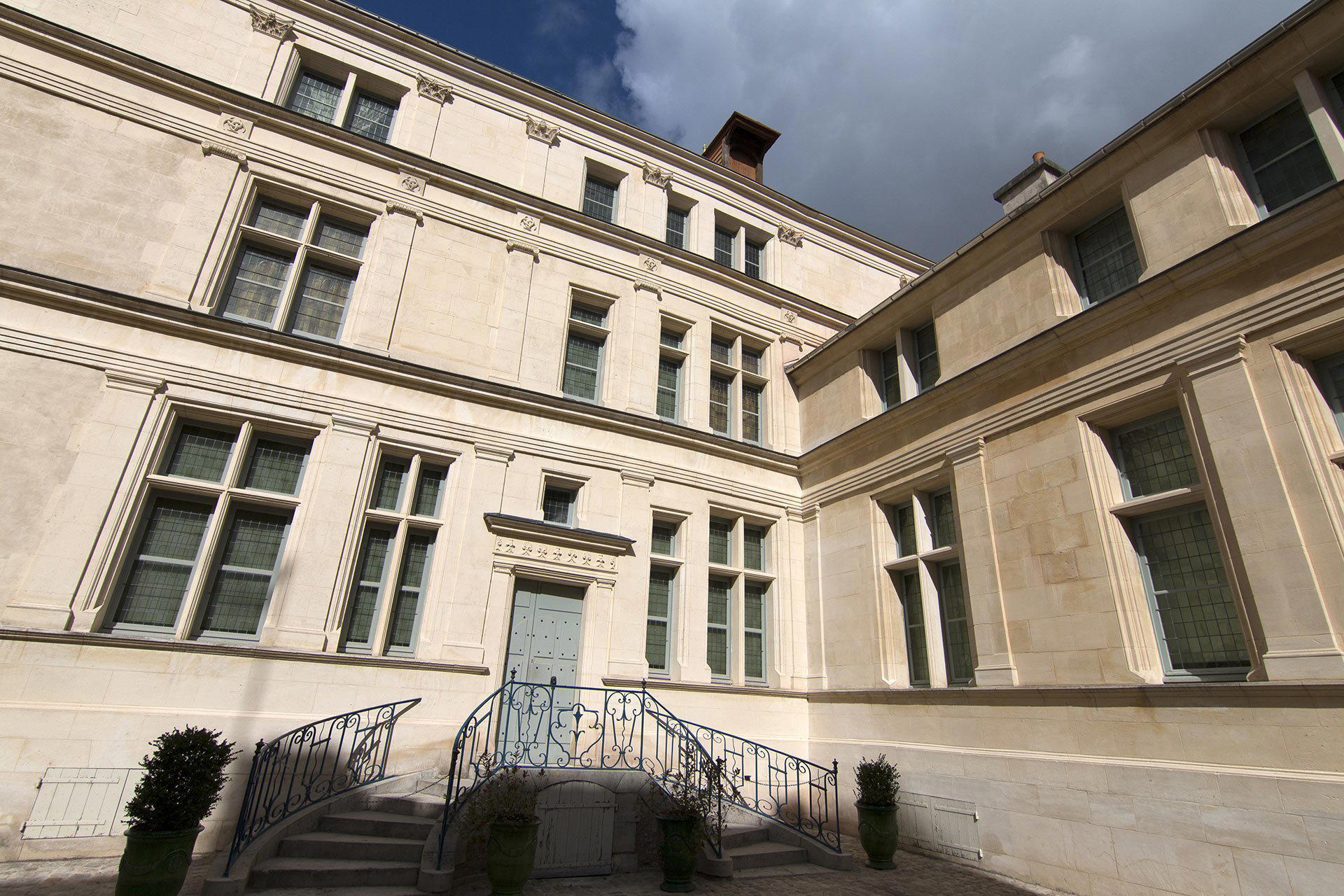
Champagne Pannier
Chateau Thierry Cedex, France
Book Champagne Pannier if the cellar setting matters as much as the tasting. The draw is a historic, educational visit through 12th-century medieval cellars in Château-Thierry, backed by a cooperative Champagne house with Falstaff recognition in 2026. It is better for context-seeking wine travelers and groups than for anyone chasing a small-grower appointment.
Günter + Regina Triebaumer
Rust, Austria
Book Günter + Regina Triebaumer if you want a grounded Rust family winery with a clear Zweigelt signal and credible outside recognition. The value case is strongest for drinkers who want food-friendly Burgenland reds, not a polished hospitality circuit or a clearly published allocation program.
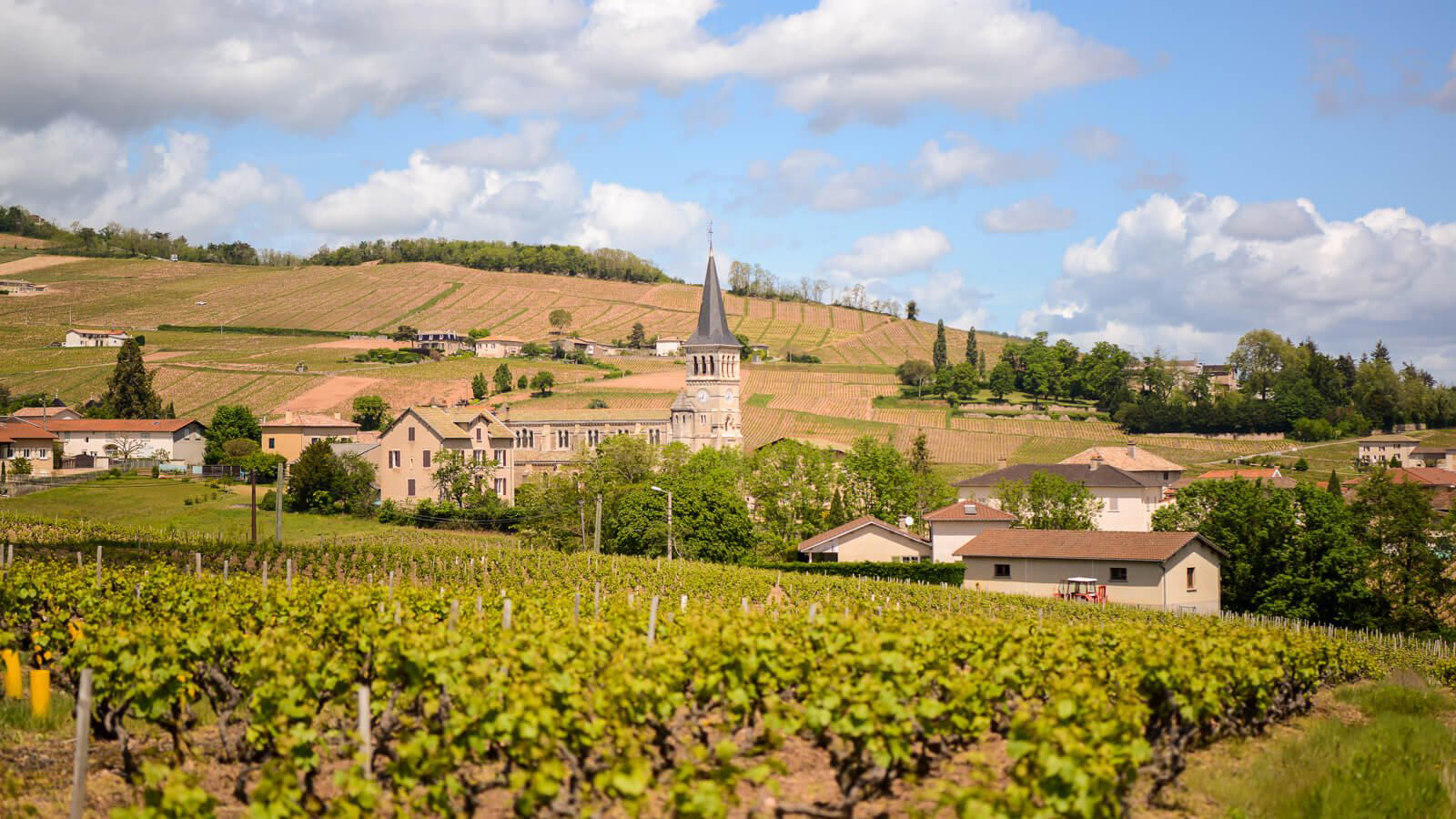
Domaine Anita
Chenas, France
Domaine Anita is worth prioritizing if the goal is serious cru Beaujolais rather than a polished tasting-room outing. The draw is parcel-based Gamay from Chénas, Fleurie, Morgon, and Moulin-à-Vent, supported by old vines, cement fermentation, and a restrained cellar style. Go for bottle depth and terroir clarity, not visitor amenities.
How many of these have you visited?
Find out on Pearl and keep score across every place in 2026 Falstaff Winery Guide.