
Winzerhof Dockner
Höbenbach
Winery in Höbenbach, Austria
 Book with Pearl
The Read
Kremstal Terroir Precision
Price
$20–30tasting
Why go
Winzerhof Dockner is a Höbenbach winery pick for visitors who care more about producer prestige than walk-in convenience. It works well as a special-occasion tasting anchor, but the lack of public detail on pricing, hours, and membership terms means wine-club value should be judged only after clear allocation terms are offered.
About Winzerhof Dockner
Winzerhof Dockner is a Höbenbach venue with a casual dress code and Pearl 2 Star Prestige recognition for 2025. That combination gives the listing a clear shape, even without a large amount of operational detail. The casual dress code means visitors should not read the venue as requiring formal attire. The Pearl 2 Star Prestige recognition is the main recognition attached to the venue in this guide. Beyond those points, the safest way to evaluate it is to focus on the recognition rather than assume a specific dining format, visit format, menu, pricing, hours, or beverage program.
For planning, contact Winzerhof Dockner directly before building an itinerary around it. The recognition gives it a clear prestige signal, but travelers should still check whether the venue offers restaurant-style service, a tasting structure, a chef-led meal, or published pricing. In practical terms, the venue may be a meaningful name to include in early research, but it should not be the sole anchor of a tightly scheduled visit unless the details that matter to you have been checked with the venue itself. This is especially important if your group is coordinating travel time, dining expectations, or a sequence of stops.
Book it for prestige, then check the service details
The strongest grounded case for Winzerhof Dockner is simple: it is in Höbenbach, has a casual dress code, and carries Pearl 2 Star Prestige recognition in 2025. The recognition is the reason to give the venue attention, while the casual dress code helps set a general expectation for how to approach the visit from a wardrobe standpoint. If your plans depend on a fixed meal format, specific hours, per-person pricing, or a particular service style, those details should be checked directly rather than assumed. This distinction matters because prestige and logistics are not the same thing: a recognition signal can tell you that a venue is notable, but it does not, by itself, define what a visit will look like on the ground.
If membership, allocation, shipment, or recurring purchase terms are offered by the venue directly, evaluate them on their own stated terms rather than importing assumptions from other venues or other types of hospitality.
Where it fits in a Höbenbach visit
Use Winzerhof Dockner as a Höbenbach option with notable recognition, while keeping the rest of the day flexible until you have checked the details directly. Its best role in planning is as a recognized name to investigate further, not as a fully defined experience. If you are comparing possible stops, place the Pearl 2 Star Prestige recognition at the center of the comparison, then separately check the practical questions that affect timing, expectations, and fit. For comparison planning, other relevant names include Weingut Hutter Distillery, Weingut Ludwig Neumayer, Weingut Malat, Weingut Markus Huber, and Weingut Petra Unger, as well as other Höbenbach venues considered generically.
Planning details
- Location
- Ortsstraße 30, 3508 Höbenbach
- Website
- dockner.at
- Phone
- +43 2736 7262
The take
The Take
The Vibe
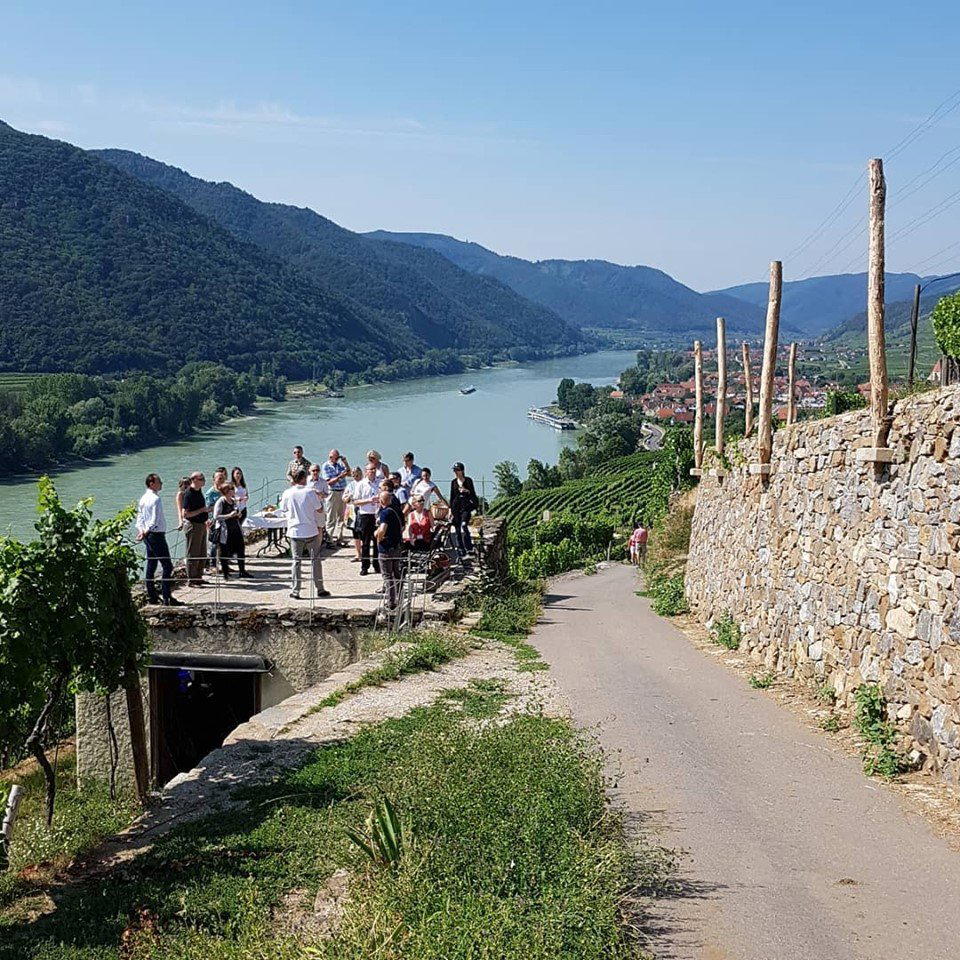
Winzerhof Dockner presents a quietly assured presence in the Danube corridor. The writing emphasizes stillness — a small address in a calm village where the land itself becomes the dominant voice. The estate’s Pearl 2 Star Prestige rating signals a measured, quality-focused approach rather than loud marketing; tasting here feels like a study in place rather than performance. Readers should expect a contemplative, refined atmosphere that privileges terroir detail and geological nuance, suited to visitors who appreciate subtlety, rigor, and the kind of slow discovery that comes from paying attention to soils, slope and climate.
Best For
This is best for people who want to learn why this stretch of the Danube matters to Austrian wine. The copy frames the visit as an education in terroir — how schist, loess and diurnal swings shape texture and aroma — so it’s well suited to wine-education outings and small group visits where conversation and comparison are the point. The estate’s prestige nod also makes it an appropriate stop for low-key celebrations among enthusiasts who prefer a focused tasting experience rather than a party atmosphere.
Tasting Tips
When tasting here, prioritize regional varieties and expressions that show site differences: Grüner Veltliner and Riesling are singled out in the regional context, and the text highlights changes from gneiss to loess in short distances. Ask for bottles or flights that illustrate those soil-driven contrasts and any Pearl 2 Star Prestige releases from the 2025 range. Frame questions around site, elevation and diurnal variation to get the most instructive comparison; the estate’s emphasis is on how place informs texture and aromatic range.
Venue details
Ambiance
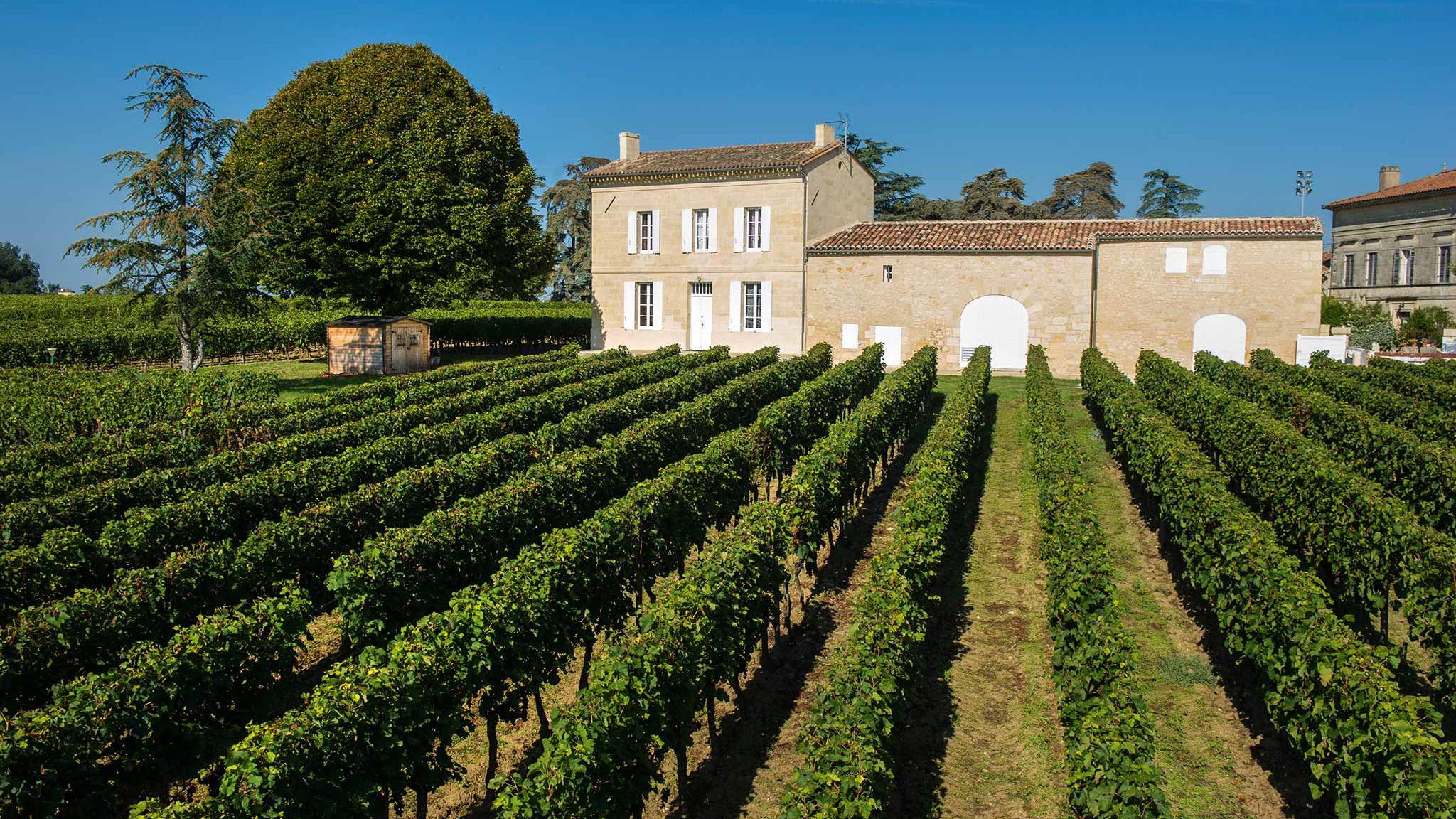
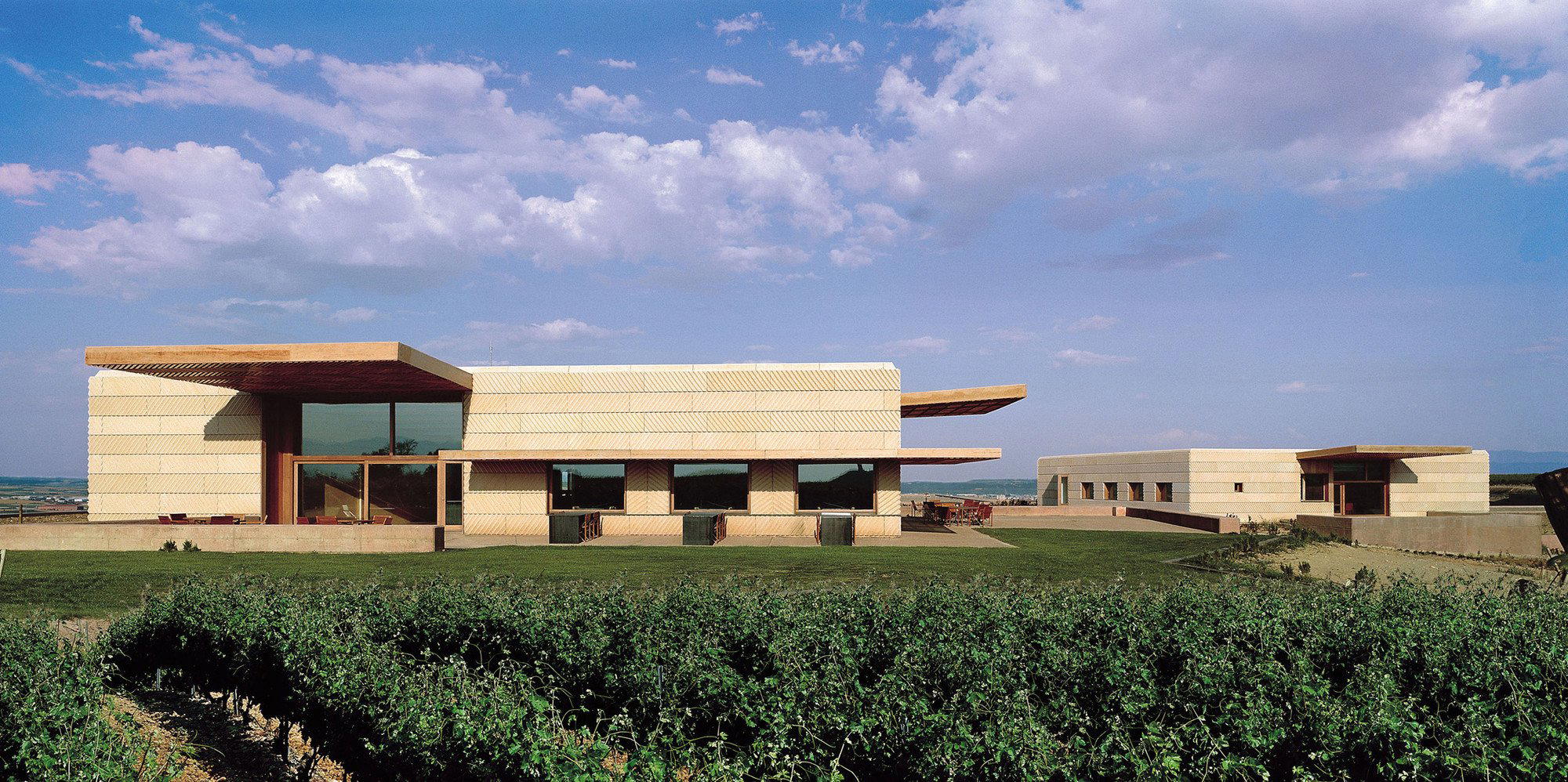
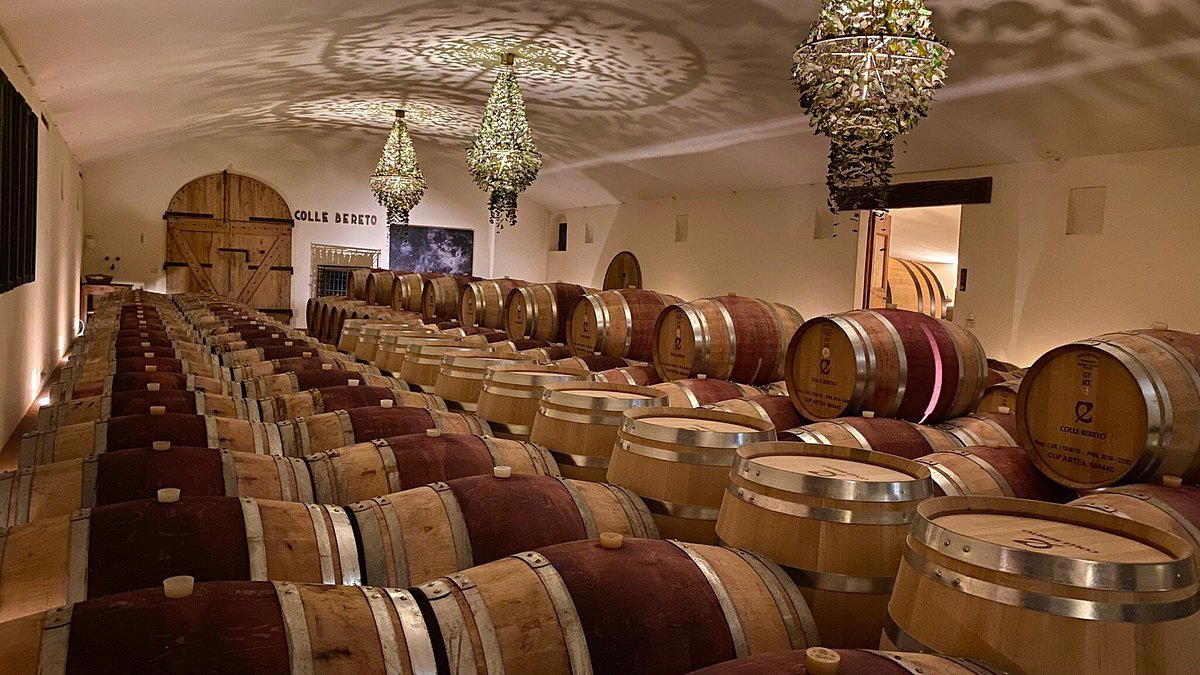
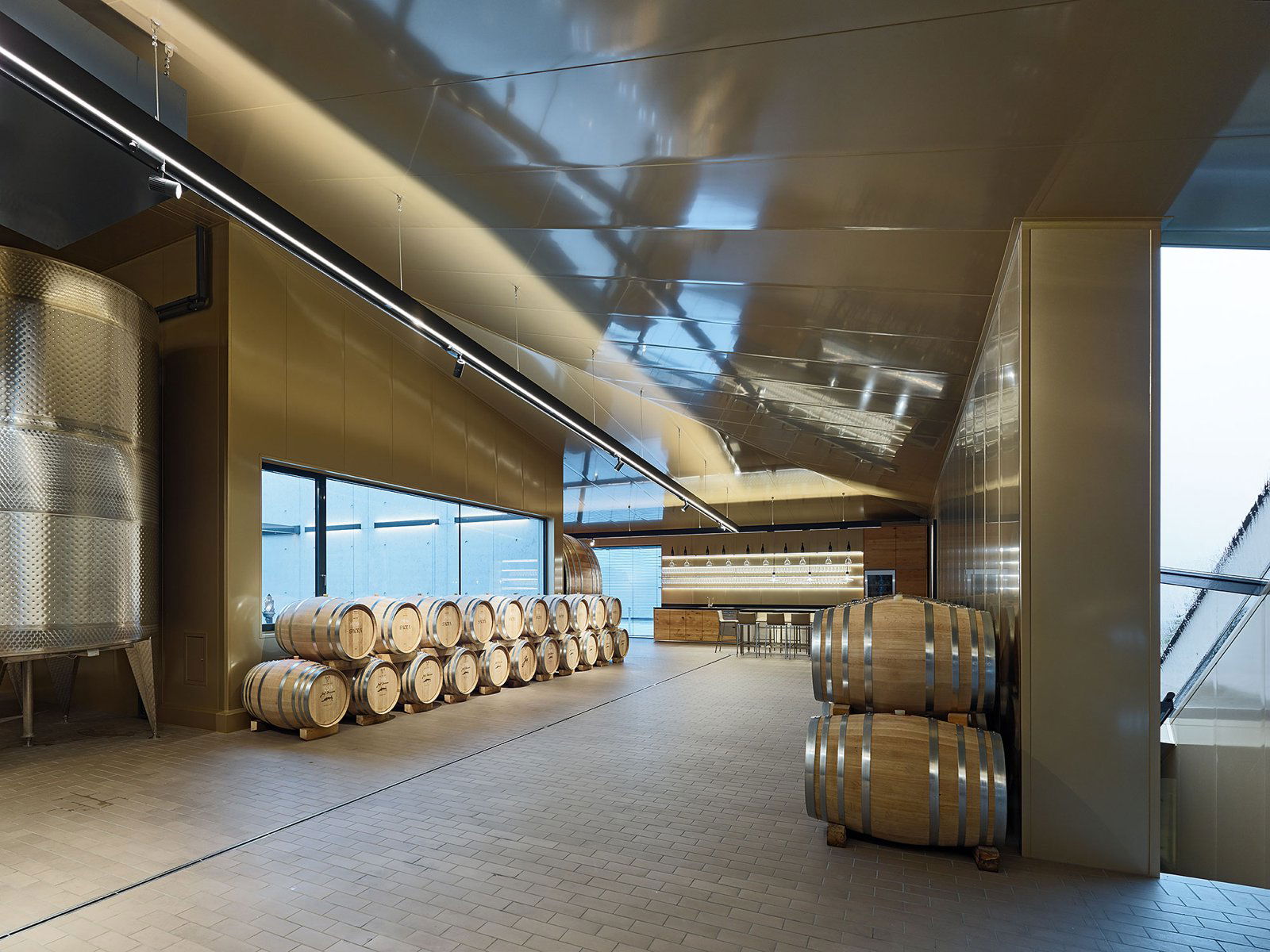
Contemporary architecture blending with traditional wine country landscape, offering panoramic views of vineyards and monastery in a charismatic wine cellar atmosphere.
Tags
Vibe
Best For
Experience
View
At the Vineyard
- Appellation
- Kremstal DAC
- Varietals
- Grüner Veltliner, Riesling, Zweigelt, St. Laurent, Pinot Noir
- Tour Duration
- 60-90 minutes
- Tour Languages
- German, English
- Visits
- Walk-ins welcome
- Wine Styles
- Still White, Still Red, Sparkling
- Food Pairing
- Offered
- Shipping
- Available
- Wine Club
- Not available
Know before you go
Know Before You Go
- Getting there
- Ortsstraße 30, 3508 Höbenbach
Planning details
Location
Recognition and awards

Also consider
If you cannot get in
Try Weingut Markus Huber if the goal is another serious Austrian winery name, or Weingut Malat if the day needs a strong alternate producer with a similar wine-focused purpose.
Winery context
How it compares in and around Höbenbach
Choose Winzerhof Dockner when the occasion calls for a more selective, reputation-led winery stop and the schedule can absorb harder booking logistics. Weingut Markus Huber and Weingut Ludwig Neumayer are better cross-shops if the priority is comparing well-known Austrian producers rather than anchoring the day in Höbenbach.
For visitors weighing ambiance and value, Weingut Malat and Weingut Petra Unger make sense as alternatives when Winzerhof Dockner is too difficult to secure. Weingut Hutter Distillery is the better pivot if the group wants a spirits-leaning stop rather than a strictly winery-led visit.
Explore Höbenbach
Around this place
Discover more on Pearl
Unlock the full Winzerhof Dockner guide in Pearl, including awards, comparisons, FAQs, planning details, and nearby places.
Compare Winzerhof Dockner
| Venue | Location | Awards |
|---|---|---|
| Winzerhof Dockner | Höbenbach | 2026 Falstaff Winery Guide |
| Weingut Markus Huber | Reichersdorf | 2026 Falstaff Winery Guide |
| Weingut Ludwig Neumayer | Inzersdorf | 2026 Falstaff Winery Guide |
| Weingut Malat | Furth Bei Göttweig | 2026 Falstaff Winery Guide |
| Weingut Petra Unger | Furth | 2026 Falstaff Winery Guide |
| Weingut Hutter Distillery | Mautern an der Donau | No published awards |
How Winzerhof Dockner Höbenbach compares with similar nearby venues.
FAQ
Frequently Asked Questions
Do I need a reservation at Winzerhof Dockner?
Check the booking process directly with Winzerhof Dockner before planning around a visit. The key planning anchors are its Höbenbach location, casual dress code, and Pearl 2 Star Prestige recognition for 2025.
How should I evaluate membership or recurring purchase terms at Winzerhof Dockner?
If the venue offers membership, allocation, pricing, or shipment terms directly, judge them based on the details provided by the venue rather than assuming a standard model.
How long should I plan for a visit to Winzerhof Dockner?
Plan only after checking the current arrangement directly, especially if your schedule depends on a specific amount of time on site, service format, hours, or itinerary structure.
What other venues can I compare with Winzerhof Dockner?
For comparisons, consider Weingut Markus Huber, Weingut Ludwig Neumayer, Weingut Malat, Weingut Petra Unger, and Weingut Hutter Distillery. You can also compare it with other Höbenbach options in a general way.
What should I know about Winzerhof Dockner?
The key anchors are Winzerhof Dockner's Höbenbach location, casual dress code, and Pearl 2 Star Prestige recognition for 2025. Check menu, pricing, hours, service format, and beverage details directly before planning around them.