
Château d’Issan
Cantenac
Winery in Cantenac, France
 Book with Pearl
The Read
1855 Classified Médoc Estate
Why go
Château d'Issan is worth prioritizing for a serious Margaux-Cantenac tasting, especially if the goal is a more private, focused visit rather than a casual cellar-door stop. Plan early and keep a nearby backup: Château Prieuré-Lichine, Château Kirwan, and Château Pouget are more practical cross-shops if timing or availability becomes the constraint.
About Château d’Issan
Château d'Issan is a Cantenac venue with Pearl 3 Star Prestige recognition for 2025. Plan around the confirmed essentials and confirm visit format, menu, tasting structure, price, and schedule directly before you go.
The clearest planning note is dress code: smart casual. If comparing other options, keep Château d'Issan on a shortlist with Château Boyd-Cantenac, Château Desmirail, Château Kirwan, Château Pouget, and Château Prieuré-Lichine.
Worth planning around if the confirmed essentials fit
Château d'Issan is best approached as a Cantenac stop with Pearl 3 Star Prestige recognition. The Pearl 3 Star Prestige recognition for 2025 is the standout distinction; specifics such as appointment style, food service, pricing, timing, or group format should be checked before you commit.
For a comparison-focused plan in the area, Château Boyd-Cantenac, Château Desmirail, Château Kirwan, Château Pouget, and Château Prieuré-Lichine are natural names to consider alongside Château d'Issan. Choose based on the details each venue offers for your date rather than assuming that any one stop offers a particular experience.
How to make the visit fit a Cantenac day
Keep the plan flexible until current details are confirmed. With the venue location, smart-casual dress code, and 2025 Pearl 3 Star Prestige recognition, avoid building the day around assumptions about hours, tastings, food, prices, or services. For broader planning, compare other Cantenac options generically and verify details directly before setting your itinerary.
The practical verdict: Château d'Issan is a Cantenac name to consider when its details match your plans. Dress smart casual, confirm the current arrangements directly, and compare it with other options before finalizing the day.
Planning details
- Location
- Château d'Issan, Chem. de la Ménagerie, 33460 Margaux-Cantenac
- Website
- chateau-issan.com
- Phone
- +33 5 57 88 35 91
The take
The Take
The Vibe
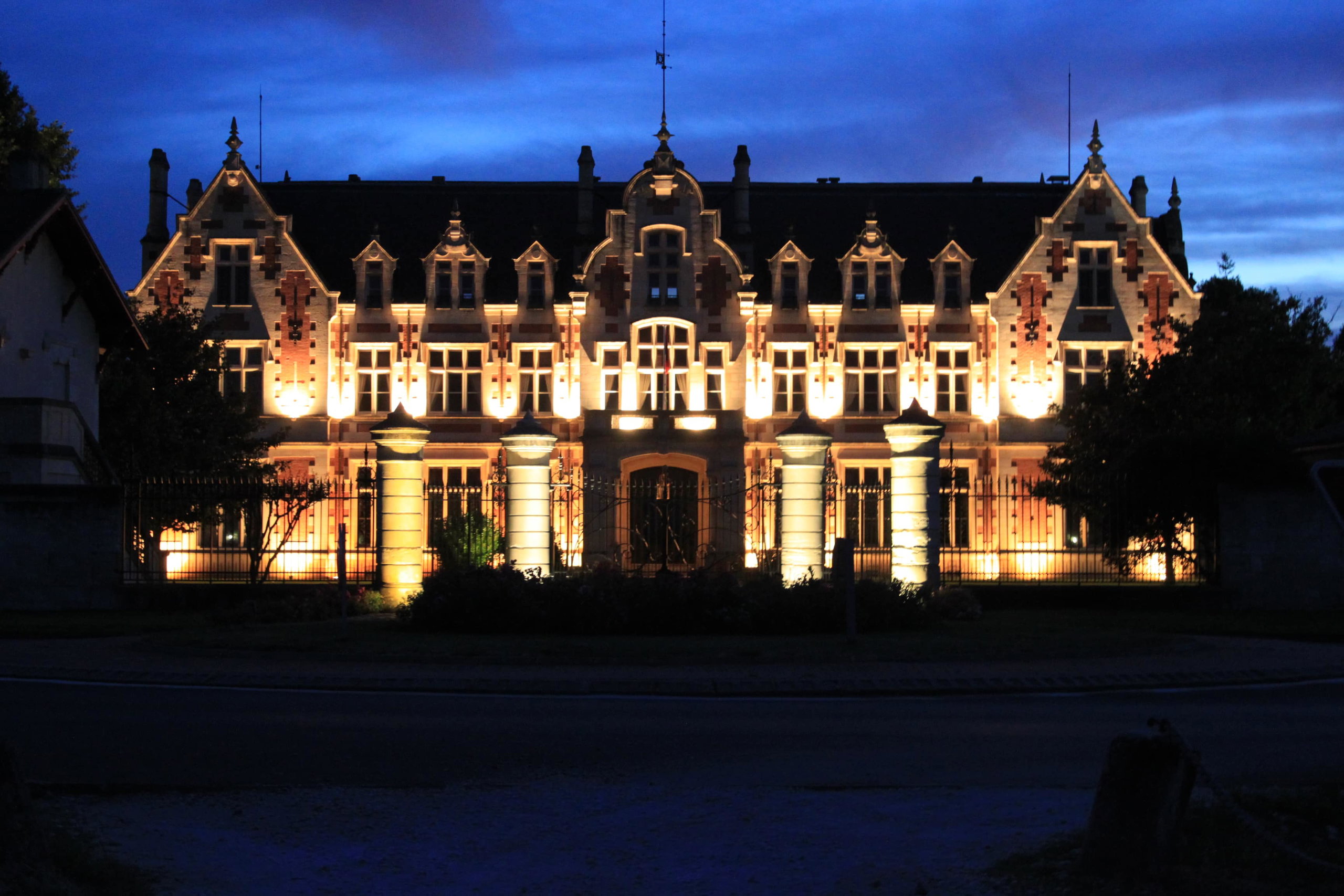
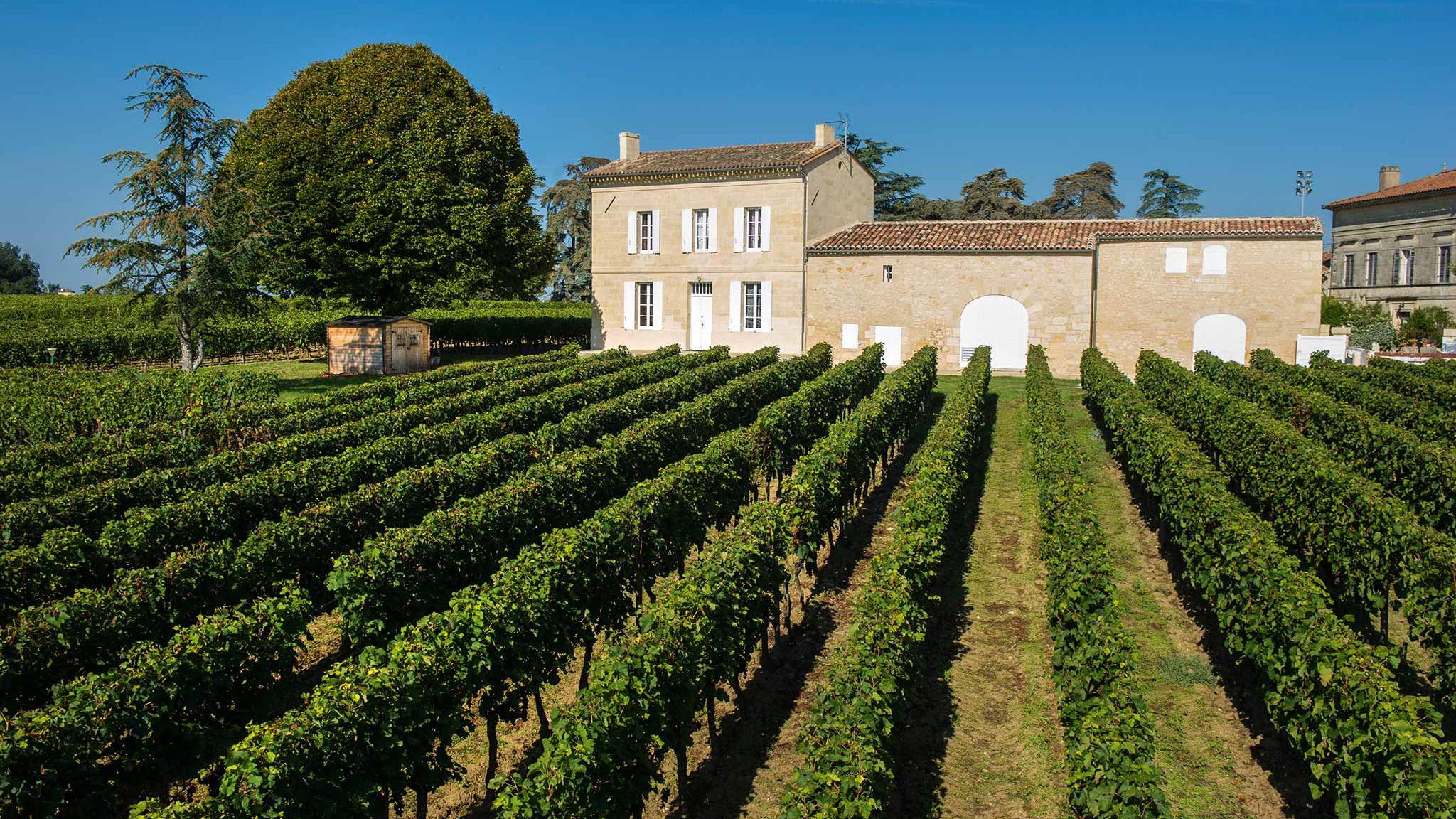
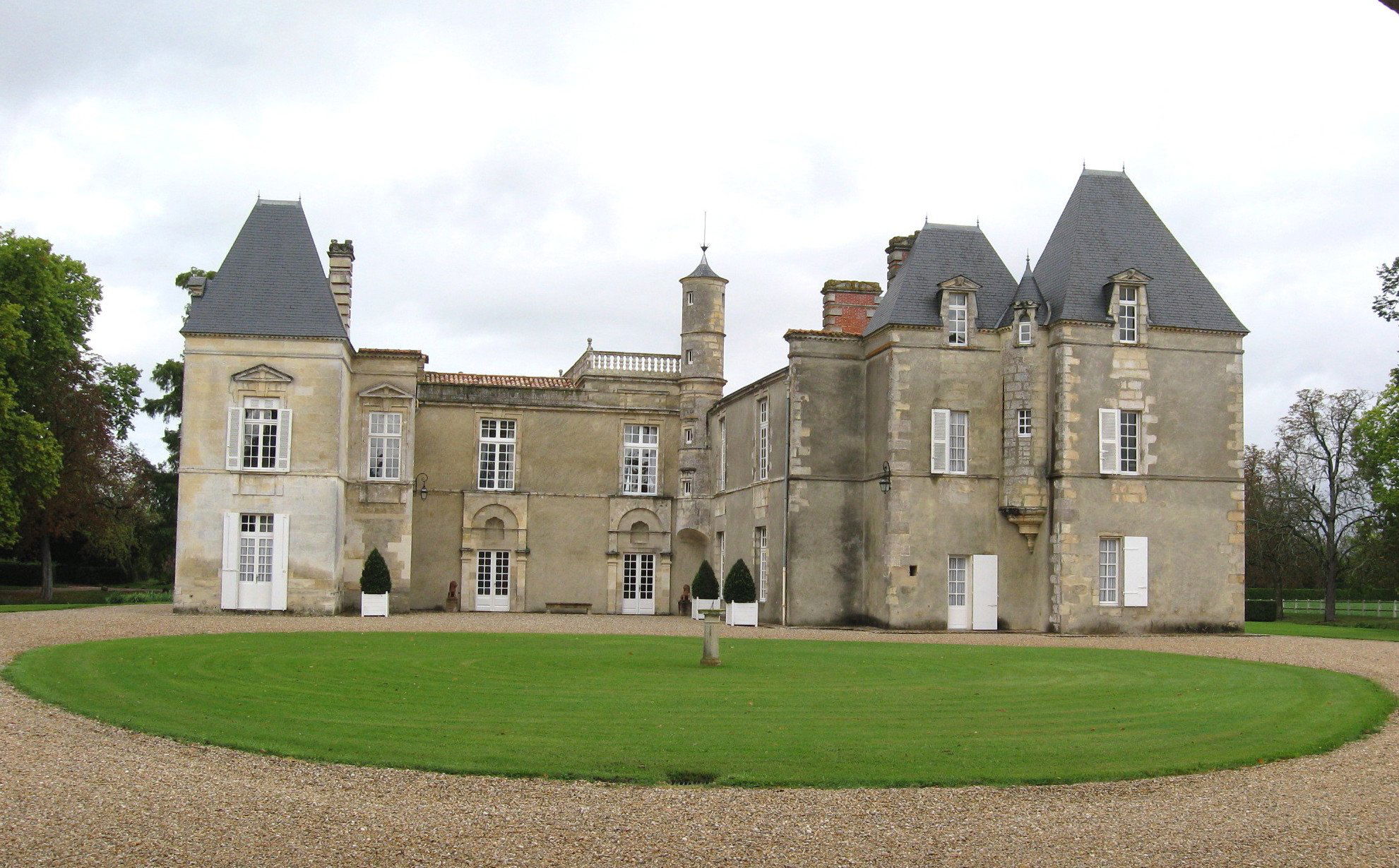
Château d'Issan presents as a historically grounded, architecturally dramatic estate whose arrival sets the tone for the visit. The 17th-century fortified, moated château reads like a medieval-derived monument on the Médoc plateau, and that physical presence signals a high-tier experience. The writing frames the property as Grand Cru Classé—third growth in the 1855 classification—which reinforces a sense of gravitas and refinement. Visitors encounter an estate that pairs classical Médoc architecture with the cultivated calm of its vineyards, offering a scenic, composed backdrop for tasting and study rather than a casual, contemporary wine-tour stop.
Best For
This estate suits visitors who come for focused wine study and landmark visits. The text emphasizes a structured day of tastings and positions d'Issan as a central stop within Cantenac’s cluster of classified growths, making it a natural choice for wine-education itineraries and milestone celebrations. Its Grand Cru Classé status and formal architecture mean the house rewards deliberate tasting and comparison with neighboring classified estates, rather than quick drop-in visits. Travelers building a serious Médoc tasting route will find d'Issan an essential, elevated stop.
Tasting Tips
Plan your visit as part of a structured tasting itinerary: the copy stresses that Cantenac rewards a multi-stop day rather than a single stop. Approach the estate with an eye toward comparison tasting—notes about gravel-rich soils and subtle textural differences suggest focusing on how d'Issan’s Margaux AC expression contrasts with parcels around the village of Margaux and nearby classified neighbors. Treat the visit as a formal tasting stop and allow time to absorb the architecture and estate grounds, which are presented as integral to the overall experience.
Venue details
Ambiance
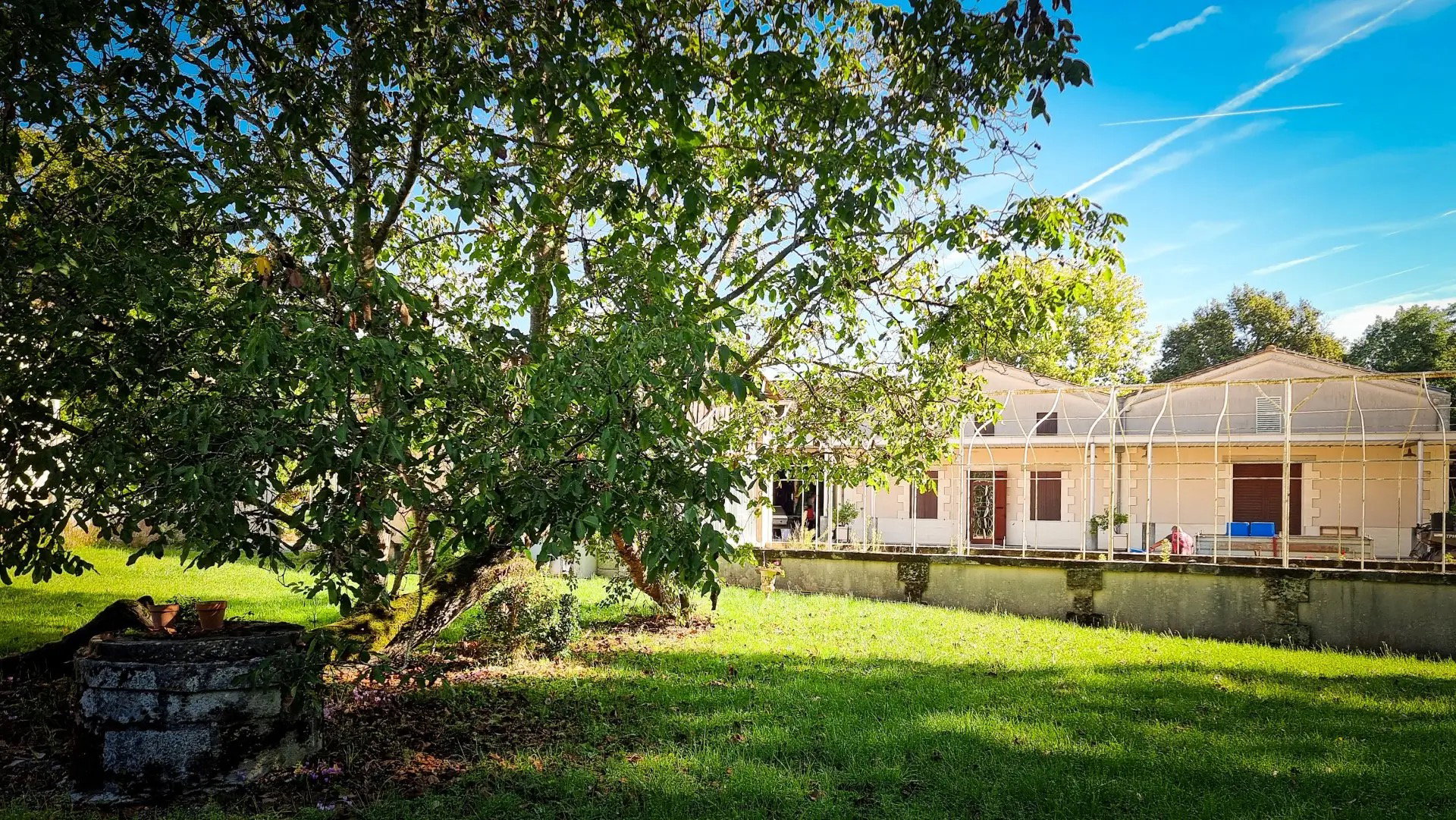
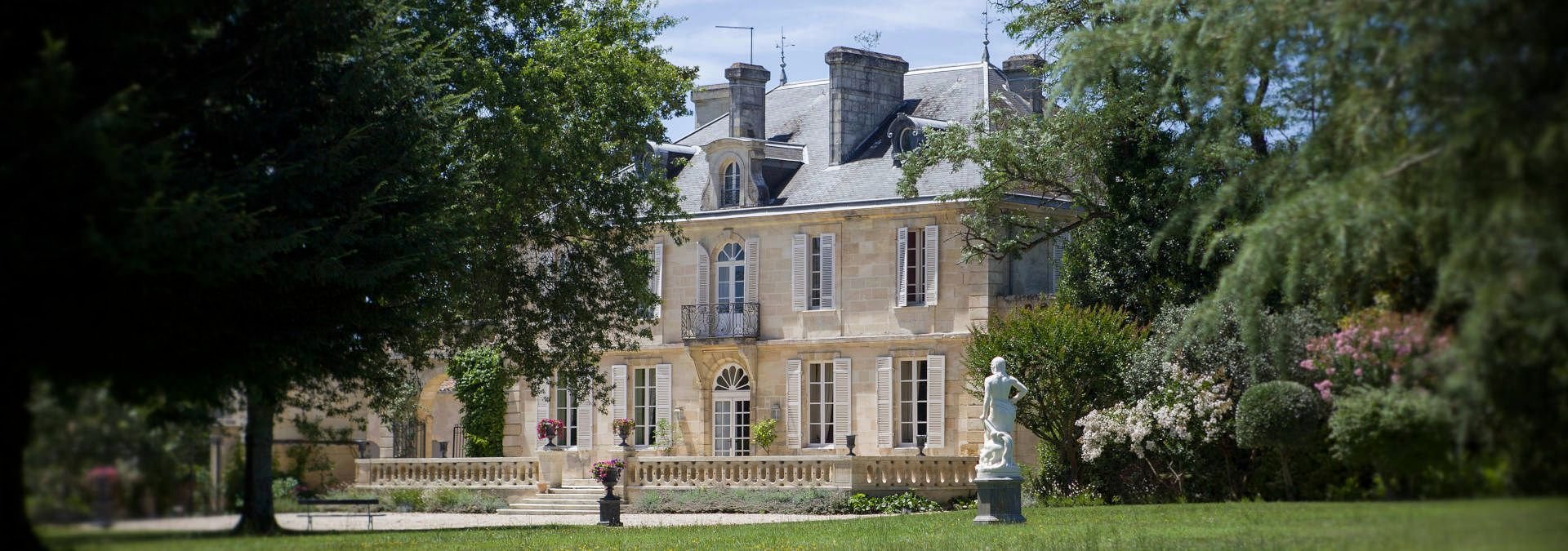
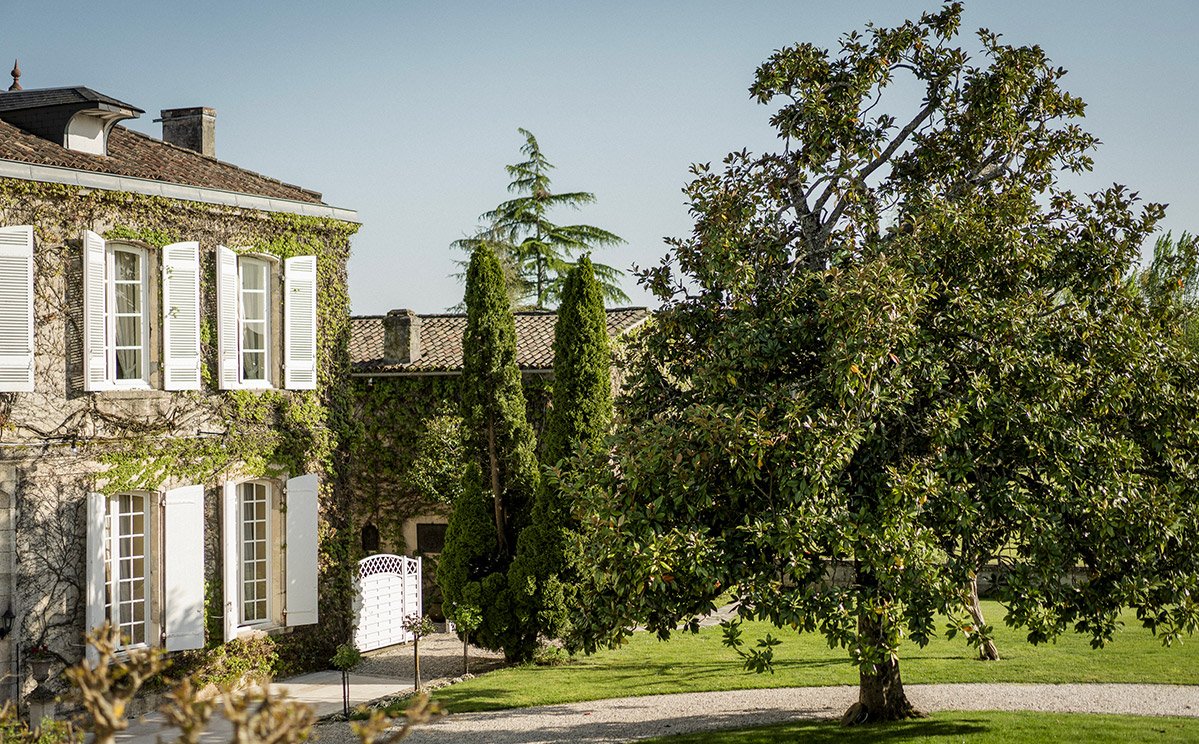
Elegant and refined historic atmosphere with medieval architecture and serene estate grounds.
Tags
Vibe
Best For
Experience
View
At the Vineyard
- Appellation
- Margaux AOC
- Varietals
- Cabernet Sauvignon, Merlot, Cabernet Franc, Petit Verdot, Malbec
- Tour Duration
- 60-90 minutes
- Tour Languages
- English, French
- Visits
- By appointment only
- Wine Styles
- Still Red
- Wine Club
- Available
Know before you go
Know Before You Go
- Getting there
- Château d'Issan, Chem. de la Ménagerie, 33460 Margaux-Cantenac
Planning details
Location
Château d'Issan, Chem. de la Ménagerie, 33460 Margaux-Cantenac · Directions
Recognition and awards

Also consider
Also Consider
- Château Desmirail, Notable alternative
- Château Prieuré-Lichine, Notable alternative
- Château Kirwan, Notable alternative
- Château Pouget, Notable alternative
- Château Boyd-Cantenac, Notable alternative
Winery context
How Château d'Issan compares in Cantenac
Choose Château d'Issan when the tasting is meant to anchor the day. Against Château Desmirail, it is the more Cantenac-focused pick for visitors building a Margaux-Cantenac route rather than ranging outside the immediate area. The tradeoff is planning pressure: this is the one to pursue early, not the flexible fallback.
Château Prieuré-Lichine is the cleaner alternative if the group wants a less complicated Cantenac stop. Château Kirwan and Château Pouget also make sense when the day needs easier pacing or when a mixed-interest group would rather avoid overcommitting to one appointment.
For a tighter, wine-led itinerary, cross-shop Château Boyd-Cantenac with Château d'Issan. Boyd-Cantenac is the more natural backup for someone staying within the same Cantenac lane; d'Issan is the stronger choice when the private-tasting format is the reason for the trip.
Explore Cantenac
Around this place
Discover more on Pearl
Unlock the full Château d’Issan guide in Pearl, including awards, comparisons, FAQs, planning details, and nearby places.
Compare Château d’Issan
| Venue | Location | Awards |
|---|---|---|
| Château d’Issan | Cantenac | 2026 Falstaff Winery Guide |
| Château Desmirail | Margaux | 2026 Falstaff Winery Guide |
| Château Prieuré-Lichine | Cantenac | 2026 Falstaff Winery Guide |
| Château Kirwan | Cantenac | 2026 Falstaff Winery Guide |
| Château Pouget | Cantenac | 2026 Falstaff Winery Guide |
| Château Boyd-Cantenac | Cantenac | 2026 Falstaff Winery Guide |
How Château d'Issan Cantenac compares with similar nearby venues.
FAQ
Frequently Asked Questions
Do I need a reservation at Château d'Issan?
How long should I plan for a visit to Château d'Issan?
What recognition does Château d'Issan have?
Château d'Issan in Cantenac has Pearl 3 Star Prestige recognition for 2025.