
Weingut Selbach-Oster
Zeltingen-Rachtig
Winery in Zeltingen-Rachtig, Germany
 Book with Pearl
The Read
Slate-Driven Mosel Precision
Why go
Weingut Selbach-Oster is worth prioritising for a Mosel trip built around Riesling and regional context, not casual tasting-room convenience. It is a stronger fit for collectors and wine-focused travellers than for groups looking for an easy drop-in stop, so treat access as an anchor and cross-shop nearby Mosel peers if timing does not work.
About Weingut Selbach-Oster
Weingut Selbach-Oster is in Zeltingen-Rachtig with Pearl 3 Star Prestige recognition for 2025 and a casual dress code. Consider it when you are specifically planning around Weingut Selbach-Oster in Zeltingen-Rachtig, and confirm practical details directly before building a schedule around a visit.
A Zeltingen-Rachtig venue with Pearl recognition
The clearest hook is the 2025 Pearl 3 Star Prestige recognition. Before visiting, check specific visit formats, appointment rules, prices, opening hours, group capacity, shipping, and food service directly. Treat Weingut Selbach-Oster as a relevant stop in Zeltingen-Rachtig, but one that still requires direct confirmation for logistics.
If the trip is built around dining, lodging, and after-hours planning around the village, pair the search with the Zeltingen-Rachtig restaurants guide, the Zeltingen-Rachtig hotels guide, and the Zeltingen-Rachtig bars guide.
When to plan the visit
Plan around Weingut Selbach-Oster only after confirming the details that matter to your itinerary. The venue is in Zeltingen-Rachtig, has a casual dress code, and holds 2025 Pearl 3 Star Prestige recognition; check hours, appointment availability, visit length, pricing, and specific products or services directly.
For a fuller day in Zeltingen-Rachtig, use current local planning resources to add other plans without assuming services at Weingut Selbach-Oster itself.
Who should choose this over another nearby name
Choose Weingut Selbach-Oster when you want a Zeltingen-Rachtig venue with 2025 Pearl 3 Star Prestige recognition. If you are comparing other venues for a wider itinerary, consider Weingut Markus Molitor, Weingut Joh. Jos. Prüm, Weingut Dr. Loosen, Weingut Willi Schaefer, or Weingut Fritz Haag as natural reference points.
Bottom line: this is a relevant Zeltingen-Rachtig entry with Pearl recognition, but the finer practical details should be checked directly before you plan around it.
Planning details
- Location
- Gänsfelderstraße 20, 54492 Zeltingen-Rachtig
- Website
- selbach-oster.de
- Phone
- +49 6532 2081
The take
The Take
The Vibe
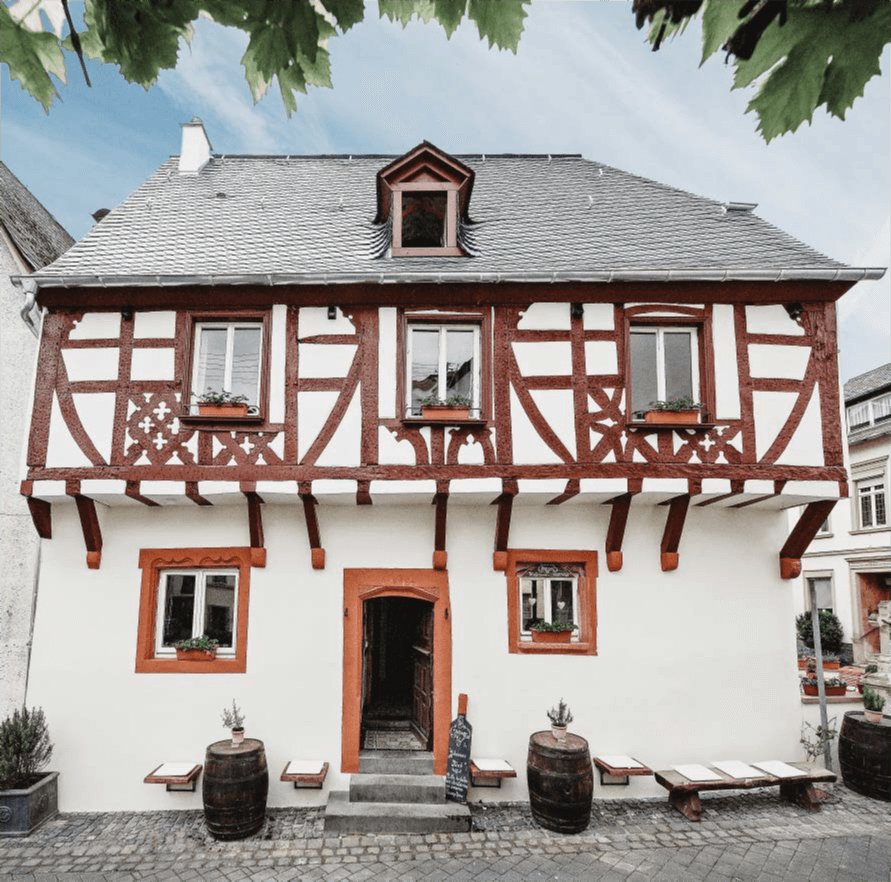
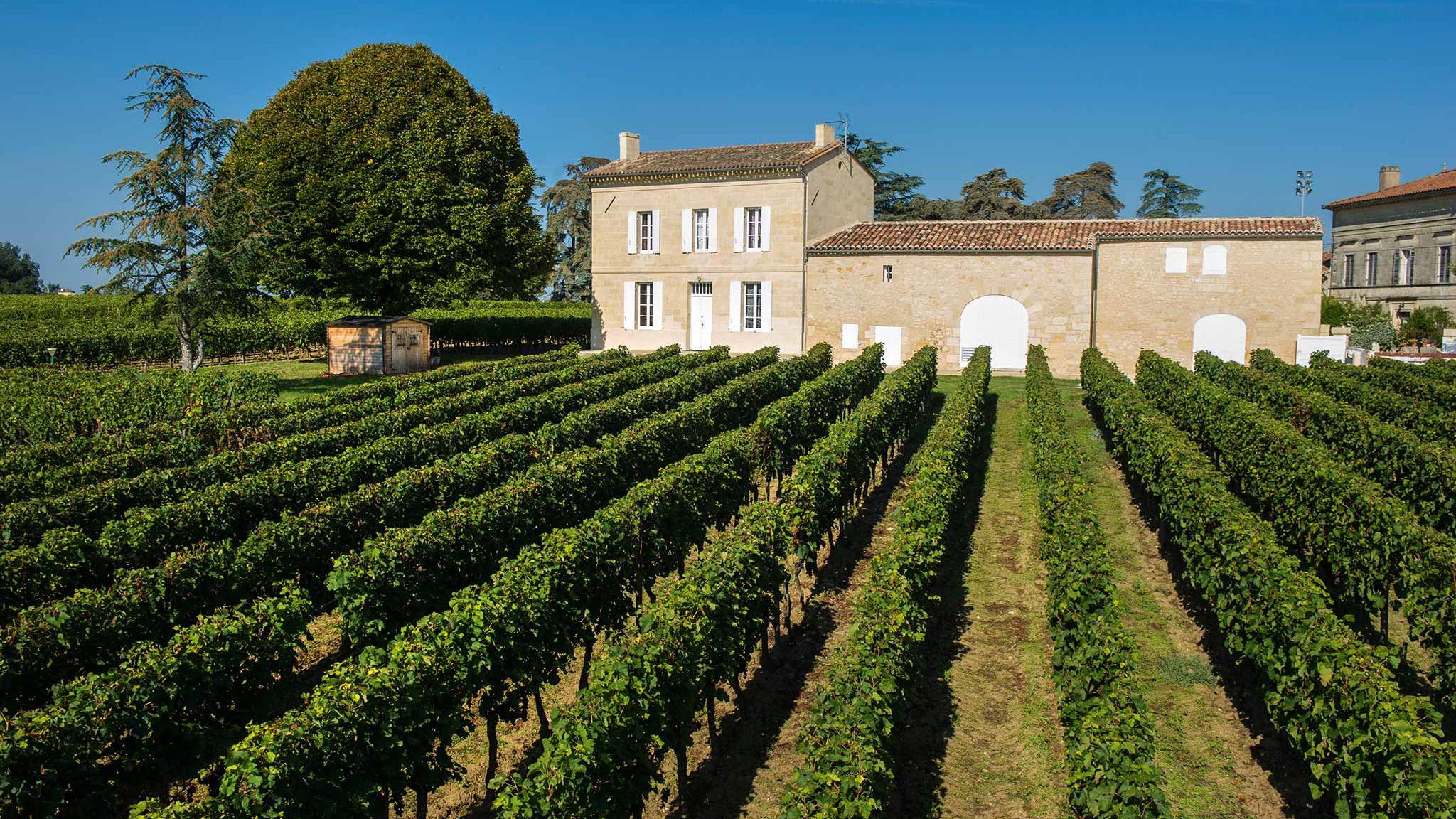
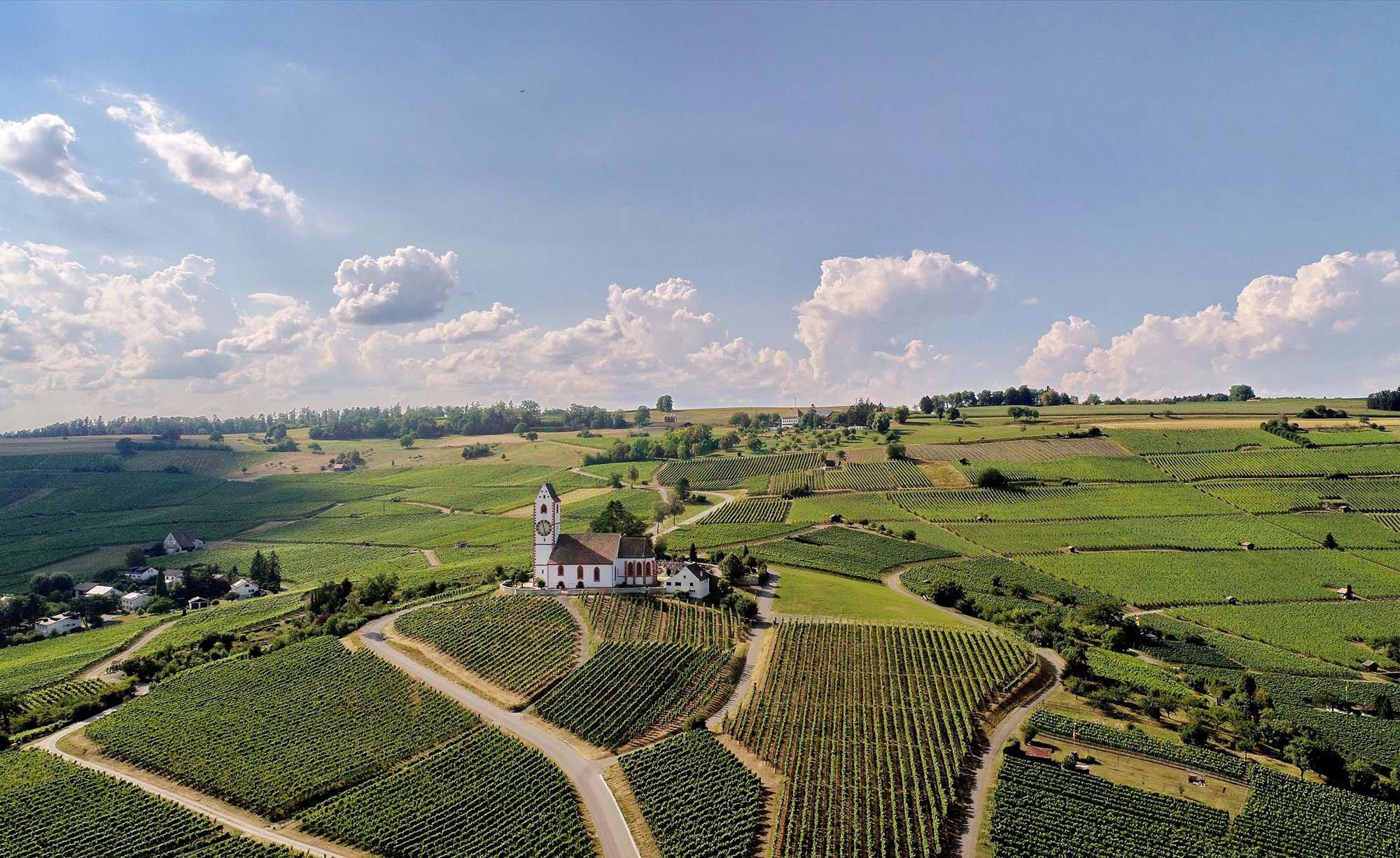
Selbach-Oster presents a focused, terroir-driven personality rooted in the steep, south-facing amphitheatres of the middle Mosel. The writing emphasizes geological nuance — blue, grey and red slates — and the estate’s recent Pearl 3 Star Prestige recognition reinforces a polished, high-achieving character. Visiting feels scholarly rather than flashy: the emphasis is on precise site expression, mineral-driven Riesling and vineyard specificity. The overall tone is refined and quietly assured, suited to visitors who appreciate technical rigor and classical Mosel style rather than loud tourism theatrics.
Best For
This estate is best for people seeking a deep, educational encounter with Mosel Riesling. The description centers on how slate, slope and river influence site-specific expression, making the property a natural stop for tasting with a focus on geology and viticultural context. The Pearl 3 Star Prestige nod underlines its standing among producers who emphasize vineyard access and stylistic consistency, so it works well for solo exploration or small-group visits where learning about terroir, ripening dynamics and the regional slate variations is the priority.
Venue details
Ambiance
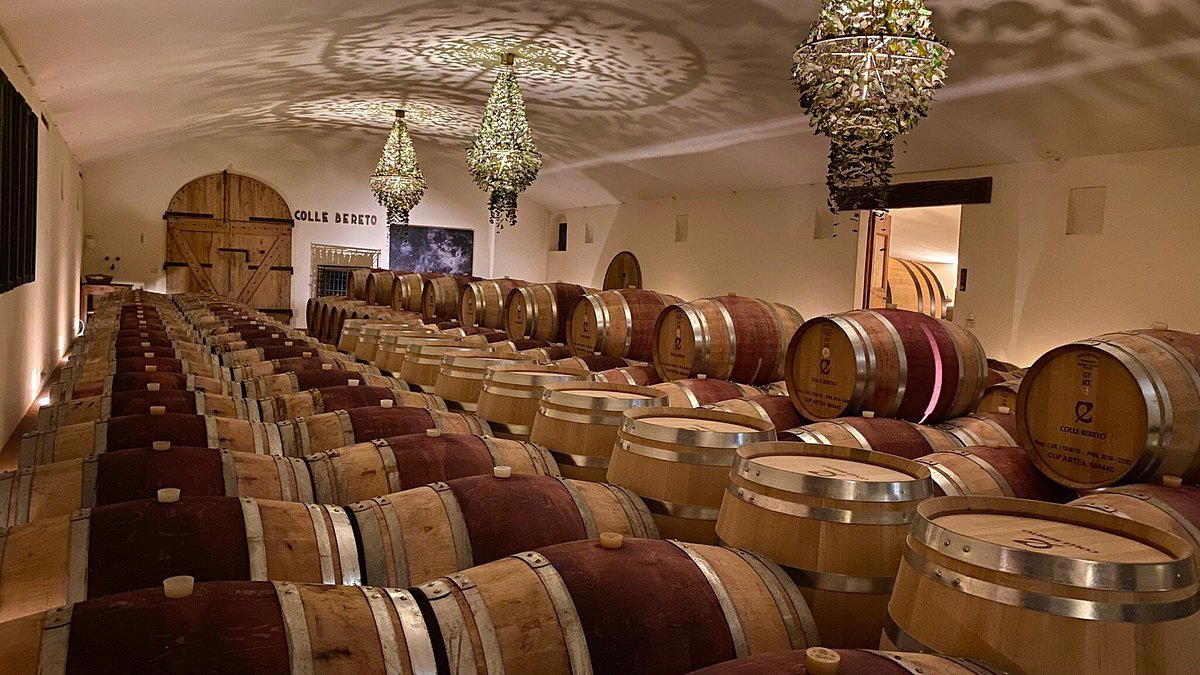
Elegant and hospitable with personalized tastings in a modern tasting area amid the scenic Mosel valley.
Tags
Vibe
Best For
Experience
View
At the Vineyard
- Appellation
- Mosel
- Varietals
- Riesling, Pinot Blanc, Pinot Noir, Gewürztraminer
- Tour Duration
- 60-90 minutes
- Tour Languages
- English
- Visits
- By reservation
- Production
- Mid-size producer
- Wine Styles
- Still White
- Wine Club
- Not available
Know before you go
Know Before You Go
- Getting there
- Gänsfelderstraße 20, 54492 Zeltingen-Rachtig
Planning details
Location
Recognition and awards

Also consider
Where to look if this is not available
If access does not line up, try Weingut Dr. Loosen for a Mosel name that is easier for mixed groups to understand, or Weingut Markus Molitor for another high-recognition winery near Zeltingen-Rachtig. For a more collector-minded backup, look at Weingut Joh. Jos. Prüm.
Winery context
How It Compares
Weingut Selbach-Oster is the right call for travellers who want a serious Zeltingen-Rachtig anchor with a quieter, more wine-focused feel. Weingut Markus Molitor is the more obvious cross-shop for visitors who want a higher-profile Mosel name, while Weingut Joh. Jos. Prüm is the prestige-led alternative for collectors prioritising benchmark status over ease.
For a tighter Riesling itinerary, compare it with Weingut Willi Schaefer and Weingut Fritz Haag. Those make sense when the trip is about studying producer differences across the Mosel rather than securing one convenient appointment. Weingut Dr. Loosen is the safer pick for mixed groups that value name recognition and a more accessible point of reference.
On value, the question is not price alone; it is whether the visit adds enough context to justify planning friction. For serious wine travellers, Weingut Selbach-Oster is worth the effort. For casual groups, Dr. Loosen or Markus Molitor will likely feel easier to justify.
Explore Zeltingen-Rachtig
Around this place
Discover more on Pearl
Unlock the full Weingut Selbach-Oster guide in Pearl, including awards, comparisons, FAQs, planning details, and nearby places.
Compare Weingut Selbach-Oster
| Venue | Location | Awards |
|---|---|---|
| Weingut Selbach-Oster | Zeltingen-Rachtig | 2026 Falstaff Winery Guide |
| Weingut Markus Molitor | Bernkastel-Wehlen | 2026 Falstaff Winery Guide |
| Weingut Joh. Jos. Prüm | Bernkastel-Wehlen | 2026 Falstaff Winery Guide |
| Weingut Willi Schaefer | Graach an der Mosel | 2026 Falstaff Winery Guide |
| Weingut Dr. Loosen | Bernkastel-Kues | 2026 Falstaff Winery Guide2025 World's 50 Best Vineyards · #162024 World's 50 Best Vineyards · #92023 World's 50 Best Vineyards · #122022 World's 50 Best Vineyards · #142021 World's 50 Best Vineyards · #462020 World's 50 Best Vineyards · #152019 World's 50 Best Vineyards · #10 |
| Weingut Fritz Haag | Brauneberg | 2026 Falstaff Winery Guide |

How Weingut Selbach-Oster Zeltingen-Rachtig compares with similar nearby venues.
FAQ
Frequently Asked Questions
What other venues can I compare with Weingut Selbach-Oster?
If you are building a wider itinerary, compare Weingut Selbach-Oster with Weingut Markus Molitor, Weingut Joh. Jos. Prüm, Weingut Willi Schaefer, Weingut Dr. Loosen, and Weingut Fritz Haag. For other options in Zeltingen-Rachtig, use current local listings and confirm details directly.
What recognition does Weingut Selbach-Oster have?
Weingut Selbach-Oster has Pearl 3 Star Prestige recognition for 2025.
How should I check hours or appointment details for Weingut Selbach-Oster?
Can Weingut Selbach-Oster handle large groups?
Contact Weingut Selbach-Oster directly before planning a group visit, and compare logistics with other venues such as Weingut Dr. Loosen or Weingut Markus Molitor if you are building a broader itinerary.