
Esterházy Winery
Trausdorf
Winery in Trausdorf, Austria
 Book with Pearl
The Read
Pannonian Noble Viticulture
Why go
Choose Esterházy Winery if you want a polished Burgenland winery stop with a historic estate feel, especially for a private or upgraded tasting. It is a tougher fit for casual drop-ins or groups that want an easy, flexible tasting day; compare it with Moric, Kollwentz, Prieler, Gut Oggau, and Ernst Triebaumer before committing.
About Esterházy Winery
For a first-time visit, Esterházy Winery is a Trausdorf stop with a smart-casual dress code and Pearl 2 Star Prestige for 2025. Beyond that, avoid planning around assumptions about tasting formats, food, pricing, opening hours, or special access unless you have confirmed them directly with the venue.
The best reason to consider Esterházy Winery is direct: it is a recognized winery in Trausdorf with a confirmed distinction. Build the visit around arranged details rather than expecting a specific menu, tour length, or service style. If the details matter for your itinerary, check the venue's official channels before committing travel time.
Book it for a confirmed winery visit, not an assumed format
If you are deciding whether to include Esterházy Winery in a Trausdorf itinerary, base the decision on confirmed availability and the kind of visit the winery can offer at the time you plan to go. The public facts here do not verify a private tasting, a casual drop-in model, a food program, or a particular tour structure, so the safest approach is to confirm those details directly.
For planning around Trausdorf, start with winery details, then decide whether the rest of the day needs food, a hotel, or another stop. If the trip is broader than wine, round out the itinerary with other Trausdorf experiences.
Who should compare this with other producers
Choose Esterházy Winery if you want a Trausdorf winery with a confirmed Pearl 2 Star Prestige recognition and a smart-casual dress code. If you are comparing it with other producers, consider named references such as Gut Oggau Winery, Weingut Ernst Triebaumer, Weingut Kollwentz, Weingut Moric (Roland Velich), and Weingut Prieler. Treat those as comparison points for planning rather than as identical experiences.
Readers building a broader wine route should keep the comparison focused on winery options and confirm current visit details directly with each venue. For Esterházy Winery specifically, do not assume a specific tasting length, food offer, price, opening schedule, or bottle focus unless the winery has confirmed it for your visit.
Planning details
- Location
- Trausdorf 1, 7061 Trausdorf an der Wulka
- Website
- esterhazywein.at
- Phone
- +43 2682 63348
The take
The Take
The Vibe
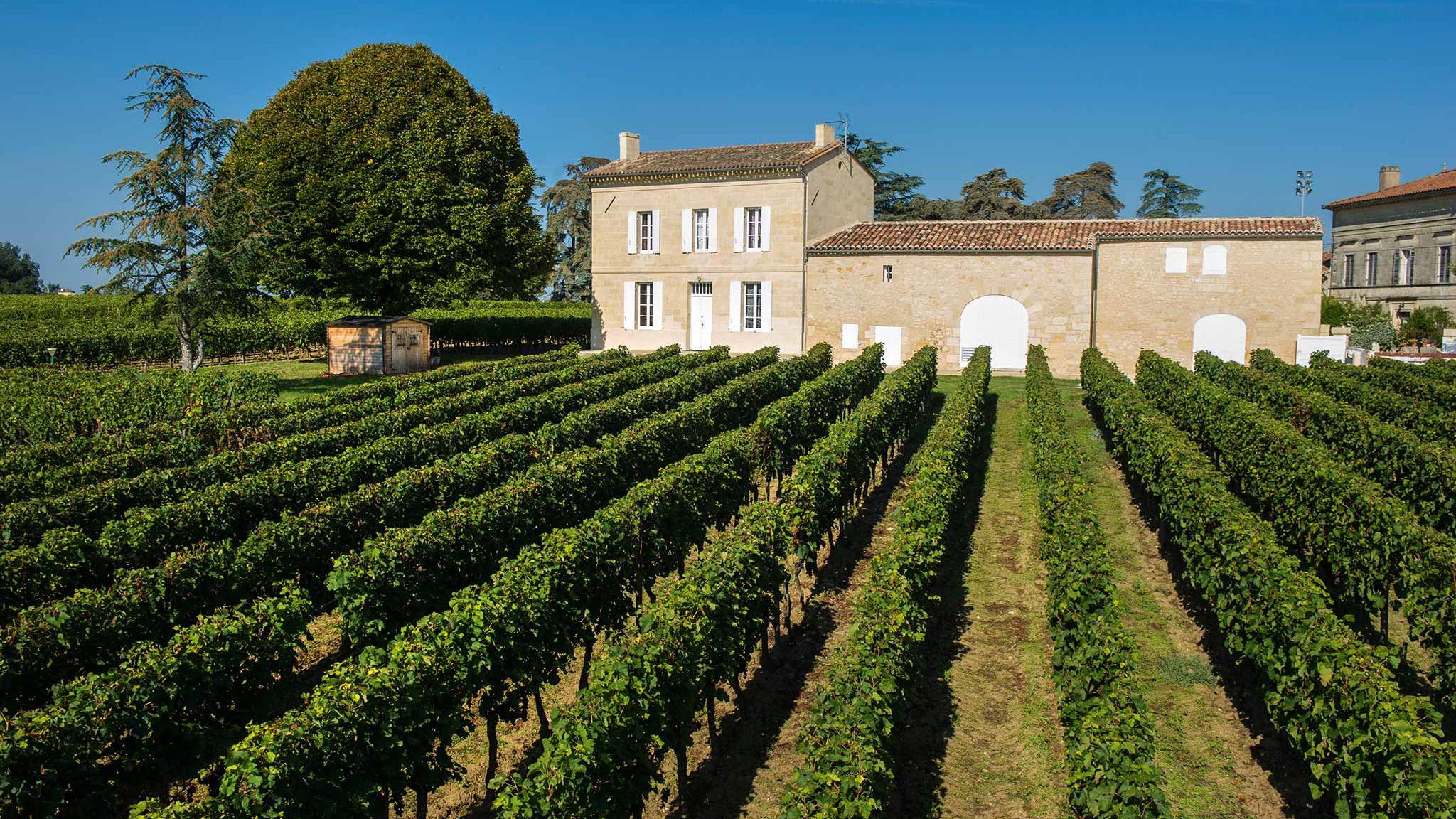
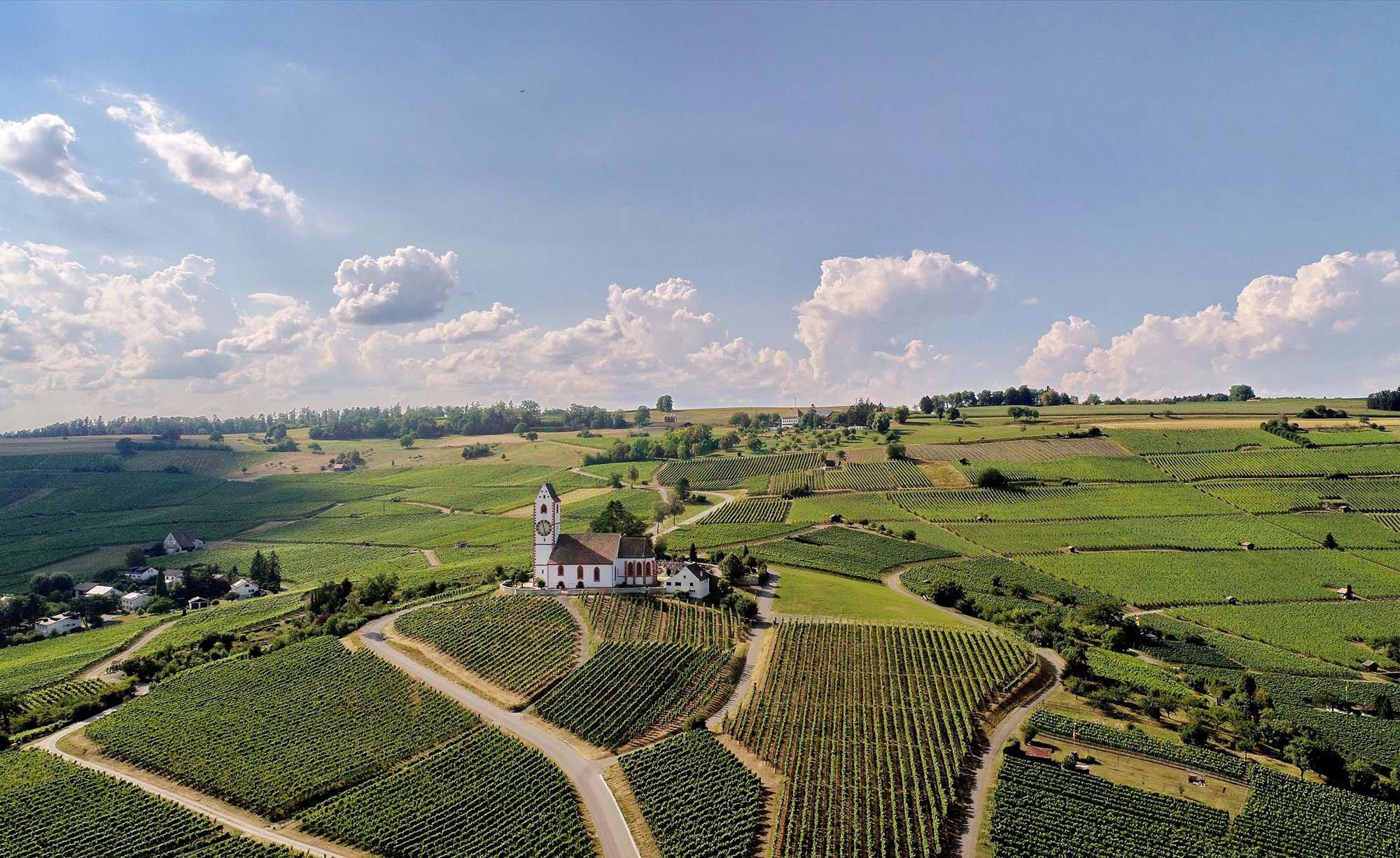
Esterházy Winery presents as a historically grounded estate that reads clearly of place. The text emphasizes lineage and land — a noble-family estate whose viticultural identity is shaped by the Pannonian Plain and proximity to the Neusiedlersee. That sense of continuity and terroir gives the property a quietly authoritative, historically rich presence: rows of vines across gently rolling terrain, centuries of estate practice and a regional character that informs every bottle. The overall impression is one of thoughtful, place-driven winemaking anchored in history rather than flash or trend.
Best For
This estate is best for visitors seeking a deep, contextual encounter with Burgenland wines. The narrative centers on wine education—understanding how the Pannonian climate, the lake’s microclimate and local site selection shape styles—and suits groups or special-occasion visits that want more than casual tasting. Expect a focus on regionally important varieties such as Blaufränkisch and Zweigelt as well as late-harvest sweet wines, and bring curiosity about how noble rot and sunshine hours influence vintages. The setting feels appropriate for group outings and structured educational tastings.
Tasting Tips
When tasting here, prioritize the varietals and styles the estate and region are known for: Blaufränkisch and Zweigelt for dry reds, plus the region’s noted late-harvest and sweet wines that can show noble-rot influence. Ask staff about recent vintages and how the Neusiedlersee’s microclimate affected ripening and botrytis in the year you visit. If you’re coming with a group or for a special visit, inquire about guided, educational tastings that focus on site selection and estate history to get the fullest understanding of what makes Esterházy wines distinctive.
Venue details
Ambiance
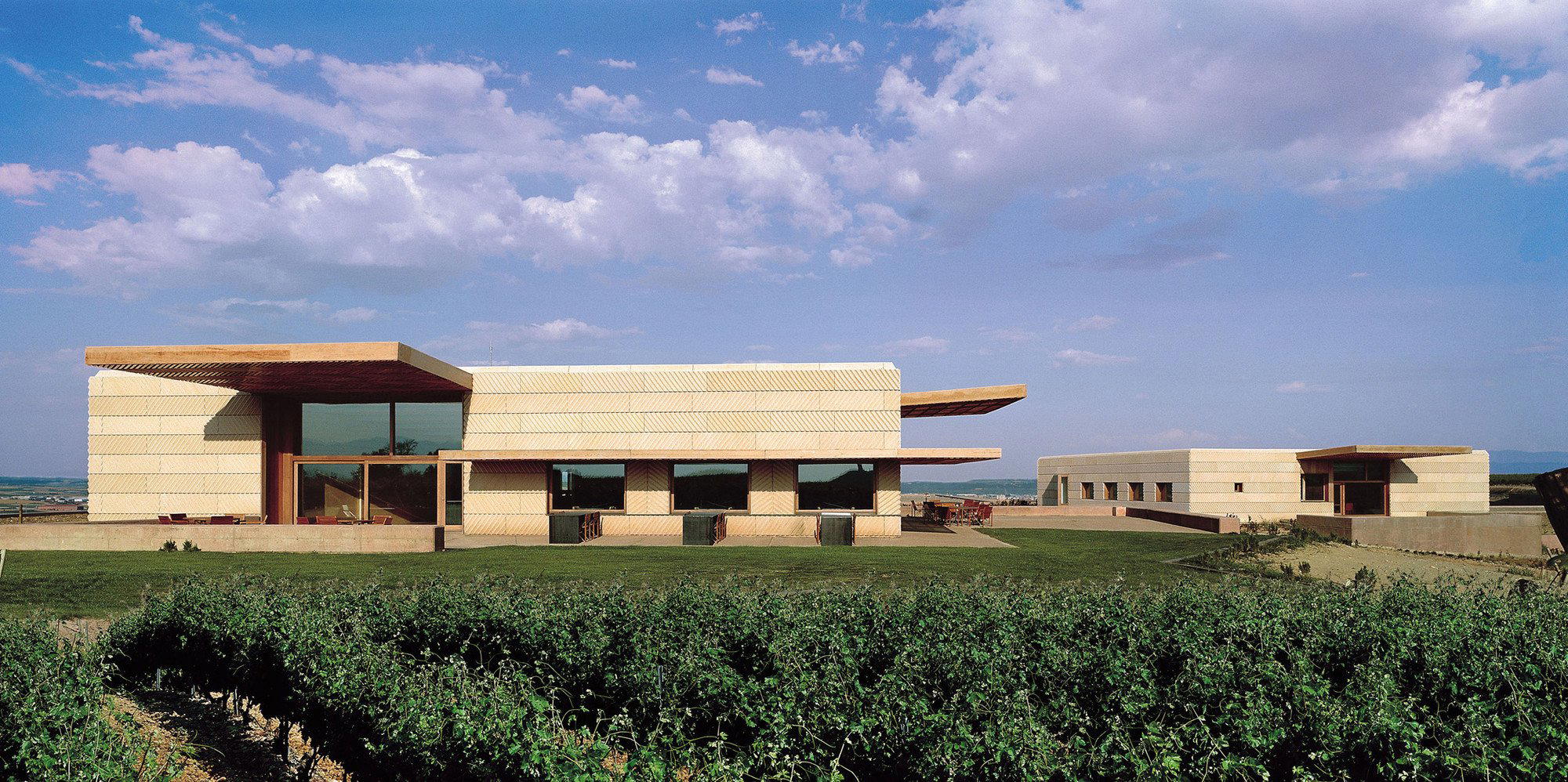
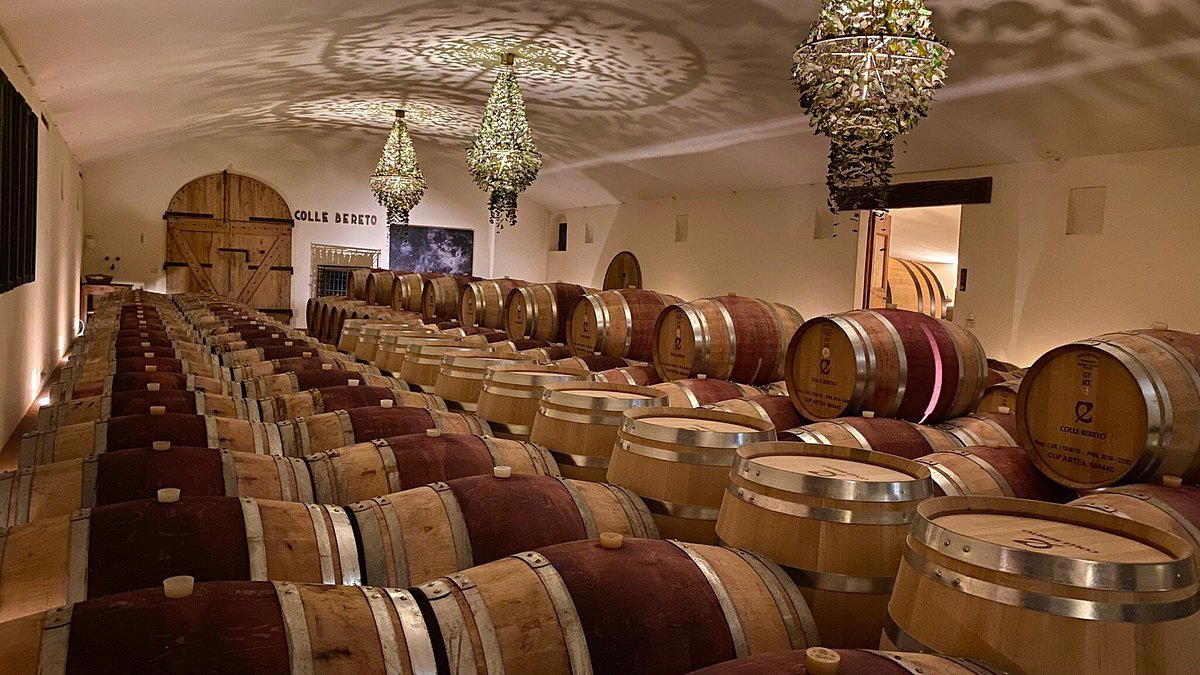
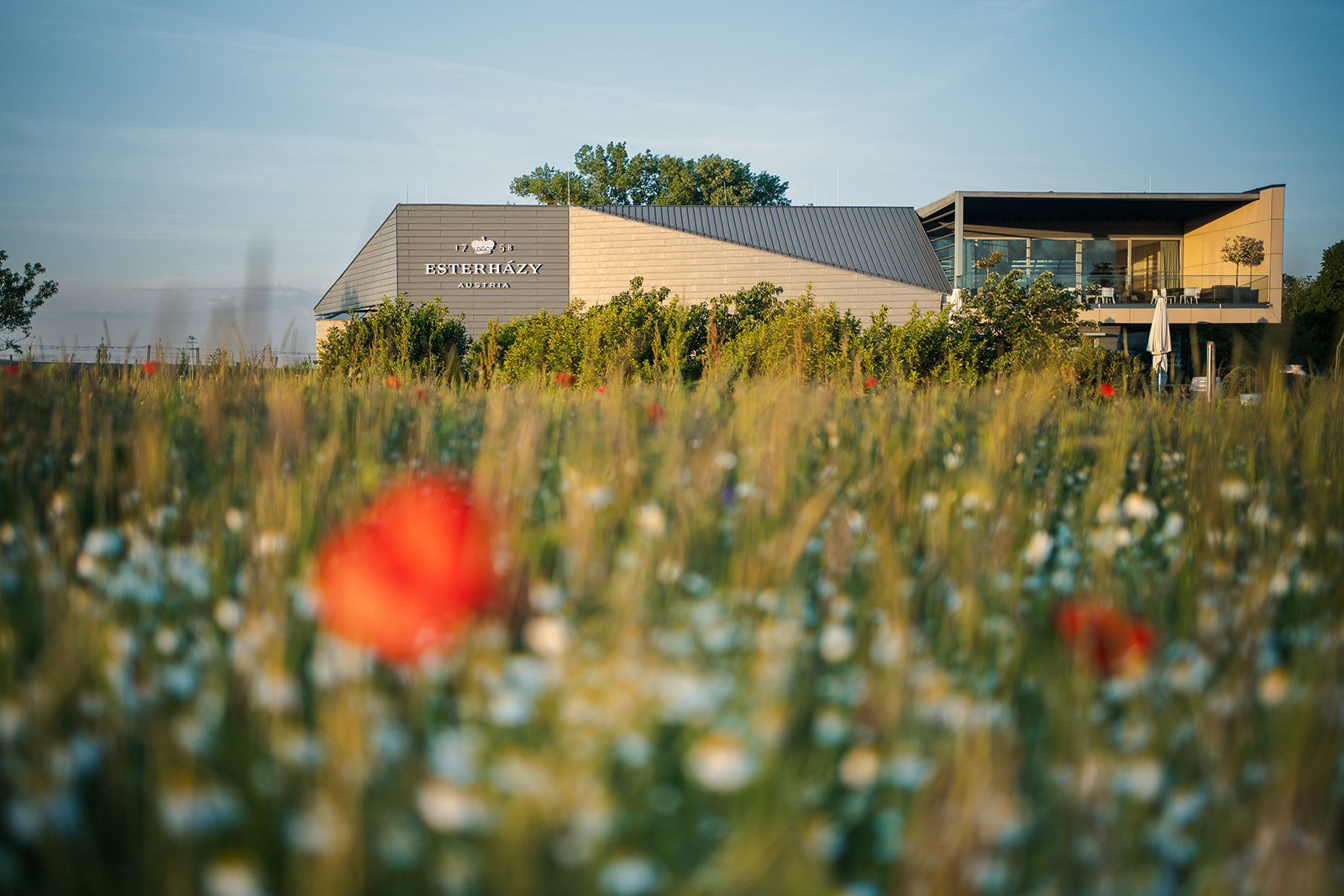
Elegant and sophisticated atmosphere in a modern winery with historic roots, featuring impressive premises ideal for wine celebrations and cultural events.
Tags
Vibe
Best For
Experience
Sourcing
View
At the Vineyard
- Appellation
- Leithaberg DAC
- Varietals
- Blaufränkisch, Pinot Noir, Chardonnay, Pinot Blanc, Grüner Veltliner
- Visits
- By reservation
- Farming
- Organic
- Wine Styles
- Still Red, Still White, Still Rose
- Shipping
- Available
- Wine Club
- Not available
Know before you go
Know Before You Go
- Getting there
- Trausdorf 1, 7061 Trausdorf an der Wulka
Planning details
Location
Recognition and awards

Also consider
Where to look if this is full
If Esterházy Winery is not workable, try Weingut Moric (Roland Velich) for a more producer-led visit or Weingut Prieler for a classic Burgenland comparison. For a more unconventional wine stop, Gut Oggau Winery is the sharper alternative.
Winery context
How it compares in Burgenland
Esterházy Winery is the more formal choice in this set: better for visitors who want an estate-style experience and are willing to work around difficult booking access. Weingut Moric (Roland Velich) is the stronger cross-shop for serious red-wine drinkers who care more about producer focus than estate atmosphere, while Gut Oggau Winery is the better fit for natural-wine drinkers who want a less conventional stop.
Weingut Kollwentz and Weingut Prieler make sense if the goal is a classic Burgenland comparison rather than a heritage-led visit. Weingut Ernst Triebaumer is another practical alternative for readers who want to stay in the regional lane without making the visit feel overly formal.
Value depends on the format. For a private tasting or a more guided visit, Esterházy is the right splurge within this group. For easier planning or a producer-first itinerary, start with Moric, Prieler, Kollwentz, Gut Oggau, or Ernst Triebaumer and use Esterházy as the higher-effort booking.
Explore Trausdorf
Around this place
Discover more on Pearl
Unlock the full Esterházy Winery guide in Pearl, including awards, comparisons, FAQs, planning details, and nearby places.
Compare Esterházy Winery
| Venue | Location | Awards |
|---|---|---|
| Esterházy Winery | Trausdorf | 2026 Falstaff Winery Guide |
| Weingut Moric (Roland Velich) | Großhöflein | 2026 Falstaff Winery Guide |
| Weingut Kollwentz | Großhöflein | 2026 Falstaff Winery Guide |
| Weingut Prieler | Schützen | 2026 Falstaff Winery Guide |
| Gut Oggau Winery | Oggau | 2026 Falstaff Winery Guide |
| Weingut Ernst Triebaumer | Rust | 2026 Falstaff Winery Guide |
How Esterházy Winery Trausdorf compares with similar nearby venues.
FAQ
Frequently Asked Questions
How long should I plan for a visit to Esterházy Winery?
Plan only after confirming the current format directly with Esterházy Winery in Trausdorf.
What other wineries can I compare with Esterházy Winery?
For comparison, consider Weingut Kollwentz, Weingut Prieler, Weingut Ernst Triebaumer, Gut Oggau Winery, and Weingut Moric (Roland Velich). Confirm each venue's current visit details directly before building an itinerary.
Are membership options for Esterházy Winery?
If membership matters to you, ask Esterházy Winery directly for current terms and benefits.
Does Esterházy Winery serve food?
Do I need a reservation at Esterházy Winery?
Contact Esterházy Winery directly before visiting Trausdorf, especially if you need a specific time or format.