

2026 Falstaff Winery Guide: The Ultimate Wine Authority — Page 57
Falstaff's 2026 Wineries guide.

Venues on this list
Fauststoff
Eltville am Rhein, Germany
Fauststoff works as a focused Eltville am Rhein winery stop, especially for first-timers building a Rheingau wine day across several producers. With Falstaff listing recognition for 2026 but little verified detail on food, pricing, or tasting format, plan it as part of a wider route rather than the sole anchor of the day.
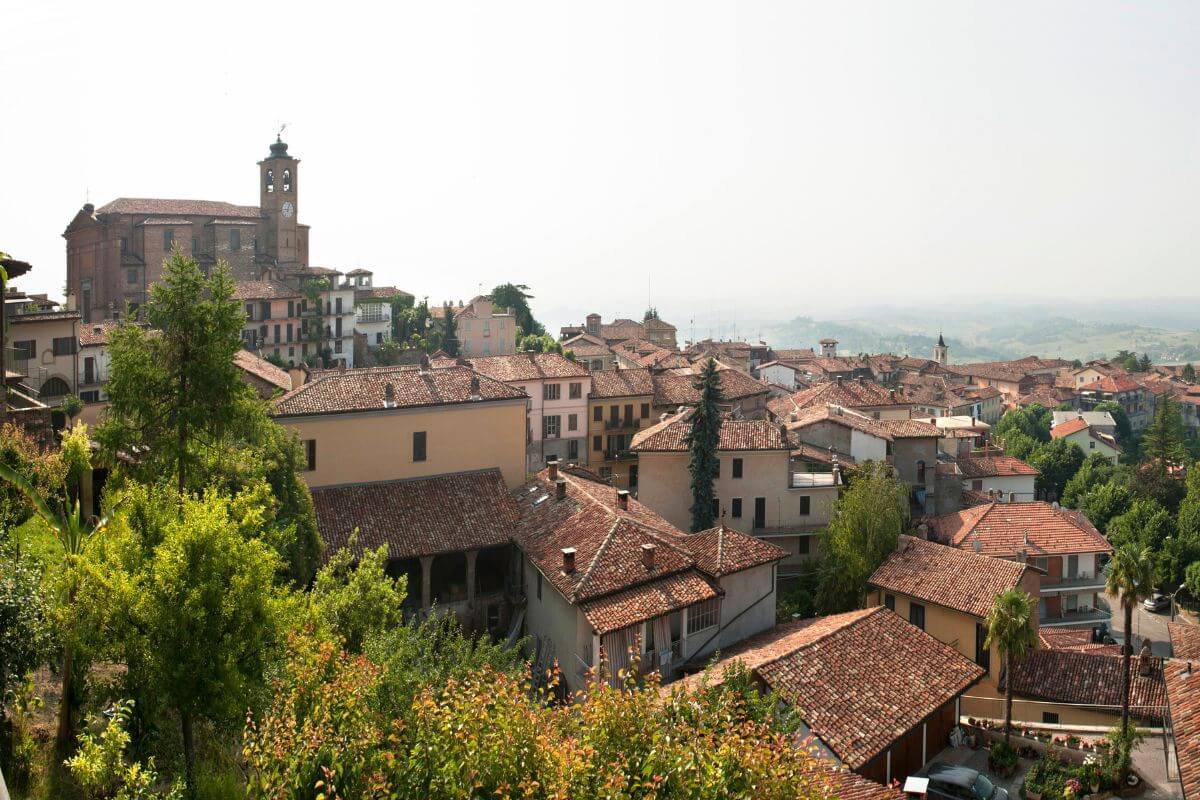
Bava
Cocconato, Italy
Bava is worth planning around if Cocconato is your Piedmont wine base and you want a heritage-led cellar visit rather than a quick tasting. The strongest case is for Barbera and Nebbiolo drinkers who care about family continuity, sustainable farming, and a portfolio broad enough to compare everyday bottles with cellar-focused wines.
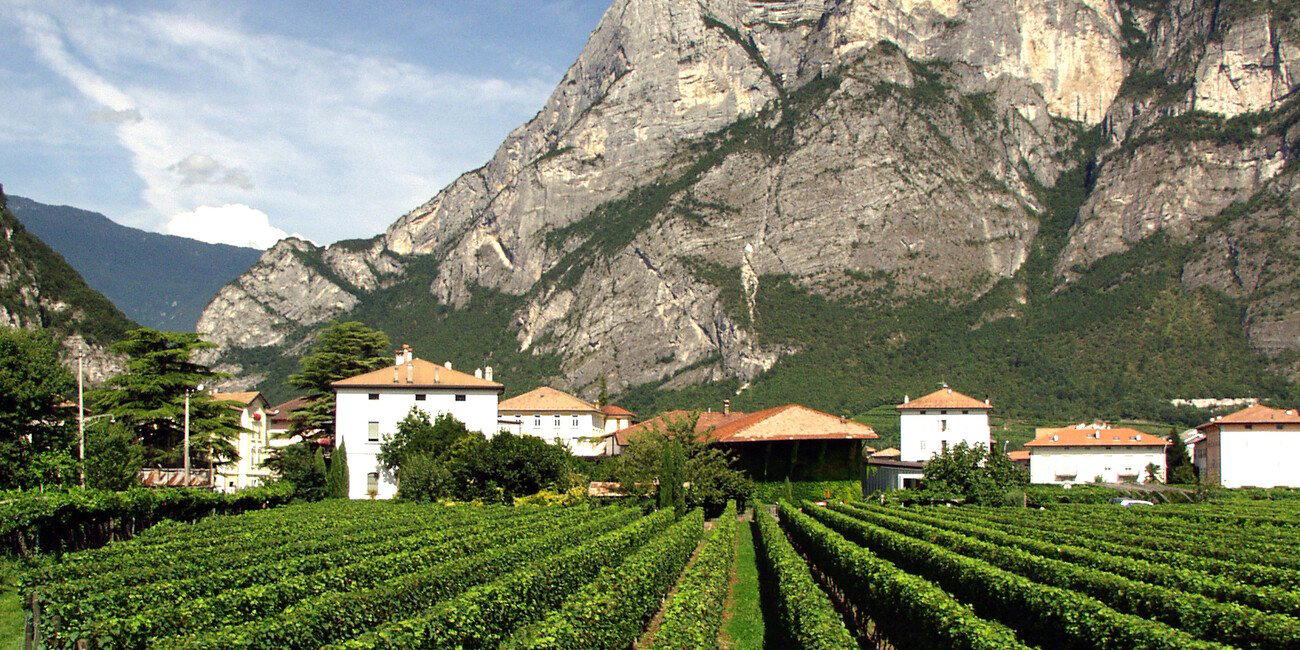
Azienda Agricola Brunetti
Mezzolombardo, Italy
A low-key Mezzolombardo farm-winery to consider if the goal is a value-minded Italian wine stop rather than a polished hospitality production. The appeal is the $$ positioning, Falstaff listing, and documented focus on Toscana IGT, Sangiovese, and Toscana Rosso. Book by appointment and treat it as a targeted tasting rather than a casual walk-in.
Fausti / Contrada Castelletta
Fermo, Italy
Book Fausti / Contrada Castelletta if you want a quiet, appointment-only Marche winery visit built around regional wines, organic farming, and Fermo countryside context. The value is strongest for travelers who care about Rosso Piceno, Pecorino, and estate identity; it is less suited to anyone seeking a full food program or resort-style tasting room.
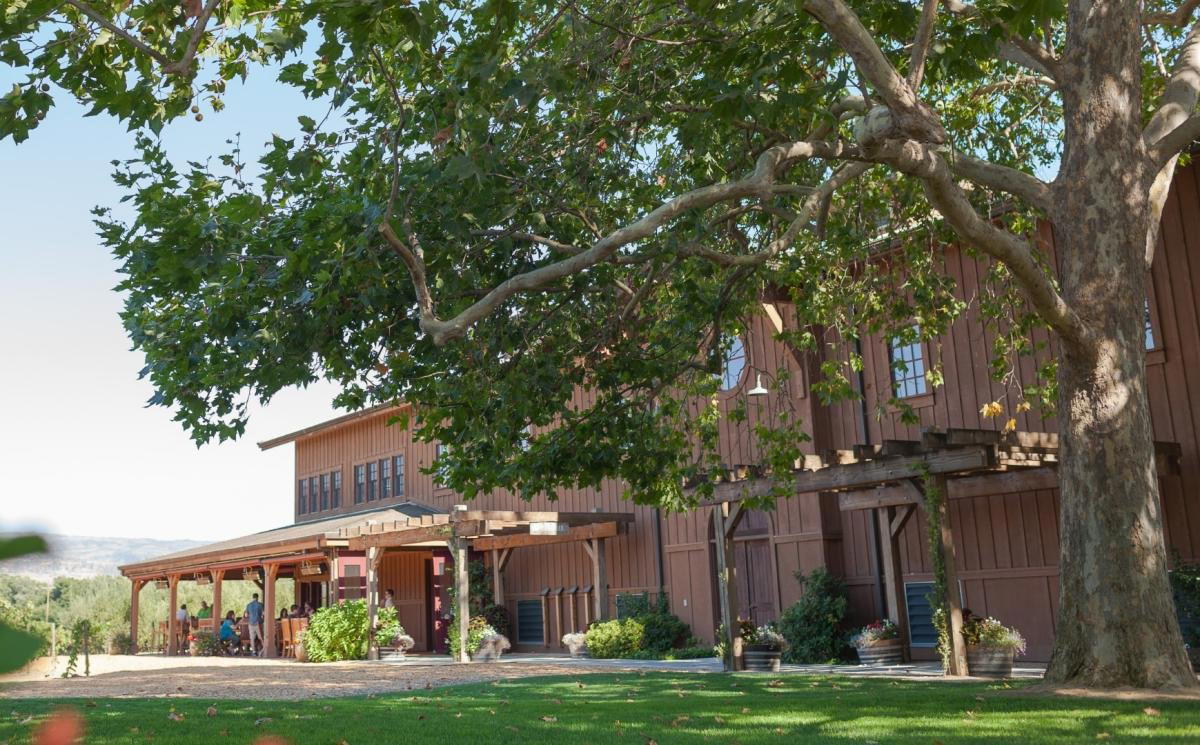
Robert Biale Vineyards
Napa, United States
Robert Biale Vineyards is worth prioritizing for a wine-focused Napa itinerary where producer depth matters more than a broad hospitality setup. It is a weaker fit for larger or mixed-interest groups that need clear public details on timing, pricing, and capacity before committing.
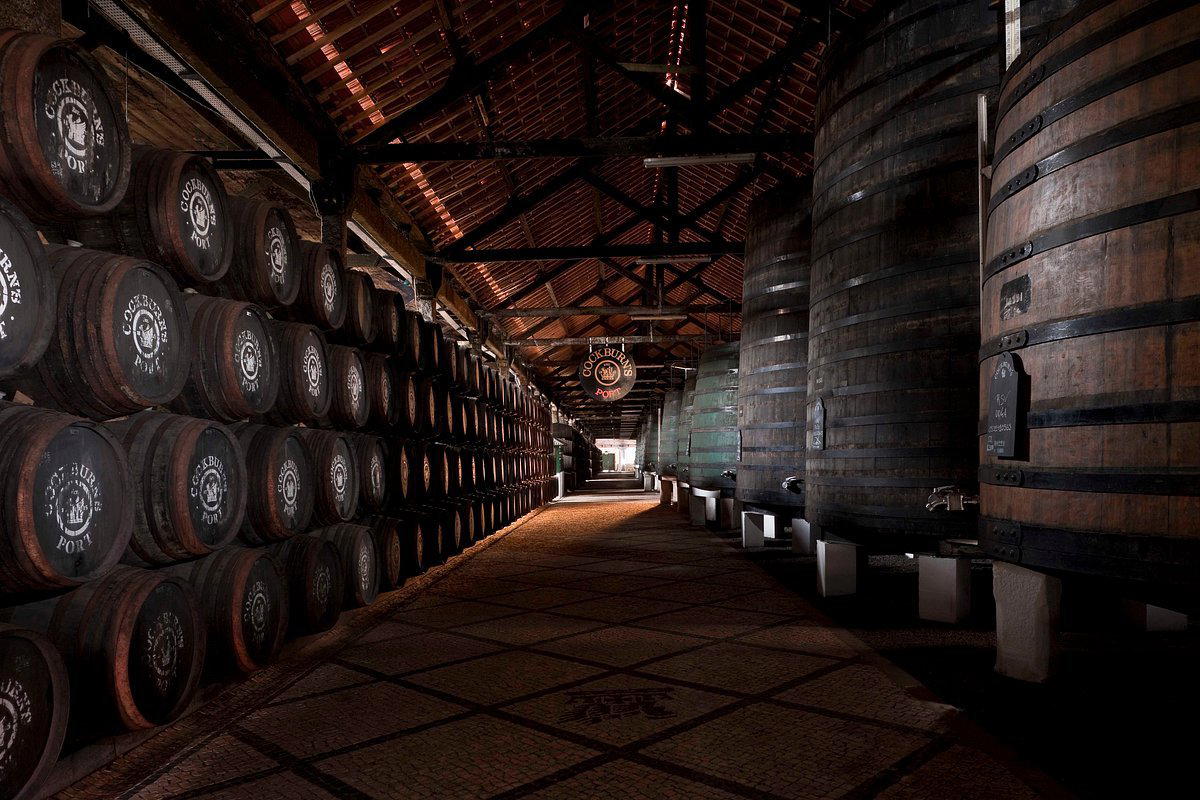
Cockburn's Port
Vila Nova de Gaia, Portugal
Cockburn's Port is a strong choice for a polished Vila Nova de Gaia port-house visit, especially for a date, client outing, or celebration built around wine rather than a full meal. Treat it as the anchor tasting of the day, then plan restaurants or bars separately if food is a major part of the occasion.
Fattoria Colleverde
Capannori, Italy
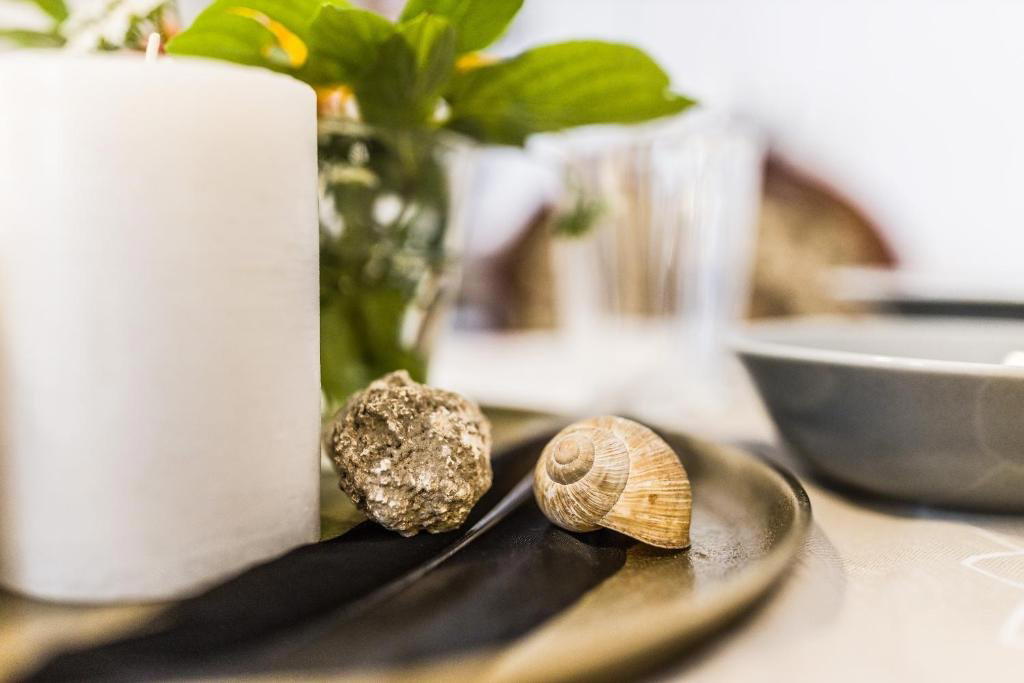
Book Fattoria Colleverde if you want a rustic Lucca-area wine stay with biodynamic farming, estate olive oil, and apartment-style independence. It is strongest for couples or first-time Tuscany visitors who value agricultural context over luxury-hotel polish, and less suited to travelers chasing famous labels or formal service.
Bioweinbau Schreiner
Rust, Austria
Bioweinbau Schreiner is worth booking if you want a small, organic Rust tasting focused on Blaufränkisch, white Burgenland varieties, and sweet wines rather than a polished visitor-center setup. It is better for returning wine travelers and small groups than for casual drop-ins, with Falstaff listing adding a useful recognition signal.
Capannelle
Gaiole in Chianti, Italy
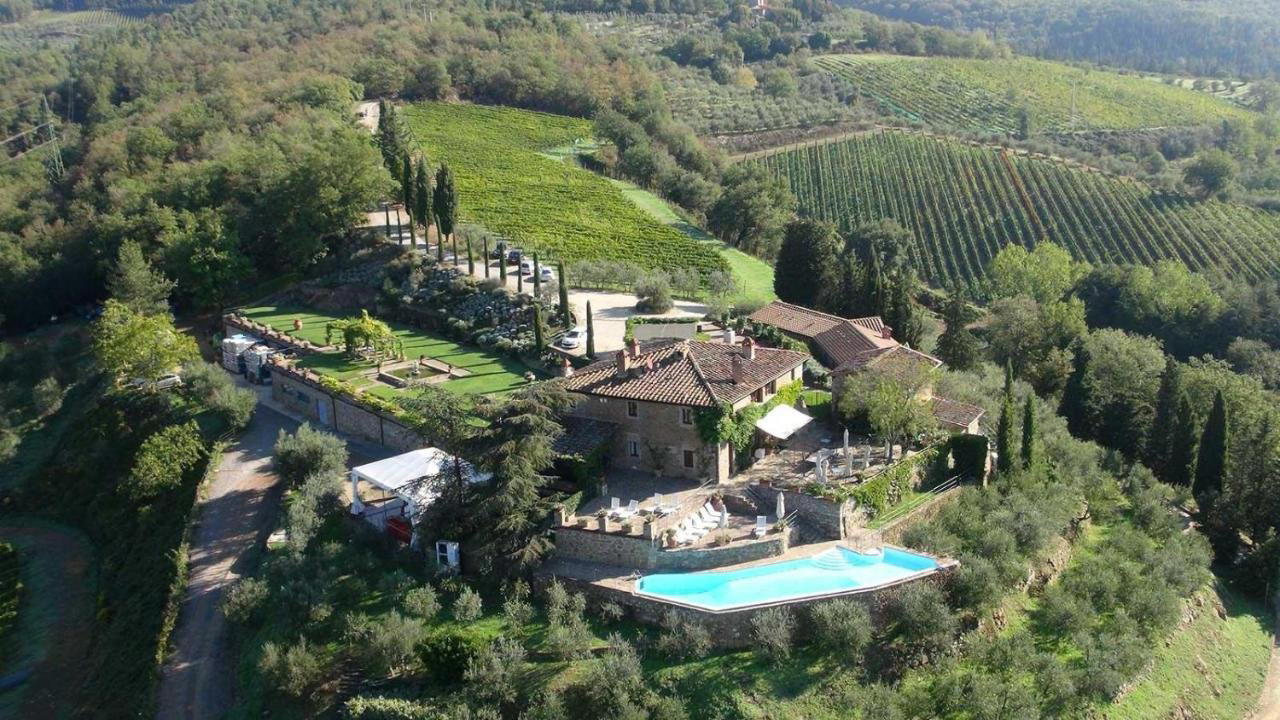
Capannelle is worth planning around if you want a Chianti Classico winery stay with serious cellar credentials, not just a scenic room. The strongest case is the combination of a 16th-century villa setting, small resort scale, guided tastings and a portfolio that stretches from Chianti Classico to Riserva, Solare and 50&50.
Bodegas Sonsierra
San Vicente de la Sonsierra, Spain
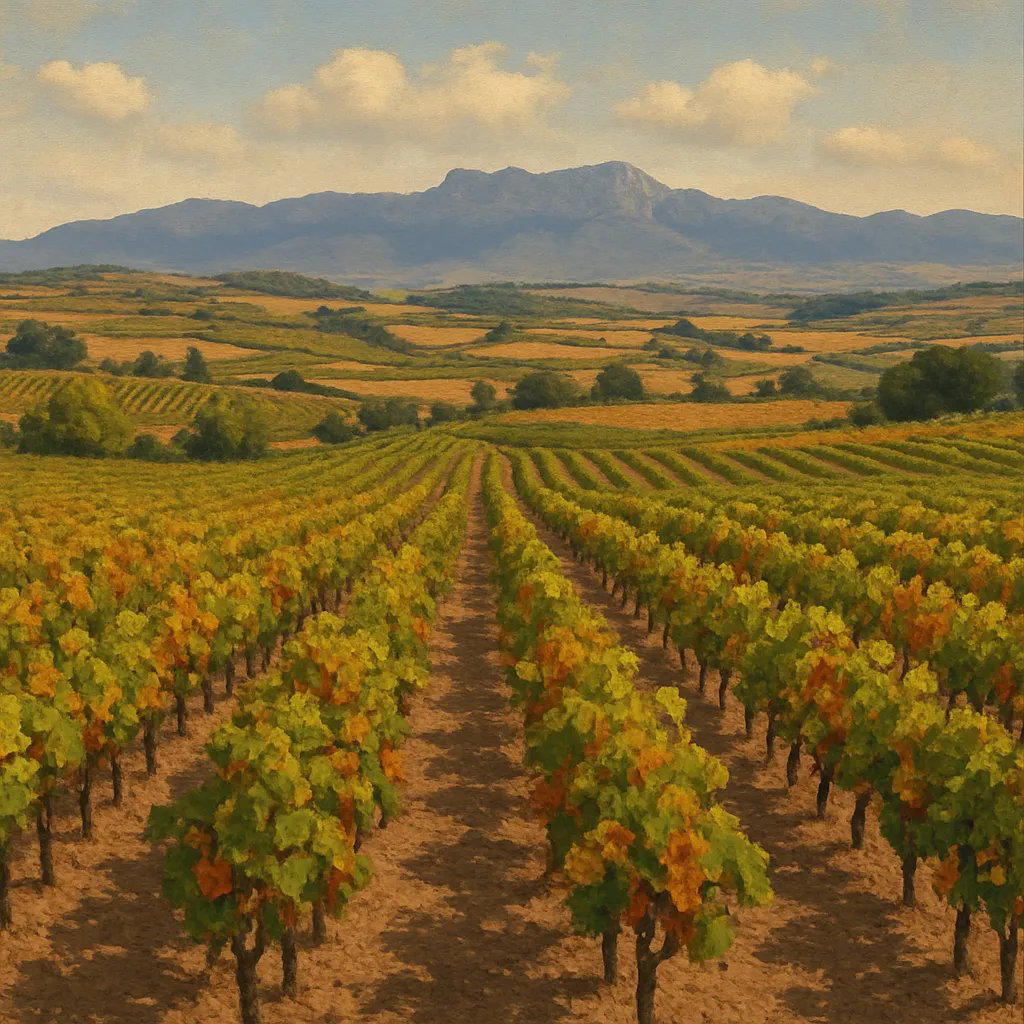
Bodegas Sonsierra is a strong pick for a grounded Rioja Alta tasting built around grower history, underground cellar atmosphere, and San Vicente de la Sonsierra vineyard context. Go for the wine and sense of place, not for a formal meal; at $35 per person and with Falstaff 3 Stars in 2026, it reads as solid value for a serious but relaxed winery stop.
Glen Carlou
Paarl, South Africa
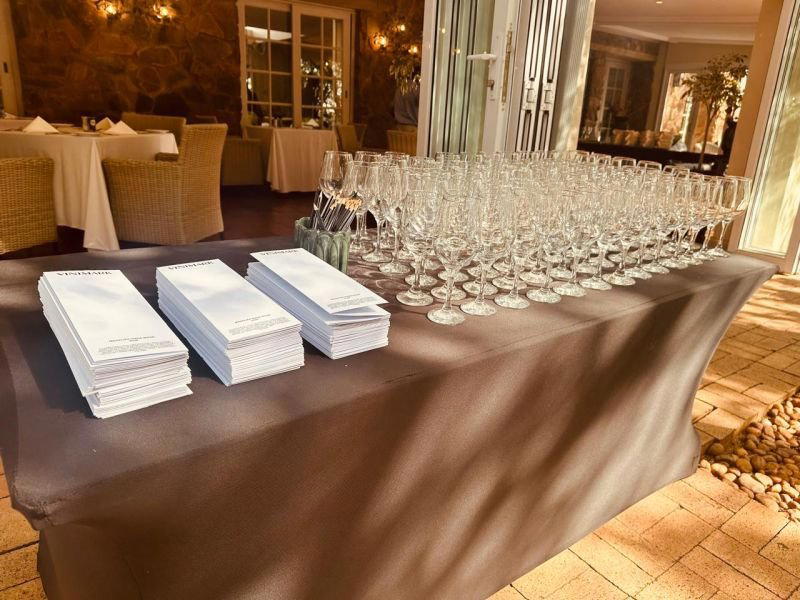
Glen Carlou is worth prioritising if your Paarl plan is wine-first and you want a serious tasting stop rather than a casual farm outing. Build it into a tight Simondium or Paarl route, ideally with one contrasting nearby venue, and treat the visit as a chance to taste before buying or shipping.
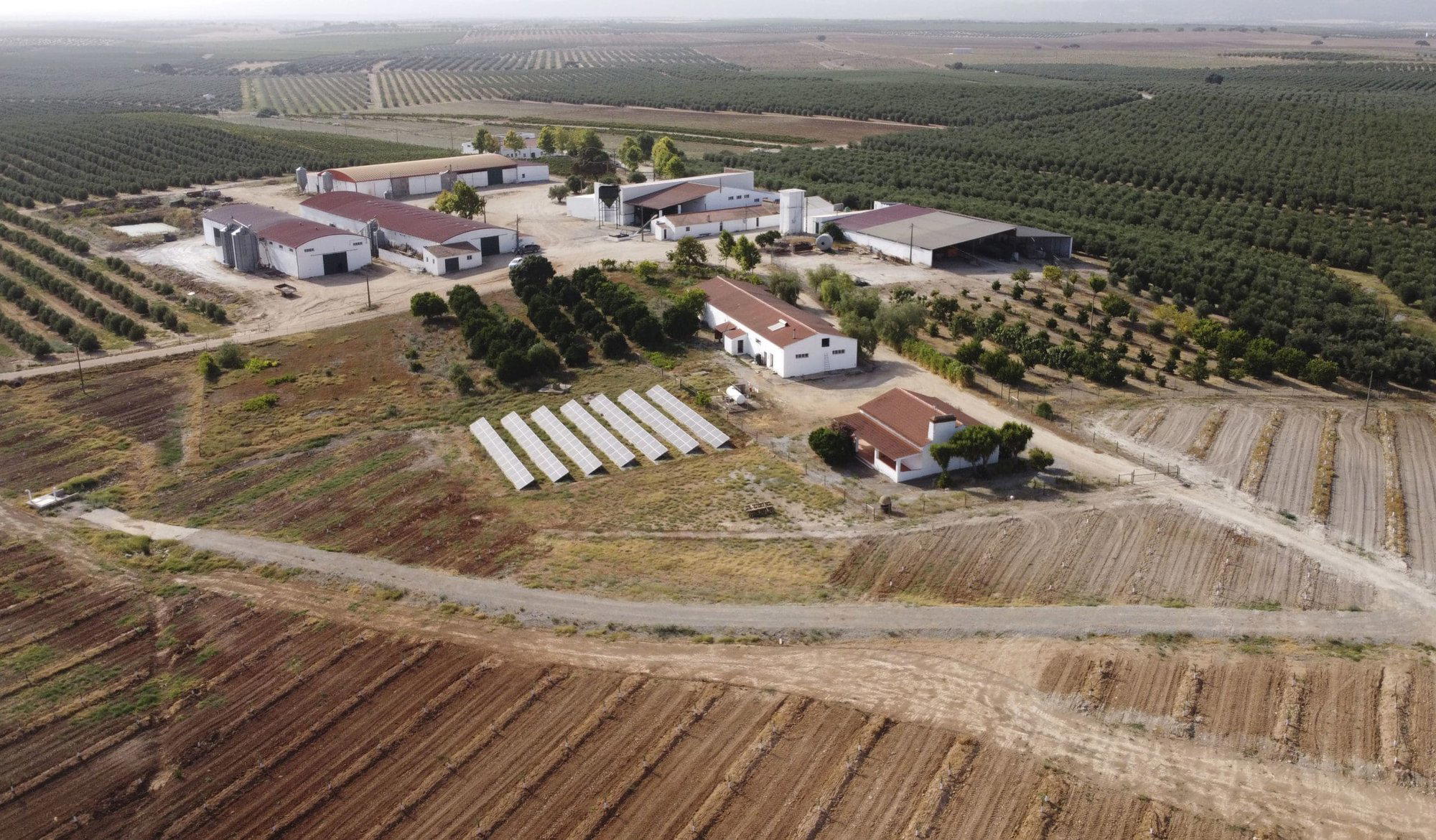
Herdade dos Coteis
Moura, Portugal
A good Moura pick if value and range matter more than a highly produced tasting-room experience. The estate’s appeal is its tiered Alentejo portfolio, from fresh whites and rosé to structured Reserve, Grande Escolha, Alicante Bouschet, and Grand Reserve reds, making it useful for travelers who want to understand the region through several price and style levels.
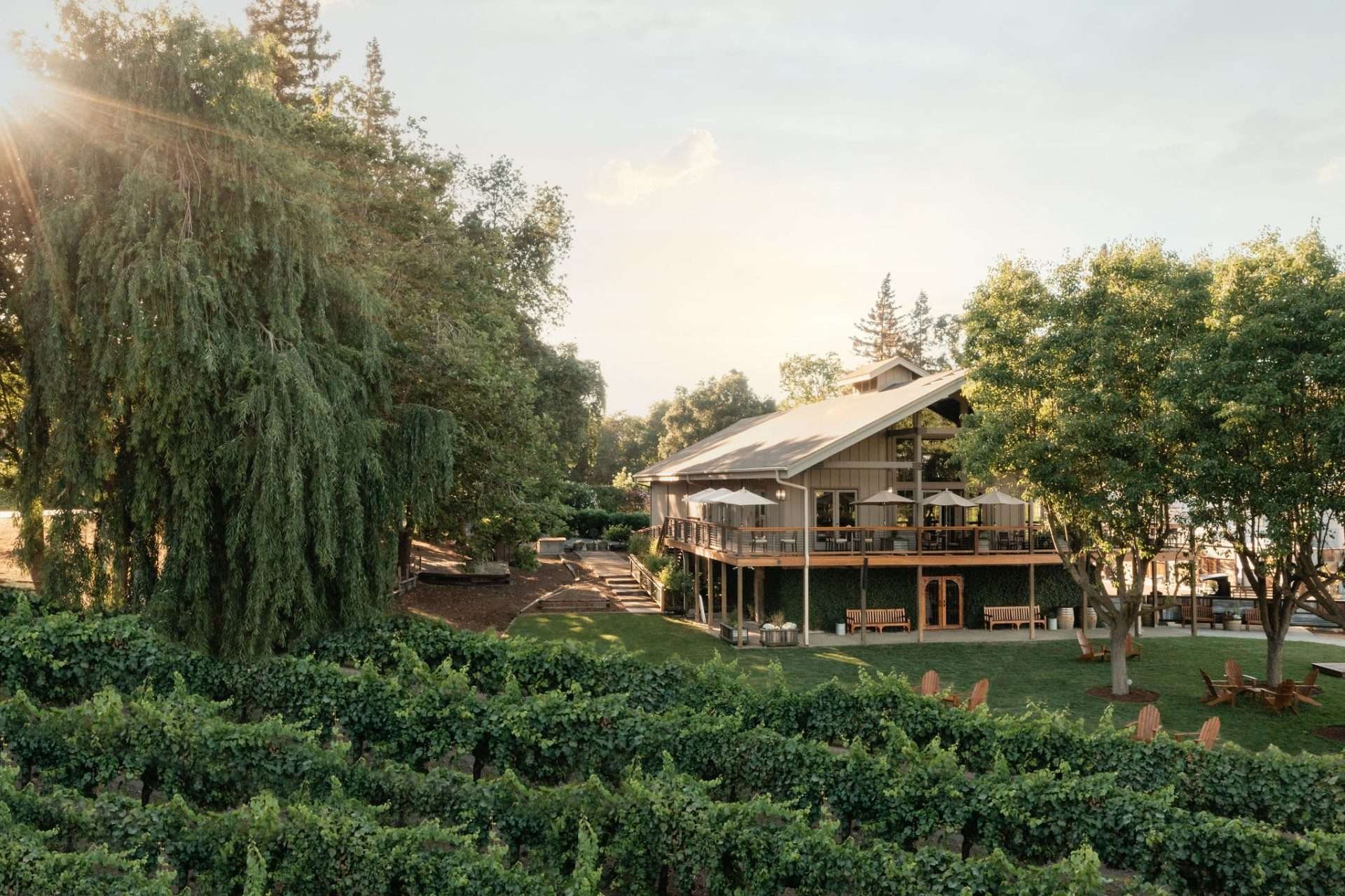
Bogle Vineyards
Clarksburg, United States
Bogle Vineyards is worth booking for an easy Clarksburg tasting with family-friendly grounds, casual service, and stronger production credentials than the relaxed format might suggest. The wine club makes sense for regular California wine drinkers who value consistency and access to property events more than rare allocations.
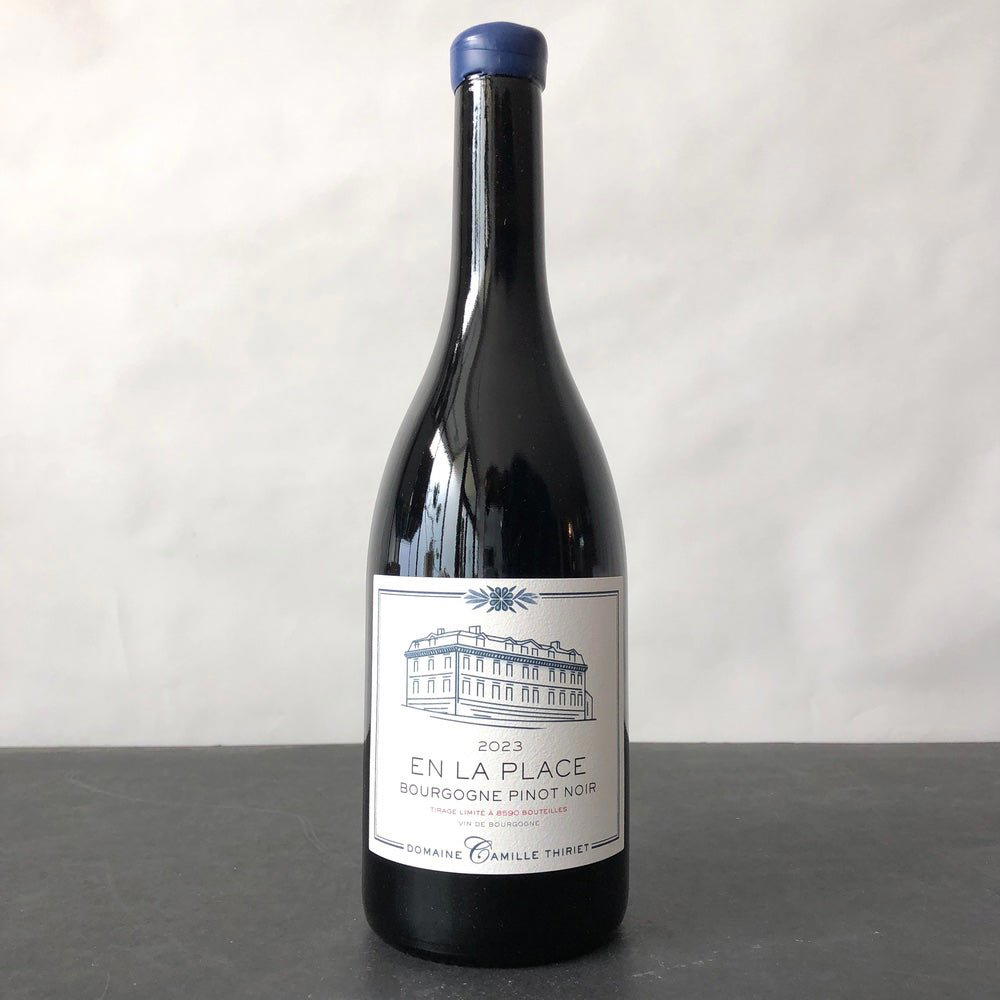
Domaine Camille Thiriet
Corgoloin, France
Domaine Camille Thiriet is worth pursuing for a serious Burgundy-focused visit, especially as part of a celebration or collector itinerary, but it is not the easiest option for casual tasting-room planning. Build the day around Corgoloin first, keep the group small, and have a nearby backup ready if access proves difficult.
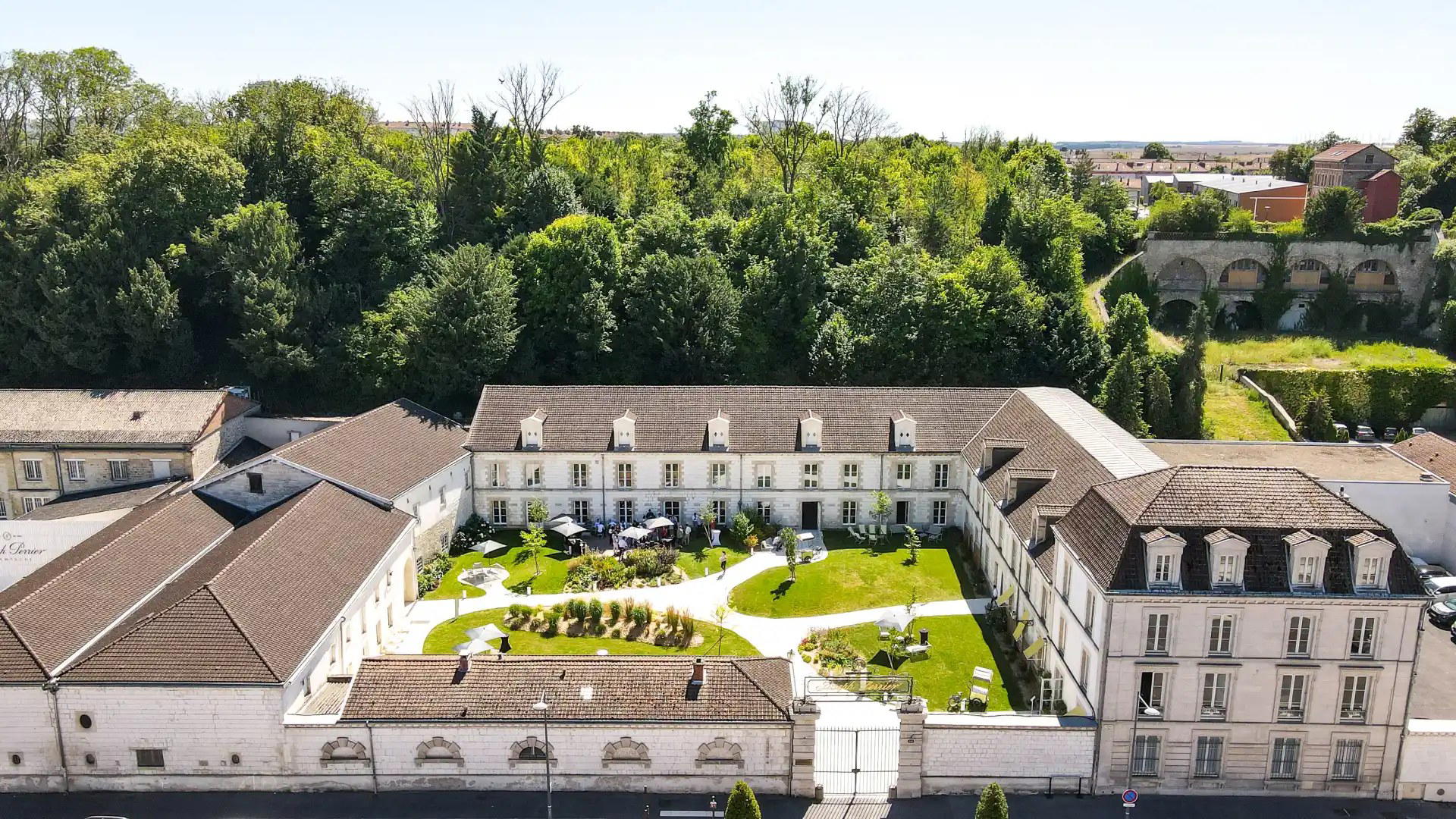
Champagne Joseph Perrier
Châlons-en-Champagne, France
Joseph Perrier's bookable cellar tour in Châlons-en-Champagne lasts about 75 minutes with a tasting. Choose the Joséphine experience for two cuvées with appetizers, or ask about a private visit.
Distell
Stellenbosch, South Africa
Distell works if the goal is South African drinks-industry context rather than a classic vineyard afternoon. The Stellenbosch setting has corporate winery and production-scale character, with a $$ signal, casual dress, recommended reservations, and Falstaff Listed recognition for 2026.
Corte Campara
Pastrengo, Italy
Corte Campara works for a quieter Pastrengo wine stop built around historic farmhouse atmosphere and a focused Valpolicella Superiore profile. It is a stronger fit for small celebrations or date-style planning than for visitors chasing a broad tasting lineup, published food program, or walk-in cellar circuit.
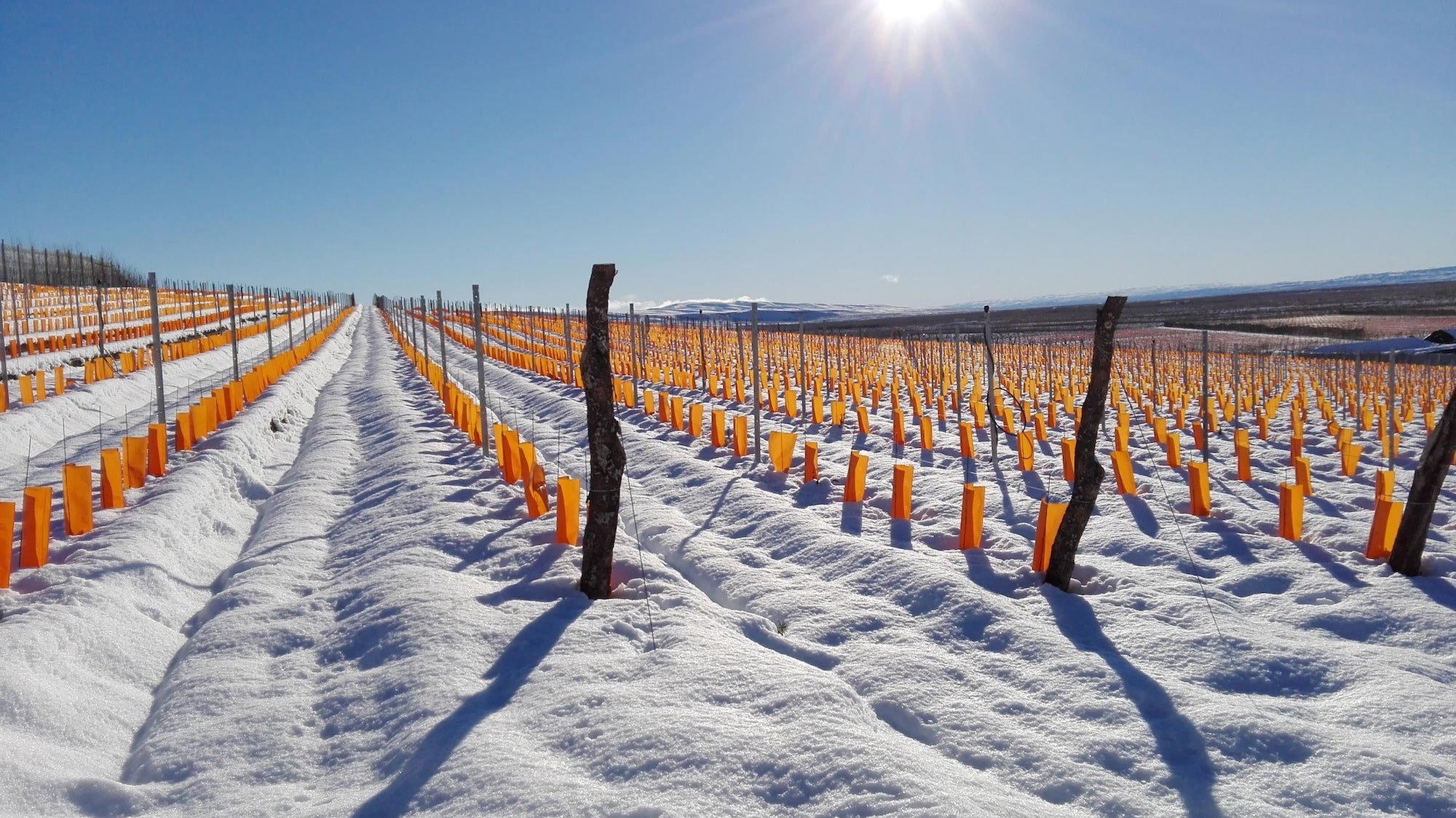
Bodega Otronia
Sarmiento, Argentina
Bodega Otronia is the Sarmiento pick for wine travellers who want southern Patagonia context rather than an easy tasting-room circuit. It is better suited to a planned Chubut itinerary than a casual add-on, with the main draw being regional depth and scarcity rather than convenience.
Gotsa Family Wines
Kiketi, Georgia
Gotsa Family Wines is worth prioritizing if the goal is a deeper Georgian natural-wine visit built around qvevri, family production, and Kiketi’s mountain setting. It is less suited to travelers seeking a conventional tasting-room format with extensive published details, but the 2026 Falstaff listing and traditional low-intervention focus make it a strong pick for wine explorers.
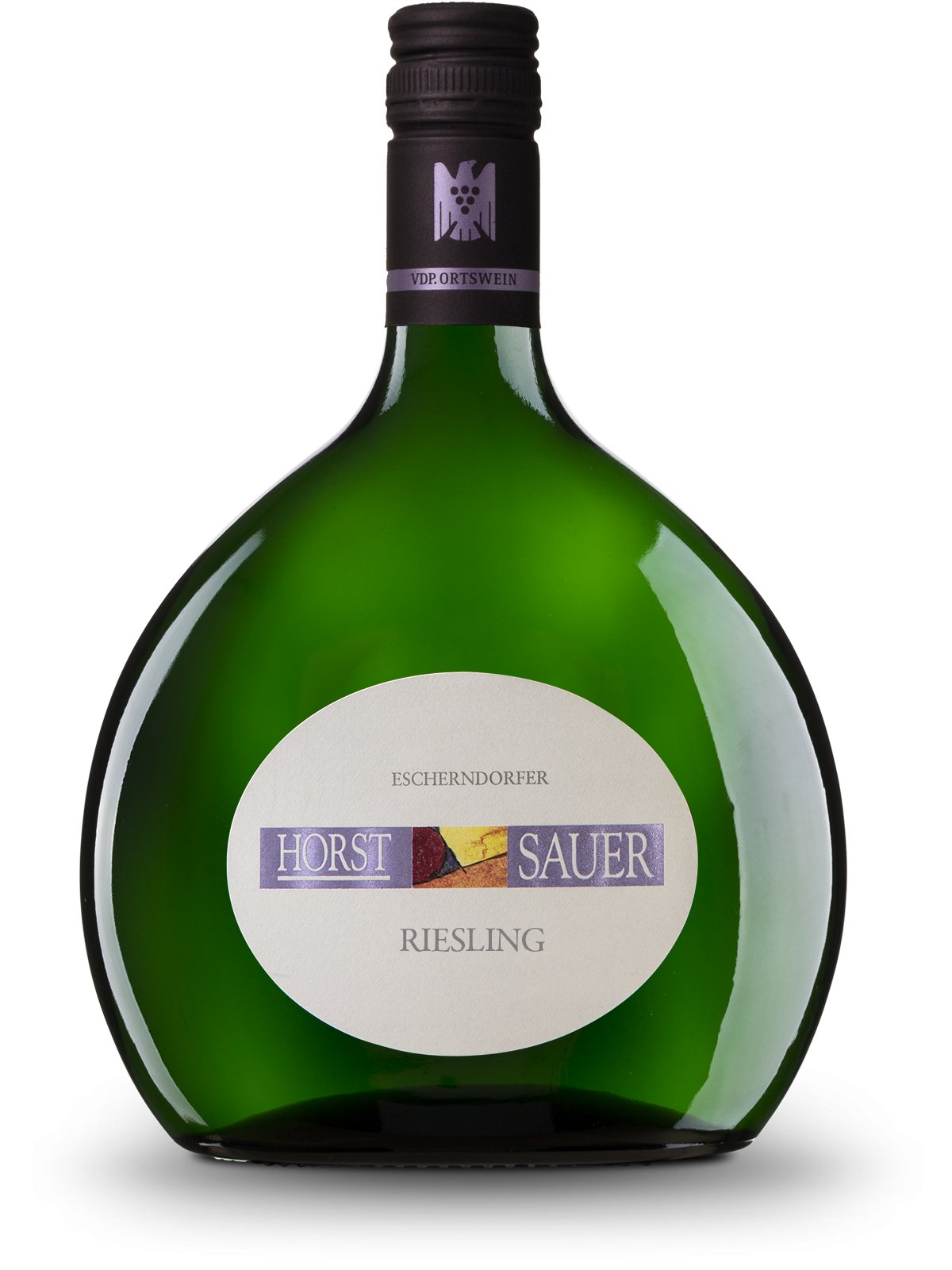
Weingut Horst Sauer
Escherndorf, Germany
Prioritize Weingut Horst Sauer if the trip is built around serious Franconian wine rather than casual tasting-room hopping. Access is the main planning issue, so treat it as an appointment-led winery stop and cross-shop Weingut Rainer Sauer if timing does not work.
Domaine de Luc
Luc-sur-Orbieu, France
Domaine de Luc is worth booking if you want a practical, history-rich Languedoc winery visit rather than a polished luxury tasting. The strongest reasons to go are the Fabre family’s long tenure, 14th-century cellar setting, organic farming since 1991, and easy appointment-only format in Luc-sur-Orbieu.
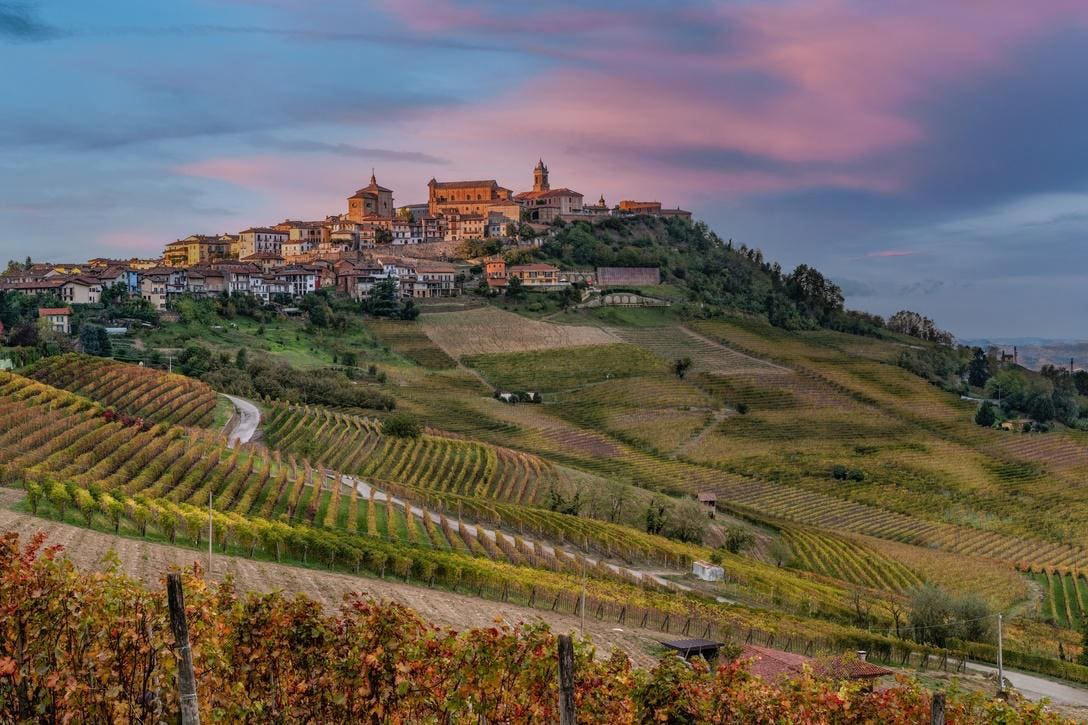
Beba
Pontassieve, Italy
Beba is a good fit for a quieter Pontassieve wine stop, especially for couples or small groups who care more about Tuscan IGT wines than polished visitor programming. The main draw is the 2020 Toscana Rosso IGT, a Sangiovese-Cabernet Sauvignon blend with 93 Falstaff points, supported by a compact portfolio that includes rosato and Merlot.
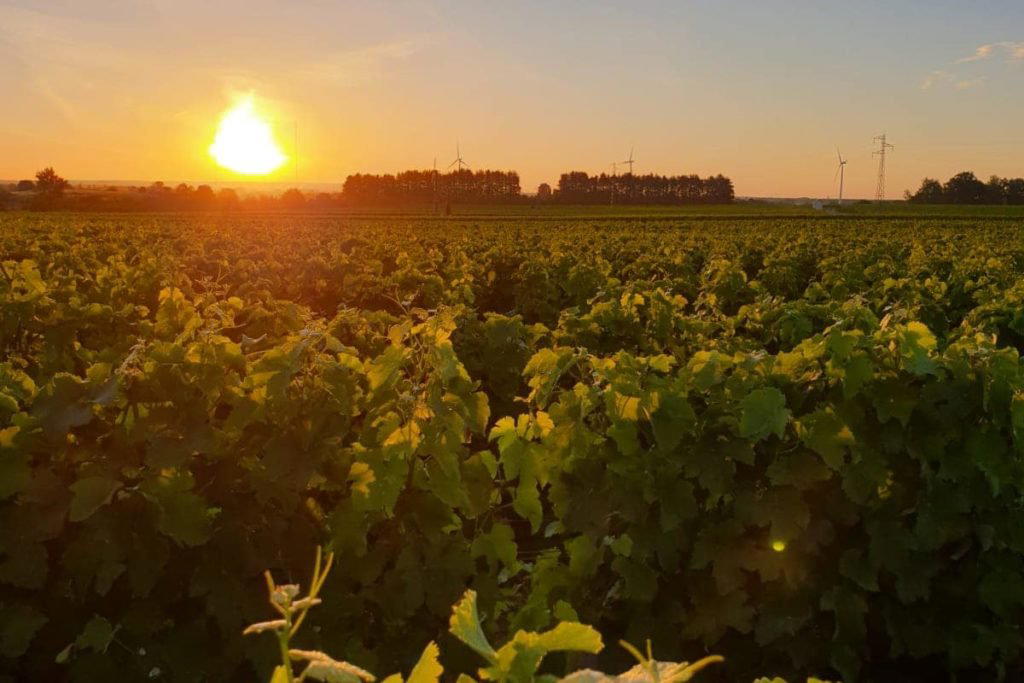
Domaines Tatin
Brinay, France
Domaines Tatin is worth planning around if the goal is a quiet, appointment-based look at Quincy and Reuilly rather than a polished tasting-room outing. The strongest draw is the estate’s structured portfolio across Sauvignon Blanc, Pinot Noir, and Pinot Gris, with old-vine and smaller-production bottlings giving the visit real buying value.
Freiherr von und zu Franckenstein
Offenburg, Germany
Book Freiherr von und zu Franckenstein if you want a serious Baden estate tasting with historic context and a portfolio built around VDP tiers, Spätburgunder, Chardonnay, Weißburgunder, and Riesling. It is a stronger fit for wine-focused visitors than for anyone seeking a casual walk-in tasting with food or broad visitor amenities.
Château Tayac-Plaisance
Saint Seurin De Bourg, France
Book Château Tayac-Plaisance if you want a quiet, classic Bordeaux château stop in the Saint-Seurin-de-Bourg countryside rather than a highly programmed tasting-room experience. It is strongest as part of a wider Haute-Gironde wine day, especially for travelers who value setting and regional context over published flight structure.
Locanda Margon
Ravina, Italy
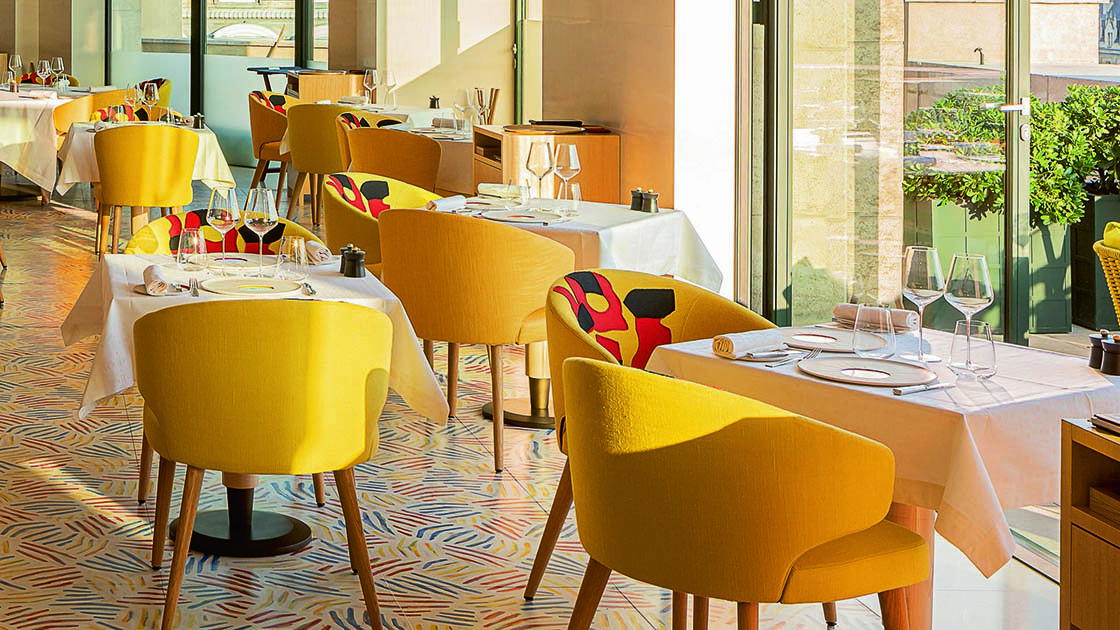
Locanda Margon holds a Michelin star, with three tasting menus built around Trentino ingredients and Ferrari sparkling wines. At €€€€, it is the strongest case for a special occasion dinner in the Trento area. Book four to six weeks out minimum; Tuesday and Wednesday are closed.
Château Saint Aubin
Jau Dignac Et Loirac, France
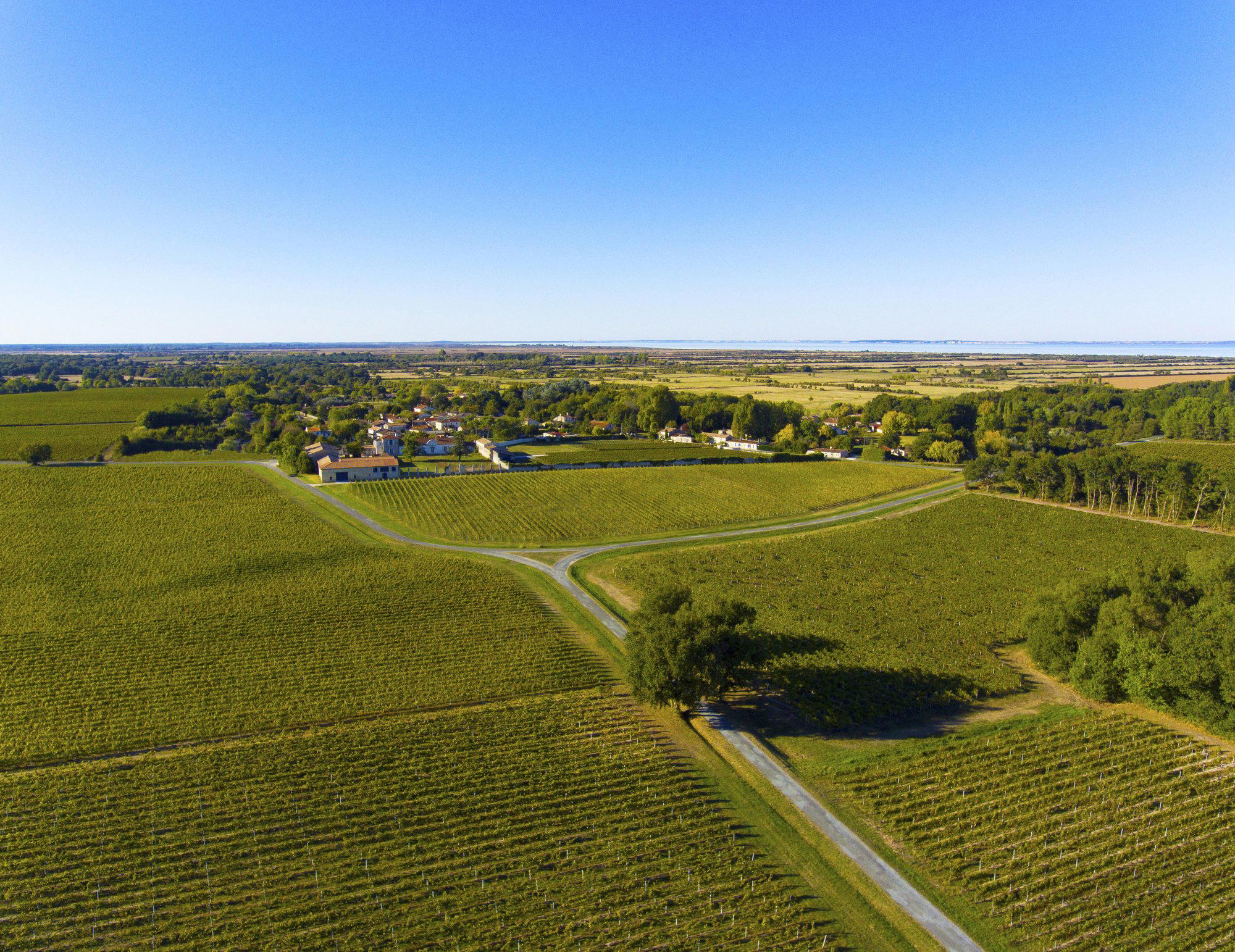
Book Château Saint Aubin if you want a calm Médoc cellar visit built around cru bourgeois red Bordeaux rather than a luxury château production. The value case is strong for drinkers who like classic Left Bank structure, estate-grown fruit, and bottles meant for regular drinking as much as cellaring.
Fontanafredda
Serralunga d'Alba, Italy
Book Fontanafredda when the goal is a polished Barolo estate experience rather than a small, intimate tasting. It is strongest for special occasions, first-time Langhe visitors, and groups who want Serralunga d’Alba context, vineyard views, cellar architecture, and a serious Nebbiolo focus in one premium stop.
Château Ripeau
Saint-Émilion, France
Book Château Ripeau if the Saint-Émilion day is wine-led and planned in advance. It is a poor fit for travelers who want a casual walk-in tasting or a confirmed food-pairing format, but a strong candidate for visitors prioritizing a focused château appointment in the appellation.
Cantine Riunite & CIV S.C.Agr
Campegine, Italy
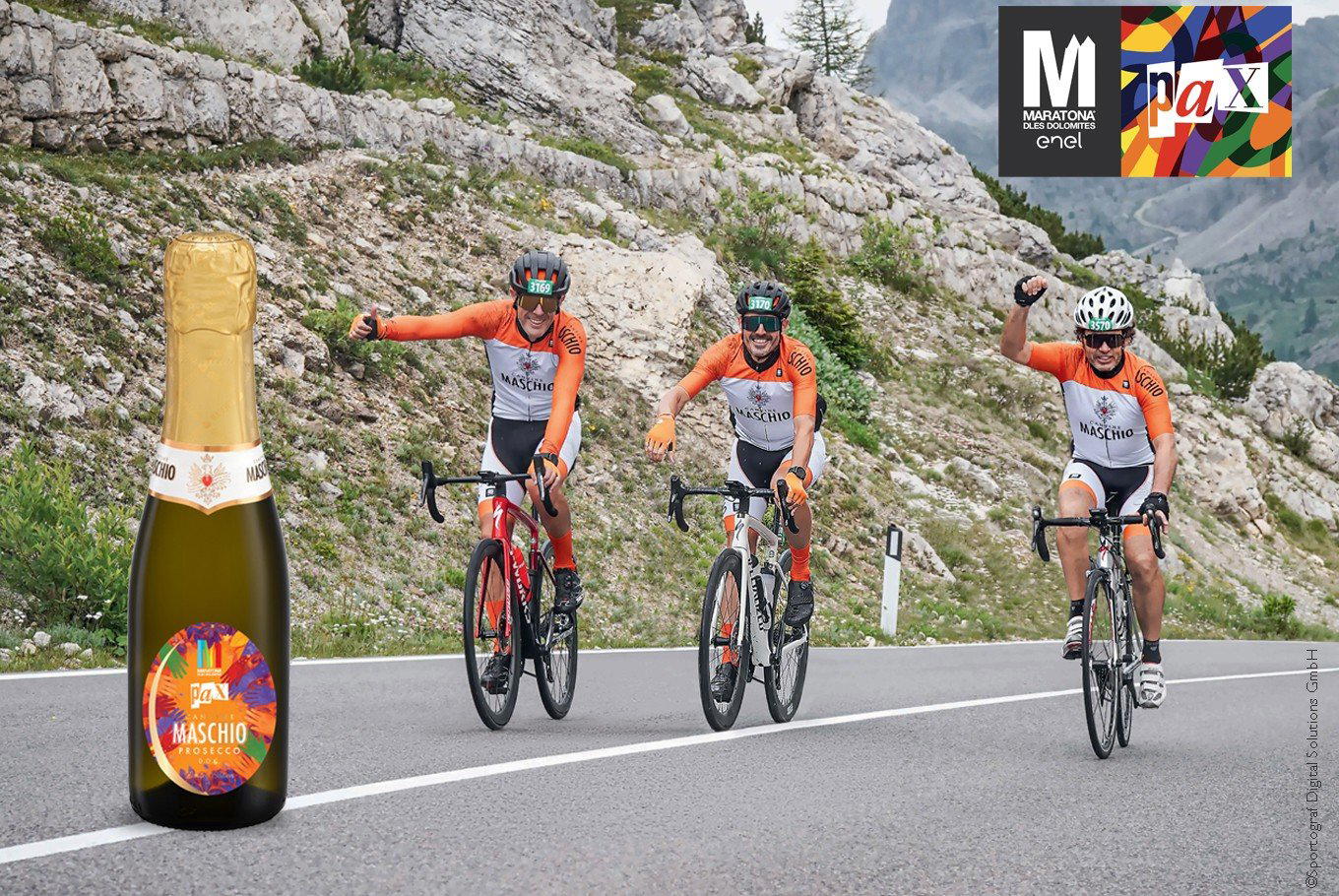
Book this only if you want the working-cooperative side of Emilia-Romagna wine: Lambrusco heritage, large-scale production, and strong value rather than a boutique tasting-room mood. It is a better fit for first-timers curious about how regional sparkling wine is made at scale than for travelers seeking a small-estate cellar visit.
Weingut Heymann-Löwenstein
Winningen, Germany
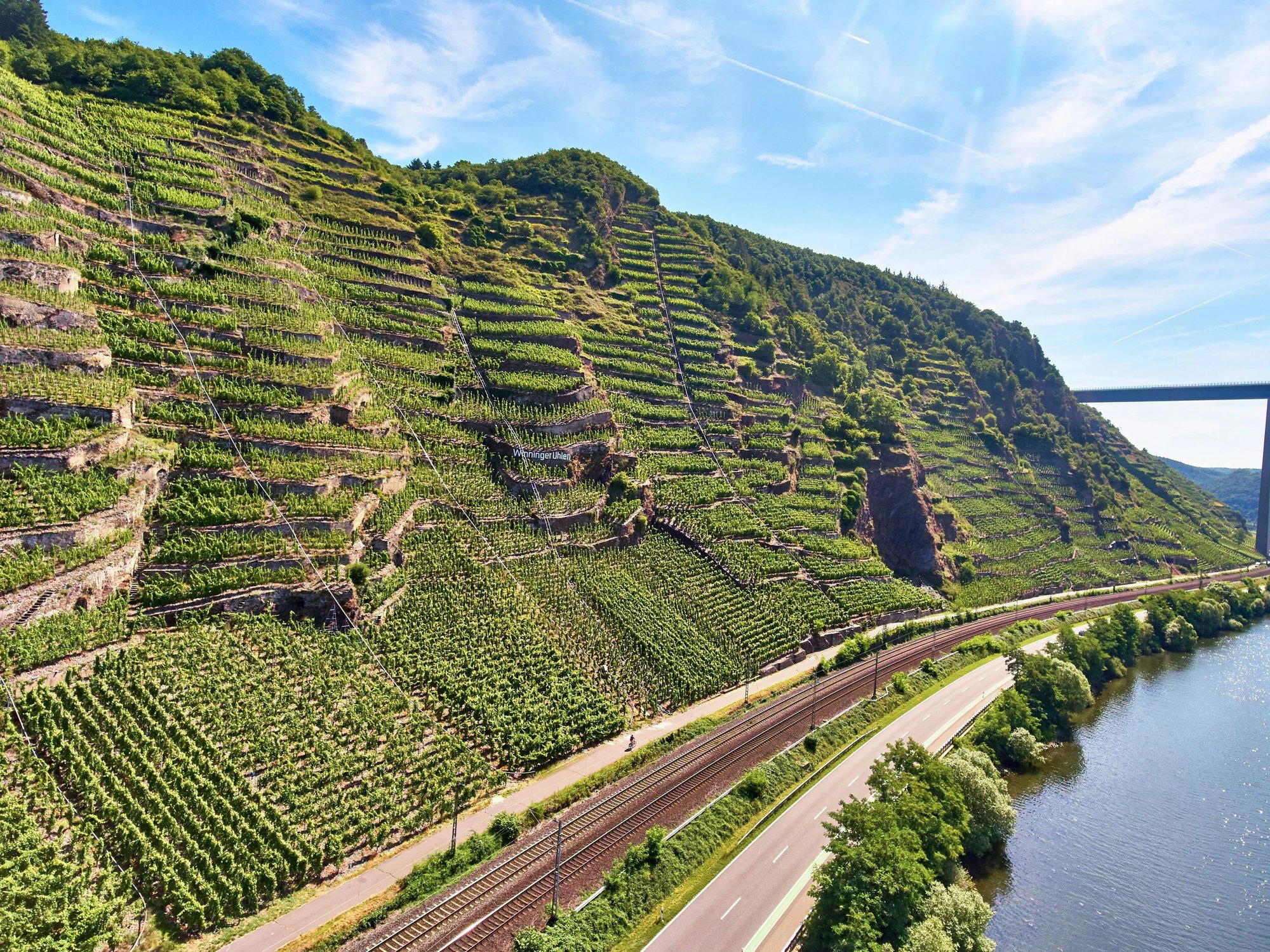
Plan Weingut Heymann-Löwenstein as a serious wine stop in Winningen, not a casual food-and-drink venue. It is strongest for readers deciding which bottles merit cellar space or shipping, and weaker for groups that need a full hospitality program with food, bars, or flexible walk-in timing.
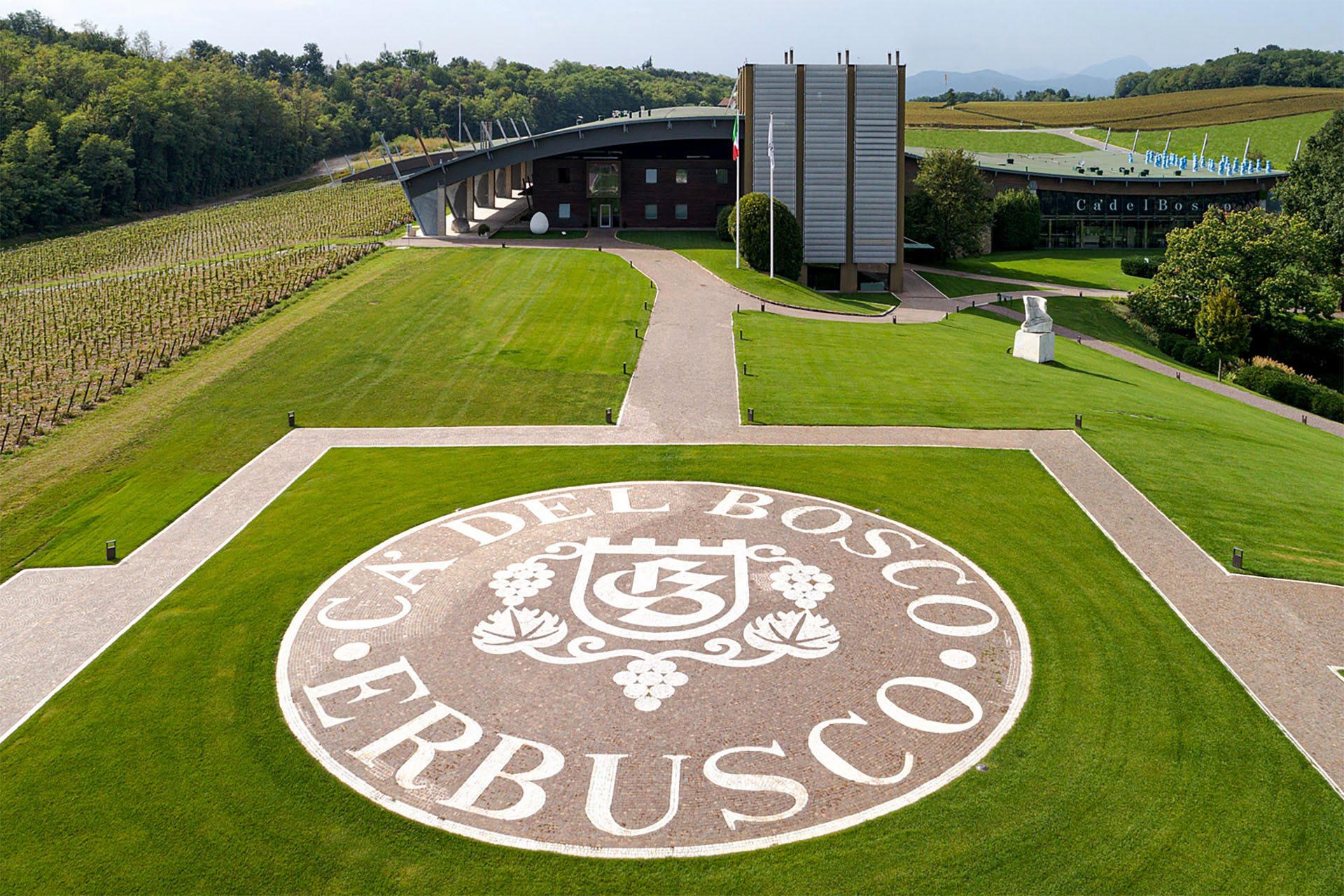
Ca’ del Bosco
Erbusco, Italy
Choose Ca' del Bosco when the winery visit is the point of the Erbusco trip, especially for a celebration, collector-focused stop, or business itinerary. It is a stronger fit for planned Franciacorta travel than casual tasting-room hopping, so cross-shop nearby producers if access or schedule flexibility matters more.
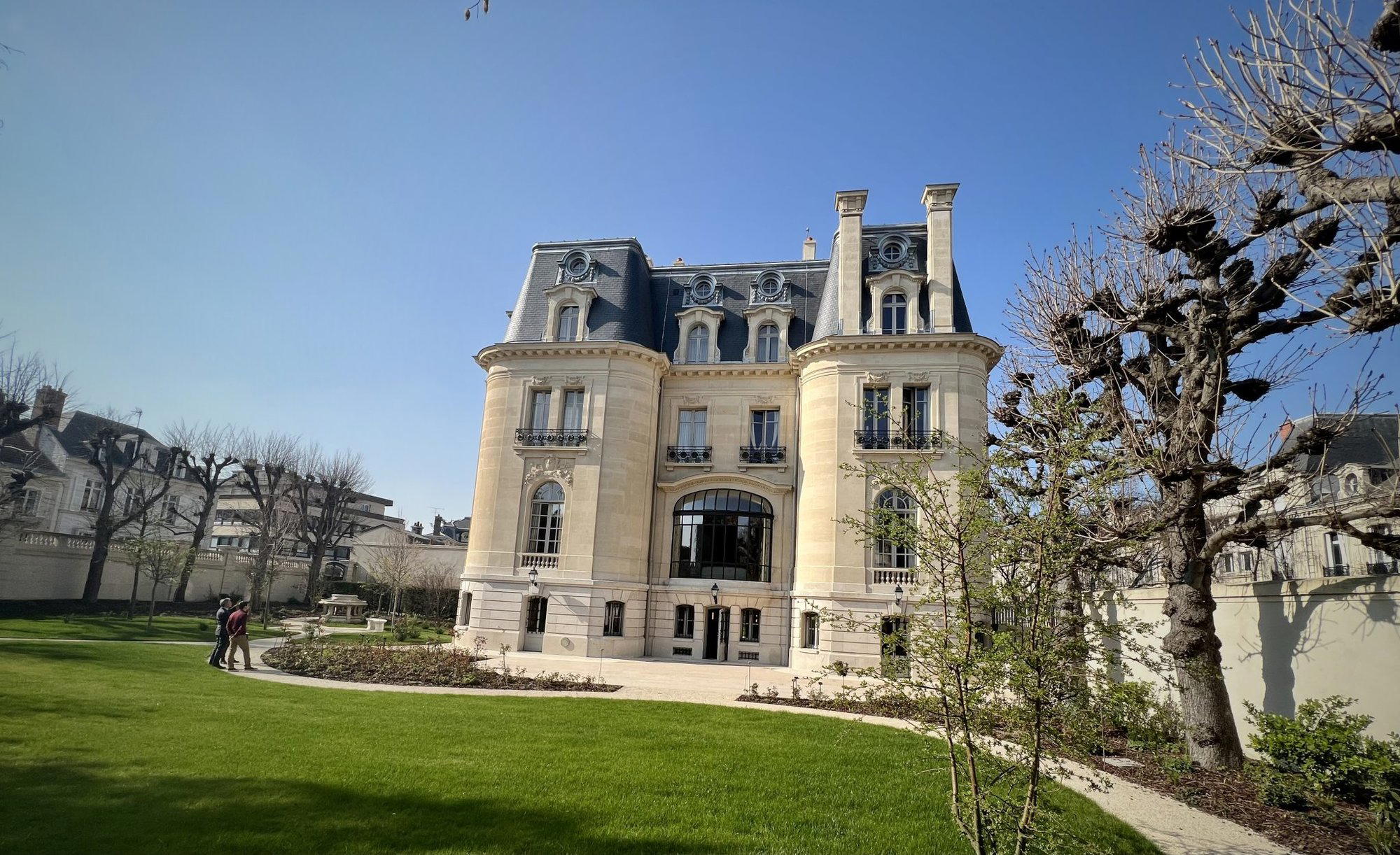
Champagne Heidsieck & Co Monopole
Reims Cedex 2, France
Book Champagne Heidsieck & Co Monopole if the goal is a serious Reims Champagne-house appointment with heritage, cellar context, and a traditional house-style lens. The private format is the smarter choice for enthusiasts who want depth around the portfolio and production history; casual drinkers looking for an easy drop-in tasting may find the structure less useful.
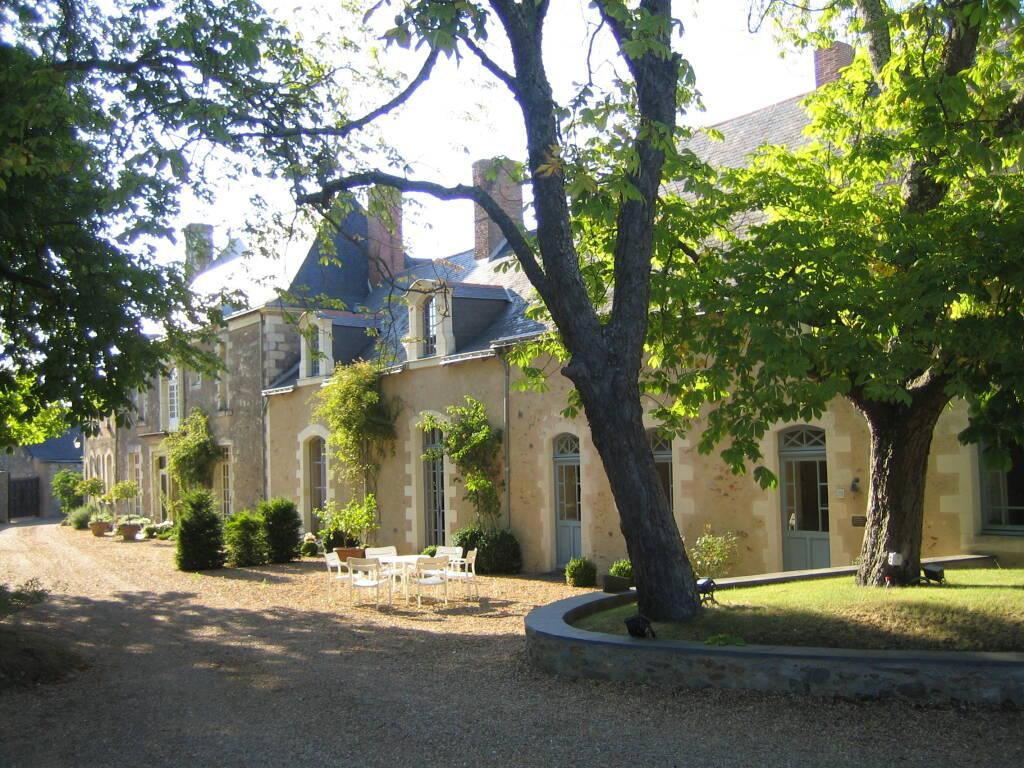
Domaine des Baumard
Rochefort Sur Loire, France
Domaine des Baumard is worth planning around if Loire Chenin Blanc is the point of the trip, especially Savennières and Quarts de Chaume. The visit is appointment-led and better suited to serious wine buyers than casual tasters, with strong trust signals from its 2026 Falstaff listing, certified organic status, and long family stewardship.
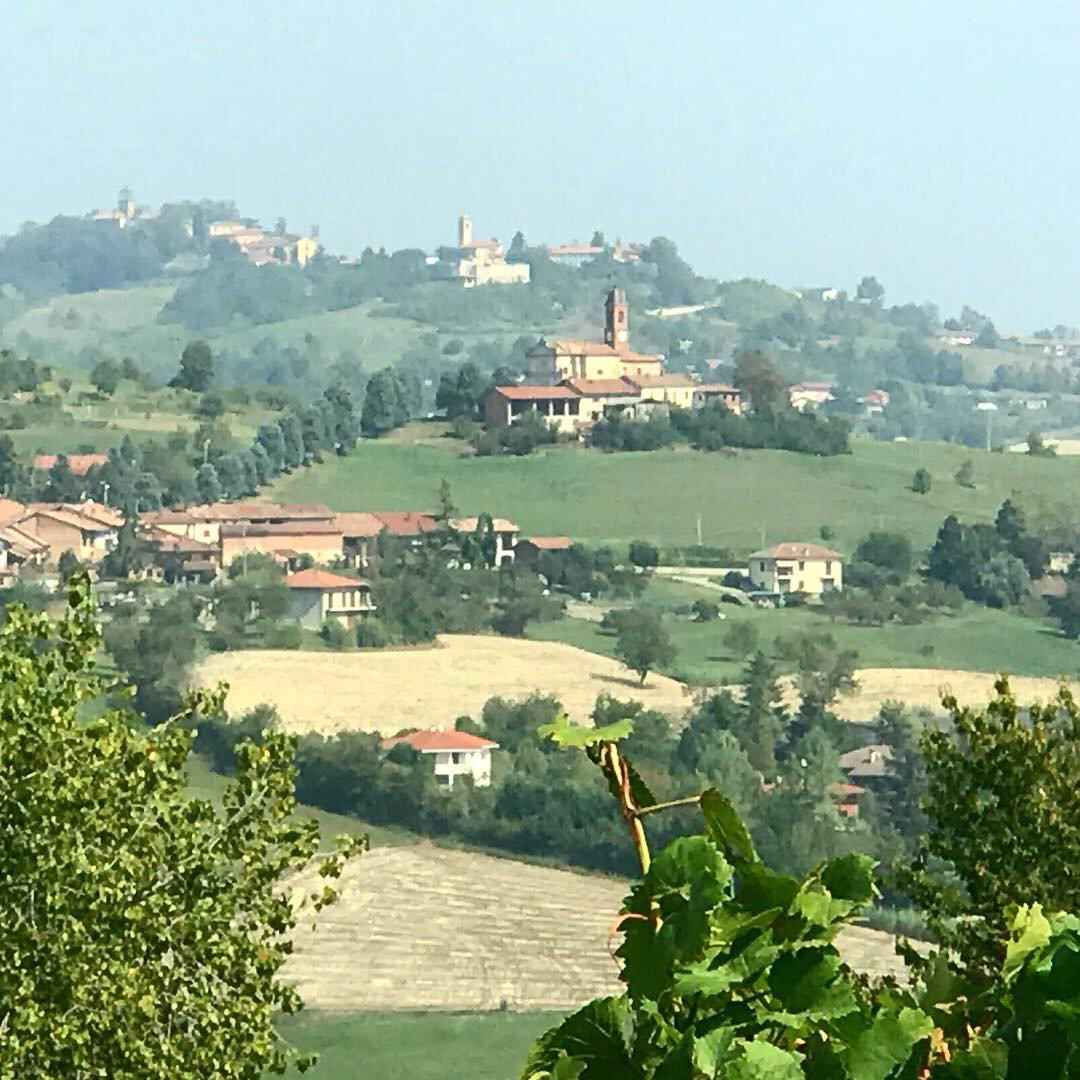
Cocchi
Asti, Italy
Cocchi is a smart Asti-region choice for travellers who care about Piedmont's aperitivo and aromatised-wine culture more than a conventional winery tasting. Plan it as a focused stop around a meal elsewhere, especially for couples or small groups marking an occasion.
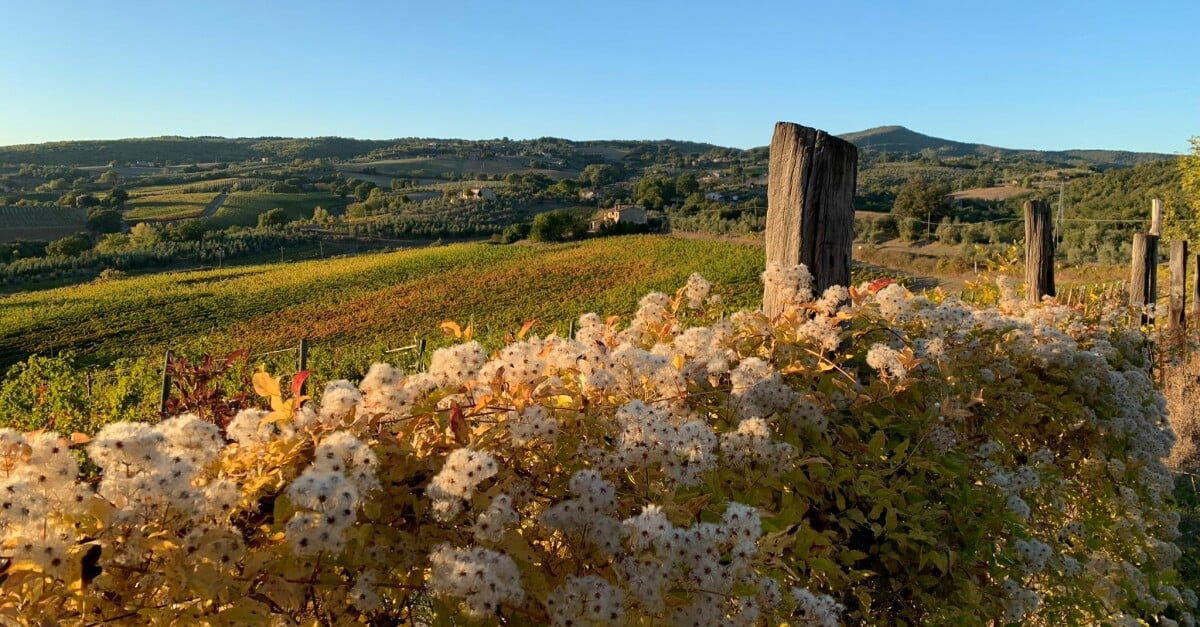
Castello di Corbara
Orvieto, Italy
Castello di Corbara is worth booking for a first-time Orvieto winery visit if scenery, history, and a guided tasting matter more than a glossy luxury format. Expect a relaxed Umbrian estate atmosphere, local grape context, and appointment-only planning at about $33 per person. It is strongest for couples and small groups building a slow wine-country day around Orvieto.
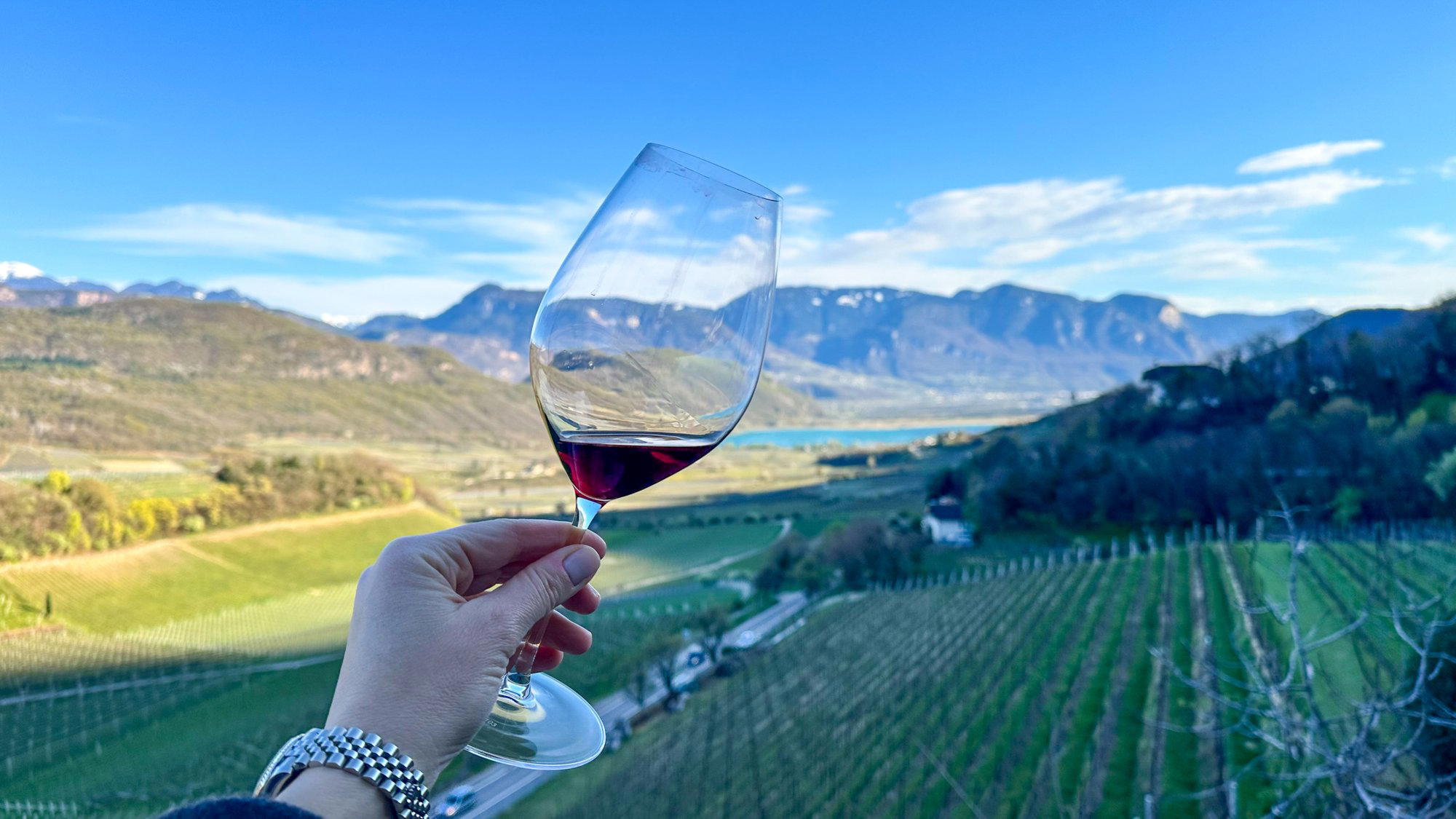
Andi Sölva
Kaltern, Italy
Andi Sölva is a wine-first Kaltern stop for visitors who want a quieter Alto Adige tasting rather than a full hospitality production. Its Falstaff Listed 2026 recognition gives it a useful credibility signal, but sparse public details mean it works better as part of a flexible winery route than as the anchor for a special-occasion plan.
Hasler
Tuscherz Alfermee, Switzerland
Hasler is a good pick for a relaxed Tüscherz-Alfermée winery stop, especially if the terrace view and village setting matter more than a formal tasting script. Falstaff listing gives it a useful credibility signal, but the main reason to go is the simple cellar-door feel and regional Lake Biel/Bienne context.
Château Patache d'Aux
Begadan, France
Plan Château Patache d'Aux as a focused northern Médoc wine visit, not a casual drop-in tasting. It is strongest for first-timers who want Cru Bourgeois context, Cabernet-led structure, historic estate character, and bottle-buying value; less compelling if the priority is a polished hospitality format or a clearly defined wine-club program.
Domaine Chantal Lescure
Nuits-Saint-Georges, France
Domaine Chantal Lescure works if the trip is already centered on Nuits-Saint-Georges and the goal is a focused Burgundy winery stop rather than a full hospitality showcase. Build it into a compact day with nearby producers, lunch, and minimal transfers; do not make it the sole reason to detour into town.
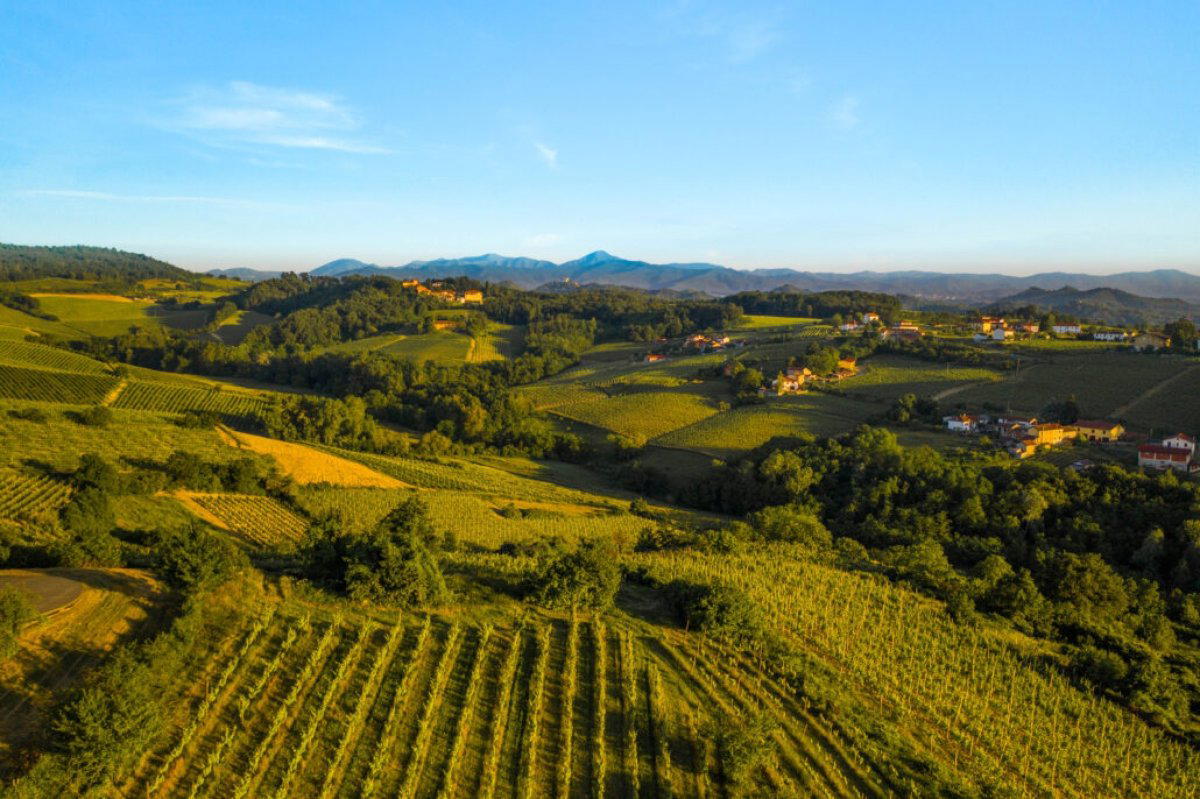
Cascina degli Ulivi
Novi Ligure, Italy
Worth considering for a wine-led Novi Ligure itinerary, especially if external recognition matters more than polished visitor infrastructure. The 2026 Falstaff listing gives Cascina degli Ulivi a credible quality signal, but travelers should treat it as a producer stop rather than a fully specified restaurant or club experience.
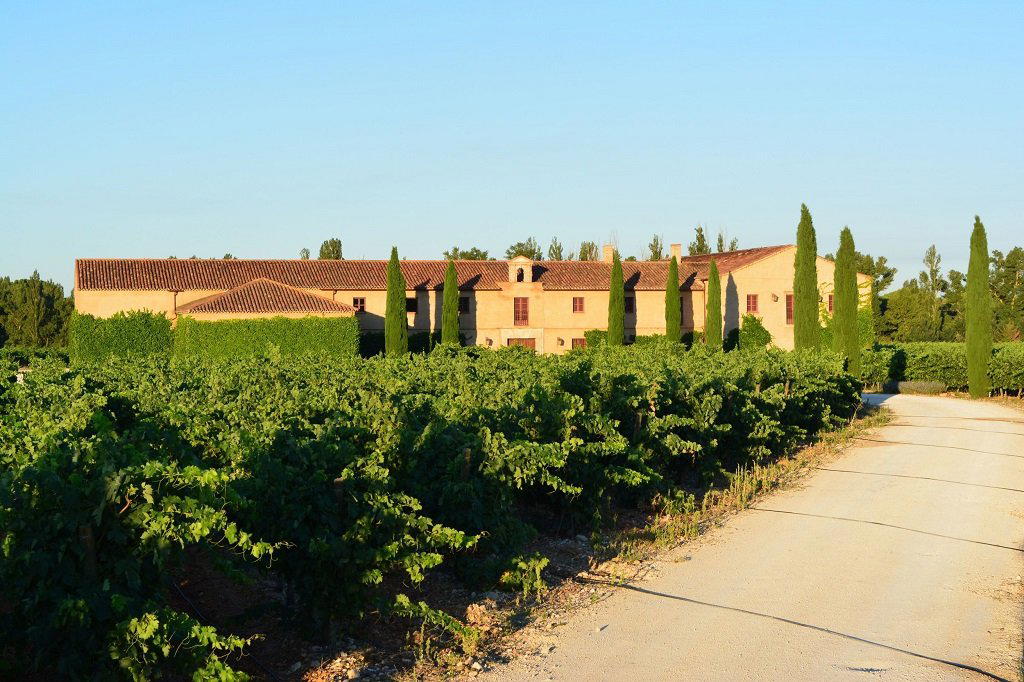
Bodegas Bohórquez
Pesquera de Duero, Spain
Bodegas Bohórquez is worth booking if you want a calm, production-focused Ribera del Duero visit rather than a flashy estate experience. The draw is high-altitude Pesquera de Duero vineyard context, family ownership, and a portfolio centered on serious red wines. Better for couples, small groups, and business hosting than for fast, casual tasting-room hopping.
Weingut Rainer Christ
Vienna, Austria
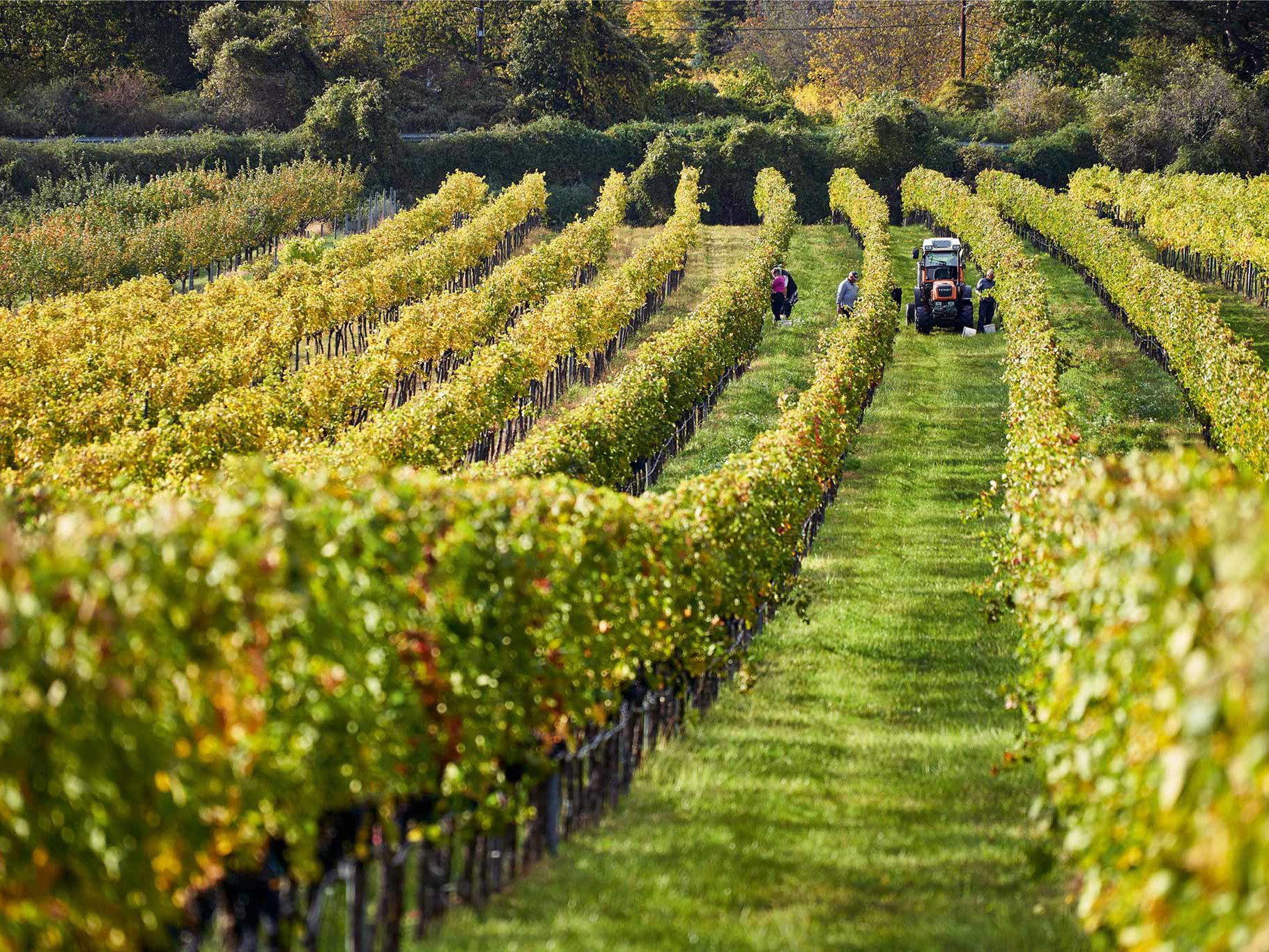
A good fit if Vienna's urban-wine identity is central to the trip, not just a casual tasting stop. Weingut Rainer Christ suits context-driven drinkers who want a city winery on the itinerary, while travelers needing clear visitor formats, published pricing, or easy booking certainty should compare with larger Vienna peers first.
Bodegas Allegro con Spirito
Toro, Spain
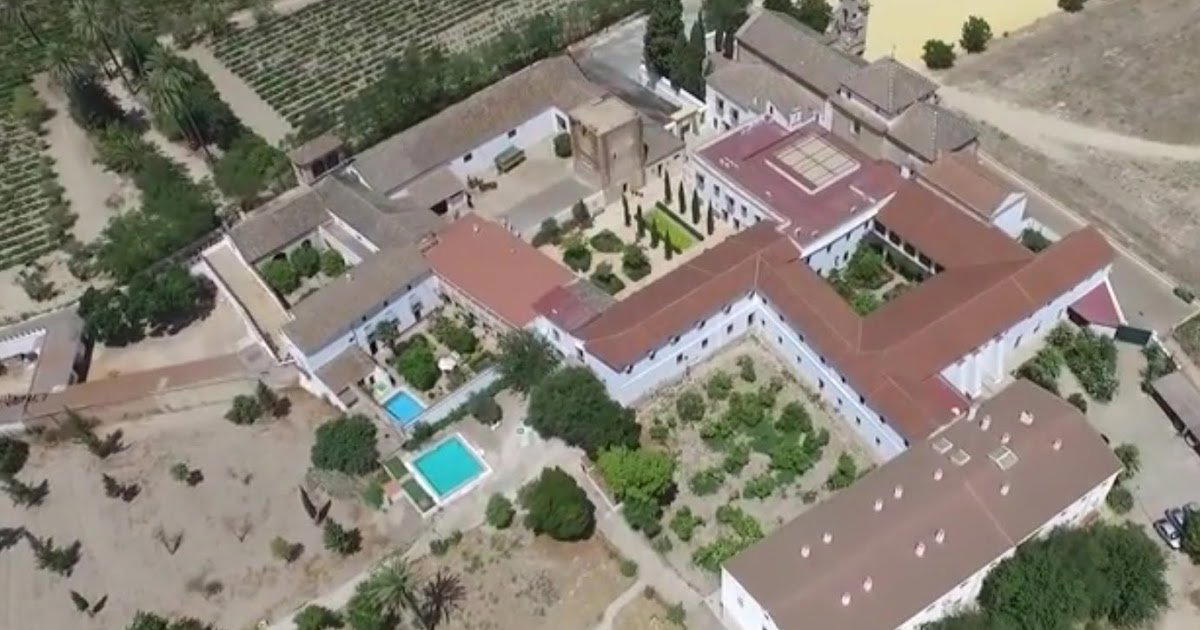
Worth considering if you want a focused Toro producer rather than a broad wine-tourism stop. Bodegas Allegro con Spirito is a family-owned estate started in 2009, with a modern-traditional approach and Monte Hiniesta as its clearest label signal; go for regional depth, not for a heavily programmed hospitality experience.
Domaine Sérol
Renaison, France
Book Domaine Sérol if the priority is Côte Roannaise Gamay, biodynamic farming, and a quiet rural winery visit rather than a high-design tasting room. It is an easy, walk-in-friendly stop in Renaison with strong value for Loire drinkers who want light, fresh, granite-influenced reds and a serious appellation-revival story.
Domaine Bec d'Or
Rolle, Switzerland
Domaine Bec d'Or is a strong pick for a quiet La Côte Vaudoise wine stop, especially if you want Swiss grape context rather than a flashy tasting room. The $$ positioning, Falstaff Listed 2026 recognition, and family-run estate story make the private tasting format the smarter choice for enthusiasts visiting Rolle.
Casal do Paço Padreiro - AFROS Wine
Arcos De Valdevez, Portugal
A practical wine-country stop in Arcos de Valdevez for visitors who care more about producer context than polished tasting-room theatre. The 2026 Falstaff listing is the key quality signal; book it as a focused wine detour, not as an all-day destination with guaranteed amenities.
How many of these have you visited?
Find out on Pearl and keep score across every place in 2026 Falstaff Winery Guide.