
Cockburn's Port
Vila Nova de Gaia
Winery in Vila Nova de Gaia, Portugal
 Book with Pearl
The Read
Aged Tawny Authority
Price
$20–30tasting
Why go
Cockburn's Port is a strong choice for a polished Vila Nova de Gaia port-house visit, especially for a date, client outing, or celebration built around wine rather than a full meal. Treat it as the anchor tasting of the day, then plan restaurants or bars separately if food is a major part of the occasion.
About Cockburn's Port
Cockburn's Port is a Vila Nova de Gaia venue with a smart casual dress code and Pearl 3 Star Prestige recognition for 2025. For specific visit formats, menus, prices, hours, address details, or group arrangements, keep plans flexible until you check the current details directly with the venue.
Use Cockburn's Port as a considered Vila Nova de Gaia option when the occasion calls for a polished stop and the group is comfortable with smart casual dress. If the visit needs a specific schedule, dining component, accessibility arrangement, or private-group format, verify those details before making it the centerpiece of the day.
A venue visit, not a restaurant substitute
Cockburn's Port should not be treated as a restaurant by default, and visitors should not assume a seated meal, formal pairing menu, lunch service, or kitchen-led format. Check directly for current visit options rather than assuming it can replace a separate dining plan.
For a special occasion, the safest plan is to separate dining arrangements from the Cockburn's Port visit unless the venue itself confirms otherwise. That keeps the itinerary centered on its Vila Nova de Gaia setting, smart casual dress code, and Pearl 3 Star Prestige recognition in 2025.
How to place it in a Vila Nova de Gaia itinerary
When comparing Cockburn's Port with names such as Dow's Port, Taylor's Port, Fonseca Port, Ferreira, and Niepoort, choose based on the details each venue offers for your date rather than on assumed formats or amenities. Cockburn's Port carries Pearl 3 Star Prestige recognition for 2025.
For planning around Vila Nova de Gaia, confirm the practical details that matter most to your group, including availability and any current visit format, before building the rest of the day around Cockburn's Port.
Planning details
- Location
- R. de Serpa Pinto 346, 4400-307 Vila Nova de Gaia
- Website
- cockburns.com/visit-us
- Phone
- +351 913 007 950
The take
The Take
The Vibe
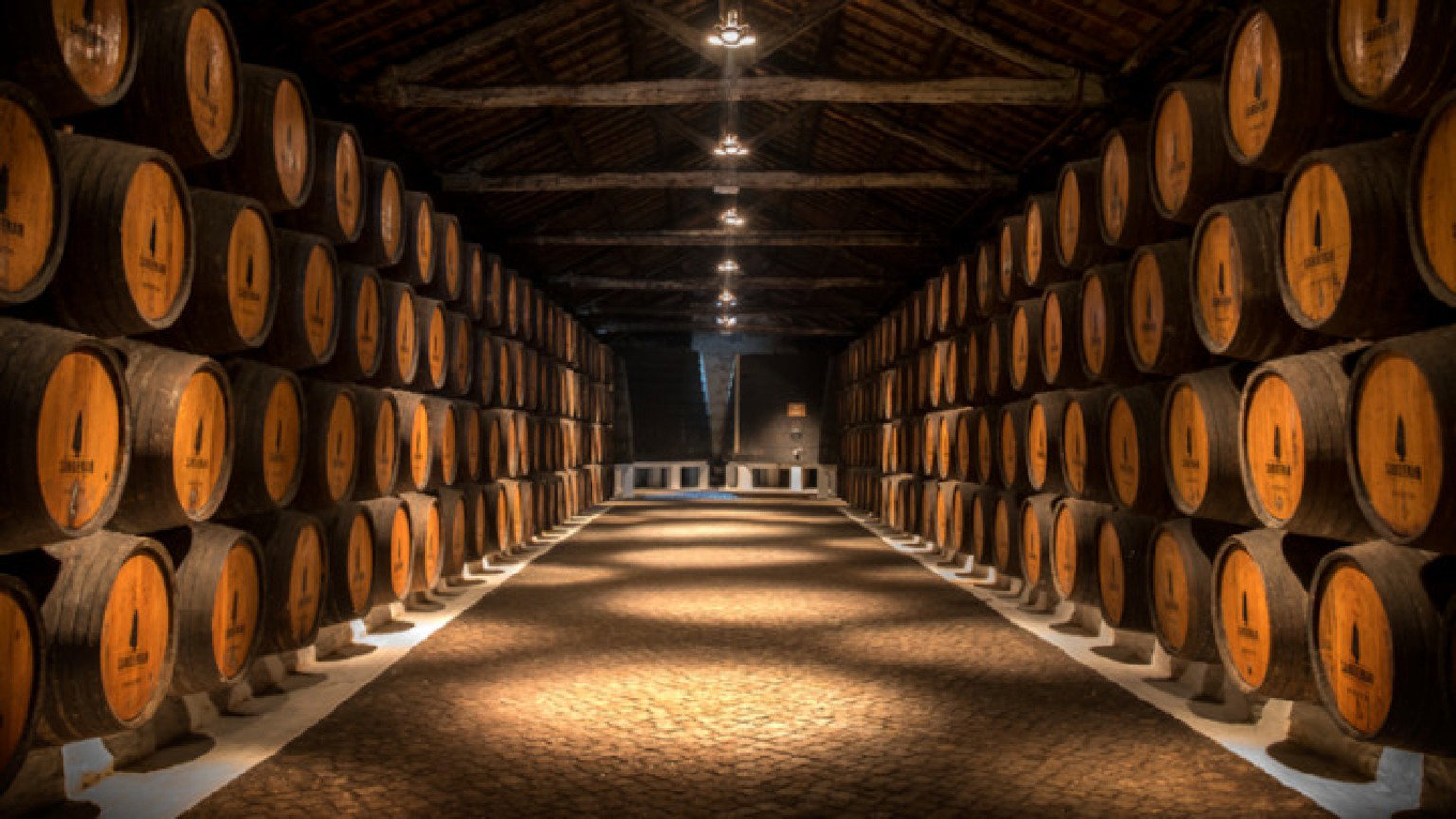
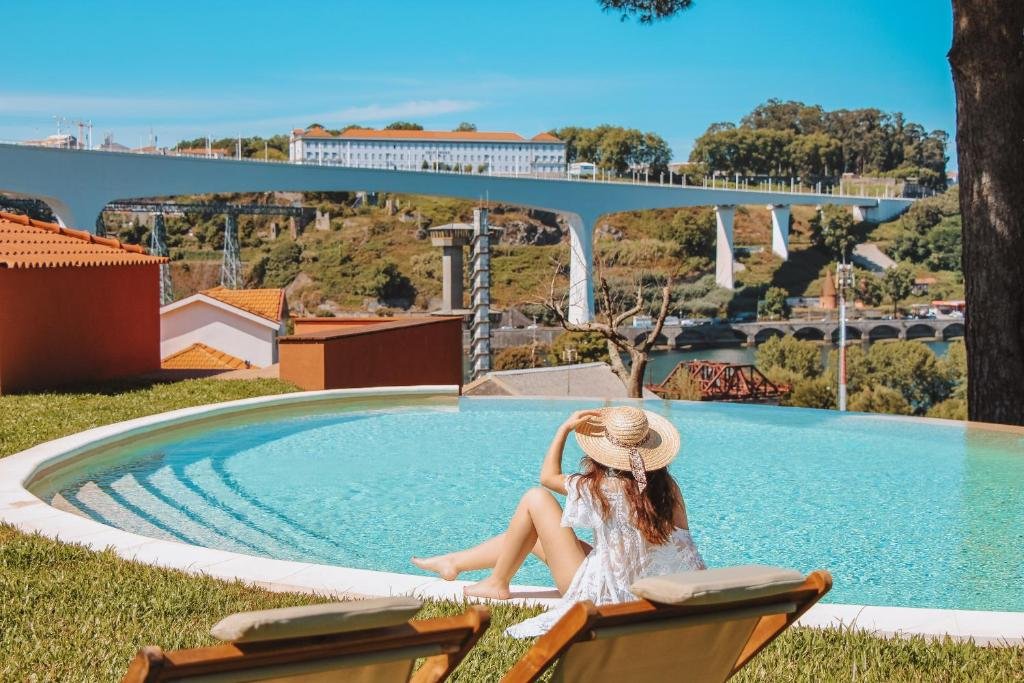
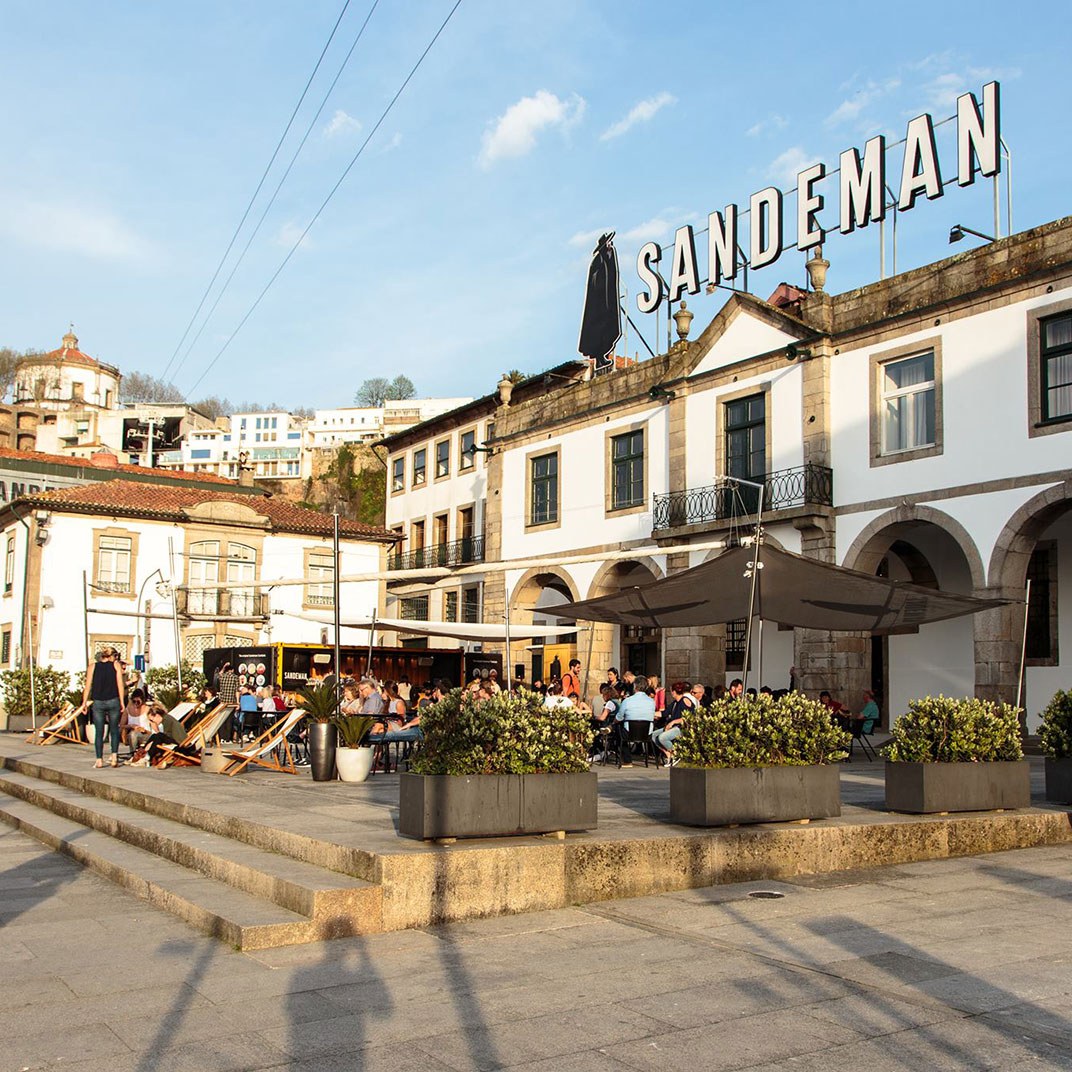
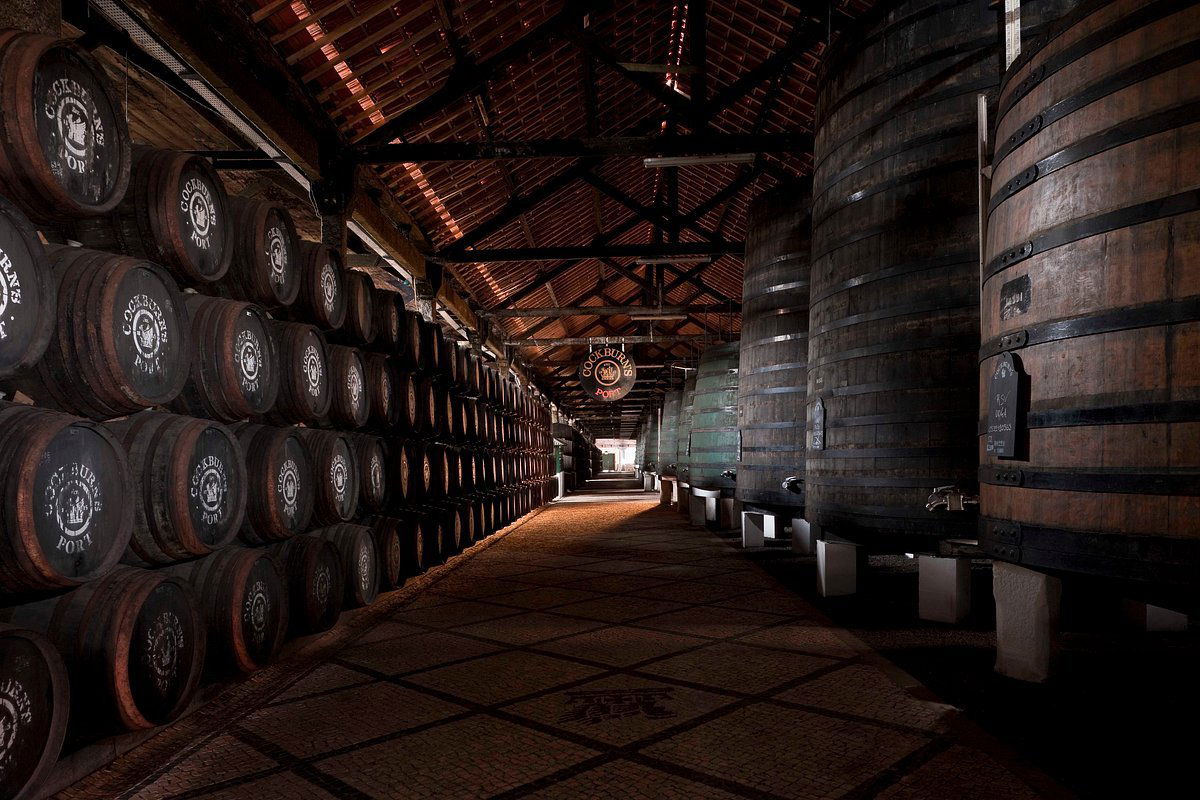
Cockburn's sits among the whitewashed lodges of Vila Nova de Gaia, a riverside row that reads like a concentrated chapter of Port history. The lodge’s presence on the Douro ridge makes the trade itself immediately legible: barrels stacked behind open doors, a faint sweetness in the air and the constant movement of cellar activity. Founded in 1815, Cockburn’s carries the weight of long practice — library stocks, old solera pipes and blending reserves — so the place feels both scenic and storied. Visiting here is as much about landscape and industrial craft as it is about tasting a single house’s heritage.
Best For
Cockburn's is best approached as a place for learning and ceremonial tasting. The lodge’s role as a maturing and blending house — with long‑held vintage stocks and references that shaped nineteenth‑ and twentieth‑century trade — makes it well suited to wine‑education visits and special‑occasion tastings. Guests interested in the mechanics of ageing and the lineage of Vintage Port encounter tangible archives: blending reserves and library holdings that younger operations rarely match. For anyone celebrating a milestone or deepening their understanding of fortified wine, the lodge’s historical depth and focused production context deliver a meaningful experience.
Tasting Tips
Plan visits with an eye toward the riverside approach: the lodge is immediately visible from the Dom Luís I bridge or along the Cais de Gaia. Expect to encounter the sensory markers of Port maturation — barrel stacks seen through open doors and a faint fortified sweetness on the air — and note that tour groups commonly move between cellars in the afternoon. The site functions as a working maturing lodge, so come prepared to view ageing stocks and blending reserves rather than vineyard production; allow time to take in the waterfront setting that frames the cellars.
Venue details
Ambiance
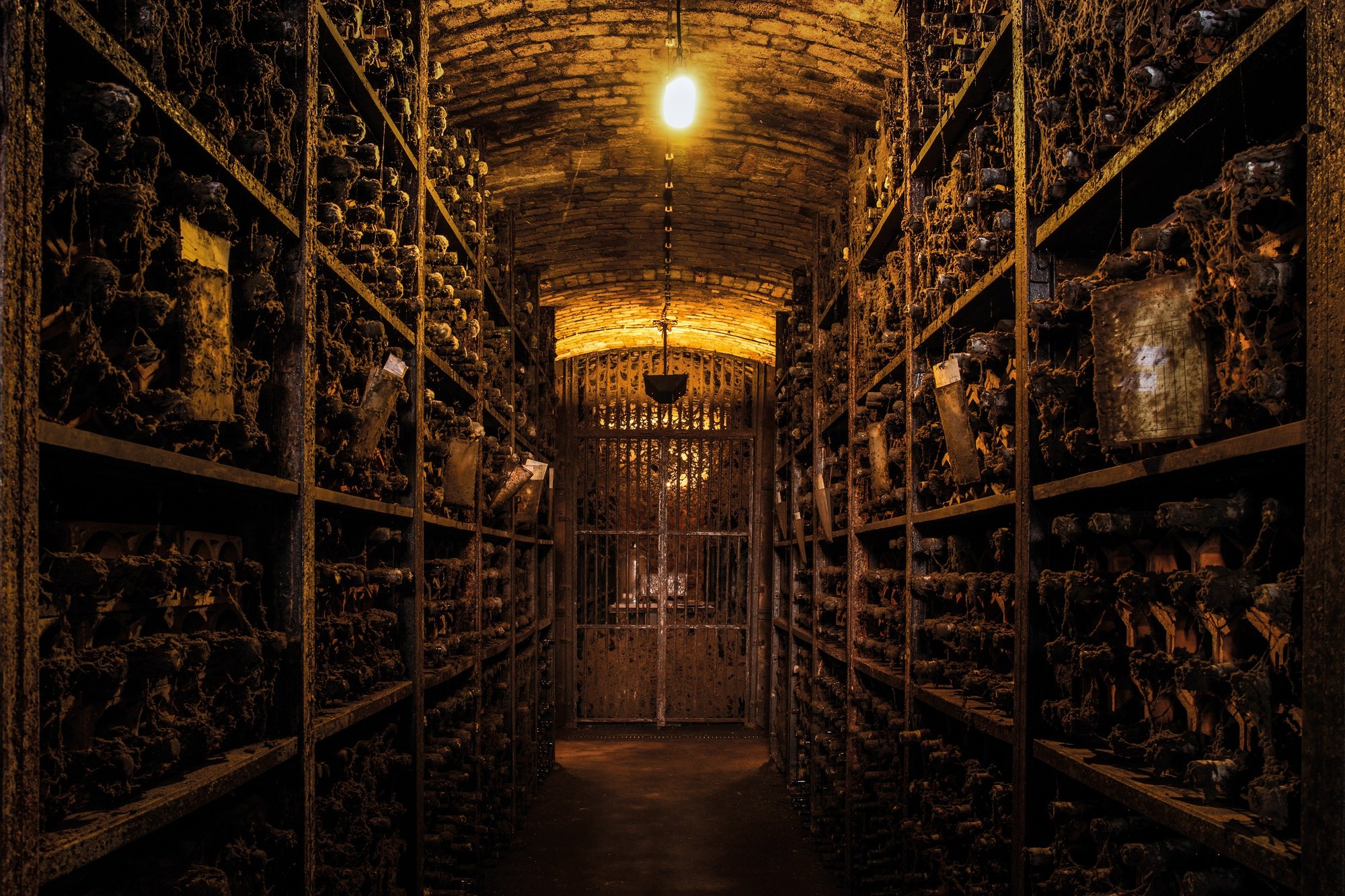
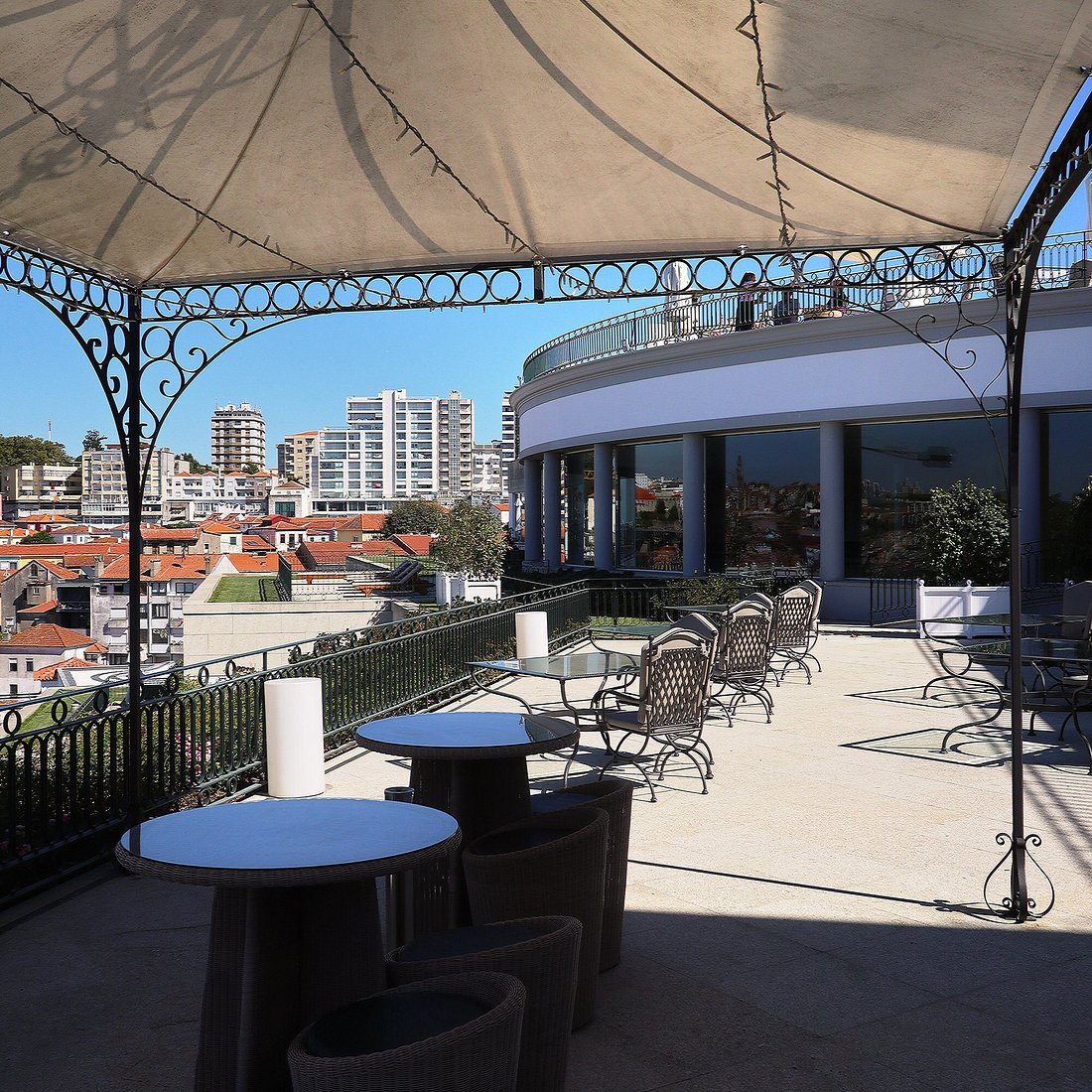
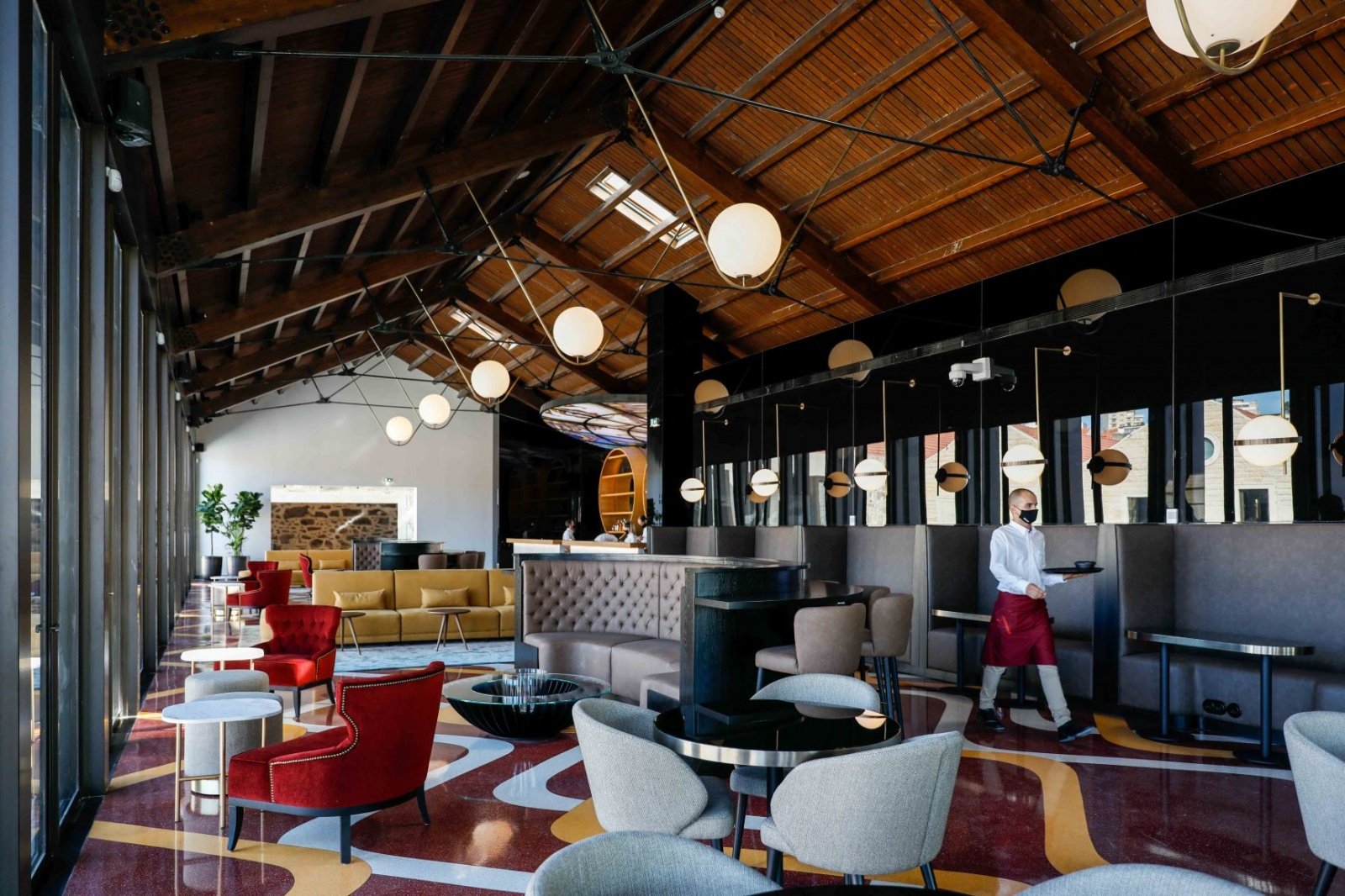
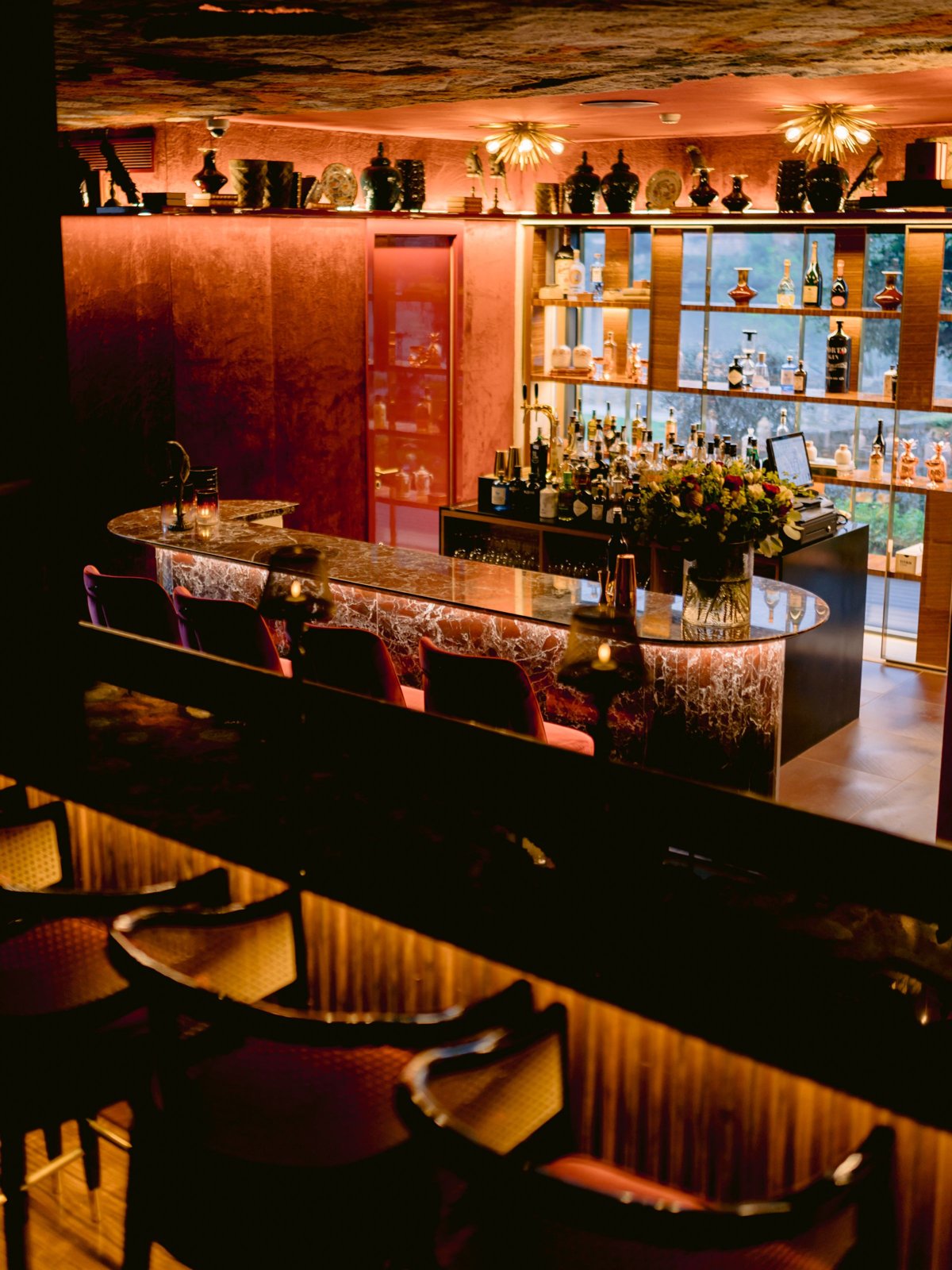
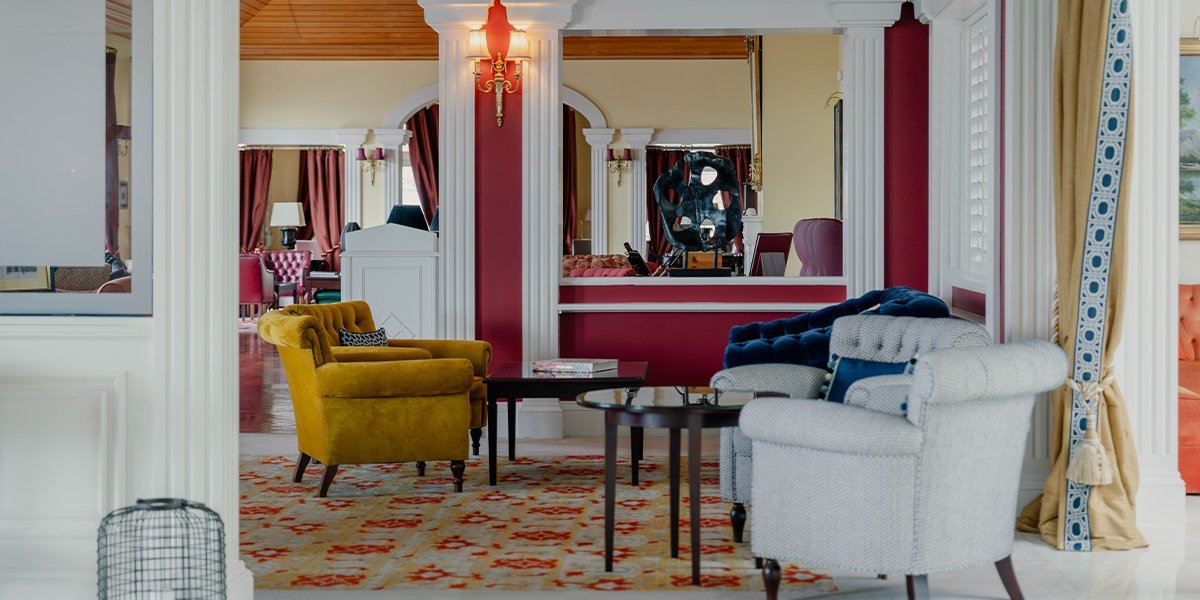
Historic cellars filled with thousands of oak barrels, casks, and vats creating an atmospheric, timeless environment of aging Port wine.
Tags
Vibe
Best For
Experience
At the Vineyard
- Appellation
- Douro DOC
- Varietals
- Touriga Nacional, Touriga Franca, Tinta Roriz, Tinta Barroca, Tinta Cão
- Tour Duration
- 90 minutes
- Tour Languages
- English, Portuguese, French, Spanish, Italian, Russian
- Visits
- By reservation
- Production
- Large producer
- Wine Styles
- Fortified
- Wine Club
- Not available
Know before you go
Know Before You Go
- Getting there
- R. de Serpa Pinto 346, 4400-307 Vila Nova de Gaia
Planning details
Location
R. de Serpa Pinto 346, 4400-307 Vila Nova de Gaia · Directions
Recognition and awards

Also consider
If You Can't Get In
Try Taylor's Port if the group wants another established Gaia port-house experience with broad visitor appeal. For a more heritage-weighted alternative, Ferreira is the cleaner substitution.
If the group is more wine-focused than occasion-focused, Niepoort is the better backup, especially as a second stop in a Gaia tasting day.
Winery context
How It Compares
Choose Cockburn's Port when the priority is a composed port-house experience in Vila Nova de Gaia, especially for a celebration where ambiance matters. Taylor's Port is the more obvious cross-shop for visitors who want a highly established Gaia name, while Ferreira is the better fit if Portuguese heritage is the deciding factor.
For a wine-focused group comparing house styles, Dow's Port and Fonseca Port are useful alternatives because they keep the itinerary within the same port category without changing the city plan. If the booking you want is tight, cross-shop early rather than treating any one cellar as interchangeable.
Niepoort is the sharper choice for guests who care more about producer identity and wine-geek appeal than a classic visitor-cellar mood. Cockburn's Port is the safer celebration pick; Niepoort is the better second stop for a group that wants a more focused wine conversation.
Around this place
Discover more on Pearl
Unlock the full Cockburn's Port guide in Pearl, including awards, comparisons, FAQs, planning details, and nearby places.
Compare Cockburn's Port
| Venue | Location | Awards |
|---|---|---|
| Cockburn's Port | Vila Nova de Gaia | 2026 Falstaff Winery Guide |
| Niepoort | Vila Nova de Gaia | 2026 Falstaff Winery Guide |
| Dow's Port | Vila Nova de Gaia | 2026 Falstaff Winery Guide |
| Taylor's Port | Vila Nova de Gaia | 2026 Falstaff Winery Guide2025 World's 50 Best Vineyards · #85 |
| Fonseca Port | Vila Nova de Gaia | No published awards |
| Ferreira | Vila Nova de Gaia | 2026 Falstaff Winery Guide |

How Cockburn's Port Vila Nova de Gaia compares with similar nearby venues.
FAQ
Frequently Asked Questions
Can Cockburn's Port handle large groups?
If you are planning for a larger party, contact Cockburn's Port directly and confirm the current arrangements before visiting Vila Nova de Gaia.
Does Cockburn's Port serve food?
Do not assume Cockburn's Port can replace a meal unless the venue confirms a current dining or pairing option.
Does Cockburn's Port offer shipping?
Ask Cockburn's Port directly if shipping is important to your visit.
When is the best time to visit Cockburn's Port?
Confirm the current schedule with Cockburn's Port before planning your Vila Nova de Gaia itinerary.