
Ca’ del Bosco
Erbusco
Winery in Erbusco, Italy
 Book with Pearl
The Read
Méthode Champenoise Precision
Price
$50–100tasting
Why go
Choose Ca' del Bosco when the winery visit is the point of the Erbusco trip, especially for a celebration, collector-focused stop, or business itinerary. It is a stronger fit for planned Franciacorta travel than casual tasting-room hopping, so cross-shop nearby producers if access or schedule flexibility matters more.
About Ca’ del Bosco
For a planned visit in Erbusco, Ca' del Bosco is best treated as a premium stop rather than a casual add-on. The venue is in Erbusco, the dress code is smart casual, and it holds Pearl 3 Star Prestige (2025).
The case for going is strongest when the occasion calls for a polished, higher-prestige venue in Erbusco. If your plans depend on specific services, formats, menus, opening hours, or access arrangements, confirm those details directly before building the day around the visit.
A polished Erbusco choice for planned occasions
Ca' del Bosco is a high-intent Erbusco pick when the name and recognition matter. Plan it as an occasion-led stop rather than assuming any particular service style or visit format.
For comparison planning, Bellavista and Guido Berlucchi are useful names to consider alongside Ca' del Bosco. If timing or access is the main constraint, compare the options directly and choose the one that best fits your confirmed schedule.
How to plan the rest of an Erbusco stay around it
Because Ca' del Bosco may be the anchor of an Erbusco itinerary, plan surrounding meals and lodging only after confirming the details that matter for your visit. Use Our full Erbusco restaurants guide for meal planning and Our full Erbusco hotels guide if staying locally.
For broader comparison, Bellavista, Guido Berlucchi, Campari, Ramazzotti, and Zenato can be considered as different names to research depending on the trip you are planning. Treat them as broader reference points rather than direct substitutes unless their current visit details match your needs.
Planning details
- Location
- Via Albano Zanella, 13, 25030 Erbusco BS
- Website
- cadelbosco.com
- Phone
- +39 030 776 6111
The take
The Take
The Vibe
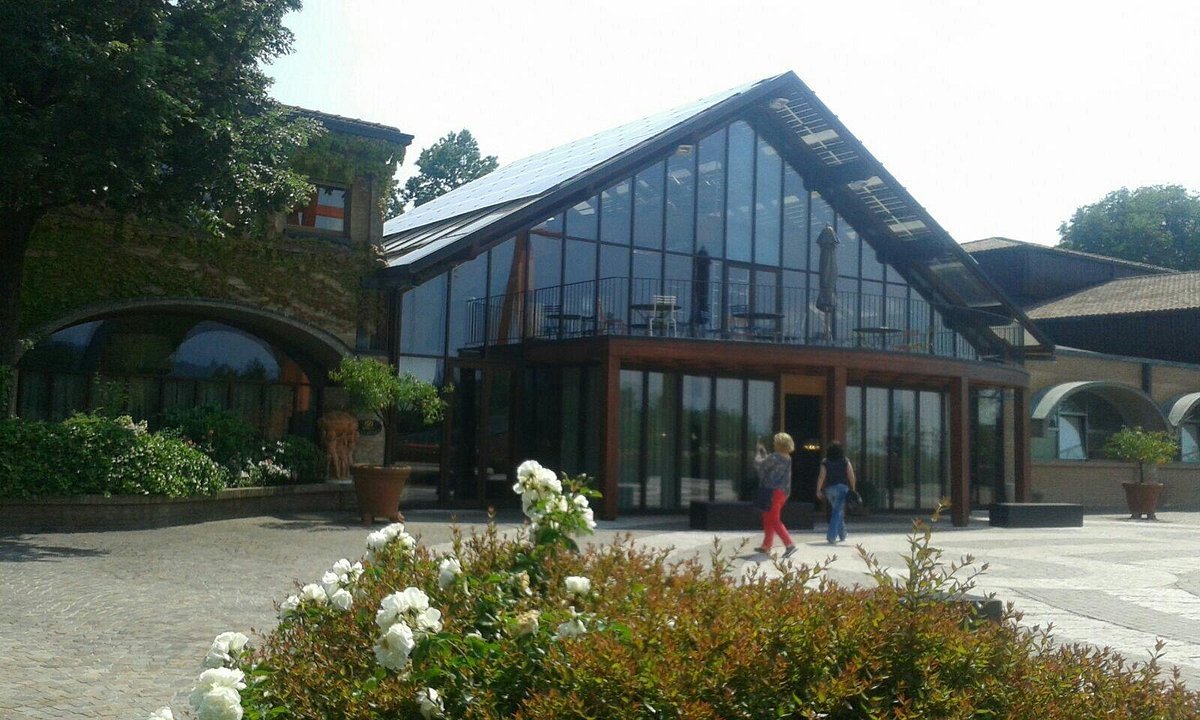
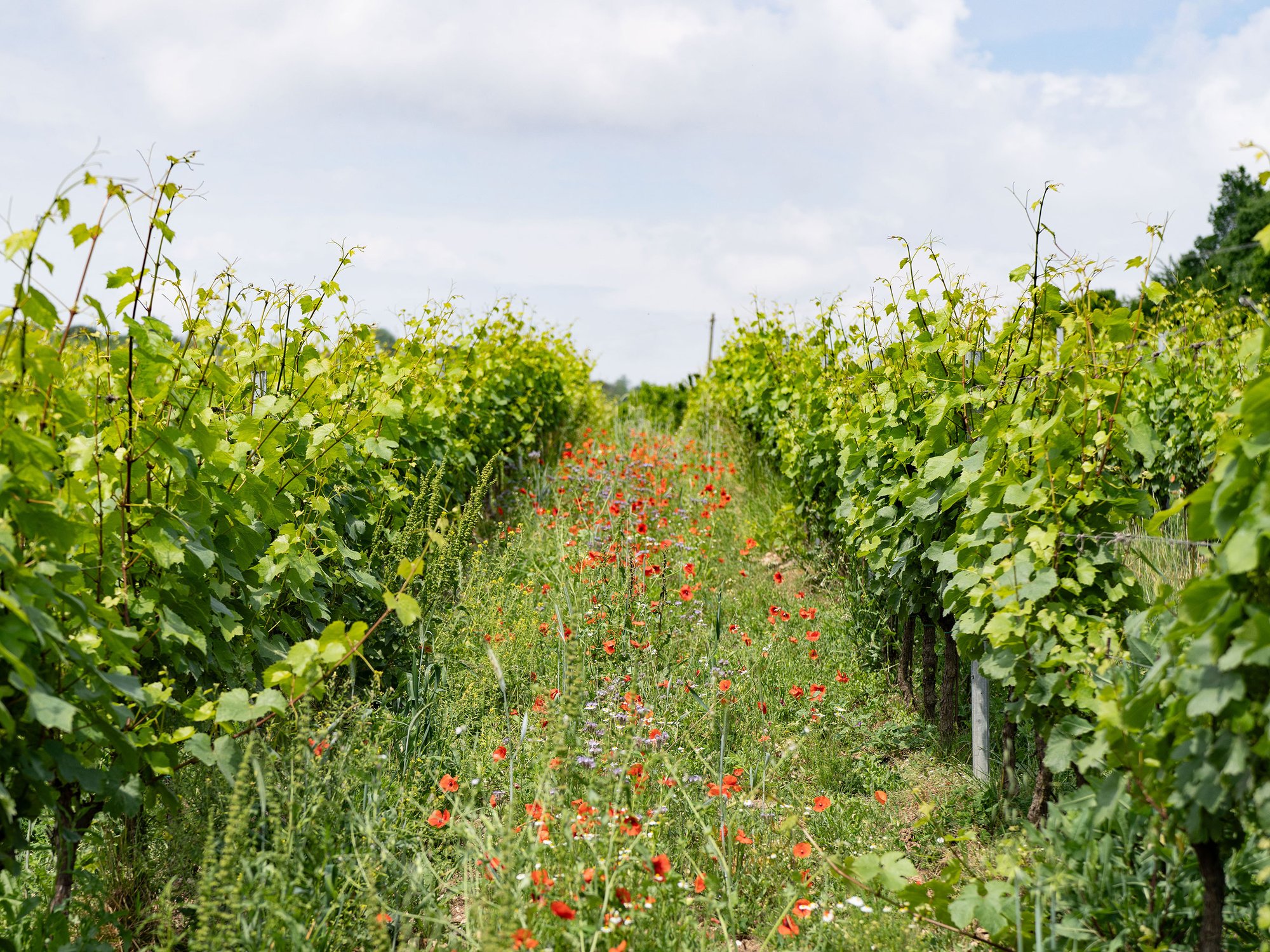
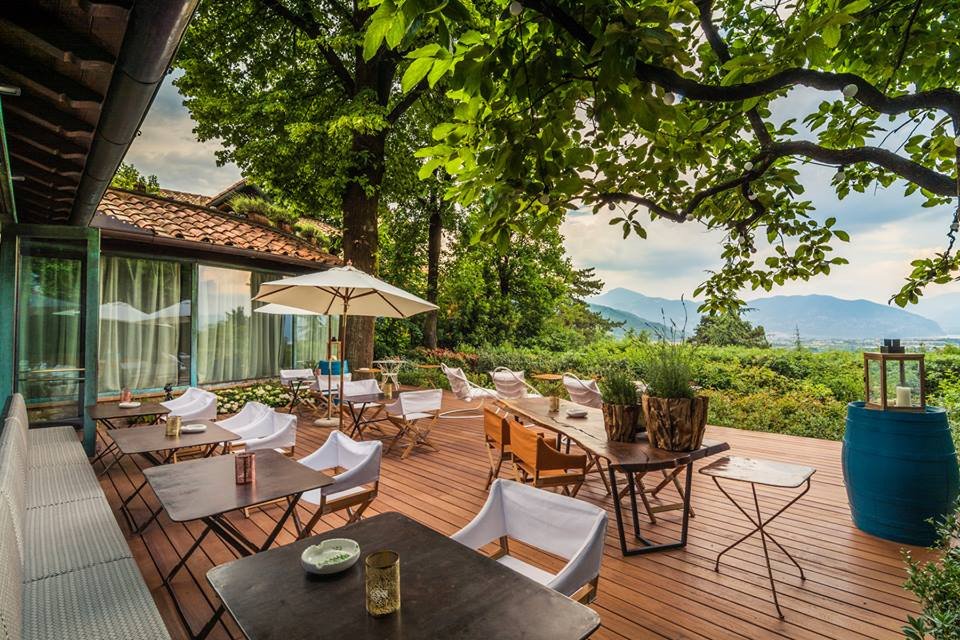
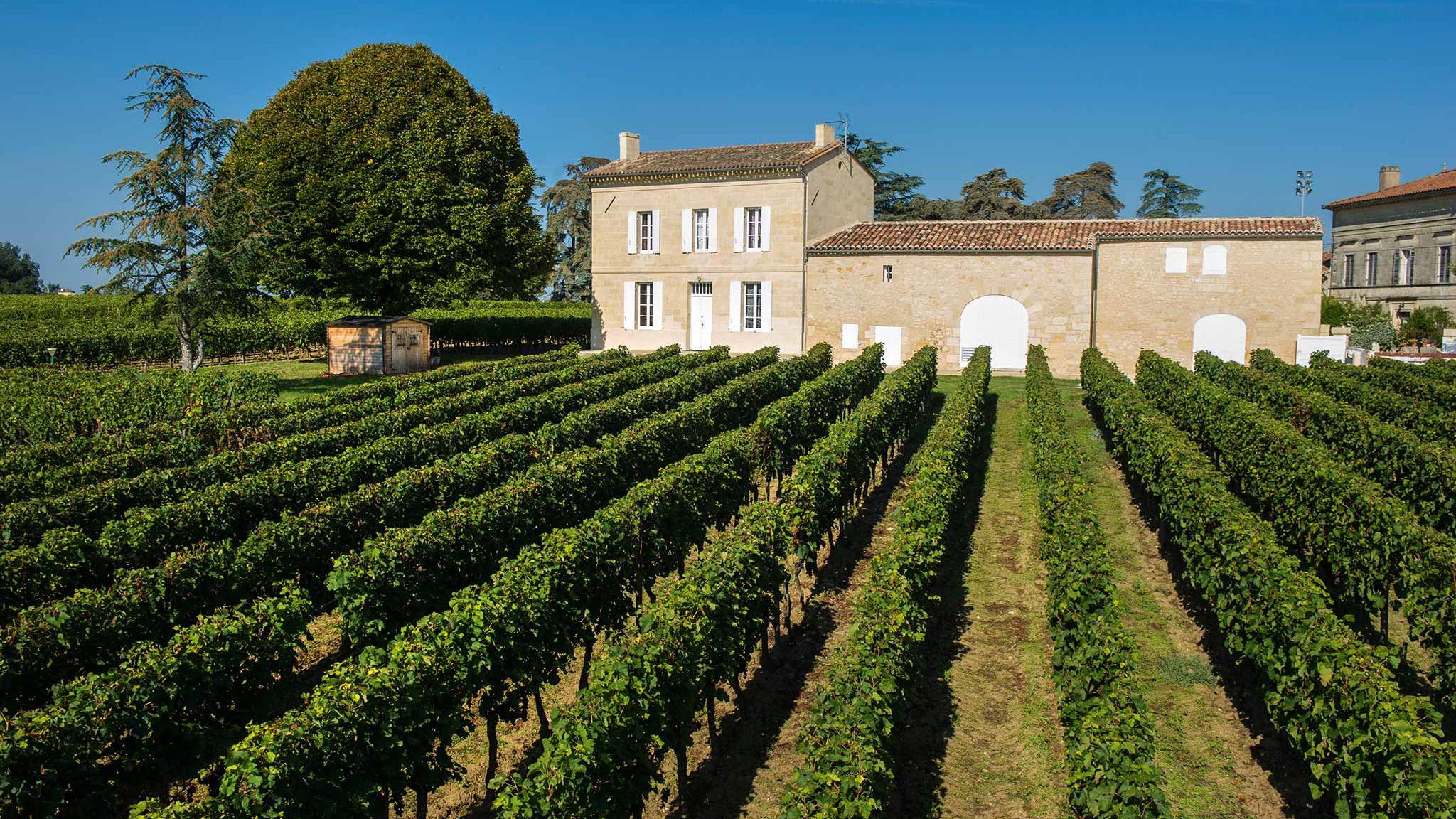
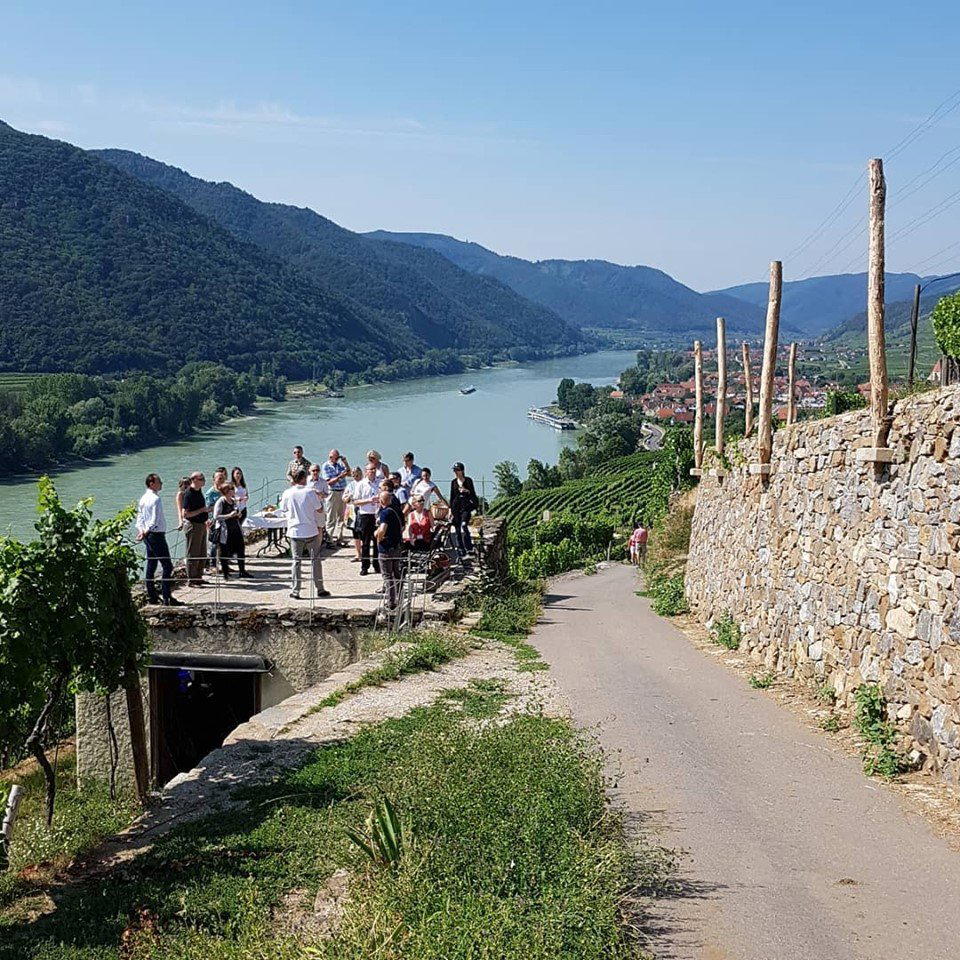
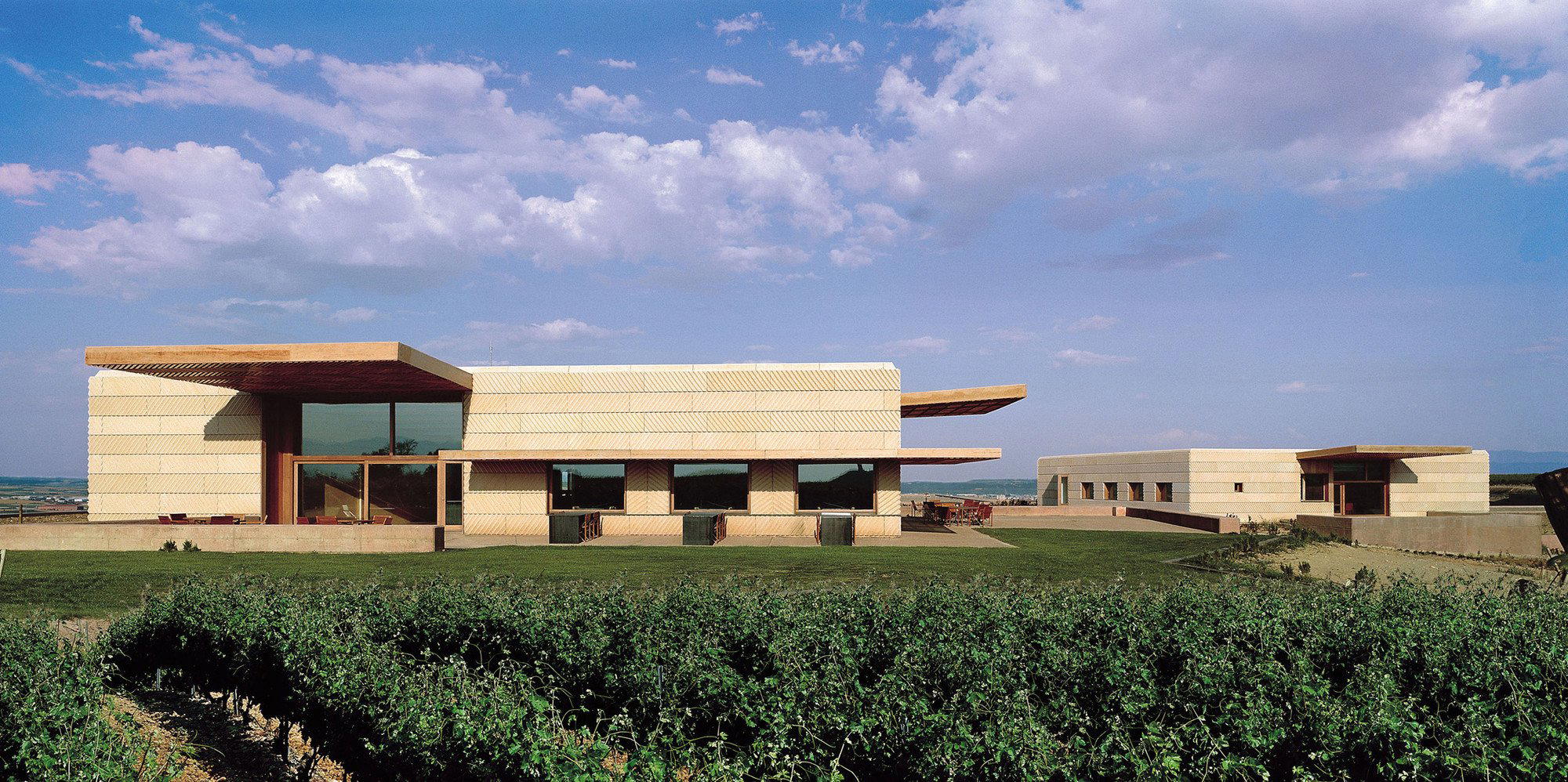
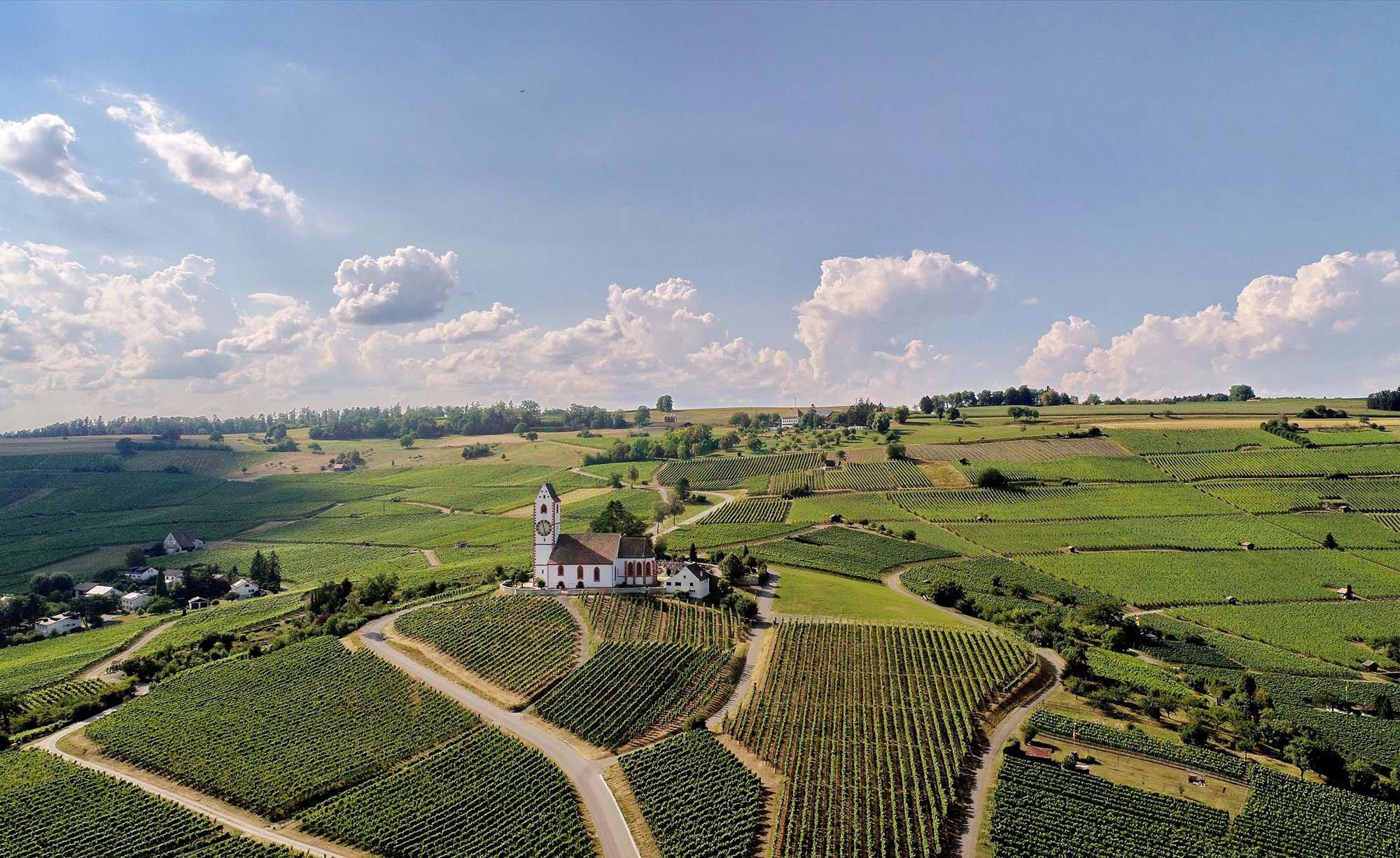
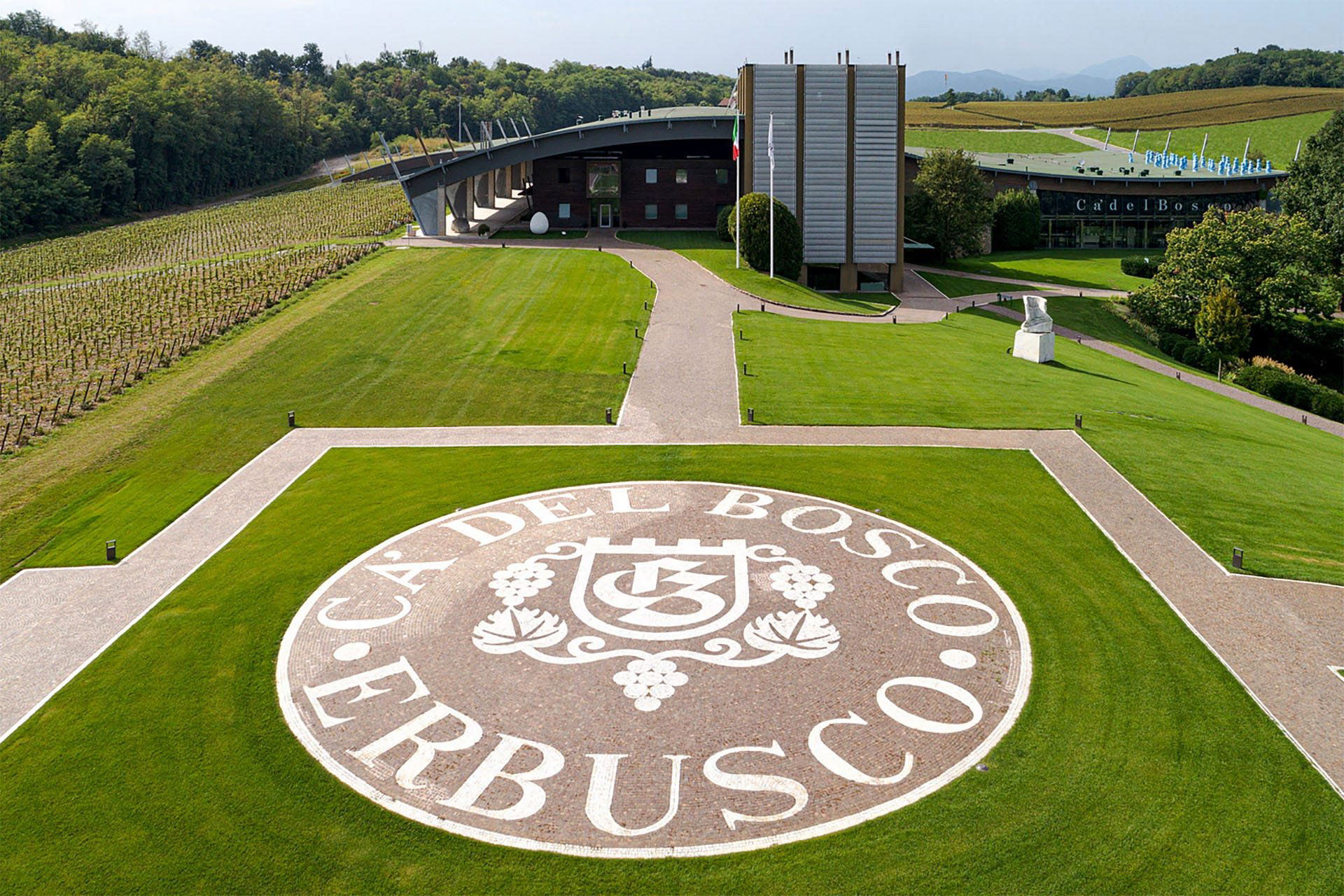
Ca' del Bosco reads like a high‑end Franciacorta estate: formally built, technically capable and positioned as a reference point for method‑traditional sparkling in Italy. The copy emphasizes substantial investment in both vineyard infrastructure and visitor facilities, and the estate's footprint and architecture underline that seriousness. The surrounding morainic hills and rolling vineyards give visits a calm, studied quality—this is wine country designed to be taken in deliberately rather than hurriedly. Overall the estate projects prestige and quiet authority within the region's landscape.
Best For
This estate is best for visitors who plan a deliberate wine‑focused visit. The profile and the 2025 Pearl 3 Star Prestige award signal that Ca' del Bosco is suitable for wine education, group outings, and special or celebratory visits where guests expect a high level of technical competence and estate presentation. Travelers seeking a clear example of Franciacorta's method‑traditional sparkling and the region's vineyard context will find this property especially instructive.
Tasting Tips
When you visit, prioritize the estate's prestige bottlings: the profile cites its 2025 Pearl 3 Star Prestige recognition, so tasting the Pearl and other top cuvées gives the clearest sense of the house's standard. The write‑up also highlights substantial visitor facilities and the estate grounds, so complementing tastings with an on‑site look at the vineyards and production footprint will provide the fullest picture of what distinguishes Ca' del Bosco in Franciacorta.
Venue details
Ambiance
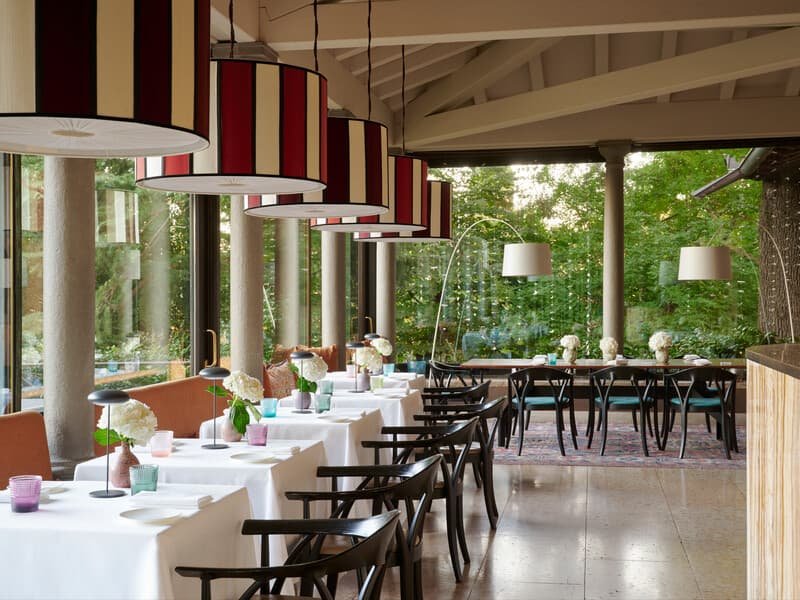
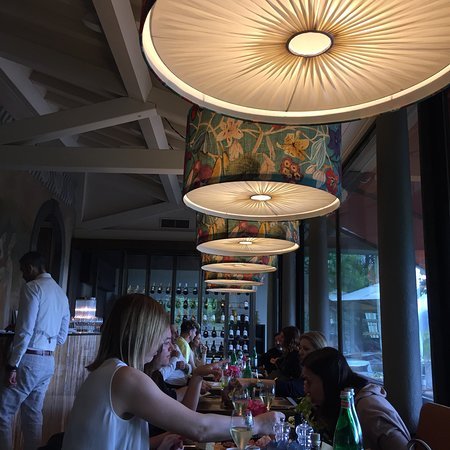
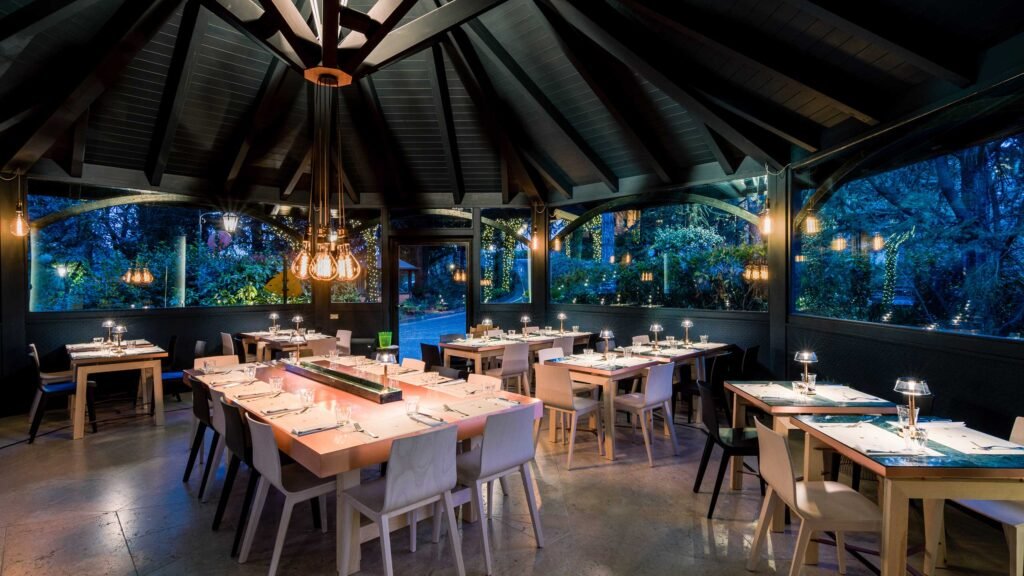
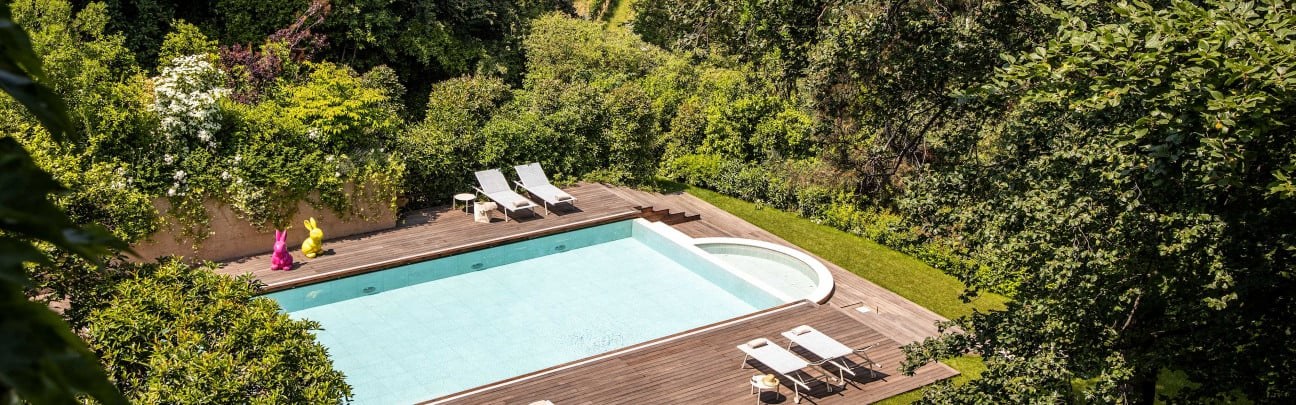
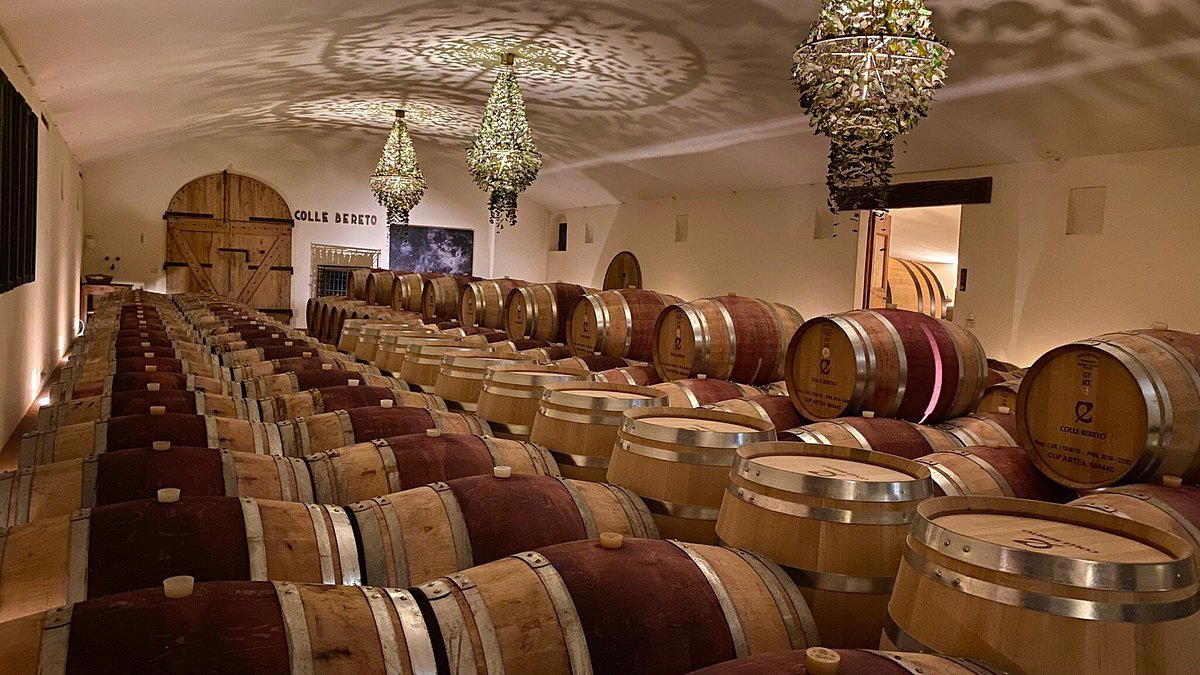
Elegant and sophisticated atmosphere with modern and traditional elements, illuminated by natural light in scenic estate grounds and artistic installations in the cellars.
Tags
Vibe
Best For
Experience
Sourcing
View
At the Vineyard
- Appellation
- Franciacorta DOCG
- Varietals
- Chardonnay, Pinot Noir, Pinot Bianco, Cabernet Sauvignon, Cabernet Franc
- Tour Duration
- 90-150 minutes
- Tour Languages
- English, Italian
- Visits
- By reservation
- Farming
- Organic
- Wine Styles
- Sparkling, Still Red, Still White
- Food Pairing
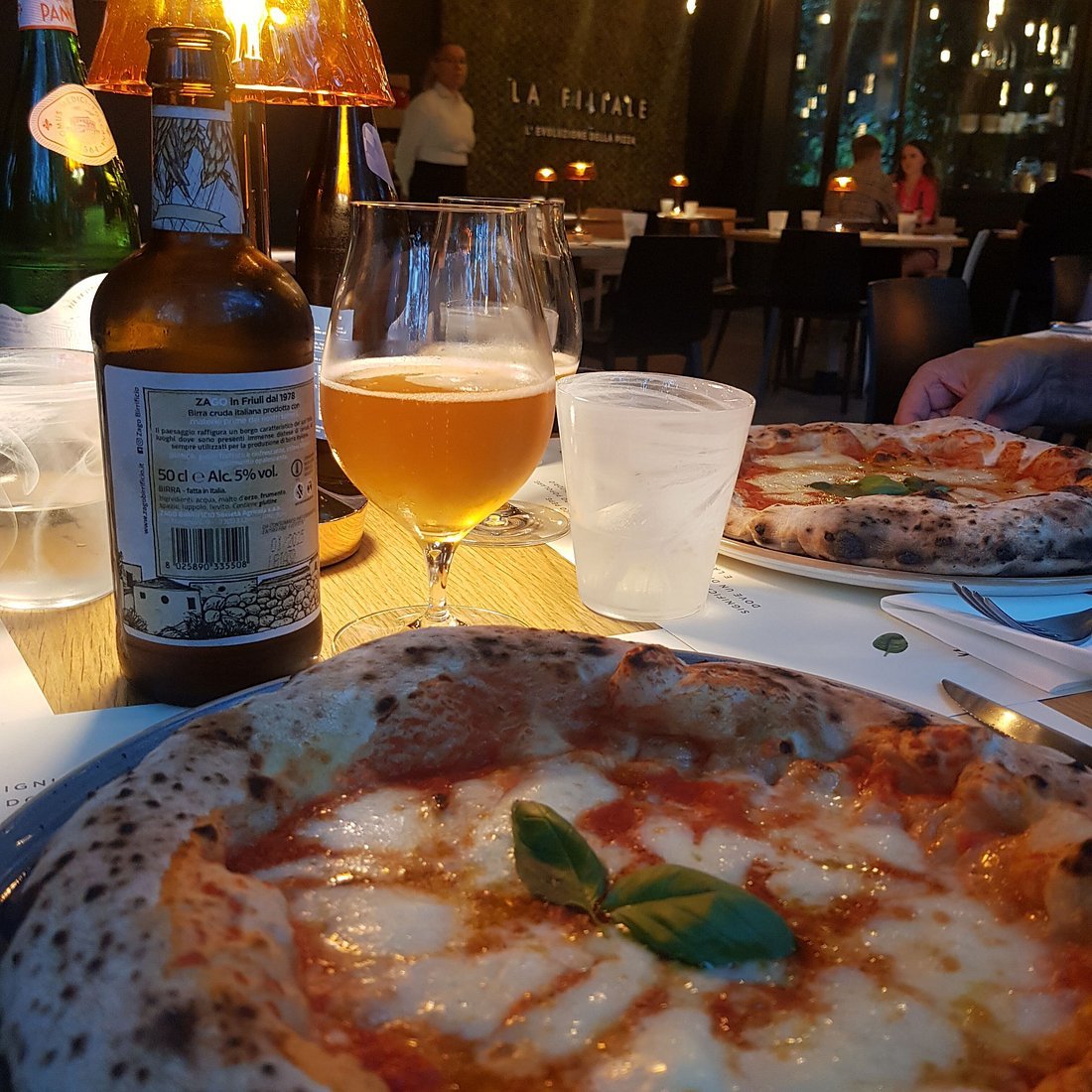
- Offered
- Wine Club
- Not available
Know before you go
Know Before You Go
- Getting there
- Via Albano Zanella, 13, 25030 Erbusco BS
Planning details
Location
Recognition and awards

Also consider
Where to Go If This Is Hard to Arrange
Try Bellavista first if staying in Erbusco and keeping the day Franciacorta-focused. Choose Guido Berlucchi if the priority is regional history rather than a polished special-occasion address.
Winery context
How It Compares
Against Bellavista, Ca' del Bosco is the more occasion-led choice: better when the visit needs to feel like the anchor of the day, less ideal if the group wants the simplest local alternative in Erbusco. Bellavista is the first backup to check when timing is tight because it keeps the itinerary within the same Franciacorta frame.
Guido Berlucchi is the peer to consider if Franciacorta history matters more than prestige signaling. Zenato shifts the decision away from Erbusco and into a different wine-area mindset, so choose it only if the wider trip already points that direction.
Campari and Ramazzotti are not direct winery substitutes; they make more sense for visitors interested in Italian aperitivo and spirits culture. For a Franciacorta-focused day, stay with Ca' del Bosco, Bellavista, or Guido Berlucchi before widening the search.
Explore Erbusco
Around this place
Discover more on Pearl
Unlock the full Ca’ del Bosco guide in Pearl, including awards, comparisons, FAQs, planning details, and nearby places.
Compare Ca’ del Bosco
| Venue | Location | Awards |
|---|---|---|
| Ca’ del Bosco | Erbusco | 2026 Falstaff Winery Guide |
| Bellavista | Erbusco | 2026 Falstaff Winery Guide2025 Decanter Winery Prestige |
| Guido Berlucchi | Corte Franca | No published awards |
| Zenato | Peschiera del Garda | 2026 Falstaff Winery Guide |
| Campari | Milan | No published awards |
| Ramazzotti | Milan | No published awards |

How Ca' del Bosco Erbusco compares with similar nearby venues.
FAQ
Frequently Asked Questions
What other venues are useful comparisons for Ca' del Bosco?
Bellavista and Guido Berlucchi are useful names to consider alongside Ca' del Bosco when planning. Compare current access, timing, and the type of visit you want before deciding.
What is Ca' del Bosco best for?
Ca' del Bosco is best framed as a premium Erbusco venue with Pearl 3 Star Prestige (2025). Confirm specific details about menus, formats, products, or services directly.
Do I need a reservation at Ca' del Bosco?
Check reservation requirements directly. Because Ca' del Bosco is a Pearl 3 Star Prestige (2025) venue, it is sensible to check before planning your visit.
What should I wear to Ca' del Bosco?
The dress code is smart casual. Choose polished, comfortable clothing that fits a premium Erbusco venue.