

2026 Falstaff Winery Guide: The Ultimate Wine Authority — Page 46
Falstaff's 2026 Wineries guide.

Venues on this list
Domaine du Gros'Noré
La Cadière-d'Azur, France
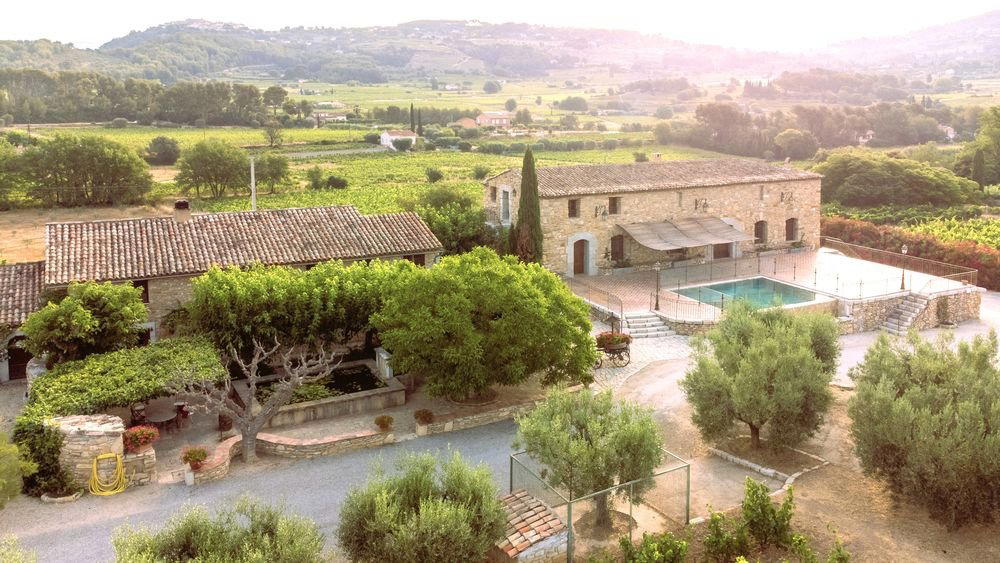
A strong choice for serious Bandol drinkers, especially if a guided or private tasting is available. Domaine du Gros'Noré is better for visitors who want old-vine Mourvèdre, manual vineyard work, and a working-cellar atmosphere than for those chasing a polished tasting lounge or food-pairing experience.
Familiensektgut Winterling
Niederkirchen Bei Deidesheim, Germany
Familiensektgut Winterling is a strong pick if the goal is organic Pfalz Crémant in a family-run, artisan setting rather than a broad wine-tourism stop. The $$ positioning and Falstaff 3 Stars recognition make it feel worthwhile for sparkling-wine drinkers, especially small parties planning a focused tasting or celebratory bottle purchase.
Cantina Sociale Formigine Pedemontana
Formigine, Italy
Book Cantina Sociale Formigine Pedemontana if the goal is an easy, countryside Lambrusco stop with cooperative scale and a practical tasting-room feel. It is strongest for groups who want to understand Lambrusco Grasparossa di Castelvetro at its source, not for visitors seeking a formal luxury winery appointment.
Château Montviel
Pomerol, France
Château Montviel is worth planning around if the goal is a serious, structured Pomerol red rather than a casual tasting-room stop. The estate’s small 6-hectare scale, Merlot-led style, Michel Rolland consulting link, and Falstaff 2 Stars recognition make it a stronger fit for collectors and focused Bordeaux visitors than for travelers seeking easy drop-in hospitality.
Dalamara Winery
Naousa, Greece
Dalamara Winery works for a wine-first Naousa itinerary, with Falstaff listing in 2026 giving it a useful quality signal. Treat it as a winery visit rather than a guaranteed food-pairing or lunch destination, and build restaurants, hotels, and bars around it separately if the occasion needs a fuller plan.
Columbia Crest Winery
Paterson, United States
Columbia Crest Winery is worth booking if you want an easy, polished introduction to Horse Heaven Hills and Washington wine at scale. It suits groups, first-time regional visitors, and wine club prospects who will use repeat tasting or pairing benefits; one-time travelers should treat the standard tasting as the better-value move.
Bodegas Resalte
Peñafiel, Spain
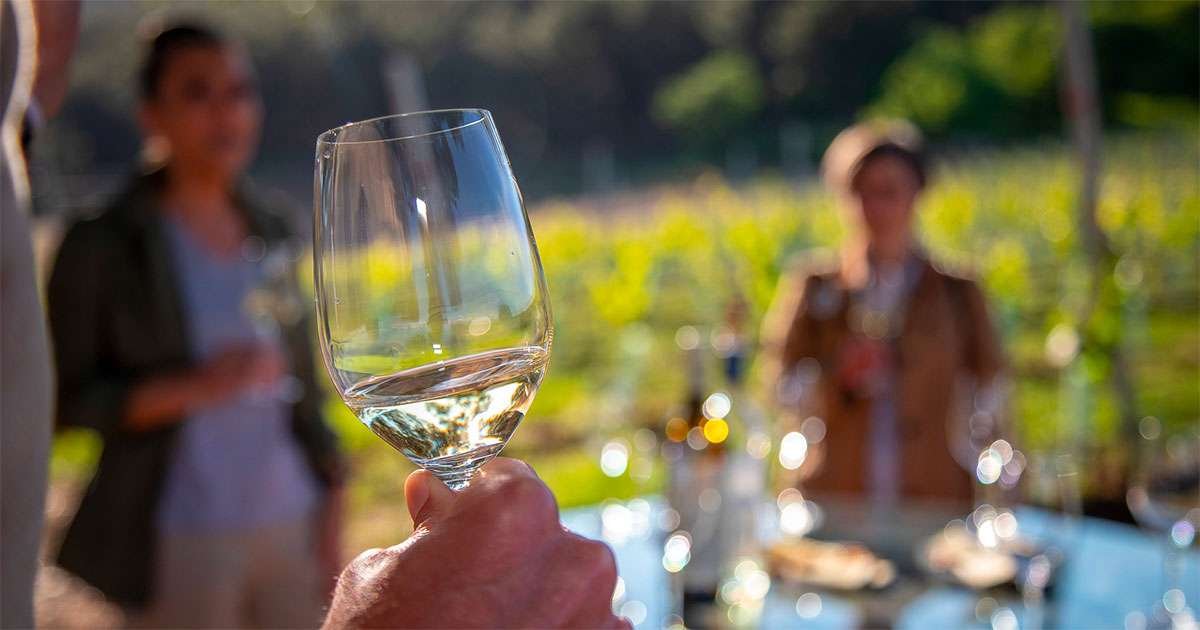
A serious Peñafiel winery option for travelers building a focused Ribera del Duero day. The 2026 Falstaff 2-star recognition gives Bodegas Resalte a useful quality signal, but plan it as a scheduled wine stop rather than a casual filler between meals or sightseeing.
B. & S. Gürlet Weinbau
Twann, Switzerland
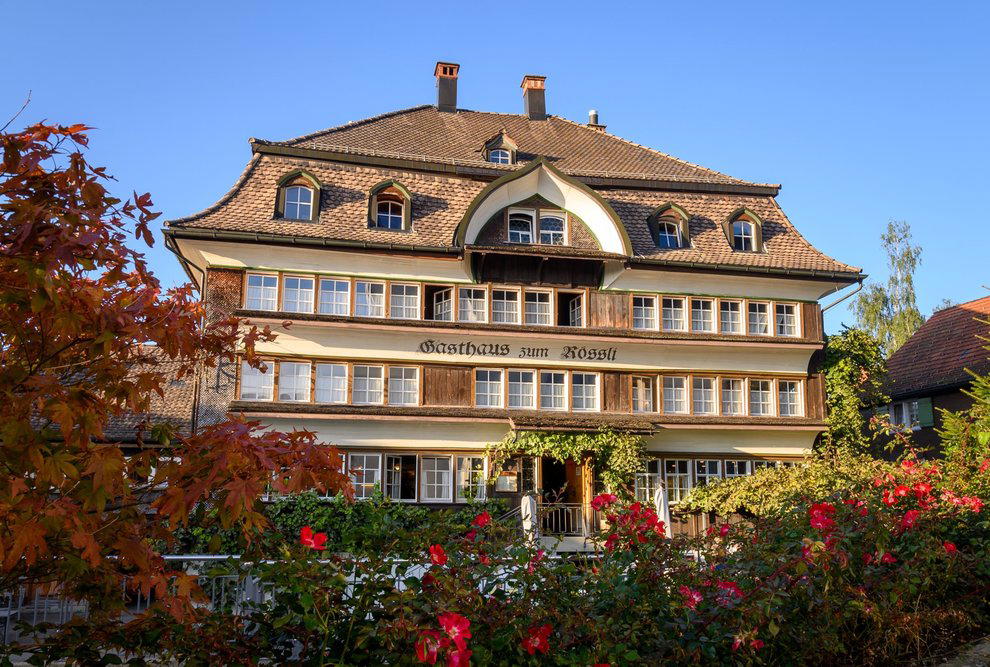
A small, traditional family winery in Twann for travelers who want a quiet cellar-style visit rather than a polished tasting-room setup. B. & S. Gürlet Weinbau is Falstaff Listed for 2026 and fits couples or small groups planning ahead, especially if the appeal is an appointment-only regional wine stop in Canton Bern.
Weingut Dr. Bürklin-Wolf
Wachenheim an der Weinstraße, Germany
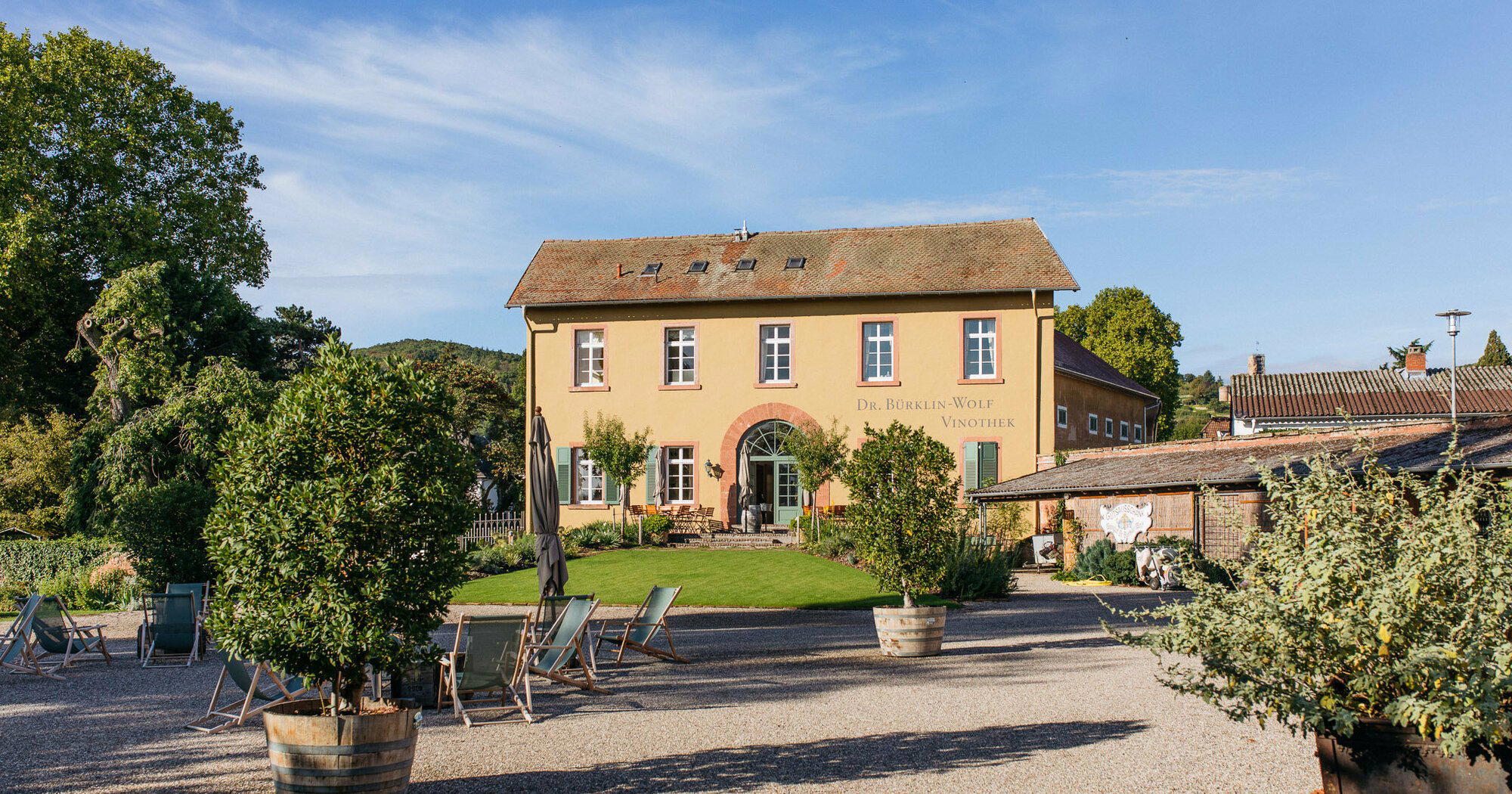
Book Weingut Dr. Bürklin-Wolf only if the visit is about serious Pfalz wine and advance planning is acceptable. It is a stronger fit for collectors and allocation-minded drinkers than for casual tasting-room browsing, with nearby peers worth keeping as backups if timing is tight.
Domaine Barmès-Buecher
Wettolsheim, France
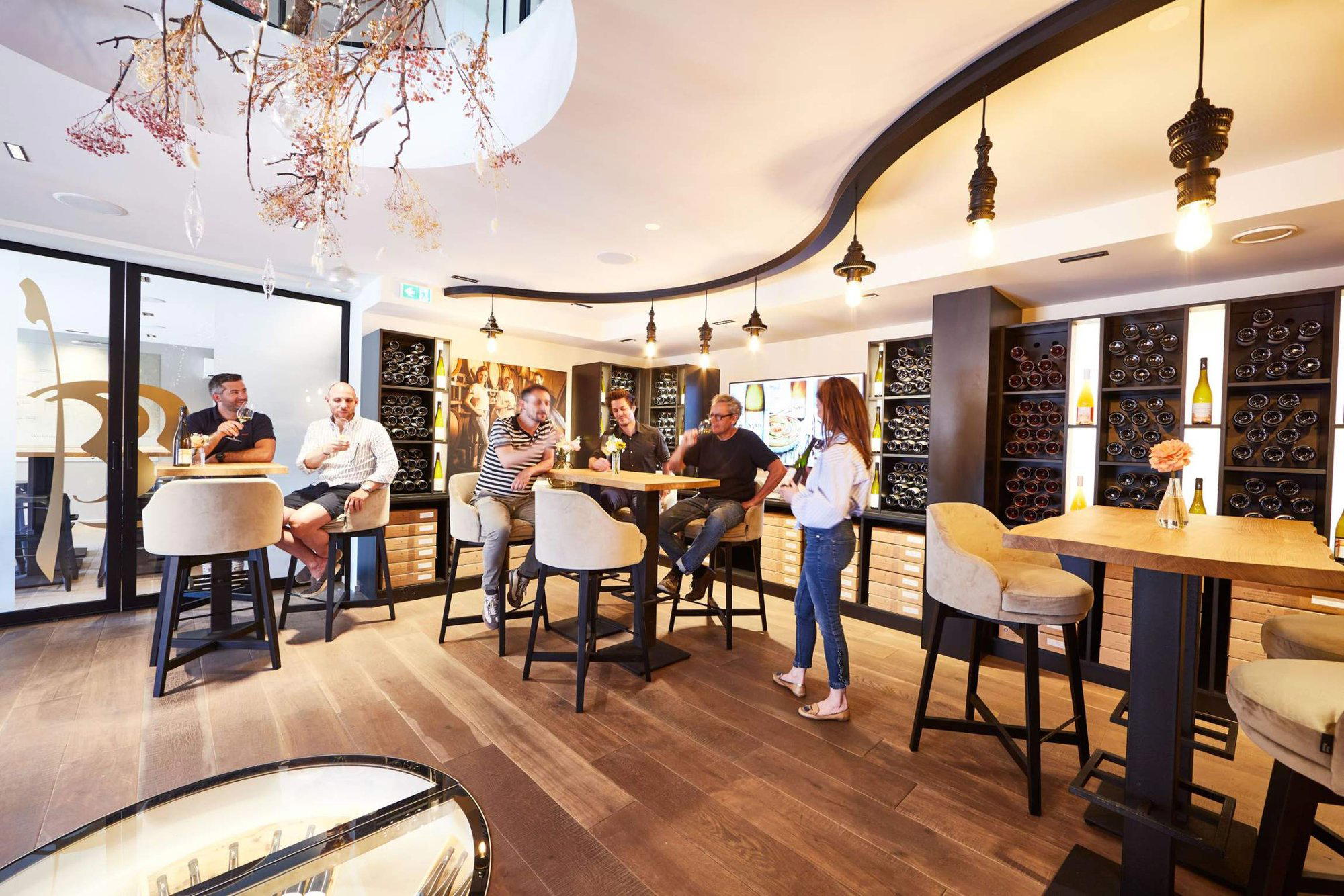
Domaine Barmès-Buecher works as a focused Alsace producer stop in Wettolsheim, especially if wine quality matters more than hospitality extras. Falstaff listing in 2026 gives it a useful credibility signal, but first-timers should treat the visit as wine-led rather than food-led or heavily structured.
Cantine Latini
Tremona, Switzerland
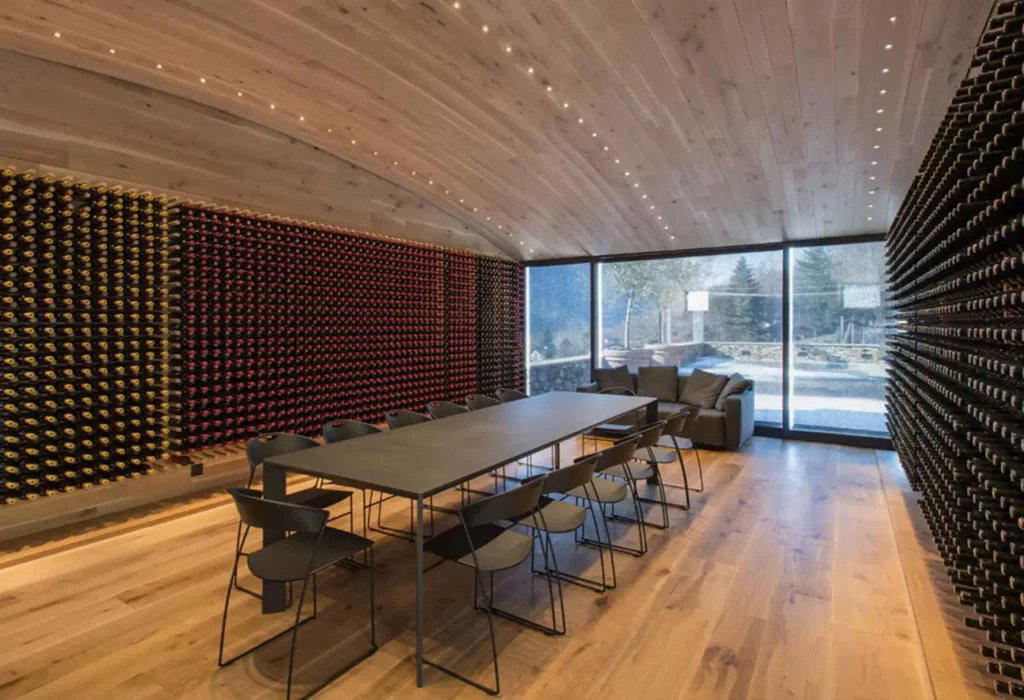
Book Cantine Latini if you want a quiet, appointment-only Ticino cellar tasting at a sensible CHF 20 to CHF 22 spend. The value is in the guided format, local white-wine focus, and Monte San Giorgio setting, not in luxury staging or a large visitor program.
Domaine Potterat
Cully, Switzerland
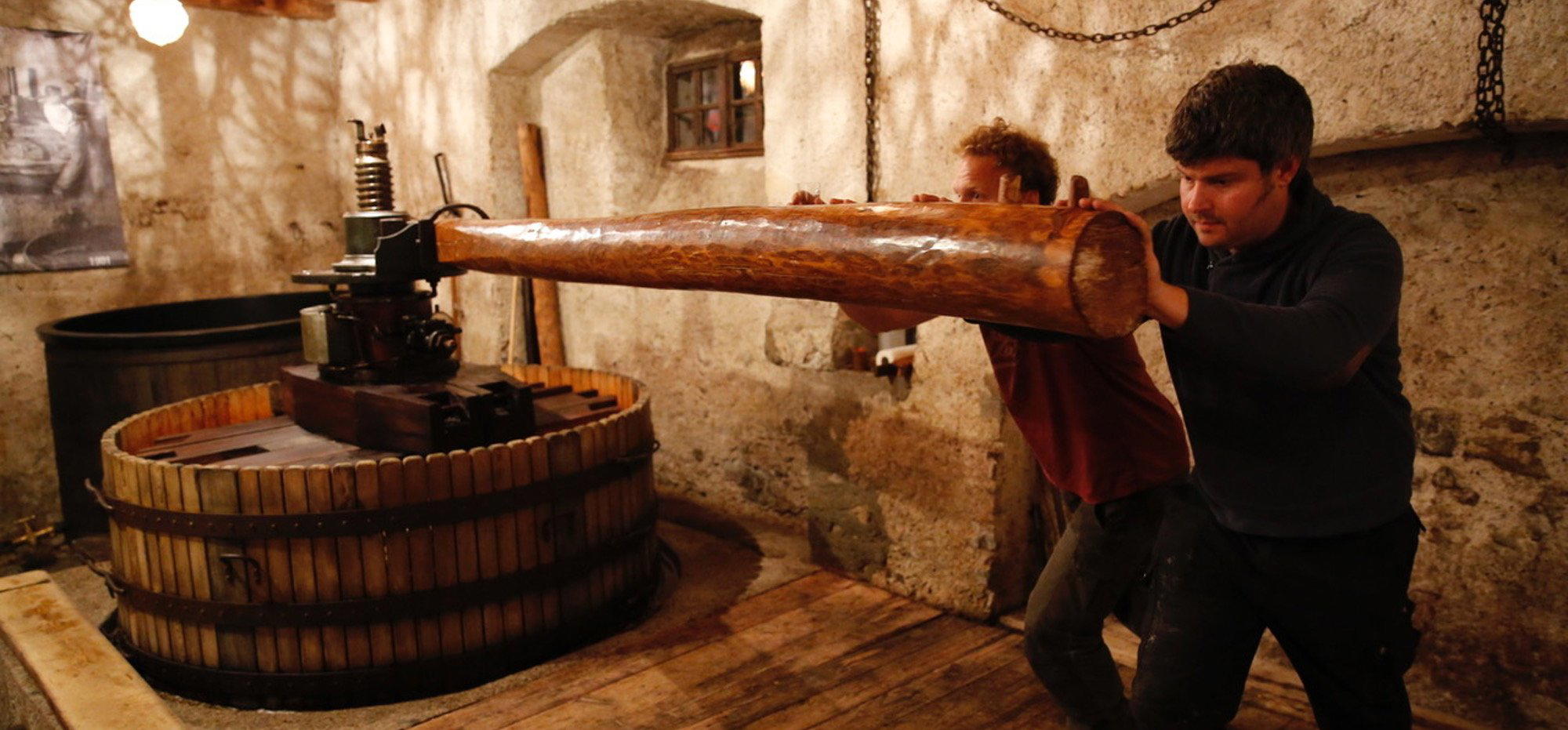
Book Domaine Potterat for an intimate Lavaux cellar visit focused on Chasselas, family winemaking and old-stone atmosphere. It is a strong fit for a date, anniversary stop or small wine-focused group, but not for anyone expecting a full food pairing program or a large-format hospitality experience.
Argentiera
Donoratico, Italy
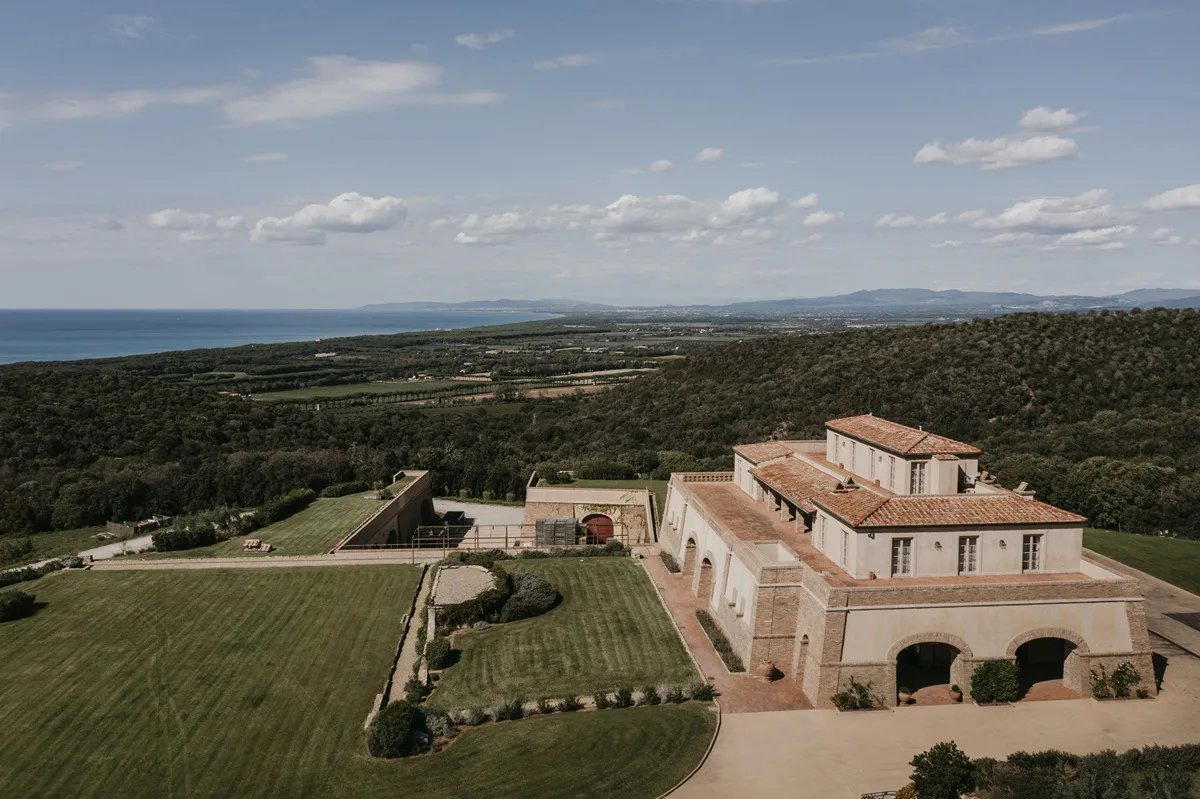
Argentiera is the Donoratico winery to prioritise if the trip is about serious Bolgheri reds rather than a casual countryside tasting. The flagship Bolgheri Superiore is the key reason to go, backed by high-elevation coastal vineyards, estate-grown production and Falstaff 5 Stars in 2026.
Champagne Pehu Simonet
Verzenay, France
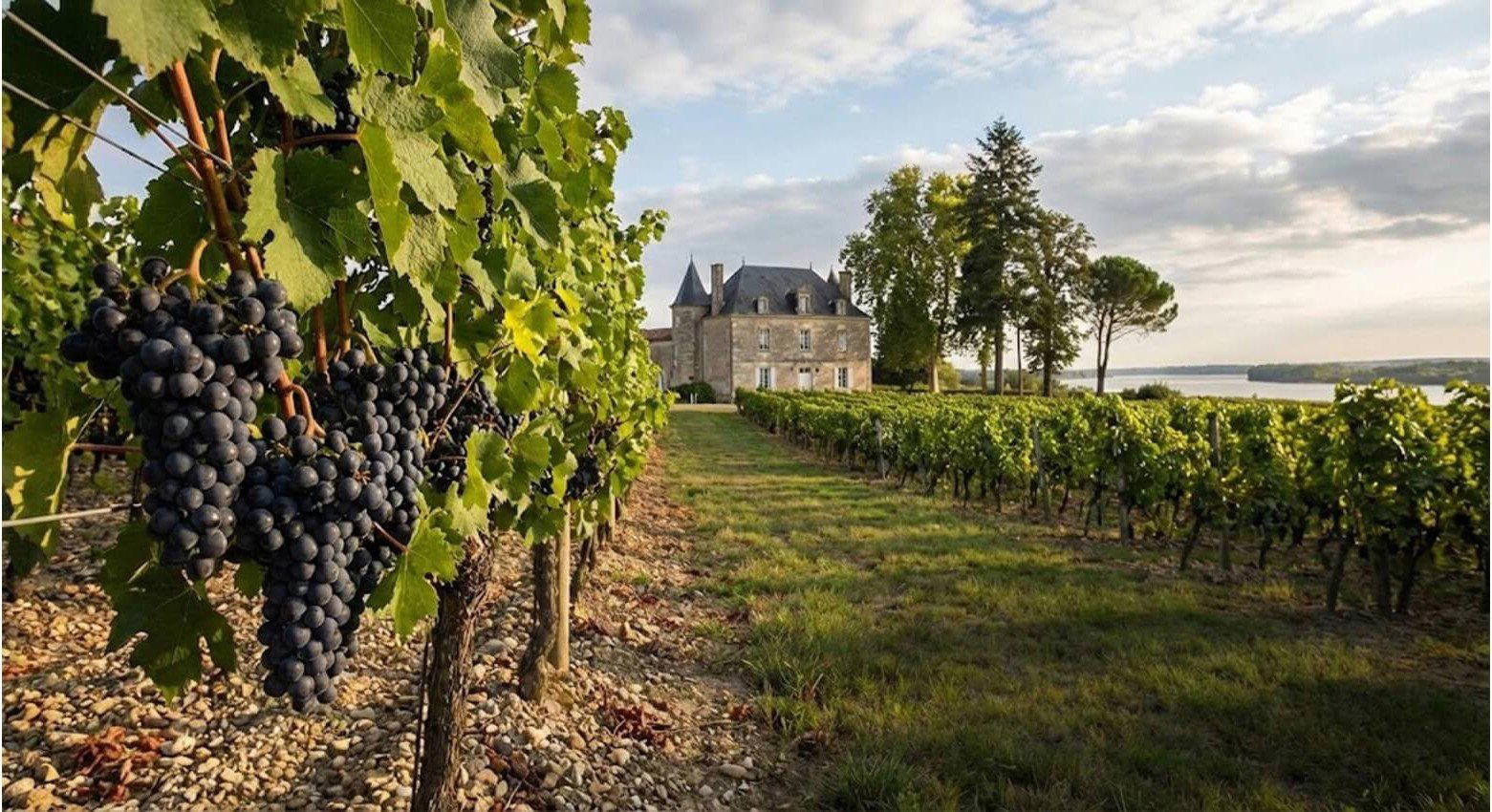
A smart Verzenay add-on for Champagne-focused travelers, especially if the day is built around producer visits rather than a full food pairing itinerary. The 2026 Falstaff listing gives Champagne Pehu Simonet a current recognition signal, but plan it as a wine stop and handle meals separately.
Domaine Marius Delarche
Pernand-Vergelesses, France
A sensible Pernand-Vergelesses winery stop if the village is already part of your Burgundy route. Go for the setting and low-key local context, but confirm any tasting, shipping, food, or group needs before building a day around it.
Weingut Fritz Wieninger
Vienna, Austria
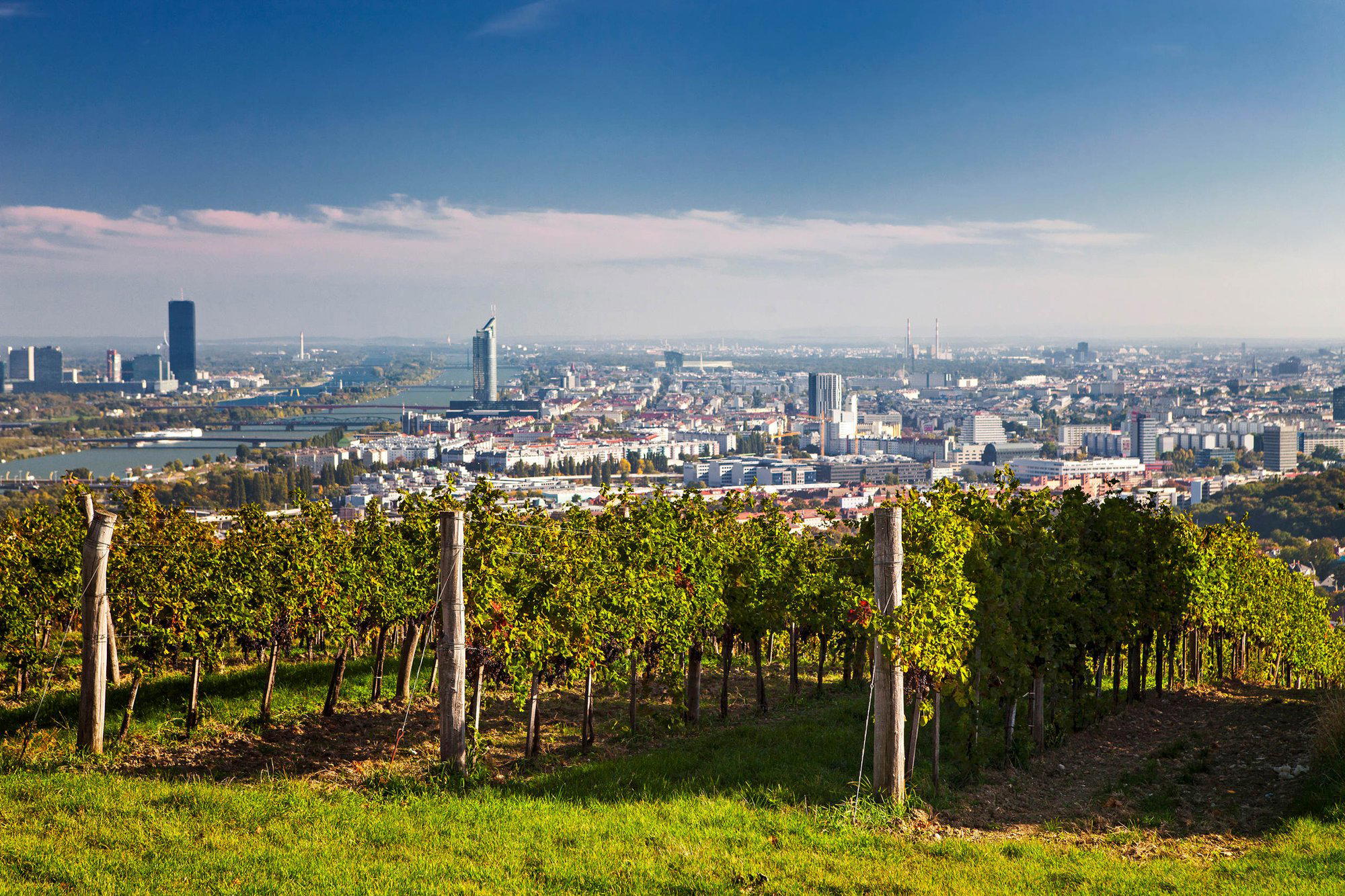
Worth prioritizing if you want a serious Vienna winery visit rather than a quick tasting stop. Weingut Fritz Wieninger is a stronger fit for wine-focused travelers who can plan ahead and give the experience time; for easier fallback options, cross-shop other Vienna wineries before locking the day around it.
Gaia Wines Santorini
Exo Gonia, Greece
Book Gaia Wines Santorini for a relaxed first tasting focused on Assyrtiko, a beachfront restored tomato-factory setting, and light pairing platters rather than a full restaurant meal. It is strongest for casual wine travelers who want Santorini character without a formal format, with the underwater-aged Thalassitis as the bottle to ask about.
Château d’Aydie
Aydie, France
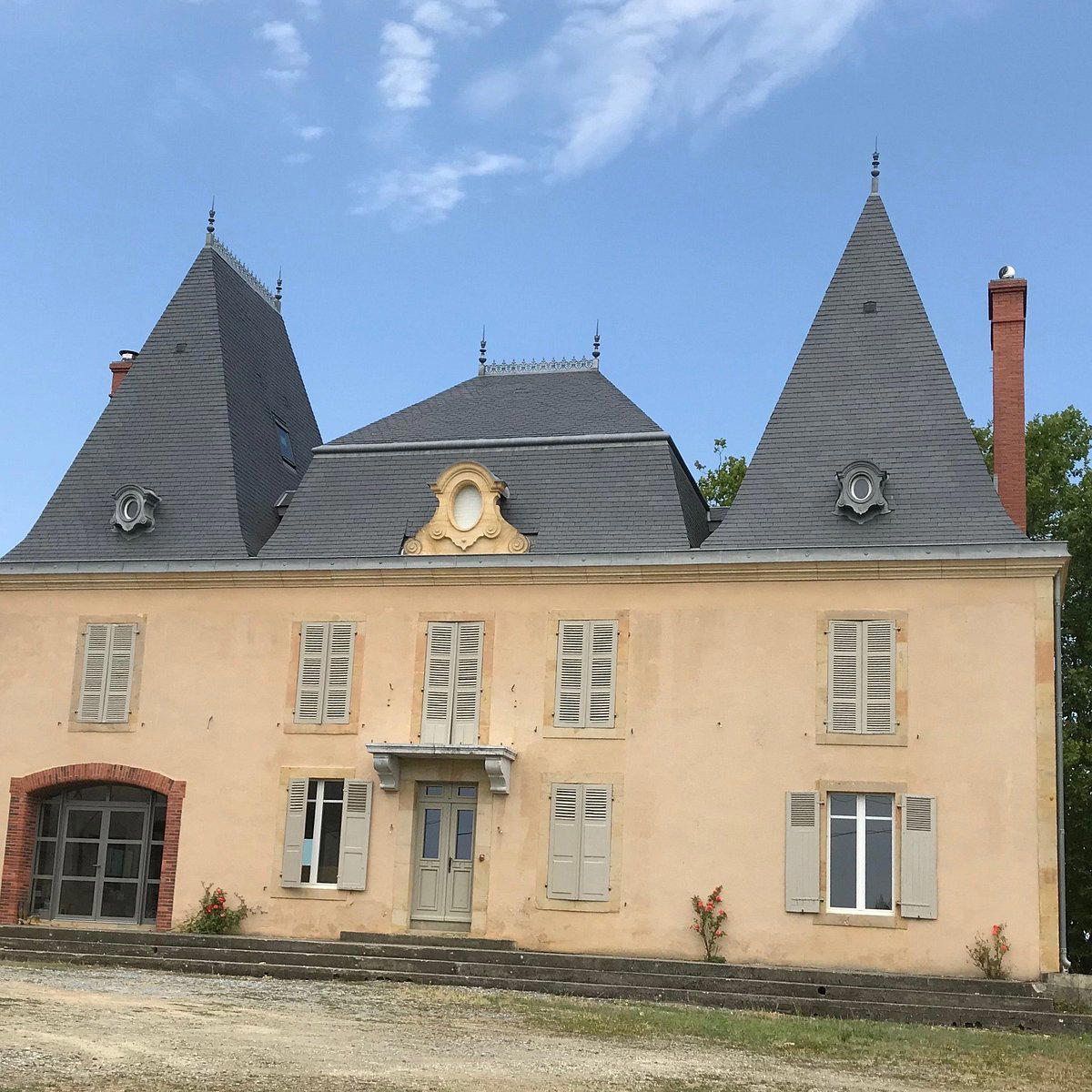
Book Château d’Aydie if you want a relaxed Madiran estate tasting with real context around Tannat, family ownership, and the region’s food-friendly wines. The value is strongest for travelers who choose a guided or pairing-led visit rather than a quick pour-and-go stop.
das kleine RieslingGut
Oestrich-Winkel, Germany
A small, appointment-led Rheingau winery for Riesling drinkers who want depth over hospitality polish. Book it as a focused cellar tasting, not as a food-pairing or group-hangout stop. Falstaff Listed in 2026, it is strongest for travelers building a serious wine day around Oestrich-Winkel and nearby Rüdesheim.
Champagne Charles Lafitte
Reims, France
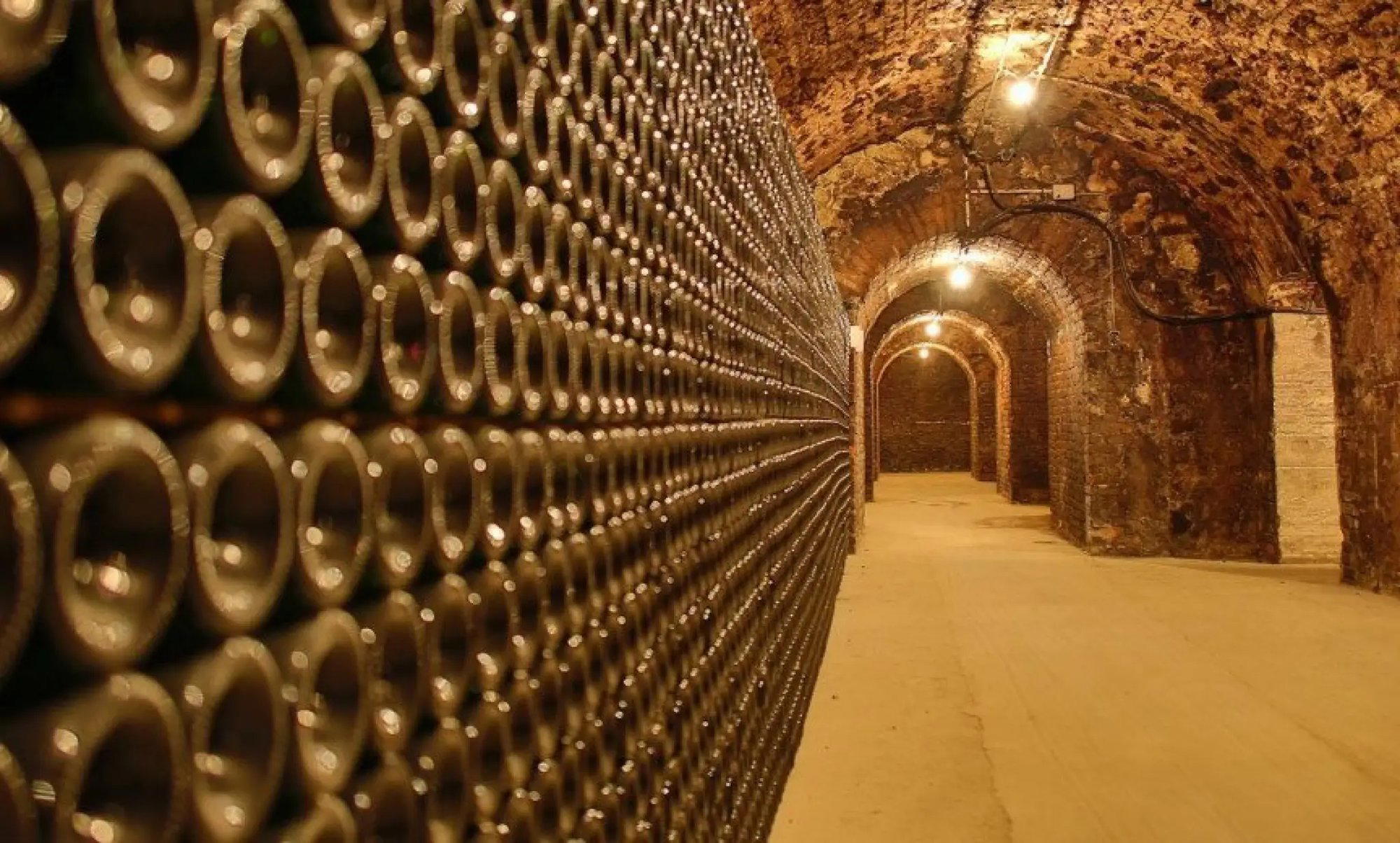
Champagne Charles Lafitte works for value-minded Champagne drinkers who want a lively, classic style without luxury-house pricing pressure. Treat it as a bottle-buying decision rather than a destination tasting: the appeal is accessible Reims heritage, Traditional Method production, and a balanced Chardonnay-forward profile.
Henry Fuchs
Ribeauvillé, France
Worth booking if the point of the trip is serious Alsace Riesling and Grand Cru context rather than a broad visitor-center experience. Henry Fuchs is a quiet, traditional Ribeauvillé domaine with a terroir-first profile, so it suits wine-focused travelers better than casual groups looking for an easy entertainment stop.
Domaine des Alouettes
Satigny, Switzerland
Domaine des Alouettes is worth planning for if you want a quiet, producer-led Satigny visit built around Geneva staples Gamay de Satigny and Chasselas. It is a stronger choice for regional context than for a formal tasting-room experience, with Falstaff 2 Stars in 2026 as the clearest external quality signal.
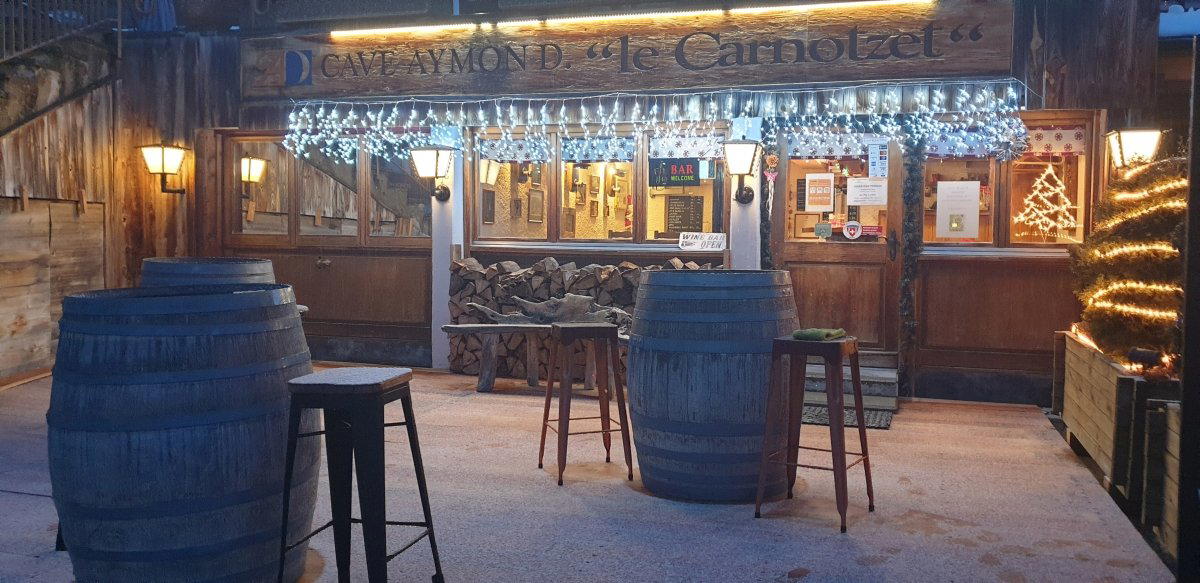
Cave Aymon Dominique
Anzere, Switzerland
Cave Aymon Dominique works if an Anzère trip is already built around Valais wine discovery. Falstaff recognition in 2026 gives it a credible signal, but treat it as a focused producer stop rather than a full-service destination. Better for independent wine travelers than large groups or visitors who need a structured tasting program.
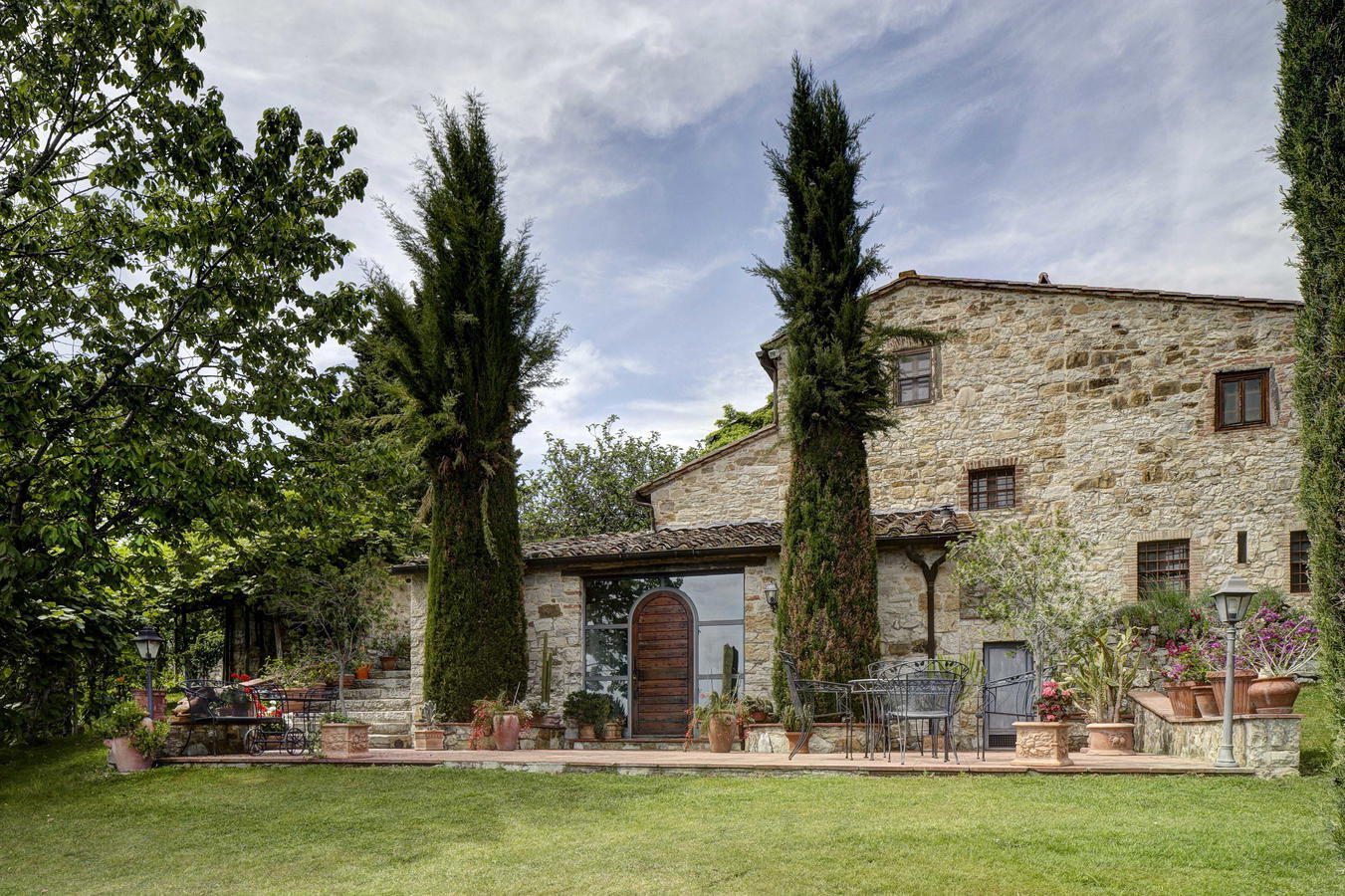
Il Colombaio di Cencio
Gaiole in Chianti, Italy
Book Il Colombaio di Cencio for a quiet Chianti countryside stay, not for a clearly documented flagship tasting. The appeal is rural Tuscan atmosphere, scenic Gaiole in Chianti setting, and a 2026 Falstaff listing; wine-focused travelers should pair it with confirmed winery visits nearby.
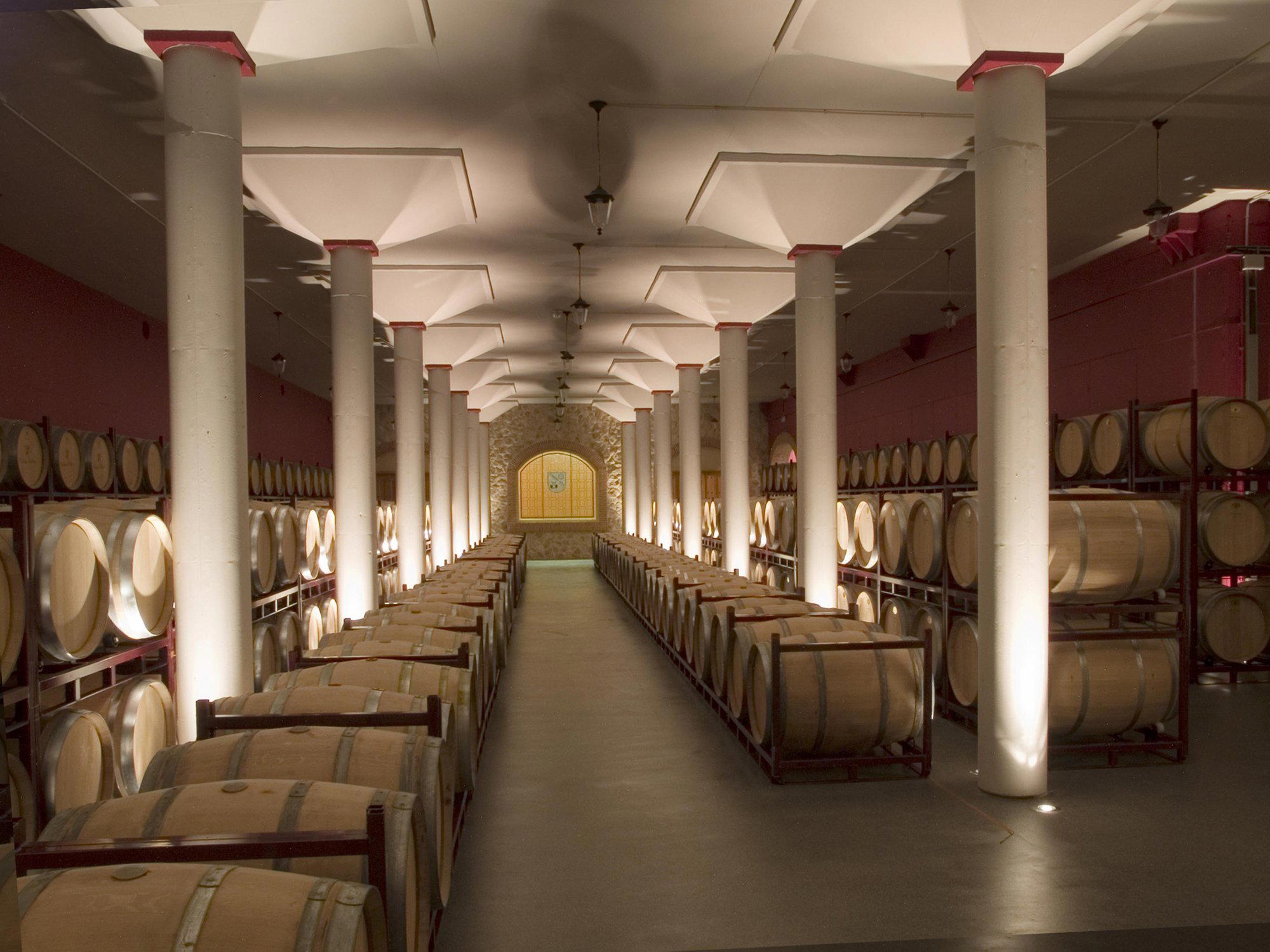
Bodegas Viña Solorca
Roa, Spain
Book Bodegas Viña Solorca if the goal is classic Ribera del Duero Tempranillo with a serious barrel-aging focus, not a glossy tasting-room afternoon. It is strongest for returning visitors who want to compare Roble, Crianza, Reserva, and Gran Reserva styles and potentially buy bottles from a family-run Roa producer.
Casal de Ventuzela
Pousada De Saramagos, Portugal
A polished Vinho Verde tasting-room choice for visitors who care more about regional whites than a food-led estate experience. Go for the cellar-and-vineyard setting, sustainable 45-hectare farming story, and a portfolio built around Alvarinho, Loureiro, Arinto, and other local grapes; join the wine club only if crisp Portuguese whites are already a regular buy.
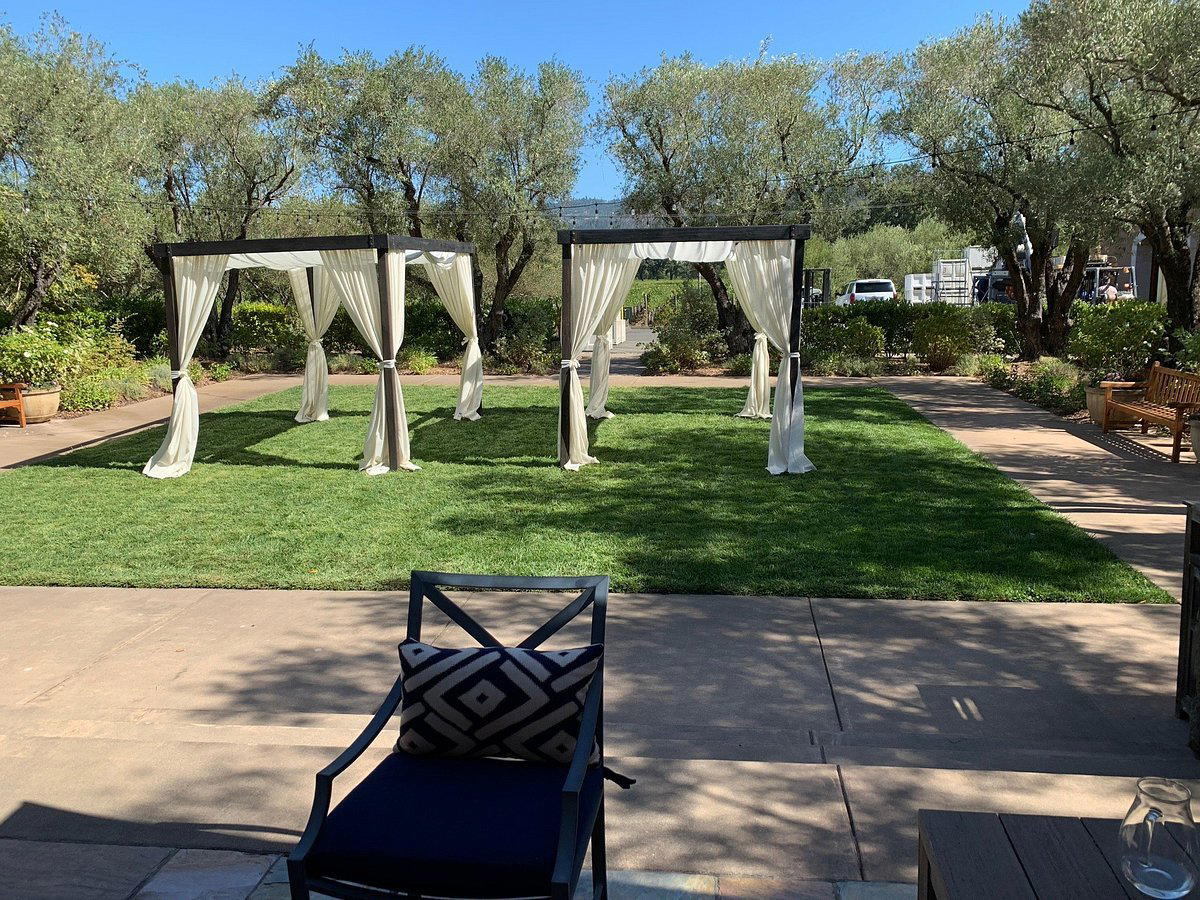
Revana Family Vineyard
St. Helena, United States
Revana Family Vineyard is worth pursuing for a serious St. Helena Cabernet-focused visit, especially for collectors or first-timers who want a more selective Napa stop. It is less suited to casual groups that need easy availability, broad wine styles, or a flexible tasting-room plan.
Château Capbern Gasqueton
Saint-Estèphe, France
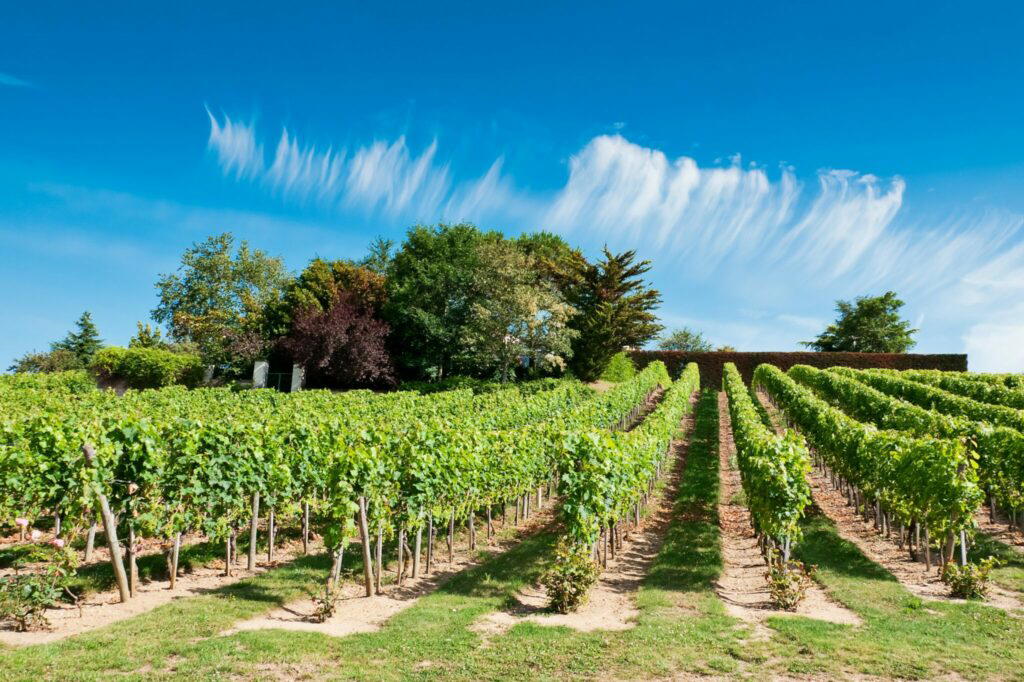
Book Château Capbern Gasqueton if you want a focused Saint-Estèphe appointment built around classic Left Bank red wine, historic cellar atmosphere and vineyard context. It is better suited to wine travelers than casual tourists: the appeal is depth, soils and Médoc character, not a broad hospitality program.
Didier Dagueneau
Saint-Andelain, France
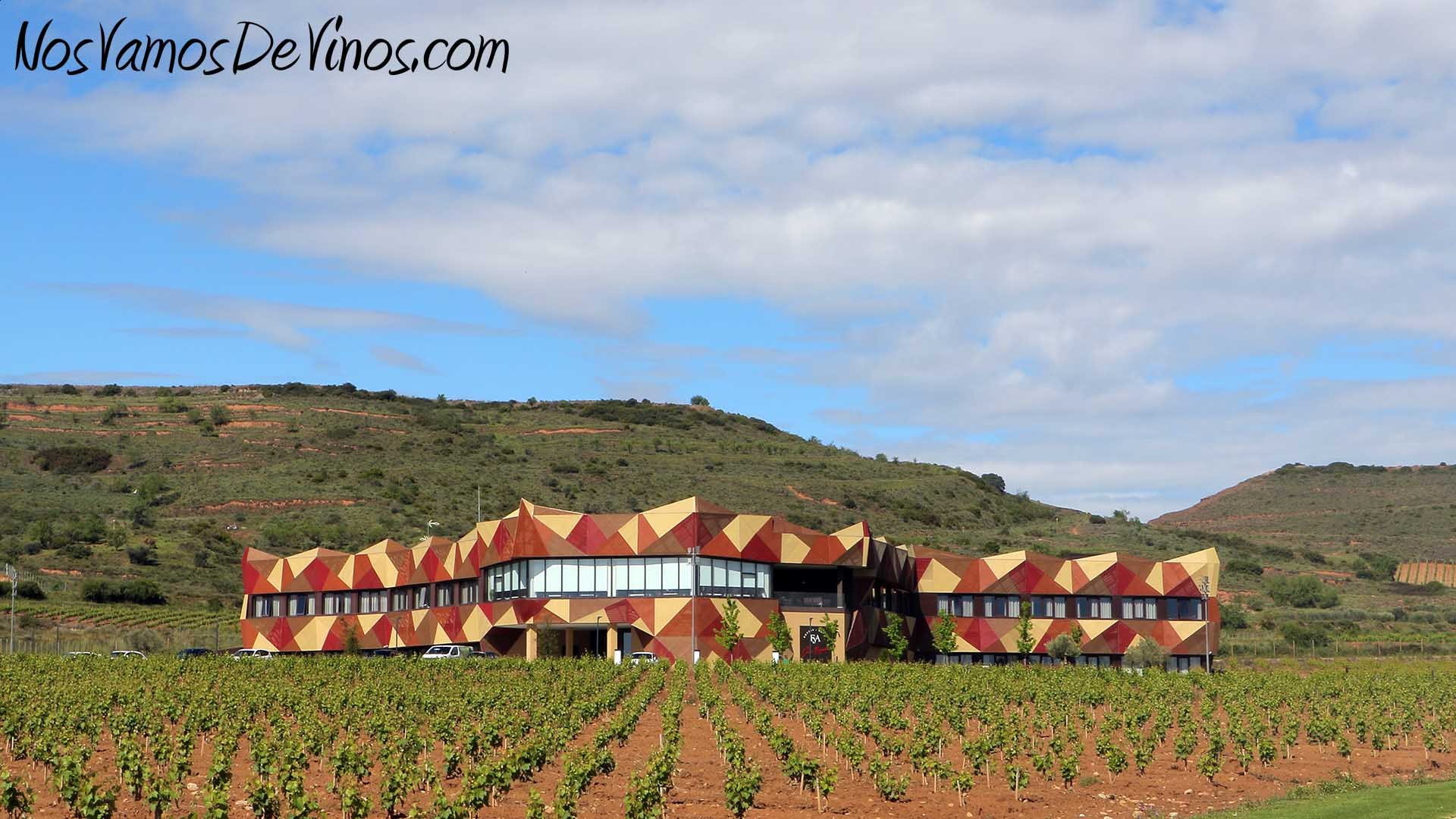
A serious Loire stop for collectors and Sauvignon Blanc-focused travelers, not a casual drop-in tasting. The value is strongest if producer context matters more than easy access or broad amenities; otherwise, cross-shop nearby wineries with simpler planning.
Château La Commanderie
Saint-Laurent-des-Combes, France
A smart Saint-Laurent-des-Combes choice for wine travelers who care more about Right Bank terroir than château dining. Château La Commanderie is strongest for its 75% Merlot, 25% Cabernet Franc red, small 19,000-bottle production, MT Decoster group context, and Falstaff 2 Stars in 2026; skip it if a food pairing program is the main goal.
Bodegas Rioja Vega
Viana, Spain
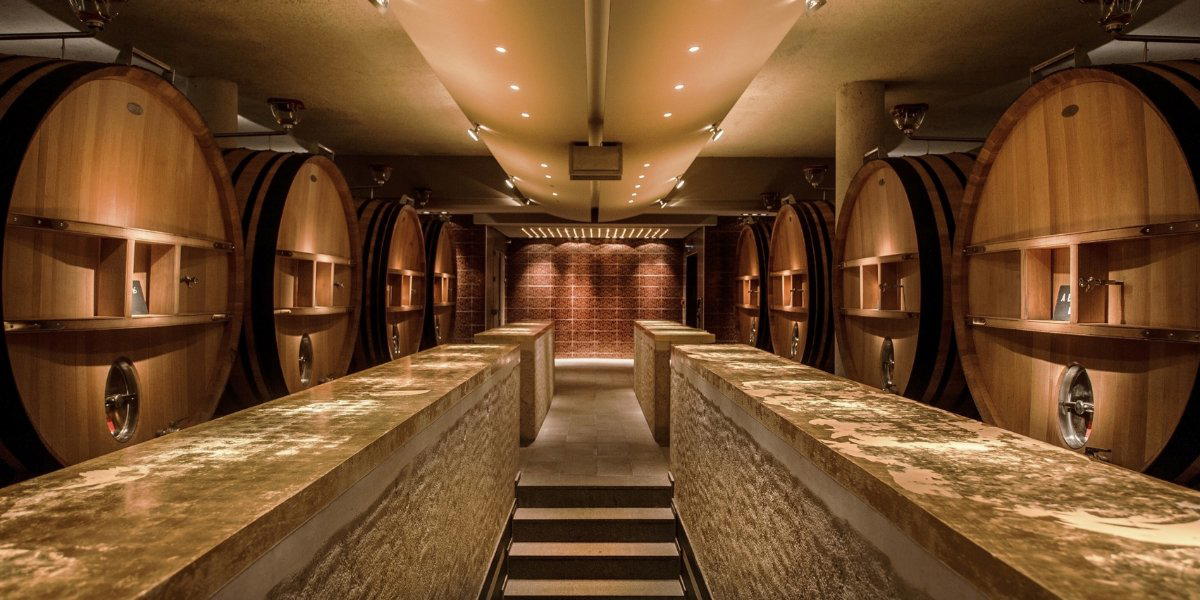
A strong choice for a calm, guided Rioja tasting near Viana, especially for couples, clients, or small celebration groups who want heritage and explanation over a casual drop-in. The value is clearest if the group cares about estate context, traditional Rioja aging, and a structured seated format rather than a broad, social tasting flight.
Château La Grave à Pomerol
Libourne, France
Book Château La Grave à Pomerol only if a focused, appointment-led Pomerol visit fits the trip. The stronger reason to care is the wine: a $$$, Merlot-led Right Bank Bordeaux with Falstaff 2 Stars for 2026, gravel-soil identity, and a classic, understated profile for collectors and serious Bordeaux drinkers.
Champagne De Saint Gall
Avize, France
Champagne De Saint Gall is a sensible Avize pick for travellers who want Champagne context rather than a food-led visit. The 2026 Falstaff 1-star recognition gives it a clear quality signal, but plan this as a focused winery stop and build meals, timing, and nearby producer research around it.
Dobravac Winery
Rovinj, Croatia
Against larger Istrian wine stops, Dobravac Winery is the better fit for travelers who want a small family estate near Rovinj with a clear focus on Malvazija Istarska and Teran. Falstaff Listed in 2026, it works for a calm, local-grape tasting rather than a high-production cellar experience.
Domaine Comelade
Estagel, France
Domaine Comelade is a better fit for wine buyers than casual tasters: go if the aim is to assess bottles before any deeper commitment. Falstaff Listed 2026 recognition adds credibility, but without clear public pricing or club terms, treat any allocation decision as something to make after tasting, not before.
1912Winemakers LDA
Porto, Portugal
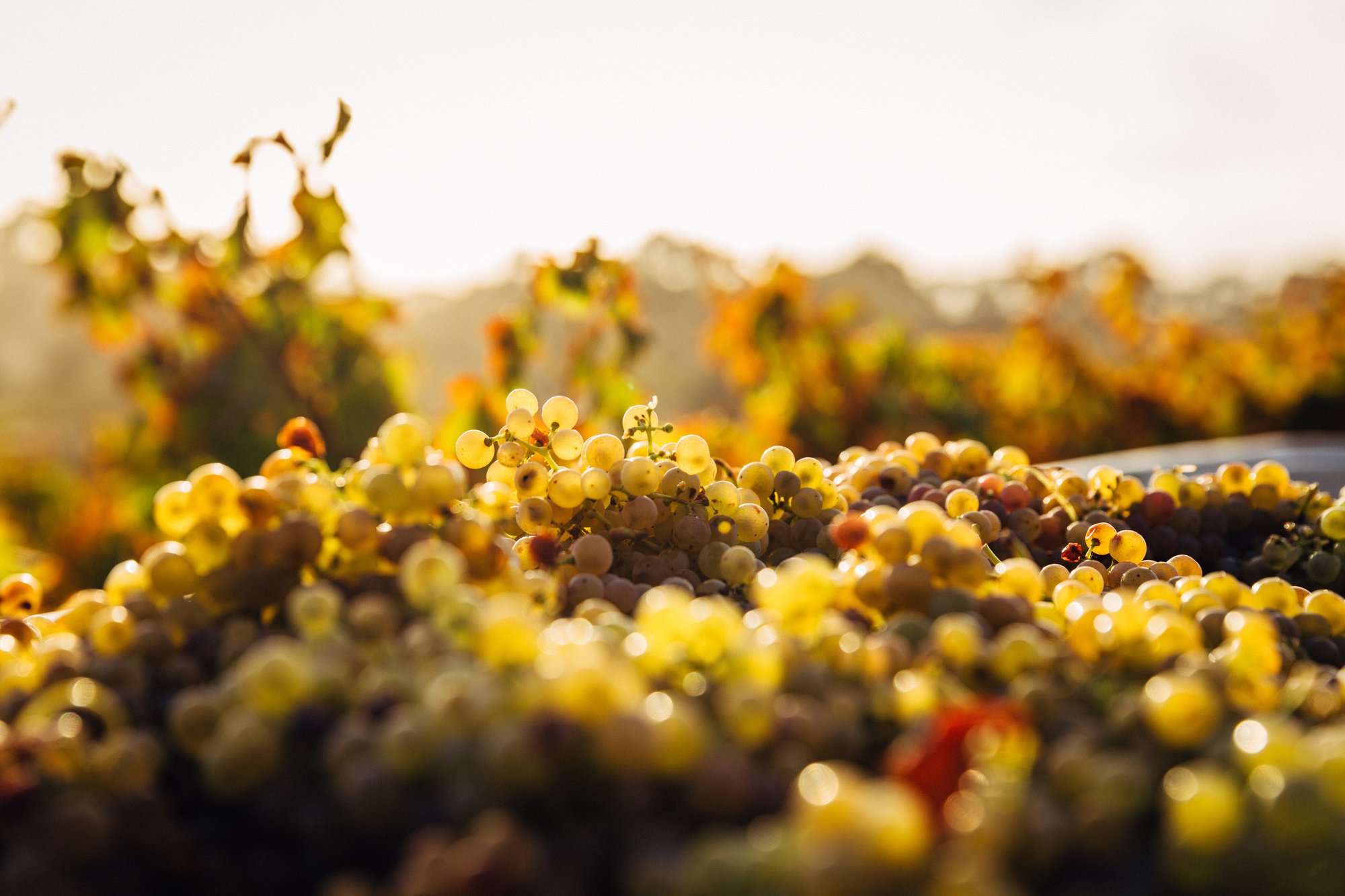
A smart Porto pick for wine travelers who care more about Douro production choices than tasting-room spectacle. The appeal is old-vine sourcing, regional grapes, and a family-led identity tied to Quinta de São Bernardo, with a $$ price signal that makes it approachable for a focused tasting.
Cave de Turckheim
Turckheim, France
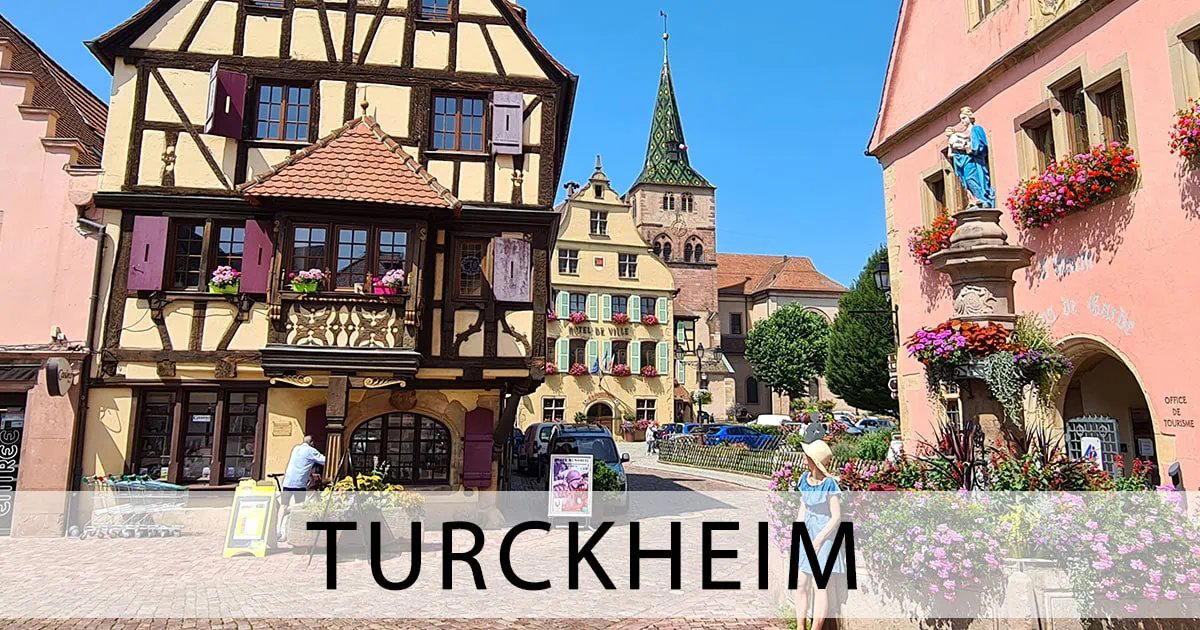
Cave de Turckheim is a practical Alsace wine stop for travelers who want range, context, and bottle-buying guidance rather than a private-estate tasting. Its Falstaff Listed 2026 recognition adds a useful trust signal, but the reason to go is convenience and regional breadth in Turckheim.
Colle Uncinano
Spoleto, Italy
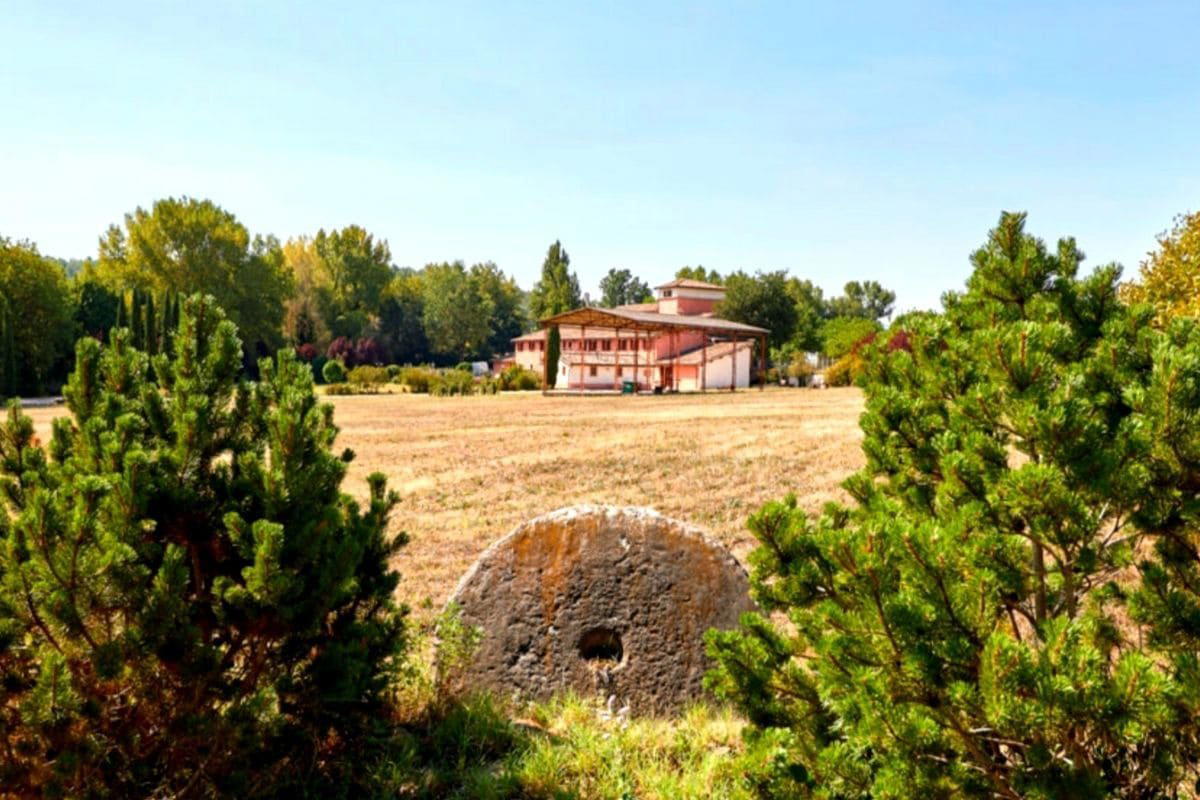
Book Colle Uncinano if the goal is a relaxed Umbrian winery visit built around Trebbiano Spoletino, estate food pairings, and countryside calm. It is better for a date, small celebration, or low-pressure group tasting than for anyone chasing a highly formal cellar experience.
Château de Rochemorin
Martillac, France
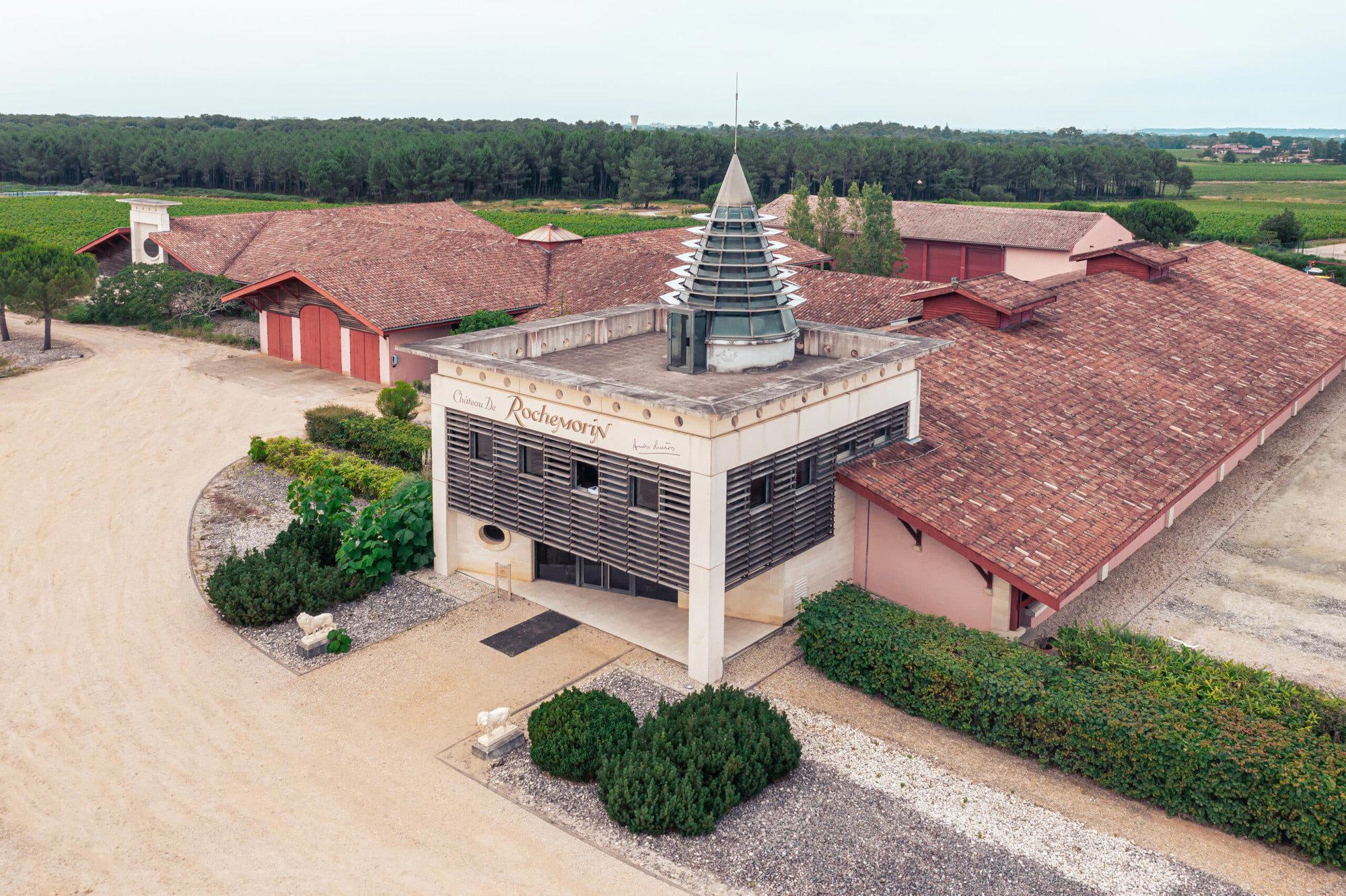
Book Château de Rochemorin if you want a good-value Pessac-Léognan visit with real Graves context, modern estate architecture, and credible wine recognition. It is better for planned appointments and group formats than spontaneous cellar-door tasting, so make it an anchor stop rather than a loose add-on.
Fleur d’Oranger
Novi Sad, Serbia
A strong pick for wine travelers who want a quiet, appointment-led visit centered on Muscat Krokan and the Pearl Island setting near Novi Sad. Fleur d’Oranger carries Falstaff 1 Stars (2026), but the main reason to go is the rare-grape story rather than luxury tasting-room extras.
Château Mansenoble
Moux, France
Château Mansenoble is worth booking for a quiet, cellar-led Corbières tasting with real production depth. Go for the historic mansion, vaulted cellar, garden setting and Bordeaux-influenced Languedoc wines; skip it if the priority is a food-led winery lunch or a casual walk-in tasting room.
Domaine Thill - Château de Schengen
Grevenmacher, Luxembourg
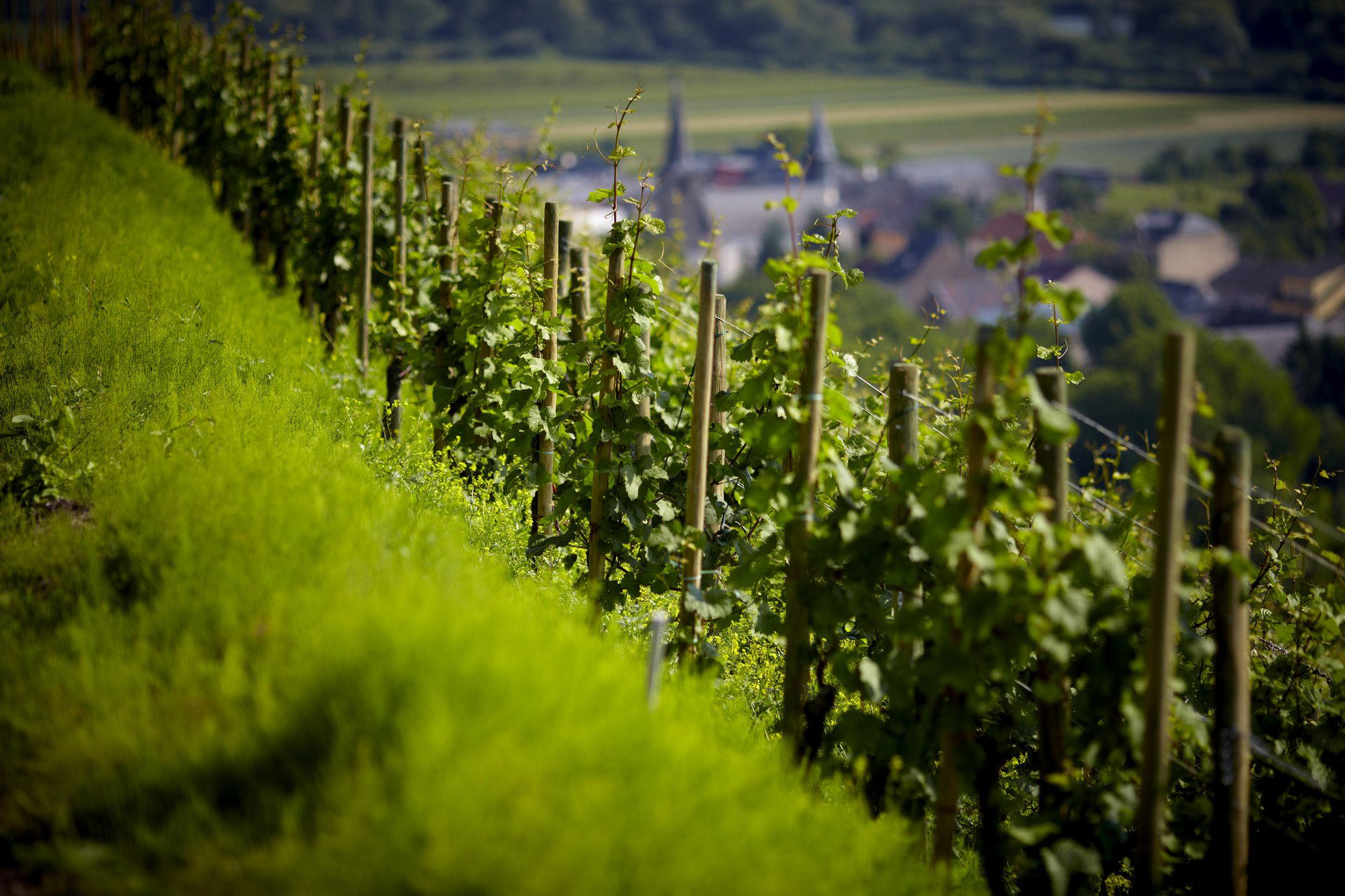
Visit in the current Moselle season if the goal is regional depth rather than spectacle. Domaine Thill - Château de Schengen is a $$, Falstaff-listed Luxembourg winery with an 80-plus-year family thread, château heritage, and a portfolio spanning crémant, Pinot Gris, Pinot Blanc, Riesling, late-vintage wines, and ice wine.
Arilds Vingård
Arild, Sweden
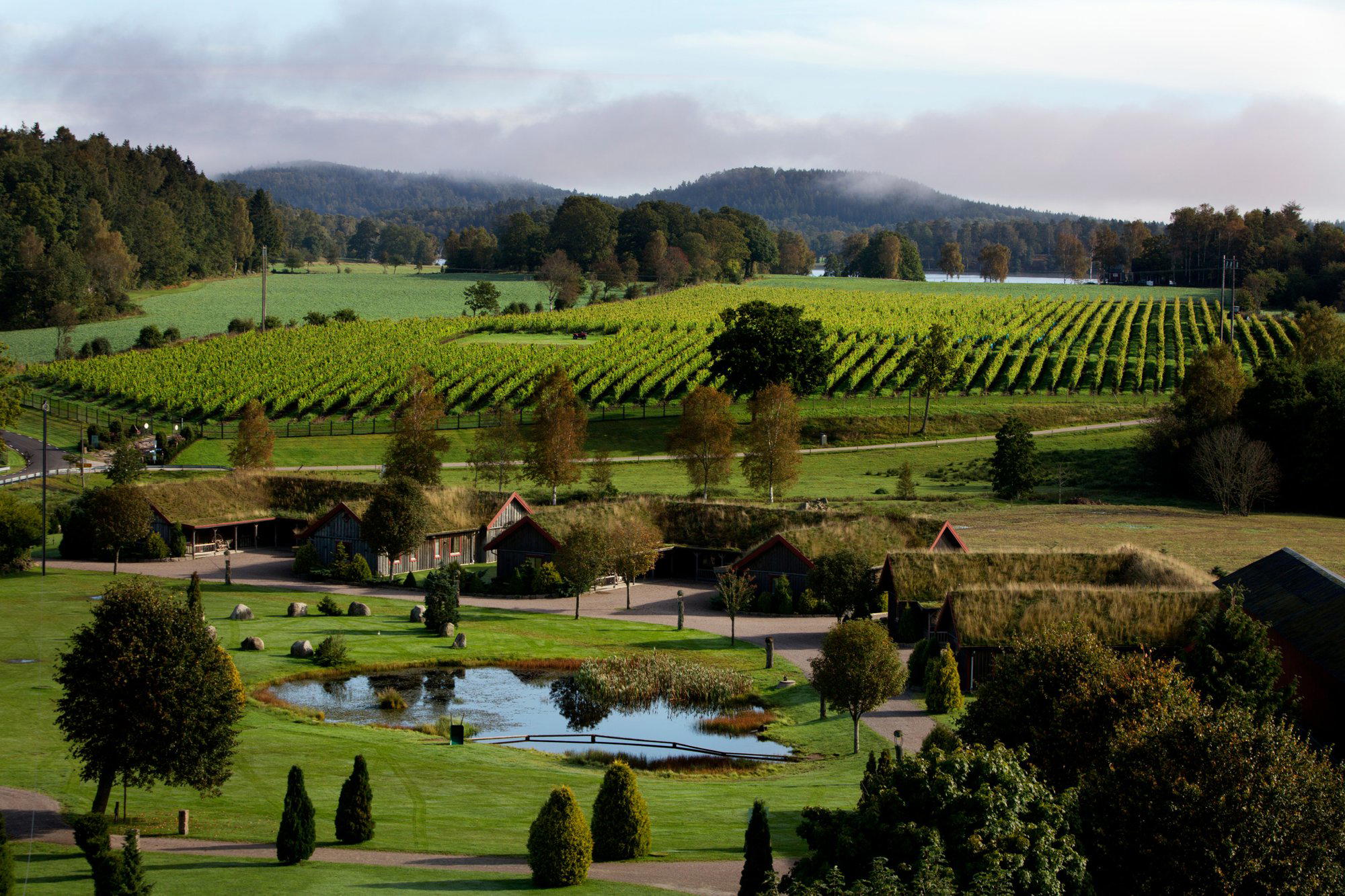
Plan this as a proper Skåne wine-country visit, not a quick tasting stop. The draw is the full setup: vineyard, cellar, guided tasting potential, restaurant, lodging, and a production story built around cool-climate Swedish grapes. The upgraded or private tasting is the better call for wine-focused travelers who want context rather than just a flight.
Azienda Agricola "Santa Giulia"
Montalcino, Italy
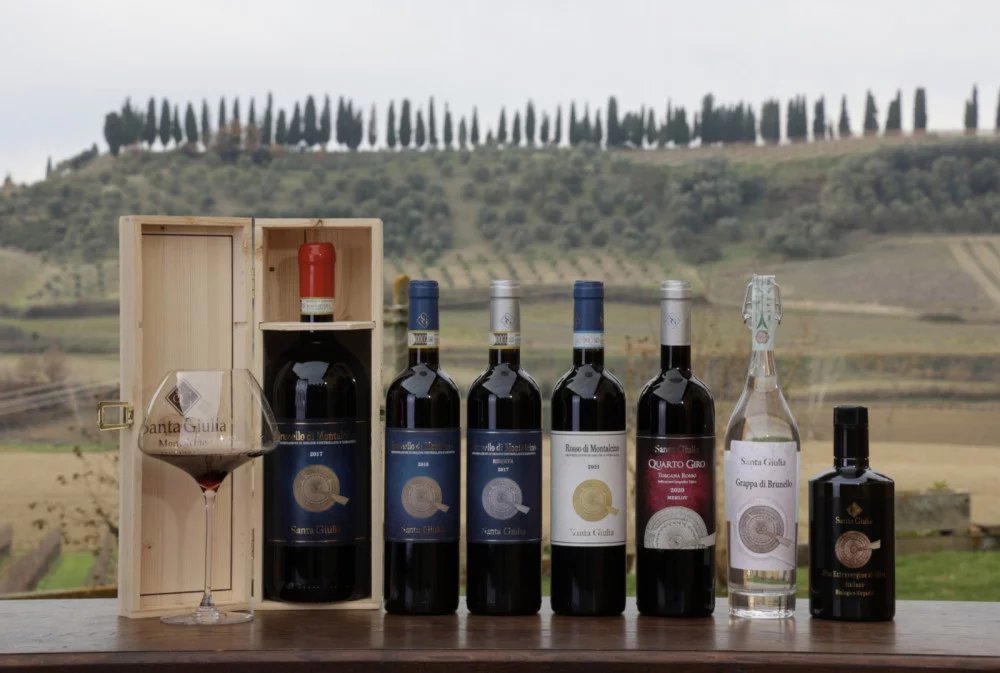
Azienda Agricola “Santa Giulia” works as a low-pressure Montalcino winery stop, especially for return visitors who already know the area. Do not treat it as a meal-led tasting unless food details are confirmed in advance; plan a separate restaurant booking and use this as a wine-focused stop in the day.
Château Goudichaud
Saint Germain Du Puch, France
A good pick for a calm Graves de Vayres château visit where the estate setting is part of the value. Château Goudichaud suits returning Bordeaux travelers who want historic grounds, classic regional blends, and a sustainability-led producer rather than a high-gloss tasting format.
Etyeki Kúria
Etyek, Hungary
Etyeki Kúria is the Etyek pick for travellers who want the winery visit to anchor the day, not just fill a gap between meals. It makes the most sense for a planned, wine-first itinerary; for a looser countryside afternoon, cross-shop Hernyák Birtok or build from the full Etyek winery guide.
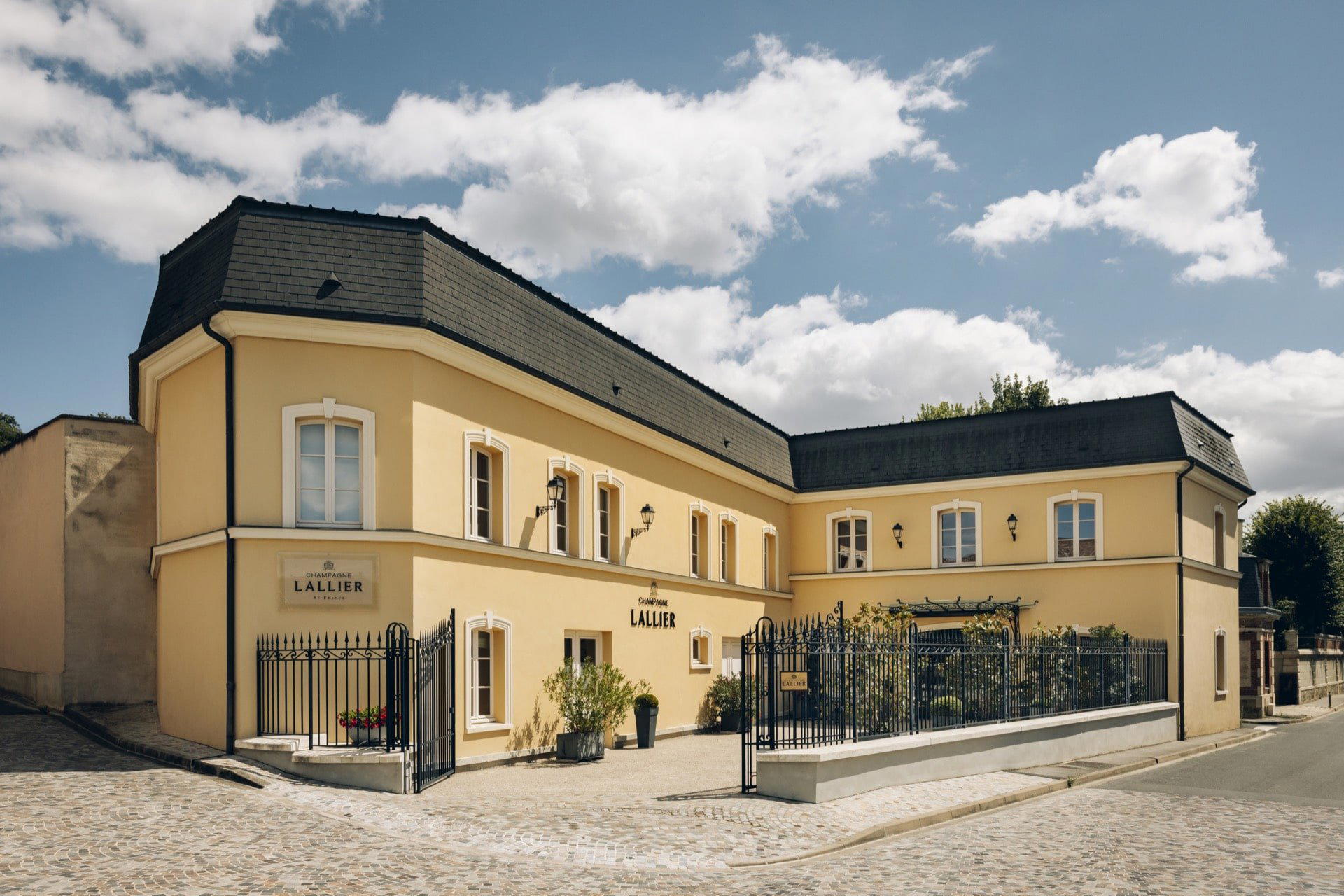
Lallier
Aÿ, France
Lallier is worth prioritizing if the goal is a serious Champagne stop in Aÿ rather than a casual tasting-room visit. Access should be treated as difficult, so plan it before meals or secondary houses. Cross-shop Bollinger for bigger-name recognition, Philipponnat for another focused Aÿ stop, and Ayala or Deutz for a lighter itinerary.
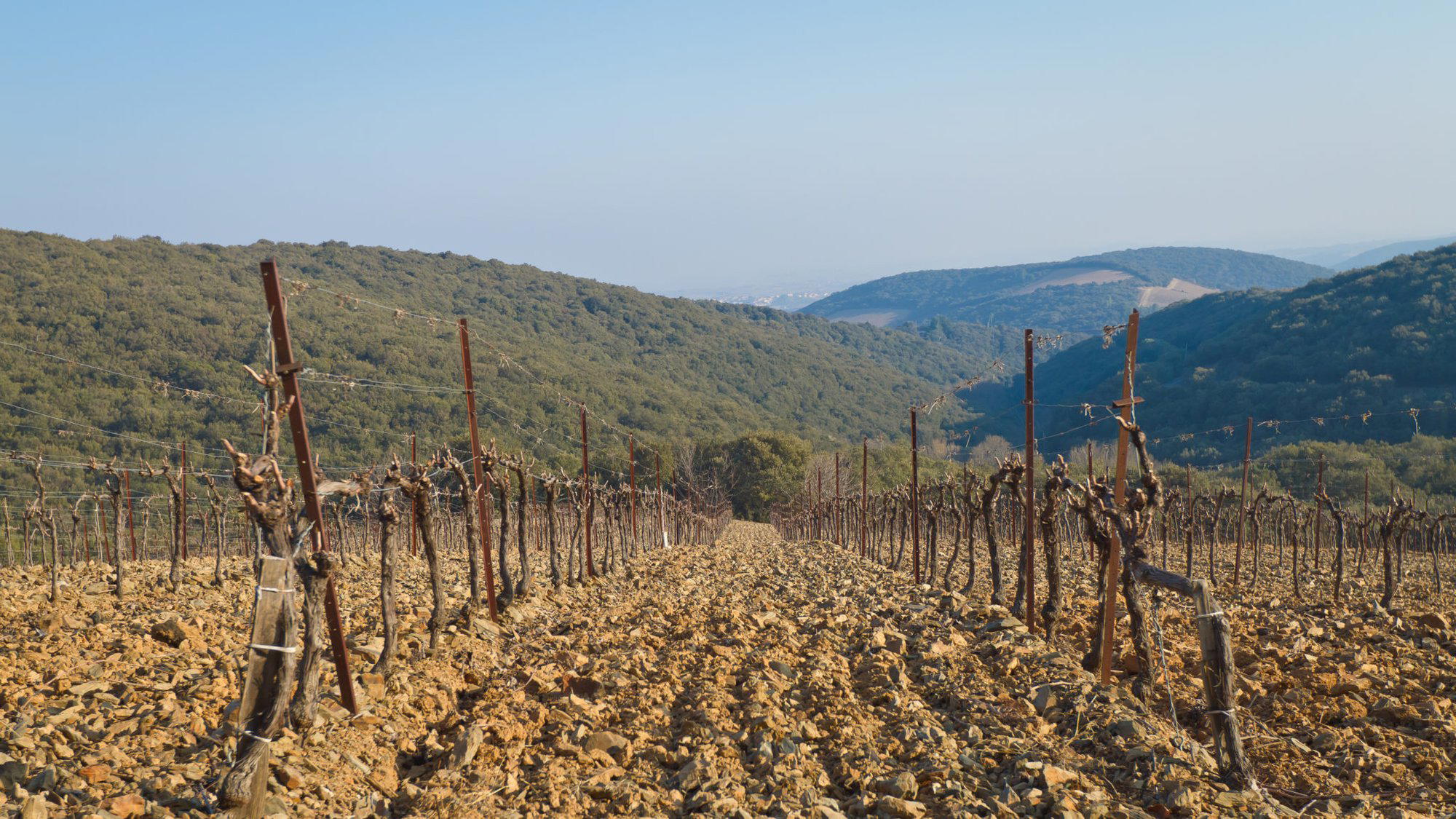
Hecht & Bannier
Aix-en-Provence, France
Hecht & Bannier is worth booking for a relaxed Aix-en-Provence tasting built around fresh, mineral-driven Provence rosé rather than a formal cellar experience. The strongest case is the sourcing: cooler upper-Provence sites, Montagne Sainte Victoire influence, La Londe-les-Maures Cinsault, night harvesting, and concrete or stainless-steel maturation. Go for a polished rosé-focused occasion, not a broad portfolio deep dive.
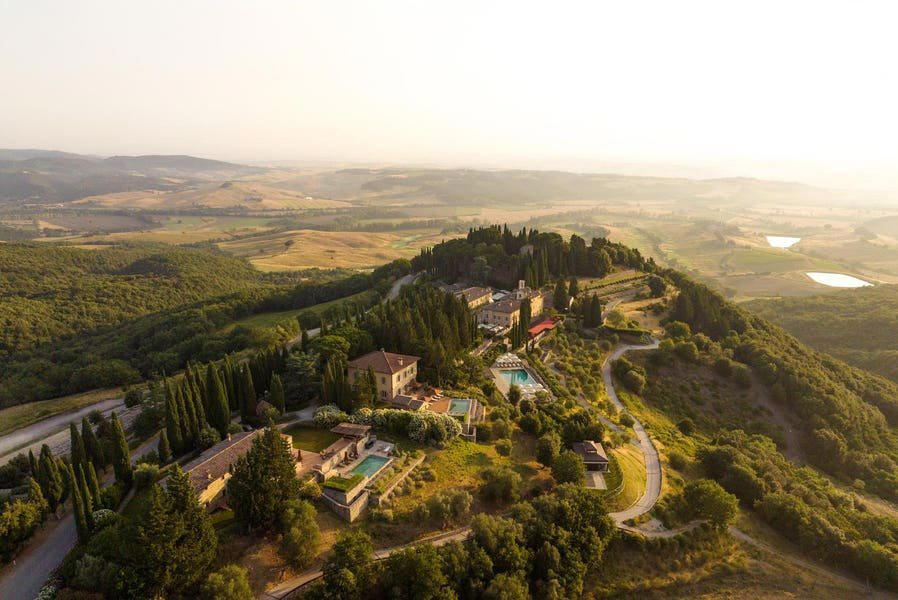
Castiglion del Bosco
Montalcino, Italy
Castiglion del Bosco is worth booking for a polished Brunello-focused celebration tasting in Montalcino, especially if atmosphere and privacy matter. The estate setting, Sangiovese focus, and appointment-only structure suit couples, small groups, and business hosting better than casual tasting crawls.
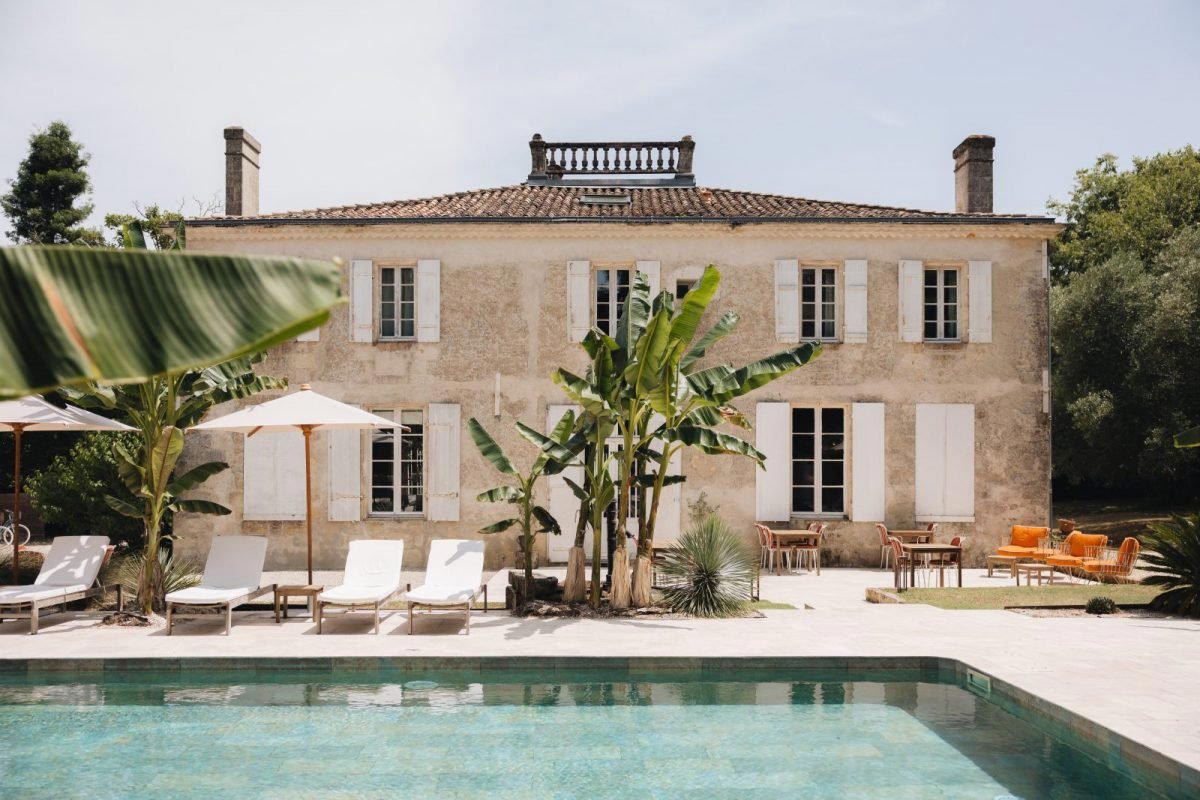
Château Charmail
Saint Seurin De Cadourne, France
Choose Château Charmail if the goal is a calm Haut-Médoc estate visit with real production depth rather than a polished tourism stop. The draw is organic farming, hand harvest, gravel-driven red Bordeaux blends, and cellar choices that give wine enthusiasts enough detail to justify the detour.
Château Sénéjac
Le Pian Medoc, France
Château Sénéjac is worth booking for a focused Haut-Médoc tasting built around Cabernet-led reds, gravel soils, and organic and Biodynamic farming. Go for production context and classic château atmosphere, not for a food-led winery afternoon or a large tasting lineup.
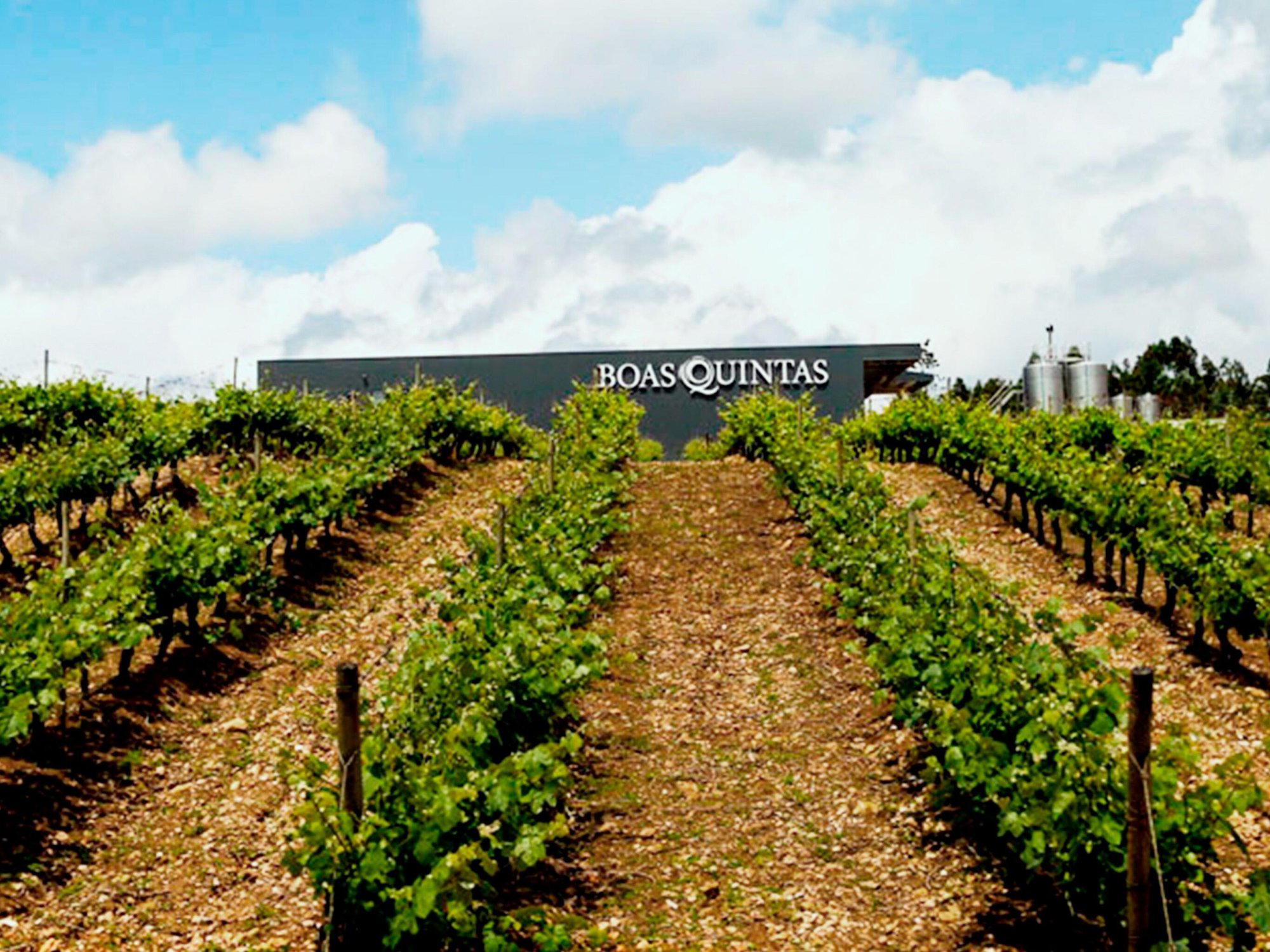
Boas Quintas Sociedade Agricola
Sobral Mortagua, Portugal
Boas Quintas Sociedade Agricola is a practical wine-first stop in Sobral Mortagua, especially for travelers building a flexible Dão-region itinerary. Falstaff’s 2026 listing gives it a useful credibility signal, but no confirmed food-pairing or dining format means it is better paired with a separate restaurant plan than treated as a meal destination.
Alois
Pontelatone, Italy
Alois is worth the detour for serious Campania drinkers who want Casavecchia and Pallagrello in their home territory. The draw is Trifolium, Trebulanum, organic estate fruit, and a quiet Bourbon farmhouse setting; less ideal for anyone seeking a casual, flexible tasting stop.
Fattoria Montepescini
Murlo, Italy
Book Fattoria Montepescini for a relaxed Tuscan winery visit built around Sangiovese, rural hospitality, and food-friendly pacing. It is Falstaff Listed for 2026 and works especially well for small celebrations, couples, and groups who want tastings with the option of a meal or stay rather than a quick cellar-door stop.
Domaine Barville
Châteauneuf-du-Pape, France
Domaine Barville is a practical Châteauneuf-du-Pape winery pick for first-timers who want an easy estate stop tied to the village setting. Falstaff Listed in 2026, it makes sense as part of a wider winery day rather than a single destination built around food or a long formal program.
Feudo Montoni
Agrigent, Italy
Feudo Montoni is a strong Agrigent choice for travelers who want a winery-led Sicilian wine experience rather than a casual tourism add-on. Its Falstaff 4 Stars (2026) recognition gives it a useful quality signal, but plan it as a focused wine stop, not a meal replacement or flexible drop-in activity.
Käppele Wein
Freiburg im Breisgau, Germany
Käppele Wein is a good Freiburg pick for a relaxed, wine-led stop with a cozy rustic feel, especially if the plan is a date or small celebration rather than a technical cellar visit. Its Falstaff Listed status adds a useful trust signal, but the stronger reason to go is fit: local wine context, low ceremony, and an easy place in a broader Baden itinerary.
How many of these have you visited?
Find out on Pearl and keep score across every place in 2026 Falstaff Winery Guide.