

2026 Falstaff Winery Guide: The Ultimate Wine Authority — Page 47
Falstaff's 2026 Wineries guide.

Venues on this list
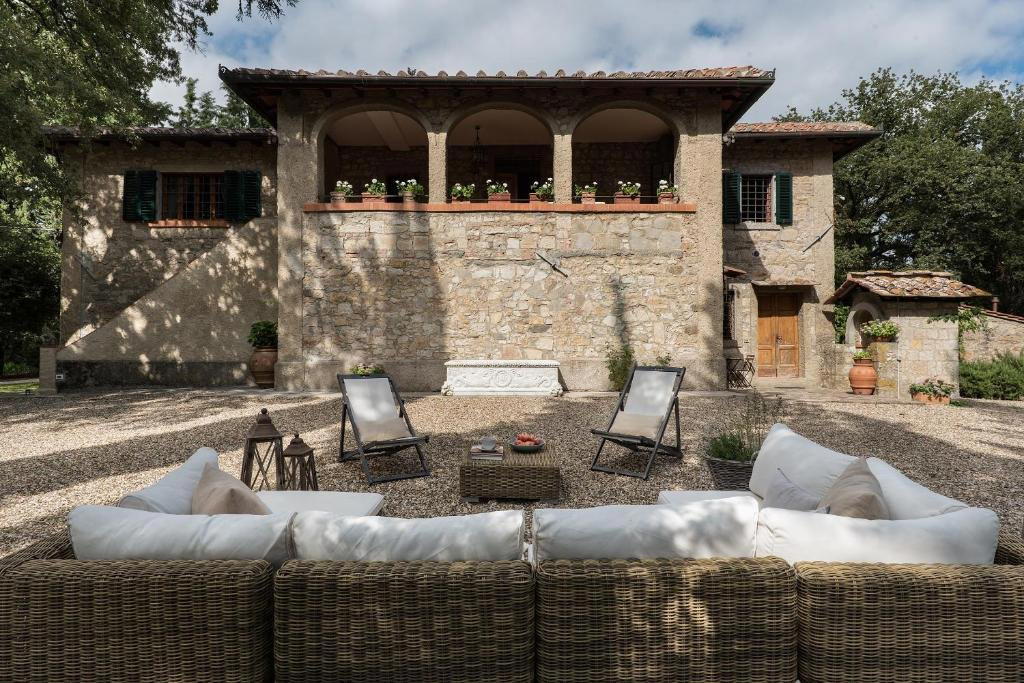
Castellare di Castellina
Castellina in Chianti, Italy
Choose Castellare di Castellina when the goal is a serious Chianti Classico estate visit rather than a casual tasting stop. The draw is the combination of 1970s heritage, native-variety focus, high-elevation vineyards, and Falstaff 5 Stars in 2026; the value is strongest for wine-focused couples or small groups planning a special occasion in Castellina in Chianti.
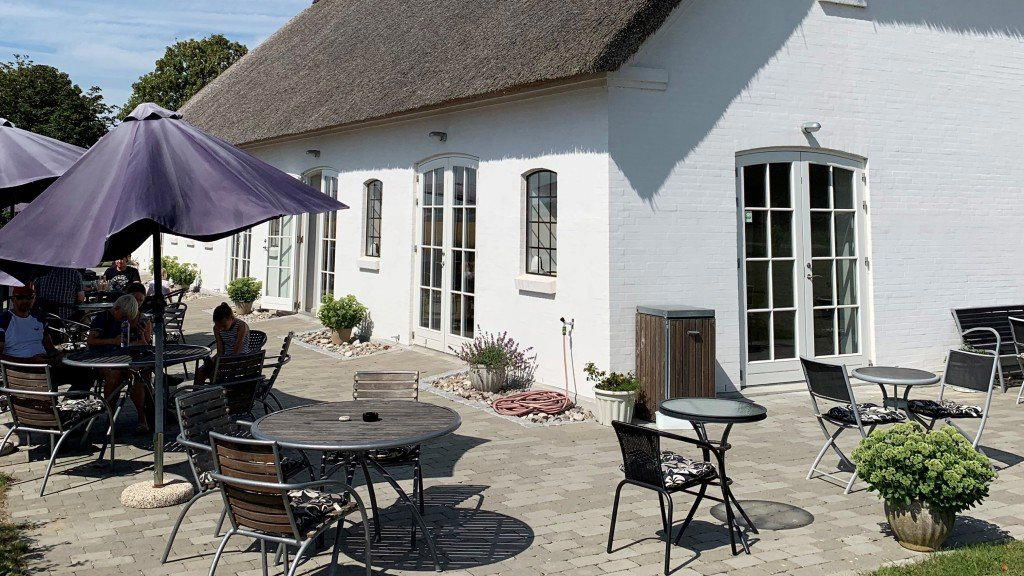
Årø Vingård
Haderslev, Denmark
A flexible Danish wine stop for travelers who want regional context more than a fully mapped dining plan. Årø Vingård is Falstaff Listed for 2026, which gives it a useful trust signal, but food details are not firm enough to treat it as a restaurant replacement. Build the visit around wine, then plan meals separately in Haderslev.
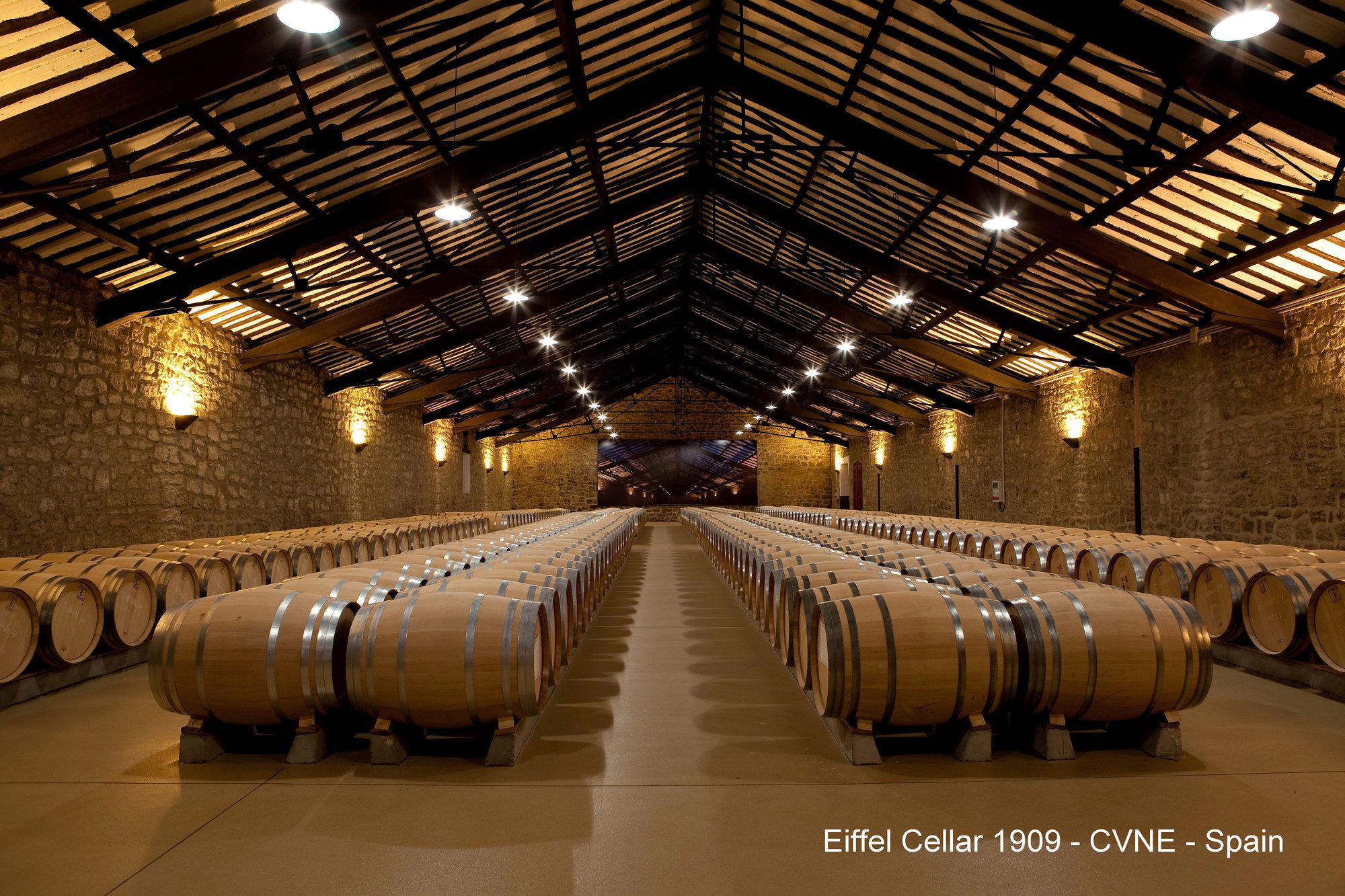
C.V.N.E. - COMPAÑÍA VINICOLA DEL NORTE DE ESPAÑA
Laguardia, Spain
A smart Rioja booking if the goal is a polished, educational tasting with serious historical weight. The draw is breadth: Cune, Imperial, Viña Real, Contino, and Monopole give travelers a practical way to understand classic Rioja and Rioja Alavesa in one structured stop. Better for context and cellar-building than for a tiny grower-style visit.
Domaine Bassac
Puissalicon, France
Domaine Bassac works if the itinerary already includes Puissalicon and the goal is a focused winery stop rather than a full-day destination. The strongest decision signal is its Falstaff Listed recognition for 2026, which makes it more credible for bottle research than an unvetted countryside detour.
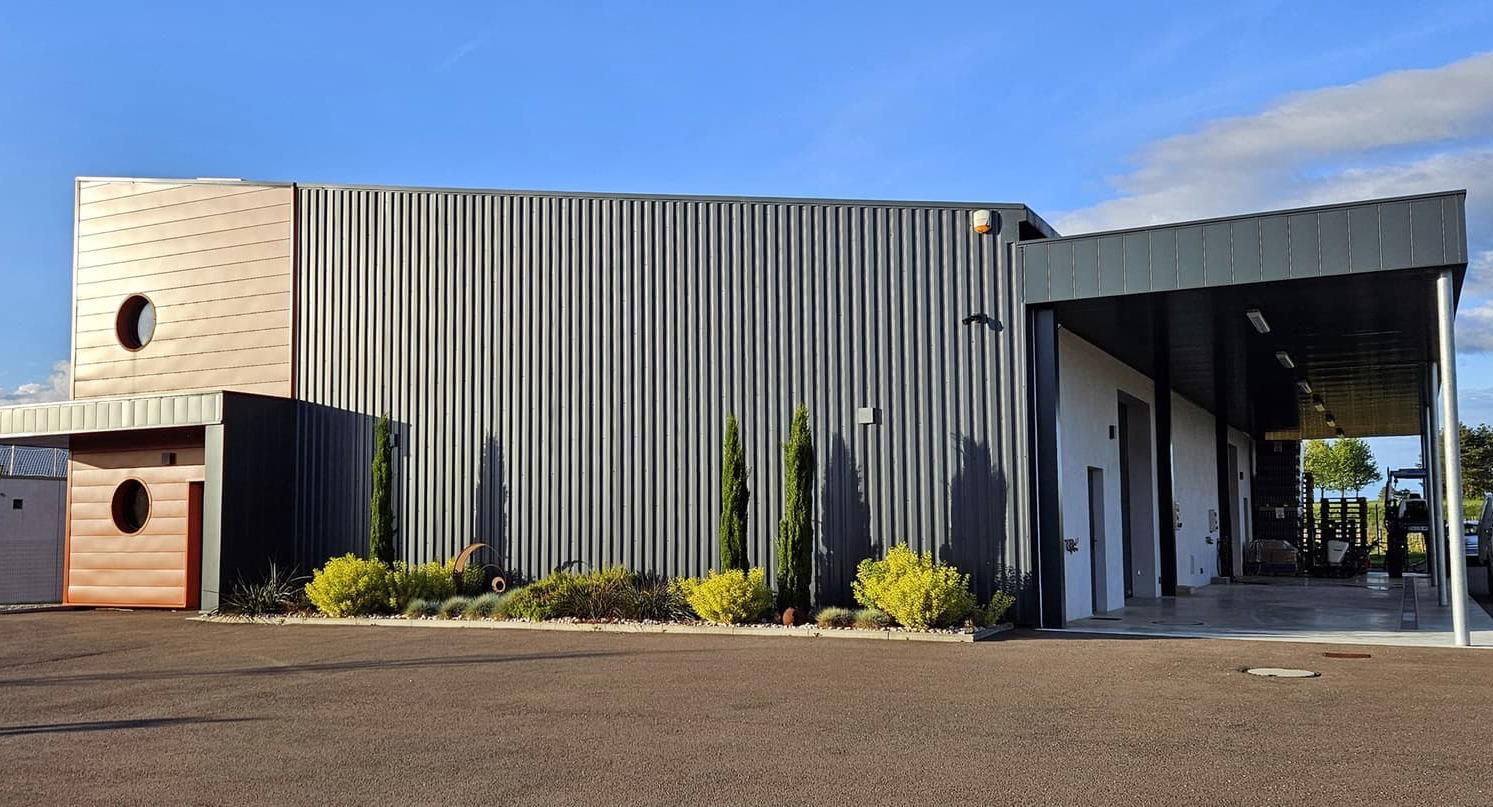
Domaine Roulot
Meursault, France
Domaine Roulot is a wine estate in Meursault, Burgundy.
Forest Hill Vineyard
Shadforth, Australia
Forest Hill Vineyard is a strong pick for a Great Southern wine-country lunch built around Riesling, countryside views, and a cellar-door experience with real regional history. Go for a special occasion where the setting and on-site dining matter as much as the tasting; choose another format if the priority is a highly technical tour.
Az. Agr. Claudia Ferrero
Montalcino, Italy
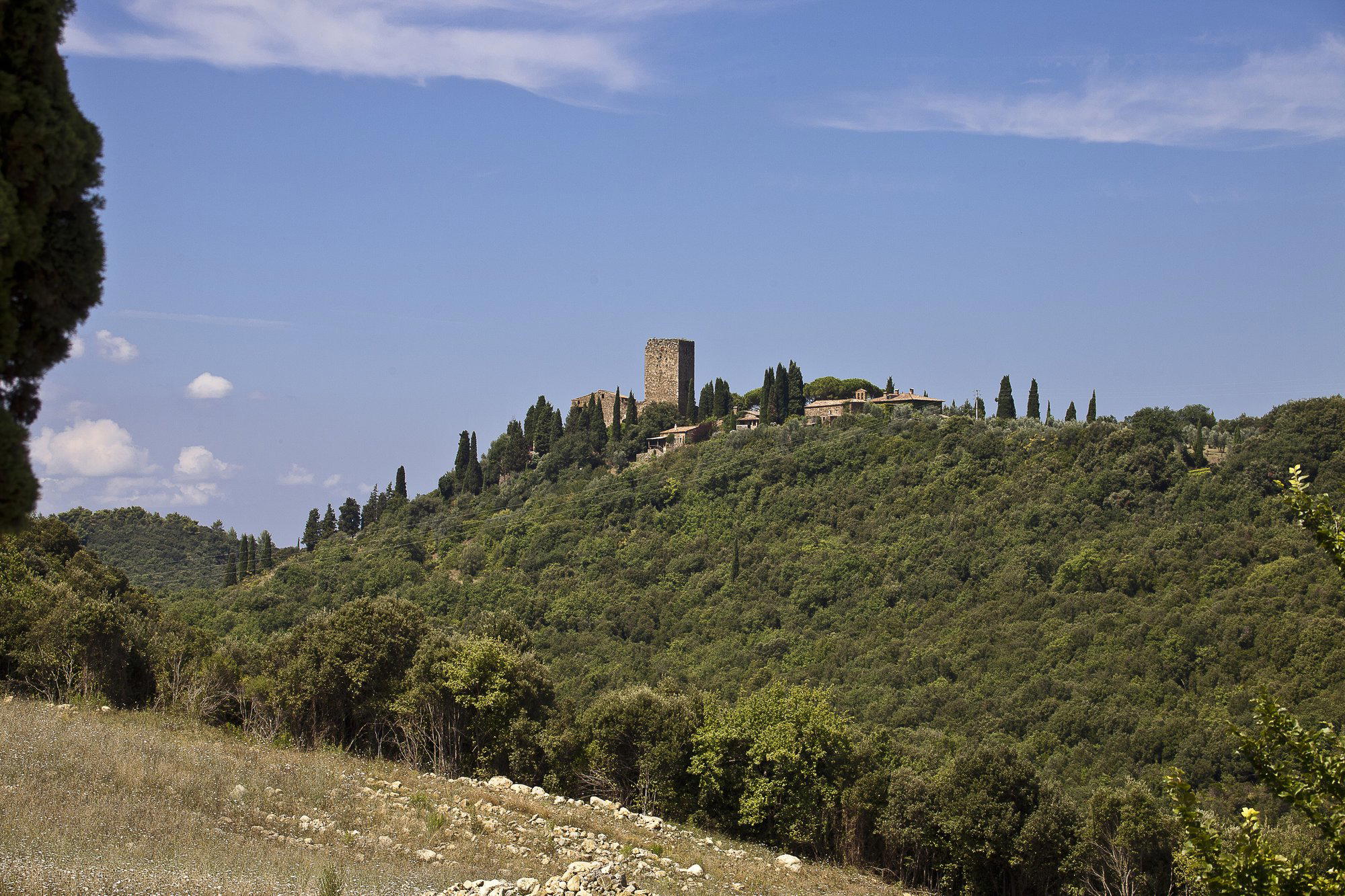
Choose Az. Agr. Claudia Ferrero if you want a small, organic Montalcino producer focused on Sangiovese rather than a large-format winery experience. The draw is the production philosophy: estate-grown fruit, traditional Brunello aging, and a family-run cellar with a quieter feel. It is strongest for serious wine drinkers, couples, and small celebrations.
Cellier des Chartreux
Pujaut, France
Cellier des Chartreux is worth choosing for an easy, good-value winery stop near Avignon if regional context matters more than luxury ceremony. Its cooperative model, 1929 founding, 83 vignerons, and 2026 Falstaff listing make it a practical pick for relaxed celebrations, mixed-knowledge groups, and visitors who want Rhône breadth without a heavy spend.
Gallina Pierino
Santo Stefano Belbo, Italy
Gallina Pierino works if the point of the visit is a rural Piedmont winery setting rather than a polished hospitality program. The appointment-only format suits planned, small-scale wine touring, while the moderate price signal and Falstaff 2026 listing make it a low-risk countryside stop for travelers already in Santo Stefano Belbo.
Hawkes Bay Wine
Hastings, New Zealand
Hawke’s Bay Wine is worth planning as a regional Hastings wine day rather than a single stop. Go for Chardonnay, Syrah, Bordeaux-style reds, cellar-door variety, and food-friendly hospitality; keep the schedule loose enough to compare producers without spending the day in transit.
Cantina di Soave
Soave, Italy
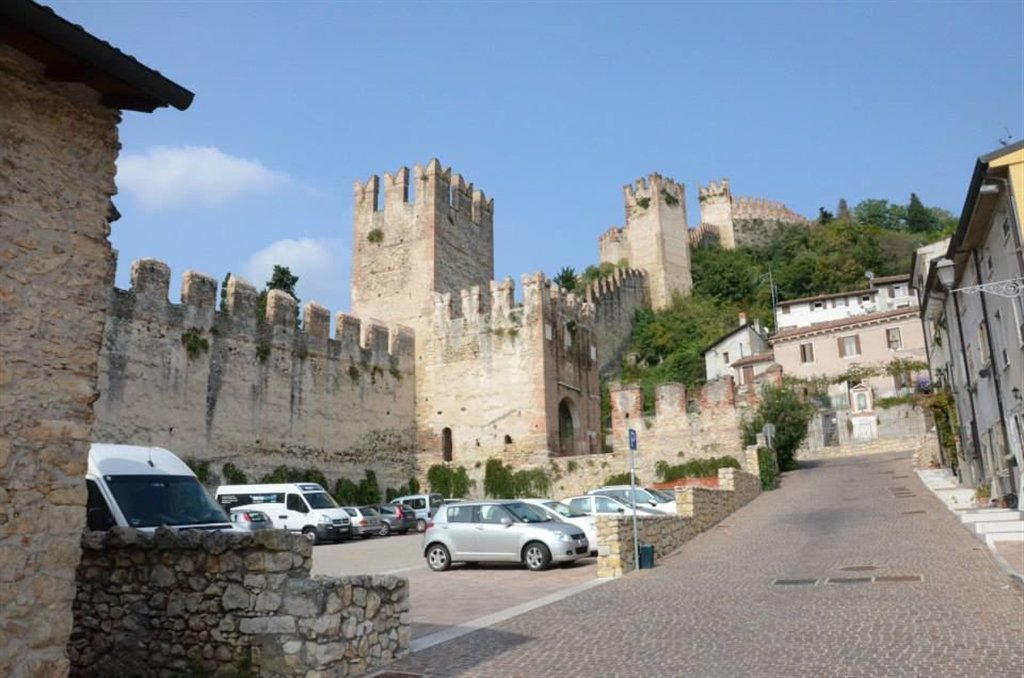
Worth booking if you want a broad, efficient read on Soave and wider Veneto wine styles from a historic cooperative rather than a small-estate visit. The draw is range: Garganega-led whites, Valpolicella-family reds, Amarone, Bardolino, and sparkling styles that help with buying and food-pairing decisions.
Dominio Romano
Rabano, Spain
Book Dominio Romano if the priority is organic Ribera del Duero Tinto Fino from a small, terroir-led producer rather than a highly choreographed tasting-room visit. The wines have credible recognition, including Falstaff 3 Stars in 2026, and the value case is strong, but plan ahead because hospitality details are not as clearly packaged as the production story.
Enoport United Wines
Rio Maior, Portugal
A practical pick for wine travelers who care more about Portuguese production, Tejo identity, and portfolio breadth than a scenic estate lunch. Enoport United Wines is strongest as an appointment-led, trade-facing winery stop with current Falstaff recognition and a clear focus on whites, sparkling wines, and Arinto from its Tejo story.
Domaine de la Taille aux Loups
Montlouis-sur-Loire, France
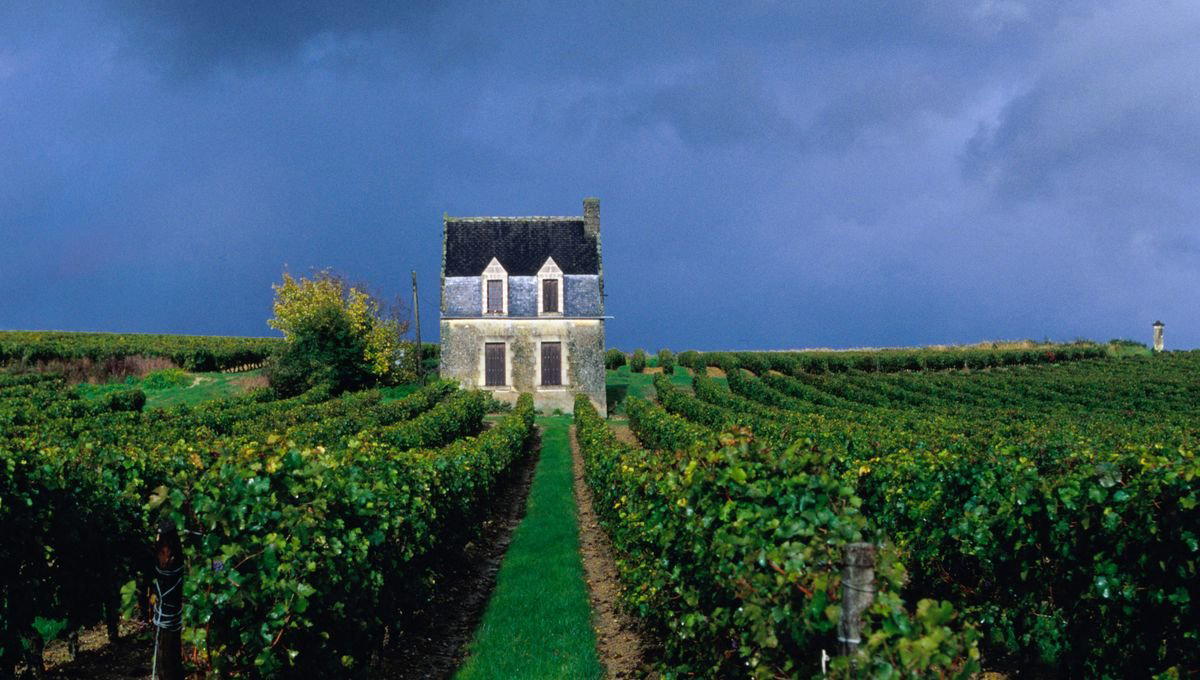
Domaine de la Taille aux Loups is worth targeting if Montlouis Chenin is the focus of the trip. The appeal is not broad hospitality, but a serious production lens: organic farming, old vines, barrel fermentation, wild yeasts, and a dry, ageworthy style shaped by Jacky Blot’s legacy and Jean-Philippe Blot’s continuity.
Champalou
Vouvray, France
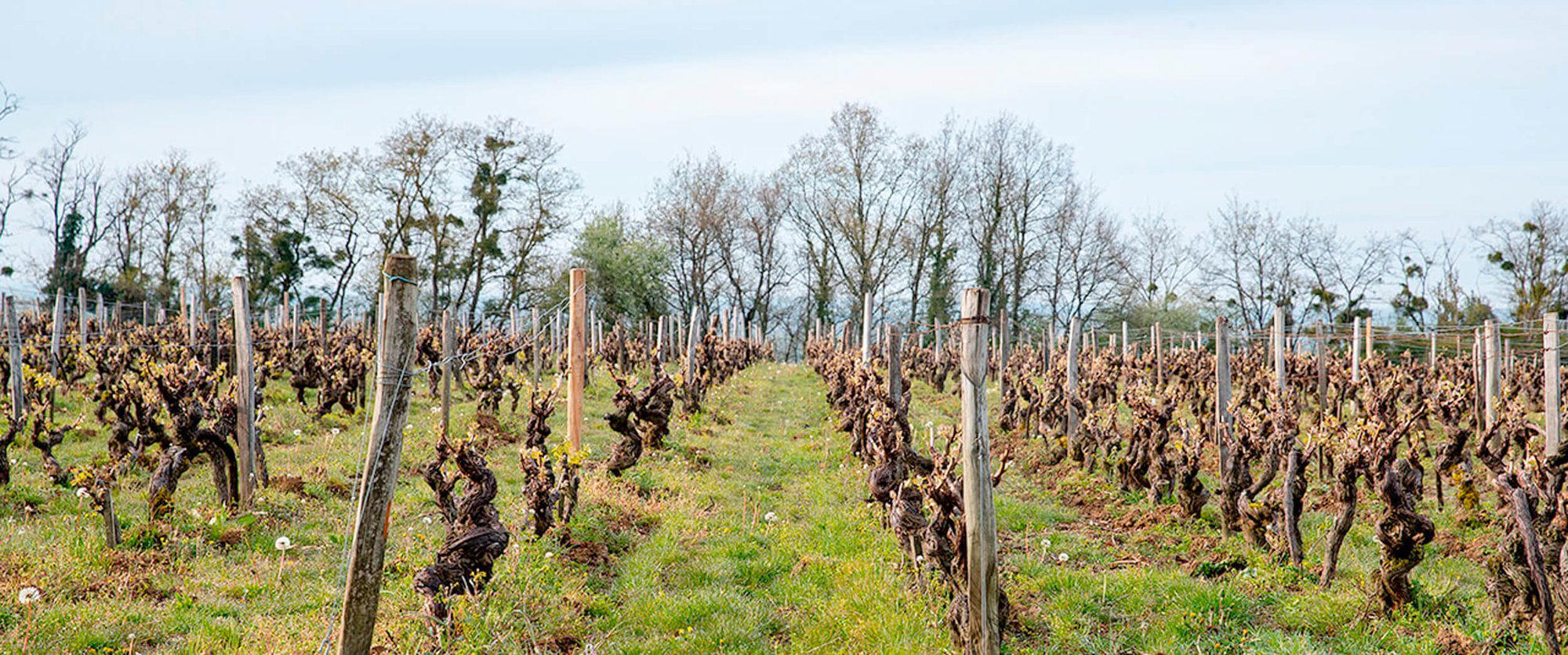
Visit Champalou if the priority is a focused Vouvray wine stop rather than a restaurant-style tasting experience. Its 2026 Falstaff listing gives it a useful quality signal, but plan around the lack of published visitor details: keep the group small, build meals separately, and treat spring through early autumn as the more rewarding window.
Bodega El Esteco
Cafayate, Argentina
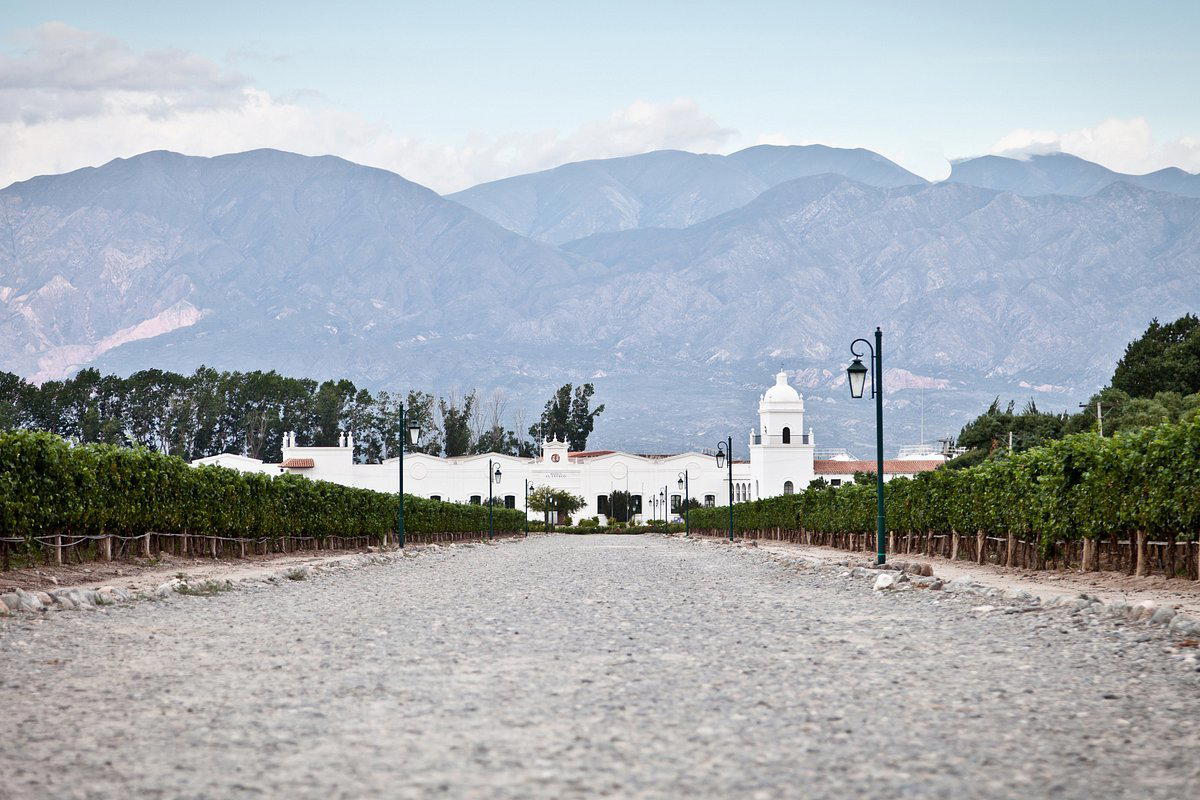
Bodega El Esteco is worth prioritizing if the goal is a serious Cafayate winery stop with regional weight rather than a quick town tasting. Plan it as an anchor visit on an RN40 day, then cross-shop Bodega Nanni or Domingo Hermanos if convenience and easier timing matter more.
Château Promille
Wei Enkirchen In The Wachau, Austria
Château Promille works if you are already building a flexible wine day around Weißenkirchen in the Wachau, but it is not the safest anchor booking. The Falstaff listing gives it credibility; the lack of clear public detail around pricing and visit format means value-minded travelers should confirm the basics before committing time.
Cantina Montelliana e dei Colli Asolani
Montebelluna, Italy
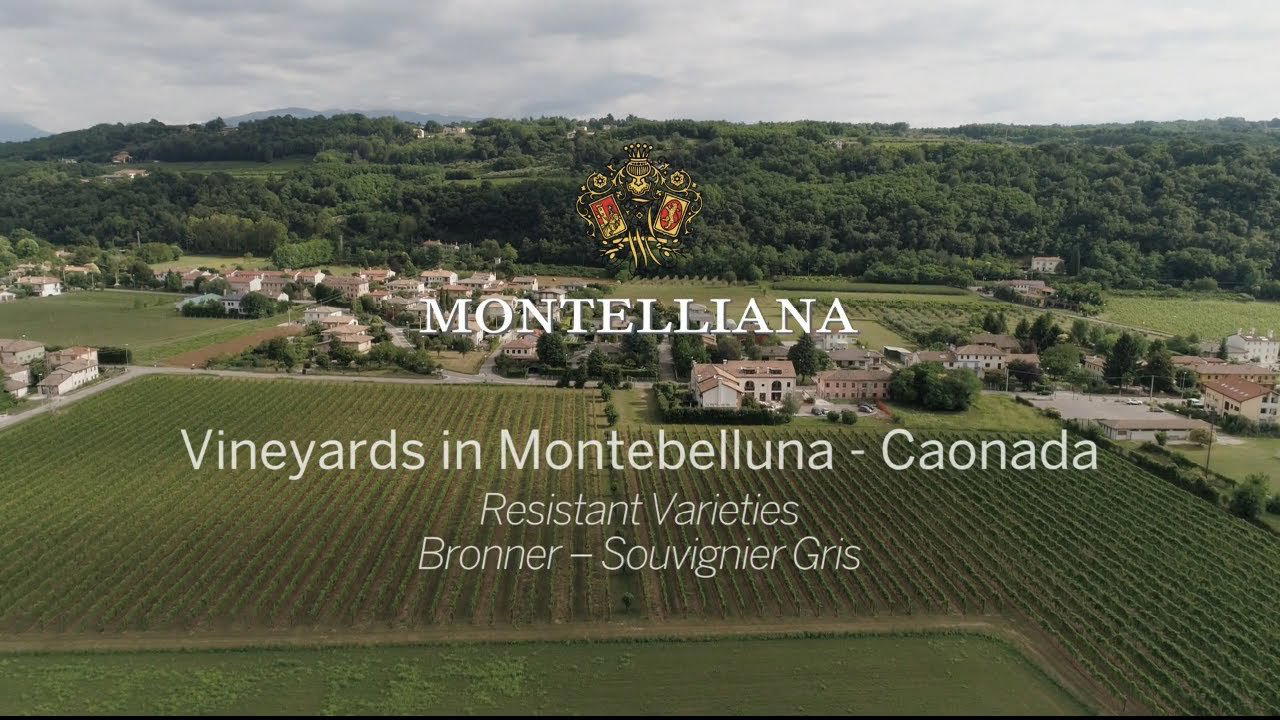
Worth visiting if you want an easy, useful introduction to Asolo-area Prosecco rather than a formal cellar appointment. Cantina Montelliana e dei Colli Asolani works well for first-timers, mixed groups, and value-minded buyers who care more about regional context and accessible bottles than collector scarcity.
FlaTio
San Pietro In Cariano, Italy
FlaTio works as a flexible San Pietro in Cariano wine stop, especially if the goal is to add a Falstaff-listed name to a Valpolicella itinerary. Do not make it the anchor unless tasting format, timing, and group logistics are confirmed in advance.
Glesti Weinbau
Oberstammheim, Switzerland
Glesti Weinbau is worth planning as a quiet, practical Oberstammheim cellar stop if the goal is direct contact with a second-generation Zürich wine-country estate. Go for estate-grown AOC Zürich wines, a broad range from Müller-Thurgau and Pinot Noir to Gewürztraminer and Cabernet Sauvignon, and a buying-focused vineyard visit rather than elaborate hospitality.
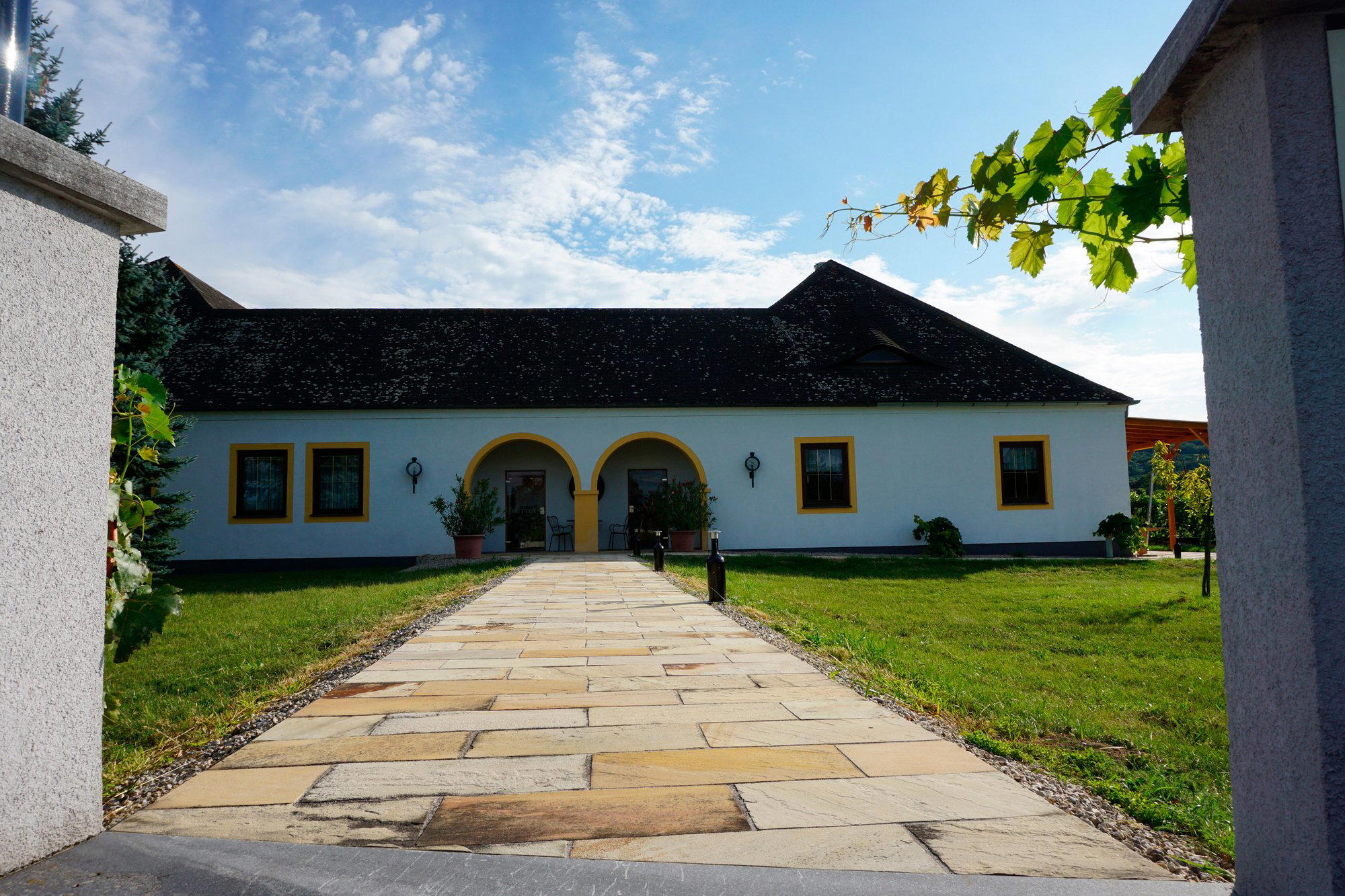
Weingut Hutter Silberbichlerhof
Mautern an der Donau, Austria
Plan this as a focused producer visit in Mautern an der Donau, especially if the distillery angle is part of the appeal. It is stronger for couples or small celebration groups than for large parties needing published hours, food, or a simple walk-in plan.
Domaine Charles Joguet
Sazilly, France
Domaine Charles Joguet is worth booking if you want a serious Chinon tasting built around Cabernet Franc, plot-by-plot explanation, and a traditional cellar setting. The private or longer guided format is the right move for wine travelers seeking context; casual drop-ins will get less value from what makes the estate interesting.
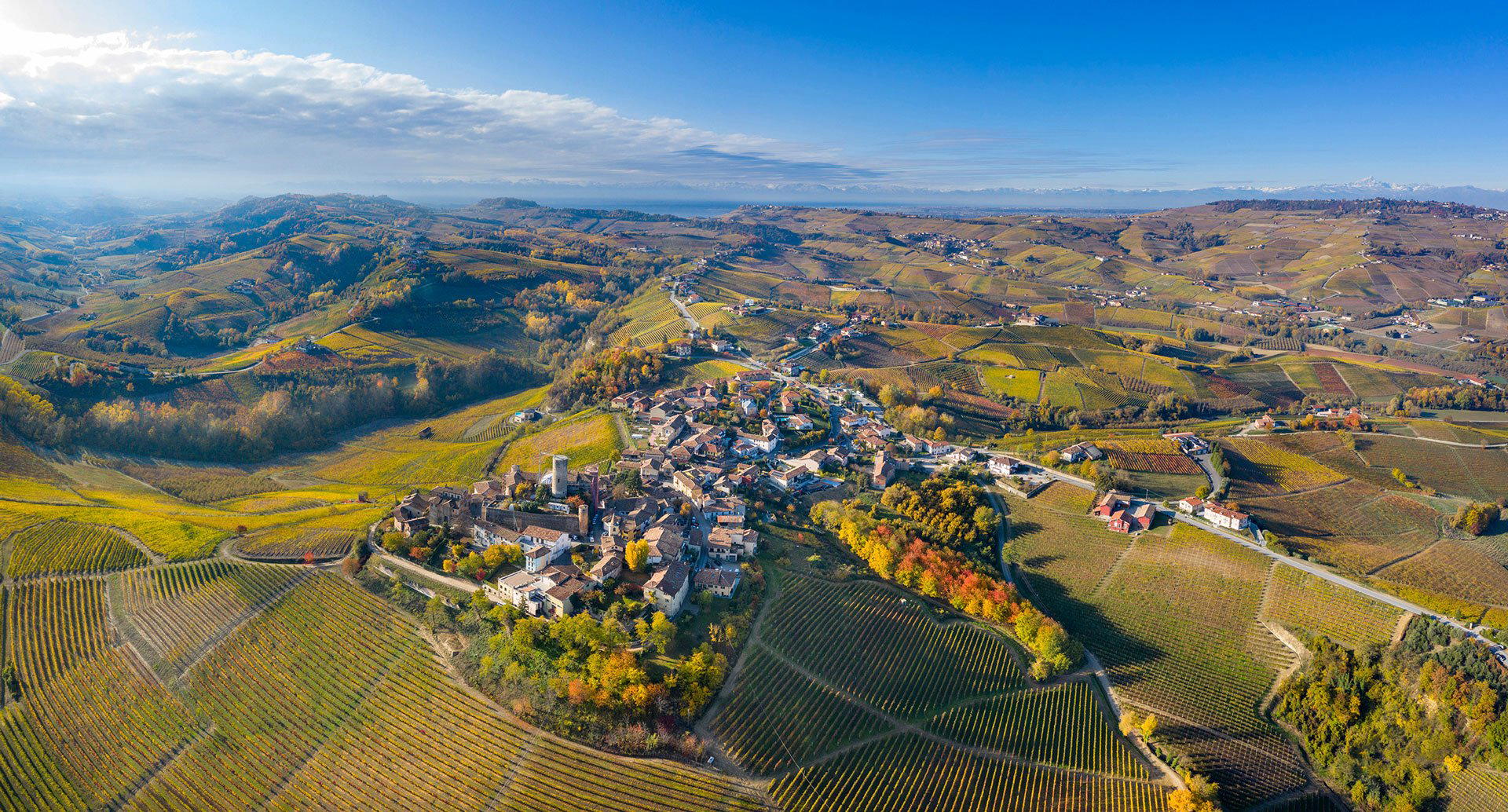
Vietti
Castiglione Falletto, Italy
Vietti is worth prioritizing for a serious Castiglione Falletto wine itinerary, especially if the goal is Barolo context rather than a casual tasting stop. Book online hospitality seven days a week, and compare it with Brovia, Cavallotto, and Paolo Scavino nearby.
Giuseppe Basta Colle di Lucignano
Montalcino, Italy
A good fit for wine travelers who want a focused, small-production Tuscan red stop near Montalcino rather than a polished hospitality showcase. The verified 2020 Rossoebasta Toscana Rosso IGT and Falstaff 2026 listing give it a credible hook, but plan around confirmed access and pair it with a more structured winery appointment.
Domaine A. Chopin et Fils
Comblanchies, France
Choose Domaine A. Chopin et Fils if the priority is serious Côte de Nuits winegrowing over a polished visitor circuit. The draw is a small seventh-generation Comblanchien domaine with ten hectares, low-intervention cellar work, and holdings that include Nuits-Saint-Georges Premier Cru sites, Chambolle-Musigny, and Clos de Vougeot Grand Cru.
Malatinszky
Villány, Hungary
Malatinszky works if Villány is already on the itinerary and the goal is a focused winery stop rather than a meal-led visit. Confirm tasting structure, timing, food, and shipping before building the day around it; the safer move is to treat it as one part of a broader Villány wine route.
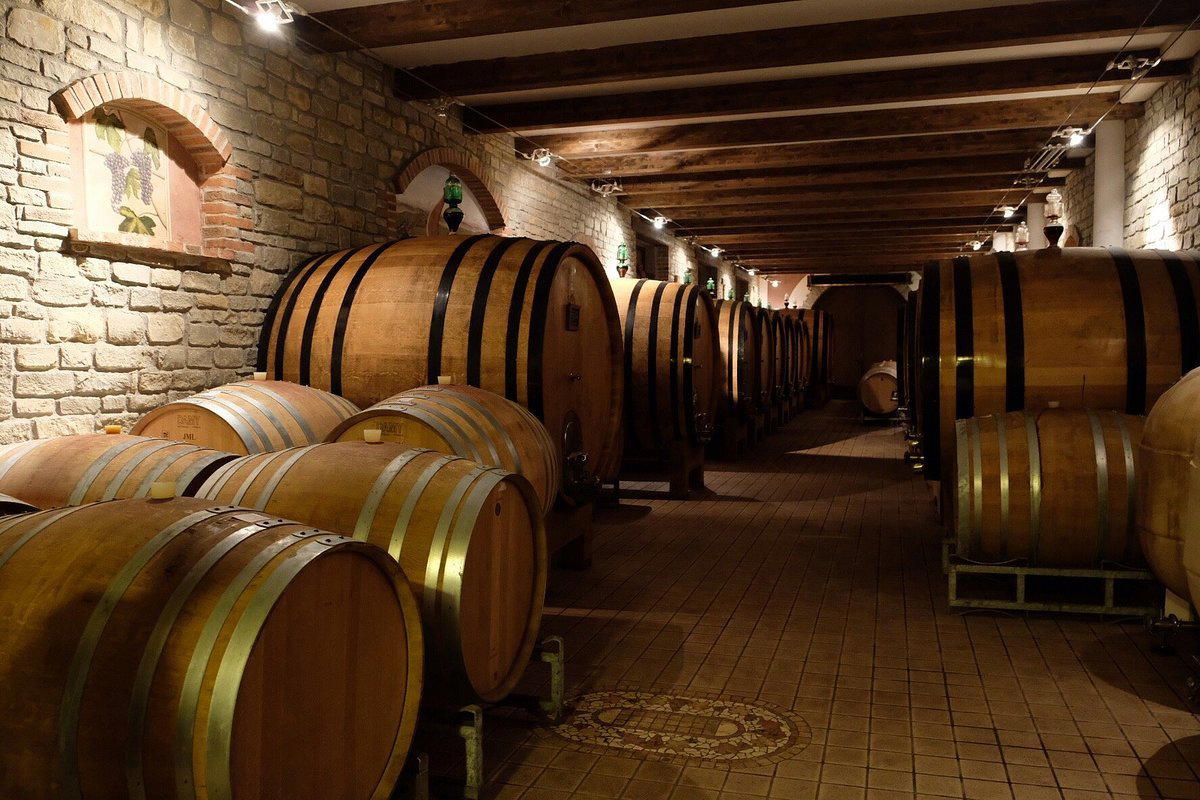
Ca’ del Baio
Treiso, Italy
Book Ca’ del Baio if the point of the trip is Barbaresco, not just a pretty Langhe tasting room. The strongest reason to go is the cru-focused lineup, especially Asili and Vallegrande, backed by a family history dating to 1870 and sustainable estate farming in Barbaresco and Treiso.
Hyde & de Villaine
Napa, United States
Hyde & de Villaine works for a collector-minded Napa wine stop, especially for a special occasion where producer reputation matters more than a highly published hospitality format. The practical gap is planning detail: tasting structure, pricing, group capacity, and club terms are not listed here, so it suits focused wine buyers better than mixed groups needing certainty.
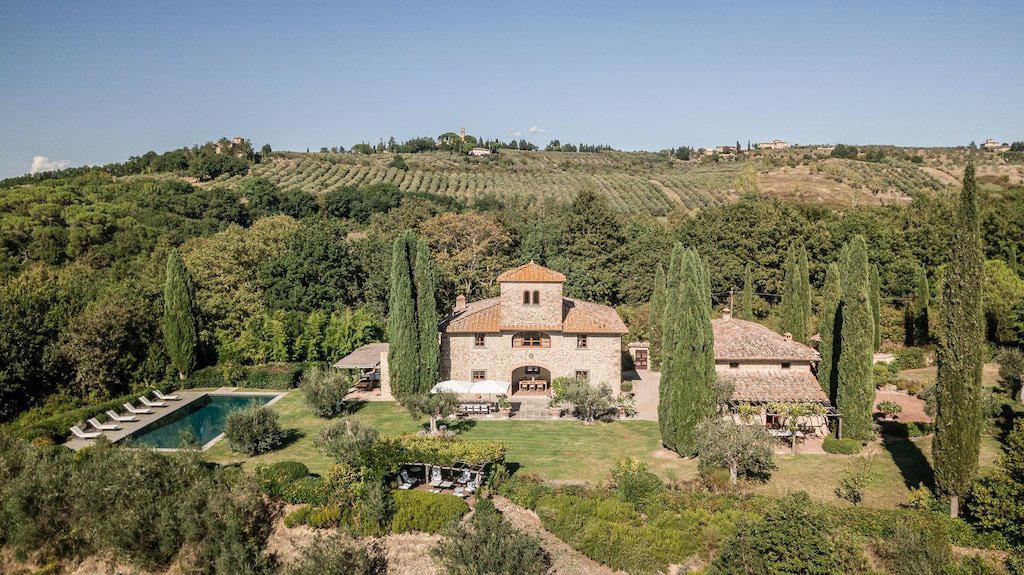
Baciate Me
San Casciano in Val di Pesa, Italy
Book Baciate Me if you want a small, organic Chianti Classico estate with old vines and a quiet, craft-led feel rather than a large hospitality operation. The draw is the focused vineyard story, limited-production wines and rustic intimacy; plan meals and the rest of the day separately around San Casciano in Val di Pesa.
Château Vaugelas
Capestang, France
Château Vaugelas is worth booking if your Capestang itinerary is about Corbières context, not just a casual glass. Go for abbey-linked vineyard history, Bonfils family stewardship, and structured southern reds built around Grenache, Syrah, Carignan, and Mourvèdre; keep expectations practical and arrange the visit ahead.
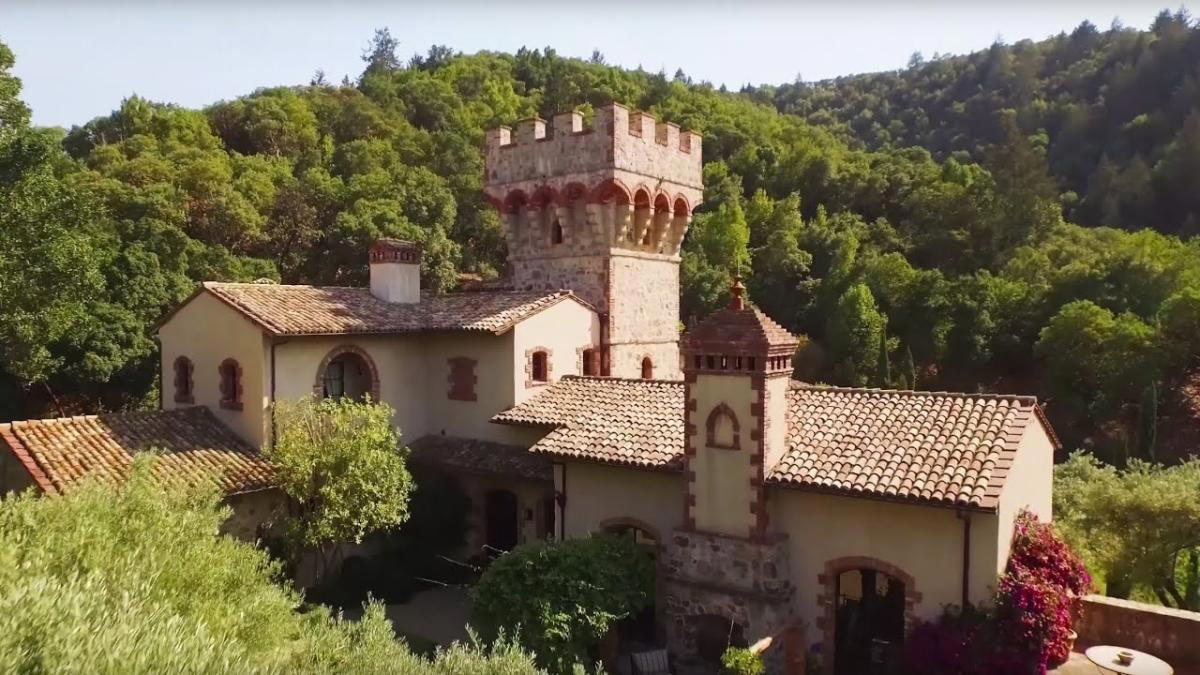
Blankiet Estate
Yountville, United States
Blankiet Estate is the better Yountville pick for a special-occasion winery visit where the tasting is the main event, not a quick stop between reservations. Its Falstaff Listed (2026) recognition gives it a credible quality signal, but visitors who need posted prices, public hours, or a casual drop-in format should choose a winery with more visible planning details.
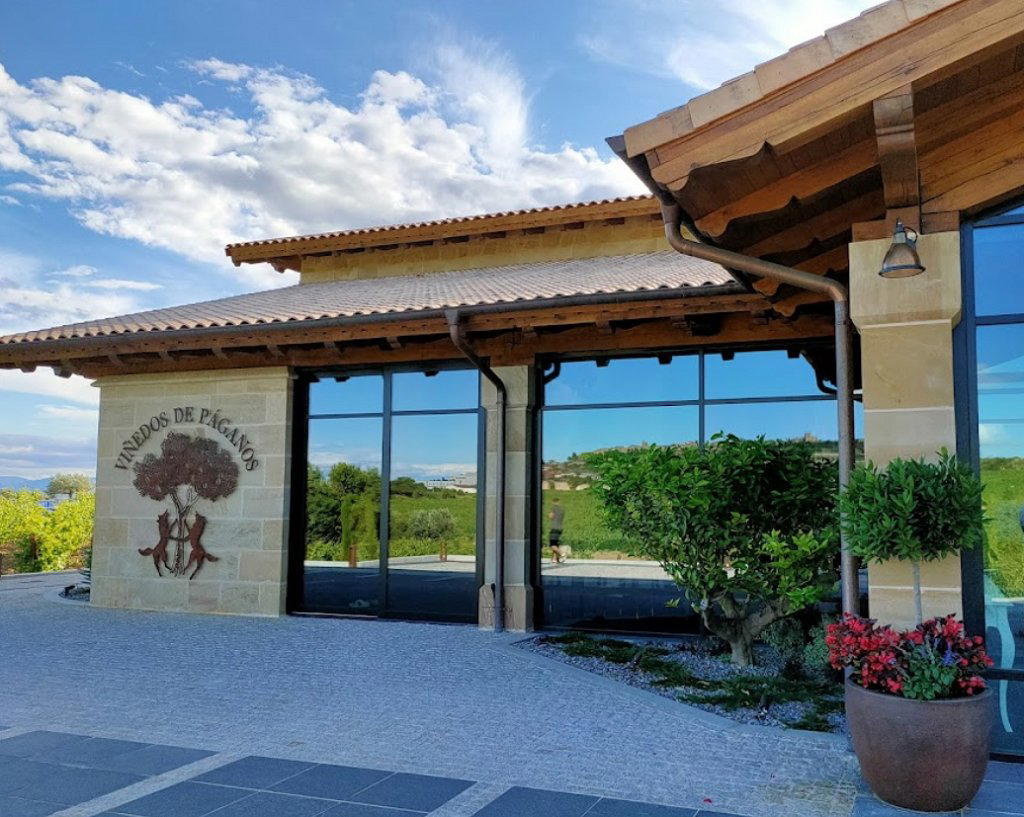
Bodega Viñedos de Páganos
Páganos, Spain
Prioritise Bodega Viñedos de Páganos if the trip is built around serious Rioja Alavesa producer depth, not casual drop-in tasting. The 2026 Falstaff 4 Stars signal makes it a credible wine-focused stop, but access is the pressure point, so have backup winery research ready before building a Páganos itinerary around it.
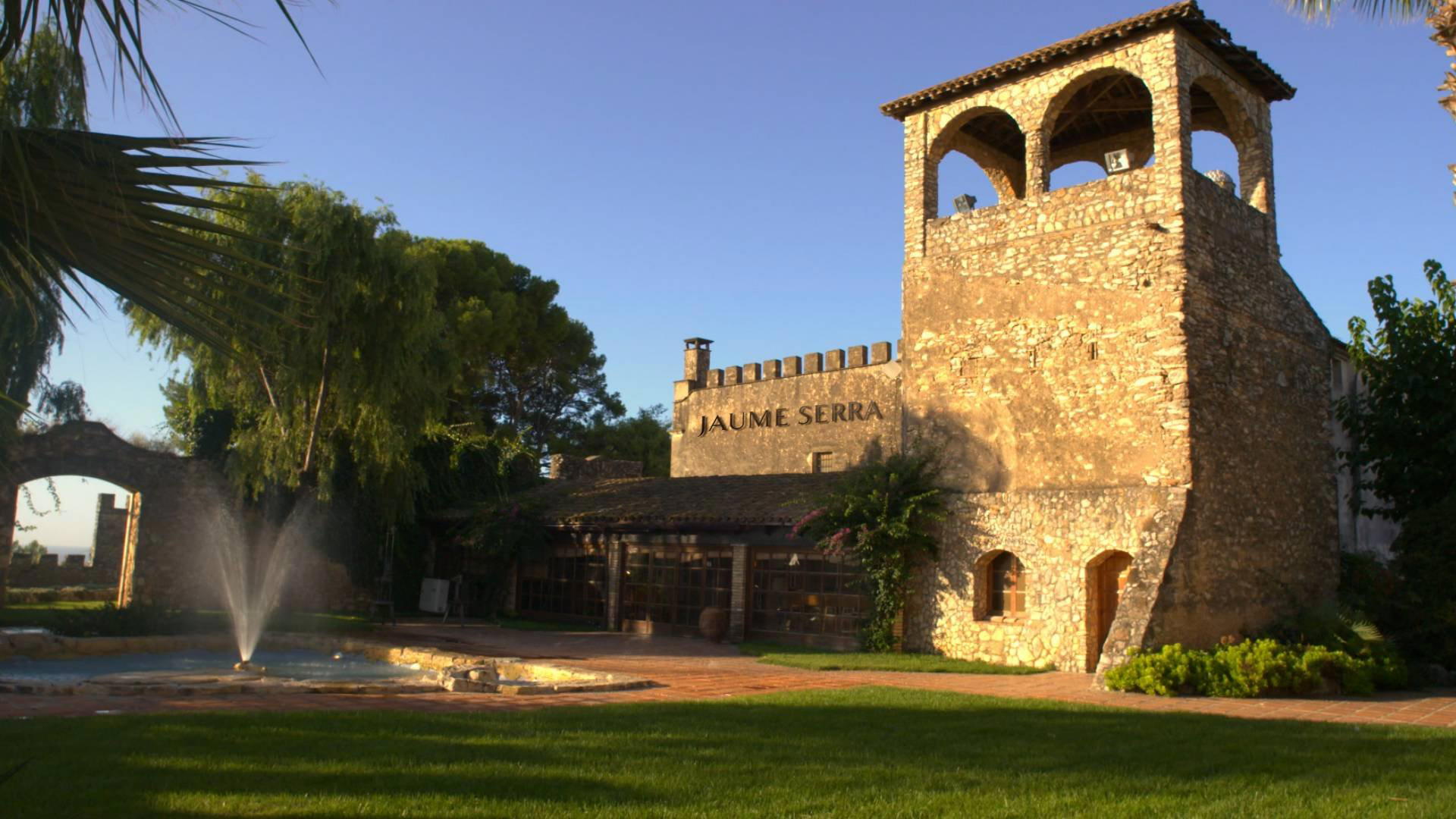
Bodega Jaume Serra S.L.
Vilanova i la Geltrú, Spain
Book Bodega Jaume Serra S.L. if you want an accessible cava visit with a strong coastal setting and a short guided format. It is better for travelers who want context, views, and a recognizable sparkling-wine producer than for collectors seeking rare bottles, chef-led pairings, or a highly private cellar appointment.
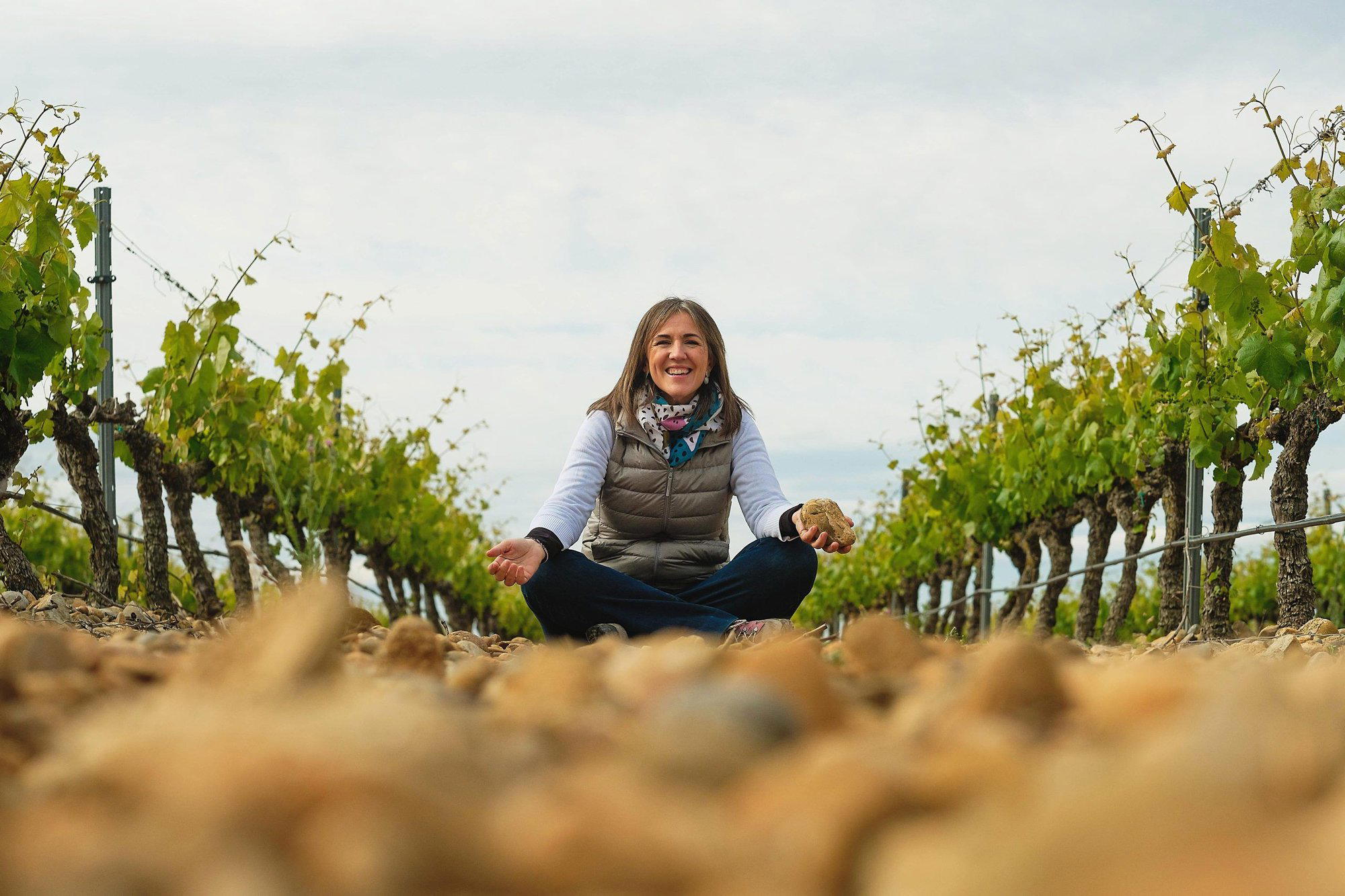
Bodegas Ochoa
Olite, Spain
Against Olite’s winery options, Bodegas Ochoa, S.A. is worth prioritising for a wine-led celebration rather than a meal-led outing. The 2026 Falstaff 1 Star signal helps the quality case, but booking is marked hard, so this is a plan-ahead choice for visitors who care about Navarra bottles and a polished day in town.
70469!
Stuttgart Feuerbach, Germany
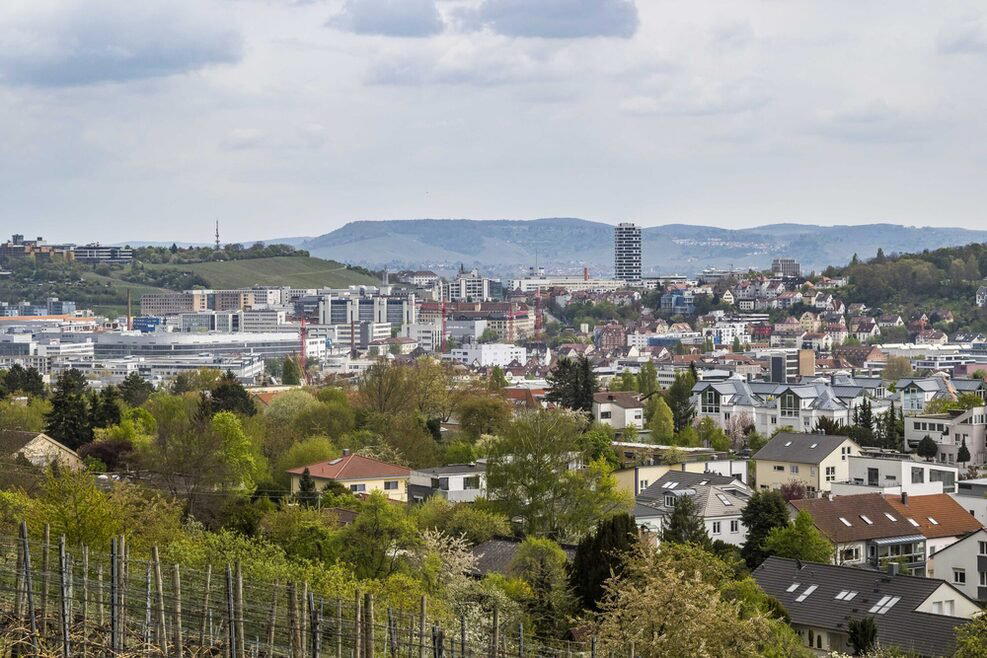
70469! works as a low-commitment Stuttgart Feuerbach wine stop, especially for visitors already nearby. Its main trust signal is Falstaff listing for 2026, but with no verified pricing, format, hours, or production detail, it is better treated as a flexible discovery pick than the anchor of a planned wine itinerary.
Burja
Podnanos, Slovenia
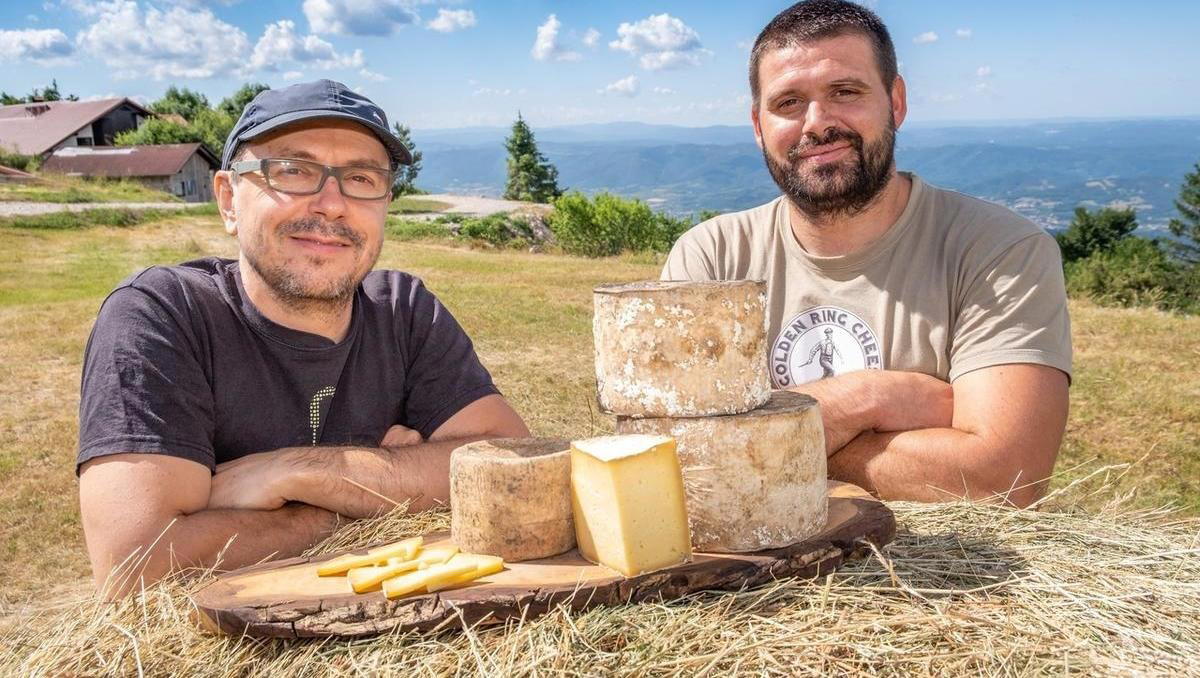
Burja is a high-intent Podnanos winery pick for travellers who care more about producer credibility than visitor polish. Falstaff 3 Stars in 2026 is the main quality signal; plan carefully, keep the schedule flexible, and use it as a focused Vipava Valley stop rather than a casual drop-in.
Feudo Cavaliere
Santa Maria Di Licodia, Italy
Feudo Cavaliere is a good fit for wine travelers who care about Etna’s southern slope, volcanic soils, and high-altitude terrace farming. Treat it as a focused appointment-led winery stop rather than a full hospitality experience, especially if the trip depends on dining, private rooms, or large-group logistics.
Fetzer Winery
Hopland, United States
Fetzer Winery is a good Hopland pick for visitors who care more about sustainability, Mendocino wine history, and a broad California varietal range than a formal food-pairing experience. Go for an easygoing, educational stop with recognizable labels; look elsewhere if the priority is a chef-led tasting or highly structured hospitality format.
Kees-Kieren
Graach, Germany
Kees-Kieren works for a compact Graach winery appointment if the priority is tasting and direct buying in a traditional Mosel setting. The $$ positioning and Falstaff 2026 listing make it a sensible value-led stop, but it is better suited to wine explorers than travelers looking for elaborate hospitality amenities.
Bodegas Viyuela
Boada De Roa, Spain
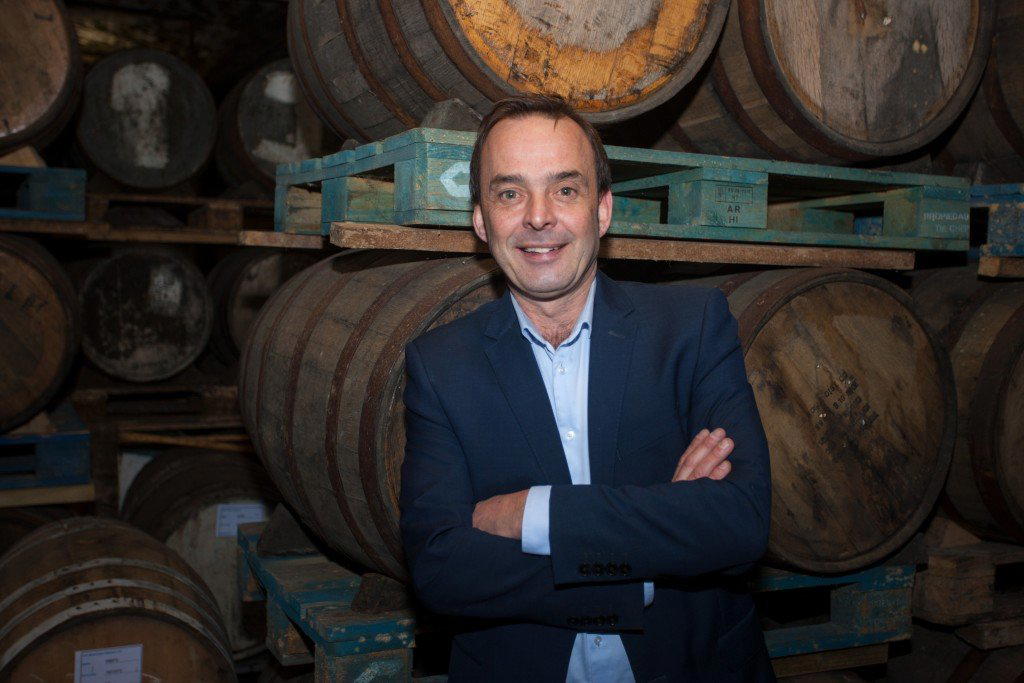
A good Ribera del Duero choice for a personal, appointment-only winery visit rather than a polished large-estate circuit. Bodegas Viyuela is strongest for small groups, couples, and celebration stops built around Tempranillo, family heritage, and a cozy tasting-room feel. Book ahead and treat it as a planned wine-day anchor, not a casual walk-in.
Château du Roc
Montbrun Des Corbieres, France
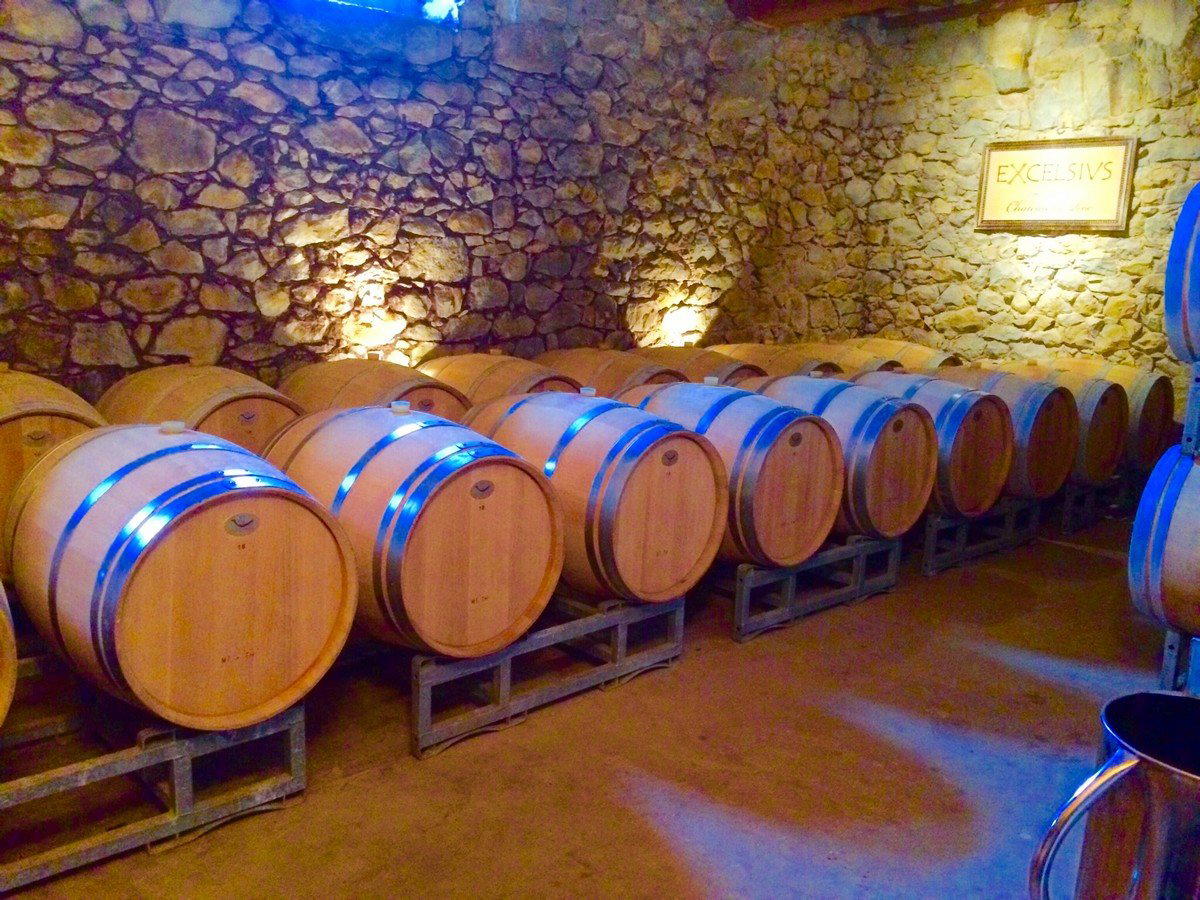
Château du Roc is worth booking if the goal is a grounded Corbières estate tasting rather than a luxury hospitality production. The draw is value: a traditional family-run château, early-18th-century roots, 45 hectares of organically certified vines, and a $$ price position that makes sense for travelers who want regional depth in Montbrun-des-Corbières.
Duprès
Neustadt Am Rubenberge, Germany
Duprès is worth booking if the point is a focused Lower Saxony Sekt visit in a historic vaulted cellar setting, not a full restaurant-style winery afternoon. The appeal is regional sparkling-wine heritage, fourth-generation continuity, and a Falstaff-listed 2026 profile; plan food separately unless a specific tasting event includes it.
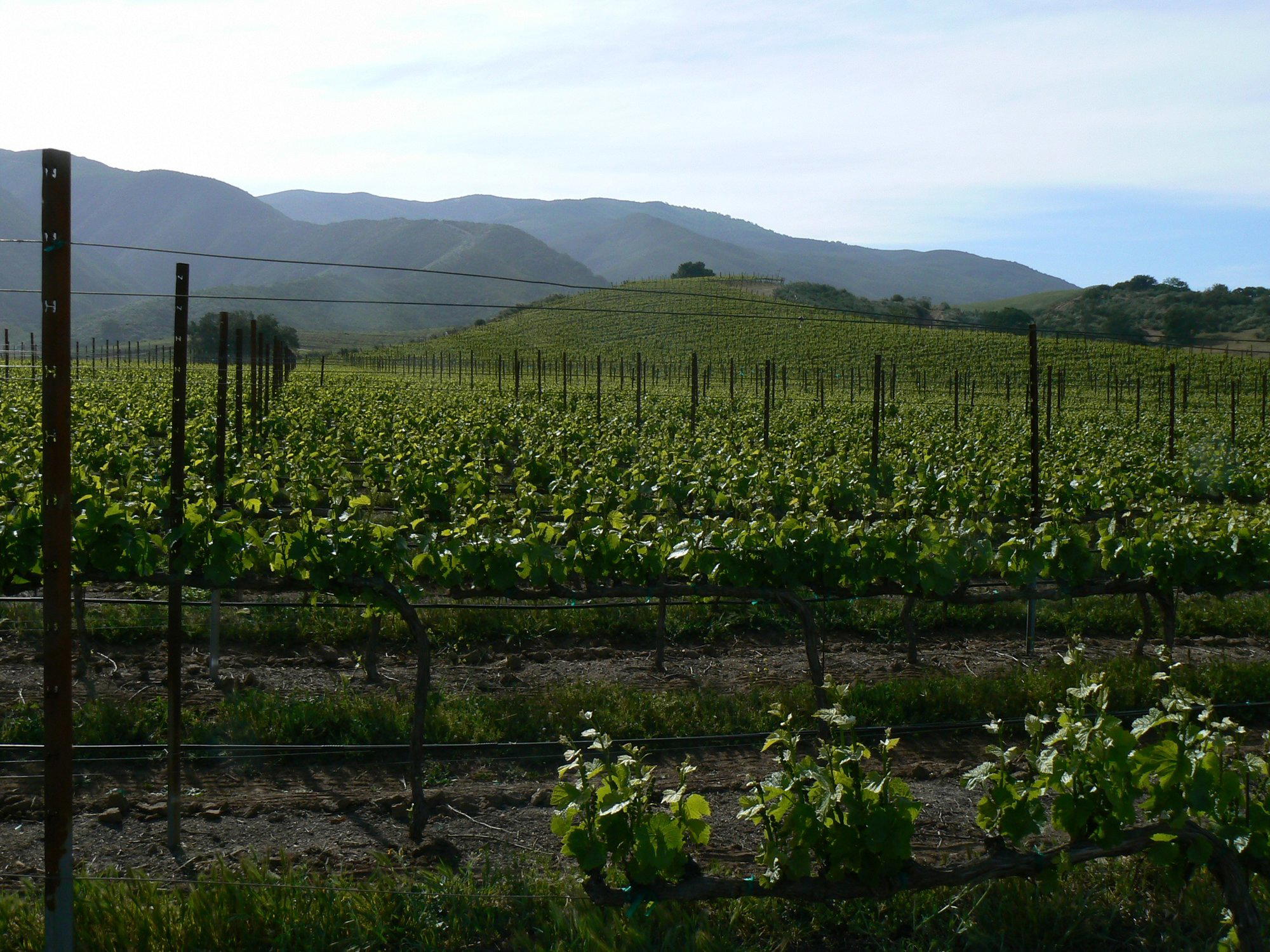
Belle Glos Wine
Rutherford, United States
A practical Napa pick for visitors who want a wine-led stop rather than a confirmed food-pairing experience. Booking difficulty is easy, and Falstaff listing for 2026 gives it a useful recognition signal, but celebration plans should arrange meals and group logistics separately.
Château Lamothe-Cissac
Cissac Medoc, France
Book Château Lamothe-Cissac if the goal is an approachable Haut-Médoc tasting with real Bordeaux context, not a food-focused afternoon. The low tasting fee, appointment-only format, Cru Bourgeois positioning, and 2026 Falstaff listing make it a strong value stop for wine travelers who want cellar structure and left-bank fundamentals in a calm château setting.
Charles Smith Wines
Walla Walla, United States
Charles Smith Wines works as an easy Walla Walla winery stop, especially for first-timers who want a recognized name without heavy booking pressure. The 2026 Falstaff Winery listing helps justify attention, but confirm food, shipping, and any club terms before making it the centerpiece of a trip.
Accornero
Vignale Monferrato, Italy
Book Accornero if the point of the visit is Monferrato wine rather than a polished luxury tasting room. The strongest reason to go is the chance to compare Grignolino and Barbera across estate and reserve bottlings in a guided, family-run countryside setting. It is better for serious wine context than for groups seeking a restaurant-style day out.
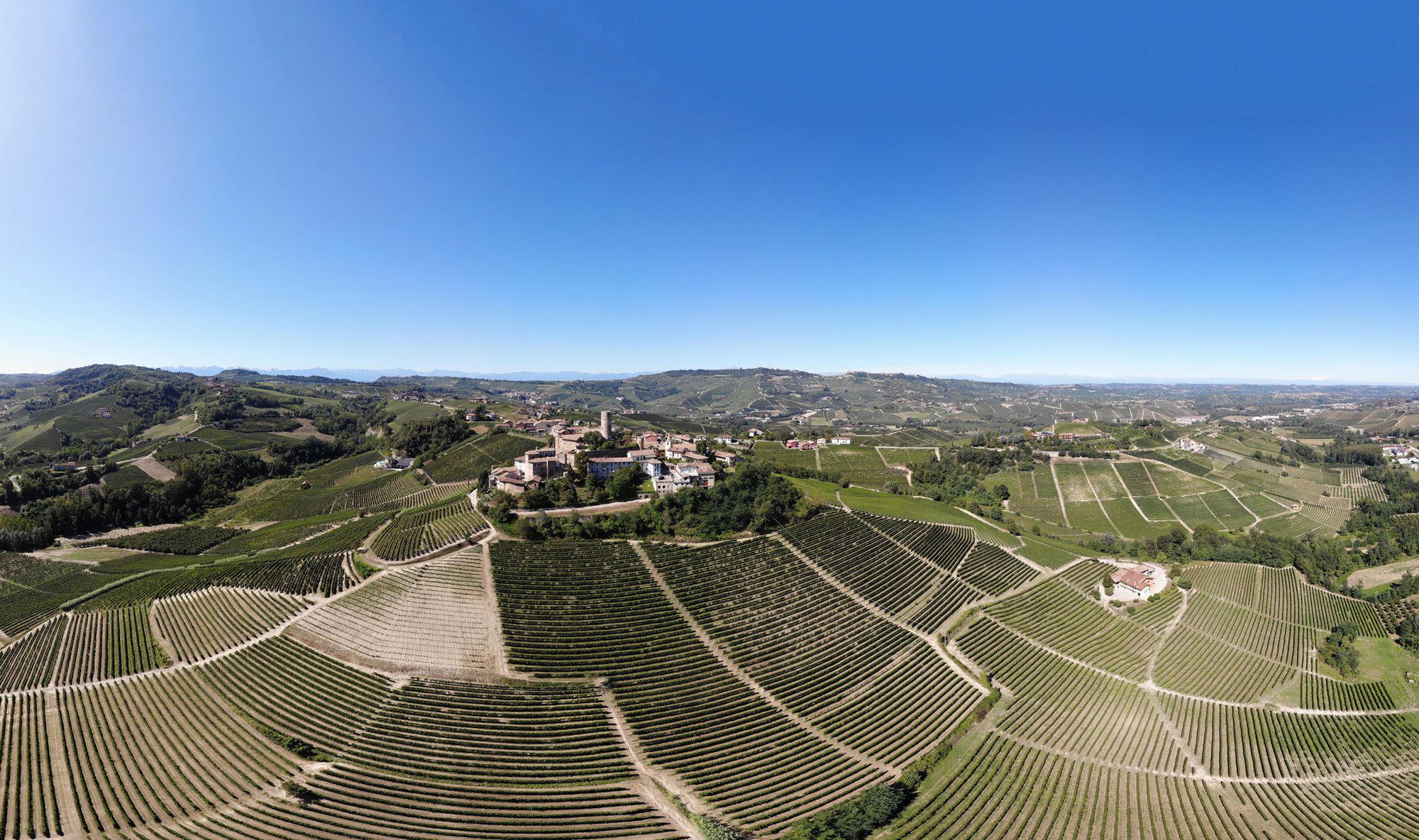
Azienda Agricola Grasso Fratelli
Treiso, Italy
Worth booking for a traditional Treiso winery visit centered on Valgrande Barbaresco and a broader Langhe portfolio. Azienda Agricola Grasso Fratelli is better suited to couples or small groups seeking rustic cellar context than travelers chasing polished luxury hospitality, with booking recommended and a moderate price tier for the area.
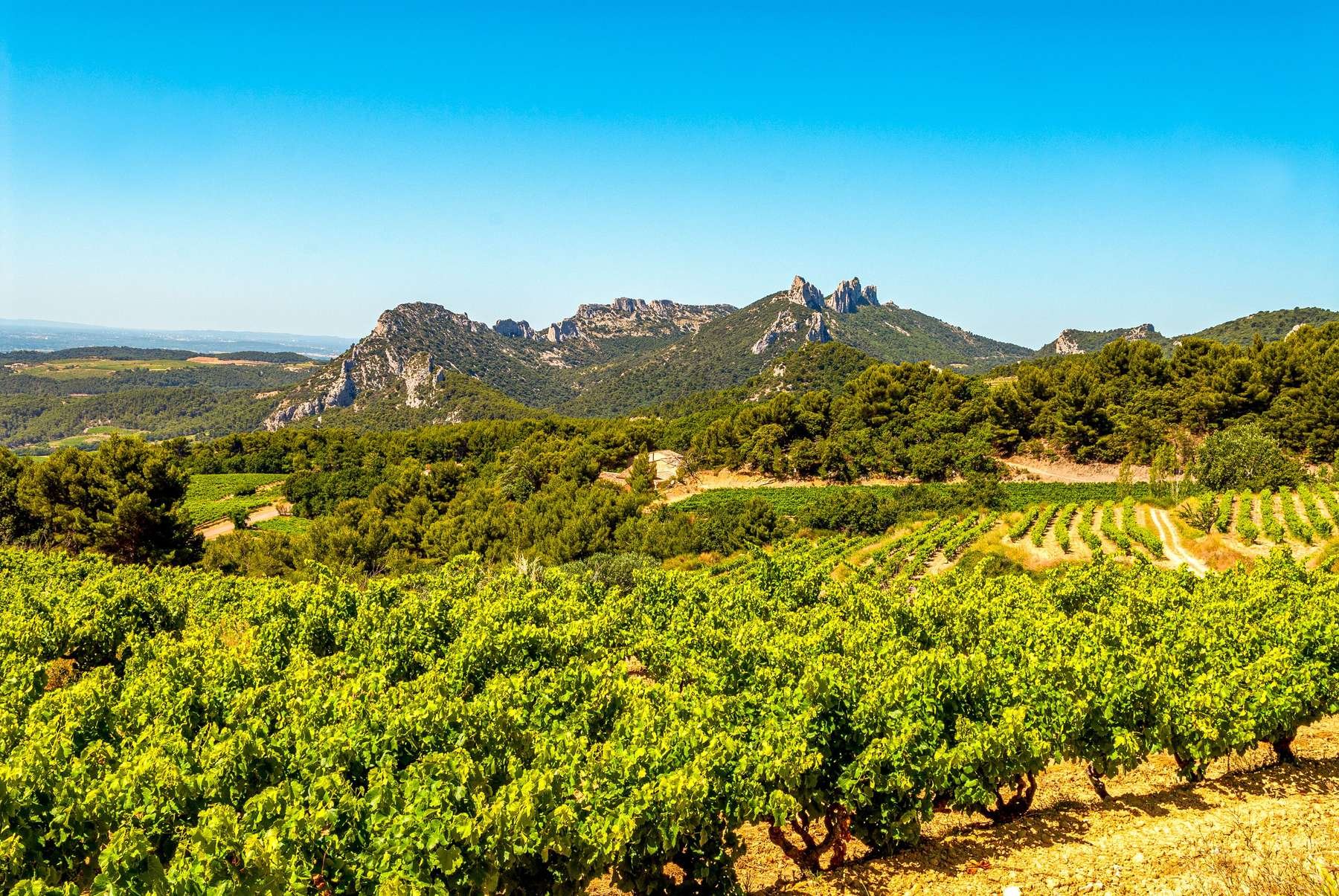
Domaine Loew
Westhoffen, France
Visit Domaine Loew if you want a serious, low-flash Alsace tasting built around biodynamic farming, parcel-specific wines, and Westhoffen terroir. It is strongest for curious wine travelers who want Riesling, Crémant, Pinot Noir, and late-harvest styles in a calm cellar setting rather than a polished luxury tasting room.
How many of these have you visited?
Find out on Pearl and keep score across every place in 2026 Falstaff Winery Guide.