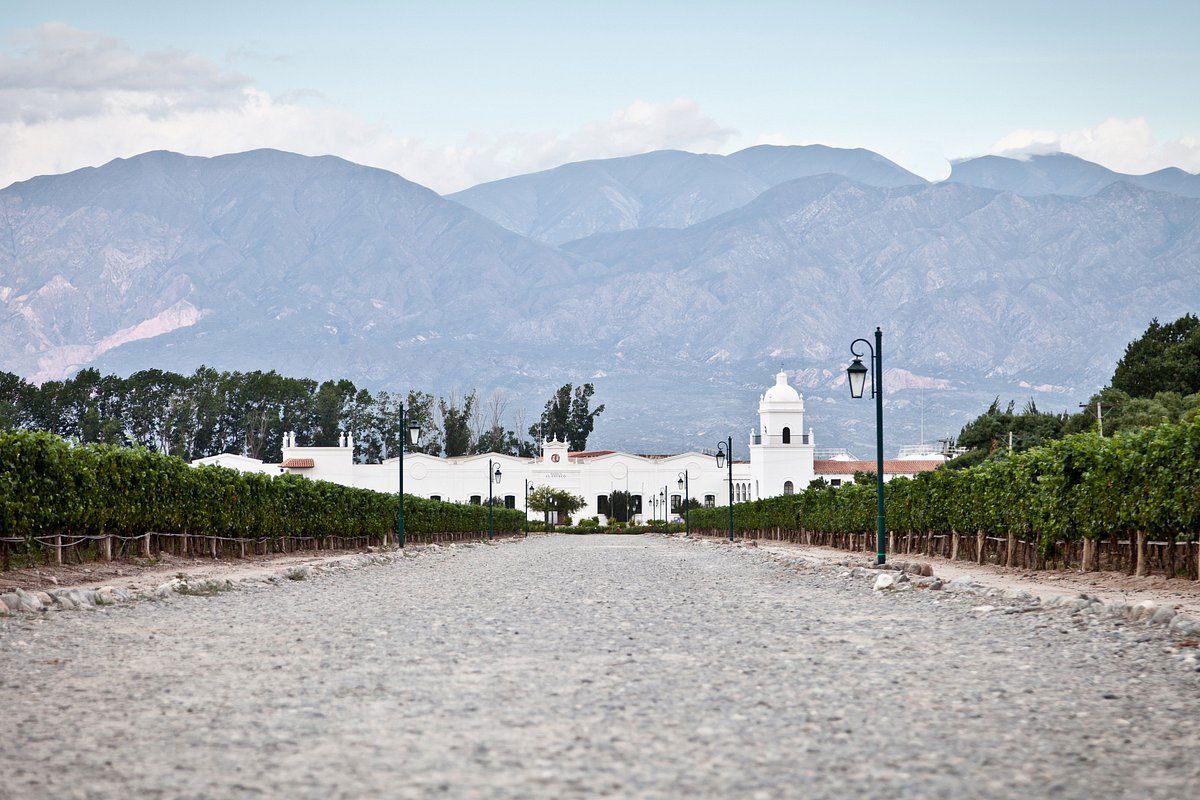


Bodega El Esteco
Cafayate
Winery in Cafayate, Argentina
 Book with Pearl
The Read
High-Altitude Calchaquí Viticulture
Why go
Bodega El Esteco is worth prioritizing if the goal is a serious Cafayate winery stop with regional weight rather than a quick town tasting. Plan it as an anchor visit on an RN40 day, then cross-shop Bodega Nanni or Domingo Hermanos if convenience and easier timing matter more.
About Bodega El Esteco
Is Bodega El Esteco worth considering in Cafayate? It can be, especially if you are choosing among Cafayate venues and want to prioritize a place with a clear distinction. Bodega El Esteco is in Cafayate, has a smart casual dress code, and holds Pearl 3 Star Prestige (2025). For services, schedules, prices, menus, group policies, and detailed location information, check directly with the venue and keep plans flexible.
Use Bodega El Esteco as one part of a broader Cafayate plan rather than relying on assumptions about what the visit includes. If you are comparing other named options, Bodega Nanni, Domingo Hermanos, El Porvenir de Cafayate, Finca Quara, and San Pedro de Yacochuya are natural names to consider alongside it. For other dining or travel planning in Cafayate, keep comparisons general and check current details before making firm plans.
Book it for the recognition, then check the visit details
Bodega El Esteco is best approached as a planned Cafayate stop because the Pearl 3 Star Prestige (2025) recognition gives it a clear editorial signal. Specifics such as format, service length, price, menu, offering, and group setup should be checked directly with the venue. The practical takeaway is simple: decide whether it fits the role you want it to play in the day, then check the current details before building the rest of the schedule around it.
Build in some flexibility rather than stacking multiple fixed commitments back to back. That flexibility matters whenever a venue is being used as an anchor rather than a filler stop. For the rest of the trip, use broader Cafayate planning resources, including Our full Cafayate hotels guide and Our full Cafayate bars guide, so this stop does not force the whole day into guesswork.
How to place it within a wider Cafayate plan
Bodega El Esteco sits in a useful comparison set with Bodega Nanni, Domingo Hermanos, El Porvenir de Cafayate, Finca Quara, and San Pedro de Yacochuya. Give Bodega El Esteco attention for its Cafayate location, smart casual dress code, and Pearl 3 Star Prestige (2025), while checking specifics such as product format, food program, address details, and visitor capacity directly before you go. If the trip includes other Cafayate venues, compare the overall feel of each place while checking current practical details directly before you go.
Planning details
- Location
- RN40 km 4343, A4427 Cafayate, Salta
- Website
- elesteco.com.ar
- Phone
- +54 3868 42-2496
The take
The Take
The Vibe
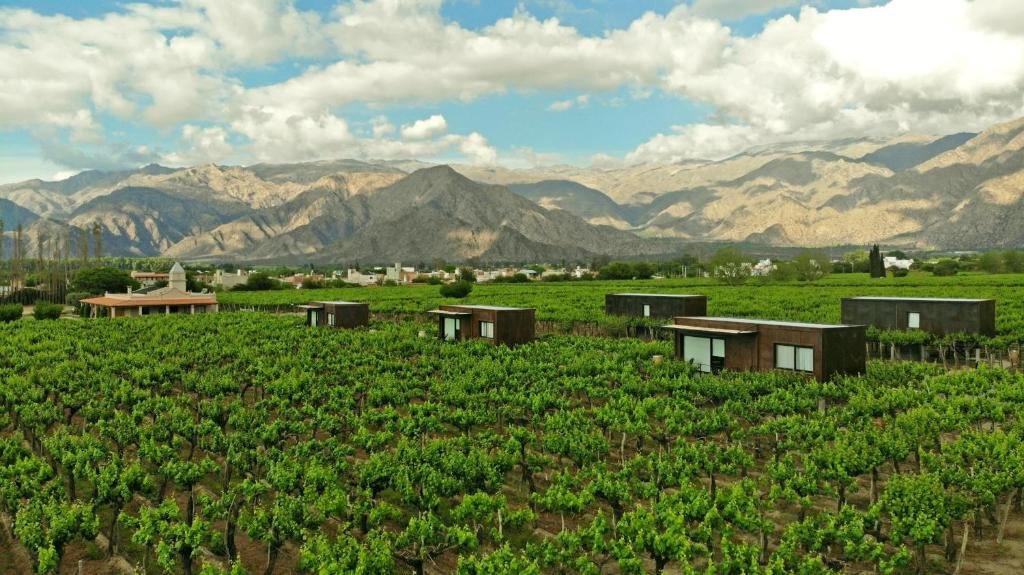
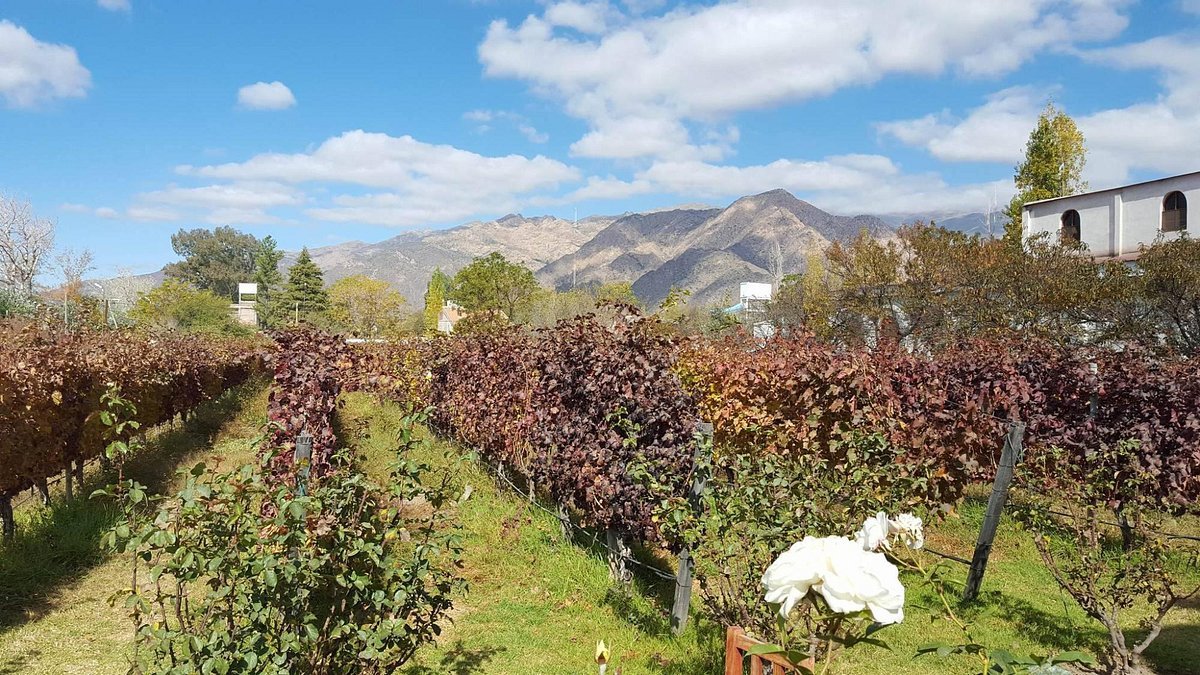
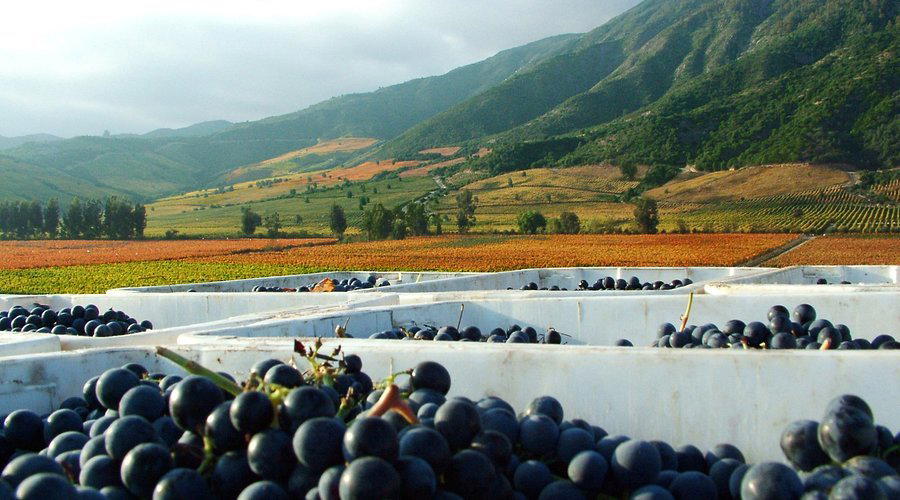
Bodega El Esteco reads like a high‑altitude manifesto: thin air, intense sun and terracotta quebradas frame a winery that occupies a symbolic centre in Cafayate’s recent ascent. The writeup anchors the estate in history — wine here dates to the colonial period — while foregrounding the austere, mineral-driven character of the land. The setting feels composed rather than showy, measured by altitude and agricultural logic rather than hospitality theatre. Visitors encounter a place where landscape and viticulture are the primary attractions, and the overall impression is quietly monumental and rooted in regional tradition.
Best For
This is a stop for people interested in place‑driven wine and the mechanics of high‑altitude viticulture: students of terroir, small groups touring the Calchaquí Valleys, and solo explorers who want to read the land through its wines. The description emphasizes how unique conditions shape Torrontés and Malbec here, so it rewards curious tasters who want to compare style and structure against other Argentine regions. It also suits travelers organizing a focused wine itinerary through Cafayate’s range of producers, from artisanal to mid‑sized estates.
Tasting Tips
When tasting at El Esteco, prioritize varietal expressions that the text calls out. Start with Torrontés to experience the aromatic intensity and lifted acidity that high elevation preserves, then move to the estate’s Malbec to note the leaner, more structured profile described here. Frame your tasting around comparisons: consider how these bottles differ from lower‑elevation counterparts in colour, tannin and aromatic focus. Because irrigation and altitude figure prominently in the notes, ask staff about site elevations and vineyard sourcing to deepen your understanding of each wine’s profile.
Venue details
Ambiance
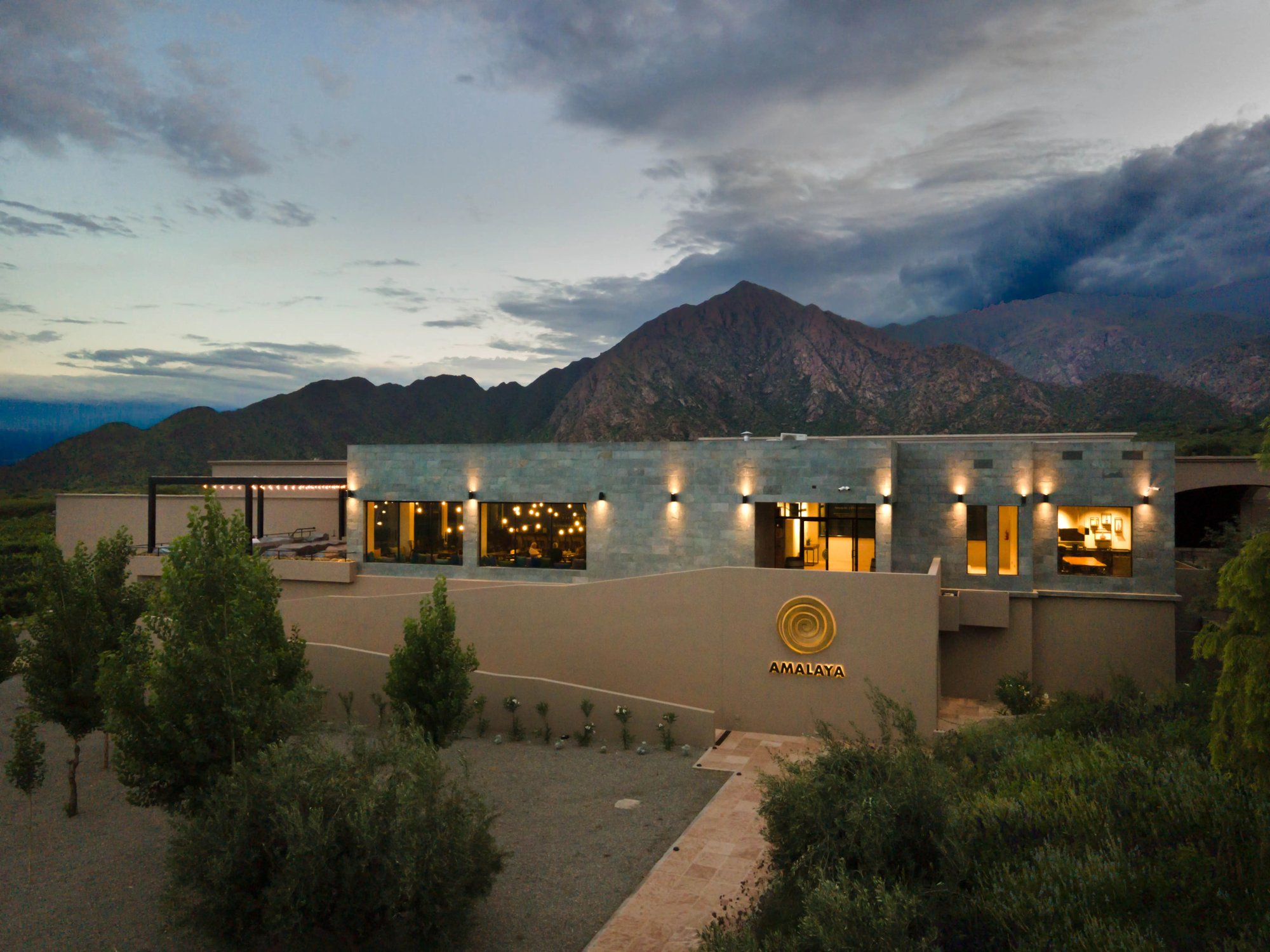
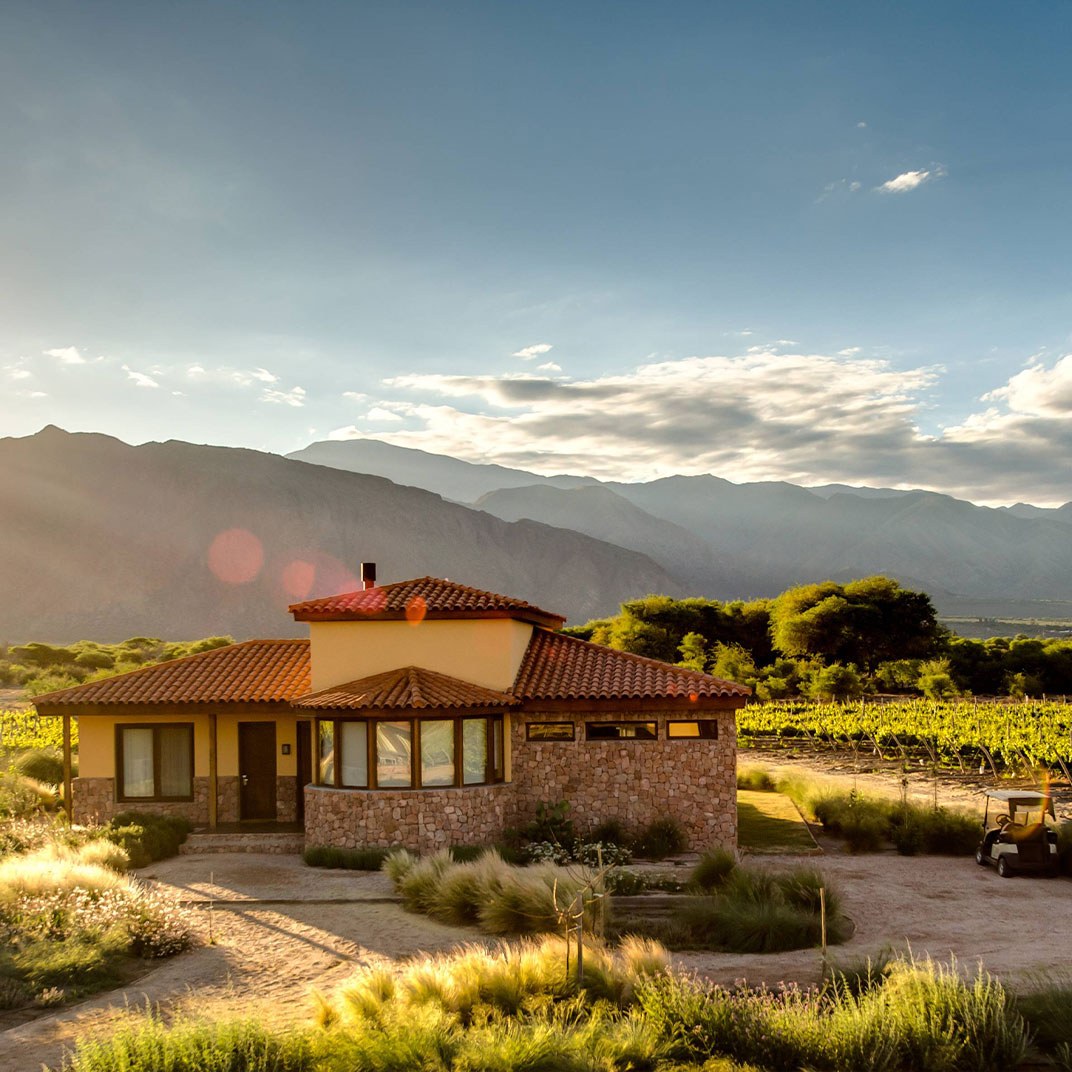
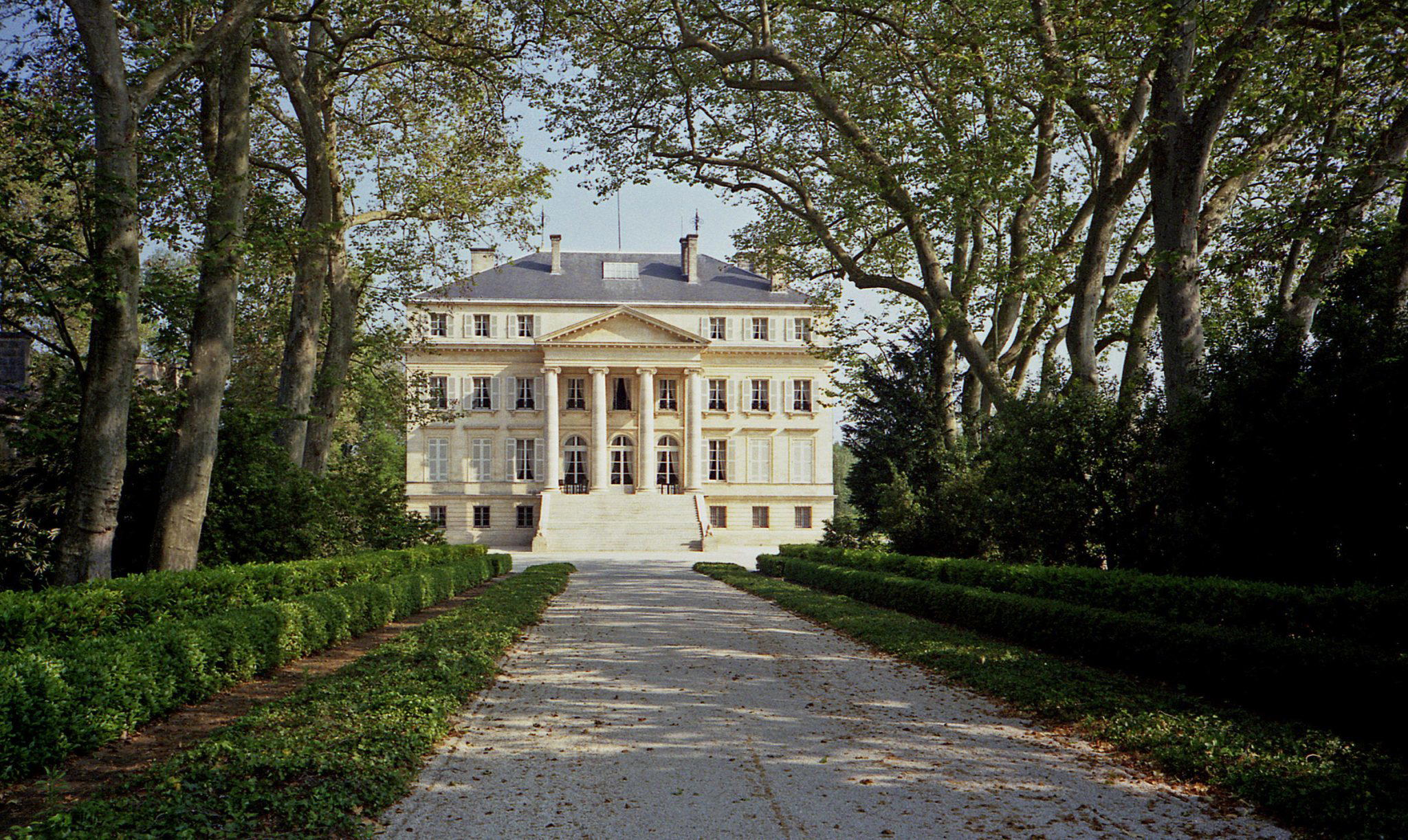
Colonial architecture surrounded by monumental mountain and vineyard landscapes, creating a serene, cultural, and sensory experience.
Tags
Vibe
Best For
Experience
Sourcing
View
At the Vineyard
- Appellation
- Valles Calchaquíes
- Varietals
- Torrontés, Malbec, Cabernet Sauvignon, Syrah, Chardonnay
- Tour Duration
- 1-2 hours
- Tour Languages
- Spanish, English
- Visits
- By reservation
- Farming
- Organic
- Production
- Large producer
- Wine Styles
- Still Red, Still White
- Food Pairing
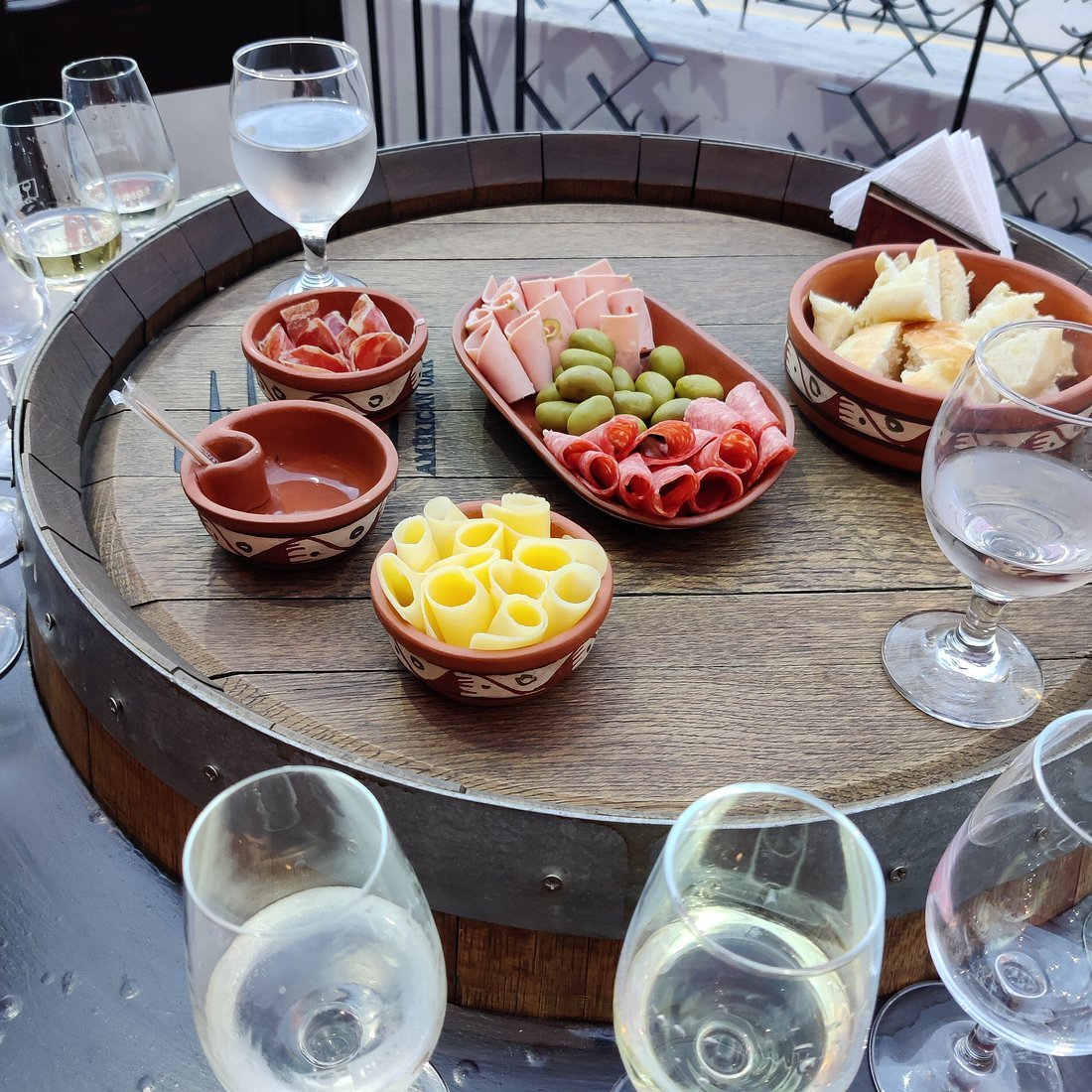
- Offered
- Wine Club
- Not available
Know before you go
Know Before You Go
- Getting there
- RN40 km 4343, A4427 Cafayate, Salta
Planning details
Location
Recognition and awards


Also consider
Where to Go If This Does Not Work
If a visit here is hard to secure, Bodega Nanni is the simplest fallback for a Cafayate tasting plan that needs less travel friction. Domingo Hermanos is the better backup for a casual, value-led stop, while San Pedro de Yacochuya makes more sense if the day still needs a destination winery rather than a town tasting.
Winery context
How It Compares
Among Cafayate winery options, Bodega El Esteco is the stronger choice when the visit needs to feel like the anchor of the day. El Porvenir de Cafayate is the better cross-shop if the priority is a more compact Cafayate stop with less pressure on the schedule, while Bodega Nanni is easier to fold into a town-focused itinerary.
For value and convenience, Domingo Hermanos and Finca Quara are more practical alternatives if the main goal is to taste locally without building the day around one producer. For a more destination-style wine stop, San Pedro de Yacochuya is the peer to consider, especially for travelers who want the visit to feel removed from the center of town.
Booking difficulty is the deciding factor: treat Bodega El Esteco as the harder slot and keep a backup. If the first choice does not work, Bodega Nanni is the safer fallback for convenience, Domingo Hermanos is the practical backup for a casual tasting plan, and San Pedro de Yacochuya is the better replacement when the day still needs a destination winery.
Explore Cafayate
Around this place
Discover more on Pearl
Unlock the full Bodega El Esteco guide in Pearl, including awards, comparisons, FAQs, planning details, and nearby places.
Compare Bodega El Esteco
| Venue | Location | Awards |
|---|---|---|
| Bodega El Esteco | Cafayate | 2026 Falstaff Winery Guide2025 World's 50 Best Vineyards · #34 |
| El Porvenir de Cafayate | Cafayate | 2026 Falstaff Winery Guide |
| Bodega Nanni | Cafayate | No published awards |
| Domingo Hermanos | Cafayate | No published awards |
| San Pedro de Yacochuya | Cafayate | No published awards |
| Finca Quara | Cafayate | No published awards |
How Bodega El Esteco Cafayate compares with similar nearby venues.
FAQ
Frequently Asked Questions
What is Bodega El Esteco known for here?
Bodega El Esteco is a Cafayate venue with Pearl 3 Star Prestige (2025) recognition.
Can Bodega El Esteco handle large groups?
Does Bodega El Esteco have a membership program?
Consider any membership only after checking current terms, benefits, and availability directly with the venue.
Does Bodega El Esteco offer shipping?
How long should I plan for a visit to Bodega El Esteco?
Treat Bodega El Esteco as a planned Cafayate stop, keep your schedule flexible, and check current visitor details with the venue before you go.