
Lallier
Aÿ
Winery in Aÿ, France
 Book with Pearl
The Read
Grand Cru Terroir Expression
Why go
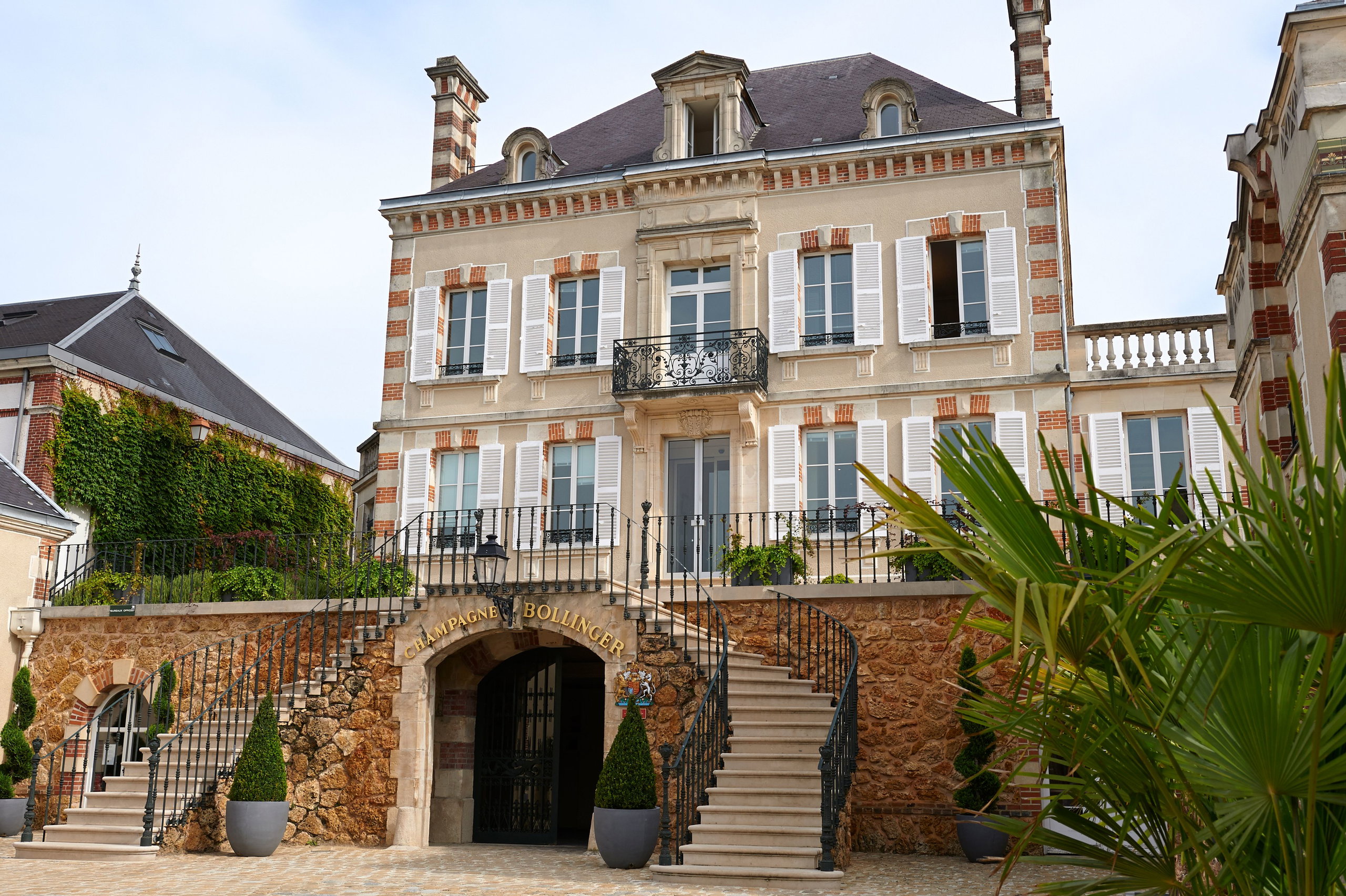
Lallier is worth prioritizing if the goal is a serious Champagne stop in Aÿ rather than a casual tasting-room visit. Access should be treated as difficult, so plan it before meals or secondary houses. Cross-shop Bollinger for bigger-name recognition, Philipponnat for another focused Aÿ stop, and Ayala or Deutz for a lighter itinerary.
About Lallier
Is Lallier in Aÿ worth considering? On information, the clearest reason to place it on a shortlist is its Pearl 3 Star Prestige recognition for 2025. Beyond that, the public-facing planning details in this guide should stay conservative: confirmed specifics are limited, so treat Lallier as a venue to research directly before building a full itinerary around it.
The dress code is smart casual, which makes it a polished but not overly formal option on paper. Use the confirmed recognition and location as the starting point, then check Lallier's own channels for current arrangements.
Prioritize it for a focused Aÿ plan, not an assumption-heavy itinerary
The value question is best framed around certainty. Lallier has a confirmed Pearl 3 Star Prestige distinction for 2025, but this guide does not verify detailed pricing, booking rules, opening times, food service, or tasting structure. If only one Aÿ stop fits the day, Lallier may be a strong candidate for travelers who want a recognized venue and are prepared to confirm the practical details directly.
For a compact itinerary, use Our full Aÿ guide first, then compare Lallier with other relevant names. Philipponnat, Ayala, Deutz, Bollinger, and Henri Giraud are natural points of comparison for visitors weighing options. The practical call: do not rely on assumptions about access, service style, or availability. Confirm the essentials with the venue, then fit other plans around the confirmed visit using broader planning resources.
Who should choose it over another option
Choose Lallier if the appeal is a recognized Aÿ venue with Pearl 3 Star Prestige status and a smart-casual dress code. Consider Bollinger, Ayala, Deutz, Philipponnat, or Henri Giraud as comparison points if you are weighing several options before committing to a plan.
The safest approach is to keep the itinerary simple until the venue-specific details are confirmed. A good plan depends on timing, access, and any requirements the venue communicates directly. For adjacent planning beyond the main stop, use broader resources rather than adding more commitments by default.
Quick reference: prioritize Lallier for its confirmed Pearl 3 Star Prestige recognition in Aÿ; dress smart casual; compare naturally with Bollinger, Philipponnat, Ayala, Deutz, or Henri Giraud when shaping the day.
Planning details
- Location
- 4 Place Libération, 51160 Aÿ-Champagne
- Website
- champagne-lallier.com
- Phone
- +33 3 26 55 43 40
The take
The Take
The Vibe
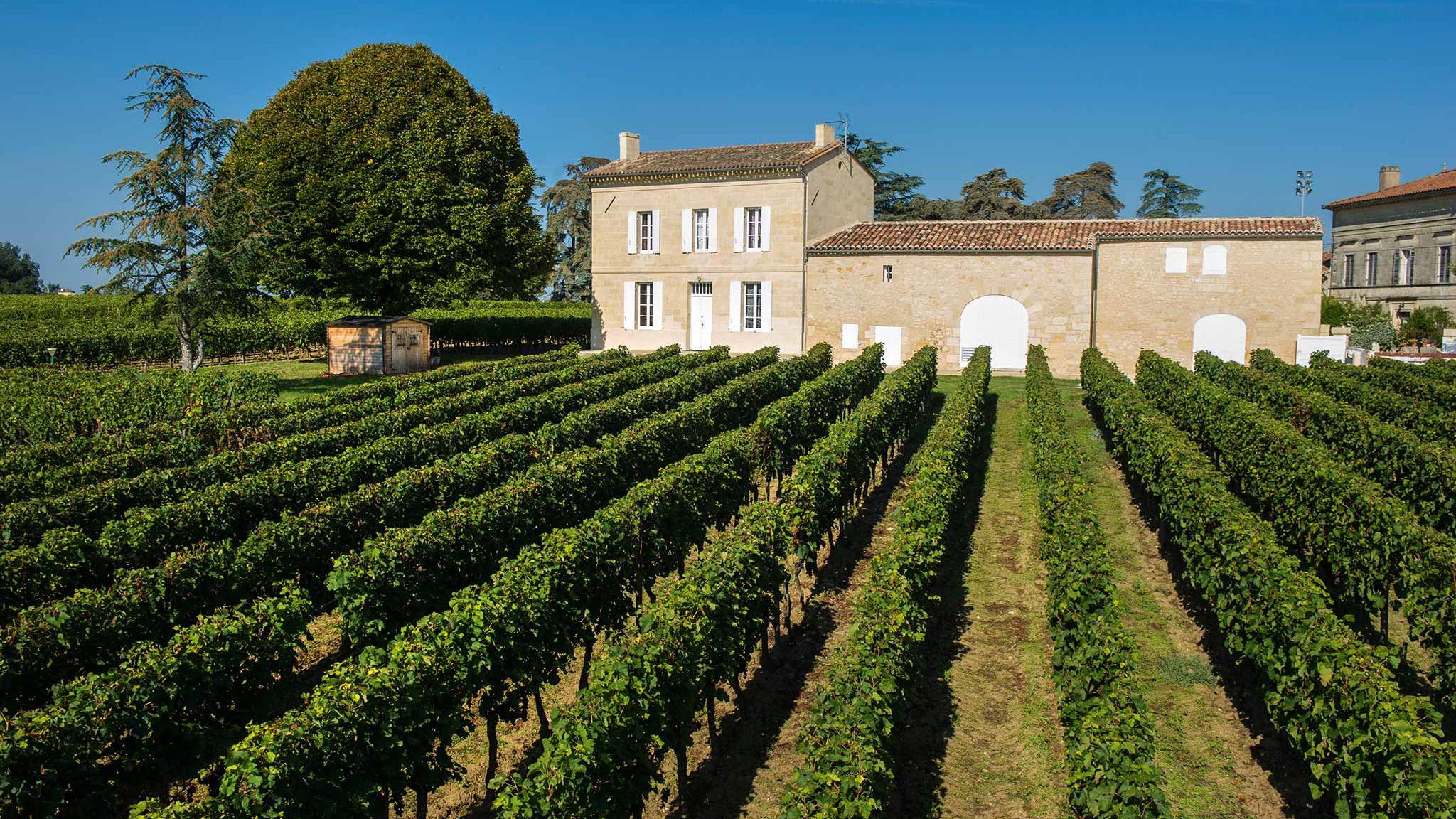
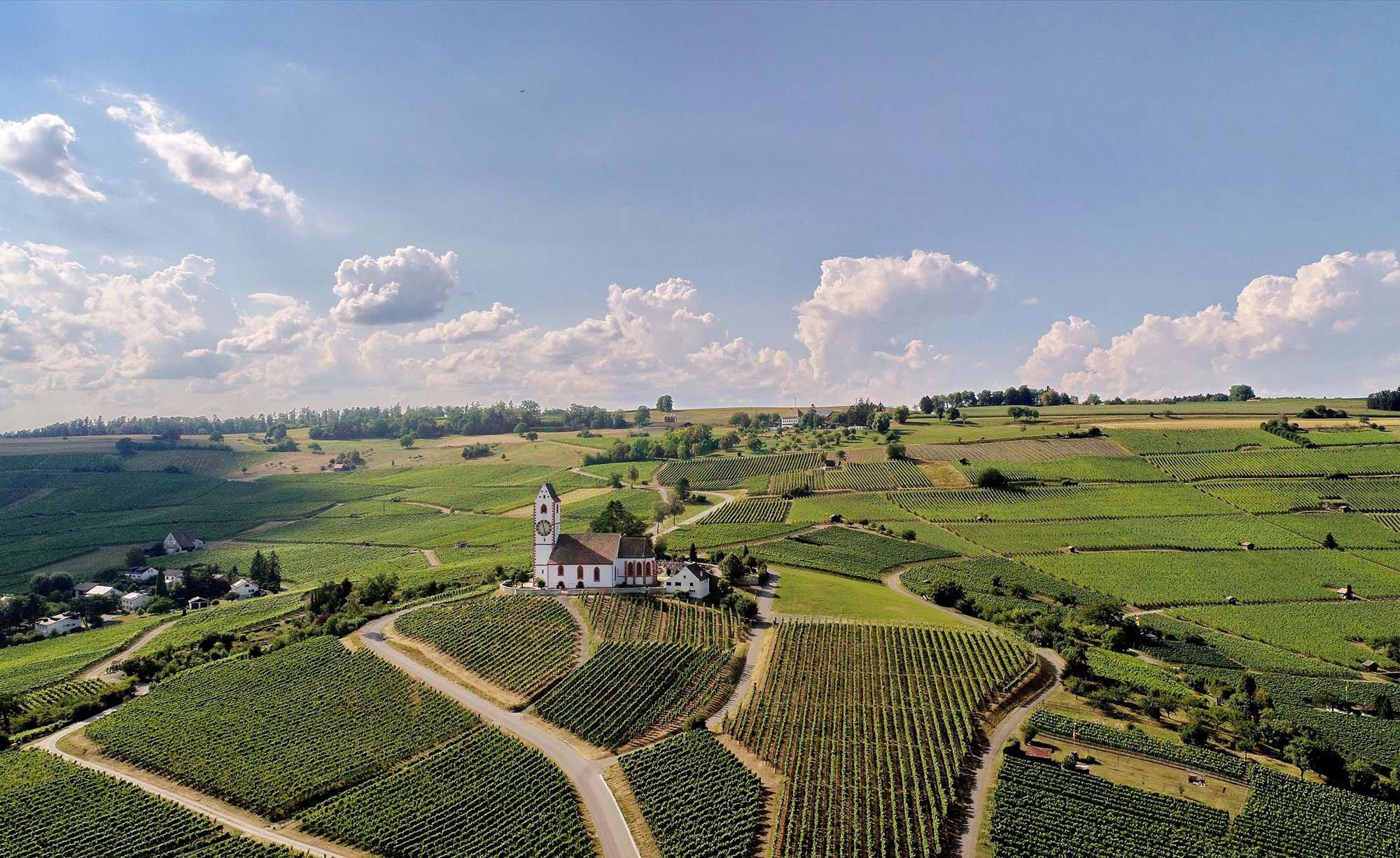
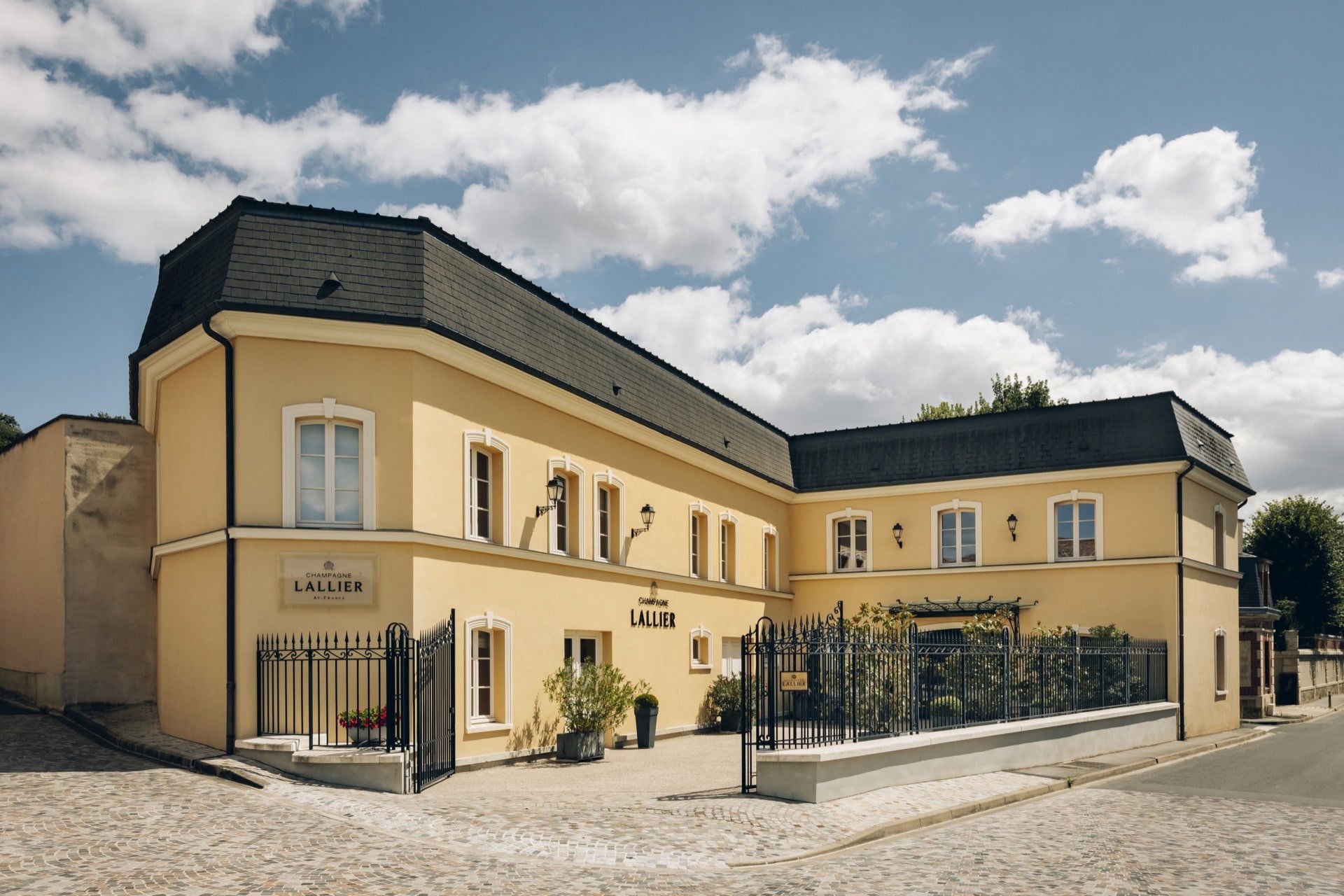
Lallier sits organically inside a working Champagne village rather than a purpose-built tourist complex. Stone buildings and harvest traffic give the place an authentic, timeworn character: this is a producer’s neighborhood on the south-facing slope of the Montagne de Reims. The estate feels understated and terroir-forward, with tastings that privilege the wines over audiovisual spectacle. Visitors encounter a sober, focused atmosphere where the Grand Cru context and Pinot Noir-rich vineyards are the visual and narrative anchors — a quietly compelling environment for people who care more about provenance than pomp.
Best For
Lallier is best for people who come to Champagne to learn: collectors, students, and serious tasters who want a terroir-driven perspective on Grand Cru Aÿ. The house’s emphasis on focused, appointment-based visits suits visitors who prefer deliberate, educational tastings rather than large, theatrical tours. It also works well for small celebratory moments that value quiet attention to the wines. Because the visit centers on tasting rather than spectacle, guests who prioritize depth of conversation with a host will get the most out of the experience.
Tasting Tips
Book ahead: the tasting rhythm in Aÿ favors scheduled appointments over walk-ins, and Lallier’s visits are described as focused and appointment-based. Expect a wine-first format rather than multimedia attractions or large crowd experiences. Arrive with curiosity about Grand Cru Pinot Noir and the village’s vineyard context—questions about terroir, élevage and dosage will be rewarded. Keep logistics in mind: this is a working producer’s village, so plan for limited visitor infrastructure and allow time to walk the surroundings if you want to see the vineyards that frame the estate.
Venue details
Ambiance
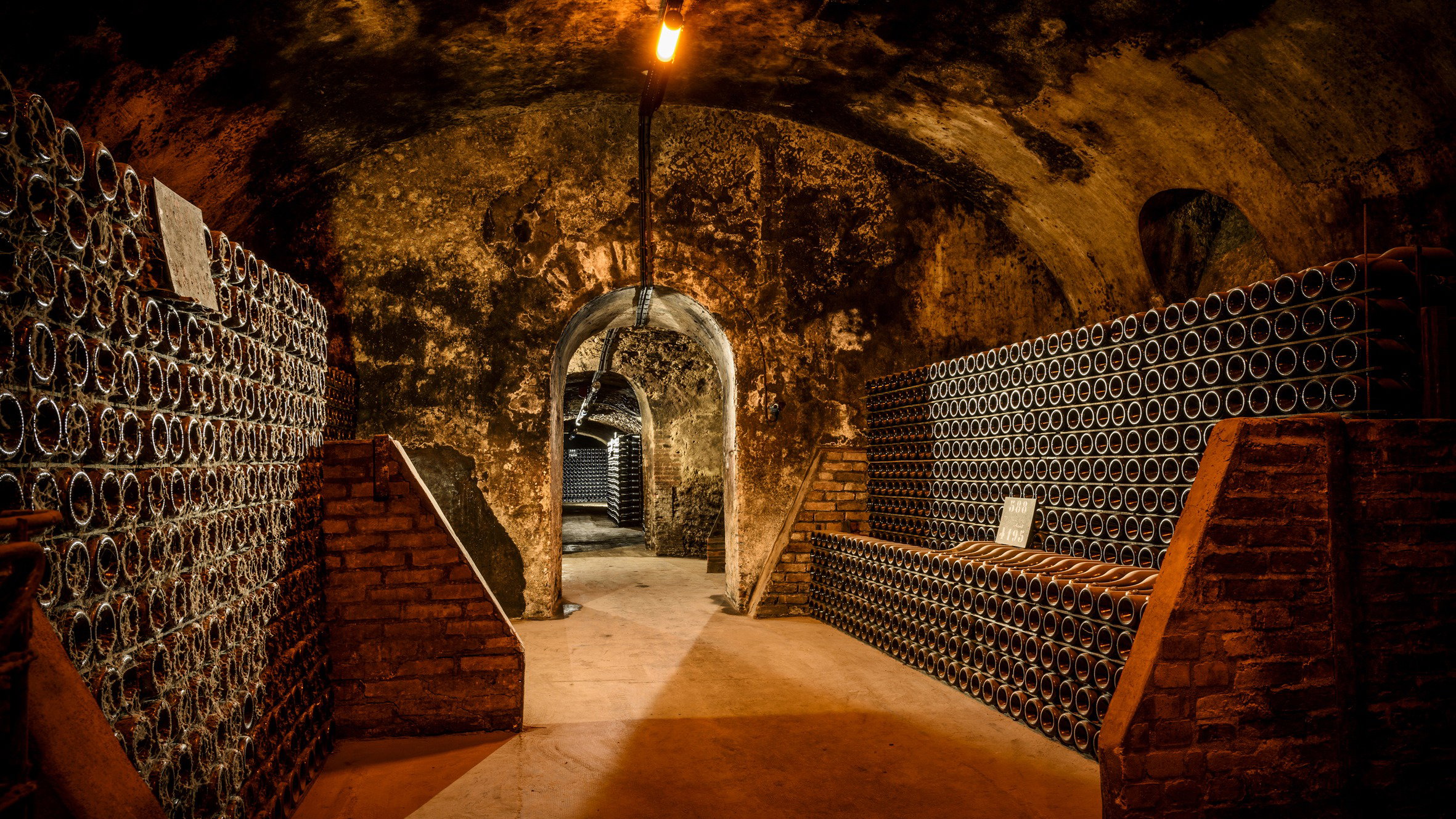
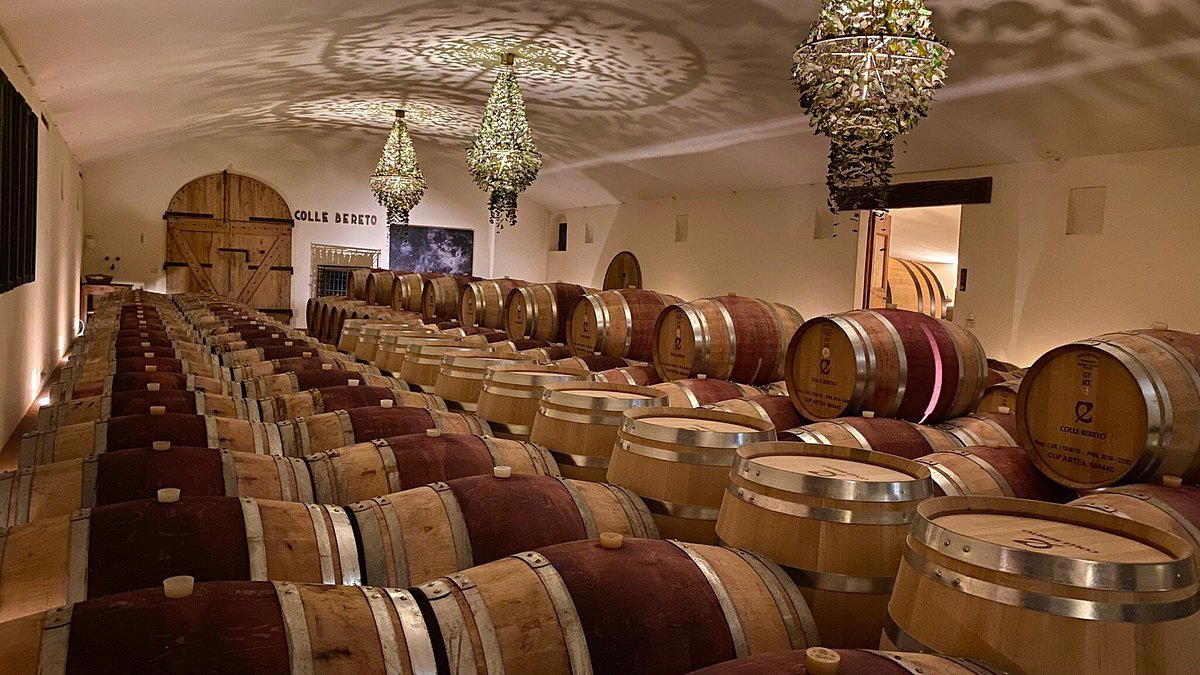
Elegant and refined atmosphere in vaulted historic cellars, evoking tradition and precision in winemaking.
Tags
Vibe
Best For
Experience
Sourcing
View
At the Vineyard
- Appellation
- Aÿ Grand Cru
- Varietals
- Pinot Noir, Chardonnay
- Visits
- By reservation
- Farming
- Sustainable
- Production
- Small producer
- Wine Styles
- Sparkling
- Wine Club
- Not available
Know before you go
Know Before You Go
- Getting there
- 4 Place Libération, 51160 Aÿ-Champagne
Planning details
Location
Recognition and awards

Also consider
Where to look if this is hard to secure
If access does not line up, start with Philipponnat for another serious Aÿ house or Deutz for an easier-feeling itinerary. Choose Bollinger when the day needs a name-recognition anchor, and Ayala when the schedule needs to stay flexible.
Winery context
How it compares in Aÿ
Lallier is the choice for visitors who want a focused Champagne appointment in Aÿ and are willing to plan around difficult access. Bollinger is the stronger pick when brand recognition matters more than quietness; Philipponnat is the more direct cross-shop for another serious house in the same town.
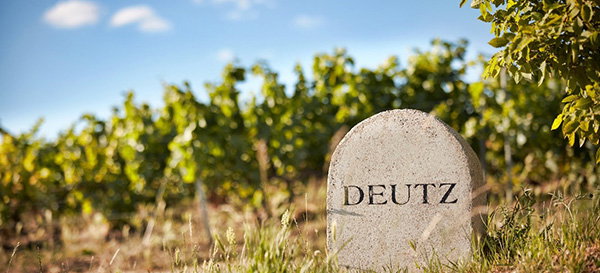
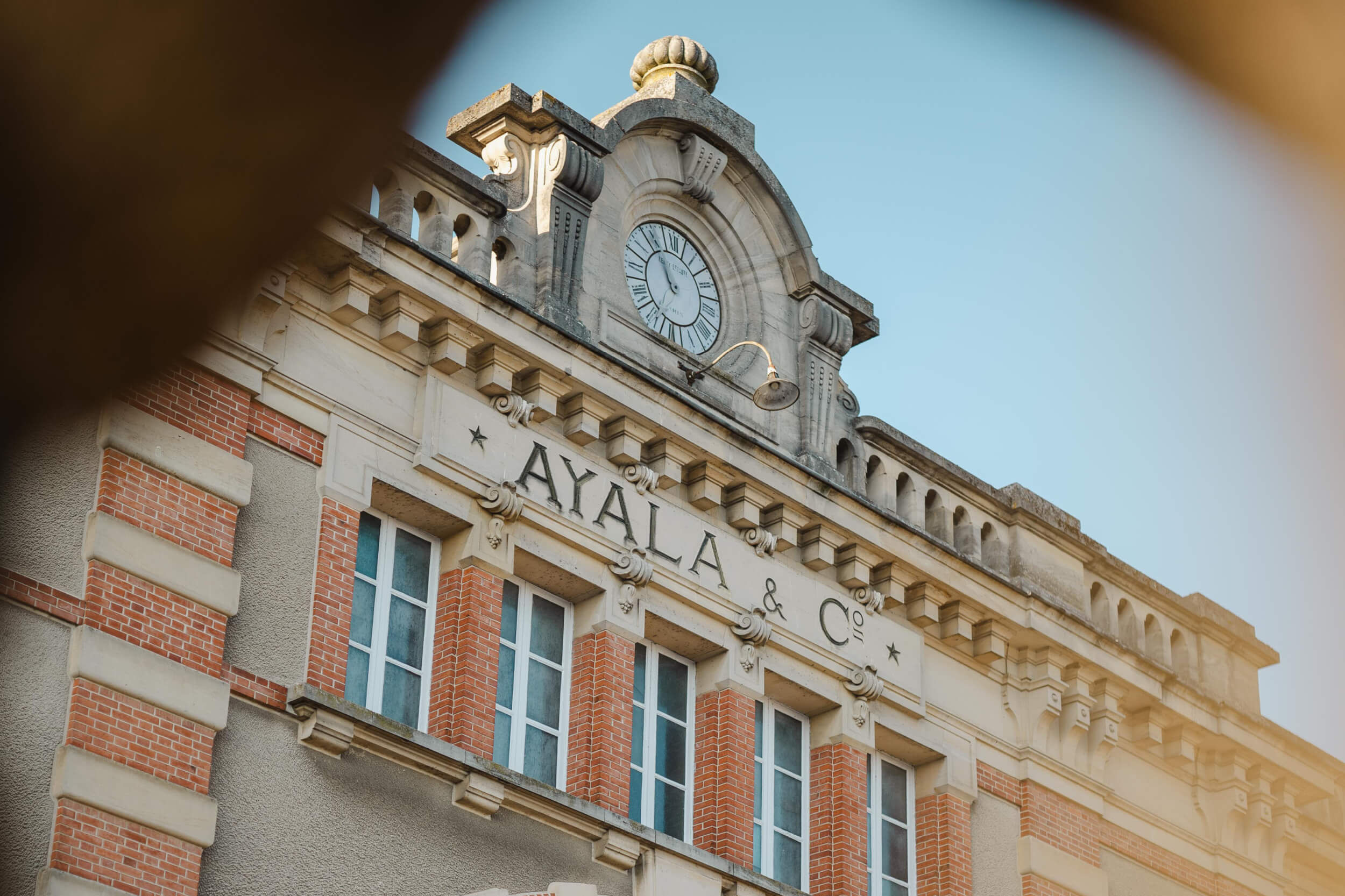
For a lighter day, Ayala and Deutz are better fits if the visit needs to sit around lunch, hotel timing, or a less intensive Champagne schedule. Henri Giraud works better as a comparative splurge-style stop, but it should be planned as a separate commitment rather than a filler between appointments.
On value, the decision is less about a published price tier and more about time. If only one difficult appointment is worth protecting, Lallier belongs high on the list. If the day needs maximum certainty, choose Ayala or Deutz first and keep Lallier as the higher-effort target.
Explore Aÿ
Around this place
Discover more on Pearl
Unlock the full Lallier guide in Pearl, including awards, comparisons, FAQs, planning details, and nearby places.
Compare Lallier
| Venue | Location | Awards |
|---|---|---|
| Lallier | Aÿ | 2026 Falstaff Winery Guide |
| Philipponnat | Aÿ | 2025 World's 50 Best Vineyards · #762025 Pearl 3 Star Prestige |
| Ayala | Aÿ | 2026 Falstaff Winery Guide2025 Pearl 4 Star Prestige |
| Deutz | Aÿ | 2026 Falstaff Winery Guide2025 Pearl 4 Star Prestige |
| Bollinger | Aÿ | 2026 Falstaff Winery Guide2025 World's 50 Best Vineyards · #152025 Pearl 4 Star Prestige2024 World's 50 Best Vineyards · #122023 World's 50 Best Vineyards · #23 |
| Henri Giraud | Germenay | 2026 Falstaff Winery Guide2025 Pearl 3 Star Prestige |


How Lallier Aÿ compares with similar nearby venues.
FAQ
Frequently Asked Questions
Do I need a reservation at Lallier?
Lallier is in Aÿ and has Pearl 3 Star Prestige recognition for 2025, so confirm current access and booking details directly before planning the visit.
Are membership options at Lallier ?
Does Lallier serve food?
Are shipping options at Lallier ?
If delivery, export, or collection options matter, confirm those details with Lallier before building the rest of the Aÿ itinerary around them.
Can Lallier handle large groups?
If you are planning for a group, contact Lallier directly and confirm whether the venue can accommodate your party on the date you need.
When is the best time to visit Lallier?
Confirm the current schedule with Lallier, then compare the plan with Bollinger, Deutz, or Henri Giraud if you are considering more than one stop.
Is a signature offering at Lallier ?
If that matters to your choice, ask Lallier directly and compare your priorities with other options such as Bollinger or Henri Giraud.