
Revana Family Vineyard
St. Helena
Winery in St. Helena, United States
 Book with Pearl
The Read
St. Helena Estate Precision
Why go
Revana Family Vineyard is worth pursuing for a serious St. Helena Cabernet-focused visit, especially for collectors or first-timers who want a more selective Napa stop. It is less suited to casual groups that need easy availability, broad wine styles, or a flexible tasting-room plan.
About Revana Family Vineyard
Revana Family Vineyard is a St. Helena venue, with a smart casual dress code and Pearl 2 Star Prestige recognition for 2025.
Plan with caution rather than assumptions. For broader trip planning, use the confirmed location as the anchor and verify current visit details directly before building the day around it.
Choose it for a St. Helena vineyard stop with limited planning detail
Revana Family Vineyard may fit a St. Helena itinerary, but the safest expectation is a simple venue profile: a St. Helena vineyard with a smart casual dress code and Pearl 2 Star Prestige recognition in 2025.
For broader trip planning, use Our full St. Helena wineries guide, then round out the day with Our full St. Helena restaurants guide, Our full St. Helena hotels guide, Our full St. Helena bars guide, or Our full St. Helena experiences guide.
What to expect on a first visit
First-timers should avoid relying on specifics. Smart casual dress is the confirmed guidance.
If you are comparing options, you may also look at Ballentine Vineyards, Faust, Markham Vineyards, Morlet Family Vineyards, and Vineyard 29, along with other nearby or regional venues. Keep the comparison practical: confirm each venue's current availability, format, and policies before finalizing an itinerary.
Planning details
- Location
- 2930 St Helena Hwy, St Helena, CA 94574
- Website
- revanawine.com
- Phone
- +1 707-967-8814
The take
The Take
The Vibe
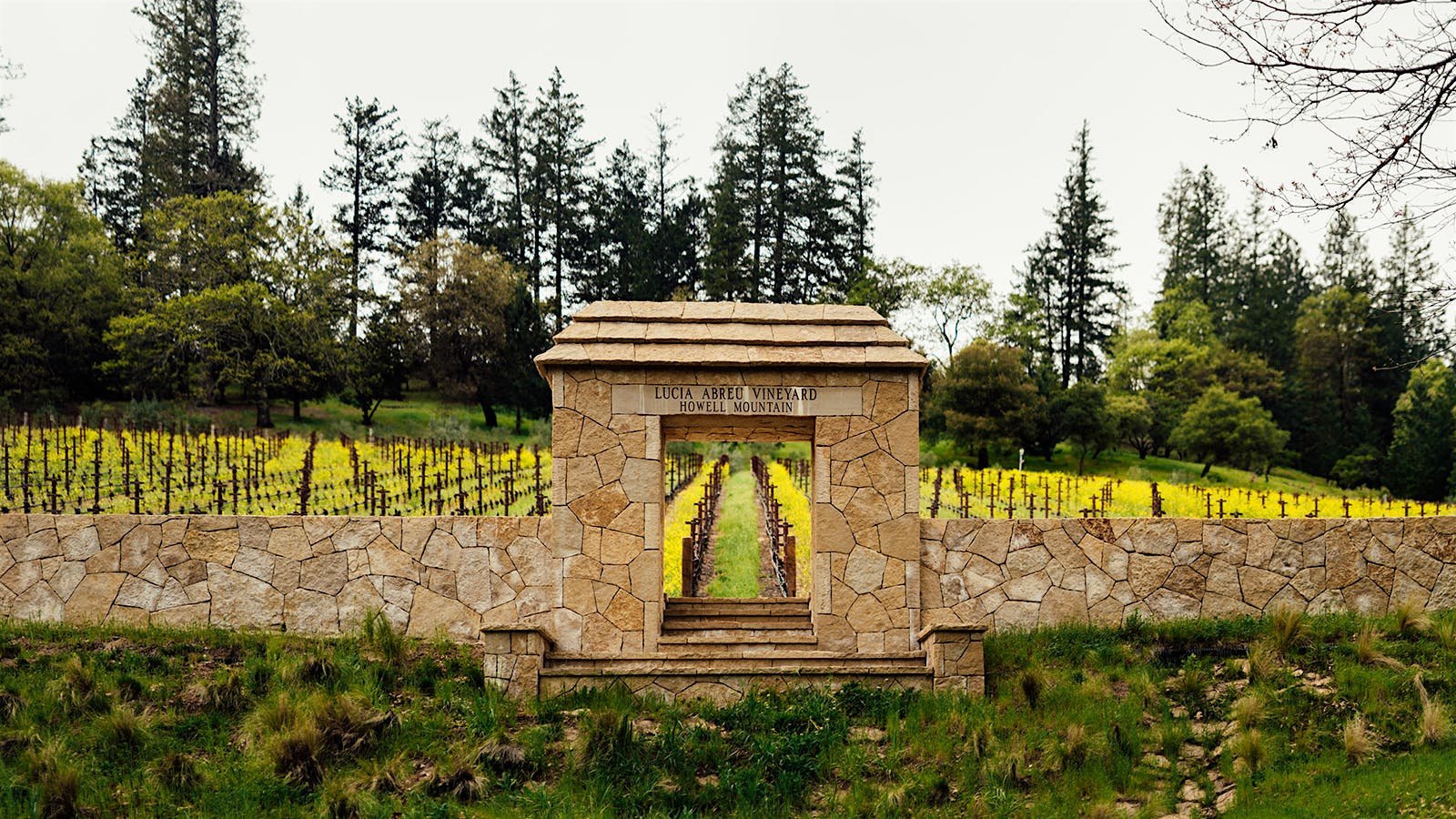
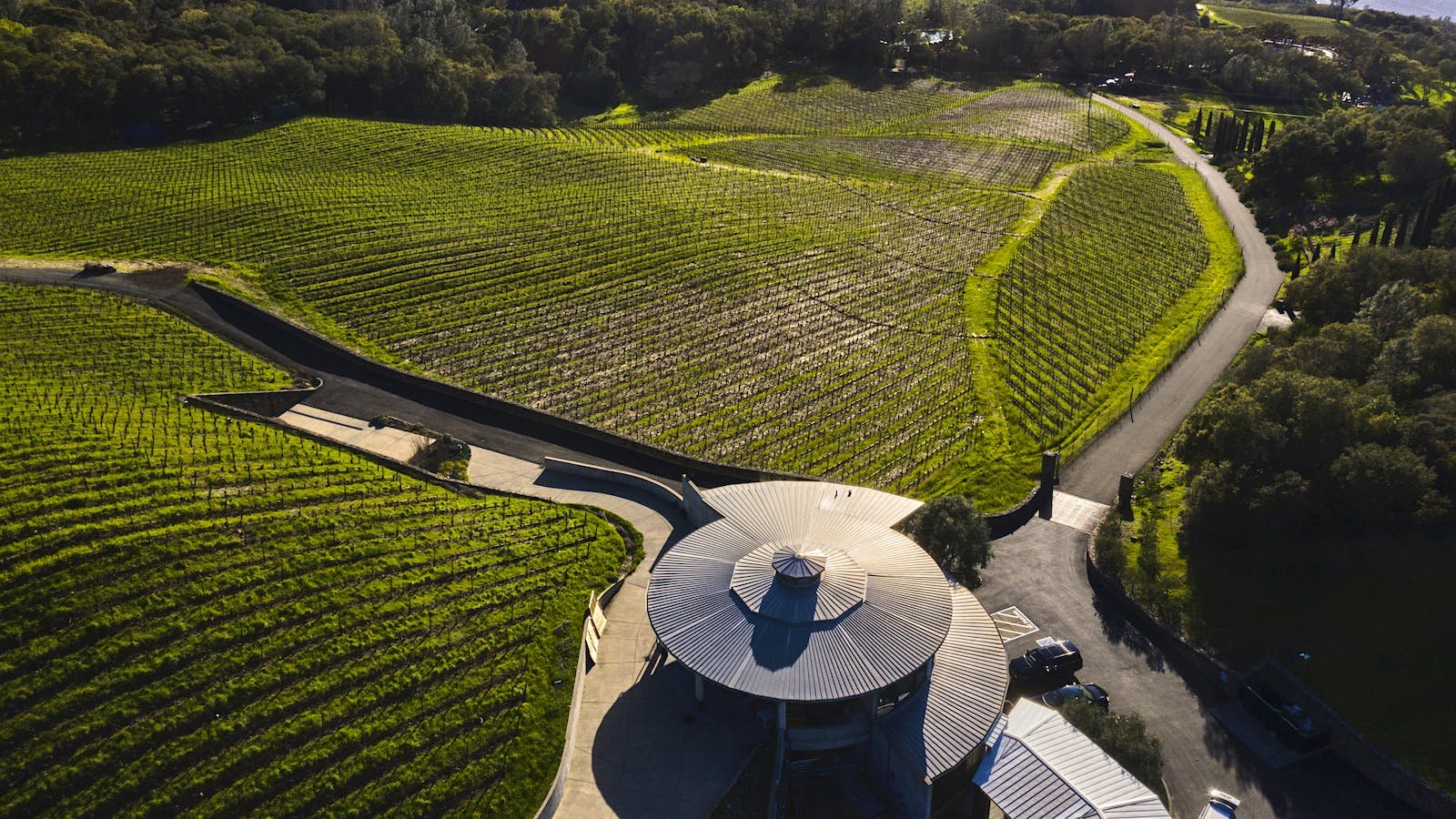
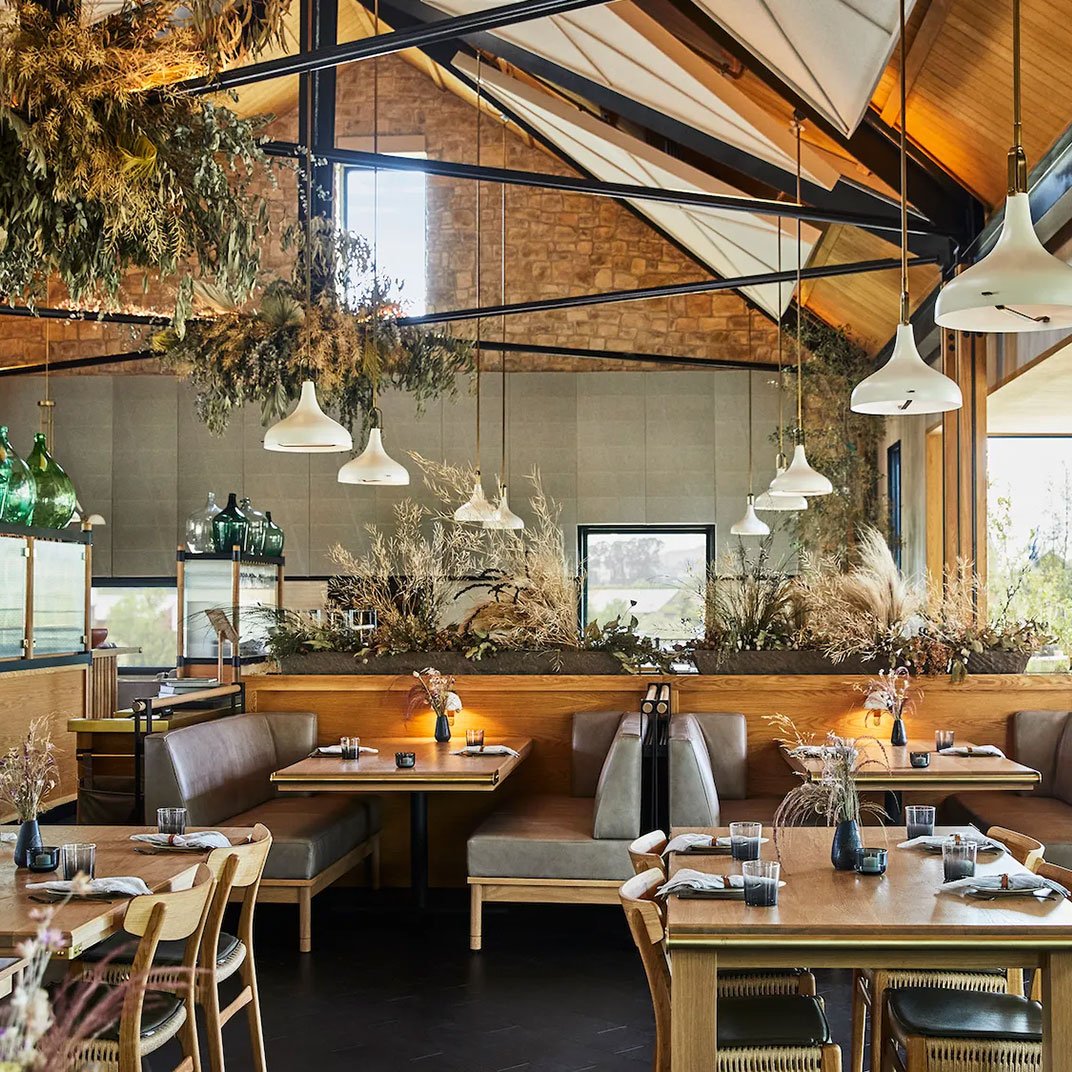
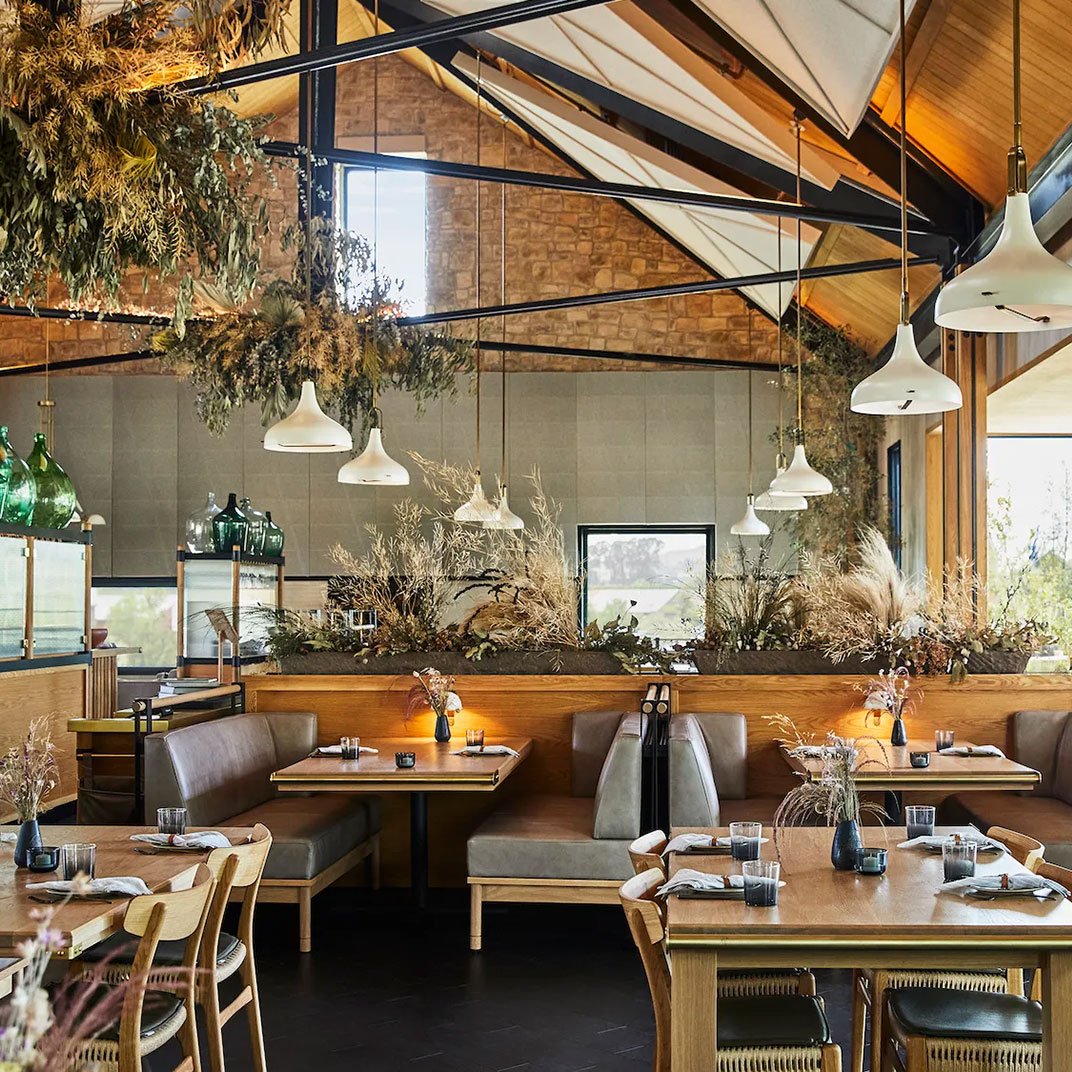
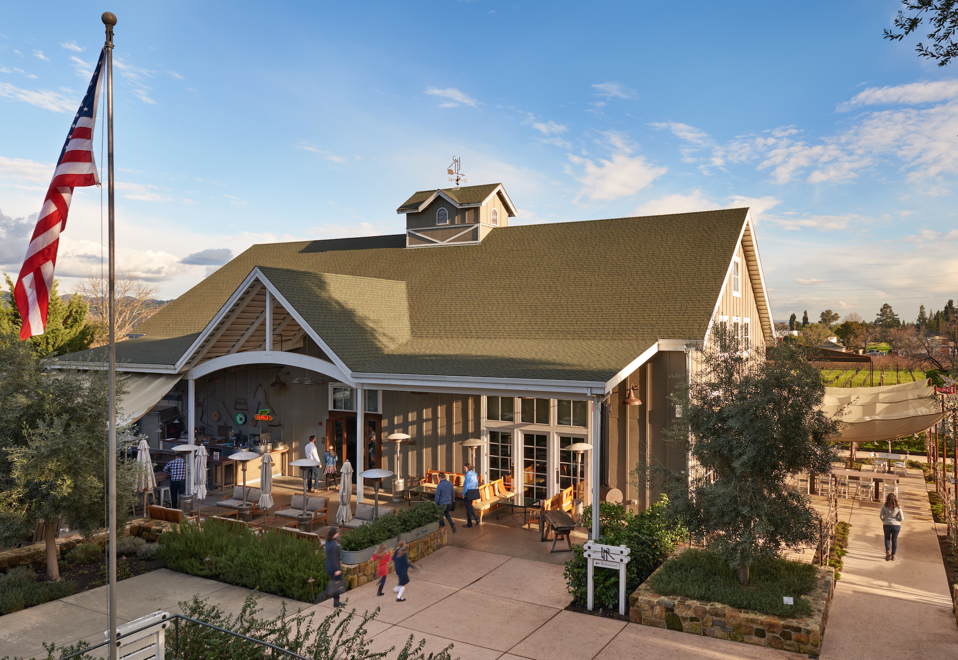
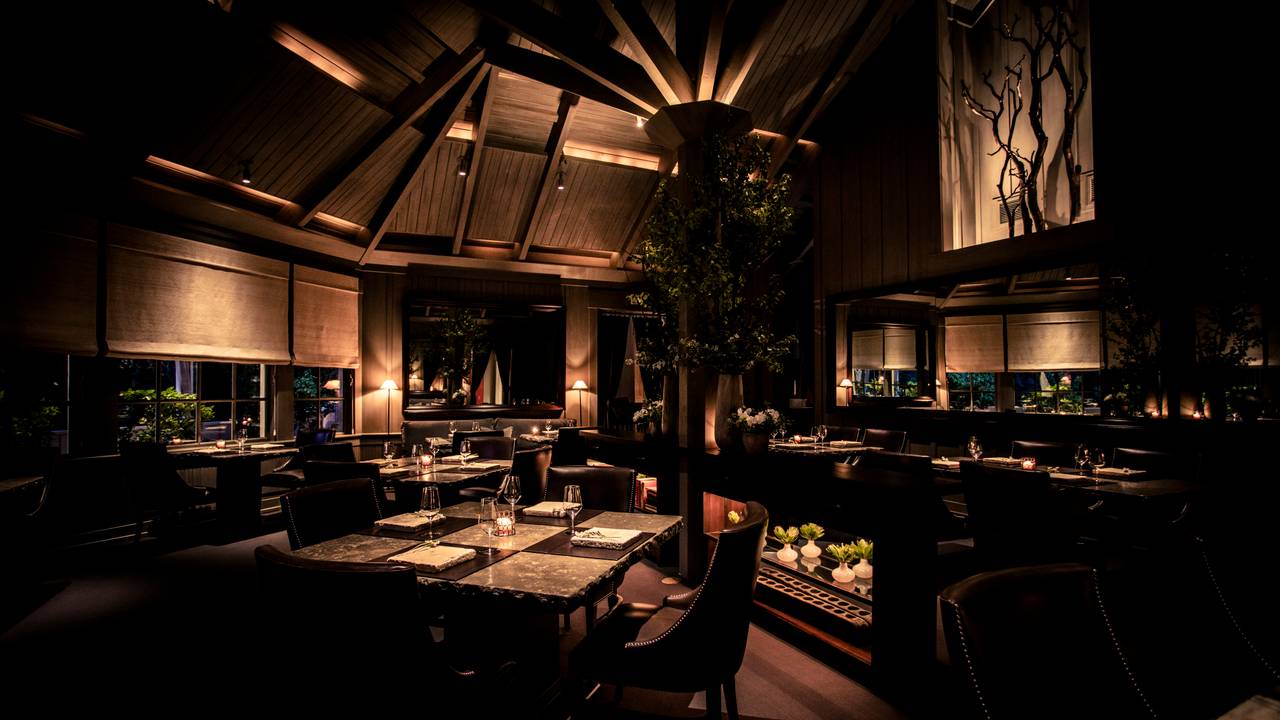
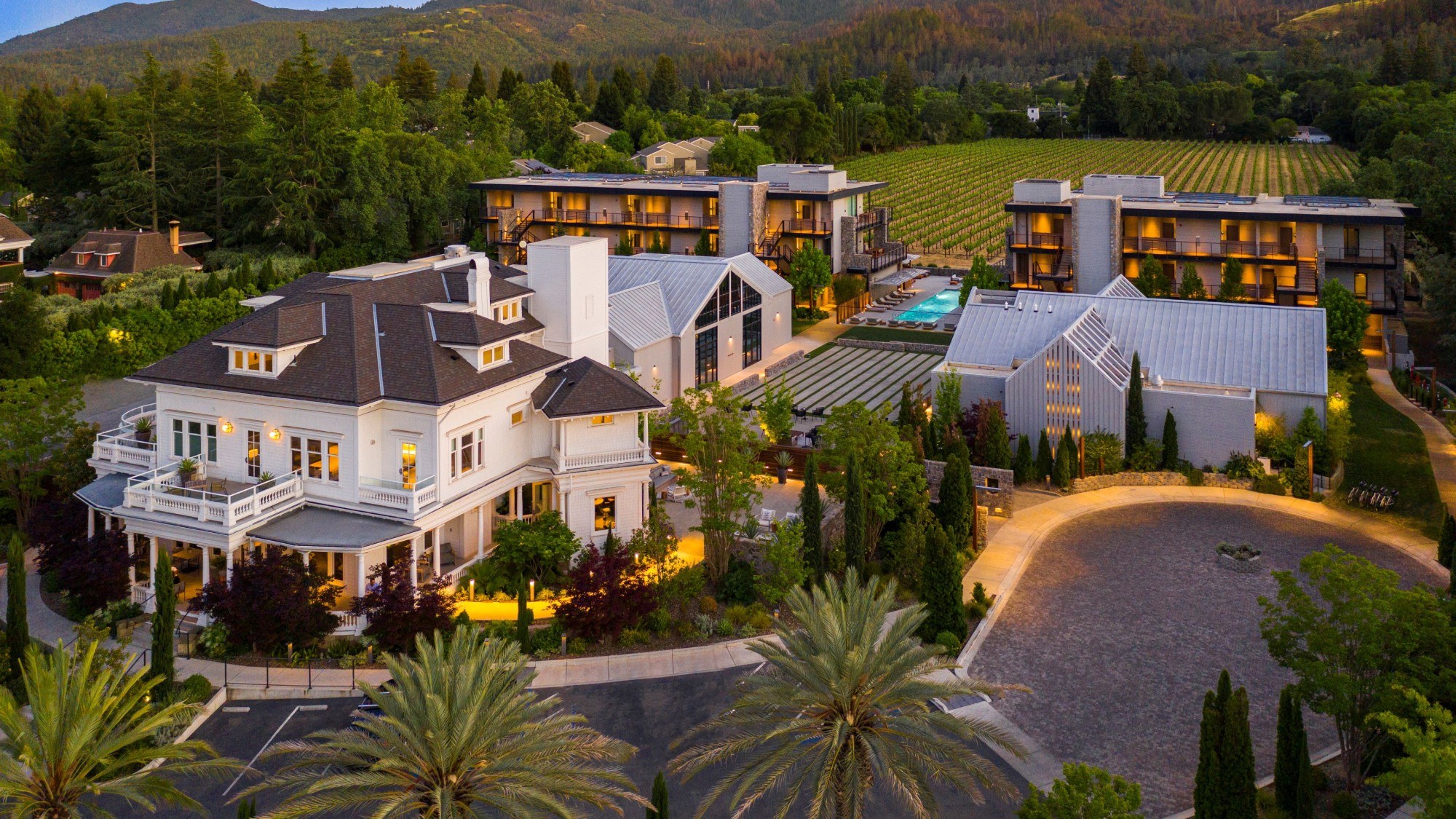
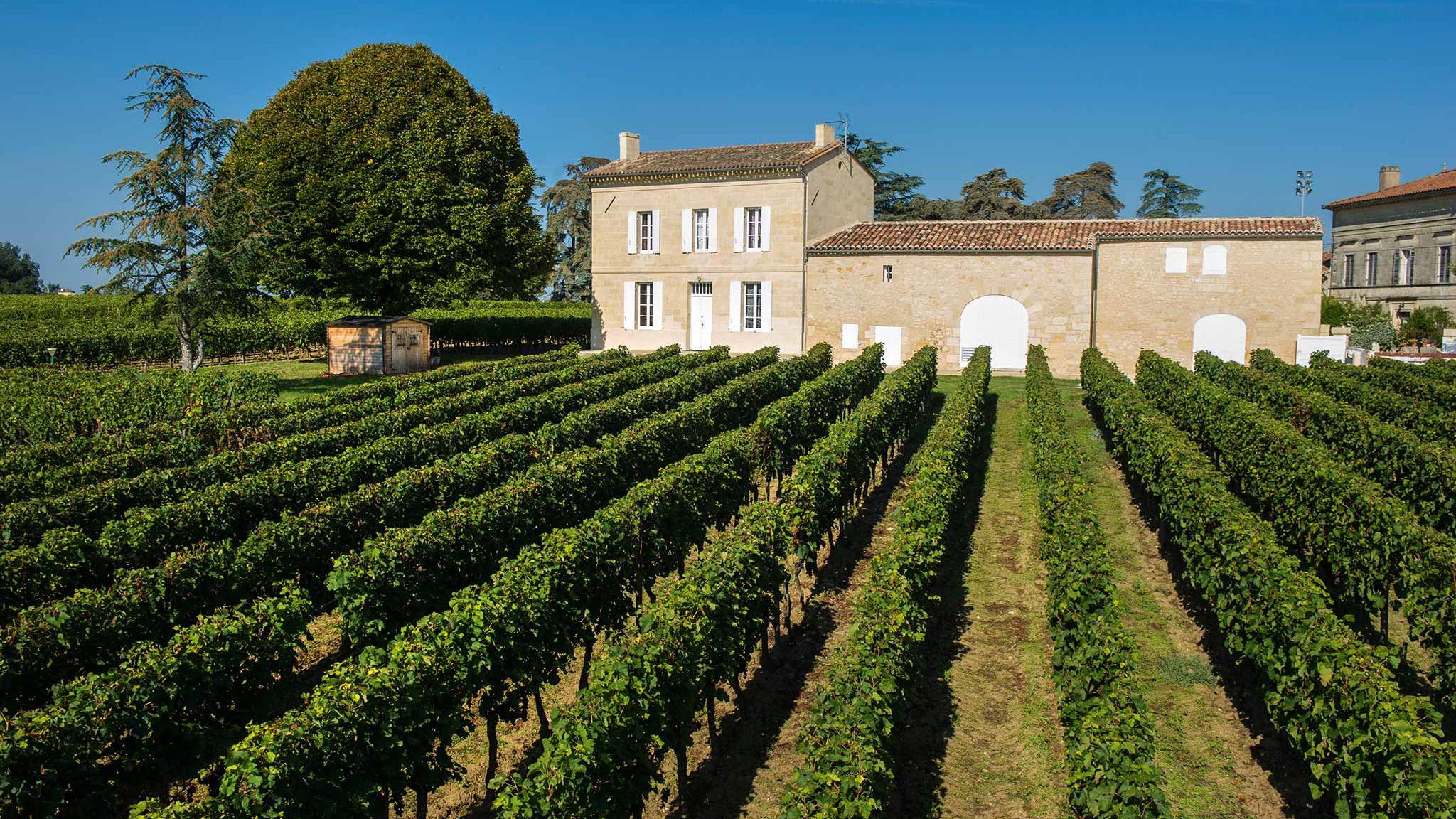
Revana Family Vineyard reads like a carefully composed estate: quiet, deliberate and sophisticated. Situated on the St. Helena corridor, the property projects an intentional separateness that signals an upper-tier Napa house rather than a casual tasting stop. The copy emphasizes pedigree—awards, focused Cabernet statements and a peer set of allocation-driven producers—so visitors encounter a restrained, connoisseur-oriented atmosphere. The experience feels measured and refined rather than flashy: vineyard canopy and valley-floor flatness frame a setting that privileges tasting the wine on its own terms, with staff and programming geared toward serious engagement.
Best For
This property is best for visitors who come with a purpose—collectors, couples on a romantic getaway and small groups seeking a focused tasting. The write-up highlights allocation-driven production and curated tasting formats, so it suits people looking for wine education and special-occasion visits where quiet, attentive service matters. Because the experience is positioned alongside other elite St. Helena estates, it is also appropriate for group outings of knowledgeable wine drinkers who appreciate limited-production Cabernet and a setting that feels exclusive rather than turnstile-driven.
Tasting Tips
Book well in advance and expect appointment-only tastings rather than walk-in access: the text explicitly contrasts a bygone era of drop-in visits with reservation-based models at premium estates. Come prepared to engage—the property offers focused lineups and limited-production wines, so research allocations or label releases beforehand if you are chasing specific bottlings. If you’re bringing a group, keep it small and confirm the tasting format when you reserve; the experience is calibrated for visitors who have done some homework and value a structured, informative tasting.
Venue details
Ambiance
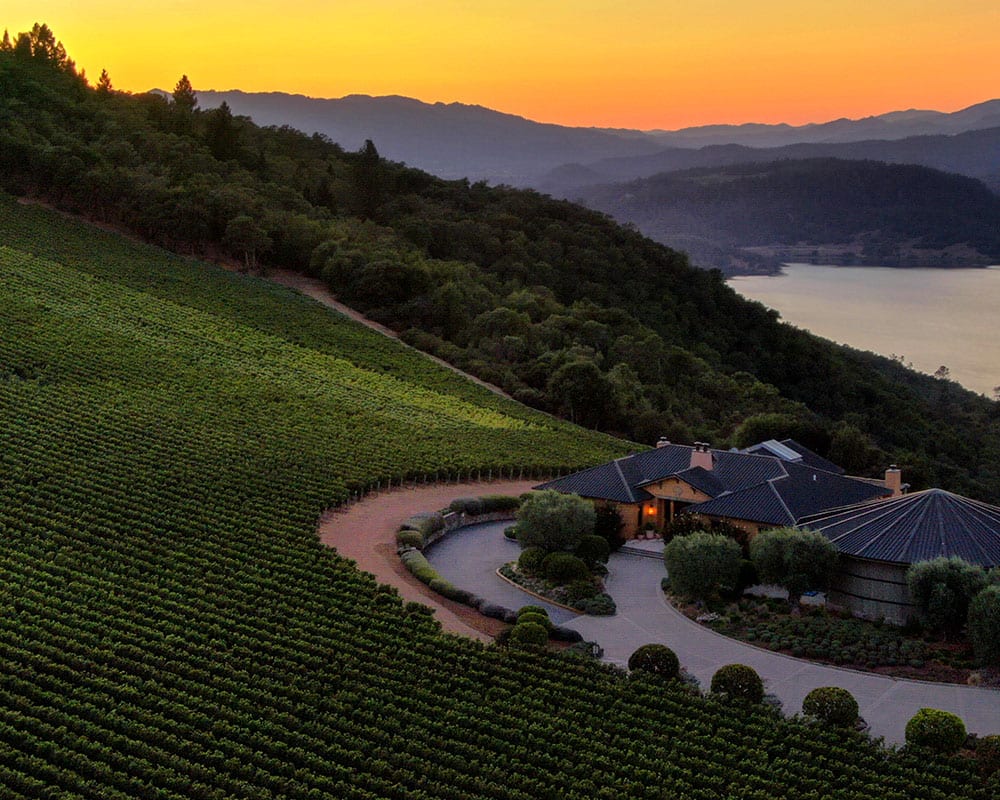
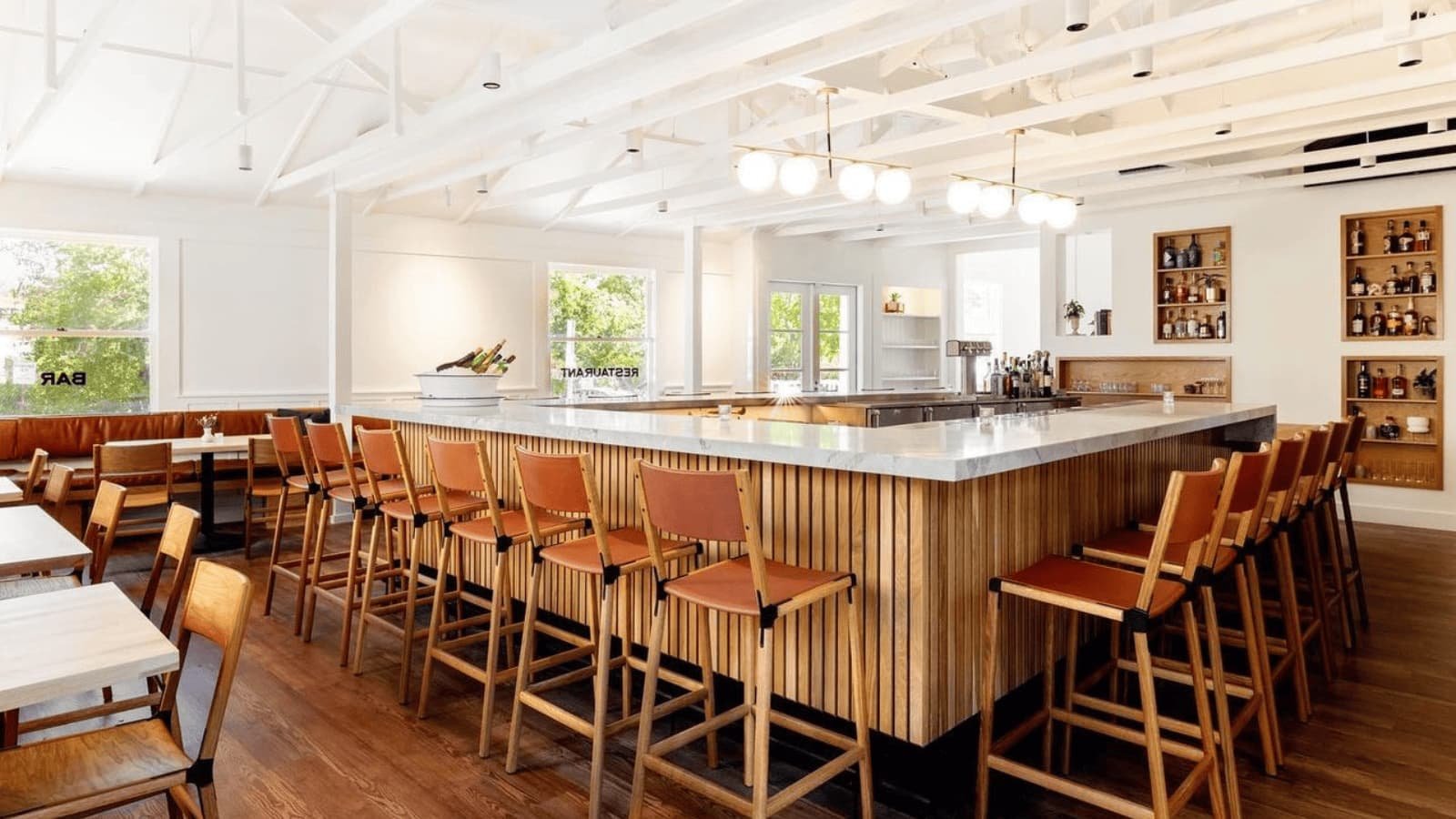
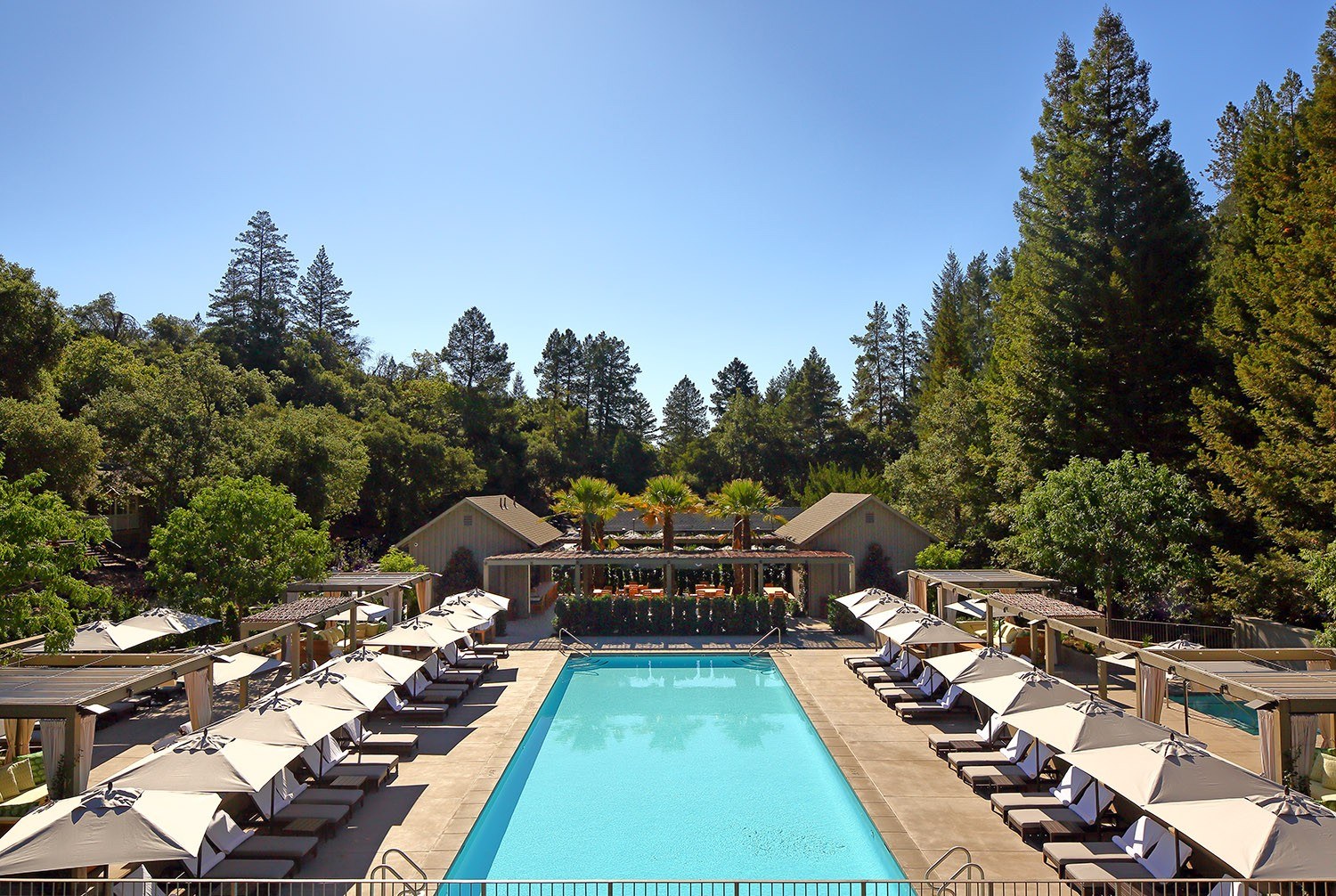
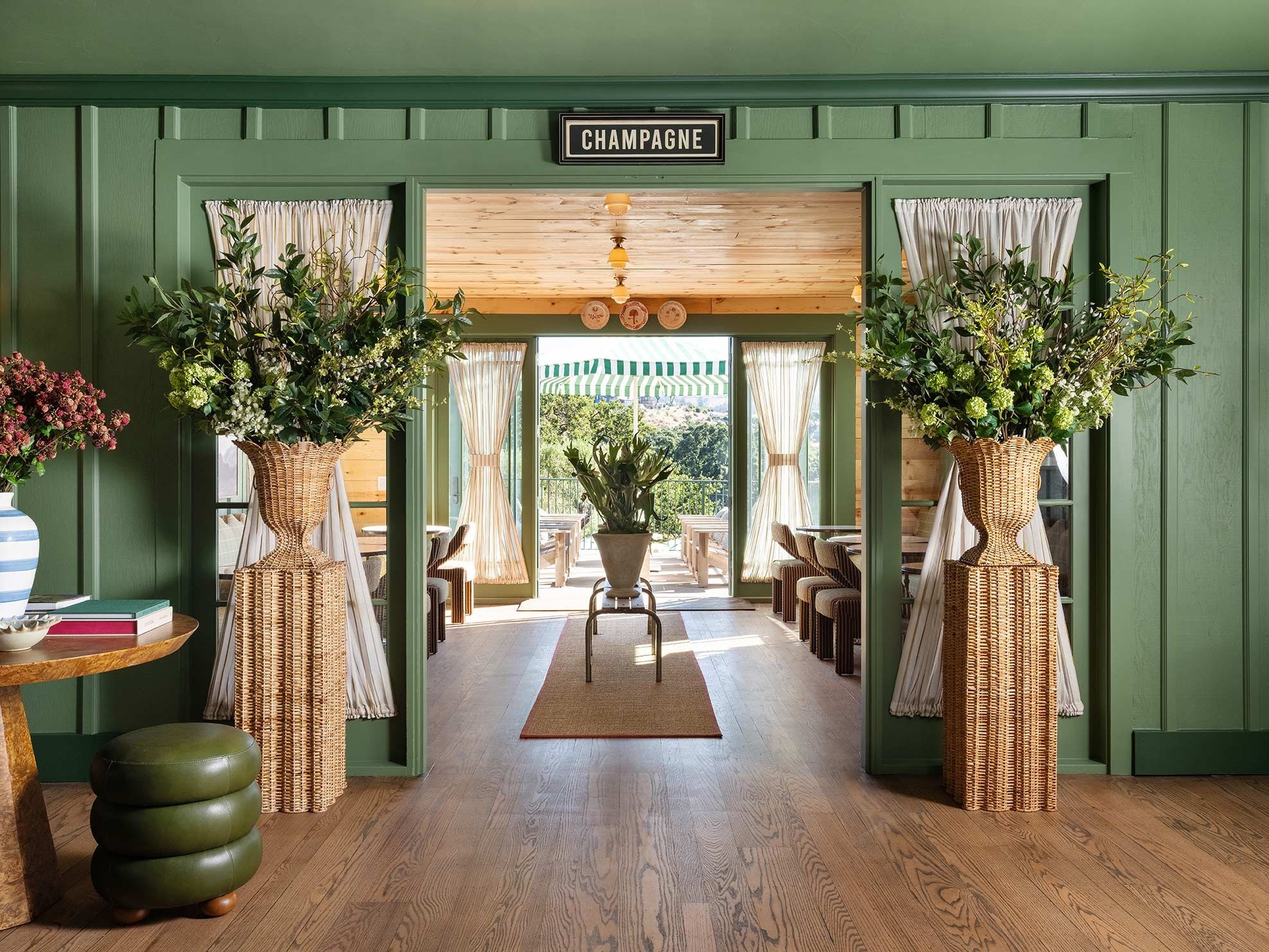
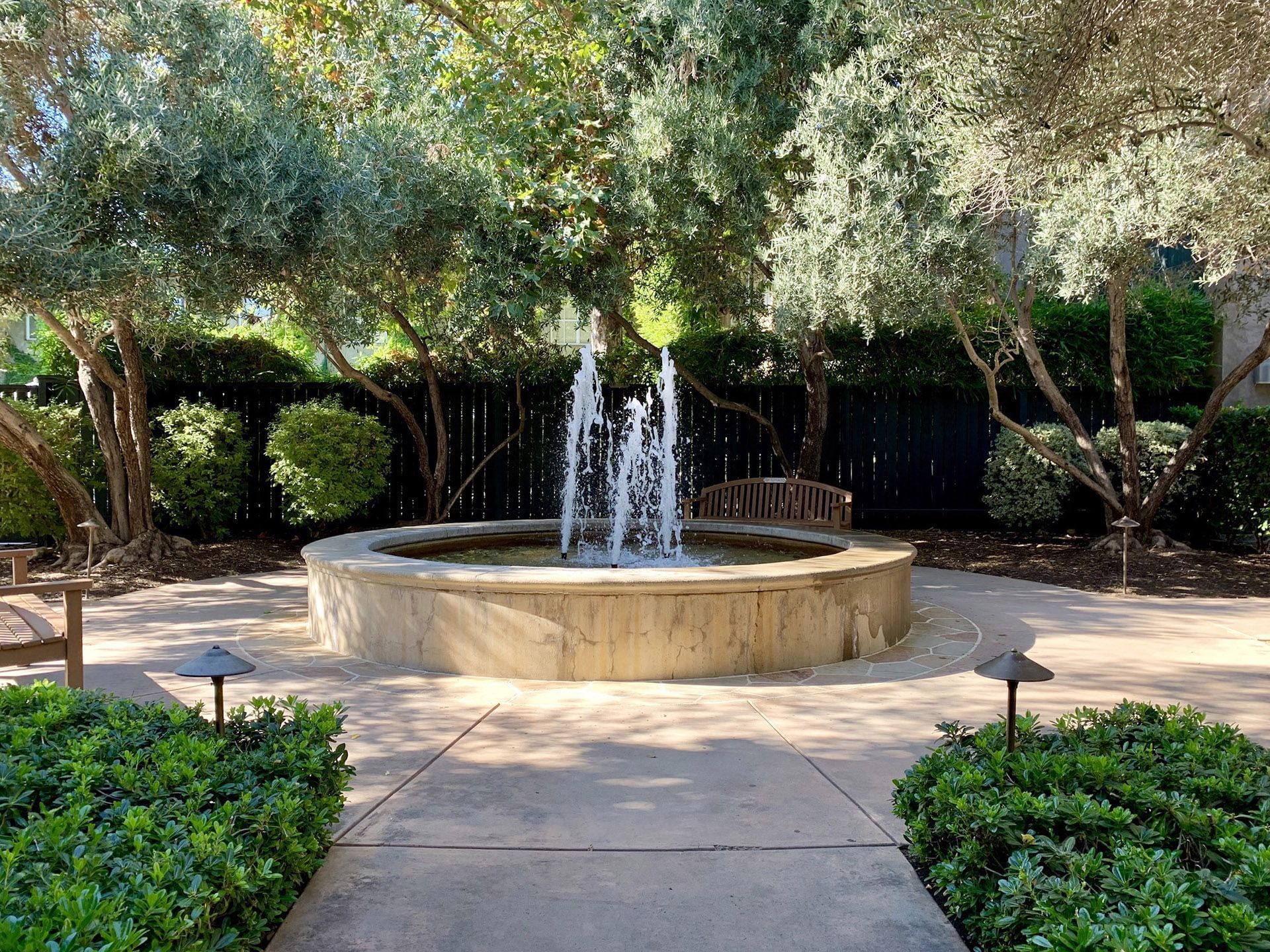
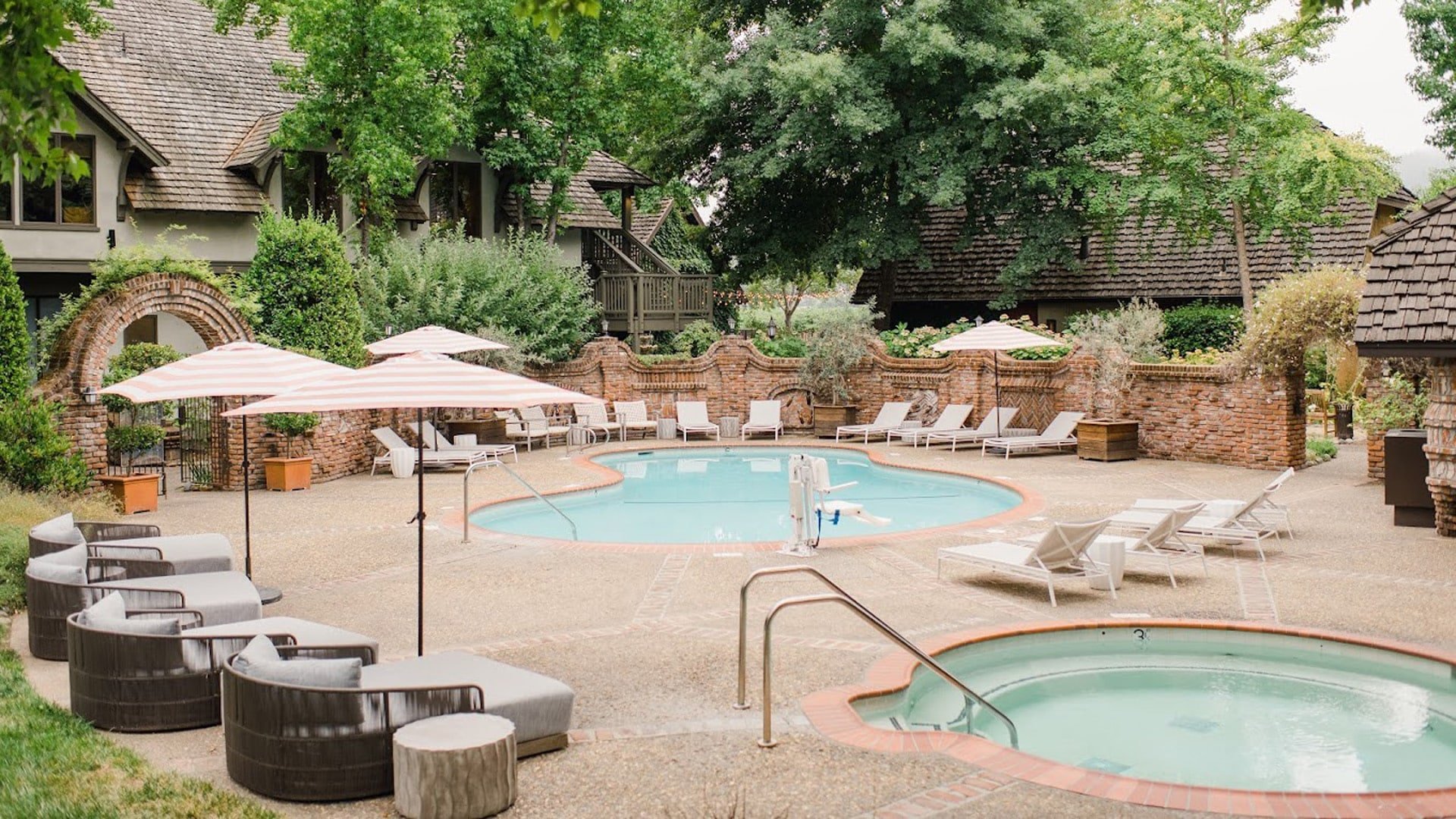
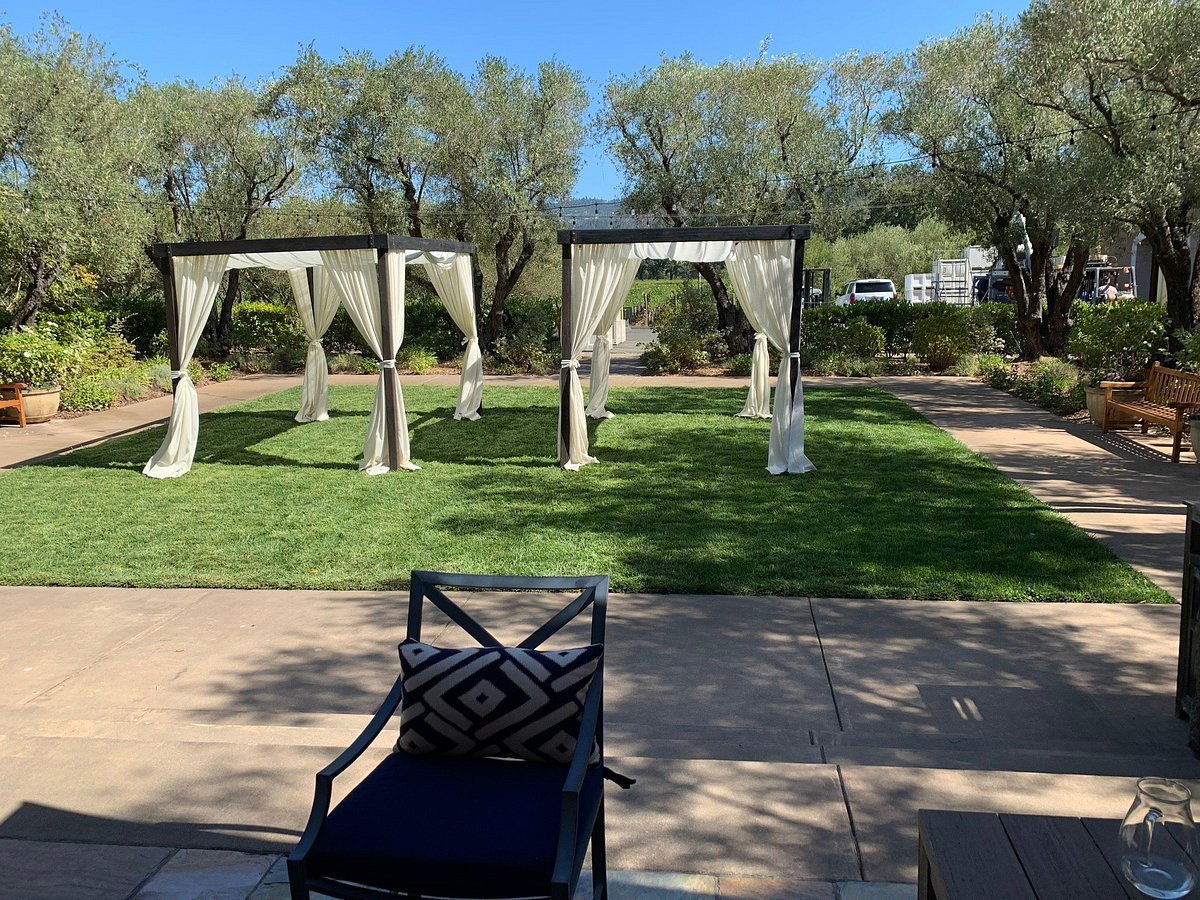
Warm and welcoming with elegant indoor and outdoor settings overlooking rolling vineyards; sophisticated yet approachable atmosphere designed for intimate tastings.
Tags
Vibe
Best For
Experience
Sourcing
View
At the Vineyard
- Appellation
- Napa Valley AVA
- Varietals
- Cabernet Sauvignon, Merlot, Cabernet Franc, Petit Verdot, Chardonnay
- Tour Languages
- English
- Visits
- By appointment only
- Farming
- Sustainable
- Wine Styles
- Still Red
- Food Pairing
- Offered
- Shipping
- Available
- Wine Club
- Available
Know before you go
Know Before You Go
- Getting there
- 2930 St Helena Hwy, St Helena, CA 94574
Planning details
Location
Recognition and awards

Also consider
If You Can't Get In
Try Vineyard 29 if the goal is still a polished, Cabernet-led St. Helena visit with a luxury feel. For an easier backup, Faust is the stronger choice for mixed groups that care about setting and access as much as the wines.
Winery context
How It Compares
Against Vineyard 29, Revana Family Vineyard is the choice for readers who want a focused, quieter St. Helena Cabernet visit and are willing to work around tough availability. Vineyard 29 is the more obvious splurge-style peer for a polished Napa experience, while Revana is better when the priority is a narrower producer focus rather than a broader hospitality statement.
Ballentine Vineyards, Faust, and Markham Vineyards are easier cross-shops for visitors who need a St. Helena day to run smoothly. Ballentine is the practical value play for a lower-pressure visit, Faust is stronger for atmosphere and group-friendly energy, and Markham is the safer classic tasting-room fallback. Choose Revana when wine focus matters more than convenience.
Morlet Family Vineyards is the collector-leaning alternative for readers already comfortable with selective Napa appointments. If Revana is unavailable, Morlet keeps the trip in a serious-wine lane; if the group includes first-time Napa visitors who want a more relaxed day, Faust or Markham will likely be the easier call.
Around this place
Discover more on Pearl
Unlock the full Revana Family Vineyard guide in Pearl, including awards, comparisons, FAQs, planning details, and nearby places.
Compare Revana Family Vineyard
| Venue | Location | Awards |
|---|---|---|
| Revana Family Vineyard | St. Helena | 2026 Falstaff Winery Guide |
| Vineyard 29 | St. Helena | No published awards |
| Ballentine Vineyards | St. Helena | No published awards |
| Faust | St. Helena | No published awards |
| Markham Vineyards | St. Helena | No published awards |
| Morlet Family Vineyards | Oakville | 2026 Falstaff Winery Guide |
How Revana Family Vineyard St. Helena compares with similar nearby venues.
FAQ
Frequently Asked Questions
Does Revana Family Vineyard serve food?
Does Revana Family Vineyard ship wine?
What is the flagship wine at Revana Family Vineyard?
Can Revana Family Vineyard handle large groups?
How long should I plan for a visit to Revana Family Vineyard?
When is the best time to visit Revana Family Vineyard?
Revana Family Vineyard is in St. Helena, and the confirmed dress code is smart casual.