

2026 Falstaff Winery Guide: The Ultimate Wine Authority — Page 36
Falstaff's 2026 Wineries guide.

Venues on this list
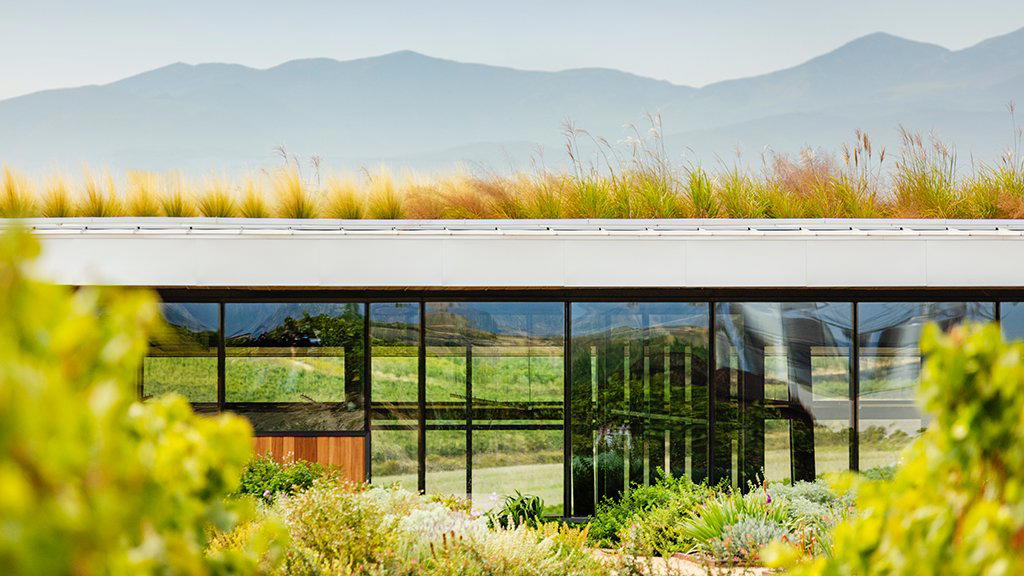
Bodegas Beronia
Ollauri, Spain
Bodegas Beronia is a sensible Ollauri shortlist pick for first-time Rioja visitors who care more about producer credibility than a heavily choreographed hospitality program. Falstaff’s 3-star 2026 recognition gives it a quality signal, but membership value should be judged on the current offer, not the badge alone.
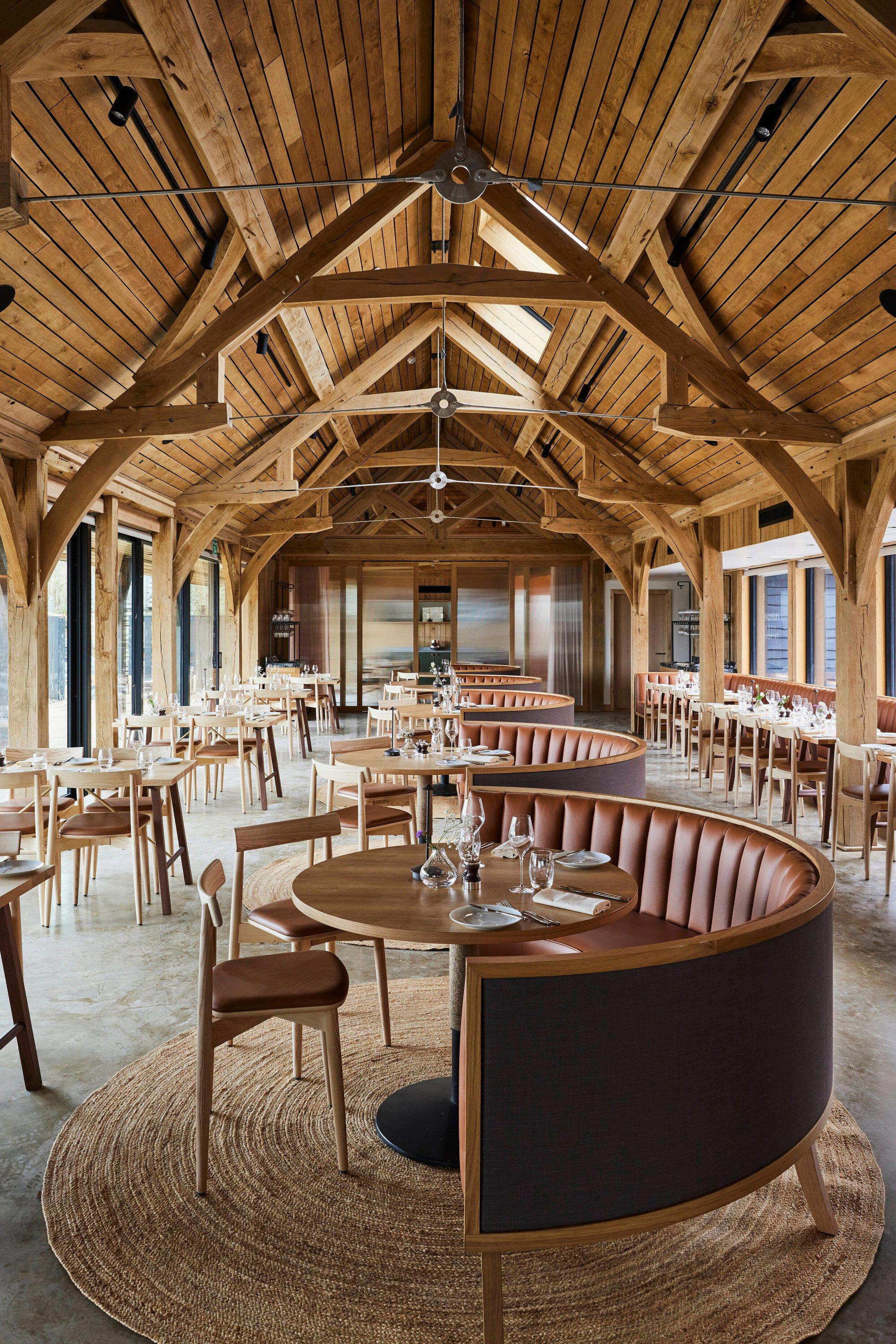
Hambledon Vineyard
Hambledon, United Kingdom
Hambledon Vineyard is the right pick when the meal needs a wine-country setting and an occasion feel, not just a convenient table. Its Michelin Guide 2026 Plate gives useful confidence, but confirm dining format, dietary needs, and group arrangements before building a trip around it.
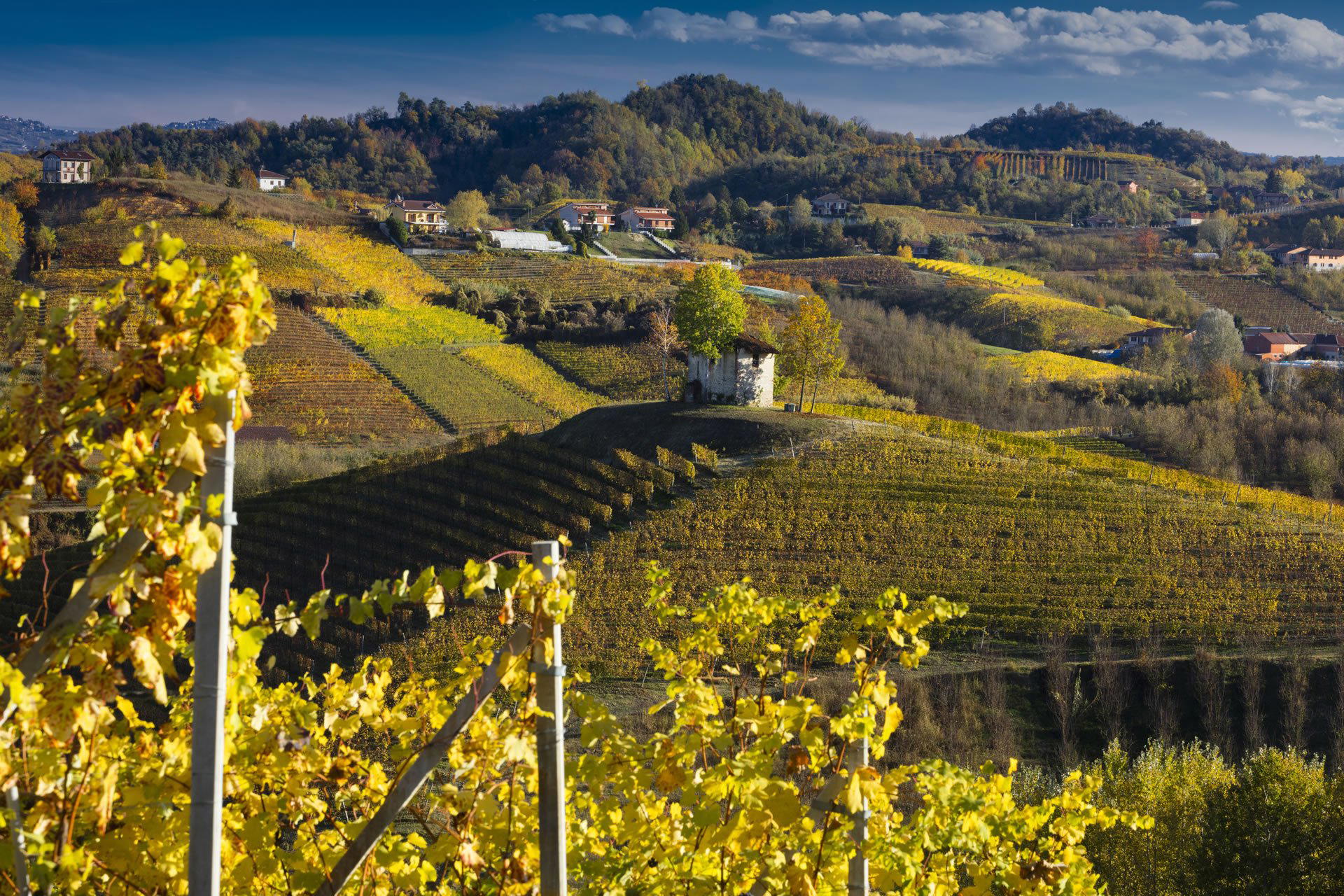
Angelo Negro
Monteu Roero, Italy
Book Angelo Negro if the priority is a serious Roero winery stop with Falstaff 3 Stars recognition in 2026. It is a stronger fit for planned wine travelers than casual visitors, especially because practical visit details are not the selling point here; the case rests on regional depth and external validation.
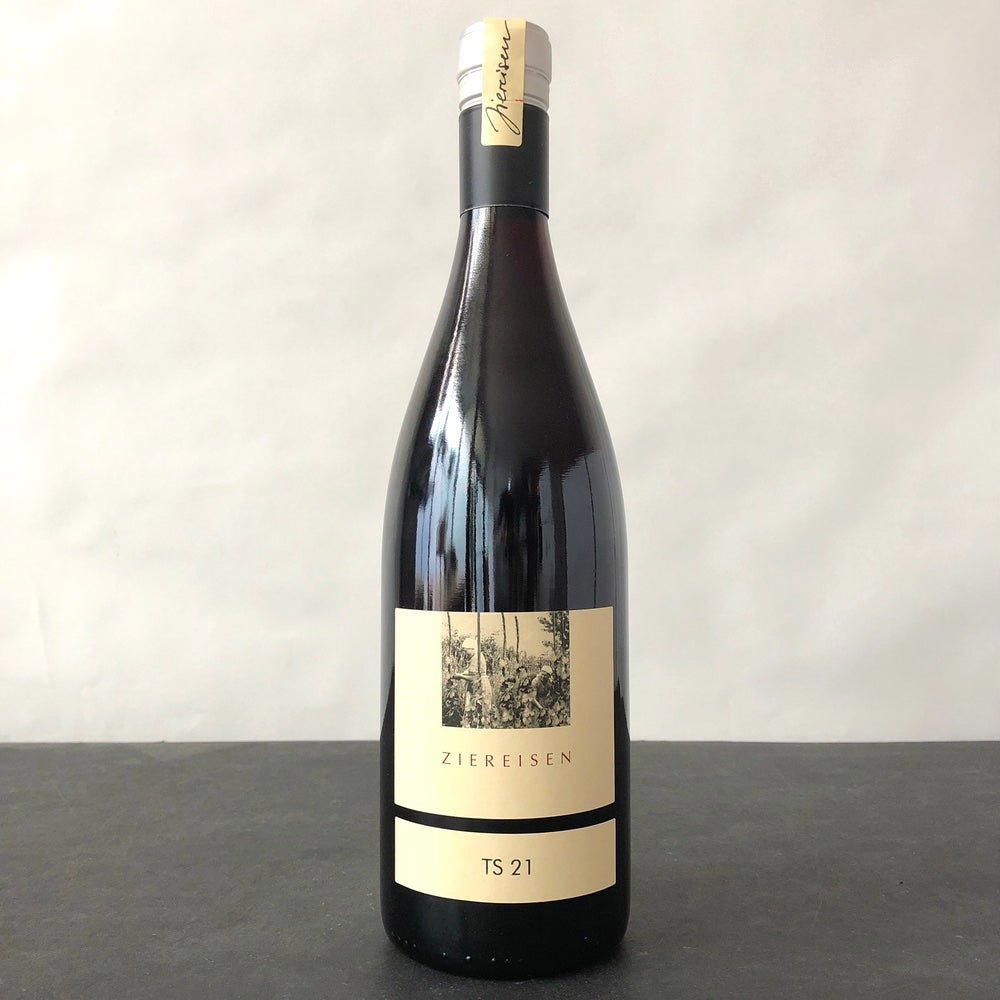
Weingut Ziereisen
Efringen-Kirchen, Germany
Choose Weingut Ziereisen when the winery itself is the reason for the trip, not a quick add-on between meals. Its Efringen-Kirchen setting and Pearl 2 Star Prestige recognition make it strongest for couples, collectors, and special-occasion itineraries built around wine rather than casual walk-in tasting.
Caves René Bentz
Wellenstein, Luxembourg
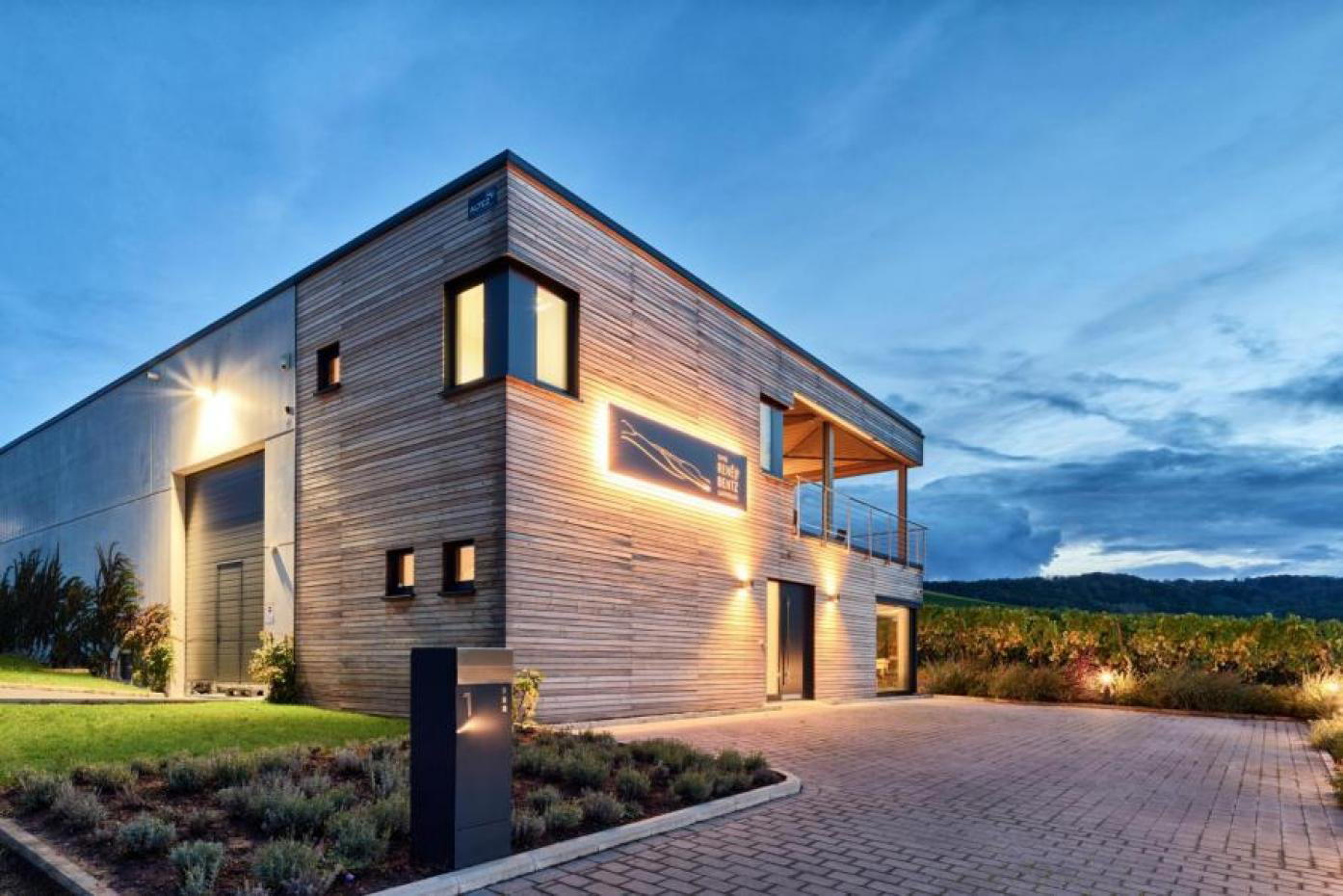
Caves René Bentz is worth planning for if the goal is a calm, design-led Moselle winery visit with serious Crémant and still-wine context. The strongest fit is a curious wine traveller who wants family-run production, vineyard views and a tasting that explains Luxembourg’s Moselle rather than just pours through a lineup.
Azienda Agricola Prinsi
Neive, Italy
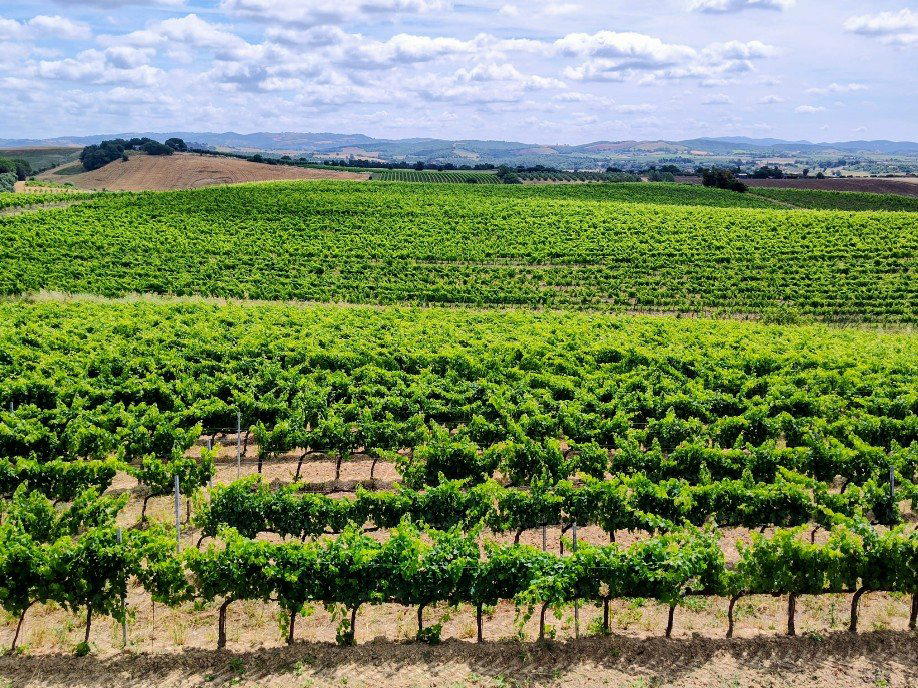
Azienda Agricola Prinsi is worth booking if the goal is a grounded Barbaresco visit in Neive rather than a polished hospitality production. Go for the family-run estate setting, Nebbiolo focus, and vineyard context; skip it if the trip needs a formal tasting-room program or confirmed food-led experience.
Weingut Kruger-Rumpf
Münster-Sarmsheim, Germany
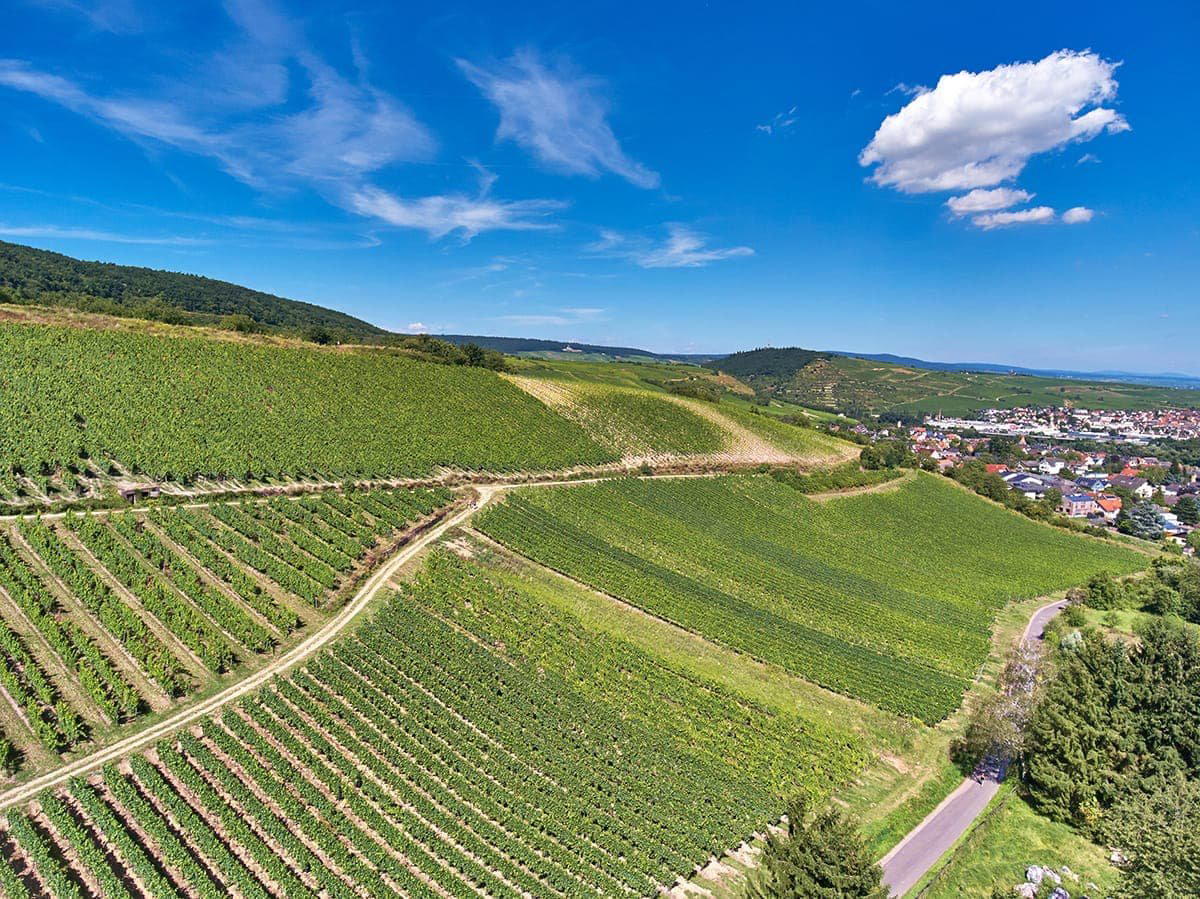
Book Weingut Kruger-Rumpf if the estate setting is part of the point, not just the tasting. It works better as a planned Münster-Sarmsheim winery stop than a spontaneous drop-in, especially for first-timers building a slower day around town and nearby wine country.
SuperUco
Mendoza, Argentina
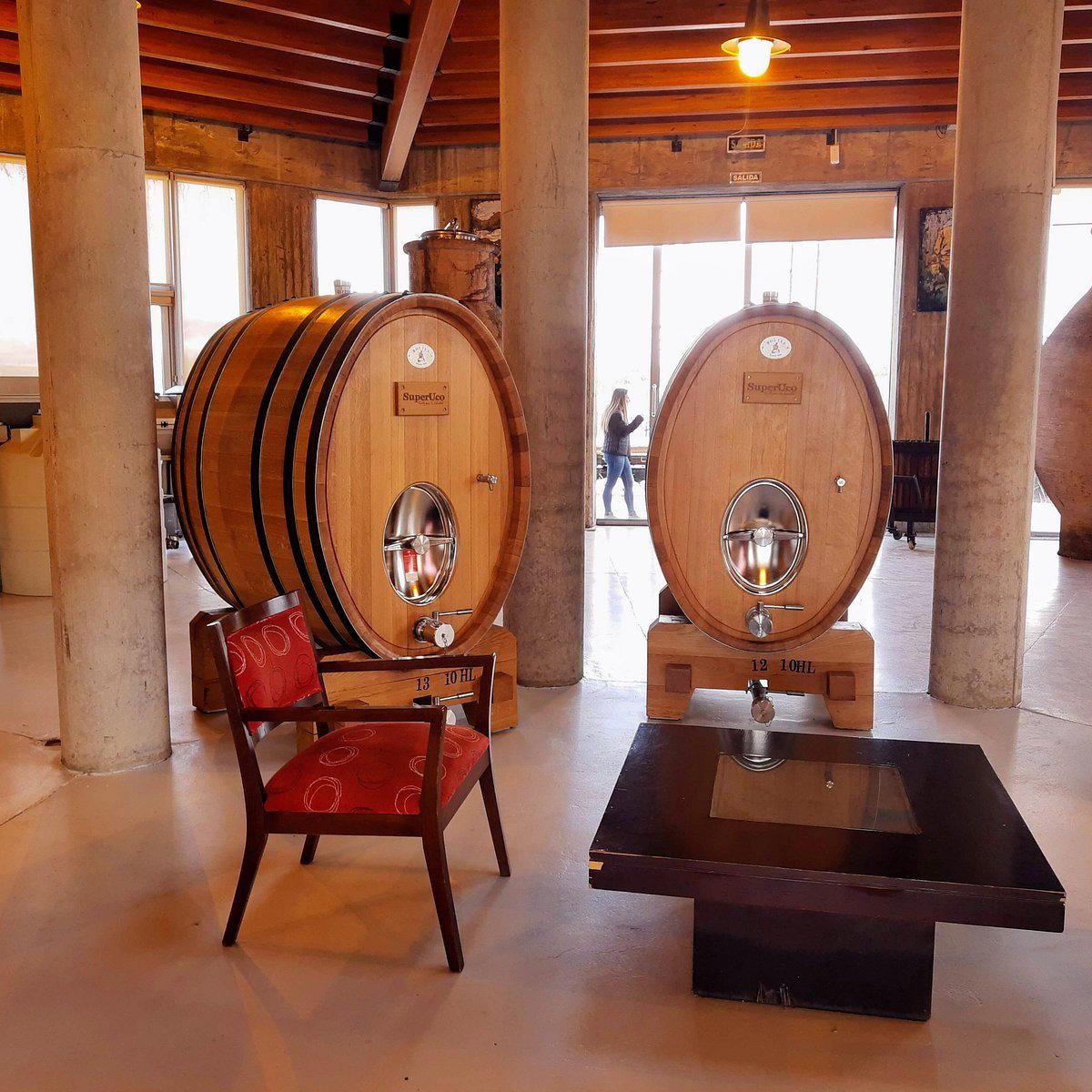
SuperUco is worth prioritizing for a serious Uco Valley wine day, especially if external recognition matters more than convenience. The draw is the Los Chacayes setting and a quality-led value case, but plan it as an anchor stop rather than a quick add-on from Mendoza city.
Castello Bonomi
Coccaglio, Italy
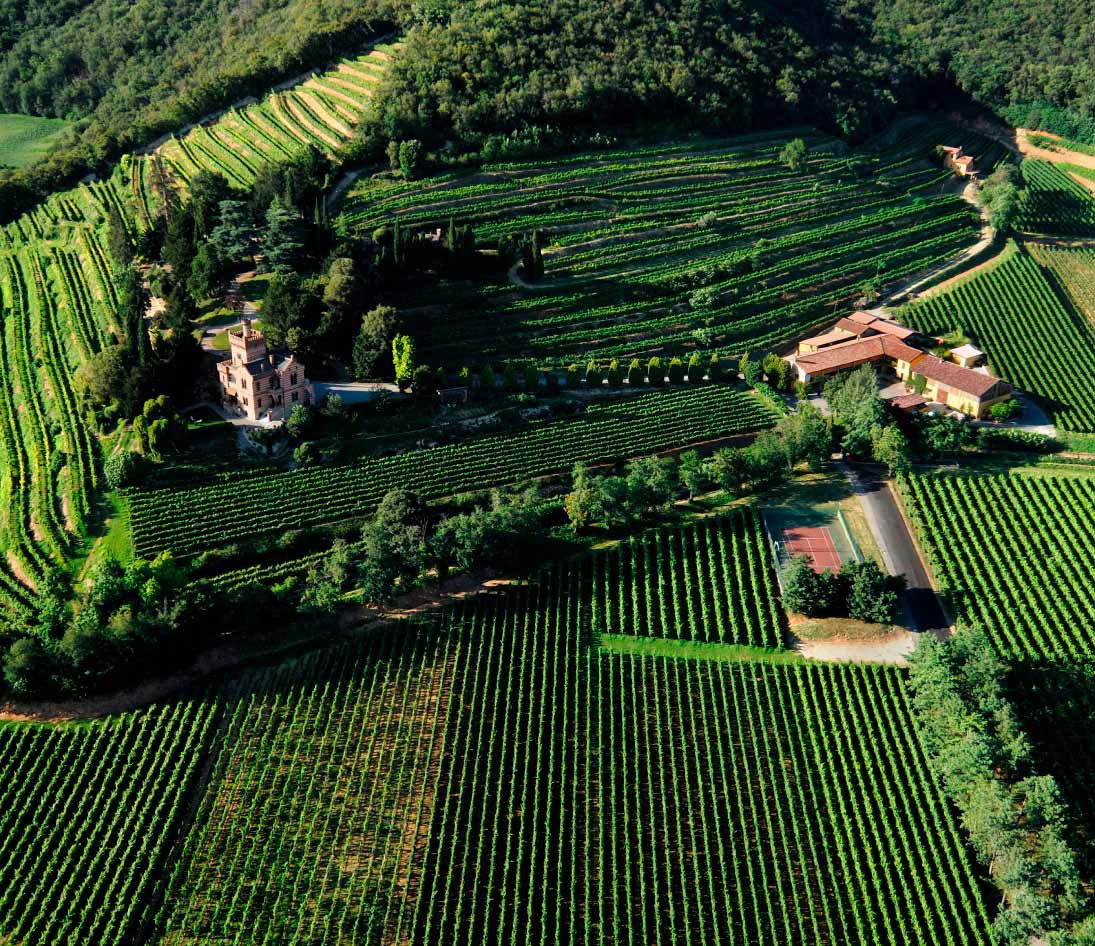
Book Castello Bonomi if your Coccaglio trip is built around Franciacorta and you want a château-and-cellar tasting rather than a restaurant-style pairing meal. It is strongest for wine travelers who want vineyard context, Monte Orfano terroir, and a calm, guided visit; plan food separately and schedule ahead.
Champagne Gaston Chiquet
Dizy, France
A strong pick for a quiet grower-Champagne tasting in Dizy, especially for couples or small groups who want cellar context rather than a food-led experience. The value sits in the intimate, appointment-based format, family heritage, and Falstaff 3 Stars recognition for 2026, not in restaurant-style pairing or a high-energy tasting room.
Fattorie Coli
Tavarnelle Val di Pesa, Italy
Fattorie Coli works if you want a Chianti Classico stop with family wine history and a relaxed agriturismo setting, not a tiny boutique cellar. The draw is regional context: roots dating to 1926, broad Tuscan production, and a countryside base near Tavarnelle Val di Pesa.
Di Bella
Palermo, Italy
Book Di Bella if Palermo is your base and you want a focused Sicilian-wine stop without turning the day into a long countryside itinerary. The value is strongest for drinkers interested in Catarratto, Nero d’Avola, organic viticulture, and the Valle dello Jato rather than a broad hospitality production. Falstaff listing in 2026 adds a useful recognition signal.
Frauwallner Bernhard
Gnas, Austria
A relaxed rural winery stop in Gnas with estate-shop and indoor tasting spaces, plus a spacious courtyard feel. Worth considering for Vulkanland Styria travelers seeking an easy, local producer visit in the $$ range, especially with Falstaff Listed recognition for 2026; less compelling if you need a highly structured tasting or a fully documented flagship portfolio.
Chapel Down
Tenterden, United Kingdom
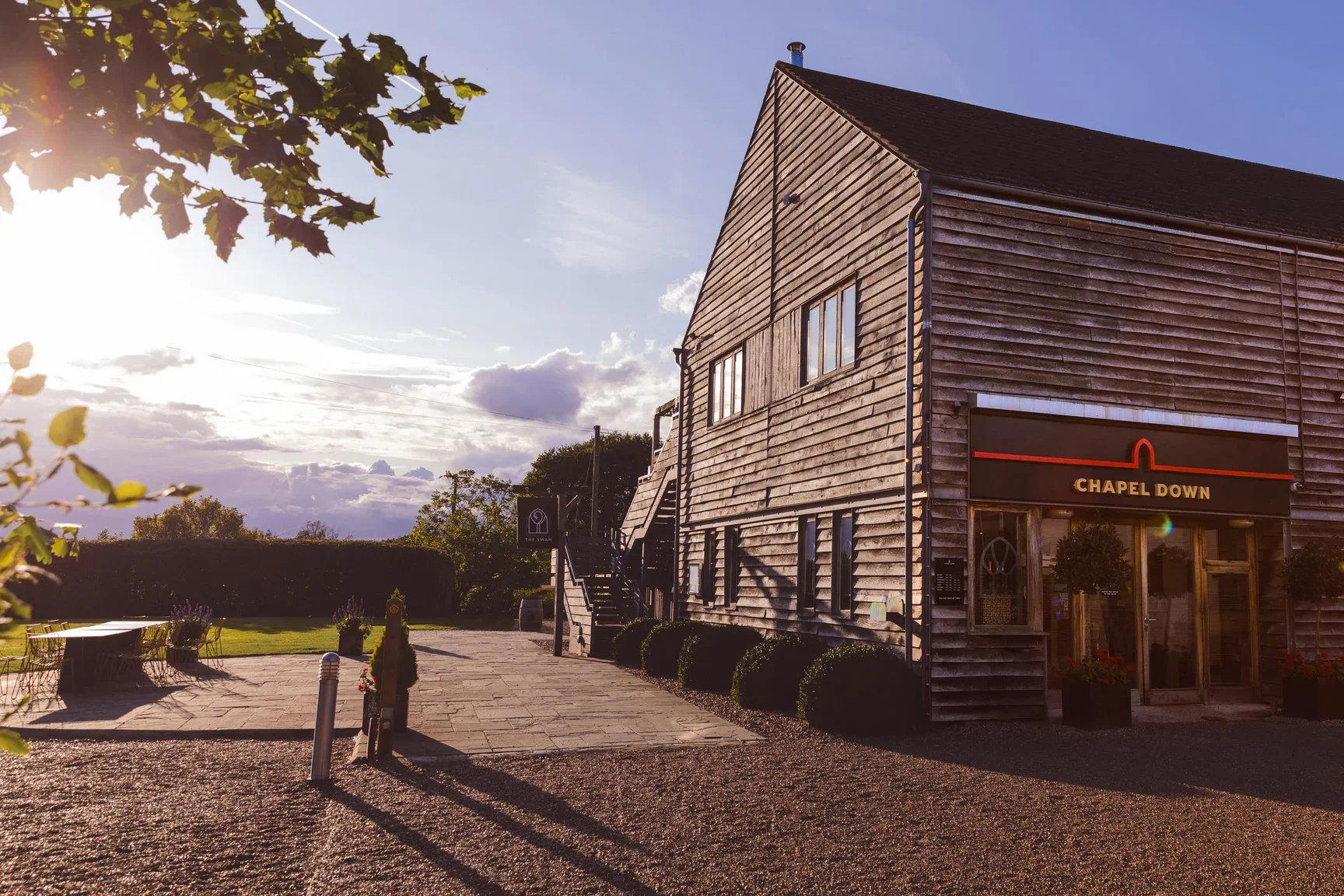
Book Chapel Down if you want a polished, first-timer-friendly Kent vineyard visit with tasting, shop, deli, restaurant and terrace in one place. It is better suited to relaxed wine tourism than to a narrow technical cellar appointment, with Falstaff 3 Stars (2026) adding a useful quality signal.
Faravelli Gabriele
Montecalvo Versiggia, Italy
Faravelli Gabriele works for a low-key Montecalvo Versiggia wine stop, especially if the goal is regional discovery rather than a fully packaged hospitality experience. Falstaff Listed in 2026, it suits couples or small groups planning an Oltrepò Pavese wine day, but visitors should confirm format and logistics before centering a celebration around it.
Baumann Weingut
Oberhallau, Switzerland
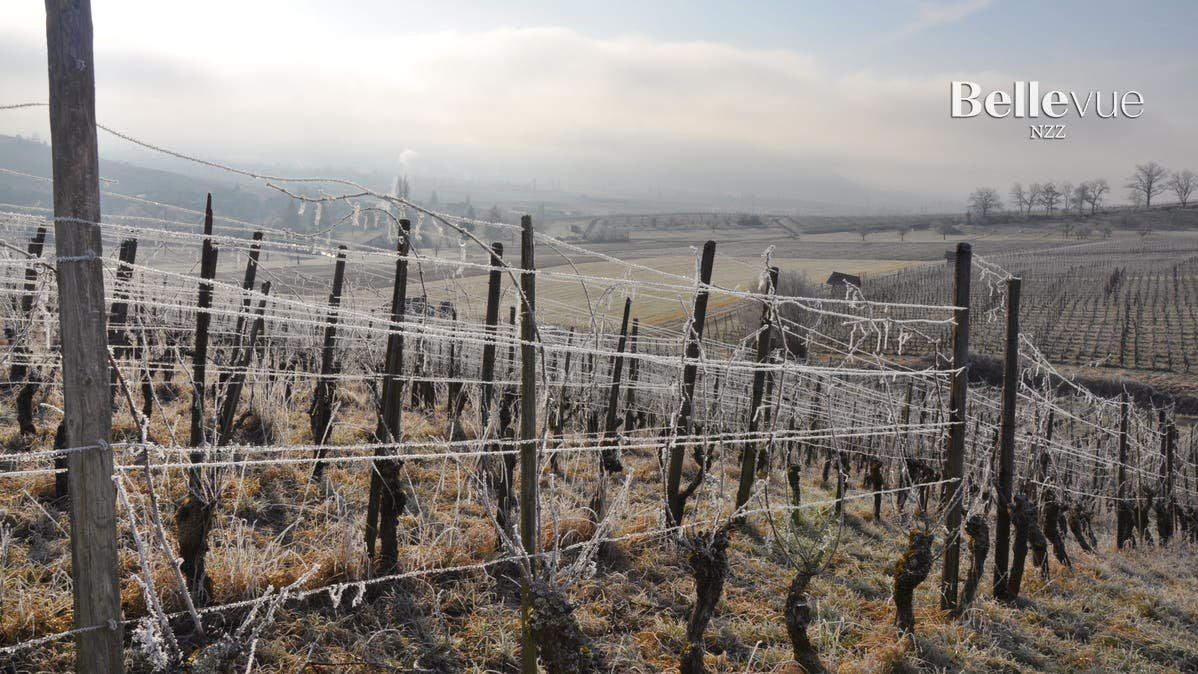
Baumann Weingut is worth targeting if Swiss Pinot Noir is the point of an Oberhallau wine stop. Expect a $$, rural, family-run cellar-door feel rather than a polished tourism setup, with Falstaff 3 Stars (2026) giving the bottles a credible quality signal.
Montalto
Mornington Peninsula, Australia
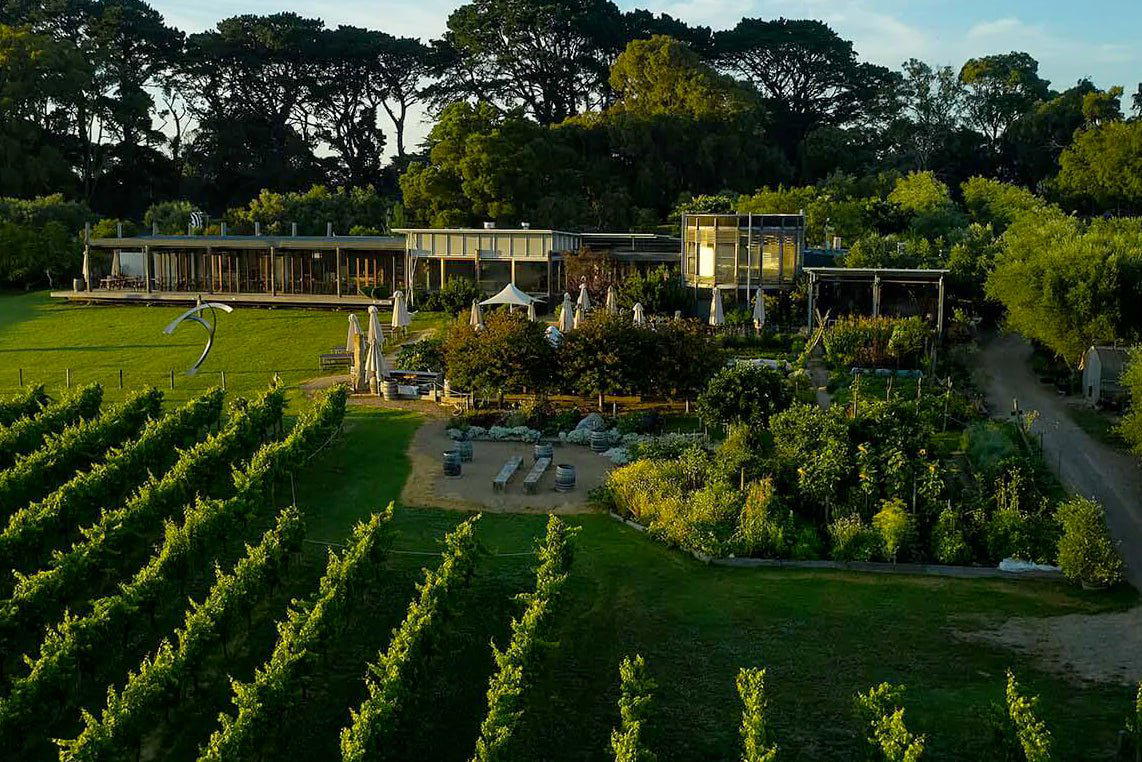
Montalto is the Mornington Peninsula pick when the winery visit is the main event, not a quick stop between cellar doors. It suits celebrations, date lunches, and slower Red Hill South itineraries; if availability is tight, compare Ten Minutes by Tractor for a serious wine-led meal or Port Phillip Estate/Kooyong for a larger estate feel.
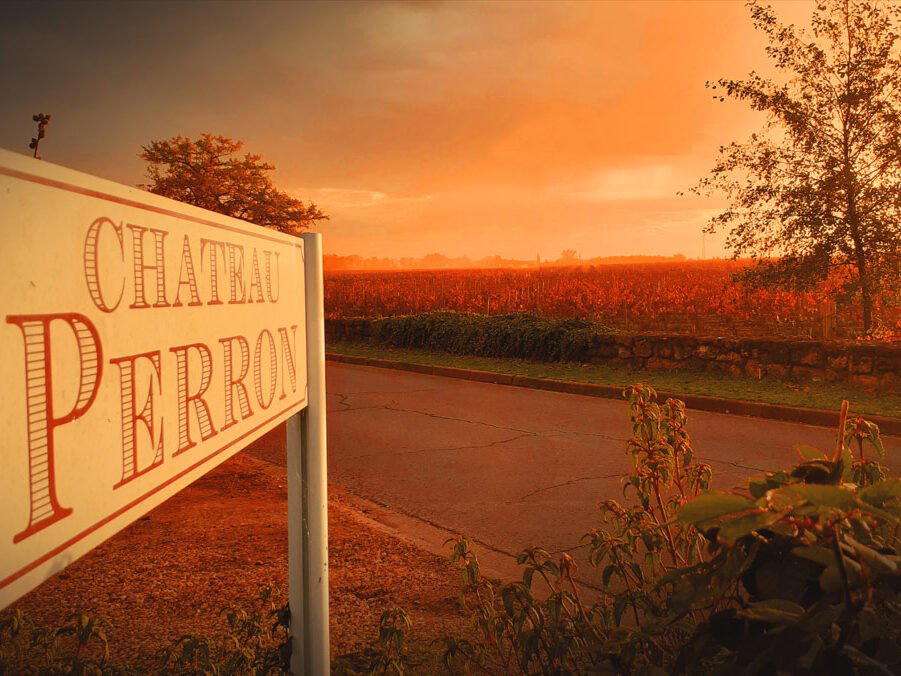
Château Perron
Lalande De Pomerol, France
A sensible Lalande-de-Pomerol winery candidate for travelers building a focused Right Bank itinerary rather than chasing a highly staged tasting setup. Château Perron is Falstaff Listed for 2026, which gives it a useful recognition signal, but plan flexibly because public visitor logistics are not the selling point here.
Hessische Staatsweingüter GmbH Kloster Eberbach
Eltville, Germany
Kloster Eberbach is worth booking for first-time Rheingau visitors who want wine, architecture, and regional history in one stop. The value is strongest if VDP-classified, site-led wines matter to you; if you only want a fast tasting counter, the scale and heritage setting may be more than you need.
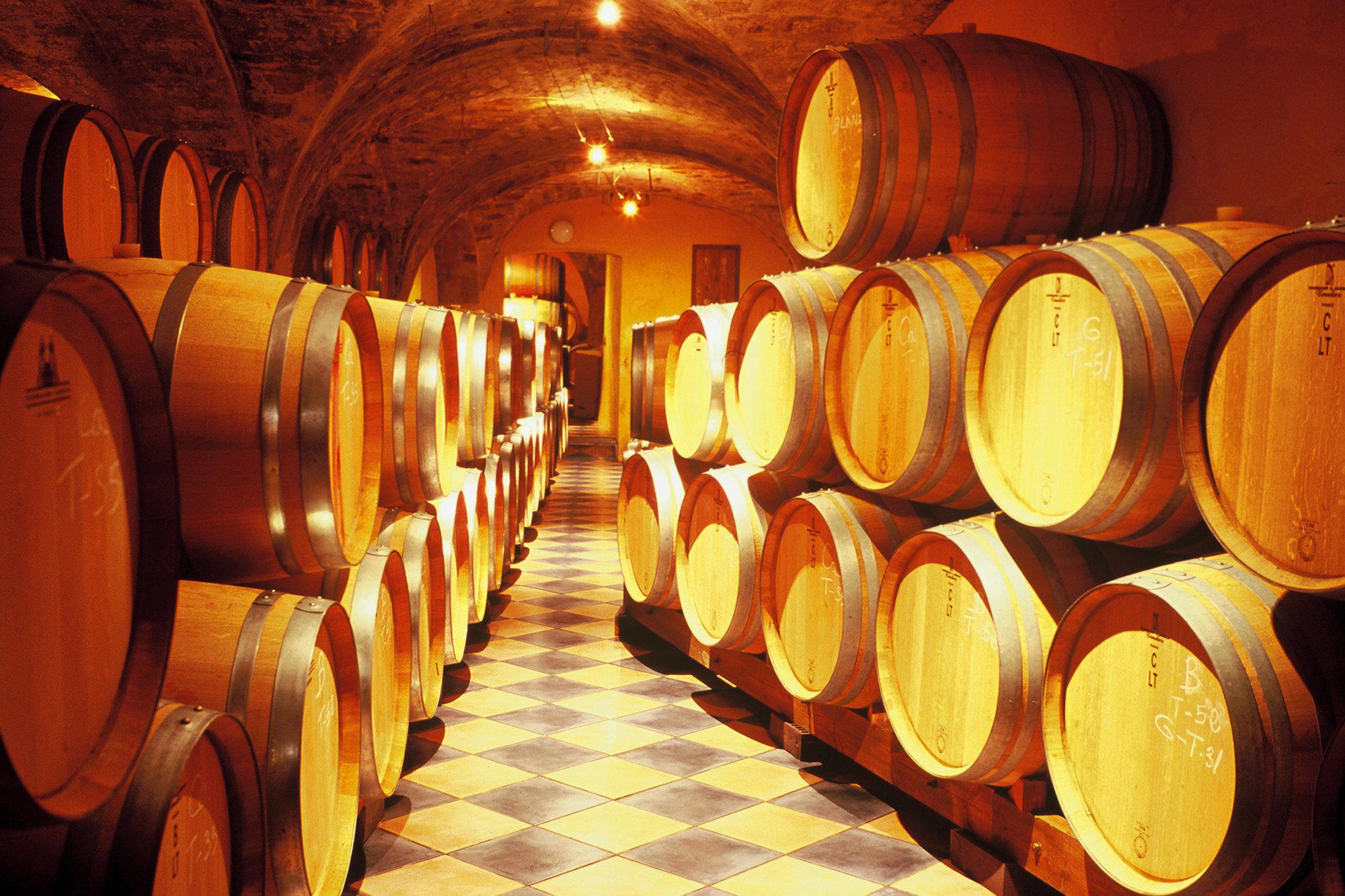
Celler Vall Llach
Porrera Tarragona, Spain
Celler Vall Llach is a serious Priorat stop for travellers who care more about bottles than hospitality extras. Falstaff 3 Stars in 2026 gives it a clear quality signal, but with no confirmed public hours, food format, or booking channel, plan it as an advance-arranged winery visit rather than a casual drop-in.
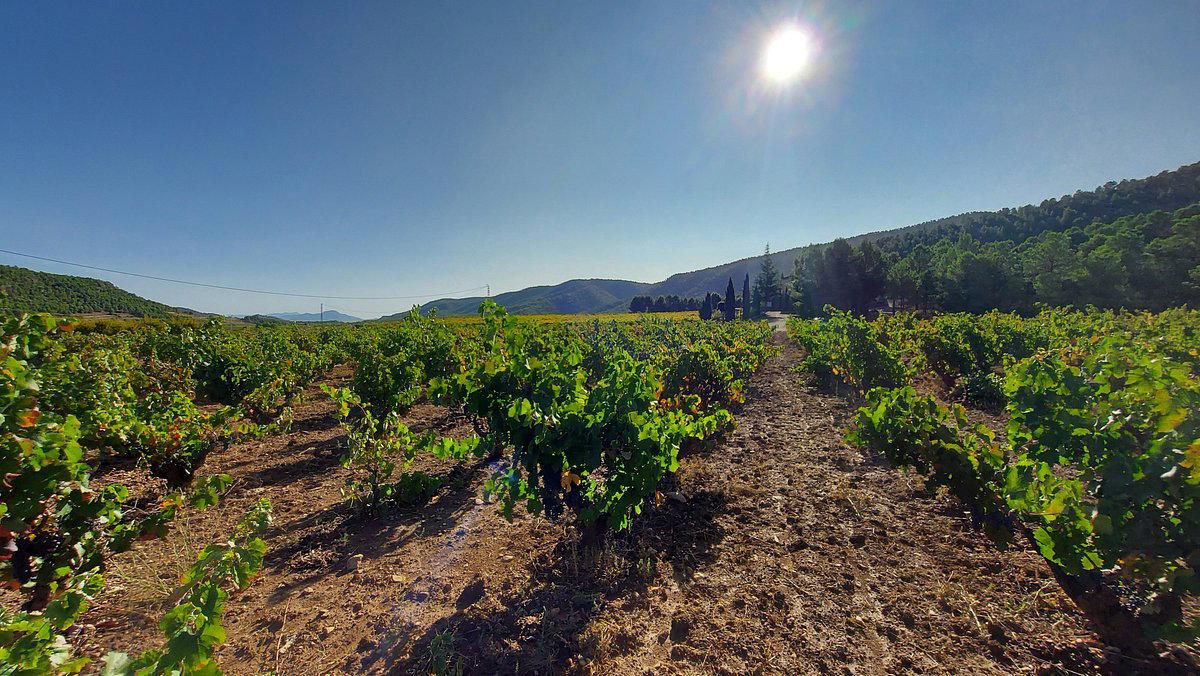
Bodegas del Rosario
Bullas, Spain
Book Bodegas del Rosario if you want a practical, history-rich Bullas winery visit with strong value and a clear Monastrell focus. The appointment-only format suits first-timers who want to understand the region through a working cooperative cellar rather than a luxury tasting room.
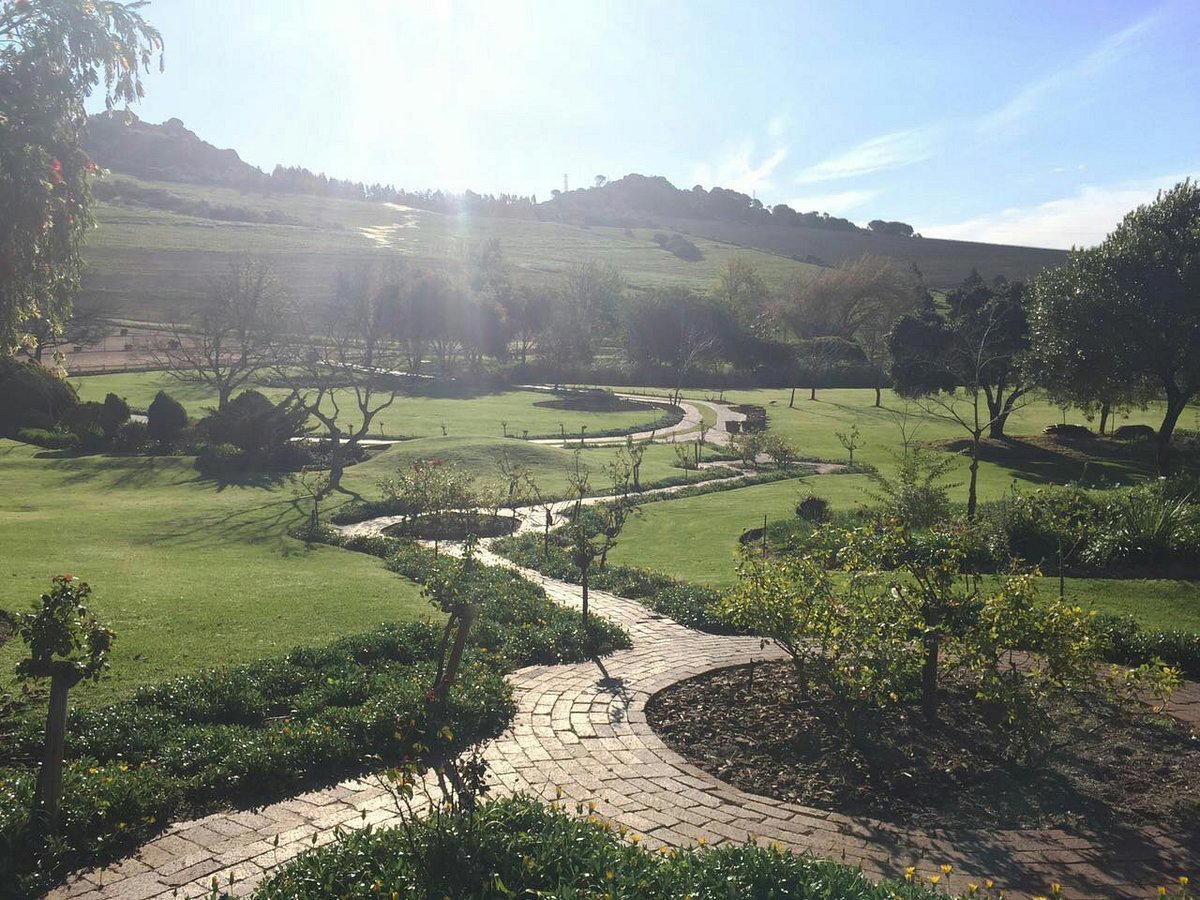
Rhebokskloof Wine Estate
Paarl, South Africa
Rhebokskloof Wine Estate is worth prioritising for a first Paarl wine day if the goal is a composed estate visit with a serious quality signal, not a quick tasting-room stop. It suits wine-club-minded visitors better than casual groups; mixed groups may find Spice Route or KWV Wine Emporium easier to fit into a flexible itinerary.
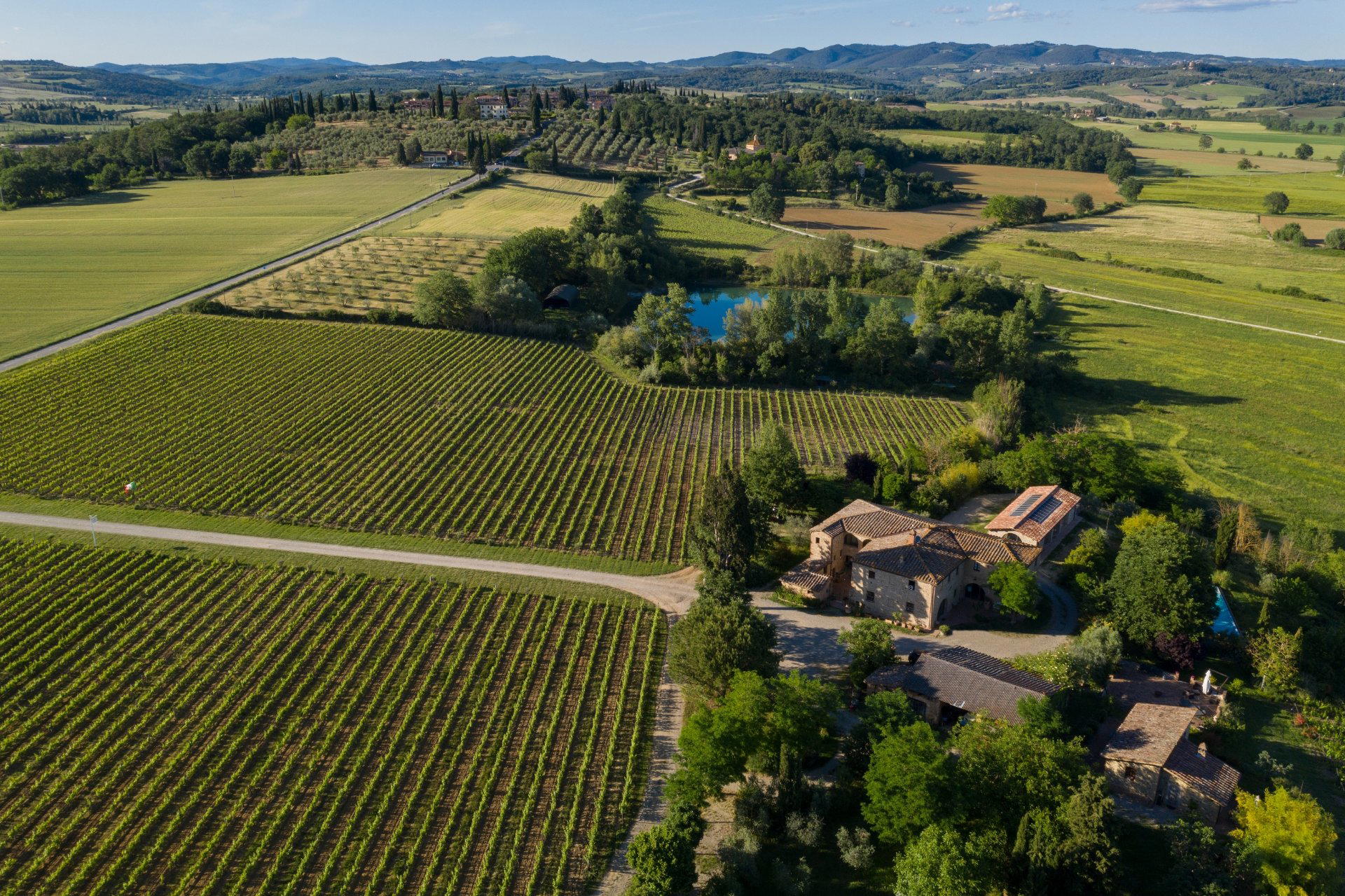
Carpineta Fontalpino
Castelnuovo Berardenga, Italy
Carpineta Fontalpino is worth prioritizing for a special-occasion winery visit in Castelnuovo Berardenga, especially if the plan is a focused, wine-led appointment rather than a quick stop. Falstaff 3 Stars in 2026 gives it a credible quality signal, but the smarter play is to build the day around it instead of stacking too many tastings.
Domaine des Rueyres
Chexbres, Switzerland
Worth considering if your priority is a Chexbres-focused wine stop with Vaud context rather than a fully documented visitor experience. Domaine des Rueyres has a credible recognition signal through its Falstaff listing, but plan flexibly if you need confirmed food, shipping, tasting format, or group details.
Follador dal 1769
Col San Martino, Italy
Follador dal 1769 is worth prioritizing if you want a refined Prosecco Superiore tasting with family history and a strong Col San Martino setting. It is better for couples, small groups, and special-occasion wine travelers than for anyone looking for a quick, informal stop. The Falstaff listing and repeated competition visibility add useful confidence.
Domaine Drouhin Vaudon
Chablis, France
Domaine Drouhin Vaudon is worth prioritizing if the goal is a focused Chablis buying or tasting stop tied to Joseph Drouhin’s Burgundy credentials. Expect the appeal to sit in Chardonnay, Kimmeridgian limestone, and appellation-level comparison rather than a confirmed food-pairing or hospitality-led experience. Falstaff Listed for 2026.
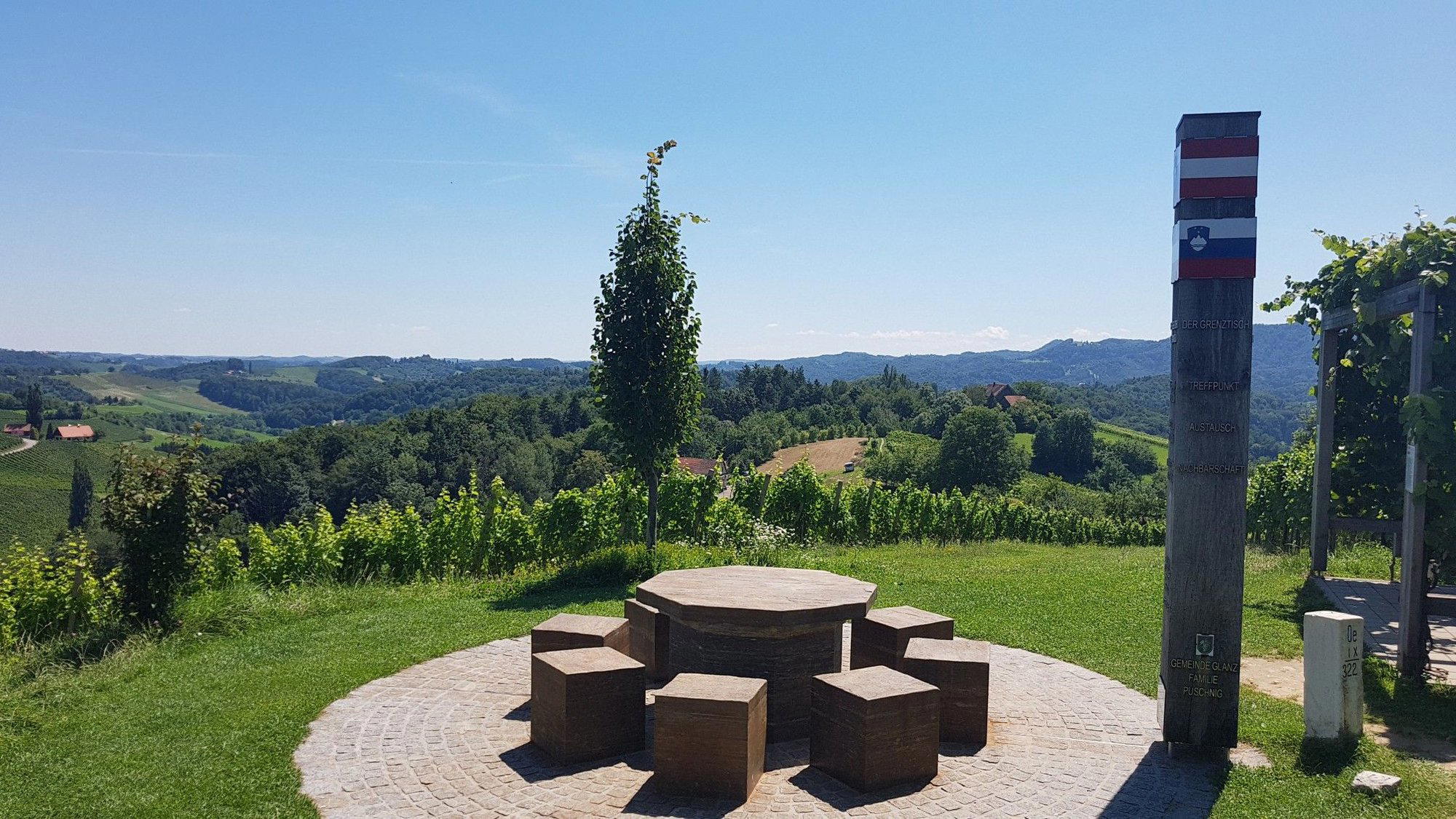
Andreas Tscheppe – Weingut in Glanz
Leutschach, Austria
A strong choice for wine-focused visitors who want a small, natural-wine address in Southern Styria rather than a conventional tasting-room stop. The value is clearest if Chardonnay, Sauvignon Blanc, Gelber Muskateller, biodynamic farming, and steep-terrain white wines are the point of the trip.
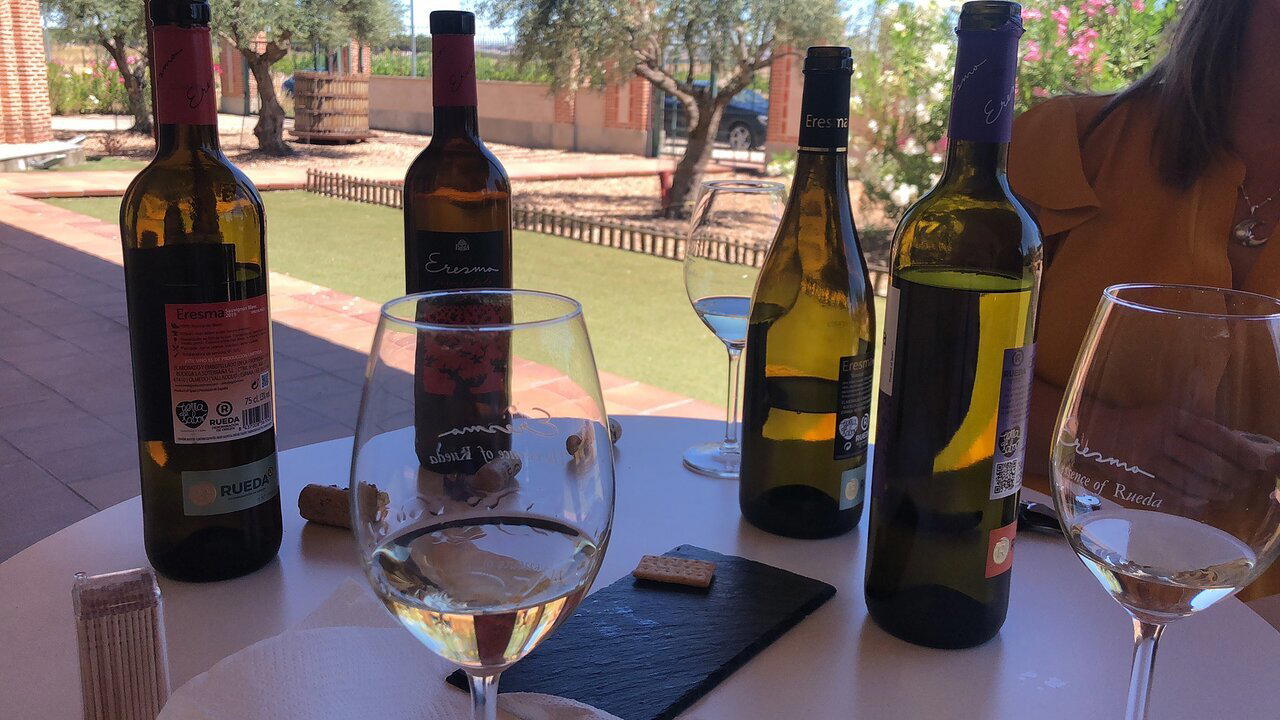
Bodegas La Soterraña
Olmedo, Spain
Bodegas La Soterraña is worth planning for if the goal is a focused Rueda visit centered on Verdejo and modern production rather than rustic cellar atmosphere. The strongest fit is a wine traveler who wants technical context, white-wine depth, and a clearer read on Olmedo’s place in the denomination.
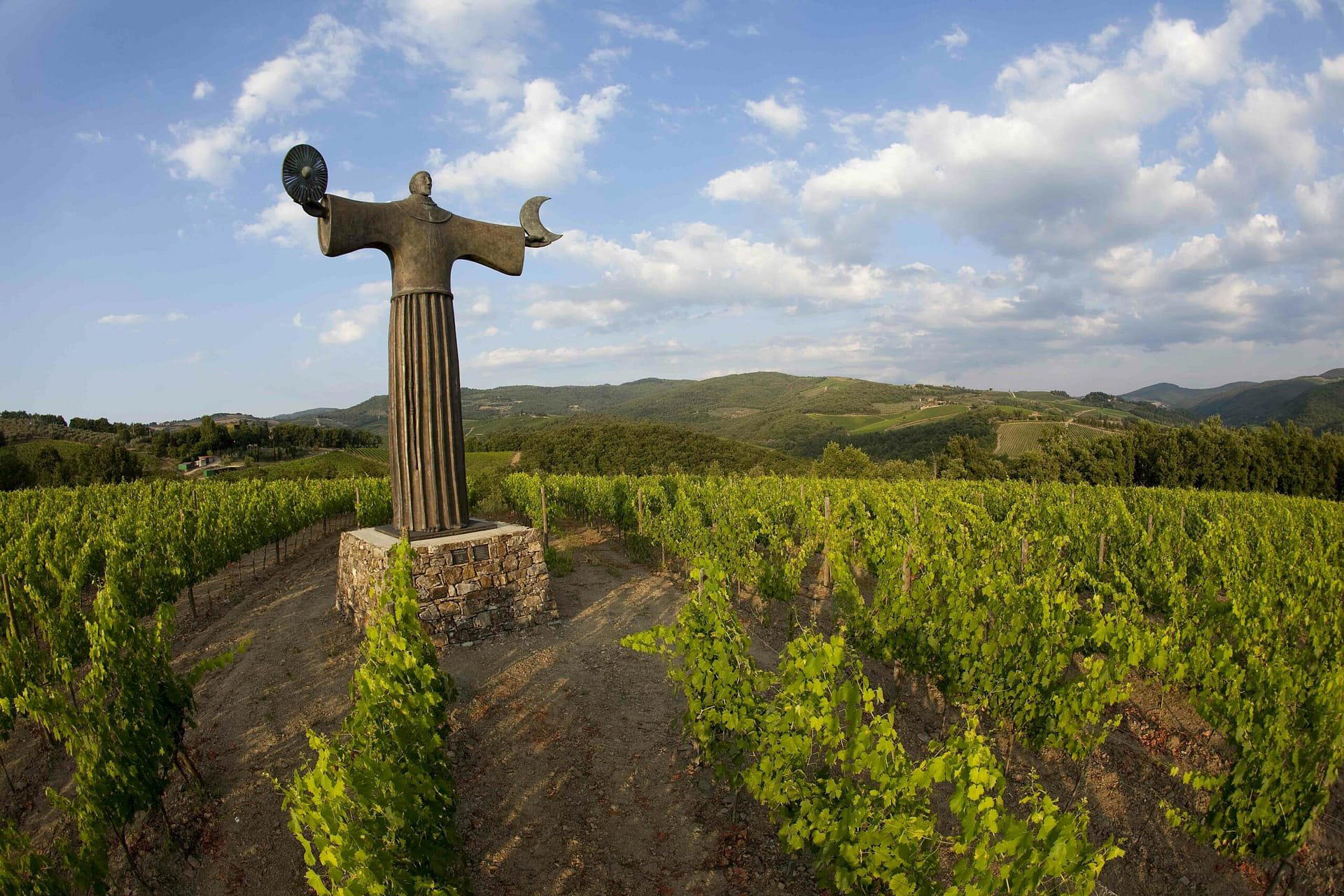
Il Molino di Grace
Greve in Chianti, Italy
Book Il Molino di Grace if the goal is a serious Chianti estate stop rather than a casual tasting-room drop-in. The appeal is its Panzano-area setting, sangiovese-led portfolio, and modern ownership story, with Chianti Classico, Il Margone, and Gratius giving visitors a clear read on the producer’s range.
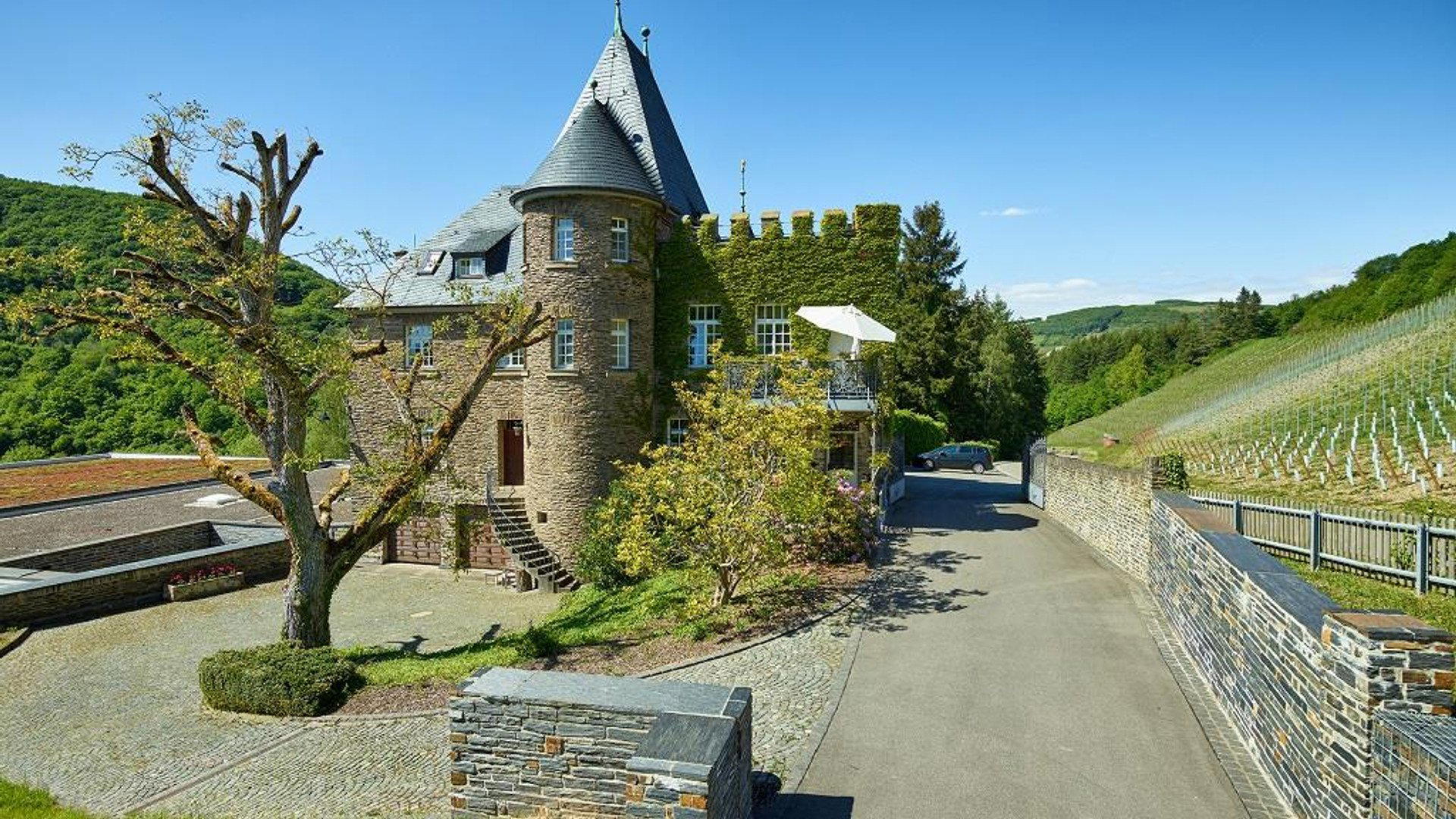
Weingut Reichsgraf von Kesselstatt
Trier, Germany
Plan this as an estate-led Mosel visit, not a quick Trier drop-in. Weingut Reichsgraf von Kesselstatt is strongest for special-occasion travelers who want the Schlossgut Marienlay setting to carry part of the experience; if convenience and tasting density matter more, compare nearby Mosel peers before committing the slot.
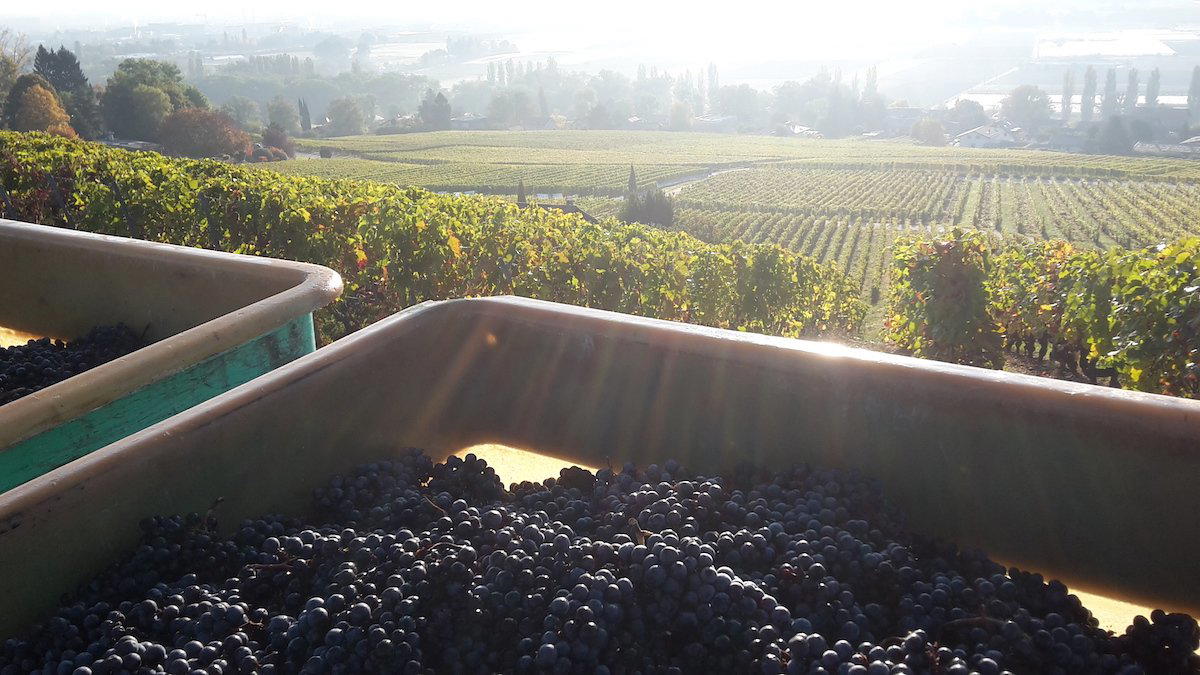
Christian Guyot
Bernex, Switzerland
For the current Bernex wine season, Christian Guyot is a strong pick for visitors who want a quiet, appointment-led cellar visit rather than a broad hospitality setup. The value sits in the small-production range, Falstaff 2 Stars recognition for 2026, and a portfolio that moves across Swiss and international varieties; plan food elsewhere and treat the booking as the anchor of the day.
Domaine Henri Magnien
Gevrey-Chambertin, France
Worth shortlisting for a Gevrey-Chambertin wine day if the goal is appellation depth rather than a high-service visitor experience. Domaine Henri Magnien has a 2026 Falstaff listing, but tasting format, pricing, and appointment details should be confirmed before planning around it.
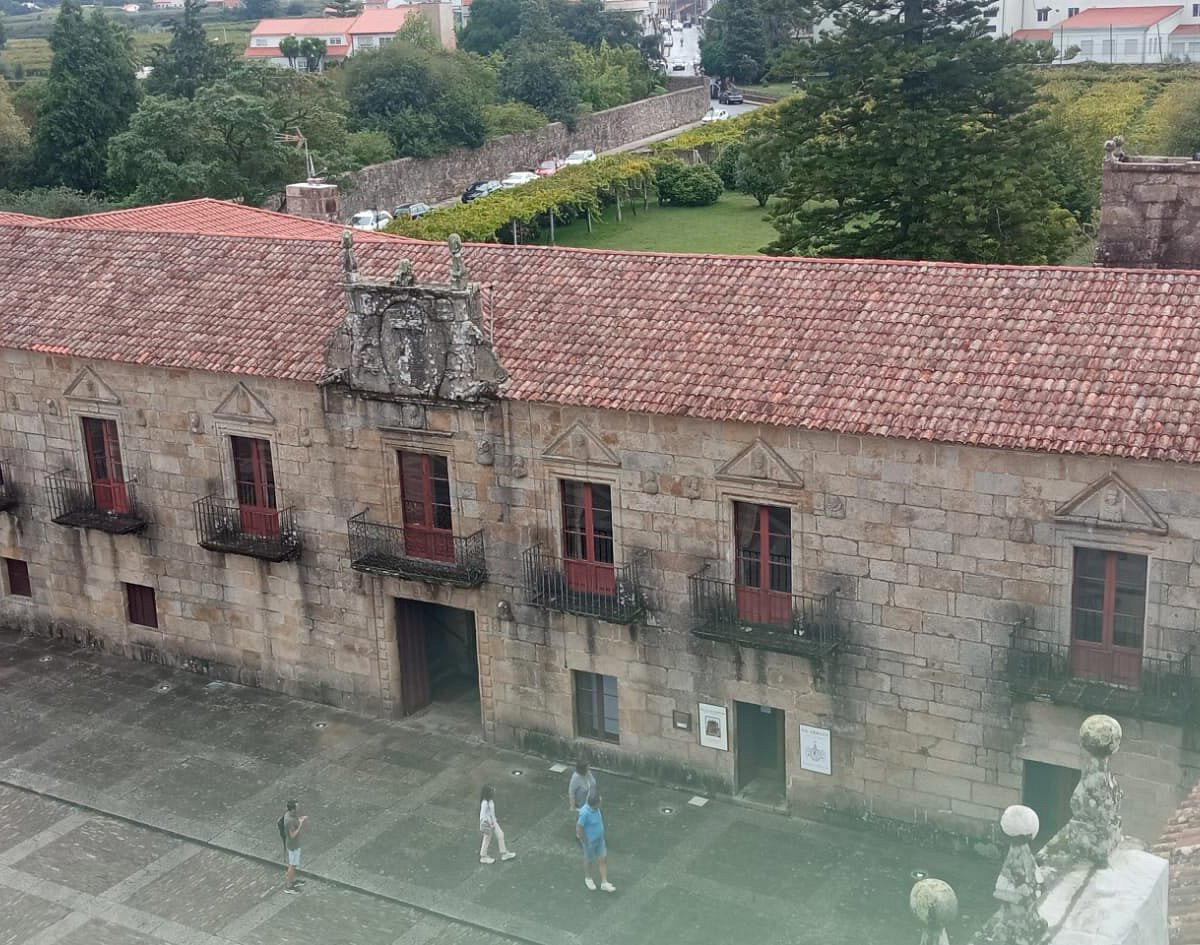
Bodegas del Palacio de Fefinanes
Cambados Pontevedra, Spain
Prioritise Bodegas del Palacio de Fefinanes if the goal is a serious Rías Baixas wine stop in Cambados, especially for Albariño-focused buyers weighing what to ship or cellar. It is better suited to a planned celebration or business-minded tasting than a casual drop-in, and booking should be handled early given the hard-reservation signal.
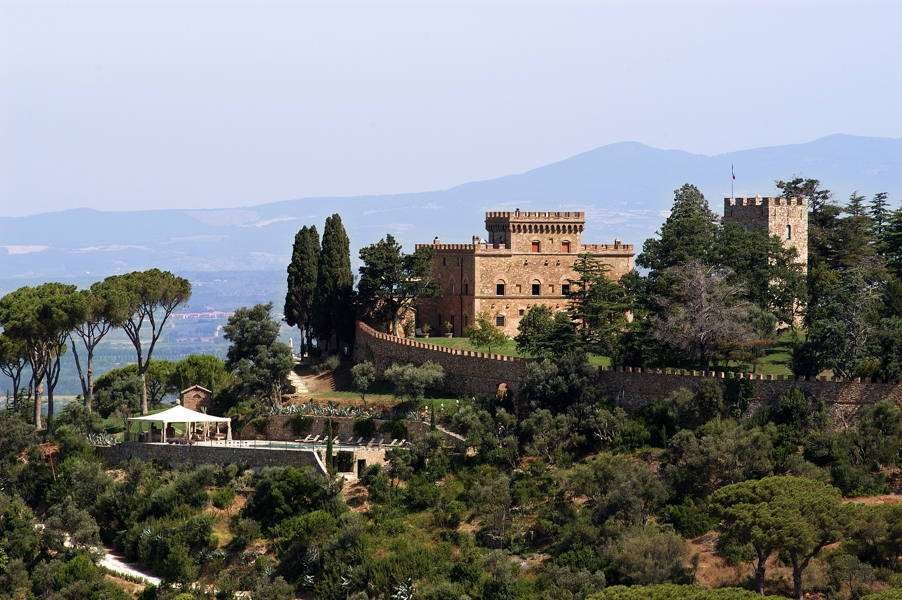
Castello di Bolgheri
Bolgheri, Italy
Worth considering for serious Bolgheri wine research, especially if the trip is about understanding local producers and deciding what deserves cellar or shipping space. Castello di Bolgheri has Falstaff 4 Stars for 2026, but visitor logistics are not clearly published, so build backup winery options before shaping a full day around it.
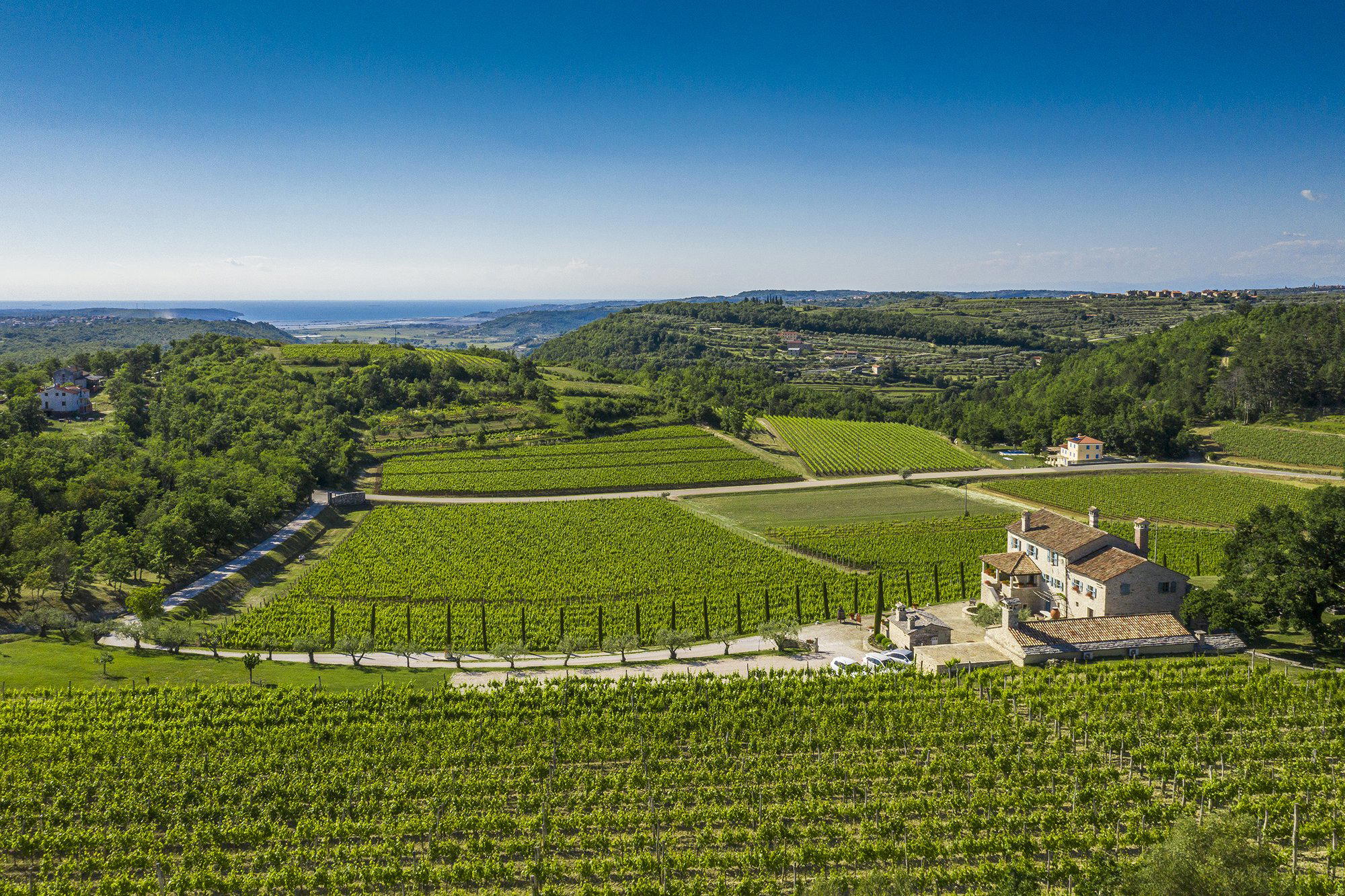
Kabola Winery
Buje, Croatia
Kabola Winery works for a quieter, appointment-only Buje wine stop with an organic, terroir-driven identity and 2026 Falstaff Listed recognition. It is a better fit for wine-focused couples or small groups than for travellers who need walk-in flexibility, confirmed food service, or a clearly published tasting format.
Club Batonnage
Andau, Austria
Club Batonnage is a specialist Andau wine-club address for travellers who want depth rather than a casual cellar-door stop. It is easiest to recommend for serious wine enthusiasts building a Burgenland-focused itinerary, especially if follow-up buying and producer context matter more than a fully packaged visitor experience.
Château Puy Guilhem
Saillans, France
A strong first stop for understanding Fronsac through a Merlot-led, clay-limestone estate rather than through label prestige. Château Puy Guilhem is worth planning for if the appeal is technical vineyard work, old Malbec vines, measured oak ageing, and a calm Right Bank setting with strong value logic.
Azienda Agricola Enrico Baj Macario
Chiocchio, Italy
Azienda Agricola Enrico Baj Macario is worth booking for a small, personal Chianti Classico tasting built around Sangiovese and the La Farfalla vineyard’s row-by-row vinification. It is a stronger choice for repeat Tuscany visitors than for large groups or anyone wanting a food-led winery stop.
Coste Ghirlanda
Marsala, Italy
Coste Ghirlanda is worth booking for a quiet, special-occasion wine experience built around Pantelleria’s Zibibbo and Passito tradition. It is a stronger choice for couples or small groups who care about volcanic-island terroir than for travelers looking for a broad, fast tasting lineup.
Clos de Mez
Fleurie, France
Clos de Mez works if the trip is already focused on Fleurie and the priority is producer discovery over a packaged visitor experience. Its 2026 Falstaff listing gives it a credible signal, but first-timers should treat it as a planning-dependent winery stop rather than a fully self-explanatory tasting destination.
Francesco Intorcia & Figli
Marsala, Italy
A practical Marsala wine stop for travelers who care about the region’s producer culture more than a polished dining or tour format. Francesco Intorcia & Figli is easiest to recommend when the day is built around wine, with Falstaff Listed recognition in 2026 adding a credible signal without making it a destination-at-any-cost booking.
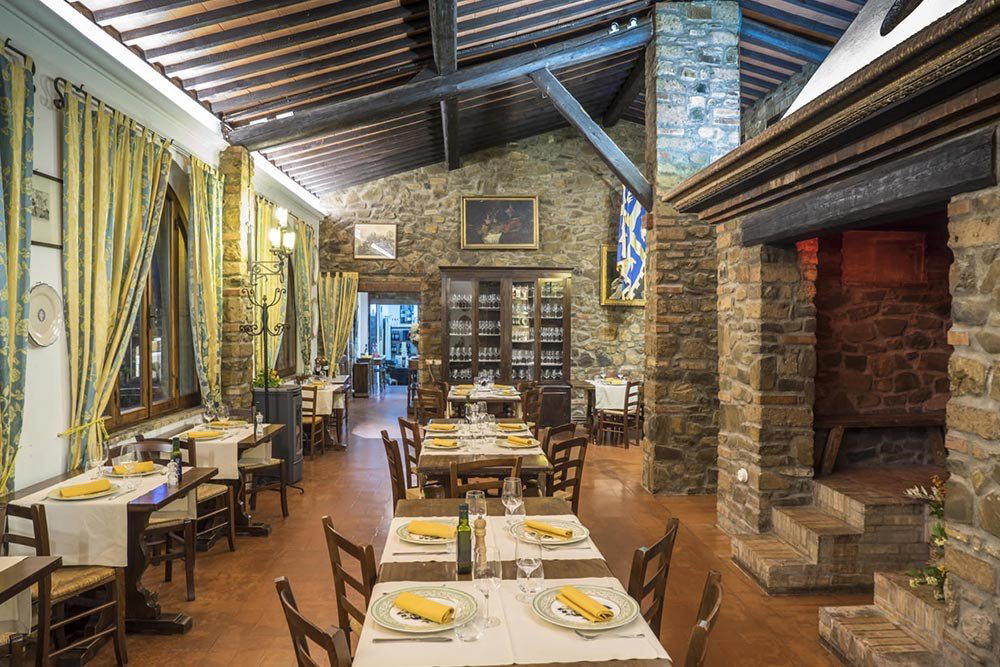
Fattoria dei Barbi
Montalcino, Italy
A strong Montalcino pick for visitors who want Brunello history, cellar atmosphere, and a structured estate experience rather than a quick pour. Fattoria dei Barbi is especially useful for celebrations or mixed-knowledge groups because the visit can carry both wine credibility and broader Tuscan context.
Château Monconseil Gazin
Plassac, France
Château Monconseil Gazin works as a focused Plassac winery stop, especially for travelers using Blaye and Bourg to build regional context. The sensible move is to taste before committing to any club or allocation decision: its Falstaff Winery listing is a useful signal, but not enough on its own to justify buying blind.
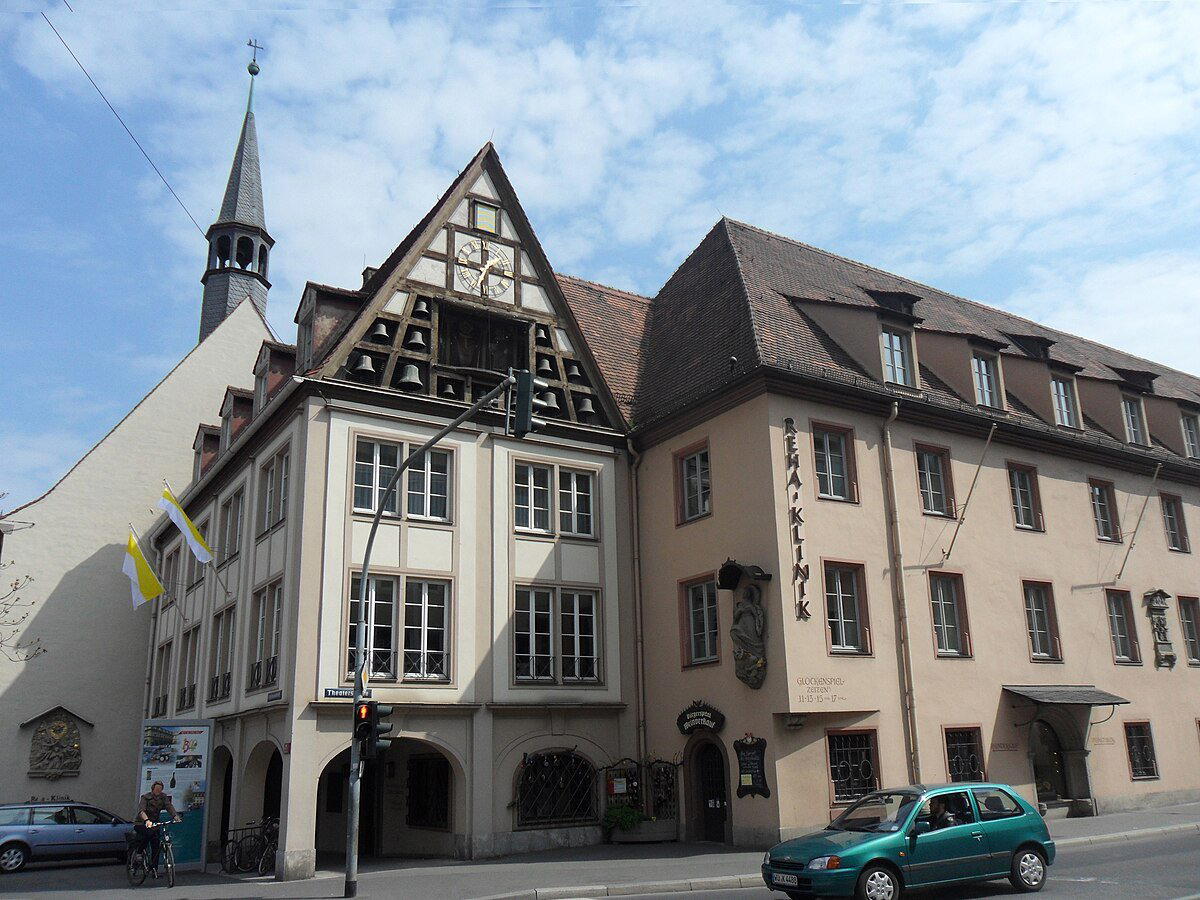
Weingut Bürgerspital zum Heiligen Geist
Würzburg, Germany
A serious Würzburg wine address for occasions where reputation and central logistics matter. Book it when Franconian wine is the focus and the rest of the day needs to stay easy; cross-shop Weingut Juliusspital if you want another established city option before looking outside Würzburg.
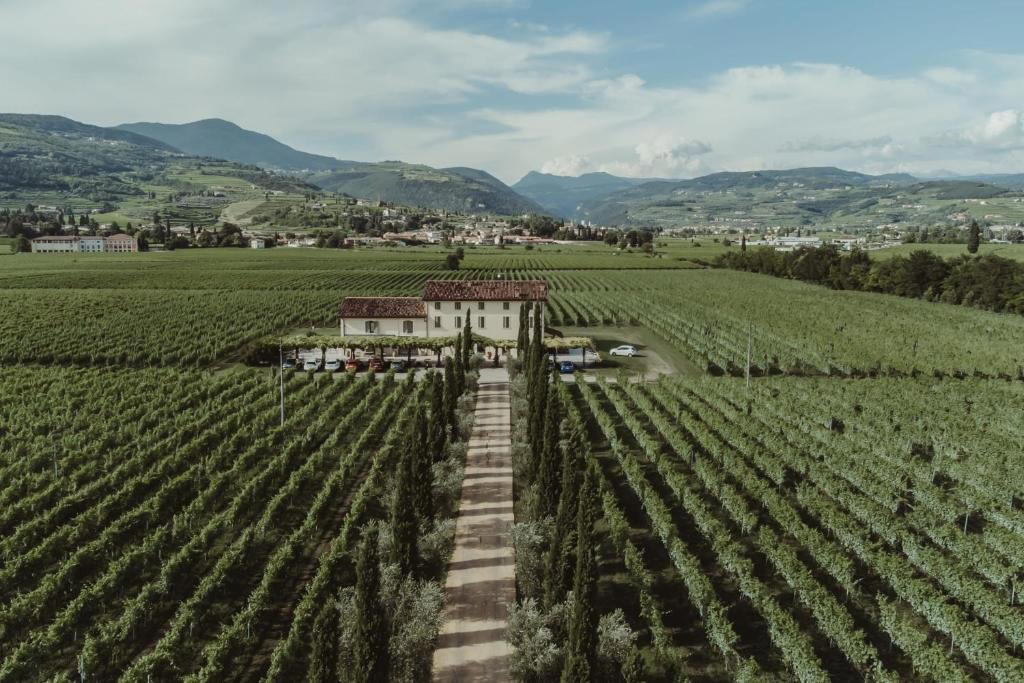
Azienda Agricola Monte Faustino
San Pietro In Cariano, Italy
Azienda Agricola Monte Faustino is worth booking for a focused Valpolicella tasting built around Amarone, Ripasso, family continuity, and working-cellar substance. It is a stronger fit for couples or small special-occasion visits than for groups chasing a polished hospitality production, and the appointment-only format rewards planning ahead.
Scagliola Giacomo e Figlio
Canelli, Italy
Book Giacomo Scagliola if you want an accessible Canelli winery visit built around Moscato d’Asti, terrace views, and a family-run cellar feel rather than a formal luxury tasting. It is strongest for a date, anniversary afternoon, or small group that wants local context, easy hospitality, and a clear sense of Piedmont place.
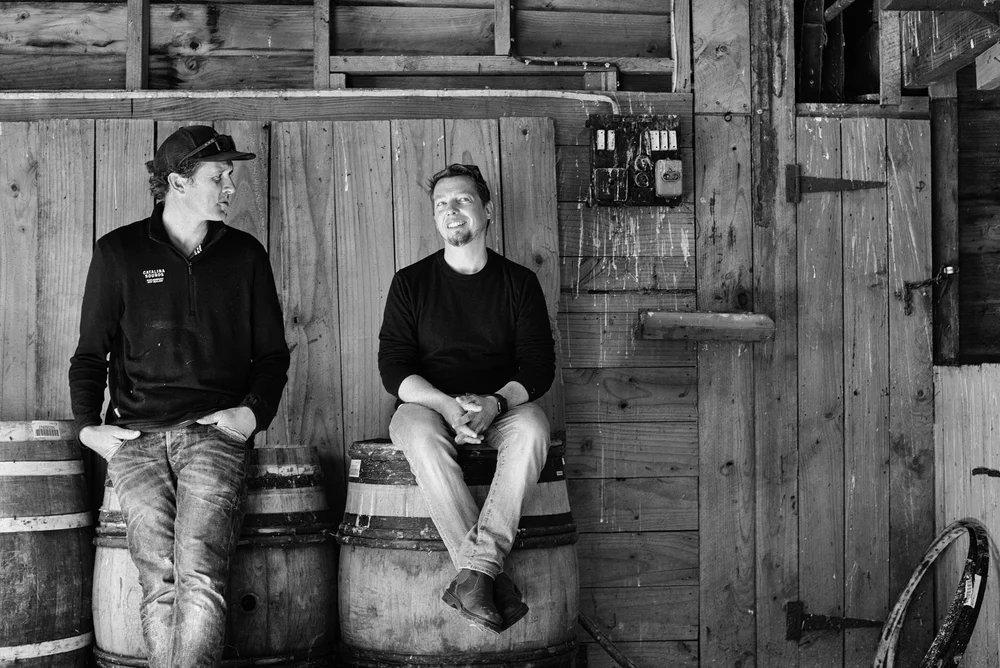
Catalina Sounds
Blenheim, New Zealand
Quiet, modern, and wine-led, Catalina Sounds is worth prioritising if Marlborough Sauvignon Blanc is the point of the trip. The strongest buy is the flagship Sauvignon Blanc, with the rest of the range adding context rather than replacing it. Better for couples or small, focused groups than for a food-driven or spontaneous cellar-door crawl.
Defilippi - Cantine i Gessi
Oliva Gessi, Italy
Plan Defilippi - Cantine i Gessi as a wine-focused countryside stop, not a polished tasting-room production. It works for Riesling Renano, Pinot Nero, classic-method sparkling wine, and a fifth-generation Oltrepò Pavese context, especially in spring or early autumn with an appointment arranged ahead.
How many of these have you visited?
Find out on Pearl and keep score across every place in 2026 Falstaff Winery Guide.