
Weingut Ziereisen
Efringen-Kirchen
Winery in Efringen-Kirchen, Germany
 Book with Pearl
The Read
Markgräflerland Terroir Precision
Why go
Choose Weingut Ziereisen when the winery itself is the reason for the trip, not a quick add-on between meals. Its Efringen-Kirchen setting and Pearl 2 Star Prestige recognition make it strongest for couples, collectors, and special-occasion itineraries built around wine rather than casual walk-in tasting.
About Weingut Ziereisen
Weingut Ziereisen is a Pearl-recognized venue in Efringen-Kirchen with a casual dress code and 2 Star Prestige recognition for 2025. Plan ahead before assuming details about services, prices, hours, group capacity, or other visit logistics. If you are building a wider plan in town, research other Efringen-Kirchen dining options separately and confirm any practical arrangements directly before you go.
Book this when the venue itself is the occasion
The clearest reason to prioritize Weingut Ziereisen is its 2 Star Prestige recognition in 2025. That makes it a stronger candidate for a planned stop than a casual filler in an itinerary. Specifics such as format, price point, opening rhythm, and capacity should be checked in advance. Treat the visit as something to arrange ahead rather than something to improvise.
The dress code is casual, so the profile does not call for formal attire. Beyond that, the safest planning approach is simple: keep expectations flexible, avoid building the day around unconfirmed services, and verify timing, access, and visit options through the venue's current official channels.
Use it as the Efringen-Kirchen anchor in a wider itinerary
For service, pricing, hours, and group handling, contact Weingut Ziereisen directly before finalizing the schedule. Do not assume a full meal, a particular visit length, a large-party setup, or walk-up availability unless the venue has confirmed those details for your date.
For readers comparing Pearl-recognized venues, regional reference points can include Weingut Bercher, Weingut Dr. Heger, Weingut Franz Keller, Weingut Fritz Waßmer, Weingut Salwey, and Weingut Ziereisen. Use those names as planning comparisons, but check each venue's own current information before relying on any specific service, format, or timing.
Choose Weingut Ziereisen when you want a 2 Star Prestige venue in Efringen-Kirchen and are comfortable verifying the practical details directly. If the day depends on a meal, a fixed schedule, or a specific group arrangement, confirm those needs first and keep other Efringen-Kirchen dining options in reserve.
Planning details
- Location
- Markgrafenstraße 17, 79588 Efringen-Kirchen
- Website
- weingut-ziereisen.de
- Phone
- +49 7628 2848
The take
The Take
The Vibe
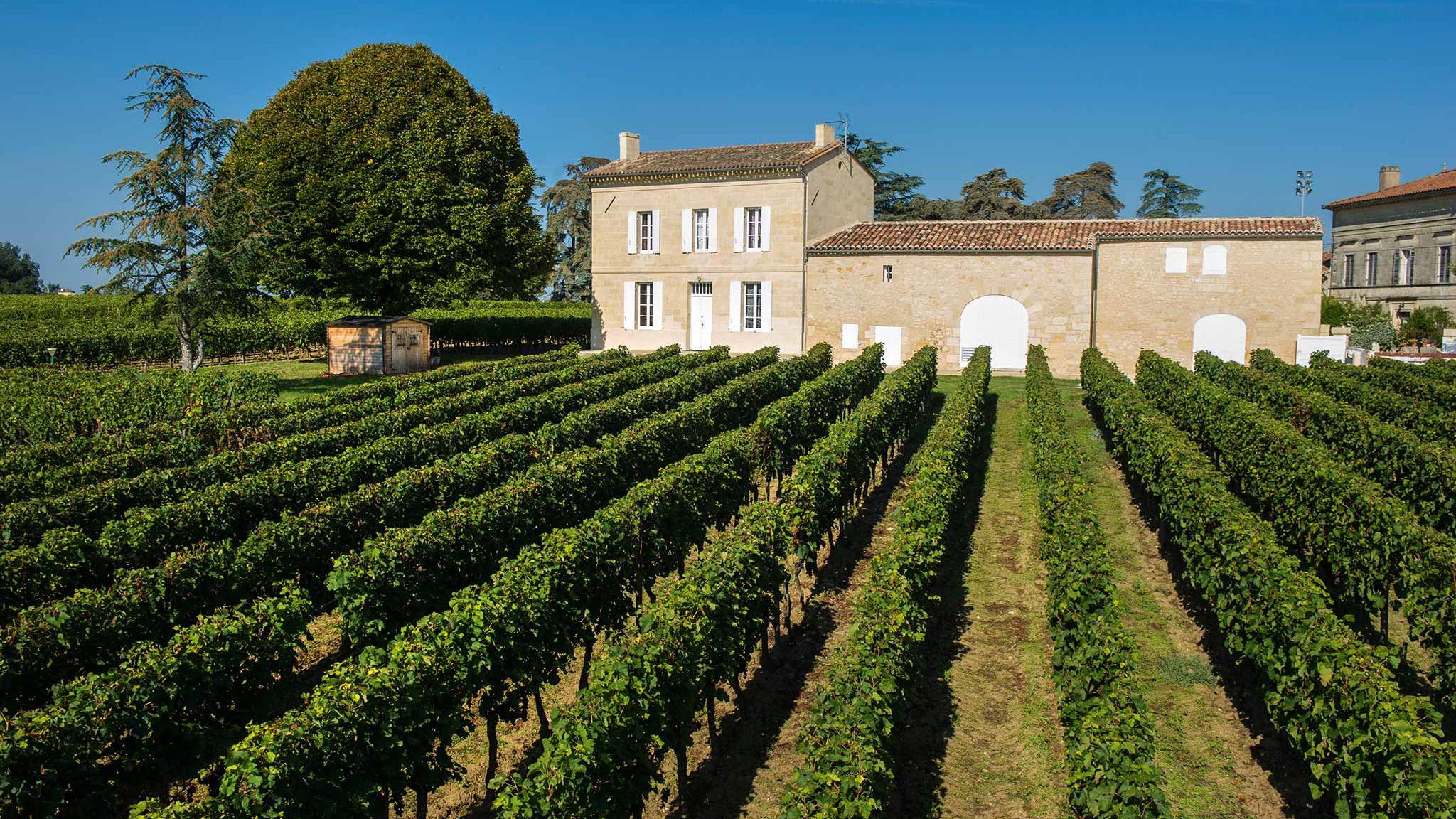
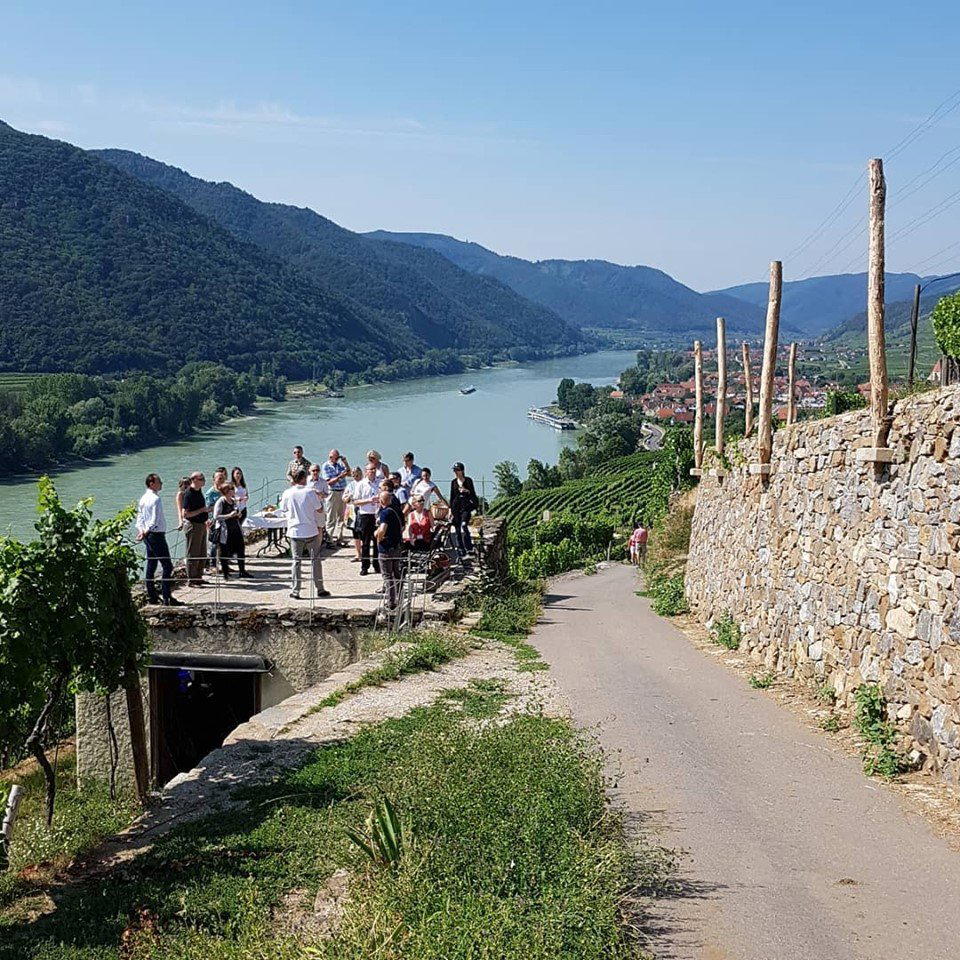
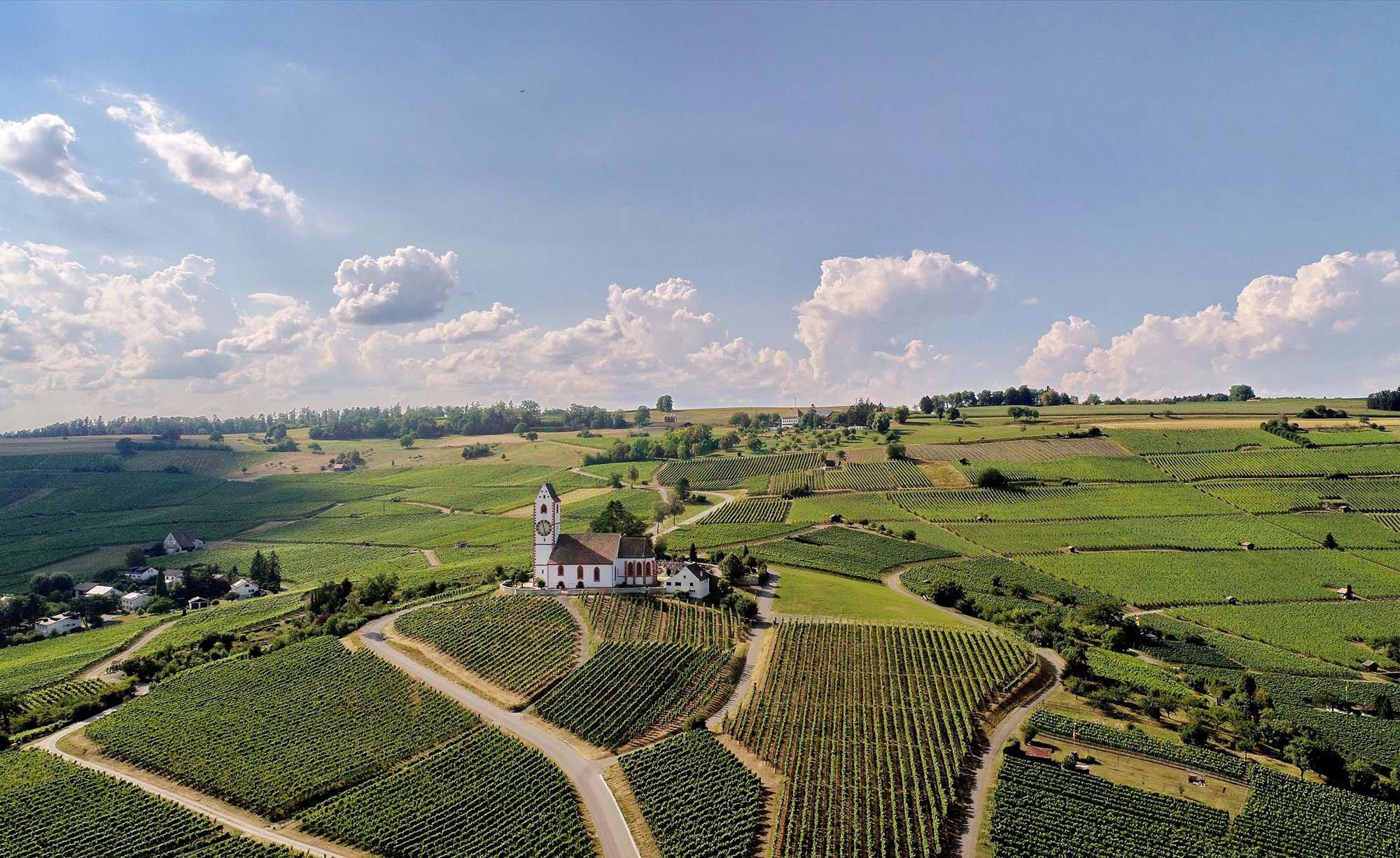
Weingut Ziereisen presents a quietly assured profile grounded in southern Baden terroir. Situated at the Rhine bend between foothills and plain, the estate's wines show ripeness and phenolic depth that set them apart from cooler German regions. Recent recognition—most notably the 2025 Pearl 2 Star Prestige distinction—cements its standing among serious producers. The overall impression is refined rather than flashy: thoughtful vineyard work, a clear sense of place and wines that reward time in bottle. Visitors encounter a producer that feels like a discovery for those who follow depth, site specificity and craftsmanship.
Best For
This estate is best for people focused on wine education, collectors and solo explorers looking to deepen their understanding of underappreciated German terroir. Tastings here suit guests who want to compare local varieties—Gutedel (Chasselas), Pinot Noir and Pinot Gris—and learn how limestone, loess and clay influence ripeness and texture. The producer’s recent awards make it a credible stop for a special-occasion visit or for buyers evaluating cellar-worthy bottlings. It’s an ideal pick for thoughtful tasting sessions rather than loud, tourist-driven stops.
Tasting Tips
When tasting at Ziereisen, prioritize regional specialties and older-leaning bottlings: look for Gutedel (Chasselas) to experience the local benchmark, plus Pinot Noir and Pinot Gris that reflect the warmer Markgräflerland climate. Given the estate’s emphasis on structure and phenolic depth, ask about older vintages and any cellar-aged or reserve selections—these wines often reveal why the producer is recommended for patient aging. Also inquire about site and soil details (limestone, loess, clay) to contextualize differences across cuvées and vintages.
Venue details
Ambiance
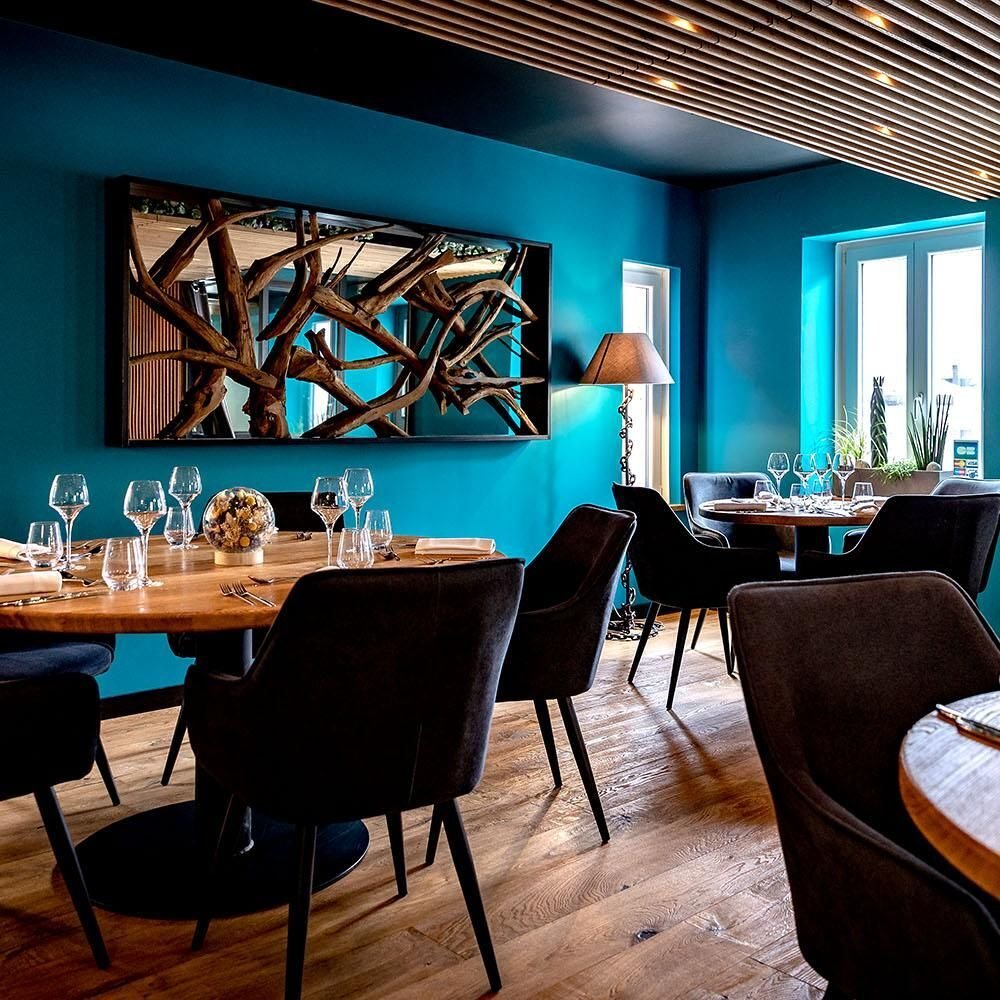
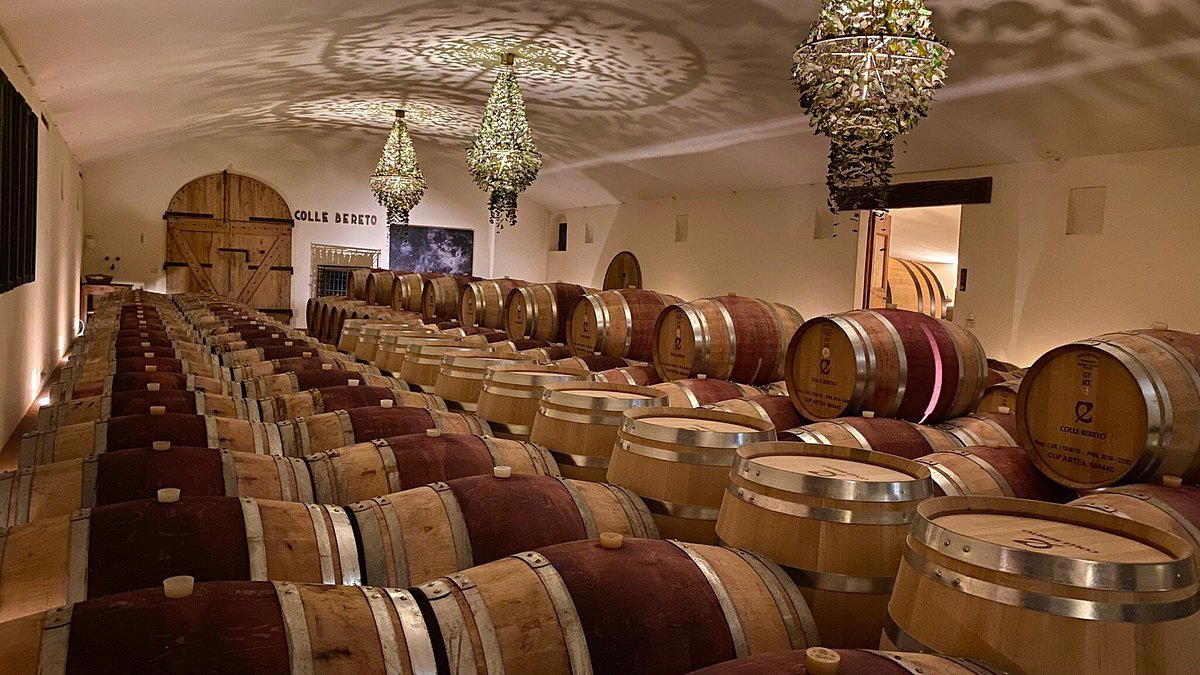
Rustic timber-framed courtyard with a calm, balanced atmosphere reflecting careful vineyard work and controlled idleness in the barrel cellar.
Tags
Vibe
Best For
Experience
Sourcing
View
At the Vineyard
- Appellation
- Baden
- Varietals
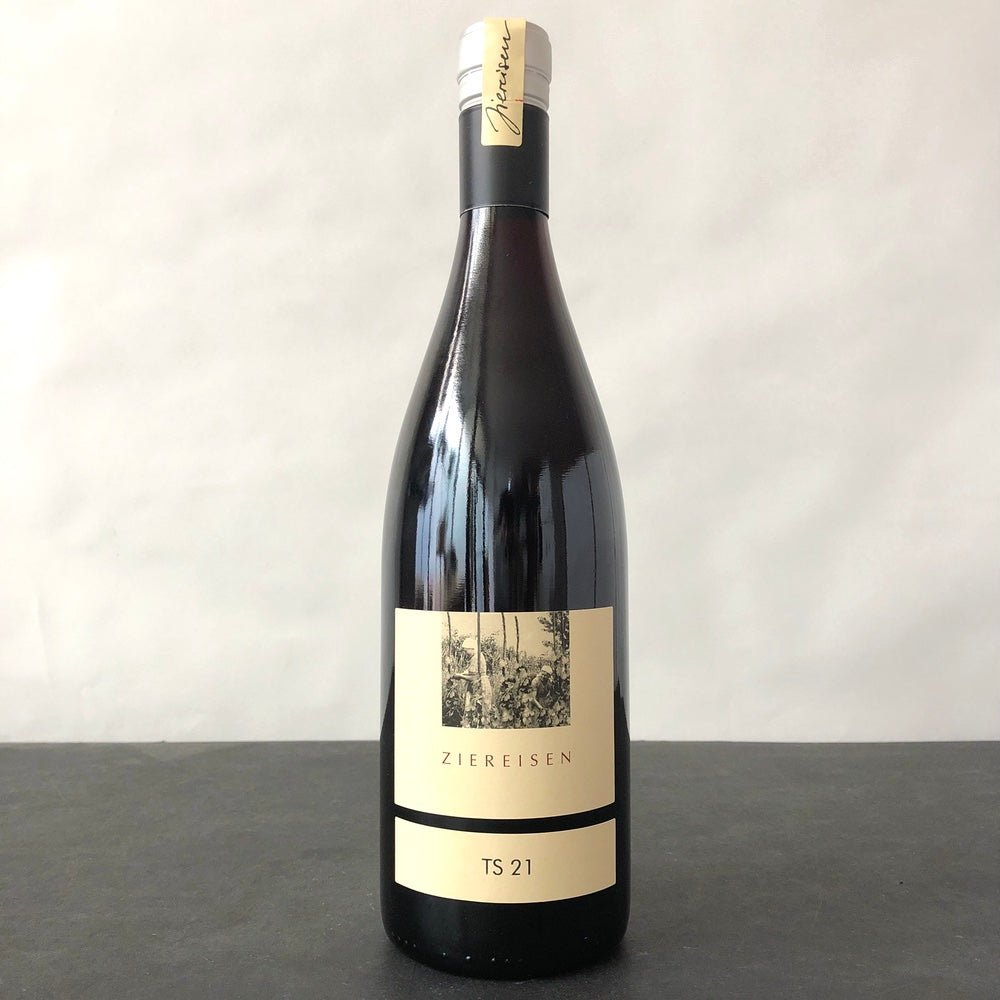
- Spätburgunder, Gutedel, Syrah, Grauburgunder, Weissburgunder
- Visits
- By appointment only
- Farming
- Sustainable
- Wine Styles
- Still Red, Still White
- Wine Club
- Not available
Know before you go
Know Before You Go
- Getting there
- Markgrafenstraße 17, 79588 Efringen-Kirchen
Planning details
Location
Recognition and awards

Also consider
Also Consider
- Weingut Fritz Waßmer, Notable alternative
- Weingut Dr. Heger, Notable alternative
- Weingut Salwey, Notable alternative
- Weingut Franz Keller, Notable alternative
- Weingut Bercher, Notable alternative
Winery context
How it compares with nearby wine options
Choose Weingut Ziereisen when the visit needs to feel like the serious anchor of an Efringen-Kirchen wine day. Compared with Weingut Fritz Waßmer and Weingut Dr. Heger, it is the stronger fit for a special-occasion itinerary where the estate visit carries the schedule, not just the bottle list.
Weingut Salwey and Weingut Franz Keller are better cross-shops if the priority is building a broader Baden-focused wine route with more than one stop. For readers trying to reduce booking stress, compare availability across all three rather than committing to a single estate too late.
Weingut Bercher is the practical fallback if the day needs another serious regional name without making the itinerary feel diluted. For ambiance-led celebrations, start with Weingut Ziereisen; for value and easier scheduling, widen the search to Bercher, Salwey, and Franz Keller before fixing the day.
Explore Efringen-Kirchen
Around this place
Discover more on Pearl
Unlock the full Weingut Ziereisen guide in Pearl, including awards, comparisons, FAQs, planning details, and nearby places.
Compare Weingut Ziereisen
| Venue | Location | Awards |
|---|---|---|
| Weingut Ziereisen | Efringen-Kirchen | 2026 Falstaff Winery Guide |
| Weingut Fritz Waßmer | Bad Krozingen-Schlatt | No published awards |
| Weingut Dr. Heger | Ihringen | 2026 Falstaff Winery Guide |
| Weingut Salwey | Oberrotweil | 2026 Falstaff Winery Guide |
| Weingut Franz Keller | Vogtsburg im Kaiserstuhl | 2026 Falstaff Winery Guide |
| Weingut Bercher | Vogtsburg | 2026 Falstaff Winery Guide |
How Weingut Ziereisen Efringen-Kirchen compares with similar nearby venues.
FAQ
Frequently Asked Questions
When is the best time to visit Weingut Ziereisen?
Visit when you can confirm the practical details directly with the venue. Weingut Ziereisen is in Efringen-Kirchen, has a casual dress code, and holds 2 Star Prestige recognition for 2025; check hours, booking rules, and the current visit format before you go.
Does Weingut Ziereisen serve food?
Do not plan on a meal unless you have confirmed it separately. If food is important to the itinerary, handle dining plans separately in Efringen-Kirchen.
What practical details should I confirm before visiting Weingut Ziereisen?
Can Weingut Ziereisen handle large groups?
How long should I plan for a visit to Weingut Ziereisen?
Plan only after confirming the current format, timing, and access details directly with Weingut Ziereisen.