

2026 Falstaff Winery Guide: The Ultimate Wine Authority — Page 35
Falstaff's 2026 Wineries guide.

Venues on this list
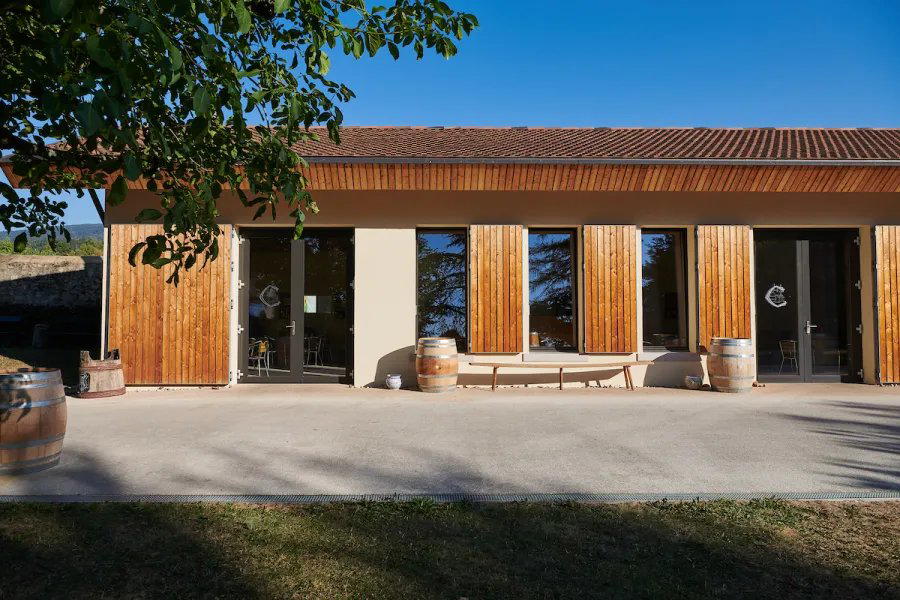
Caves du Château d’Auvernier
Auvernier, Switzerland
Book Caves du Château d’Auvernier only if the goal is a wine-led occasion rather than a full meal. The Falstaff 3 Stars 2026 recognition gives it a credible quality signal, but with no listed menu, hours, or booking channel, it suits planners who can build the day around the tasting and keep meal plans separate.
Domaine Garrabou
Gardie, France
Domaine Garrabou is a good fit for wine travelers already exploring Gardie, Limoux, or wider Occitanie, especially if the goal is regional discovery rather than a highly formal estate visit. Its 2026 Falstaff listing gives it credibility, but the practical play is to treat it as a flexible tasting stop and confirm details before building a full day around it.
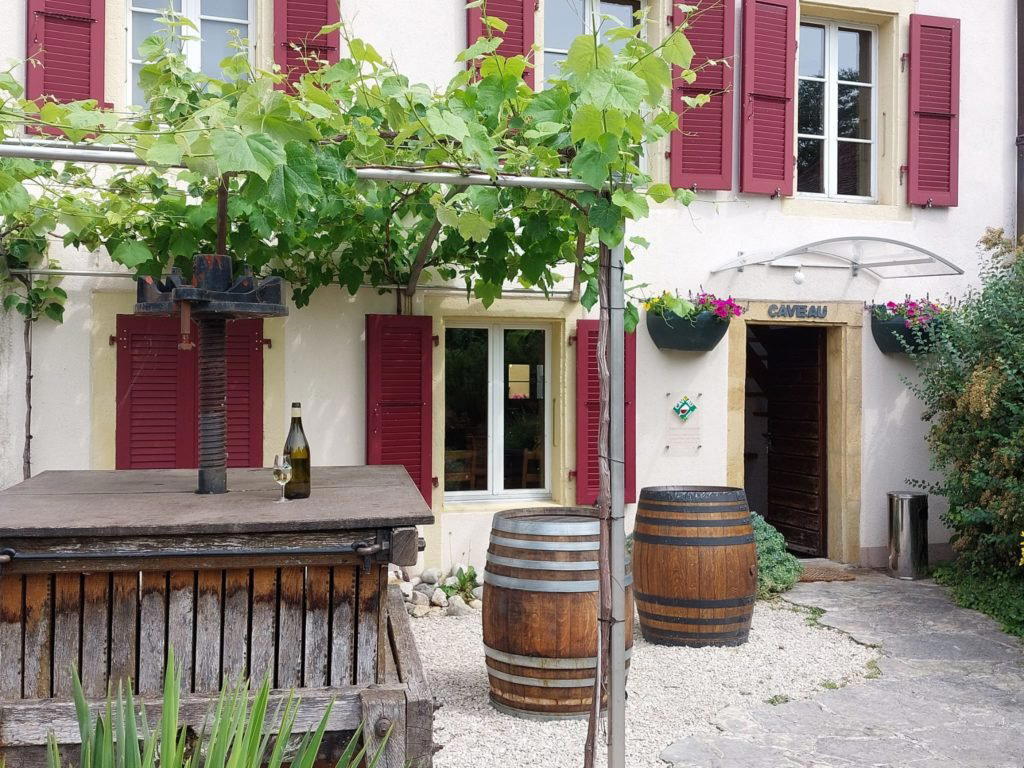
Cave Cybèle
Chamoson, Switzerland
Cave Cybèle is worth booking if you want a small, appointment-led Valais tasting with direct cellar context rather than a large visitor-center experience. The 1.5-hectare Chamoson estate is especially useful for exploring Swiss varieties, but buyers seeking a clearly defined wine-club or allocation program should treat it as a direct-producer relationship first.
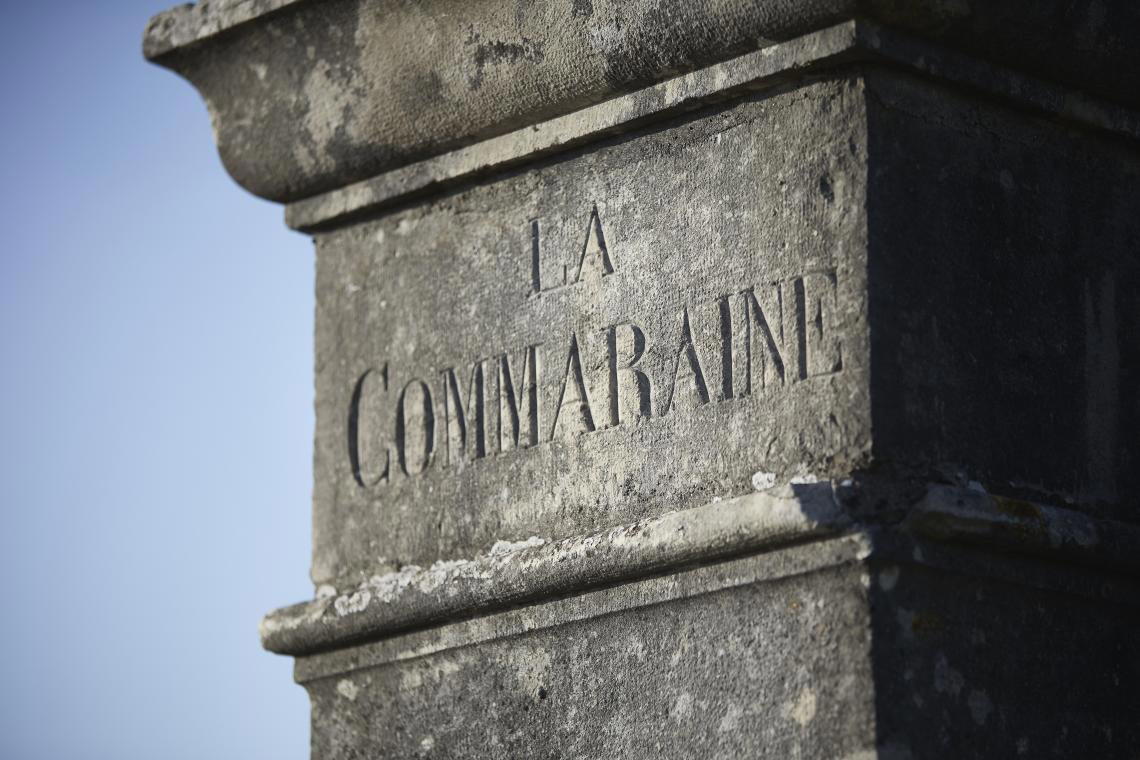
Domaine de La Commaraine
Pommard, France
A strong pick for Burgundy travelers who care about vineyard specificity, not a casual tasting-room checklist. Domaine de La Commaraine is worth prioritising for its 3.75-hectare Pommard Premier Cru monopole, biodynamic and organic farming direction, and polished Pinot Noir profile built around precision rather than power.
Château Vray Croix de Gay
Neac, France
Château Vray Croix de Gay is worth targeting if you want a serious, small-production Pomerol with Merlot-led polish and credible critic recognition, without buying purely for label status. Expect an appointment-only, château-centered experience and a focused flagship wine rather than a broad tasting lineup.
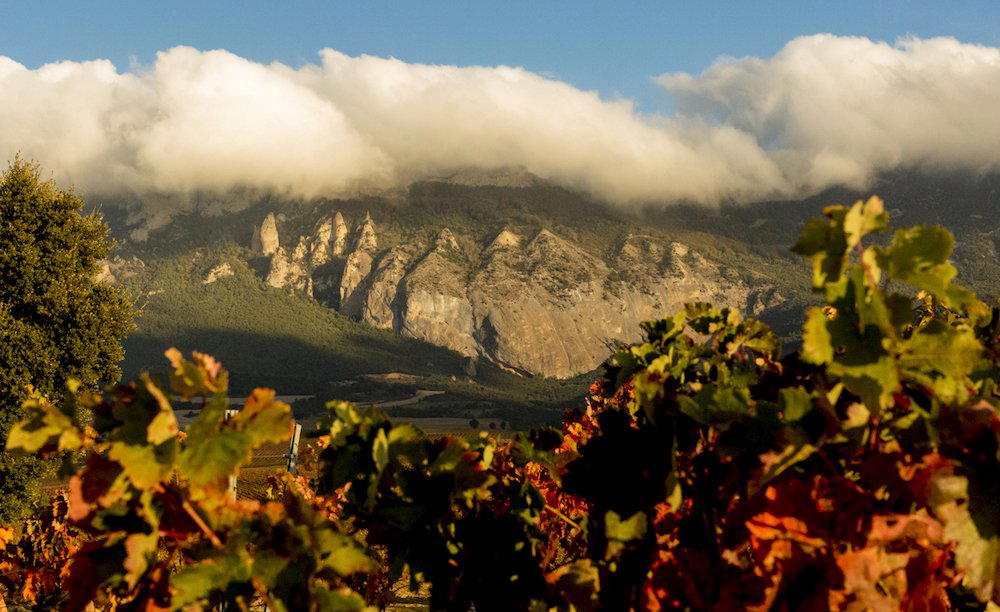
Bodegas Heredad de Baroja
Elvillar, Spain
Bodegas Heredad de Baroja is worth prioritizing if classic Rioja Alavesa Tempranillo is the reason for the trip. The appeal is production depth: mature estate vines, high-elevation vineyards, stainless-steel fermentation, and French and American oak aging, with a countryside feel rather than a design-focused visitor setup.
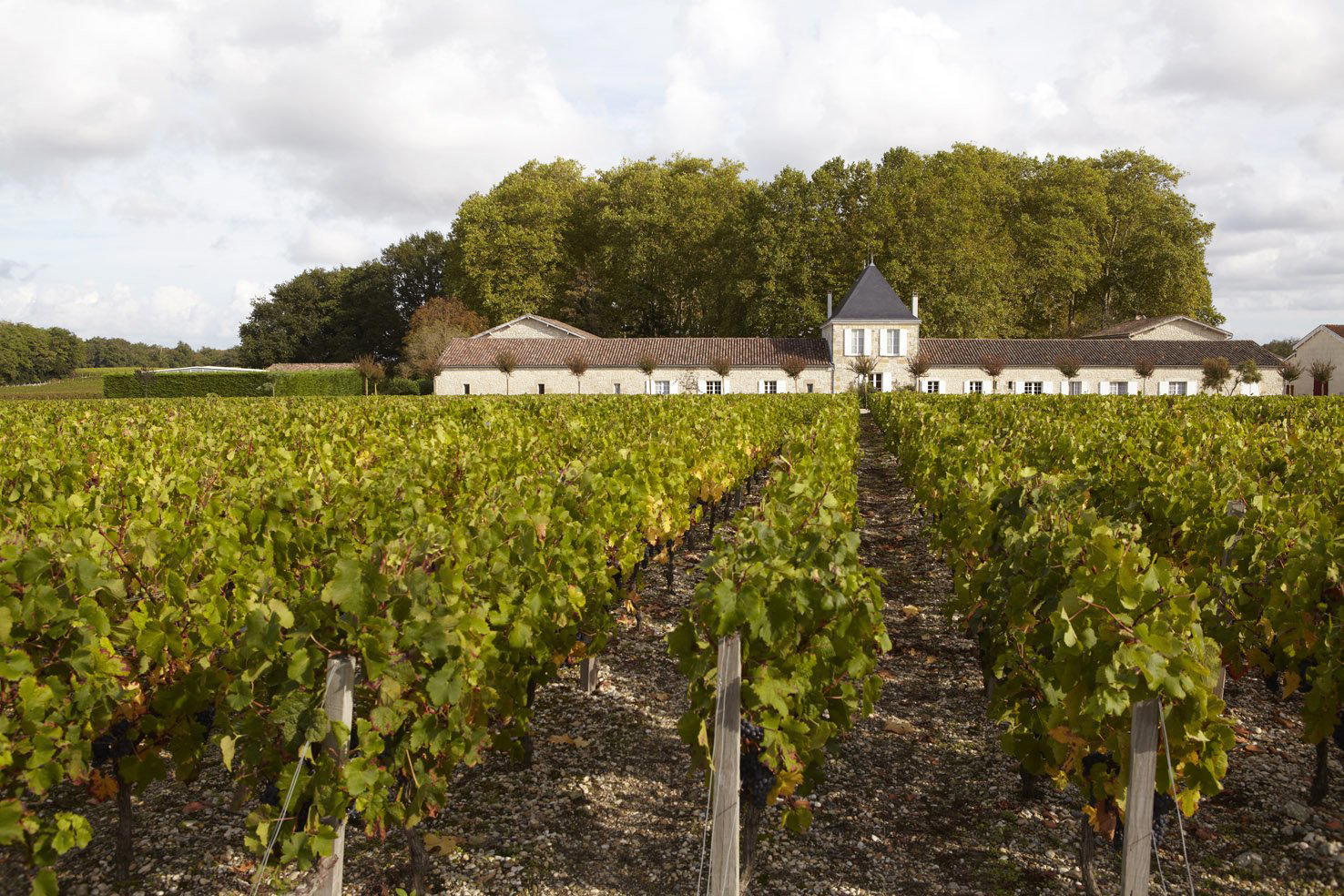
Château de Panigon
Civrac En Medoc, France
Château de Panigon is worth targeting if the goal is value-minded Médoc rather than luxury château theater. The flagship Cru Bourgeois blend offers a practical case for buying or visiting: classic Cabernet-Merlot structure, credible technical backing, HVE certification, and a family-estate setting in Civrac-en-Médoc.
Domaine Bernard & Thierry Glantenay
Volnay, France
A credible Volnay winery stop for travelers planning a focused Côte de Beaune tasting day. The 2026 Falstaff listing is the main trust signal, so treat it as a planned wine visit rather than a casual drop-in, and pair it with a light schedule around Volnay.
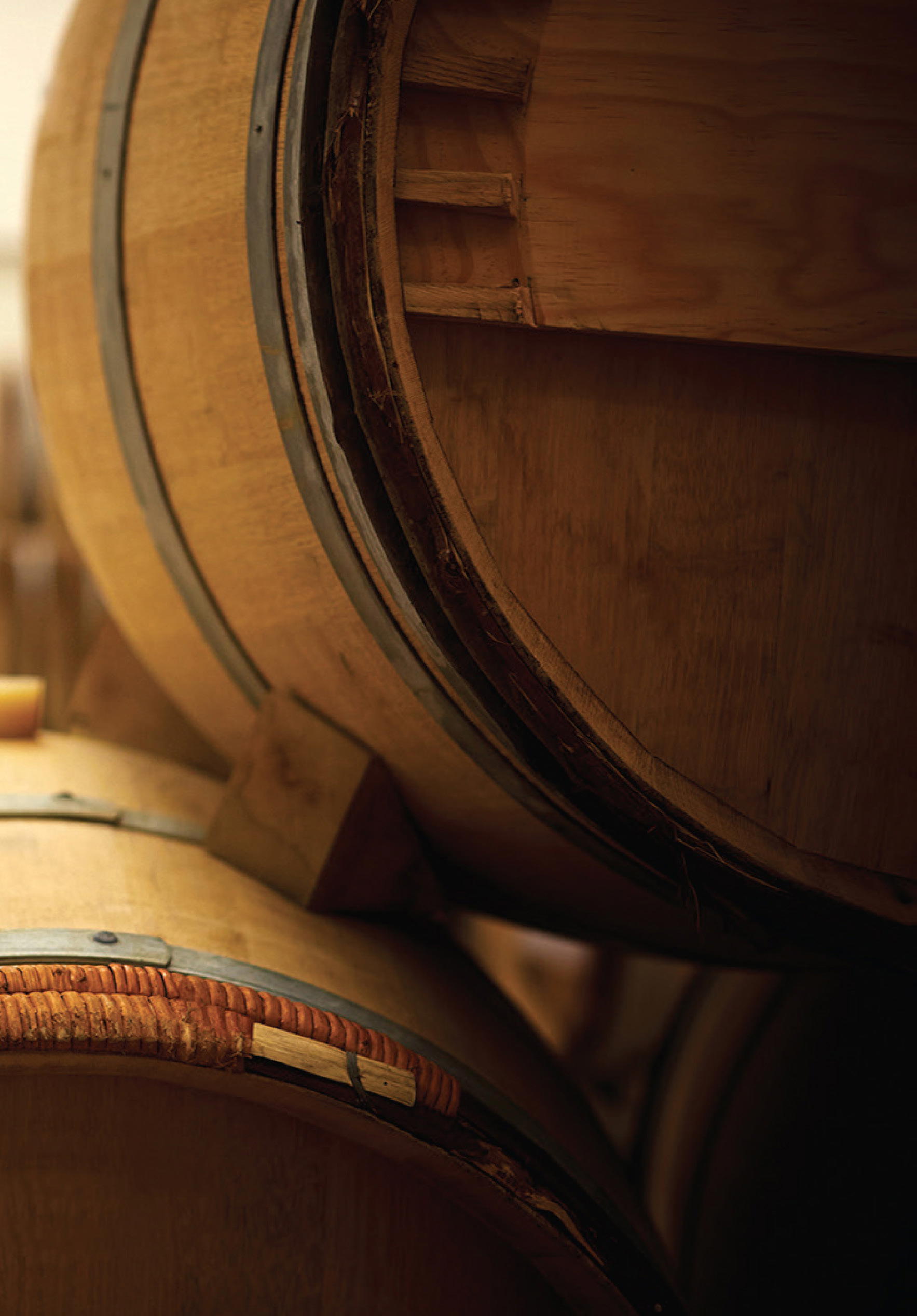
Champagne Leclerc Briant
Épernay, France
Leclerc Briant’s Épernay cellar and vineyard visits are by appointment. Book to explore the biodynamic La Croisette plot and taste from a range that includes single-vineyard wines and Abyss.
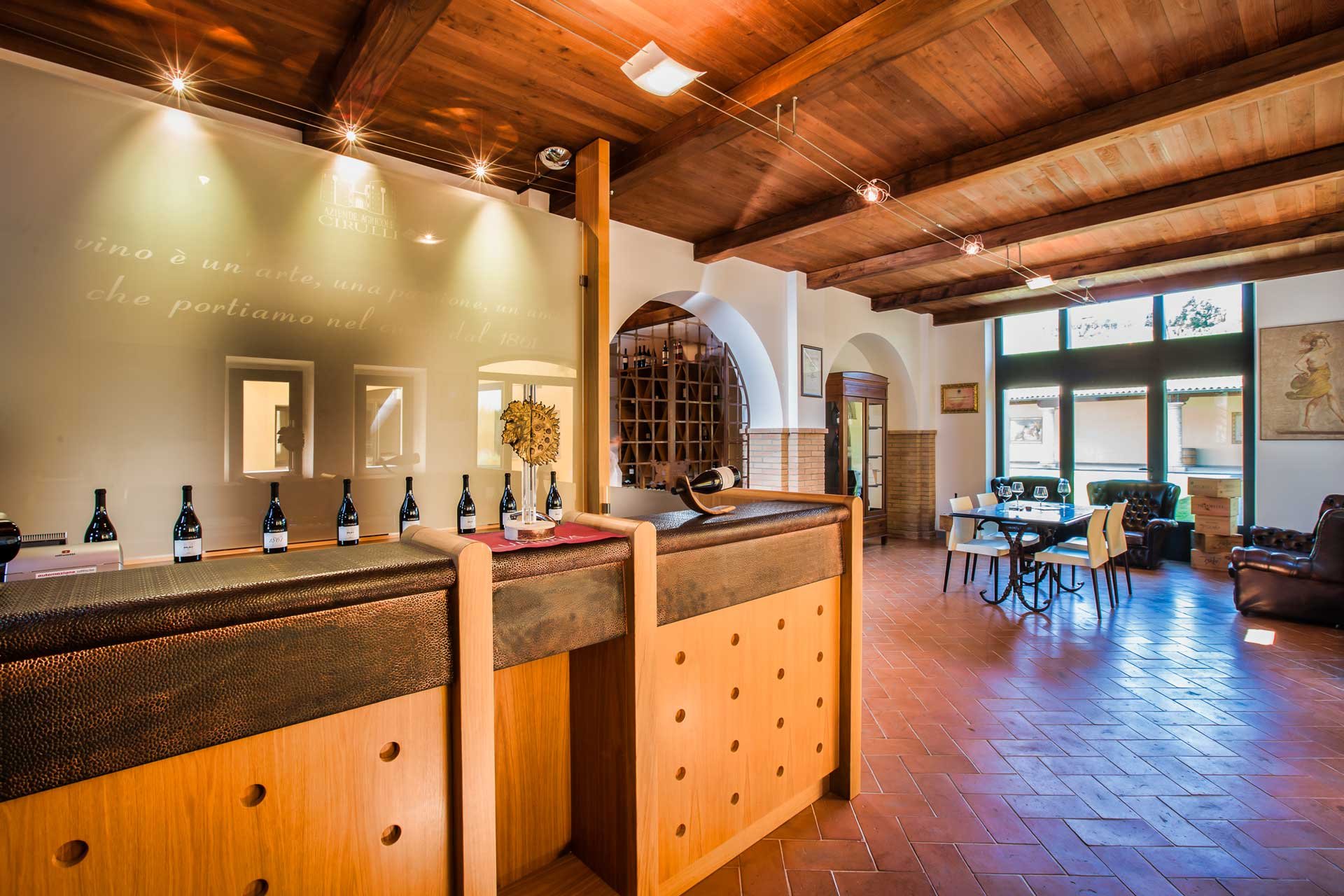
Castel Noha - Aziende Agricole Cirulli
Ficulle, Italy
Castel Noha - Aziende Agricole Cirulli works as a flexible Umbrian winery stop near Ficulle, especially if the day also includes hill-town touring, meals elsewhere, or a wider countryside route. Book it for wine-country context rather than a confirmed restaurant-style pairing experience; travelers who need a detailed food program should verify the format before building the day around it.
Fortulla
Livorno, Italy
Fortulla is worth booking for a quiet coastal Tuscan estate visit, especially if organic wines and a countryside setting matter more than trophy-label prestige. At $$ with Falstaff Listed recognition in 2026, it is a strong value pick for a relaxed special occasion near Livorno.
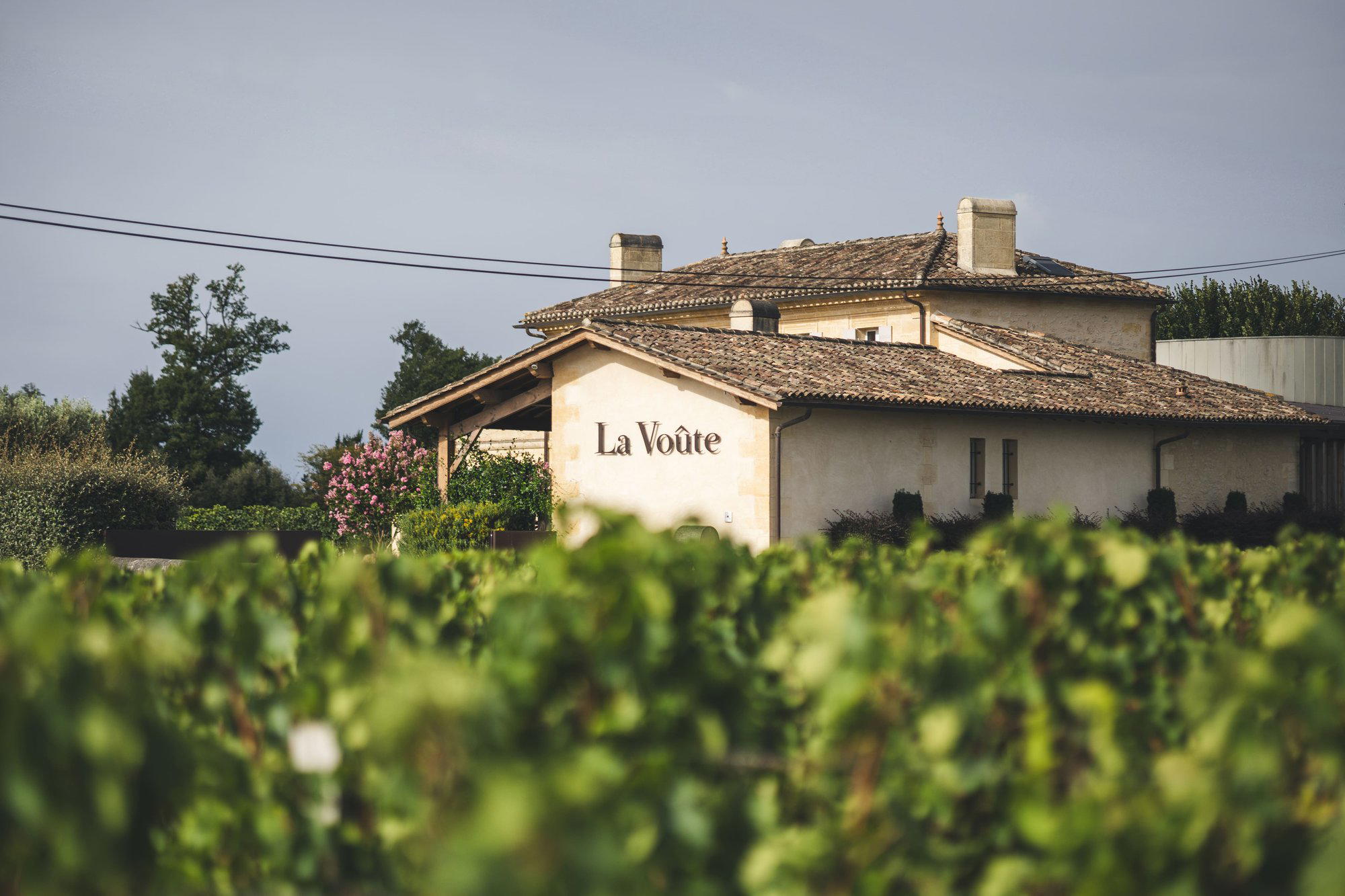
Château la Voûte
Saint Etienne De Lisse, France
Château la Voûte is a strong pick for a quiet Saint-Émilion tasting built around micro-estate scale, old Merlot vines, and limestone-plateau context. It suits couples and wine-focused travelers more than large groups or visitors looking for a full food-led hospitality program.
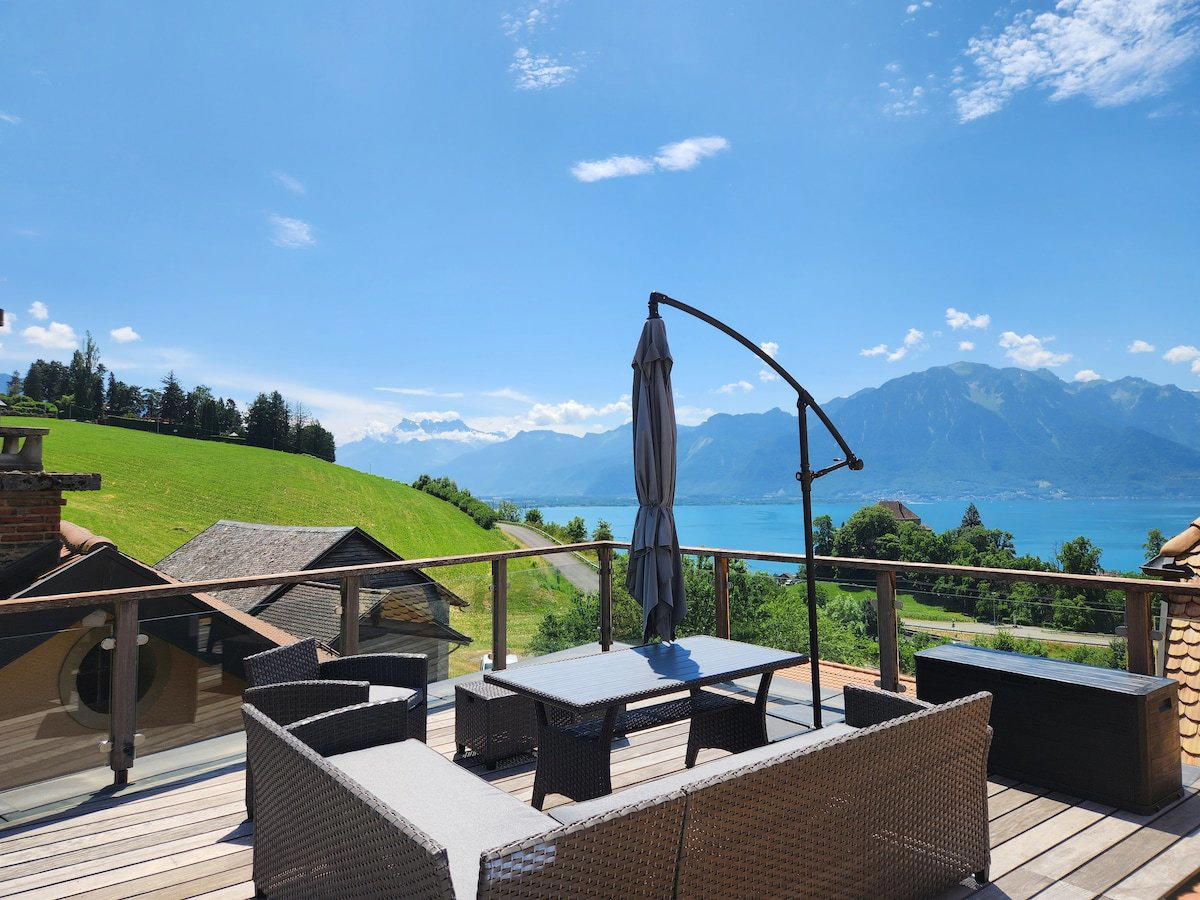
Château de Praz Vully
Praz Vully, Switzerland
Château de Praz Vully works as a concise Praz Vully winery stop, especially for drinkers who value Falstaff recognition and a calm Swiss wine-country setting. Do not build the visit around a specific flagship bottle unless the current lineup is confirmed first; use it as part of a wider local wine plan rather than the whole day.
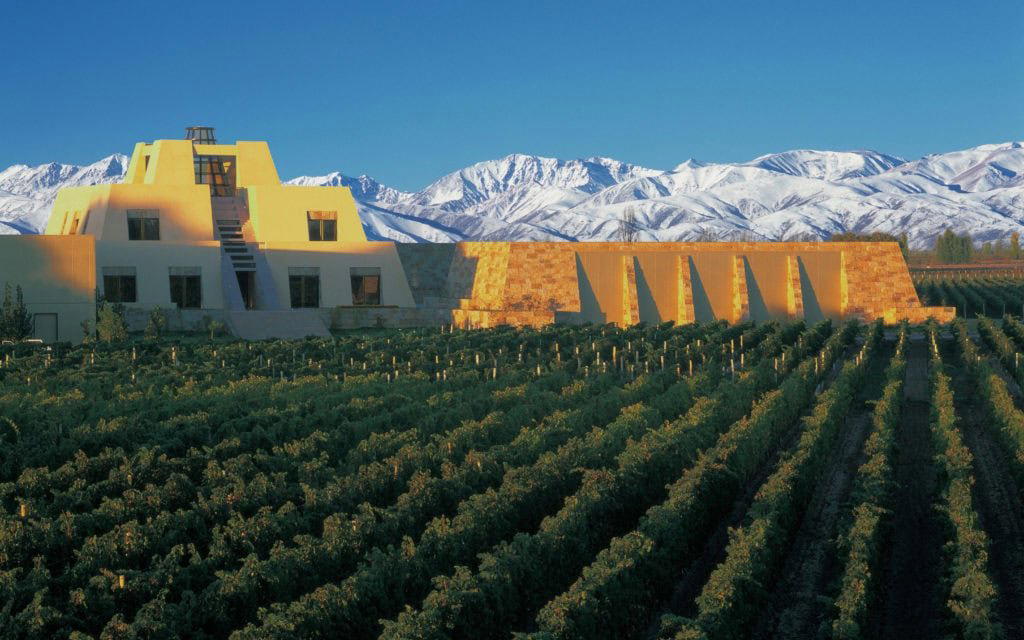
Alpasión Vineyards
Tunuyán, Argentina
Alpasión Vineyards is worth booking for a calm, guided Uco Valley tasting with vineyard context, food pairing potential, and a premium $$$ feel. It suits couples and small wine-focused groups better than rushed tasting crawls, with Falstaff Listed 2026 recognition adding credibility.
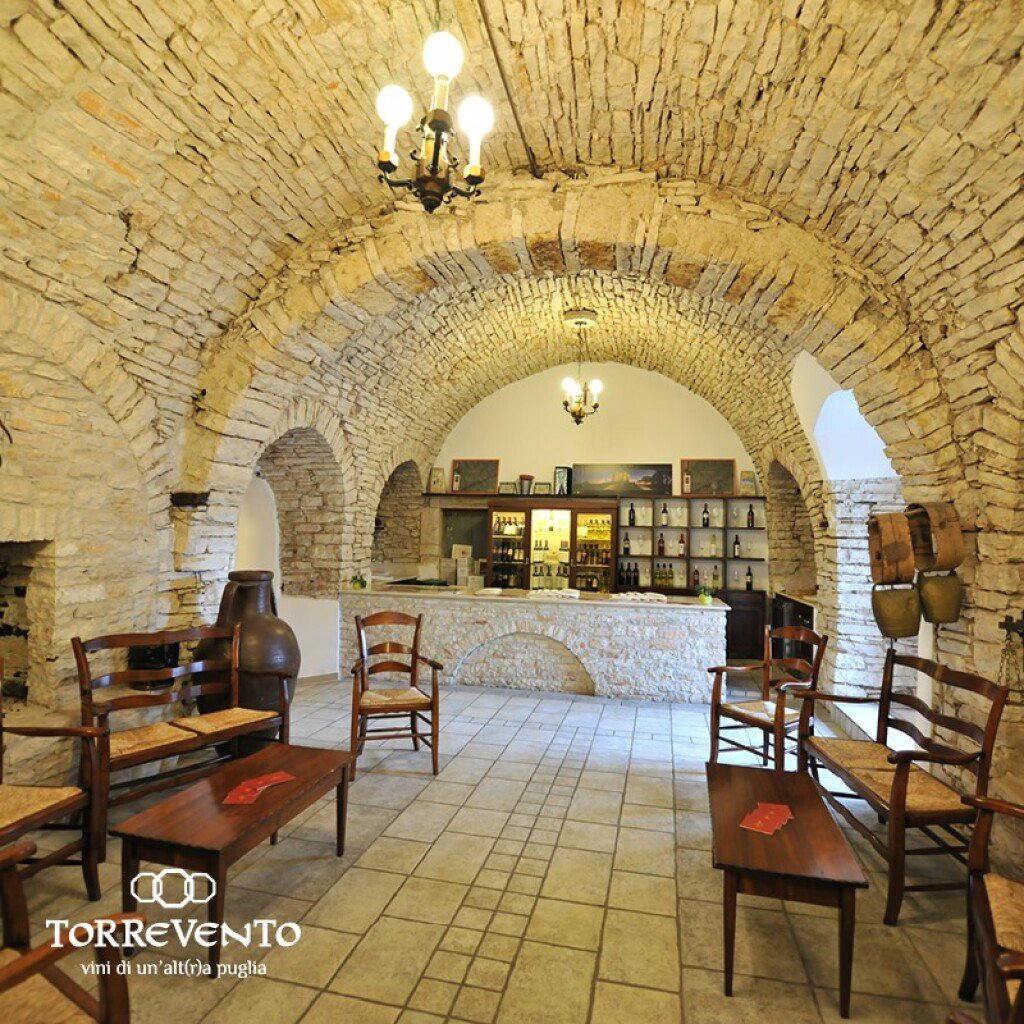
Cantine Torrevento
Corato, Italy
Cantine Torrevento is worth booking if the goal is a serious but accessible Alta Murgia winery visit, especially for Nero di Troia and Castel del Monte wines. The 17th-century stone monastery setting adds real atmosphere, while the accessible price tier and sustainability credentials make the experience feel like strong value rather than wine-tourism gloss.
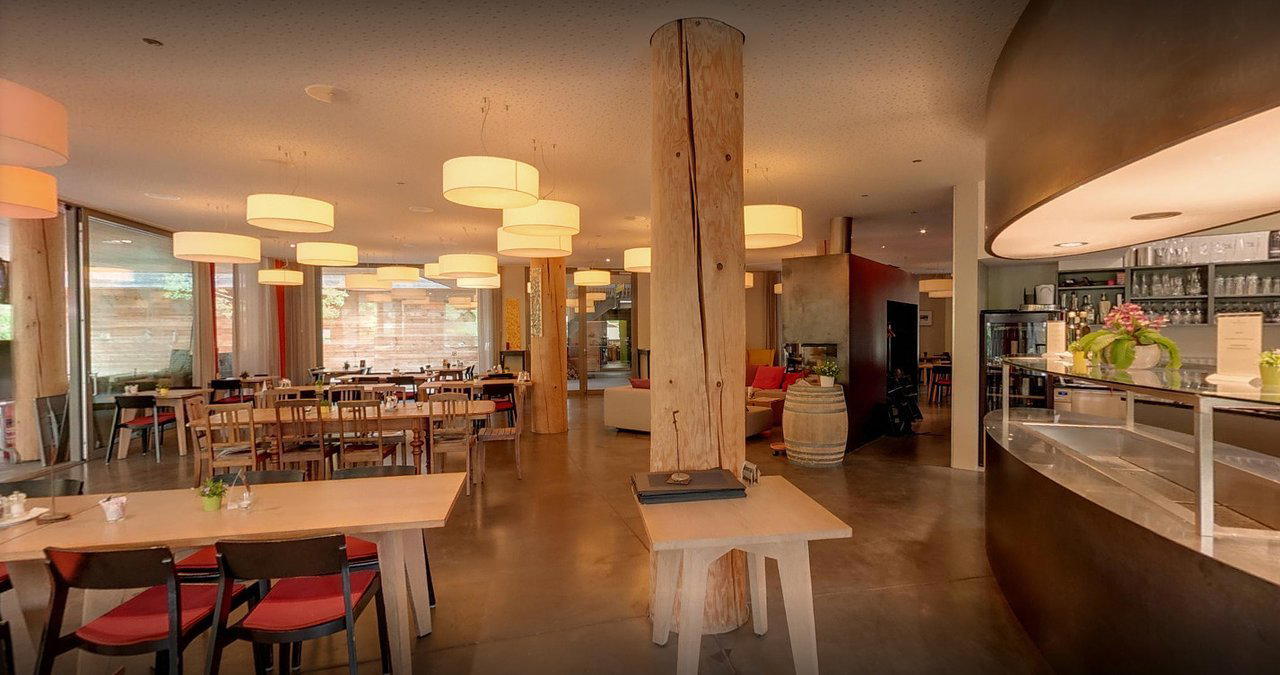
August Kramer Weinbau
Rafz, Switzerland
Book August Kramer Weinbau if you want a small, family-run Rafz winery with a traditional cellar setting and direct estate tastings. It is better for couples or small groups than for a full-meal outing, and the value is strongest for guests interested in Zürich-region Swiss wines rather than a large hospitality production.
Domaine Ligas
Giannitsa Pella, Greece
Domaine Ligas is worth prioritizing if your Greece wine trip is about natural farming, rare local varieties, and small-production bottles rather than a polished tasting-room circuit. The value is strongest for drinkers interested in Xinomavro, Kydonitsa, permaculture vineyards, and minimal-intervention winemaking in Pella.
Karl Völker
Gobelsburg, Austria
Karl Völker works if the goal is a relaxed, rural Kamptal winery stop rather than a highly produced tasting-room experience. Its strongest draw is the Gobelsburg setting, 13 hectares of estate vineyards, and a family-run feel; private tasting value depends on whether added guidance and context are arranged.
Château Pierrail
Margueron, France
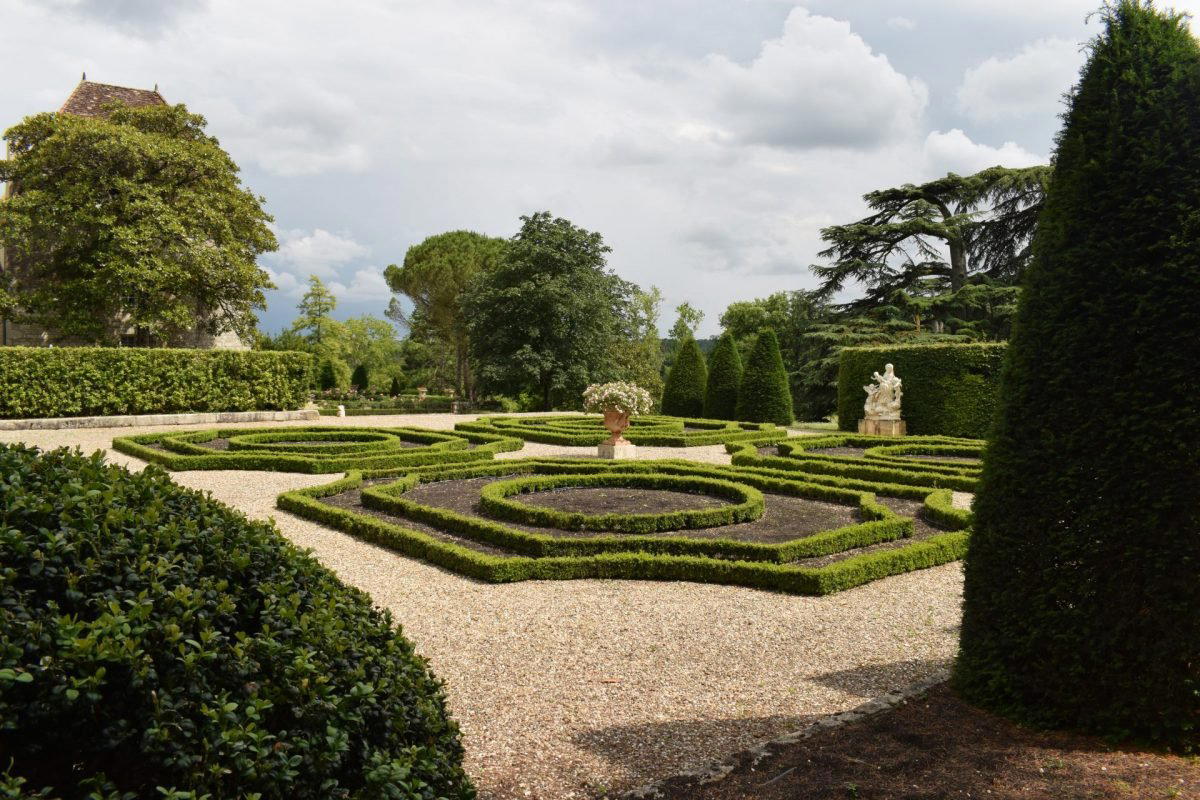
Château Pierrail is worth booking for a calm, educational Bordeaux Supérieur winery visit with château history, cellar context, and an approachable tasting format. It suits travelers who want heritage and vineyard detail more than luxury hospitality or food-pairing theater, with Falstaff Listed recognition in 2026 adding a useful quality signal.
Delta Domaines
Vias, France
Use Delta Domaines as a low-commitment Vias wine stop, not the anchor for a special-occasion tasting. The low price tier and easy booking make it convenient, but the hospitality format, grounds, and tasting structure should be confirmed before planning a longer visit around it.
Adoria Vineyards
Katy Wroc Awskie, Poland
A practical Lower Silesia winery pick for a calm outing near Kąty Wrocławskie, with Falstaff listing recognition in 2026. Worth considering for a date, small celebration, or relaxed wine stop, but confirm any wine club, shipment, group, or flagship-bottle details before building the visit around a purchase plan.
Bagnoud Vins
Flanthey, Switzerland
Bagnoud Vins is worth planning for if the priority is a small, family-run Valais cellar with regional context and a relaxed tasting pace. The strongest draw is the breadth across local grapes such as Petite Arvine, Heida, Cornalin, and Humagne, with Cornalin giving the clearest red-wine anchor.
Williams & Humbert
Jerez de la Frontera, Spain
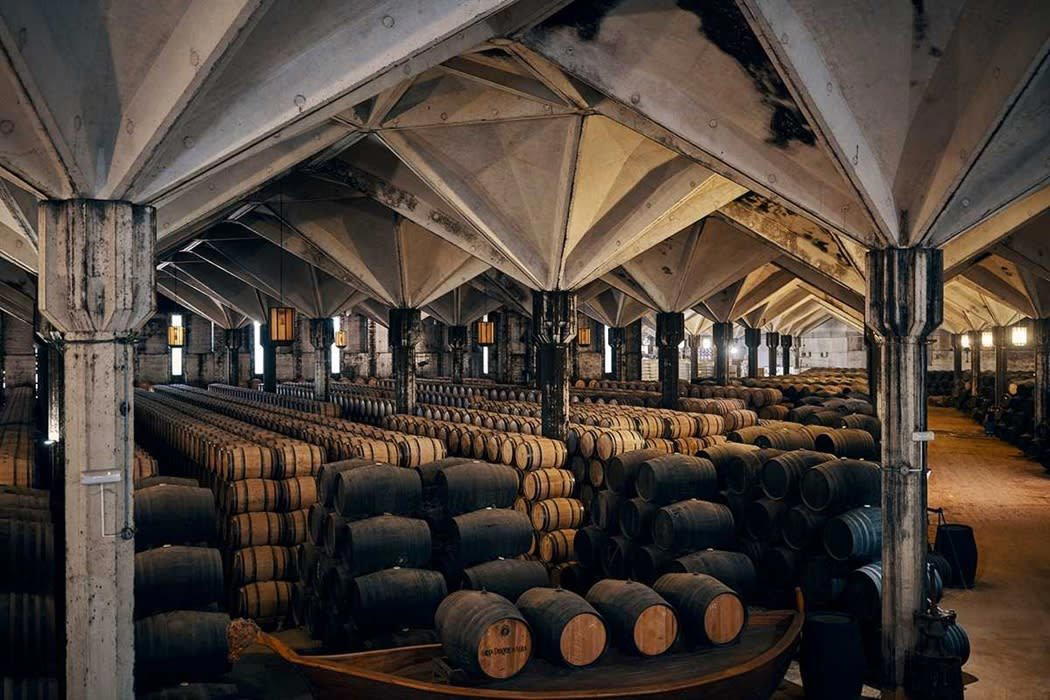
Williams & Humbert is worth booking if the plan is a serious sherry-focused stop in Jerez de la Frontera rather than a meal-led winery day. It suits celebrations and business hosting better when transport and timing are planned in advance; compare it with Bodegas Tradición, Lustau, and Valdespino if central access or a more intimate format matters more.
Château Le Gay
Pomerol, France
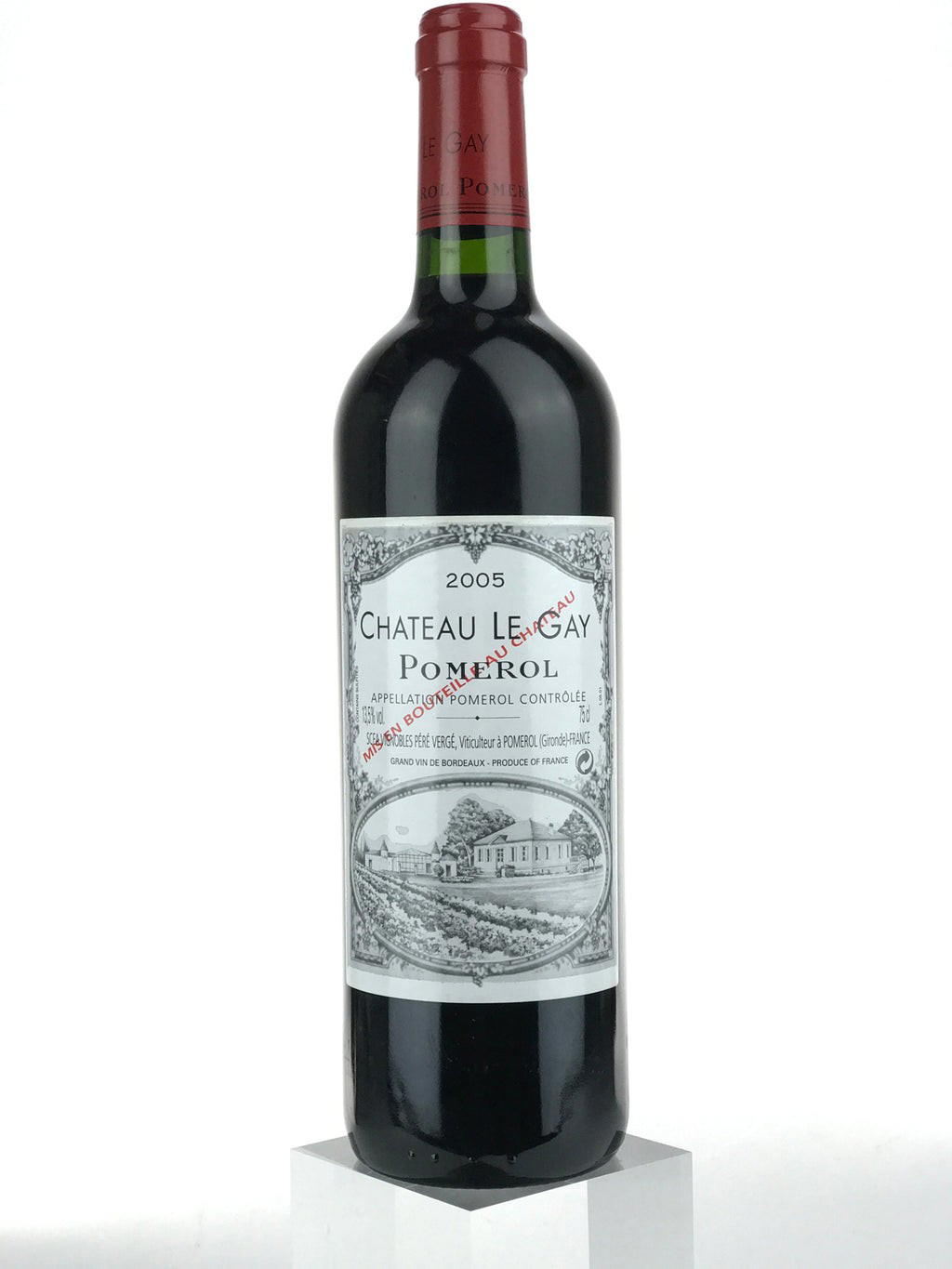
Château Le Gay is a strong Pomerol choice for a focused, special-occasion winery visit rather than a casual tasting stop. Cross-shop it with Chateau Petrus for trophy value, Château Clinet for a more practical Pomerol plan, and Château L'Eglise Clinet if the priority is a serious right-bank comparison.
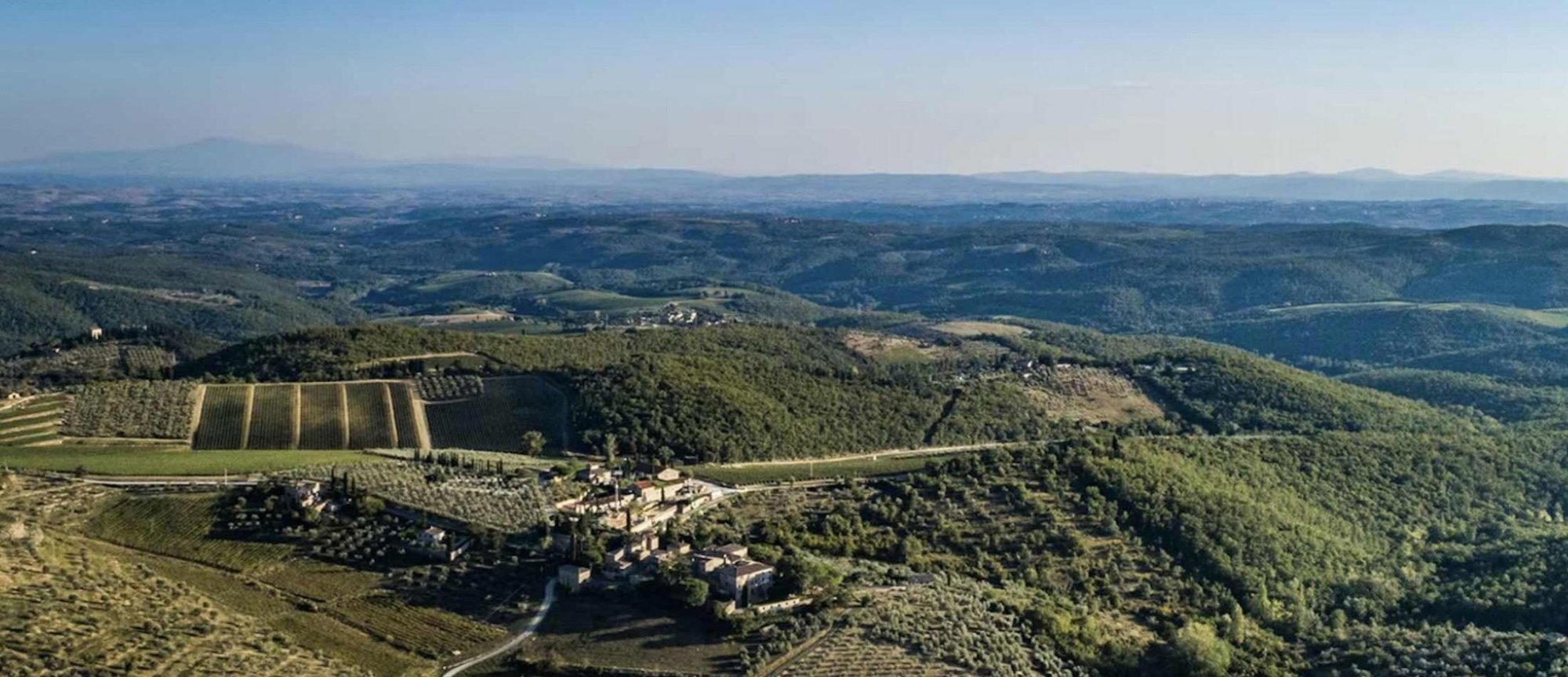
Castello Monterinaldi
Radda in Chianti, Italy
Book Castello Monterinaldi if you want a calm, history-rich Chianti Classico estate visit with more depth than a quick tasting-room stop. The value is strongest for travelers who want hosted tastings, lunch options, organic farming context, and a broad estate portfolio without needing to join an allocation or membership program.
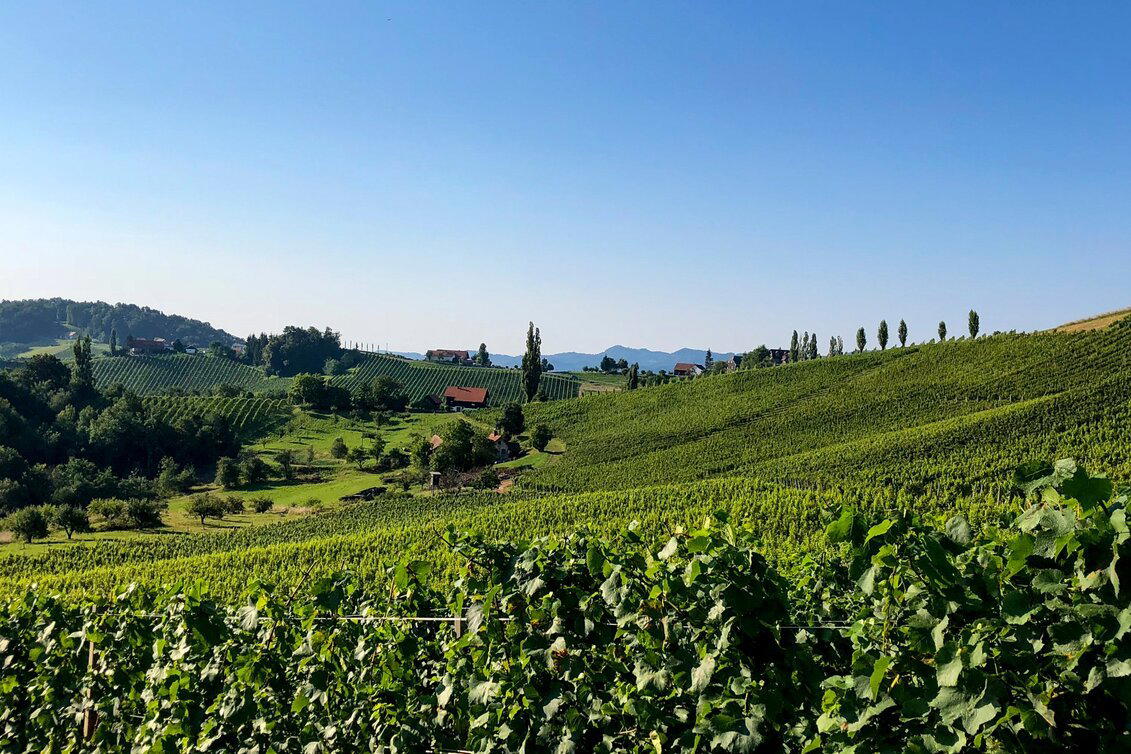
Amouro OG
Ehrenhausen On The Weinstrasse, Austria
Book Amouro OG if you want a polished Southern Styrian aperitif stop rather than a classic winery tasting. Its Amouro Apéritif au Vin, modern design direction, $$$ positioning, and Falstaff Listed 2026 recognition make it better for a date, gift-focused visit, or short celebration than for collectors seeking a deep estate portfolio.
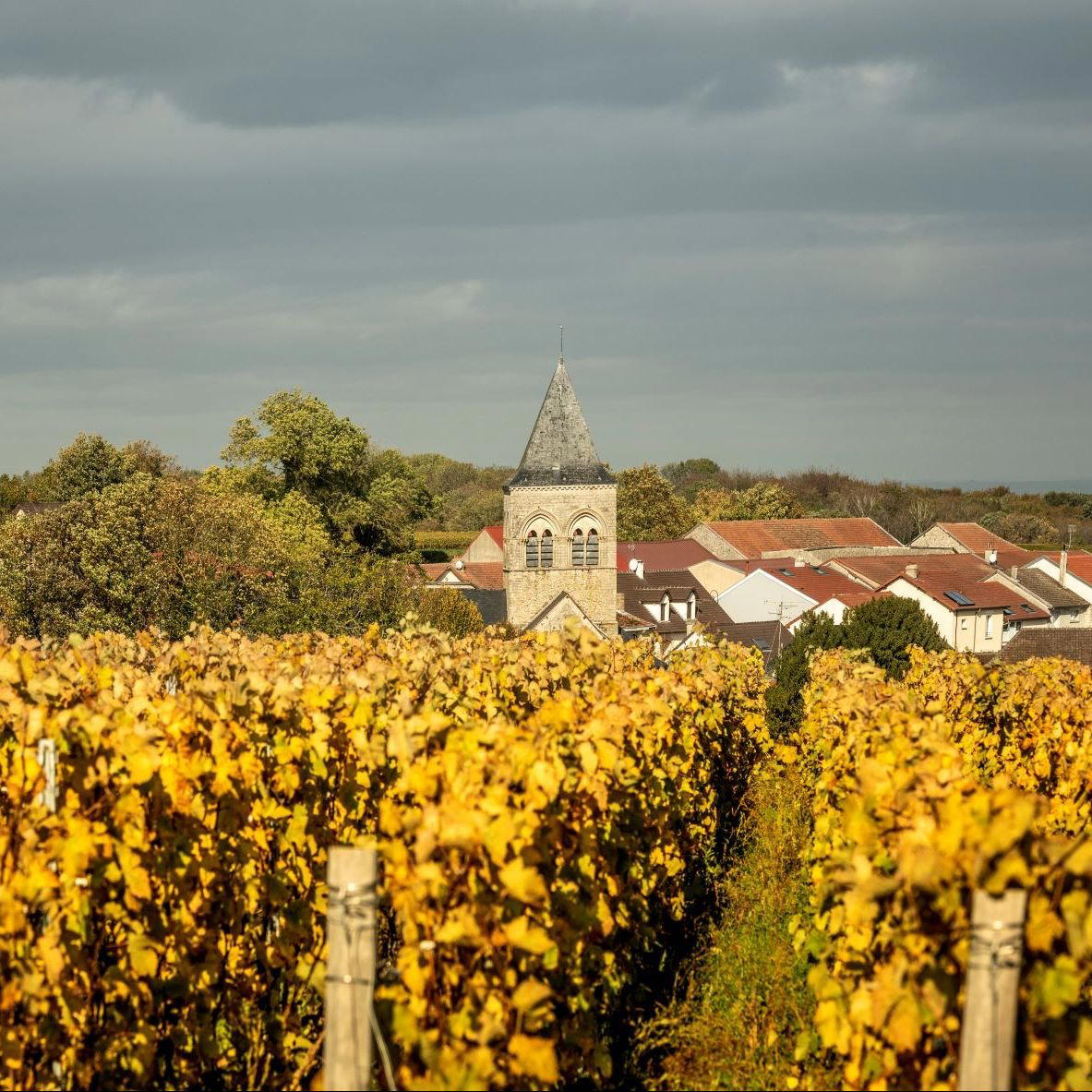
Champagne Jacques Picard
Berru, France
A strong pick for Champagne drinkers who care about grower production, organic farming, and micro-terroir expression over a big-house visitor experience. Champagne Jacques Picard suits a quiet celebration or wine-focused stop in Berru, especially for guests interested in low-dosage freshness, plot-by-plot work, and fourth-generation family stewardship.
Feudo Croce - Tinazzi
Carosino, Italy
A quiet Salento masseria for drinkers who want a Puglia-first winery stop, especially around Primitivo di Manduria. Feudo Croce - Tinazzi is worth booking for a low-key celebration or countryside tasting, with $$ positioning and Falstaff recognition supporting the value case. Do not choose it as a restaurant substitute.
Dosterras
Lunes A Viernes, Spain
Go for the Montsant setting and a focused read on the estate’s low-intervention style, not for luxury hospitality. Dosterras is strongest for first-timers who want the vineyards, mountain backdrop, and compact wine lineup to explain the region clearly. Harvest season is the strongest timing if seeing the winery in motion matters.
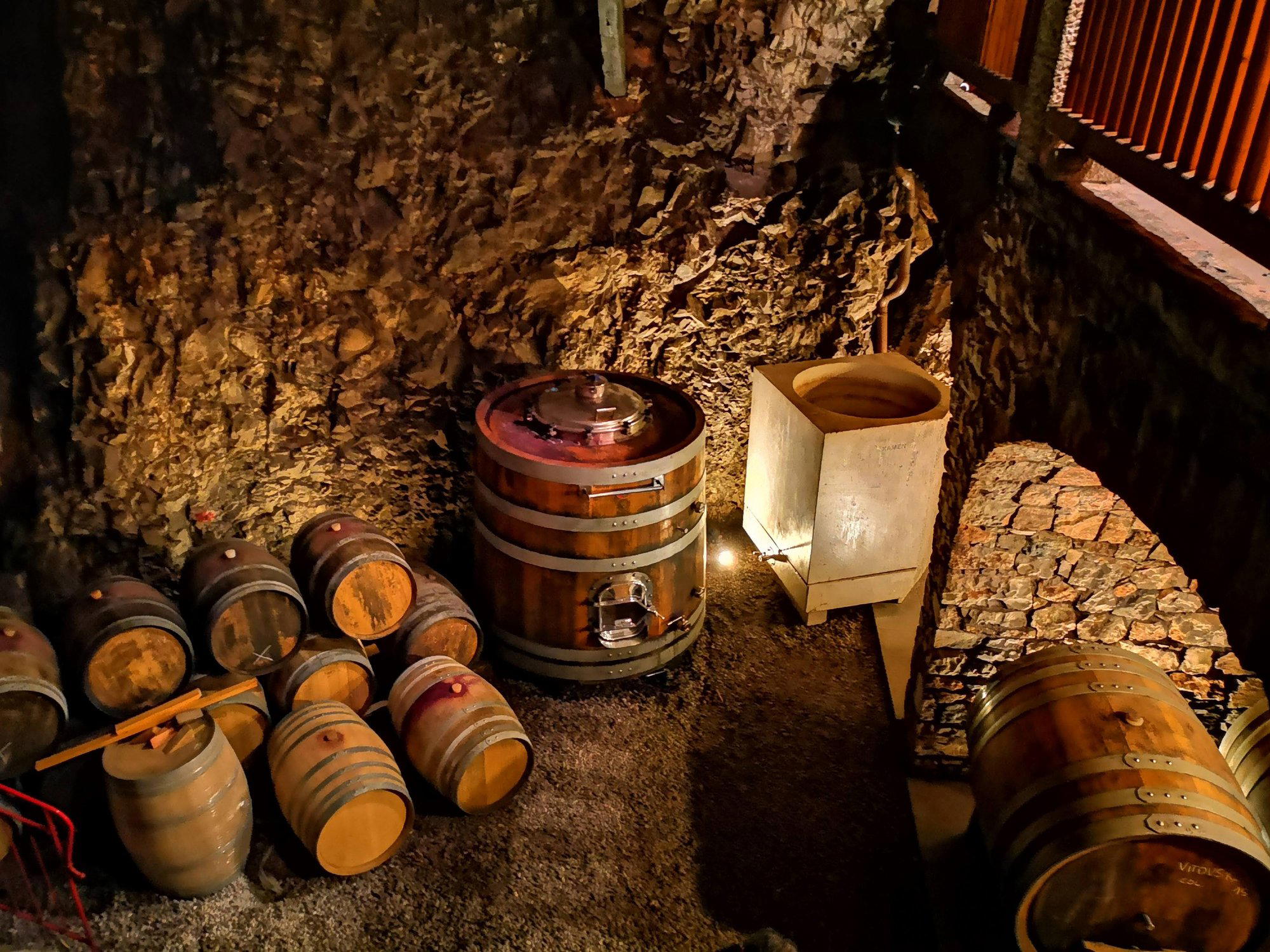
Benvenuti
Montovun, Croatia
A practical pick for travelers building a Motovun wine day around central Istria. Benvenuti has a 2026 Falstaff listing, which gives it a stronger trust signal than a casual drop-in cellar stop, but confirm food, shipping, and group logistics before making it the anchor for a celebration itinerary.
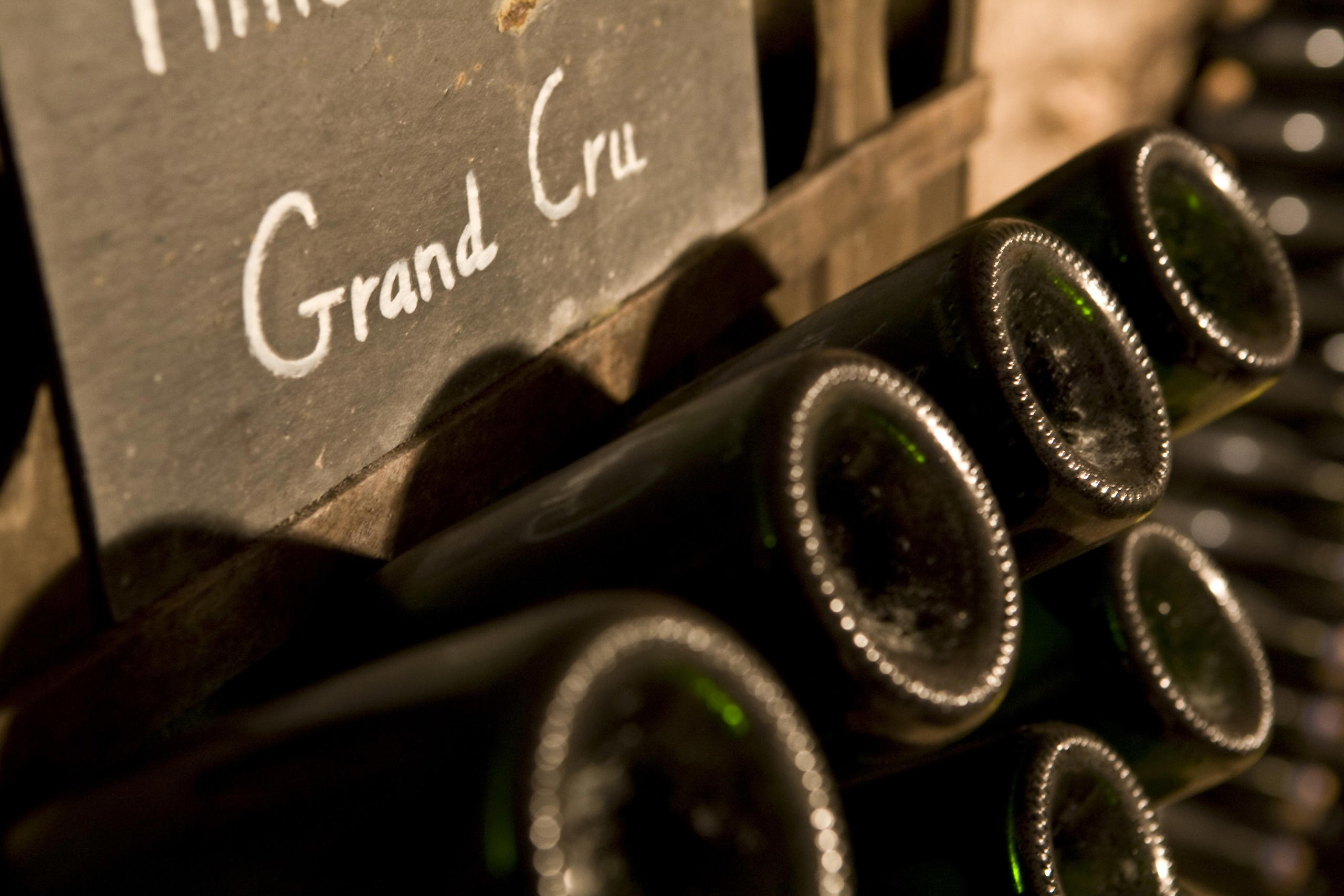
Pierre Peters
Le Mesnil-sur-Oger, France
Pierre Péters offers reserved tastings in Le Mesnil-sur-Oger when available, Monday through Thursday. Compare the multi-village Cuvée de Réserve with the vintage Les Chétillons from three plots in one Mesnil lieu-dit.
Domaine Etienne Simonis
Ammerschwihr, France
Book Domaine Etienne Simonis if the goal is a focused Alsace winery stop in Ammerschwihr rather than a full hospitality-led day. It suits a date, anniversary, or small business visit where credible wine recognition matters, with Falstaff Listed (2026) as the clearest trust signal.
Clos de la George
Yvorne, Switzerland
Clos de la George is worth planning for if the priority is a serious Yvorne Grand Cru site, not a casual drop-in tasting. The draw is the 8-hectare wall-enclosed monopole, rock-carved cave, and focused Chardonnay, Pinot Noir and Syrah portfolio, with Falstaff Listed 2026 recognition adding a current trust signal.
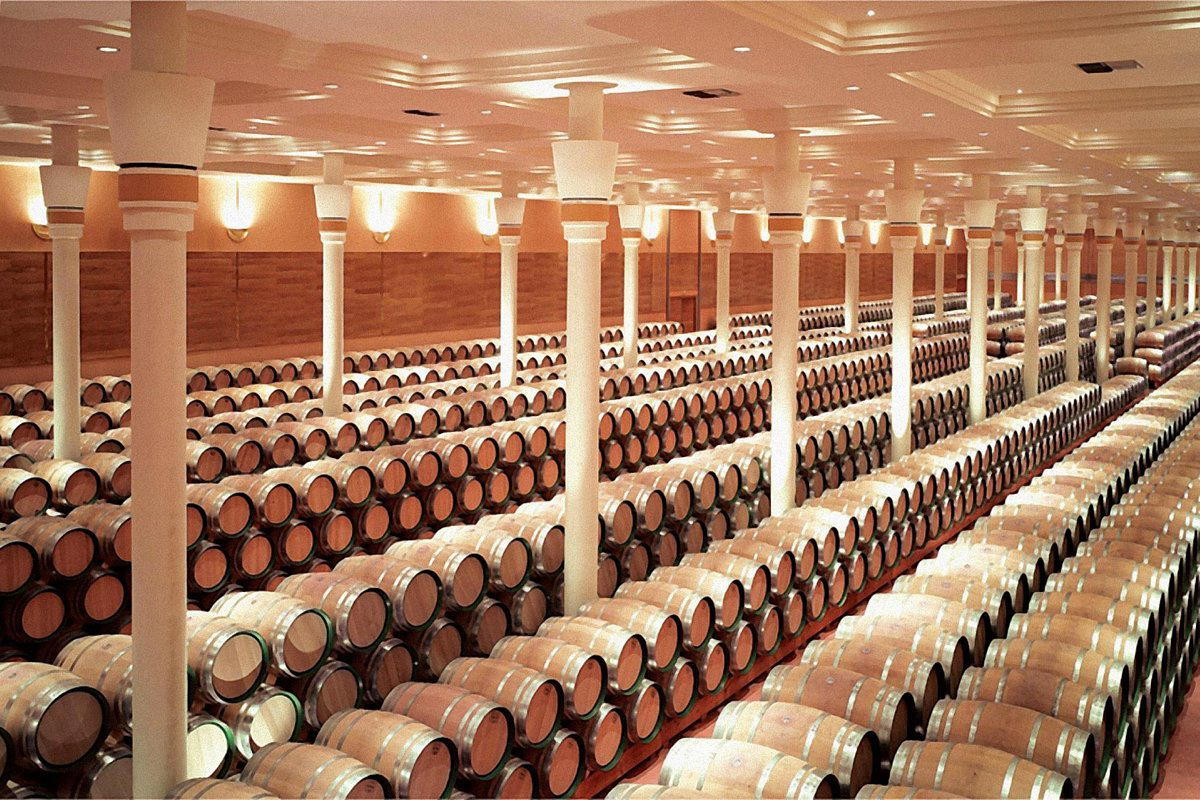
Finca Valpiedra
Fuenmayor, Spain
Finca Valpiedra is a plan-ahead Rioja choice for travellers evaluating cellar access, allocations, or a deeper estate visit in Fuenmayor. It makes the most sense for wine buyers who want to judge membership value carefully, not for groups looking for a casual, low-commitment tasting stop.
Longridge Estate
Somerset West, South Africa
Book Longridge Estate if the estate setting is part of the appeal, not if you need a tightly specified tasting format or chef-led dining brief. Its Falstaff Listed 2026 recognition gives it a credible reason to stay on a Somerset West wine shortlist, especially for a slower daylight visit built around grounds, wine, and Cape Winelands context.
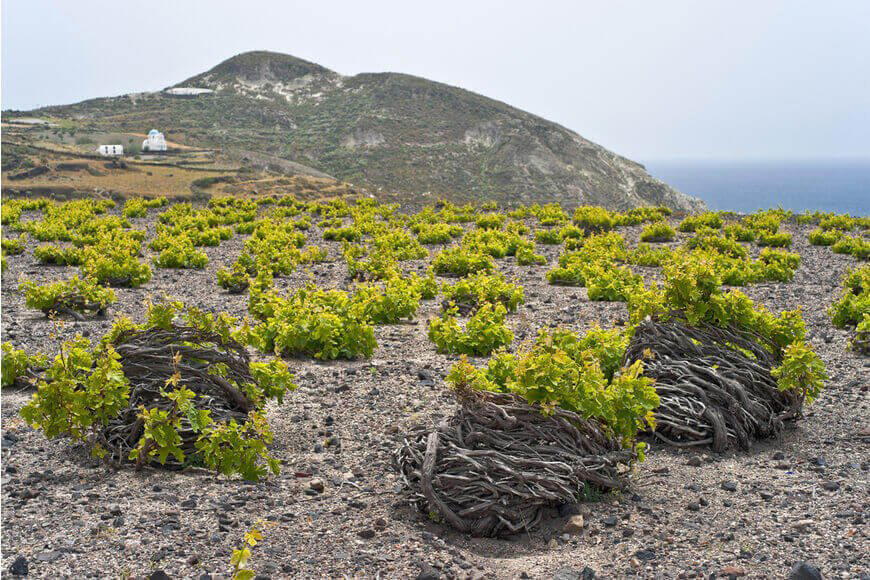
Boutari Wineries Santorini
Megalochori, Greece
A strong first winery booking in Megalochori if the priority is Santorini wine education over scene. Boutari Wineries Santorini is especially useful for tasting Assyrtiko across styles, adding Vinsanto for context, and understanding why the island’s volcanic soils matter. Go for a calm, structured tasting rather than a high-energy social stop.
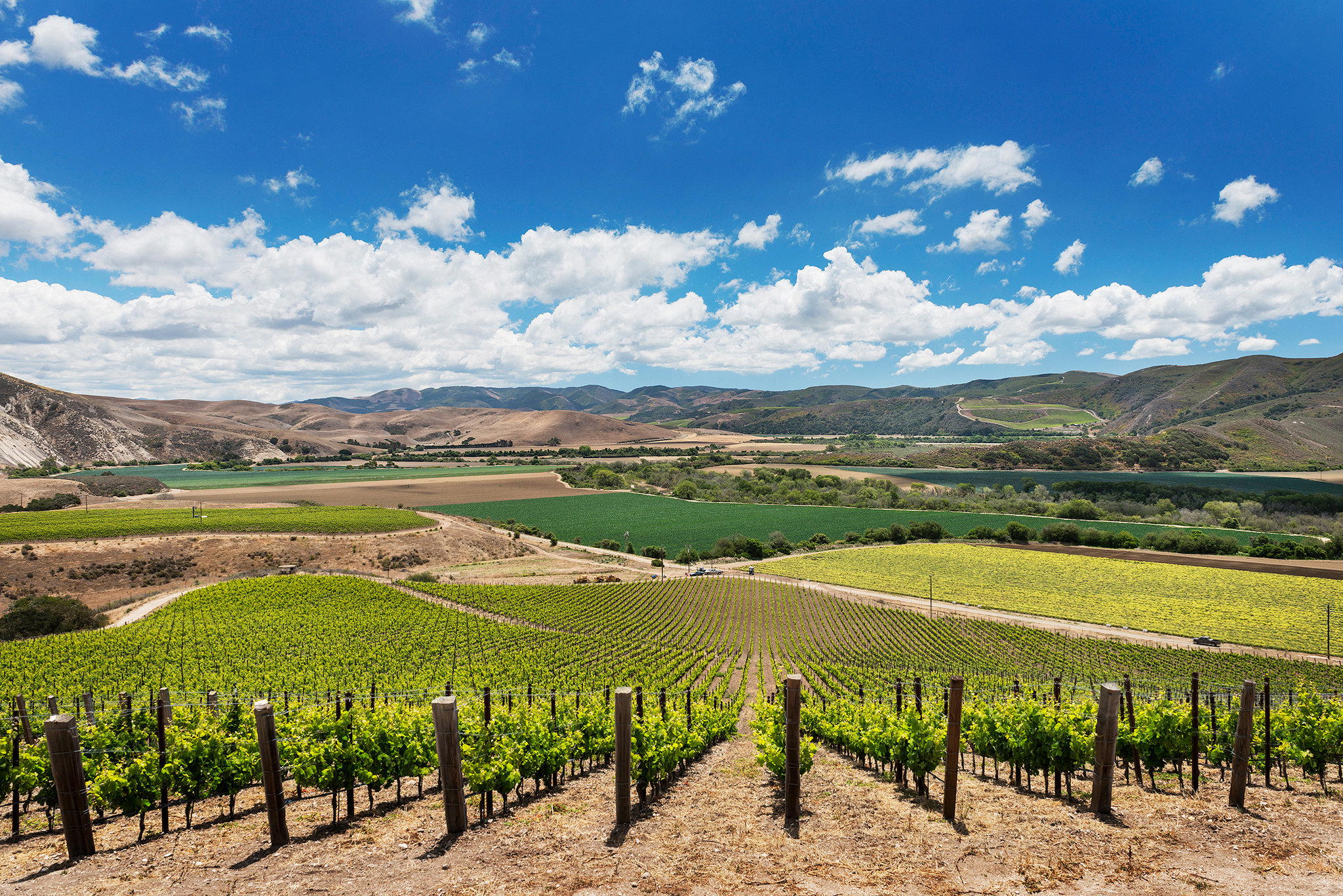
Domaine de la Cote
Lompoc, United States
A strong pick for serious wine travelers building a Lompoc itinerary around a hard-to-secure appointment, not for visitors who want casual walk-in flexibility or a full food-pairing format. Plan the meal separately and use nearby Lompoc wineries as the supporting route.
Château Jacques Noir
Ladaux, France
Château Jacques Noir is worth prioritising if the goal is a focused Saint-Émilion Merlot purchase rather than a polished château-tour experience. The case is strongest for wine-focused visitors: 100% Merlot, small production, Famille Ducourt ownership, ISO 14001 and HVE certifications, plus recent recognition from Wine Enthusiast, Guide Hachette des Vins, and James Suckling.
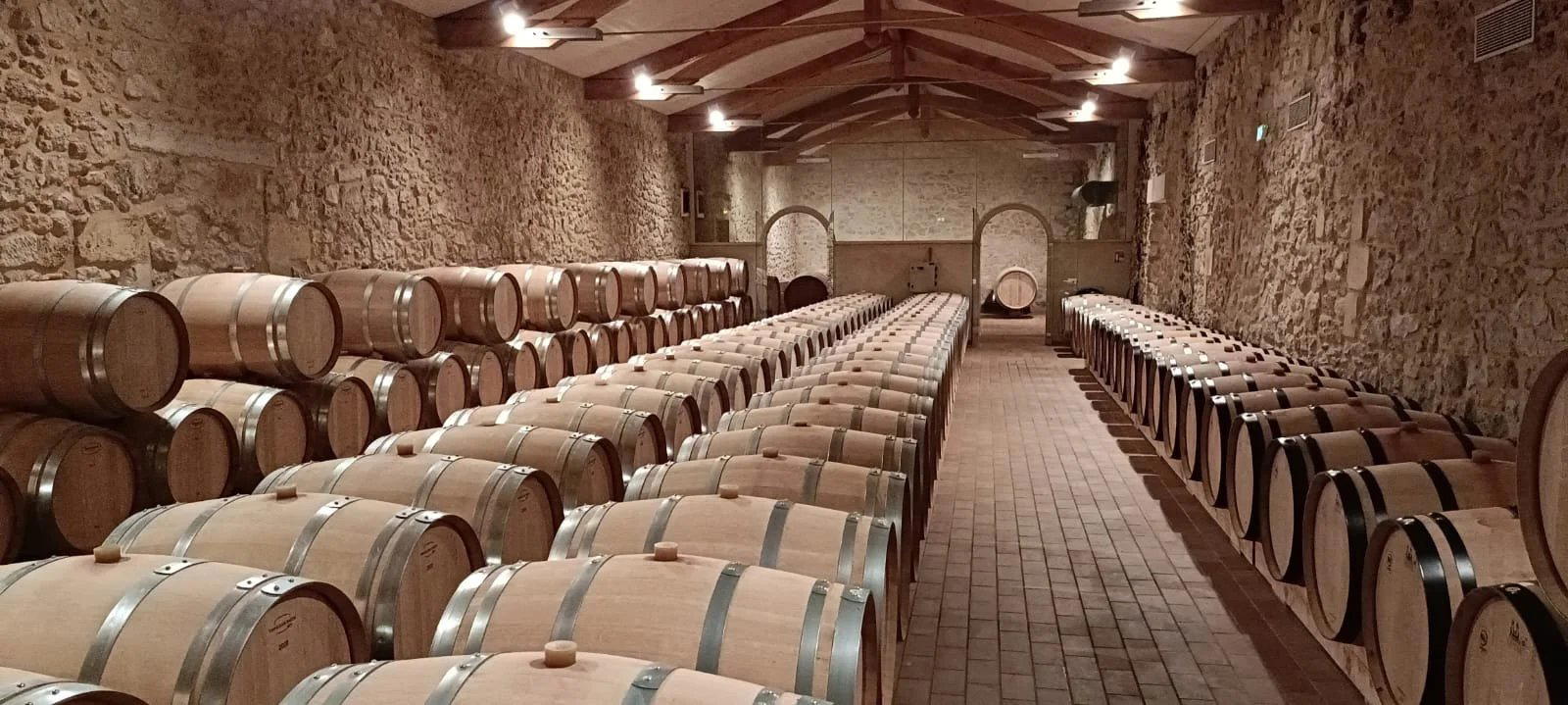
Grand Enclos du Château de Cérons
Cerons, France
Book Grand Enclos du Château de Cérons for a quiet, wine-first Graves tasting with strong estate atmosphere and a broad portfolio across red, dry white, sweet white, rosé, and sparkling wines. It is a stronger fit for couples, business guests, or small celebrations than for anyone looking for a meal-led winery experience.
Domaine des Deux Clés
Fontjoncouse, France
Domaine des Deux Clés works for a calm Fontjoncouse wine-country stop, especially as part of a broader Occitanie itinerary. The confirmed 2026 Falstaff listing gives it a useful quality signal, but plan practically: verify access before shaping the day around it and keep food, transport, and timing flexible.
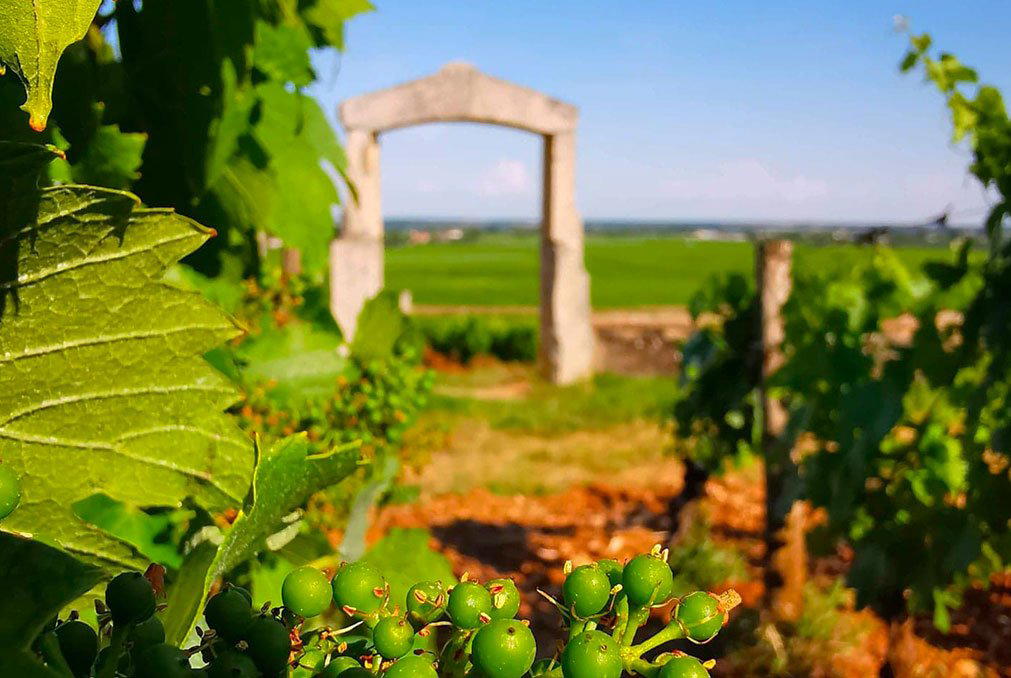
Domaine Jean Chartron
Puligny-Montrachet, France
Worth prioritizing if the goal is serious Puligny-Montrachet Chardonnay rather than a showy winery visit. Domaine Jean Chartron is strongest for visitors who want a clear read on Village, Premier Cru, and Grand Cru Burgundy from a fifth-generation family estate with a quiet, classic tasting-room feel.
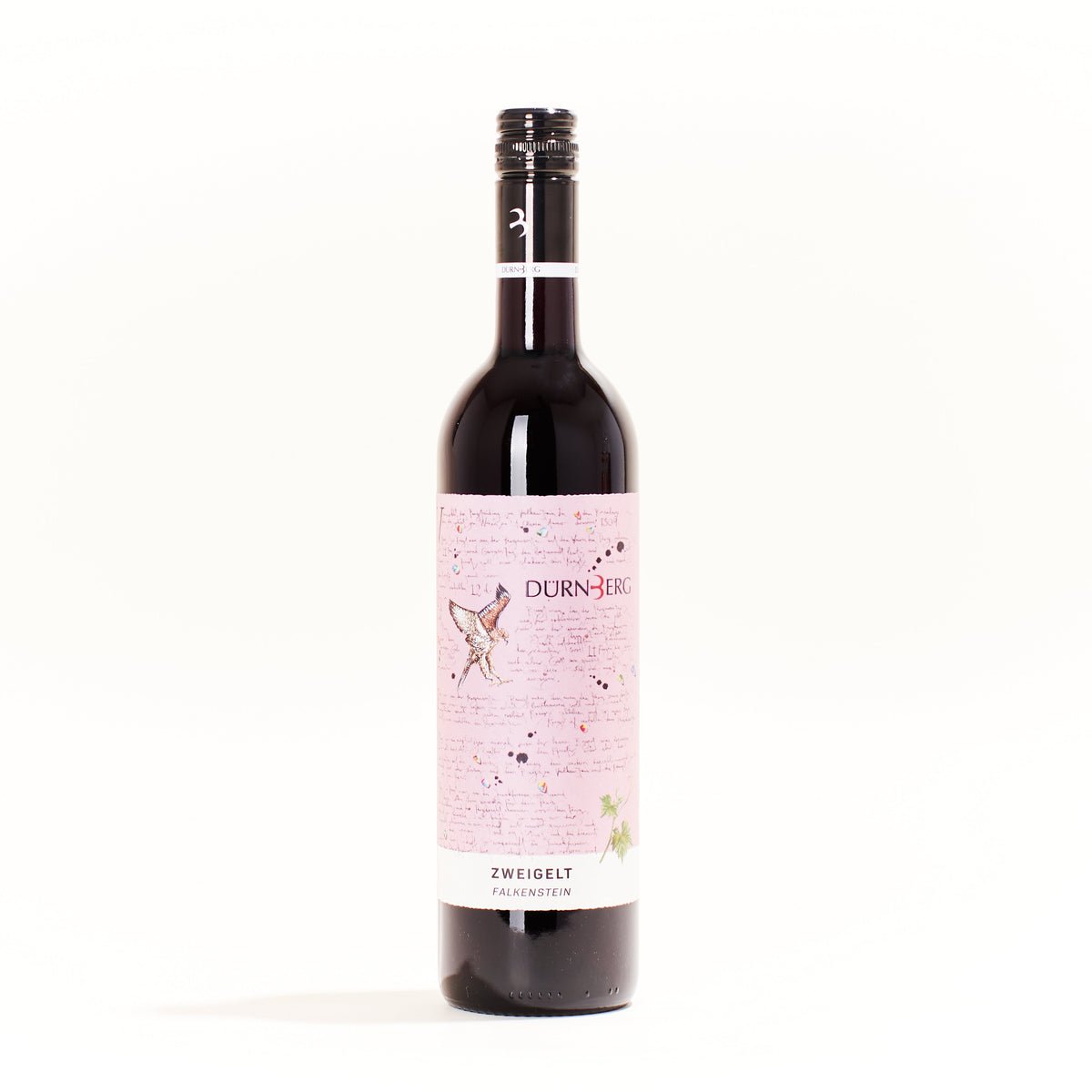
Weingut Dürnberg
Falkenstein, Austria
Book Weingut Dürnberg if the point of the trip is a serious Falkenstein wine stop, not a dining-led winery visit. The strongest use case is a planned Weinviertel itinerary built around cellar time; travellers who need confirmed food, easy group logistics, or flexible drop-in details should compare nearby producers before committing.
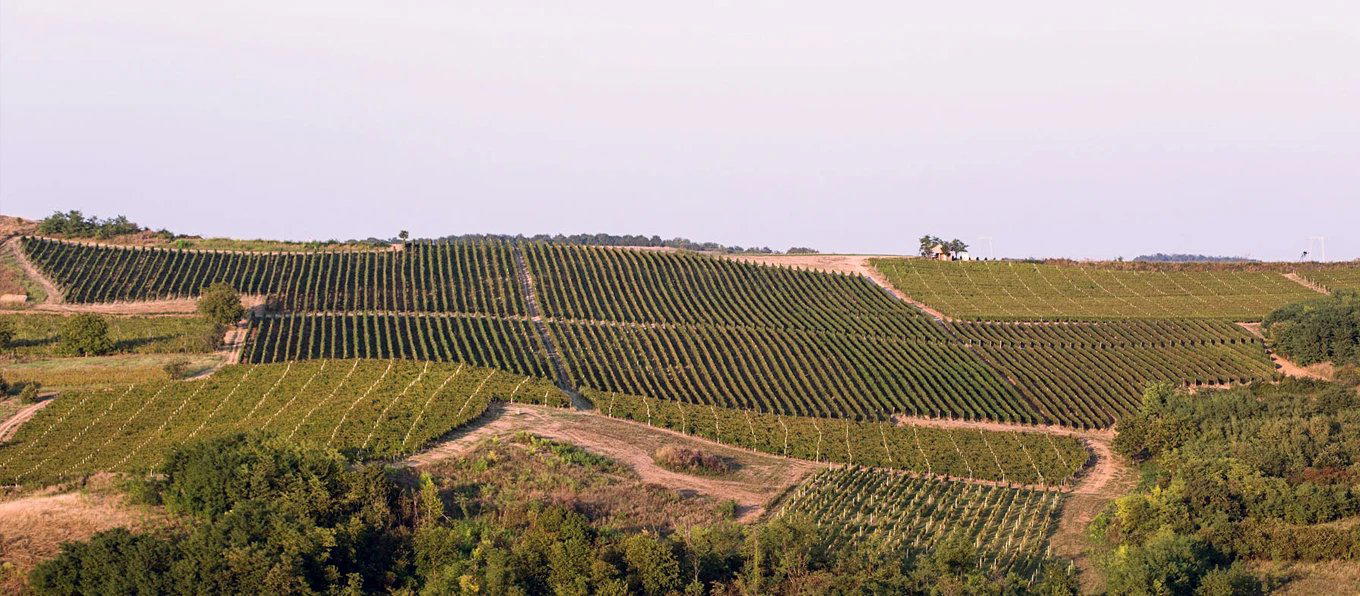
Bikicki
Banostor, Serbia
Bikicki works for a serious Fruška Gora wine itinerary, especially after its Falstaff 2 Stars recognition in 2026. Treat it as a planned stop rather than a casual drop-in: practical details are sparse, booking should be handled cautiously, and it suits wine-focused travelers more than groups looking for a predictable hospitality setup.
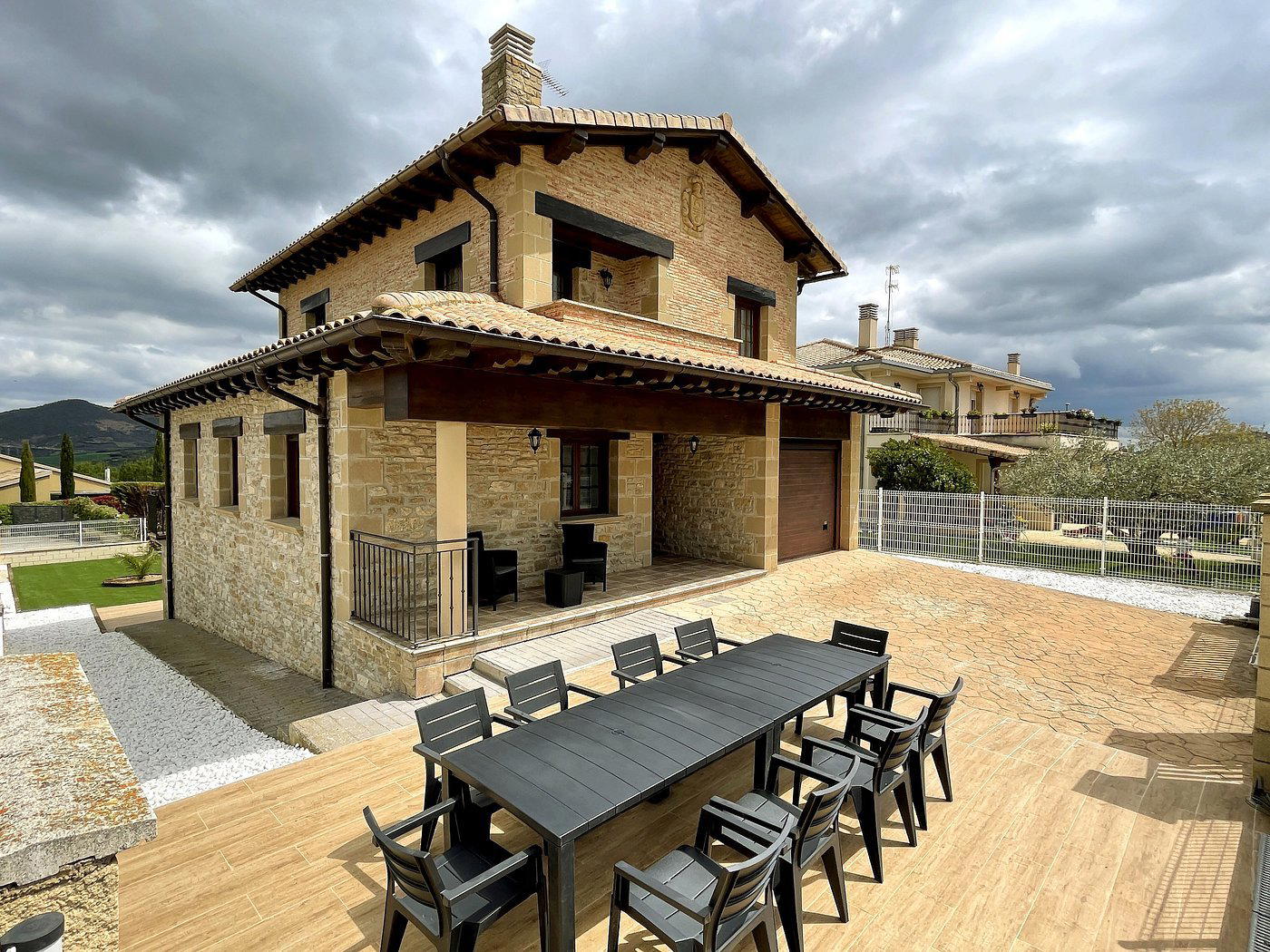
Bodega Tandem
Lacar, Spain
A strong pick for wine-focused visitors who want a quiet Navarra estate with design value, altitude-driven freshness, and serious cellar choices. Bodega Tandem is better suited to couples or small celebration groups than casual tasting crawls, especially if the appeal is architecture, terroir, and low-intervention winemaking rather than a full hospitality complex.
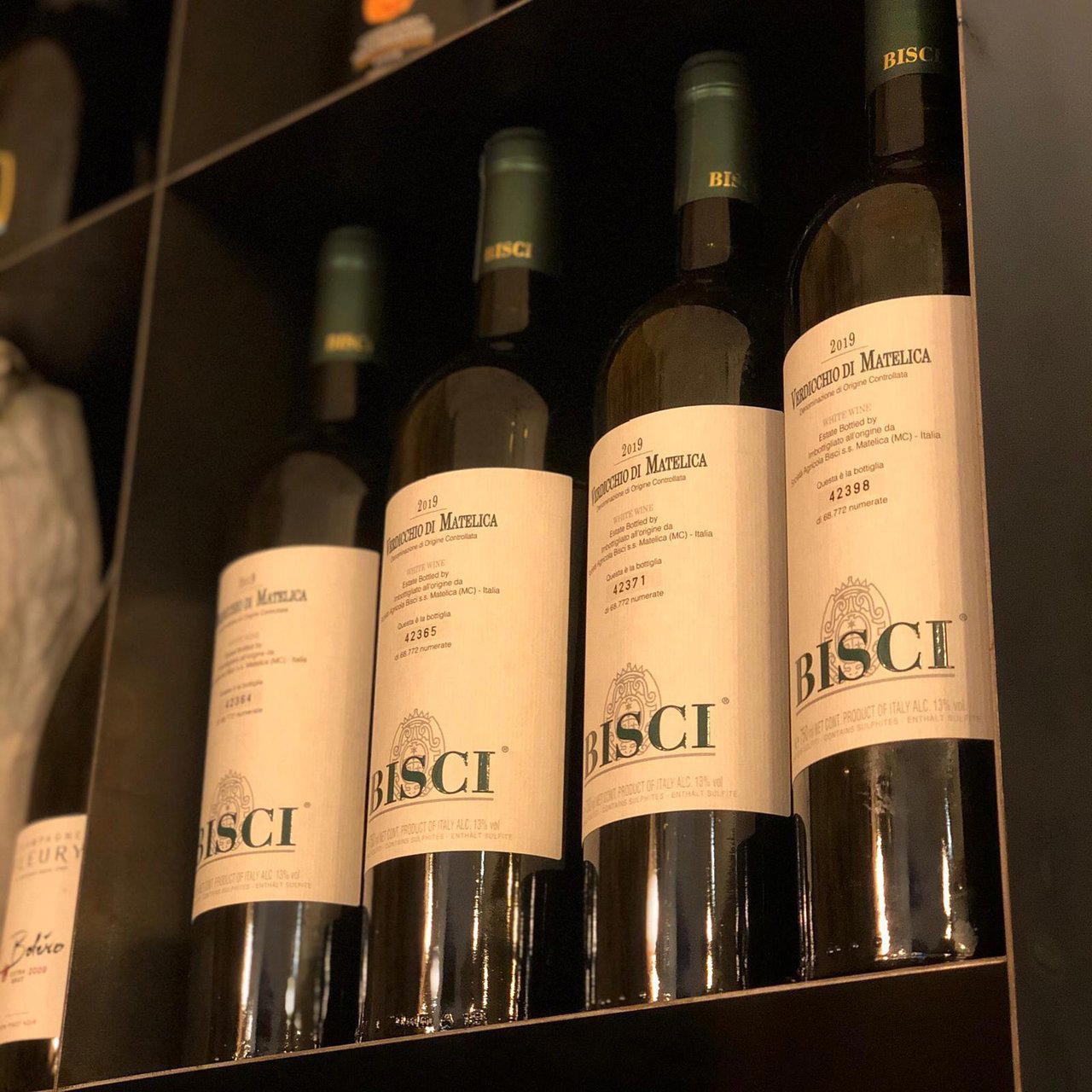
Bisci
Matelica, Italy
Bisci is a sensible Matelica pick for a wine-focused stop, especially if the trip is built around Verdicchio di Matelica rather than dining or broad estate amenities. Plan it by confirmed appointment, pair it with nearby wineries, and treat the visit as part of a tight Marche route rather than a standalone day out.
How many of these have you visited?
Find out on Pearl and keep score across every place in 2026 Falstaff Winery Guide.