
Weingut Dürnberg
Falkenstein
Winery in Falkenstein, Austria
 Book with Pearl
The Read
Northern Margin Viticulture
Why go
Book Weingut Dürnberg if the point of the trip is a serious Falkenstein wine stop, not a dining-led winery visit. The strongest use case is a planned Weinviertel itinerary built around cellar time; travellers who need confirmed food, easy group logistics, or flexible drop-in details should compare nearby producers before committing.
About Weingut Dürnberg
Weingut Dürnberg is a Falkenstein venue with a casual dress code and 2 Star Prestige recognition for 2025. For details such as cuisine, menu format, tasting structure, food service, opening schedule, price level, or group capacity, confirm directly with the venue before planning.
For planning, keep expectations narrow and confirm current visit details directly with the venue before building an itinerary around it. If you are comparing options, use Falkenstein as the anchor, then consider other nearby or regional venues separately where useful.
Prioritise confirmed details over assumptions
Start with the essentials: Weingut Dürnberg is a Falkenstein stop recognised with 2 Star Prestige in 2025, and casual dress is appropriate. Travellers looking for a restaurant-style meal, specific tasting format, featured product, dietary accommodations, delivery, take-out, or other service details should check with the venue in advance.
That makes advance confirmation important. Travellers who need a defined schedule, food arrangements, accessibility details, or group handling should check directly with Weingut Dürnberg before committing the rest of the day.
Use Falkenstein as the anchor, then widen the route only if needed
For comparison, the relevant named venues are Weingut Ebner-Ebenauer, Weingut Graf Hardegg, Weingut R&A Pfaffl, Weingut Ingrid Groiss, and Weingut Fritz Wieninger. Pick Weingut Dürnberg when Falkenstein itself matters to the itinerary; widen the search only when a broader comparison is more useful than a single-city focus.
If the trip extends beyond Falkenstein, keep those other stops as separate comparisons rather than assuming they belong to the same local plan. The safest approach is to confirm each venue's current visit details directly before building the route.
Planning details
- Location
- Neuer W. 284, 2162 Falkenstein bei Poysdorf
- Website
- duernberg.at
- Phone
- +43 2554 85355
The take
The Take
The Vibe
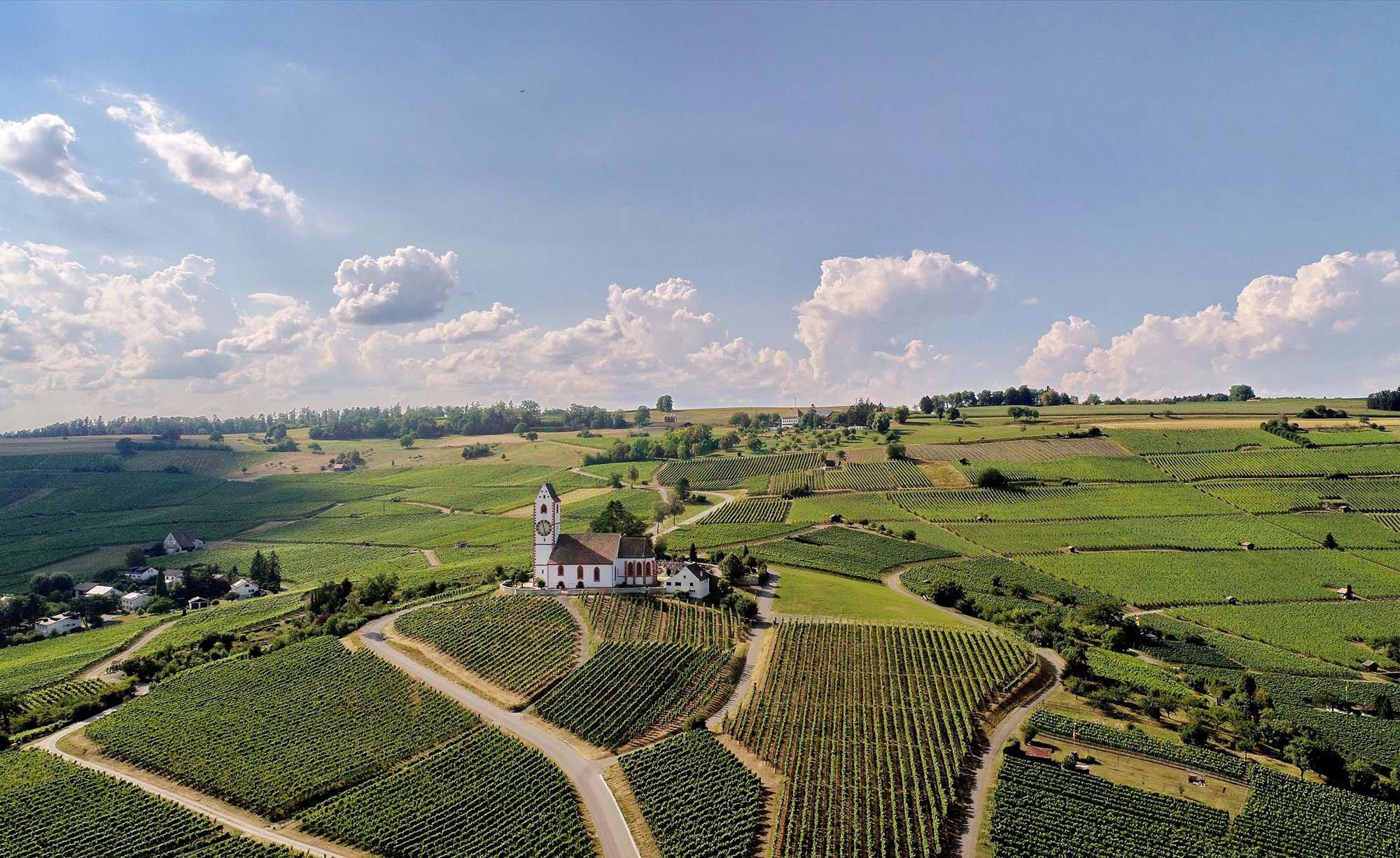
Weingut Dürnberg sits squarely within the Weinviertel's restrained, terroir-forward personality. The narrative is one of quiet rigor: low rolling hills, windswept ridgelines and loess soils shape wines rather than flashy winemaking. The writing emphasizes understatement and mineral precision rather than spectacle, so the overall feel is refined and deliberate. Visitors encounter a winery that favors textural nuance—chalky, fine-grained palate sensations and lifted acidity—over overt fruit weight. The experience reads as sophisticated and contemplative, appealing to those who prefer thoughtful, site-driven wines to showy, high-intervention releases.
Best For
This estate is best for people who come to learn and to listen to a place. The text frames Dürnberg as part of a regional conversation about terroir, making it a natural fit for wine education and focused tasting. Its understated character also suits solo exploration—drinkers who enjoy reading landscape in the glass—and quieter special occasions where the virtues of mineral-driven Grüner Veltliner are the point. It is less about theatrical hospitality and more about tasting discipline: an occasion for attentive sampling and conversation about soil, climate and varietal expression.
Tasting Tips
When tasting at Dürnberg, prioritize Grüner Veltliner and examples described as loess-grown or vineyard-specific: the copy highlights the variety as the logical expression of local soils. Expect a fine-grained, chalky texture and maintained acidity; ask for wines that emphasize mineral tension and spice notes tied to site rather than overt ripeness. If the staff can point to vineyard parcels or comparative bottlings, use those to track how loess and aspect influence texture and spice. Keep the focus on balance and acidity when choosing bottles to take away.
Venue details
Ambiance
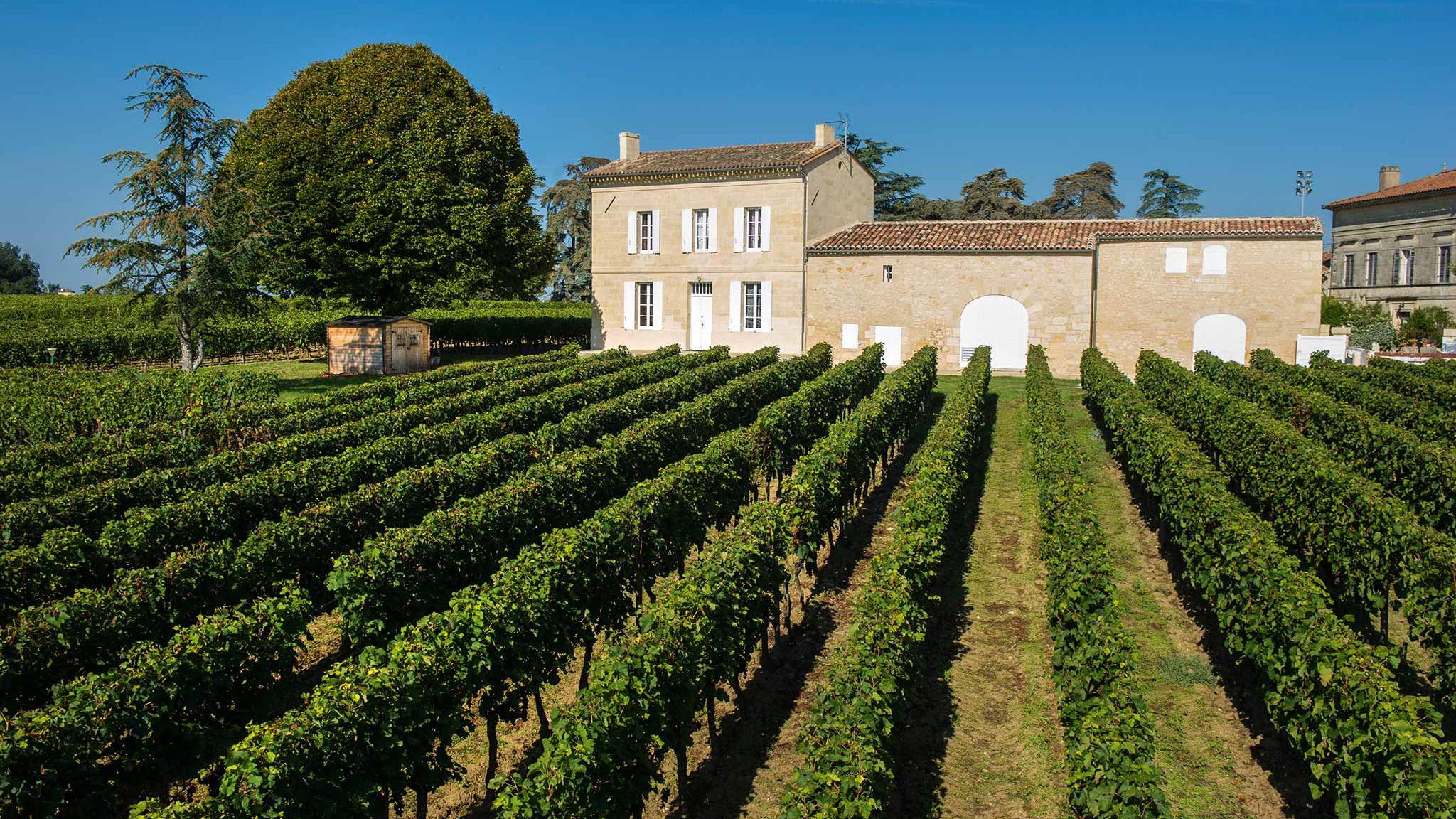
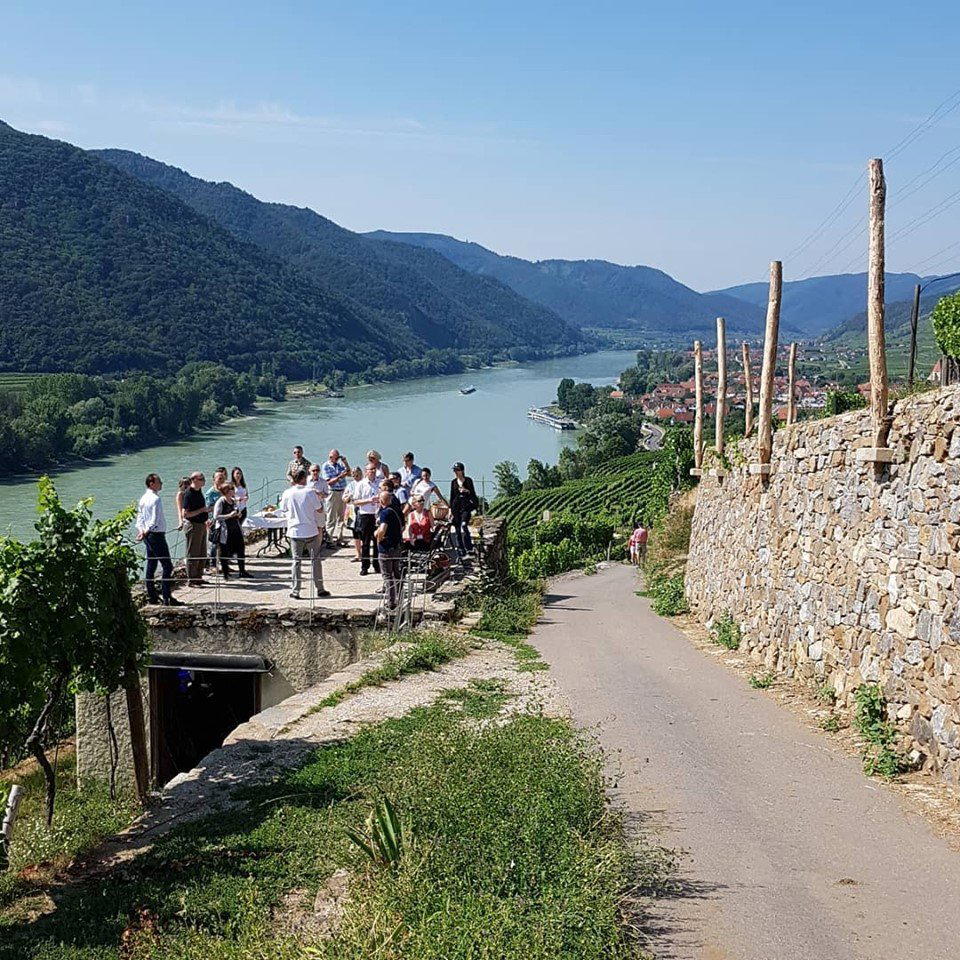
Traditional yet modern atmosphere reflecting old wine culture with elegant, fresh wines showcasing cool minerality and complexity from high-altitude vineyards.
Tags
Vibe
Best For
Experience
Sourcing
View
At the Vineyard
- Appellation
- Weinviertel DAC
- Varietals
- Grüner Veltliner, Zweigelt, Pinot Noir, Weissburgunder, Riesling
- Tour Duration
- 60-90 minutes
- Tour Languages
- German, English
- Visits
- By reservation
- Farming
- Organic
- Wine Styles
- Still White, Still Red, Sparkling, Pet Nat
- Shipping
- Available
- Wine Club
- Available
Know before you go
Know Before You Go
- Getting there
- Neuer W. 284, 2162 Falkenstein bei Poysdorf
Planning details
Location
Recognition and awards

Also consider
If Dürnberg is not the right fit
Try Weingut Ebner-Ebenauer first if the goal is another serious wine-focused stop in the same general orbit. Choose Weingut Fritz Wieninger instead if convenience and a wider Austrian itinerary matter more than staying anchored in Falkenstein.
Winery context
How it compares in the Falkenstein set
Weingut Dürnberg is the pick when Falkenstein is the point of the trip and the reader wants a wine-first visit. Weingut Ebner-Ebenauer is the more obvious cross-shop for travellers comparing serious producers nearby, while Weingut Graf Hardegg makes sense if the day needs a broader estate-style alternative rather than a tightly Falkenstein-focused stop.
For value and logistics, Weingut R&A Pfaffl and Weingut Ingrid Groiss are the safer comparisons when scheduling matters more than address specificity. If the trip includes Vienna or a wider Austrian wine route, Weingut Fritz Wieninger is the more practical cross-shop for travellers who want an urban-adjacent producer rather than a Falkenstein anchor.
Choose Dürnberg for a planned, cellar-led stop; choose Ebner-Ebenauer for another serious nearby comparison; choose Wieninger when convenience matters more than being in Falkenstein. None of the listed peers should be treated as interchangeable if food pairing is the deciding factor, because confirmed dining detail is not the strength of this set.
Explore Falkenstein
Around this place
Discover more on Pearl
Unlock the full Weingut Dürnberg guide in Pearl, including awards, comparisons, FAQs, planning details, and nearby places.
Compare Weingut Dürnberg
| Venue | Location | Awards |
|---|---|---|
| Weingut Dürnberg | Falkenstein | 2026 Falstaff Winery Guide |
| Weingut Ebner-Ebenauer | Poysdorf | 2026 Falstaff Winery Guide |
| Weingut Graf Hardegg | Seefeld | No published awards |
| Weingut R&A Pfaffl | Stetten | 2026 Falstaff Winery Guide |
| Weingut Ingrid Groiss | Breitenwaida | 2026 Falstaff Winery Guide |
| Weingut Fritz Wieninger | Vienna | 2026 Falstaff Winery Guide |
How Weingut Dürnberg Falkenstein compares with similar nearby venues.
FAQ
Frequently Asked Questions
Can Weingut Dürnberg handle large groups?
Contact Weingut Dürnberg directly before planning a large visit or making group arrangements.
What other venues should I compare with Weingut Dürnberg?
Use Falkenstein as the anchor and compare Weingut Dürnberg with Weingut Ebner-Ebenauer, Weingut Graf Hardegg, Weingut R&A Pfaffl, Weingut Ingrid Groiss, and Weingut Fritz Wieninger when building a broader itinerary.
What is Weingut Dürnberg best known for?
Weingut Dürnberg has 2 Star Prestige recognition for 2025 and a casual dress code. For a specific signature item, format, or service style, check directly with the venue.
Does Weingut Dürnberg offer memberships or special services?
Does Weingut Dürnberg serve food?
Plan food separately unless Weingut Dürnberg confirms food service, cuisine, menu format, or meal availability for your visit.