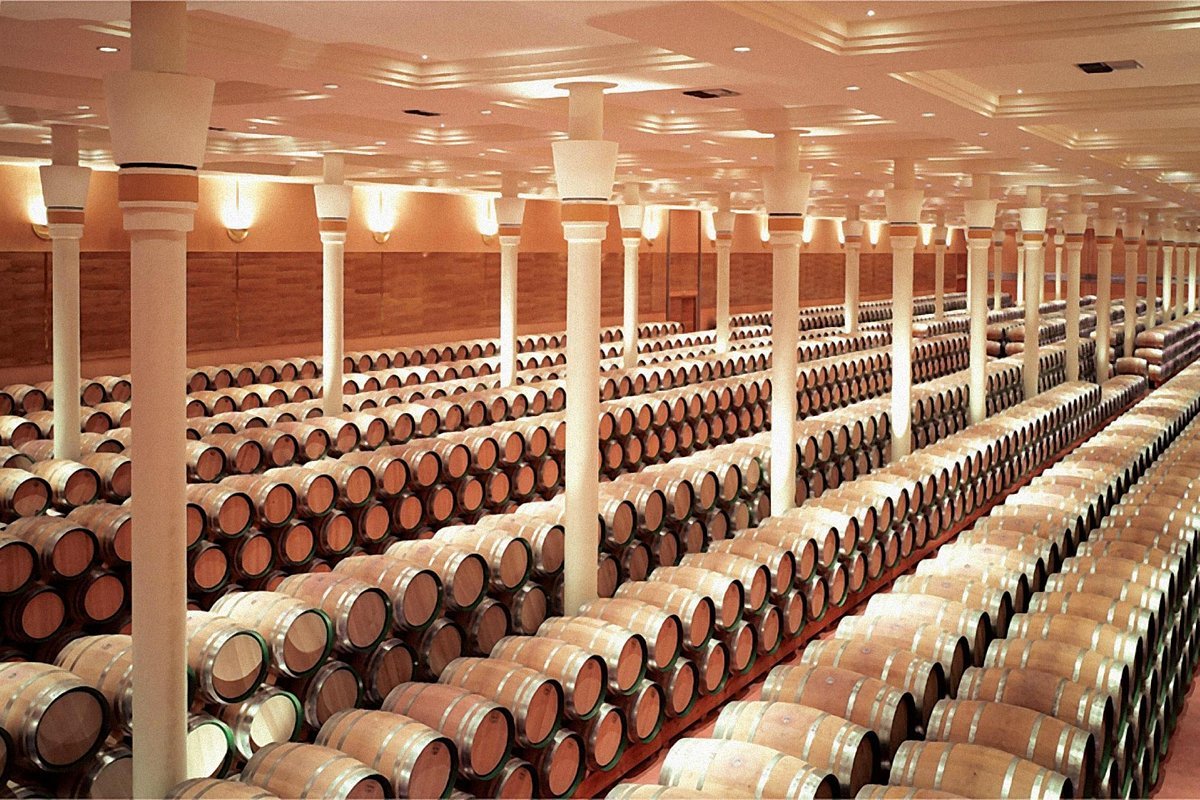

Finca Valpiedra
Fuenmayor
Winery in Fuenmayor, Spain
 Book with Pearl
The Read
Single-Estate Rioja Terroir
Why go
Finca Valpiedra is a plan-ahead Rioja choice for travellers evaluating cellar access, allocations, or a deeper estate visit in Fuenmayor. It makes the most sense for wine buyers who want to judge membership value carefully, not for groups looking for a casual, low-commitment tasting stop.
About Finca Valpiedra
Finca Valpiedra is a venue in Fuenmayor with a smart casual dress code and Pearl 2 Star Prestige recognition for 2025.
For travellers comparing options in the wider area, keep the distinction simple: Finca Valpiedra is the Fuenmayor choice on this page, while Marqués de Riscal and Bodegas Ysios may be useful comparisons for a broader itinerary. Bodegas Baigorri is another named option to consider separately.
A Fuenmayor venue with limited planning details
The most reliable way to approach Finca Valpiedra is to plan around the confirmed basics: it is in Fuenmayor, the dress code is smart casual, and it carries Pearl 2 Star Prestige recognition for 2025. Details such as visit structure, food availability, purchase terms, group handling, shipping, and visit timing should be confirmed directly before you go.
If you are building a Fuenmayor itinerary, use the venue as a confirmed point of interest and then verify current practical details directly before committing travel time. For broader local planning, you can also cross-check other dining in Fuenmayor through Our full Fuenmayor restaurants guide.
How to judge the value before committing
Value should be judged after the venue confirms what is currently offered. Ask practical questions before buying: what is available on the day, what can be purchased, what can be sent to your destination, and whether any terms differ for visitors.
For a wider comparison, consider Finca Valpiedra alongside Bodegas Baigorri, Bodegas Ysios, Marqués de Riscal, Bodegas de los Herederos del Marqués de Riscal, and Marqués de Cáceres. The grounded verdict is cautious: Finca Valpiedra is a Fuenmayor venue with smart casual dress and Pearl 2 Star Prestige recognition for 2025, but specific visit, purchase, and service details should be confirmed before you go.
Planning details
- Location
- El Montecillo, s/n, 26360 Fuenmayor, La Rioja
- Website
- familiamartinezbujanda.com/finca-valpiedra
- Phone
- +34 941 45 08 76
The take
The Take
The Vibe
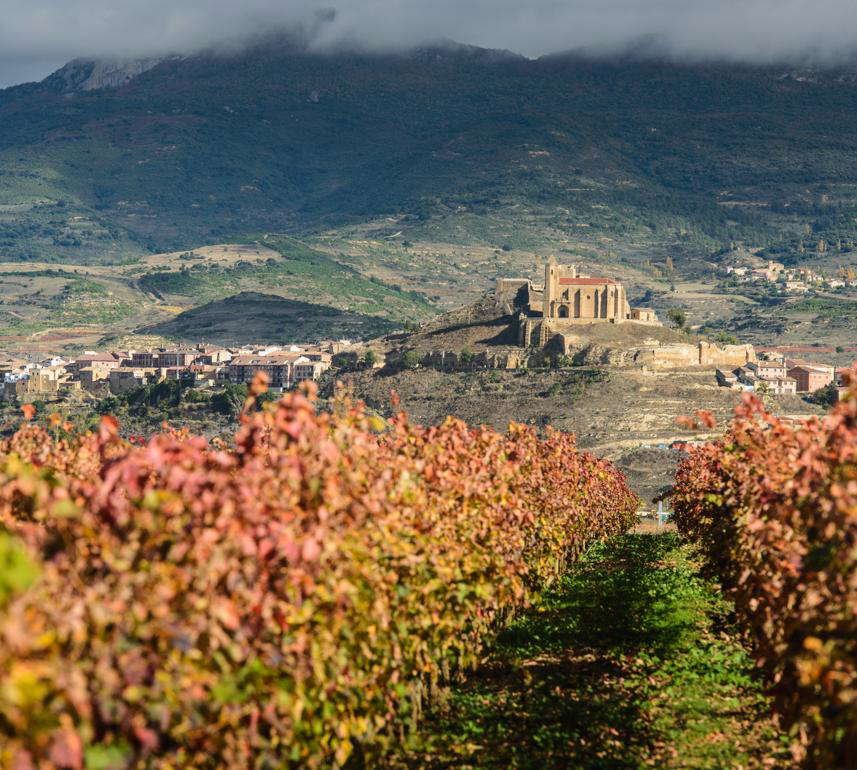
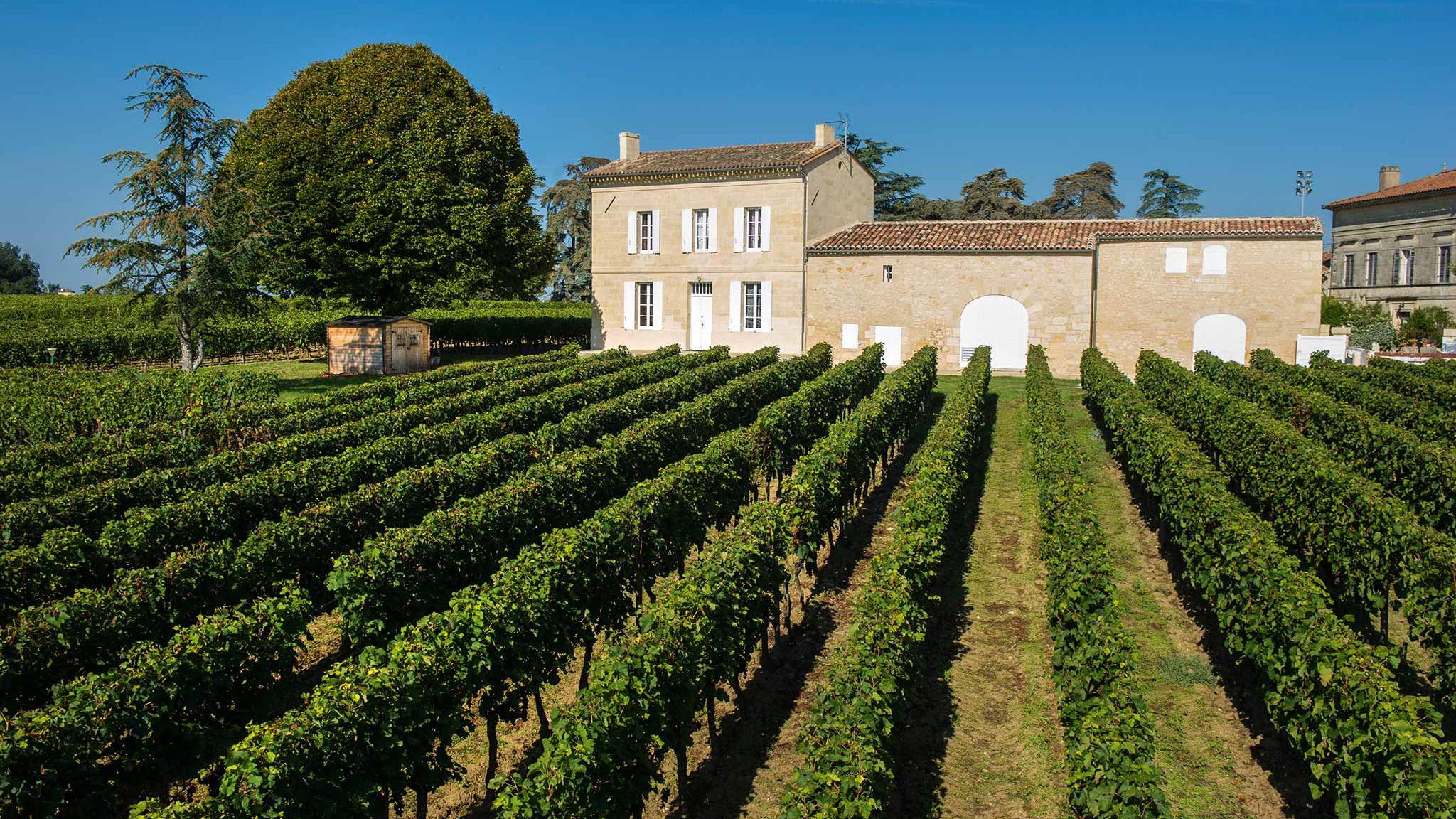
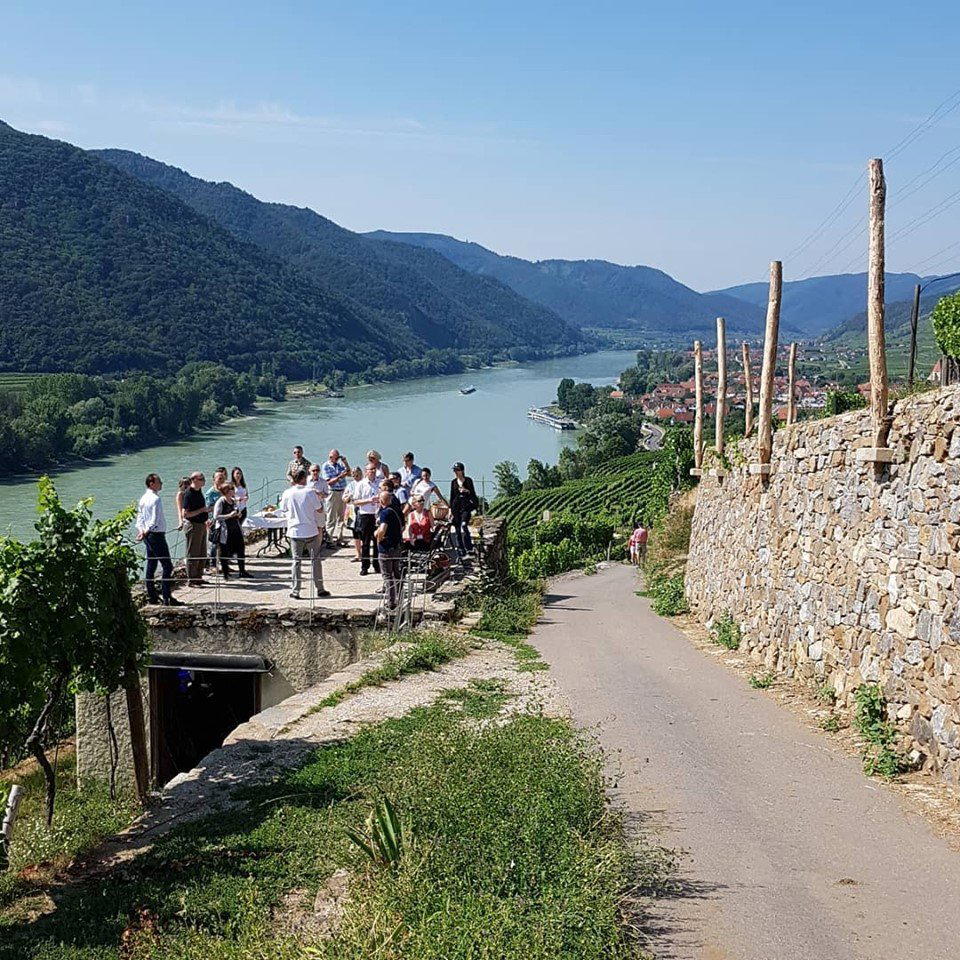
Finca Valpiedra presents itself as a site-driven Rioja estate where geography does the talking. The vineyard sits in the tight meander of the Ebro, occupying a natural amphitheatre of alluvial soils—rounded stones and gravel over a moisture-retentive clay subsoil—so every viticultural choice ties back to place. The position brings Atlantic influence and cooler nights, while the stony, free-draining soils keep vines working, concentrating phenolics and intensifying fruit without excessive alcohol. The property reads like a worked example in terroir, pairing technical precision with the contemplative calm of a single-estate vineyard.
Best For
Finca Valpiedra suits visitors who are interested in the nuts and bolts of terroir and single‑estate winemaking. The write-up emphasizes soil, microclimate and viticultural strategy, making the estate a natural fit for wine education and for meaningful tastings that highlight site expression. In a region historically defined by blending, Valpiedra’s single‑estate focus appeals to people seeking a contrasting, place‑specific perspective—ideal for focused learning, comparative tasting and occasions where the provenance story matters as much as the glass.
Tasting Tips
When engaging with Finca Valpiedra, centre the conversation on site-specific wines and how the river bend shapes their character. Ask for single‑estate bottlings or vineyard‑specific cuvées to hear the differences that the alluvial soils and clay subsoil produce. Inquire about Tempranillo expressions and how cooler nights and Atlantic influence preserve acidity across vintages. For tasting context, request comparisons that illustrate blending traditions in Rioja versus Valpiedra’s single‑estate logic—the description frames the estate as a practical lesson in terroir differentiation, so guided technical notes will be especially rewarding.
Venue details
Ambiance
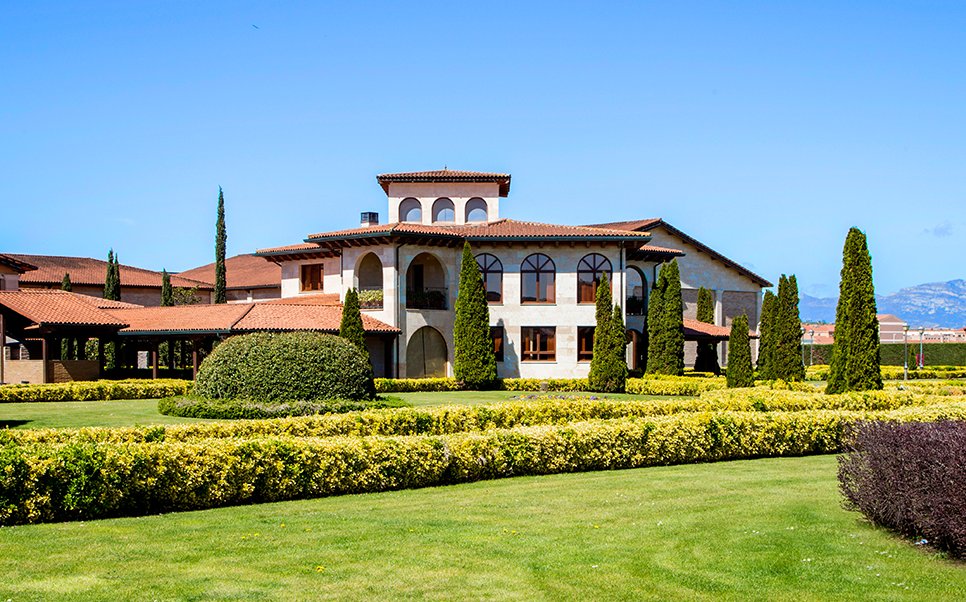
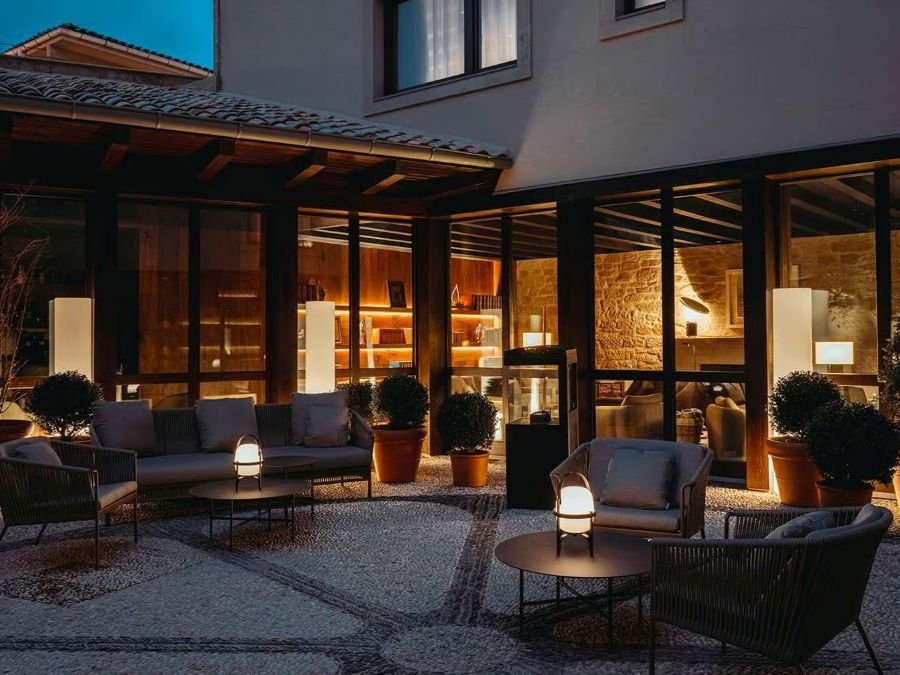
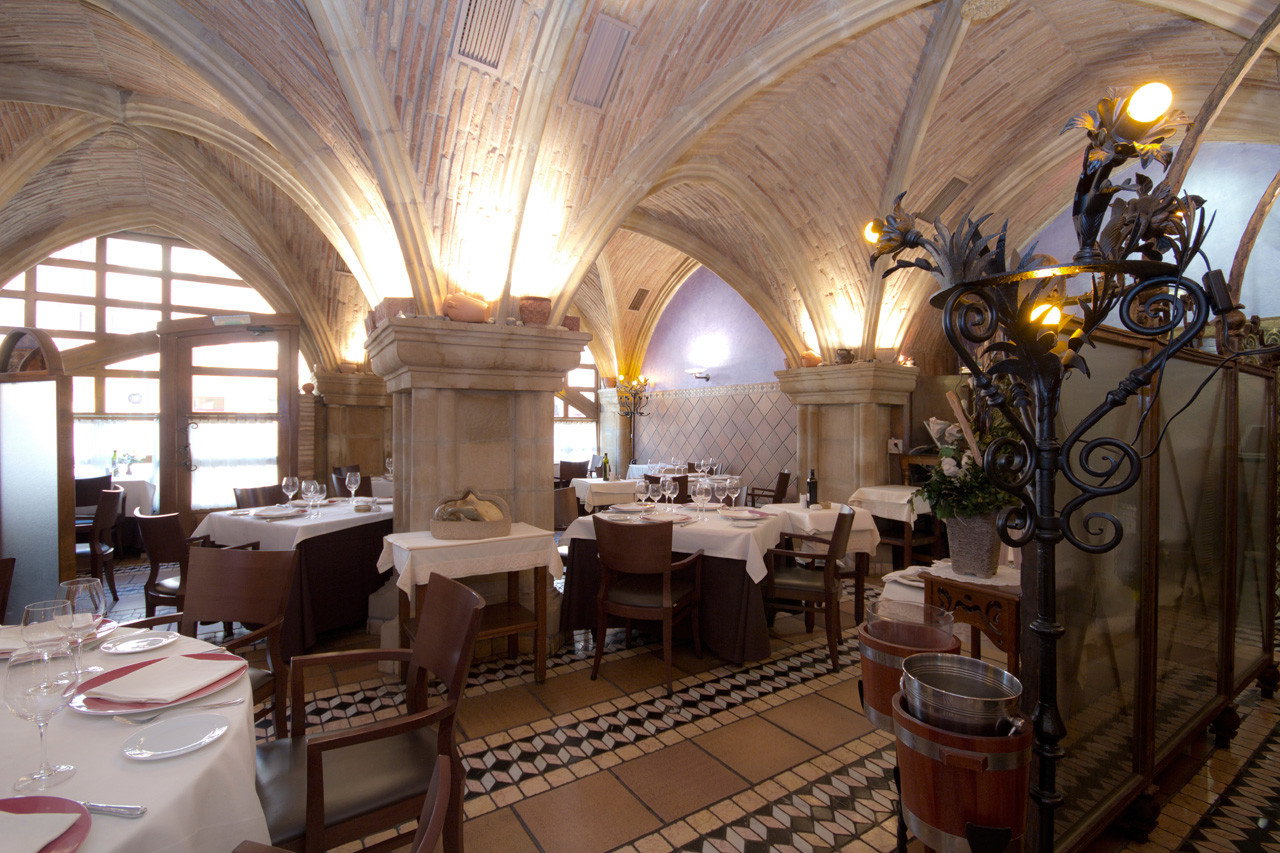
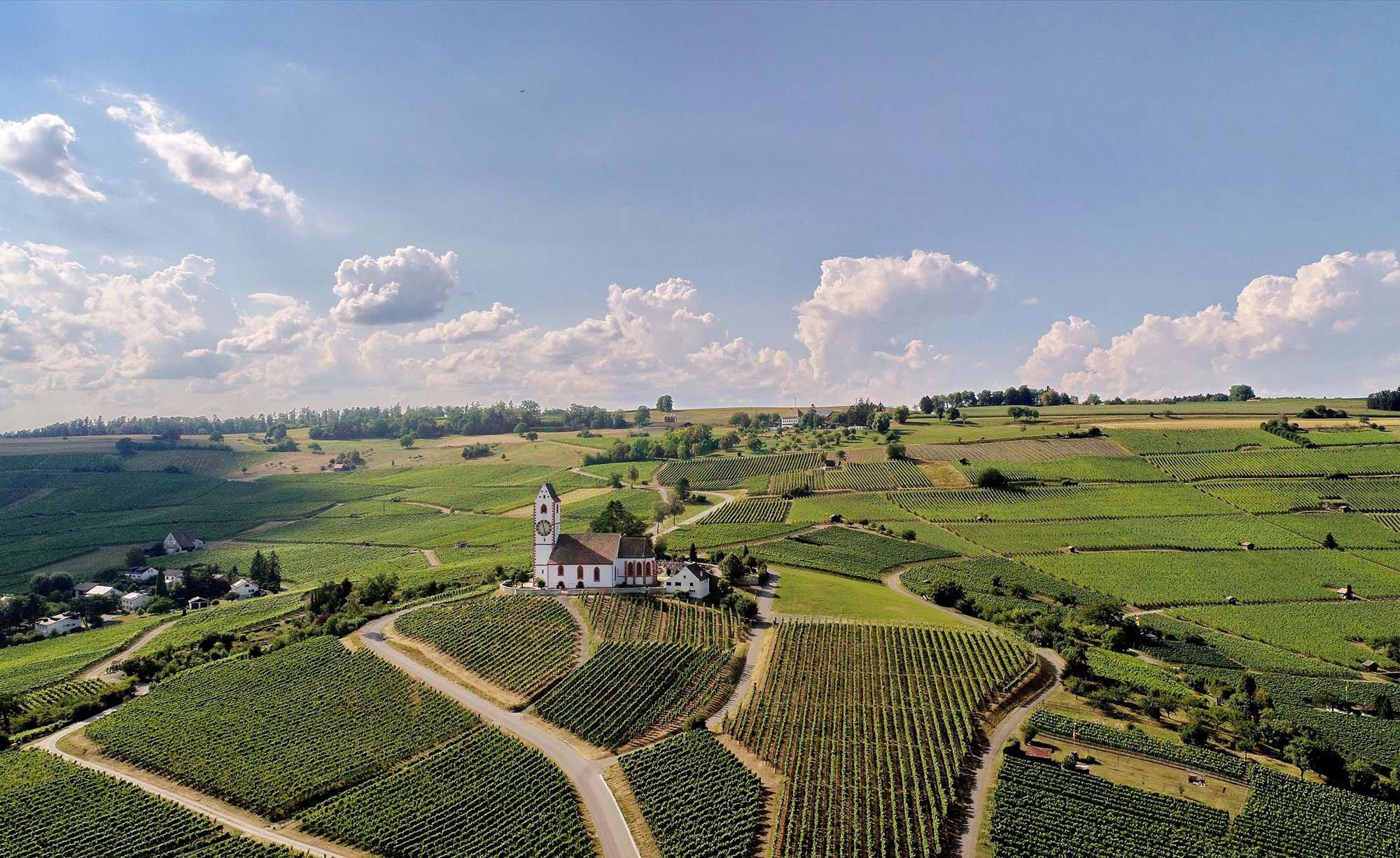
Serene and sophisticated atmosphere amid stunning vineyard landscapes and river terraces, evoking timeless elegance in a natural, historic setting.
Tags
Vibe
Best For
Experience
Sourcing
View
At the Vineyard
- Appellation
- La Rioja DOCa
- Varietals
- Tempranillo, Graciano, Maturana Tinta, Cabernet Sauvignon, Garnacha
- Tour Duration
- 60-90 minutes
- Tour Languages
- English, Spanish
- Visits
- By appointment only
- Farming
- Sustainable
- Wine Styles
- Still Red
- Wine Club
- Not available
Know before you go
Know Before You Go
- Getting there
- El Montecillo, s/n, 26360 Fuenmayor, La Rioja
Planning details
Location
El Montecillo, s/n, 26360 Fuenmayor, La Rioja · Directions
Recognition and awards

Also consider
Also Consider
- Marqués de Riscal, Notable alternative
- Bodegas de los Herederos del Marqués de Riscal, Notable alternative
- Marqués de Cáceres, Notable alternative
- Bodegas Ysios, Notable alternative
- Bodegas Baigorri, Notable alternative
Winery context
How It Compares
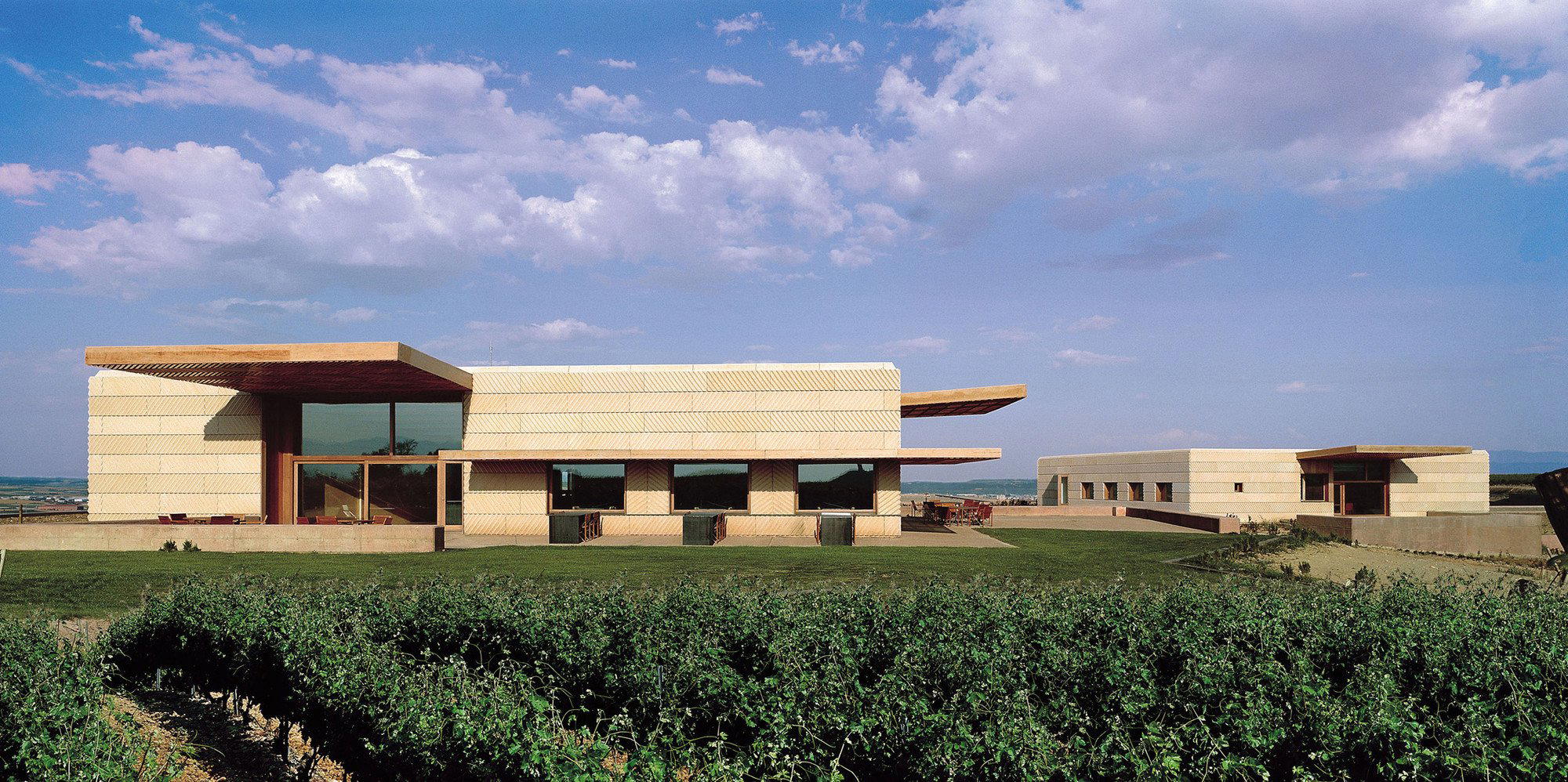
Choose Finca Valpiedra if the priority is a quieter Rioja estate visit with a buying or allocation lens. Marqués de Riscal is the stronger pick for travellers who want a bigger destination feel, especially if architecture and a broader hospitality setup matter more than a focused cellar conversation.
Bodegas de los Herederos del Marqués de Riscal and Marqués de Cáceres are better cross-shops for visitors who want name recognition and an easier group consensus. Finca Valpiedra is more compelling for the person deciding what to buy, not just where to taste.
For ambiance-led trips, Bodegas Ysios and Bodegas Baigorri have stronger visual pull. If availability is tight, cross-shop those first; if the main goal is a serious Rioja estate read, keep Finca Valpiedra high on the list.
Explore Fuenmayor
Around this place
Discover more on Pearl
Unlock the full Finca Valpiedra guide in Pearl, including awards, comparisons, FAQs, planning details, and nearby places.
Compare Finca Valpiedra
| Venue | Location | Awards |
|---|---|---|
| Finca Valpiedra | Fuenmayor | 2026 Falstaff Winery Guide |
| Marqués de Riscal | Elciego | No published awards |
| Bodegas de los Herederos del Marqués de Riscal | Rioja | Guía Repsol Soles 20262026 Falstaff Winery Guide2025 Decanter Winery Prestige2024 World's 50 Best Vineyards · #12023 World's 50 Best Vineyards · #22022 World's 50 Best Vineyards · #22021 World's 50 Best Vineyards · #22020 World's 50 Best Vineyards · #62019 World's 50 Best Vineyards · #9 |
| Marqués de Cáceres | Cenicero | 2026 Falstaff Winery Guide |
| Bodegas Ysios | Laguardia | 2026 Falstaff Winery Guide2025 World's 50 Best Vineyards · #32024 World's 50 Best Vineyards · #4 |
| Bodegas Baigorri | Samaniego | 2026 Falstaff Winery Guide2025 Decanter Winery Prestige |



How Finca Valpiedra Fuenmayor compares with similar nearby venues.
FAQ
Frequently Asked Questions
Do I need a reservation at Finca Valpiedra?
Reservation requirements should be confirmed directly with Finca Valpiedra before visiting Fuenmayor.
Is membership access at Finca Valpiedra worth joining?
If ongoing buying access matters to you, ask Finca Valpiedra directly what is currently offered before making a decision.
When is the best time to visit Finca Valpiedra?
Does Finca Valpiedra ship purchases?
If shipping matters, ask Finca Valpiedra directly which destinations, terms, and purchase conditions apply.
Can Finca Valpiedra handle large groups?
What should I expect at Finca Valpiedra?
Ask Finca Valpiedra directly what is currently being presented or offered during your visit.