
Weingut Reichsgraf von Kesselstatt
Trier
Winery in Trier, Germany
 Book with Pearl
The Read
Slate-Terroir Riesling Precision
Why go
Plan this as an estate-led Mosel visit, not a quick Trier drop-in. Weingut Reichsgraf von Kesselstatt is strongest for special-occasion travelers who want the Schlossgut Marienlay setting to carry part of the experience; if convenience and tasting density matter more, compare nearby Mosel peers before committing the slot.
About Weingut Reichsgraf von Kesselstatt
For Weingut Reichsgraf von Kesselstatt in Morscheid, Pearl recognizes the venue with 3 Star Prestige (2025), and the dress code is smart casual. Treat it as a plan-ahead Trier stop, and confirm practical details directly before arranging the day.
Choose this when the occasion calls for a polished Trier stop
A clear signal of its quality is recognition: Weingut Reichsgraf von Kesselstatt holds Pearl 3 Star Prestige (2025). That makes it relevant for readers comparing notable options, while the smart casual dress code suggests a neat, considered approach is appropriate.
Because specific hours, visit format, prices, or other practical arrangements are not available, avoid building the plan around assumptions. If the day also includes Trier dining, keep this stop as its own appointment rather than an improvised add-on. For planning around the wider city, pair the day with Our full Trier restaurants guide.
How to decide if it belongs on your shortlist
Pick Weingut Reichsgraf von Kesselstatt if you want a Trier option with a clear accolade and a smart casual tone. It is well suited to readers who value a more considered stop and are willing to verify the practical details before visiting.
For comparison, you may also look at Weingut Carl Loewen, Weingut Grans-Fassian, Weingut Maximin Grünhaus, Weingut Nik Weis – St. Urbans-Hof, and Weingut Von Hövel. Use those names as reference points for shaping a broader itinerary, while confirming each venue's location, hours, visit format, and booking requirements directly.
Planning details
- Location
- Weingut Reichsgraf von Kesselstatt Schlossgut Marienlay, 54317 Morscheid
- Website
- kesselstatt.com
- Phone
- +49 6500 91690
The take
The Take
The Vibe
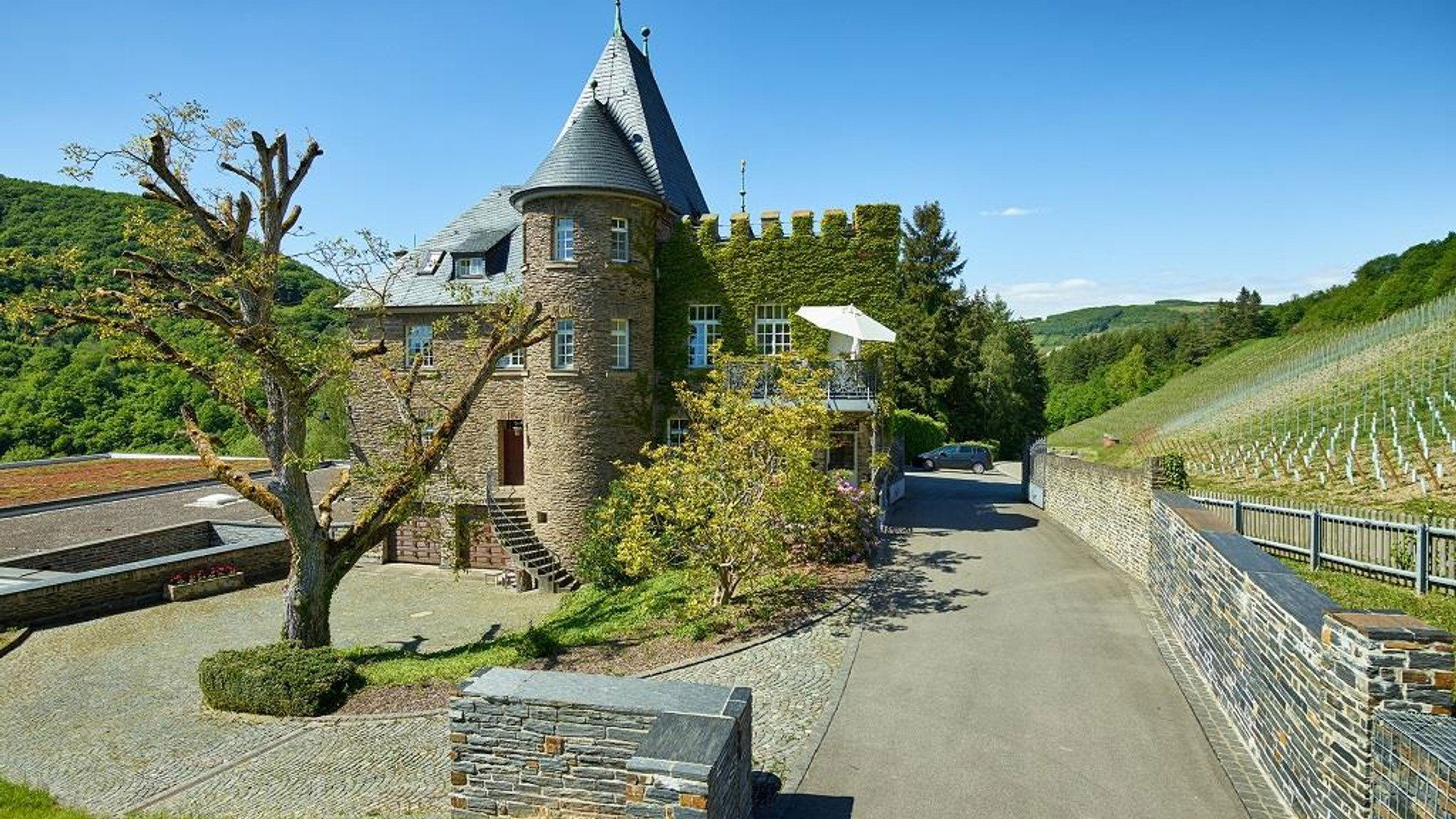
Weingut Reichsgraf von Kesselstatt presents a composed, sophisticated presence on the Mosel. The writing emphasizes blue Devonian slate, steep southern-facing terraces and the river’s reflective light, and the estate reads as measured and exacting rather than flashy. Visitors encounter a historic estate setting—Schlossgut Marienlay—and a landscape that rewards concentration: steep slopes, persistent slate and centuries of continuous viticulture. The result is an atmosphere of quiet refinement, where the geology and centuries-old farming traditions feel central to the character rather than decorative embellishment.
Best For
Kesselstatt is best for people who come to study terroir and taste top-tier Mosel Riesling. The estate’s extensive holdings in classified parcels and Grosse Lage sites make it a natural stop for wine-education visits and special-occasion tastings focused on site expression. Travelers who appreciate restrained, mineral-driven wines and historic vineyard landscapes find a particularly rewarding experience here; the description frames the estate as a place to connect vineyard geology, river influence and the concentrated precision of Riesling.
Tasting Tips
When tasting at Kesselstatt, prioritize vineyard-designate bottlings and wines from Grosse Lage parcels—the estate’s portfolio and classified holdings are central to its character. Ask about specific sites, including holdings in the Saar and Ruwer tributaries, and listen for discussion of slate, slope and river light: those are the factors that shape the wines’ taut, mineral-driven tension. Opt for examples that showcase site distinction rather than generic regional bottlings to understand how depth and precision vary from parcel to parcel.
Venue details
Ambiance
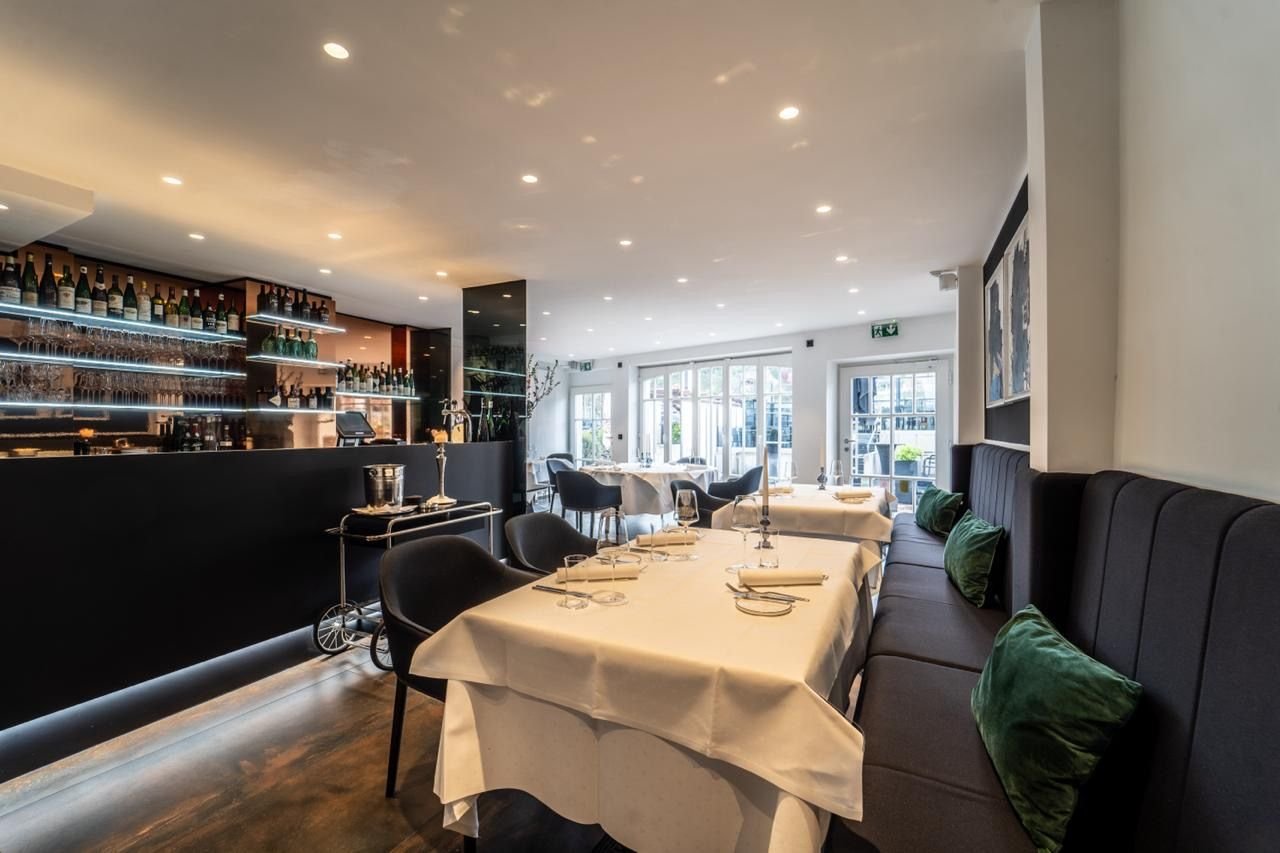
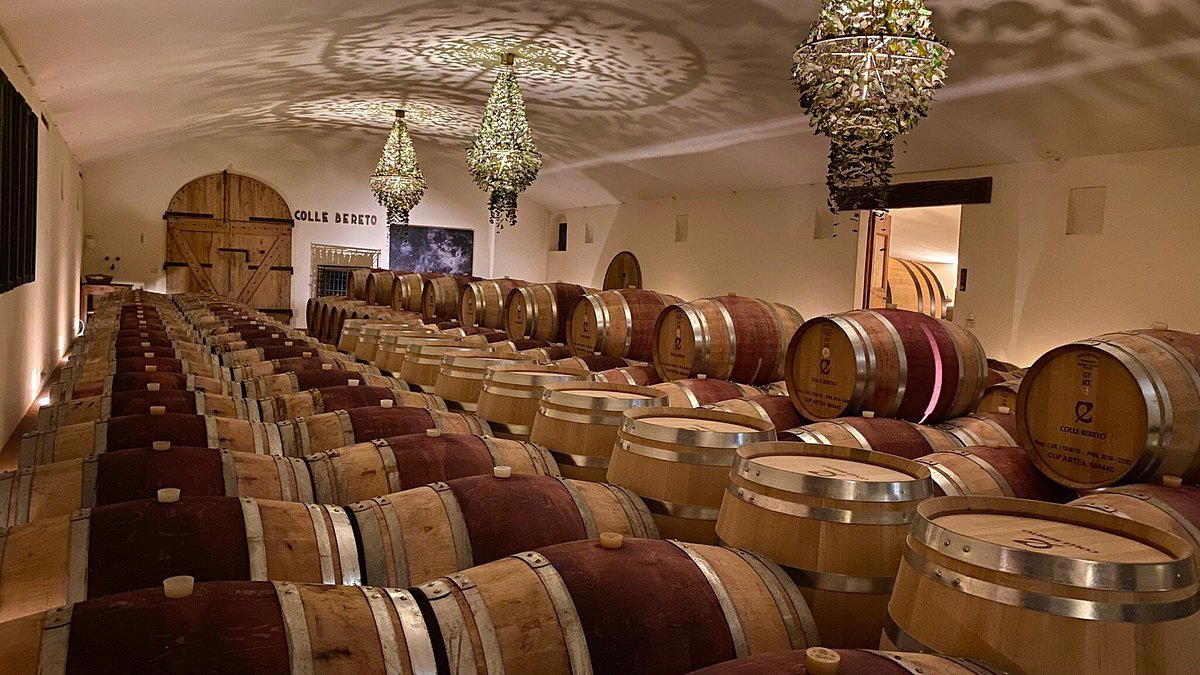
Traditional and elegant atmosphere in historic castle cellars and baroque palace setting with a focus on classic Riesling production.
Tags
Vibe
Best For
Experience
View
At the Vineyard
- Appellation
- Mosel
- Varietals
- Riesling, Weissburgunder
- Tour Duration
- 60-90 minutes
- Tour Languages
- German, English
- Visits
- By reservation
- Production
- Mid-size producer
- Wine Styles
- Still White
- Wine Club
- Not available
Know before you go
Know Before You Go
- Getting there
- Weingut Reichsgraf von Kesselstatt Schlossgut Marienlay, 54317 Morscheid
Planning details
Location
Weingut Reichsgraf von Kesselstatt Schlossgut Marienlay, 54317 Morscheid · Directions
Recognition and awards

Also consider
If this does not fit the schedule
Try Weingut Maximin Grünhaus if the priority is another serious Mosel estate with strong destination appeal. Try Weingut Carl Loewen if the day needs to stay more focused on tasting-route efficiency.
Winery context
How It Compares
Choose Weingut Reichsgraf von Kesselstatt when ambiance and estate context matter as much as the wine appointment itself. Against Weingut Maximin Grünhaus and Weingut Von Hövel, it is the better fit for a more formal-feeling occasion; those peers may suit travelers building a focused Mosel tasting route with less emphasis on the grounds.
Weingut Nik Weis – St. Urbans-Hof and Weingut Carl Loewen are stronger cross-shops for readers prioritizing producer comparison over setting. If the goal is value for time, line up the appointment that creates the cleanest route rather than chasing prestige alone.
Weingut Grans-Fassian is the practical alternative to consider when availability drives the decision. For a celebration, start with Reichsgraf von Kesselstatt; for a more compact Mosel tasting day, compare confirmed appointment times across the full.
Explore Trier
Around this place
Discover more on Pearl
Unlock the full Weingut Reichsgraf von Kesselstatt guide in Pearl, including awards, comparisons, FAQs, planning details, and nearby places.
Compare Weingut Reichsgraf von Kesselstatt
| Venue | Location | Awards |
|---|---|---|
| Weingut Reichsgraf von Kesselstatt | Trier | 2026 Falstaff Winery Guide |
| Weingut Maximin Grünhaus | Mertesdorf | No published awards |
| Weingut Von Hövel | Konz-Oberemmel | 2026 Falstaff Winery Guide |
| Weingut Nik Weis – St. Urbans-Hof | Leiwen | 2026 Falstaff Winery Guide |
| Weingut Carl Loewen | Leiwen | 2026 Falstaff Winery Guide |
| Weingut Grans-Fassian | Leiwen | 2026 Falstaff Winery Guide |
How Weingut Reichsgraf von Kesselstatt Trier compares with similar nearby venues.
FAQ
Frequently Asked Questions
How long should I plan for a visit to Weingut Reichsgraf von Kesselstatt?
Visit-duration details are not available. Plan only after confirming the current visit format directly with Weingut Reichsgraf von Kesselstatt. The Pearl 3 Star Prestige (2025) recognition and smart casual dress code make it sensible to treat the visit as a considered Trier stop rather than a rushed add-on.
When is the best time to visit Weingut Reichsgraf von Kesselstatt?
Hours and seasonal guidance are not available. Choose a time only after checking the venue's official channels, and keep the location reference to Trier when planning the rest of the day.
Are booking details for Weingut Reichsgraf von Kesselstatt available?
Are prices for Weingut Reichsgraf von Kesselstatt available?
What other venues are useful comparisons for Weingut Reichsgraf von Kesselstatt?
Useful comparison points include Weingut Maximin Grünhaus, Weingut Von Hövel, Weingut Nik Weis – St. Urbans-Hof, Weingut Carl Loewen, and Weingut Grans-Fassian. Confirm each venue's current location details, hours, and visit format directly before building an itinerary.