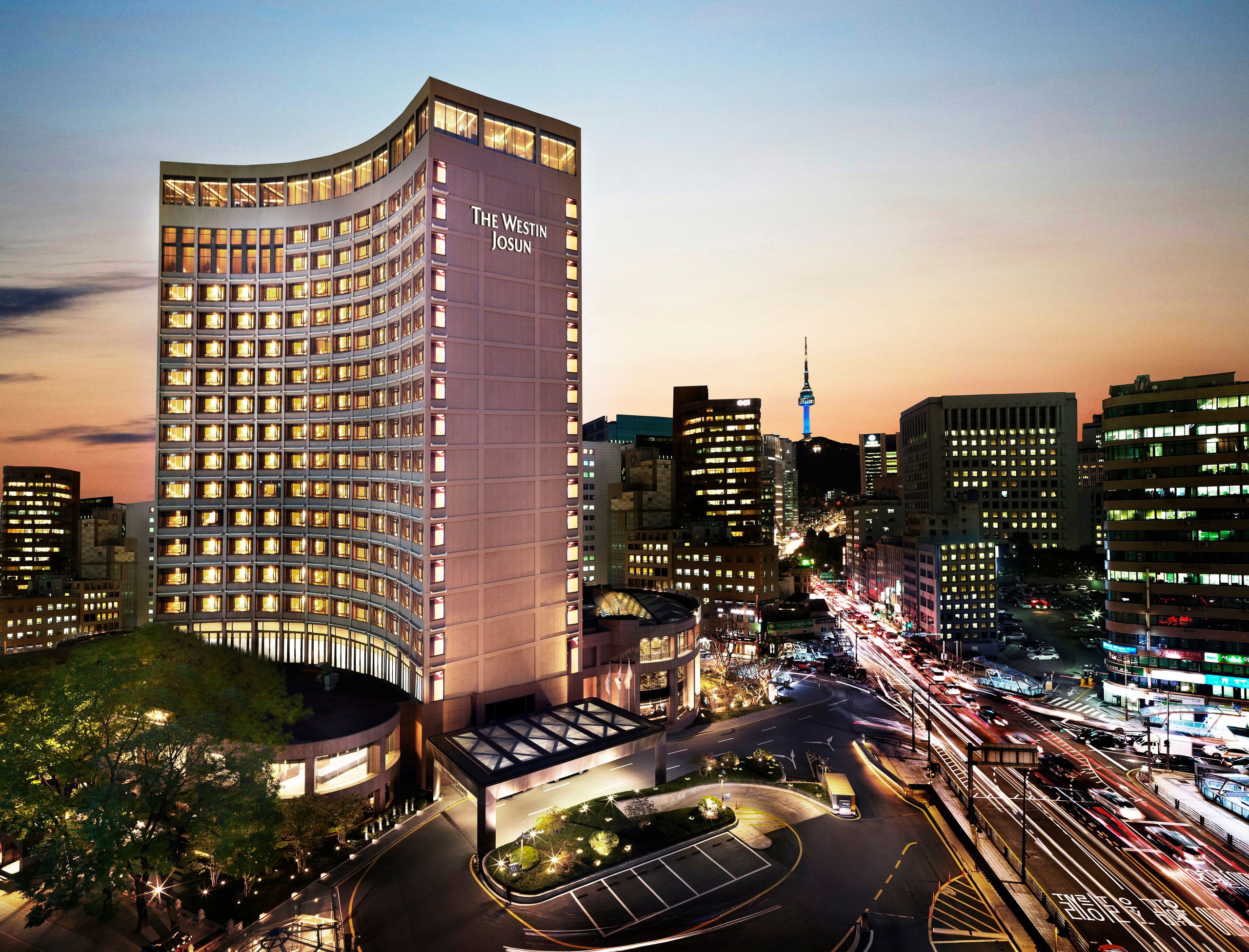



The Westin Josun Seoul
Sajik-dong, Seoul
Hotel in Seoul, South Korea
 Book with Pearl
The Read
Century-Anchored Centrality
Price
$200–300per night
Why go
The Westin Josun Seoul is worth shortlisting for travelers who want a recognized central Seoul hotel with strong business and family practicality. La Liste Top Hotels 2026, Forbes 4-Star 2025, and Forbes Recommended 2026 give it credible luxury signals; book early because availability is treated as hard, especially around peak city travel dates.
About The Westin Josun Seoul
Is The Westin Josun Seoul worth considering? It is a Seoul hotel with recognition from La Liste and Forbes, plus a business casual dress code. Beyond those facts, travelers should avoid assuming specific room layouts, services, dining formats, prices, or location details unless confirmed directly with the hotel.
The strongest grounded reason to keep it on a shortlist is third-party recognition. The Westin Josun Seoul is listed in La Liste Top Hotels 2026 with 93.5 points, received Forbes 4-Star recognition in 2025, and is Forbes Recommended for 2026. Those credentials give the property a clearer trust signal.
Book it for a recognized Seoul hotel, not for unconfirmed claims
This is best framed as a recognized hotel in Seoul rather than a stay defined by unconfirmed claims about neighborhood, service style, dining, room categories, or amenities. If those details matter to your trip, verify them with the hotel before booking.
For travelers comparing Seoul hotels, The Westin Josun Seoul can be considered alongside other named options such as Lotte Hotel Seoul, THE PLAZA Seoul, Autograph Collection, Le Méridien Seoul Myeongdong, Hotel 28 Myeongdong, and Hotel28 Myeongdong. The right choice depends on your priorities, but ensure all critical details are confirmed before making a final decision.
Families and business travelers should verify trip-specific needs
Families, couples, and business travelers may all consider The Westin Josun Seoul, but information on specific family facilities, meeting services, room configurations, dining options, or transportation advantages should be confirmed directly. Treat those as questions to confirm directly rather than assumptions.
The dress code is business casual, which is useful to know for guests planning more formal moments during a Seoul stay. For booking decisions, rely on the awards and direct hotel information rather than unconfirmed claims about exact services or location advantages.
Use Seoul guides if the stay is part of a wider itinerary: Our full Seoul hotels guide, Our full Seoul restaurants guide, Our full Seoul bars guide, and Our full Seoul experiences guide are useful next checks. Quick reference: consider The Westin Josun Seoul for its recognition in Seoul, and confirm all practical details directly before booking.
Inside The Westin Josun Seoul
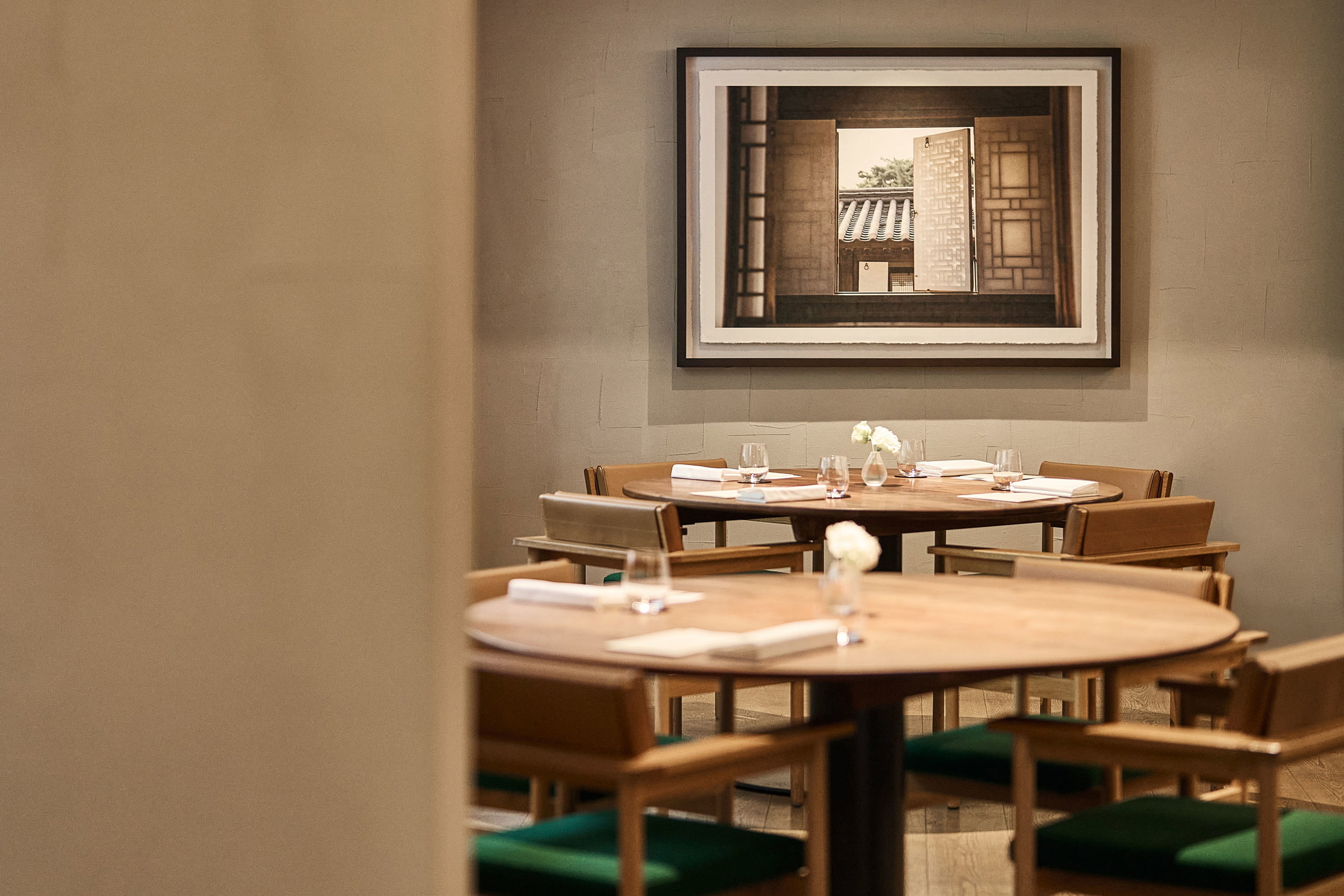
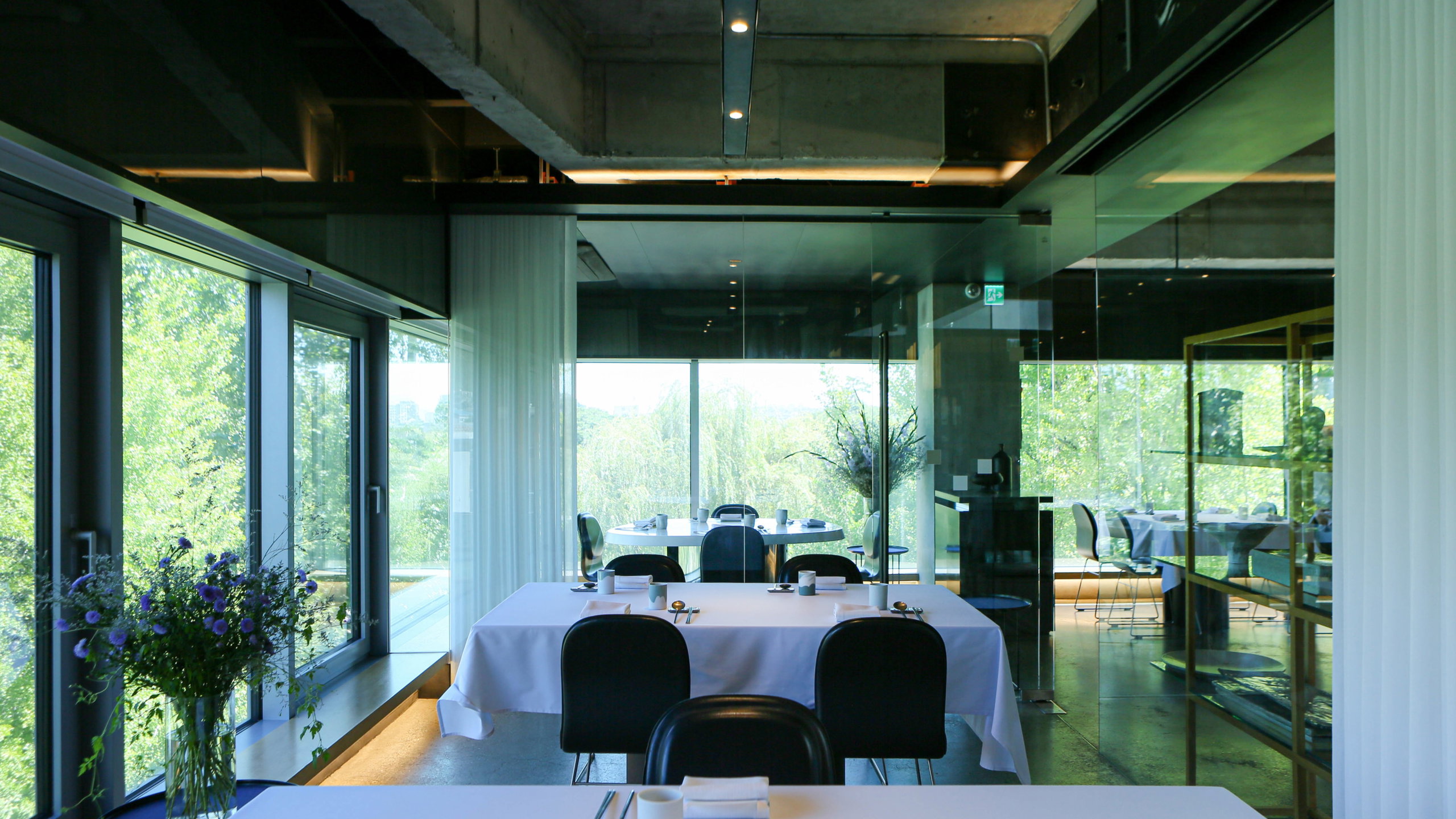
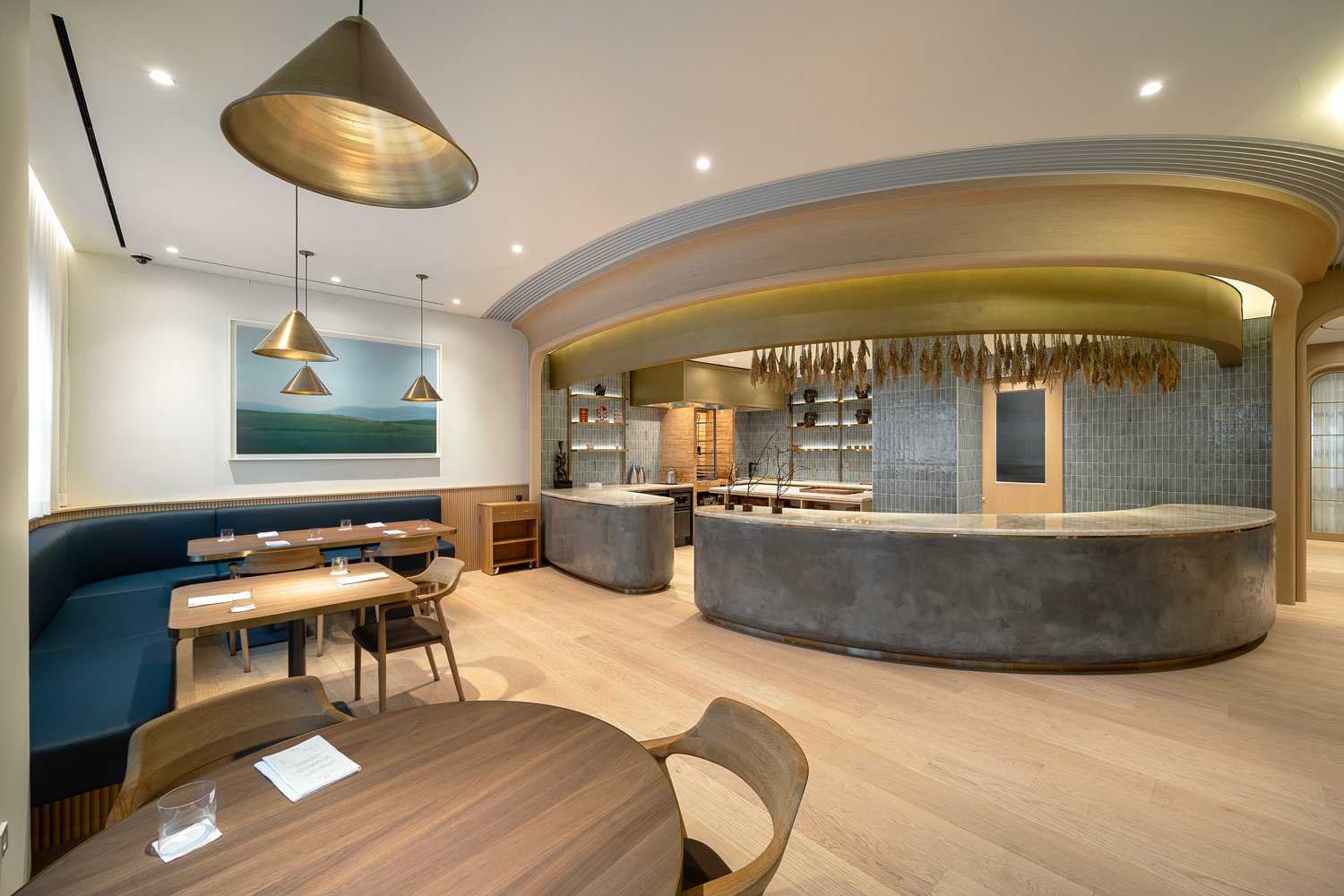
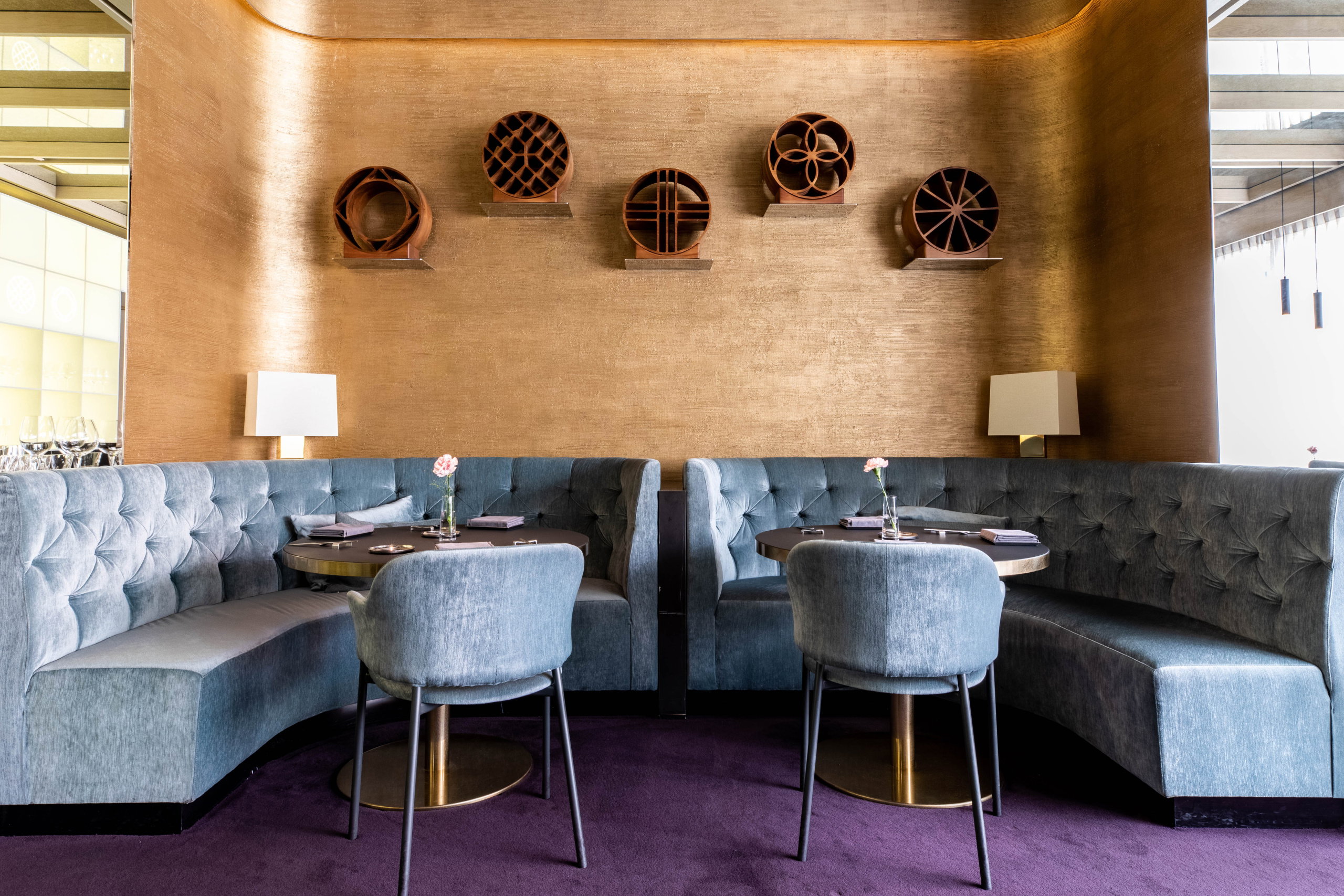
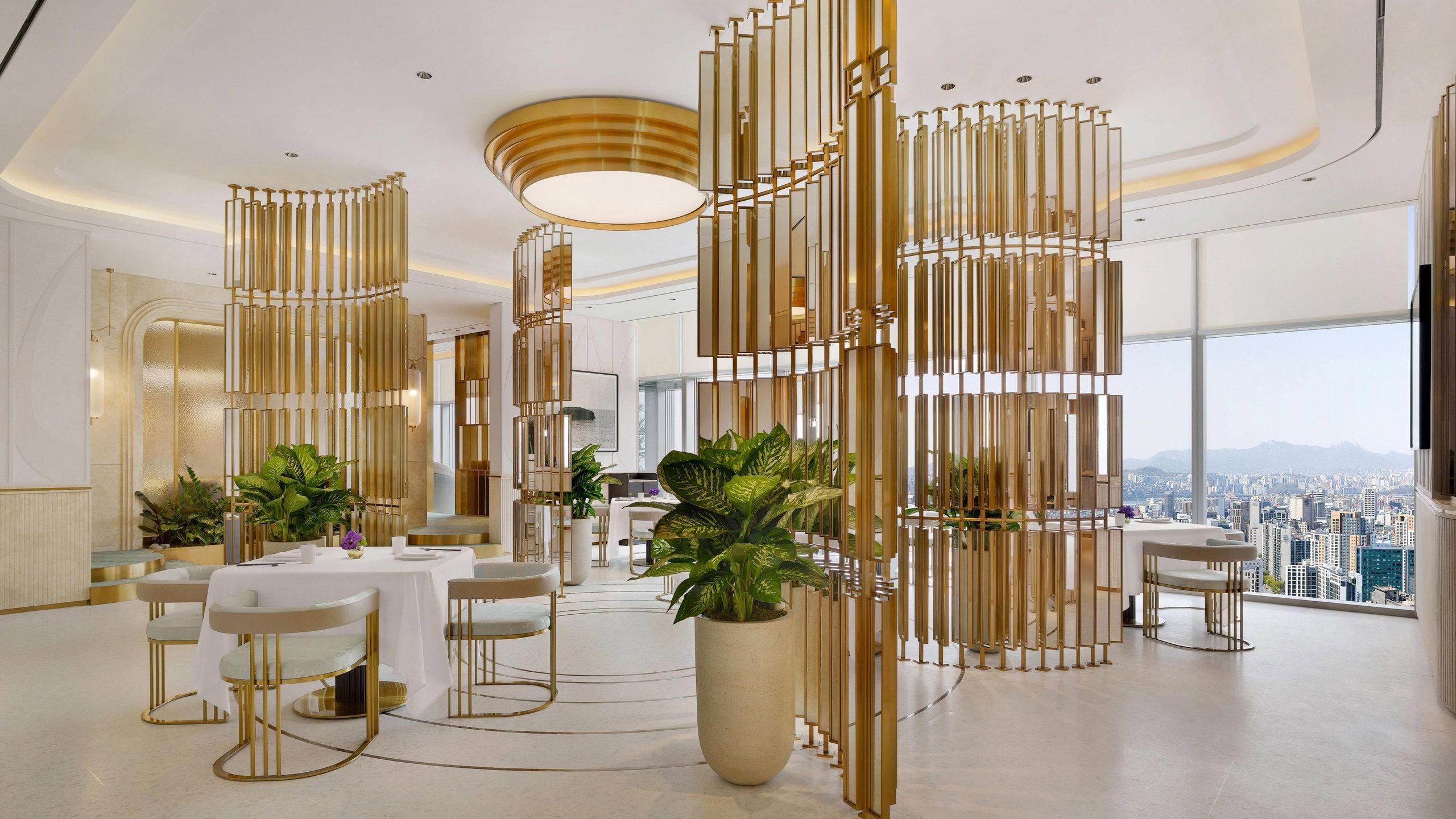
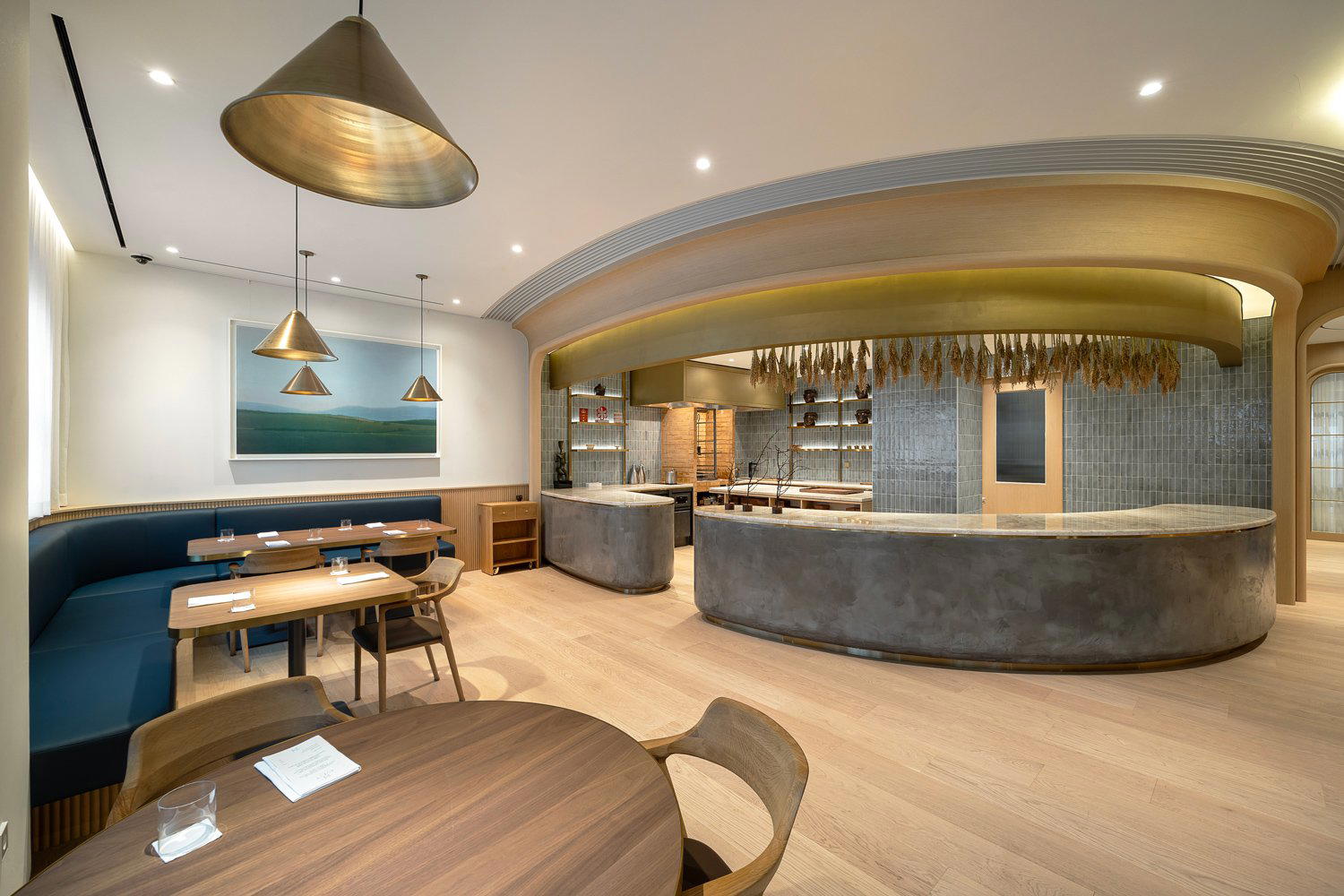
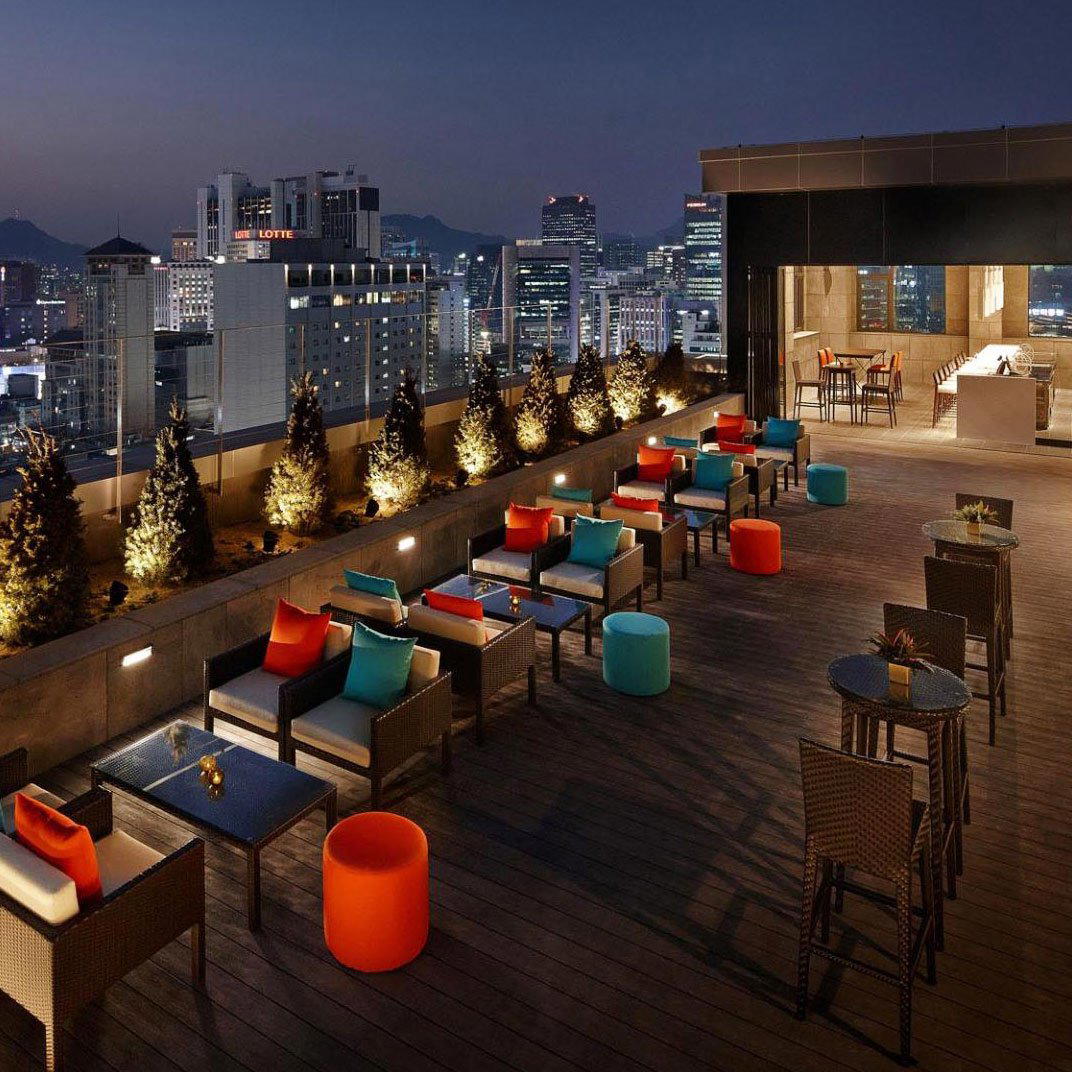 restaurantHong YuanA Michelin Plate recipient sitting inside Seoul's top-tier Chinese dining bracket, Hong Yuan addresses the city's appetite for serious regional Chinese cooking with a price point that positions it alongside Michelin-starred Korean contemporaries. Chef Brett Lavender leads a kitchen with La Liste recognition (77 points, 2026), and a Google rating of 4.6 across 333 reviews confirms sustained guest approval in the competitive Jung District dining corridor.
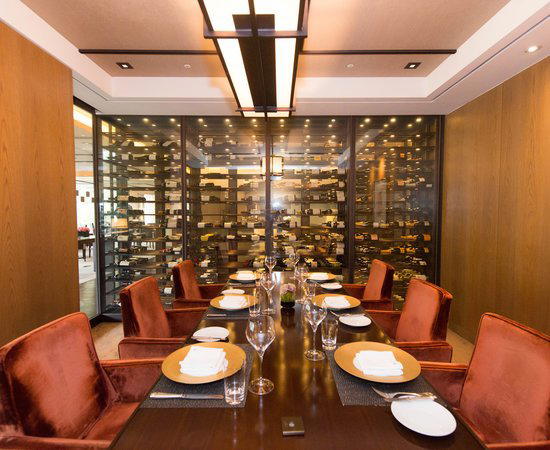 restaurantThe Ninth GateA Michelin Plate-recognised French restaurant in Seoul's Jung District, The Ninth Gate sits within a city block where Western fine dining has found a confident local identity. At the ₩₩₩ price tier, it delivers the precision of classic French technique without the premium attached to the city's starred addresses. Google reviewers score it 4.5 across 345 responses, a signal worth heeding.
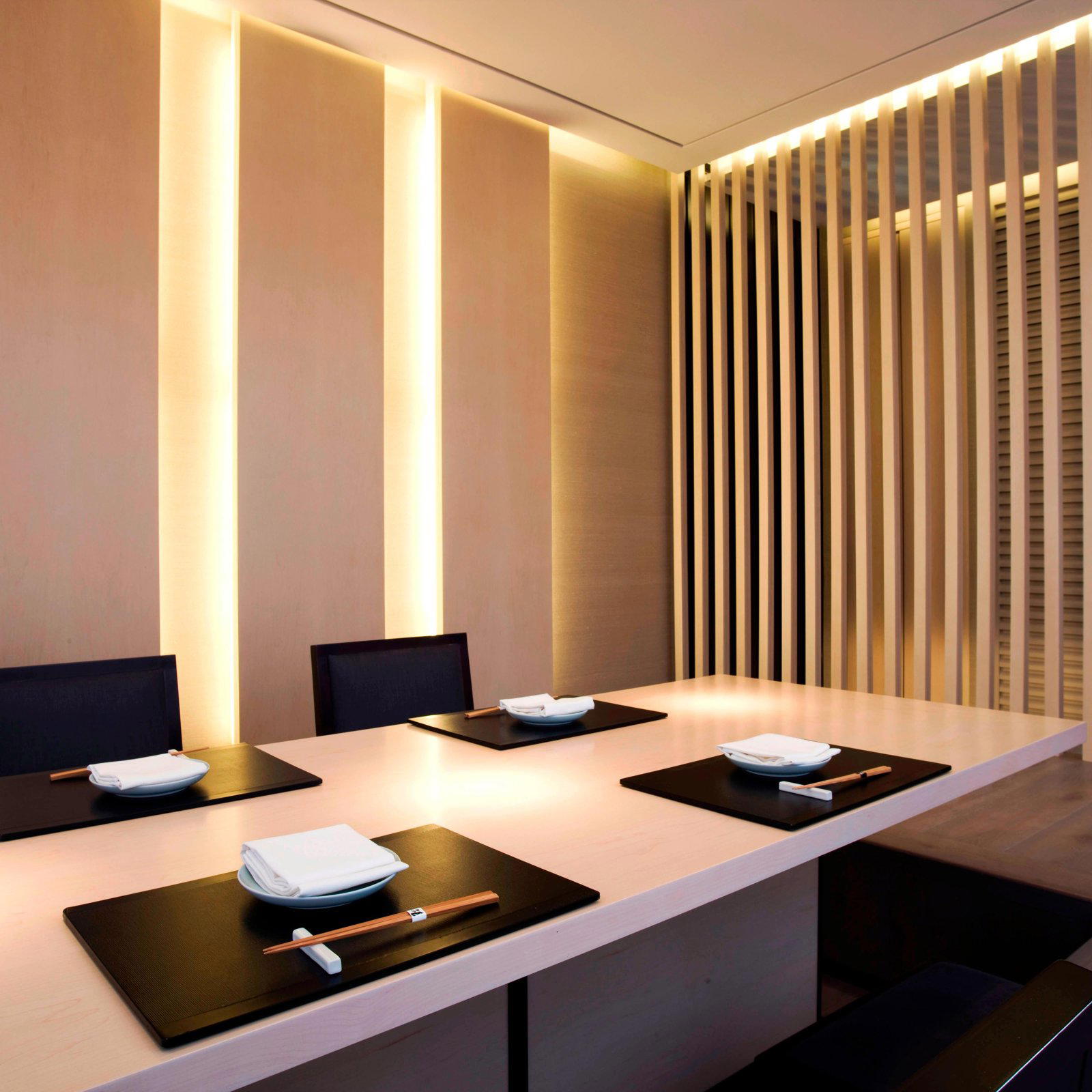 restaurant스시조 - Sushi ChoWithin the Four Seasons Hotel Seoul, Sushi Cho distills the quiet theater of Edomae tradition into an intimate omakase experience for discerning palates. A hushed counter of polished hinoki frames master itamae as they compose pristine, season-led bites, wild bluefin, Hokkaido uni, and delicately aged white fish, each brushed, torched, or folded with purposeful restraint. Exceptional rice, calibrated to the day’s humidity, meets meticulously sourced seafood, while a deep sake and rare whisky collection invites thoughtful pairing. For guests who value precision over spectacle, Sushi Cho delivers measured luxury, pure, resonant flavors, immaculate service, and a lingering sense of privilege.
Planning details
- Location
- 106 Sogong-ro, Jung District, Seoul
- Website
- marriott.com/en-us/hotels/selwi-the-westin-josun-seoul/overview/?scid=f2ae0541-1279-4f24-b197-a979c79310b0
- Phone
- +82 2-771-0500
The take
The Take
The Vibe
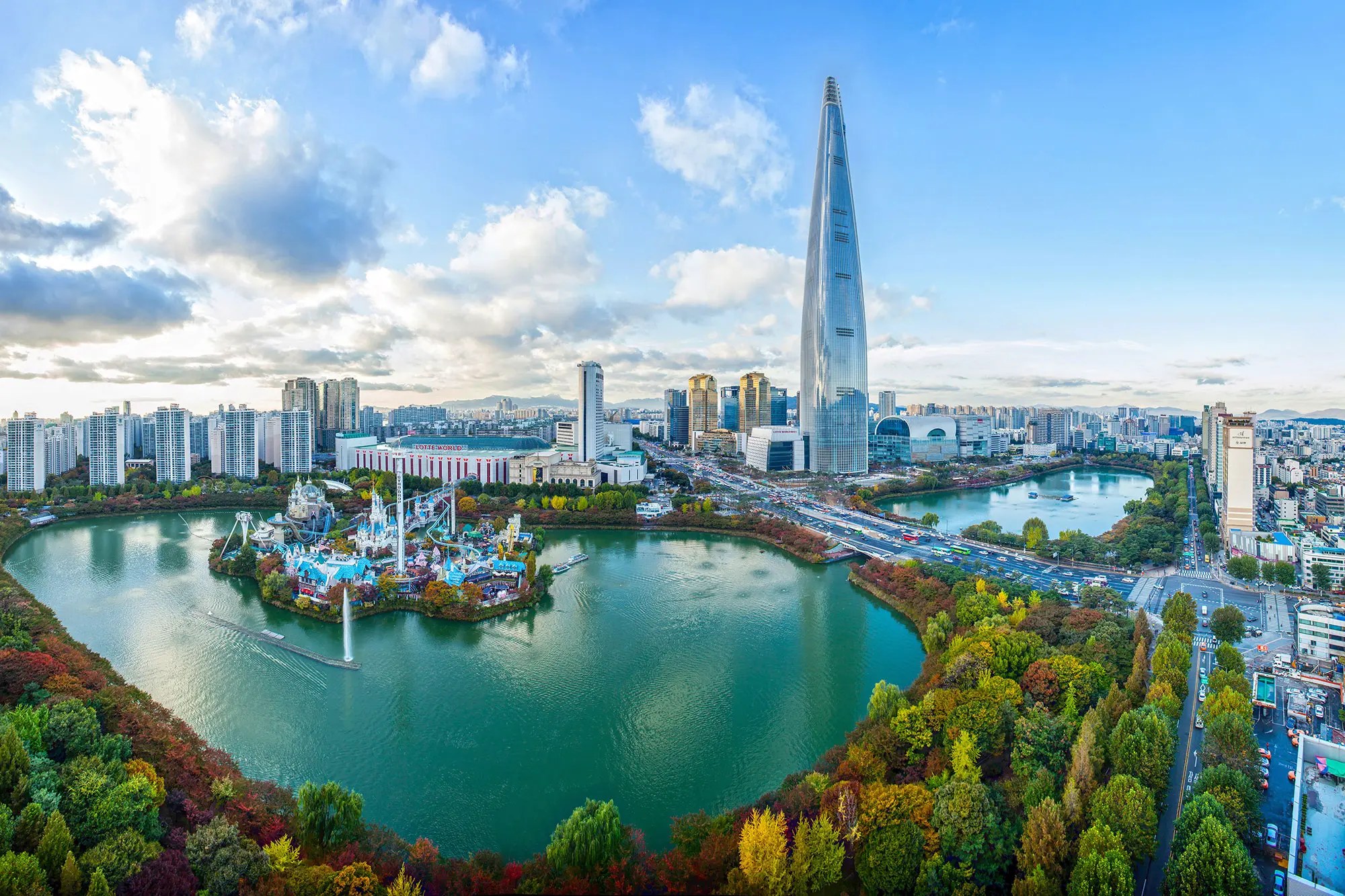
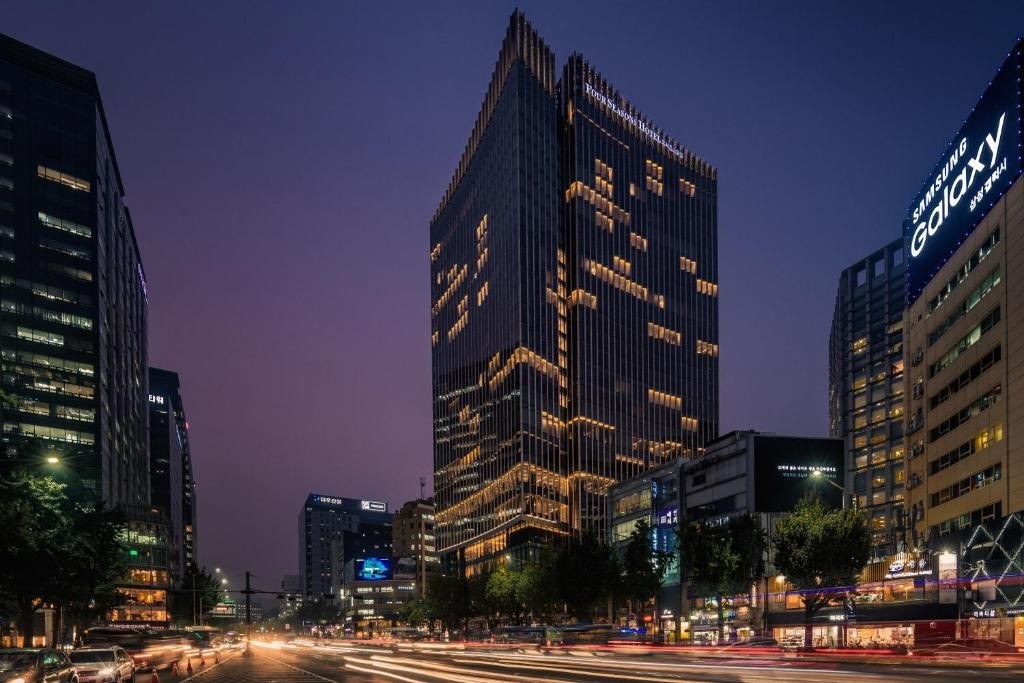
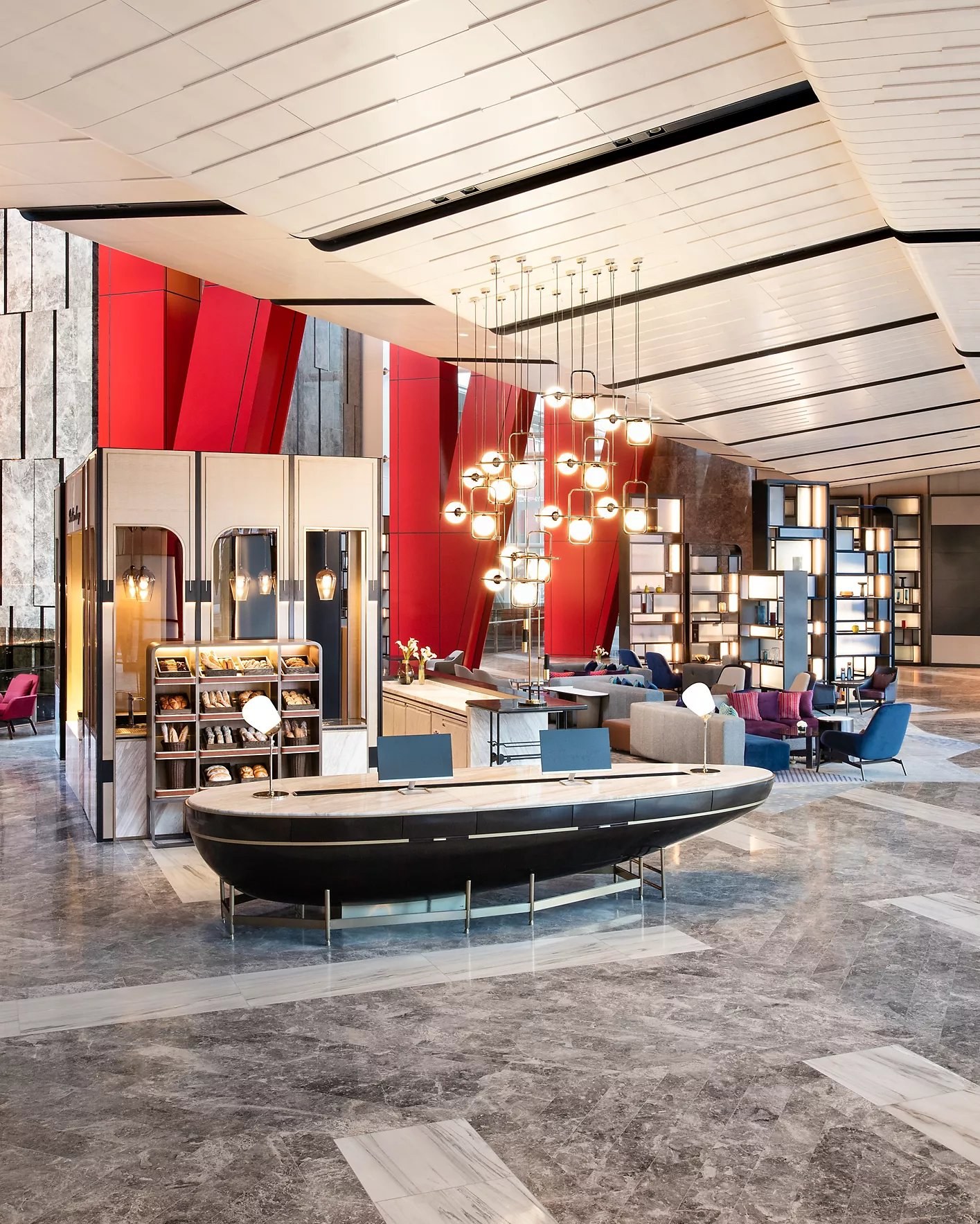
The Westin Josun Seoul reads like a living piece of the city's hospitality history. Standing on Sogong-ro at an intersection of old and new Seoul, the hotel foregrounds its 1914 origins and more than a century of service. That institutional continuity is presented as a kind of luxury in itself: the property doesn't aim merely to outshine newer rivals by scale or flash, but to embody a measured, classic presence that generations of visitors recognize. The editorial tone emphasizes legacy and gravitas rather than trend-driven reinvention, making the hotel feel rooted in Seoul’s evolving civic and cultural life.
Best For
The hotel suits travellers who prize centrality and tradition. Its address at 106 Sogong-ro places guests steps from department stores, corporate towers and cultural corridors leading to Deoksugung Palace, so it naturally fits business travellers and visitors who want immediate access to downtown Seoul. It also appeals to those who value a historically resonant stay—guests for whom institutional continuity and provenance are part of the luxury proposition. In short, it works well for business-focused trips and for visitors who prefer a classic, established hotel as the hub for exploring central Seoul.
Stay Tips
Book with the hotel's legacy in mind: the Westin Josun Seoul is presented as a benchmark property with recent recognition (Forbes 4-Star, La Liste score), so availability can matter around major events or holidays in central Seoul. Prioritize confirming location-specific needs—nearness to Deoksugung Palace and shopping corridors—when reserving, and check official channels for current ratings and offerings. Because the property's appeal is historical and institutional, mention any particular preferences for room location or views at booking if those factors are important to your stay; the description emphasizes setting and provenance rather than specific on-site amenities.
Venue details
Ambiance
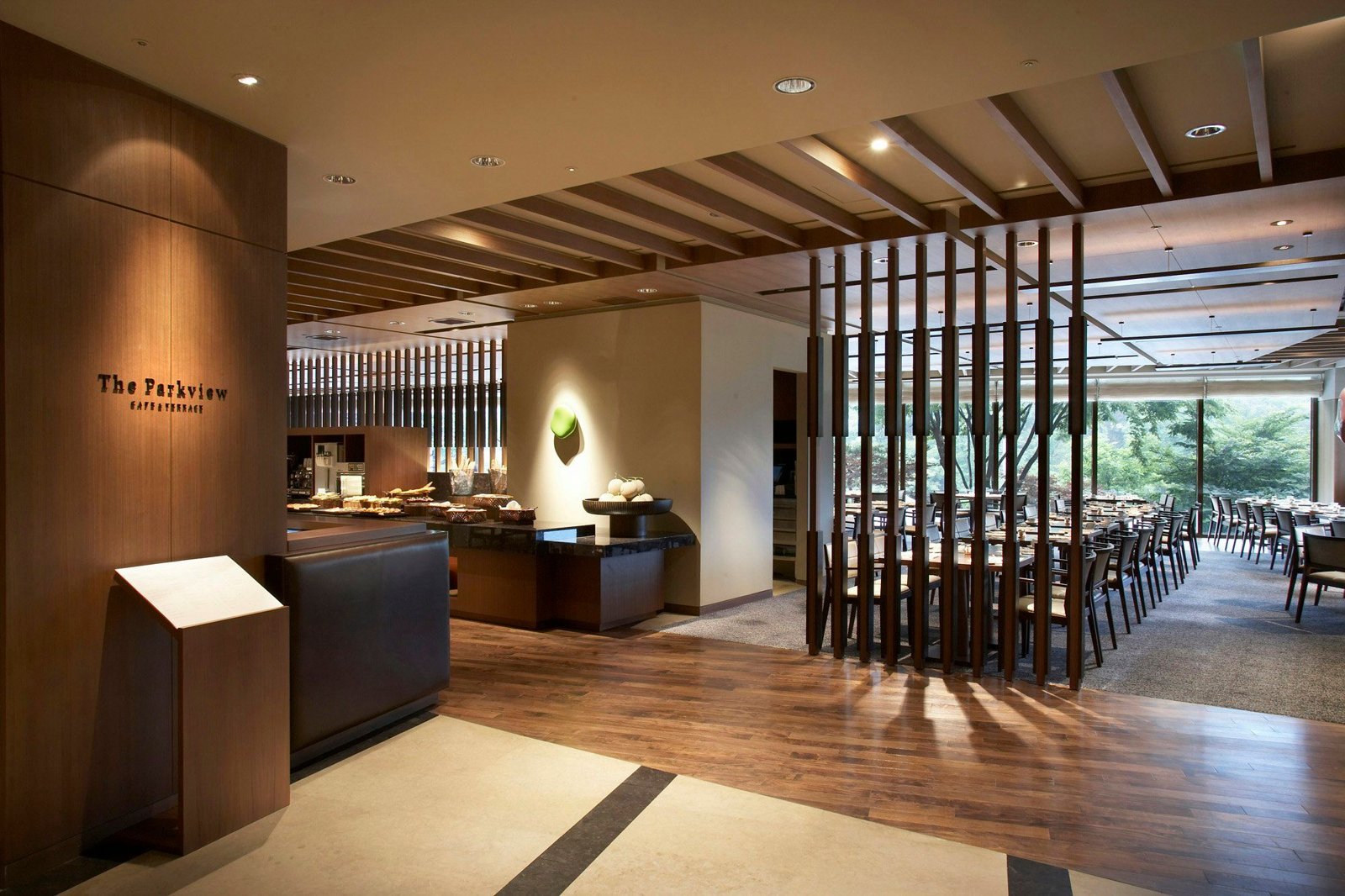
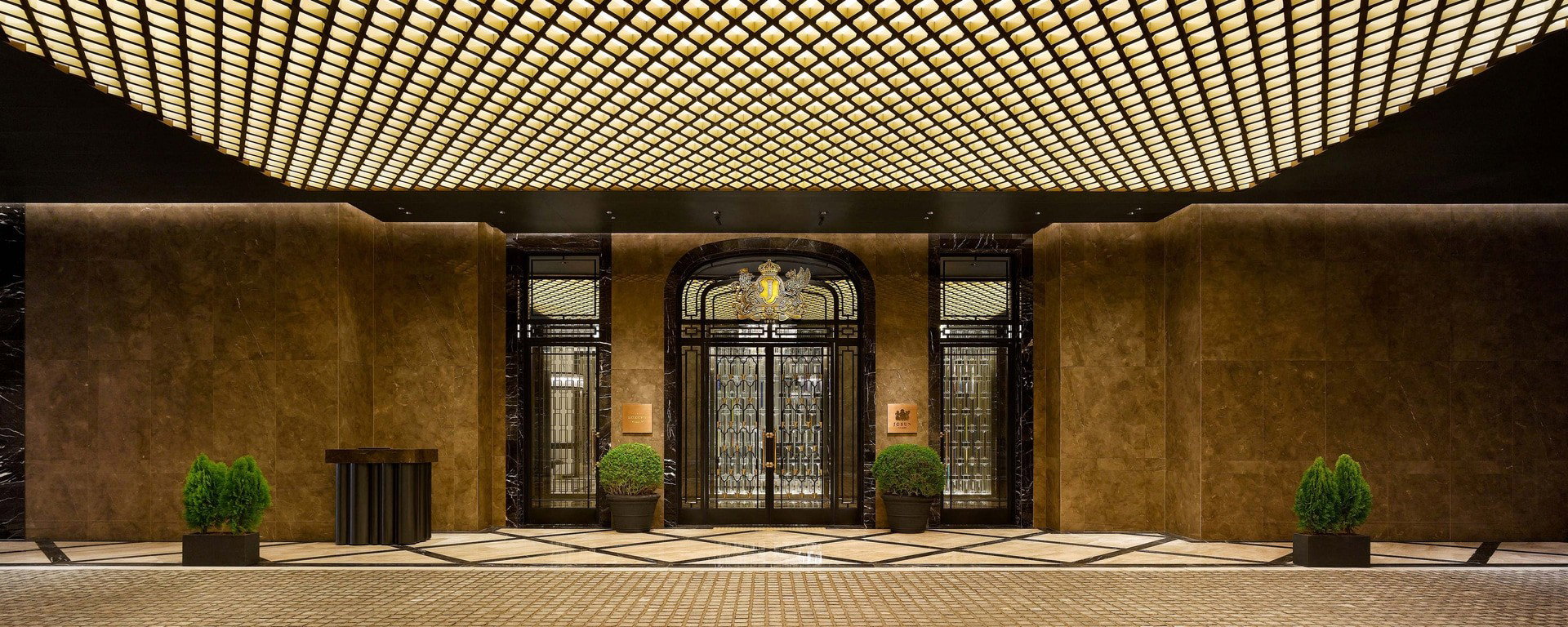
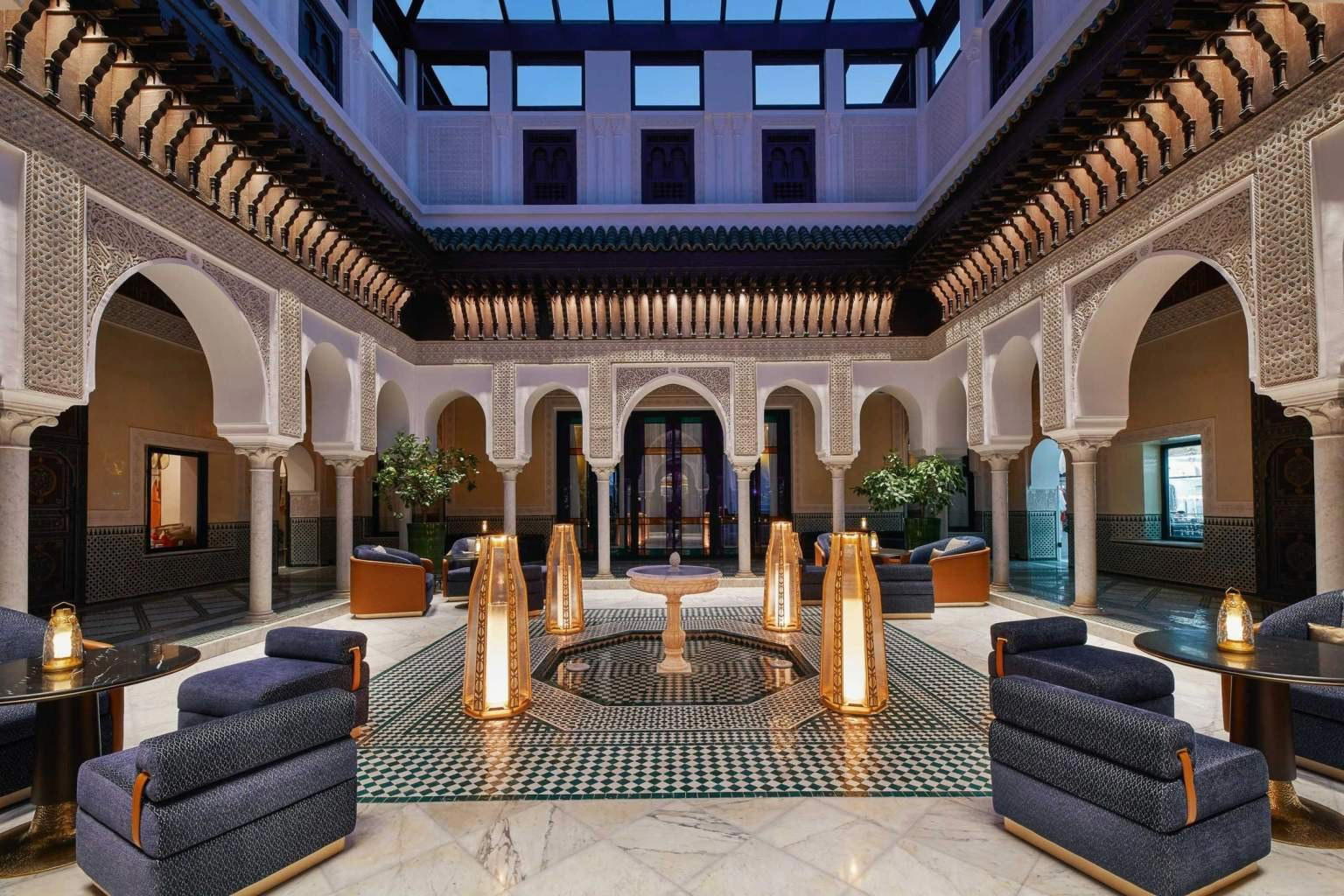
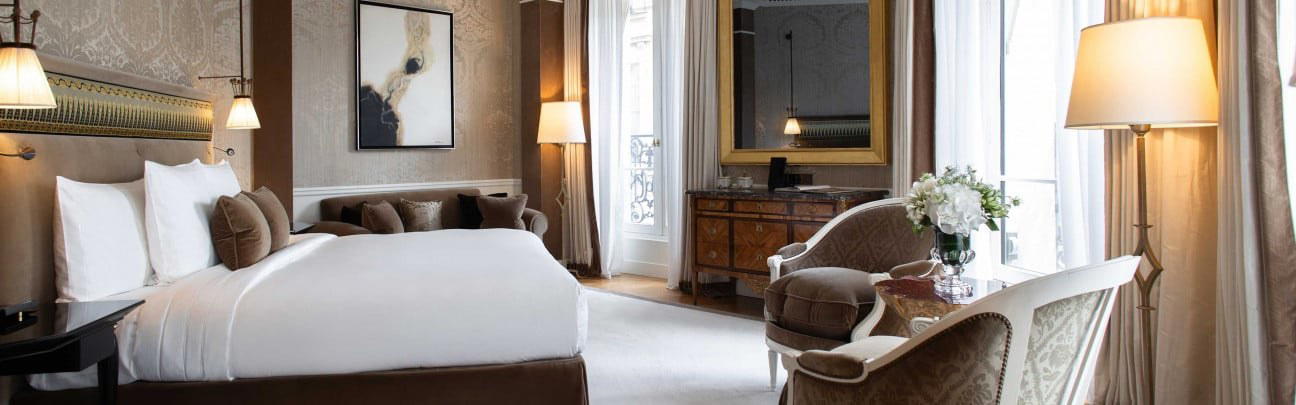
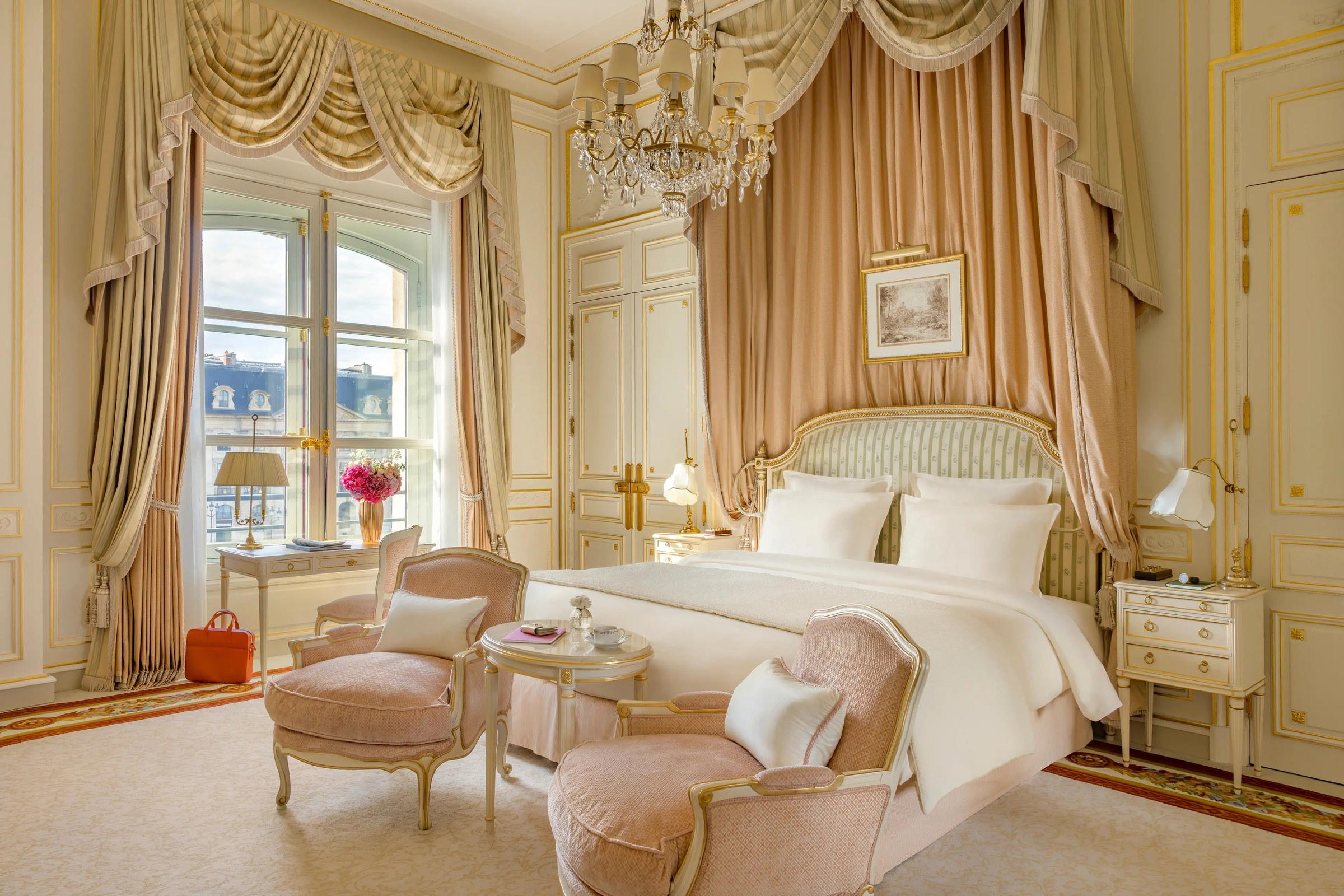
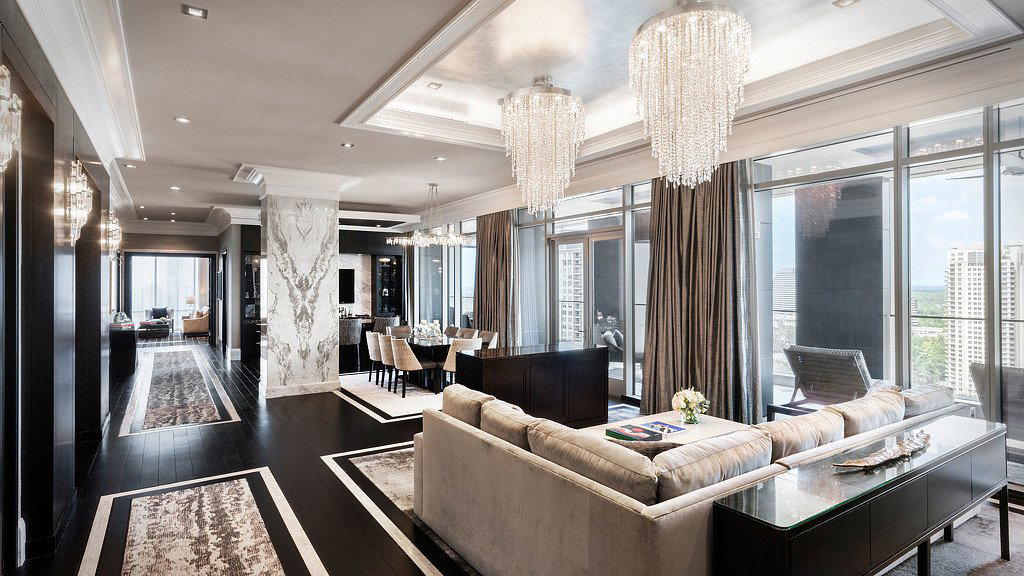
Refined and sophisticated with modern amenities; guests praise the clean, well-maintained facilities and helpful multilingual staff creating a welcoming yet upscale atmosphere.
Tags
Vibe
Best For
Experience
Amenities
View
Accessibility
About the Stay
- Rooms
- 462
- Check-in
- 15:00
- Check-out
- 11:00
- Property Type
- Heritage hotel
- Property Style
- Heritage Luxury Hotel Blending 1914 Historic Architecture with Contemporary Design and Amenities, Positioned as a Premier Business and Leisure Destination.
- Design Style
- Modern Sophistication with Refined Elegance; Contemporary Furnishings Paired with Traditional Korean Design Elements and Signature Westin Comfort Standards.
- Airport Transfer
- Available
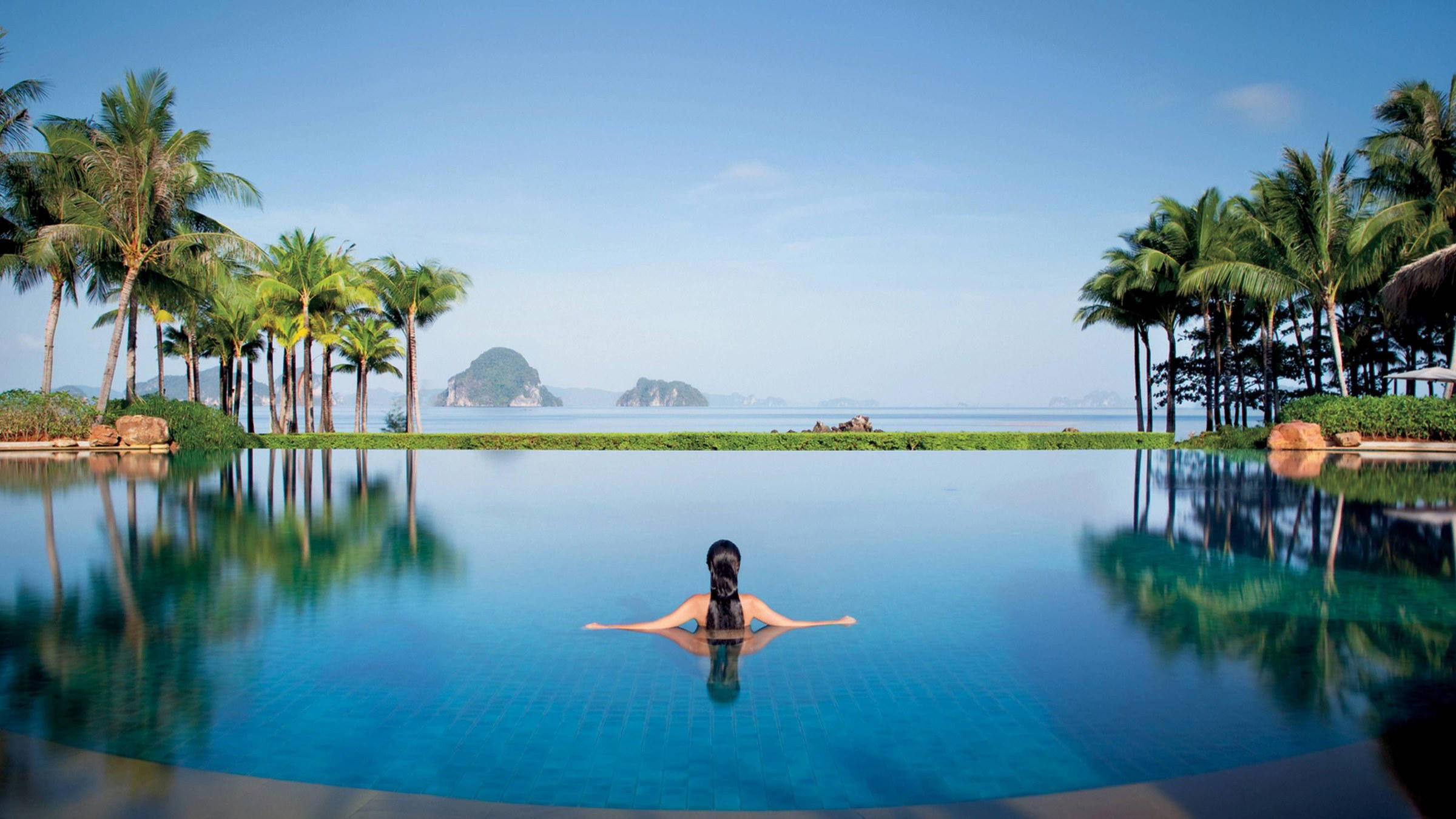
- Pool
- Yes
- Spa
- Yes
- Families
- Welcome
- Cancellation
- Moderate
Know before you go
Know Before You Go
- Getting there
- 106 Sogong-ro, Jung District, Seoul
Planning details
Location
106 Sogong-ro, Jung District, Seoul · Directions
Recognition and awards


Also consider
Also Consider
- Lotte Hotel Seoul, Notable alternative
- THE PLAZA Seoul, Autograph Collection, Notable alternative
- Hotel 28 Myeongdong, Notable alternative
- Hotel28 Myeongdong, Notable alternative
- Le Méridien Seoul Myeongdong, Notable alternative
Hotel context
How it compares in central Seoul
Choose The Westin Josun Seoul if the priority is a recognized central luxury base with strong family and business practicality. Lotte Hotel Seoul is the closest like-for-like cross-shop for travelers who want a large, established city hotel in the same general decision set. The Westin Josun Seoul has the clearer recent awards signal, while Lotte Hotel Seoul is the safer comparison if scale and familiarity matter more than recognition.
THE PLAZA Seoul, Autograph Collection is the sharper choice for travelers who want a more design-forward city stay, while The Westin Josun Seoul is easier to justify for multi-generation trips where convenience and predictability matter. Le Méridien Seoul Myeongdong should be on the list if shopping access is the main driver and the stay is more leisure than corporate.
For value-led travelers, Hotel 28 Myeongdong and Hotel28 Myeongdong are the alternatives to check before committing to a higher-comfort hotel. They make more sense for short stays where the room is mainly a sleep base. The Westin Josun Seoul is the better fit when the hotel itself needs to support a business trip, family schedule, or celebration with more polish.
Explore Seoul
Around this place
Discover more on Pearl
Unlock the full The Westin Josun Seoul guide in Pearl, including awards, comparisons, FAQs, planning details, and nearby places.
Compare The Westin Josun Seoul
| Venue | Location | Awards |
|---|---|---|
| The Westin Josun Seoul | Seoul | 2026 Forbes Recommended2026 La Liste Top Hotels2025 Michelin Selected Hotels2025 Forbes 4-Star |
| Lotte Hotel Seoul | Seoul | 2026 Forbes Recommended2025 Michelin Selected Hotels2025 Forbes Recommended |
| THE PLAZA Seoul, Autograph Collection | Seoul | No published awards |
| Hotel 28 Myeongdong | Seoul | No published awards |
| Hotel28 Myeongdong | Seoul | 2025 Michelin Selected HotelsSmall Luxury Hotels Member 2025 |
| Le Méridien Seoul Myeongdong | Seoul | No published awards |

How The Westin Josun Seoul compares with similar nearby venues.
FAQ
Frequently Asked Questions
How is the location of The Westin Josun Seoul?
The location is Seoul. Specific street, district, landmark, or neighborhood claims should be checked directly with the hotel before planning around them.
Is The Westin Josun Seoul good for business travel?
It may suit business travelers who want a recognized Seoul hotel, and the dress code is business casual. The hotel also has Forbes 4-Star recognition for 2025 and Forbes Recommended recognition for 2026. Confirm any meeting, workspace, or transport needs directly before booking.
How does The Westin Josun Seoul compare to other Seoul hotels?
The Westin Josun Seoul has recognition from La Liste and Forbes. Travelers can also compare it with Lotte Hotel Seoul, THE PLAZA Seoul, Autograph Collection, Le Méridien Seoul Myeongdong, Hotel 28 Myeongdong, and Hotel28 Myeongdong, depending on the style of stay they want.
What is check-in like at The Westin Josun Seoul?
Which room category is best at The Westin Josun Seoul?
Room-category guidance is not available. Choose based on the hotel's current room descriptions and confirm layout, size, bedding, and any work or family needs before booking.
Is The Westin Josun Seoul family-friendly?
Family-specific services and room layouts should be confirmed. Families should confirm bedding, room configuration, dining options, and any child-related services directly with the hotel before booking.