

Hotel28 Myeongdong
소공동, Seoul
Hotel in Seoul, South Korea
 Book with Pearl
The Read
Cinematic Seoul Architecture
Price
$100–200per night
Why go
Hotel28 Myeongdong is worth shortlisting for a central Seoul stay where location and boutique design matter more than large-hotel amenities. Book it when the rate undercuts nearby full-service hotels; compare carefully if prices sit close to Lotte Hotel Seoul, Le Méridien Seoul Myeongdong, or The Westin Josun Seoul.
About Hotel28 Myeongdong
Hotel28 Myeongdong is a hotel in Seoul and a Small Luxury Hotels of the World member in 2025. The dress code is smart casual. For room sizes, facilities, service style, prices, booking difficulty, or on-property dining, check directly with the hotel before you book.
Choose this for a Seoul stay with SLH recognition
Hotel28 Myeongdong's Small Luxury Hotels of the World membership in 2025 is a useful recognition point, but it should not be stretched into assumptions about scale, amenities, room categories, or included services. Treat it as a hotel to evaluate on your dates, rate, and needs rather than on assumed extras.
The dress code is smart casual. For practical planning, that means packing polished, comfortable clothing should be sufficient unless the hotel gives you a more detailed requirement directly.
The value case depends on your actual Seoul itinerary
The booking decision should be made by comparing the live offer against your priorities. Confirm the room type, cancellation terms, included benefits, and any services you need before committing.
If you are comparing Hotel28 Myeongdong with other Seoul hotels, consider whether its profile fits your trip. Lotte Hotel Seoul, The Westin Josun Seoul, Le Méridien Seoul Myeongdong, and L7 Myeongdong are other Seoul options to compare by live rate and booking terms.
Quick reference: book if Hotel28 Myeongdong's Seoul location, smart casual setting, and 2025 Small Luxury Hotels of the World membership fit your plans; compare carefully if you need specific facilities, room features, or service details.
Planning details
- Location
- 13 Myeongdong 7-gil, Jung District, Seoul
- Website
- hotel28.co.kr/view/index.do?SS_SVC_LANG_CODE=ENG
- Phone
- +82 2-774-2828
The take
The Take
The Vibe
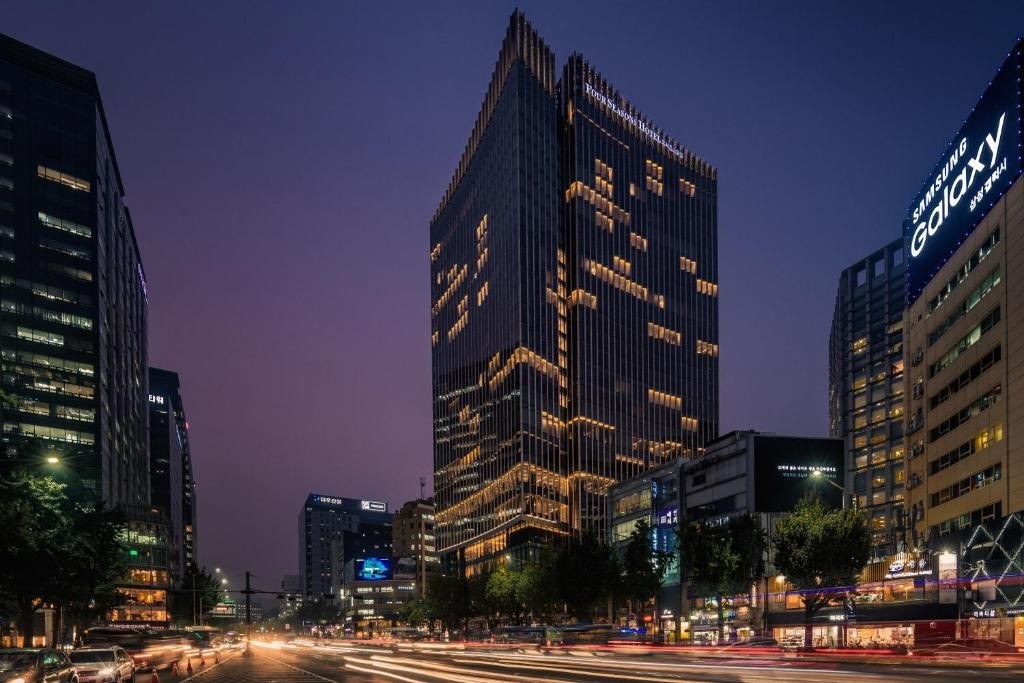
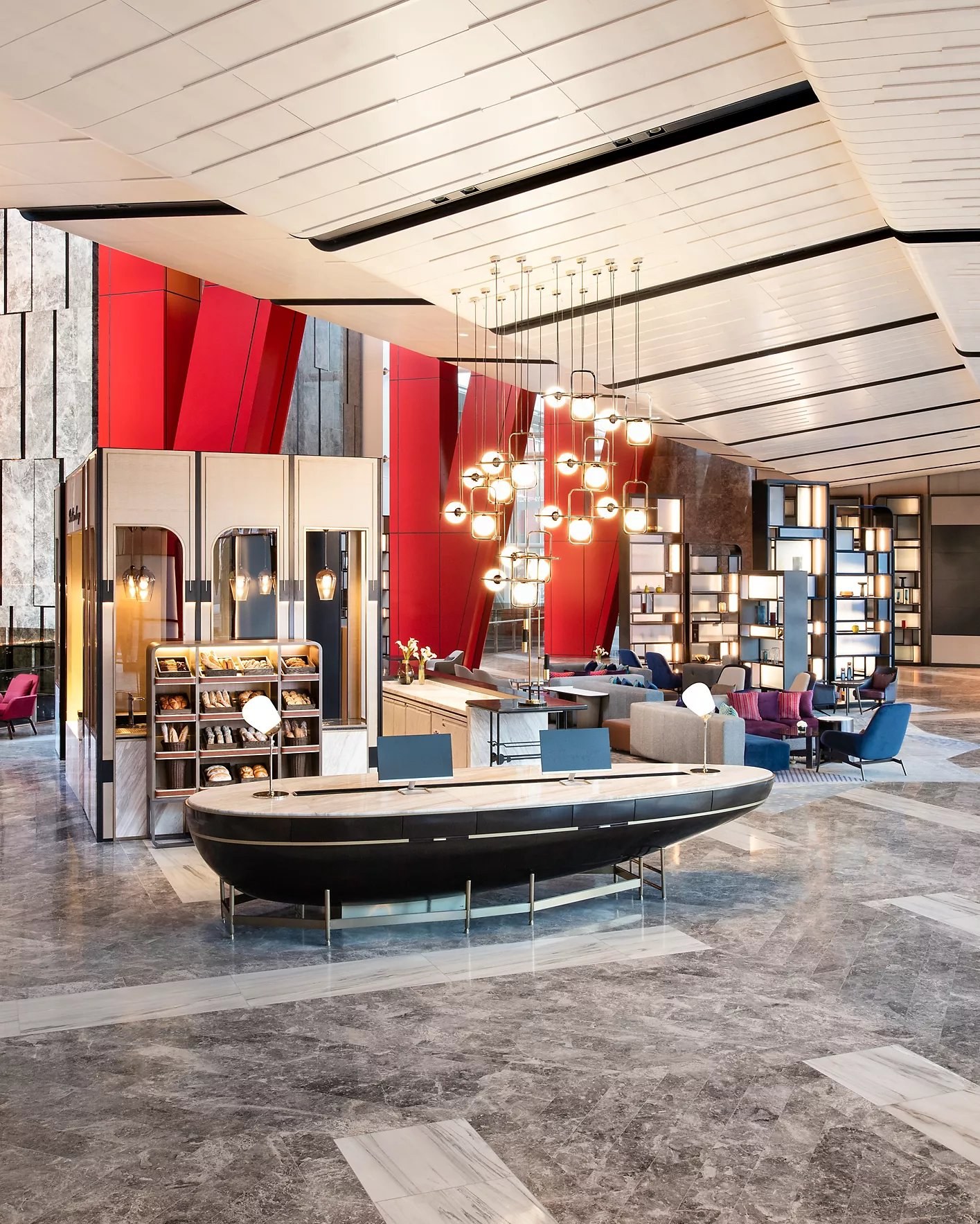
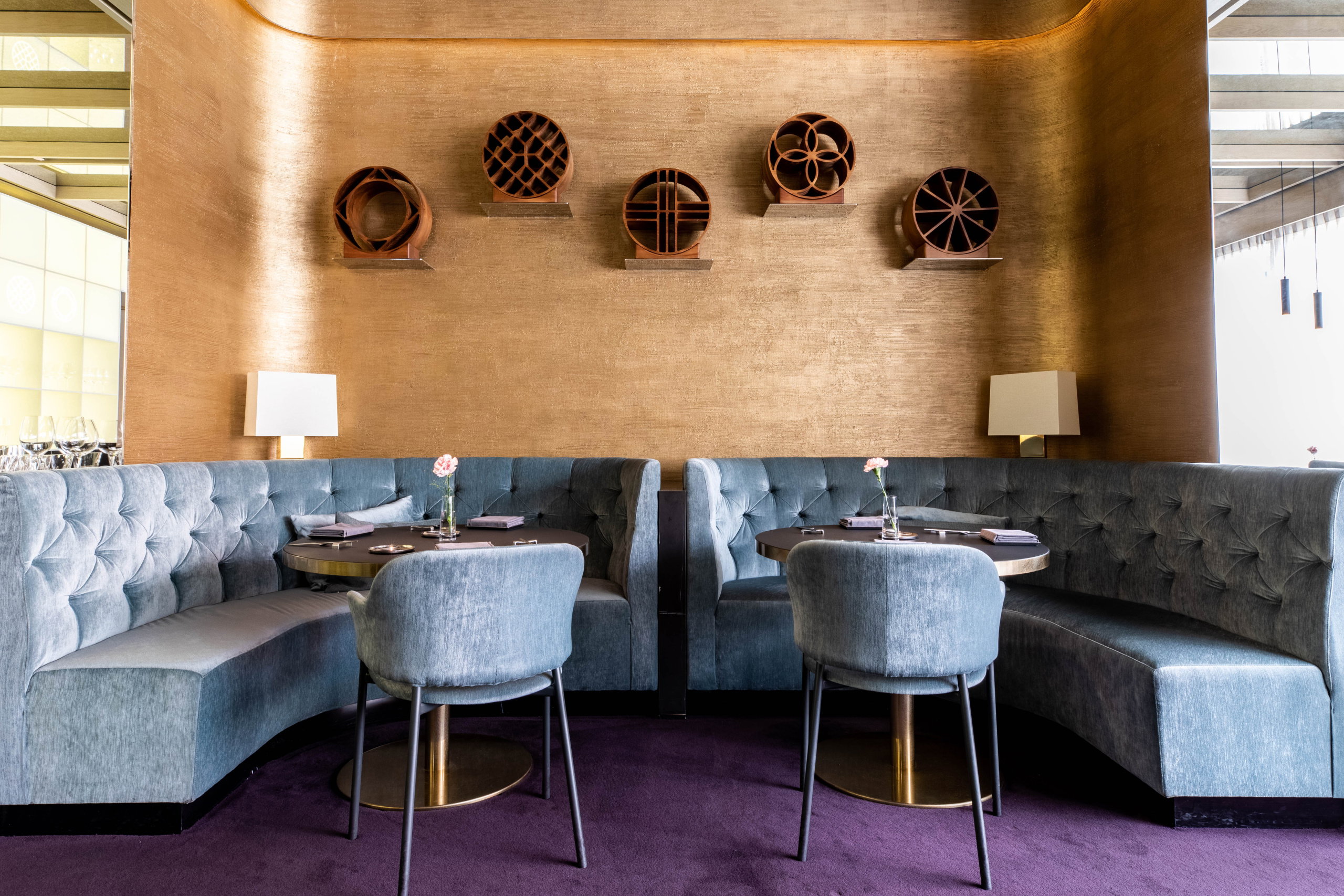
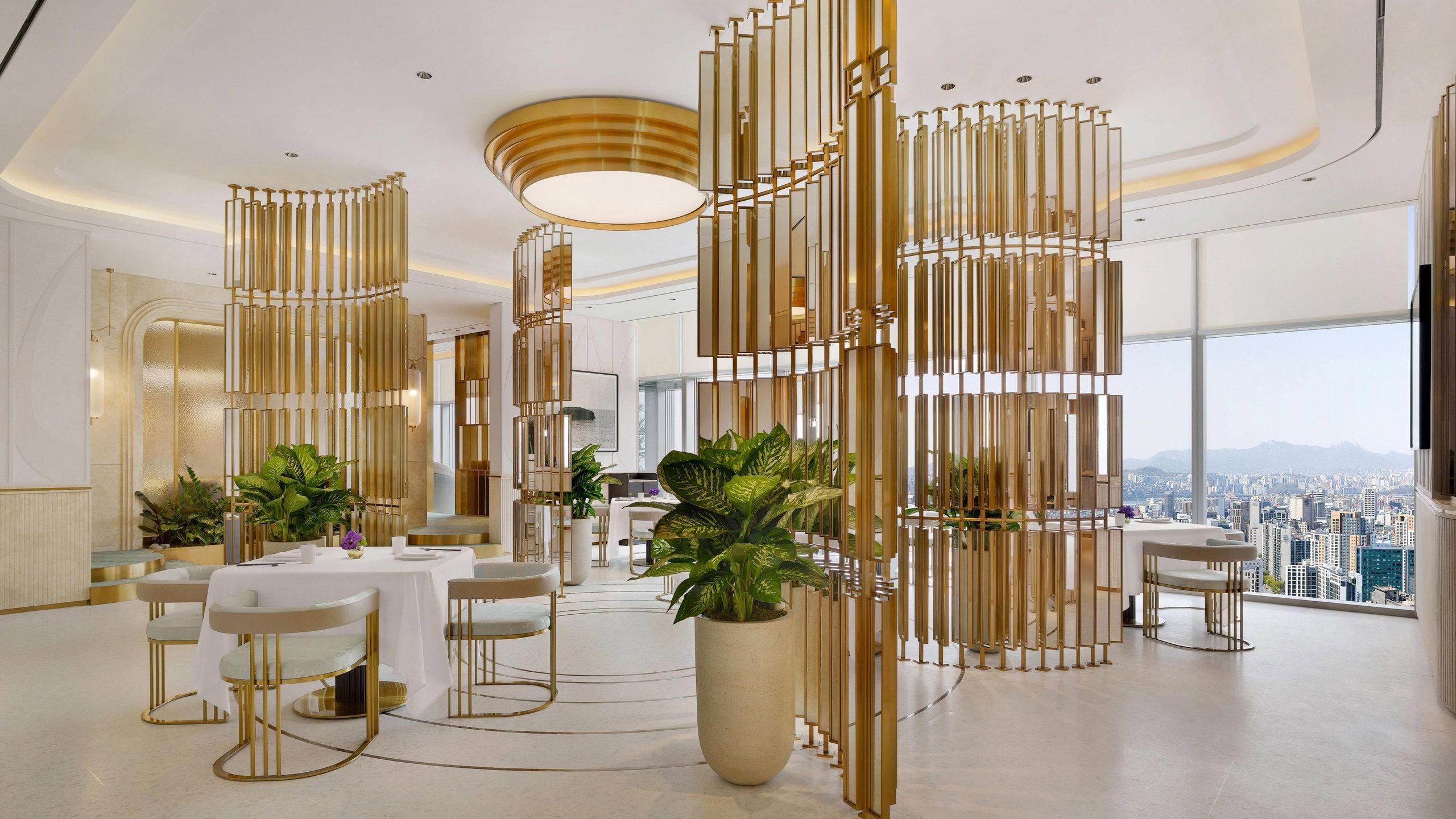
Hotel28 Myeongdong reads as a deliberate architectural statement in a district defined by hustle and commercial façades. Its glass-and-grid exterior and sharp lines foreground an intentional design language that reflects the city back at street level. Inside, the hotel threads a cinema theme through programming and public moments, positioning film as a cultural lens rather than a gimmick. The result is a boutique property that feels considered and architecturally confident — a contrast to the standardized international chains nearby — and a place where design and local cultural references inform the guest experience.
Best For
This hotel suits travelers who prize design and cultural context over generic scale. Solo explorers and culture-minded visitors find it a useful base: the property explicitly frames itself through Korean cinema, offering programmed moments that help orient guests to Seoul’s artistic identity. Couples seeking an elevated urban outing will appreciate the cinematic bent and the hotel’s deliberate stance within Myeongdong’s busy retail corridor. It also works well for anyone who wants a boutique alternative to chain hotels while staying in the middle of the action.
Stay Tips
Make use of the hotel's film programming: screenings and curated coffee-and-film moments are presented as part of the hotel's identity, so check the schedule at check-in or on the property’s website. Treat the hotel as a cultural outpost in Myeongdong — ask staff for recommendations that link cinematic programming to nearby galleries, screenings, or walking routes. Because the neighbourhood is dense and pedestrian-focused, plan time on foot to explore street vendors and shopfronts rather than relying entirely on transit.
Venue details
Ambiance
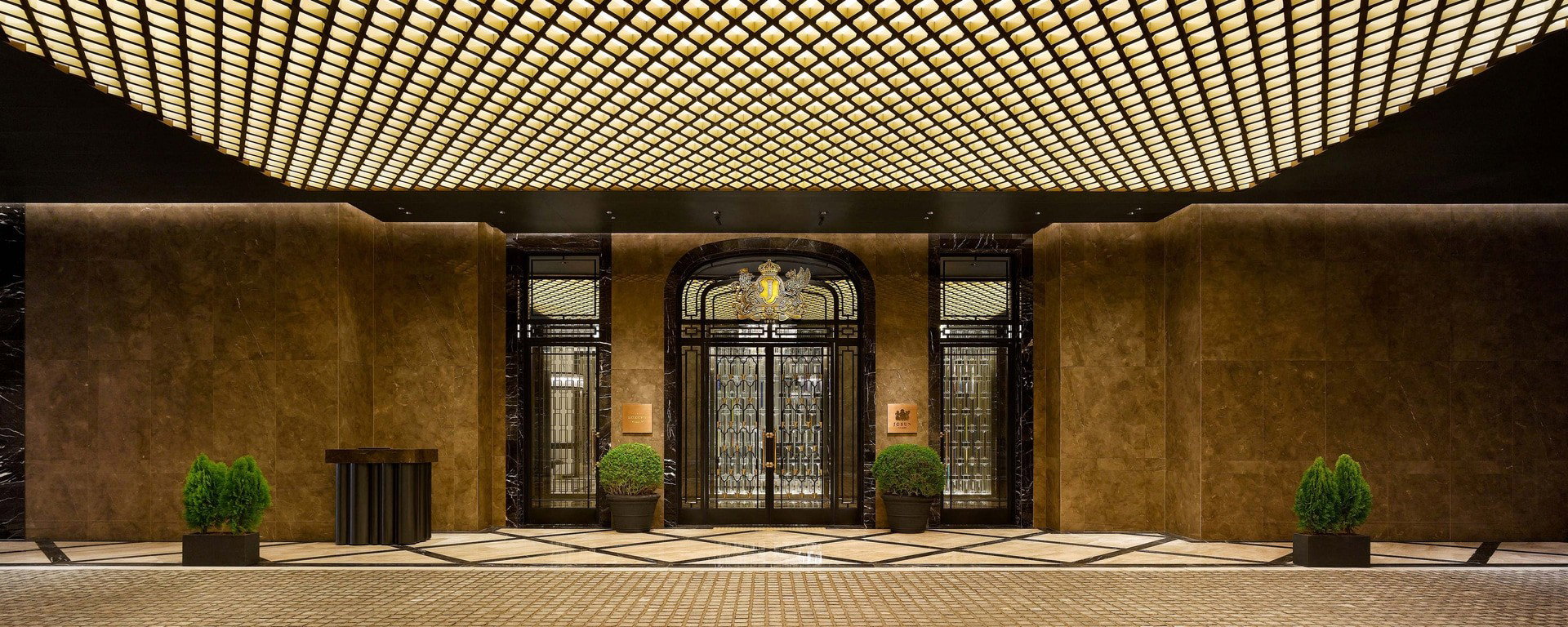
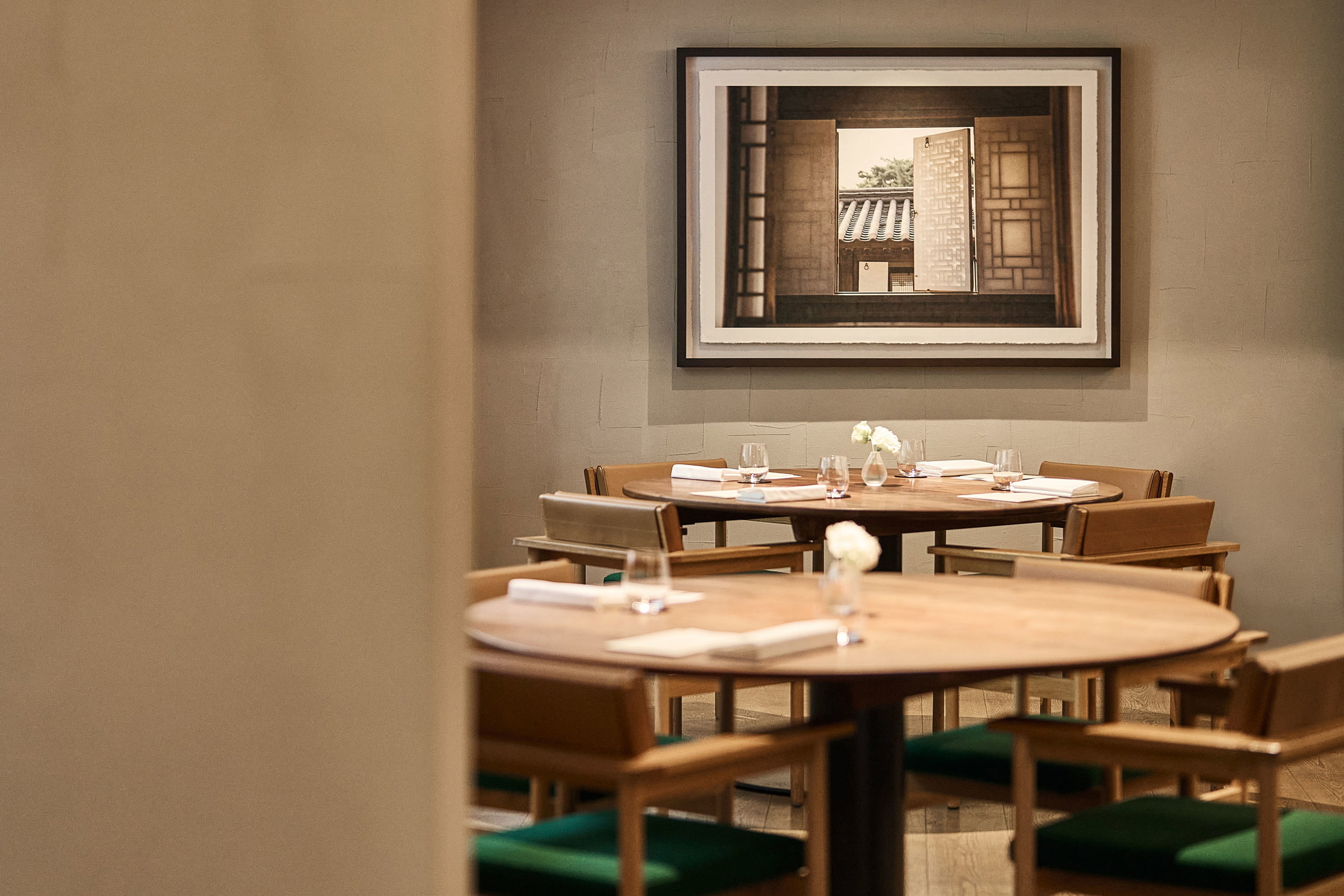
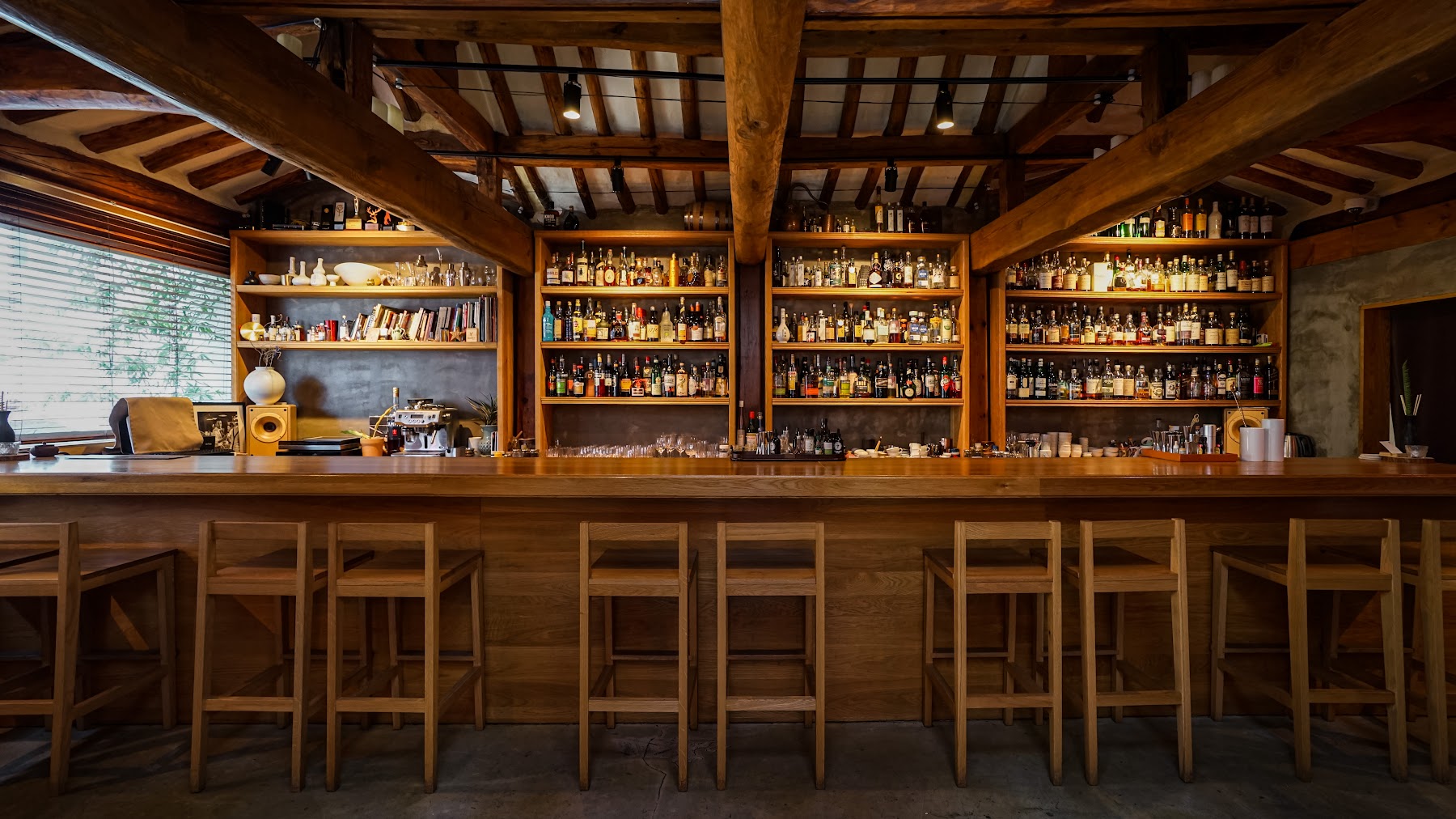
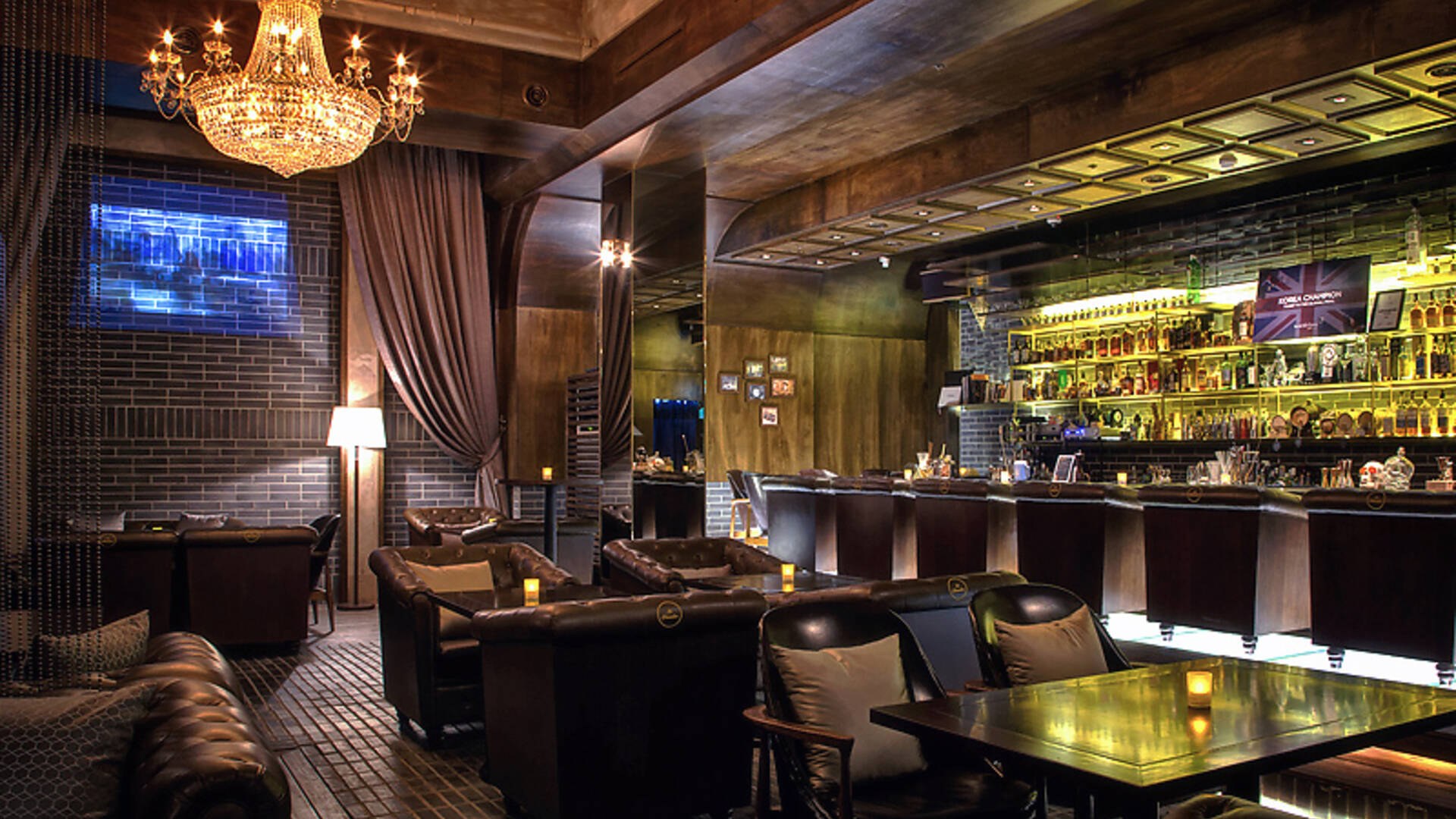
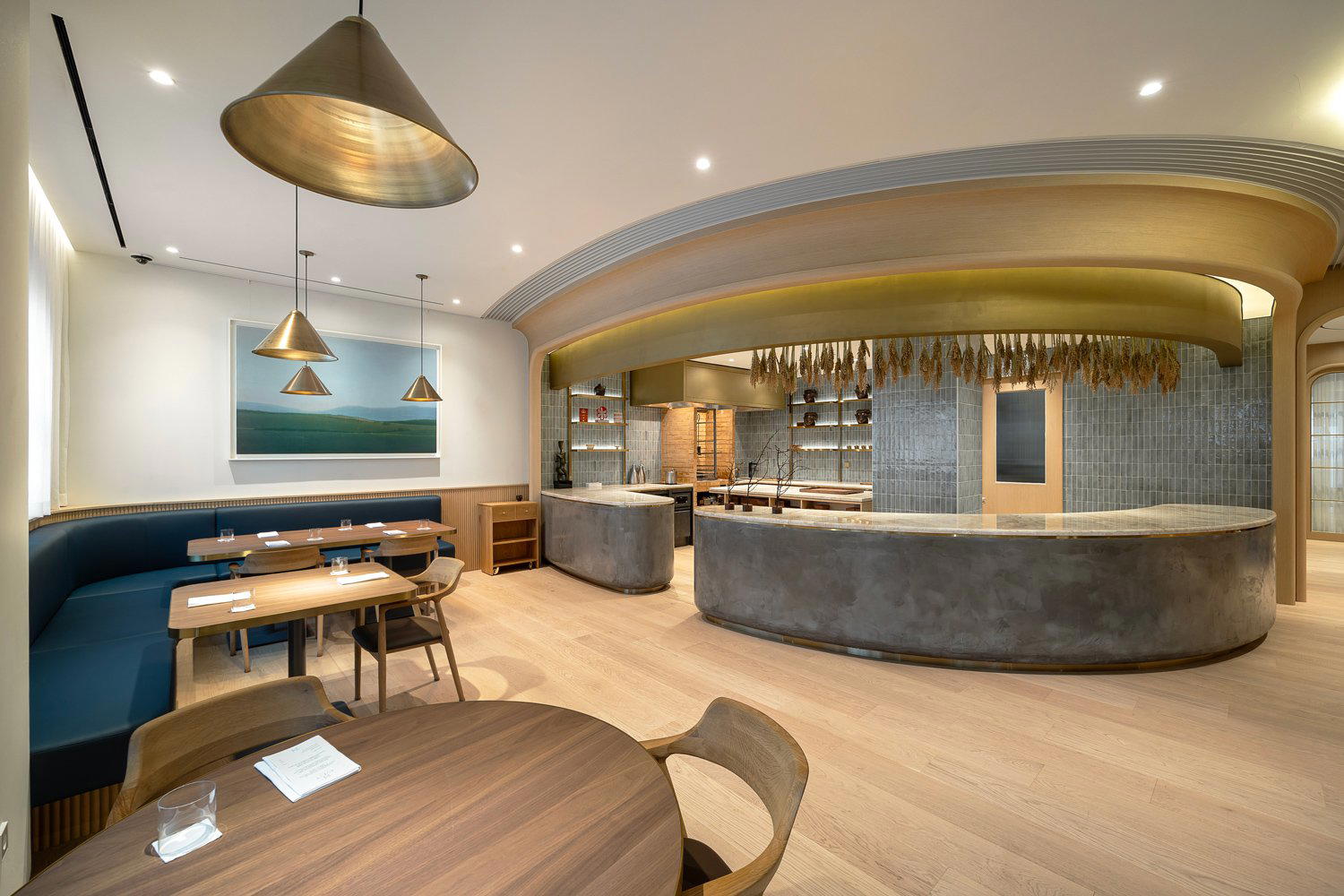
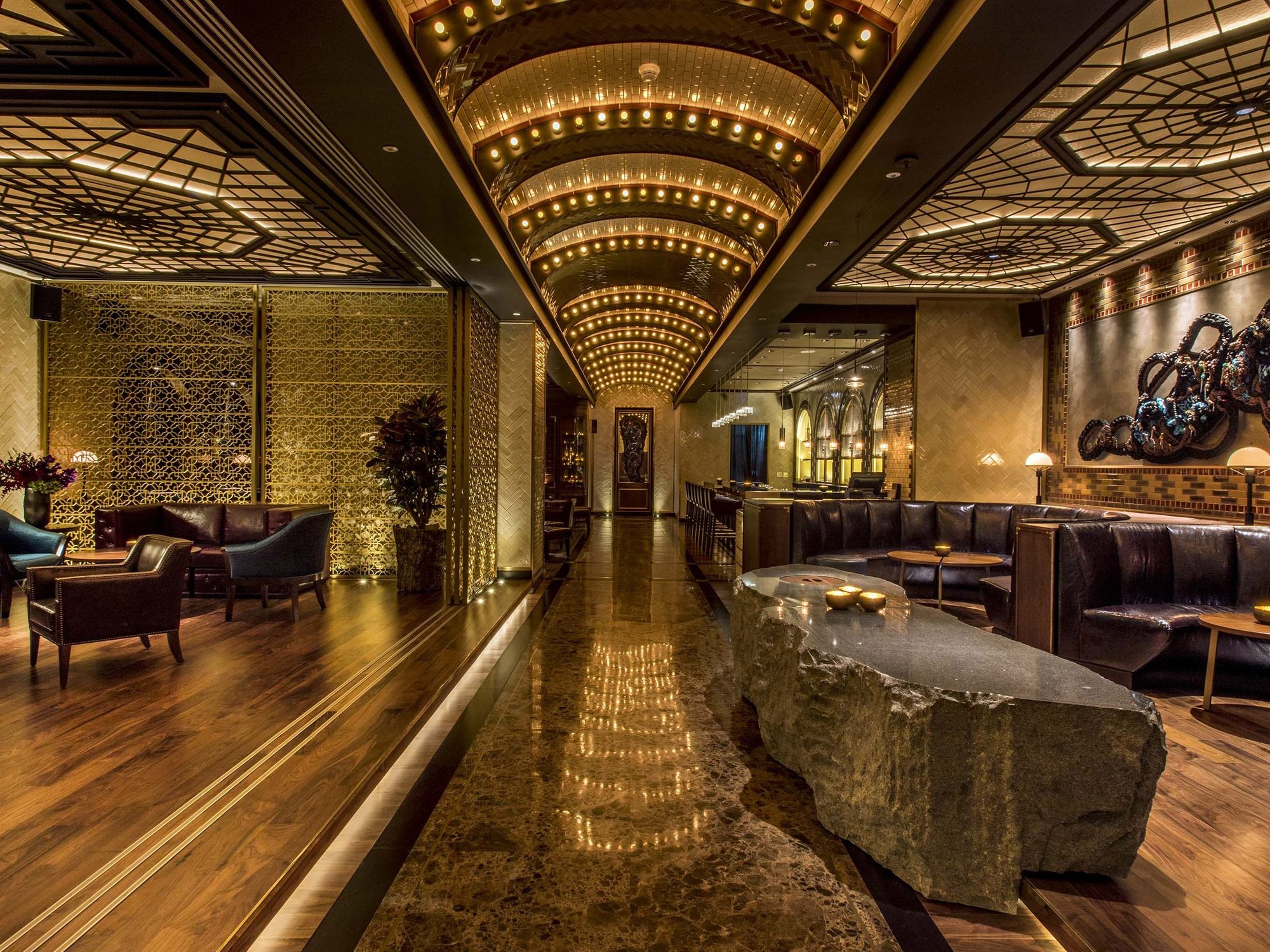
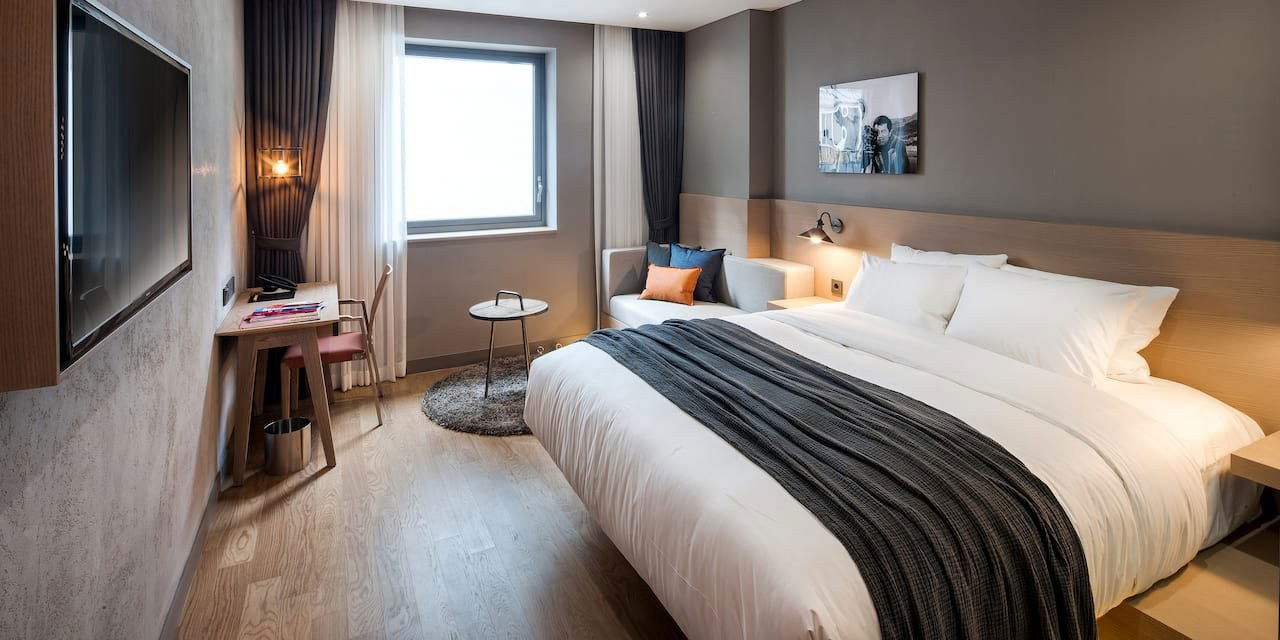
Contemporary black-and-gold art deco aesthetic inspired by classic movie houses, with subtle cinema-themed details including film stills and dressing-room-style lighting; sophisticated yet welcoming atmosphere with excellent sound insulation creating a peaceful retreat despite the bustling Myeongdong location.
Tags
Vibe
Best For
Experience
Amenities
View
Accessibility
About the Stay
- Rooms
- 83
- Check-in
- 15:00
- Check-out
- 11:00
- Property Type
- Boutique hotel
- Property Style
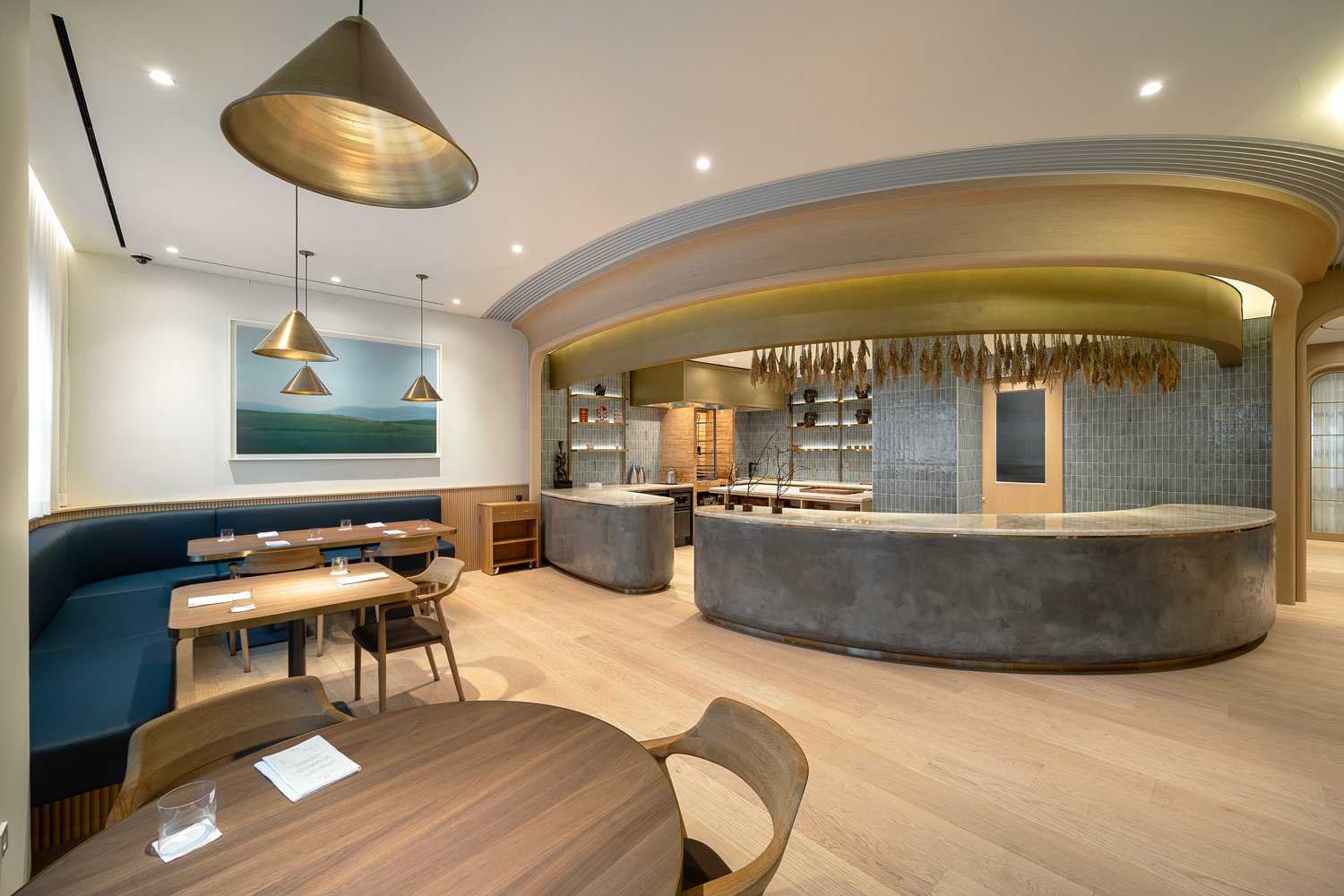
- Contemporary Boutique Hotel with Cinematic Heritage Theme, Blending Art Deco Design Elements with Modern Minimalism.
- Design Style
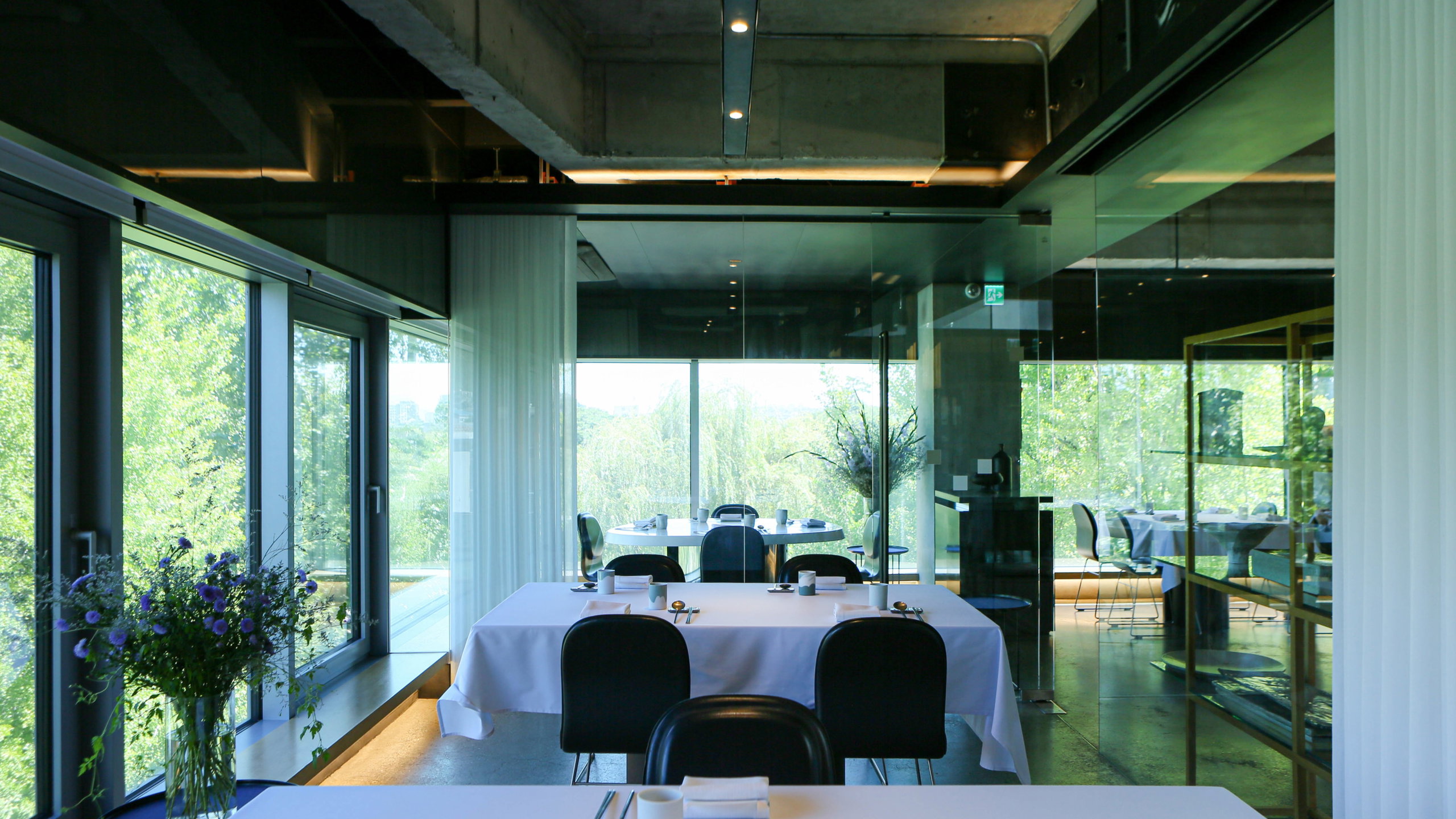
- Sleek Contemporary with Black and White Cinema Aesthetic; Industrial Inspired with Sharp Lines, Glass Walls, and Subtle Nods to Classic Korean Films Through Wall Stills and Hollywood Style Mirror Lighting.
- Airport Transfer
- Available
- Families
- Welcome
- Cancellation
- Moderate
Know before you go
Know Before You Go
- Getting there
- 13 Myeongdong 7-gil, Jung District, Seoul
Planning details
Location
13 Myeongdong 7-gil, Jung District, Seoul · Directions
Recognition and awards

Also consider
Where to look if this is not the right fit
If the goal is the lowest-friction Myeongdong base, compare rates with L7 Myeongdong. If the trip needs a fuller hotel setup, start with Lotte Hotel Seoul before deciding whether Hotel28 Myeongdong offers enough savings.
Hotel context
How Hotel28 Myeongdong compares in Seoul
Against Lotte Hotel Seoul, Hotel28 Myeongdong is the more compact, design-forward choice. Lotte is the safer pick for travelers who want a larger hotel environment and broader service expectations; Hotel28 makes more sense when the trip is about being out in central Seoul and using the room efficiently.
Le Méridien Seoul Myeongdong is the closer cross-shop for guests who want the same neighborhood with a more conventional upscale-hotel feel. If rates are similar, Le Méridien is easier to justify for travelers who value brand familiarity. If Hotel28 is cheaper, the boutique format becomes the better value for couples and solo travelers.
The Westin Josun Seoul and The Westin Josun Seoul Hotel skew more classic and corporate, while L7 Myeongdong is the cleaner value comparison for a practical neighborhood stay. Choose Hotel28 when ambiance matters; choose L7 when price is the main filter.
Explore Seoul
Around this place
Discover more on Pearl
Unlock the full Hotel28 Myeongdong guide in Pearl, including awards, comparisons, FAQs, planning details, and nearby places.
Compare Hotel28 Myeongdong
| Venue | Location | Awards |
|---|---|---|
| Hotel28 Myeongdong | Seoul | 2025 Michelin Selected HotelsSmall Luxury Hotels Member 2025 |
| Lotte Hotel Seoul | Seoul | 2026 Forbes Recommended2025 Michelin Selected Hotels2025 Forbes Recommended |
| Le Méridien Seoul Myeongdong | Seoul | No published awards |
| The Westin Josun Seoul | Seoul | 2026 Forbes Recommended2026 La Liste Top Hotels2025 Michelin Selected Hotels2025 Forbes 4-Star |
| The Westin Josun Seoul Hotel | Seoul | No published awards |
| L7 Myeongdong | Seoul | No published awards |


How Hotel28 Myeongdong Seoul compares with similar nearby venues.
FAQ
Frequently Asked Questions
Do loyalty programs work at Hotel28 Myeongdong?
Hotel28 Myeongdong is a Small Luxury Hotels of the World member in 2025. Any specific loyalty benefits, earning rules, or booking perks should be confirmed through the hotel or your booking channel. If you are comparing other Seoul options, Lotte Hotel Seoul or The Westin Josun Seoul may also be worth checking.
Which room category is best at Hotel28 Myeongdong?
Choose based on the live room description, bed setup, cancellation policy, and price shown for your dates. If you want to compare another Seoul hotel, Lotte Hotel Seoul is one option to review.
When is the best time to book Hotel28 Myeongdong?
If your Seoul dates are fixed, compare current rates and cancellation terms before booking. Le Méridien Seoul Myeongdong is another Seoul hotel to compare if you are weighing similar plans.
What is check-in like at Hotel28 Myeongdong?
Confirm arrival time, luggage storage, and any identification or deposit requirements directly with the hotel. If you want another Seoul hotel for comparison, The Westin Josun Seoul is one option to review.
How does Hotel28 Myeongdong compare to other Seoul hotels?
Hotel28 Myeongdong is a Small Luxury Hotels of the World member in 2025 and has a smart casual dress code. For comparison, Lotte Hotel Seoul, The Westin Josun Seoul, Le Méridien Seoul Myeongdong, and L7 Myeongdong are other Seoul hotels to evaluate by live rate and booking terms.
Is Hotel28 Myeongdong family-friendly?
Families should confirm room occupancy, bedding, and any child-related services directly before booking. The Westin Josun Seoul or Lotte Hotel Seoul can also be compared as other Seoul hotel options.