

Hotel Splendide Royal Roma
Ludovisi, Rome
Hotel in Rome, Italy
 Book with Pearl
The Read
Pinciano Park-Gate Address
Why go
Hotel Splendide Royal Roma is a strong fit for a formal special-occasion stay near Villa Borghese and Rome's historic center. Suite-level makes sense when the room is part of the celebration; standard-level is the sharper call if the itinerary is built around restaurants, museums, and bars.
About Hotel Splendide Royal Roma
Hotel Splendide Royal Roma is a Rome hotel to consider when you want a stay with notable external recognition rather than an invented checklist of amenities. The clearest signals are direct: smart casual dress code, Leading Hotels of the World membership for 2025, and MICHELIN Guide hotel selection for 2025.
For room categories, pricing, facilities, dining format, and service details, the safest booking approach is to match the hotel to the broad trip brief rather than to assumptions. If the stay is for a special occasion, compare room options directly with the hotel or booking channel; if the hotel is mainly a base for time in Rome, keep the decision focused on budget, location within the city, and the level of hotel recognition you value.
Choose it for a recognized Rome hotel stay
Hotel Splendide Royal Roma belongs in a serious Rome hotel shortlist because it has 2025 recognition from Leading Hotels of the World and the MICHELIN Guide hotel selection. Those are useful trust signals, but they should not be stretched into claims about exact service style, room size, amenities, or the guest experience.
The dress code is smart casual. Beyond that, travelers should avoid assuming a specific atmosphere, restaurant format, wellness setup, or nightlife angle unless those details are checked directly before booking. For comparison in Rome, W Rome, Hotel Eden, or Hotel Eden, Dorchester Collection may also be relevant.
Dining should support the stay, not define the whole booking
Do not book solely for a restaurant-led trip unless the dining details match the specific plan being made. Check the current cuisine, chef, menu format, and pricing before making in-house dining the reason to choose the hotel. For restaurant planning, use Our full Rome restaurants guide and keep the hotel decision focused on recognition, Rome location, and the room choice available at booking.
The stronger case is simple: Hotel Splendide Royal Roma is in Rome, has a smart casual dress code, is a Leading Hotels of the World member for 2025, and is selected by the MICHELIN Guide hotels list for 2025. Those signals can support confidence, but they do not replace checking current room, rate, and amenity details before committing.
Who should cross-shop before committing
If comparison shopping is part of the decision, compare current rates and room types with Sofitel Roma Villa Borghese, Hotel Eden, Hotel Eden, Dorchester Collection, or W Rome. Keep the comparison focused on current booking terms and practical trip needs.
For broader planning, scan Our full Rome hotels guide, then build the rest of the trip through Our full Rome bars guide, Our full Rome wineries guide, and Our full Rome experiences guide. Other Rome hotel comparisons to consider include Baglioni Hotel Regina, Sofitel Roma Villa Borghese, W Rome, and Hotel Eden.
Quick reference: book if the Rome location and 2025 hotel recognition fit your trip; check room, dining, wellness, and service details directly before relying on them.
Inside Hotel Splendide Royal Roma
Planning details
- Location
- Via di Porta Pinciana, 14, 00187 Roma RM
- Website
- splendideroyal.com
- Phone
- +39 06 421689
The take
The Take
The Vibe
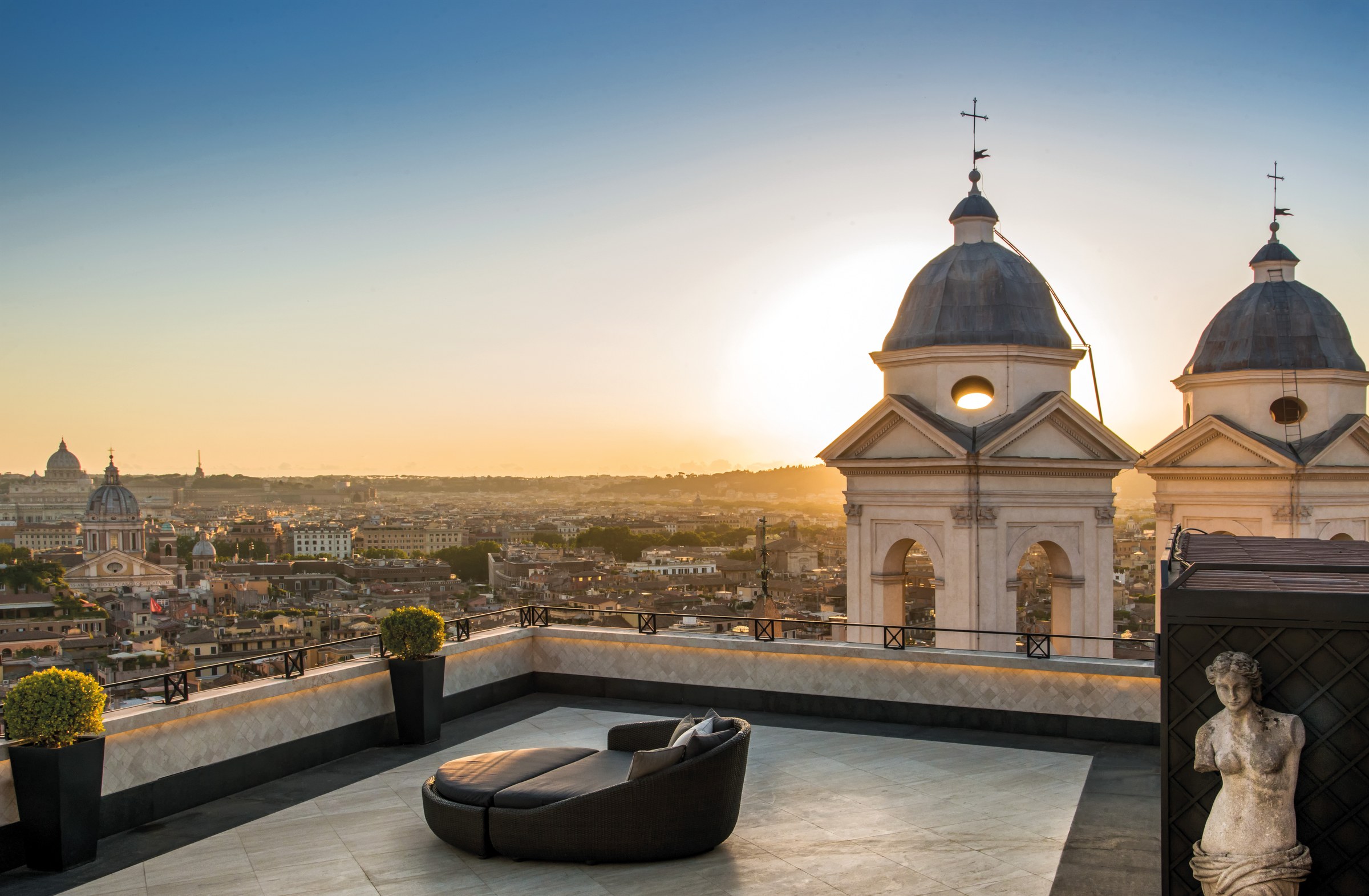
Hotel Splendide Royal Roma reads like a small Roman palace: a palazzo conversion whose authority comes from address and history rather than scale. Sitting at the Pincian Hill end of Via Veneto and close to the Villa Borghese gardens, the property cultivates a deliberate, measured atmosphere that leans on old‑world grand‑hotel traditions. The copy emphasizes continuity with the city’s patrician past and a guest profile that values neighborhood context as much as in‑house luxuries. Membership in Leading Hotels of the World reinforces the impression of a carefully maintained, historically grounded stay.
Best For
This hotel is best for travellers who prize location and history—guests on romantic getaways, honeymoons, and anniversaries are an obvious fit, but it also suits culturally minded visitors who plan to explore the centro storico and Villa Borghese. The property’s placement on the quieter Pincian Hill end of Via Veneto makes it appropriate for stays that pair measured, elegant accommodations with nearby gardens and classic Roman promenades. The hotel’s inclusion in the Leading Hotels network signals a level of service and consistency that appeals to discerning leisure travellers.
Stay Tips
Choose this address when your priority is neighbourhood as part of the experience: the hotel’s proximity to Villa Borghese and its placement on the Pincian Hill end of Via Veneto are repeatedly foregrounded in the description. The copy stresses the property’s historic provenance and membership in Leading Hotels of the World, so expect standards of service and a well‑developed food‑and‑beverage offering. If you value the context of a stay as much as amenities, this hotel is presented as a curated base for exploring Rome’s patrician quarters.
Venue details
Ambiance
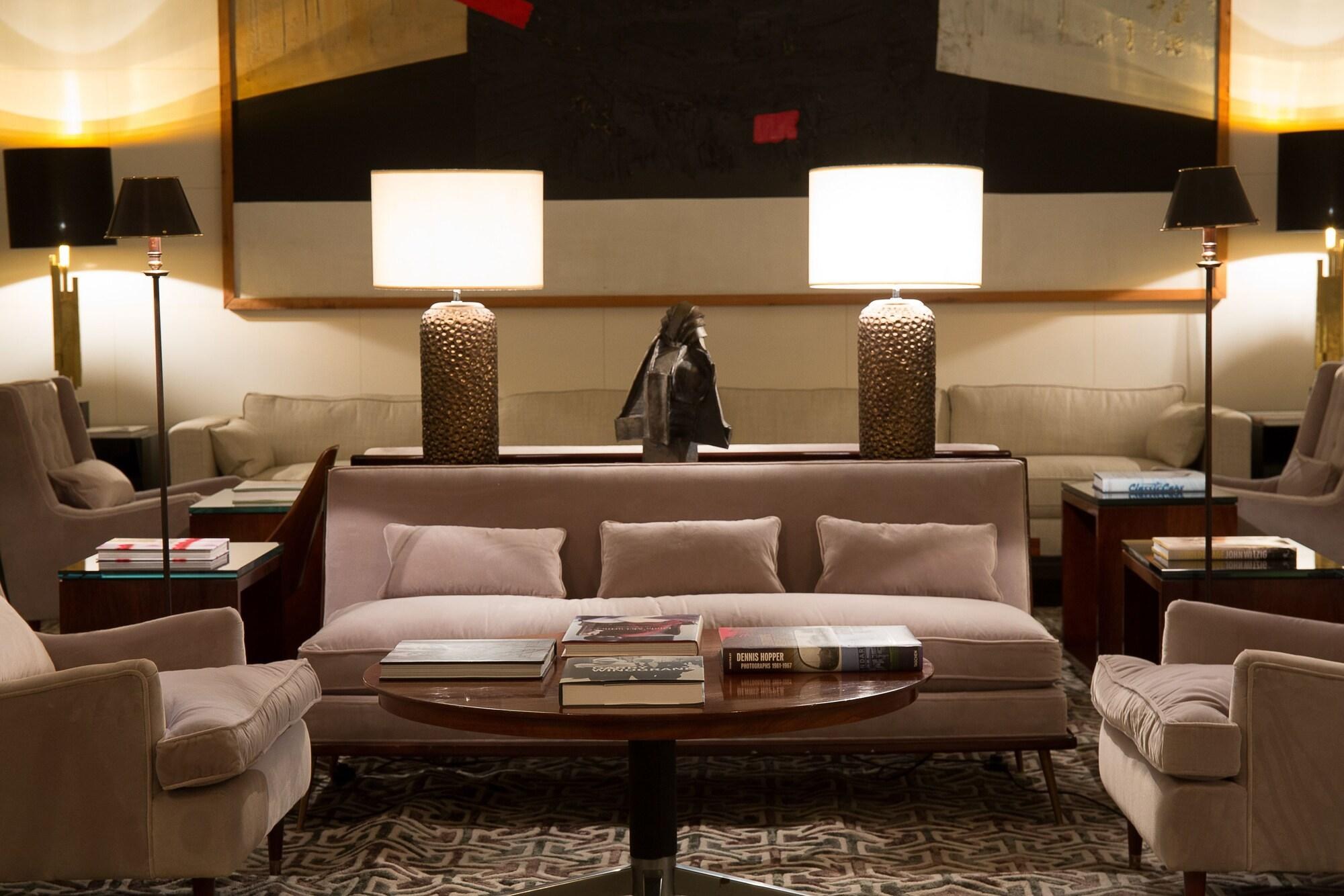
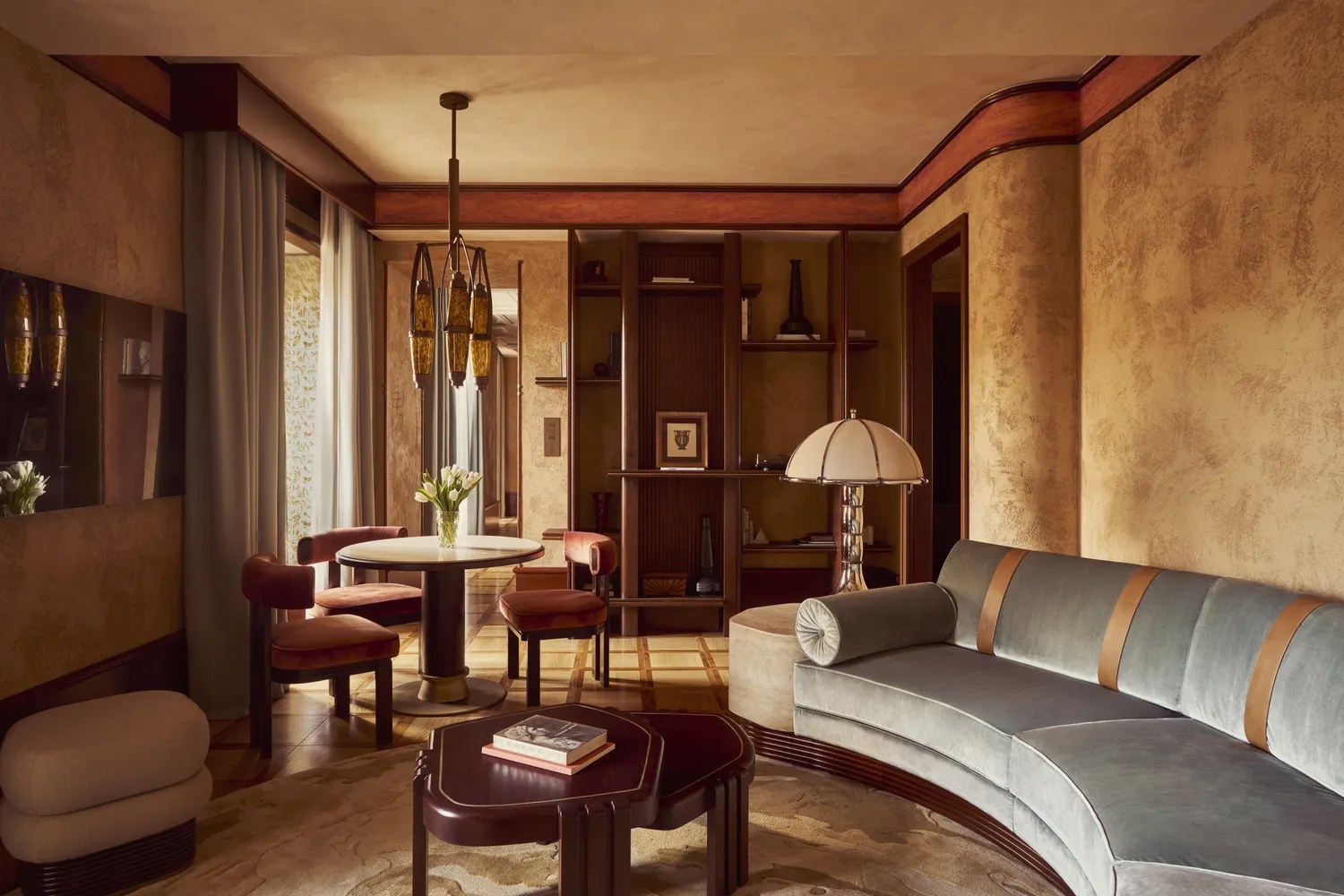
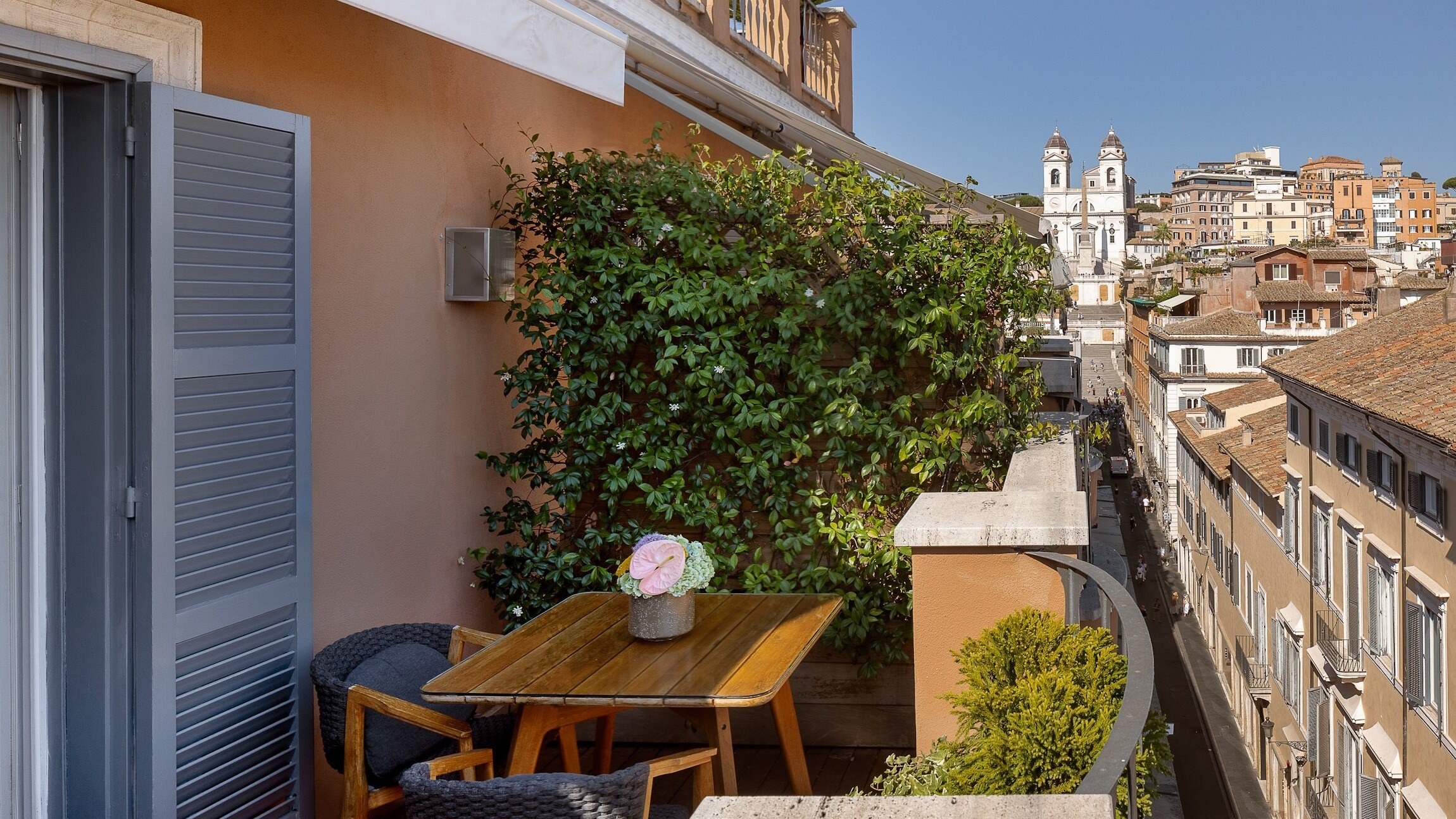
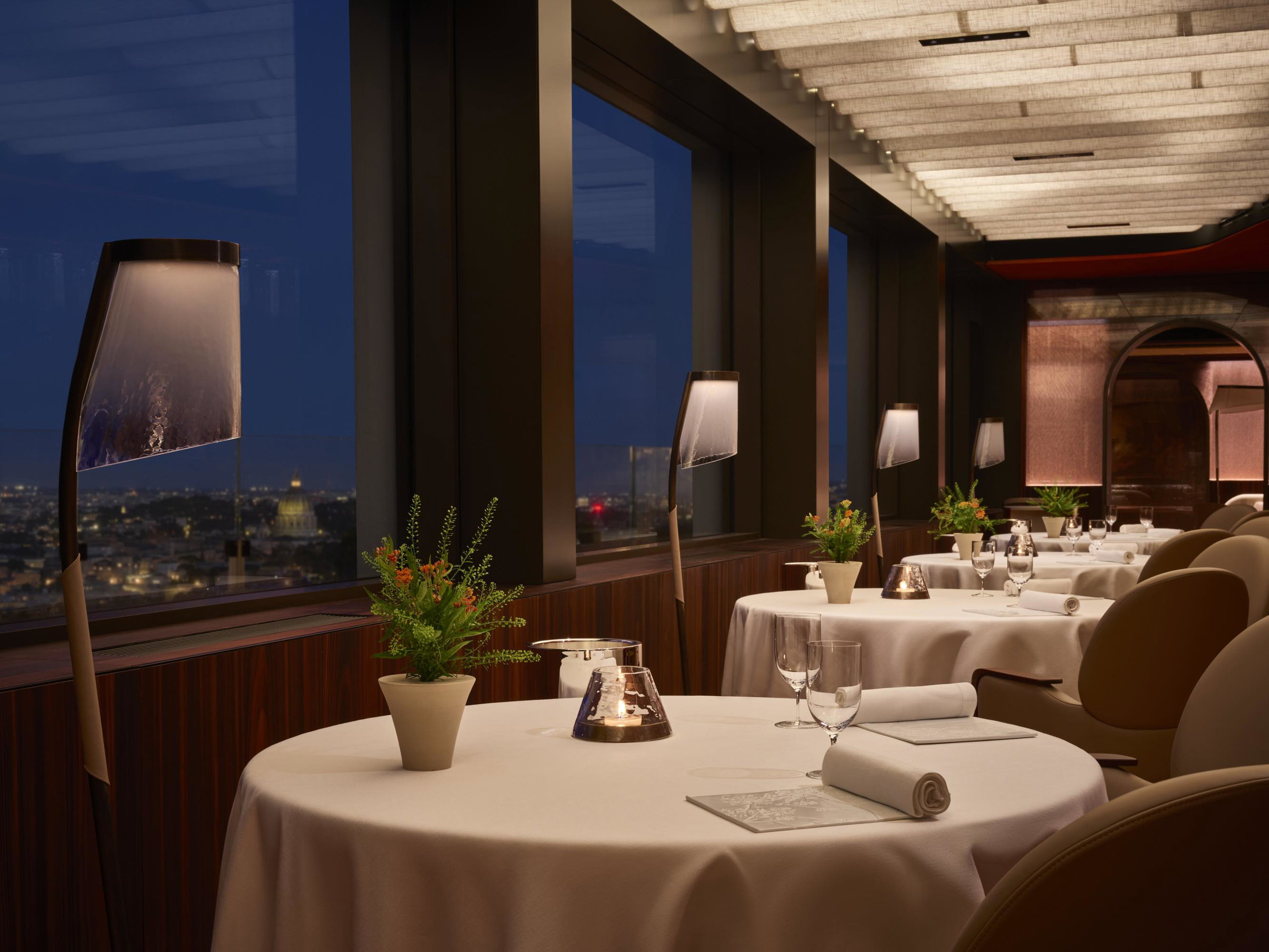
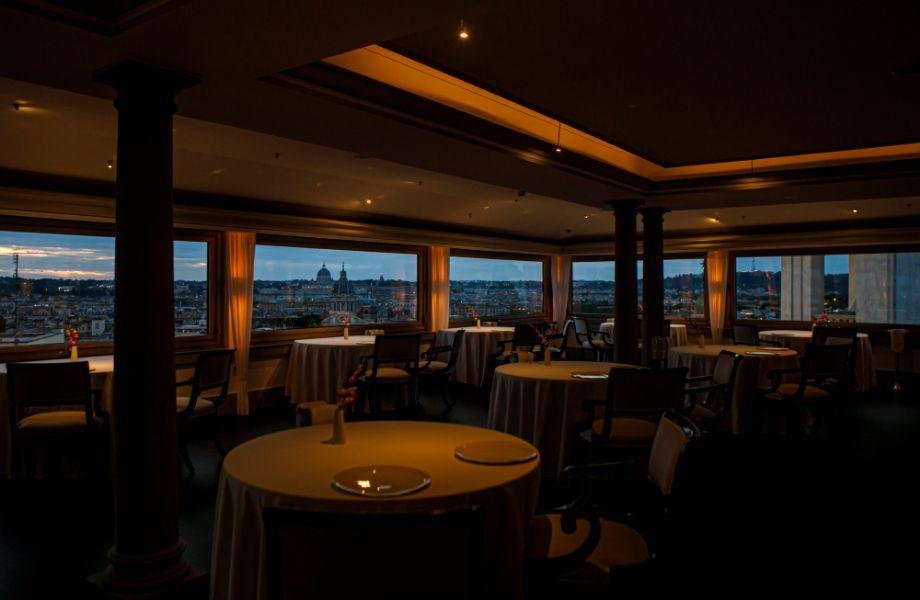
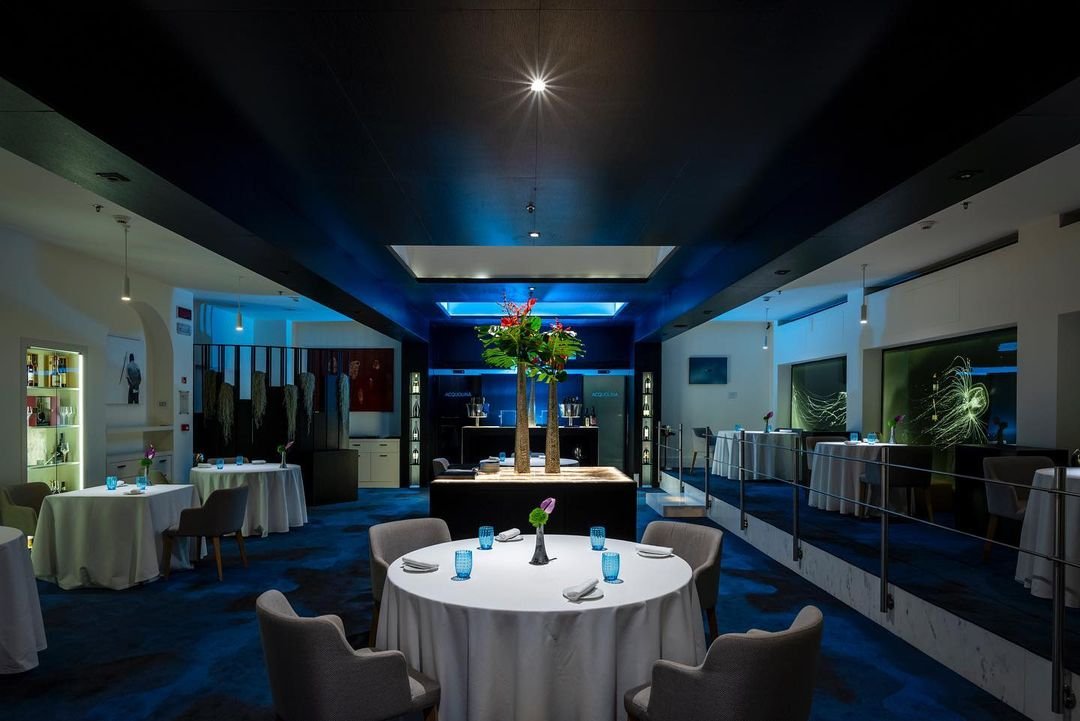
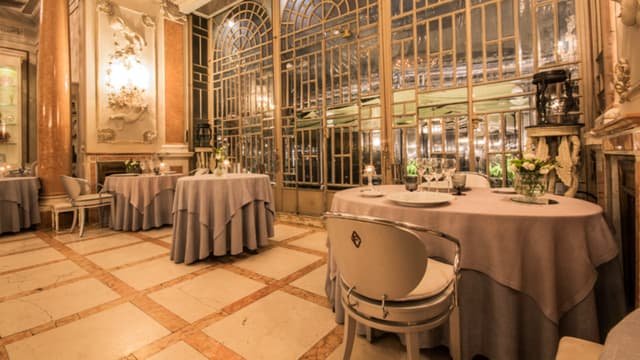
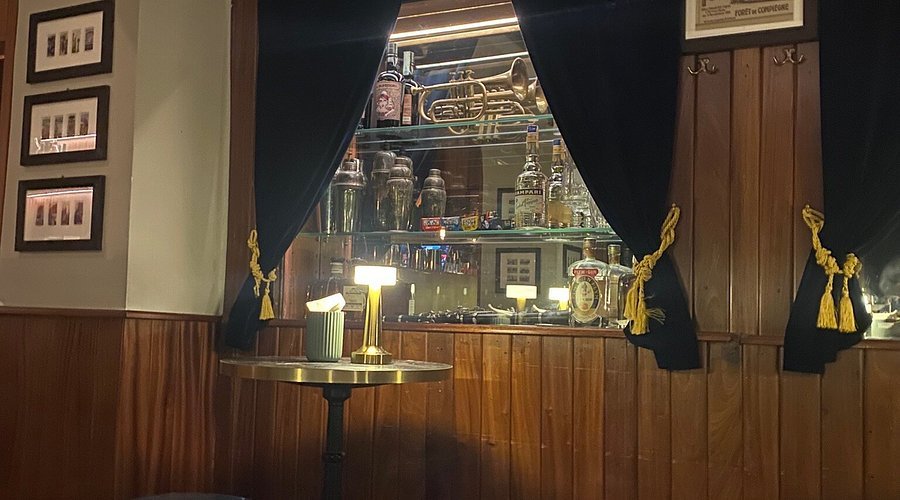
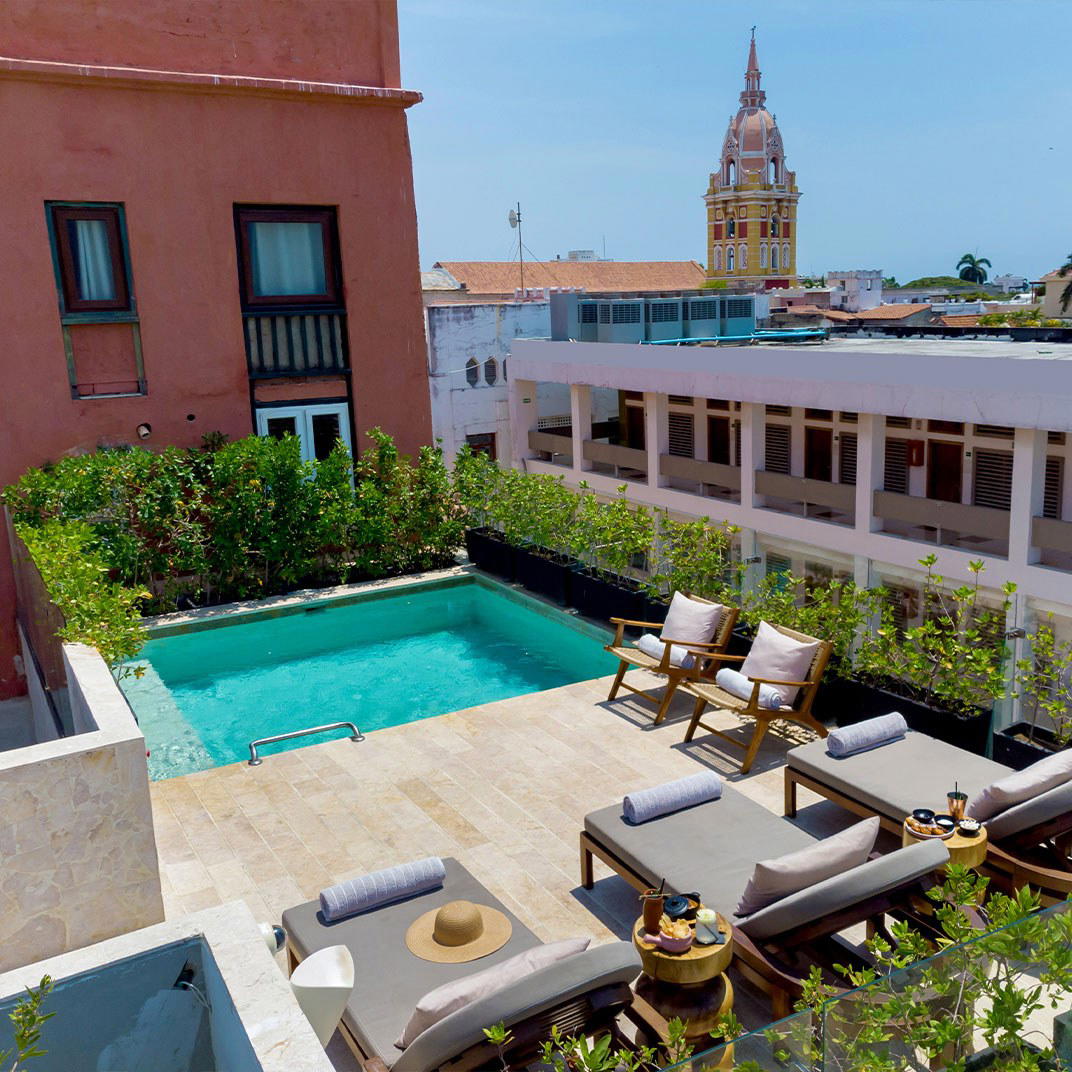
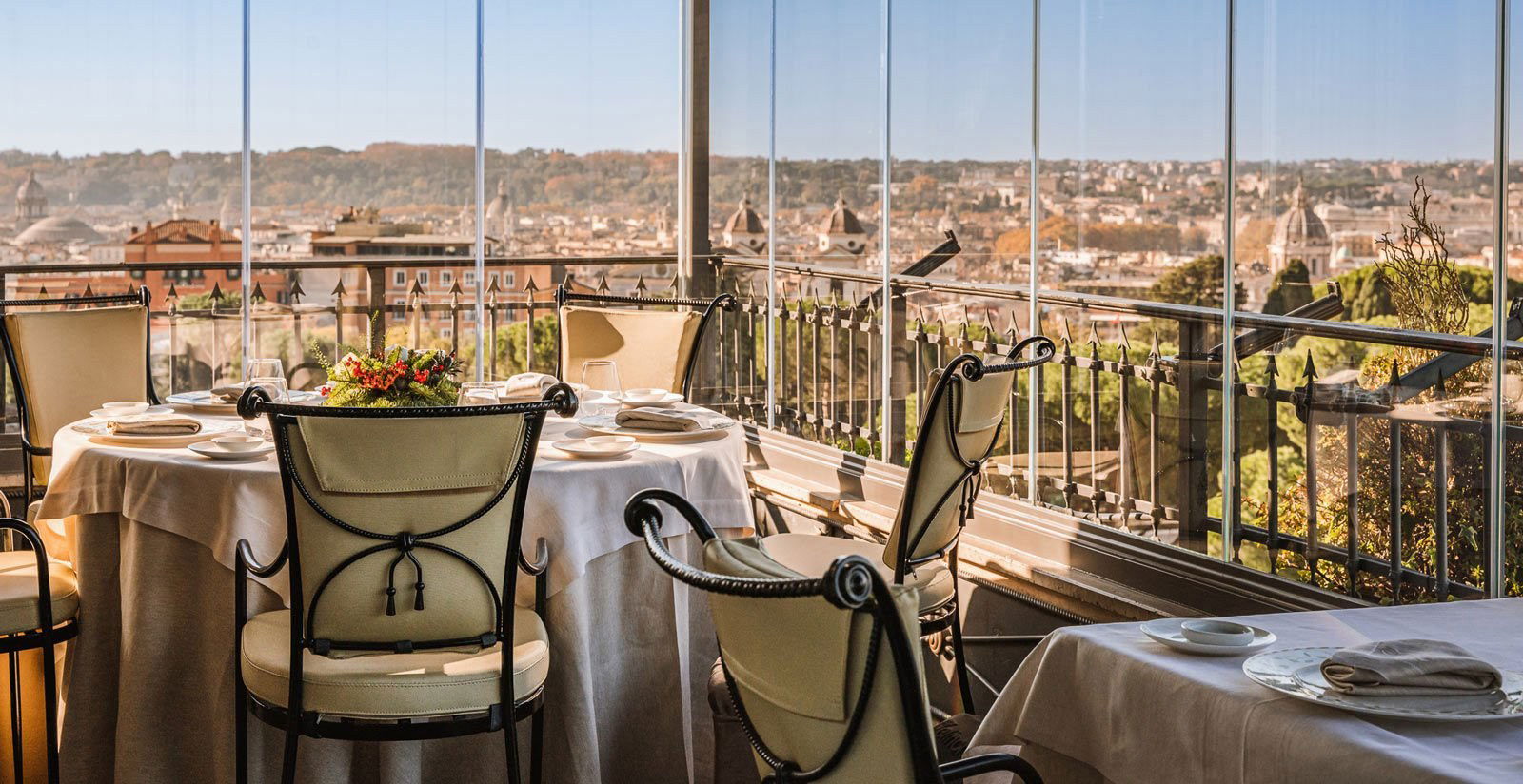
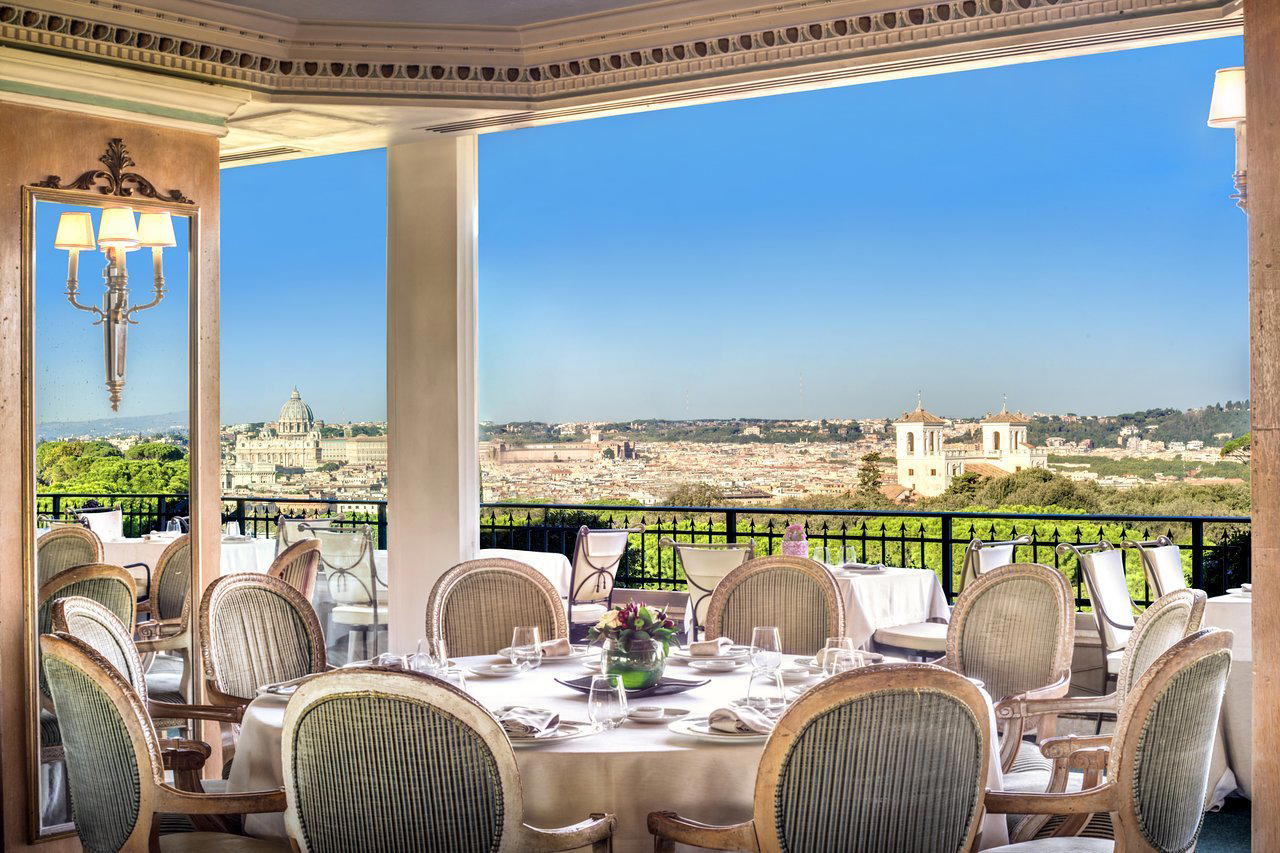
Elegant blend of old-world opulence with sumptuous marbles, parquet floors, and ancient paintings, illuminated by serene lighting with stunning city vistas.
Tags
Vibe
Best For
Experience
Amenities
View
Accessibility
About the Stay
- Rooms
- 82
- Check-in
- 15:00
- Check-out
- 12:00
- Property Style
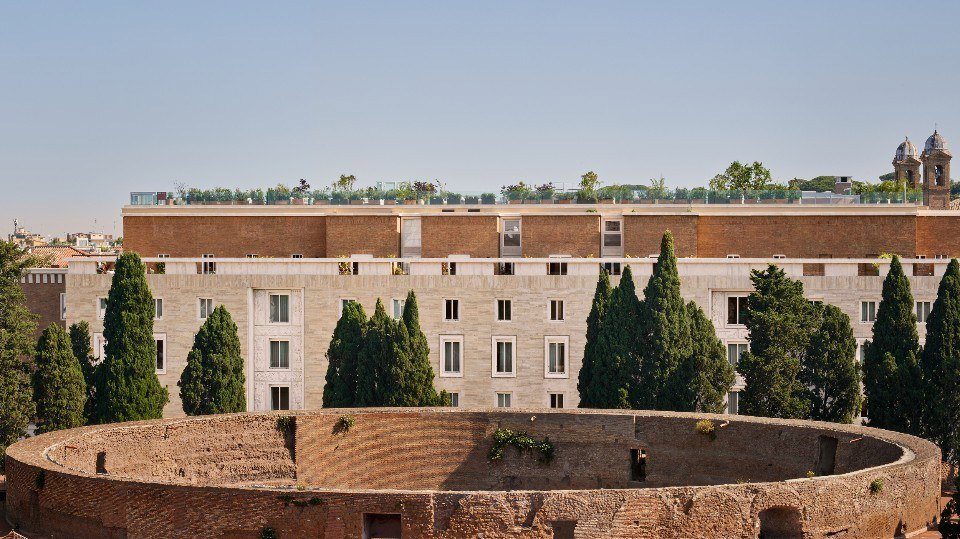
- Restored 19th Century Noble Palace Blending Historical Grandeur with Modern Luxury
- Design Style
- Alchemy of Classic Italian Elegance with Contemporary Sophistication, Featuring Marbles, Parquet, and Ancient Art
Know before you go
Know Before You Go
- Getting there
- Via di Porta Pinciana, 14, 00187 Roma RM
Planning details
Location
Recognition and awards

Also consider
Also Consider
- Sofitel Roma Villa Borghese, Notable alternative
- Hotel Eden, Notable alternative
- Hotel Eden, Dorchester Collection, Notable alternative
- W Rome, Notable alternative
- Baglioni Hotel Regina, Notable alternative
Hotel context
How it compares in Rome
Choose Hotel Splendide Royal Roma over W Rome if the trip calls for a quieter, more formal hotel mood. W Rome is the better pick for travelers who want a design-forward, social base; Splendide Royal is better for anniversaries, business stays, and guests who want less scene around them.
Against Sofitel Roma Villa Borghese, the decision is value versus occasion feel. Sofitel is the easier comparison for travelers trying to control spend while staying in a polished Rome hotel. Splendide Royal is the stronger choice when the stay itself needs to feel more ceremonial.
Compared with Hotel Eden and Hotel Eden, Dorchester Collection, Splendide Royal is the more restrained option. If the goal is full grand-hotel weight, Hotel Eden is the safer splurge. If the goal is classic Rome comfort without pushing into the most formal end of the set, Splendide Royal is easier to justify. Baglioni Hotel Regina is another useful cross-shop for travelers who want a traditional luxury address with a different neighborhood feel.
Around this place
Discover more on Pearl
Unlock the full Hotel Splendide Royal Roma guide in Pearl, including awards, comparisons, FAQs, planning details, and nearby places.
Compare Hotel Splendide Royal Roma
| Venue | Location | Awards |
|---|---|---|
| Hotel Splendide Royal Roma | Rome | Leading Hotels of the World 20262025 Michelin Selected Hotels |
| Sofitel Roma Villa Borghese | Rome | 2026 Virtuoso Luxury Hotel Collection2026 La Liste Top Hotels2025 Michelin Selected Hotels |
| Hotel Eden | Rome | 2026 Forbes 5-Star2026 La Liste Top HotelsMichelin 1 Key 20252025 Michelin 1 Key2025 Forbes 5-Star2024 Michelin 1 Key |
| Hotel Eden, Dorchester Collection | Rome | No published awards |
| W Rome | Rome | No published awards |
| Baglioni Hotel Regina | Rome | 2026 Forbes Recommended2026 Virtuoso Luxury Hotel CollectionLeading Hotels of the World 20262025 Forbes 4-Star |





How Hotel Splendide Royal Roma compares with similar nearby venues.
FAQ
Frequently Asked Questions
Do loyalty programs work at Hotel Splendide Royal Roma?
The clearest hotel-network signal is its 2025 Leading Hotels of the World membership. The hotel is also a MICHELIN Guide hotel selection for 2025. Specific loyalty benefits can vary, so compare the current booking terms directly before relying on them.
How is the dining at Hotel Splendide Royal Roma?
Check current dining details directly before booking. For a restaurant-led trip, confirm the cuisine, chef, menu format, and pricing through current Rome dining research rather than assumptions about the hotel.
What is check-in like at Hotel Splendide Royal Roma?
Ask the hotel or booking channel for current check-in procedures. Hotel Splendide Royal Roma is in Rome, has a smart casual dress code, is a 2025 Leading Hotels of the World member, and is a 2025 MICHELIN Guide hotel selection. For another Rome hotel comparison, W Rome is worth reviewing.
How is the location of Hotel Splendide Royal Roma?
Hotel Splendide Royal Roma is in Rome. Confirm the exact address, neighborhood, and landmarks against your itinerary before booking. Sofitel Roma Villa Borghese is another Rome hotel to compare if you are choosing among similar city stays.
Is Hotel Splendide Royal Roma family-friendly?
Families should confirm room configurations, policies, amenities, programming, and services directly before booking. It may still be worth considering for a Rome stay. For comparison, review W Rome, Hotel Eden, and Baglioni Hotel Regina against the same practical needs.