


Baglioni Hotel Regina
Ludovisi, Rome
Hotel in Rome, Italy
 Book with Pearl
The Read
Belle Époque Boulevard Positioning
Why go
Baglioni Hotel Regina is worth pursuing if you want a classic, polished Rome base with serious luxury-hotel credibility rather than a scene-driven stay. Booking can be hard, so compare live rates before committing; W Rome is stronger for social energy, while InterContinental Rome Ambasciatori Palace is the closest grand-hotel cross-shop.
About Baglioni Hotel Regina
Baglioni Hotel Regina is a hotel in Rome with smart casual dress guidance and recognition from luxury-travel programs. The best way to evaluate it is to compare current rates, room descriptions, and booking terms directly at the time of travel.
A Rome hotel with luxury-travel recognition
Baglioni Hotel Regina’s hotel positioning is supported by recognized travel programs. Recognition includes Leading Hotels of World Member status for 2025, Forbes 4-Star recognition for 2025, Forbes Recommended recognition for 2026, and Virtuoso Luxury Hotel Partner status for 2026.
Those signals support treating the hotel as a serious Rome option. For details about rooms, dining, amenities, pricing, or service format, use the hotel's current materials or booking channel before committing.
Who should choose it, and who should cross-shop
Choose Baglioni Hotel Regina if luxury-program recognition matters to the trip and you want a Rome hotel where smart casual dress is the safe expectation. It is a better fit for travelers who prioritize a recognized hotel profile while checking specific amenities and dining features before booking.
Cross-shop if you are still deciding which Rome hotel fits best. W Rome, The Rome EDITION, InterContinental Rome Ambasciatori Palace, Aleph Rome Hotel, Curio Collection by Hilton, and Sofitel Roma Villa Borghese are all worth comparing while you review current rates, booking terms, and hotel details.
The practical read
Reservations: Check live availability and cancellation terms before booking. Dress: Smart casual is the guidance. Budget: Compare current rates against other Rome hotels before committing. Room choice: Review the current room descriptions and inclusions directly before paying for an upgrade. Good fit: Travelers who value luxury recognition in Rome. Less ideal: Travelers who need detailed information on dining, facilities, or room categories before shortlisting a hotel.
Planning details
- Location
- Via Vittorio Veneto, 72, 00187 Roma RM
- Website
- rome.baglionihotels.com
- Phone
- +39 06 4540 3300
The take
The Take
The Vibe
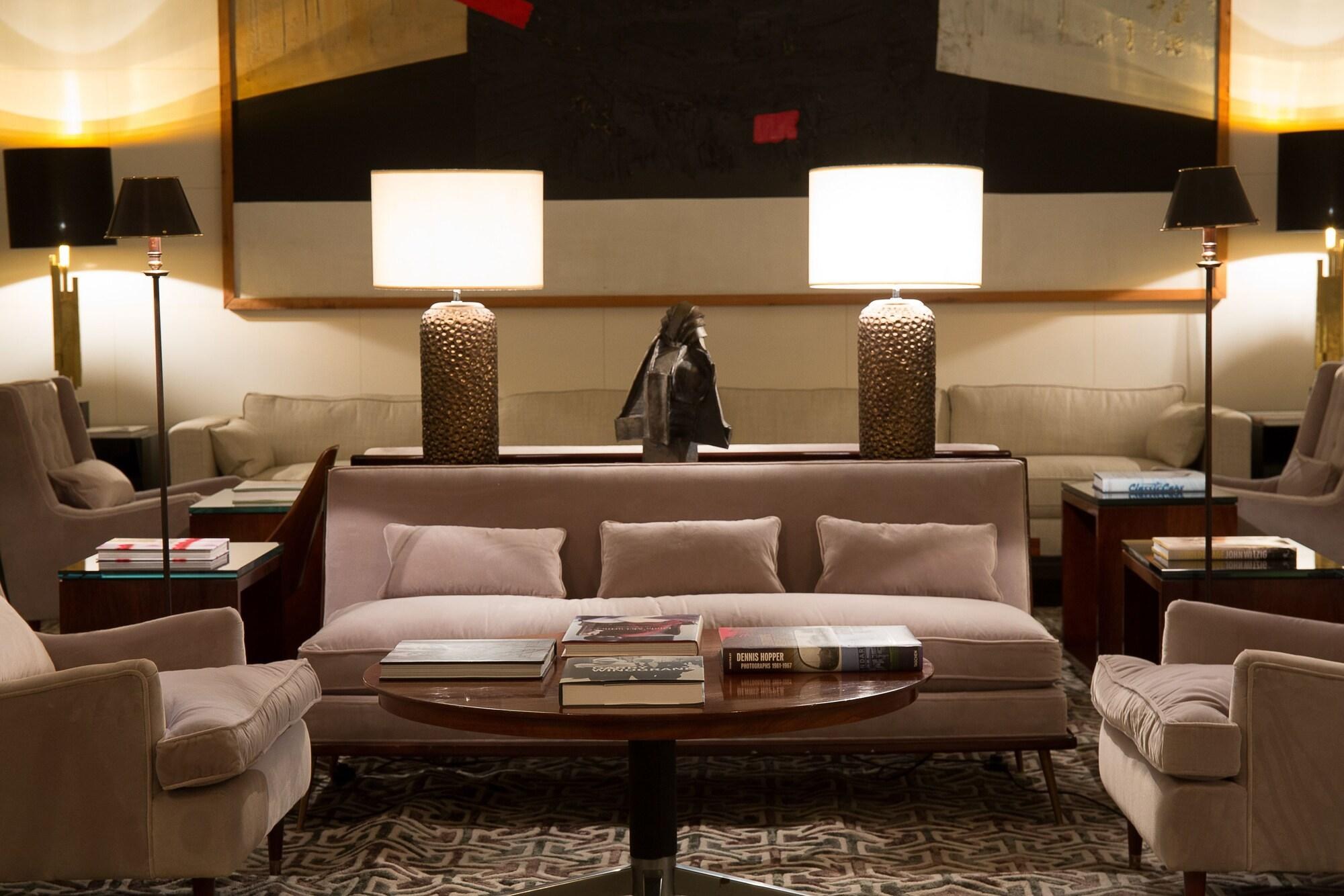
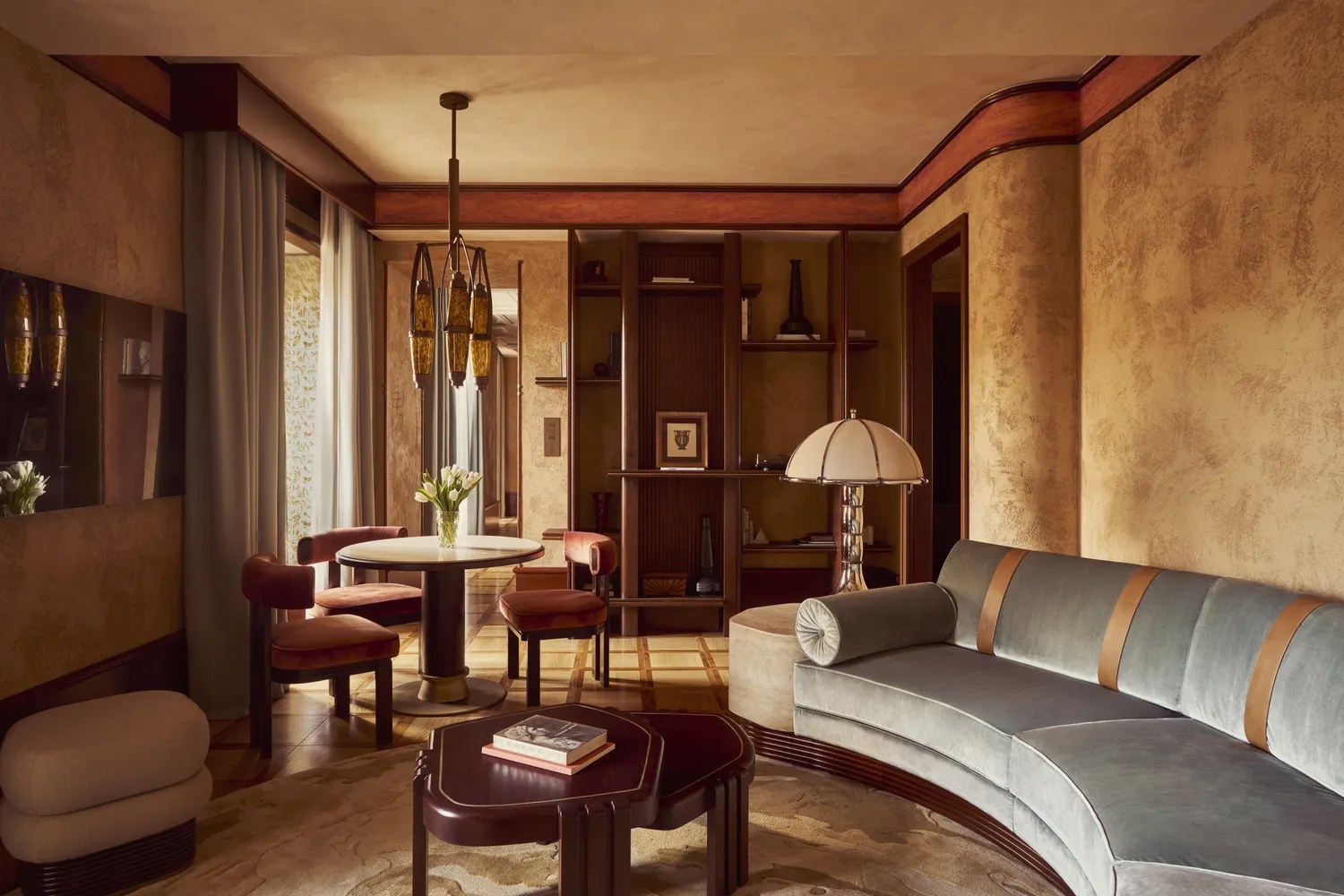
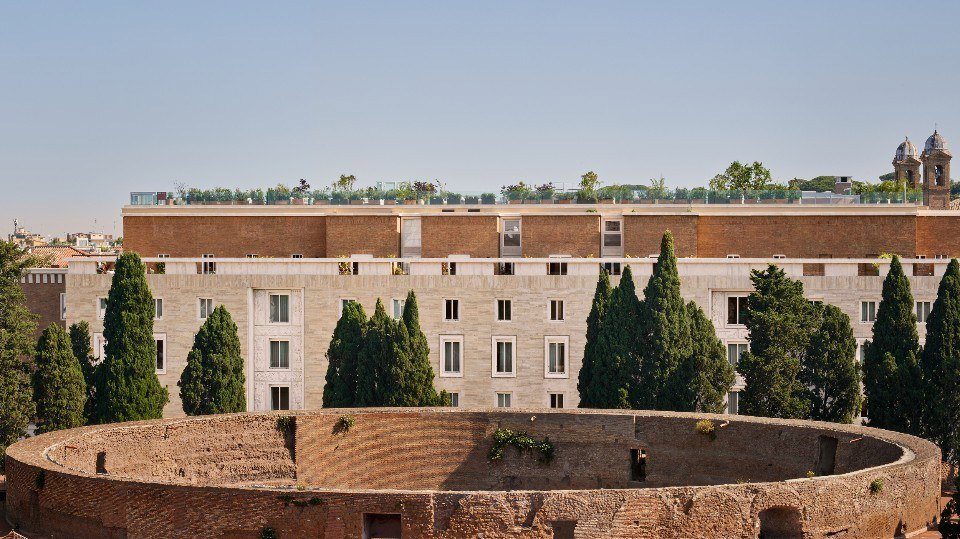
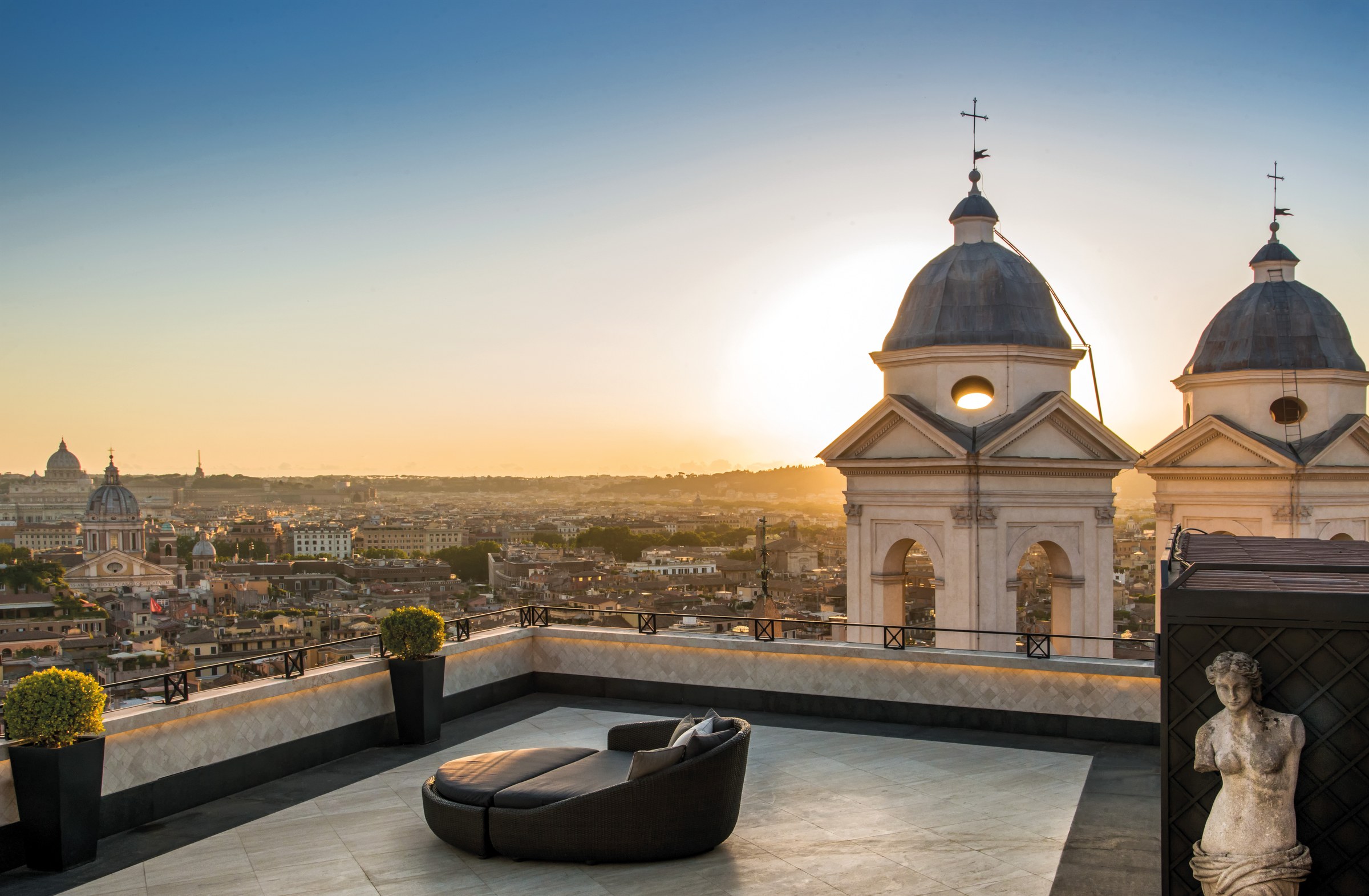
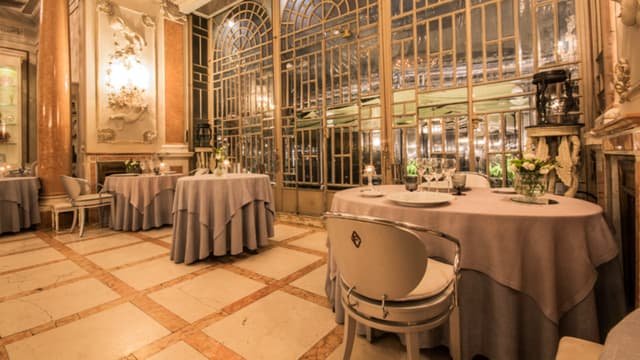
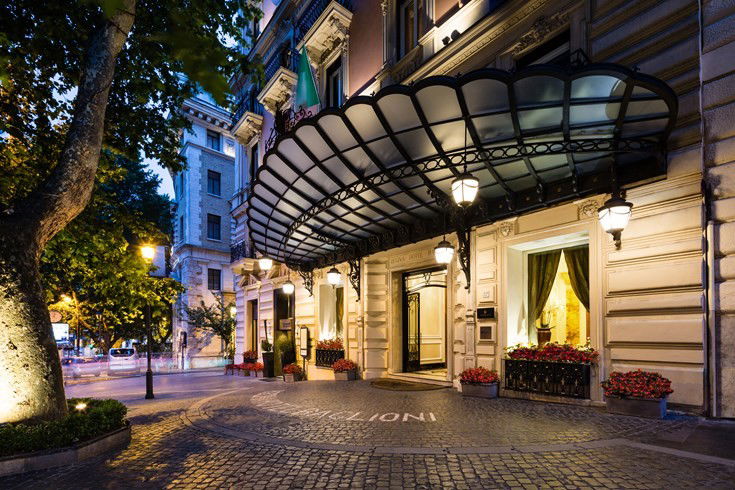
Baglioni Hotel Regina reads like a piece of Roman architectural history. The Liberty facade and 1904 provenance anchor the property in a specific moment of national confidence, while an interior palette of Sicilian marble, gilded mirrors and patterned furnishings layers art-deco precision over period detail. The Roman Penthouse extends that eclecticism with velvet upholstery and bespoke elements, and the overall effect is richly appointed rather than ostentatious. The address on Via Veneto carries postwar Dolce Vita cachet, so the hotel feels both well-established and quietly theatrical—a historic, well-tailored place to stay in central Rome.
Best For
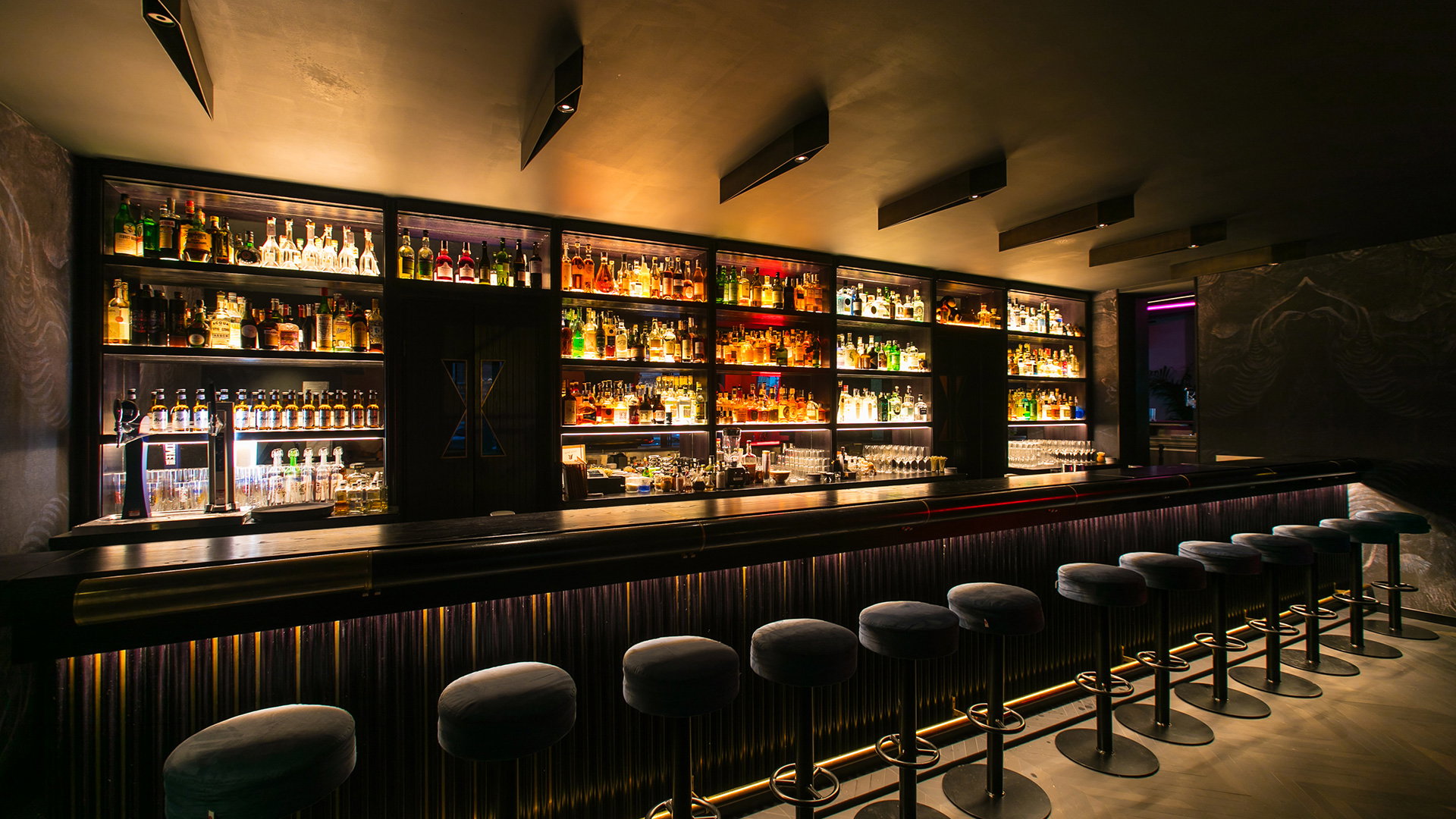
This hotel is ideal for travelers seeking a polished, historically resonant stay on Via Veneto. Its central-but-unhurried location—between the Borghese gardens and the diplomatic quarter—suits couples and visitors marking special occasions who want proximity to classic Roman sights without frenetic streets. The in-house Brunello Lounge and Restaurant, with a street entrance that makes it a neighbourhood destination as well as a hotel dining room, supports refined dinners and celebratory meals. The Roman Penthouse and the property’s period details make it an appealing choice for anniversary and honeymoon stays that favor atmosphere and architectural character.
Stay Tips
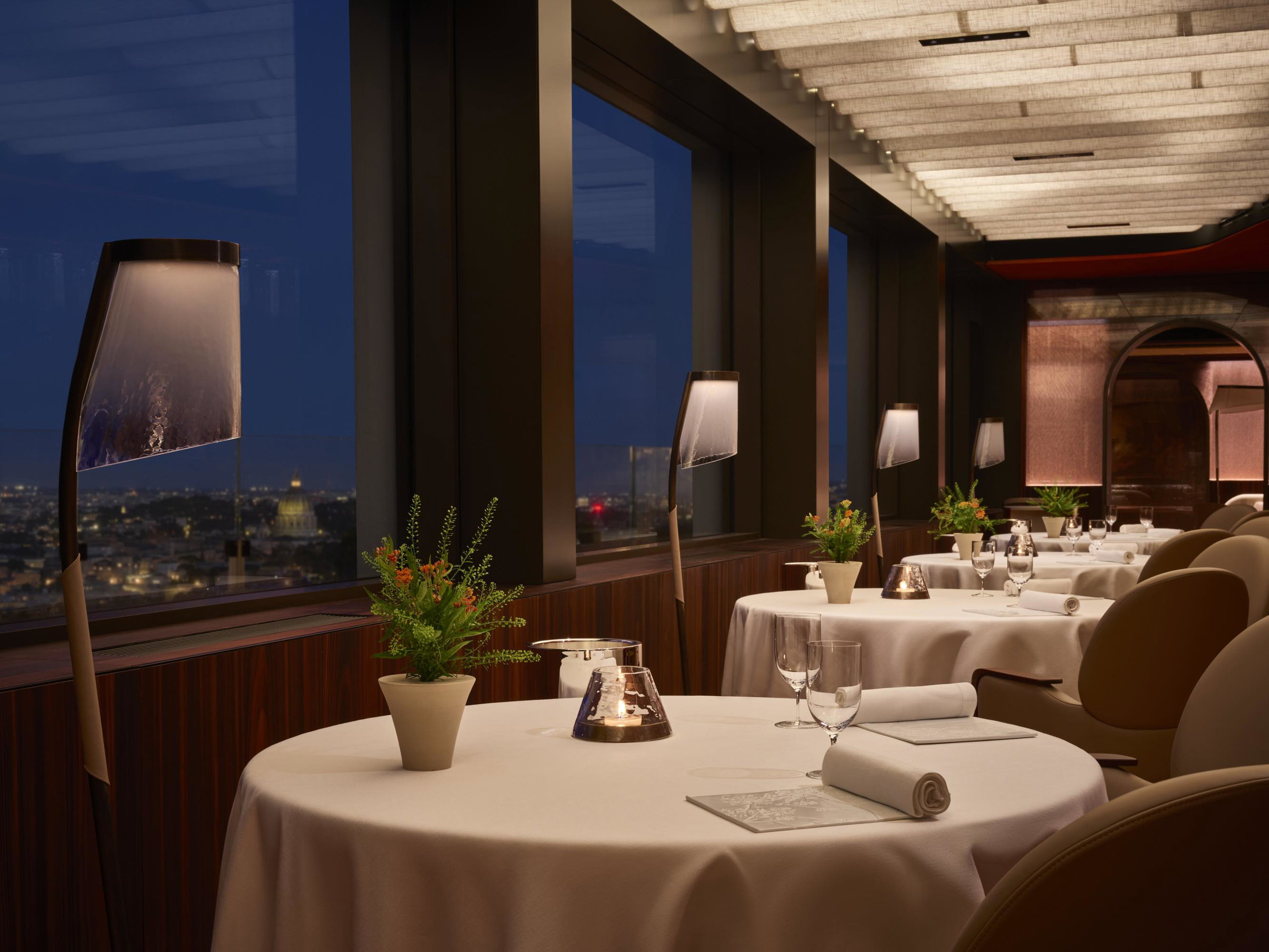
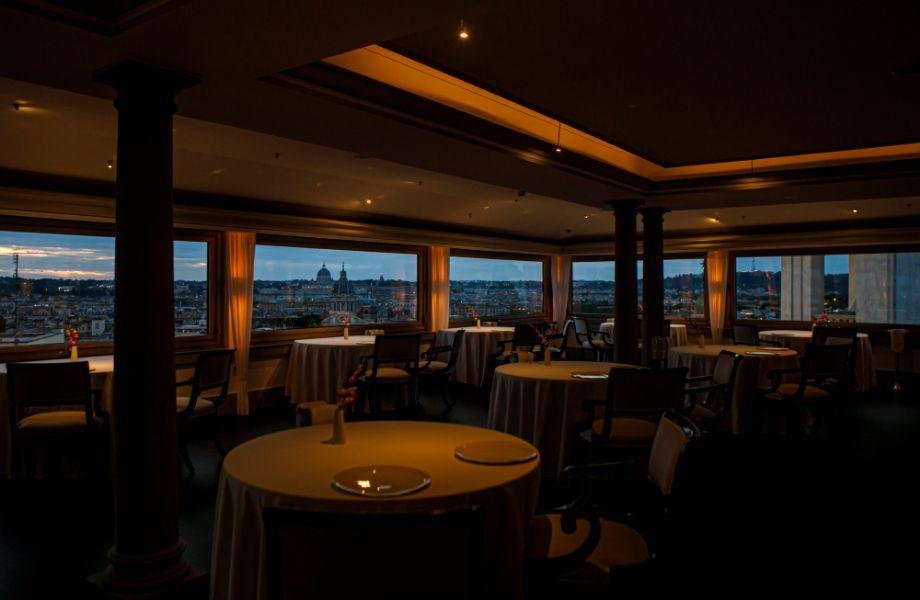
When dining at the Brunello Lounge and Restaurant expect a menu built on Mediterranean produce and Italian culinary logic, presented in a dining room noted for dark-hued tones and Moroccan-influenced lighting. Because the restaurant has a direct entrance onto Via Veneto and functions as a neighbourhood address, non-guests can arrive from the street; reservations are advisable for evening service. The room’s carefully layered design and hotel setting suggest a composed dining experience—opt for a full dinner and take time to enjoy the atmosphere rather than a quick meal.
Venue details
Ambiance
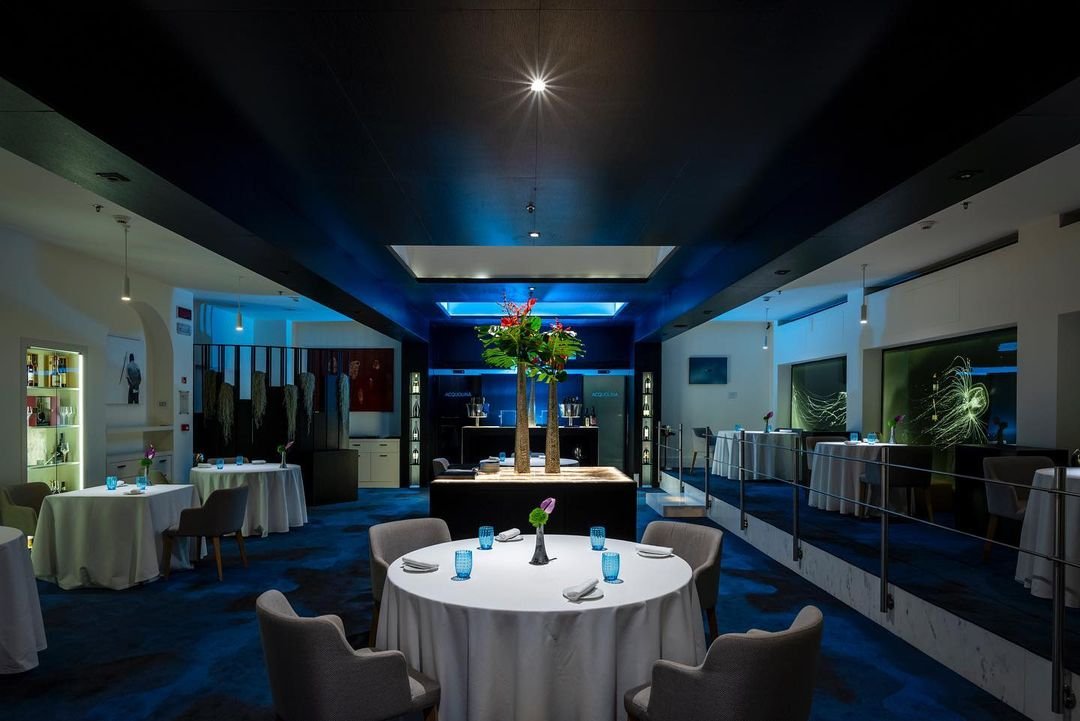
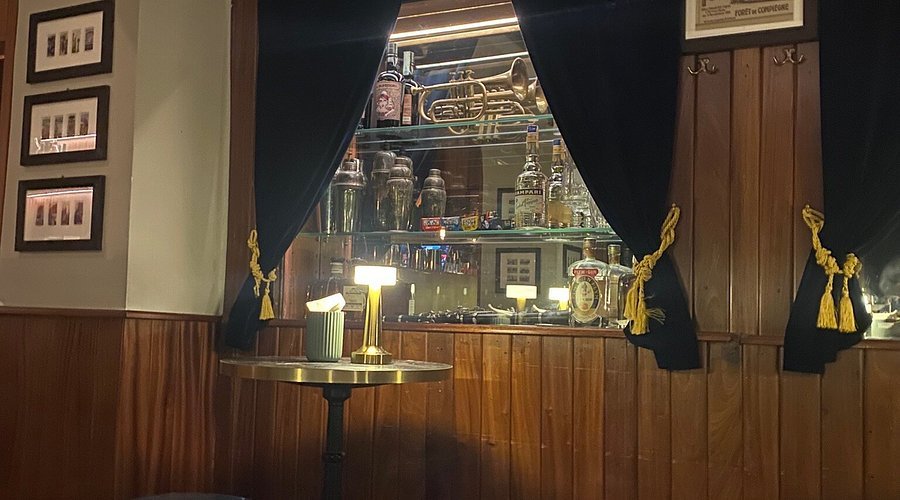
Enchanting and refined with daily fresh flowers in the lobby, Art Deco design elements, and an air of timeless Italian elegance throughout.
Tags
Vibe
Best For
Experience
Amenities
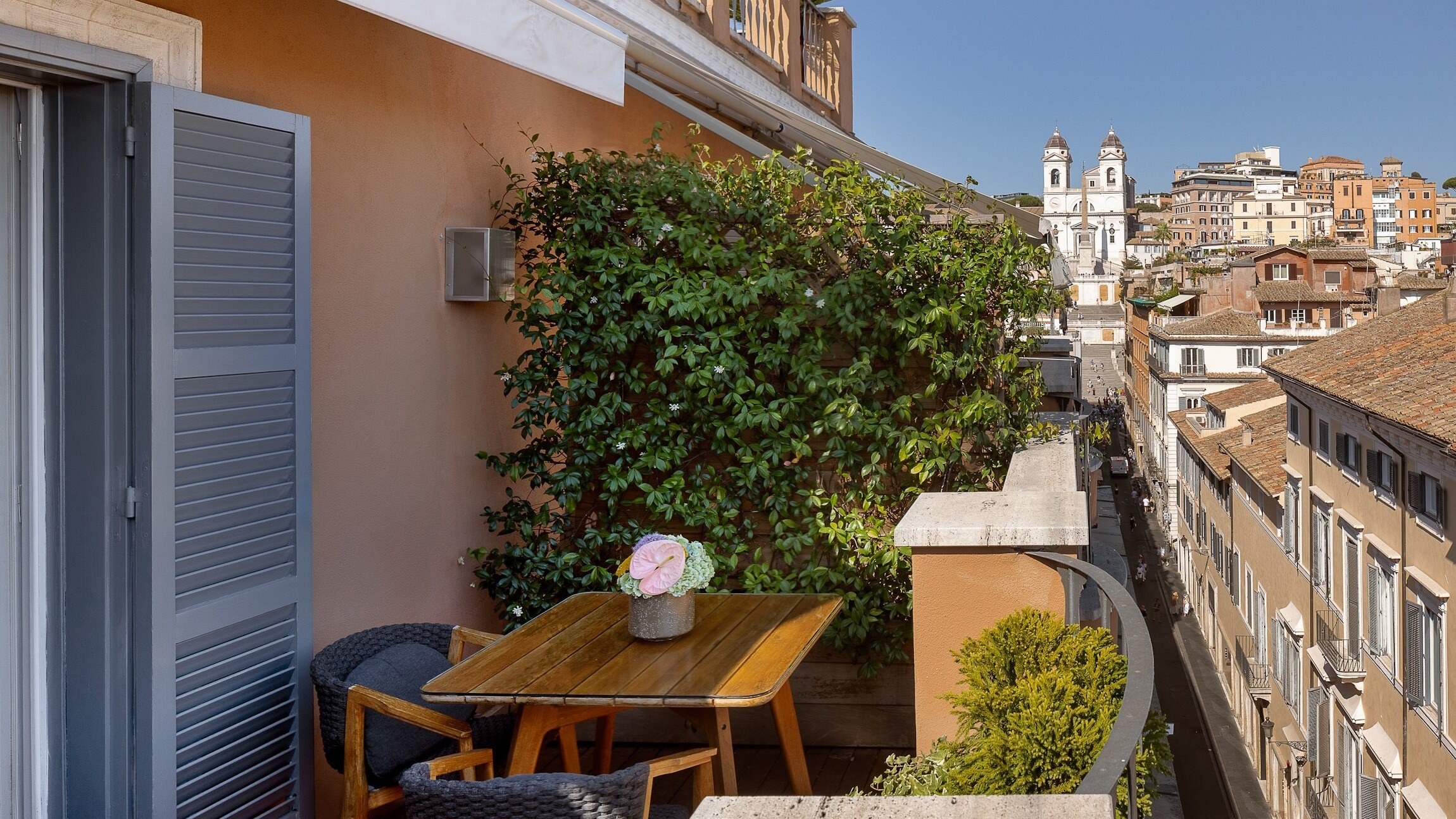
View
Accessibility
About the Stay
- Rooms
- 117
- Check-in
- 14:00
- Check-out
- 12:00
- Property Style
- Historic Italian Luxury Palazzo Blending 19th Century Architecture with Art Deco Design and Modern Amenities.
- Design Style
- Art Deco and Classic Italian with Original Murano Chandeliers, Black Marble Floors, and Individually Decorated Rooms Featuring Antique Features.
Know before you go
Know Before You Go
- Getting there
- Via Vittorio Veneto, 72, 00187 Roma RM
Planning details
Location
Recognition and awards



Also consider
Also Consider
- W Rome, Notable alternative
- InterContinental Rome Ambasciatori Palace, Notable alternative
- Aleph Rome Hotel, Curio Collection by Hilton, Notable alternative
- The Rome EDITION, Notable alternative
- Sofitel Roma Villa Borghese, Notable alternative
Hotel context
How it compares in Rome
Baglioni Hotel Regina is the pick for travelers who want classic Roman atmosphere and formal luxury cues. W Rome is better for a livelier, more contemporary stay, especially if the hotel's public spaces matter as much as the room. InterContinental Rome Ambasciatori Palace is the closest peer for a grand-hotel feel, with a more familiar international-chain frame.
For value discipline, compare live rates against Aleph Rome Hotel, Curio Collection by Hilton, which may make more sense for travelers using brand loyalty benefits. The Rome EDITION is the sharper choice for design-forward travelers who want a more current hotel mood. Sofitel Roma Villa Borghese suits guests who want a calmer, softer stay near central Rome rather than a stronger grand-hotel statement.
If availability is tight, cross-shop first by trip purpose: Baglioni for classic polish, W Rome for social energy, InterContinental for familiar grandeur, Aleph for loyalty value, EDITION for design, and Sofitel for a quieter central base.
Around this place
Discover more on Pearl
Unlock the full Baglioni Hotel Regina guide in Pearl, including awards, comparisons, FAQs, planning details, and nearby places.
Compare Baglioni Hotel Regina
| Venue | Location | Awards |
|---|---|---|
| Baglioni Hotel Regina | Rome | 2026 Forbes Recommended2026 Virtuoso Luxury Hotel CollectionLeading Hotels of the World 20262025 Forbes 4-Star |
| W Rome | Rome | No published awards |
| InterContinental Rome Ambasciatori Palace | Rome | No published awards |
| Aleph Rome Hotel, Curio Collection by Hilton | Rome | No published awards |
| The Rome EDITION | Rome | No published awards |
| Sofitel Roma Villa Borghese | Rome | 2026 Virtuoso Luxury Hotel Collection2026 La Liste Top Hotels2025 Michelin Selected Hotels |


How Baglioni Hotel Regina Rome compares with similar nearby venues.
FAQ
Frequently Asked Questions
Is Baglioni Hotel Regina good for business travel?
Baglioni Hotel Regina may be worth considering for a business stay in Rome if luxury-hotel recognition is important to you. Recognition includes Forbes 4-Star recognition for 2025 and Leading Hotels of World Member status for 2025. For a different comparison, The Rome EDITION is another Rome hotel to review alongside Baglioni Hotel Regina.
Is Baglioni Hotel Regina family-friendly?
If you are considering Baglioni Hotel Regina for a family trip to Rome, confirm room setup, connecting-room options, and any child-related services directly before booking. W Rome is another Rome hotel you may want to compare while checking current details.
Which room category is best at Baglioni Hotel Regina?
The safest approach is to compare the hotel's current room descriptions, occupancy limits, views, and included benefits before choosing. InterContinental Rome Ambasciatori Palace is another Rome hotel to cross-shop if you are comparing room options.
How is the pool and spa at Baglioni Hotel Regina?
Confirm current pool and spa details before booking Baglioni Hotel Regina if particular wellness facilities are important to your stay. Sofitel Roma Villa Borghese is another Rome hotel to compare if wellness details are important to your stay.
How does Baglioni Hotel Regina compare to other hotels in Rome?
Baglioni Hotel Regina stands out for recognition including Leading Hotels of World Member status for 2025, Forbes 4-Star recognition for 2025, Forbes Recommended recognition for 2026, and Virtuoso Luxury Hotel Partner status for 2026. W Rome and The Rome EDITION are useful comparisons, while Sofitel Roma Villa Borghese, InterContinental Rome Ambasciatori Palace, and Aleph Rome Hotel, Curio Collection by Hilton are also worth reviewing for a Rome stay.