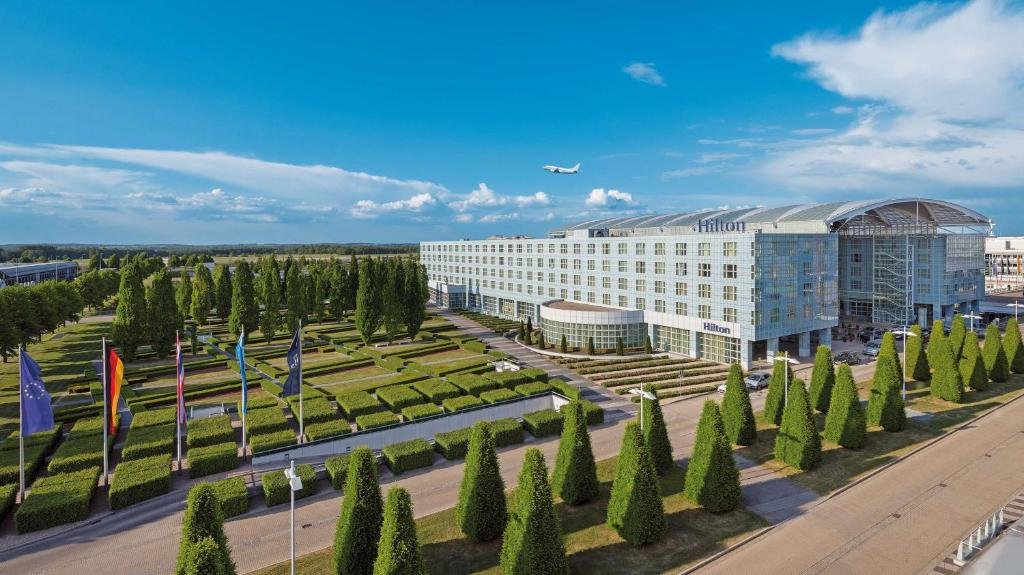


Hilton Munich Airport
Oberding, Munich
Hotel in Munich, Germany
 Book with Pearl
Why go
Hilton Munich Airport is the practical pick when the terminal matters more than the city. It is easier to justify for early departures, late arrivals, and airport meetings than for a leisure stay, where Rosewood Munich or Hotel Vier Jahreszeiten Kempinski Munich put you closer to the central Munich experience.
About Hilton Munich Airport
Hilton Munich Airport is a Munich hotel. The dress code is business casual, and the hotel has World Luxury Hotel Awards 2025 recognition as a WLHA Global Winner and WLHA Country Winner. Specific claims about rooms, dining, facilities, pricing, hours, or service details should be confirmed directly before booking.
If you are comparing Munich hotel options, weigh Hilton Munich Airport against the kind of stay you want, then confirm current availability and hotel details through the property or your booking channel.
The right choice when essentials are enough to start
The venue name identifies Hilton Munich Airport as a Munich hotel, but it does not include a street address, terminal details, transfer times, or transport instructions. Confirm any location-specific convenience before relying on it for an itinerary.
For a different Munich hotel style, Rosewood Munich and Hotel Vier Jahreszeiten Kempinski Munich are natural comparison points, while Andaz Munich Schwabinger Tor may suit travelers considering another Munich stay. Hilton Munich Airport should be evaluated on the available facts and on the practical details you confirm for your own dates.
Recognition and dress code are the key points
The key points are recognition and dress code. Hilton Munich Airport is listed with World Luxury Hotel Awards 2025 recognition as both a WLHA Global Winner and WLHA Country Winner, and the dress code is business casual.
Rates, booking difficulty, room categories, dining formats, amenities, or transport specifics are not available, so compare live offers carefully. If you are deciding among Munich hotels, Hotel München Palace or AMERON München Motorworld can be considered alongside Hilton Munich Airport depending on the location and style you prefer.
Know Before You Go
- Recognition: World Luxury Hotel Awards 2025, WLHA Global Winner; World Luxury Hotel Awards 2025, WLHA Country Winner.
- Dress code: Business casual.
- Location: Munich. Confirm any airport-transfer or terminal-specific details directly before relying on them.
- Specific details: Dining, spa, room, pricing, hours, and service claims are not available.
- Who should compare: Travelers weighing different Munich hotel styles can also start with Pearl's Munich hotels guide.
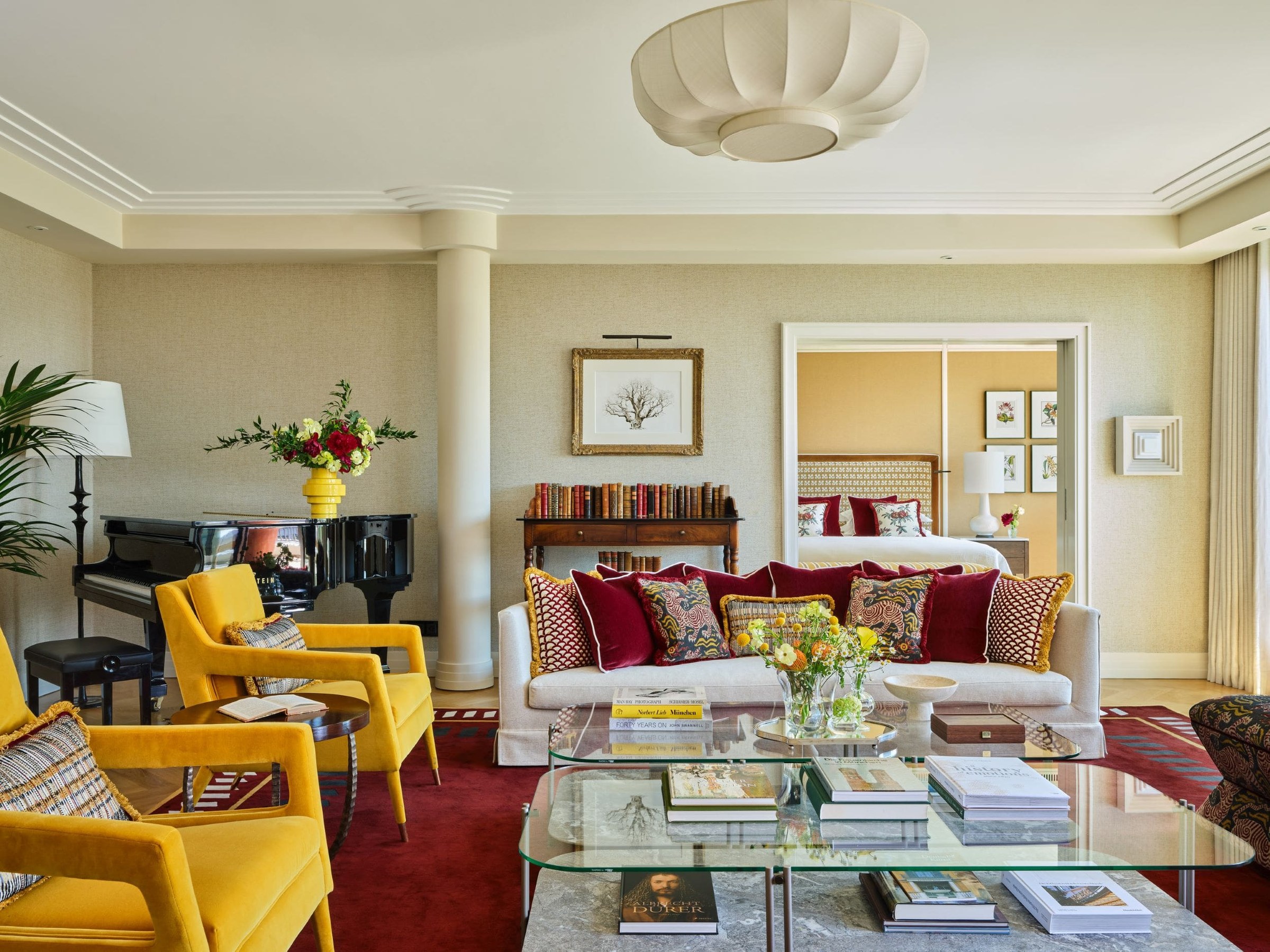
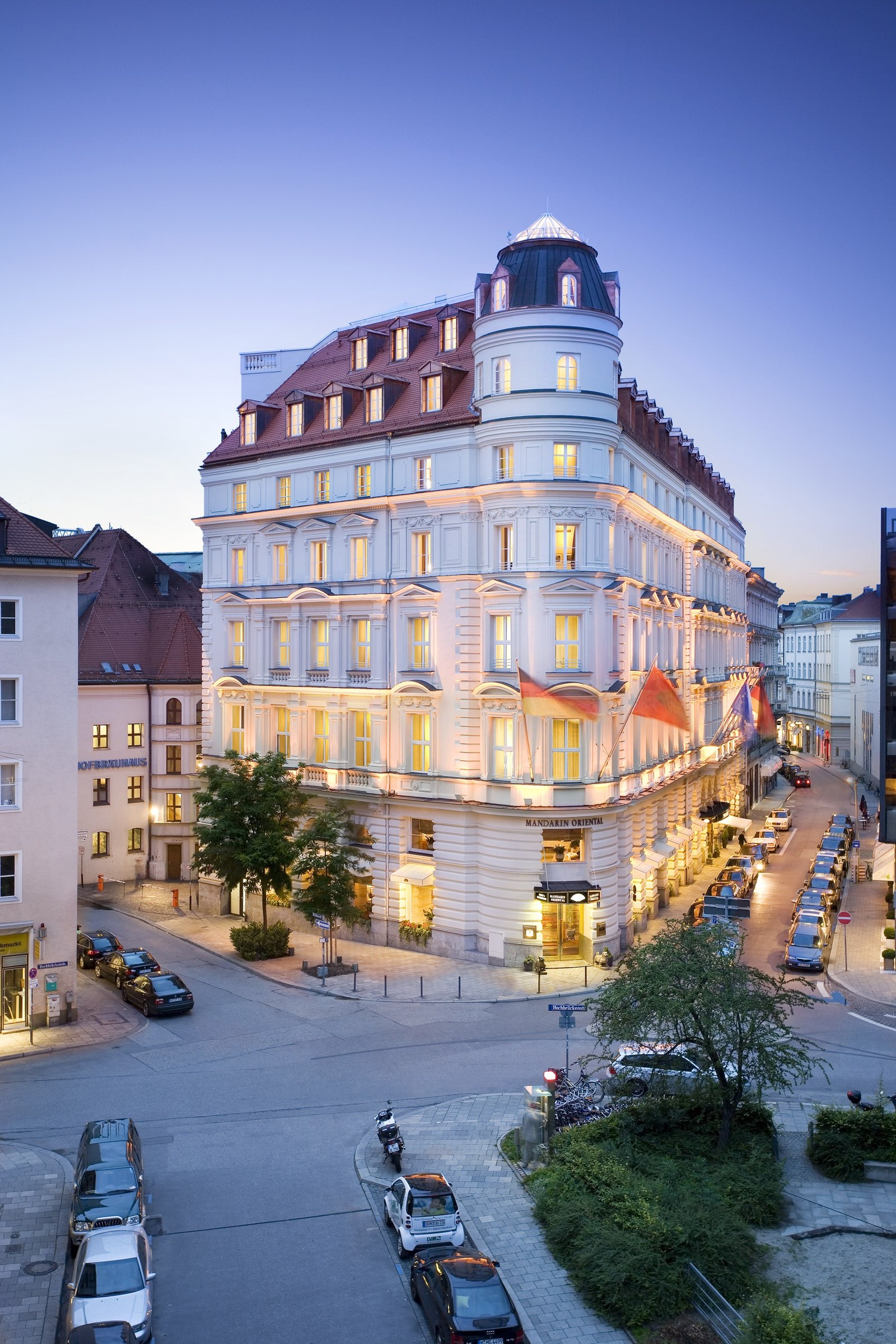
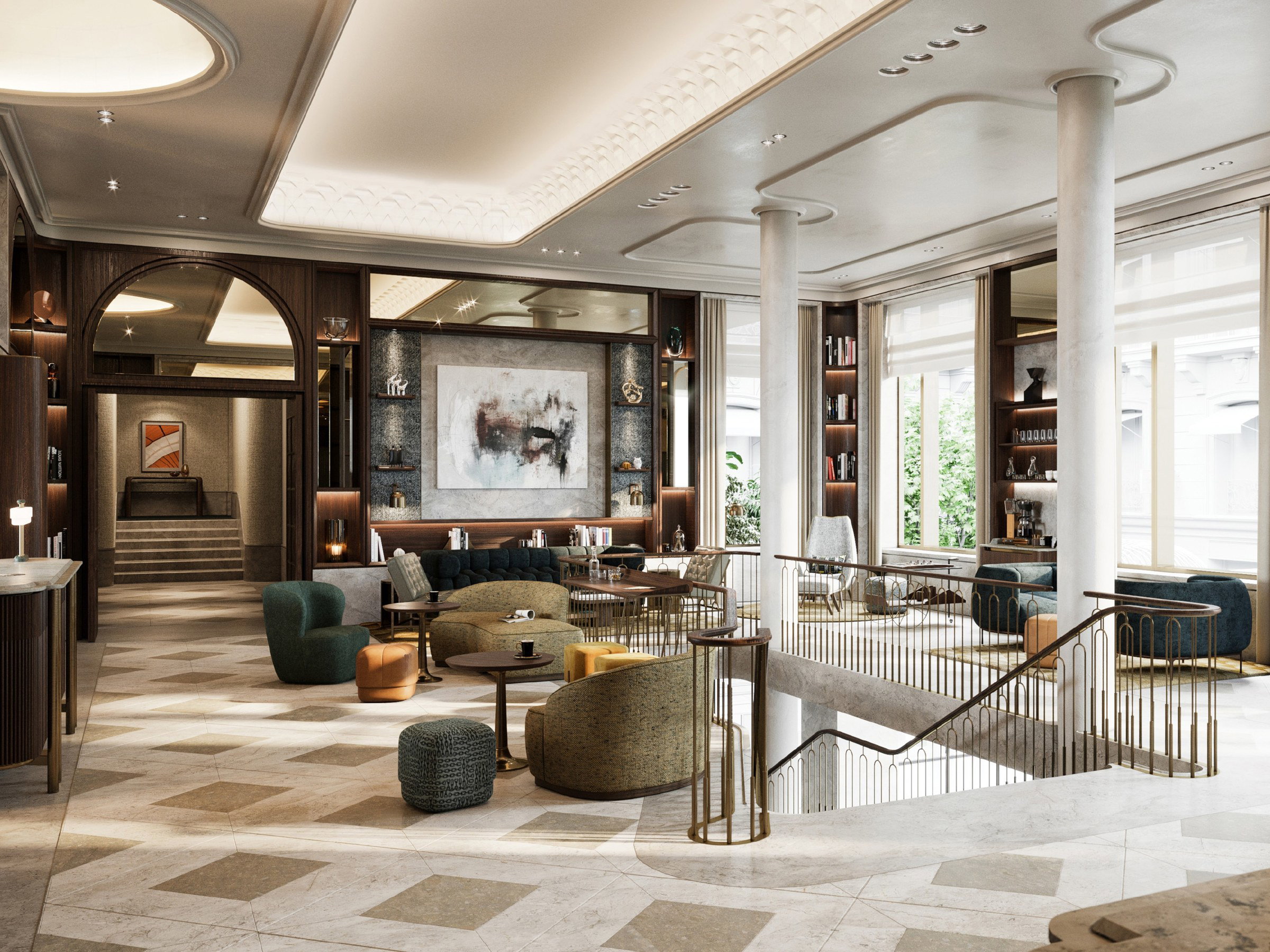
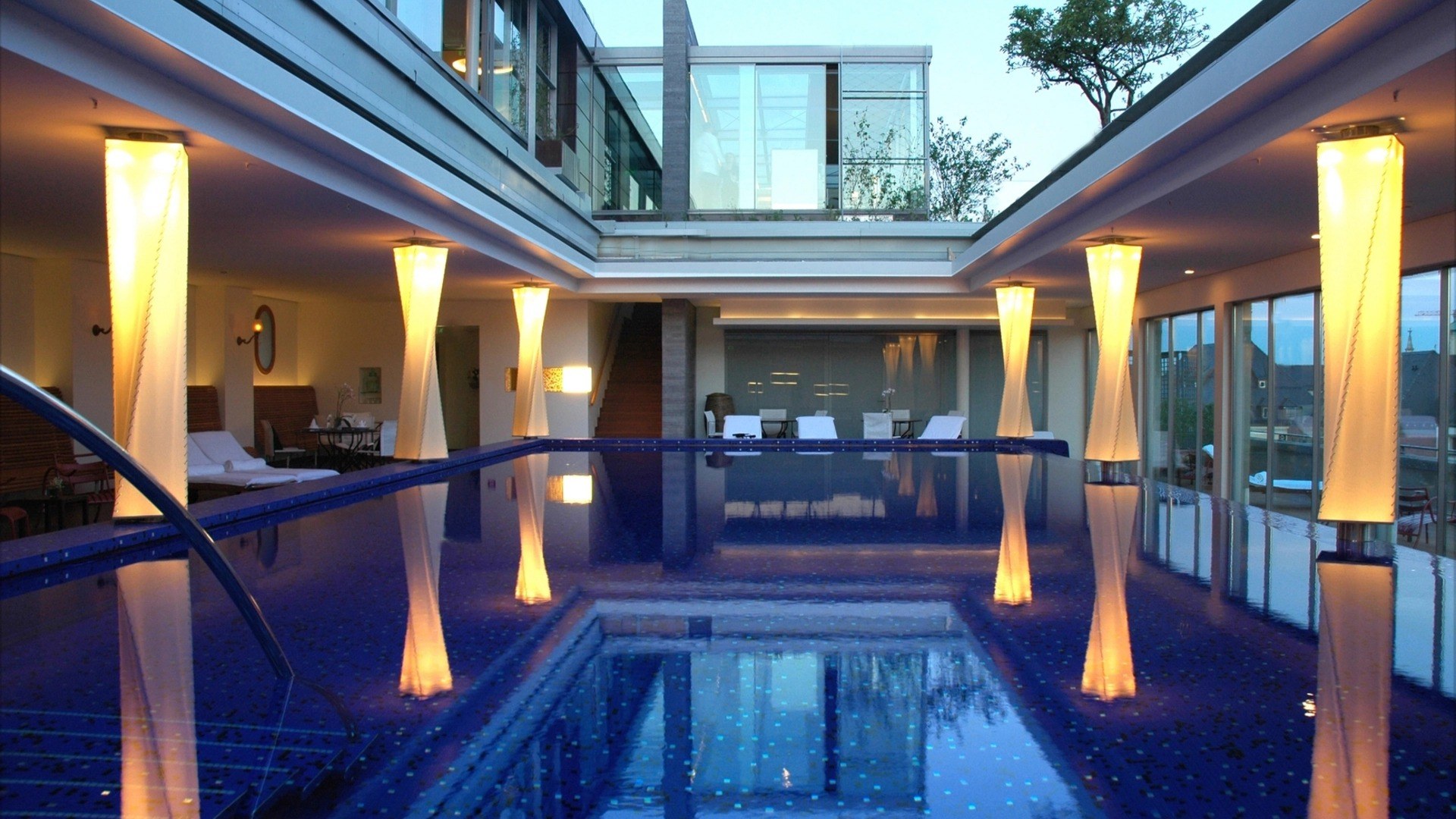
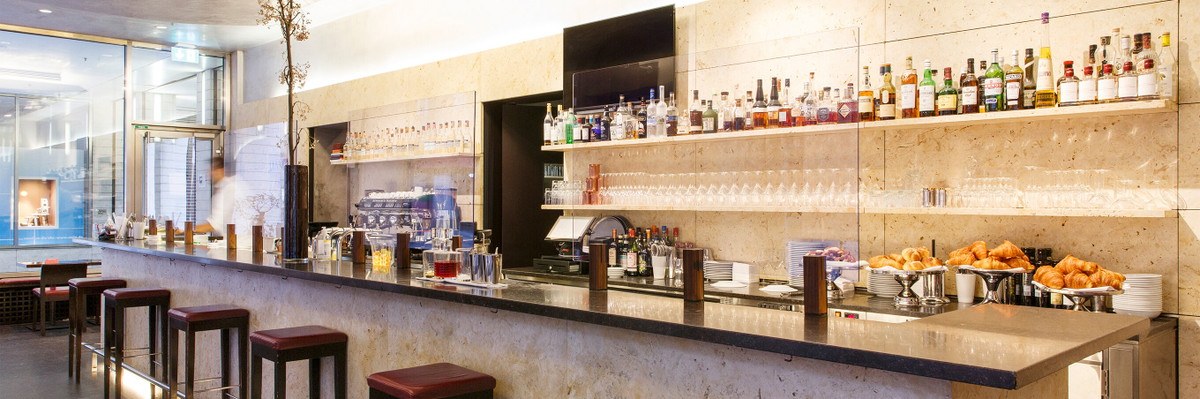
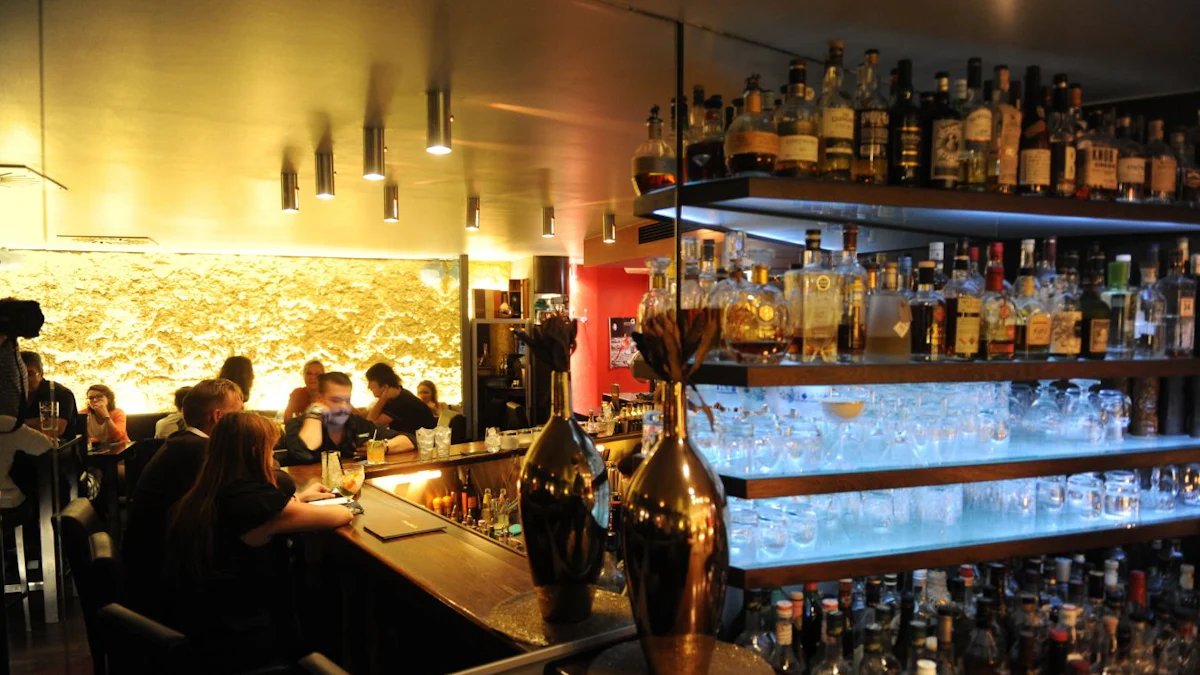
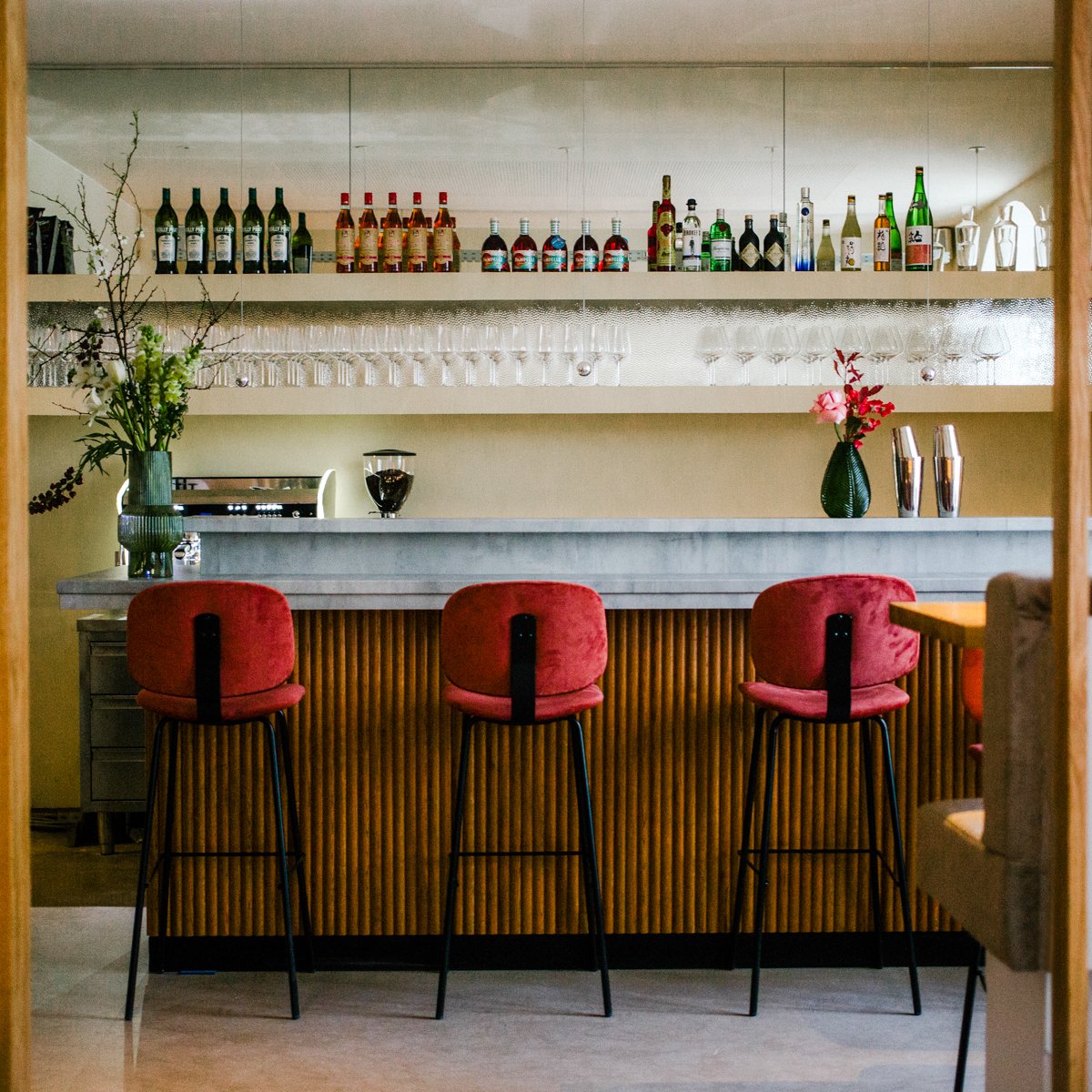
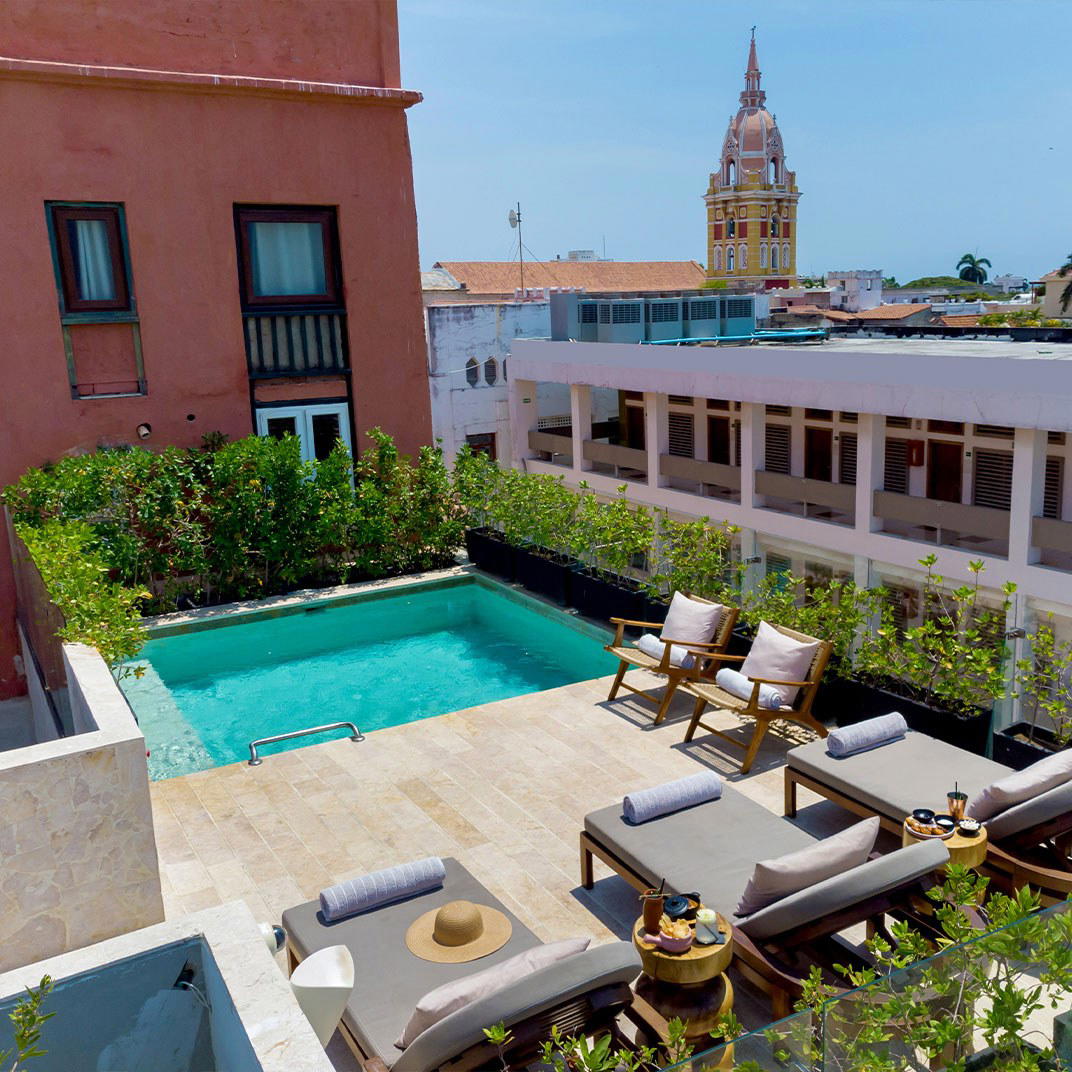
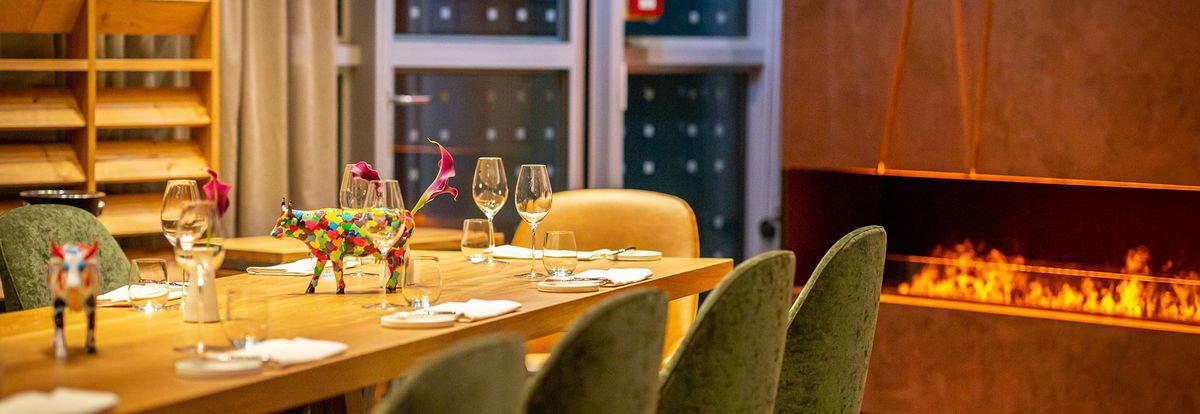
Inside Hilton Munich Airport
Planning details
- Location
- Terminalstraße Mitte 20, 85356 Oberding, Germany
- Website
- hilton.com/en/hotels/muctmhi-hilton-munich-airport/?SEO_id=GMB-EMEA-HI-MUCTMHI
- Phone
- +49 89 97820
The take
The Take
The Vibe
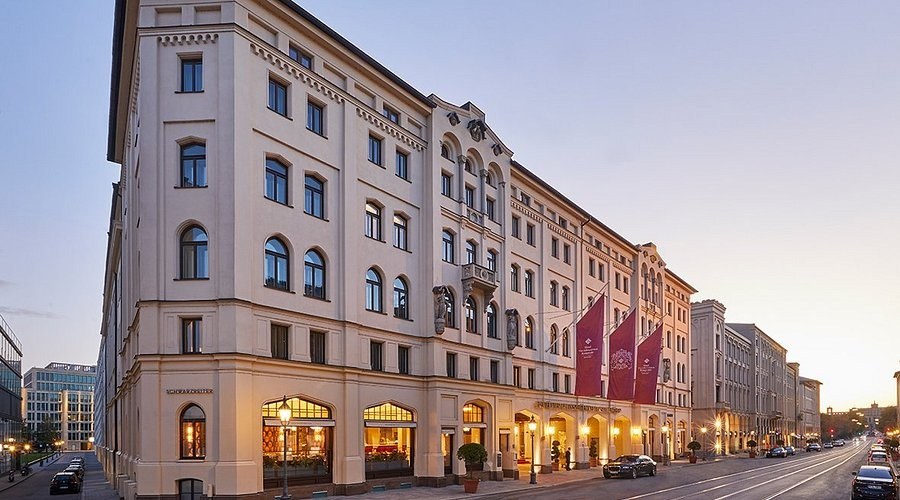
Hilton Munich Airport presents itself as a purposeful, award-winning airport property that treats transit hospitality as a category to be elevated. The hotel sits inside the airport campus with direct terminal access, and the editorial tone of the description emphasizes rigorous service delivery and polished accommodations aimed at travelers who judge by repeat stays. Rather than leaning into novelty, the property makes a practical, ambitious case for quality: efficient, well-executed, and designed to meet the expectations of business travelers who need calm reliability alongside premium touches.
Best For
This hotel is best for travelers who prioritize proximity to flights and consistency of service—particularly business travelers, frequent fliers, and anyone with tight schedules. Its location inside the airport campus removes the shuttle variable, saving valuable time for early departures and short layovers. The Hilton’s award recognition for luxury airport and business hospitality signals that guests looking for a step up from standard transit options—those who want predictable comfort, efficient transfers, and professional service—will find it especially well suited to their needs.
Stay Tips
When booking, prioritize the hotel’s key operational advantage: direct terminal integration. Guests who need minimal transfer time should select rooms that optimize access to Terminals and check policies for early check-in or luggage hold if arriving before a flight window. Expect service and dining that aim above typical airport concessions—use the hotel’s award-winning positioning as a heuristic for reliable standards. For business stays, confirm any corporate or frequent-traveler benefits at booking to streamline arrival and departure logistics.
Venue details
Ambiance
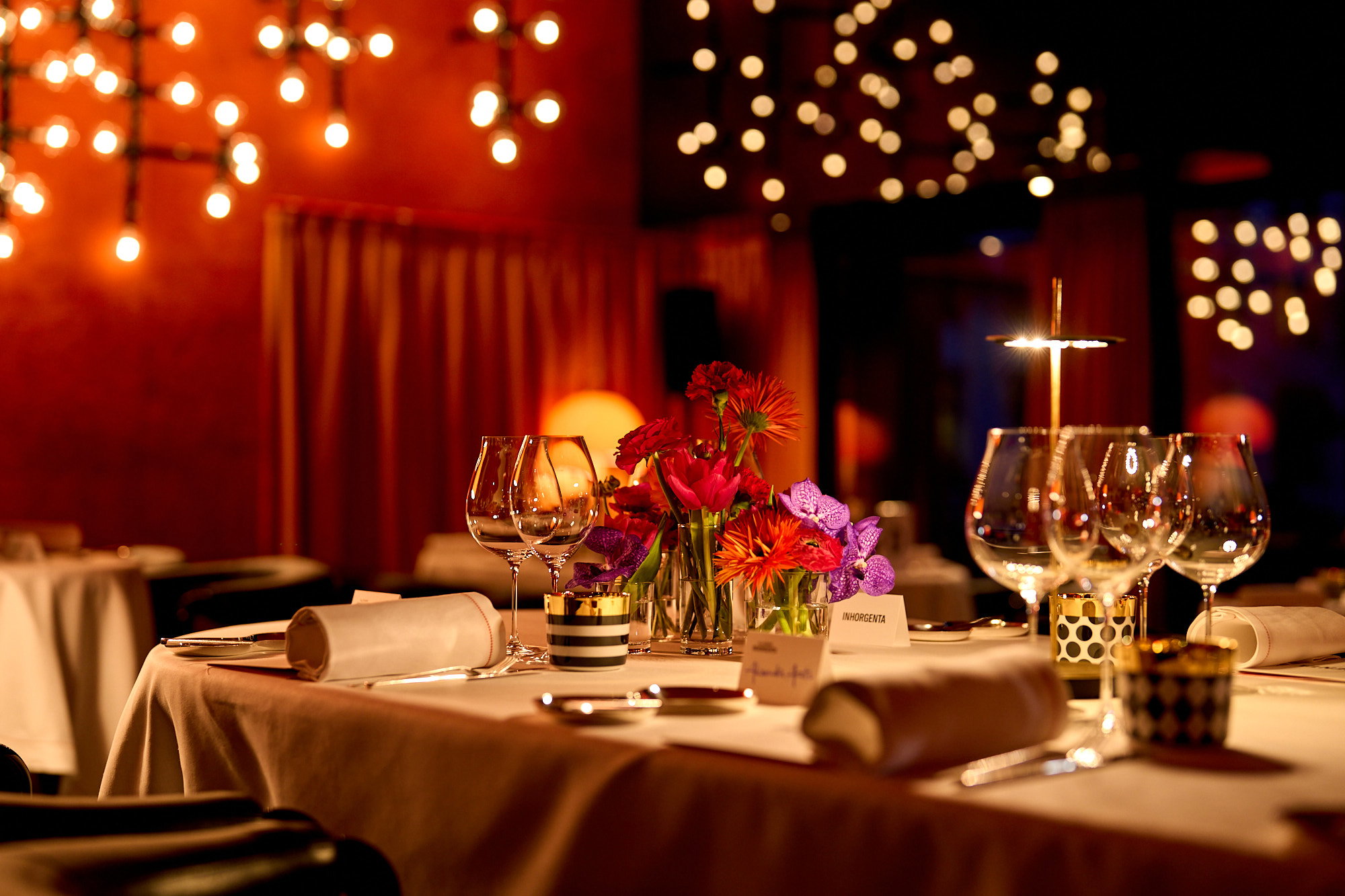
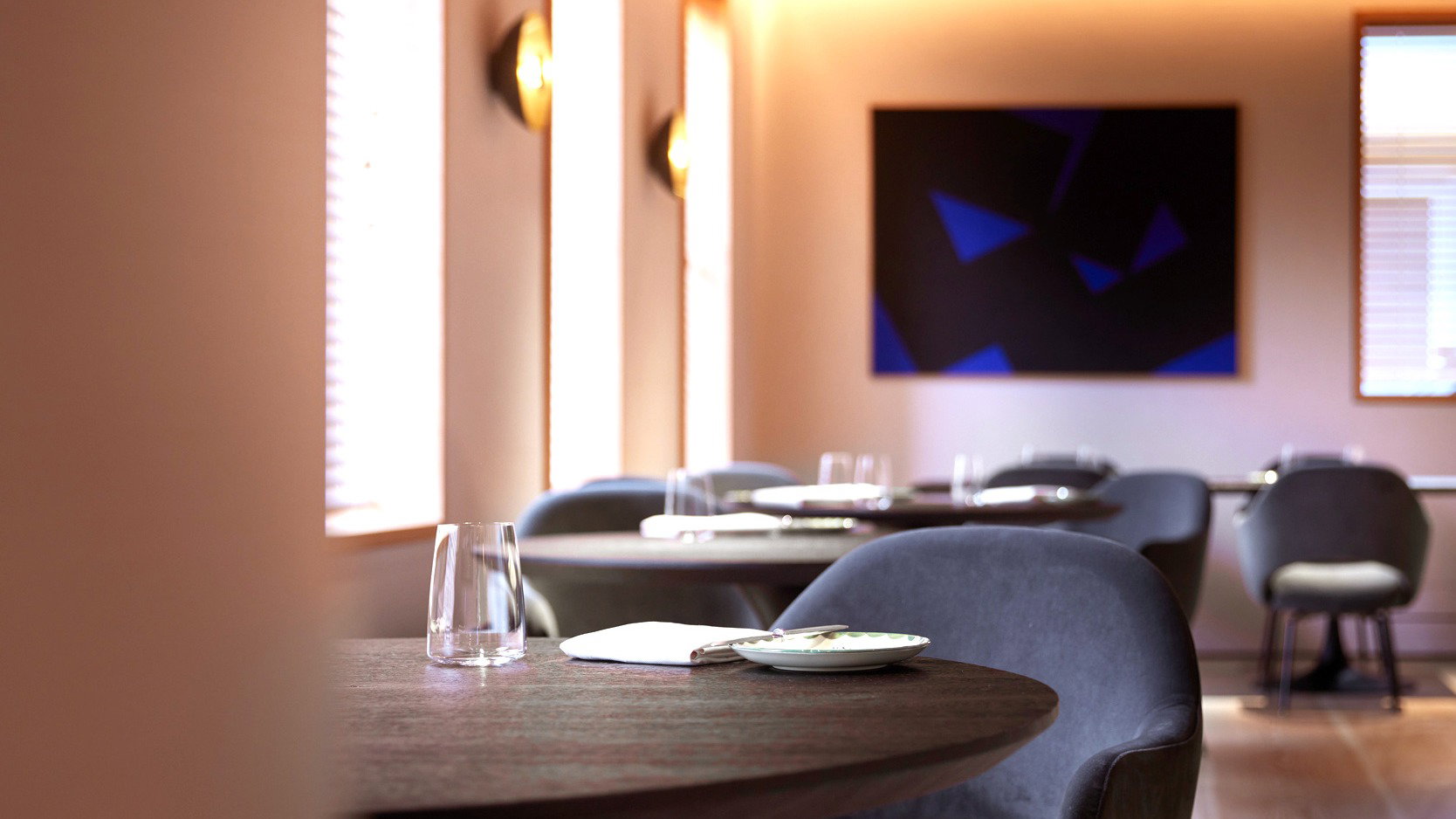
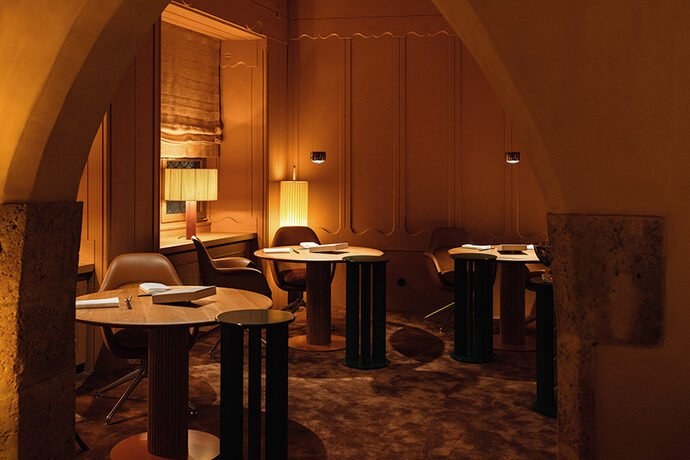
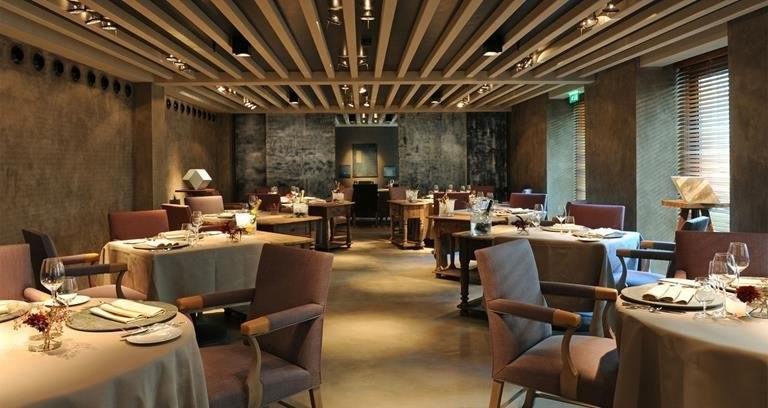
Tranquil and relaxing with soundproofed rooms, spa serenity, and modern elegant design.
Tags
Vibe
Best For
Amenities
Accessibility
About the Stay
- Rooms
- 551
- Property Style
- Modern Airport Luxury Hotel with Spacious Stylish Rooms and Extensive Business Facilities
- Design Style
- Alpine Inspired Modern Elegance Using Leather Stone Felt and Wood
- Airport Transfer
- Available
- Pool
- Yes
- Spa
- Yes
- Pets
- Allowed
- Families
- Welcome
Know before you go
Know Before You Go
- Getting there
- Terminalstraße Mitte 20, 85356 Oberding, Germany
Planning details
Location
Terminalstraße Mitte 20, 85356 Oberding, Germany · Directions
hilton.com/en/hotels/muctmhi-hilton-munich-airport/?SEO_id=GMB-EMEA-HI-MUCTMHI
Recognition and awards
Also consider
Also Consider
- AMERON München Motorworld, Notable alternative
- Andaz Munich Schwabinger Tor, Notable alternative
- Hotel München Palace, Notable alternative
- Hotel Vier Jahreszeiten Kempinski Munich, Notable alternative
- Rosewood Munich, Notable alternative
Hotel context
How It Compares
Hilton Munich Airport is the easiest recommendation when flight timing drives the stay. Against AMERON München Motorworld and Andaz Munich Schwabinger Tor, it is less about neighborhood character and more about removing the airport transfer. Choose AMERON if the Motorworld setting matters; choose Andaz for a Munich stay with more lifestyle energy.
For a central luxury trip, Hotel Vier Jahreszeiten Kempinski Munich and Rosewood Munich are the stronger cross-shops. They make more sense for dining, shopping, and a stay that feels anchored in the city. Hilton Munich Airport has the stronger convenience case, supported by 2025 World Luxury Hotel Awards Global Winner and Country Winner recognition, but the location is a tool rather than a Munich immersion.
Hotel München Palace is the better choice for a quieter city-hotel mood, especially if the trip includes meetings or dinners away from the airport. Hilton Munich Airport is easier to book and simpler logistically, so it wins for one-night transit stays. For two or more nights, compare total trip friction, not only the room rate.
Around this place
Discover more on Pearl
Unlock the full Hilton Munich Airport guide in Pearl, including awards, comparisons, FAQs, planning details, and nearby places.
Compare Hilton Munich Airport
| Venue | Location | Awards |
|---|---|---|
| Hilton Munich Airport | Munich | World Luxury Hotel Awards 20252025 Michelin Selected Hotels |
| AMERON München Motorworld | Munich | No published awards |
| Andaz Munich Schwabinger Tor | Munich | 2026 Michelin 1 Key2025 Michelin 1 Key |
| Hotel München Palace | Munich | 2026 Forbes Recommended2026 Michelin 1 Key2025 Michelin 1 Key2025 Forbes RecommendedPreferred Hotels L.V.X. Collection 2025 |
| Hotel Vier Jahreszeiten Kempinski Munich | Munich | 2026 Virtuoso Luxury Hotel Collection2026 Forbes 4-Star2026 La Liste Top Hotels2026 Michelin 1 Key2025 Forbes 4-Star2025 Michelin 1 Key |
| Rosewood Munich | Munich | 2026 Virtuoso Luxury Hotel Collection2026 Forbes 4-Star2026 Michelin 2 Keys2025 Forbes 4-Star2025 Michelin 2 Keys2024 Michelin 2 Keys |







How Hilton Munich Airport compares with similar nearby venues.
FAQ
Frequently Asked Questions
How is the dining at Hilton Munich Airport?
Dining concept, cuisine, hours, menu format, or prices at Hilton Munich Airport are not specified. If dining is important to your stay, confirm current options directly with the hotel. For a different Munich hotel experience, Hotel Vier Jahreszeiten Kempinski Munich or Rosewood Munich may also be worth comparing.
How does Hilton Munich Airport compare to other Munich hotels?
Hilton Munich Airport has World Luxury Hotel Awards 2025 recognition as a WLHA Global Winner and WLHA Country Winner, and its dress code is business casual. AMERON München Motorworld and the other Munich hotels listed below may be better fits depending on the style and location you want for your trip.
When is the best time to book Hilton Munich Airport?
Booking difficulty, seasonal demand, or pricing patterns for Hilton Munich Airport are not available. Book based on your travel dates and confirm current rates and policies before committing. If your plans are flexible, compare it with other Munich hotel options.
What is check-in like at Hilton Munich Airport?
Specific check-in procedures, timing, and service details are not available. Confirm arrival information directly with Hilton Munich Airport before your stay. If you prefer to compare different Munich hotel styles, Hotel München Palace or Rosewood Munich are relevant alternatives to review.
Which room category is best at Hilton Munich Airport?
Room categories or a specific room type at Hilton Munich Airport are not identified. Choose based on the current room descriptions, rates, and policies available when you book. Andaz Munich Schwabinger Tor offers another Munich hotel option to compare.
How is the location of Hilton Munich Airport?
The location is Munich. Street address, terminal details, and transfer specifics are not available, so confirm those directly before relying on them. AMERON München Motorworld or Hotel Vier Jahreszeiten Kempinski Munich may also be considered depending on where you want to stay in Munich.
How is the pool and spa at Hilton Munich Airport?
Pool or spa details for Hilton Munich Airport are not available. If wellness facilities matter to your trip, check the hotel's current information before booking. Andaz Munich Schwabinger Tor, Hotel München Palace, or Rosewood Munich can also be reviewed as Munich comparison points.