
K Club Ubud
Tegallalang, Bali
Hotel in Bali, Indonesia
 Book with Pearl
Why go
K Club Ubud is a sensible pick if the trip is built around Ubud's inland retreat rhythm rather than beach access or town-center convenience. Its 2025 World Luxury Hotel Awards recognition gives it a credible quality signal, but the booking only makes sense if privacy, resort time, and the Tegallalang-side setting matter more than easy walking access.
About K Club Ubud
K Club Ubud is a Bali venue best approached with a careful, fact-first lens. Its key public-facing details include a smart-casual dress code and recognition in the 2025 World Luxury Hotel Awards. Those points give travelers a useful starting point, while the finer booking details should be checked directly before committing. Before reserving, ask the venue about accommodations, facilities, dining formats, prices, services, inclusions, and any current conditions that matter to your trip.
Use K Club Ubud as a cautious starting point when comparing Bali properties. It can help frame the right questions, especially for travelers who want to understand inclusions, cancellation terms, and on-site services before making a decision. That direct check is especially important where the value of the booking depends on what is included, what is optional, and what is subject to change.
Choose it for a Bali stay with award recognition
The strongest trust signal is external recognition from the World Luxury Hotel Awards 2025, where K Club Ubud was named a WLHA Global Winner and a WLHA Continent Winner. Awards alone should not decide a booking, but they are a meaningful point of distinction. For a traveler scanning Bali options, that recognition can be useful because it is a concrete marker rather than a vague claim. It suggests that K Club Ubud has attracted attention within a luxury-hospitality awards context, while still leaving the more personal booking questions to be checked separately.
The dress code is smart casual. That gives guests a basic sense of the expected presentation on property, but it should not be stretched into assumptions about every setting or occasion. For specific dress, dining, accommodation, or service requirements, guests should check directly with the venue for the latest practical guidance. A quick check before arrival can help avoid overpacking, underplanning, or relying on outdated details from elsewhere.
How to think about the value question
Because pricing and category details can affect the value calculation, the safer move is to compare the total offer rather than rely on assumptions about nightly value. A rate can look attractive or expensive in isolation, but without clear inclusions, cancellation terms, and service details, it is difficult to judge like-for-like value. Ask about inclusions, cancellation terms, and any services that matter to your trip before booking. The more specific your priorities are, the more important it becomes to ask those questions in advance rather than infer them from the award recognition or the general Bali setting.
For travelers comparing Bali options, K Club Ubud can be considered alongside other Bali stays such as Abisena Wellness and Resort Ubud, Capella Ubud, Bali, Chapung Sebali, Hoshinoya Bali, and Samsara Ubud. That comparison should be based on current booking conditions rather than broad assumptions, since each property may differ in what is included, how cancellation works, and which services are available for a particular booking. Other dining and hotel options in Bali should be checked separately if restaurant access or a broader itinerary is central to the trip. In short, keep K Club Ubud on the list for its award recognition, but make the final choice only after the practical details have been checked directly.
Planning details
- Location
- Jalan Raya Cebok , Kedisan Tegallalang, Kedisan, Kecamatan Ubud, Kabupaten Gianyar, Bali 80561, Indonesia
- Website
- kclububud.com
- Phone
- +62 877-0003-3888
The take
The Take
The Vibe
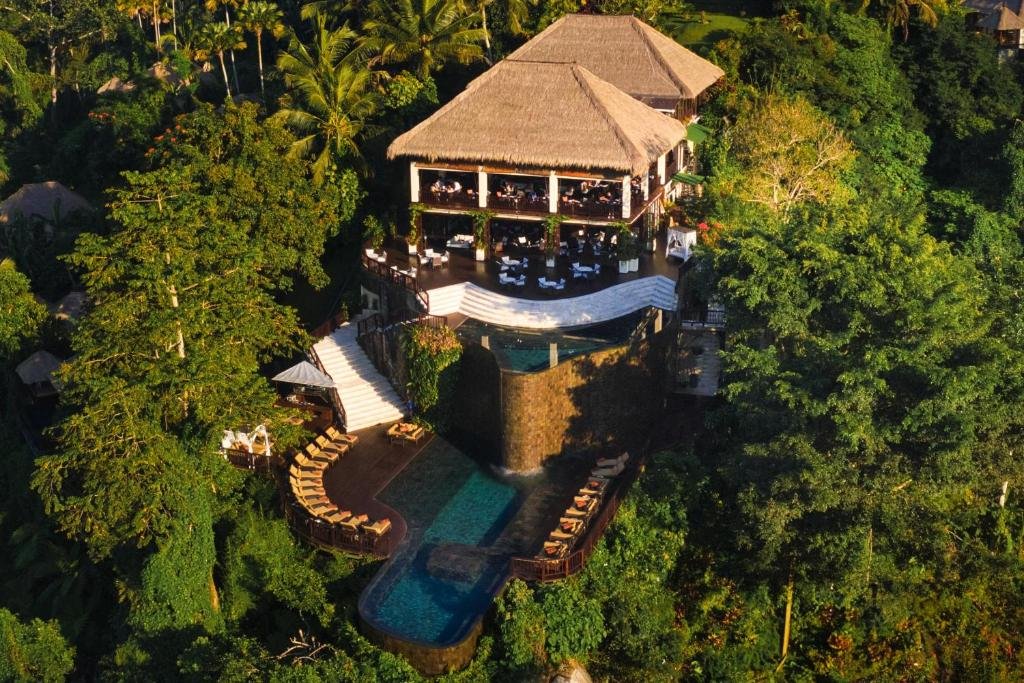
K Club Ubud presents as a quiet, tented-camp retreat that leans into Bali’s agricultural terrain rather than its beach-club theatrics. The property is sited amid the UNESCO-recognized subak rice-terrace landscape of Kedisan and Tegallalang, and the copy frames the hotel as an argument for immersion: elevation, ecology and local materials outweigh proximity to Ubud’s galleries and nightlife. The result is a rustic, serene feel—more meditative than flashy—where architecture and setting foreground the terraces and craft villages beyond the road. It reads as an understated, nature-focused escape for travellers who prize landscape and seclusion.
Best For
This hotel is best for travellers who prioritise immersion in Bali’s countryside over easy access to Ubud’s restaurants and galleries. It suits couples seeking quiet, romantic seclusion and guests looking for eco-conscious, wellness-oriented downtime in a tented-camp setting. Because the property intentionally sits outside Ubud’s administrative core, it’s less convenient for nightlife, shopping or gallery-hopping, and better for visitors who plan on lingering on the grounds, walking the terraces and treating the stay itself as the main activity.
Stay Tips
Plan logistics with the property’s location in mind: expect travel time to and from Ubud’s centre and factor that into any itinerary that includes gallery visits or dining elsewhere. Treat the stay as an immersion in the terraces—book enough time to settle in and explore the immediate landscape rather than trying to compress multiple excursions into one day. The description emphasises ecological restraint and a tented-camp format, so confirm accommodation specifics when booking and prioritise on-site relaxation and walking the surrounding rice-terrace corridor.
Venue details
Ambiance
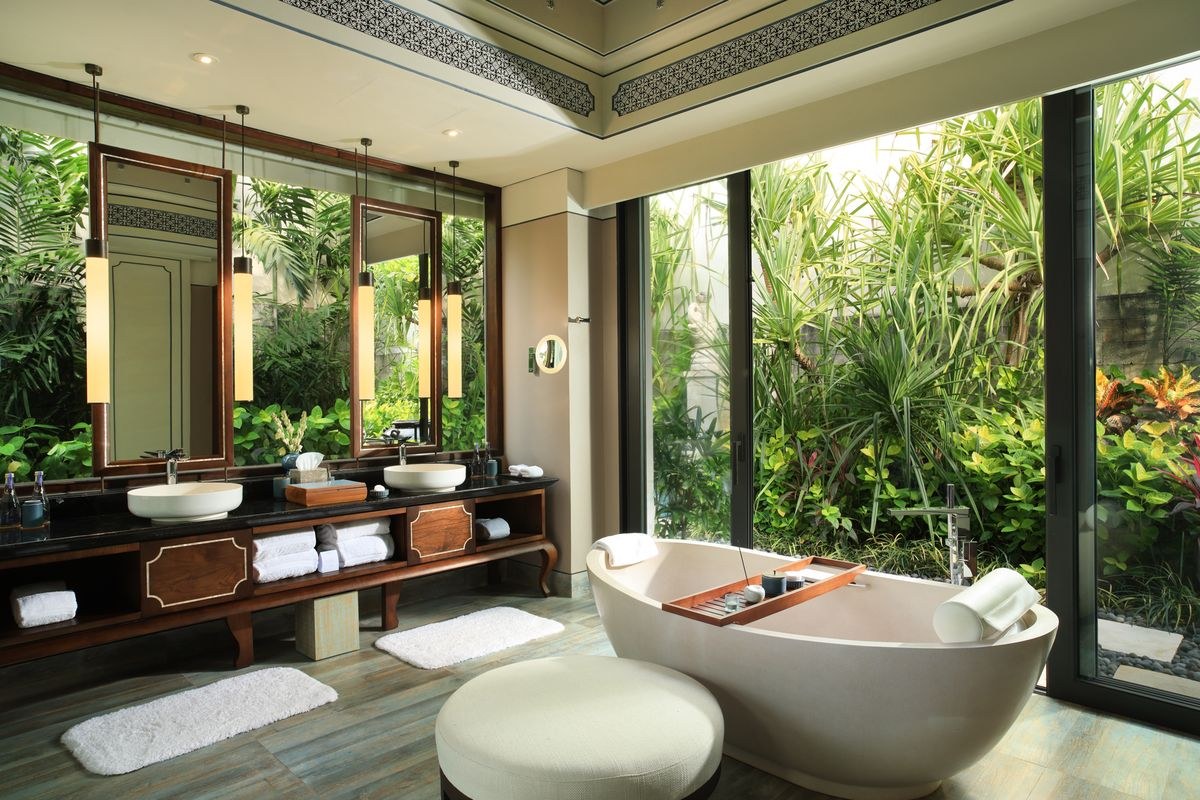
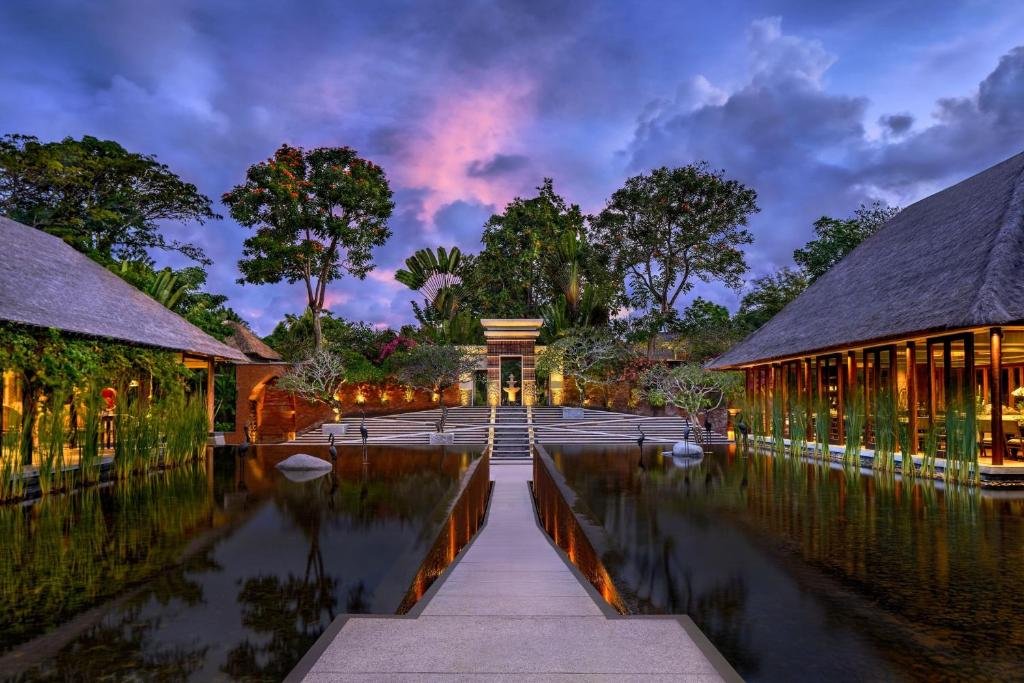
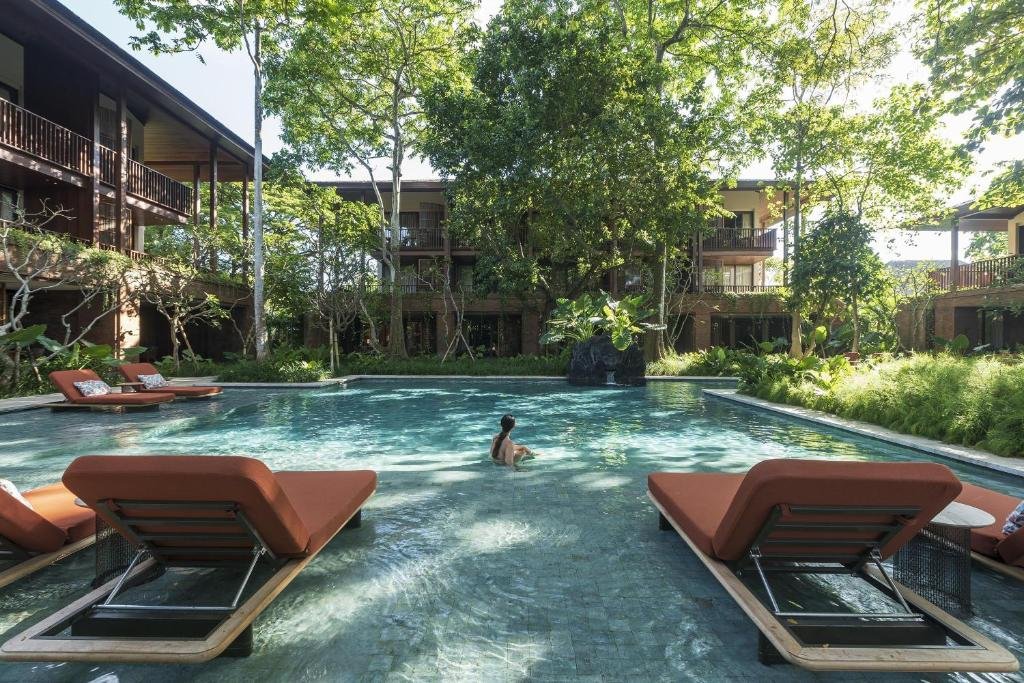
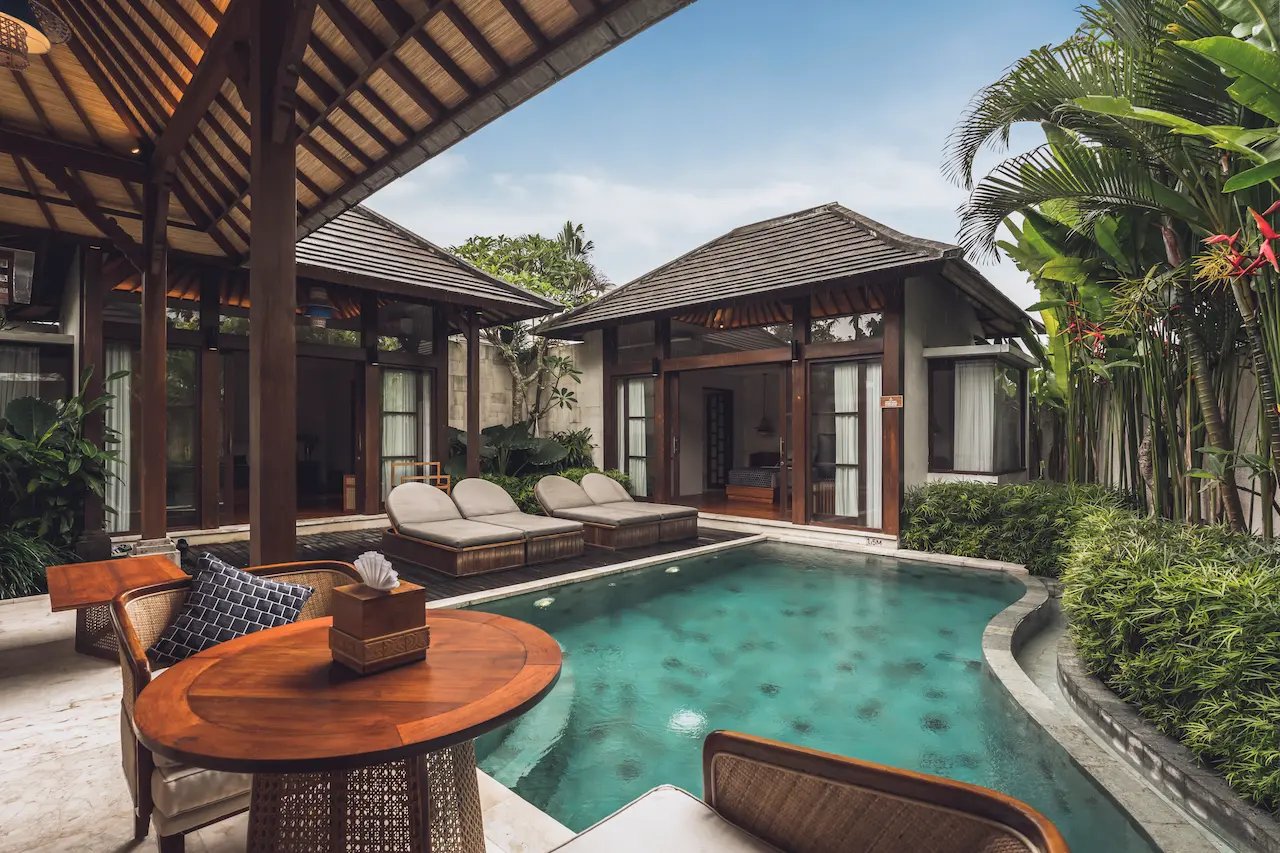
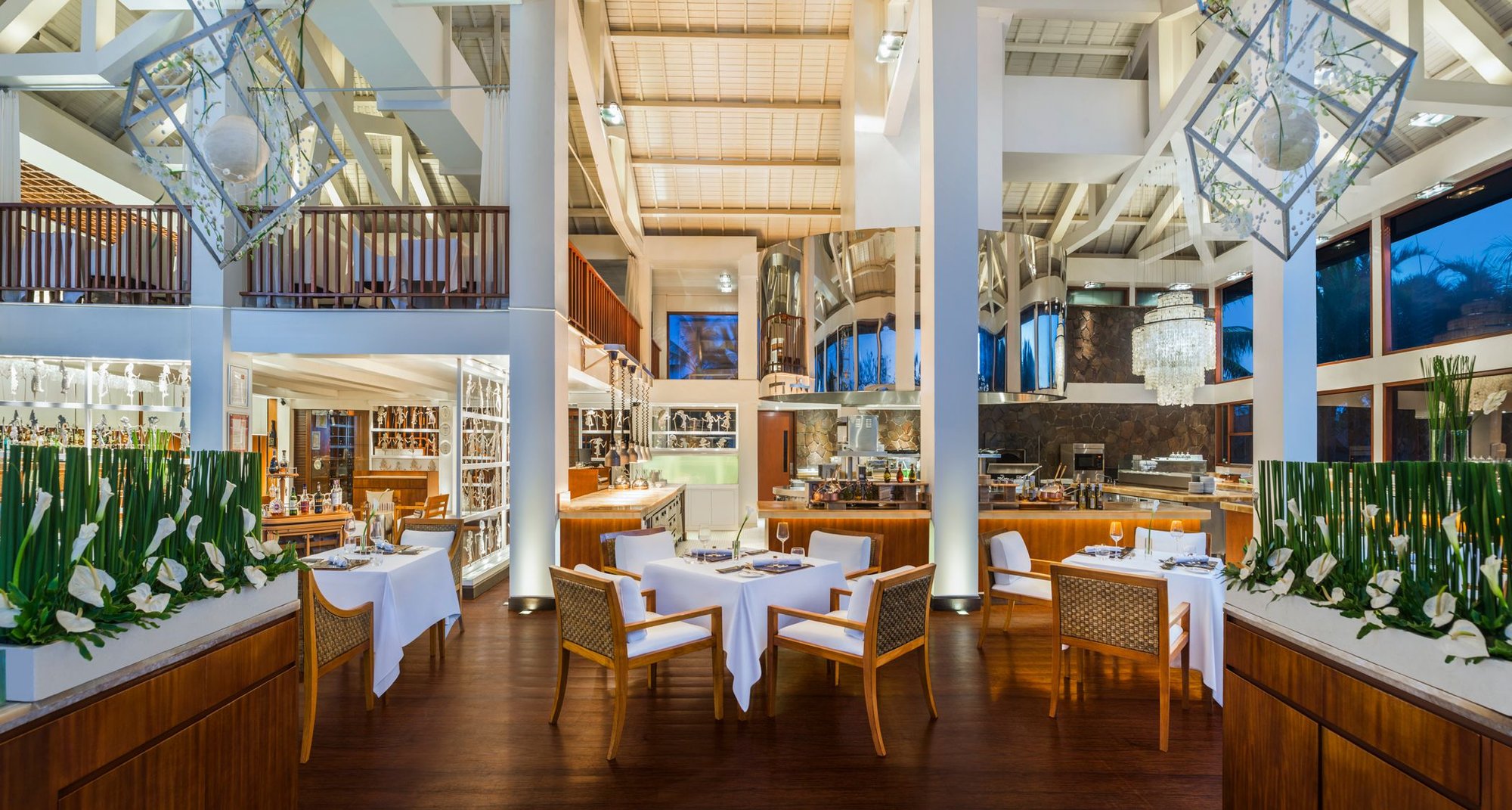
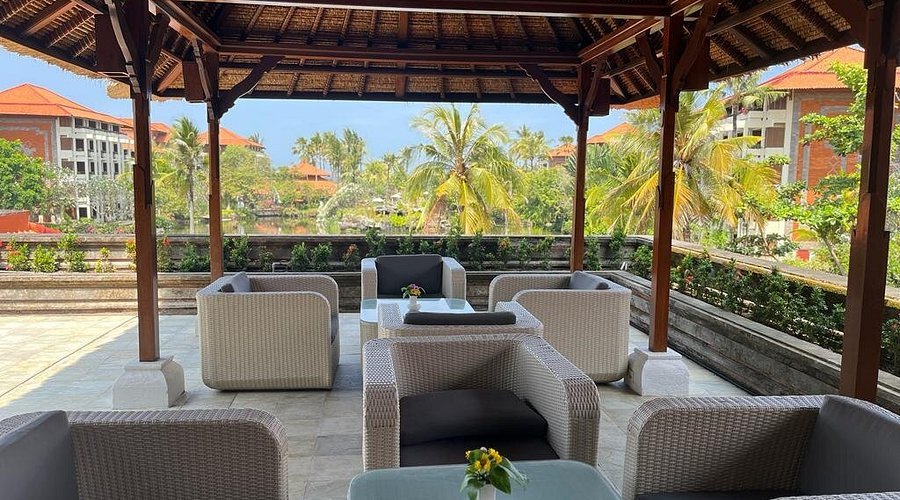
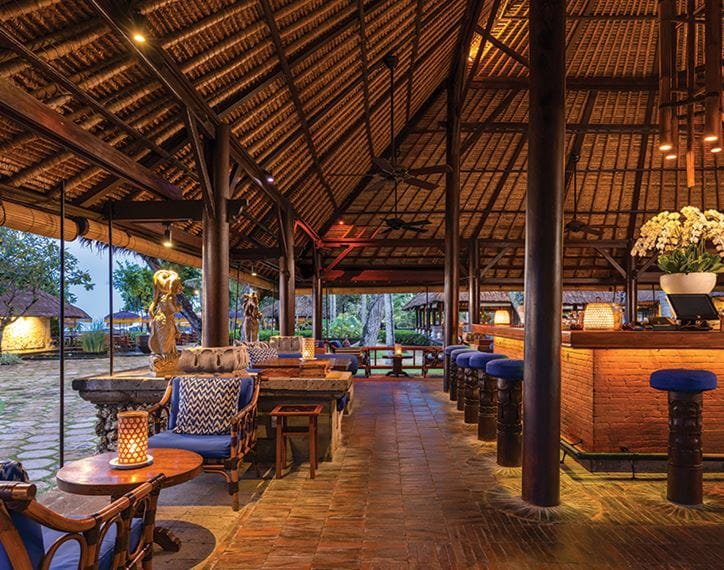
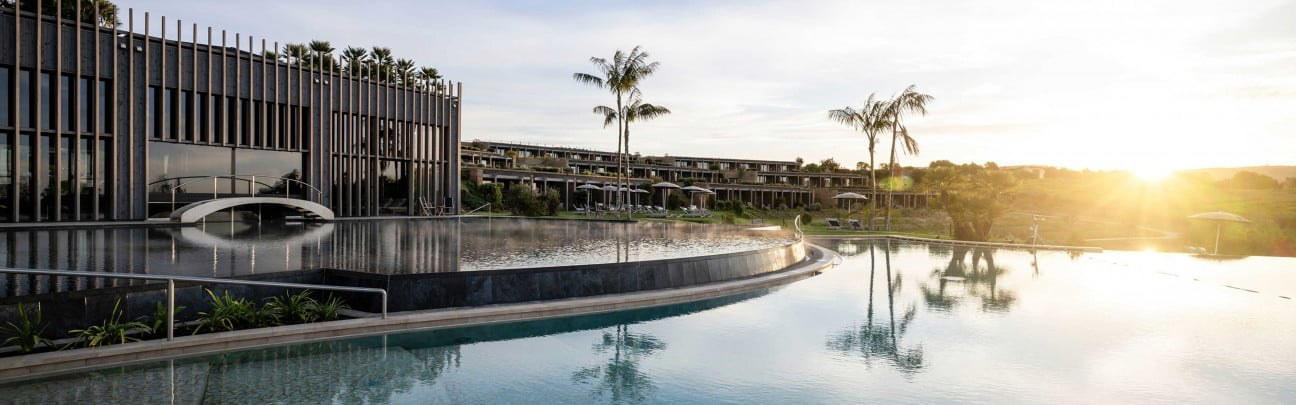
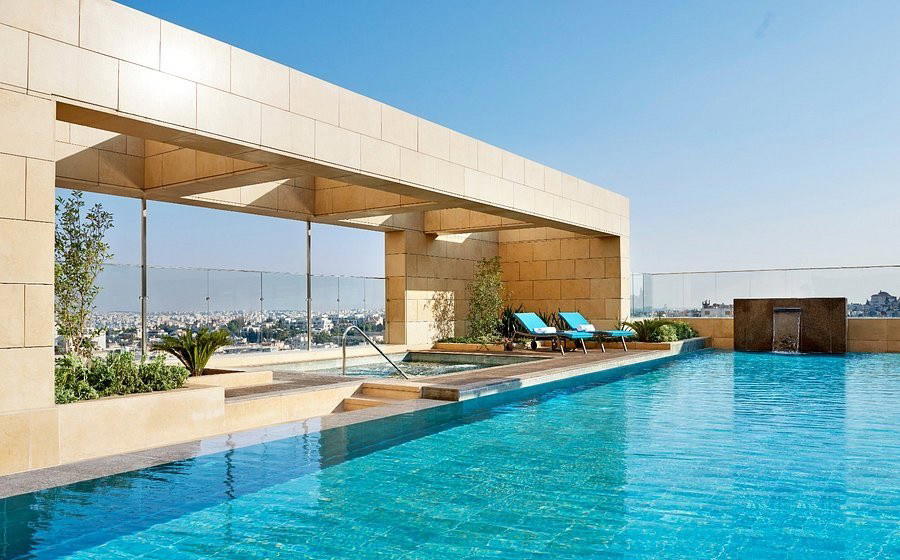
Serene and sophisticated with lush gardens, infinity pools overlooking nature, and tranquil spa lighting.
Tags
Vibe
Best For
Experience
Amenities
View
Accessibility
About the Stay
- Rooms
- 30
- Check-in
- 15:00
- Check-out
- 11:00
- Property Style
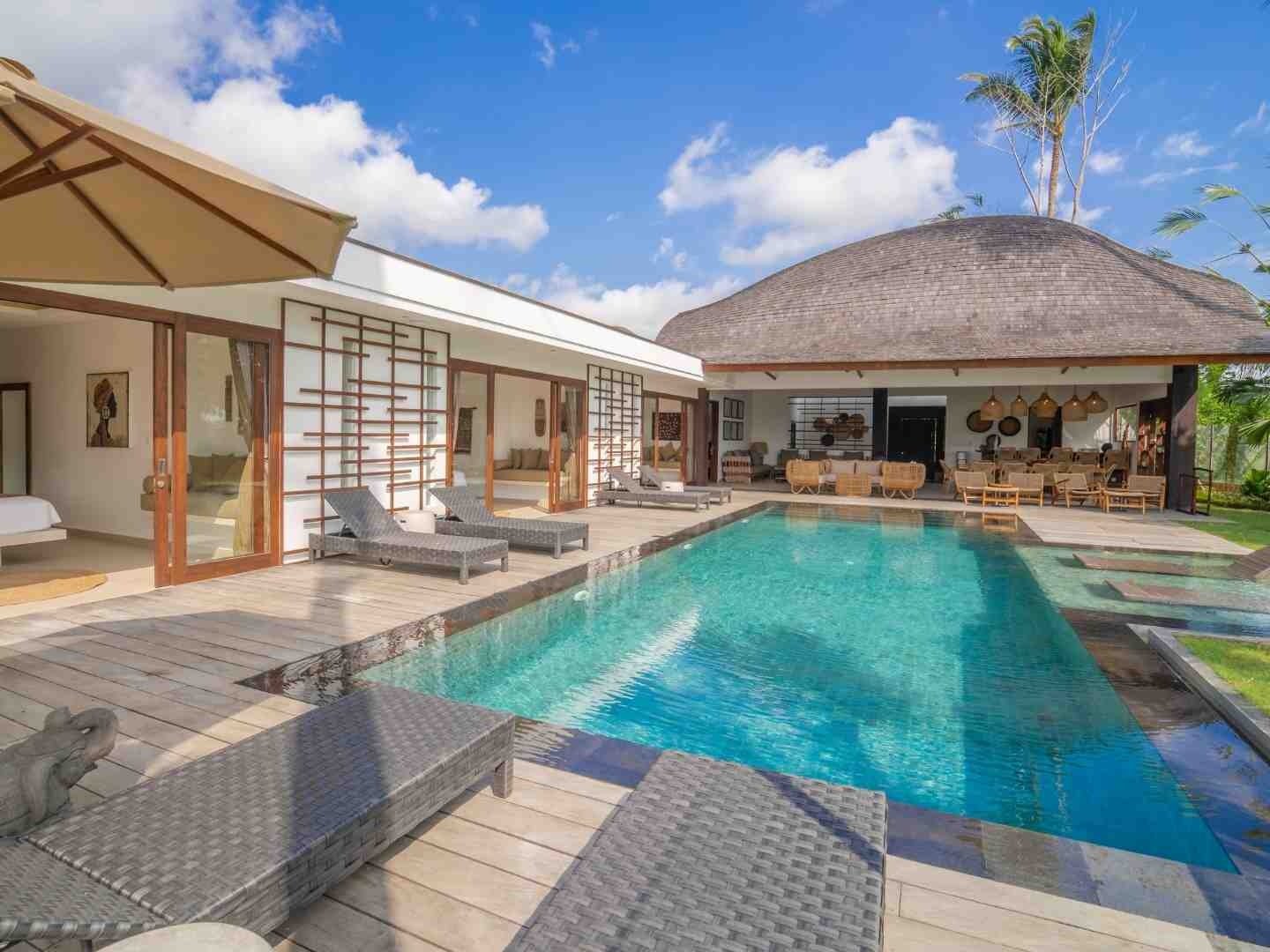
- Luxury Villa Resort Blending Modern Comforts with Balinese Nature
- Design Style
- Elegant Tropical with Private Patios and Jungle Immersion
Know before you go
Know Before You Go
- Getting there
- Jalan Raya Cebok, Kedisan Tegallalang, Kedisan, Kecamatan Ubud, Kabupaten Gianyar, Bali 80561, Indonesia
Planning details
Location
Jalan Raya Cebok , Kedisan Tegallalang, Kedisan, Kecamatan Ubud, Kabupaten Gianyar, Bali 80561, Indonesia · Directions
Recognition and awards
Also consider
If K Club Ubud is not the right fit
Try Hoshinoya Bali if the stay should feel more design-led and quiet, or Abisena Wellness and Resort Ubud if wellness is the reason for choosing Ubud. For a bigger splurge mood, compare rates at Capella Ubud, Bali before locking in.
Hotel context
How K Club Ubud compares in Ubud
Choose K Club Ubud if the priority is an inland resort stay with external luxury-award recognition and an easy booking signal. Capella Ubud, Bali is the stronger cross-shop for travelers who want a higher-drama jungle-resort feel, while Hoshinoya Bali is better suited to guests who want a more composed, design-led stay.
Samsara Ubud and Chapung Sebali are the useful comparisons for value and atmosphere: both make sense if the goal is Ubud calm without automatically choosing the highest-profile name. Abisena Wellness and Resort Ubud is the clearer alternative for travelers putting wellness positioning ahead of awards recognition.
The short version: book K Club Ubud when the award signal and retreat setting are enough to justify staying outside the busiest Ubud core. Cross-shop Capella Ubud, Bali for a bigger splurge mood, Hoshinoya Bali for design discipline, and Abisena Wellness and Resort Ubud if wellness programming is the sharper reason for the trip.
Explore Bali
Around this place
Discover more on Pearl
Unlock the full K Club Ubud guide in Pearl, including awards, comparisons, FAQs, planning details, and nearby places.
Compare K Club Ubud
| Venue | Location | Awards |
|---|---|---|
| K Club Ubud | Bali | World Luxury Hotel Awards 2025 |
| Capella Ubud, Bali | Ubud | 2026 Travel + Leisure 100 Favorite Hotels in the World · #52026 Virtuoso Luxury Hotel Collection2026 Forbes 4-StarStar Wine Lists 2026Leading Hotels of the World 20262026 La Liste Top Hotels2026 Michelin 2 KeysTatler Best Hotels Asia-Pacific 2025World Travel Awards 2025 |
| Samsara Ubud | Ubud | 2026 Michelin 1 Key2025 Michelin 1 KeyPreferred Hotels L.V.X. Collection 2025 |
| Abisena Wellness and Resort Ubud | Gianyar | No published awards |
| Hoshinoya Bali | Tampaksiring | No published awards |
| Chapung Sebali | Ubud | 2026 Michelin 1 Key2025 Michelin 1 Key |











How K Club Ubud Bali compares with similar nearby venues.
FAQ
Frequently Asked Questions
How is the location of K Club Ubud?
What is check-in like at K Club Ubud?
When is the best time to book K Club Ubud?
Do loyalty programs work at K Club Ubud?
Do not choose it for points value unless a program benefit applies to your booking.
How does K Club Ubud compare to other Bali hotels?
K Club Ubud can be compared with other Bali options such as Capella Ubud, Bali, Hoshinoya Bali, Samsara Ubud, Abisena Wellness and Resort Ubud, and Chapung Sebali. Compare current inclusions, services, facilities, rates, and cancellation terms before deciding.