

Samsara Ubud
Payangan, Ubud
Hotel in Ubud, Indonesia
 Book with Pearl
The Read
Forest-Edge Villa Seclusion
Why go
Samsara Ubud is worth shortlisting for a quieter, special-occasion stay outside central Ubud, especially if privacy matters more than quick access to town. Its Michelin 1 Key and Preferred Hotels L.V.X. Collection recognition give it a stronger quality signal than many Bali jungle resorts, but the location is better for slow itineraries than packed sightseeing days.
About Samsara Ubud
Samsara Ubud is a stay in Ubud, recognized with a Michelin 1 Key for 2025 and inclusion in the Preferred Hotels L.V.X. Collection in 2025. For other details like specific address, room style, dining format, spa facilities, pricing, or service inclusions, confirm directly with the property.
When planning, consider Samsara Ubud as an Ubud stay option based on its recognition and collection affiliation. If your trip depends on a particular facility, meal plan, accessibility need, or room configuration, confirm those details directly before booking.
Choose it for its recognition, confirm other specifics
Recognition matters here. A Michelin 1 Key for 2025 and Preferred Hotels L.V.X. Collection listing for 2025 give Samsara Ubud clear third-party recognition. That does not automatically make it the right booking for every traveler, but it does provide a grounded reason to include it on an Ubud shortlist.
The better fit is a stay chosen for its recognition
Samsara Ubud can make sense for travelers comparing stays in Ubud and looking for a property with recognition rather than relying only on marketing language. The dress code is casual, which is useful for guests planning how formal the stay may feel.
If dates are fixed, compare Samsara Ubud with Capella Ubud, Bali, COMO Shambhala Estate, Hanging Gardens of Bali, K Club Ubud, and Abisena Wellness and Resort Ubud before committing. Samsara Ubud is the more sensible choice when its recognition and Ubud setting match the trip; for any specific facilities, dining, wellness, or transport expectations, verify directly before booking.
Planning details
- Location
- Banjar Ayah No.Desa, Kelusa, Kec. Payangan, Kabupaten Gianyar, Bali 80572
- Website
- samsaraubud.com
- Phone
- +62 361 2091769
The take
The Take
The Vibe
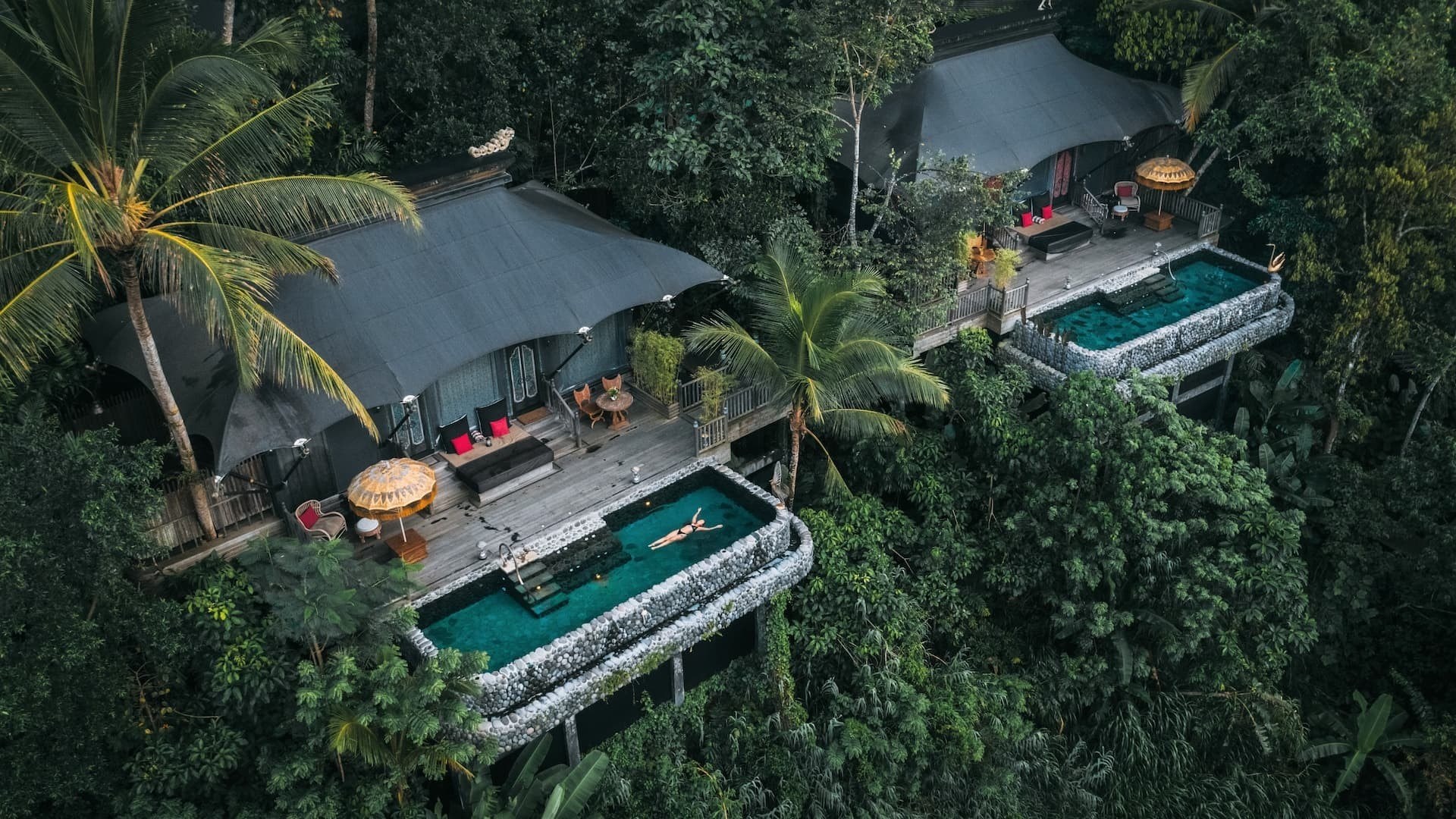
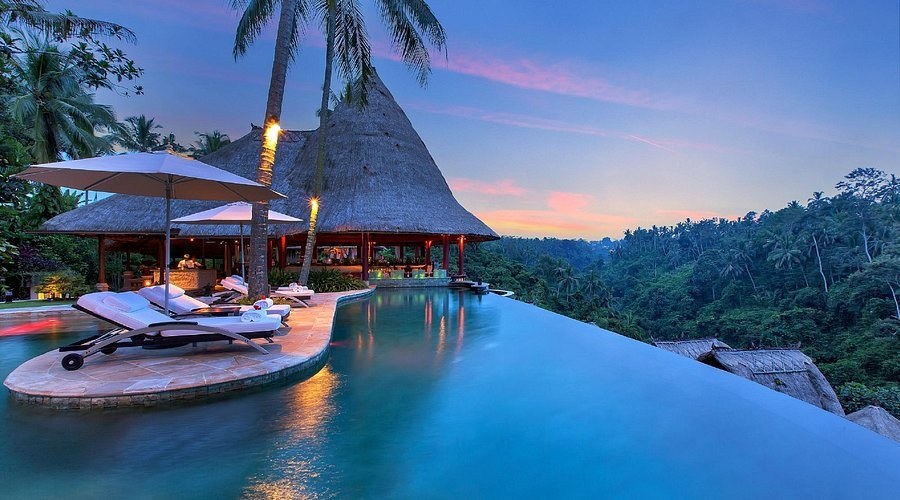
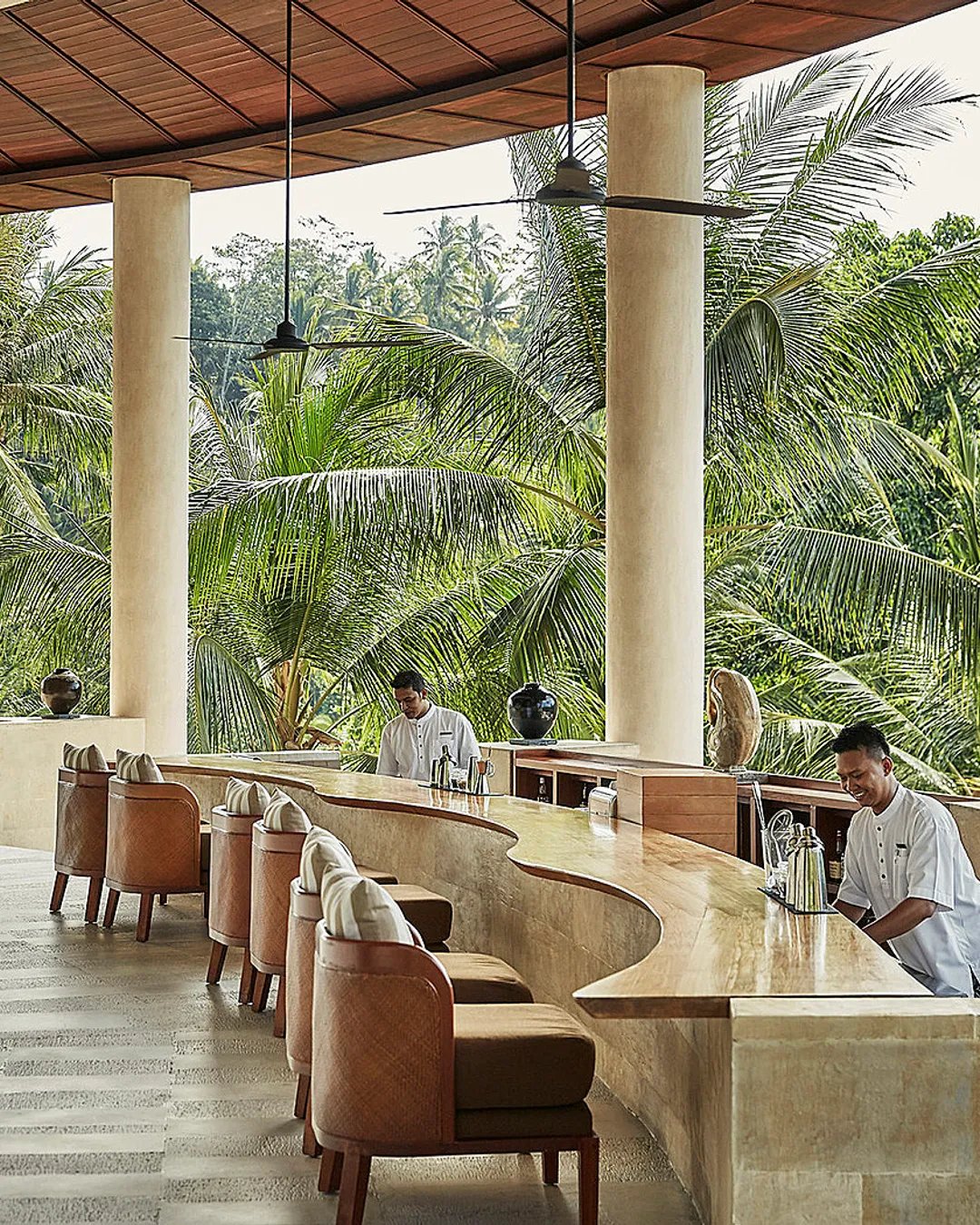
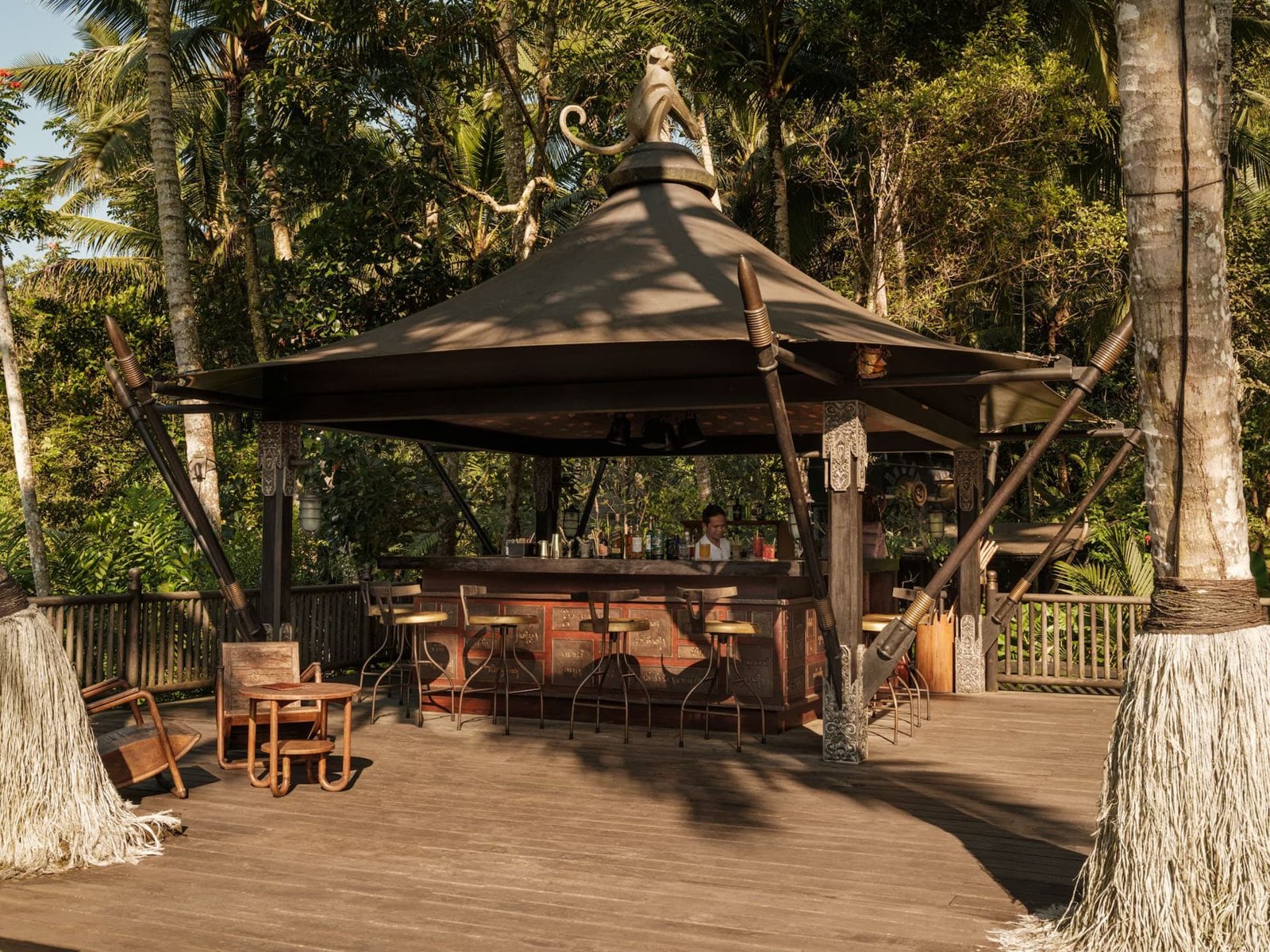
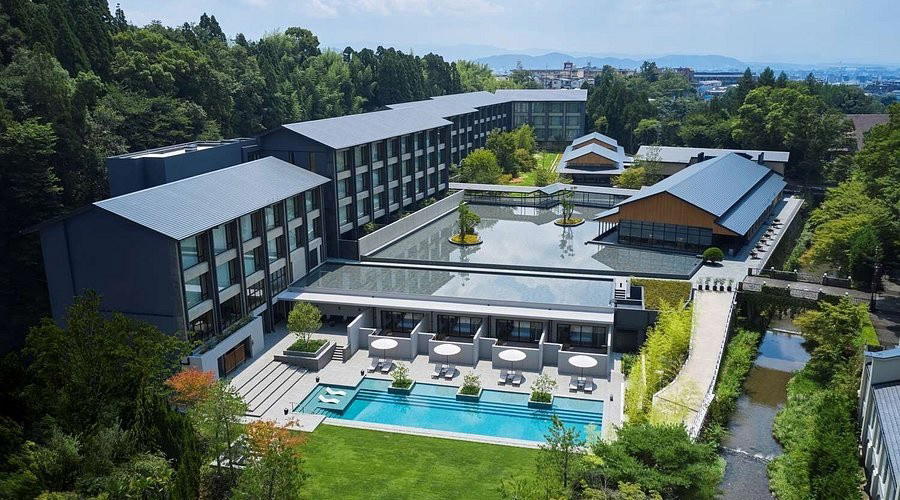
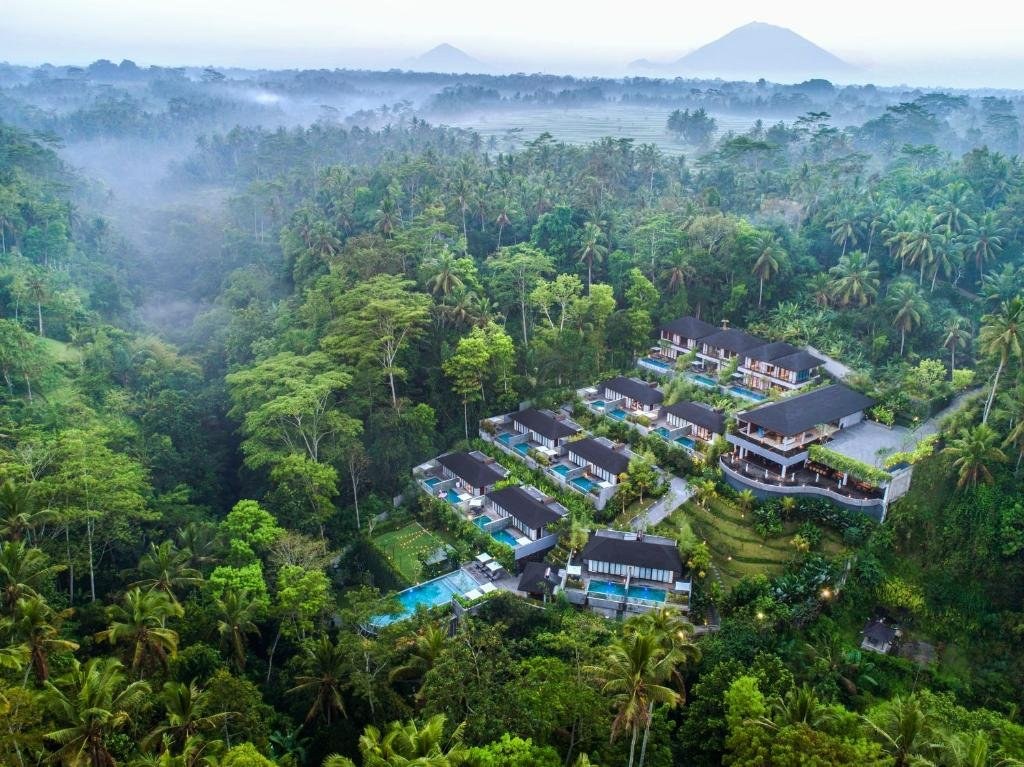
Samsara Ubud reads as a quietly exacting inland resort: compact, design-led and anchored to its forested ridgeline. The property leans into the interior’s particular qualities of light and silence rather than borrowing its identity from a shoreline. With just 17 villas the architecture and site relationship do the positioning work, creating a restrained form of luxury that feels intimate rather than grand. The scale and setting prioritize stillness and canopy-framed views, so the day-to-day rhythm of the place is slow, contemplative and governed by the surrounding valley rather than a resort’s bustle.
Best For
This is a property for travelers who choose Bali’s interior over its beaches: people seeking seclusion, a strong sense of place and a stay defined by natural light and forest canopy. The small, villa-only format suits couples and anyone after privacy and restorative quiet; it also appeals to guests who value architecture and a thoughtful site relationship over amenity-heavy resorts. Because Samsara positions itself away from Ubud’s commercial centre, it’s well suited to those who plan their own excursions and want a calm home base rather than immediate access to the gallery strip or cooking-class circuit.
Stay Tips
Book early and reserve a villa rather than expecting walk-up availability—at 17 units the resort fills fast and its scale is part of the appeal. Expect to arrange transport or transfers: the property sits at some remove from Ubud’s main tourist lanes, so plan logistics for dining or sightseeing in advance. Lean into the quiet: requests for early-morning walks into the ridgeline or simply time on your villa terrace are likely to be the stay’s highlights. The small guest-to-staff ratio suggests attentive service, so flag any special needs when booking to ensure they are accommodated.
Venue details
Ambiance
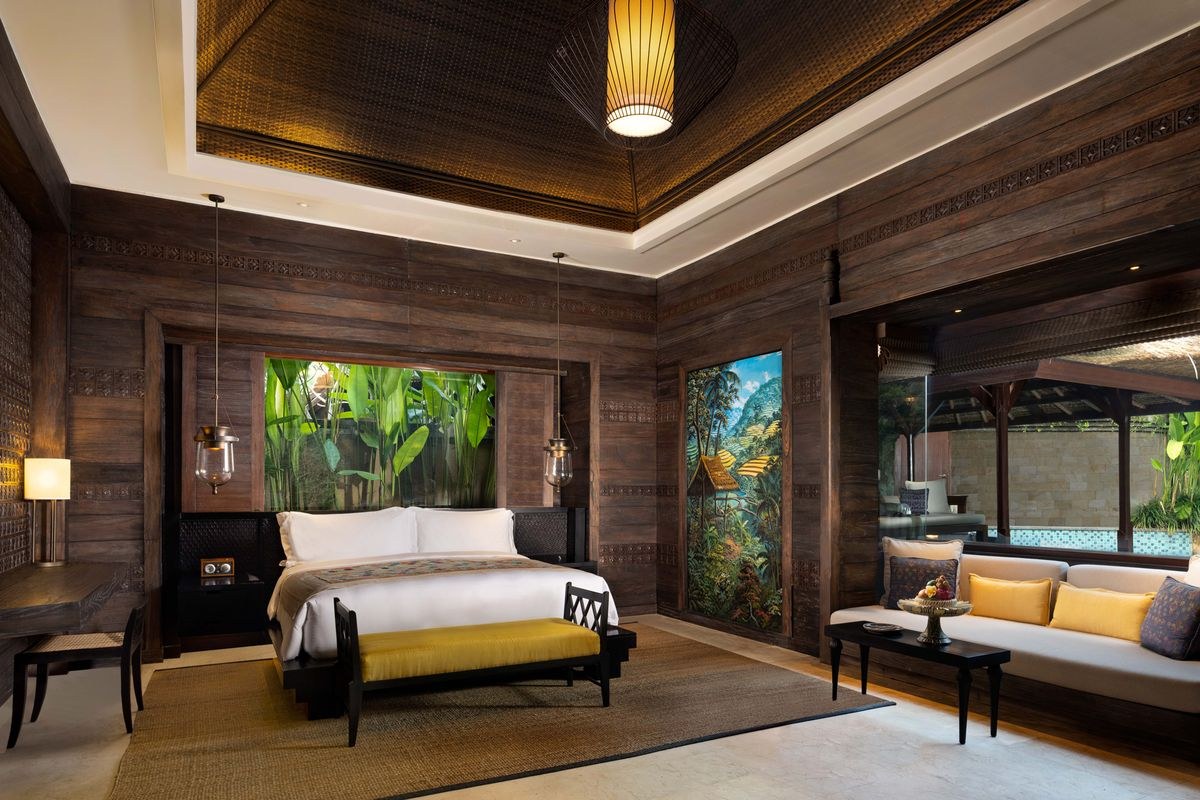
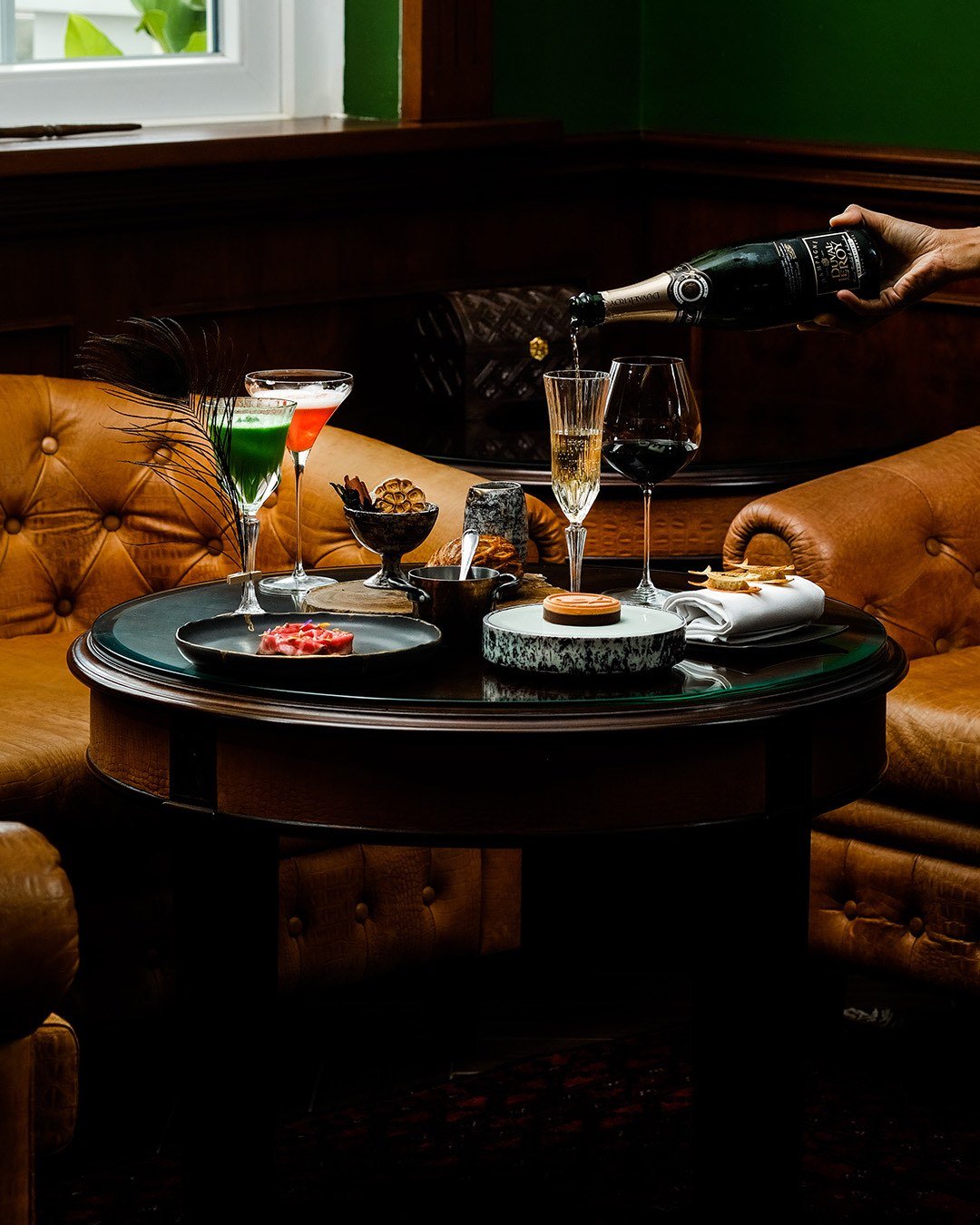
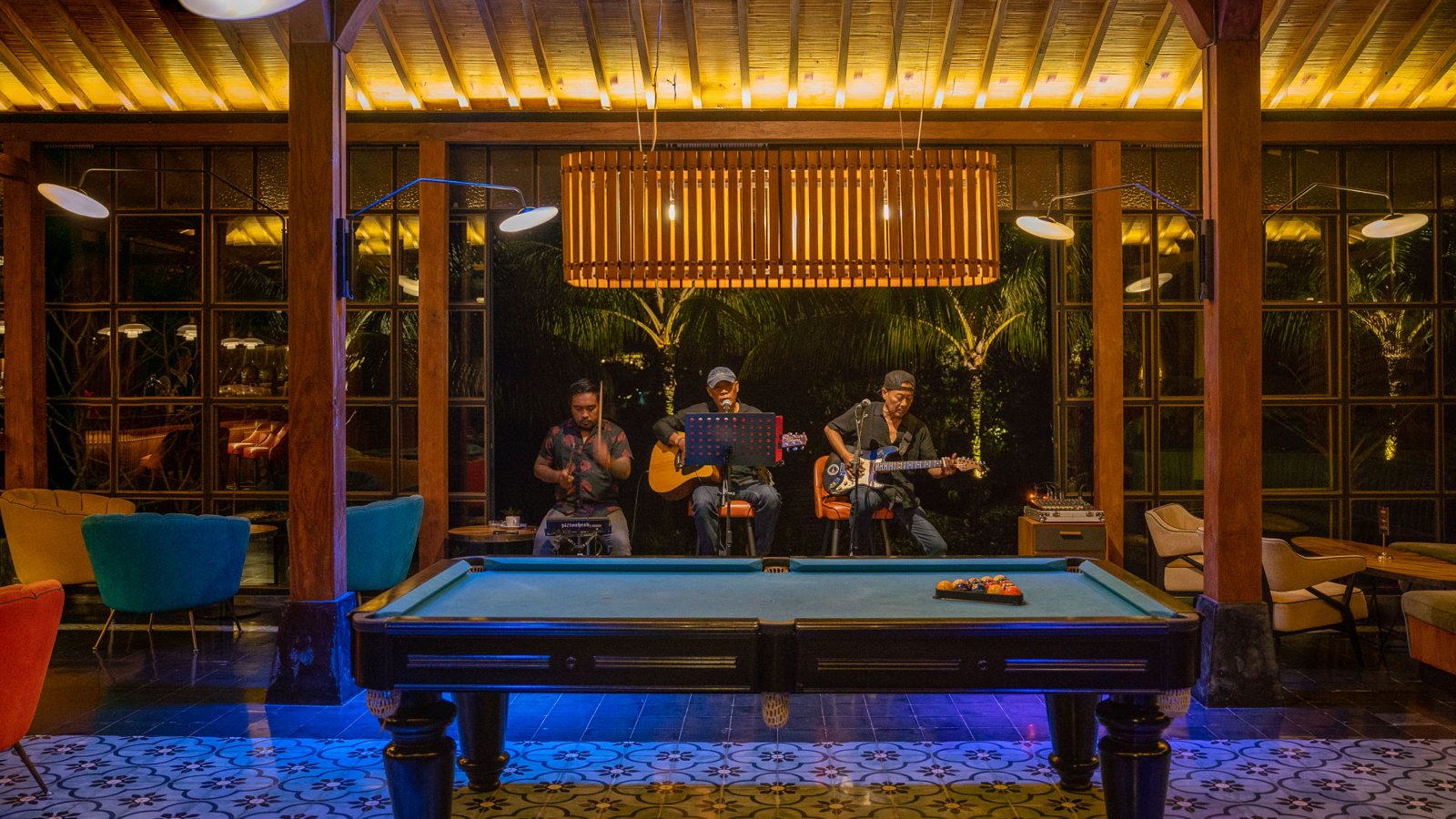
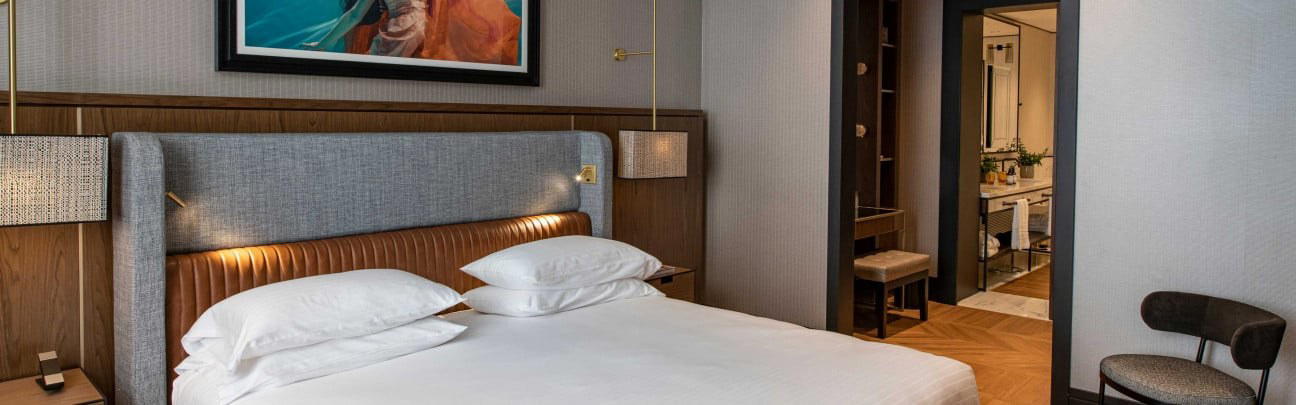
Tranquil and serene with soft natural lighting, tropical garden settings, and a grounding wellness-focused atmosphere throughout the property.
Tags
Vibe
Best For
Experience
Amenities
View
Accessibility
About the Stay
- Rooms
- 17
- Check-in
- 15:00
- Check-out
- 12:00
- Property Style
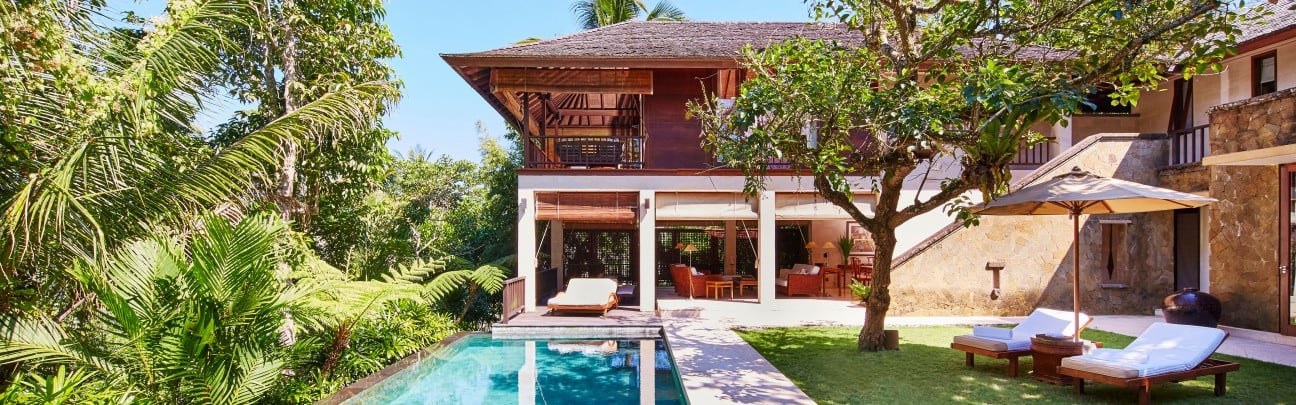
- Contemporary Balinese Luxury Resort Blending Traditional Architecture with Modern Amenities in a Secluded Rainforest Setting.
- Design Style
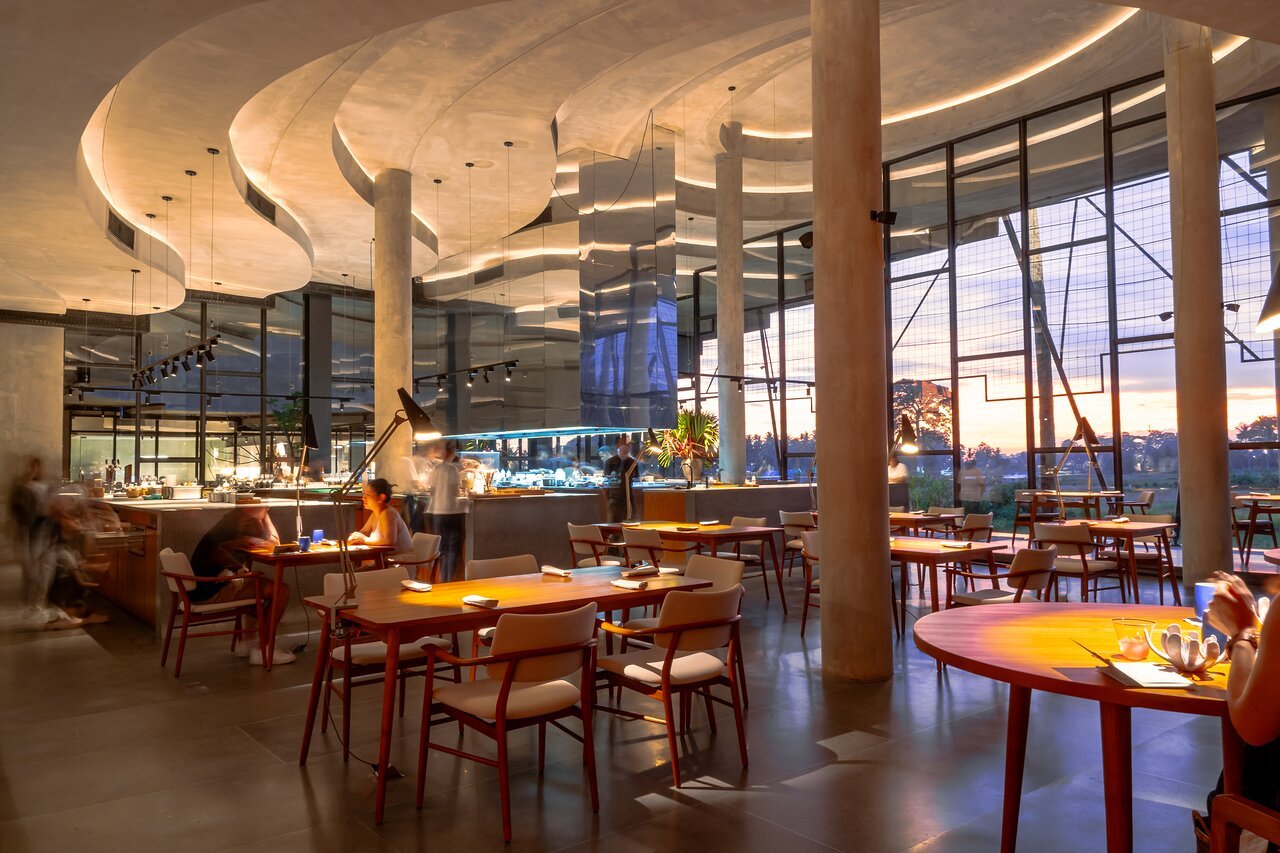
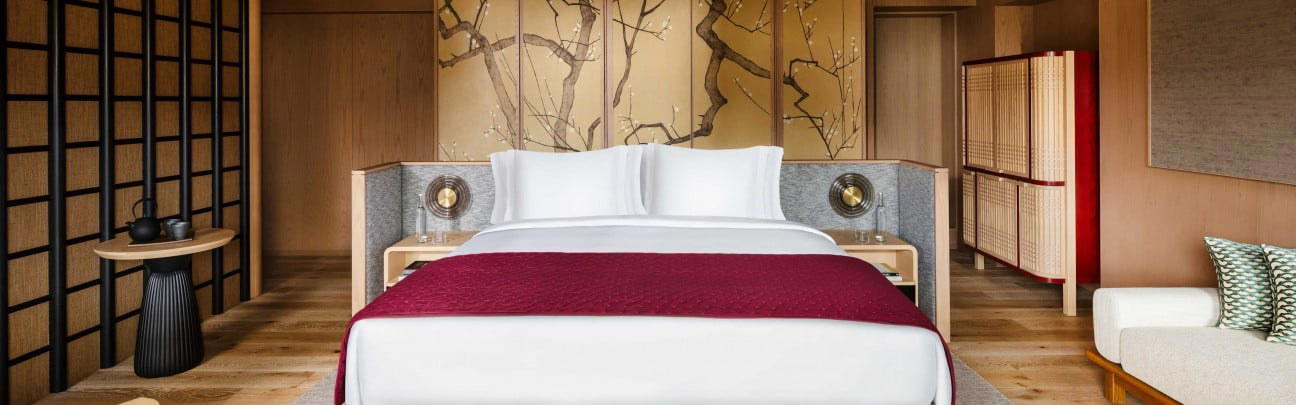
- Contemporary Balinese with Artisanal Teak Furnishings, Exotic Fabrics, Polished Makassar Marble, and Harmonious Integration of Natural Jungle Elements.
Know before you go
Know Before You Go
- Getting there
- Banjar Ayah No.Desa, Kelusa, Kec. Payangan, Kabupaten Gianyar, Bali 80572
Planning details
Location
Banjar Ayah No.Desa, Kelusa, Kec. Payangan, Kabupaten Gianyar, Bali 80572 · Directions
Recognition and awards
Also consider
If Samsara Ubud is not available
Try COMO Shambhala Estate if the trip is built around wellness and recovery. Try Capella Ubud, Bali if the stay is a major celebration and the brief is more immersive luxury than quiet retreat.
Hotel context
How Samsara Ubud compares in Ubud
Samsara Ubud is the practical choice if the trip calls for a secluded Ubud base with a strong recognition signal rather than a busier in-town stay. Capella Ubud, Bali is the stronger cross-shop for guests who want a more theatrical luxury camp mood, while Samsara Ubud reads as the quieter choice for couples who want the setting to do less performing.
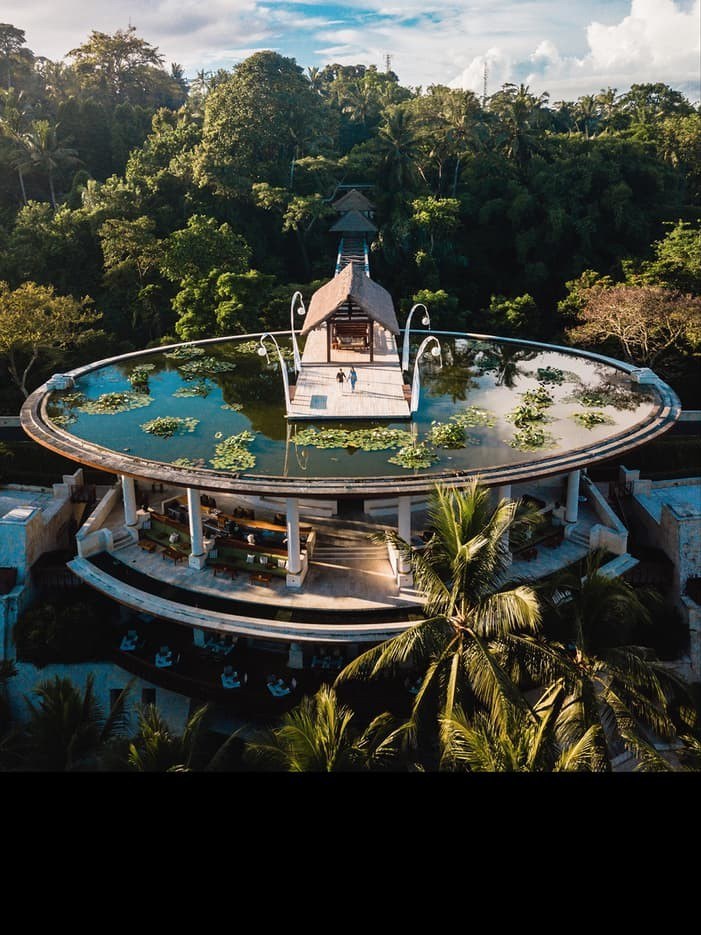
COMO Shambhala Estate is the better fit if wellness programming is the main reason for the trip. Hanging Gardens of Bali is the more obvious pick for travelers prioritizing a dramatic resort backdrop. Samsara Ubud makes more sense when the goal is a private, polished Ubud stay with less emphasis on spectacle.
For value-sensitive travelers, compare availability against K Club Ubud and Abisena Wellness and Resort Ubud. Those are better alternates if flexibility or rate discipline matters more than third-party luxury recognition. If booking Samsara Ubud is difficult on fixed dates, start with COMO for wellness or Capella for occasion-driven luxury.
Explore Ubud
Around this place
Discover more on Pearl
Unlock the full Samsara Ubud guide in Pearl, including awards, comparisons, FAQs, planning details, and nearby places.
Compare Samsara Ubud
| Venue | Location | Awards |
|---|---|---|
| Samsara Ubud | Ubud | 2026 Michelin 1 Key2025 Michelin 1 KeyMichelin 1 Key 2025Preferred Hotels L.V.X. Collection 2025 |
| Capella Ubud, Bali | Ubud | 2026 Travel + Leisure 100 Favorite Hotels in the World · #52026 Virtuoso Luxury Hotel Collection2026 Forbes 4-StarStar Wine Lists 2026Leading Hotels of the World 20262026 La Liste Top Hotels2026 Michelin 2 KeysTatler Best Hotels Asia-Pacific 2025World Travel Awards 2025 |
| Hanging Gardens of Bali | Bali | No published awards |
| K Club Ubud | Bali | No published awards |
| Abisena Wellness and Resort Ubud | Gianyar | No published awards |
| COMO Shambhala Estate | Ubud | 2026 Virtuoso Luxury Hotel Collection2026 Forbes 4-Star2026 Mr & Mrs Smith Luxury Hotels2026 La Liste Top Hotels2026 Michelin 1 Key2025 Michelin 1 Key2025 Forbes 4-Star |









How Samsara Ubud compares with similar nearby venues.
FAQ
Frequently Asked Questions
Is Samsara Ubud family-friendly?
How is the pool and spa at Samsara Ubud?
Samsara Ubud has Michelin 1 Key recognition for 2025 and a Preferred Hotels L.V.X. Collection listing for 2025, but specific pool or spa details should be checked directly with the property.
When is the best time to book Samsara Ubud?
How does Samsara Ubud compare to other premium stays?
Samsara Ubud is an Ubud option with Michelin 1 Key recognition for 2025 and Preferred Hotels L.V.X. Collection status for 2025. Travelers may also compare it with Capella Ubud, Bali, Hanging Gardens of Bali, COMO Shambhala Estate, K Club Ubud, and Abisena Wellness and Resort Ubud, depending on the kind of stay they want.
How is the dining at Samsara Ubud?
Do loyalty programs work at Samsara Ubud?
Samsara Ubud is listed in the Preferred Hotels L.V.X. Collection for 2025. Travelers who use Preferred Hotels should confirm current eligibility, benefits, and booking-channel requirements before reserving.