
Anantara Ubud Bali Resort
Payangan, Bali
Hotel in Bali, Indonesia
 Book with Pearl
Why go
Anantara Ubud Bali Resort is a sensible Ubud-area choice for travelers who want a quieter Payangan base with recognized luxury-hotel backing. It is better for first-timers who value predictability and comfort than for guests chasing a highly specialized wellness or wilderness concept.
About Anantara Ubud Bali Resort
For travelers comparing premium stays in Bali, the trust signal is the Virtuoso Luxury Hotel Partner recognition. That can make the resort worth shortlisting for guests who want a luxury-hotel framework, while still leaving practical questions, such as exact room choice, dining plans, facilities, transfers, to be checked through official channels.
Booking priorities matter more than assumptions
Before committing, decide what you need from the stay and verify those details directly. If the trip depends on particular inclusions, room details, facilities, dining access, or transport arrangements, confirm the current offering through the resort or booking channel before paying.
Location should also be handled carefully. The location is Bali, so do not treat the resort as interchangeable with every other stay on the island. If access to particular restaurants, shops, beaches, or activities matters, check travel times and transport arrangements before booking.
Who should choose it over another Bali retreat
Pick Anantara Ubud Bali Resort if the priority is a Bali resort with a clearly Virtuoso Luxury Hotel Partner credential. It is a stronger fit for travelers who value a recognizable hospitality setting than for guests choosing solely on a highly specific dining, wellness, or design concept that has not been here.
The practical advice is simple: confirm current inclusions, dress expectations, transport, dining, room details directly with the resort or booking channel. The dress code is smart casual, the recognition is Virtuoso Luxury Hotel Partner for 2026.
Part of
Anantara51 locations on PearlPlanning details
- Location
- No. 88 Jalan Raya Desa Puhu, Payangan, Gianyar
- Website
- anantara.com/en/ubud-bali
The take
The Take
The Vibe
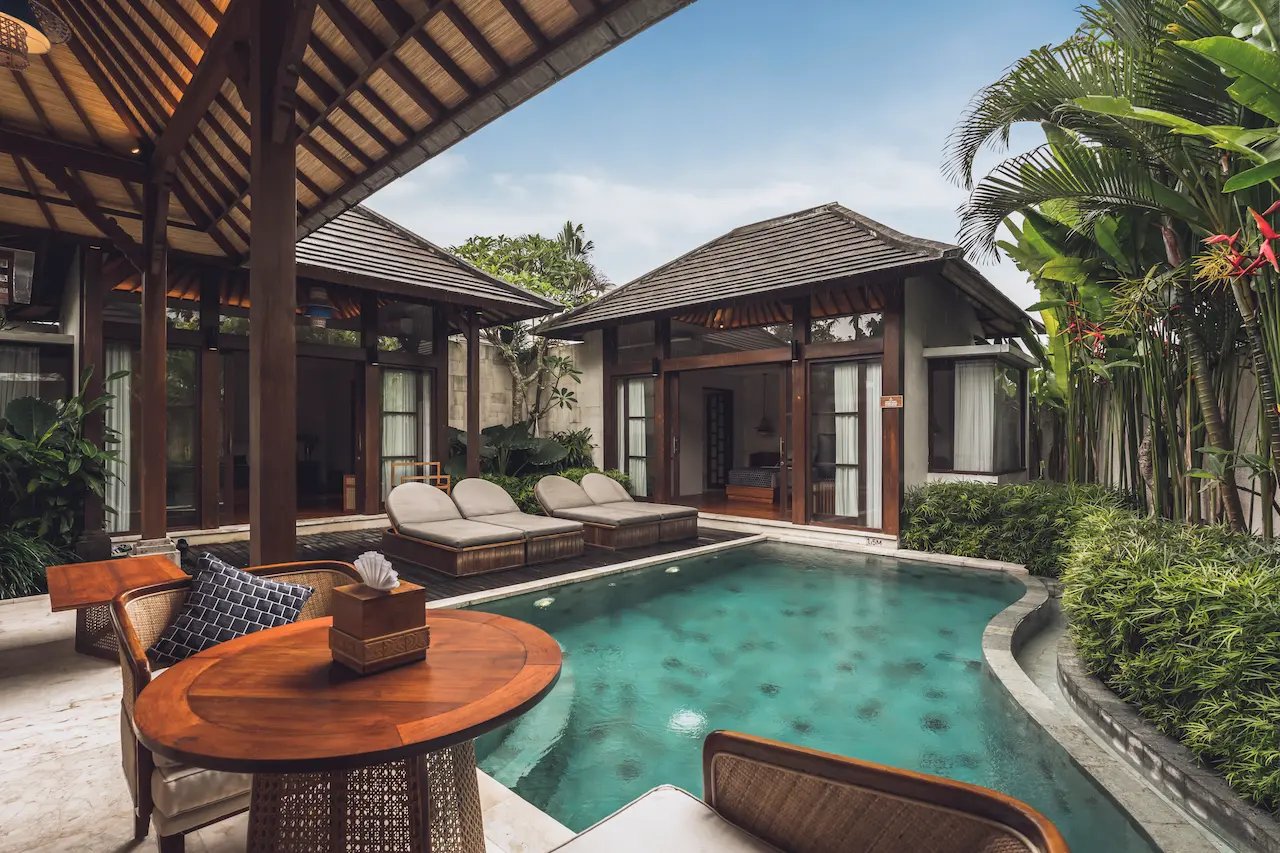
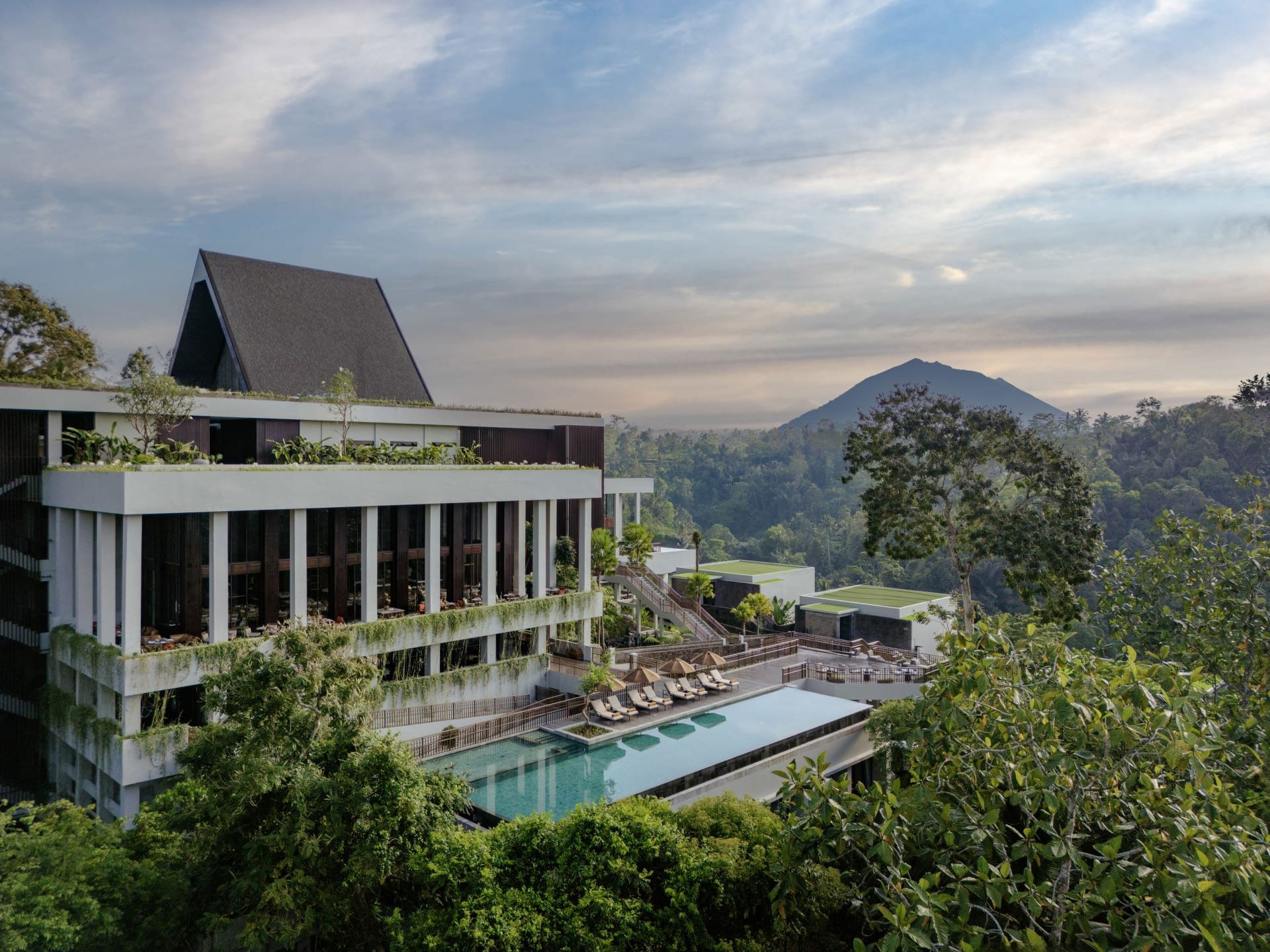
Anantara Ubud Bali Resort leans into Bali’s upland character: cooler mornings, softer light and a landscape of tiered sawah, river gorges and dense tropical canopy shape the guest experience. The property emphasizes cultural breadth and local craft over a single architectural gesture, pairing international-brand luxury with regionally grounded details. Culinary programming and spa traditions thread through the stay, reinforcing a serene, cultivated atmosphere. Rather than coastal pageantry, the resort translates the interior landscape into a composed, low-key luxury that feels measured and locally informed.
Best For
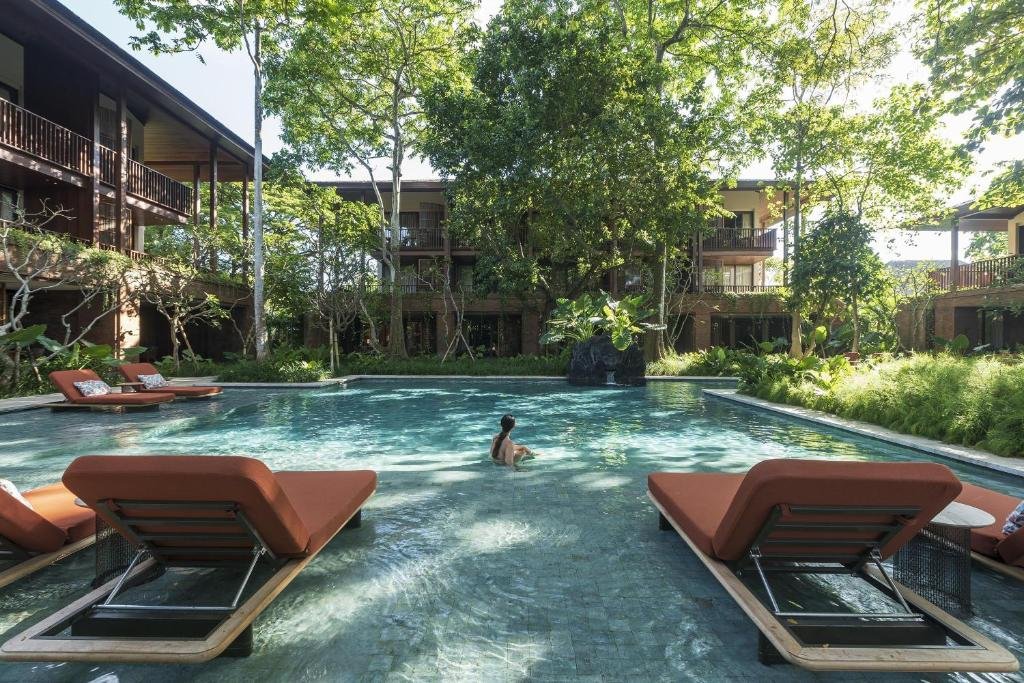
The resort suits travelers seeking an inland, landscape-forward luxury stay: couples on honeymoon or a romantic getaway who value scenery and quiet; wellness-minded guests drawn to the property’s spa traditions; and families or groups who want villa-style accommodations and ample estate grounds. Because the development emphasizes suites, villas and residences alongside curated culinary programming, it also fits well for short escapes where guests prioritize relaxation, cultural context and on-site amenities rather than beach access.
Stay Tips
Focus reservations on the resort’s highlighted offerings: book spa treatments and any signature wellness programming in advance, and look for culinary experiences listed under the property’s programming. When choosing accommodation, prioritize the villas or residences referenced in the accommodation breakdown to maximize connection to the surrounding sawah and canopy. Allow for cooler morning weather in the uplands when planning activities, and expect the stay to be centered on landscape, craft and on-site cultural programming rather than beachfront amenities.
Venue details
Ambiance
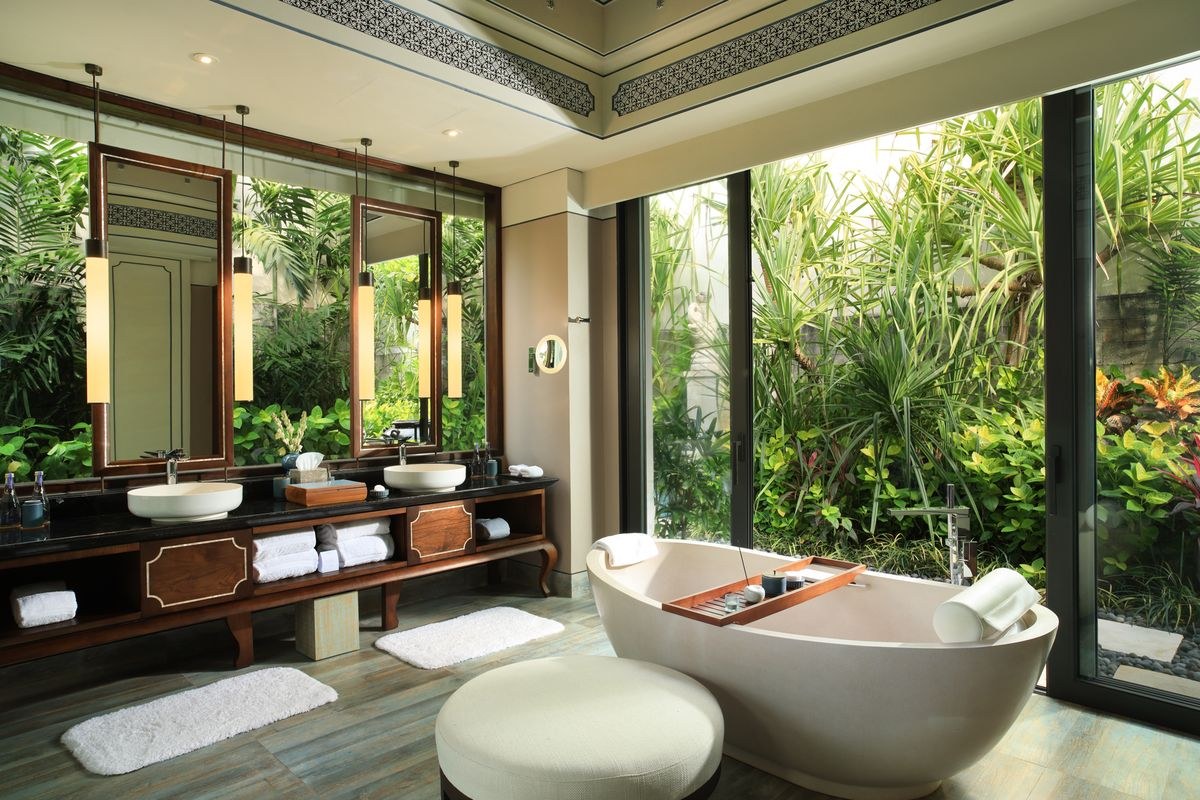
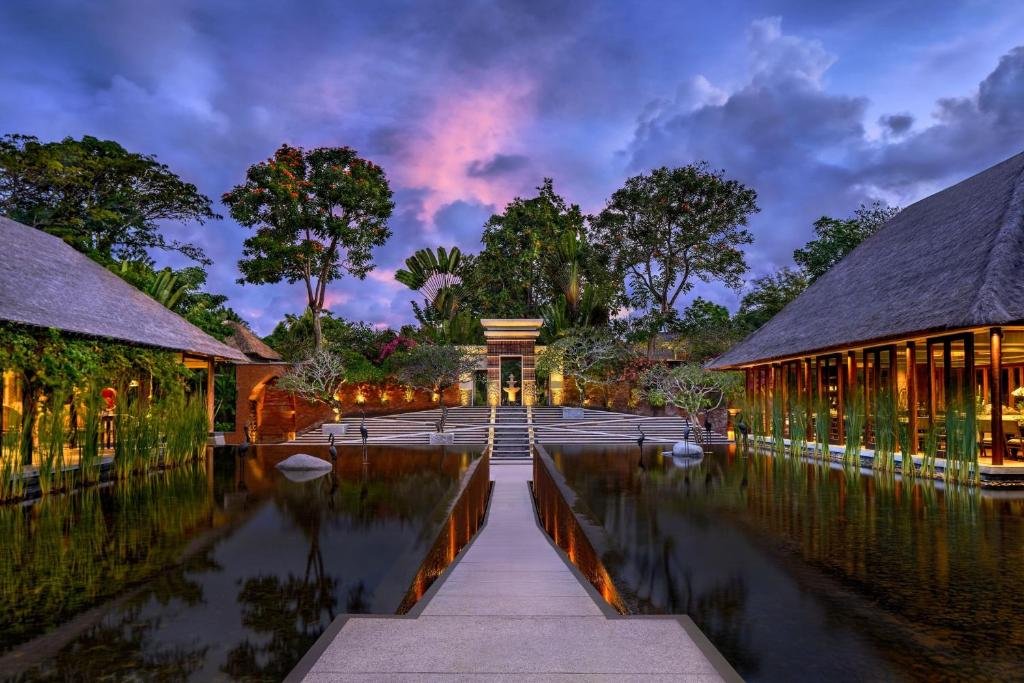
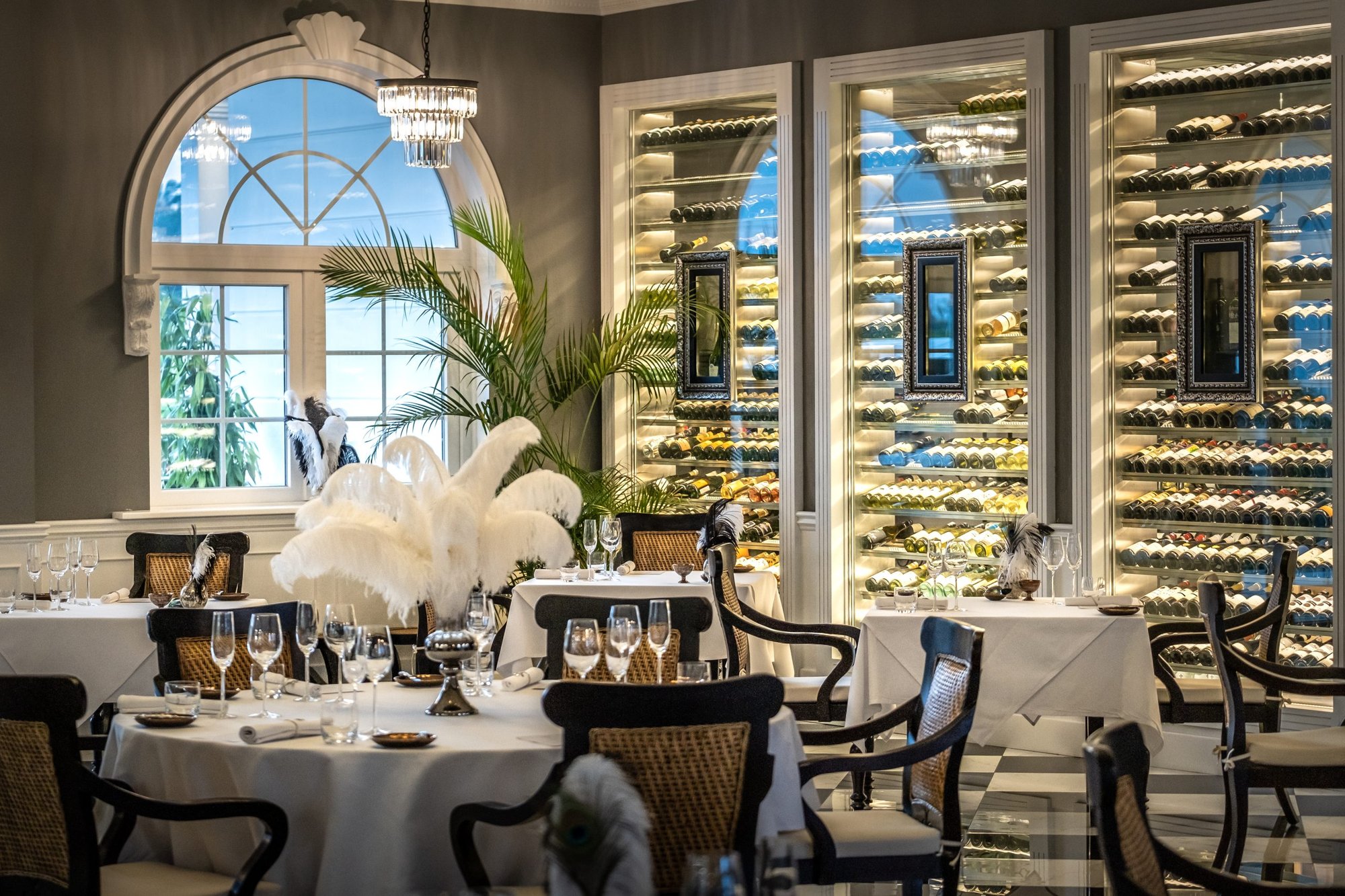
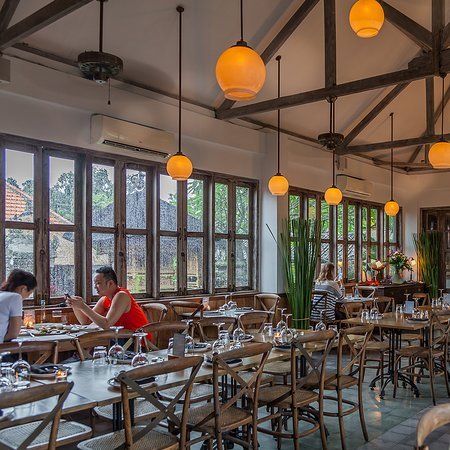
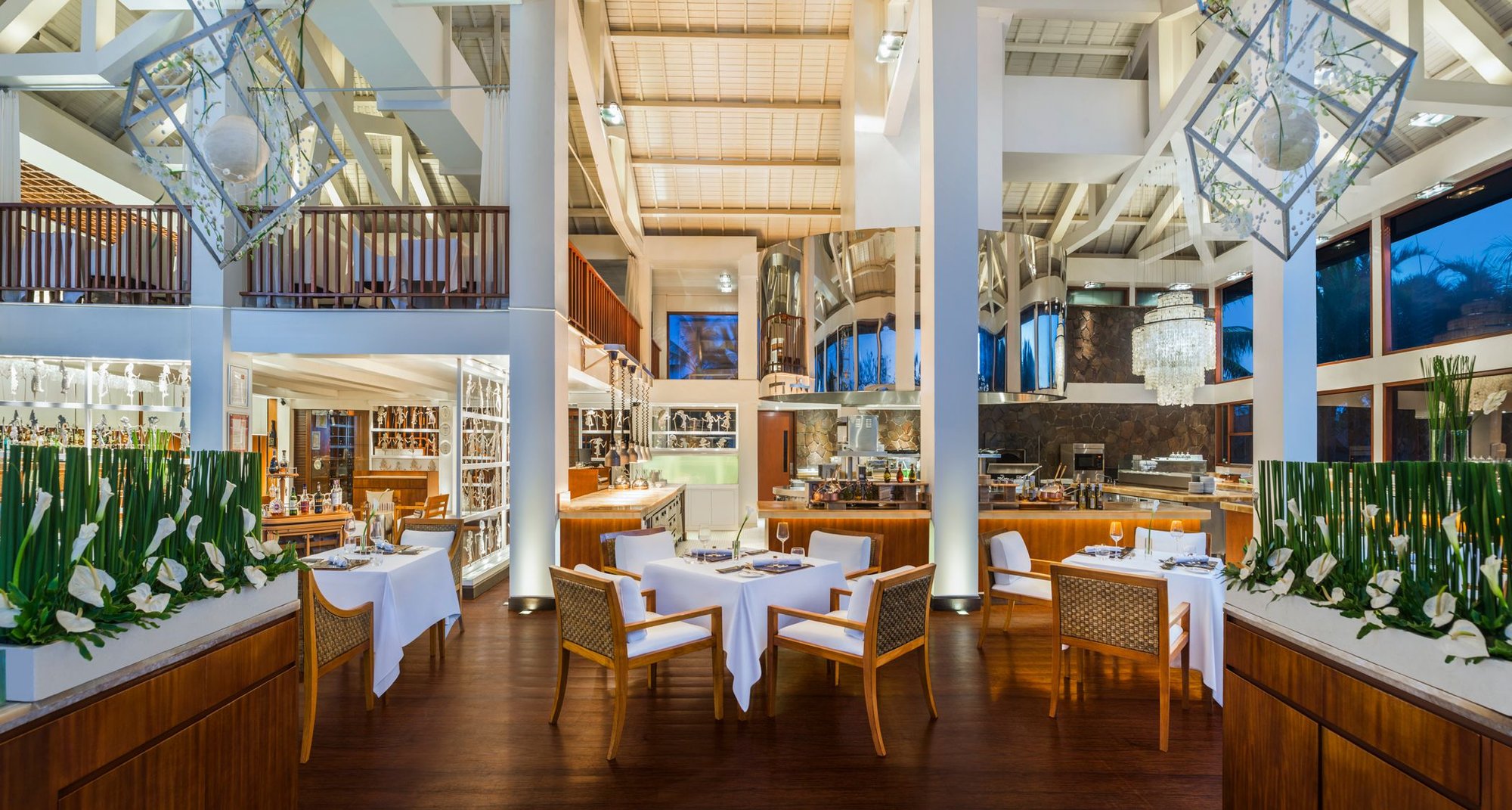
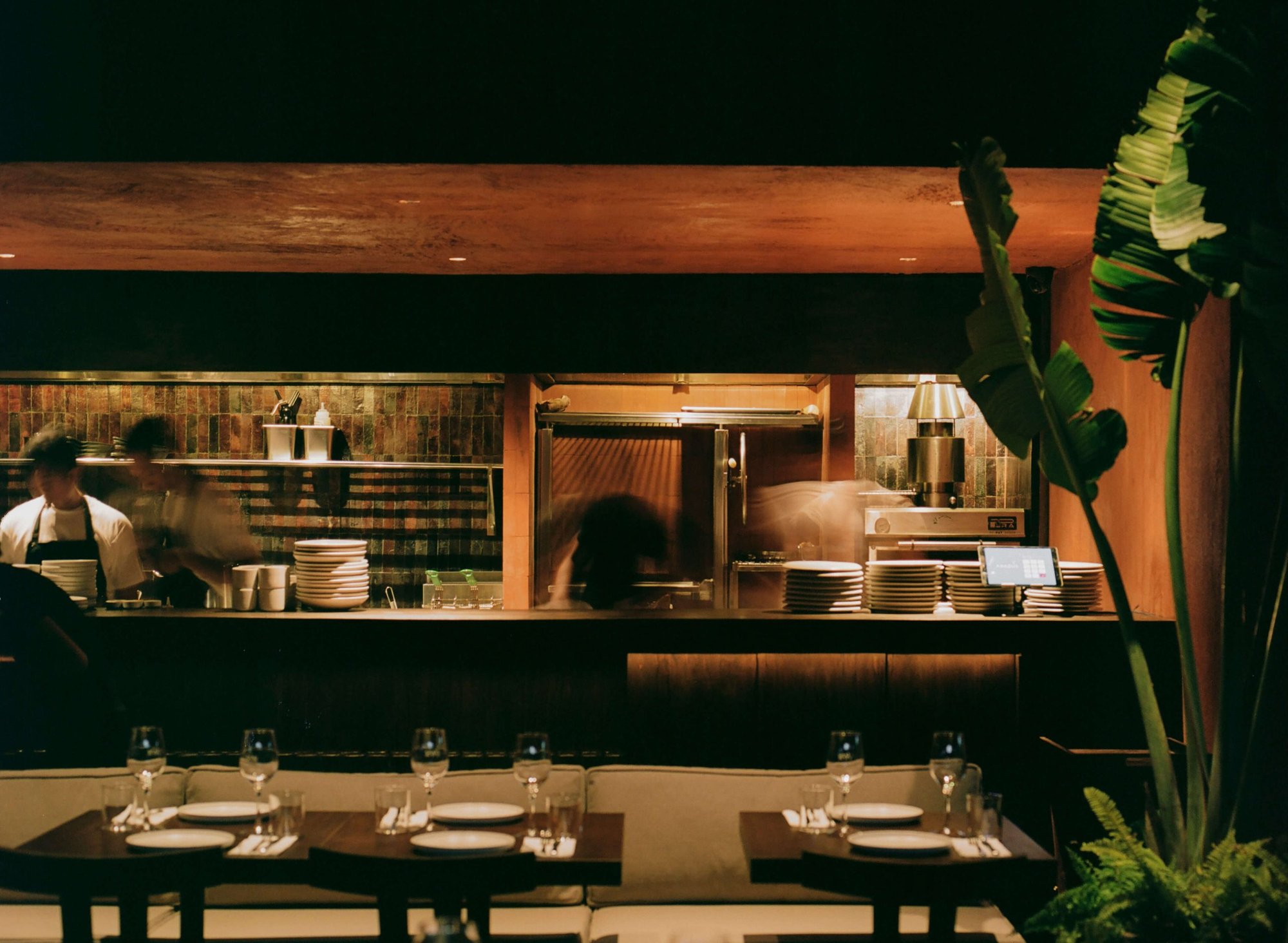
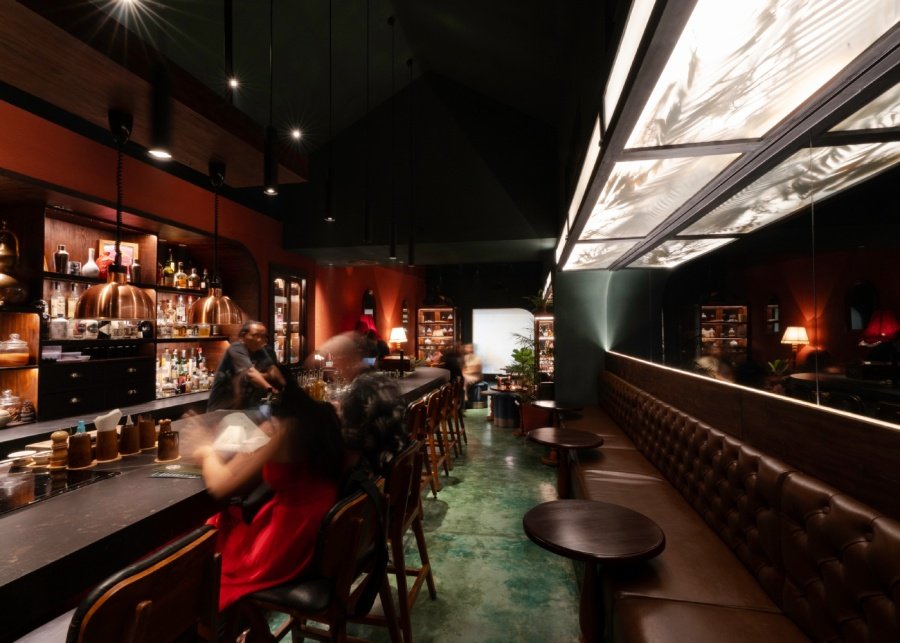
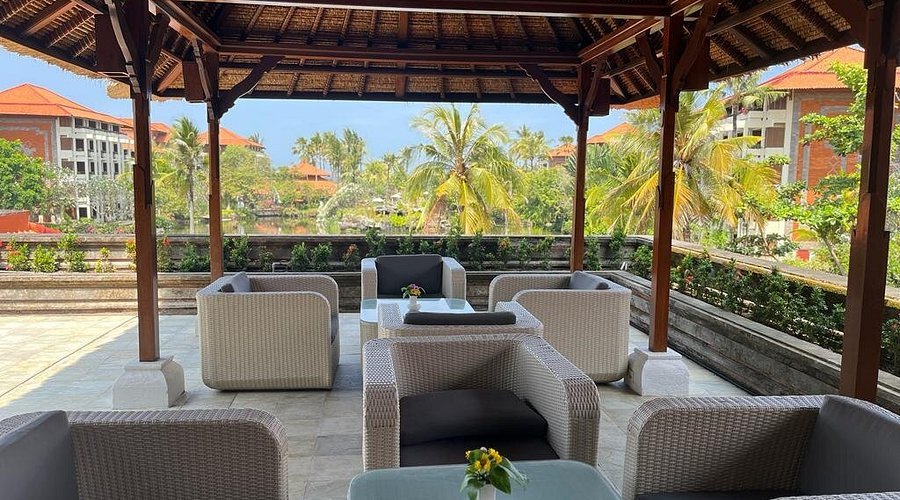
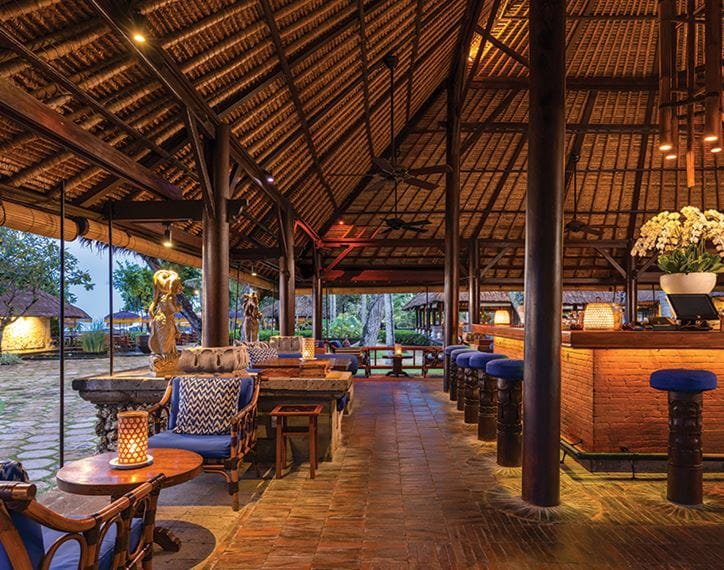
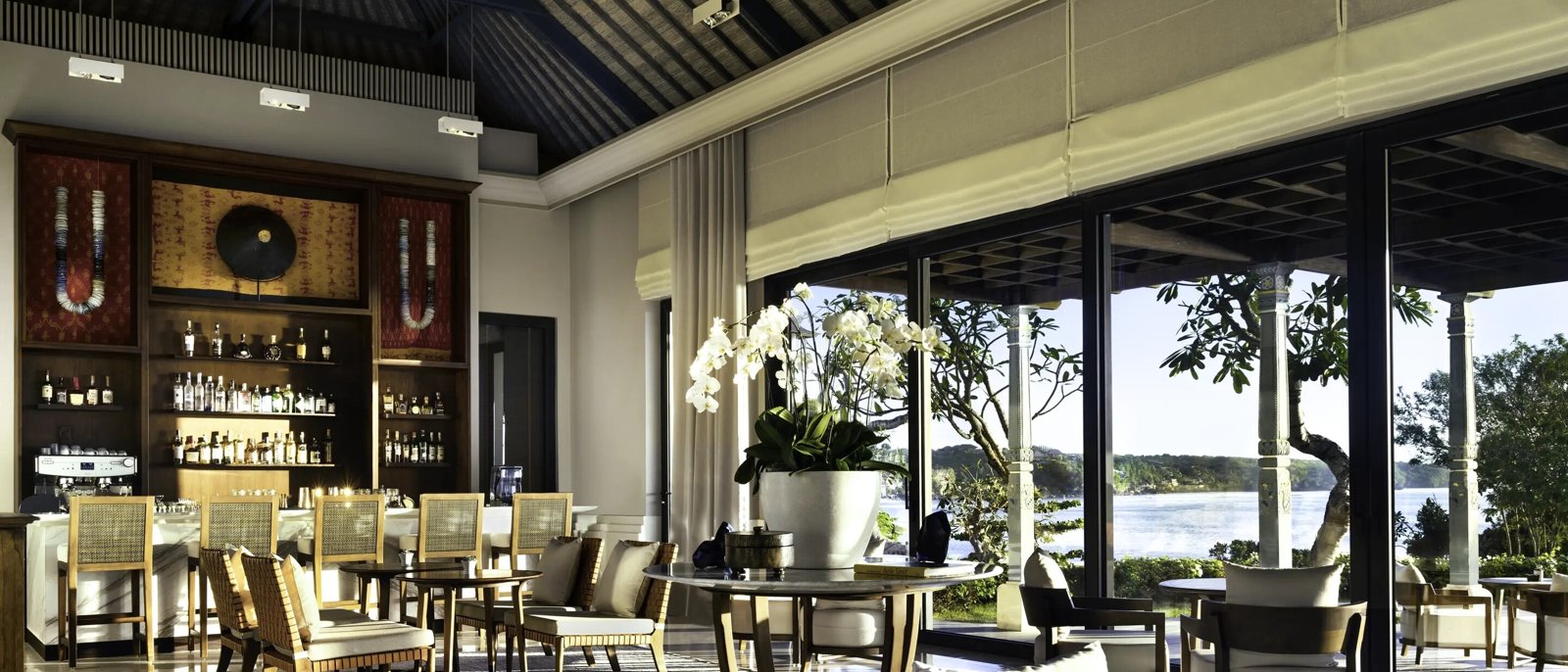
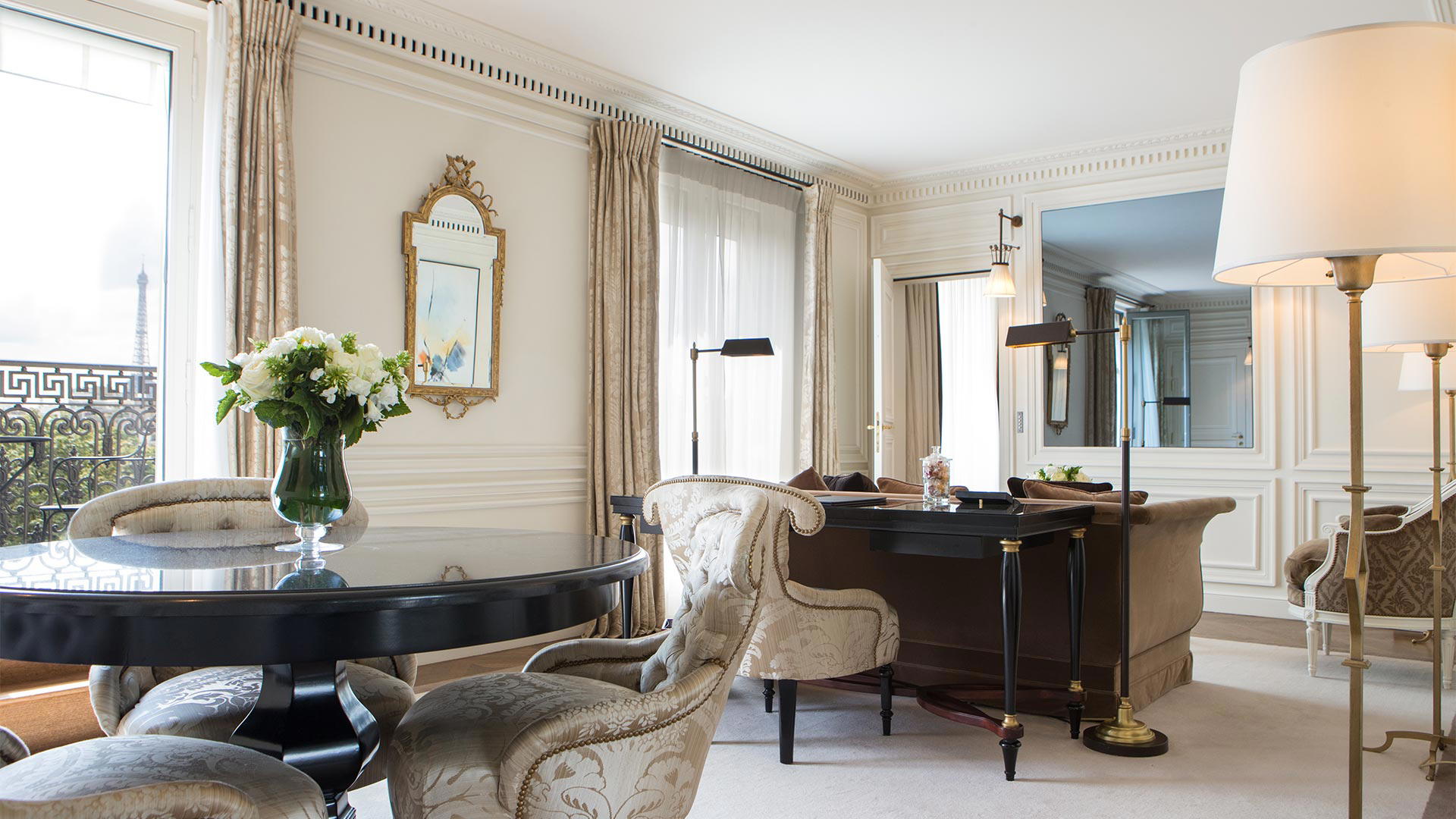
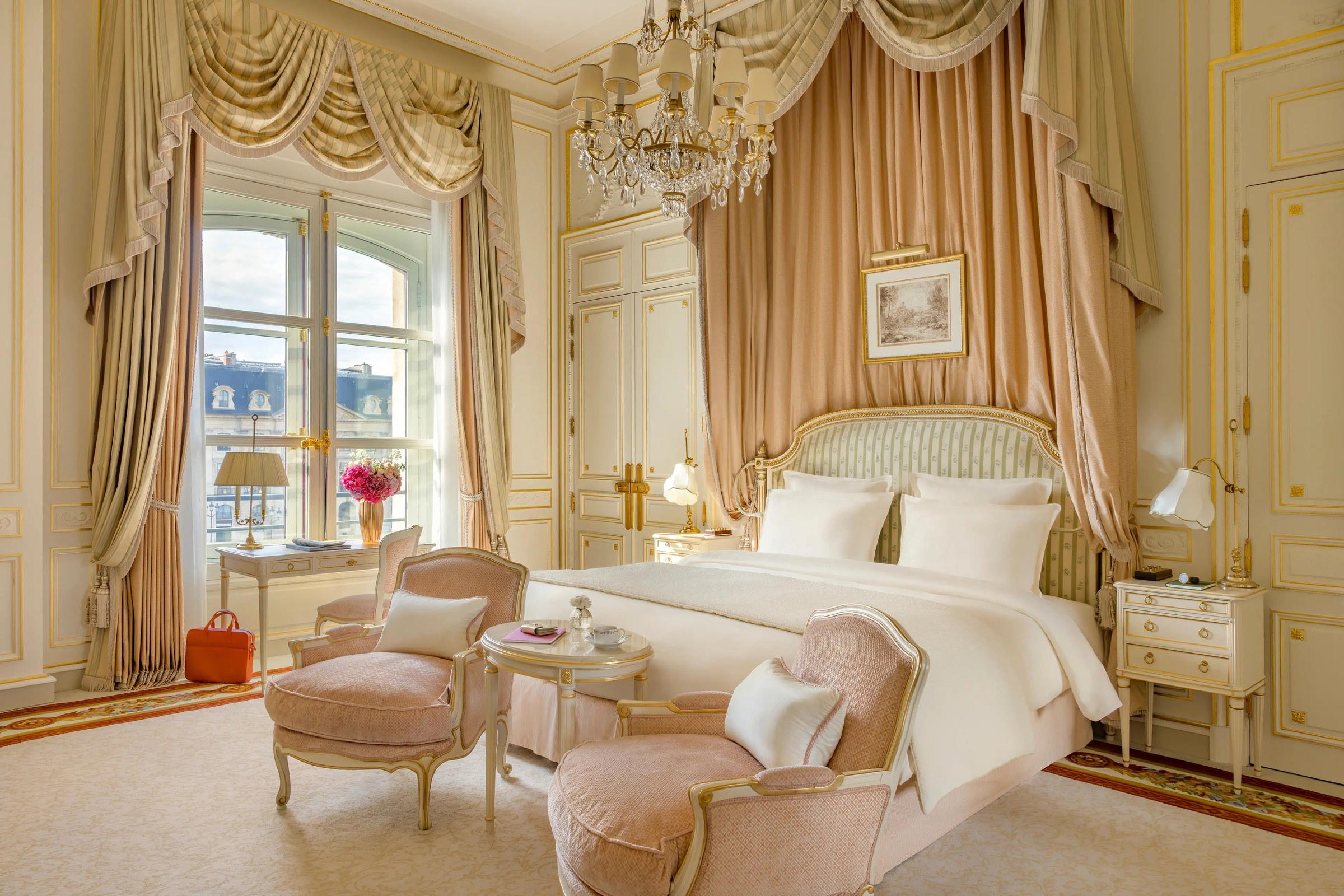
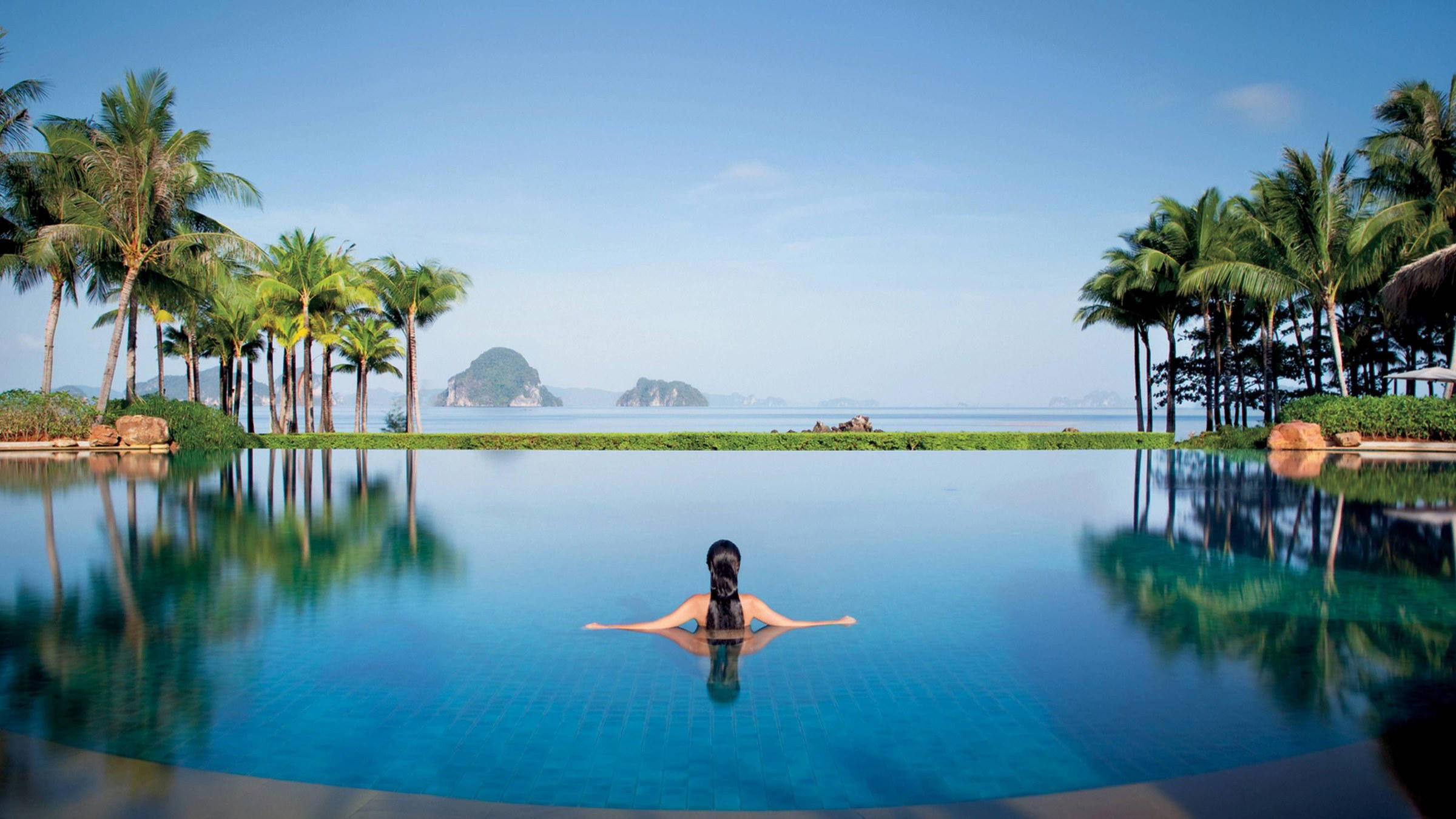
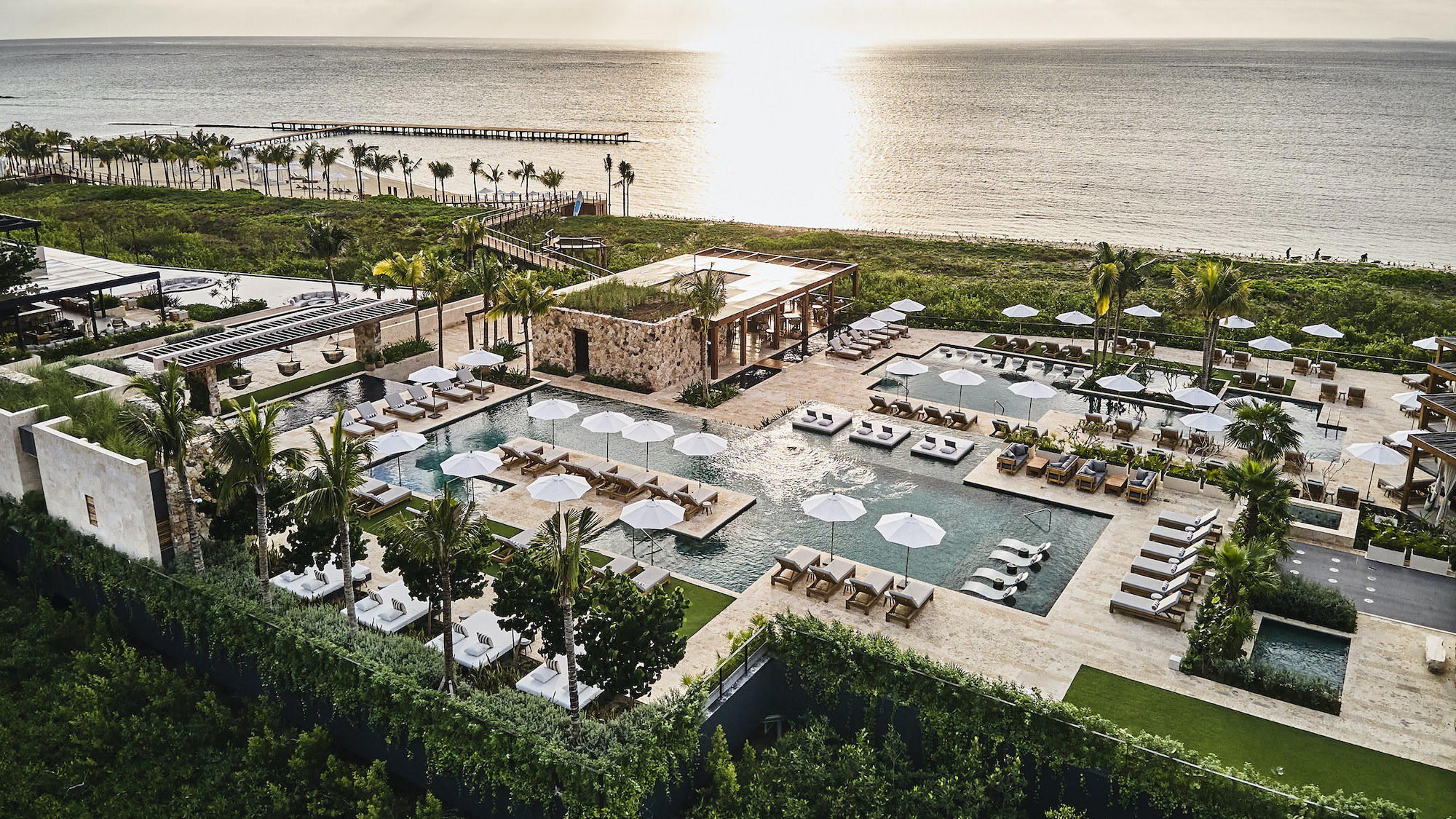
Tranquil and serene atmosphere with elegant decor, lush nature surroundings, and peaceful jungle views enhanced by warm lighting and traditional Balinese elements.
Tags
Vibe
Best For
Experience
Amenities
View
Accessibility
About the Stay
- Rooms
- 85
- Check-in
- 15:00
- Check-out
- 12:00
- Property Style
- Luxury Rainforest Sanctuary Blending Balinese Culture and Modern Comfort
- Design Style
- Elegant Balinese with Natural Materials and Panoramic Views
Planning details
Location
No. 88 Jalan Raya Desa Puhu, Payangan, Gianyar · Directions
Recognition and awards

Also consider
Where to look if this is not the right fit
If the goal is a more wellness-led stay, cross-shop COMO Shambhala Estate. If the priority is a more secluded, retreat-style escape, compare Buahan, a Banyan Tree Escape before committing.
Hotel context
How it compares in Bali
Anantara Ubud Bali Resort is the safer, easier recommendation for first-time Ubud-area travelers who want luxury credentials without making the hotel concept the whole trip. Buahan, a Banyan Tree Escape is the more immersive choice if privacy and a deeper retreat feel matter more than broad convenience.
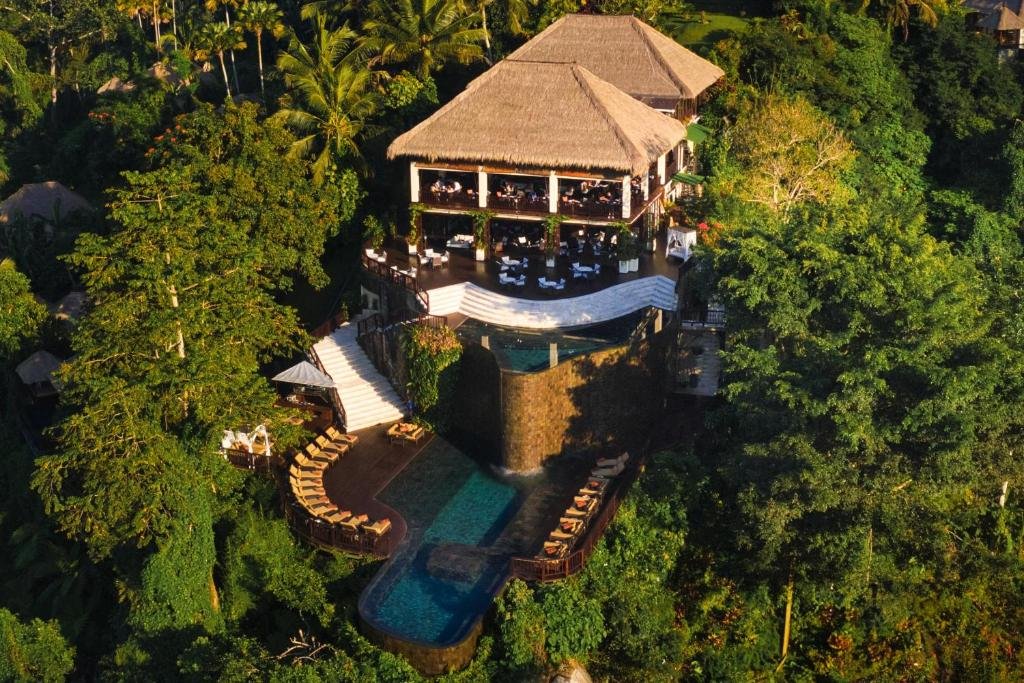
Hanging Gardens of Bali is the better cross-shop for travelers who want a more dramatic resort setting and a stay built around the property itself. Anantara is the more measured pick if the goal is an upscale base rather than a visual set piece.
Samsara Ubud suits travelers looking for a smaller Ubud-area feel, while COMO Shambhala Estate is the stronger wellness-first comparison. Choose Anantara when the brief is comfort, brand-backed service confidence, less booking drama.
Explore Bali
Around this place
Discover more on Pearl
Unlock the full Anantara Ubud Bali Resort guide in Pearl, including awards, comparisons, FAQs, planning details, and nearby places.
Compare Anantara Ubud Bali Resort
| Venue | Location | Awards |
|---|---|---|
| Anantara Ubud Bali Resort | Bali | 2026 Virtuoso Luxury Hotel Collection |
| Buahan, a Banyan Tree Escape | Payangan | 2026 Virtuoso Luxury Hotel Collection2026 Mr & Mrs Smith Luxury Hotels2026 La Liste Top HotelsConde Nast Gold List 20262025 Conde Nast Best Resorts · #13Tatler Best Hotels Asia-Pacific 20252025 Michelin 2 Keys |
| Hanging Gardens of Bali | Bali | No published awards |
| Anantara Ubud Bali Resort | Ubud | 2026 Virtuoso Luxury Hotel Collection |
| Samsara Ubud | Ubud | 2025 Michelin 1 KeyPreferred Hotels L.V.X. Collection 2025 |
| COMO Shambhala Estate | Ubud | 2026 Virtuoso Luxury Hotel Collection2026 Forbes 4-Star2026 Mr & Mrs Smith Luxury Hotels2026 La Liste Top Hotels2025 Michelin 1 Key2025 Forbes 4-Star |







How Anantara Ubud Bali Resort compares with similar nearby venues.
FAQ
Frequently Asked Questions
Do loyalty programs work at Anantara Ubud Bali Resort?
Treat any loyalty or booking benefits as something to confirm before paying. The clearest trust signal is its Virtuoso Luxury Hotel Partner status for 2026. If perks are important, check the booking channel and the venue's official channels for the latest details.
How is the location of Anantara Ubud Bali Resort?
Is Anantara Ubud Bali Resort family-friendly?
How is the pool and spa at Anantara Ubud Bali Resort?
How does Anantara Ubud Bali Resort compare to other Bali hotels?
Choose Anantara Ubud Bali Resort if you want a Bali resort with Virtuoso Luxury Hotel Partner recognition for 2026. Travelers also considering Buahan, a Banyan Tree Escape, Hanging Gardens of Bali, Samsara Ubud, or COMO Shambhala Estate should compare current rates, inclusions, location needs, booking conditions directly before deciding.
How is the dining at Anantara Ubud Bali Resort?
The dress code is smart casual, but menus, venues, hours, dietary accommodations should be checked through the resort's official channels.