




Buahan, a Banyan Tree Escape
Buahan Kaja, Payangan
Hotel in Payangan, Indonesia
 Book with Pearl
The Read
Open-Air Jungle Immersion
Why go
Open-air valley setting is the reason to book Buahan, a Banyan Tree Escape, not a long checklist of resort facilities. It is strongest for couples or return Bali travelers who want privacy near Payangan and are willing to plan well ahead for the right room category.
About Buahan, a Banyan Tree Escape
Buahan, a Banyan Tree Escape is a recognized stay in Payangan with several accolades attached to its profile, including Michelin 2 Keys in 2025, La Liste Top Hotels 2026 at 92 points, Condé Nast Best Resorts #13 in 2025, Tatler 2025 listing in Best Hotels Asia-Pacific, Condé Nast Gold List 2026, Virtuoso Luxury Hotel Partner 2026, and a Mr & Mrs Smith Seal of Approval. Before booking, confirm any facilities, room layouts, views, meal formats, or service details that are important to your stay.
The most reliable way to evaluate the property is as a Payangan hotel with strong third-party recognition, rather than through assumptions about a particular neighborhood, room category, or resort program. If a stay depends on a specific feature, confirm it directly before committing.
Pay for the room category that gives you the confirmed stay you want
For value-seekers, the right room strategy is to book only after confirming the details that matter for your trip. The property's recognition, including Michelin 2 Keys in 2025, La Liste Top Hotels 2026 at 92 points, and Condé Nast Gold List 2026, supports its premium positioning. That does not mean every upgrade is automatically worth it. If two categories appear to meet the same needs, the lower category may be the sharper booking.
Use Payangan as the location anchor when planning logistics, and confirm any transport, dining, or activity details before arrival. For broader Payangan planning, use Our full Payangan hotels guide; for dining around the area, start with Our full Payangan restaurants guide.
Book around the kind of stay you want, not assumptions about timing
Let your itinerary, budget, and availability drive timing rather than assumptions about a particular season or on-property format. Travelers comparing stays can treat Buahan, a Banyan Tree Escape as the Payangan option and consider other hotels generically.
Availability and category choice are still worth watching closely for a hotel with this level of recognition. If dates are tight, compare with other options before compromising on the details that matter most to you. Anantara Ubud Bali Resort is one natural cross-shop, while Hanging Gardens of Bali is another option to compare.
Who should choose it, and who should not
Choose it if you want a recognized hotel in Payangan and are comfortable confirming the practical details that matter before booking. Be more cautious if your trip depends on specific facilities, dining formats, room features, family services, or activity programming that you have not confirmed directly. For a broader comparison set, consider Anantara Ubud Bali Resort, Desa Seni Baturiti, Hanging Gardens of Bali, and Samsara Ubud; for local planning, also review other Payangan hotels and dining rooms generically.
Part of
Banyan Tree27 locations on PearlPlanning details
- Location
- Banjar Selat, Buahan Kaja, Kec. Payangan, Kabupaten Gianyar, Bali 80572
- Website
- banyantree.com/escape/indonesia/buahan-a-banyan-tree-escape
- Phone
- +62 361 6208181
The take
The Take
The Vibe
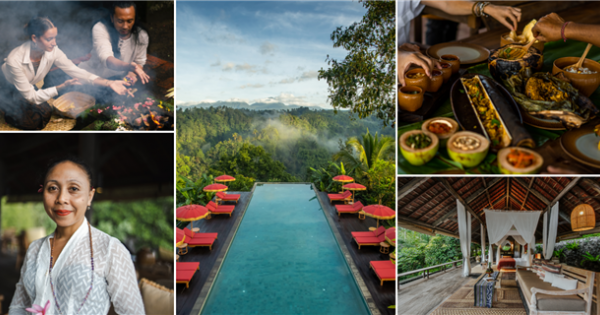
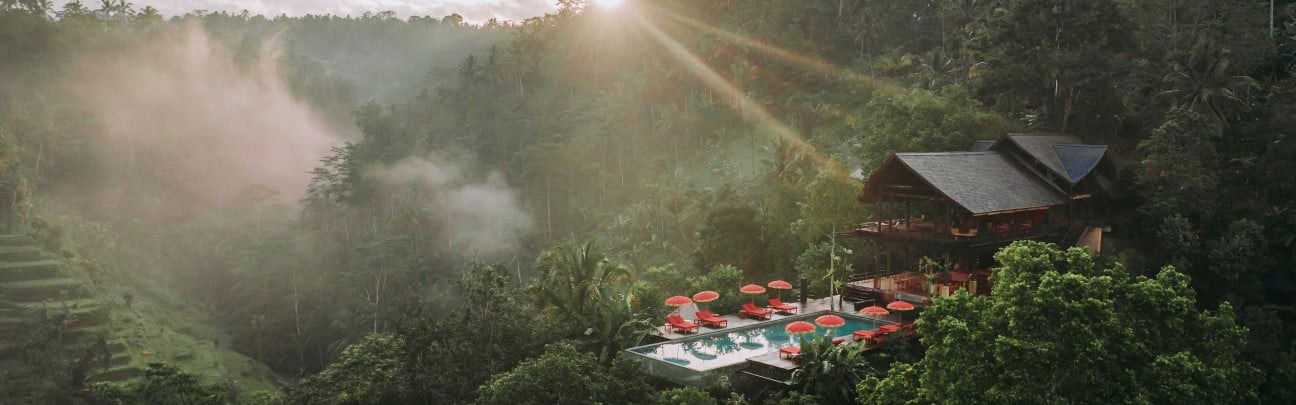
Buahan presents architecture as the central experience: villas are conceived with a 'no walls, no doors' logic that dissolves the line between interior and jungle. The property sits in a clearing above the Ayung River gorge so the repertoire of the stay is natural—birdsong, rain, and shifting mountain air become part of the room. At just 16 villas the resort feels intimate and quietly deliberate, trading scale for spatial intensity. The overall tone is calm, design-forward and immersive, delivering a serene, architecturally driven escape for guests who prize privacy and proximity to raw landscape.
Best For
This is a retreat for travelers who value design-led seclusion and deep nature immersion. Couples and design-minded guests seeking a private, contemplative stay benefit most from the property's small scale and the 'no walls, no doors' villas that open onto mountain panoramas and forest. It's also well suited to wellness-minded visitors who want quiet, restorative surroundings; the description emphasizes the sensory presence of the landscape rather than animated resort facilities. With only 16 keys, the property favors guests after privacy and an intimate connection to place over large-resort amenities.
Stay Tips
Book well in advance: the property’s 16 villas and emphasis on privacy mean availability is limited. When reserving, prioritize a villa described as opening onto the forest and mountain panoramas to get the full 'no walls, no doors' experience that the resort foregrounds. Expect an open-air stay—rain, birdsong and altitude-related temperature shifts are part of the room—so plan layers and flexible clothing. Because the architecture is the attraction, allow time on arrival and during your stay to simply sit and take in the views and ambient sounds rather than packing the itinerary with activities.
Venue details
Ambiance
Serene and immersive natural atmosphere with jungle sounds, soft natural lighting, and a profound sense of tranquility and connection to nature.
Tags
Vibe
Best For
Experience
Amenities
View
About the Stay
- Rooms
- 16
- Check-in
- 15:00
- Check-out
- 12:00
- Property Style
- Open Air Jungle Escape with Naturally Sourced Materials and No Doors or Walls for Complete Immersion in Nature
- Design Style
- Minimalist Balinese with Natural Materials, Open Concept, and Treetop Structures
Know before you go
Know Before You Go
- Getting there
- Banjar Selat, Buahan Kaja, Kec. Payangan, Kabupaten Gianyar, Bali 80572
Planning details
Location
Banjar Selat, Buahan Kaja, Kec. Payangan, Kabupaten Gianyar, Bali 80572 · Directions
Recognition and awards



Also consider
Where to look if dates do not work
If Buahan is unavailable, try Hanging Gardens of Bali first for a similar hillside-retreat brief. If the trip needs a more familiar resort structure, Anantara Ubud Bali Resort is the safer second choice.
Hotel context
How It Compares
Anantara Ubud Bali Resort is the safer choice for travelers who want a more conventional luxury-resort setup near Ubud. Buahan, a Banyan Tree Escape is the stronger pick when the stay is about privacy, setting, and a room-led retreat, but it is harder to book and less suited to guests who want a broad resort schedule.
Hanging Gardens of Bali is the closer cross-shop for a dramatic hillside mood. Choose Hanging Gardens if the priority is a more established resort feel; choose Buahan if the appeal is a quieter, more design-led escape where the room and valley setting do more of the work.
Desa Seni Baturiti and Samsara Ubud make more sense if Buahan is unavailable or if the trip needs a softer price-to-facilities balance. Buahan is the splurge pick in this set; the others are better fallback options when date flexibility is low.
Explore Payangan
Around this place
Discover more on Pearl
Unlock the full Buahan, a Banyan Tree Escape guide in Pearl, including awards, comparisons, FAQs, planning details, and nearby places.
Compare Buahan, a Banyan Tree Escape
| Venue | Location | Awards |
|---|---|---|
| Buahan, a Banyan Tree Escape | Payangan | 2026 Virtuoso Luxury Hotel Collection2026 Mr & Mrs Smith Luxury Hotels2026 La Liste Top HotelsConde Nast Gold List 20262026 Michelin 2 Keys2025 Conde Nast Best Resorts · #13Tatler Best Hotels Asia-Pacific 2025Michelin 2 Keys 20252025 Michelin 2 Keys |
| Anantara Ubud Bali Resort | Bali | No published awards |
| Anantara Ubud Bali Resort | Ubud | No published awards |
| Hanging Gardens of Bali | Bali | No published awards |
| Desa Seni Baturiti | Tabanan | No published awards |
| Samsara Ubud | Ubud | 2026 Michelin 1 Key2025 Michelin 1 KeyPreferred Hotels L.V.X. Collection 2025 |



How Buahan, a Banyan Tree Escape compares with similar nearby venues.
FAQ
Frequently Asked Questions
Which room category is best at Buahan, a Banyan Tree Escape?
Choose the room category only after confirming the features that matter for your stay. The property is in Payangan and has recognition including Michelin 2 Keys in 2025; confirm specific room layouts, views, and upgrade value before booking.
Is Buahan, a Banyan Tree Escape family-friendly?
How does Buahan, a Banyan Tree Escape compare to other hotels?
Compare Buahan, a Banyan Tree Escape with Anantara Ubud Bali Resort, Samsara Ubud, Desa Seni Baturiti, and Hanging Gardens of Bali based on the details that matter to your trip. Buahan's strengths include its Payangan location and hotel recognitions.
What is check-in like at Buahan, a Banyan Tree Escape?
When is the best time to book Buahan, a Banyan Tree Escape?
Book when the rate, availability, and room details match your trip. The hotel has Michelin 2 Keys in 2025 and other 2025–2026 recognitions; for season-specific preferences, choose dates around your itinerary and budget.
Do loyalty programs work at Buahan, a Banyan Tree Escape?
The property is a Virtuoso Luxury Hotel Partner in 2026. Treat any benefits as something to confirm at the time of booking, especially if you are comparing rates and perks.