



Jumeirah Bali
Uluwatu, Bali
Hotel in Bali, Indonesia
 Book with Pearl
Why go
Should you choose Jumeirah Bali? Yes for a polished special-occasion resort stay in southern Bali, especially if privacy and room atmosphere matter. Be careful with room category: pay up only when the upgrade gives usable outdoor space, a better outlook, or more privacy, not just a grander label.
About Jumeirah Bali
Jumeirah Bali is a luxury-resort option in Bali. The dress code is smart casual, and the resort is recognized by World Travel Awards 2025 as a Leading Luxury Resort and is a Virtuoso Luxury Hotel Partner for 2026.
Before booking, travelers should review room categories, services, dining, facilities, prices, exact location, inclusions, arrival arrangements, and any other trip-critical details directly with the resort.
Choose the room tier around privacy, not status
For Jumeirah Bali, the safest booking approach is to compare the resort's current room descriptions directly and choose based on the privacy, comfort, and inclusions listed at the time of booking.
The dress code is smart casual, so pack accordingly where that standard applies. For broader planning, compare Jumeirah Bali with other premium Bali stays and check current details directly before committing.
Who should choose it over another Bali base
Choose Jumeirah Bali if you want a luxury resort in Bali with recognition from World Travel Awards 2025 and Virtuoso for 2026. If you are still comparing premium stays, consider AYANA Resort Bali, AYANA Villas Bali, Anantara Uluwatu Bali Resort, Hidden Hills Villas, or RIMBA by AYANA Bali as part of the same broader Bali hotel search.
The verdict: Jumeirah Bali belongs on a shortlist for travelers seeking a recognized luxury resort in Bali. Before making a final decision, check the exact room, policies, inclusions, and logistics that matter for your trip.
Part of
Jumeirah32 locations on PearlPlanning details
- Location
- Kawasan Pecatu Indah Resort, Jl. Raya Uluwatu, Pecatu, Kuta Selatan, Badung Province
- Website
- jumeirah.com/en/stay/bali/jumeirah-bali
- Phone
- +62 361 2015000
The take
The Take
The Vibe
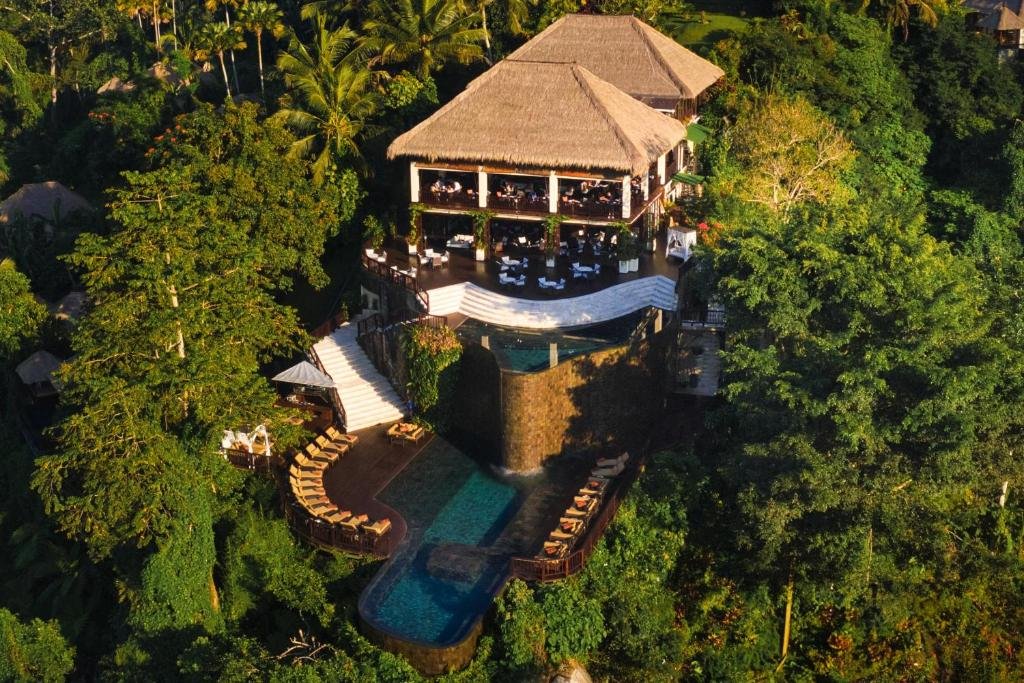
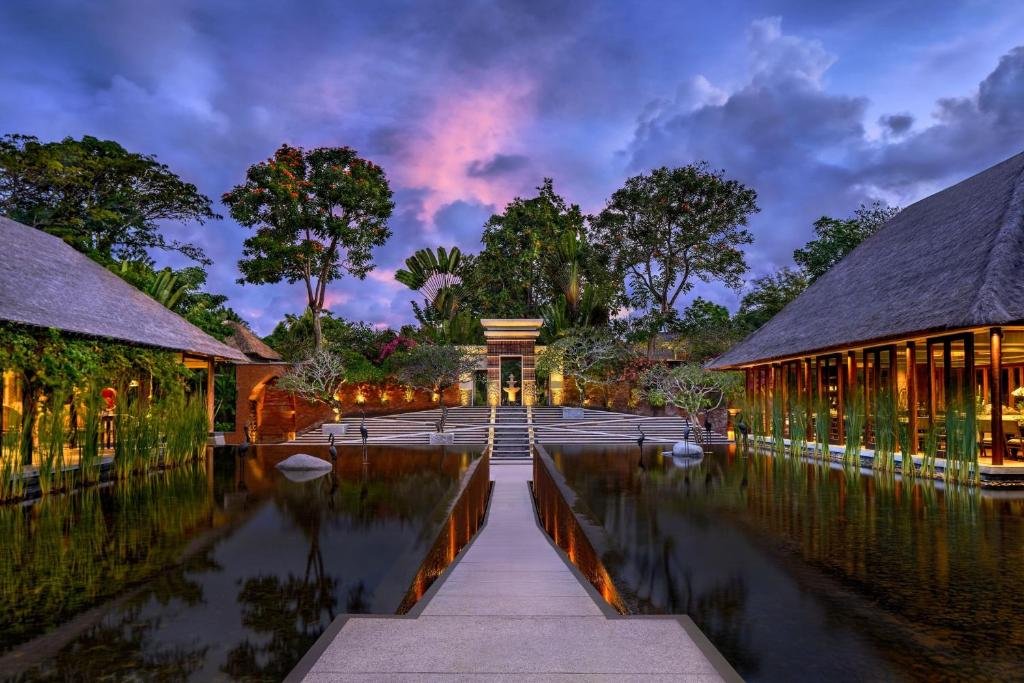
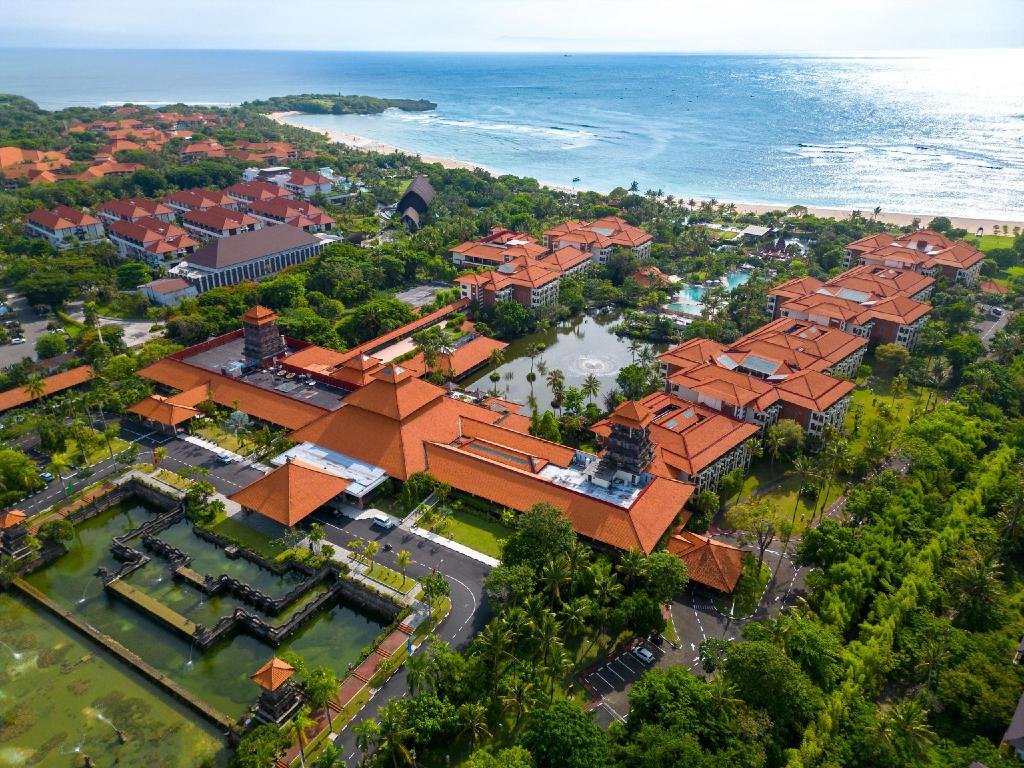
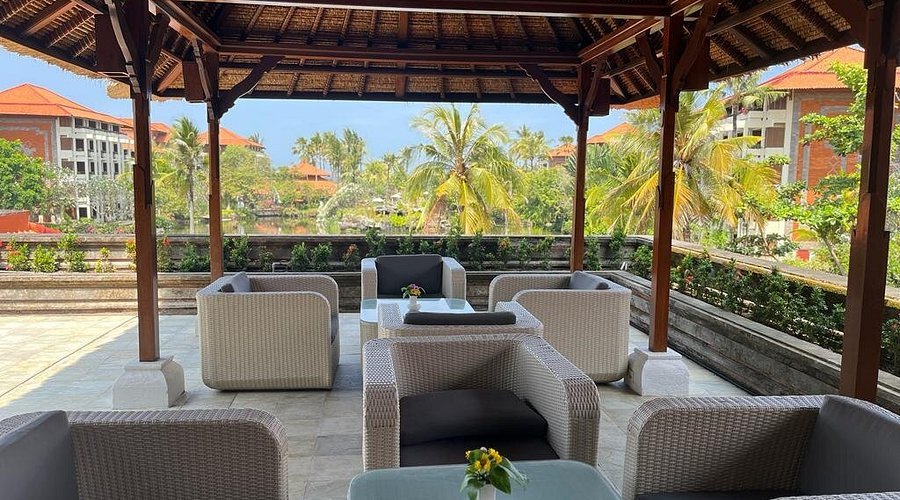
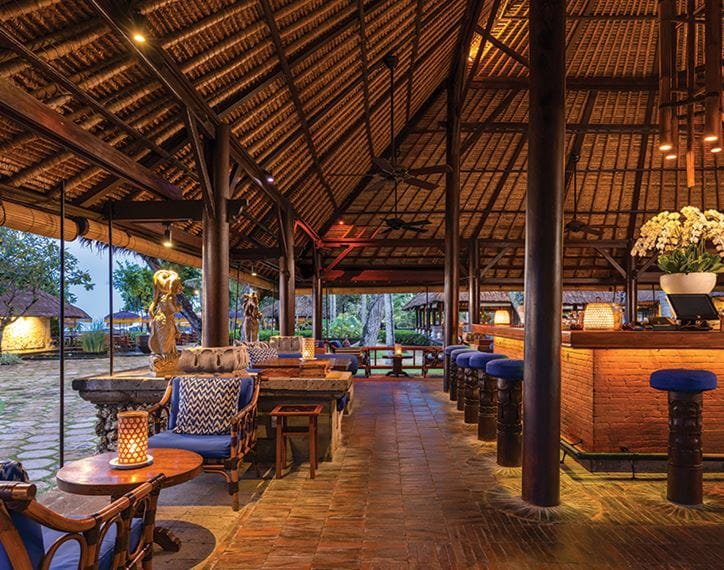
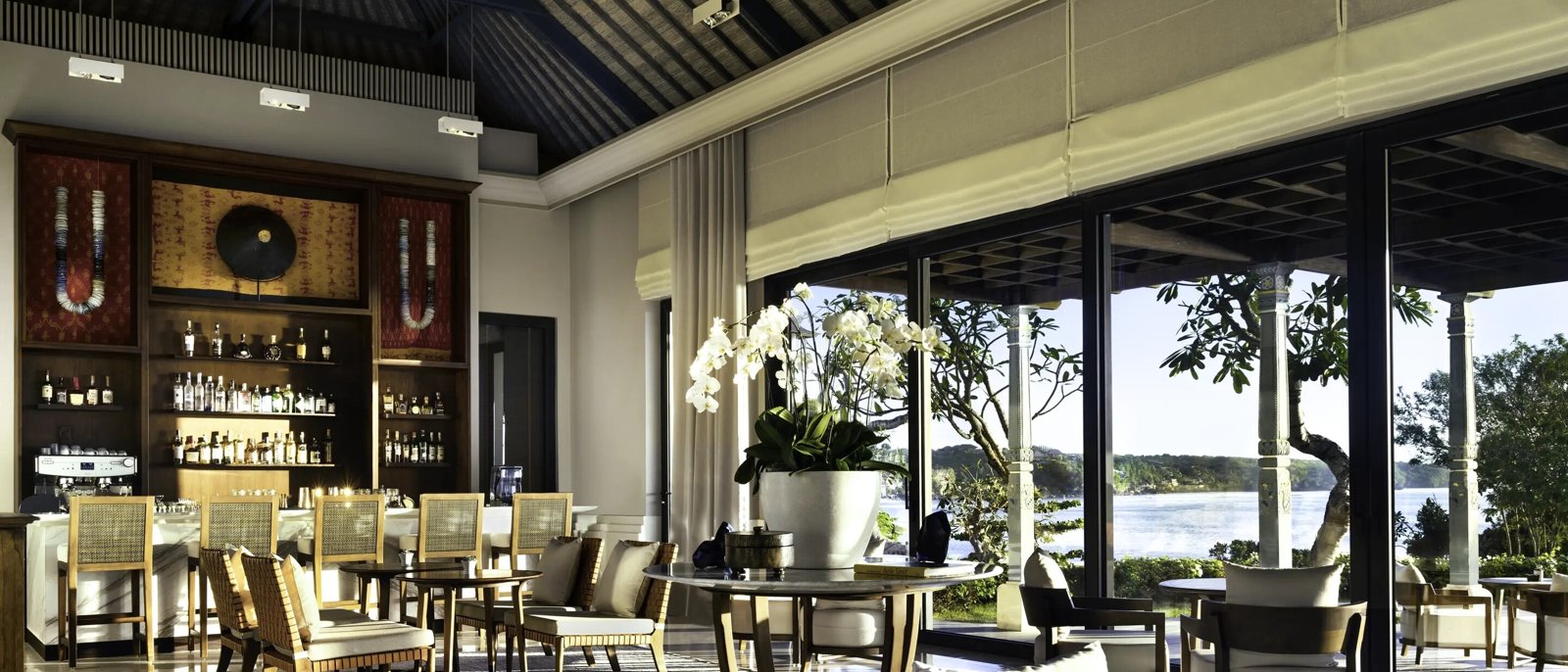
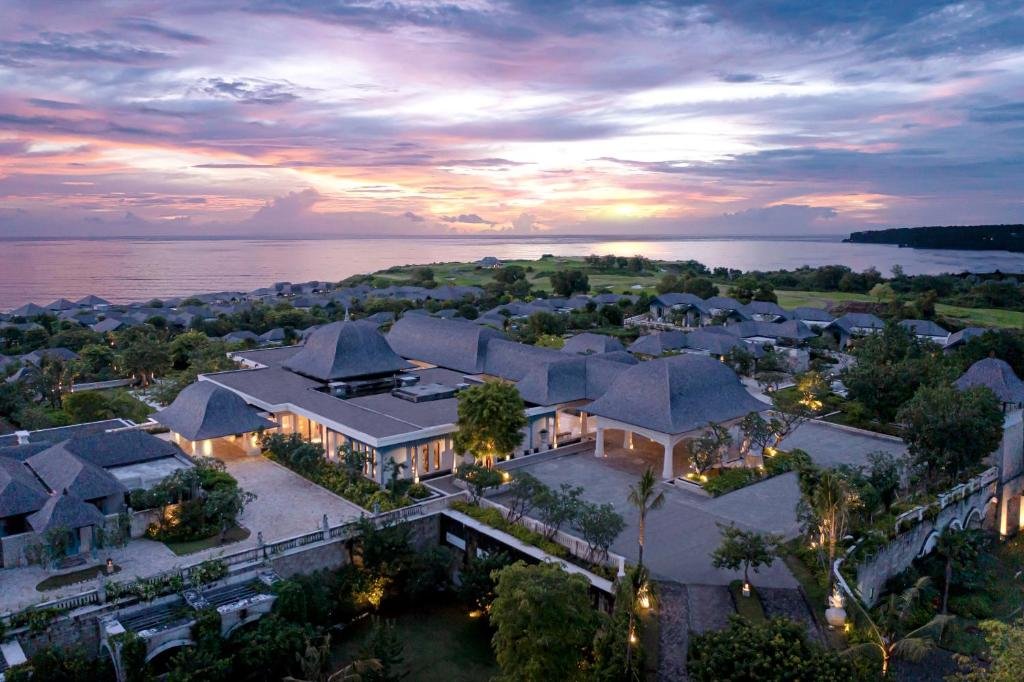
Jumeirah Bali reads as a quiet, temple‑inspired cliff resort where architecture and topography shape the guest experience. The property leans on Hindu‑Javanese forms—tiered pavilions and carved stone detailing—that create a formal, ordered sequence of spaces rather than a single showpiece deck. Perched above limestone promontories and the Indian Ocean, the resort cultivates a hushed, contemplative atmosphere: light that shifts from silver to amber and a silence at altitude that separates the enclave from busier Balinese corridors. The villa format and private pools reinforce a sense of privacy and intimacy, so the overall mood is refined, restrained and meditative.
Best For
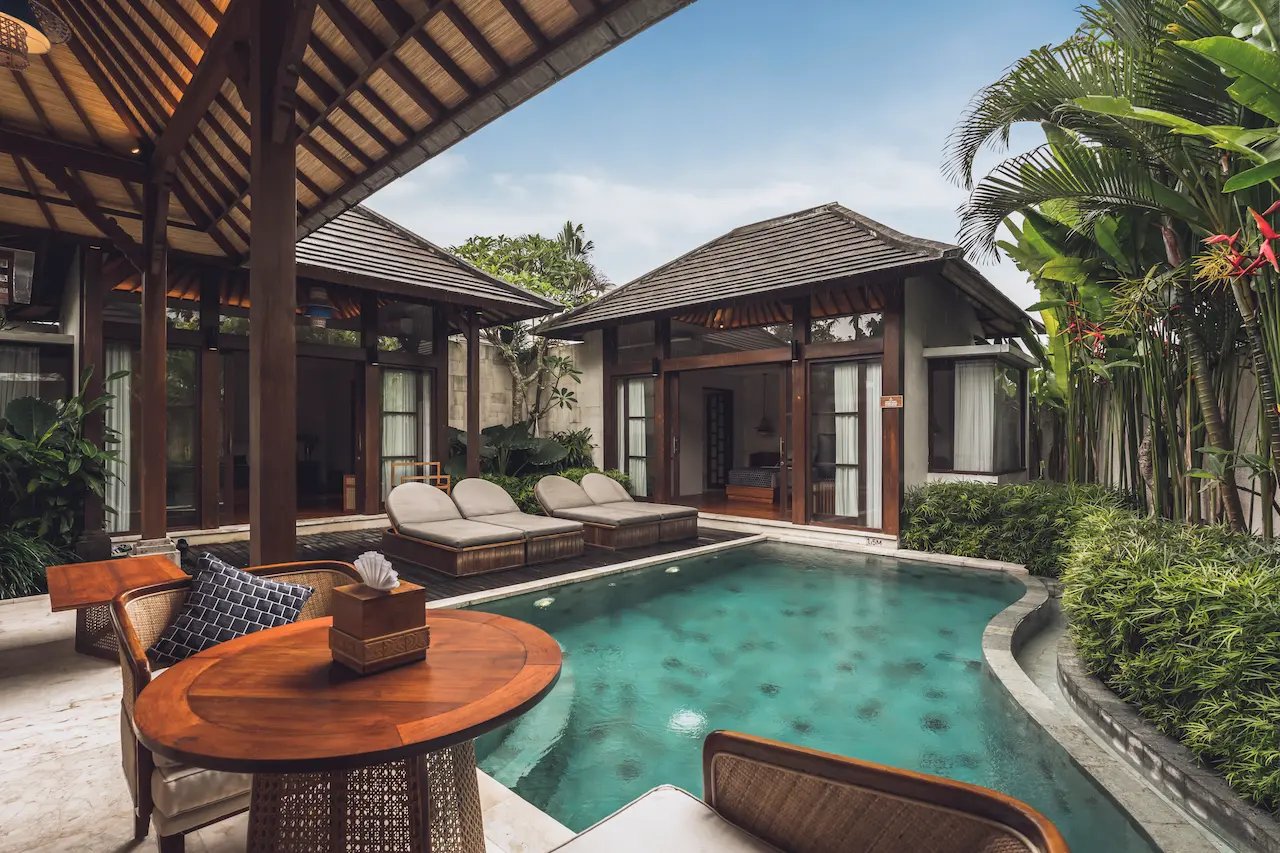
This is a resort for travelers seeking concentrated privacy, architectural gravitas and ocean‑edge quiet. It suits honeymooners and couples on romantic getaways who want secluded villas with private pools and in‑villa service, as well as families or small groups that can book the larger Royal Walter Palace for a single private footprint. The property also appeals to wellness travelers who prize calm, ritualized service and a setting that privileges light and silence over beach‑club spectacle. It is less suited to party‑seeking visitors who expect a bustling nightlife scene.
Stay Tips
Book a villa early and confirm what’s included in the rate: the property explicitly positions itself in the fully staffed tier, with butler service, in‑villa dining and daily rituals built into the offering. If traveling as a family or with a group, consider reserving the four‑bedroom Royal Walter Palace for a single private footprint. Expect a ceremonious arrival along Jalan Raya Uluwatu and factor in transfer time to the cliff top. Lean on the butler service to arrange in‑villa meals and on‑site logistics so you can maximize ocean views and the property’s quiet, contemplative rhythms.
Venue details
Ambiance
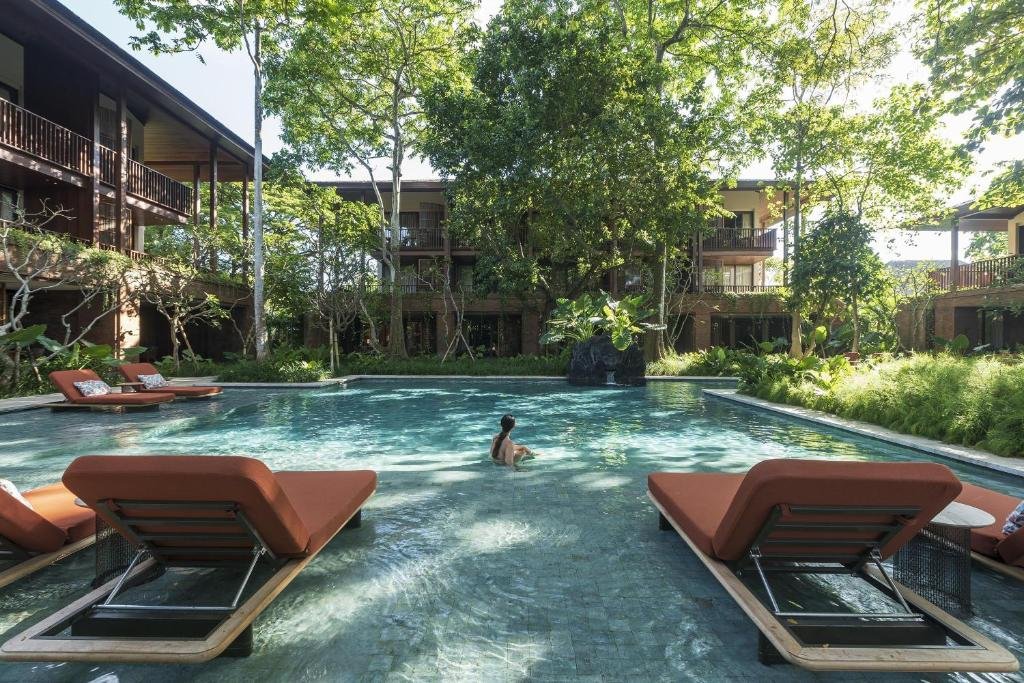
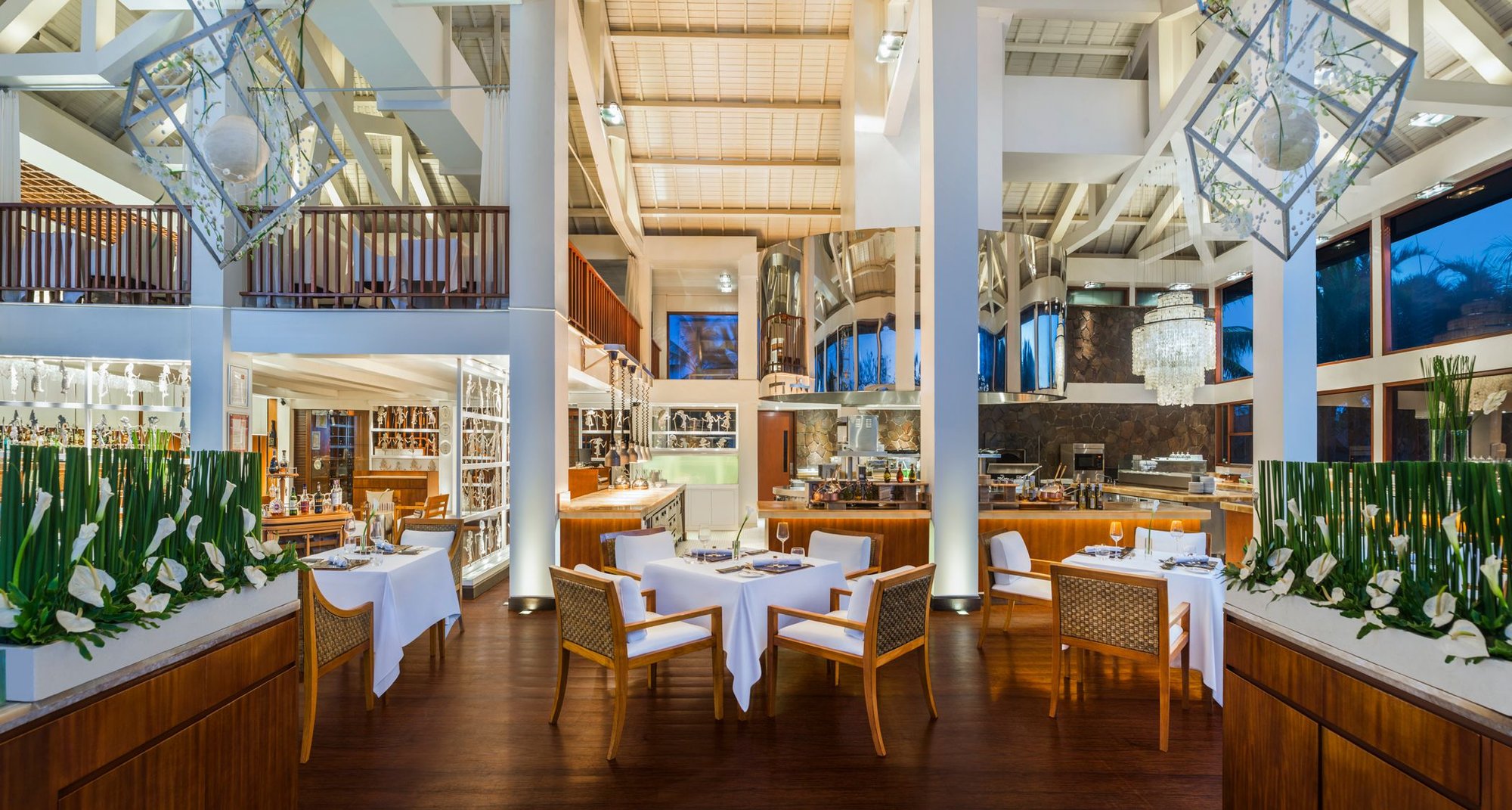
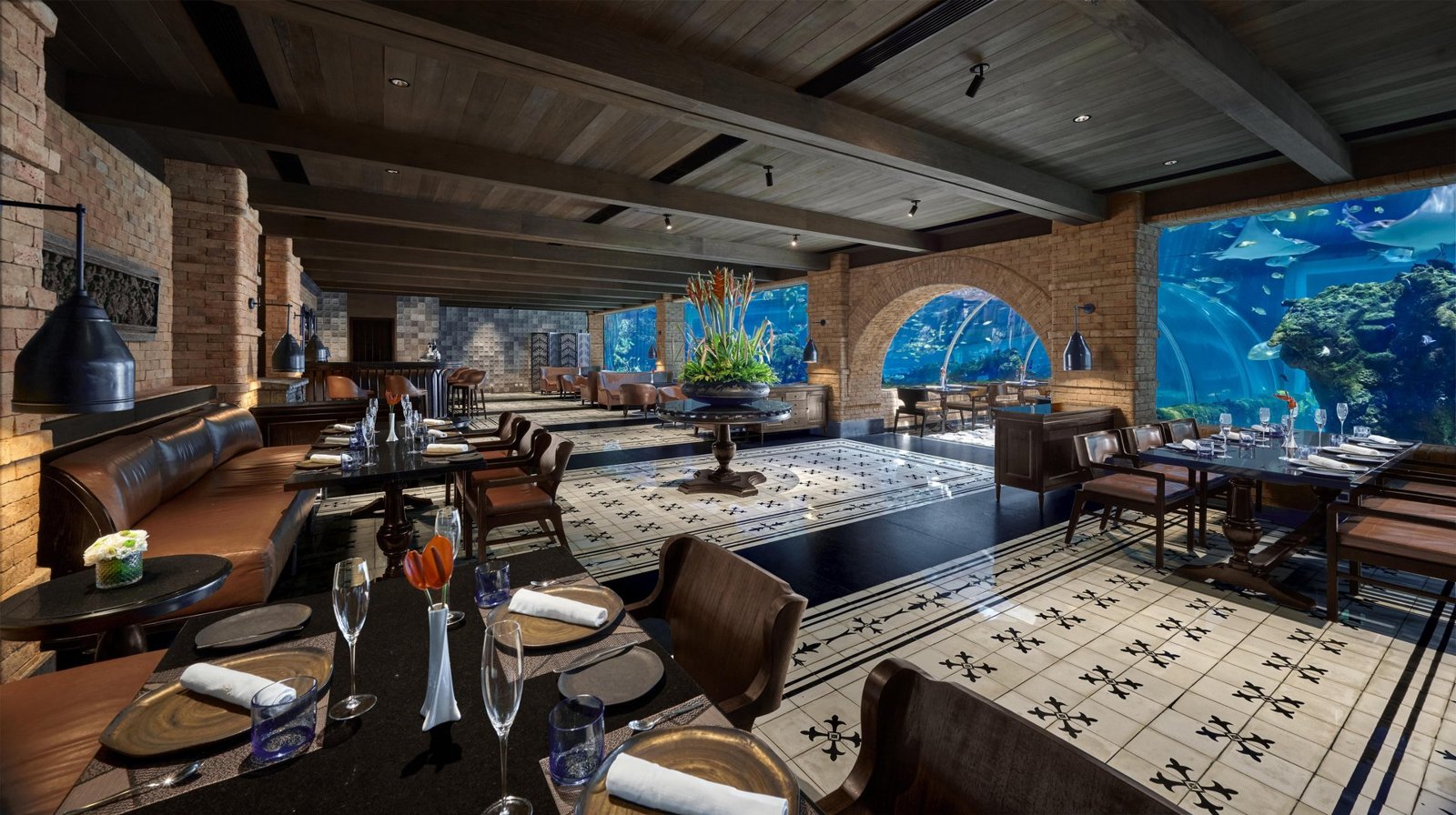
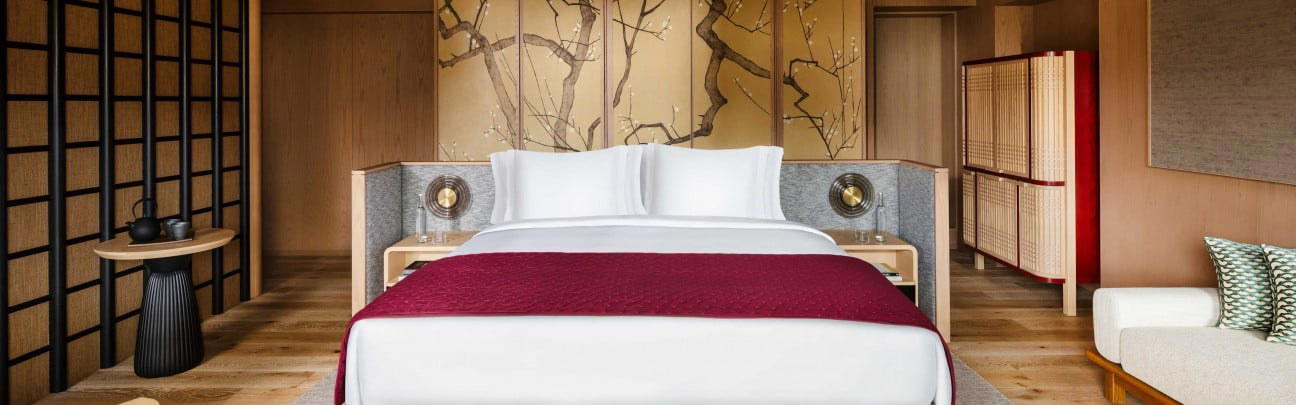
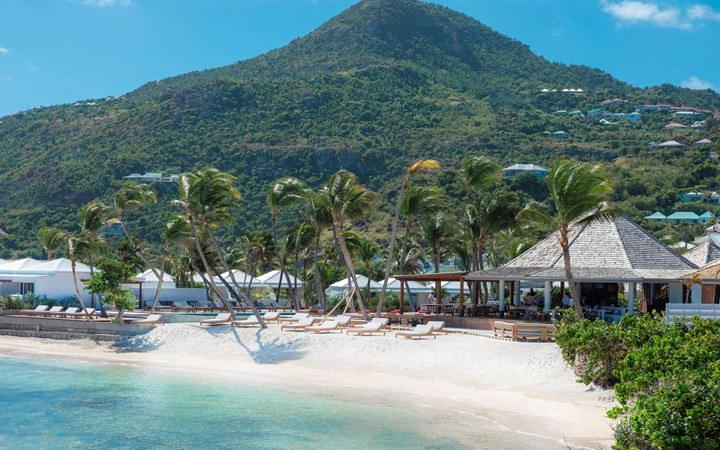
Light-toned, spacious villas with lush tropical gardens, infinity pools blending into the ocean horizon, and a serene, pampered atmosphere.
Tags
Vibe
Best For
Experience
Amenities
View
Accessibility
About the Stay
- Rooms
- 123
- Property Style
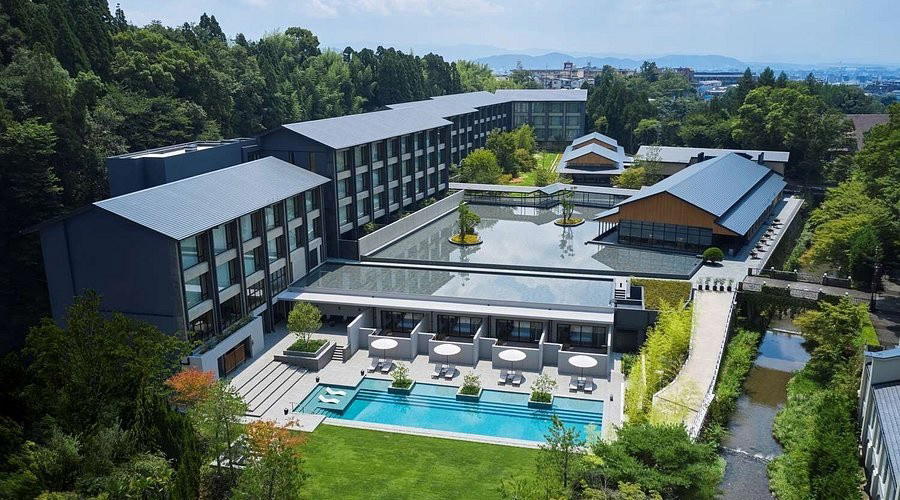
- Luxury Villa Only Beach Resort Inspired by Javanese Hindu Water Palace Architecture Amid Tropical Gardens.
- Design Style
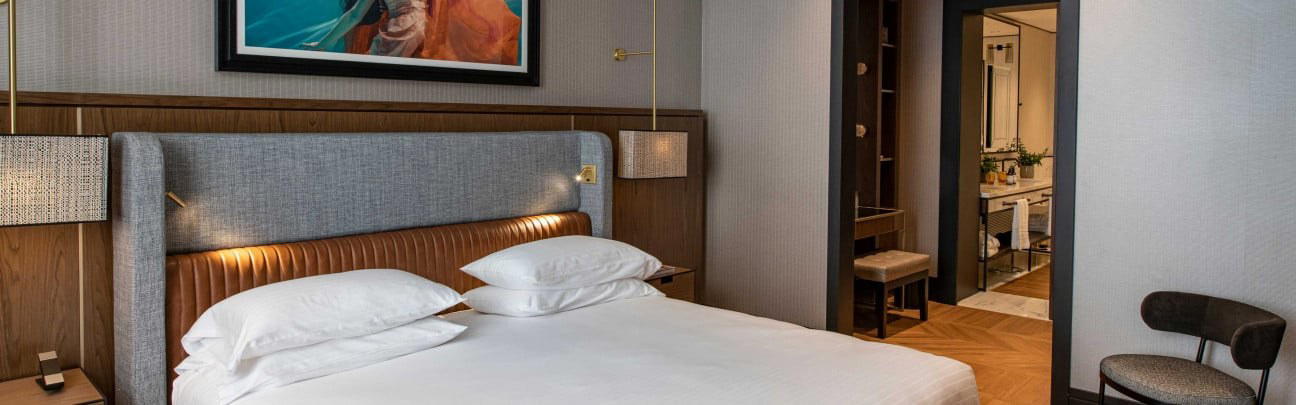
- Modern Balinese with Light Tones, Plush Furnishings, and Open Plan Spaces.
Know before you go
Know Before You Go
- Getting there
- Kawasan Pecatu Indah Resort, Jl. Raya Uluwatu, Pecatu, Kuta Selatan, Badung Province
Planning details
Location
Kawasan Pecatu Indah Resort, Jl. Raya Uluwatu, Pecatu, Kuta Selatan, Badung Province · Directions



Also consider
Also Consider
- Anantara Uluwatu Bali Resort, Notable alternative
- AYANA Villas Bali, Notable alternative
- RIMBA by AYANA Bali, Notable alternative
- Hidden Hills Villas, Notable alternative
- AYANA Resort Bali, Notable alternative
Hotel context
How Jumeirah Bali compares in Bali
Choose Jumeirah Bali over Anantara Uluwatu Bali Resort if the brief is a more formal luxury-resort stay with award-backed recognition and a celebration feel. Anantara is the more obvious cross-shop for travelers who want the Uluwatu area without committing to the same level of polish. With booking difficulty marked easy, Jumeirah is also less stressful than a small villa hideaway when dates are fixed.
AYANA Villas Bali is the stronger alternative if the trip is specifically villa-led and the group wants a larger resort ecosystem around it. AYANA Resort Bali and RIMBA by AYANA Bali make more sense for travelers who want scale, multiple resort facilities, and a busier atmosphere. Jumeirah is the cleaner pick for couples who want the stay to feel more composed.
Hidden Hills Villas is the better cross-shop for travelers prioritizing a private-villa mood over classic resort infrastructure. Pick it when independence matters more than a full-service hotel frame. Pick Jumeirah when the occasion calls for a luxury resort with formal recognition, easier planning, and a room decision centered on privacy, view, and time spent on property.
Explore Bali
Around this place
Discover more on Pearl
Unlock the full Jumeirah Bali guide in Pearl, including awards, comparisons, FAQs, planning details, and nearby places.
Compare Jumeirah Bali
| Venue | Location | Awards |
|---|---|---|
| Jumeirah Bali | Bali | 2026 Travel + Leisure 100 Favorite Hotels in the World · #262026 Virtuoso Luxury Hotel Collection2026 Michelin 1 Key2025 Michelin Selected HotelsWorld Travel Awards 2025 |
| Anantara Uluwatu Bali Resort | Uluwatu | No published awards |
| AYANA Villas Bali | Jimbaran | 2026 Forbes 4-Star2026 La Liste Top Hotels2025 Michelin Selected Hotels2025 Forbes 4-Star |
| RIMBA by AYANA Bali | Jimbaran Bay | No published awards |
| Hidden Hills Villas | Uluwatu | 2026 Mr & Mrs Smith Luxury HotelsWorld Luxury Hotel Awards 2025Small Luxury Hotels Member 2025 |
| AYANA Resort Bali | Jimbaran | 2026 Travel + Leisure 100 Favorite Hotels in the World · #582025 Forbes 4-Star |





How Jumeirah Bali compares with similar nearby venues.
FAQ
Frequently Asked Questions
Which room category is best at Jumeirah Bali?
Choose after checking the resort's current room descriptions directly and reviewing the layout, size, view, and inclusions that matter for your stay. If you want to compare other Bali options, consider Anantara Uluwatu Bali Resort or AYANA Villas Bali.
What is check-in like at Jumeirah Bali?
Ask the resort about arrival arrangements directly before travel. For planning purposes, Jumeirah Bali is a luxury resort in Bali with World Travel Awards 2025 and Virtuoso recognition, but exact arrival procedures should be checked with the property.
How does Jumeirah Bali compare to nearby hotels?
Jumeirah Bali is a recognized luxury resort in Bali. Anantara Uluwatu Bali Resort, Hidden Hills Villas, AYANA Resort Bali, AYANA Villas Bali, and RIMBA by AYANA Bali are useful comparison points if you are considering other premium Bali stays. Confirm current room types, inclusions, policies, and logistics directly with each property.
Is Jumeirah Bali good for business travel?
Jumeirah Bali's recognition includes World Travel Awards 2025 Leading Luxury Resort and Virtuoso Luxury Hotel Partner for 2026. If you are planning a work-focused trip, confirm practical needs directly with the resort before booking.
How is the location of Jumeirah Bali?
Jumeirah Bali is in Bali. Before booking, confirm exact transfer times and route planning directly with the resort or your transport provider. If location and resort infrastructure are important, AYANA Resort Bali is one possible comparison point.