







Château de Berne
Lorgues
Hotel in Lorgues, France
 Book with Pearl
The Read
Provençal Estate Viticulture
Why go
Château de Berne is a hotel and wine estate near Lorgues in Provence.
About Château de Berne
Château de Berne in Lorgues is best framed as a premium hotel shortlist candidate with several strong recognition signals rather than as a page built around specifics. The accolades include Michelin 1 Key (2024), La Liste Top Hotels (2026) with 92 points, Condé Nast Best Hotels #20 (2025), Gault & Millau Exceptional Hotel (2025) with 5 points, and World Luxury Hotel Awards 2025 recognition.
The value question is simple: consider it if the purpose of the trip is to make Château de Berne the anchor of a Lorgues stay. If the plan is mostly to use the hotel only as a base, compare options carefully and check nearby food options in the Lorgues restaurants guide.
Book for the recognized hotel stay, not just the bed
The right guest here is the traveler who values a hotel with third-party recognition and wants the stay itself to be a meaningful part of the trip. The strongest grounded case for Château de Berne is its award profile, not claims about specific facilities, room categories, dining formats, or services.
On recognition, the signal is strong. Michelin 1 Key, La Liste Top Hotels scoring, Gault & Millau hotel recognition, Condé Nast hotel placement, and World Luxury Hotel Awards recognition give this more proof than many hotels with thinner public validation. That does not automatically make it the right booking for every trip, but it does make it a serious candidate for travelers comparing premium stays in and around Lorgues.
Pricing, room count, and specific amenities should be confirmed directly before booking. Dress code is smart casual, which is useful to know when planning what to pack.
Location premium: when Lorgues makes sense
Château de Berne is in Lorgues. That makes it relevant for travelers who want their stay based in Lorgues, but this guide should not overstate details about the immediate setting, walkability, transport, or nearby landmarks.
If the Lorgues portion of the trip depends on specific dining, activities, or transport logistics, verify those separately before committing. The confirmed hotel recognition supports a premium positioning, while the practical fit depends on the traveler's itinerary and expectations.
Who should choose it, and who should cross-shop
Choose Château de Berne if a recognized hotel in Lorgues is the priority and the confirmed awards matter in the decision. Cross-shop if the priority is a different style of stay, a different location, or a more specific trip focus. Château Saint-Roux, Hostellerie Les Gorges de Pennafort, Lou Calen, Hotel des Gorges du Verdon, and UP - Ultimate Provence Hôtel are natural names to compare depending on the broader route.
The bottom line: Château de Berne is worth considering when the hotel itself is central to the Lorgues stay. If the room is only a launchpad, confirm the practical details carefully before paying a premium.
Inside Château de Berne
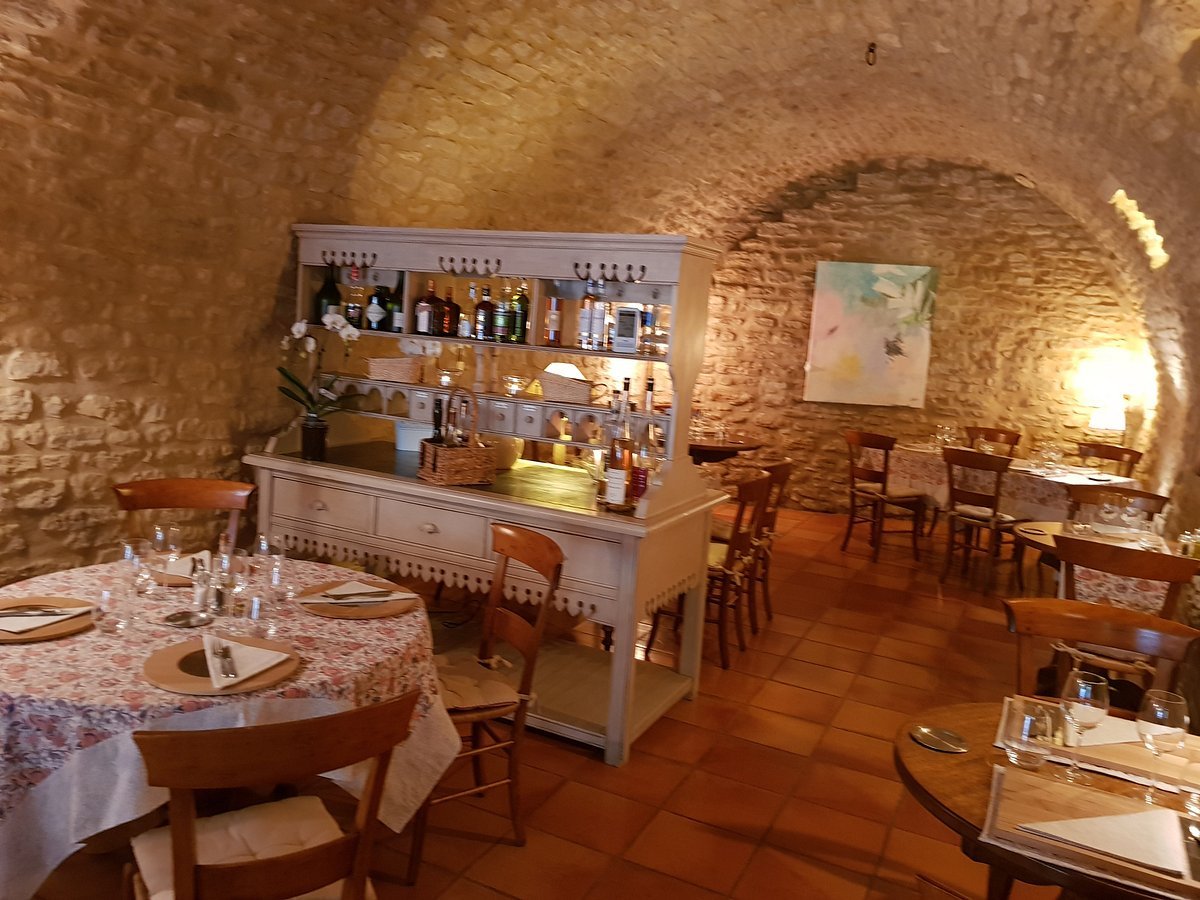
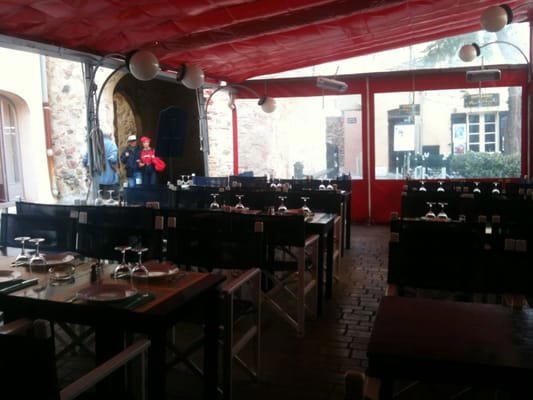 restaurantLe Bistrot du Château de BerneLe Bistrot du Château de Berne holds a Michelin Plate (2025) and Bib Gourmand (2024), positioning it as one of the Var's stronger mid-price traditional tables. Set within the Château de Berne estate in Flayosc, it draws both estate guests and locals to its regional Provençal cooking at accessible €€ pricing, with a Google rating of 4.4 across 866 reviews.
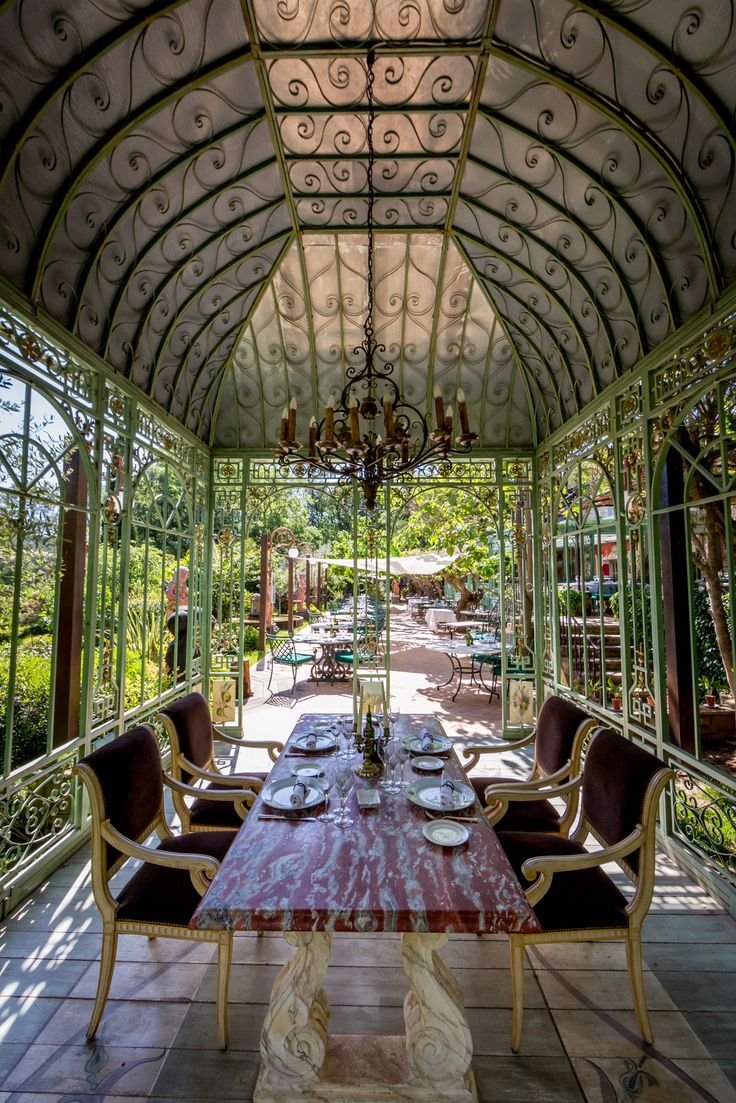
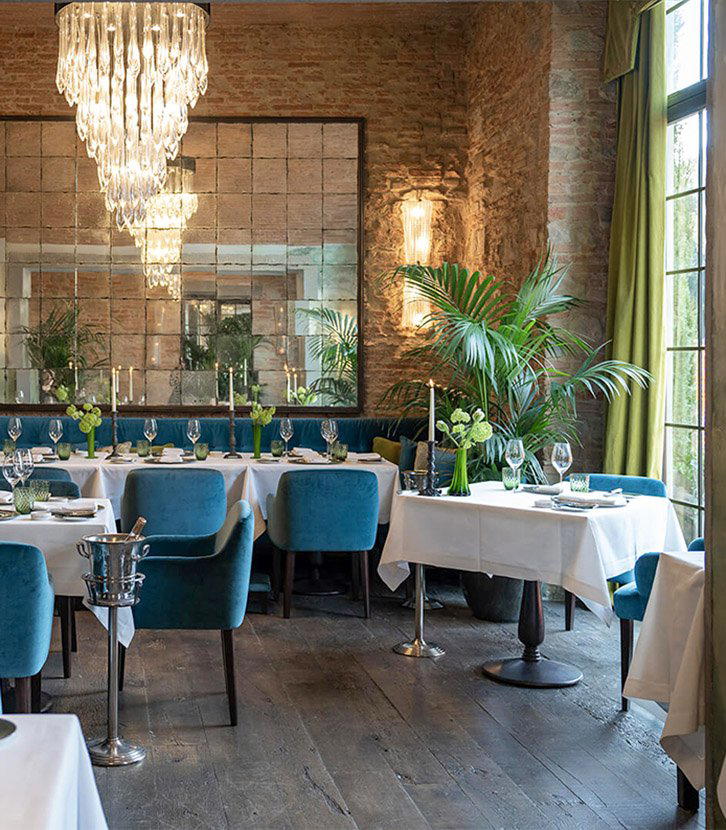 restaurantLe Jardin de BerneSet within a 515-hectare Provençal wine estate, Le Jardin de Berne earned its Michelin star in 2024 through a kitchen committed to the Haut-Varois terroir, vegetables and herbs drawn from the château's own organic garden, olive oil pressed on-site, and ingredients sourced from regional producers. Chef Louis Rameau and pastry chef Éric Raynal run an evening-only service with a front-of-house team that holds its own against the cooking.
Planning details
- Location
- Chemin des Imberts, 83780 Flayosc
- Website
- chateauberne.com
- Phone
- +33 4 94 60 43 60
The take
The Take
The Vibe
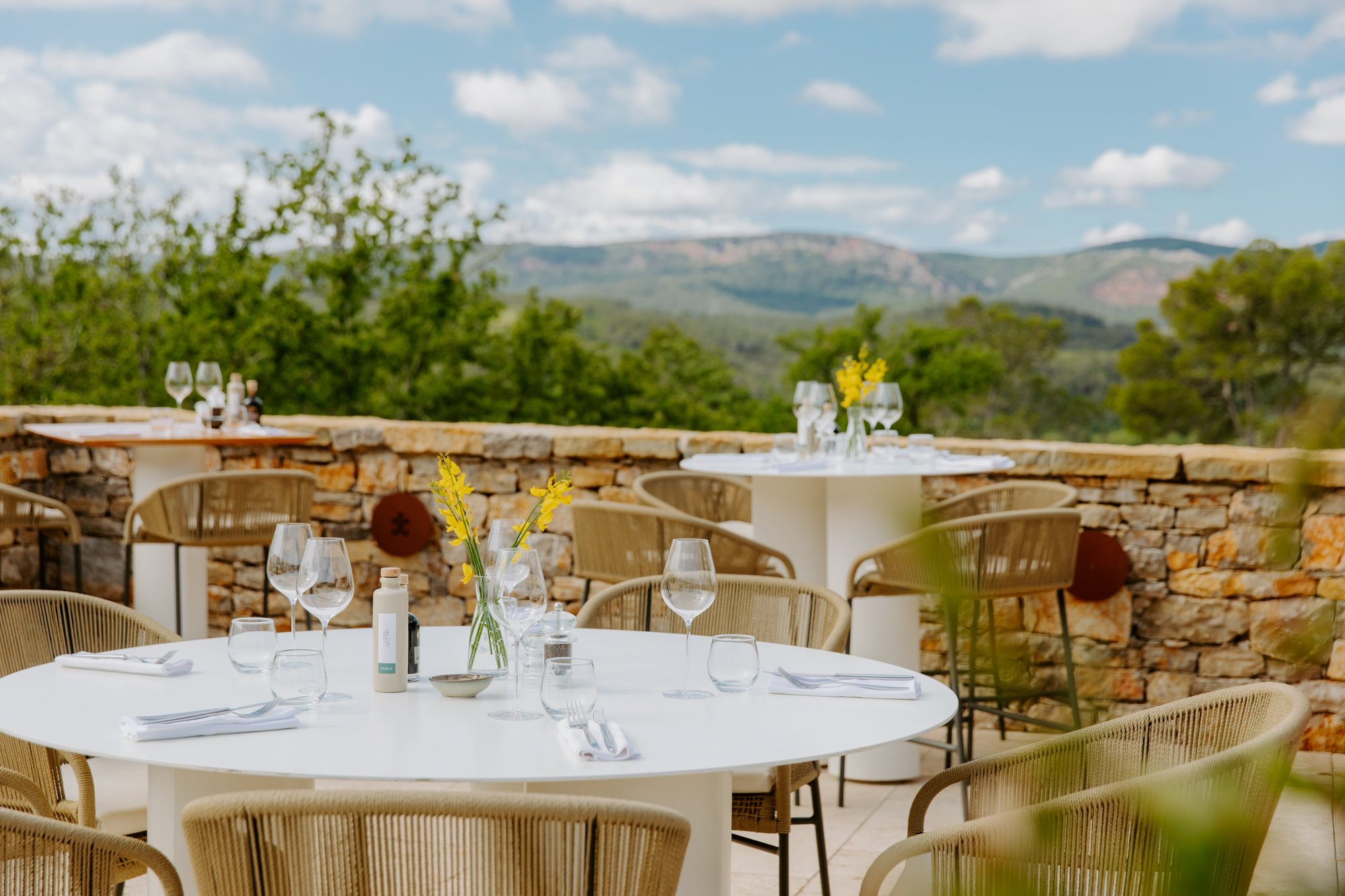
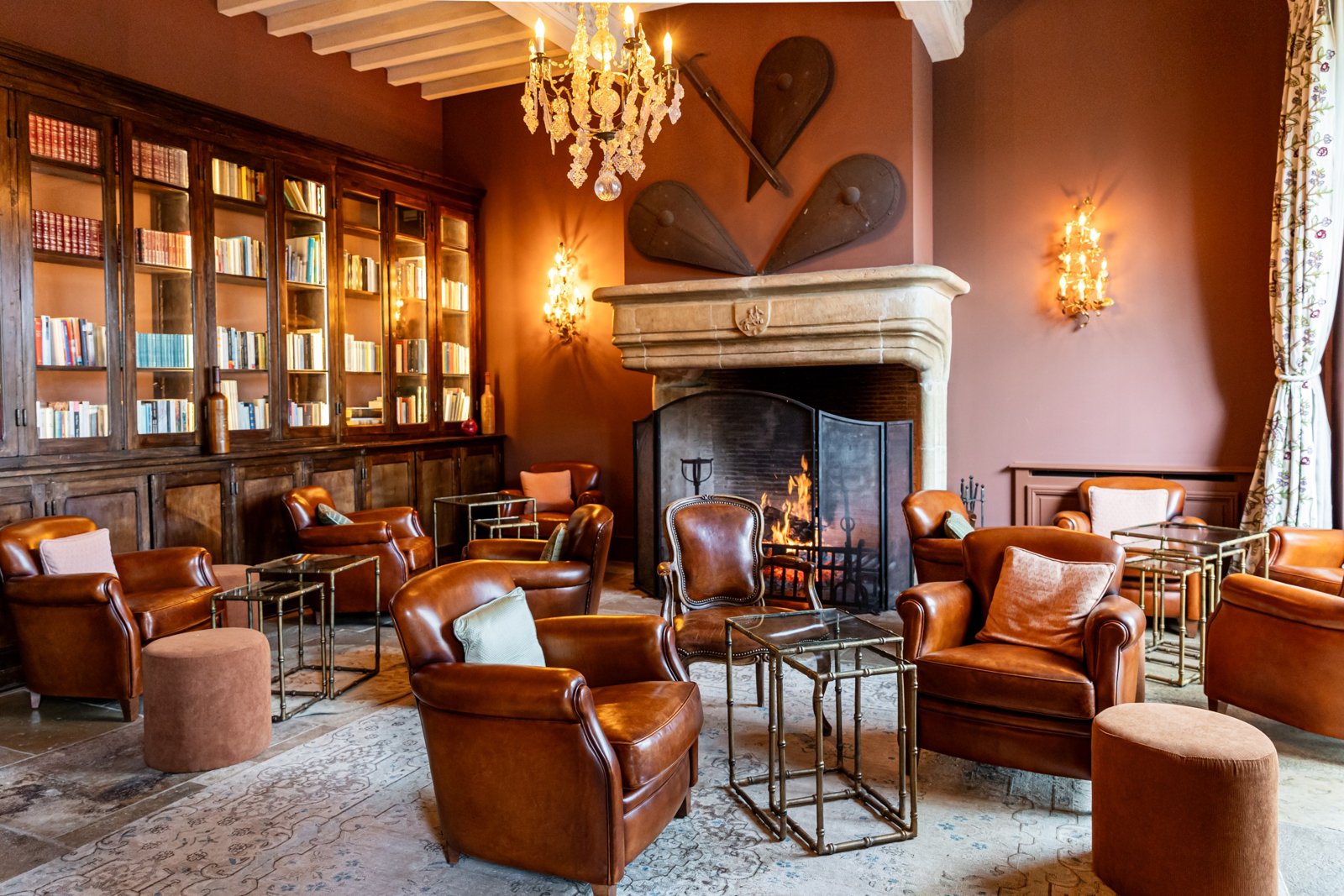
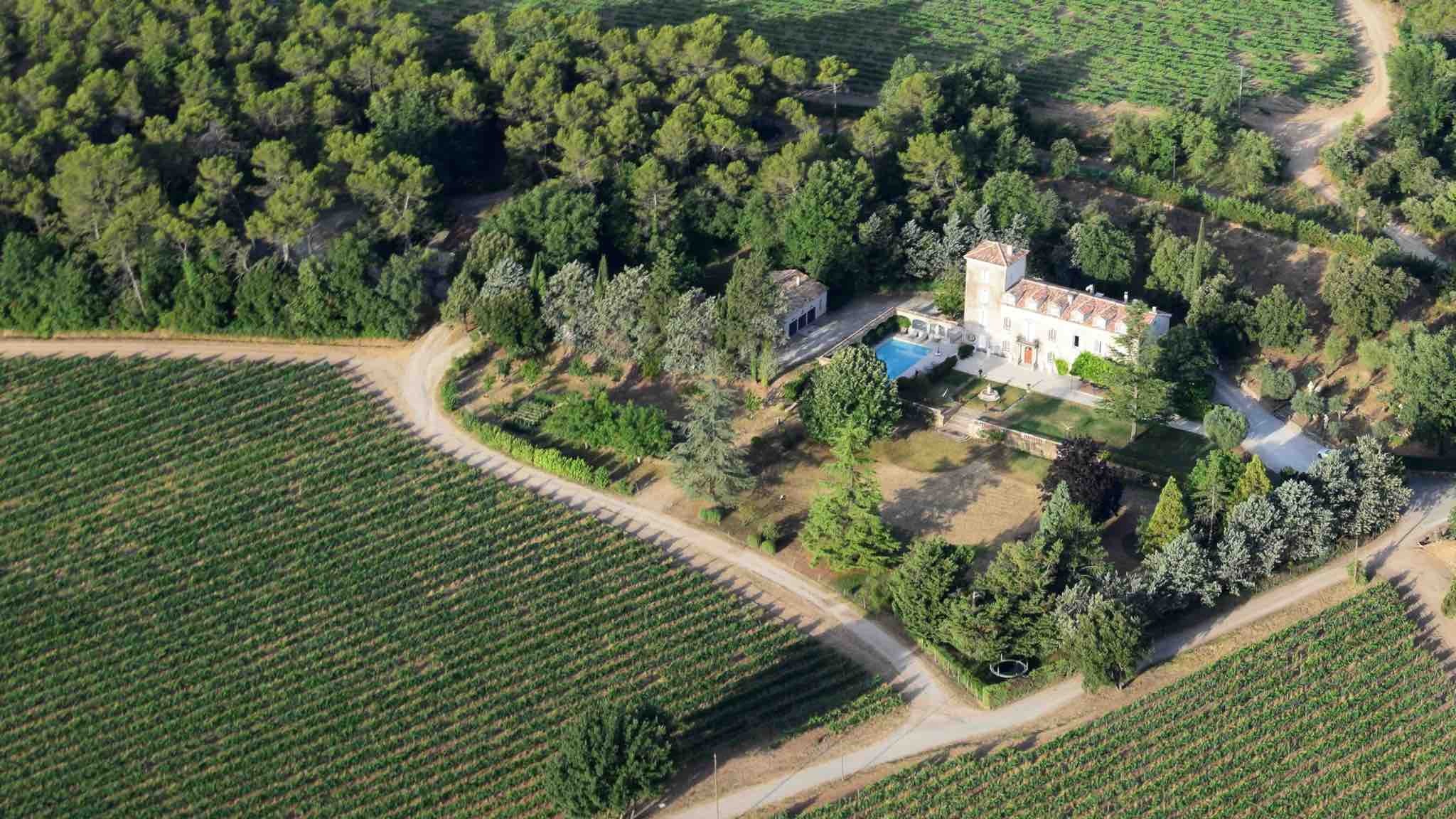
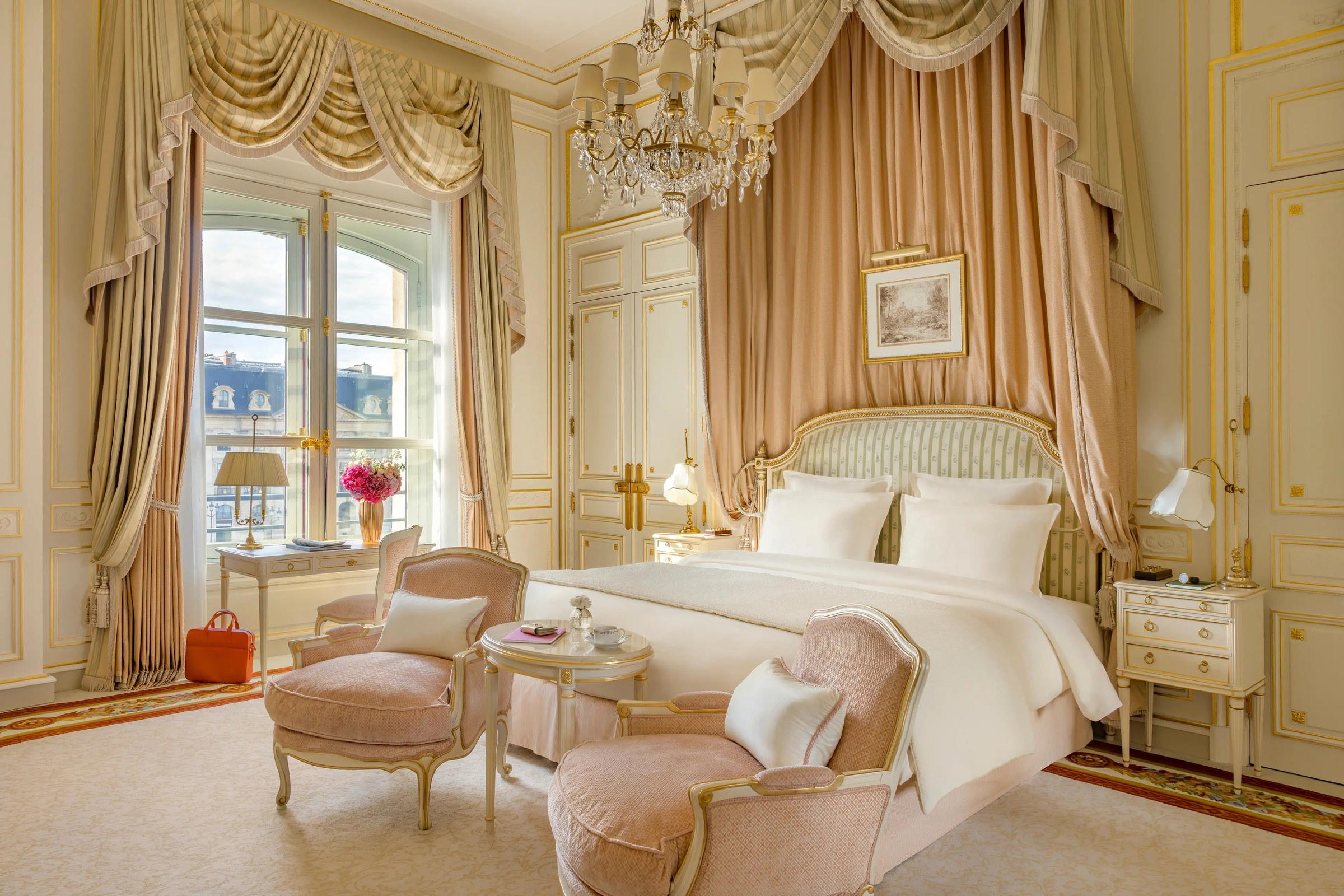
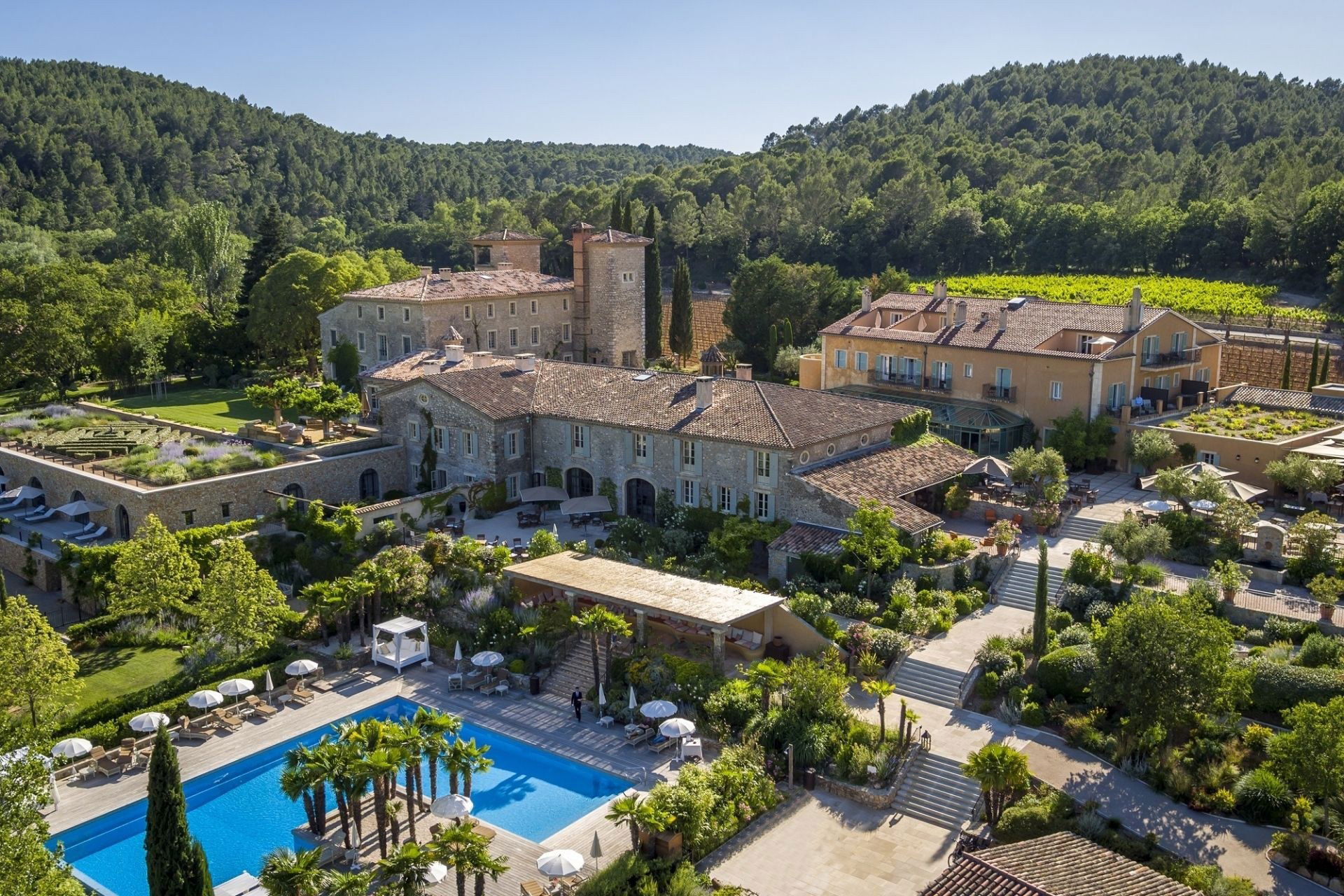
Arriving at Château de Berne reads like choreography: a narrow road through Mediterranean forest, olive groves and vine rows gives way to the château at the end of a long axis. The estate’s scale — 1,300 acres of worked land and 150 hectares of organic vines — produces a lived-in, terroir-forward atmosphere rather than a theatrical resort. Rooms in the château and a handful of private villas balance Provençal tradition with contemporary-boutique touches, and the Var’s ambient quiet reinforces a serene, historic register. The overall impression is refined and restrained, privileging place, calm and cultivated presence over performance.
Best For
Château de Berne suits travelers who want a slower, land-centered version of Provence. The property naturally attracts couples and small groups seeking romance, anniversaries or a quiet weekend escape, and it appeals to wine-focused visitors intrigued by a single estate’s significant organic plantings and integrated gastronomy. Its mix of château rooms and seven private villas allows for both communal hospitality and private retreats. Positioned an hour from the coast and removed from the coastal circus, the estate is a clear choice for guests who prefer interior serenity and a terroir-led stay.
Venue details
Ambiance
Tranquil and private with lush gardens, soft natural lighting, and a serene, luxurious atmosphere praised in guest reviews.
Tags
Vibe
Best For
Experience
Amenities
View
Accessibility
About the Stay
- Rooms
- 34
- Check-in
- 15:00
- Check-out
- 11:00
- Property Style
- 18th Century Chateau in Provençal Countryside with Winery
- Design Style
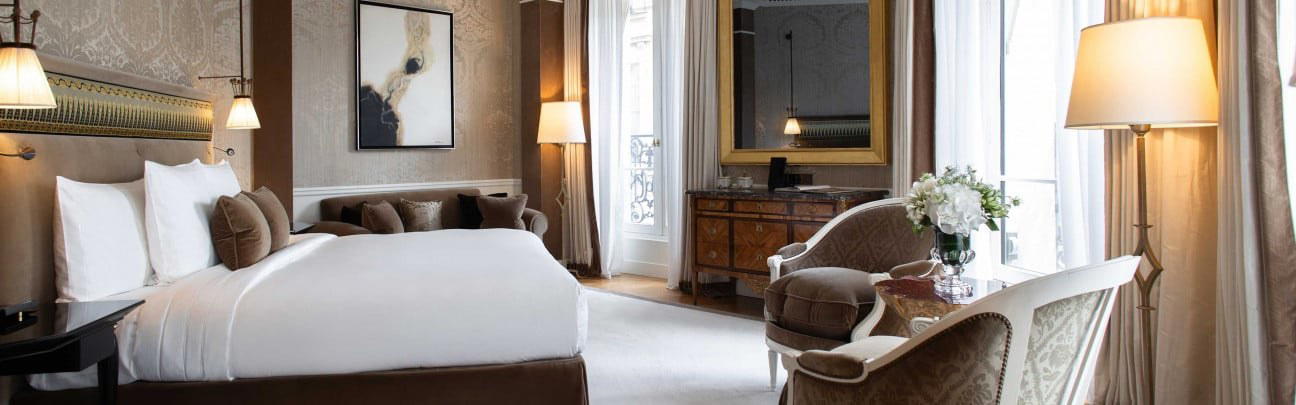
- Elegant Provençal Luxury with Premium Linens and Historic Charm
Know before you go
Know Before You Go
- Getting there
- Chemin des Imberts, 83780 Flayosc
Planning details
Location
Recognition and awards






Also consider
Also Consider
- Château Saint-Roux, Notable alternative
- Hostellerie Les Gorges de Pennafort, Notable alternative
- Lou Calen, Notable alternative
- UP - Ultimate Provence Hôtel, Notable alternative
- Hotel des Gorges du Verdon, Notable alternative
Hotel context
How It Compares
Château de Berne is the pick when the hotel itself needs to justify the trip: polished countryside setting, hard booking profile, and stronger recognition than the nearby alternatives listed here. Château Saint-Roux is the easier value cross-shop for a more relaxed rural stay, while Hostellerie Les Gorges de Pennafort is the better choice if the itinerary is driven by dining rather than hotel downtime.
Lou Calen is the one to consider if a village atmosphere matters more than an estate setting. UP - Ultimate Provence Hôtel reads as the sharper option for a more contemporary wine-country mood, while Château de Berne is better for guests who want a more traditional Provençal hotel stay with heavier recognition behind it.
Hotel des Gorges du Verdon is the cross-shop for scenery-led travelers who care more about dramatic outdoor context than Lorgues-area convenience. For value, Château de Berne makes sense when the room, grounds, and slower pace replace extra planning; if the trip is built around being out all day, choose a simpler base and spend the difference on meals or experiences.
Around this place
Discover more on Pearl
Unlock the full Château de Berne guide in Pearl, including awards, comparisons, FAQs, planning details, and nearby places.
Compare Château de Berne
| Venue | Location | Awards |
|---|---|---|
| Château de Berne | Lorgues | 2026 Forbes Recommended2026 Virtuoso Luxury Hotel Collection2026 Relais Chateaux Hotels2026 La Liste Top Hotels2025 Conde Nast Best Hotels · #20World Luxury Hotel Awards 20252025 Michelin 1 KeyMichelin 1 Key 20252025 Gault & Millau Exceptional Hotel |
| Château Saint-Roux | Le Cannet Des Maures | No published awards |
| Hostellerie Les Gorges de Pennafort | Callas | No published awards |
| Lou Calen | Cotignac | No published awards |
| UP - Ultimate Provence Hôtel | La Garde Freinet | 2026 Mr & Mrs Smith Luxury HotelsSmall Luxury Hotels Member 2025 |
| Hotel des Gorges du Verdon | La Palud Sur Verdon | No published awards |

How Château de Berne Lorgues compares with similar nearby venues.
FAQ
Frequently Asked Questions
Which room category is best at Château de Berne?
Choose based on the space, privacy, and cancellation terms you need, and confirm the details directly with Château de Berne before booking. The property's confirmed recognition includes Michelin 1 Key (2024), La Liste Top Hotels (2026) with 92 points, and other hotel awards.
Do loyalty programs work at Château de Berne?
If loyalty benefits are important, confirm directly before booking and compare the practical value against other options such as Château Saint-Roux or UP - Ultimate Provence Hôtel.
What is check-in like at Château de Berne?
When is the best time to book Château de Berne?
Given the property's confirmed recognition, it is sensible to check availability early for important dates, but confirm pricing and policies directly before committing.
How is the location of Château de Berne?
Château de Berne is in Lorgues. Plan logistics using confirmed booking information from the hotel.