
Weingut Mantlerhof
Gedersdorf
Winery in Gedersdorf, Austria
 Book with Pearl
The Read
Loess-Driven Kremstal Viticulture
Price
$50–100tasting
Why go
A focused Gedersdorf winery pick for travellers who care more about producer identity than a packaged hospitality experience. Worth planning as a deliberate appointment-style stop, especially for return visitors comparing Austrian producers, but not the safest choice if the day requires published hours, food service, or clear group logistics.
About Weingut Mantlerhof
Weingut Mantlerhof is a Gedersdorf winery with a casual dress code and Pearl 2 Star Prestige recognition in 2025. For planning, keep the premise simple. Treat it as a winery stop in Gedersdorf, and avoid building the day around details such as dining, tour formats, tasting formats, prices, hours, or group capacity.
The recommendation is narrow but useful: consider Weingut Mantlerhof when the venue itself is the reason for the visit, not when the plan depends on a fully documented hospitality setup. If you need a meal, fixed service information, or a confirmed visitor format, check the winery directly before making it the anchor of the day.
Choose it for a focused Gedersdorf winery stop
The practical upside is that the decision stays clean. The facts support a casual visit profile and a Pearl 2 Star Prestige distinction for 2025. They do not point to a restaurant-style meal, a published tasting menu, a specific cellar-tour offer, or a guaranteed group setup. Plan accordingly and confirm current arrangements through the venue before you go.
For readers comparing wineries, place Weingut Mantlerhof alongside Weingut Lenz Moser, Weingut Sepp Moser, Schloss Gobelsburg (Weingut), Weingut Hirsch, and Weingut Hiedler. Those comparisons can help frame the trip without assuming identical visitor formats or logistics.
Build a tight day around Gedersdorf
Because the profile here is limited, this is not the place to assume walk-up availability, meal service, specific opening windows, or a packaged tasting experience. Keep the schedule flexible, confirm directly, and make sure any time-sensitive plans elsewhere do not depend on details that are not listed here.
If the day extends beyond Weingut Mantlerhof, use other Gedersdorf dining or lodging options generically as separate planning pieces rather than assuming they are part of the winery experience. The grounded verdict is simple: it is a casual Gedersdorf winery recognized with Pearl 2 Star Prestige in 2025, best planned with direct confirmation for any practical details not listed here.
Planning details
- Location
- Hauptstraße 50, 3494 Gedersdorf
- Website
- mantlerhof.com
- Phone
- +43 2735 8248
The take
The Take
The Vibe
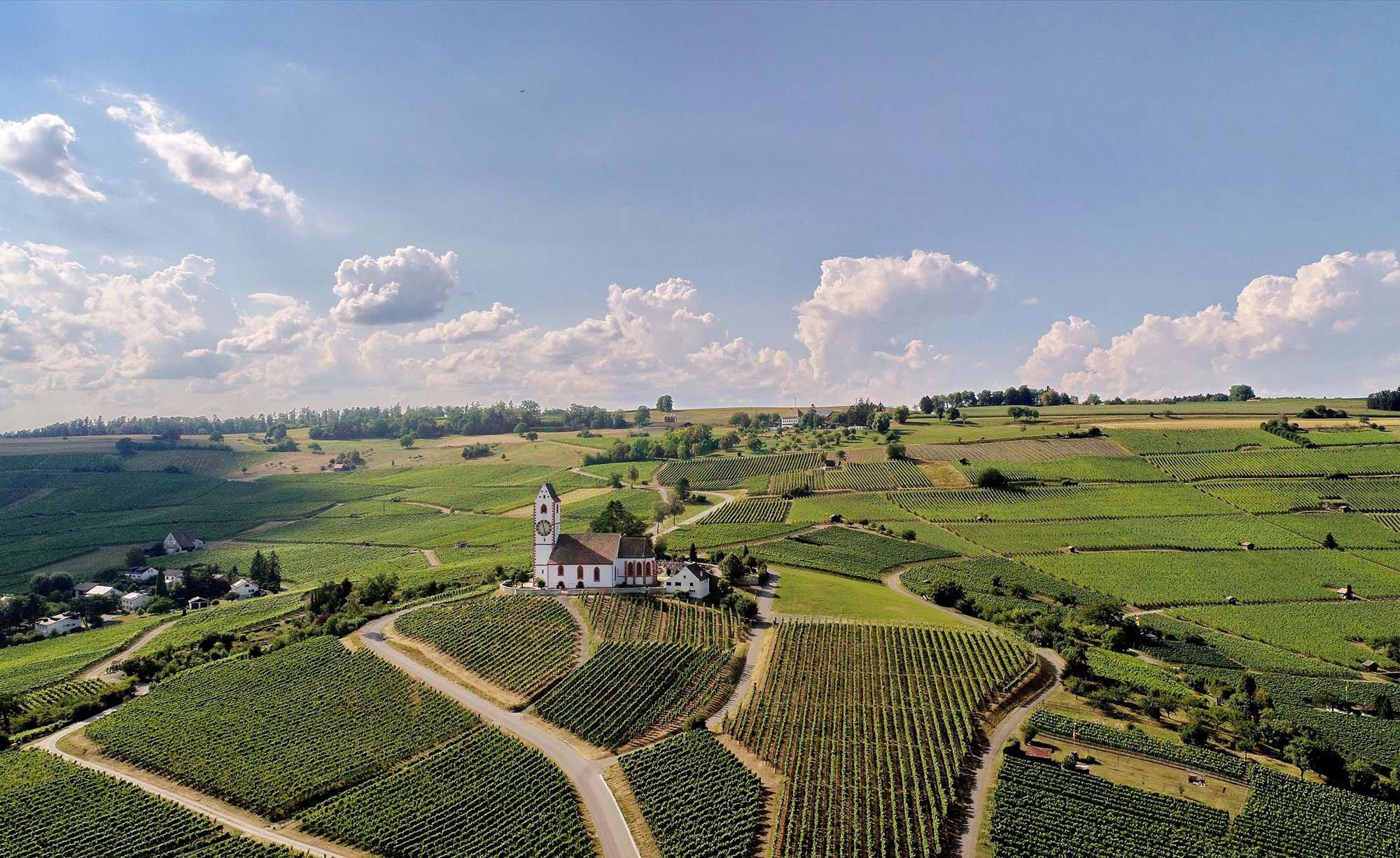
Weingut Mantlerhof reads as a quietly sophisticated estate rooted in place. The writing foregrounds geology — loess-heavy terraces and a Danube corridor that channels Pannonian warmth and Alpine cool — so the location itself feels central to the house identity. A Pearl 2 Star Prestige placement in 2025 reinforces the impression of an upper-tier producer whose wines merit specialist attention. Visitors encounter a winery that emphasizes site expression and technical finesse rather than flashy theatrics: the tone is refined, terroir-driven and contemplative, suited to people who appreciate subtlety and regional specificity in Austrian whites.
Best For
Mantlerhof is best for visitors who come to learn and taste with intent. The copy repeatedly calls out geology, microclimate and textural weight in the wines, positioning the estate as a destination for wine education and curious enthusiasts. It also fits intimate escapes along the Danube — a romantic getaway for couples seeking scenic vineyard settings — and organized group outings of wine-focused visitors who want to compare terroir-driven expressions. In short, this is a place for thoughtful tasting, quiet exploration of vineyard sites and small-group discovery rather than loud, casual drop-ins.
Tasting Tips
When tasting at Mantlerhof, prioritize their whites and terroir-expressive bottlings: the text explains that loess soils and thermal amplitude produce wines with late-retained acidity and notable textural weight. Ask about the Pearl 2 Star Prestige selections highlighted for 2025 and request context on specific terrace sites and their loess influence. Visitors who come prepared with baseline knowledge benefit most, so steer conversations toward vintage variation, soil depth and how the Danube corridor shapes ripening. These lines of questioning illuminate the estate's strengths without relying on speculative or promotional details.
Venue details
Ambiance
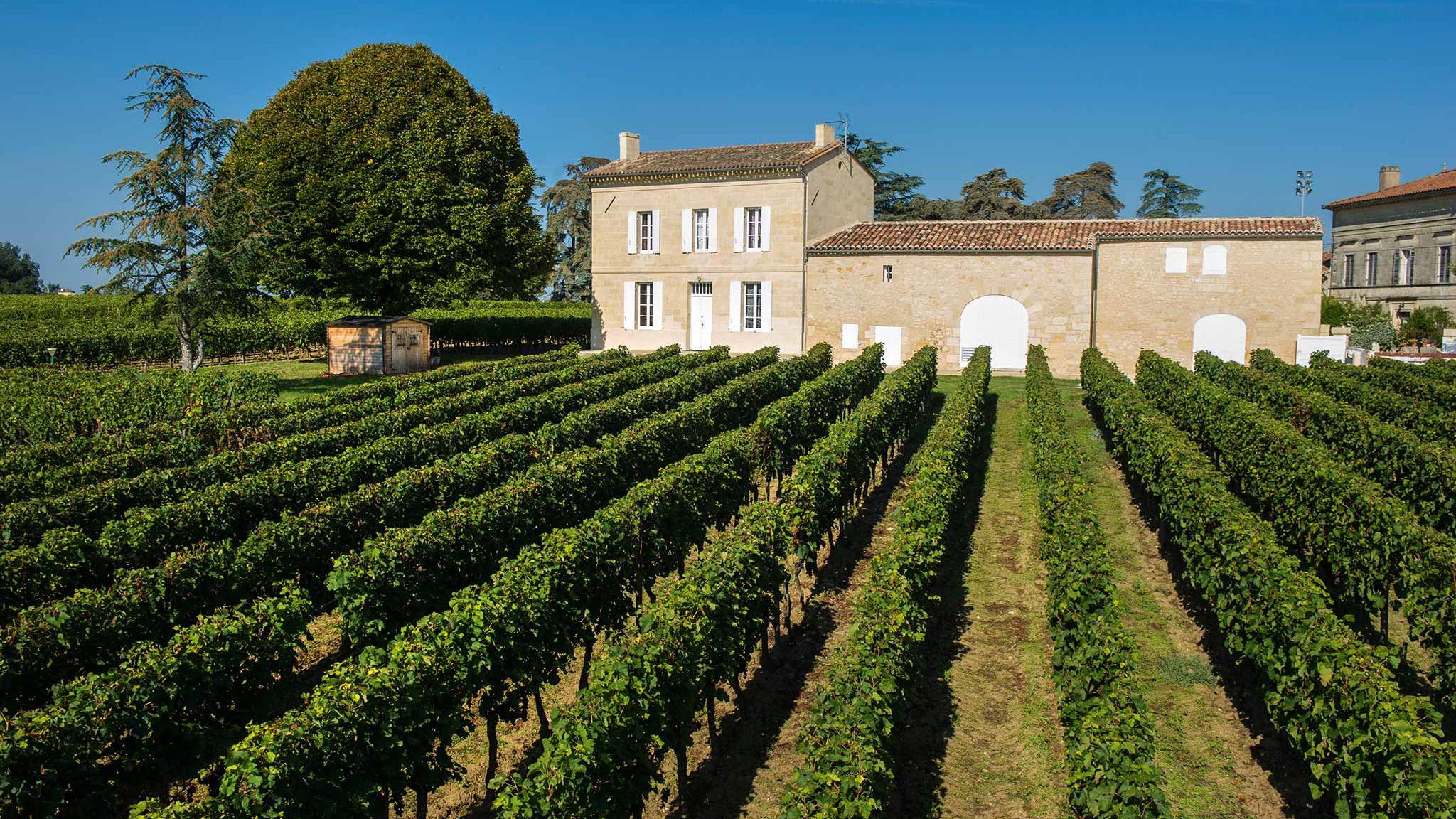
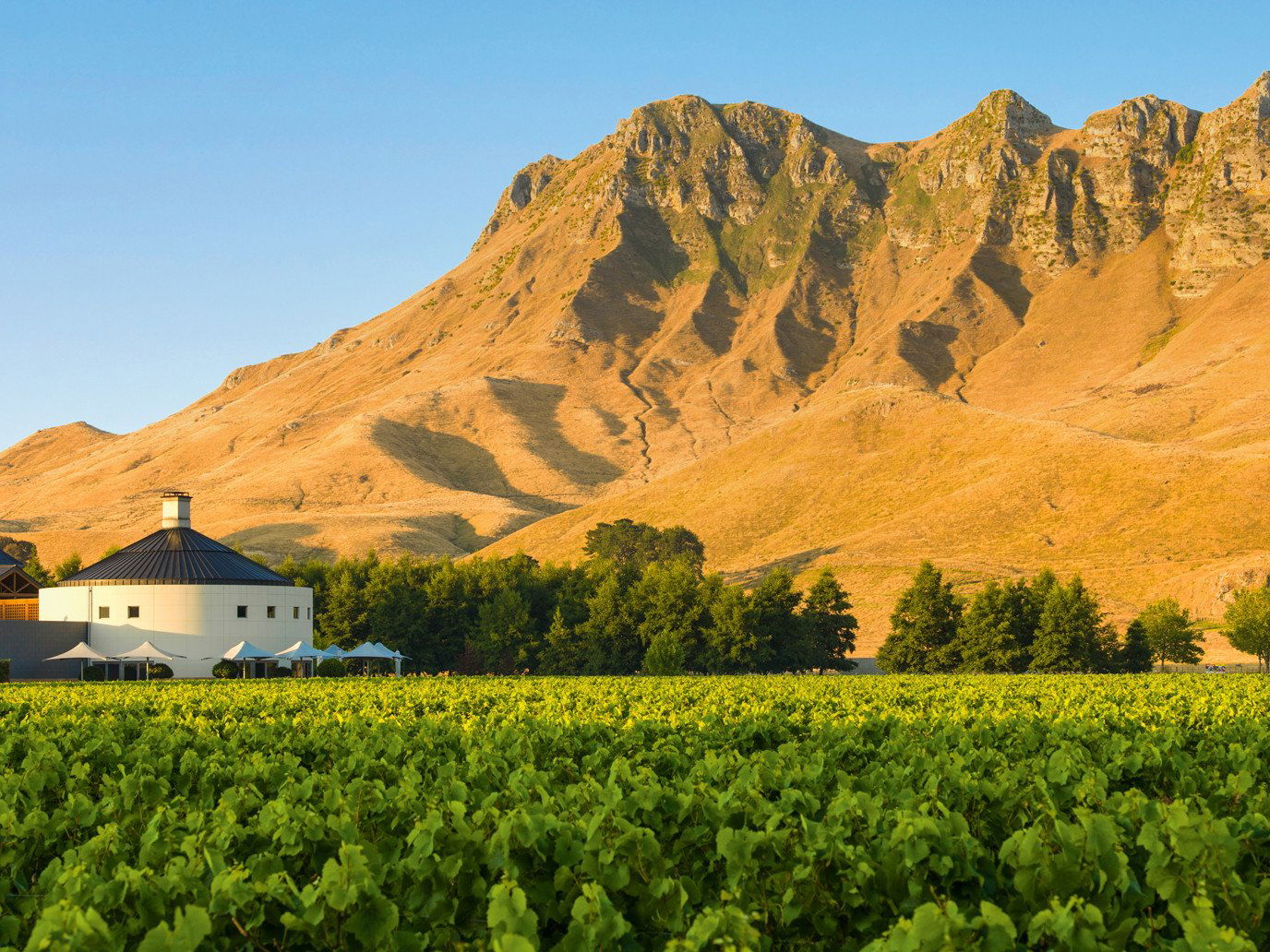
Traditional early classicist manor setting with a cozy village atmosphere, surrounded by historic vineyards and agricultural landscape.
Tags
Vibe
Best For
Experience
Sourcing
View
At the Vineyard
- Appellation
- Kremstal
- Varietals
- Grüner Veltliner, Roter Veltliner, Riesling, Neuburger
- Tour Duration
- 90 minutes
- Tour Languages
- German, English
- Visits
- By appointment only
- Farming
- Organic
- Wine Styles
- Still White
- Wine Club
- Not available
Know before you go
Know Before You Go
- Getting there
- Hauptstraße 50, 3494 Gedersdorf
Planning details
Location
Recognition and awards

Also consider
Also Consider
- Weingut Lenz Moser, Notable alternative
- Weingut Sepp Moser, Notable alternative
- Schloss Gobelsburg (Weingut), Notable alternative
- Weingut Hirsch, Notable alternative
- Weingut Hiedler, Notable alternative
Winery context
Against Weingut Lenz Moser and Weingut Sepp Moser, Weingut Mantlerhof is the more focused choice for readers who want the visit to feel centred on the producer rather than on a broad, easy-to-package outing. Choose Lenz Moser or Sepp Moser first if the priority is a smoother fallback plan; choose Mantlerhof if the trip is built around a tighter Gedersdorf wine stop.
Schloss Gobelsburg (Weingut) is the stronger cross-shop for travellers who want a more established destination feel and a safer sense of occasion. Mantlerhof makes more sense for someone who has already covered the obvious regional names and wants a quieter producer comparison without turning the visit into a prestige checklist.
Weingut Hirsch and Weingut Hiedler are better alternatives if the group needs a clearer backup in the same wine-trip frame. For value, Mantlerhof is strongest when the reader prizes producer focus over visitor infrastructure; for ease, start with Hirsch or Hiedler and keep Mantlerhof for a more intentional appointment-style plan.
Explore Gedersdorf
Around this place
Discover more on Pearl
Unlock the full Weingut Mantlerhof guide in Pearl, including awards, comparisons, FAQs, planning details, and nearby places.
Compare Weingut Mantlerhof
| Venue | Location | Awards |
|---|---|---|
| Weingut Mantlerhof | Gedersdorf | 2026 Falstaff Winery Guide |
| Weingut Lenz Moser | Rohrendorf | 2026 Falstaff Winery Guide |
| Weingut Sepp Moser | Rohrendorf | 2026 Falstaff Winery Guide |
| Schloss Gobelsburg (Weingut) | Langenlois | 2026 Falstaff Winery Guide2022 World's 50 Best Vineyards · #502019 World's 50 Best Vineyards · #30 |
| Weingut Hirsch | Kammern | 2026 Falstaff Winery Guide |
| Weingut Hiedler | Langenlois | 2026 Falstaff Winery Guide |

How Weingut Mantlerhof Gedersdorf compares with similar nearby venues.
FAQ
Frequently Asked Questions
Is the wine club at Weingut Mantlerhof worth joining?
When is the best time to visit Weingut Mantlerhof?
Do I need a reservation at Weingut Mantlerhof?
Plan ahead by contacting Weingut Mantlerhof directly, especially if your schedule depends on a specific visit time.
How long should I plan for a visit to Weingut Mantlerhof?
Does Weingut Mantlerhof serve food?
Do not plan the visit around a meal unless Weingut Mantlerhof confirms current food options directly.