Distilleria Dellavalle
Vigliano d'Asti, Asti
Winery in Asti, Italy
 Book with Pearl
The Read
Piedmont Pomace Distillation
Why go
Distilleria Dellavalle is worth pursuing for a serious Asti drinks itinerary, especially for collectors or special-occasion groups who want a harder-to-access distillery visit. It is not the easy pick for casual tastings, since public booking, pricing, and club details are not visible here; build backups before making it the day's anchor.
About Distilleria Dellavalle
Is Distilleria Dellavalle worth considering? Yes, if you are looking at a Pearl-recognized venue in Asti. Distilleria Dellavalle is in Asti, has Pearl 2 Star Prestige (2025) recognition, and has a casual dress code.
Details for hours, booking method, pricing, visit format, menu, ownership, or services are not provided. Check current details directly before making plans, especially for timing or availability.
A stronger fit for readers comparing recognition
The value case rests on its recognition rather than on claims about formats, prices, clubs, or special access. Pearl 2 Star Prestige (2025) makes Distilleria Dellavalle a serious entry for readers narrowing options in Asti, while the casual dress code indicates no formal attire requirement.
Use the wider Asti plan to reduce uncertainty. Pair any direct venue check with broader local research rather than treating one listing as the whole trip: our full Asti restaurants guide and our full Asti hotels guide can help with general planning.
How to place it within a broader itinerary
Distilleria Dellavalle can be considered alongside names such as Bruno Giacosa, Distilleria Beccaris, Distilleria Bocchino, Distilleria Romano Levi, and Gancia, while other dining in Asti can be researched generically depending on the rest of the day.
Bottom line: pursue Distilleria Dellavalle if the Pearl 2 Star Prestige (2025) recognition and Asti location fit your itinerary. Skip or delay firm plans if you need hours, prices, services, visit details, or other logistics before deciding.
Planning details
- Location
- Via Tiglione, 1, 14040 Vigliano d'Asti AT
- Website
- grappedellavalle.it
- Phone
- +39 0141 953627
The take
The Take
The Vibe
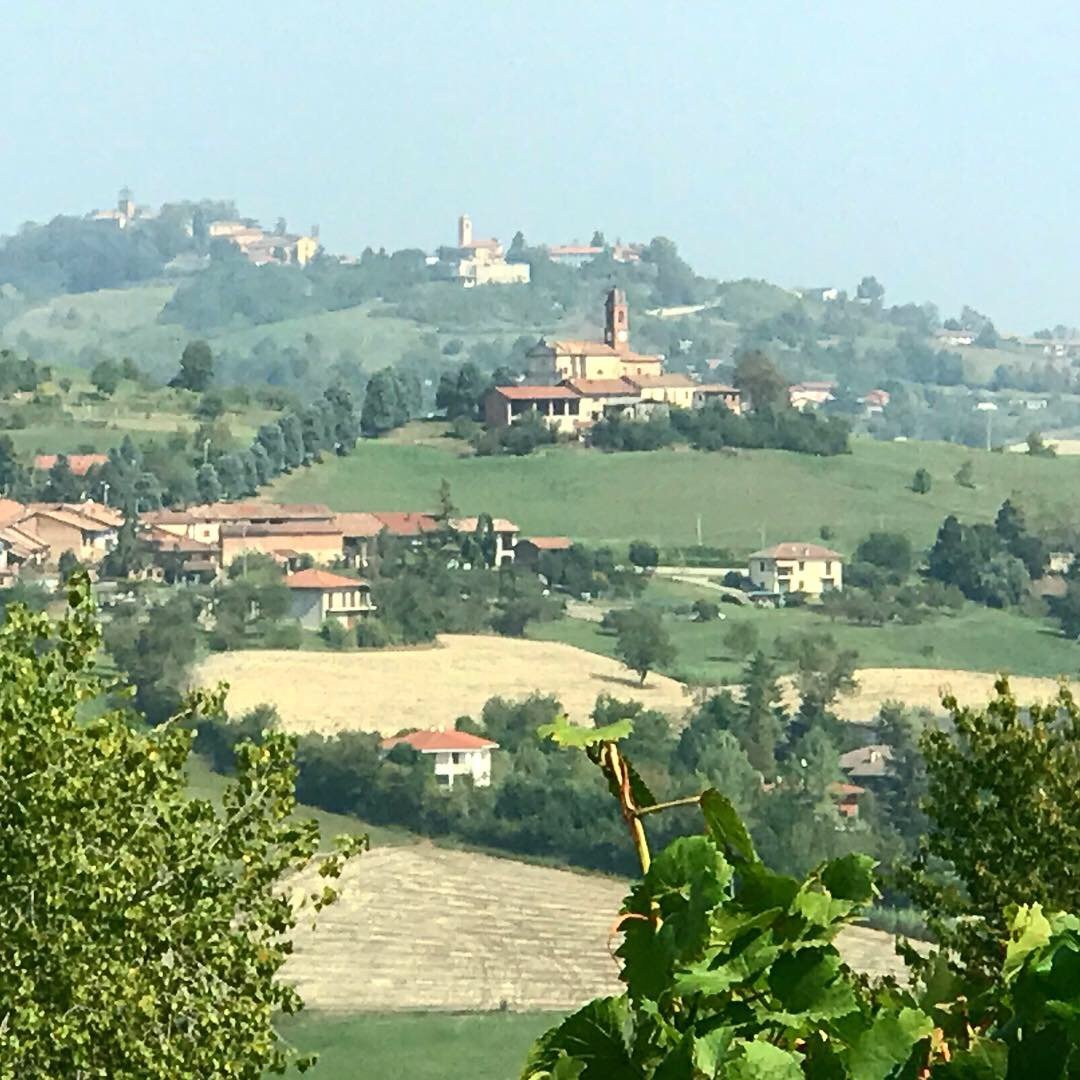
Distilleria Dellavalle sits squarely in Monferrato’s working landscape, where vineyard slopes and clay‑limestone soils shape both wine and distillate. The write‑up positions the operation within a long regional tradition of Piedmontese distilling, underscoring terroir-driven differences between marc from Moscato, Barbera and Dolcetto. That grounding, coupled with a recent Pearl 2 Star Prestige recognition, gives the place a quietly sophisticated, historically rooted personality: serious about craft, attentive to provenance, and very much a product of its hillside setting rather than an urban or industrial outpost.
Best For
This distillery is best for people who want to understand how Piedmont’s vineyards influence spirits as much as they do wines. The piece emphasizes aroma differences tied to specific grape marcs and places Dellavalle in a comparative context with other regional producers, making it a fit for focused learners, spirits enthusiasts and anyone interested in terroir‑based tasting. It reads less like a party destination and more like a study in regional craft—appropriate for guided tastings, educational visits and serious comparison between distillation styles.
Tasting Tips
When engaging with Dellavalle’s lineup, prioritize comparative tasting: sample distillates made from different marcs (for example Moscato versus Barbera or Dolcetto) to hear how the vineyard imprint shifts aromatic character. Ask about any Pearl 2 Star Prestige bottlings or other award‑noted releases highlighted in the profile, and request provenance details—which grape variety and which local presses produced the marc—so you can map flavor differences back to soil and grape. The description rewards a deliberate, terroir‑focused approach rather than cursory sampling.
Venue details
Tags
Vibe
Best For
Experience
At the Vineyard
- Varietals
- Moscato, Nebbiolo, Barbera, Chardonnay, Gavi
- Tour Duration
- 60-90 minutes
- Tour Languages
- Italian, English
- Visits
- By appointment only
- Food Pairing
- Offered
- Wine Club
- Not available
Know before you go
Know Before You Go
- Getting there
- Via Tiglione, 1, 14040 Vigliano d'Asti AT
Planning details
Location
Also consider
Also Consider
- Distilleria Beccaris, Notable alternative
- Distilleria Bocchino, Notable alternative
- Gancia, Notable alternative
- Bruno Giacosa, Notable alternative
- Distilleria Romano Levi, Notable alternative
Winery context
How It Compares
Choose Distilleria Dellavalle when the trip is built around a more selective Asti distillery visit and the group can handle booking friction. Distilleria Beccaris and Distilleria Bocchino are the closest practical cross-shops for readers comparing distillery-led experiences rather than standard winery stops.
If the priority is a broader drinks-tourism day with easier name recognition, Gancia is the safer comparison to consider. For wine prestige rather than distillery focus, Bruno Giacosa sits in a different lane and makes more sense for collectors building a Piedmont wine-first route.
For atmosphere, Distilleria Romano Levi is the more obvious cross-shop if the group wants a producer visit with stronger heritage pull. Dellavalle is the pick when the value is in securing a quieter, more appointment-driven Asti stop; pick a peer if the trip needs simpler logistics or a clearer public-facing visit format.
Around this place
Discover more on Pearl
Unlock the full Distilleria Dellavalle guide in Pearl, including awards, comparisons, FAQs, planning details, and nearby places.
Compare Distilleria Dellavalle
| Venue | Location | Awards |
|---|---|---|
| Distilleria Dellavalle | Asti | No published awards |
| Distilleria Beccaris | Costigliole d'Asti | No published awards |
| Distilleria Bocchino | Canelli | No published awards |
| Gancia | Canelli | 2026 Falstaff Winery Guide |
| Bruno Giacosa | Neive | 2026 Falstaff Winery Guide2025 Pearl 4 Star Prestige |
| Distilleria Romano Levi | Neive | No published awards |


How Distilleria Dellavalle Asti compares with similar nearby venues.
FAQ
Frequently Asked Questions
Is Distilleria Dellavalle worth considering?
Yes, if you are looking for a Pearl-recognized venue in Asti. It has Pearl 2 Star Prestige (2025) recognition, and the dress code is casual. Pricing, services, and visit format are not provided.
Do I need a reservation at Distilleria Dellavalle?
Does Distilleria Dellavalle offer shipping?
How long should I plan for a visit to Distilleria Dellavalle?
Visit length or service format is not provided. If you are planning a stop in Asti, confirm timing directly before building the rest of your itinerary around it.
What is Distilleria Dellavalle known for?
Distilleria Dellavalle is an Asti venue with Pearl 2 Star Prestige (2025) recognition and a casual dress code. No specific flagship product, menu, or service is provided.