Distilleria Beccaris
Boglietto, Costigliole d'Asti
Winery in Costigliole d'Asti, Italy
 Book with Pearl
The Read
Piedmont Terroir Distillation
Why go
Prioritise Distilleria Beccaris if you want a spirits-focused contrast to the usual Piedmont winery route. It works better as a compact, planned stop for small groups than as the main event of a Costigliole d'Asti day, especially because visitor logistics require more care than a standard tasting-room appointment.
About Distilleria Beccaris
The practical decision is simple: keep expectations grounded in the confirmed facts.
A compact stop for a Costigliole d'Asti itinerary
For planning purposes, think of Distilleria Beccaris as one possible Costigliole d'Asti stop rather than the sole anchor for a day.
Use broader research to fill in the rest of the route around Costigliole d'Asti. For comparison, consider names such as Bruno Giacosa, Distilleria Bocchino, Distilleria Dellavalle, Distilleria Romano Levi, and Gancia, while confirming current visitor details directly with each venue.
Who should prioritise it
If you need a fully documented schedule, published visitor format, or confirmed group arrangements before planning, verify those points directly before committing.
Planning details
- Location
- Via Alba, 5, 14056 Boglietto AT
- Website
- distilleriabeccaris.it
- Phone
- +39 0141 968127
The take
The Take
The Vibe
Distilleria Beccaris reads like a terroir-driven craft operation rooted in the Monferrato hills. The soil, calcareous and clay-heavy slopes push Barbera toward darker structure and nudge Moscato into a distinctly floral register, and the distillery translates those local signatures into varietal grappa. The tone is intimate and traditional: family-rooted craft distillation rather than large-scale industry. Visitors and readers get a strong sense of place, where the surrounding vineyards and long-established practices shape spirits that are as much a product of the landscape as any bottled wine.
Best For
Beccaris is best for anyone curious about how vineyard character carries through to spirits. Barbera, Moscato d'Asti, Dolcetto and sometimes Nebbiolo each contribute distinct aromatic profiles to the distillate, which appeals to learners and terroir-minded drinkers. It suits travelers and locals interested in the technical and regional story behind varietal grappa, offering a compact, place-specific perspective on how Piedmont’s soils and grapes end up in the glass.
Tasting Tips
When encountering Beccaris grappa, look for references to the source variety and growing zone: Barbera, Moscato d'Asti, Dolcetto and Nebbiolo are distinct contributors. Rather than relying on broad labels, ask about which grape pomace was used and how the calcareous, clay-heavy Monferrato soils influenced the distillate’s profile. Questions about varietal grappa and terroir will illuminate the differences between the distillates.
Venue details
Ambiance
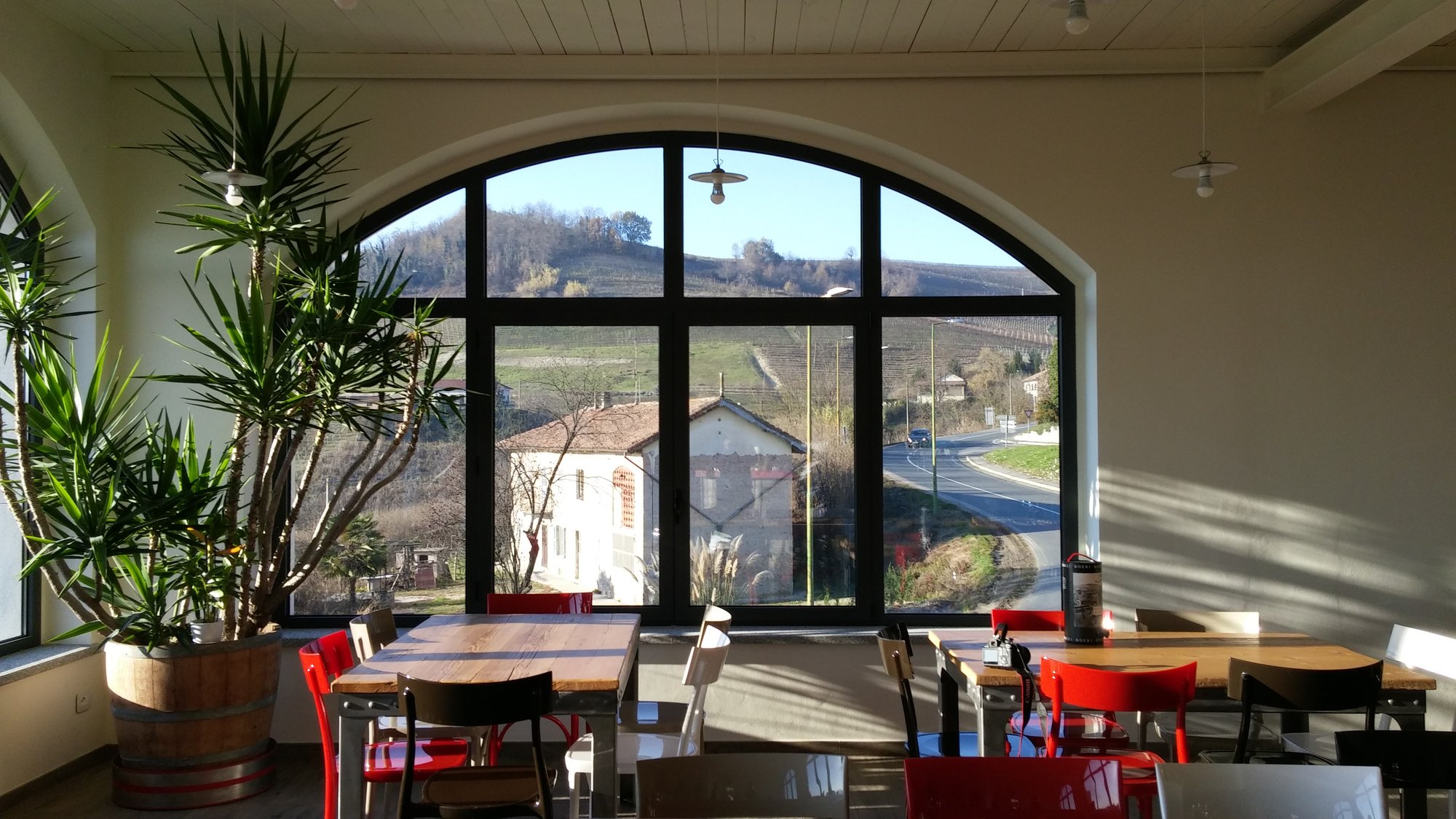
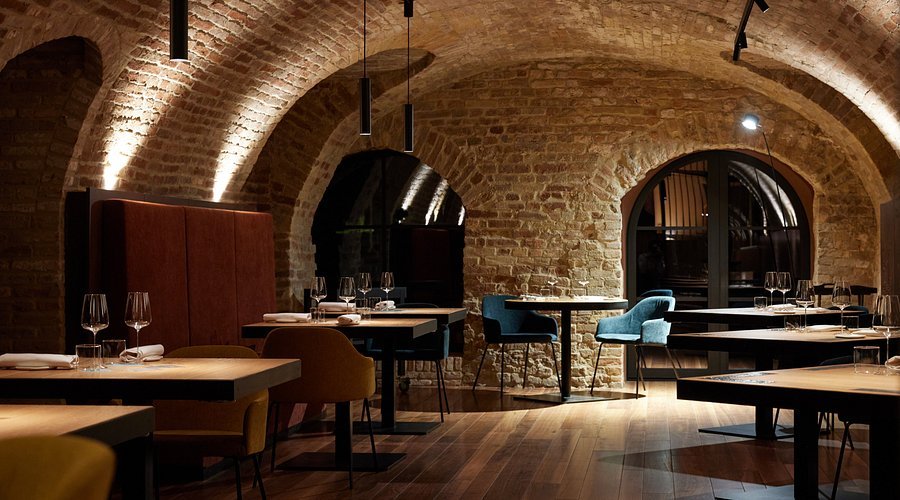
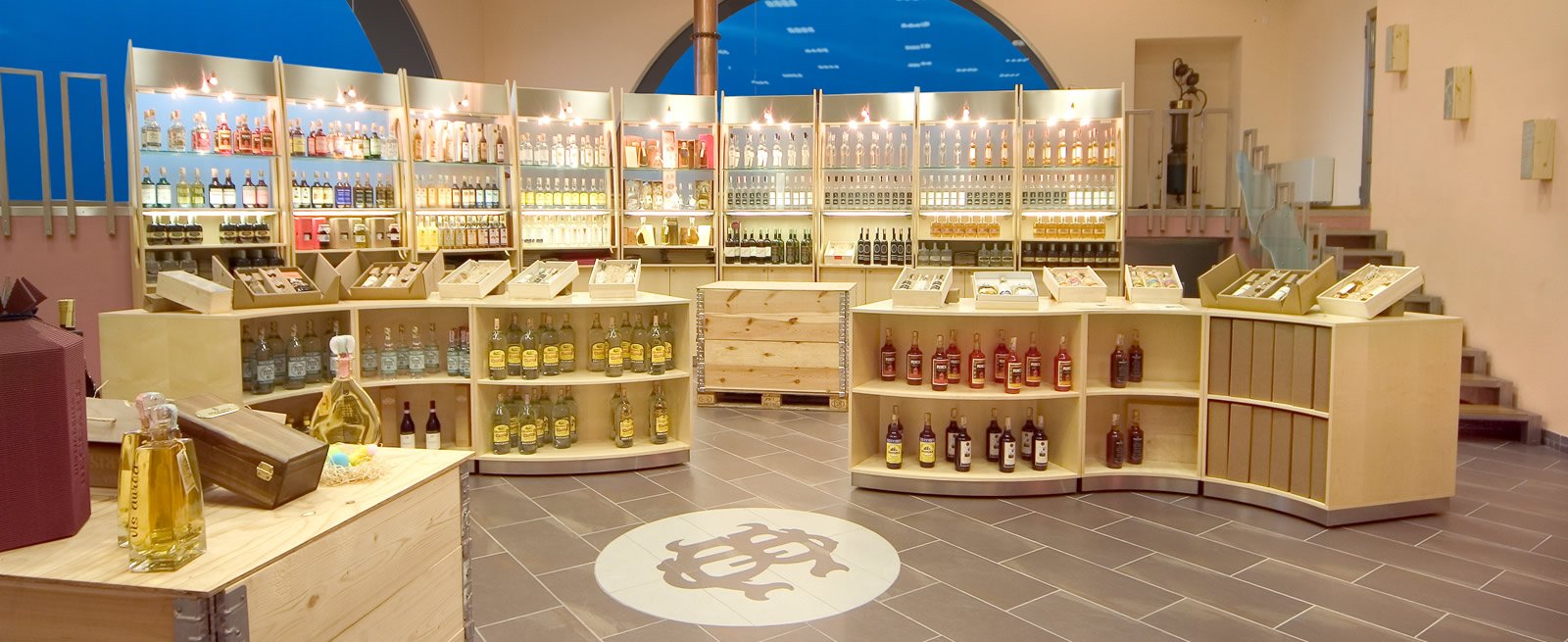
Warm family atmosphere with serious tradition, kindness, and the industrial hum of alembics, complemented by elegant tasting rooms and oak aging cellars.
Tags
Vibe
Best For
Experience
View
At the Vineyard
- Appellation
- Asti
- Varietals
- Moscato, Nebbiolo, Barbera, Dolcetto
- Tour Duration
- 60 minutes
- Tour Languages
- Italian, English, German
- Visits
- By reservation
- Production
- Small producer
- Food Pairing
- Offered
- Wine Club
- Not available
Know before you go
Know Before You Go
- Getting there
- Via Alba, 5, 14056 Boglietto AT
Planning details
Location
Also consider
Where to look if this does not fit
For a similar distillery angle, look first at Distilleria Bocchino or Distilleria Dellavalle. If the group decides it wants wine rather than spirits, Bruno Giacosa is the more direct pivot.
Winery context
How it compares in and around Costigliole d'Asti
Choose Distilleria Beccaris when the goal is a distillery-led stop rather than another wine tasting. Distilleria Bocchino and Distilleria Dellavalle are the cleaner cross-shops for visitors comparing spirits-focused appointments; they make more sense than wine-led names if the group wants production context around distillation.
If the trip is built around classic Piedmont wine, Bruno Giacosa is the more obvious prestige play. If the group wants a broader historic drinks name, Gancia is the easier conceptual fit. Distilleria Romano Levi is the stronger alternative for travellers who want the distillery category but are willing to move outside the immediate plan.
For value, Beccaris works when it prevents tasting fatigue: one spirits stop between wine appointments is usually more useful than stacking another cellar visit. For booking ease, assume none of these should be treated as casual walk-in stops unless the venue explicitly offers that option.
Explore Costigliole d'Asti
Around this place
Discover more on Pearl
Unlock the full Distilleria Beccaris guide in Pearl, including awards, comparisons, FAQs, planning details, and nearby places.
Compare Distilleria Beccaris
| Venue | Location | Awards |
|---|---|---|
| Distilleria Beccaris | Costigliole d'Asti | No published awards |
| Distilleria Bocchino | Canelli | No published awards |
| Distilleria Dellavalle | Asti | No published awards |
| Bruno Giacosa | Neive | 2026 Falstaff Winery Guide |
| Distilleria Romano Levi | Neive | No published awards |
| Gancia | Canelli | 2026 Falstaff Winery Guide |

How Distilleria Beccaris compares with similar nearby venues.
FAQ
Frequently Asked Questions
What other venues are relevant for comparison with Distilleria Beccaris?
Relevant comparison names include Distilleria Dellavalle, Bruno Giacosa, Distilleria Romano Levi, Distilleria Bocchino, and Gancia. For Distilleria Beccaris itself, the location is Costigliole d'Asti.