

Bruno Giacosa
Neive
Winery in Neive, Italy
 Book with Pearl
The Read
Traditional Nebbiolo Authority
Why go
Prioritize Bruno Giacosa for a serious Piedmont wine occasion, especially if the trip is built around Barbaresco-area reputation rather than casual tasting. It is a stronger fit for collectors, couples, and small celebration groups than for large groups or visitors looking for food-led hospitality.
About Bruno Giacosa
Bruno Giacosa is a Neive venue with limited public details for planning. The profile is concise: the chef/owner is Bruno Giacosa, who is deceased, the venue has Pearl 4 Star Prestige (2025) recognition, and the dress code is smart casual. For more specific details about menus, tastings, hours, prices, access, or services, verify them directly before making plans.
For a Neive itinerary, the safest way to use this listing is as a high-level planning note rather than a complete visit brief. If you are comparing named options, Distilleria Romano Levi offers another point of reference in Neive, while other dining and visit choices in the area should be checked directly for current details.
Choose it for a Prestige listing and smart-casual planning
The grounded reasons to keep Bruno Giacosa on a shortlist are simple: the Neive location, the Pearl 4 Star Prestige (2025) recognition, and the smart-casual dress code. Beyond that, do not assume a particular format, food service, tasting structure, price level, or schedule without checking directly.
The practical approach is to confirm the basics directly before arranging the rest of the day. For a broader trip plan, use our full Neive wineries guide first, then build the meal and overnight pieces around availability using our full Neive restaurants guide and our full Neive hotels guide.
Where it fits in a Neive weekend
Place Bruno Giacosa in the itinerary only after the current visit details are confirmed. Neive can work well for a considered weekend, but hours, reservations, group capacity, food, or any specific visitor experience should be confirmed directly. Keep the rest of the schedule flexible until those details are checked.
The main signal is prestige rather than operational detail. If Pearl 4 Star Prestige (2025) and a smart-casual Neive setting are enough to make it relevant for your plans, follow up directly. If your group needs a specific format, meal, timing, or service, verify those points before committing.
Planning details
- Location
- Via XX Settembre, 52, 12052 Neive CN
- Website
- brunogiacosa.it
- Phone
- +39 0173 67027
The take
The Take
The Vibe
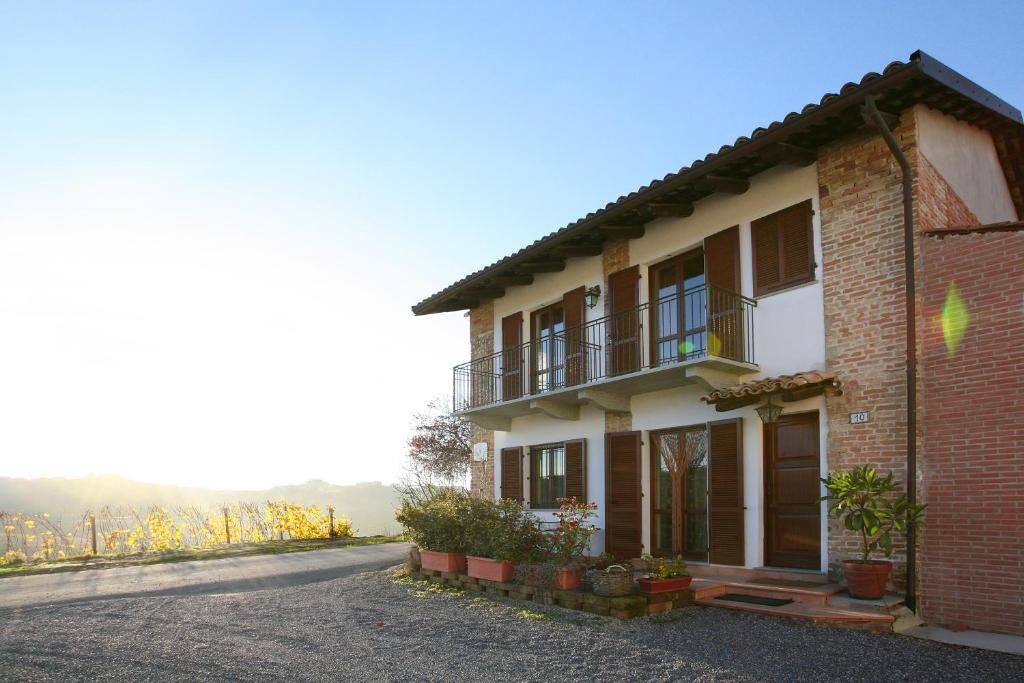
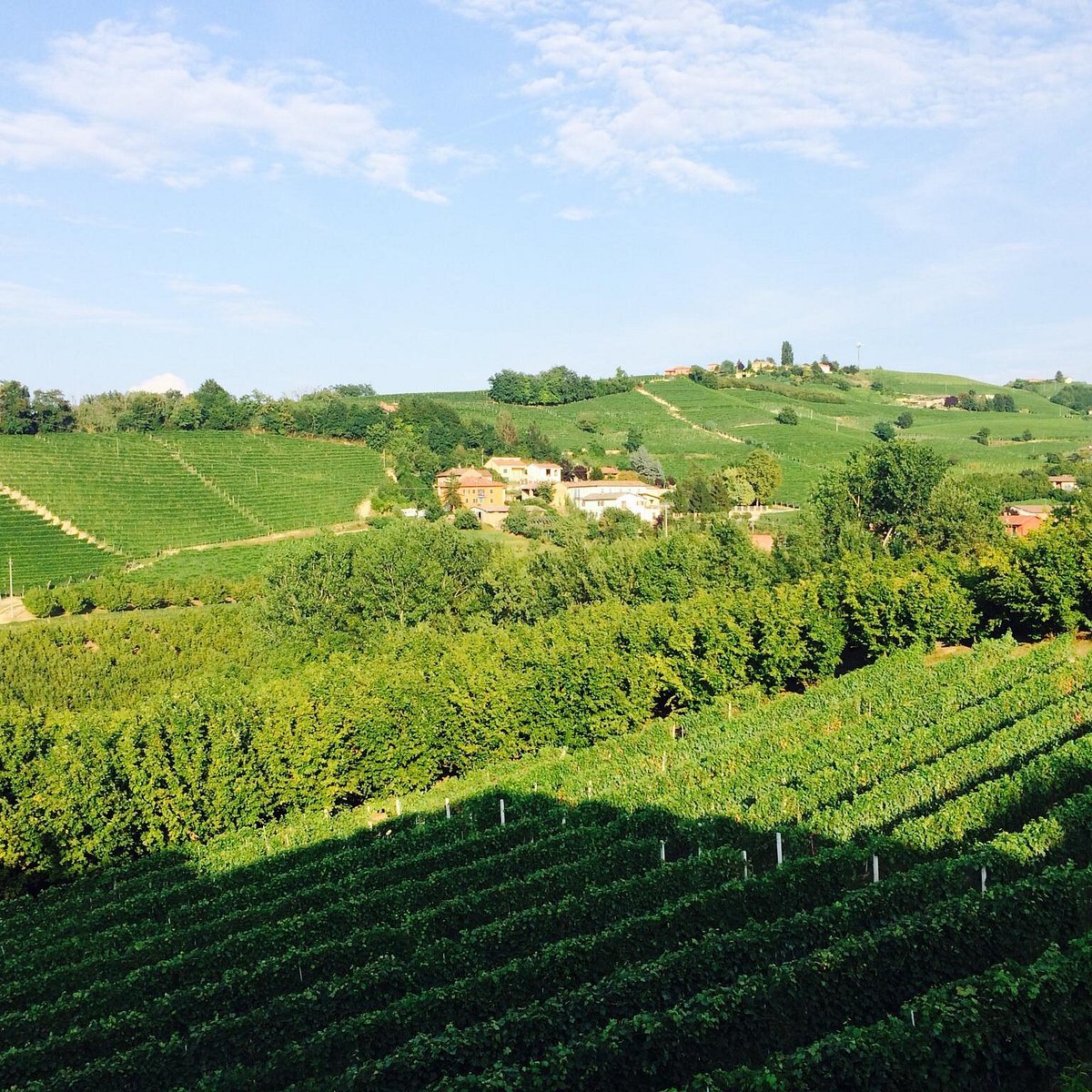
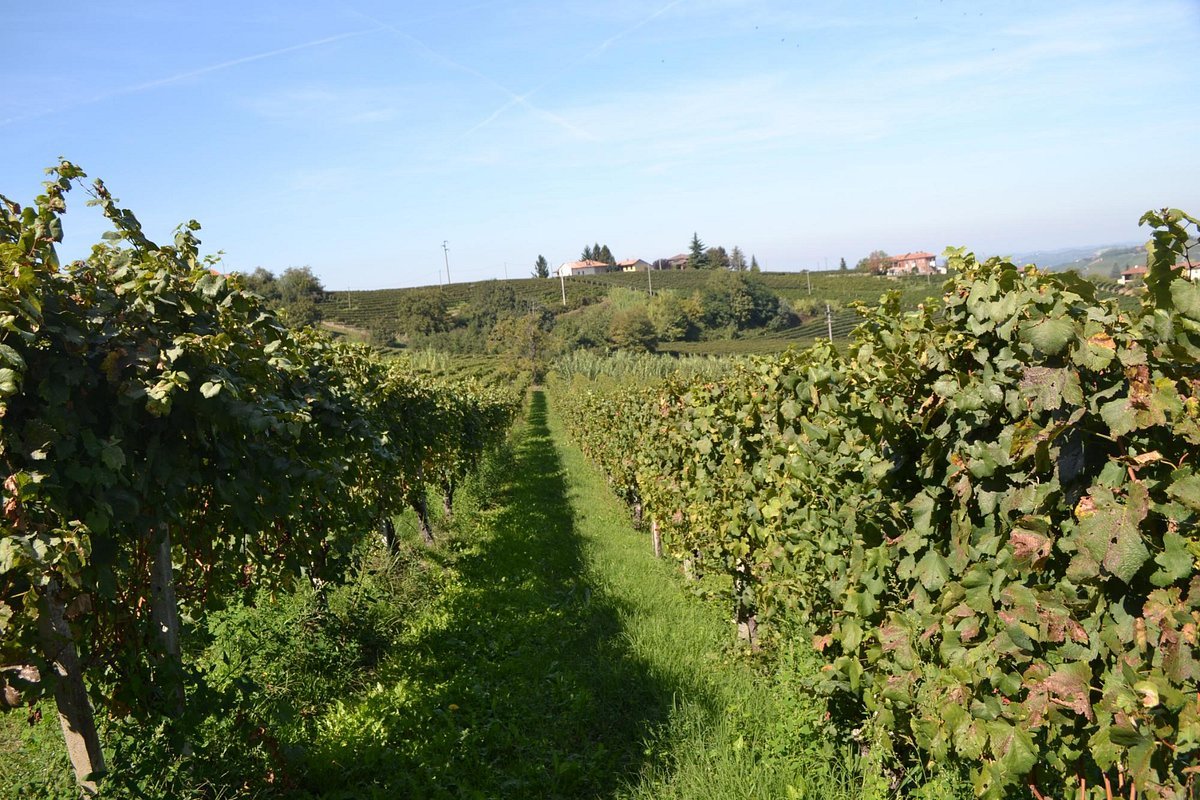
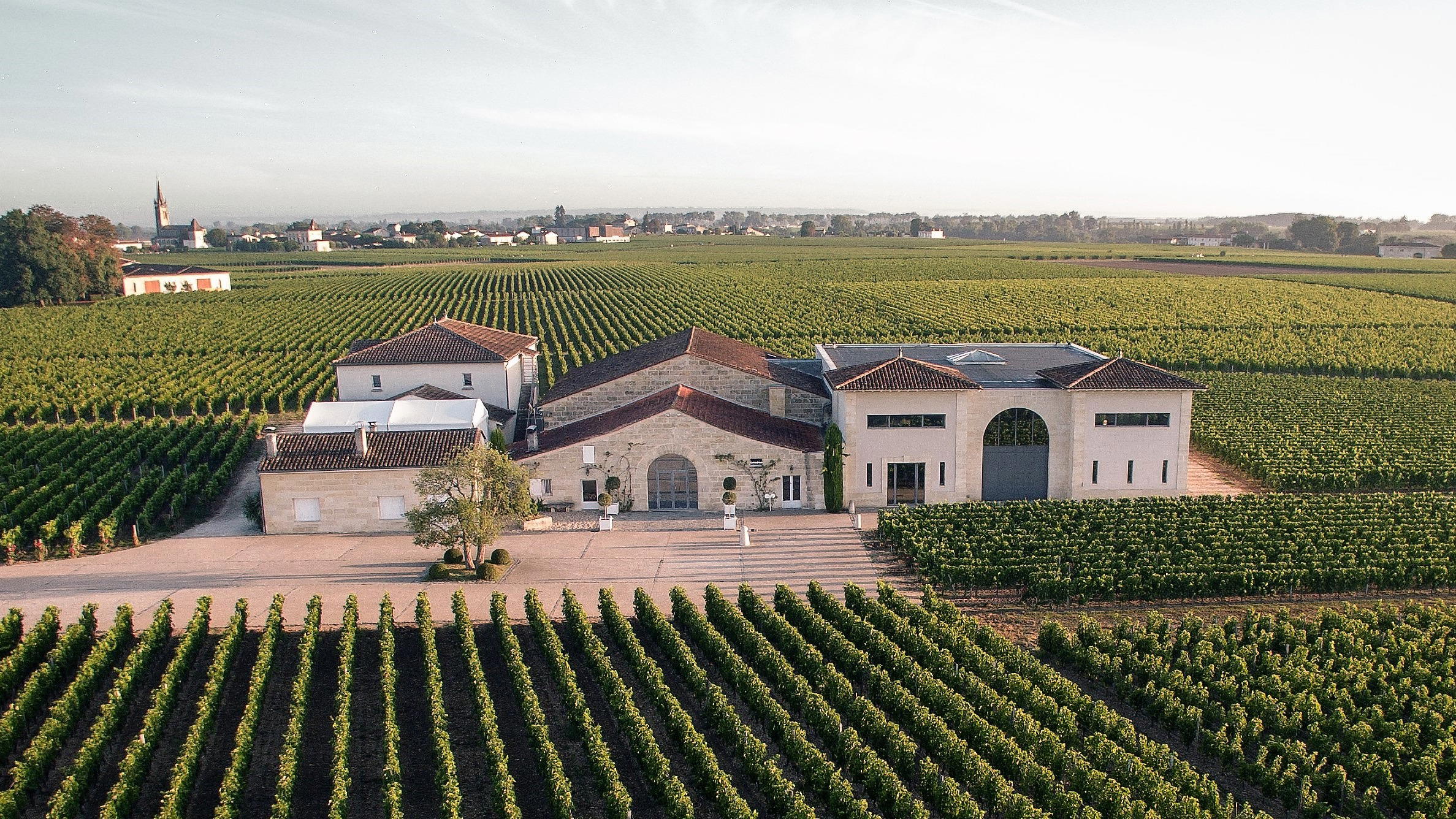
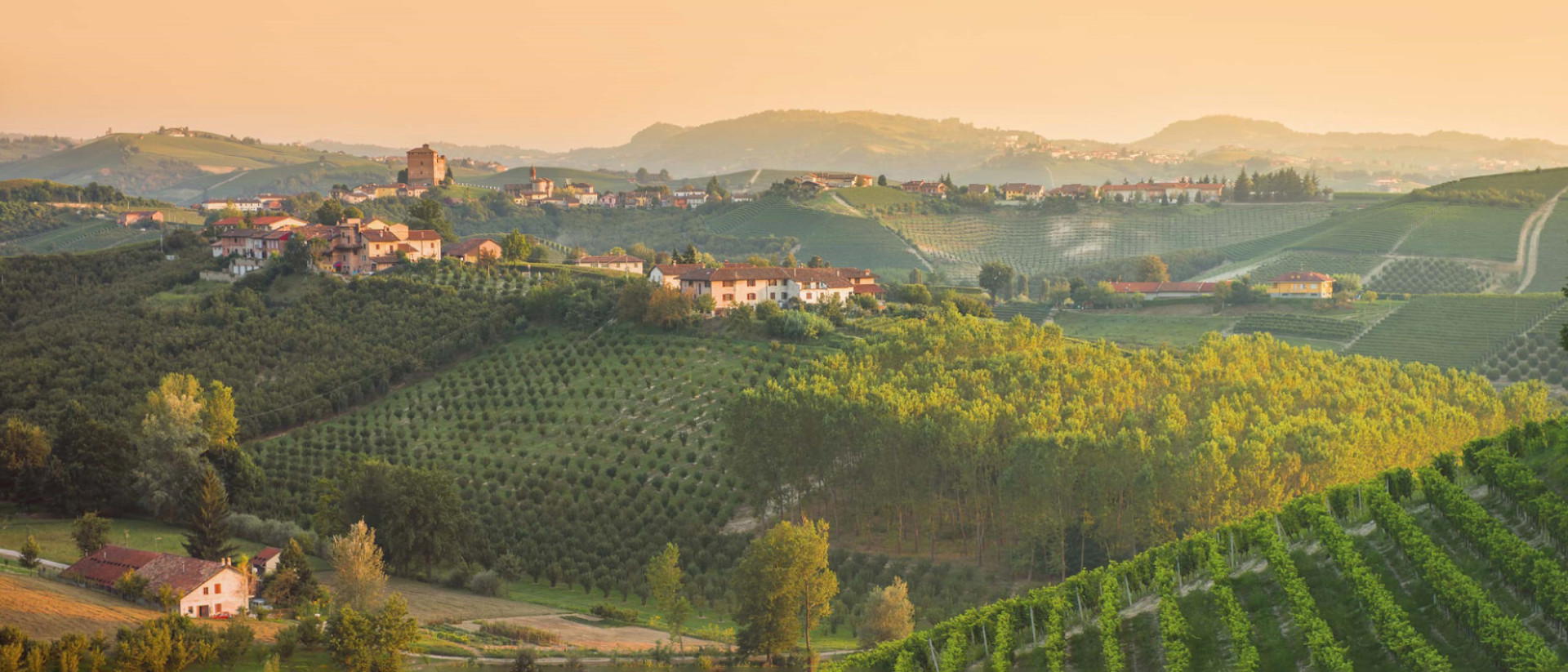
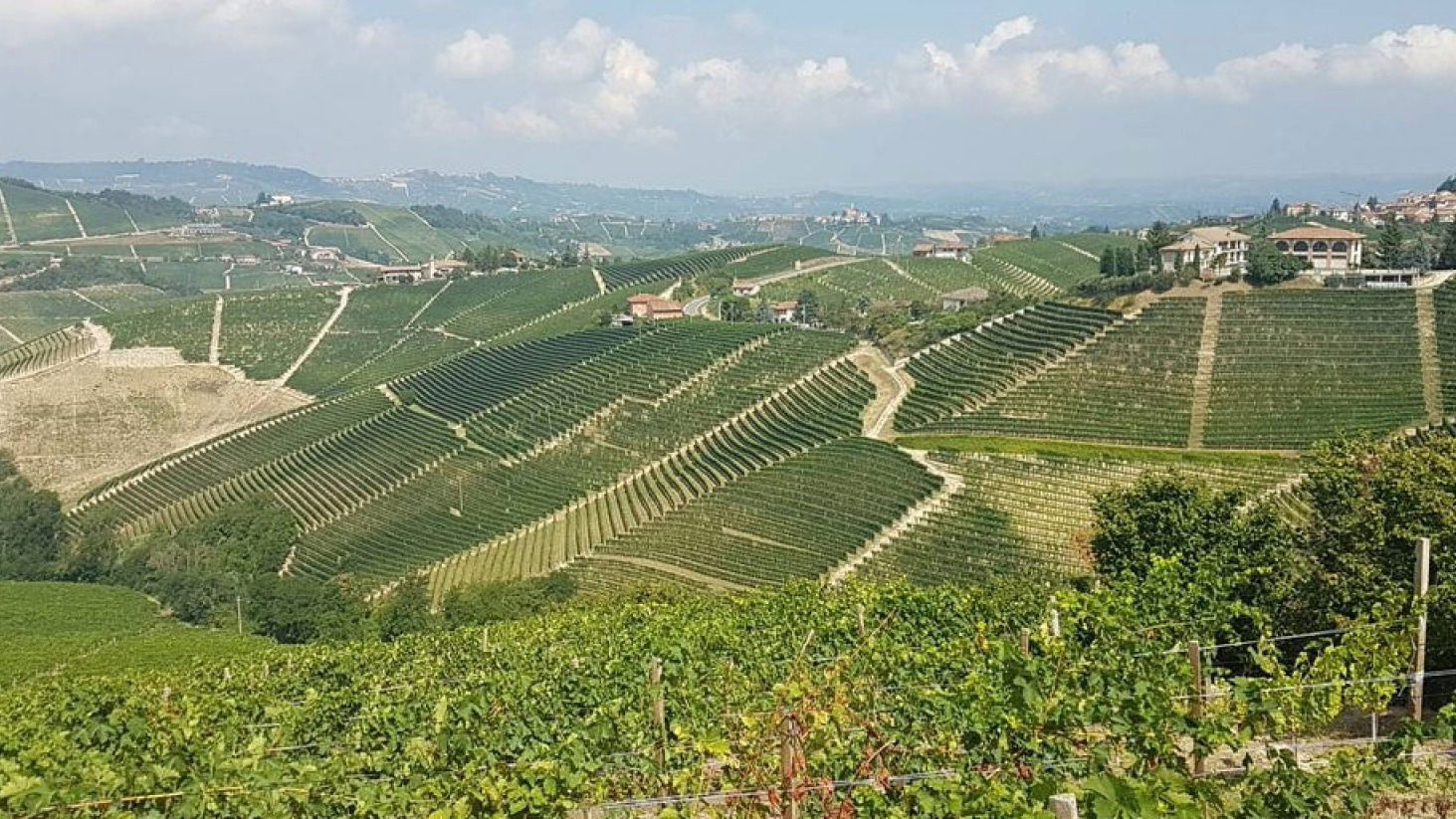
Bruno Giacosa sits in the small hilltop village of Neive and reads like a place shaped by geology and light rather than by tourism. Mornings with fog in the valley and sun on the upper rows underscore why this corner of the Langhe yields nebbiolo with aromatic precision and mid‑palate finesse. The estate is a working winery at a village address rather than a converted agritourism property, and visits feel rooted in production and place: stone houses, sloped vine rows and named cru sites such as Albesani and Santo Stefano di Neive give the setting a quietly polished, terroir‑first character.
Best For
This is a venue for visitors who come to learn as much as to taste. The writeup centers on nebbiolo’s site sensitivity and the distinctive signatures of Neive’s crus, so it suits wine students, collectors seeking benchmark Barbaresco expressions and anyone planning a focused tasting of single‑vineyard bottlings. Because the winery is described as a working, production‑focused address rather than a tourism conversion, visits skew toward serious tasting and education rather than casual sightseeing—appropriate for structured tasting appointments and deliberate, trophy‑wine purchases.
Tasting Tips
When you visit, steer conversation and tasting toward site expression: ask to taste bottlings from Albesani and Santo Stefano di Neive and any single‑cru or long‑aged nebbiolo that illustrate local elevation and aspect. Focus on how calcareous marl soils and afternoon sun shape acidity and aromatic detail, and request older vintages if available to see the wines’ ageing potential. Because the description emphasizes production and terroir, expect a tasting framed by vineyard parcels and vinification choices rather than generic flight options.
Venue details
Ambiance
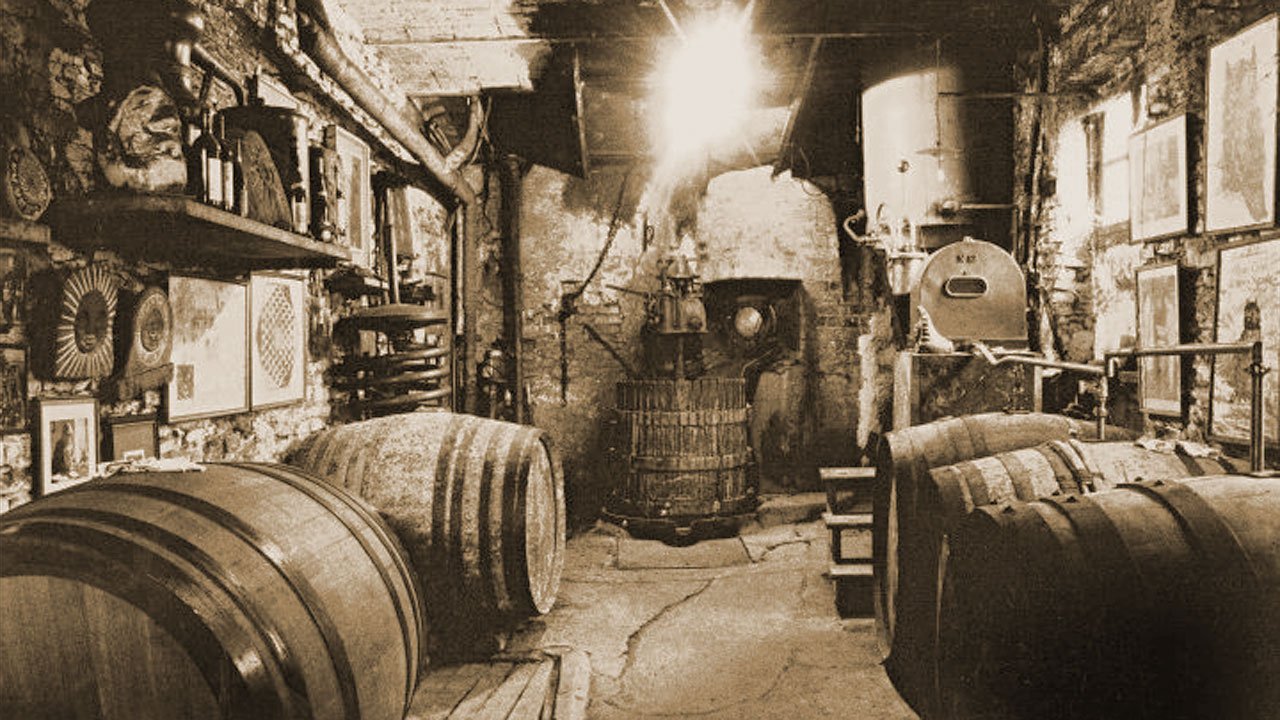
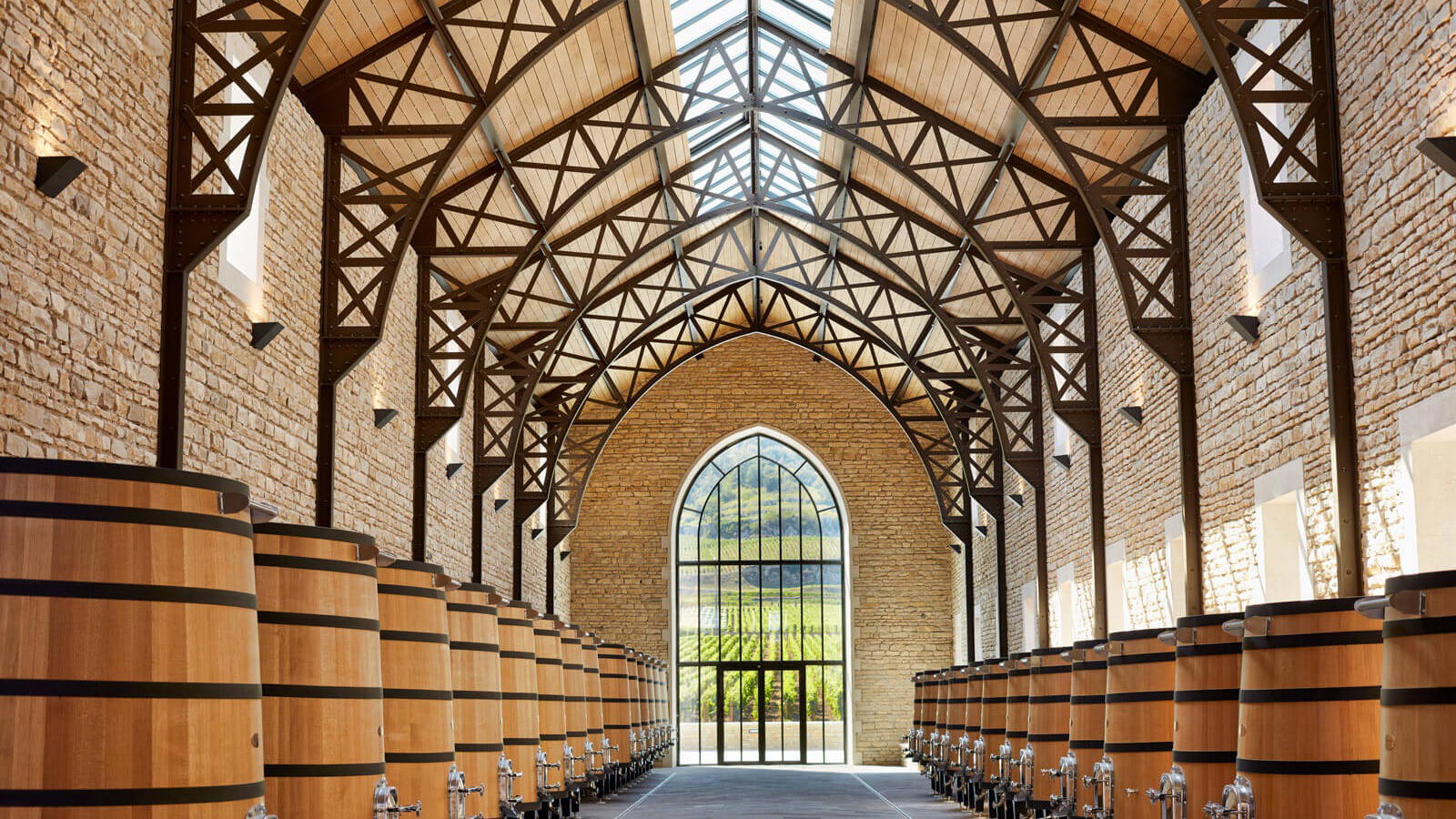
Classic and elegant winery atmosphere with a focus on historic winemaking traditions in a renovated facility amid Neive's vineyards.
Tags
Vibe
Best For
Experience
View
At the Vineyard
- Appellation
- Barbaresco DOCG
- Varietals
- Nebbiolo, Arneis, Barbera, Dolcetto
- Tour Duration
- 60-90 minutes
- Tour Languages
- Italian, English
- Visits
- By appointment only
- Production
- Small producer
- Wine Styles
- Still Red
- Wine Club
- Available
Know before you go
Know Before You Go
- Getting there
- Via XX Settembre, 52, 12052 Neive CN
Planning details
Location
Recognition and awards

Also consider
Also Consider
- Distilleria Romano Levi, Notable alternative
- Roagna, Notable alternative
- Engine Gin, Notable alternative
- Gaja, Notable alternative
- Produttori del Barbaresco, Notable alternative
Winery context
Compared with Produttori del Barbaresco, Bruno Giacosa is the more selective choice for a special-occasion wine stop, while Produttori is the easier recommendation for travelers who want a clearer Barbaresco-focused reference point. Choose Giacosa when reputation and scarcity drive the trip; choose Produttori when the group wants a more accessible benchmark.
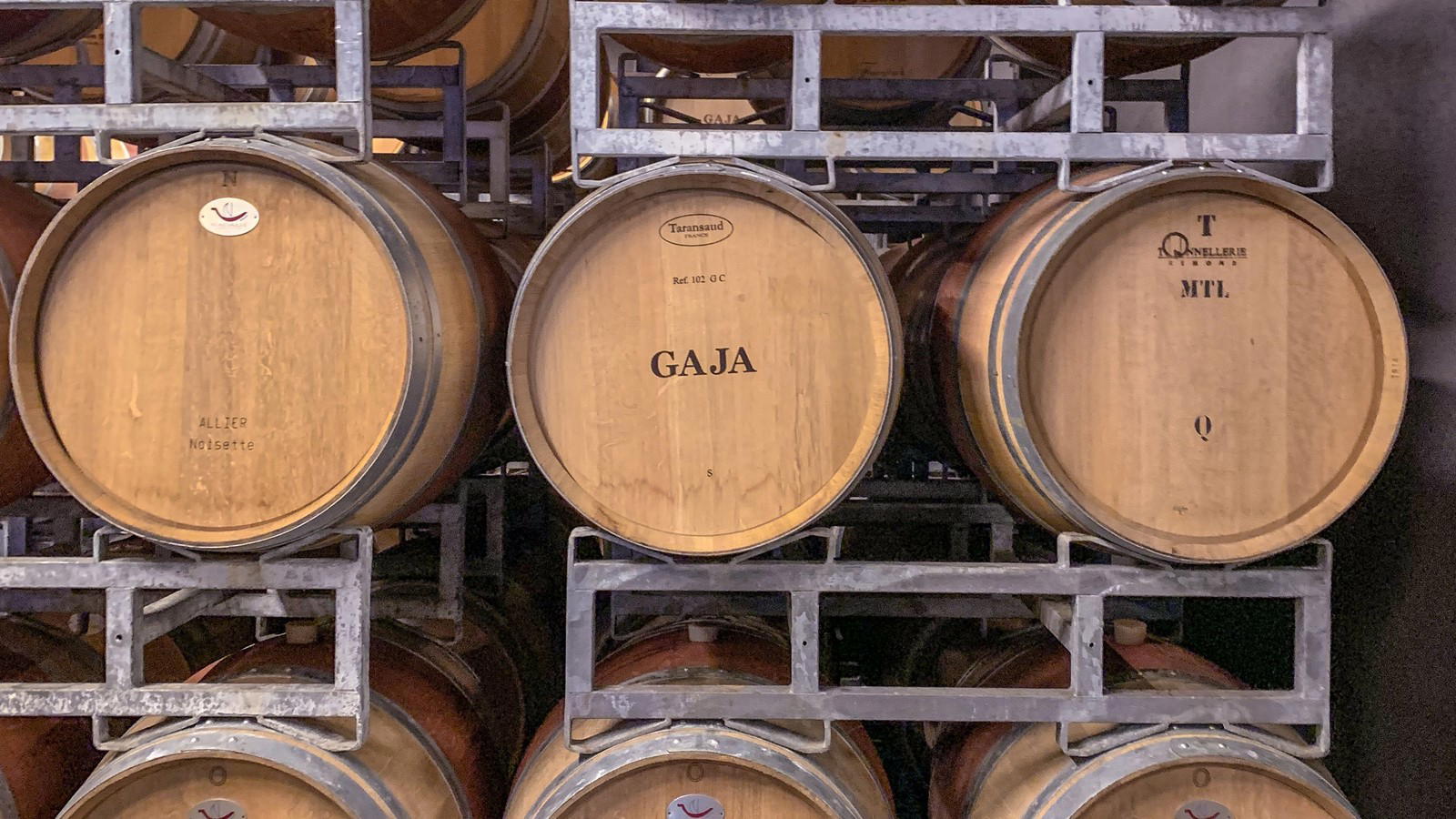
Gaja sits in a similar prestige lane, but it reads as the better cross-shop for travelers building a broader Langhe name-check itinerary. Bruno Giacosa is the tighter Neive call if the day is centered nearby. Roagna is another serious alternative for wine-first guests, especially if the group is open to leaving the immediate Neive plan.
For value and ease, Distilleria Romano Levi and Engine Gin are better fallbacks when the group wants a less formal drinks experience. They are not substitutes for a prestige Barbaresco-region winery decision, but they make more sense for mixed-interest groups, looser timing, or visitors who care more about atmosphere than cellar gravity.
Explore Neive
Around this place
Discover more on Pearl
Unlock the full Bruno Giacosa guide in Pearl, including awards, comparisons, FAQs, planning details, and nearby places.
Compare Bruno Giacosa
| Venue | Location | Awards |
|---|---|---|
| Bruno Giacosa | Neive | 2026 Falstaff Winery Guide2025 Pearl 4 Star Prestige |
| Distilleria Romano Levi | Neive | No published awards |
| Roagna | Barbaresco | No published awards |
| Engine Gin | Barbaresco | No published awards |
| Gaja | Barbaresco | 2026 Falstaff Winery Guide2025 Pearl 5 Star Prestige2020 World's 50 Best Vineyards · #36 |
| Produttori del Barbaresco | Barbaresco | 2026 Falstaff Winery Guide |

How Bruno Giacosa Neive compares with similar nearby venues.
FAQ
Frequently Asked Questions
When is the best time to visit Bruno Giacosa?
What should I wear to Bruno Giacosa?
The dress code is smart casual. That is the safest planning guidance for a visit to Bruno Giacosa in Neive.
Does Bruno Giacosa serve food?
Can Bruno Giacosa handle large groups?
Details about group capacity are not available. If you are planning for more than a small party, confirm arrangements directly before building the Neive itinerary.