Distilleria Romano Levi
Neive
Winery in Neive, Italy
 Book with Pearl
The Read
Handcraft Grappa Continuity
Why go
Book Distilleria Romano Levi if a Neive itinerary needs a spirits-focused counterpoint to classic wine tastings. It is a stronger fit for repeat Langhe visitors and small groups than for first-timers trying to cover one flagship winery appointment.
About Distilleria Romano Levi
Distilleria Romano Levi is a Neive venue with confirmed Pearl 3 Star Prestige recognition for 2025. Beyond that, the detail is limited, so it is best approached as a specific stop to research and plan around rather than a page that can promise a particular menu, tasting format, visitor program, price, schedule, or service style.
Use the venue as a Neive point of interest when building a broader day in the city. If your plans depend on details such as opening hours, reservations, group capacity, food service, or a particular visitor experience, confirm those directly before committing time on the route.
A Neive venue with confirmed recognition
The grounded hook here is simple: Distilleria Romano Levi in Neive holds Pearl 3 Star Prestige recognition for 2025. That makes it a notable name to consider, but the available data does not support more specific promises about what a visit includes.
Set expectations accordingly. This page should not be read as confirmation of a tasting flight, food pairing, cellar visit, bottle access, or guided hospitality format. Treat the recognition as a reason to look closer, then verify the practical details before you go.
Who should make room for it in Neive
Make room for Distilleria Romano Levi if you are already planning time in Neive and want to include a recognized venue in the day. It is a better fit for travelers who are comfortable confirming logistics in advance than for anyone who needs every detail established before choosing a stop.
The dress code is casual, so there is no need to frame it as a formal-dress destination. For anything beyond that, such as party size, visit length, booking requirements, or what is offered on site, check directly with the venue.
How to fit it into a Neive plan
Use Distilleria Romano Levi as one possible Neive anchor, then build the rest of the day around confirmed plans elsewhere. Other dining, lodging, bar, or experience choices in Neive can help round out the day, but those plans should not be based on assumptions about what Distilleria Romano Levi specifically offers.
The verdict: consider it because it is a recognized Neive venue, but do not treat this listing as proof of a specific visitor format. If you are comparing notable names in the wider area, Bruno Giacosa is a natural name to research; if the day needs variety within Neive, confirm the details at Distilleria Romano Levi before building the schedule around it.
Planning details
- Location
- Via XX Settembre, 91, 12052 Neive CN
- Website
- distilleriaromanolevi.com
- Phone
- +390173677139
The take
The Take
The Vibe
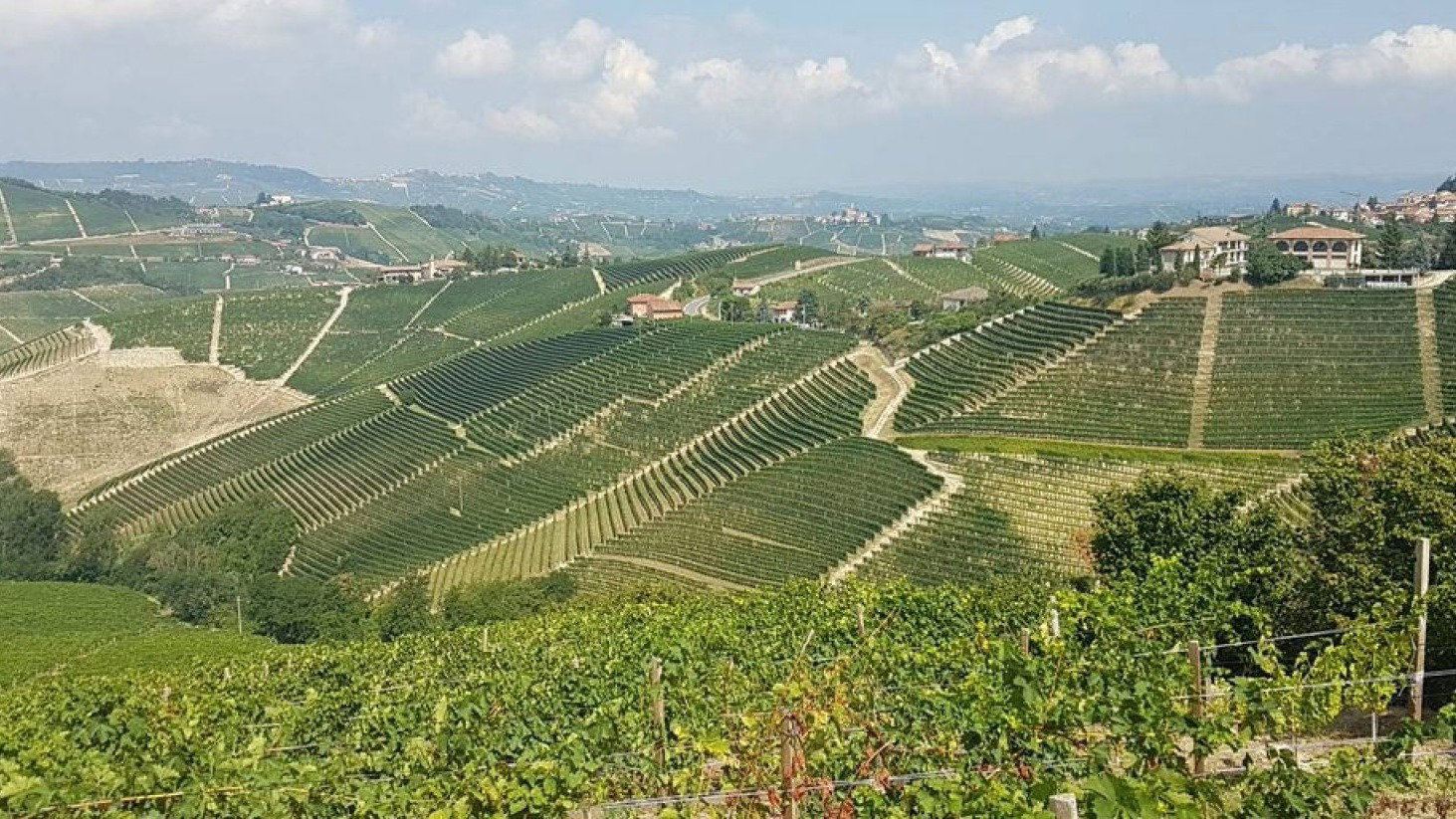
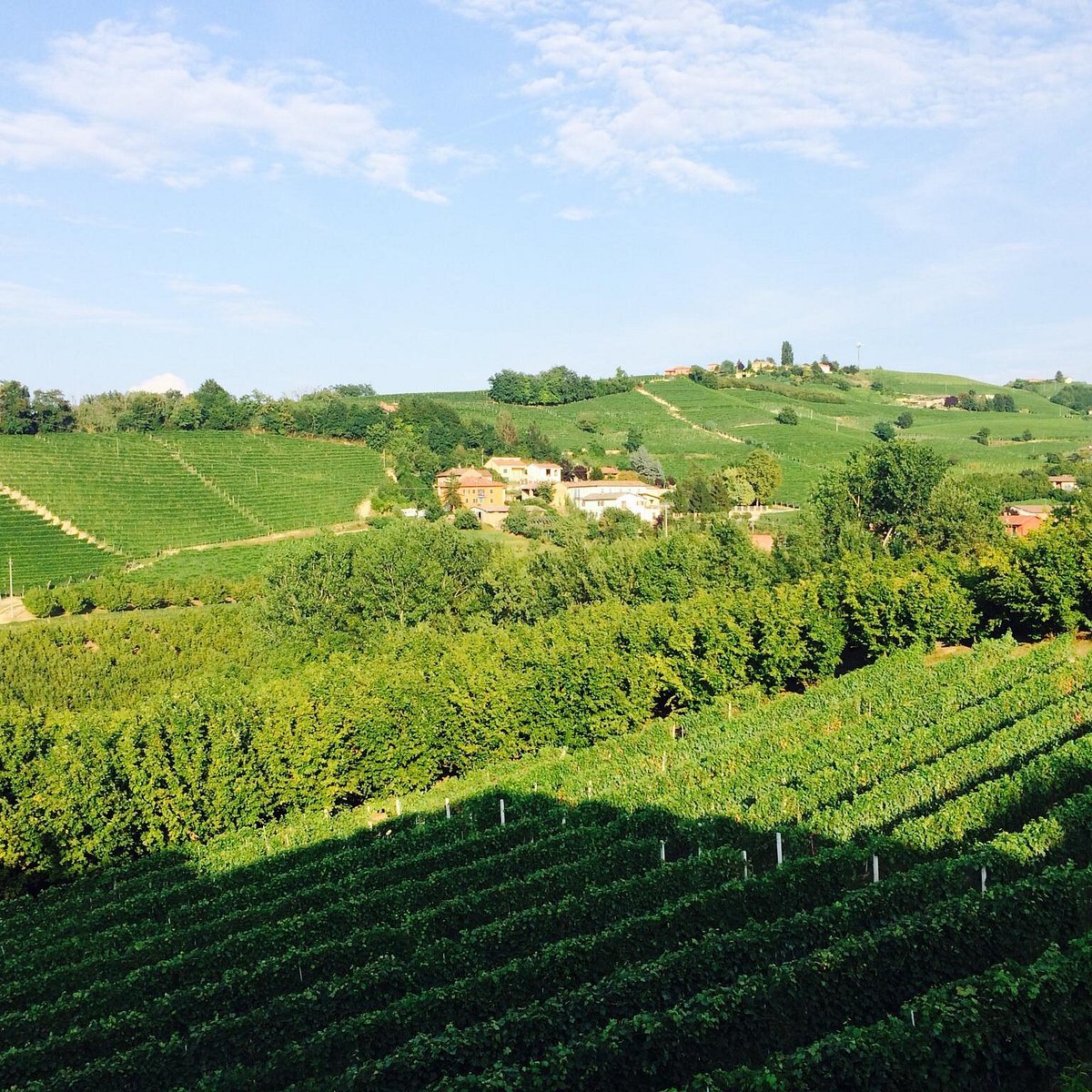
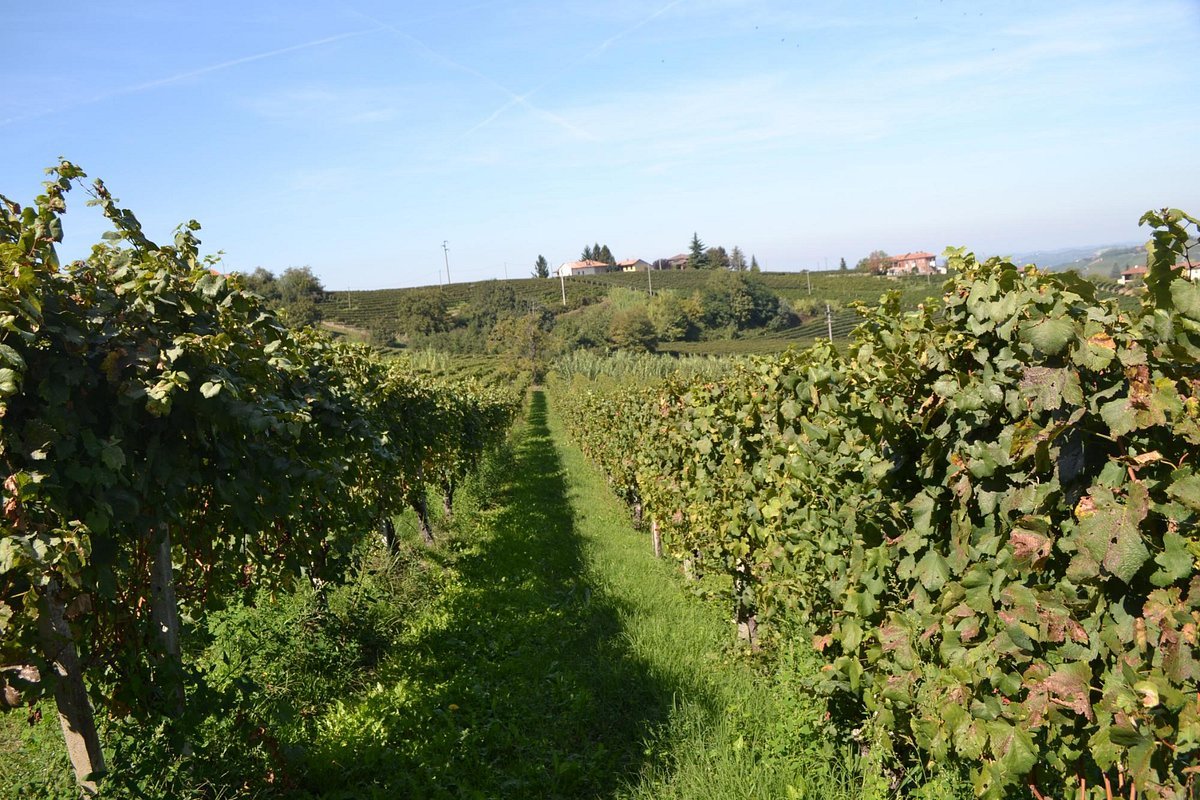
Distilleria Romano Levi reads like a piece of Piedmontese folklore preserved in spirit form. The operation sits embedded in the Langhe hills above Alba and is described as historically significant within the local distilling tradition, which gives the place a quietly reverent air. Its production is small-scale and localised, the kind of artisanal practice sustained across generations, so the visitor experiences a rustic, intimate atmosphere rather than a polished commercial showcase. Around it are Barbaresco vineyards and the geography of wine that make the setting scenic and distinctly of its place in Piedmont.
Best For
This is a spot for curious drinkers, collectors and anyone interested in the terroir of Italian spirits. The write-up frames Levi as a reference point for understanding how Nebbiolo- and Moscato-based pomace translate into grappa, so it suits those who want an educational glimpse into regional distillation. Its reputation and limited, word-of-mouth circulation also make it appealing to collectors and solo explorers seeking authentic, locally rooted producers rather than mass-market examples.
Tasting Tips
Focus on grappas that specify their pomace origin: the text highlights Nebbiolo (Barbaresco) and Moscato pomace as drivers of Levi's character. Seek bottles or expressions tied to Barbaresco pomace to experience the 'more fragrant and less phenolic' profile described here, and note the distillery's recognised standing in specialist indexes (the 2025 Pearl 3 Star Prestige mention) when evaluating quality and collectibility.
Venue details
Ambiance
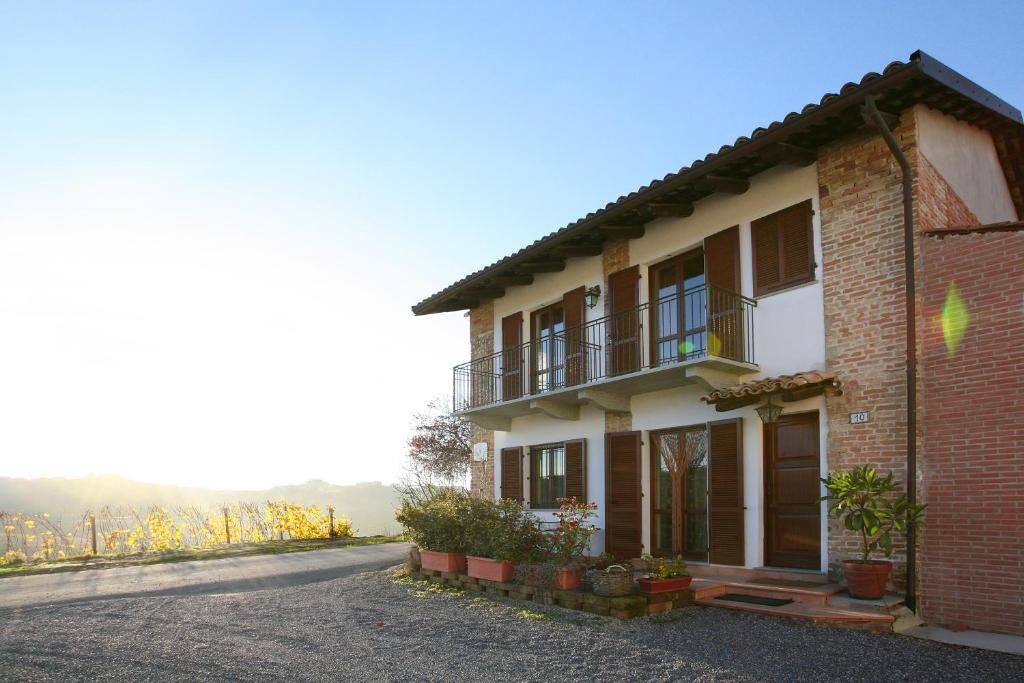
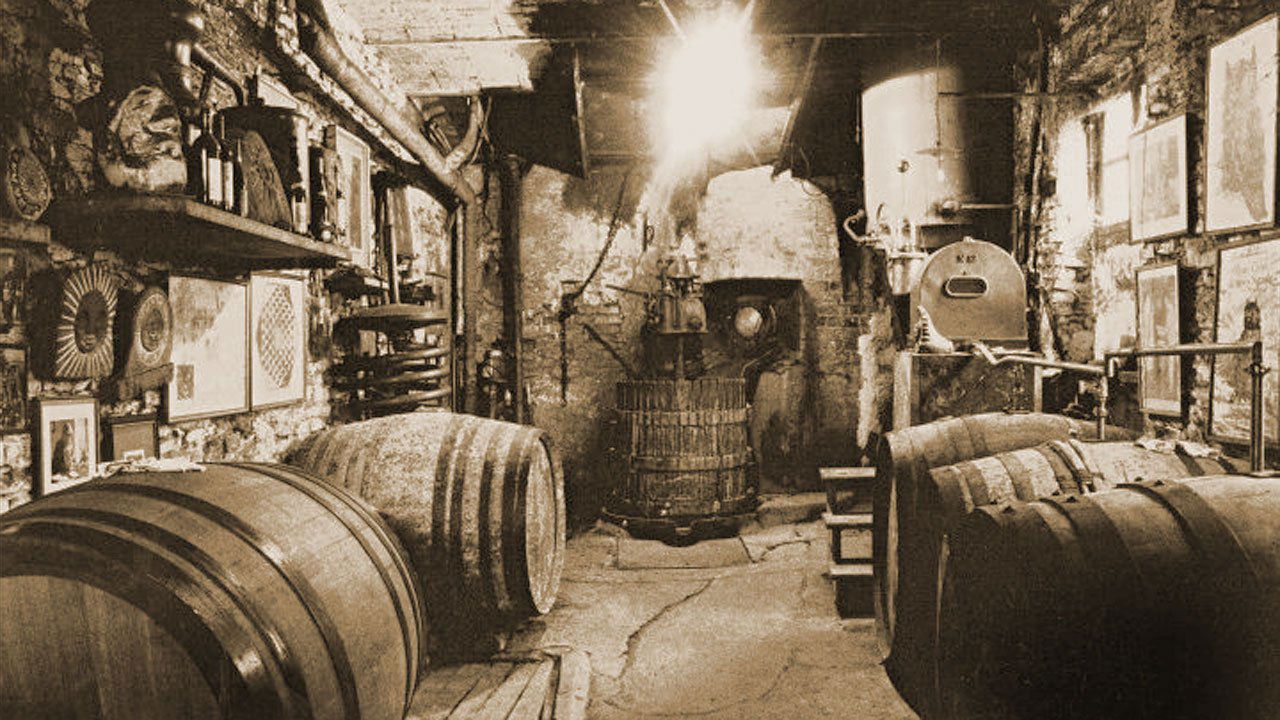
A time capsule atmosphere filled with serenity, art, and the genius loci of Romano Levi, where visitors experience the simple, basic objects and scents of authentic artisanal grappa production.
Tags
Vibe
Best For
Experience
Sourcing
At the Vineyard
- Appellation
- Langhe
- Varietals
- Nebbiolo, Barbera, Dolcetto, Arneis
- Tour Languages
- Italian, English
- Visits
- By appointment only
- Farming
- Sustainable
- Wine Club
- Not available
Know before you go
Know Before You Go
- Getting there
- Via XX Settembre, 91, 12052 Neive CN
Planning details
Location
Also consider
Also Consider
- Bruno Giacosa, Notable alternative
- Roagna, Notable alternative
- Engine Gin, Notable alternative
- Gaja, Notable alternative
- Produttori del Barbaresco, Notable alternative
Winery context
Compared with Bruno Giacosa, Distilleria Romano Levi is the more specialized stop: better for travelers who want a spirits angle, weaker for anyone prioritizing benchmark Nebbiolo. Bruno Giacosa is the safer prestige-led wine choice; Romano Levi is the better itinerary contrast.
Roagna, Gaja, and Produttori del Barbaresco make more sense when the main goal is wine depth and producer comparison. Distilleria Romano Levi should sit beside those visits, not replace them, especially for travelers building a serious Piedmont bottle itinerary.
Engine Gin is the closer peer by category because it also points away from a conventional winery frame. Choose Engine Gin for a more contemporary spirits lane; choose Distilleria Romano Levi when the Neive address and distillery context matter more than a modern brand-driven tasting.
Explore Neive
Around this place
Discover more on Pearl
Unlock the full Distilleria Romano Levi guide in Pearl, including awards, comparisons, FAQs, planning details, and nearby places.
Compare Distilleria Romano Levi
| Venue | Location | Awards |
|---|---|---|
| Distilleria Romano Levi | Neive | No published awards |
| Bruno Giacosa | Neive | 2026 Falstaff Winery Guide2025 Pearl 4 Star Prestige |
| Roagna | Barbaresco | No published awards |
| Engine Gin | Barbaresco | No published awards |
| Gaja | Barbaresco | 2026 Falstaff Winery Guide2025 Pearl 5 Star Prestige2020 World's 50 Best Vineyards · #36 |
| Produttori del Barbaresco | Barbaresco | 2026 Falstaff Winery Guide |



How Distilleria Romano Levi Neive compares with similar nearby venues.
FAQ
Frequently Asked Questions
When is the best time to visit Distilleria Romano Levi?
The listing does not establish specific hours or an ideal time of day. Plan around your wider Neive schedule and confirm timing directly before visiting. Distilleria Romano Levi holds Pearl 3 Star Prestige recognition for 2025.
What is the flagship item at Distilleria Romano Levi?
No flagship bottle, product, or item is in the available data. Distilleria Romano Levi should be considered on its confirmed merits as a recognized Neive venue, not on an claim about a particular offering. If you want to compare other notable names, Gaja or Bruno Giacosa may be relevant to research.
Does Distilleria Romano Levi serve food?
Food service is not in the available data. Do not plan on Distilleria Romano Levi as a meal stop unless you have confirmed that directly. Pair it with other dining in Neive if you need a meal in the same day.
What other venues can I compare with Distilleria Romano Levi?
Bruno Giacosa, Roagna, Gaja, Produttori del Barbaresco, and Engine Gin are useful comparisons to consider when planning in the wider area. Confirm each venue's location, hours, and booking requirements directly before finalizing the route.