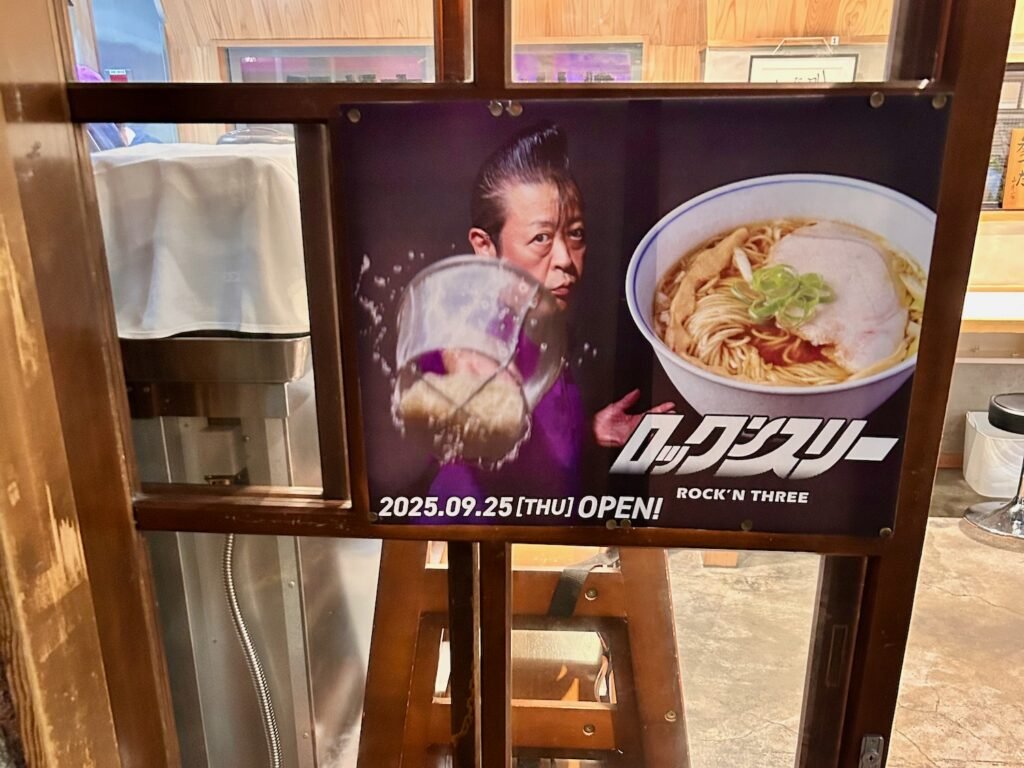


Rock'n Three
Kōhoku, Yokohama
Restaurant in Yokohama, Japan
 Book with Pearl
The Read
Dress
Casual
Why go
Rock'n Three is worth choosing when Shin-Yokohama timing matters and ramen is the plan, not a backup. Its Pearl recommendation and Tabelog 100 #2 placement give it more credibility than a generic station-area bowl, while easy booking makes it a low-friction choice for solo diners, small parties, and evening ramen plans.
About Rock'n Three
Rock'n Three is a ramen venue in Yokohama with hours that run into the evening and start earlier on weekends. It is a useful pick when the plan needs ramen in Yokohama with a casual dress code and a clear recognition signal. The move is simple: use it when the schedule points to Yokohama and ramen is the right format.
For someone who has been once, the reason to return is not novelty chasing. It is the repeatable value of a ramen stop with enough recognition to justify choosing it over a more generic option. There is no need to treat this as a dressed-up meal. Treat it as a ramen decision: arrive with a casual mindset and keep the occasion centered on the bowl rather than on formality.
Use it for an evening ramen plan, not a drawn-out dinner
The strongest practical case here is timing. In Yokohama, a ramen shop with posted hours through 8:30 PM is useful because it can fit both daytime and evening plans. That makes it a practical choice for someone who already knows the area: more intentional than grabbing whatever is closest, without turning the meal into a formal production.
The expectation should stay within the ramen category rather than drift into fine-dining language. This is a ramen venue, so the decision comes down to whether ramen is the right format for the occasion. It can work when everyone wants ramen and does not need a more formal restaurant setting.
Appeal is not exclusivity; it is the combination of ramen, Yokohama timing, and recognition. If the evening is already complicated, this is a useful option to keep in mind. If the night needs a different kind of atmosphere or a broader restaurant plan, look elsewhere in Yokohama restaurants rather than forcing a ramen stop to do the job of another format.
Who should choose this over another ramen stop
Choose it if timing matters as much as the bowl. Yokohama has many ways to build a dining plan, and ramen is not the same decision as a leisurely multi-stop night out. For another ramen option in Yokohama, Yukiguni is a natural cross-shop if the plan is ramen first.
The recognition signal is meaningful but should be read correctly. Pearl Recommended Restaurant status in 2025 and a Tabelog 100 #2 placement in 2025 with 3.7 points make it a stronger bet than a random noodle shop, not a guarantee that every diner should prioritize it above all other plans. The right guest is someone who wants a recognized ramen stop with direct timing. The wrong guest is someone trying to turn ramen into a formal special-occasion centerpiece.
For a first-timer, the practical advice is to keep expectations focused: this is ramen, casual dress is fine, and the meal should be framed around that format. Weekend opening is earlier, which helps if the day is built around Yokohama. The shop runs until 8:30 PM every day, while daytime visits are also covered by the posted hours.
Planning details
- Location
- Japan, 〒222-0033 Kanagawa, Yokohama, Kohoku Ward, Shinyokohama, 2 Chome−14-21 B1F
- Website
- raumen.co.jp/shop/rocknthree.html
- Phone
- +81 45-471-0503
The take
The Take
The Vibe
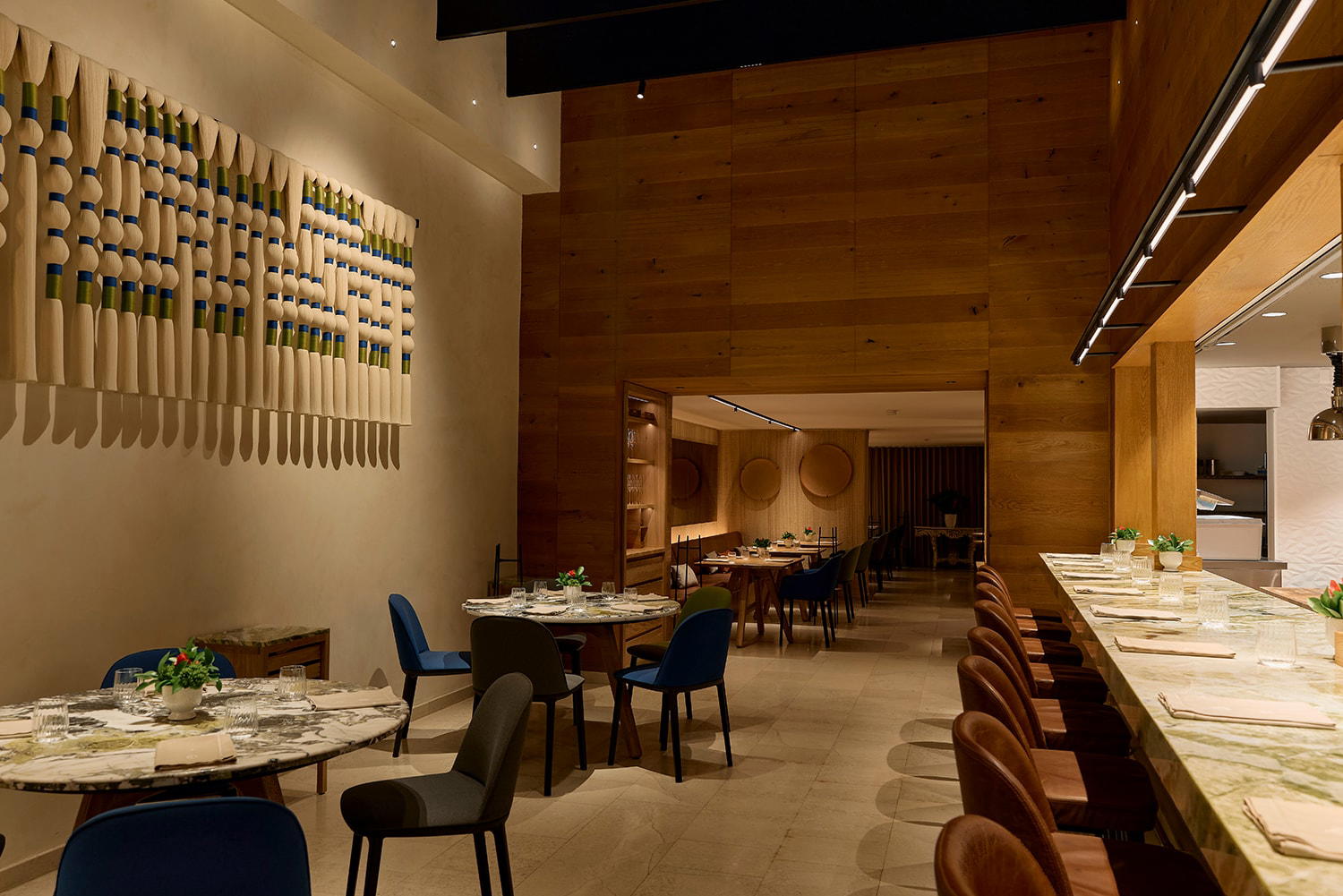
Rock'n Three sits below street level in Shin-Yokohama, a basement counter that deliberately filters casual commuter traffic. The room reads as a working neighbourhood counter rather than a museum piece: compact, focused and aimed at people who come for the bowl rather than the spectacle. The writing frames it as a spot that attracts specialist attention—critics and ramen fans—so the atmosphere feels intimate and quietly serious. You’re here for the craft of the soup and noodles; the setting amplifies attention on the bowl rather than on flashy dining theatrics.
Best For
This is a destination for ramen enthusiasts and solo diners who value focused, ingredient-forward bowls. Rock'n Three is presented as a neighbourhood counter that earns national recognition—the Jidori Shoyu placed seventh on Ramen Beast’s 2025 list—so it suits people seeking rigorously made ramen over tourist-oriented exhibitions. The counter layout and basement location make it a natural stop for someone exploring Shin-Yokohama’s ramen scene with intent, whether at lunch or in the evening, and for diners who treat ramen as a specialist, not incidental, meal.
Ordering Tips
Order the Jidori Shoyu—the bowl singled out in coverage and responsible for Rock'n Three’s national ranking—since 'jidori' denotes free-range domestic chicken and the write-up emphasizes that clarity and layered lightness are central to the style. Note the entrance is down a staircase to a basement floor and the service is counter-focused, so expect a compact seating arrangement and a direct, no-frills ramen experience. The profile rewards attention to the soup and ingredients rather than elaborate sides or formal table service.
Venue details
Ambiance
Energetic ramen museum atmosphere with a focus on authentic ramen shop experience.
Tags
Vibe
Best For
Experience
Sourcing
At the Table
- Dress Code
- Casual
- Noise Level
- Lively
- Service Style
- Casual
- Meal Pacing
- Quick Bite
- Capacity
- Small
Signature Dishes
Jidori Shoyu
Know before you go
Know Before You Go
- Getting there
- Japan, 〒222-0033 Kanagawa, Yokohama, Kohoku Ward, Shinyokohama, 2 Chome−14-21 B1F
Planning details
Location
Japan, 〒222-0033 Kanagawa, Yokohama, Kohoku Ward, Shinyokohama, 2 Chome−14-21 B1F · Directions
Recognition and awards
Also consider
Also Consider
- Shinjiko Shijimi Chukasoba Kohaku, Ramen, ¥
- Chuka Soba Shibata, Ramen, Ramen
- Yukiguni, Ramen, Ramen
- Itto, Ramen, Ramen
- Ichiran, Ramen, Ramen
Restaurant context
How it compares with Yokohama and Tokyo-area ramen peers
Rock'n Three is the practical Yokohama choice when timing and access matter. Yukiguni is the closest peer for a Yokohama ramen decision, and it is the better cross-shop if the meal itself is the main reason to travel. Choose Rock'n Three when Shin-Yokohama is already on the route; choose Yukiguni when the ramen stop can define the plan.
Shinjiko Shijimi Chukasoba Kohaku gives a clearer value signal with its ¥ tier, but it sits outside the Yokohama decision set. Chuka Soba Shibata and Itto are stronger candidates for diners willing to travel for ramen rather than solve a Yokohama meal. Rock'n Three is less about a pilgrimage and more about a credible bowl with easier logistics.
Ichiran is the fallback for predictability and solo-friendly efficiency, but it is a broader chain experience. Rock'n Three is the better call when the reader wants a more specific ramen choice in Yokohama without turning dinner into a complicated booking project.
Explore Yokohama
Around this place
Discover more on Pearl
Unlock the full Rock'n Three guide in Pearl, including awards, comparisons, FAQs, planning details, and nearby places.
Compare Rock'n Three
| Venue | Location | Cuisine | Awards | Price |
|---|---|---|---|---|
| Rock'n Three | Yokohama | Ramen | Tabelog 100 - Ramen - KANAGAWA - 2025 · #2Pearl Recommended Restaurants | , |
| Shinjiko Shijimi Chukasoba Kohaku | Tokyo | Ramen | 2026 Bib GourmandTabelog 100 - Ramen - TOKYO - 2025 · #162024 Michelin Bib Gourmand | ¥ |
| Chuka Soba Shibata | Komae | Ramen | No published awards | , |
| Yukiguni | Yokohama | Ramen | No published awards | , |
| Itto | Tokyo | Ramen | 2026 OAD Casual in Japan Ranked · #122026 Tabelog Bronze · #1422025 OAD Casual in Japan Ranked · #12Tabelog 100 - Japanese cuisine - WEST - 2025 · #562025 Tabelog Bronze2024 OAD Casual in Japan Ranked · #122023 OAD Casual in Japan Ranked · #7 | , |
| Ichiran | Tokyo | Ramen | 2026 OAD Casual in Japan Ranked · #1182025 OAD Casual in Japan Ranked · #862025 OAD Cheap Eats in North America Ranked · #2612024 OAD Casual in Japan Ranked · #792024 OAD Cheap Eats in North America Ranked · #2782023 OAD Casual in Japan Ranked · #702023 OAD Cheap Eats in North America in Recommended | , |
.png?width=1200&quality=80)


How Rock'n Three Yokohama compares with similar nearby venues.
FAQ
Frequently Asked Questions
Is Rock'n Three good for solo dining?
Rock'n Three is a casual ramen venue in Yokohama, with hours from 11 AM to 8:30 PM Monday through Friday and from 10:30 AM to 8:30 PM on weekends.
How far ahead should I book Rock'n Three?
Plan around the posted days and times rather than assuming a reservation process. Hours run from 11 AM to 8:30 PM Monday through Friday and 10:30 AM to 8:30 PM on weekends, making it a practical ramen choice in Yokohama.
What should a first-timer know about Rock'n Three?
Go in expecting ramen with a casual dress code, and use it when Yokohama fits your plans. The 2025 Pearl Recommended Restaurant status and the Tabelog 100 #2 ranking in 2025 with 3.7 points make it notable for people who care about reputation and format.
Is Rock'n Three good for a special occasion?
Only if your idea of a special occasion is a well-regarded ramen stop rather than a slower, more formal dinner. The dress code is casual, so it is better framed as a focused ramen meal than as a formal celebration.
Is lunch or dinner better at Rock'n Three?
Rock'n Three opens at 11 AM on weekdays, 10:30 AM on weekends, and stays open until 8:30 PM every day, making it practical for a daytime or early evening bowl in Yokohama.