
The Yokohama Bay Hotel Tokyu
Nishi, Yokohama
Hotel in Yokohama, Japan
 Book with Pearl
The Read
Waterfront Urban Scale
Why go
A practical Minatomirai hotel pick for repeat Yokohama travelers who care about location, easy logistics, and loyalty-aware value. The Yokohama Bay Hotel Tokyu makes sense when rates sit below the city's more leisure-driven waterfront peers; if prices are close to Kahala or Pier 8, compare carefully before committing.
About The Yokohama Bay Hotel Tokyu
For a Yokohama stay, The Yokohama Bay Hotel Tokyu is in Yokohama, has a smart-casual dress code, and is listed as a Preferred Hotels Member for 2025. Specific claims about rooms, dining, facilities, pricing, or service details should be checked directly with the hotel before booking.
For the most practical decision, compare current rates, cancellation terms, and room descriptions directly with the hotel and with other Yokohama options before committing.
Choose it for a Yokohama stay with confirmed Preferred Hotels recognition
The clearest distinction is the hotel's Preferred Hotels Member recognition for 2025. That may matter for travelers who compare hotels through membership or preferred-booking channels, but the exact benefits, availability, and booking conditions should be checked at the time of reservation.
Value will depend on the live rate available for your dates. The smart approach is to compare current offers against other options such as Hilton Garden Inn Yokohama Minatomirai, InterContinental Yokohama Pier 8, The Kahala Hotel & Resort Yokohama, Hotel New Grand, and Hyatt Regency Yokohama.
Preferred Hotels recognition is the angle to check before paying
The hotel's Preferred Hotels Member recognition for 2025 is the main trust signal. If that recognition is important to you, compare official and member-facing channels before choosing a prepaid rate elsewhere.
Booking difficulty, room views, dining options, wellness facilities, and event-related demand are details to confirm directly with the hotel rather than assumptions to build the stay around.
Quick reference: consider The Yokohama Bay Hotel Tokyu for a Yokohama stay with Preferred Hotels Member recognition for 2025, and compare live pricing and terms before booking.
Planning details
- Location
- 2-chōme-3-7 Minatomirai, Nishi Ward, Yokohama, Kanagawa 220-8543
- Website
- ybht.co.jp
- Phone
- +81 45-682-2222
The take
The Take
The Vibe
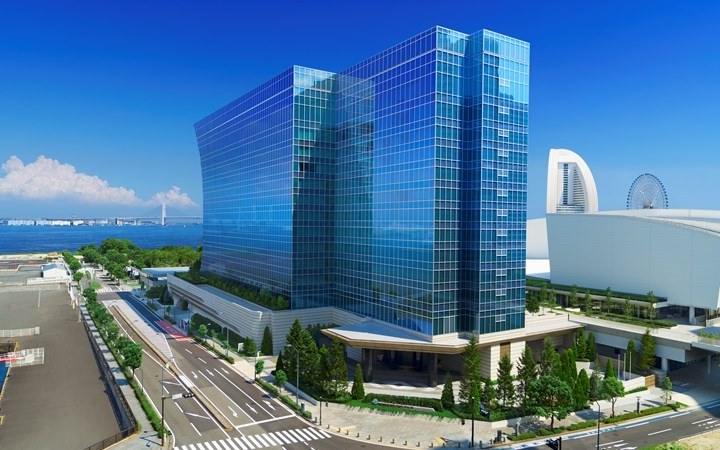
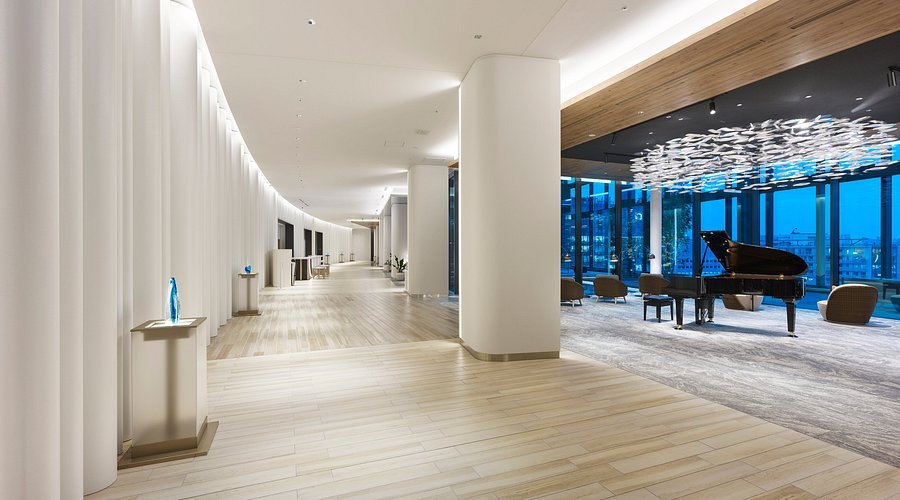
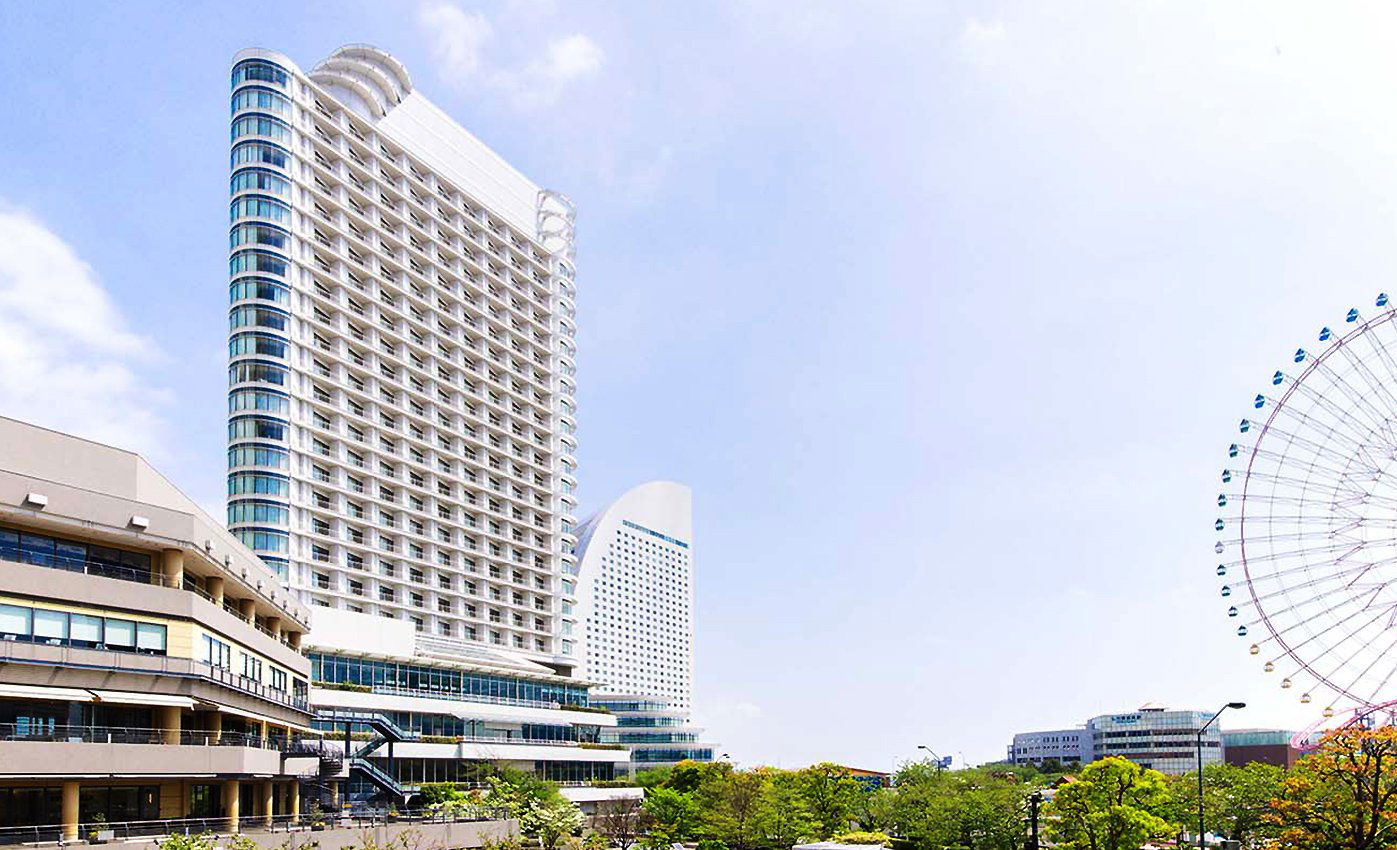
The Yokohama Bay Hotel Tokyu projects waterfront scale more than boutique intimacy. Set within Minatomirai's reclaimed harbor, the property leans into bay views and the district's contemporary character: large-room inventory, multiple in-house restaurants and civic-scale amenities define its personality. Rather than trading on historic charm or small‑hotel curation, the hotel reads as a purpose-built, modern urban retreat whose appeal comes from its position on the water and the breadth of facilities guests can access without leaving the complex. The overall effect is a scenic, metropolitan hotel experience geared to visitors who prioritize convenience and views over intimacy.
Best For
This hotel best serves travelers who plan multi-night stays and want a comprehensive in‑house program. Business travelers and conference attendees benefit from the property's explicit conference capacity and restaurant variety, while wellness-minded guests find value in the dedicated wellness floor. Guests who prefer to have dining, meeting and leisure options on site—rather than sourcing them across the city—will appreciate the footprint and infrastructure here. The scale and amenity mix make it a practical pick for corporate groups, longer stays and visitors who prioritize waterfront position in Minatomirai.
Stay Tips
When booking, prioritize a bay-view room if waterfront outlook matters—the description highlights 'bay views' and water proximity as distinguishing features. Reserve on-site restaurants in advance during busy periods, since the hotel's 'restaurant variety' serves both guests and conference groups. If wellness matters, confirm access to the wellness floor and any required reservations or packages before arrival. For corporate planners, inquire early about conference facilities and capacities to secure preferred dates and setups.
Venue details
Ambiance
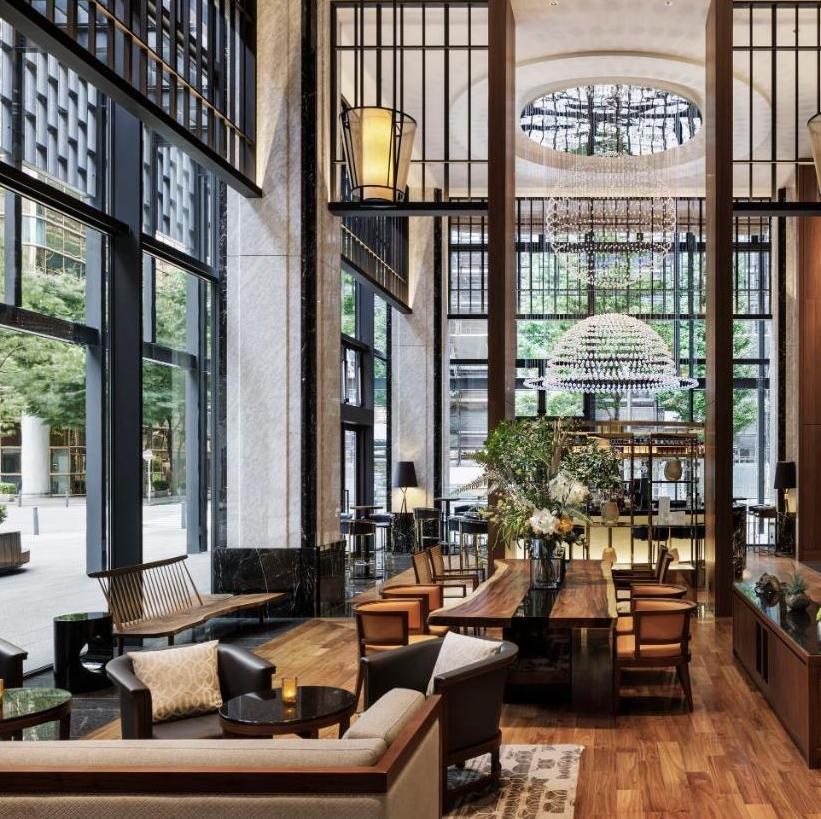
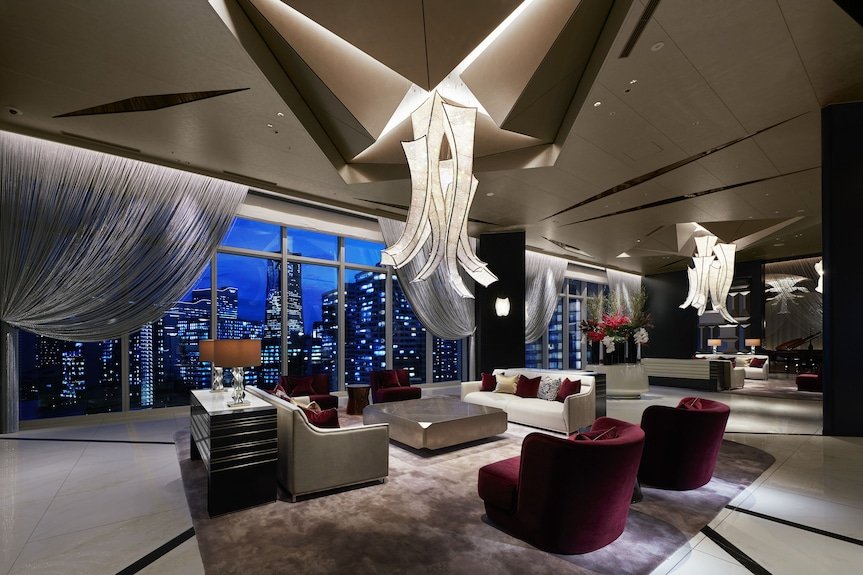
Sophisticated and relaxing atmosphere with elegant lighting, spacious clean rooms, and stunning bay views from balconies.
Tags
Vibe
Best For
Experience
Amenities
View
Accessibility
About the Stay
- Rooms
- 480
- Check-in
- 15:00
- Check-out
- 11:00
- Property Style
- Urban Luxury High Rise with Panoramic Bay Views
- Design Style
- Contemporary Japanese Elegance with Modern Amenities
Know before you go
Know Before You Go
- Getting there
- 2-chōme-3-7 Minatomirai, Nishi Ward, Yokohama, Kanagawa 220-8543
Planning details
Location
2-chōme-3-7 Minatomirai, Nishi Ward, Yokohama, Kanagawa 220-8543 · Directions
Recognition and awards
Also consider
Also Consider
- The Kahala Hotel & Resort Yokohama, Notable alternative
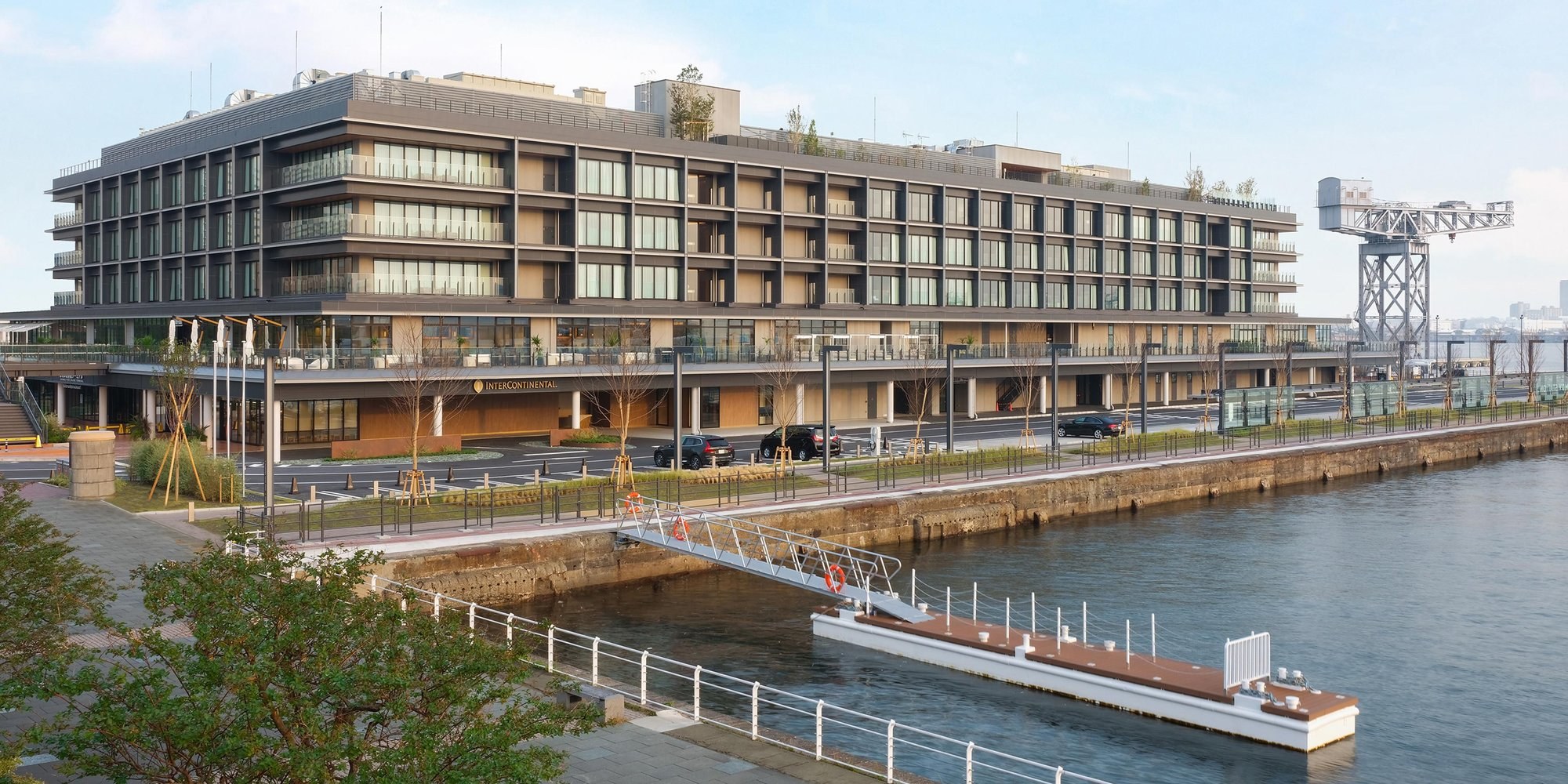
- InterContinental Yokohama Pier 8, Notable alternative
- Hilton Garden Inn Yokohama Minatomirai, Notable alternative
- Hyatt Regency Yokohama, Notable alternative
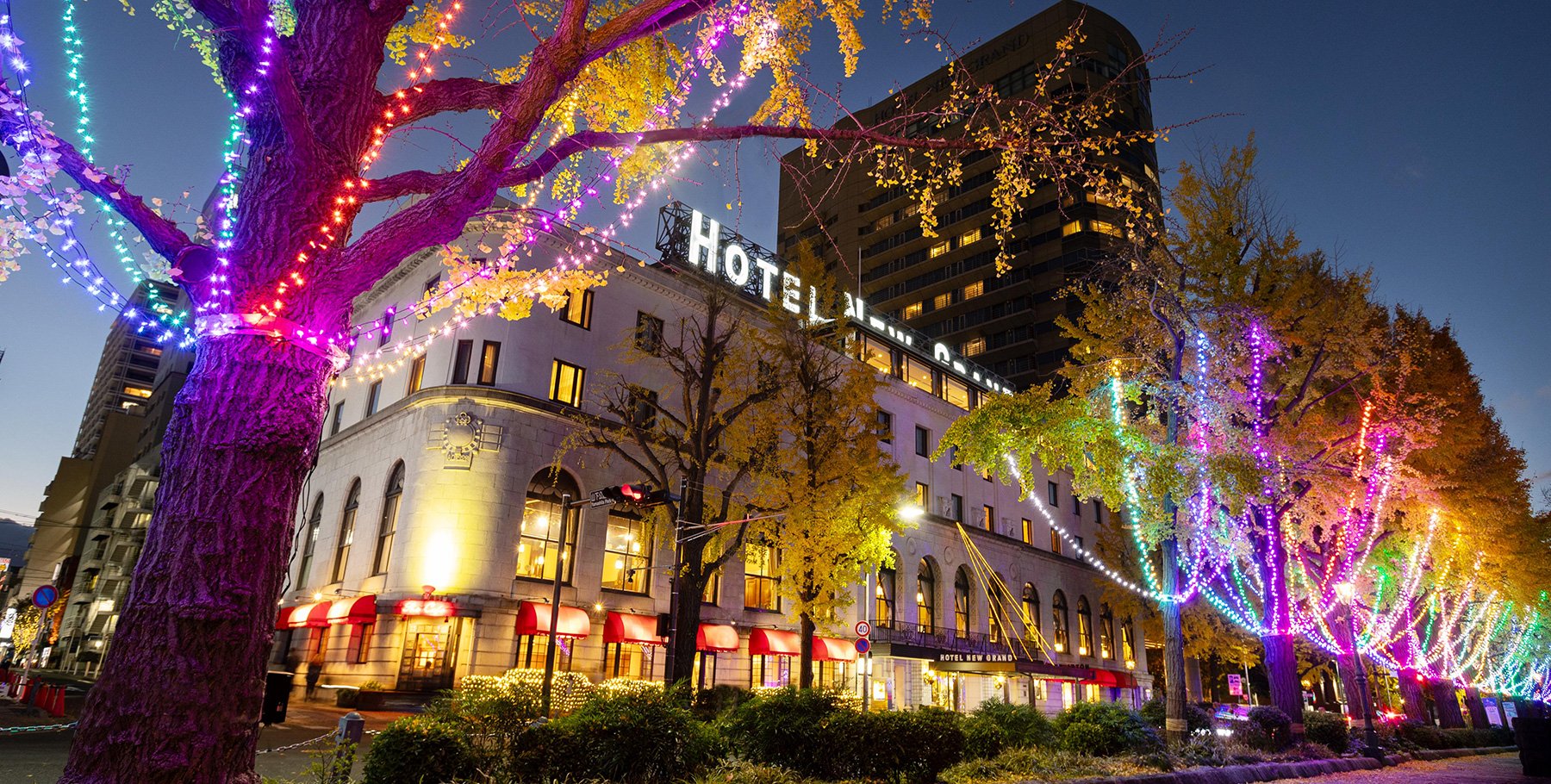
- Hotel New Grand, Notable alternative
Hotel context
How it compares in Yokohama
The Yokohama Bay Hotel Tokyu is the practical Minatomirai middle ground: easier to choose for location and logistics than for a special-occasion statement. The Kahala Hotel & Resort Yokohama is the stronger leisure splurge if the rate difference is manageable, while InterContinental Yokohama Pier 8 is the better cross-shop for travelers who want a more waterfront-focused stay.
For value, Hilton Garden Inn Yokohama Minatomirai is the sharper comparison if the trip is mainly about sleeping well near Minatomirai without paying for a larger full-service setup. Hyatt Regency Yokohama is worth checking for business travelers who prefer a modern chain-hotel rhythm in Yokohama, while this hotel makes more sense when Minatomirai itself is the anchor.
Hotel New Grand is the heritage alternative: better for atmosphere and a classic Yokohama feel, less direct if the schedule centers on Minatomirai. If availability is easy across the set, choose The Yokohama Bay Hotel Tokyu for convenience, Kahala or Pier 8 for a more leisure-led stay, Hilton Garden Inn for tighter budgets, and Hotel New Grand for history.
Explore Yokohama
Around this place
Discover more on Pearl
Unlock the full The Yokohama Bay Hotel Tokyu guide in Pearl, including awards, comparisons, FAQs, planning details, and nearby places.
Compare The Yokohama Bay Hotel Tokyu
| Venue | Location | Awards |
|---|---|---|
| The Yokohama Bay Hotel Tokyu | Yokohama | Preferred Hotels Member 2025 |
| The Kahala Hotel & Resort Yokohama | Yokohama | 2026 Forbes RecommendedLeading Hotels of the World 20262025 Michelin 1 Key2025 Forbes Recommended |
| InterContinental Yokohama Pier 8 | Yokohama | 2025 Michelin 1 Key |
| Hilton Garden Inn Yokohama Minatomirai | Yokohama | No published awards |
| Hyatt Regency Yokohama | Yokohama | No published awards |
| Hotel New Grand | Yokohama | Preferred Hotels Member 2025 |



How The Yokohama Bay Hotel Tokyu compares with similar nearby venues.
FAQ
Frequently Asked Questions
Which room category is best at The Yokohama Bay Hotel Tokyu?
Review the hotel's current room descriptions and confirm any view, bedding, or layout requirements before booking.
What confirmed recognition does The Yokohama Bay Hotel Tokyu have?
The hotel is confirmed as a Preferred Hotels Member for 2025. If that recognition matters for your booking, compare the hotel's current rates and terms with other Yokohama options such as Hilton Garden Inn Yokohama Minatomirai before booking.
What is check-in like at The Yokohama Bay Hotel Tokyu?
When is the best time to book The Yokohama Bay Hotel Tokyu?
Compare current rates and terms for your travel dates against Yokohama options such as Hyatt Regency Yokohama and InterContinental Yokohama Pier 8 before locking in a reservation.