
Hotel New Grand
Naka, Yokohama
Hotel in Yokohama, Japan
 Book with Pearl
The Read
Meiji-Era Port Grandeur
Why go
Hotel New Grand is worth booking if you want Yokohama's historic port atmosphere to be part of the stay, not just a backdrop. Choose a room category that gives you a stronger sense of place rather than chasing the lowest rate; cross-shop Hyatt Regency Yokohama or Hilton Garden Inn Yokohama Minatomirai if newer-room efficiency matters more.
About Hotel New Grand
Consider Hotel New Grand for a Yokohama stay if its essentials fit your trip: it is in Yokohama, has a smart-casual dress code, and is listed as a Preferred Hotels Member for 2025.
Before reserving, check room categories, facilities, dining options, prices, service style, and location details directly, especially if any of those will shape your decision.
Choose it for a Yokohama stay with Preferred Hotels affiliation
The clearest differentiator here is the hotel's 2025 Preferred Hotels Member status. That makes Hotel New Grand a relevant option for travelers comparing Yokohama hotels; for specifics such as views, facilities, neighborhood, room layout, or dining, check current details before booking.
For planning, approach Hotel New Grand as a Yokohama hotel to research carefully. If a particular feature matters, confirm it before booking.
Who should book, and who should cross-shop
Book here if you want Hotel New Grand specifically, are looking at Yokohama, and value its Preferred Hotels Member status. Cross-shop if your decision depends on details such as room type, facilities, views, pricing, or loyalty-program mechanics.
For other Yokohama options, compare Hyatt Regency Yokohama, InterContinental Yokohama Pier 8, The Kahala Hotel & Resort Yokohama, The Yokohama Bay Hotel Tokyu, or Hilton Garden Inn Yokohama Minatomirai.
Quick reference: strongest for travelers who specifically want Hotel New Grand in Yokohama and value its 2025 Preferred Hotels Member status; weaker for travelers who need detail on rooms, facilities, pricing, or dining before choosing.
Planning details
- Location
- 10 Yamashitachō, Naka Ward, Yokohama, Kanagawa 231-8520
- Website
- hotel-newgrand.co.jp
- Phone
- +81 45-681-1841
The take
The Take
The Vibe
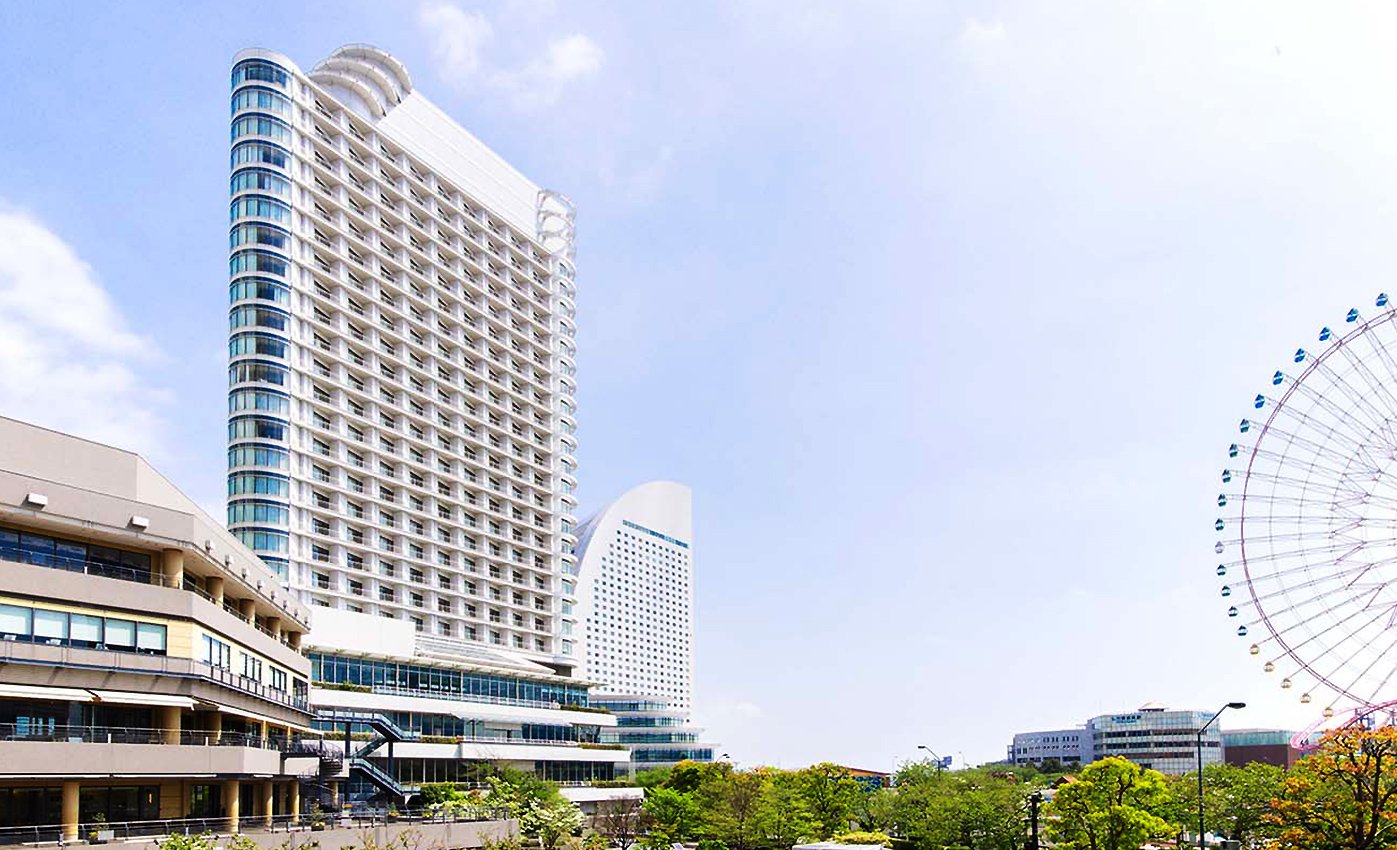
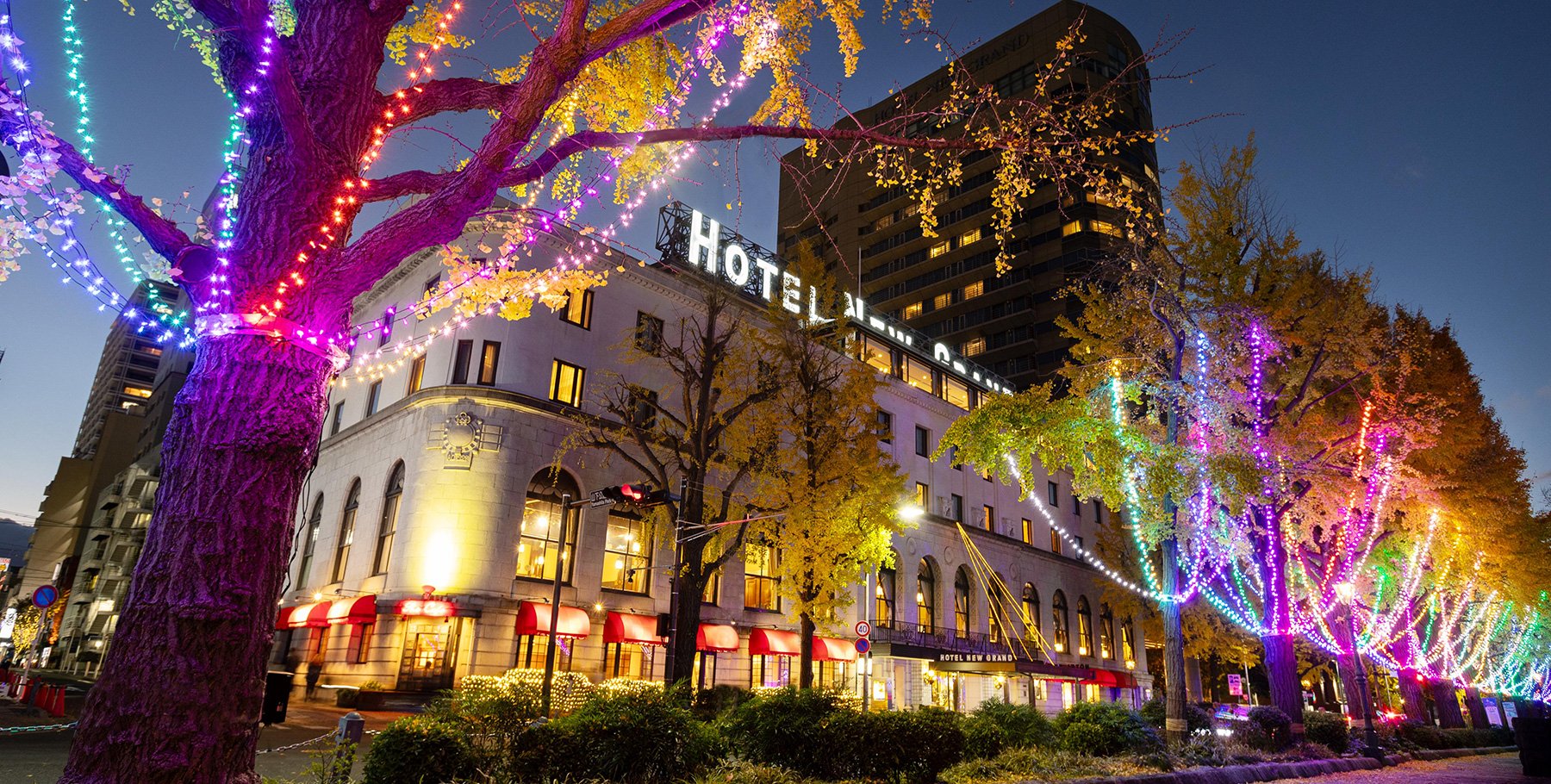
Hotel New Grand reads like a piece of Yokohama history. Its architecture and dining rooms are presented as living evidence of the city’s early international connections, and the property’s long-established identity predates the newer international-brand hotels along the waterfront. Rooms and public spaces carry that institutional weight, so the overall impression is one of a storied, authoritative presence on Yamashitacho. Guests encounter a hotel that foregrounds the port’s maritime past rather than contemporary design trends, which gives the stay a resonant, historically anchored quality.
Best For
This is a property for travellers who want a waterfront stay anchored in local history. Business travellers benefit from the hotel’s prominent Yamashita address and the sense of institutional gravitas; couples find it suitable for romantic getaways and anniversaries because of its classic character and bay-facing location; families can use it as a base for exploring the Minato Mirai waterfront. It slots differently from the city’s international-brand hotels, appealing to guests who value provenance and a strong sense of place.
Stay Tips
If bay views matter, request an upper-floor room so you can see the port and Osanbashi Pier that the description highlights. The hotel’s dining rooms are a focal point of its identity, so plan to reserve tables in advance, particularly for evening service. When comparing waterfront options in Yokohama, consider whether you prefer the New Grand’s historical authority and classic dining rooms over the newer design-forward hotels—book early if you want specific room locations or dining times.
Venue details
Ambiance
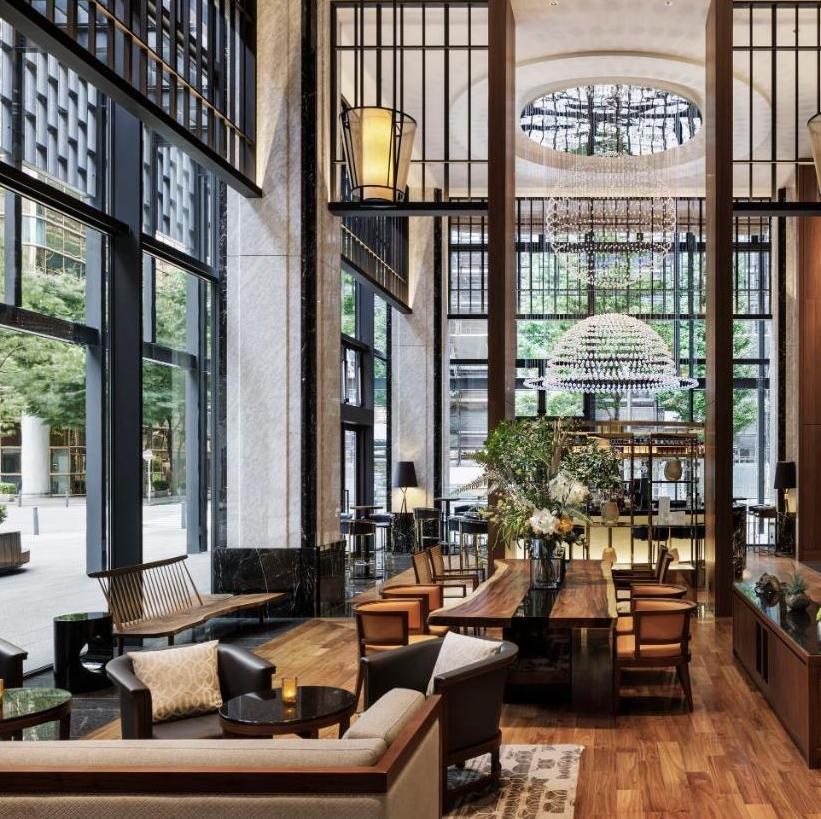
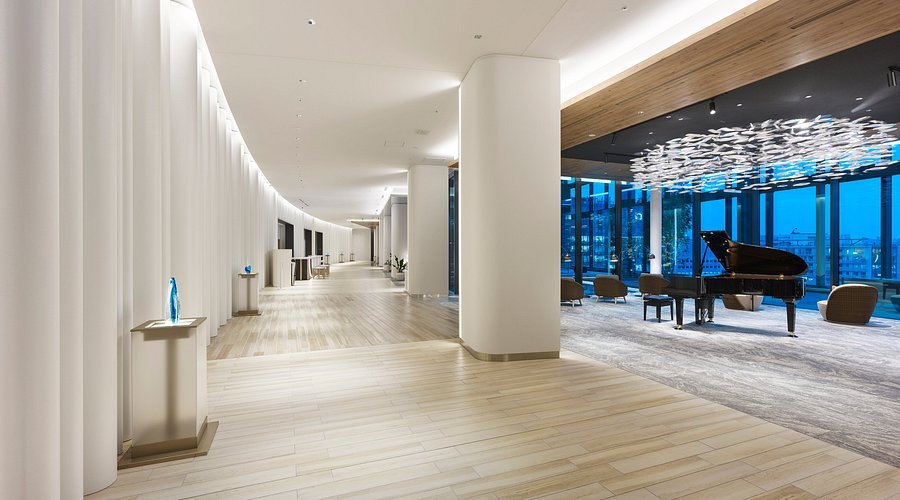
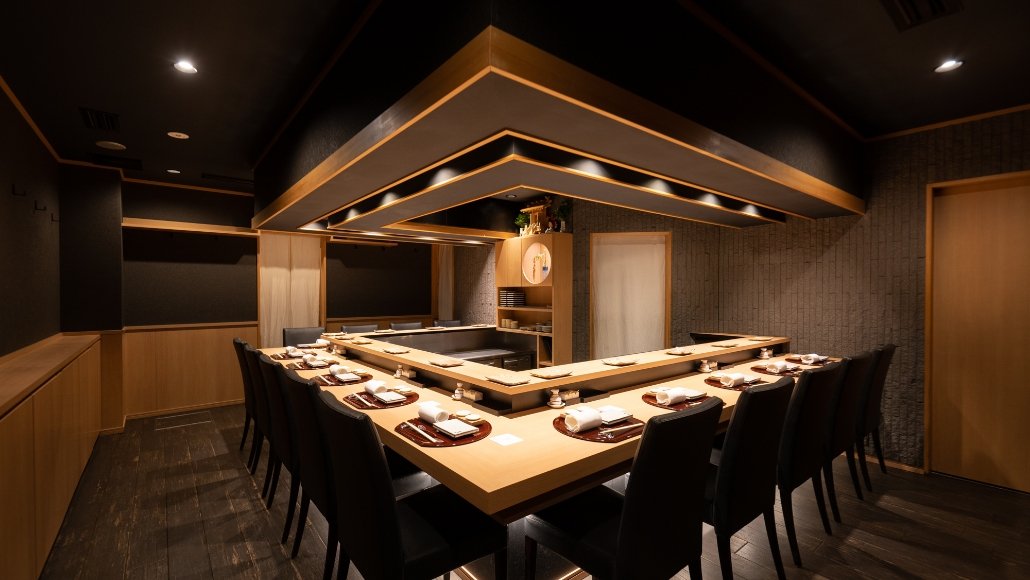
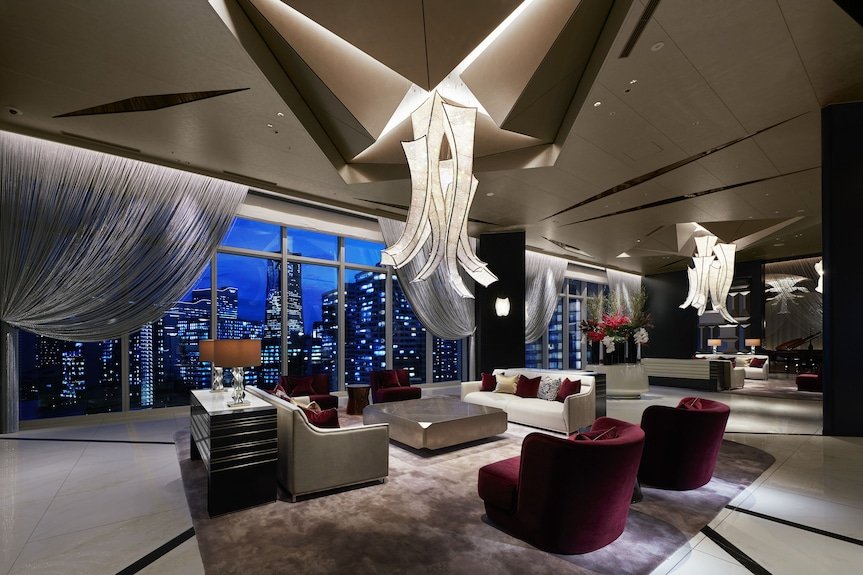
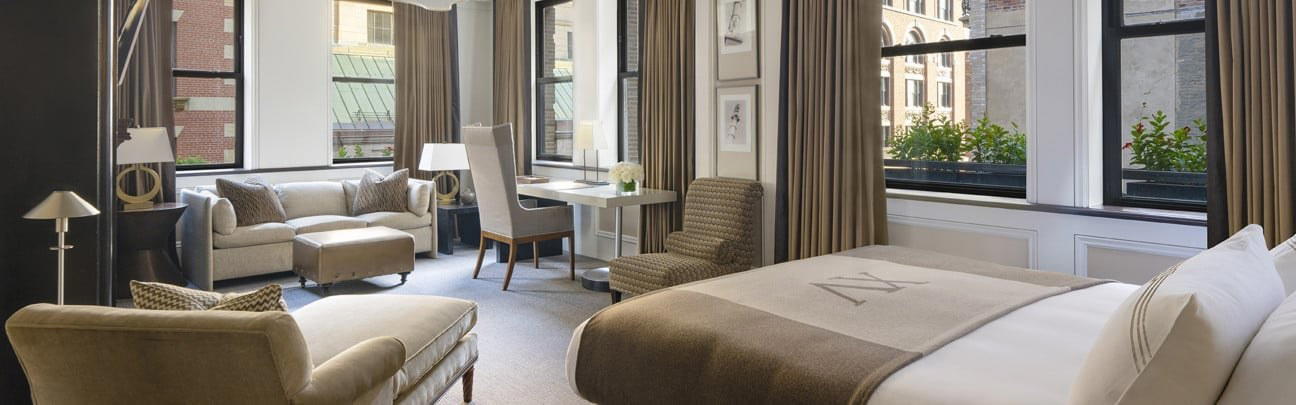
Sophisticated and refined with warm hospitality; guest reviews highlight the noble, dignified ambience created by sophisticated furnishings and attentive staff, enhanced by views of luxury cruise liners and the Bay Bridge.
Tags
Vibe
Best For
Experience
Amenities
View
Accessibility
About the Stay
- Rooms
- 249
- Check-in
- 15:00
- Check-out
- 11:00
- Property Style
- Classic Luxury Heritage Hotel with Contemporary Tower Addition, Blending Traditional Japanese Hospitality with Modern International Standards.
- Design Style
- Sophisticated and Refined with Noble Furnishings; Combines Classic Architectural Elements with Contemporary Amenities and Premium Bedding Throughout.
Know before you go
Know Before You Go
- Getting there
- 10 Yamashitachō, Naka Ward, Yokohama, Kanagawa 231-8520
Planning details
Location
10 Yamashitachō, Naka Ward, Yokohama, Kanagawa 231-8520 · Directions
Recognition and awards
Also consider
Also Consider
- Hyatt Regency Yokohama, Notable alternative
- InterContinental Yokohama Pier 8, Notable alternative
- The Yokohama Bay Hotel Tokyu, Notable alternative
- The Kahala Hotel & Resort Yokohama, Notable alternative
- Hilton Garden Inn Yokohama Minatomirai, Notable alternative
Hotel context
How It Compares
Hotel New Grand is the heritage pick in Yokohama: better for travelers who want Yamashita-side atmosphere and a slower, more established hotel rhythm. Hyatt Regency Yokohama is the safer contemporary choice if newer rooms and broad international-hotel familiarity matter more than historic character.
For a waterfront splurge, InterContinental Yokohama Pier 8 and The Kahala Hotel & Resort Yokohama are stronger cross-shops than a standard city hotel. Pick them when the trip is built around the room, bay setting, and resort-style downtime. Hotel New Grand makes more sense when the appeal is Yokohama's older port identity and a location tied to Yamashita Park.
If value and convenience lead the decision, compare Hilton Garden Inn Yokohama Minatomirai and The Yokohama Bay Hotel Tokyu. Hilton Garden Inn is the easier practical base for a simpler stay; The Yokohama Bay Hotel Tokyu is the more direct Minatomirai play. Hotel New Grand is the better call when ambiance carries real weight in the booking decision.
Explore Yokohama
Around this place
Discover more on Pearl
Unlock the full Hotel New Grand guide in Pearl, including awards, comparisons, FAQs, planning details, and nearby places.
Compare Hotel New Grand
| Venue | Location | Awards |
|---|---|---|
| Hotel New Grand | Yokohama | Preferred Hotels Member 2025 |
| Hyatt Regency Yokohama | Yokohama | No published awards |
| InterContinental Yokohama Pier 8 | Yokohama | 2025 Michelin 1 Key |
| The Yokohama Bay Hotel Tokyu | Yokohama | Preferred Hotels Member 2025 |
| The Kahala Hotel & Resort Yokohama | Yokohama | 2026 Forbes RecommendedLeading Hotels of the World 20262025 Michelin 1 Key2025 Forbes Recommended |
| Hilton Garden Inn Yokohama Minatomirai | Yokohama | No published awards |



How Hotel New Grand Yokohama compares with similar nearby venues.
FAQ
Frequently Asked Questions
Is Hotel New Grand family-friendly?
Hotel New Grand is in Yokohama and is listed as a Preferred Hotels Member for 2025. Families should confirm room setup, bedding, and child-related needs directly before booking. Hyatt Regency Yokohama and The Yokohama Bay Hotel Tokyu are other Yokohama options to compare.
How is the pool and spa at Hotel New Grand?
If a pool or spa is important, check availability and details directly with the hotel before booking. The Kahala Hotel & Resort Yokohama and Hilton Garden Inn Yokohama Minatomirai are other Yokohama hotels to compare depending on the kind of stay you want.
Do loyalty programs work at Hotel New Grand?
Hotel New Grand is a Preferred Hotels Member for 2025. Check any specific earning, redemption, elite-benefit, or program mechanics before booking. Travelers comparing hotels by brand or affiliation can also look at Hyatt Regency Yokohama or Hilton Garden Inn Yokohama Minatomirai.
Which room category is best at Hotel New Grand?
Choose only after checking current room descriptions, views, sizes, and pricing directly with the hotel or booking source. If you want to compare another Yokohama hotel, InterContinental Yokohama Pier 8 is one option to review.