

Tabelog 100: Best Ramen in Kanagawa 2025
Tabelog 100 (Hyakumeiten) Ramen - KANAGAWA selection for 2025. Tabelog publishes these as source-ordered lists of 100 restaurants.

Venues on this list
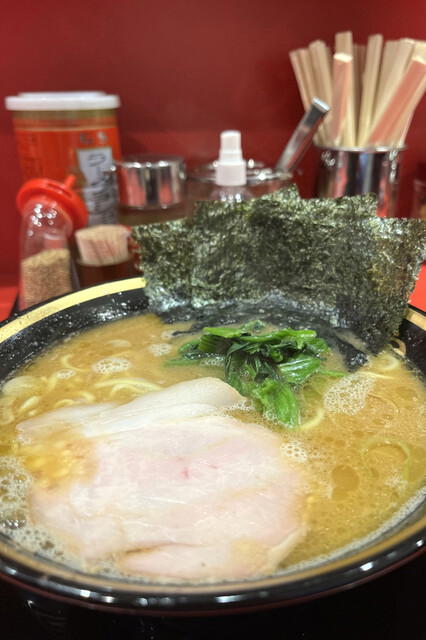
Ramen Kan 2 Ya Kawasaki ten
Kawasaki, Japan
A 15-seat ramen counter near Kawasaki Station that earned Tabelog's 2025 Ramen KANAGAWA 100 recognition for consistent bowl quality at JPY 1,000–1,999. Walk-in only, cash-only, closed first and third Mondays; best visited mid-afternoon or late evening when the lunch and dinner rushes subside.
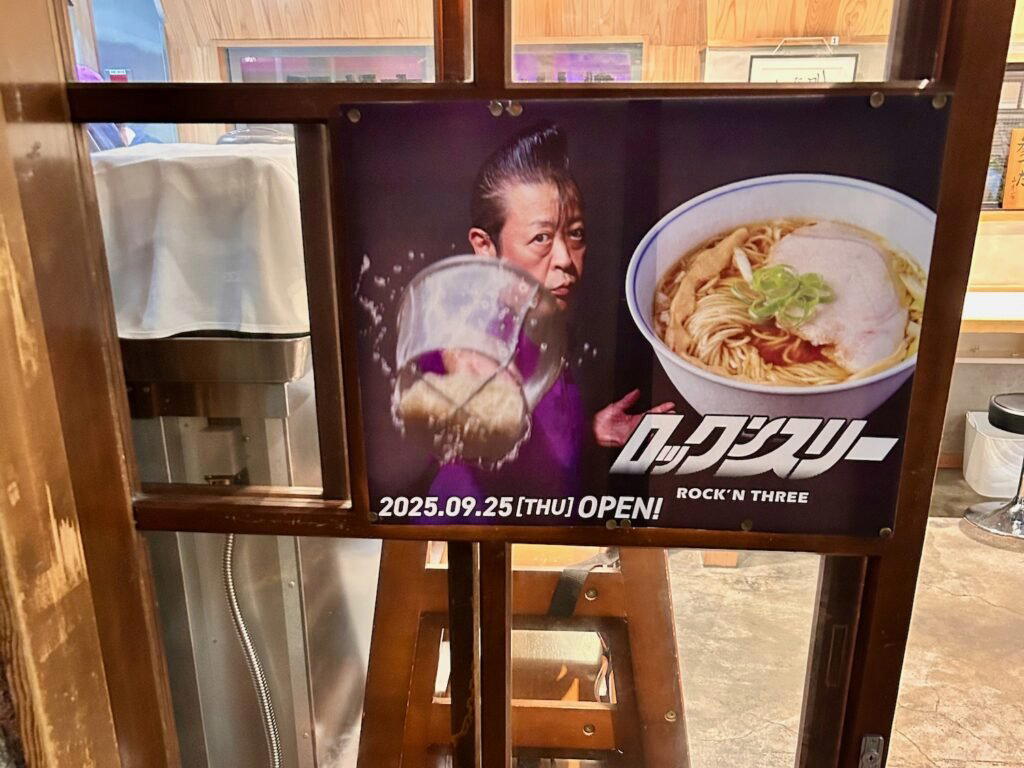
Rock'n Three
Yokohama, Japan
Rock'n Three is worth choosing when Shin-Yokohama timing matters and ramen is the plan, not a backup. Its Pearl recommendation and Tabelog 100 #2 placement give it more credibility than a generic station-area bowl, while easy booking makes it a low-friction choice for solo diners, small parties, and evening ramen plans.
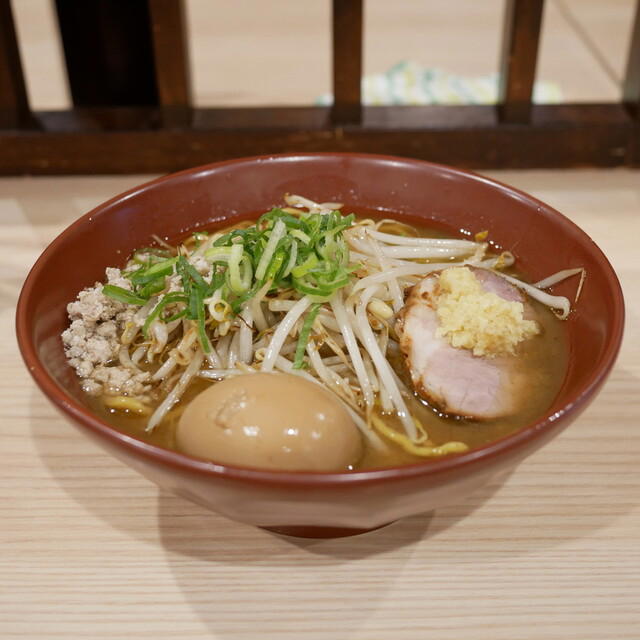
Ramen Taiko
Yokohama, Japan
A 15-seat counter ramen shop in Yokohama's Minamiota neighborhood, holding Tabelog 100 status since 2017. At under ¥1,000 per bowl, the no-reservations format and focused kitchen-front seating deliver precision bowls in a quick-turnover, walk-in-only setting; arrive early lunch or late afternoon to skip the wait.
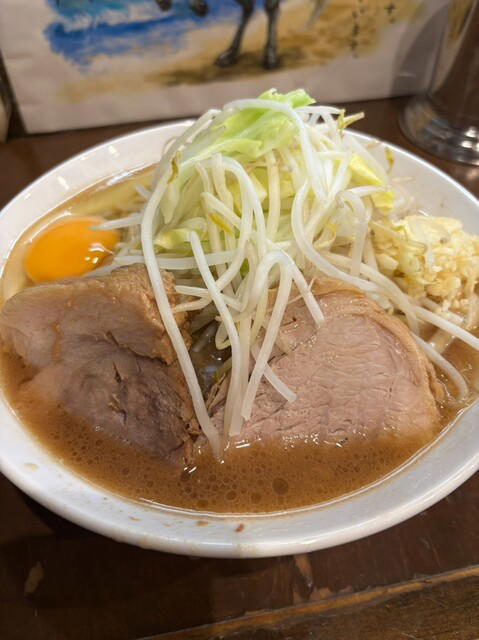
Menya Ayumu
Sagamihara, Japan
Tabelog 100-recognized ramen shop in Sagamihara serving bowls under ¥1,000 with a 3.70 score and no-reservation, walk-in-only format. Open Monday–Saturday, 11 AM–10 PM, with 18 seats split between counter and tables. Cash-only, vending-machine ticket system, and motorcycle parking for seven bikes.
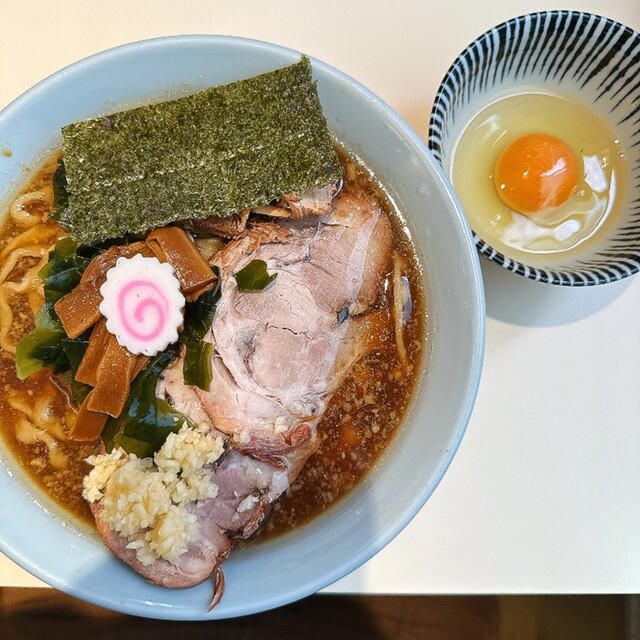
Jikaseimen Nichome Ramen
Sagamihara, Japan
Eight-seat counter shop in Hashimoto serving house-milled ramen at JPY 1,000–1,999, open three days weekly with irregular hours posted same-day on X. Walk-ins only, cash only, no reservations. Best for solo diners with flexible schedules who prioritize fresh-milled noodle texture over convenience.
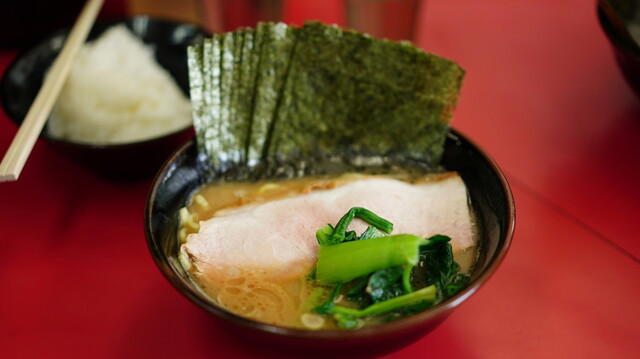
Yokohama Ramen Tagamiya
Yokohama, Japan
Yokohama Ramen Tagamiya opens at 5:30 AM in residential Gumyoji, serving cash-only ramen at JPY 1,000–JPY 1,999 until sold out or 2:30 PM. A four-time Tabelog 100 selectee with an 11-seat counter, it's the rare early-morning option for commuters and travelers wanting a recognized bowl before most shops open. No reservations; arrive before 6 AM on weekends or expect a queue.
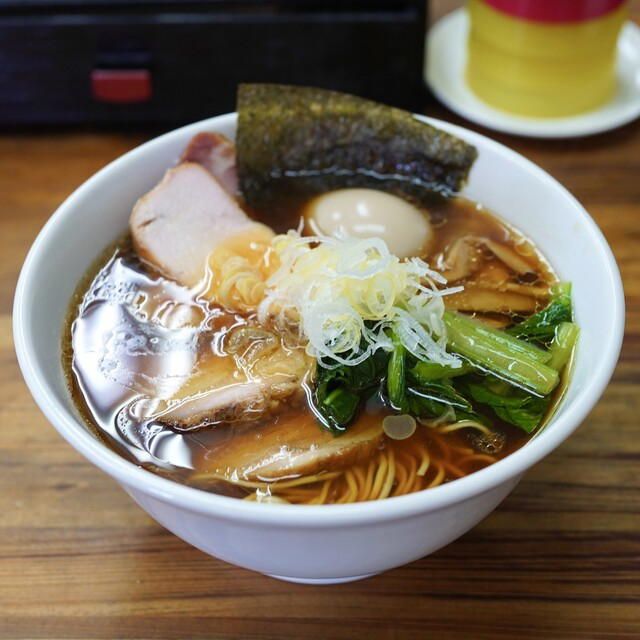
Raamen Mu
Yokohama, Japan
A six-seat ramen counter in Yokohama serving straightforward bowls under JPY 1,000, recognized by Tabelog 100 every year since 2018. No reservations, no signboard, cash-only; just disciplined execution and a format refined over twelve years. Best for solo diners and regulars who value consistency over ceremony.
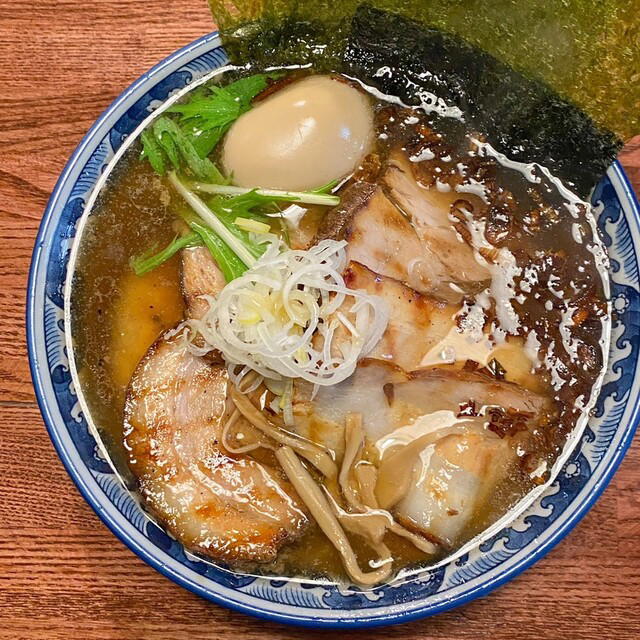
Men Kobo Komoriku Aikawa honten
Aiko-gun, Japan
A 12-seat counter ramen shop in residential Aikawa, named to the 2025 Tabelog 100 for Kanagawa, serving bowls under ¥1,000 until the daily noodle batch runs out. The cash-only, no-reservation format and weekday-plus-weekend lunch schedule reward flexibility and early arrival, though the gravel-lane location off Prefectural Road 63 requires a car or multi-step bus connection from Banda Station.
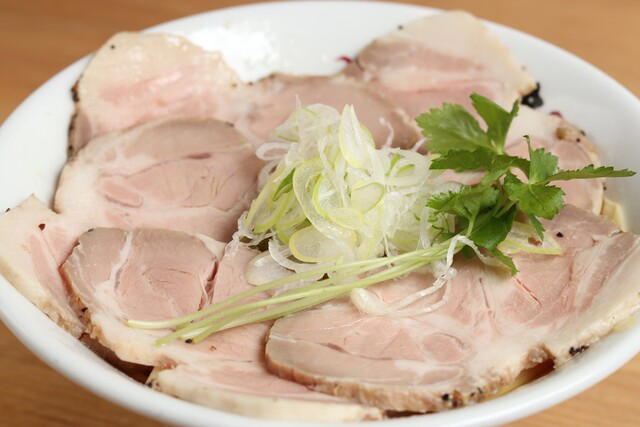
Ramen Garaku
Yokohama, Japan
Tabelog 100 KANAGAWA ramen counter charging under JPY 1,000 for seven-miso blend and Ooyama chicken shoyu bowls. Eleven seats, walk-in only, five minutes from Azamino Station. Open since 2014, cash-only, closed Mondays and select Tuesdays. Order the miso if you want complexity; shoyu for lighter service.
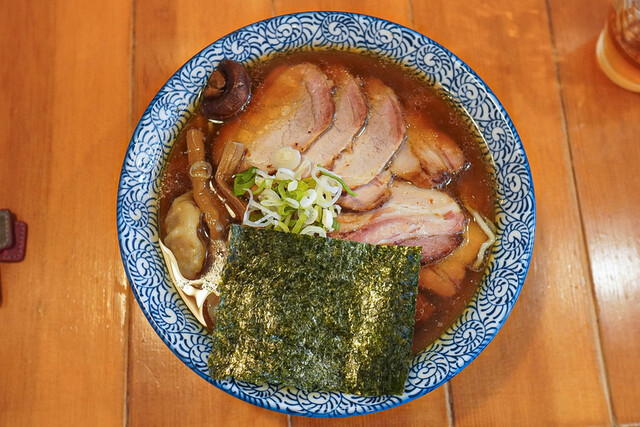
Ramen Moriya.
Yokohama, Japan
Tabelog 100 ramen shop in suburban Yokohama since 2014, serving seasonally adjusted bowls under JPY 2,000. Walk-in only, 19 seats, parking available. Consistent award recognition every year since 2018 makes it a credible detour for ramen enthusiasts willing to travel beyond central Yokohama stations.
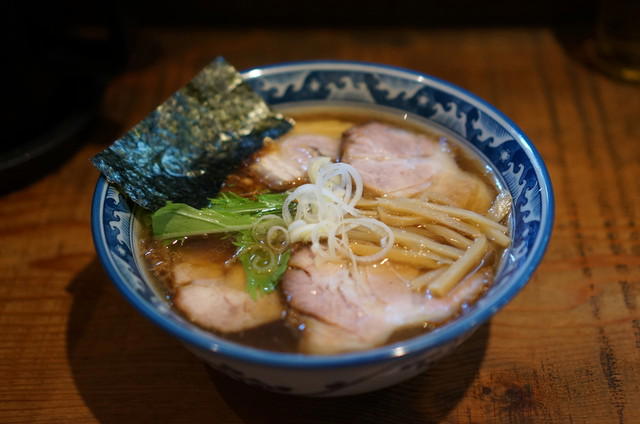
Mendokoro Tatsunoki
Yokohama, Japan
Counter-only ramen shop in a converted Hodogaya house, selected for Tabelog 100 Ramen KANAGAWA two years running. Walk-ins only, under JPY 2,000 per bowl, open Wednesday through Sunday lunch. Best for solo diners who want Tabelog-recognized execution without reservations or evening service.
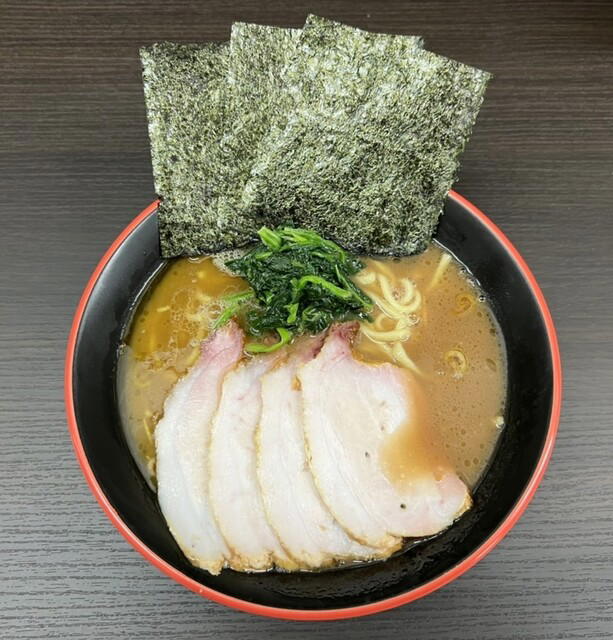
Yokohama Iekei Ramen Kachidoki Ya
Yokohama, Japan
Kachidoki Ya delivers textbook Yokohama Iekei ramen; rich tonkotsu-shoyu broth, thick noodles, and generous toppings; at under 1,000 yen per bowl. Recognized on the Tabelog Ramen KANAGAWA 100 list for 2024 and 2025, the eight-seat counter-only shop prioritizes speed and consistency over ambiance. Walk-ins only, cash only, and designed for solo diners or pairs passing through Isezaki Chojamachi. The food does not travel well, so plan to eat at the counter.
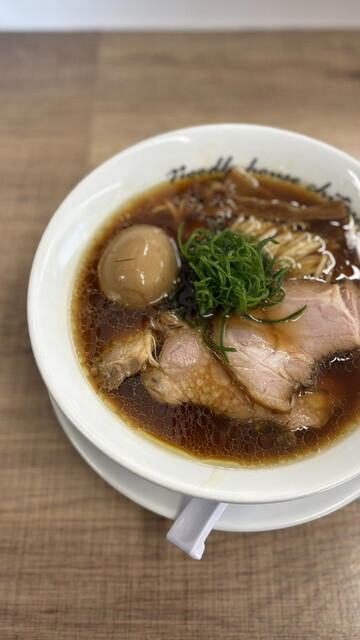
Menan Chitose
Odawara, Japan
A 15-seat ramen specialist in Kazamatsuri earning consecutive Tabelog 100 recognitions (2024–2025) while keeping bowls under ¥2,000. Walk-in only, lunch-only service (11:30 AM–2:30 PM Tuesday–Sunday), with queues forming before opening on weekends. Five minutes from Kazamatsuri Station, making it a practical stop en route to Hakone for travellers who want award-level noodles without fine-dining pricing.
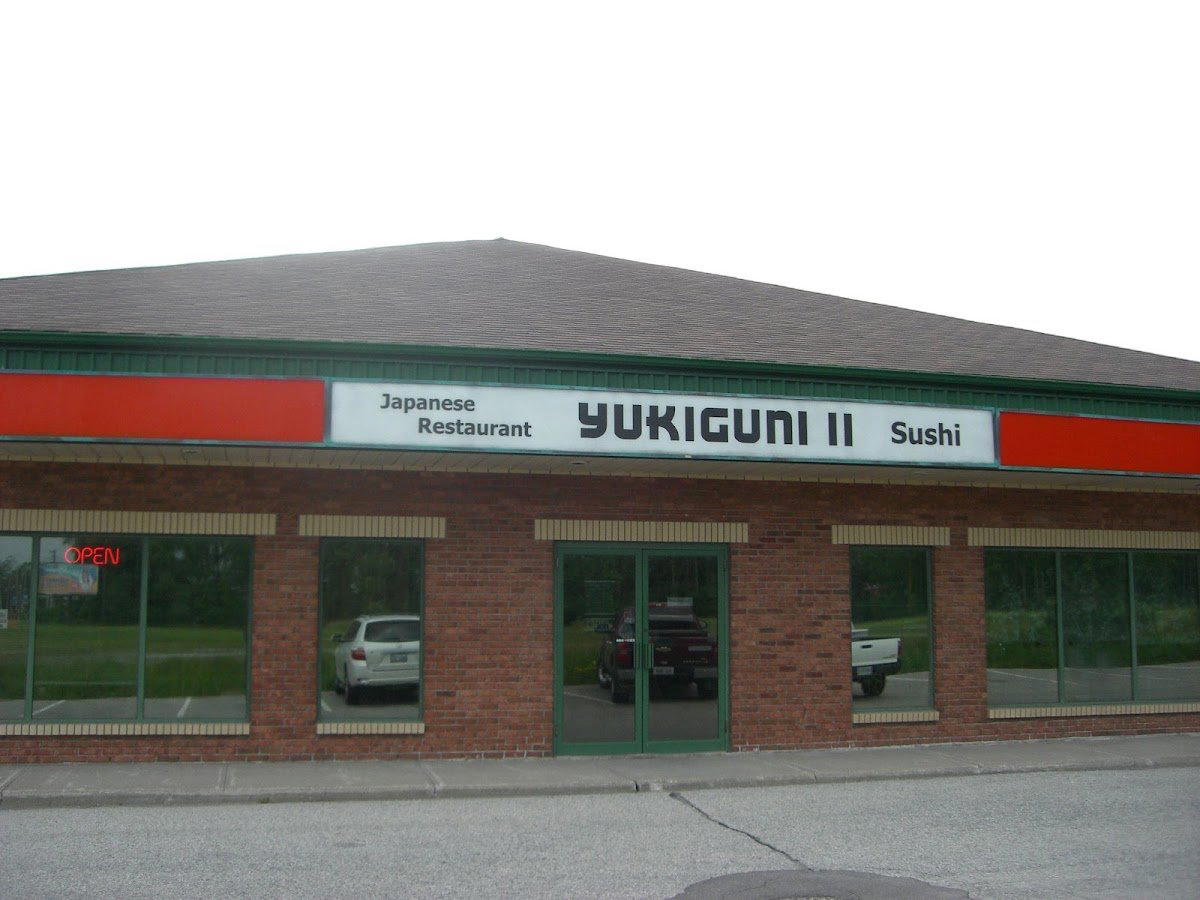
Yukiguni
Yokohama, Japan
Yukiguni (雪国) is a miso ramen specialist in Izumi Ward, Yokohama, ranked in Ramen Beast's Top 10 Bowls of Ramen in 2025. The featured bowl is miso ramen. Walk-ins are the expected format, booking is easy, and the draw is the bowl itself; not the ambiance. Worth the trip for serious ramen seekers.
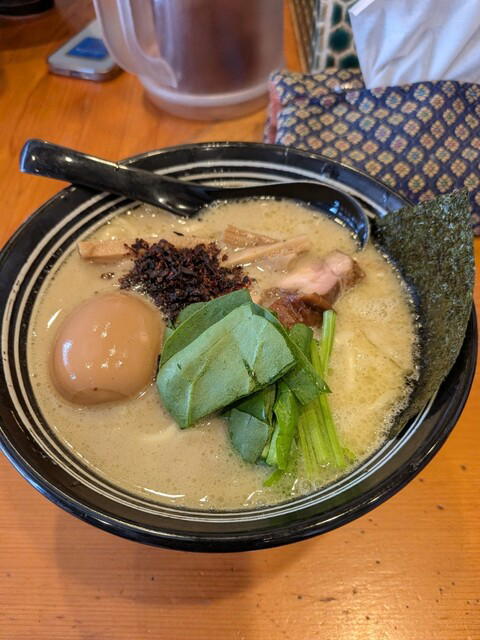
Sengyo Toridashi Men Sawamura
Fujisawa, Japan
Visit Sengyo Toridashi Men Sawamura for a focused Fujisawa noodle meal where value matters more than ceremony. The price band is approachable, the 2025 Tabelog 100 #15 signal gives it credibility, and the format suits lunch, early dinner, or a casual date better than a long celebration meal.
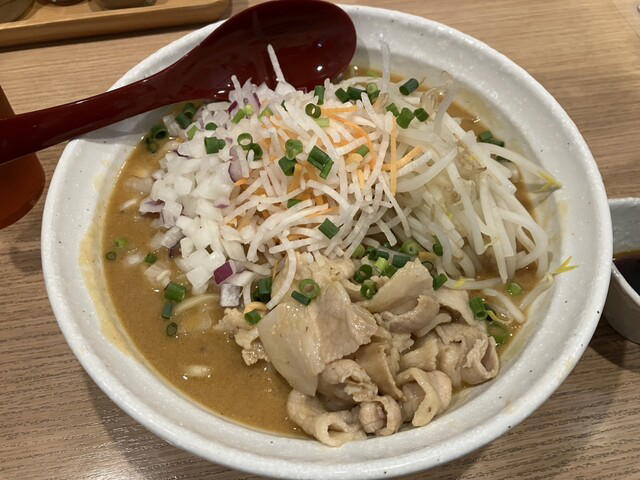
Men Goya Techi
Kawasaki, Japan
A seven-seat ramen counter in Kawasaki where each bowl takes longer than at typical ramen shops, earning Tabelog 100 Ramen Kanagawa recognition in 2024 and 2025. At JPY 1,000–1,999, the numbered-ticket system and deliberate pacing suit diners who value watching the kitchen work, though faster alternatives nearby serve speed-focused decisions better.
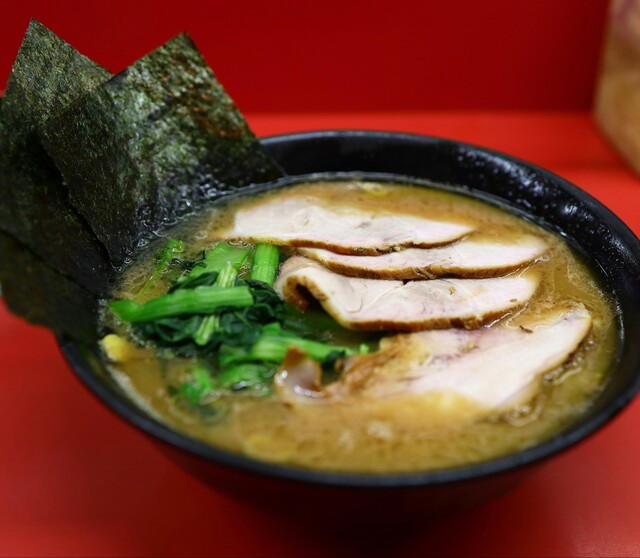
Ramen Sugita Ya Honten
Yokohama, Japan
Counter-only family-style ramen descended from Yoshimura-ya, open since 1999 and earning Tabelog 100 Ramen Kanagawa honors since 2018. Bowls stay under ¥1,000, service runs 5 AM to 10:30 PM (closed Sundays), and the 15-seat setup prioritizes quick turnover over lingering. Walk-ins only, cash-only, ticket-vending-machine ordering.
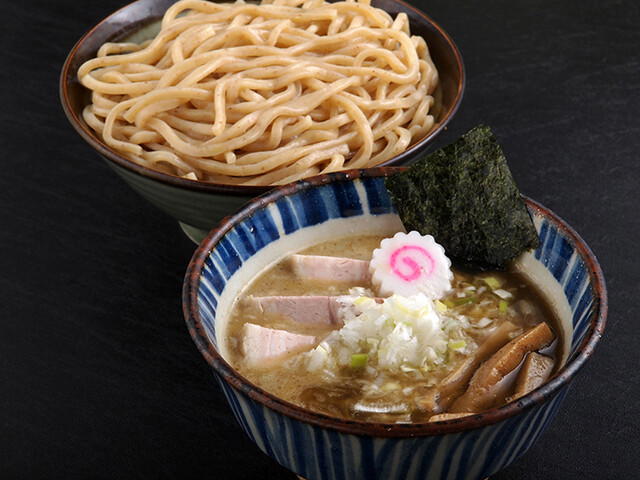
San San Nana
Kawasaki, Japan
Nine-seat counter serving tsukemen and ramen below JPY 1,000, recognized on Tabelog's Ramen KANAGAWA 100 list for 2024 and 2025. Cash-only, counter-only service with split weekday hours and continuous weekend operation. Expect a short wait during lunch and a brisk, no-frills format focused on technical execution rather than menu breadth.
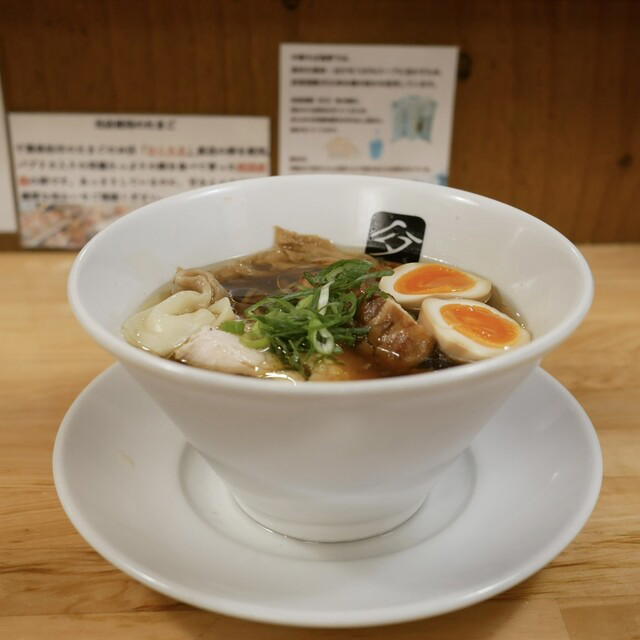
Chuka Soba Takano
Yokohama, Japan
A 10-seat ramen counter near Oguchi Station, recognized in Tabelog's KANAGAWA Ramen 100 since 2021. Lunch-only service (Wednesday–Saturday) focuses on chuka soba and tsukemen at JPY 1,000–1,999 per bowl. No reservations; expect queues between 11:30 AM and 12:30 PM. Walk-in format favors solo diners and couples willing to time their visit around the tight weekly schedule.
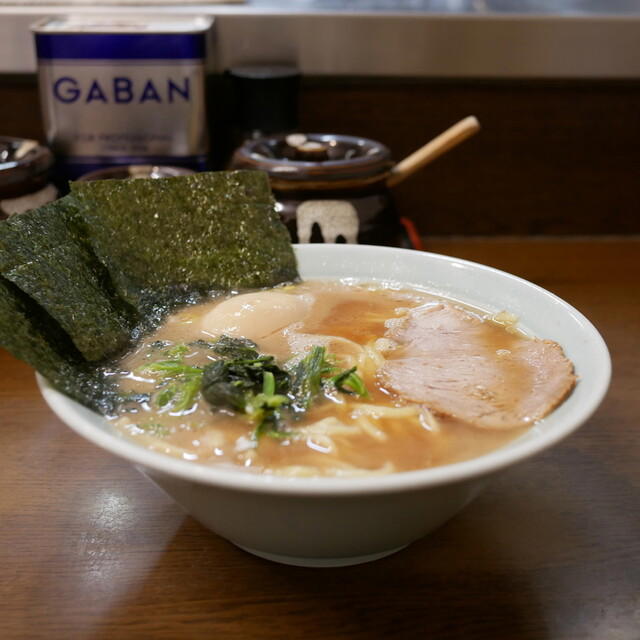
Suzukiya Honten
Yokohama, Japan
Suzukiya Honten holds a Tabelog 100 spot for Kanagawa ramen at under JPY 1,000 per bowl, serving iekei-style ramen at a 13-seat counter in Hodogaya Ward. Walk-ins work most nights until 9 PM, making it more accessible than lunch-only competitors. Customization (noodle firmness, oil level, broth richness) defines the ordering experience.
Men Dokoro Rajuku
Fujisawa, Japan
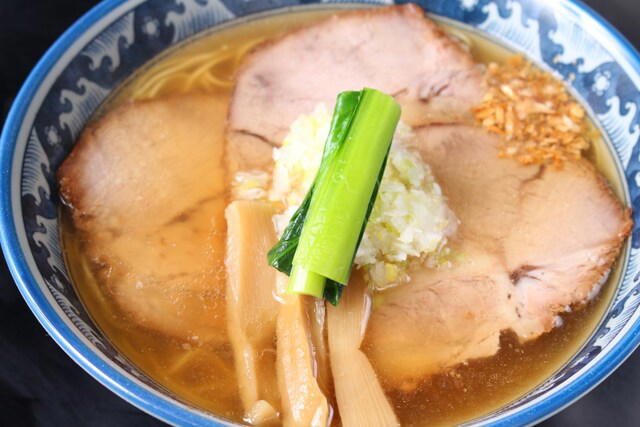
A 16-seat ramen counter near Fujisawa Station earning Tabelog 100 recognition for Kanagawa with homemade Hokkaido wheat noodles and Nagoya Cochin chicken-bone broth. Lunch service runs 11:30 AM–1:30 PM, bowls cost JPY 1,000–1,999, and walk-ins work most days. Cash only, frequent unexpected closures, and counter seating that suits solo diners better than groups.
Shio Ramen Honmaru Tei Yokohama ten
Yokohama, Japan
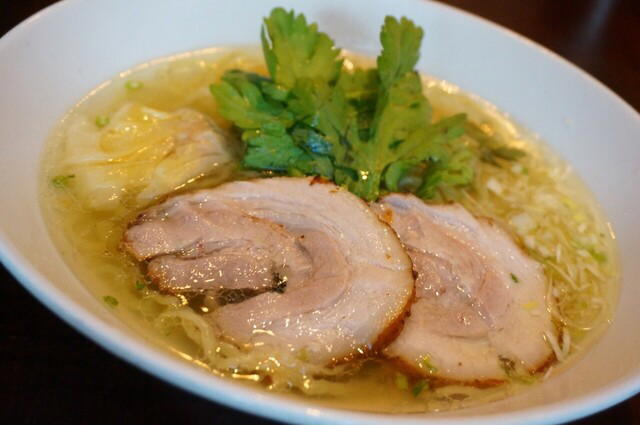
A Tabelog 100 Ramen Kanagawa 2025 selection serving salt-based broth and house-made noodles at JPY 1,000–1,999 per bowl. The 12-seat counter near Yokohama Station operates without reservations, making it a practical choice for solo diners and pairs seeking a focused, efficient meal rather than a lingering experience.
Ramen Jiro Yokohama kannai ten
Yokohama, Japan
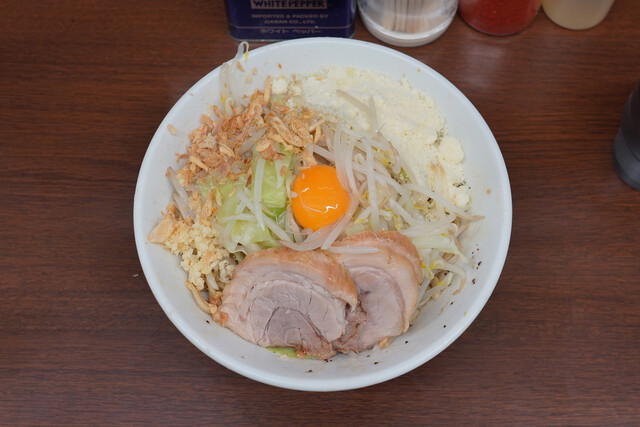
Tabelog 100–ranked jiro-kei ramen counter in Yokohama serving massive bowls under 1,000 yen from a 12-seat space. No reservations, no English, and queues that test patience, but the thick noodles, free toppings, and local loyalty justify the wait for budget-conscious ramen purists.
Sakurai Chuka Soba Ten
Yokohama, Japan
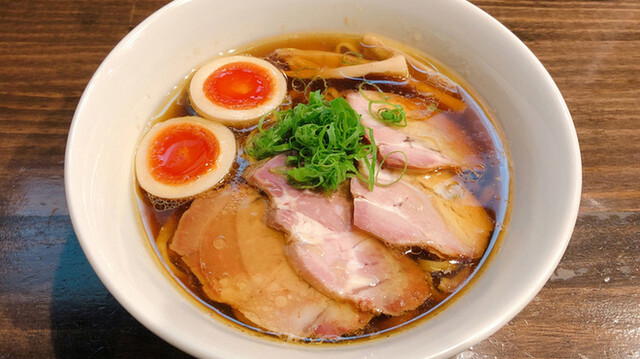
A 12-seat Hodogaya ramen shop that has held a Tabelog 100 slot since 2019, serving straightforward bowls under ¥2,000 with two daily shifts that often sell out early. The format favors solo diners and quick turnover, with no reservations and cash-only payment. Evening service fills faster than lunch, and Wednesday closures are firm.
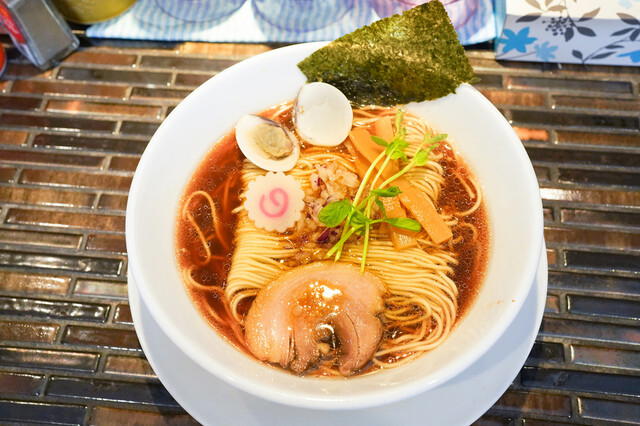
noodles kitchen GUNNERS
Kawasaki, Japan
Six-seat ramen counter in Shin-Maruko serving Tabelog-recognized bowls under ¥1,000. Back-to-back Tabelog Ramen KANAGAWA 100 selections (2024-2025) with no-reservation walk-in format. Best for solo diners or pairs willing to queue during peak hours; cash only.
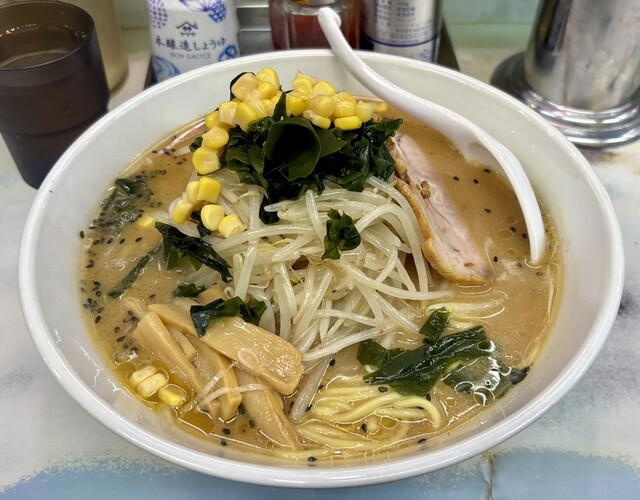
Ramen Marusen
Kawasaki, Japan
A 13-seat ramen counter near Musashi-Kosugi Station, recognized on Tabelog's Ramen KANAGAWA 100 list for 2024 and 2025. At JPY 1,000–1,999 per bowl, the kitchen delivers award-level precision in a no-frills, counter-only format. Cash only, no reservations, and service that moves quickly through lunch and dinner rushes.
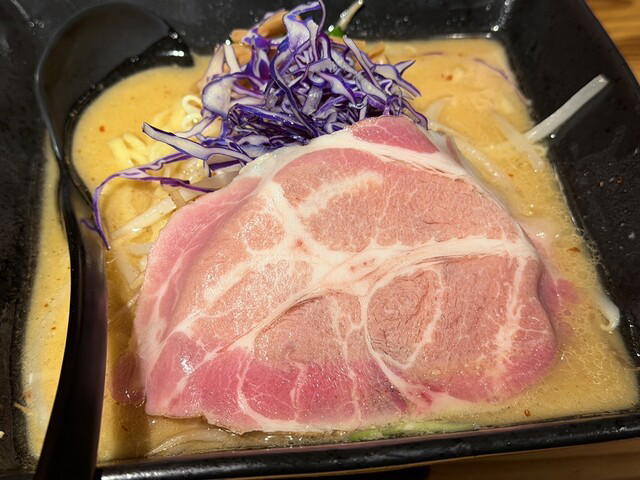
Baron Noodle
Yokohama, Japan
Baron Noodle runs an 11-seat ramen and tsukemen shop near Hiranuma Bashi Station, recognized on the Tabelog 100 Ramen Kanagawa 2025 list for under JPY 1,000 lunch and JPY 1,000–JPY 1,999 dinner service. Sundays shift to a Chinese soba and garlic chive soba menu. No reservations, cash only, and a compact counter-and-table layout that moves quickly during weekday lunch hours.
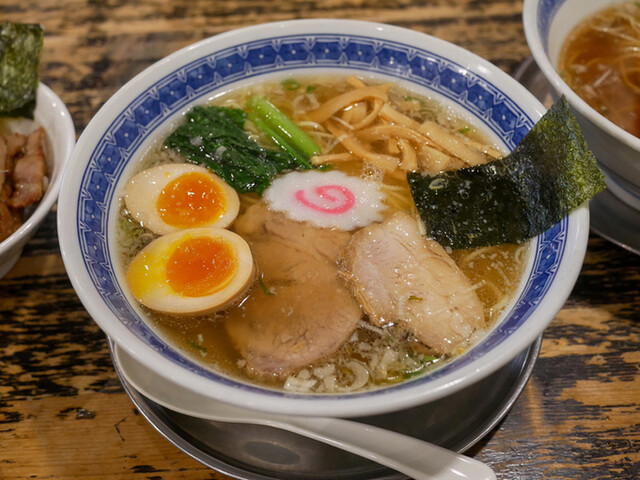
Ramen Kujira Ken Yokohama honten
Yokohama, Japan
A Tsuzuki-ku ramen counter operating since 1996 and selected for Tabelog 100 Ramen KANAGAWA in 2024 and 2025. Expect straightforward bowls, tsukemen, and donburi in the JPY 1,000–1,999 range, walk-in only with no reservations. The 26-seat room splits between counter and table service; solo diners and families both welcome, though service is self-paced and cash-only.
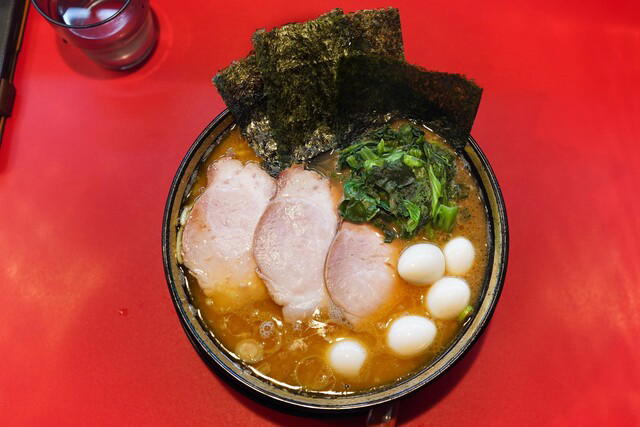
Ramen Atsugiya
Atsugi, Japan
A direct branch of Yokohama's Yoshimuraya, this Atsugi counter has held a Tabelog 100 spot for seven consecutive years. Under JPY 1,000 per bowl, cash-only, no reservations, and a strict no-photography rule; come for technically sound iekei ramen, not ambiance or flexibility.
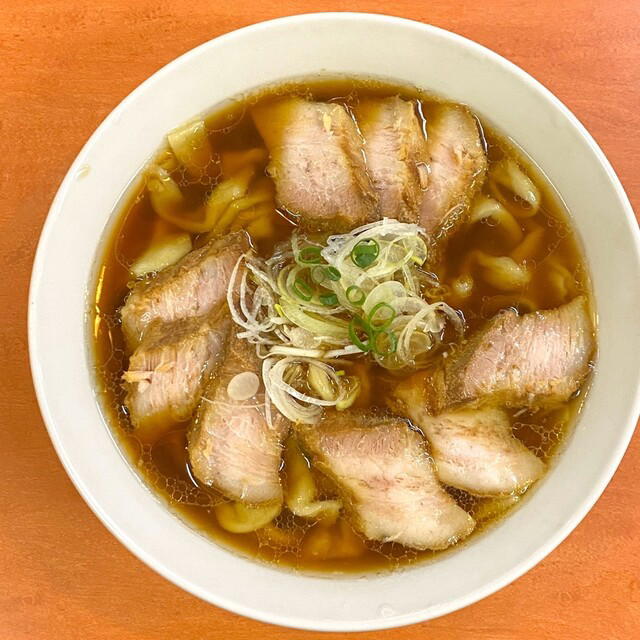
Hikage
Kawasaki, Japan
Hikage earns its five-year Tabelog 100 streak with precision ramen at JPY 1,000–1,999, served counter-only in a seven-seat Minamikase shop. No reservations, cash-only, and closed Mondays; plan for lunch or early evening to avoid the queue. Worth the trek from Shin-Kawasaki if you want award-validated craft without Tokyo pricing.
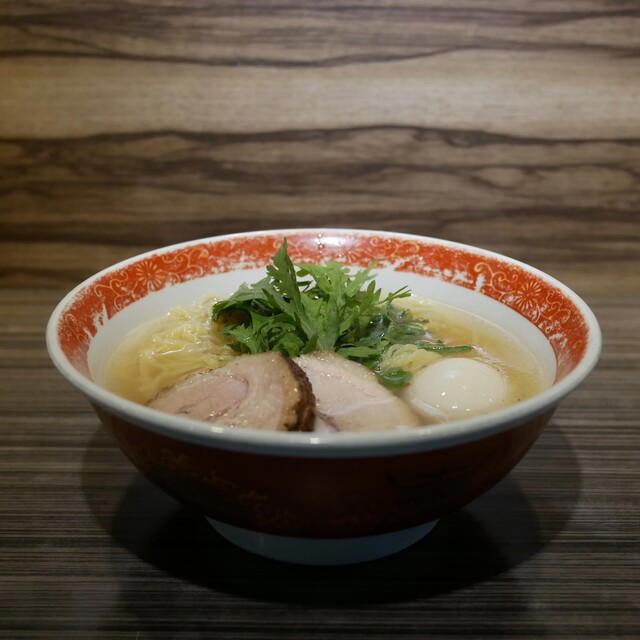
Atsugi Honmaru Tei
Atsugi, Japan
An 11-seat counter ramen shop eight minutes from Hon-Atsugi Station, recognized on the Tabelog 100 Ramen KANAGAWA list for seven consecutive years. Bowls run under ¥999 with no reservations accepted, making walk-in timing the primary challenge. Counter seating, two daily sessions, and closures Wednesday-Thursday define the operational rhythm.
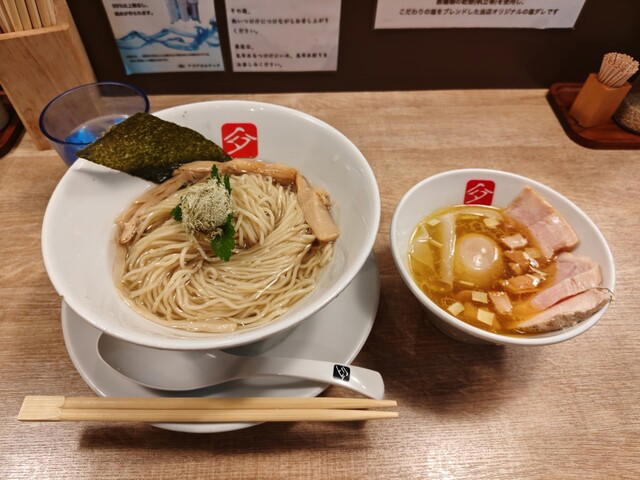
KITCHEN TAKANO
Yokohama, Japan
A 10-seat counter in Oguchi earning back-to-back Tabelog 100 selections for tsukemen and ramen at JPY 1,000–1,999. No reservations, cash-free payments only, and a biweekly Friday schedule that requires checking X before you visit. Best for solo diners or pairs willing to walk three minutes from Oguchi Station for award-recognized execution at neighborhood pricing.
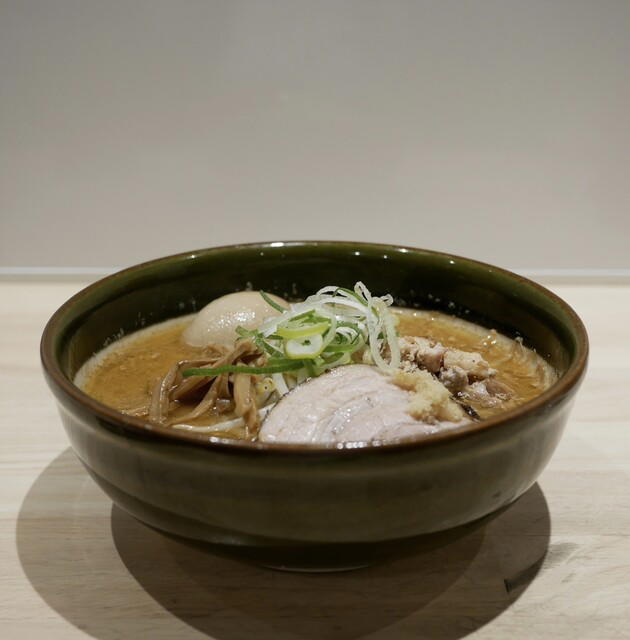
札幌ラーメン 郷
Yamato, Japan
Tabelog 100 ramen in Tsuruma (three consecutive years) at under JPY 1,000 per head. Walk-ins possible most days; counter seats move fastest. Cash-only, no reservations. Worth the train ride from Tokyo when you want regional recognition without the hour-long Tokyo queues.
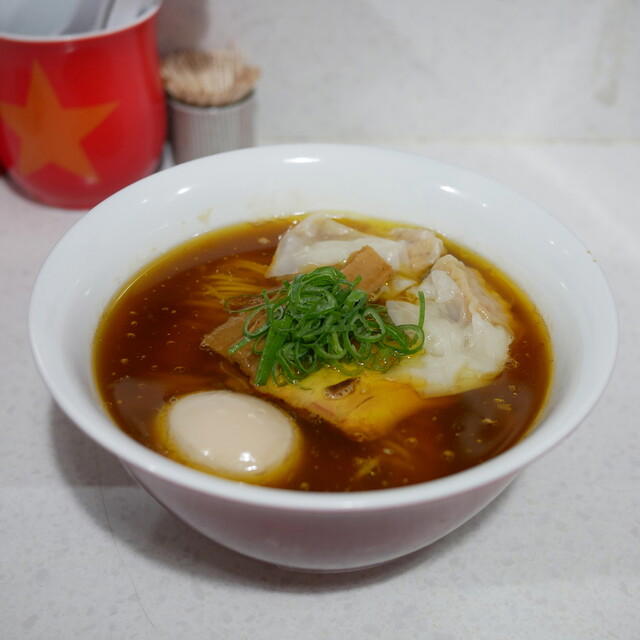
Ramen Hoshijirushi
Yokohama, Japan
An eight-seat ramen counter in Tanmachi with a seven-year run on Tabelog's Ramen 100 list. Bowls run JPY 1,000–1,999, no reservations, cash only, and lunch-focused hours with a brief Friday dinner service. A consistent neighborhood option rather than a destination.
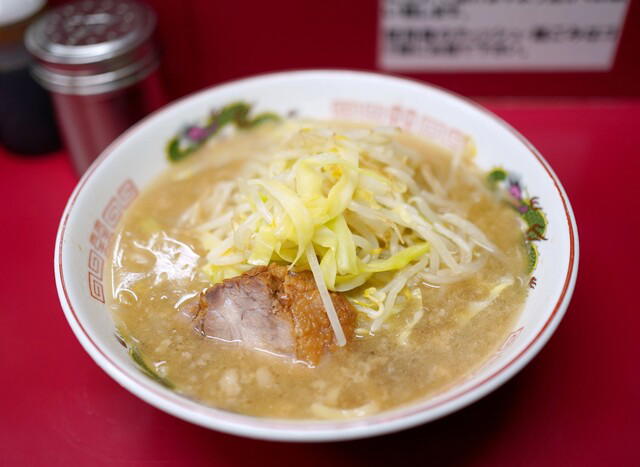
Ramen Jiro Keikyu kawasaki ten
Kawasaki, Japan
A 10-seat Jiro-style ramen counter near Keikyu Kawasaki Station, earning consecutive Tabelog 100 nods for Kanagawa in 2024 and 2025. Walk-ins welcome at JPY 1,000–1,999, with thick noodles and emulsified pork broth executed to house specifications; no kata-men allowed. Cash only, no reservations, best for solo diners or pairs.
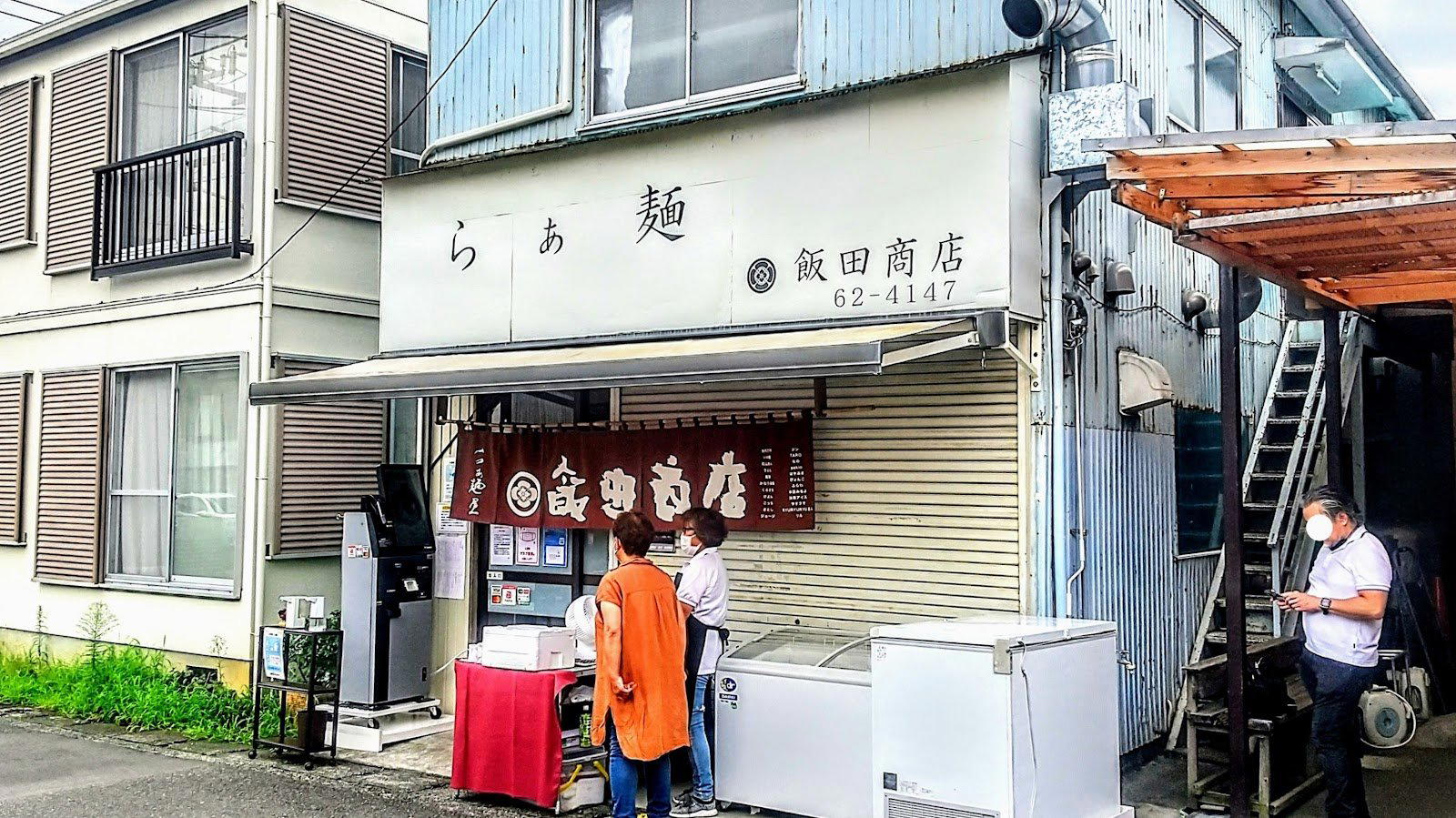
IIDASHOUTEN
Ashigarashimo, Japan
IIDASHOUTEN is a Tabelog Silver-awarded ramen shop in Yugawara (2010–present), offering shoyu and tsukemen at JPY 2,000–JPY 2,999 in a 17-seat house-restaurant format. Reservation-only via OMAKASE (Wednesday–Saturday, 11 AM–3 PM), it suits onsen-town visitors who can plan ahead, though limited hours and a JPY 390 booking fee may deter spontaneous diners.
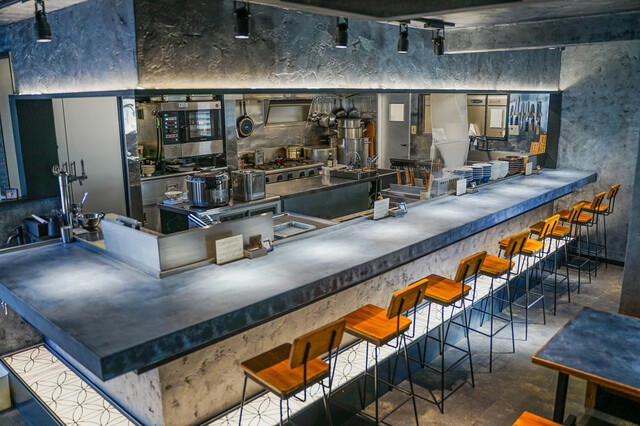
Uzu to Kaminari
Fujisawa, Japan
A 16-seat ramen shop in Kugenumasakuragaoka earning four consecutive Tabelog 100 selections (2022–2025) for additive-free dashi and homemade noodles. At JPY 1,000–JPY 1,999, walk-ins and same-day registration make this Fujisawa's most accessible precision ramen stop, though takeout compromises the textural clarity that justifies the trip.
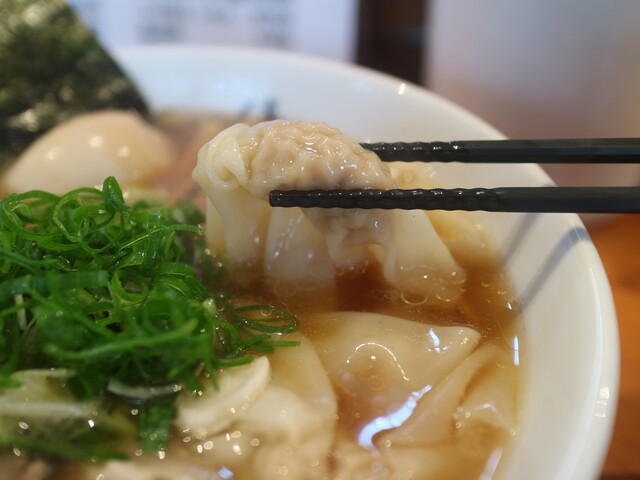
Shinachiku Tei
Yokohama, Japan
Counter-only ramen shop in Yokohama serving animal-and-kombu broth at JPY 1,000–1,999. Tabelog 100 Ramen KANAGAWA 2025 selection, open since 2000, with 11 seats and no reservations. Best for solo diners and pairs; groups of three or four possible, larger parties difficult.
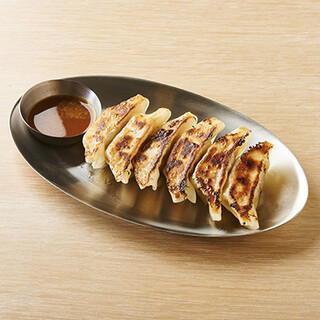
ZUND-BAR
Atsugi, Japan
Award-winning ramen shop in the Tanzawa foothills, open since 2001 and holding seven consecutive Tabelog 100 selections. Chicken-and-seafood broth built with mountain water, priced JPY 1,000–JPY 1,999, with family-friendly seating, weekend breakfast hours, and 33-space parking. Walk-ins only; best for drivers seeking calm, countryside ramen without city queues.
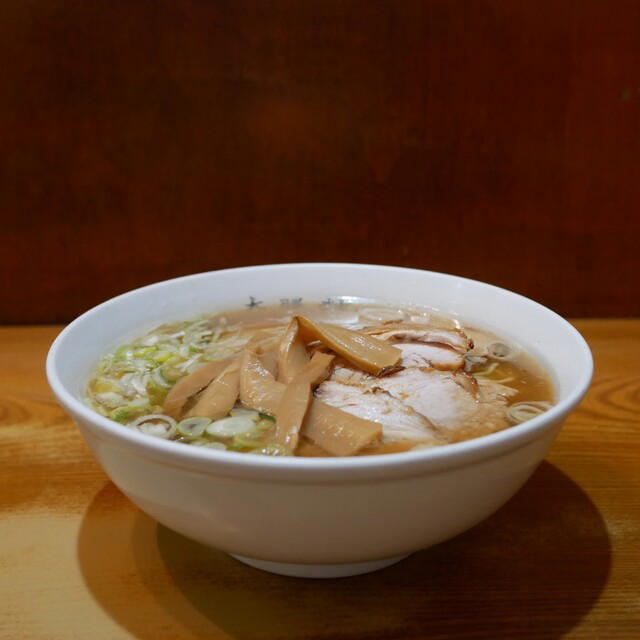
Taisho Ken Fuchinobe ten
Sagamihara, Japan
Back-to-back Tabelog Ramen KANAGAWA "Tabelog 100" honoree (2024, 2025) serving technically precise ramen under ¥1,000 near Fuchinobe Station. Walk-in only, family-friendly seating, and broth work that justifies the regional recognition without the Tokyo metro price or reservation hassle.
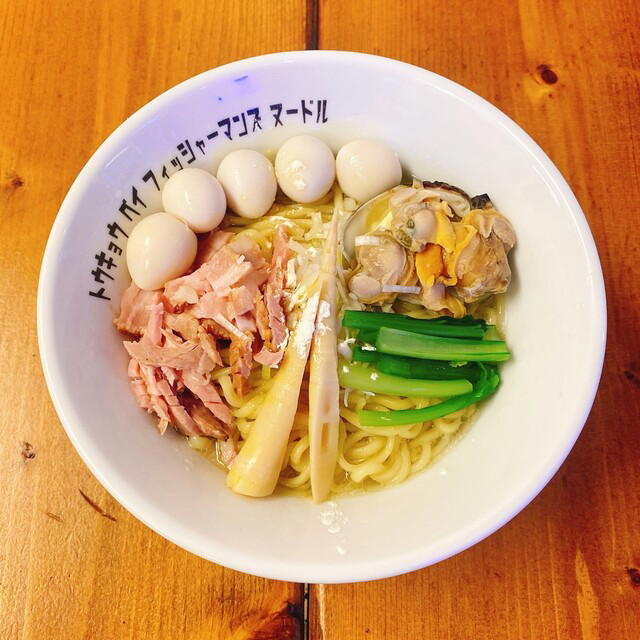
toukyou bei fissyamanzu nudoru
Yokosuka, Japan
Award-recognized ramen counter near Kitakurihama Station, named to Tabelog 100 Ramen KANAGAWA for 2024 and 2025. Nine seats, no reservations, bowls under ¥1,000. Walk-in waits peak at lunch; early or late arrivals get faster seating. Practical choice for quick, consistent ramen in Yokosuka without Tokyo prices.
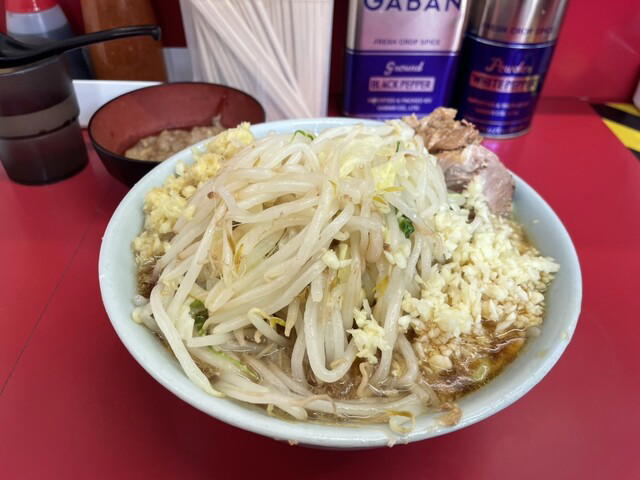
Ramen Jiro Nakayama ekimae ten
Yokohama, Japan
A thirteen-seat counter two minutes from Nakayama Station, maintaining Tabelog 100 status since 2020 for customizable, high-volume ramen under JPY 1,200. The call system (garlic, vegetables, oil, extra sauce) rewards regulars but requires protocol fluency. Worth the wait if you chase maximum substance per yen; skip if you prefer lighter broths or controlled portions.
Gumyoji Hekan
Yokohama, Japan
A ten-seat ramen counter in Yokohama's Minami Ward that doubles as an izakaya, serving bowls under ¥3,000 at dinner and under ¥1,000 at lunch. Walk-in only, cash-only, and recognized on the Tabelog 100 Ramen KANAGAWA list for 2024 and 2025. The format works for solo diners and quick meals, with efficient service that prioritizes speed over polish.
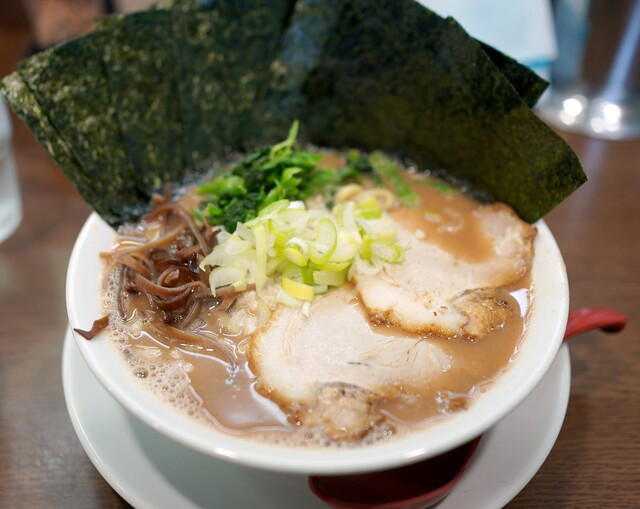
Umai Yo Yuchan Ramen
Yamato, Japan
A Tabelog 100 ramen shop in Yamato since 2014, Umai Yo Yuchan Ramen serves customizable bowls at JPY 2,000–JPY 2,999. Walk-ins work best at lunch; counter seats suit solo diners, tables handle groups. Seven parking spaces and cash-only service keep the pace efficient.
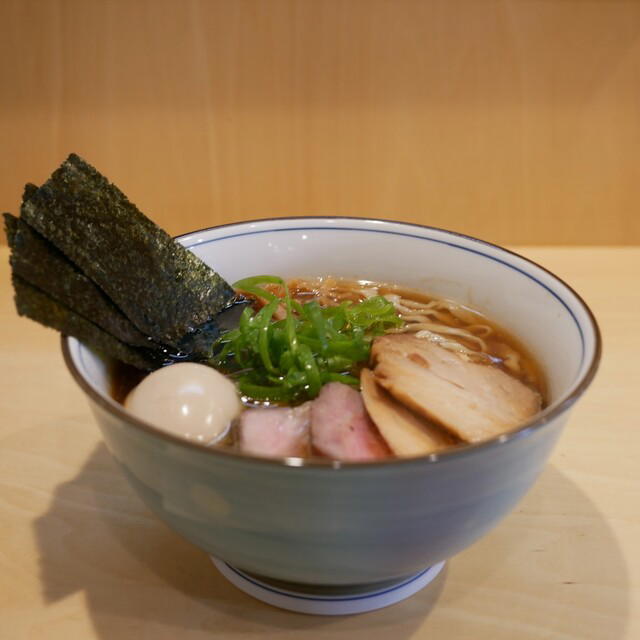
Men Tei Tsumugi
Yamato, Japan
A ten-seat ramen counter in Minamirinkan that earned consecutive Tabelog 100 KANAGAWA selections in 2024 and 2025, serving chintan and paitan bowls at JPY 1,000–1,999. No reservations, cash only, and Sunday lunch sells out early; arrive at opening or skip to weekday service for shorter waits.
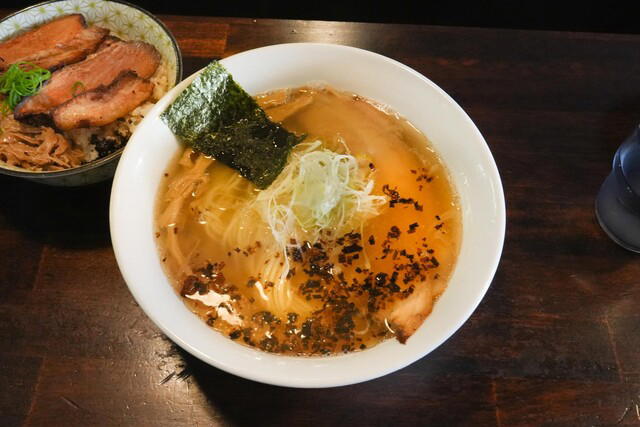
Jikaseimen Kamikaze
Yokohama, Japan
A 13-seat Totsuka Ward ramen counter making noodles in-house and recognized on Tabelog's Kanagawa 100 list for 2024 and 2025. Bowls average under ¥1,000, no reservations accepted, and the shop runs lunch-only until sell-out; arrive before noon for the best shot at a seat. Cash-only, parking available, closed Tuesdays.
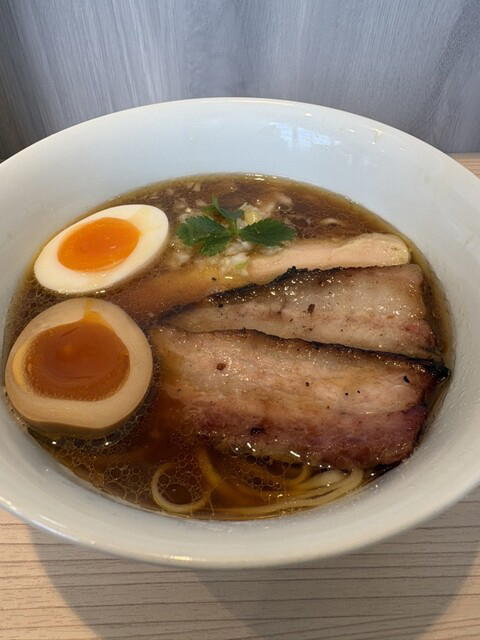
Ramen Wara
Chigasaki, Japan
Tabelog 100 Ramen KANAGAWA 2025 selection in Chigasaki, delivering nationally recognized ramen at under ¥1,000 per bowl. Walk-in only, 12 seats, lunch and evening service Tuesday–Saturday with split hours. Cash only, family-friendly, and consistently strong since opening in 2022.
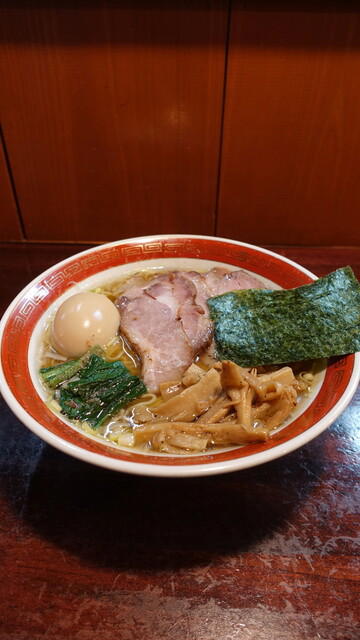
Mendokoro Futokoro Ya
Kawasaki, Japan
A six-seat ramen counter in Saginuma that has held a Tabelog 100 spot since 2017, serving technically refined bowls under ¥1,000. The two-hour weekday lunch window and cash-only policy filter out casual visitors, but for diners willing to queue at a suburban station, the price-to-quality ratio is among Kanagawa's best.
Menba Hamatora
Yokohama, Japan
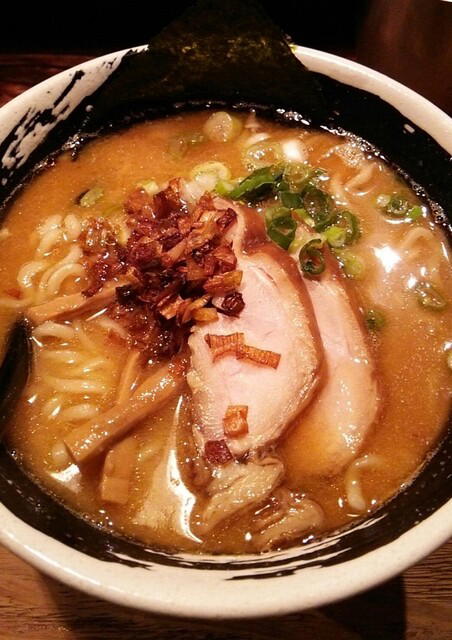
Tabelog 100-ranked ramen counter near Yokohama Station, open 8 AM to 4 AM daily. At under JPY 1,000 per bowl, it delivers award-level execution without reservations or wait-time drama. Solo diners and families find fast turnover, counter and table seating, and a breakfast-to-late-night schedule that beats nearly every other station-area ramen shop for value and convenience.
hoshinochuukasoba
Yokohama, Japan
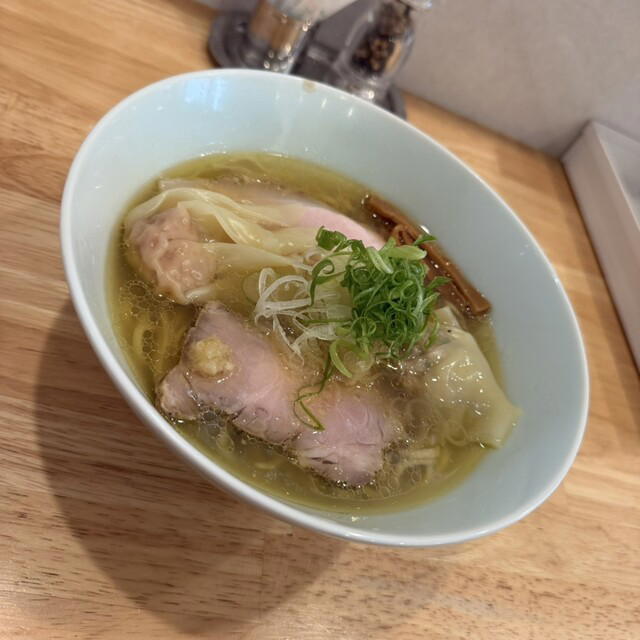
A Tabelog 100 Ramen KANAGAWA selection (2024, 2025) two minutes from Kanazawa Bunko Station, serving chuukasoba and tsukemen at JPY 1,000–1,999 per bowl. Walk-ins only, 18 seats, cash-only payment. Worth the detour if you're in the coastal wards; skip if you're staying central Yokohama.
Kuri Yama
Yokohama, Japan
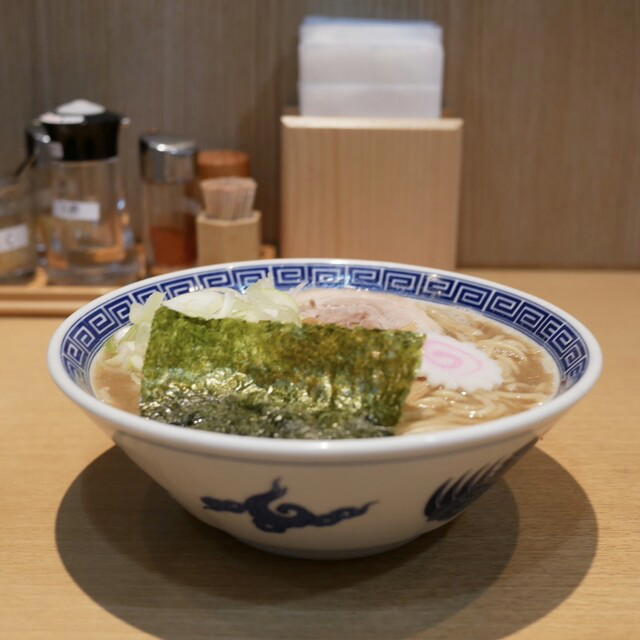
Tabelog 100-recognized tsukemen and ramen counter in residential Rokukakubashi, operating under ¥1,000 per head since 2018. Eleven seats, thick chewy noodles, cash-only, walk-in service; best for solo diners and ramen specialists prioritizing texture over atmosphere. Lunch and early dinner see the longest waits.
Kaigara Ya
Sagamihara, Japan
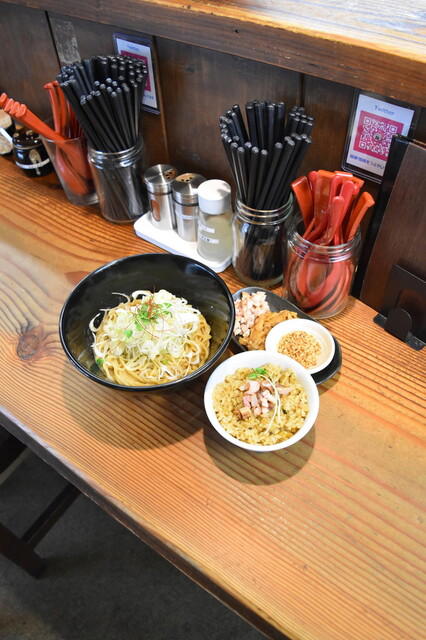
Nine-seat counter in residential Sagamihara specializing in shellfish broth ramen and oyster tsukemen, recognized by Tabelog 100 (Ramen KANAGAWA 2025 and eight consecutive years prior). Walk-in only, JPY 1,000–1,999, cash-only service, 20-minute walk from Fuchinobe Station. Best for solo diners and small groups willing to time arrival around 11 AM or 6 PM opening to avoid queues.
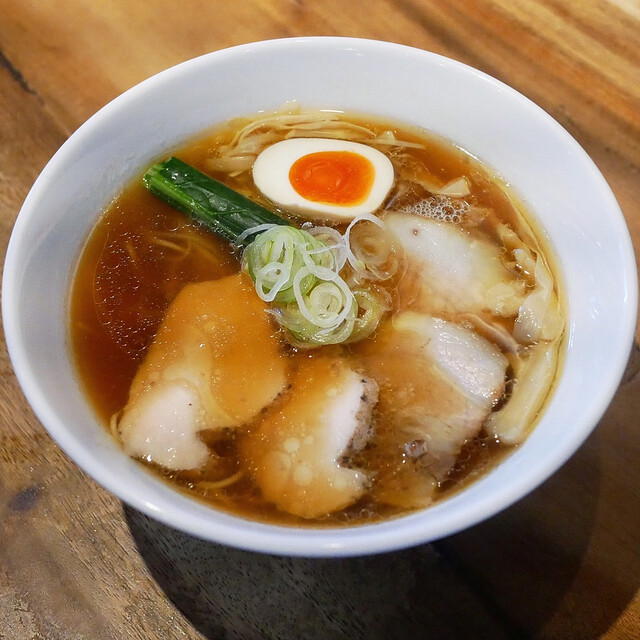
Ramen Free Birds
Yokohama, Japan
An 11-seat ramen counter in Yokohama's Sakae-ku ward, holding a Tabelog 100 Ramen spot since 2019 with bowls under 1,000 yen. Cash-only, no reservations, closed Tuesday and Wednesday. Solo-diner-friendly format with private parking, worth the residential detour for budget-conscious ramen enthusiasts.
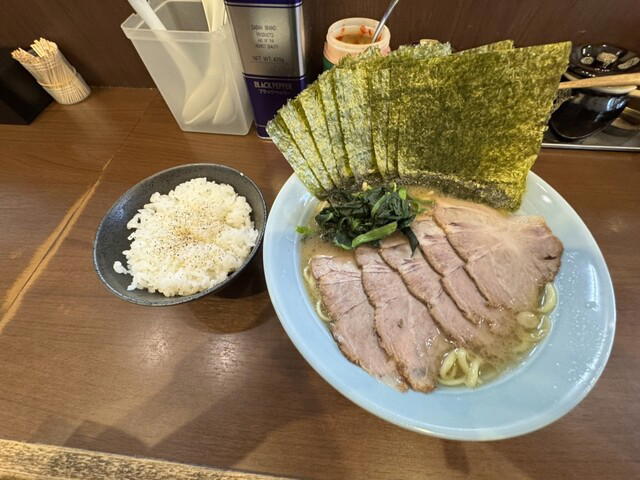
Suzukiya Akebono chou ten
Yokohama, Japan
Suzukiya Akebono chou ten is a 12-seat ramen counter in Naka Ward serving under-¥1,000 bowls from 7 AM until the daily 400-bowl limit sells out, typically by 1 PM. Recognized in Tabelog 100 - Ramen - KANAGAWA (2024, 2025), the venue prioritizes morning turnover and solo diners over groups or evening service. Cash-only, counter-only, closed Wednesdays.
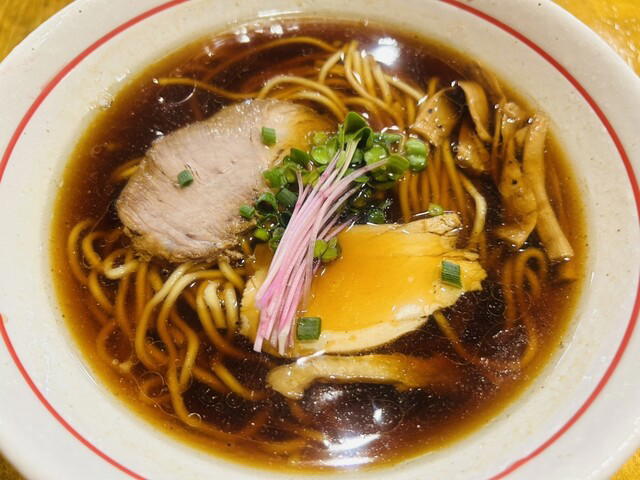
Menya Numata
Yokohama, Japan
A Tsurumi ramen counter holding consecutive Tabelog Kanagawa Hyakumeiten spots since 2024, priced under JPY 1,000 per bowl. The 13-seat shop runs cash-only, no-reservation service Wednesday through Sunday, with late dinner hours extending to 8:45 PM. Two minutes from Keikyu Tsurumi Station.
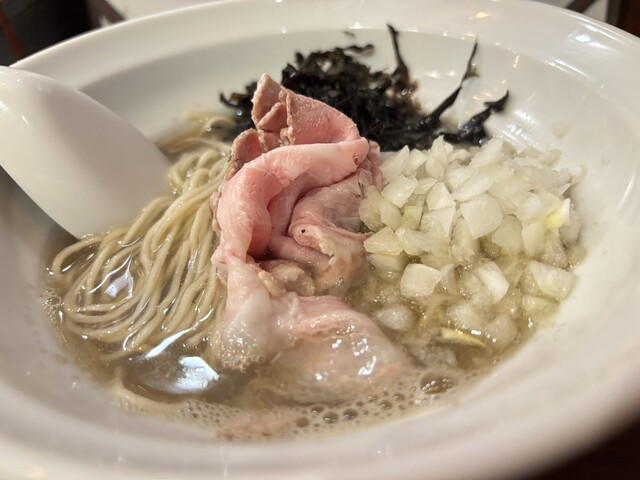
Mendokoro Niboshi Kaoru Asobiru ten
Yokohama, Japan
An 11-seat ramen counter inside Yokohama Station's Asobil complex, earning Tabelog Ramen KANAGAWA 100 recognition in 2024 and 2025 for niboshi-focused broths. Open until 9:30 PM most nights, with Friday evenings shifting to a sake-pairing format. No reservations; counter seating only; JPY 1,000–JPY 2,999 per head.
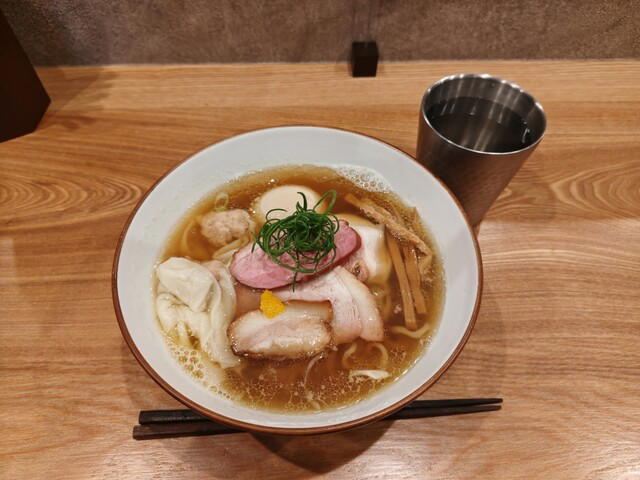
toki
Koza-gun, Japan
Tabelog 100 Ramen Kanagawa 2025 counter shop serving bowls at JPY 1,000–1,999 in a house-converted space. Reservations via TableCheck; weekend surcharge applies. Walk-ins welcome when space permits. Counter seating only, families accepted, irregular closures require checking the shop's X feed before visiting.
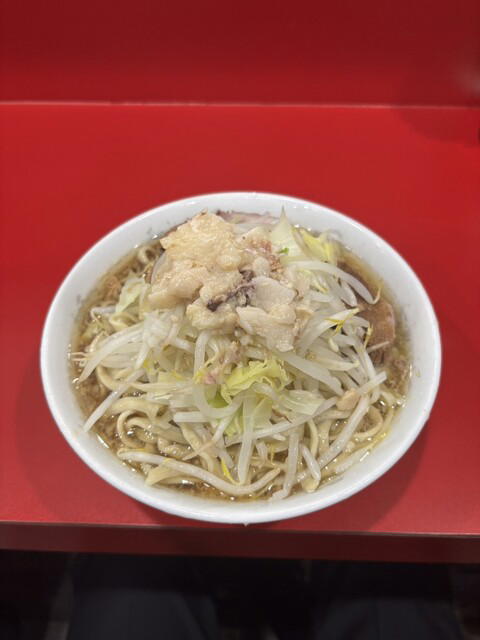
Ramen Jiro Ikuta ekimae ten
Kawasaki, Japan
A walk-up ramen counter in Ikuta serving high-fat, high-garlic bowls under ¥1,000. No reservations, 14 counter seats only, and a rapid turnover format that favors solo diners and students. Named to Tabelog 100 – Ramen – KANAGAWA – 2025 for consistent execution at a price point that undercuts most peers.
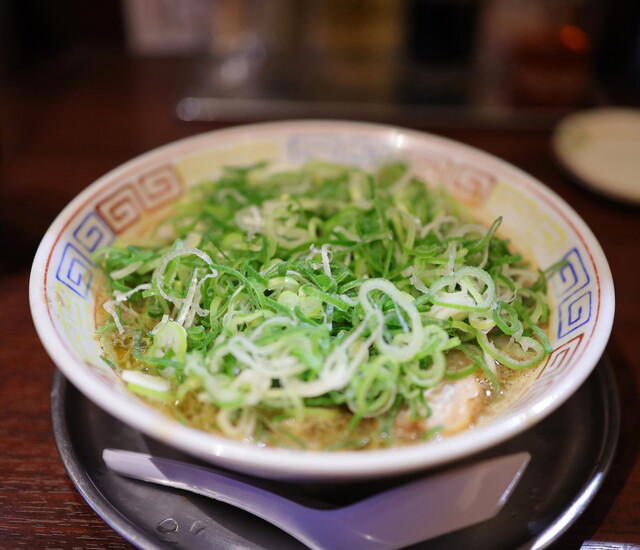
Match Bo Mizonokuchi ten
Kawasaki, Japan
<p>A Tabelog 100 ramen counter in Kawasaki's Mizonokuchi district, Match Bo serves tonkotsu bowls at a 10-seat layout until 1 AM daily. Walk-ins only, JPY 1,000 to JPY 1,999, cash payment, and no reservations; arrive 20 minutes before peak hours to skip the queue.</p>
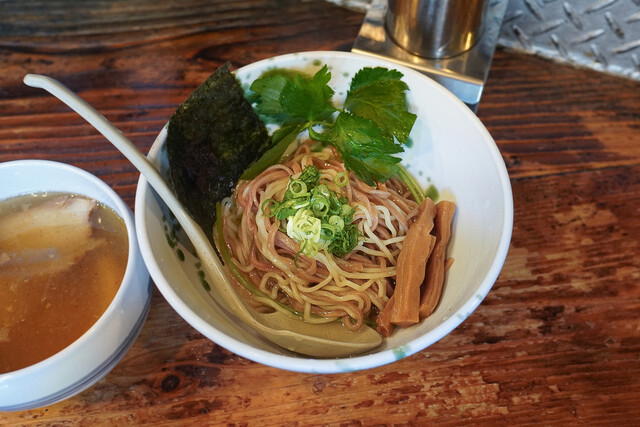
Susurimase nka
Yokohama, Japan
Eight-seat ramen and tsukemen counter in Yokohama's Kamiooka neighborhood, earning Tabelog 100 recognition every year since 2018. Bowls under JPY 1,000 served during a lunch-only window (11:30 AM–3:30 PM, closed Thursday and Sunday) until daily sellout. Counter seating favors solo diners; no reservations, IC card payment only.
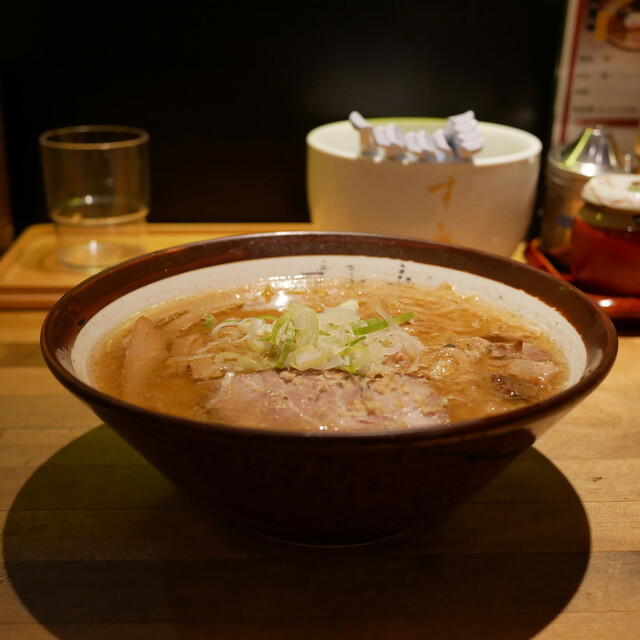
Sumire Yokohama ten
Yokohama, Japan
Sapporo-style miso ramen in Noge at JPY 1,000–1,999 per bowl, with walk-in seating and Tabelog 100 recognition since 2019. The 28-seat shop delivers consistent craft without the wait times of Tokyo's hyped counters. Best for midday solo diners or small groups prioritizing affordability over innovation.
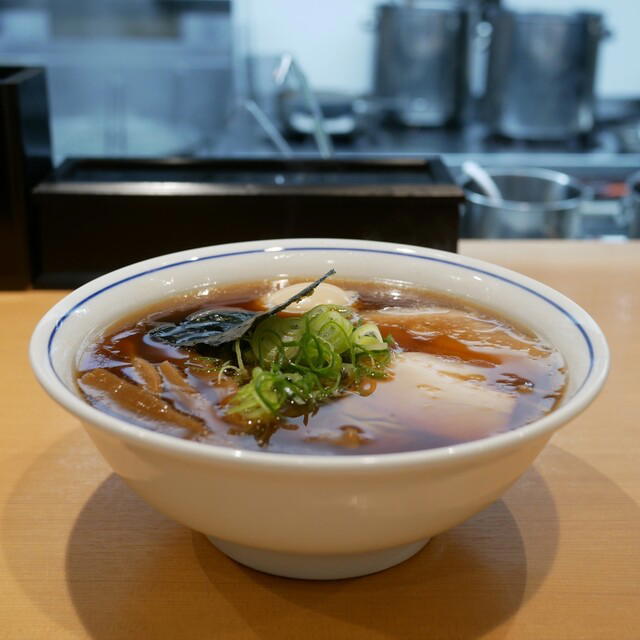
Ramen Sugimoto
Yokohama, Japan
A sixteen-seat ramen counter in Aoba-ku serving technically precise salt and soy sauce bowls at JPY 1,350, with five consecutive Tabelog 100 selections (2021–2025). Walk-in only; weekday lunch offers the shortest wait. Worth booking if refined broth and consistent execution matter more than menu breadth.
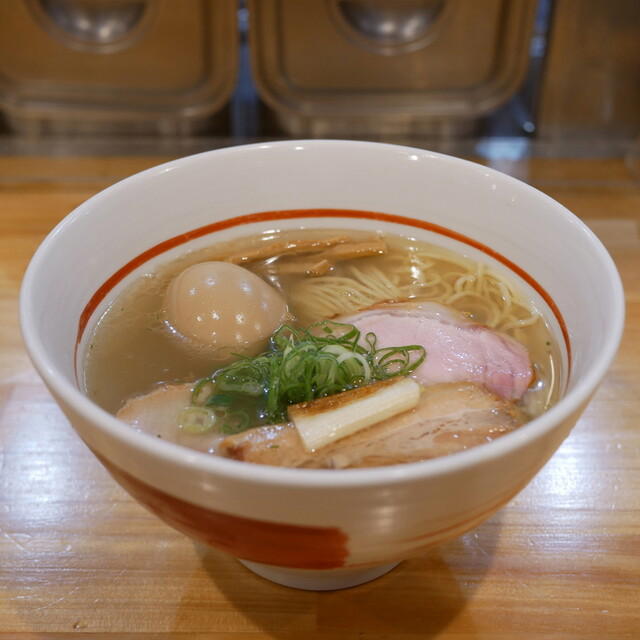
Kawa no Saki no Ue
Yokohama, Japan
A Tabelog 100 ramen shop in Yokohama's Konan Ward, five minutes from Kamiooka Station, offering tonkotsu and shoyu bowls at JPY 1,000–JPY 1,999. The 19-seat space includes counter and table seating, accepts walk-ins only (closed Wednesdays), and suits families and solo diners seeking consistent execution without central Yokohama's crowds. Multiple visits let you explore the core menu, seasonal specials, and gyoza sides within a ¥3,000 budget.
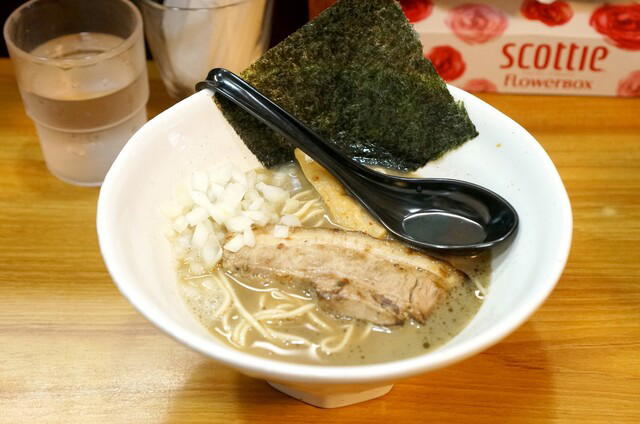
Ramen Inoue
Yokohama, Japan
A seven-seat ramen-ya in Yokohama's Tsurumi ward that has earned Tabelog 100 – Ramen recognition every year since 2017. Lunchtime-only service (no reservations, cash only) keeps the format lean, and bowls run JPY 1,000–1,999. Best for solo diners or pairs willing to queue on weekends.
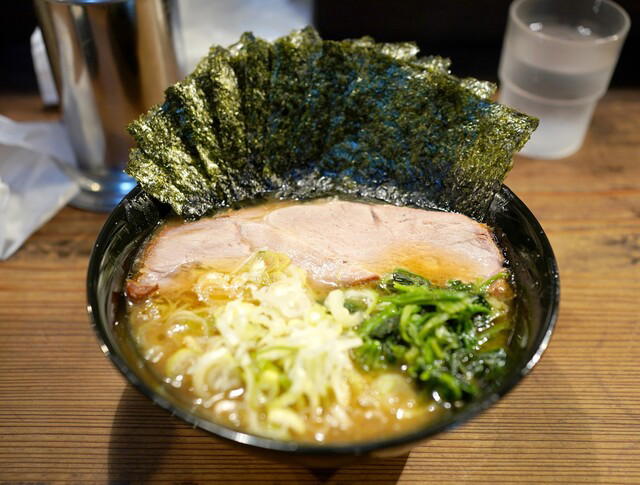
Iekei Ramen Kukkura
Sagamihara, Japan
Iekei-style tonkotsu-shoyu ramen recognized in Tabelog 100 Ramen Kanagawa 2025, priced under JPY 1,000. The 14-seat counter near Sagami-Ono Station accepts walk-ins only and operates cash-only. Solo diners will find the format efficient; groups larger than four should look elsewhere.
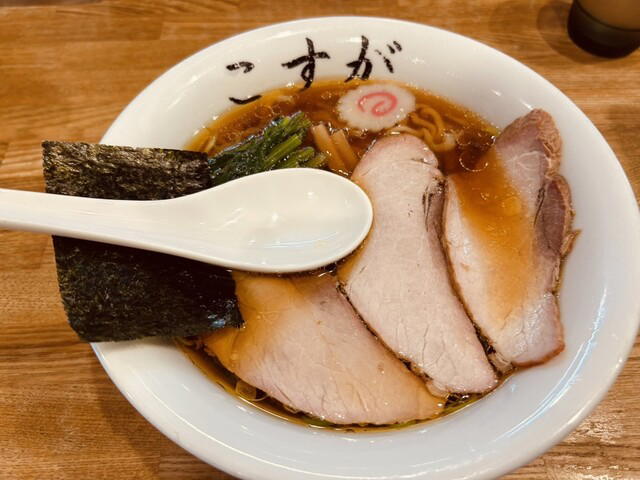
Shirakawa Teuchi Chuka Soba Kosuga
Yokohama, Japan
Hand-pulled Shirakawa-style ramen from a 13-seat counter that earned back-to-back Tabelog Ramen KANAGAWA 100 selections in 2024 and 2025. Bowls run JPY 1,000-1,999, no reservations, and sell-out happens by early afternoon. Worth the queue if you're already in Azamino; less compelling as a standalone destination from central Yokohama.
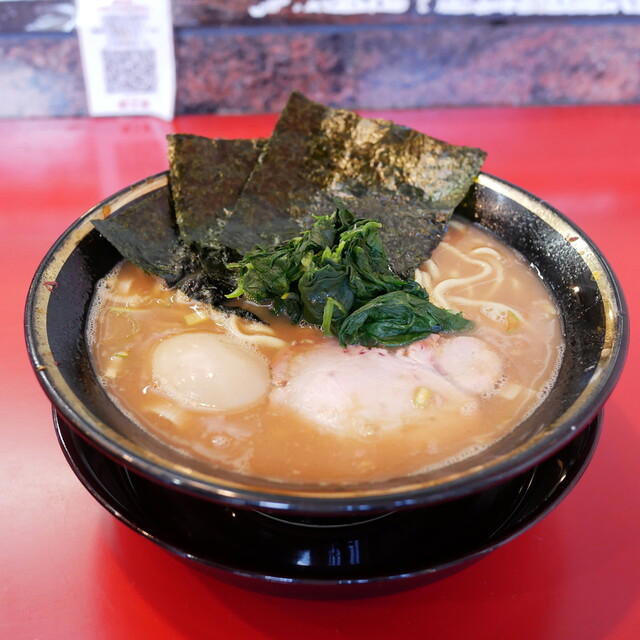
Ramen Kan 2 Ya
Yokohama, Japan
Tabelog 100 Ramen regular (2018–2025) serving sub-JPY 1,000 bowls in Yokohama's Shimonagaya district. The 19-seat counter-and-table layout, nine-space parking, and family-friendly format set it apart from counter-only downtown ramen-ya. Walk-ins only; bring cash in pre-2024 banknotes. Open daily except third Mondays, 11 AM–10 PM.
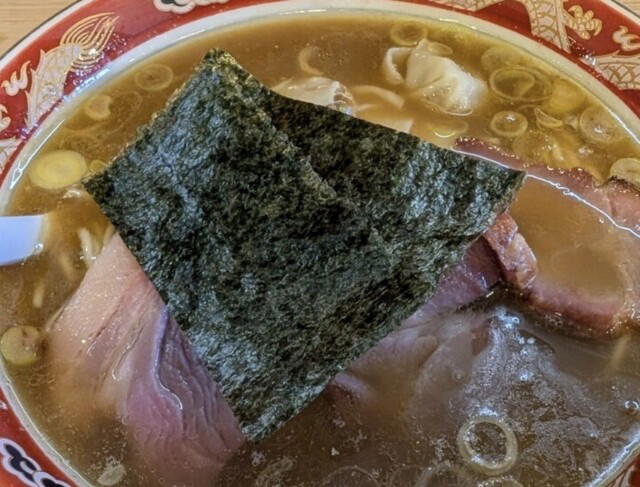
China Soba Suzuki
Yamato, Japan
China Soba Suzuki is worth prioritizing for an affordable, focused Yamato meal, especially if solo dining or going as a pair. The 2025 Tabelog 100 recognition gives it a stronger quality signal than a routine neighborhood stop, but it is not the right pick for private dining or a larger group plan.
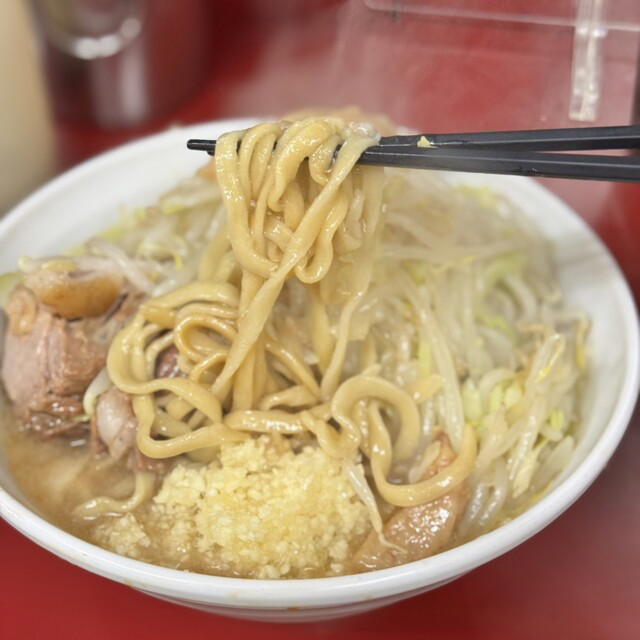
Ramen Jiro Sagami oono ten
Sagamihara, Japan
Ramen Jiro Sagami oono ten earned Tabelog 100 - Ramen - KANAGAWA recognition for heavy-broth bowls served at a 12-seat counter. Walk-ins only, cash only, and house rules are firm: expect 300–450 grams of noodles, no customization, and a vocabulary lesson on toppings. Open since 2009, it suits solo diners willing to queue early and eat quickly at JPY 1,000 to JPY 1,999 per bowl.
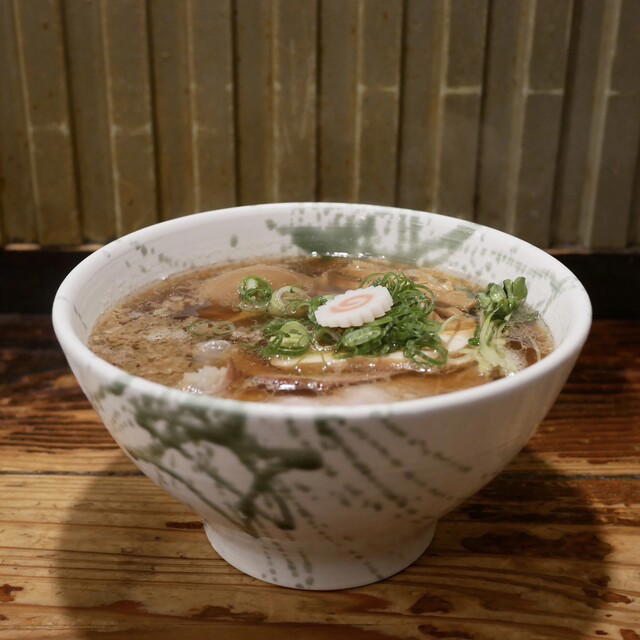
G Men 7
Yokohama, Japan
A 12-seat ramen and tsukemen counter in Kamiooka, recognized in Tabelog 100 Kanagawa (2024–2025) for sub-¥1,000 bowls. Open since 2009, the shop accepts walk-ins only, closes if soup runs out, and takes IC card or cash. Best for solo diners or pairs seeking quick, technically proficient noodles without ceremony.
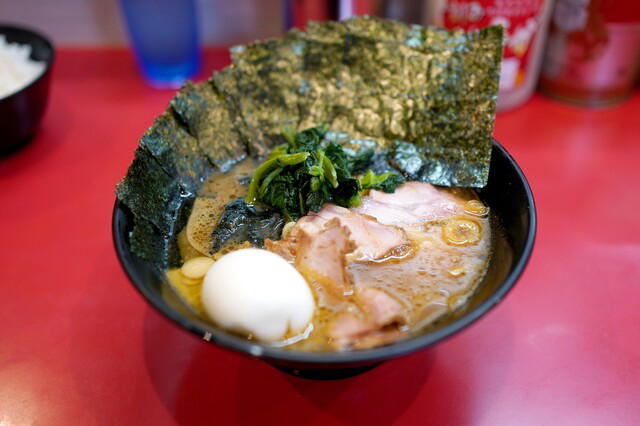
Iekei Sohonzan Yoshimura Ya
Yokohama, Japan
A Tabelog 100-recognized iekei-kei ramen shop in Yokohama's Nishi Ward, relocated in 2023, serving traditionalist tonkotsu-shoyu bowls at JPY 1,000–JPY 1,999. Walk-ins only, 30 seats split across two floors, with customizable broth and noodle firmness. Best for diners seeking a clear example of Yokohama's foundational ramen style without reinterpretation.
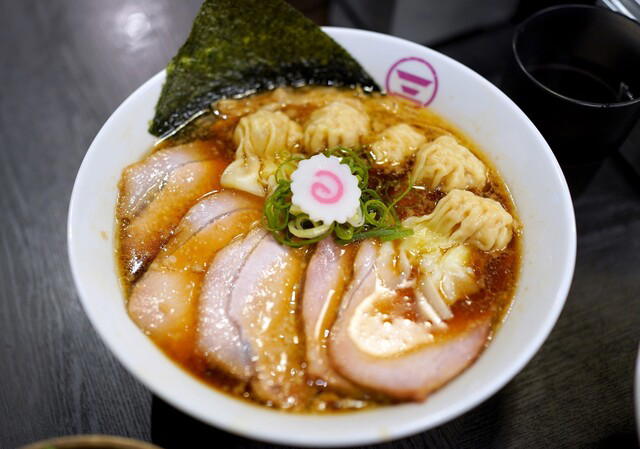
Yokohama Chuka Soba Ishin Shoten Honten
Yokohama, Japan
A 15-seat ramen counter near Yokohama Station that's held a Tabelog 100 – Ramen – KANAGAWA spot every year since 2019. Walk-ins work, bowls come in under 1,000 yen, and the shop offers both chuka soba and tsukemen with disciplined sourcing that punches above the price point. Closed Sundays; lunch is the easier window.
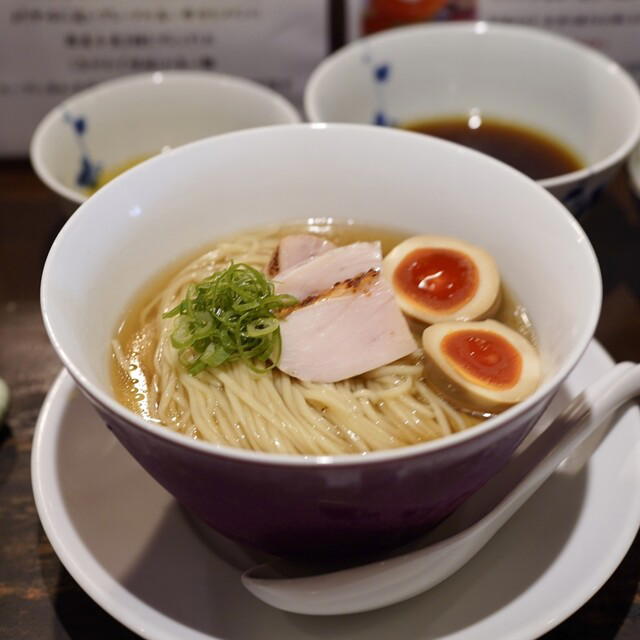
Ramen Torikku
Yokohama, Japan
A ten-seat counter and table shop serving award-caliber ramen at JPY 1,000-1,999, closing when the broth runs out. Tabelog 100 Ramen KANAGAWA 2025 selection confirms technical depth. No reservations; arrive at 11 AM opening or risk missing service.
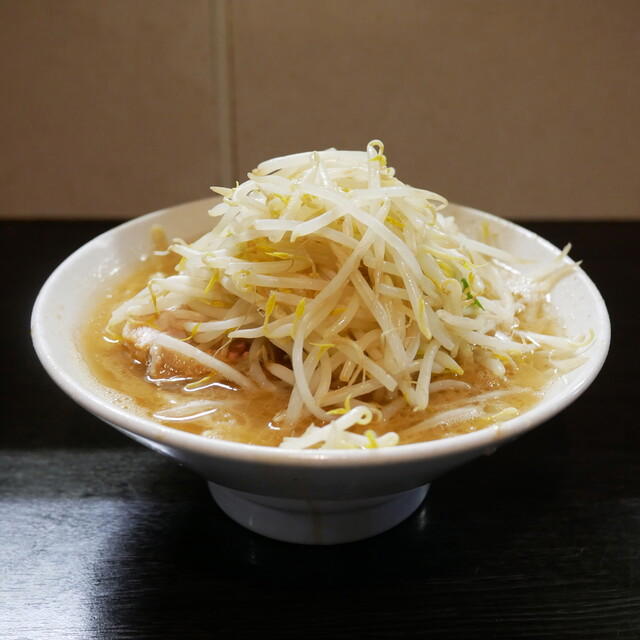
Buta Boshi
Kawasaki, Japan
A 14-seat counter ramen shop in Kizuki with eight consecutive Tabelog 100 selections (2018–2025) and a 3.75 score. Walk-ins accepted year-round, with pricing between JPY 1,000–JPY 1,999 for ramen, tsukemen, abura-soba, and maze-soba. Counter-only format suits solo diners and pairs; cash-only, no reservations, ten-minute walk from Motosumiyoshi Station.
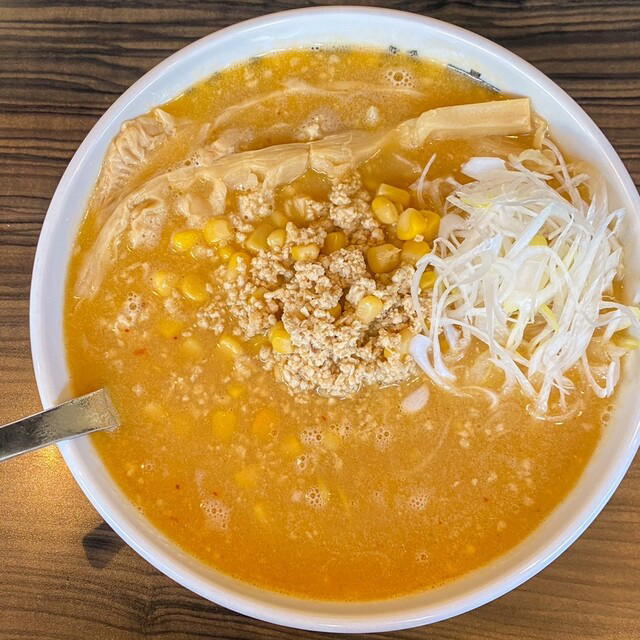
Ganso Ichijoryu Ganko Sohonke Bunten
Sagamihara, Japan
A 14-seat counter-only ramen shop in a Sagamihara shopping center, earning consecutive Tabelog 100 Ramen Kanagawa nods (2024, 2025) at under ¥1,000 per bowl. No reservations, cash-only, and best accessed by car. Worth the suburban trip if you're already in the area or prioritize award-recognized technique at a value price point.
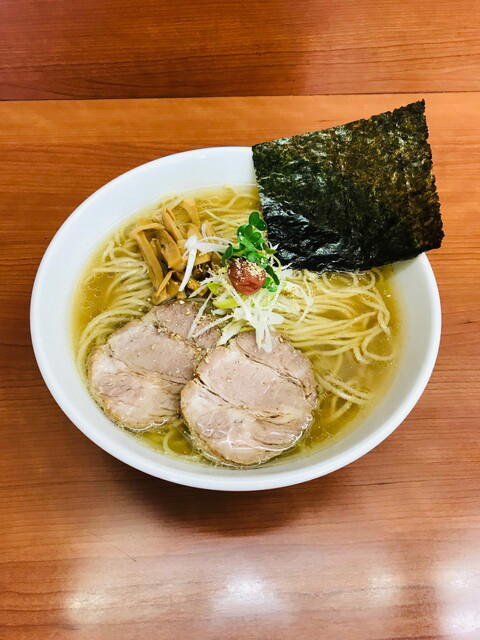
Nikuniboshi Chuka Soba Suzuki Ramen Ten
Sagamihara, Japan
An 11-seat counter near Sagami-Ono Station serving tonkotsu-niboshi ramen under ¥1,000. Named to Tabelog 100 – Ramen – KANAGAWA for 2024 and 2025, the shop operates Tuesday through Saturday lunch only, with hand-rolled noodles and a fish-forward broth that balances richness against clarity.
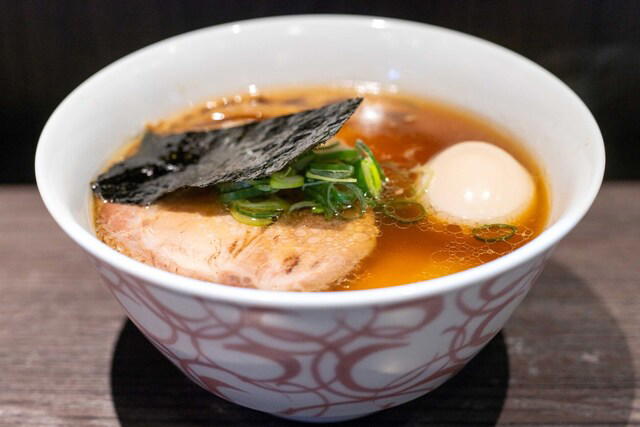
China Soba Ya Honten
Yokohama, Japan
Seven-year Tabelog 100 ramen shop in a quiet Totsuka house location, serving traditional shoyu bowls at ¥1,000–¥1,999. Walk-in only, family-friendly tables, and broader payment options than most peers. Worth the trip for consistent technique without station-area crowds.
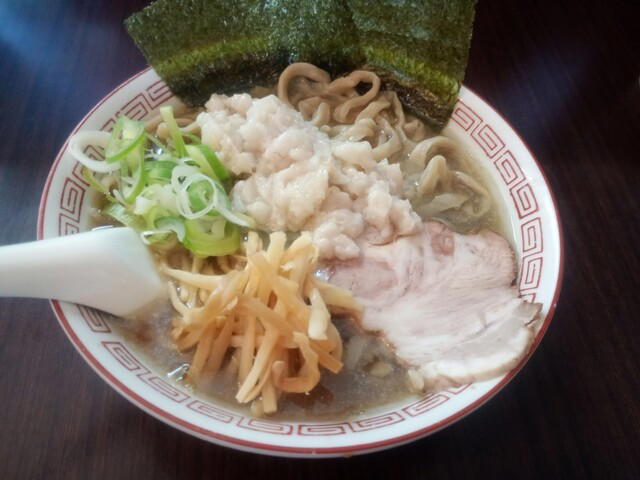
Teuchi Chuka Soba Sakata
Kawasaki, Japan
Hand-pulled chuka soba at a Tabelog 100 counter near Odasakae station, priced JPY 1,000–JPY 1,999 per bowl. Walk-in only, cash-only, and closed Mondays. The teuchi noodle technique and two-year Tabelog recognition distinguish this address from Kawasaki's standard ramen tier, while the price remains aligned with neighborhood chain bowls.
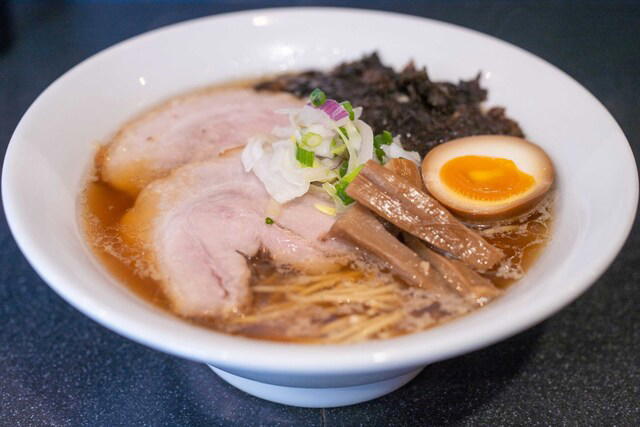
Niboshi Ramen Tanaka Niboru
Kawasaki, Japan
Tabelog-recognized ramen counter in Kawasaki serving niboshi-forward bowls and tsukemen under ¥1,000. Named to Tabelog Ramen KANAGAWA 100 in 2024 and 2025, the eight-seat shop delivers technically precise small-fish broths without reservations or Tokyo-level waits. Walk-ins easiest on weekday afternoons; cash-only.
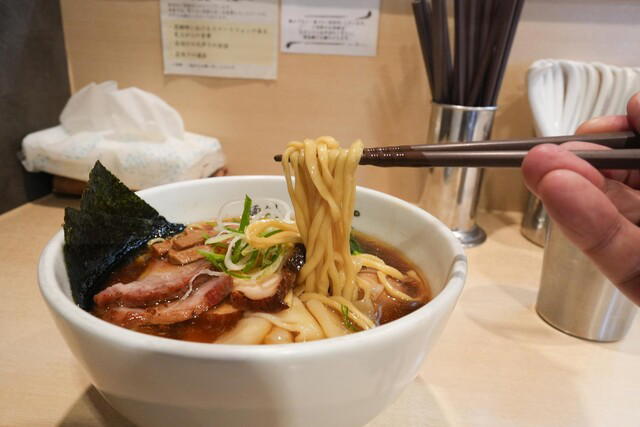
Men Dokoro Akimoto
Yokohama, Japan
Fifteen-seat Yokohama ramen and tsukemen counter near Ichigao Station, holding Tabelog 100 – Ramen – KANAGAWA recognition for three consecutive years at JPY 1,000–1,999 per head. Ticket-vending format, cash-only, split service windows, and outdoor queue mark it as a serious neighborhood operation with strong bowl fundamentals and a price-to-quality ratio that undercuts most Tokyo comparables.
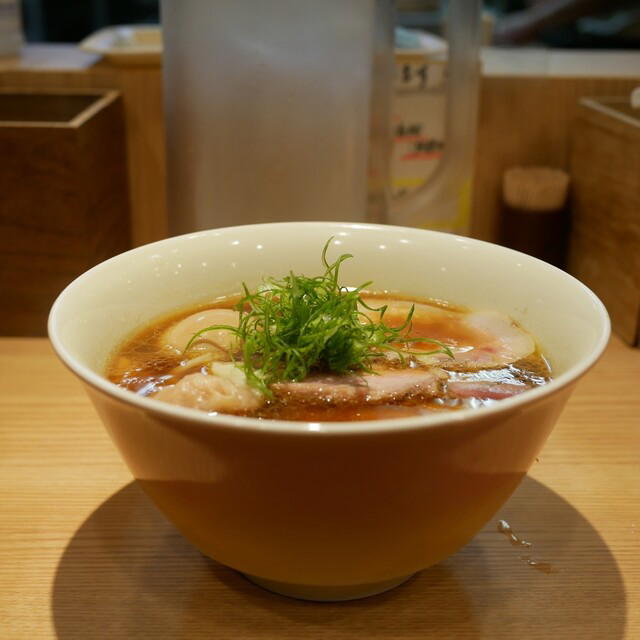
Nakamura Menzaburo Shoten
Sagamihara, Japan
A Sagamihara ramen counter that opened in mid-2024 and quickly earned Tabelog Ramen KANAGAWA 100 recognition for 2025. Bowls run JPY 1,000–1,999, service splits lunch and evening (11 AM–3 PM, 6 PM–9 PM), and the 18-seat layout keeps things straightforward. Cash-only, no reservations, and a 21-minute walk from Sagamihara Station.
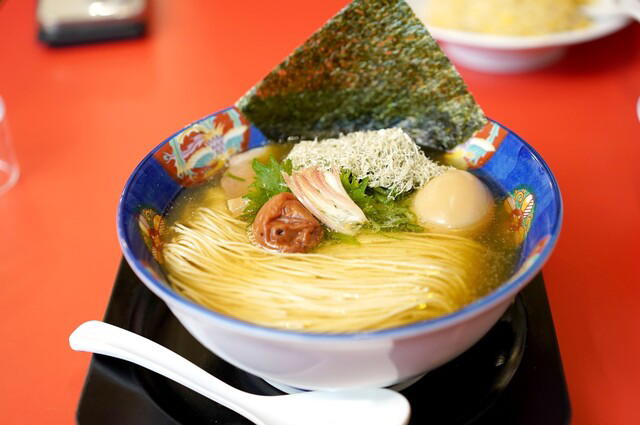
Chuka Soba Menya Shokudo Honten
Atsugi, Japan
Choose Chuka Soba Menya Shokudo Honten for an easy, credible Atsugi ramen meal rather than a formal occasion. The value makes sense for solo diners and casual pairs, especially if efficient service is a plus. For a dressed-up celebration, Yakiniku Waganse or Cafe Suzuki will usually fit the brief better.
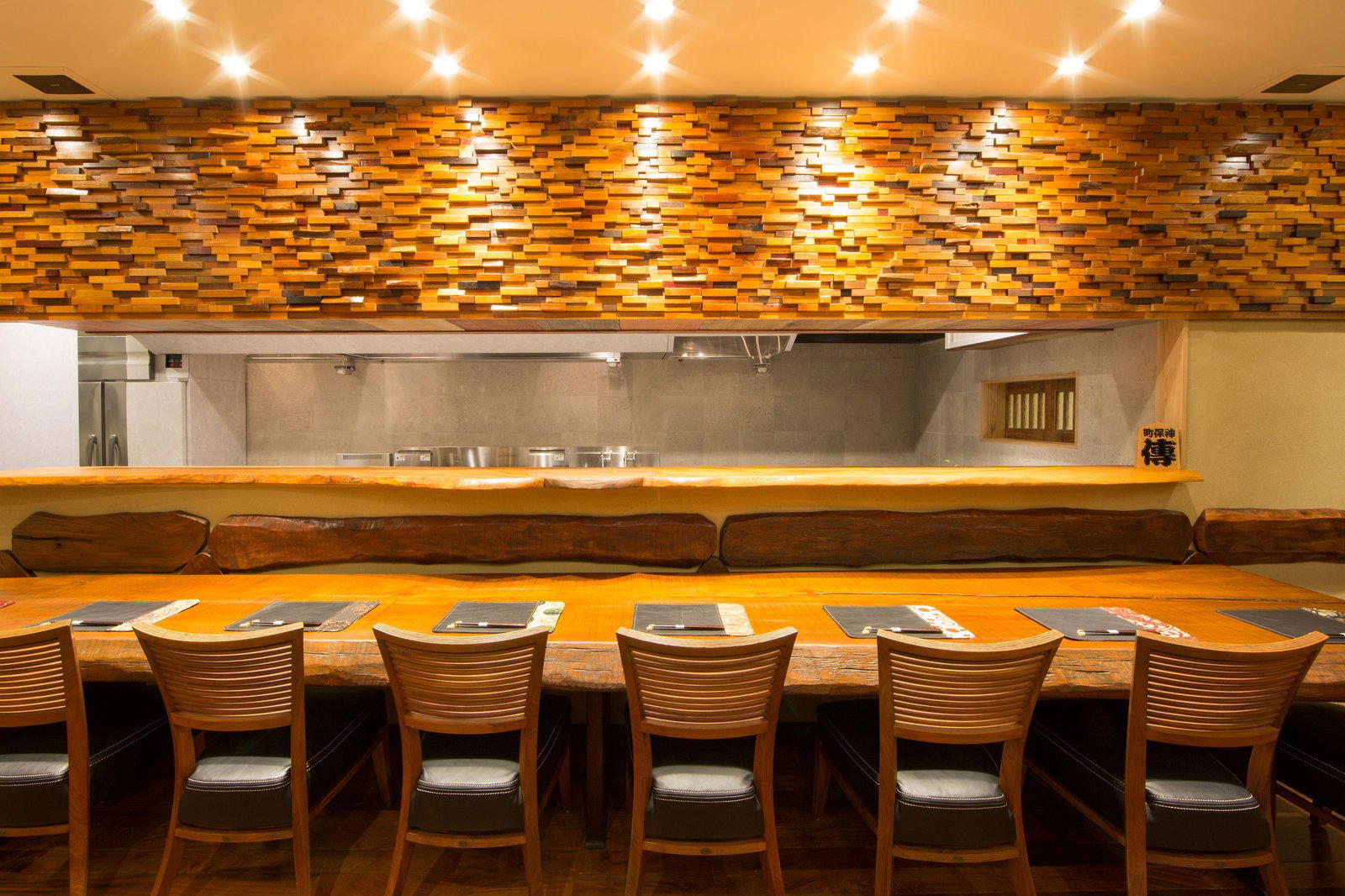
Sagamihara Keyaki
Sagamihara, Japan
A six-time Tabelog Ramen 100 selection in Sagamihara's Minami Ward, offering counter seating and walk-in access at JPY 1,000 to JPY 1,999 per bowl. The 10-seat shop operates on first-come service with no reservations, making it a low-risk stop for anyone tracking Kanagawa's award-recognized ramen tier.
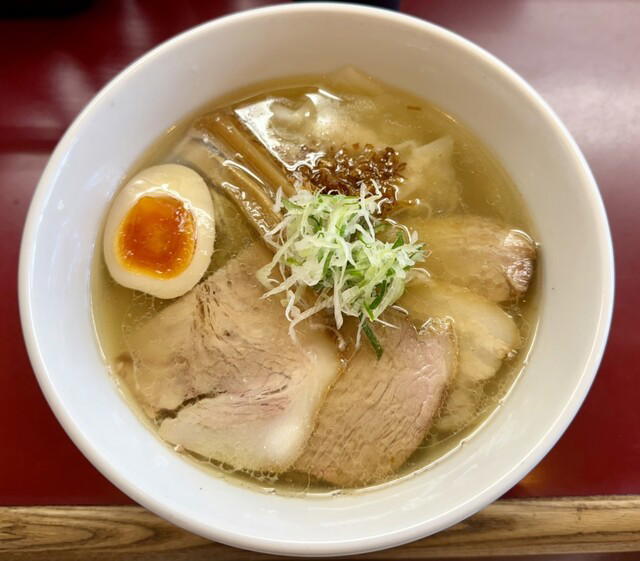
Ramen Matsushin
Yokohama, Japan
Ramen Matsushin earned a spot on Tabelog's 2025 Kanagawa top-100 ramen list within two years of opening, offering award-recognized bowls at JPY 1,000–1,999 from an 11-seat counter in Tsurumi-ku. The cash-only, walk-in-only format and split service windows (5 AM–9 AM and 11 AM–3 PM) demand logistical flexibility, but the combination of affordability and early critical recognition makes it a practical choice for ramen focused on execution over atmosphere.
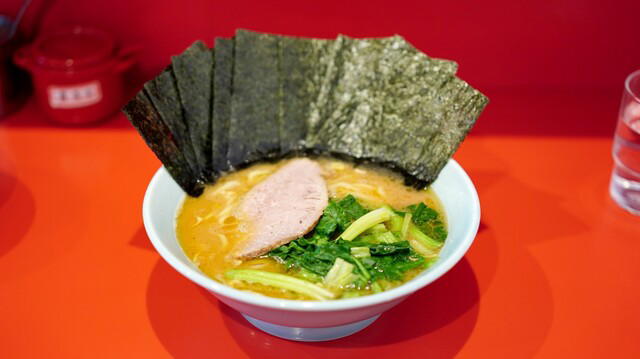
Yokohama Iekei Ramen Kogane Ya
Yokohama, Japan
Tabelog-recognized iekei ramen shop in Koganecho serving customizable tonkotsu-shoyu bowls under 1,000 JPY. Counter-focused 18-seat space with no reservations, cash-only payment, and late-night hours. Rewards regulars who know how to order noodle firmness and broth concentration; less suited to first-time visitors seeking guidance or comfort.
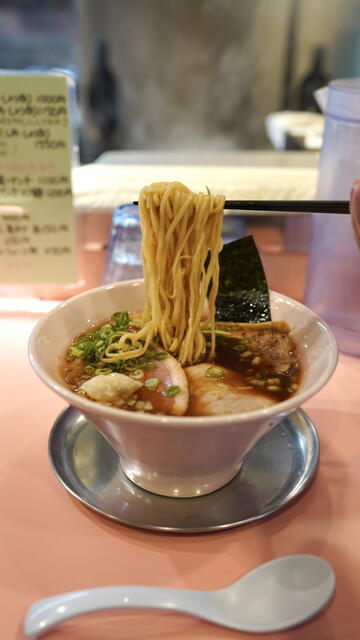
Ryusei Ken
Yokohama, Japan
A seven-seat cash-only ramen counter in Yokohama's Minami ward, earning Tabelog Ramen 100 recognition every year since 2017. No reservations, no website, no phone; just technically precise bowls of ramen and tsukemen under ¥1,000. Soup runs until it sells out during two brief daily service windows, and the walk from Yoshinocho Station filters out casual traffic.
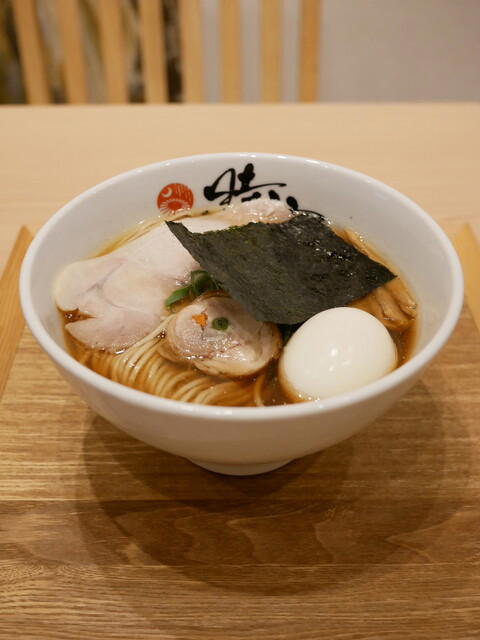
Chuka Soba Shigure Isezaki choujamachi honten
Yokohama, Japan
Against Yokohama's low-cost ramen peers, Chuka Soba Shigure Isezaki choujamachi honten is the pick when you want sub-¥1,000 value with a stronger recognition signal. It is easier to justify than a casual fallback, but less suited to large groups or a dressier dinner than higher-spend alternatives such as Bihotza.
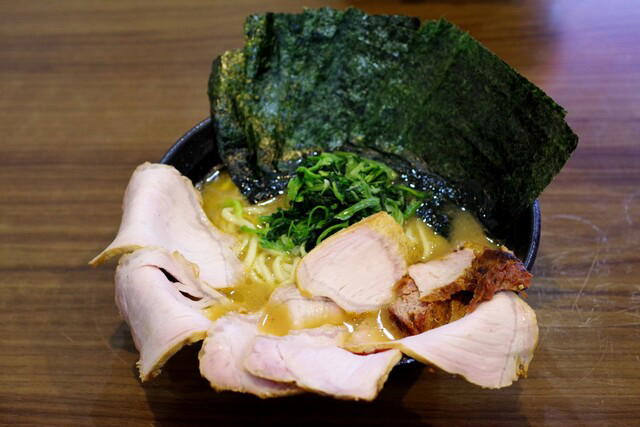
Yokohama Iekei Ramen Tennoya Samukawa souhon ten
Koza-gun, Japan
Tabelog 100 iekei ramen under ¥999, counter and table seating, walk-in only. Reliable tonkotsu-shoyu craft without the Tokyo wait times or premium pricing; ideal for families and solo diners seeking consistent bowls in western Kanagawa.
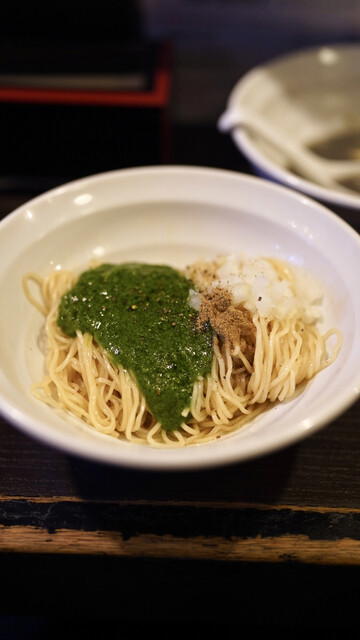
Hetchikan Fukutomichou honten
Yokohama, Japan
A Tabelog 100 Ramen KANAGAWA 2025 selection in Fukutomicho, this nine-seat counter pairs precision ramen (JPY 1,000–JPY 2,999) with a sake-bar program. Evening service requires an alcohol order, shifting the format from quick lunch to leisurely izakaya-ramen hybrid. Book dinner 3–5 days ahead or arrive by 11:30 AM for lunch walk-ins.
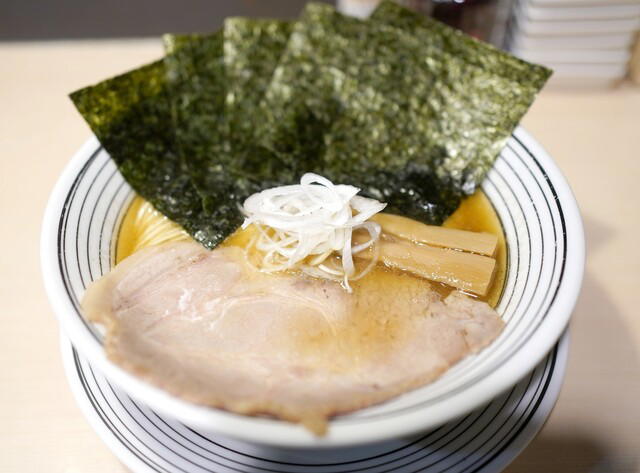
Niboshi Raamen Neko Tora Tei
Yamato, Japan
A 10-seat counter in suburban Yamato specializing in niboshi (dried sardine) ramen, recognized on Tabelog's 2024 and 2025 Hyakumeiten lists. The lunch-only, cash-only format and singular broth focus make it a technical stop for ramen enthusiasts rather than a flexible group option. JPY 1,000–1,999 per bowl, no reservations, closed Sundays.
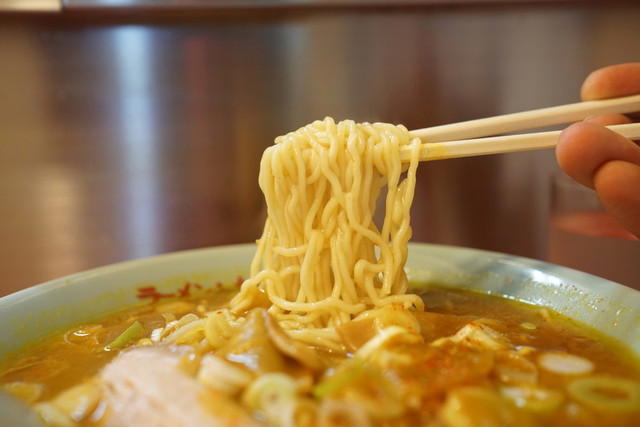
Ramen & Curry Senmonten Taigen
Yokohama, Japan
Tabelog 100-listed ramen and curry shop in Yokohama's Isezaki district, serving both categories under JPY 1,000 at a nine-seat counter. Walk-in only, cash-only, open until 1:45 AM most nights. Best for solo diners and late-night meals on a budget.
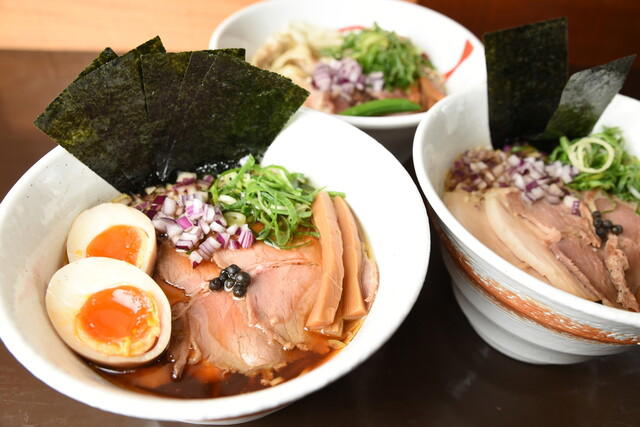
Menya Sakigakeboshi
Yokohama, Japan
Menya Sakigakeboshi is a counter-only ramen shop in Yokohama's Naka Ward, recognized on Tabelog 100 Ramen KANAGAWA in 2024 and 2025. At under ¥1,000 per bowl, it delivers solid quality for the price, with late-night hours (3 AM Wednesday–Saturday) and a family-friendly setup. Book if you want reliable, budget-conscious ramen after hours.
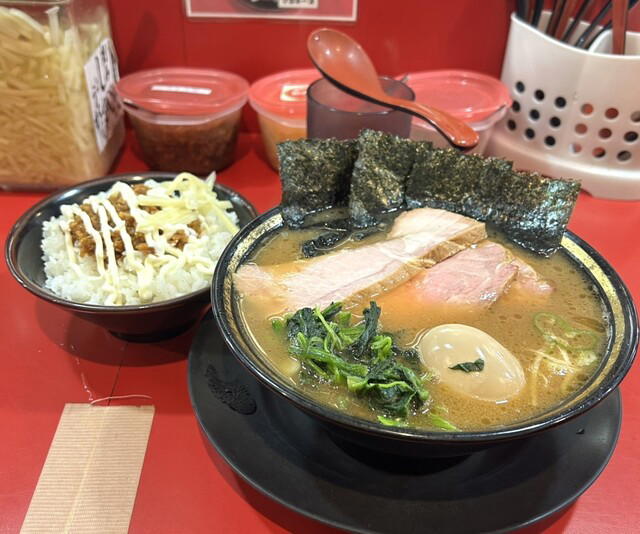
Torakichi Ya Hikaru
Yokohama, Japan
A 15-seat ramen counter near Higashi Hakuraku Station, opened June 2024 and recognized in Tabelog 100 Ramen Kanagawa 2025. Walk-in only, cash-only, JPY 1,000–1,999 per bowl. Worth the detour if you're chasing recently recognized shops and don't mind a residential location; skip if you prefer older, centrally located names with longer track records.
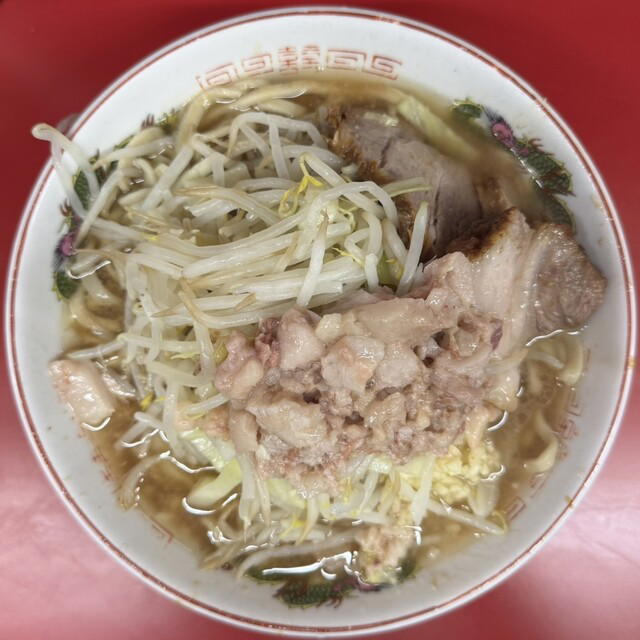
Ramen Jiro Shounan fujisawa ten
Fujisawa, Japan
A 14-seat Ramen Jiro counter in Fujisawa serving thick, calorie-dense bowls for under ¥1,000, recognized on Tabelog's Kanagawa Ramen 100 list in 2024 and 2025. The format is aggressive portions, no reservations, and cash-only operation; ideal for budget-conscious ramen enthusiasts willing to queue and risk sold-out sessions.
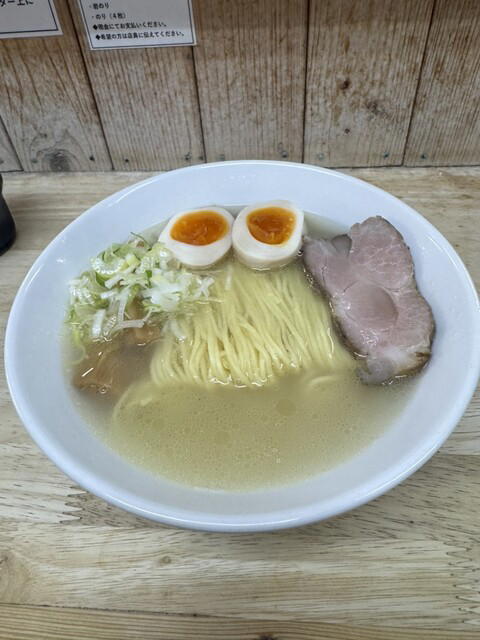
Ramen Matsuya
Chigasaki, Japan
A 10-seat counter north of Tsujido Station serving sub-JPY 999 bowls with back-to-back Tabelog 100 Kanagawa ramen selections in 2024 and 2025. Counter-only, cash-only, no reservations; best for solo diners who can move through the Kanachu bus route and confirm Tuesday closures before the trip.
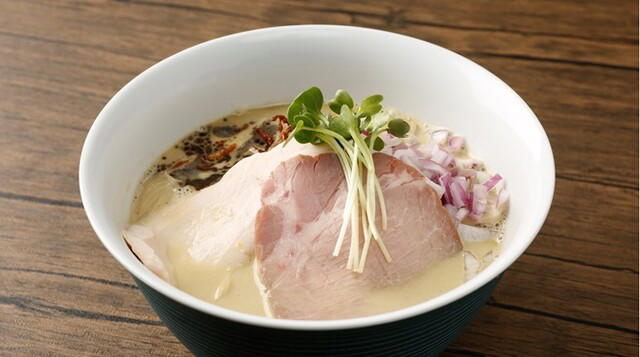
Menya Deko
Kawasaki, Japan
Menya Deko is an 11-seat ramen counter in Kawasaki's Kosugimachi district, serving bowls under JPY 1,000 with recognition on Tabelog's regional ramen 100 list for 2024 and 2025. The shop runs split lunch and dinner service, accepts cash only, and takes no reservations; practical for solo diners and budget-conscious visitors already in the Shin-Maruko area rather than a cross-city destination.
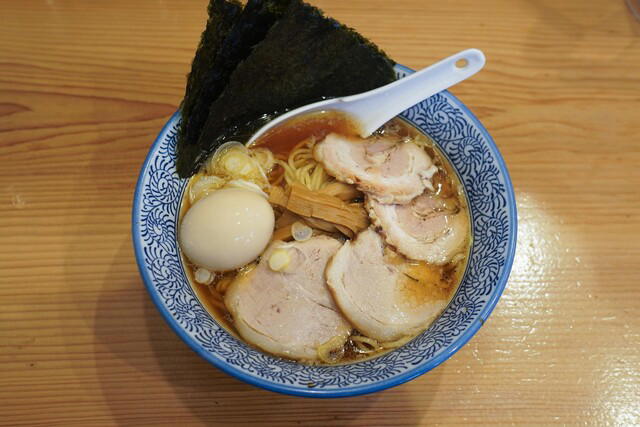
Chuka Soba Efu
Yokohama, Japan
An eight-seat ramen counter in Yokohama's Tsunashima neighborhood, Chuka Soba Efu has earned five consecutive Tabelog 100 Ramen KANAGAWA selections (2021–2025) for its homemade whole-wheat noodles and clean, dashi-driven broths at JPY 1,000–1,999 per bowl. No reservations, cash only, and a lunch-only window that sells out by 3 PM most days; arrive early or risk missing the soup.
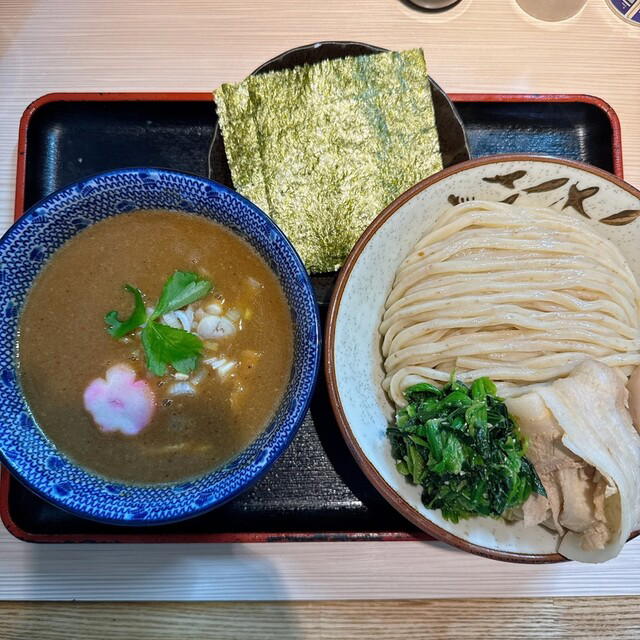
Ramen Dohyo Kakureihoho
Yokohama, Japan
A Tabelog 100 tsukemen counter in Tsurumi, Yokohama, serving dipping noodles at JPY 1,000–1,999 with no reservations and eight seats. Walk in early or expect a wait; the format rewards technical precision over comfort or conversation.
Overview
Tabelog 100 - Ramen - KANAGAWA - 2025 is a curated list ranking the top 100 ramen restaurants in Kanagawa Prefecture based on Tabelog’s extensive user reviews and ratings. This annual list highlights the most acclaimed ramen establishments, reflecting Kanagawa’s diverse and dynamic ramen scene in 2025.
Since its inception, Tabelog has evolved into Japan’s largest and most trusted restaurant review platform, aggregating millions of user evaluations to spotlight outstanding eateries nationwide. The Tabelog 100 series, specifically for ramen in Kanagawa, encapsulates the prefecture’s rich culinary heritage; from Yokohama’s iconic Iekei style to inventive contemporary broths. This list is a vital resource not only for locals but also for international gourmands seeking authentic and trendsetting ramen experiences in one of Japan’s most gastronomically vibrant regions.
Kanagawa’s ramen landscape is a captivating blend of tradition and innovation, and the Tabelog 100 - Ramen - KANAGAWA - 2025 list distills this culinary richness into a definitive guide. From Yokohama’s legendary pork-based broths to the coastal influences shaping the local palate, these 100 ramen shops represent the pinnacle of craftsmanship and flavor. For food enthusiasts and travelers alike, this list offers an essential roadmap to Kanagawa’s ramen masterpieces, ensuring every bowl savored is an unforgettable experience.
Quick Facts
- Publisher
- Tabelog (Kakaku.com, Inc.)
- Year
- 2025
- Coverage
- Kanagawa Prefecture, Japan
- Items
- 100 ramen restaurants
- Frequency
- Annually
About This Edition
The 2025 edition of Tabelog 100 - Ramen - KANAGAWA reveals exciting developments in the prefecture’s ramen culture, including a notable rise in artisanal, health-conscious broths and the resurgence of classic styles with modern twists. New entrants from emerging neighborhoods highlight the expanding ramen frontier beyond Yokohama’s traditional epicenters, reflecting a vibrant regional diversification that mirrors broader culinary innovation trends across Japan.
Frequently Asked Questions
What is Tabelog 100 - Ramen - KANAGAWA - 2025?
How are honorees selected?
How often is this list updated?
How can I find these on Pearl?
How many of these have you visited?
Find out on Pearl and keep score across every place in Tabelog 100 - Ramen - KANAGAWA - 2025.