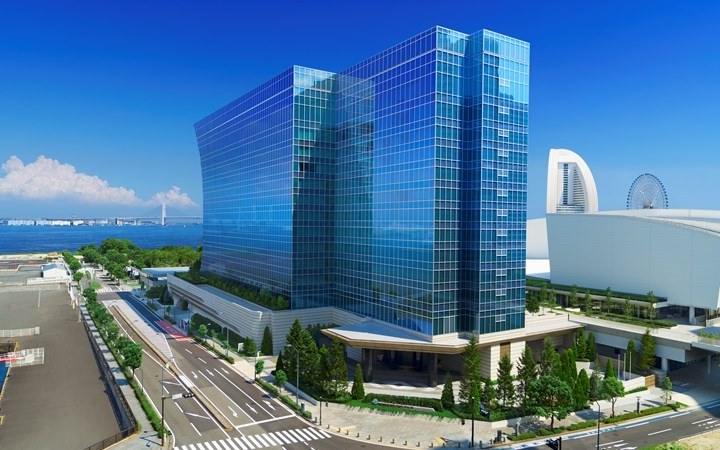

Hyatt Regency Yokohama
Naka, Yokohama
Hotel in Yokohama, Japan
 Book with Pearl
Why go
Hyatt Regency Yokohama is the practical pick in Naka Ward: polished, easy to plan around, and better for convenience than for a hotel-as-destination stay. Cross-shop Hotel New Grand for heritage, InterContinental Yokohama Pier 8 for waterfront atmosphere, and Hilton Garden Inn Yokohama Minatomirai for a more value-led base.
About Hyatt Regency Yokohama
Hyatt Regency Yokohama is a Yokohama hotel with a confirmed MICHELIN Guide Hotels Selected recognition for 2025. Beyond that recognition and a smart-casual dress code, the details here are limited, so the safest way to evaluate it is as a hotel option in Yokohama rather than through unconfirmed claims about restaurants, rooms, services, neighborhoods, or amenities. In practical terms, that means treating the listing as a useful signal, but not as a substitute for checking the particulars that can shape an actual stay.
For travelers comparing Yokohama hotels, the main grounded point is simple: Hyatt Regency Yokohama is a recognized hotel in the city. Any decision beyond that should be checked against the hotel's current official information, especially if a specific room type, dining plan, service, or access need matters for the trip. This is especially important because hotel stays are often decided by details that may change, be conditional, or vary by booking. The confirmed information gives you a starting point; the current hotel materials should do the rest.
Choose it for the confirmed hotel recognition
The strongest signal is its MICHELIN Guide Hotels Selected listing for 2025. That makes Hyatt Regency Yokohama a credible candidate for travelers who want a vetted Yokohama hotel, but it should not be stretched into claims about service style, dining quality, facilities, or room experience. The recognition is meaningful because it places the hotel within a curated hotel context, yet it does not, by itself, answer every question a guest may have before booking. It is best read as a reason to consider the property seriously, not as permission to assume specific features.
If you are comparing other Yokohama hotel options, consider Hyatt Regency Yokohama alongside Hotel New Grand, InterContinental Yokohama Pier 8, The Yokohama Bay Hotel Tokyu, The Kahala Hotel & Resort Yokohama, and Hilton Garden Inn Yokohama Minatomirai. The best choice will depend on the current details that matter to your stay, such as room availability, price, and any services confirmed directly by the hotel. For some travelers, the priority may be a particular room category; for others, it may be a dining arrangement, a service request, or another practical requirement. Since those specifics are not here, the comparison should stay disciplined and evidence-based.
Who should stay here next time
Hyatt Regency Yokohama is most direct for travelers who want a Yokohama hotel with a confirmed MICHELIN Guide hotel selection. This makes it a better fit for travelers who are comfortable beginning with a recognized hotel and then confirming the operational details themselves, rather than relying on secondhand or outdated descriptions.
For a Yokohama stay, it is reasonable to cross-shop Hyatt Regency Yokohama with Hilton Garden Inn Yokohama Minatomirai, Hotel New Grand, InterContinental Yokohama Pier 8, The Yokohama Bay Hotel Tokyu, and The Kahala Hotel & Resort Yokohama. Use the confirmed MICHELIN Guide recognition and smart-casual dress code as the grounded starting points, then verify current practical details before booking. That approach keeps the evaluation fair: the hotel receives credit for the recognition that is confirmed, while anything not established here remains something to ask, read, or confirm directly. In a city with multiple hotel choices, that kind of careful comparison is the most reliable way to decide whether Hyatt Regency Yokohama matches the stay you are planning.
Planning details
- Location
- 280-2 Yamashitacho, Naka Ward, Yokohama, Kanagawa 231-8340, Japan
- Website
- hyatt.com/hyatt-regency/en-US/hndry-hyatt-regency-yokohama?src=corp_lclb_google_seo_hndry
- Phone
- +81 45-222-0100
The take
The Take
The Vibe
Hyatt Regency Yokohama sits in the textured, historically layered quarter of Yamashitacho rather than on the glass-lined reclaimed land to the north. The property feels intimately tied to the neighbourhood’s street life: Chinatown gates, Yamashita Park and the waterfront promenade are all within easy walking distance, and the hotel’s placement rewards guests who want to move through older commercial blocks and maritime history rather than a planned kit-of-towers. Overall, the impression is less about skyline panoramas and more about a rooted, neighbourhood-forward stay that highlights Yokohama’s layered urban character.
Best For
This Hyatt is best for travelers who plan to make Yokohama the focus of their visit rather than merely using the city as a transit point. Guests who value walkable exploration—Chinatown dinners, harbour promenades and park strolls—find the location especially useful. It also suits those mixing leisure with practical needs: the hotel sits within reach of cultural sites and neighbourhood restaurants while remaining service-oriented in the tradition of international city hotels. Business travelers bound for Minato Mirai’s conference venues should note the different geography and consider proximity when booking.
Stay Tips
For convenience-minded guests, the hotel follows the familiar international-hotel model: an all-day restaurant and a lounge bar that serve as predictable on-site options. If your plan centers on neighbourhood discovery, balance in-house meals with short walks to Chinatown and the waterfront promenade to experience local specialties and street-level atmosphere. Because dining choices in the area are compact and walkable, plan at least one evening off-property to sample nearby restaurants; otherwise, rely on the hotel’s restaurant and lounge for straightforward, in-house service throughout the day.
Venue details
Ambiance
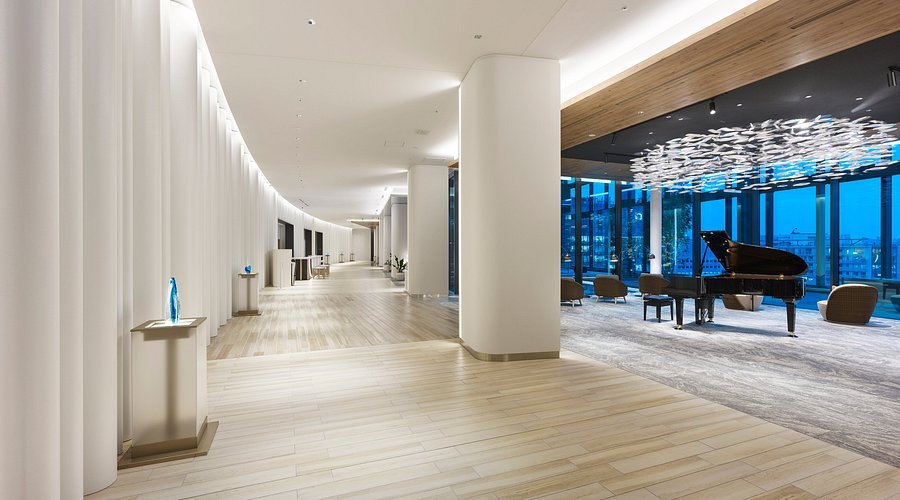
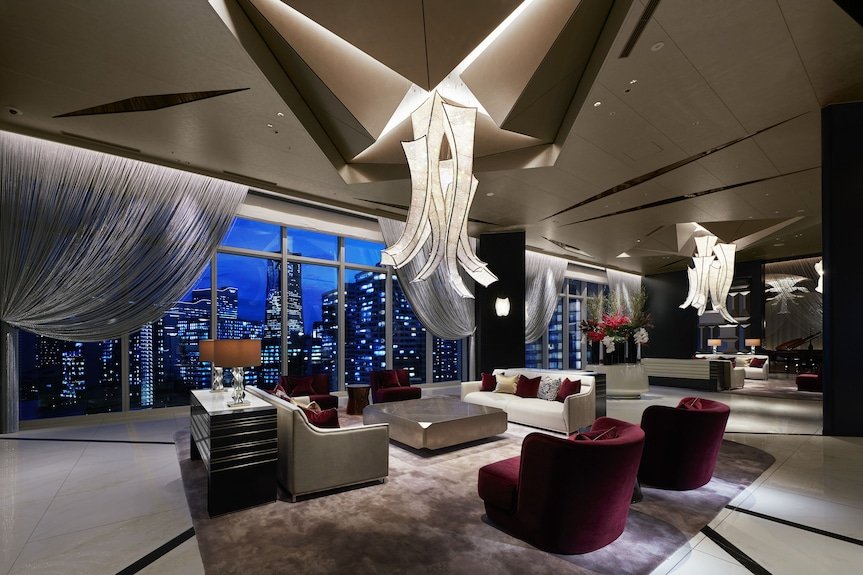
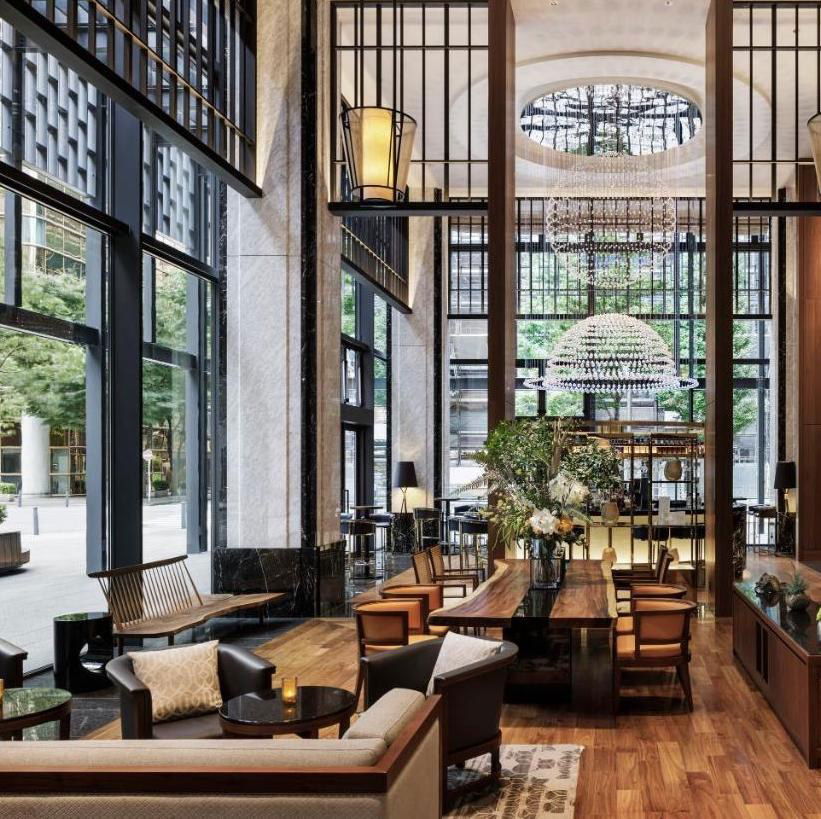
Enchanting atmosphere combining modern luxury with historic port city charm, featuring jazz-inspired club lounge and sophisticated interiors.
Tags
Vibe
Best For
Experience
Amenities
View
Accessibility
About the Stay
- Rooms
- 315
- Check-in
- 15:00
- Check-out
- 11:00
- Property Style
- Modern Luxury Blending Historic Port Aesthetics
- Design Style
- East Meets West Fusion of Japanese and Western Elements
Know before you go
Know Before You Go
- Getting there
- 280-2 Yamashitacho, Naka Ward, Yokohama, Kanagawa 231-8340, Japan
Planning details
Location
280-2 Yamashitacho, Naka Ward, Yokohama, Kanagawa 231-8340, Japan · Directions
hyatt.com/hyatt-regency/en-US/hndry-hyatt-regency-yokohama?src=corp_lclb_google_seo_hndry
Recognition and awards
Also consider
Where to look if this is not the right fit
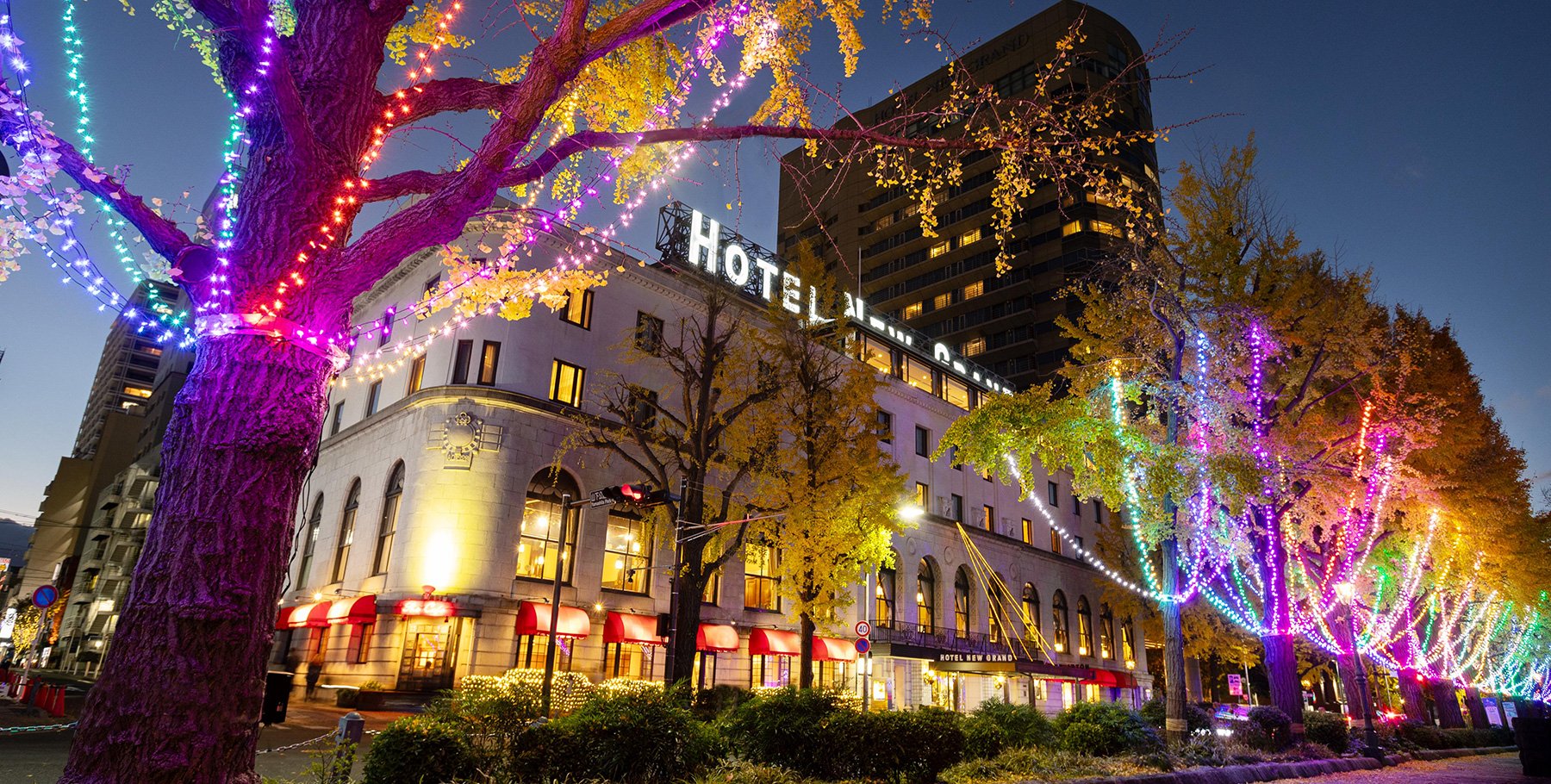
Pick Hotel New Grand if the trip calls for Yokohama heritage and a stronger sense of place. Pick Hilton Garden Inn Yokohama Minatomirai if price discipline matters more than full-service polish.
Hotel context
How it compares in Yokohama
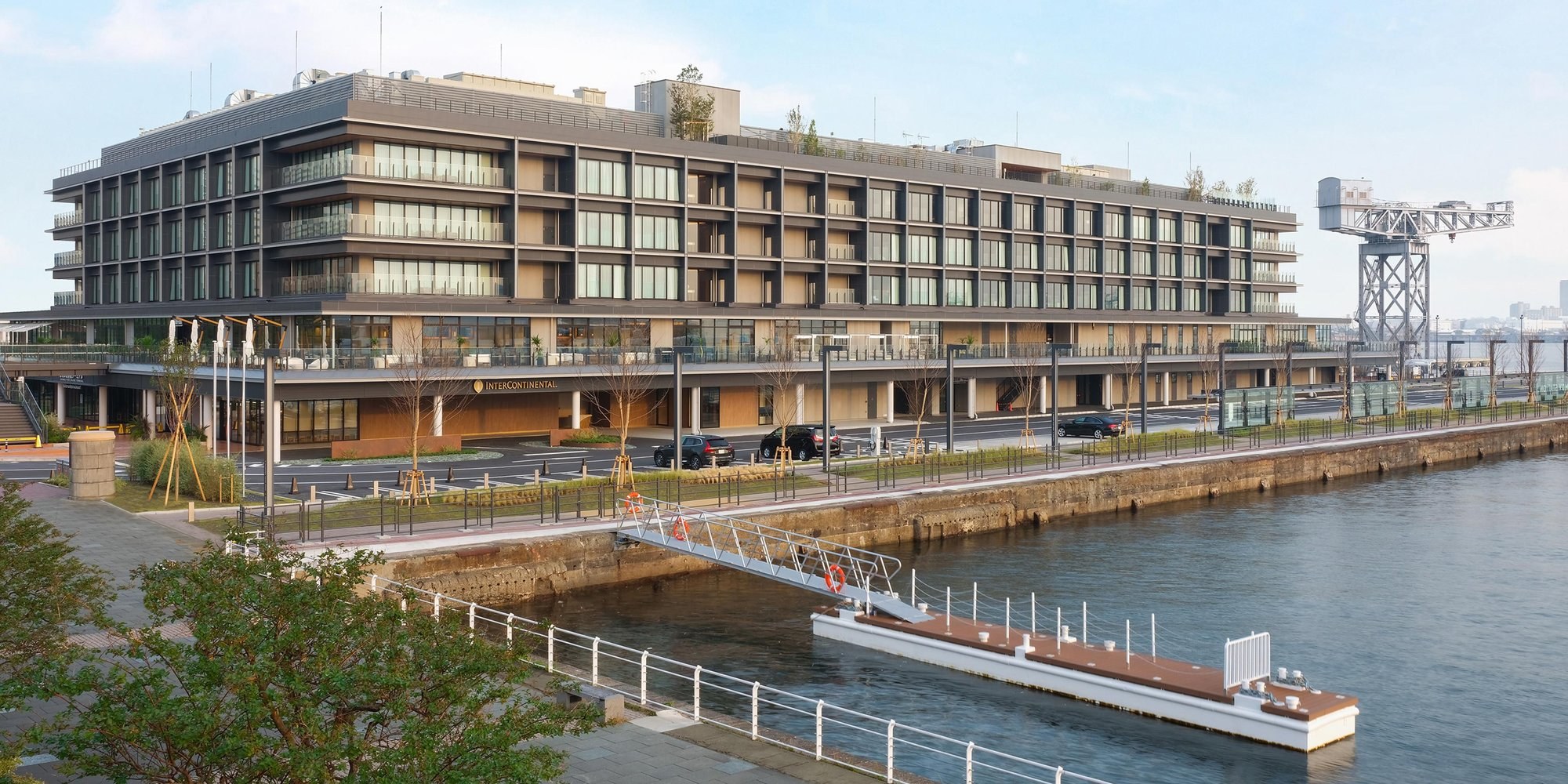
Hyatt Regency Yokohama is the safe middle choice: easier to justify than a pure splurge, more polished than a budget-led stay, and better suited to travelers who want a reliable city base. Hotel New Grand is the stronger pick for heritage atmosphere, while InterContinental Yokohama Pier 8 is more compelling if the waterfront setting matters more than convenience.
For a stay built around ambiance, The Yokohama Bay Hotel Tokyu and The Kahala Hotel & Resort Yokohama are the more occasion-driven options. Hyatt Regency Yokohama works better for guests who will spend the day moving around Naka Ward and central Yokohama, then return to a dependable full-service hotel rather than a scene-heavy property.
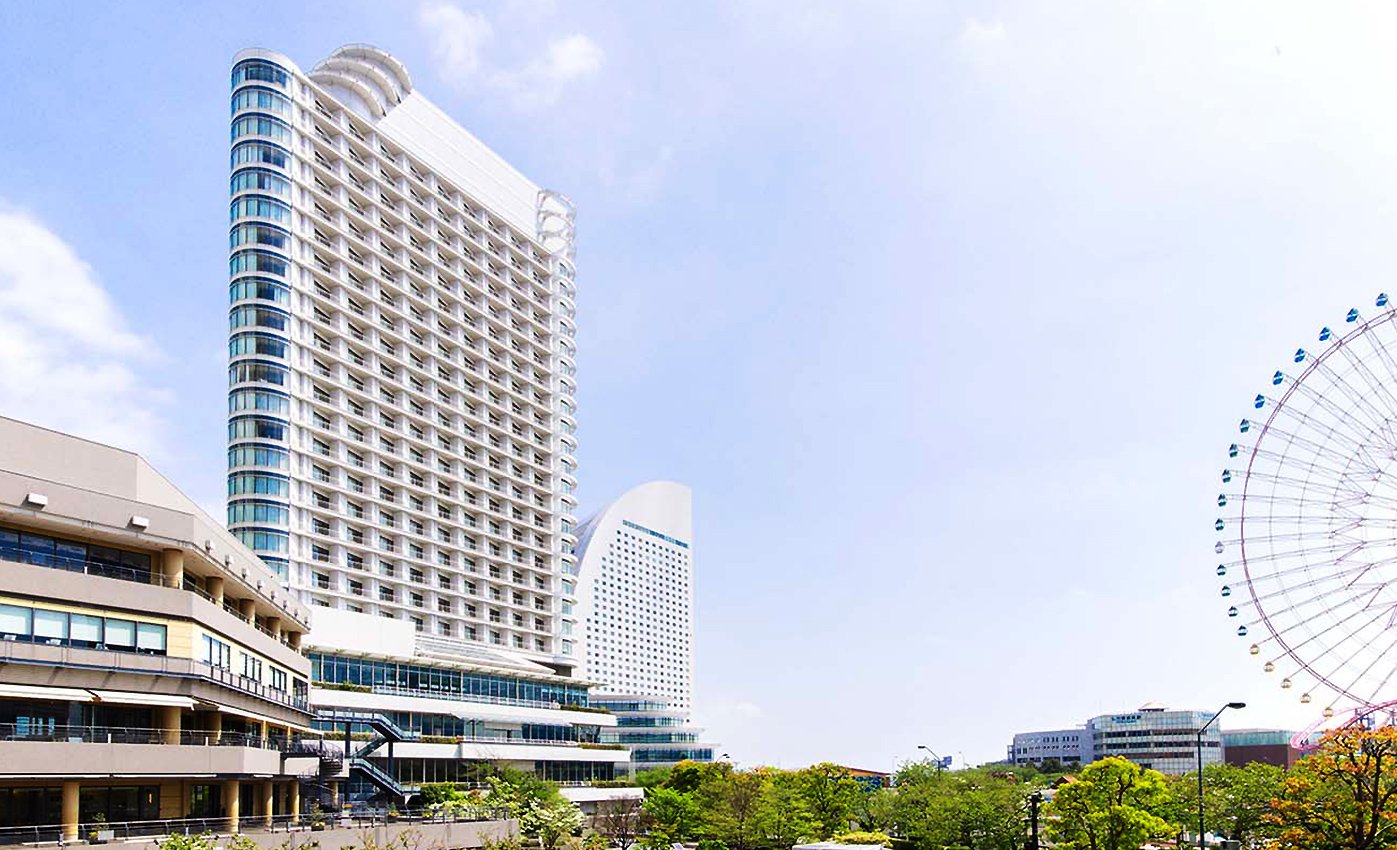
If value and booking simplicity are the priority, Hilton Garden Inn Yokohama Minatomirai is the natural alternative. Choose Hyatt Regency Yokohama when the trip needs a more complete hotel feel; choose Hilton Garden Inn when the room is mainly a clean, efficient base.
Explore Yokohama
Around this place
Discover more on Pearl
Unlock the full Hyatt Regency Yokohama guide in Pearl, including awards, comparisons, FAQs, planning details, and nearby places.
Compare Hyatt Regency Yokohama
| Venue | Location | Awards |
|---|---|---|
| Hyatt Regency Yokohama | Yokohama | 2025 Michelin Selected Hotels |
| Hotel New Grand | Yokohama | Preferred Hotels Member 2025 |
| InterContinental Yokohama Pier 8 | Yokohama | 2025 Michelin 1 Key |
| The Yokohama Bay Hotel Tokyu | Yokohama | Preferred Hotels Member 2025 |
| The Kahala Hotel & Resort Yokohama | Yokohama | 2026 Forbes RecommendedLeading Hotels of the World 20262025 Michelin 1 Key2025 Forbes Recommended |
| Hilton Garden Inn Yokohama Minatomirai | Yokohama | No published awards |




How Hyatt Regency Yokohama compares with similar nearby venues.
FAQ
Frequently Asked Questions
What is check-in like at Hyatt Regency Yokohama?
Specific check-in details are not here. Hyatt Regency Yokohama is in Yokohama and has a confirmed MICHELIN Guide Hotels Selected recognition for 2025, but arrival procedures should be checked directly with the hotel before travel.
Is Hyatt Regency Yokohama good for business travel?
Hyatt Regency Yokohama may be considered by travelers looking for a hotel in Yokohama with a confirmed MICHELIN Guide Hotels Selected recognition for 2025. Specific business facilities or services are not here, so confirm current details directly with the hotel.
Which room category is best at Hyatt Regency Yokohama?
room-category details are not available here. Choose based on the hotel's current room descriptions, availability, and your space requirements when booking.
Is Hyatt Regency Yokohama family-friendly?
Family-specific services, bedding arrangements, and amenities are not here. Families considering Hyatt Regency Yokohama should confirm current room options and relevant services directly with the hotel.
How does Hyatt Regency Yokohama compare to nearby hotels?
Hyatt Regency Yokohama is a Yokohama hotel with confirmed MICHELIN Guide Hotels Selected recognition for 2025. Other Yokohama options to compare include Hotel New Grand, InterContinental Yokohama Pier 8, The Yokohama Bay Hotel Tokyu, Hilton Garden Inn Yokohama Minatomirai, and The Kahala Hotel & Resort Yokohama. Compare current prices, rooms, and confirmed services before booking.