
Kintsuta
Shabu shabu · Minato, Tokyo
Restaurant in Tokyo, Japan
 Book with Pearl
The Read
Table-Cooked Precision
Price
$50–100per person
Chef
Various
Dress
Smart Casual
Why go
A ranked entry on Opinionated About Dining's Japan Casual list three years running, Kintsuta is Roppongi's most consistent shabu shabu option and an easy book by Tokyo standards. Come for the tableside hot-pot format, plan a second visit to push into premium wagyu territory, and arrive early in the evening for the quietest experience. Dinner only, seven days a week.
About Kintsuta
Tokyo's Most Consistent Shabu Shabu, Built for Repeat Visits
If you are weighing Kintsuta against a kaiseki dinner at RyuGin or a sushi counter at Harutaka, you are comparing different categories. Kintsuta is a casual shabu shabu specialist in Roppongi, and on Opinionated About Dining's Japan Casual list it has held a ranked position every year since 2023, climbing from #102 in 2025 down to #68 at its peak in 2023. That trajectory tells you this is a venue with real staying power in a competitive casual dining field, not a one-visit curiosity. Book it if you want a reliable, high-quality hot-pot experience without the booking pressure or price commitment of a tasting-menu room.
Portrait
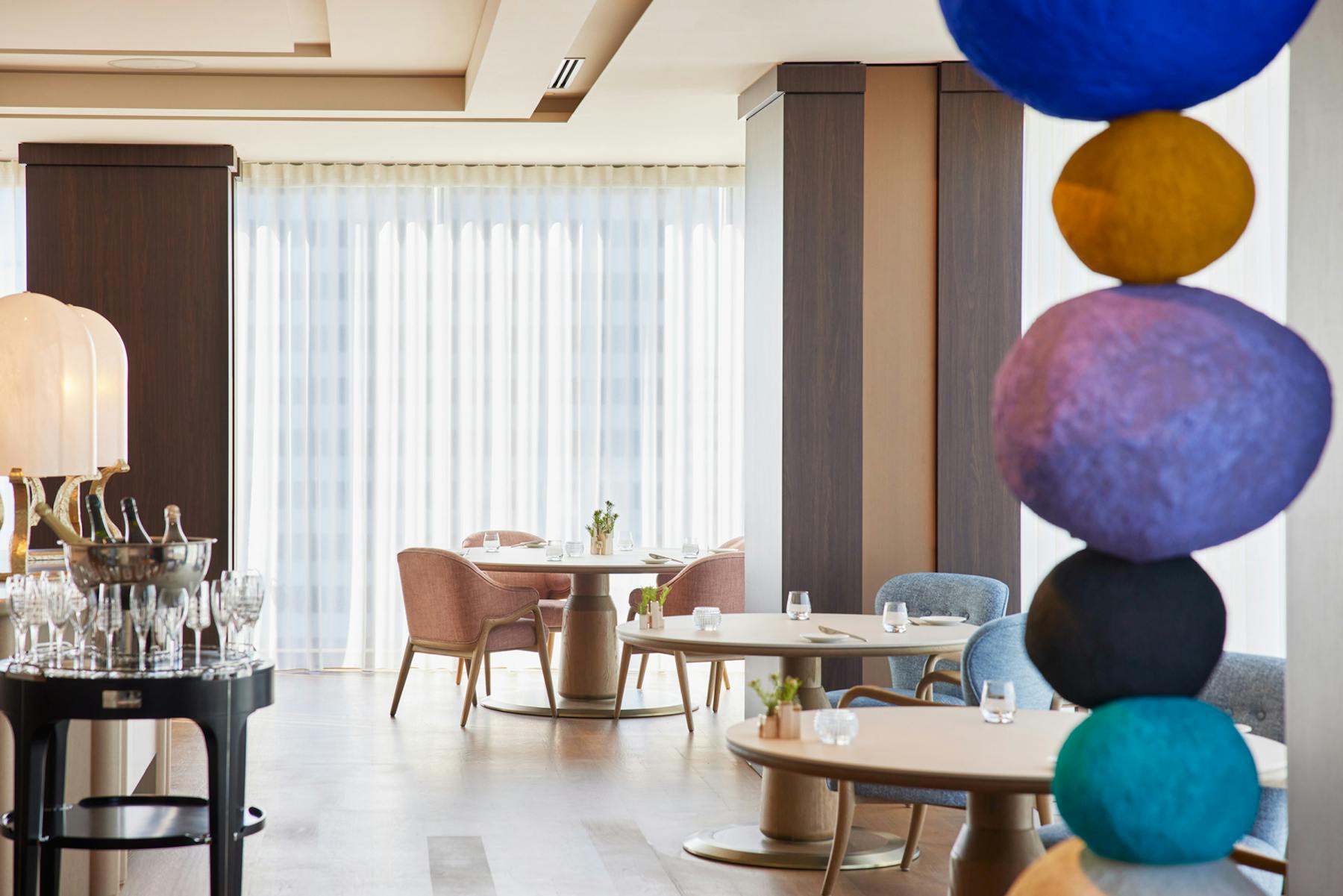
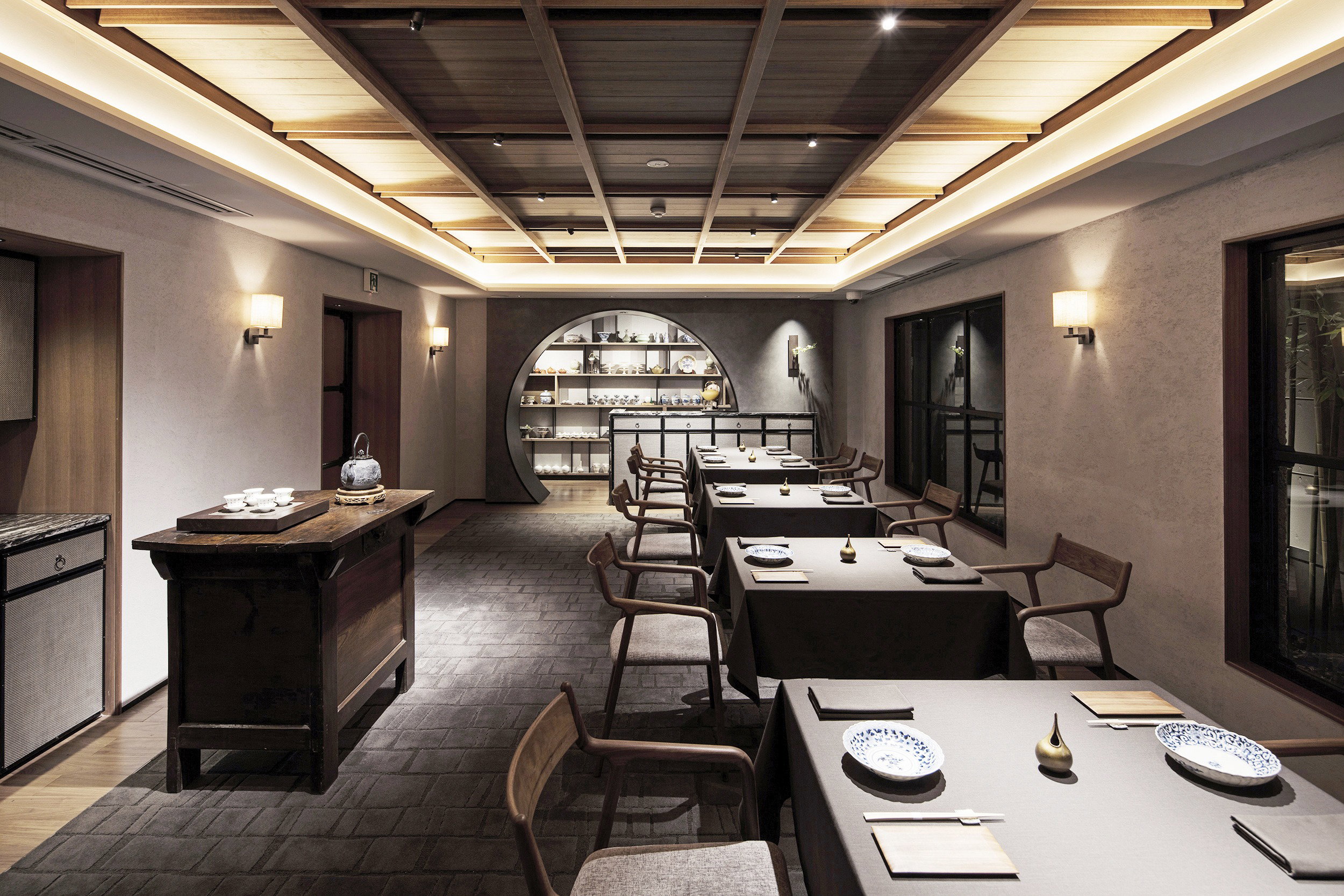
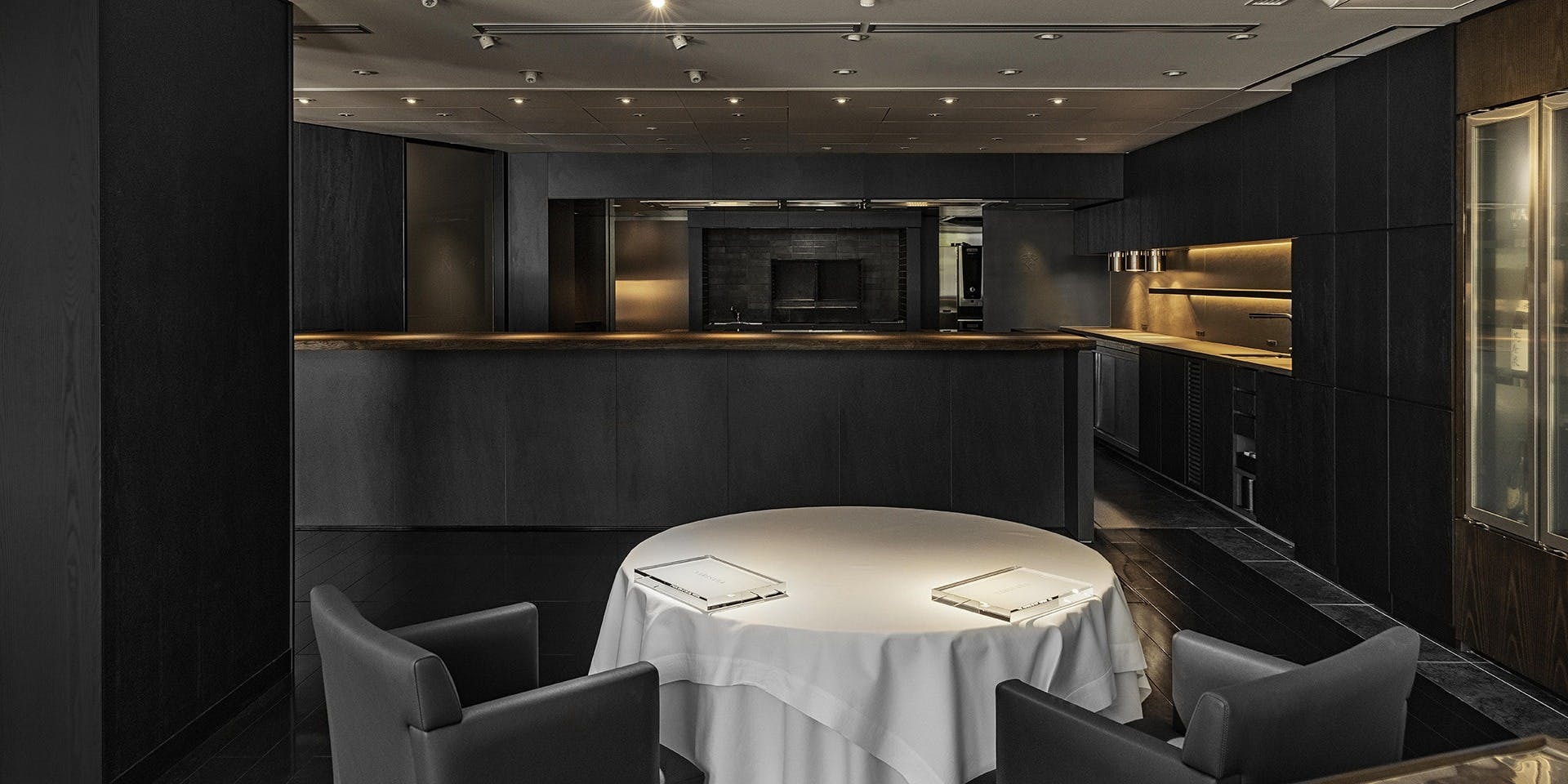
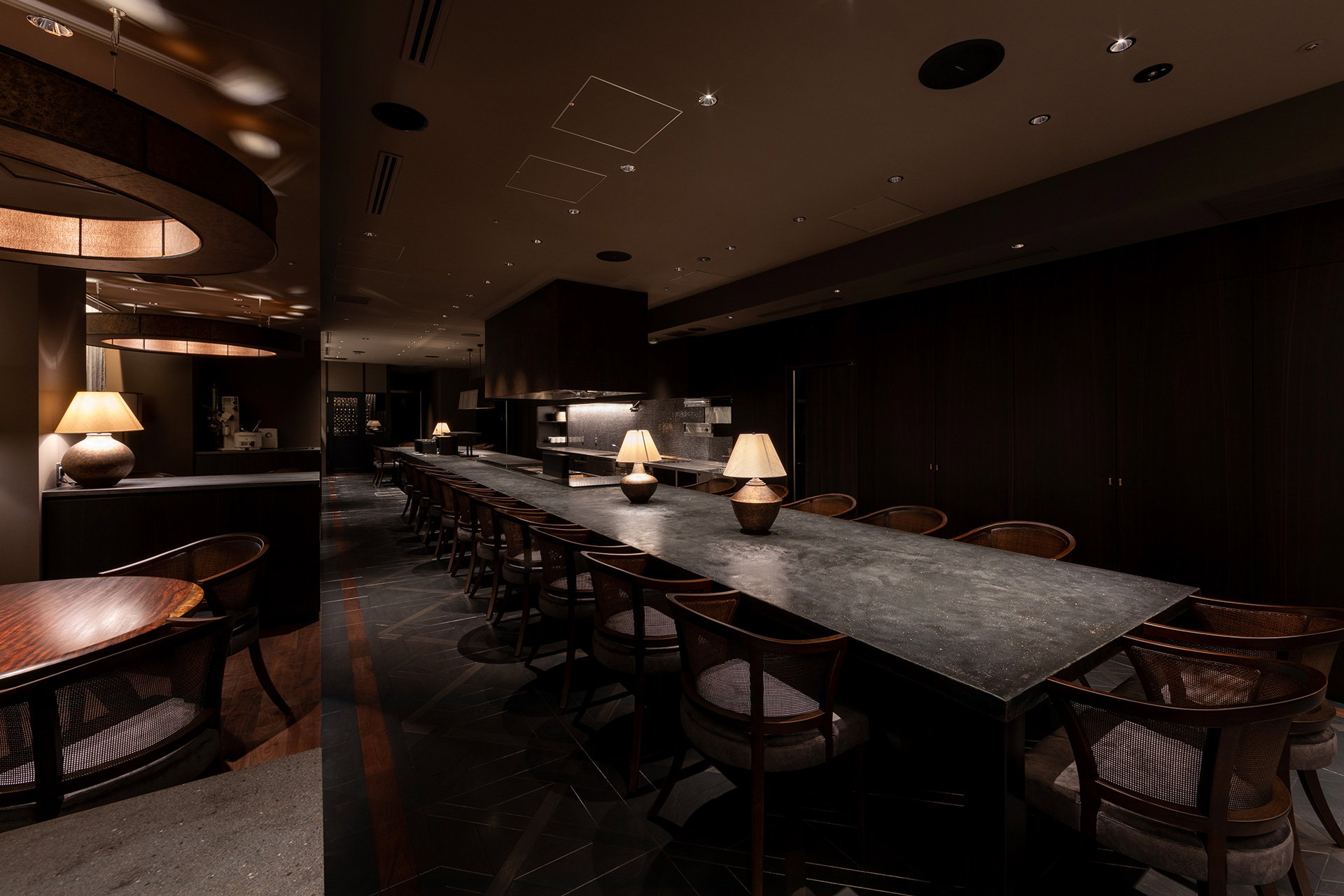
Kintsuta sits on the second floor of a building in Roppongi 7-chome, a neighbourhood better known for its late-night bar scene than for serious dining. That slight remove from the main drag is part of the appeal: the room feels like a deliberate choice rather than a tourist-facing restaurant. The format is shabu shabu, Japan's thin-sliced beef and vegetable hot-pot tradition, cooked tableside in a simmering broth. The scent that greets you when the pot is brought to the table — kombu dashi warming slowly, the faint mineral note of high-grade wagyu hitting the broth — is one of those sensory cues that signals you are eating the real version of a dish, not a simplified one.
The OAD ranking, which relies on the opinions of frequent, experienced diners rather than a single inspector, is arguably the more meaningful credential here: it means knowledgeable repeat visitors keep recommending it. That is exactly the kind of venue this multi-visit format rewards.
How to Structure Multiple Visits
Kintsuta earns a second and third visit because shabu shabu at this level is a format you learn to read over time. On a first visit, orient around the broth choice and the base cut of beef: understanding what the kitchen is working with gives you a baseline. On a second visit, push toward any premium wagyu upgrade if one is offered, and pay attention to how the dipping sauces, typically ponzu and sesame-based, interact with different cuts. A third visit is where you sequence the vegetables and tofu with more intention, and where you start to notice the small differences in timing that separate a good shabu shabu from a very good one. The kitchen staff at venues like this are generally happy to guide pacing if you signal that you are paying attention.
The evening-only format (5–11 pm Monday through Saturday, closing an hour earlier on Sunday) means this is always a dinner destination. There is no lunch service to compare against, which simplifies the timing decision: the question is early evening versus late evening, not lunch versus dinner. Arriving close to opening is worth considering if you want a quieter table and more time to work through the meal without feeling the room shift toward a later, noisier crowd.
Roppongi Context
Roppongi is a practical base if you are staying in Minato-ku or visiting the area's art institutions, and Kintsuta is a good anchor dinner before or after the neighbourhood's other draws. For broader Tokyo dining context, see our full Tokyo restaurants guide. If you are building a wider Japan itinerary, comparable attention to craft shows up at Gion Sasaki in Kyoto, HAJIME in Osaka, and Goh in Fukuoka, each in very different formats. For something outside Japan's main cities, akordu in Nara and 6 in Okinawa are worth the detour.
If you want shabu shabu outside Japan for comparison, Shabu-Tatsu in New York City is the most reliable Western reference point, though the gap between the two experiences is significant. Tokyo also offers strong French options at different price tiers, L'Effervescence, Sézanne, and Crony are all worth considering for variety across a multi-day stay. See also our Tokyo hotels guide, Tokyo bars guide, and Tokyo experiences guide for planning the full trip.
Quick reference:
Ratings & Recognition
- Opinionated About Dining, Casual in Japan: Ranked #68 (2023), #92 (2024), #102 (2025)
Booking
Booking difficulty is rated easy, which is one of Kintsuta's genuine practical advantages over Tokyo's more pressured reservations. You do not need to plan weeks ahead in most cases, though weekend evenings in Roppongi fill faster than weeknights. No phone number or website is listed in our data, checking Google Maps or a booking aggregator like Tableall or Omakase is the most reliable route to securing a table.
FAQ
How far ahead should I book Kintsuta?
- Booking is easy by Tokyo standards. For a weeknight, a few days ahead should be sufficient. For a Friday or Saturday, aim for at least a week out to be safe. Kintsuta does not carry the booking pressure of a Michelin-starred tasting menu room.
What should I order at Kintsuta?
- The format is shabu shabu, so the core decision is broth choice and beef grade. Start with the standard beef to understand the kitchen's baseline, then consider a wagyu upgrade on a return visit. Work the dipping sauces, ponzu and sesame are typical, against different cuts to get the most out of the meal.
Does Kintsuta handle dietary restrictions?
- No specific information is available in our data on dietary accommodation. The shabu shabu format is naturally adaptable for non-beef eaters if the kitchen offers alternative proteins or a vegetable-focused option, but confirm directly before booking, especially for strict dietary requirements.
Is Kintsuta good for a special occasion?
- It works for a relaxed celebration rather than a formal one. The OAD ranking confirms the quality is there, and shabu shabu is a convivial, interactive format that suits groups marking something. If you want a more ceremonial setting, RyuGin or L'Effervescence would better fit that expectation.
Is lunch or dinner better at Kintsuta?
- Kintsuta is dinner-only, open from 5 pm every day. There is no lunch service to compare. For the quietest experience, arrive early in the service window rather than later.
What are alternatives to Kintsuta in Tokyo?
- For a completely different format at a similar casual register, Crony offers inventive French cooking at a comparable price tier. For a significant step up in formality and price, RyuGin (kaiseki) and Harutaka (sushi) are the benchmark fine-dining options. See our full Tokyo restaurants guide for the broader picture.
Is Kintsuta good for solo dining?
- Shabu shabu can feel more natural as a shared format, but solo diners are well accommodated at many Tokyo restaurants including casual specialists like this. The interactive cooking element gives solo diners something to engage with throughout the meal. No counter seating information is confirmed in our data, so it is worth mentioning when booking that you are dining alone.
Planning details
- Hours
- Monday: 5–11 pm · Tuesday: 5–11 pm
- Location
- Japan, 〒106-0032 Tokyo, Minato City, Roppongi, 7 Chome−16−11 ヴェルデ六本木 2F
- Website
- kintsuta.jp
- Phone
- +81 3-6455-5580
The take
The Take
The Vibe
Kintsuta sits quietly on a second-floor strip in Roppongi, offering a low-profile counter to the district’s louder nightlife. The room leans into shabu shabu’s table-paced intimacy: diners manage timing in simmering pots while the restaurant’s strength shows upstream in ingredient quality and precise but understated service. The editorial tone highlights consistency — repeated recognition on the Opinionated About Dining Casual Japan list — and positions the restaurant as a refined, discreet choice for those seeking serious, unfussy Japanese hotpot rather than spectacle or theatrical service.
Best For
Kintsuta is best for focused evening meals where the food itself is the occasion. The shabu shabu format favors small parties or pairs who want to share and control the pace of their meal, making it a natural pick for date nights, business dinners and special occasions that prize quality over fanfare. Because the kitchen’s role centers on sourcing and preparation rather than continuous plating, diners should expect a relaxed rhythm and an attention to provenance and cut that rewards repeat visits.
Ordering Tips
Prioritize the signature hotpots — the Hakata Takiniku Nabe and the Kyushu Black Wagyu and Kagoshima Black Pork Hotpot — since the kitchen distinguishes itself by grade and provenance. The description emphasizes the importance of the beef’s quality, precision of the cut, the depth of kombu or other base broths, and well-calibrated dipping sauces. Remember that shabu shabu is table-paced: timing and temperature are handled by the diner, so focus on quick swishes for delicate wagyu and slightly longer cooks for pork, and taste the broth and sauces as you go.
Venue details
Ambiance
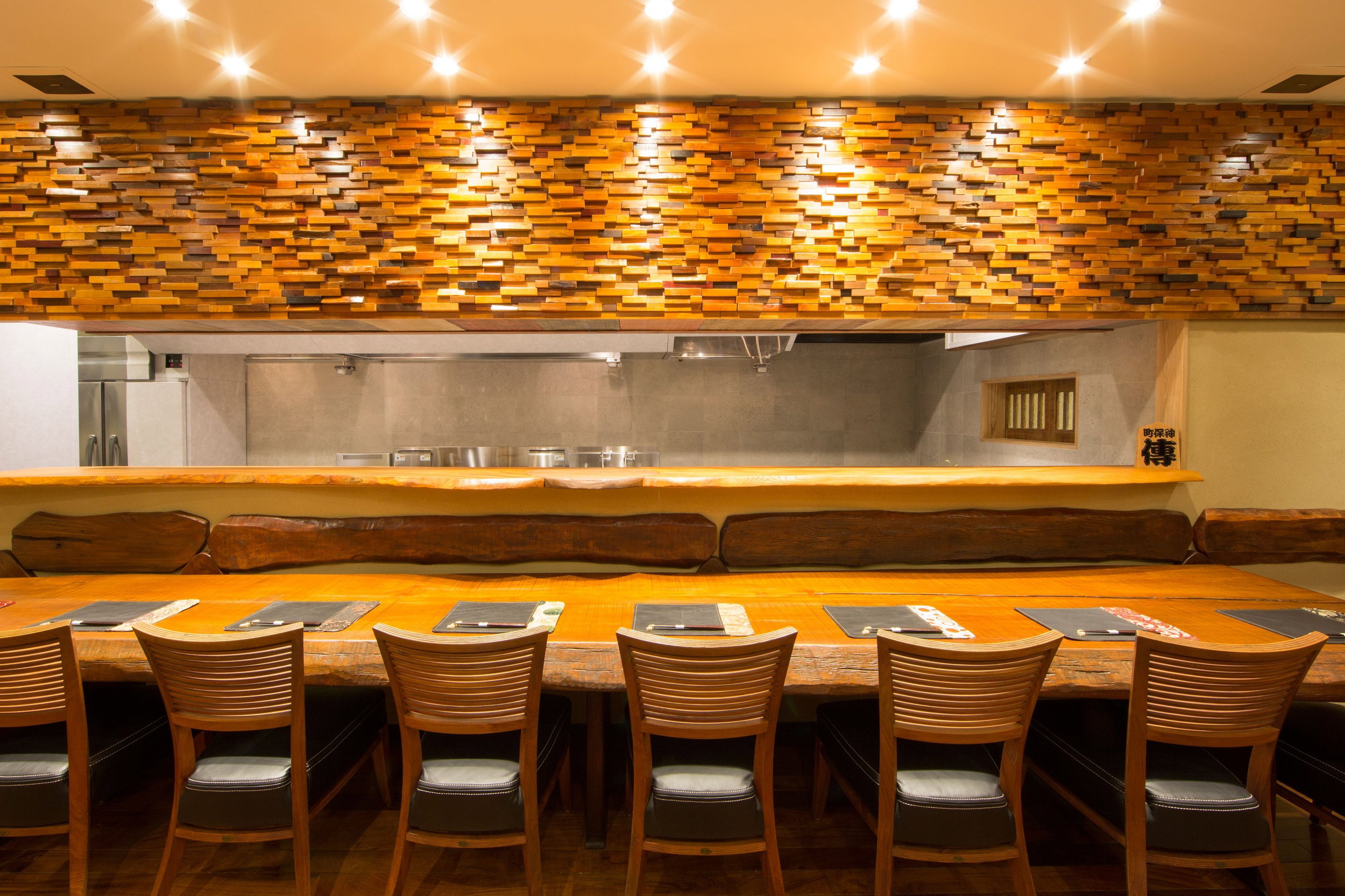
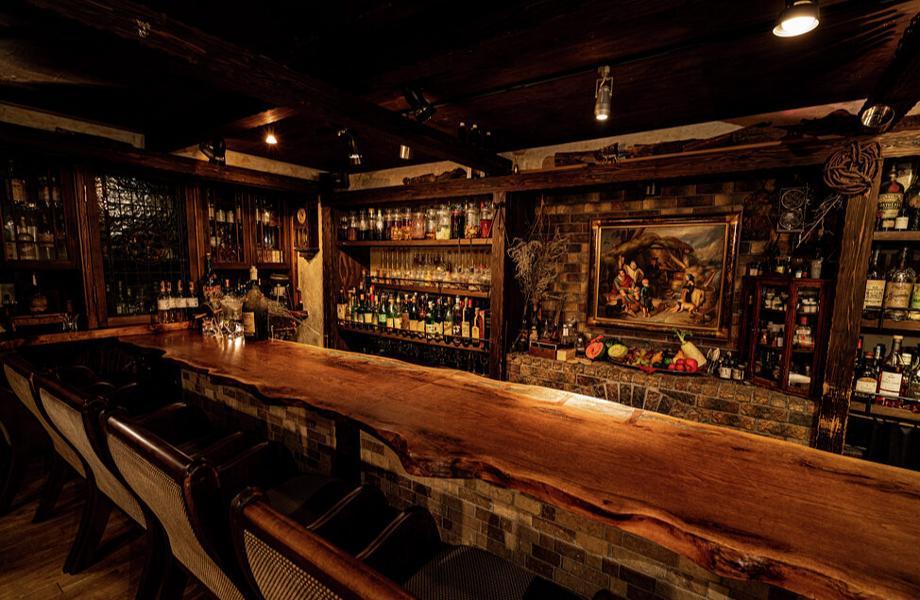
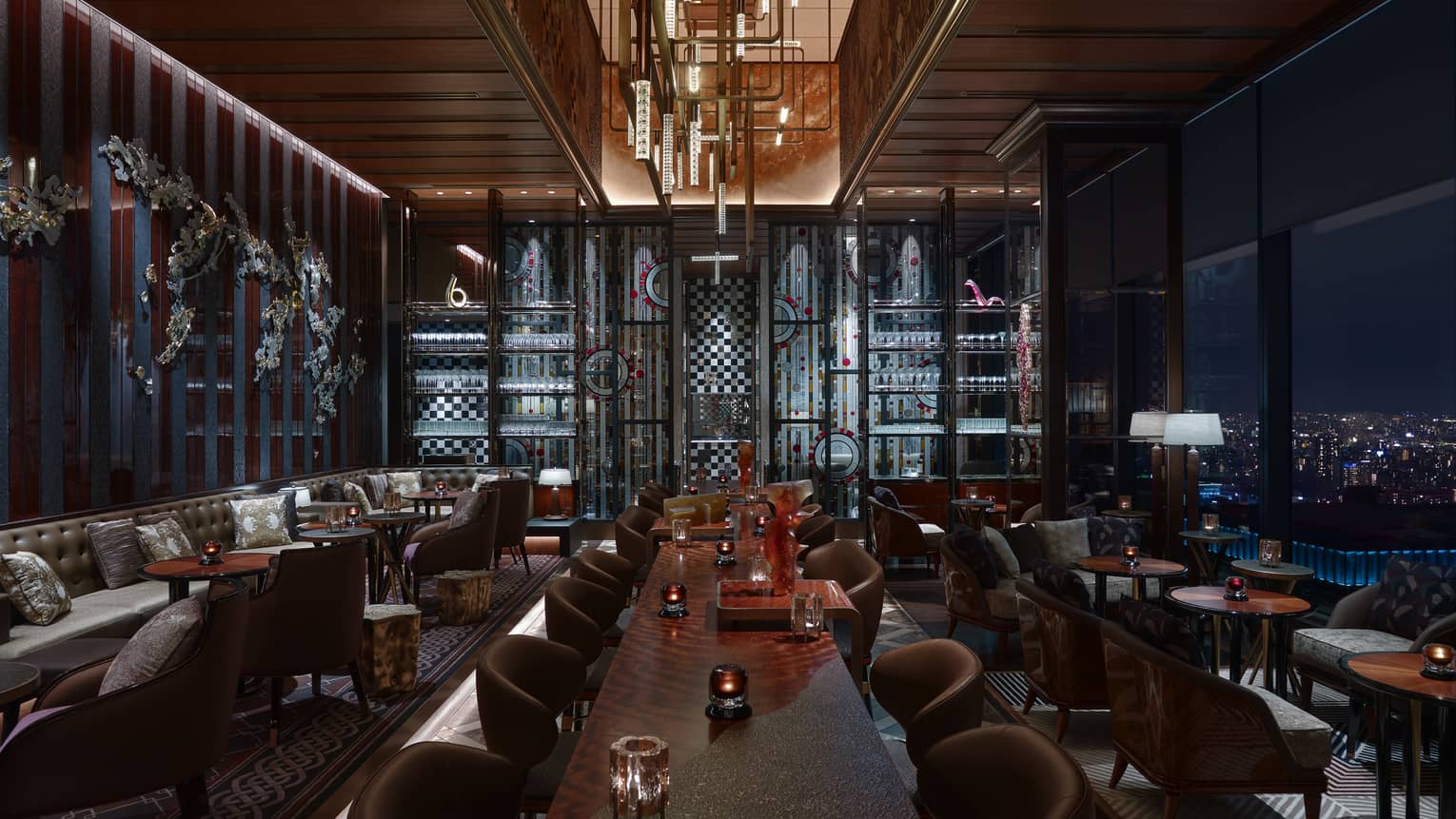
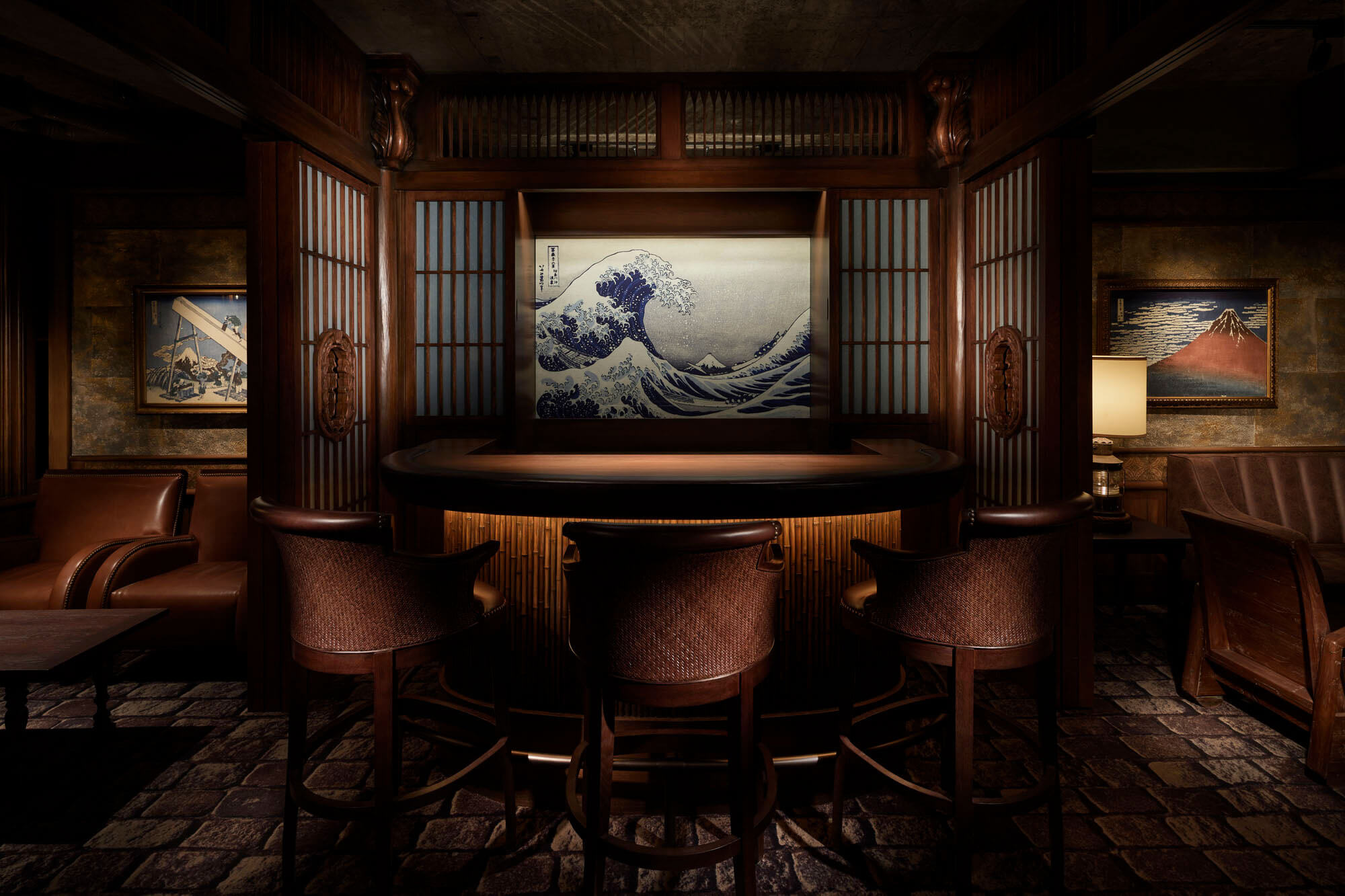
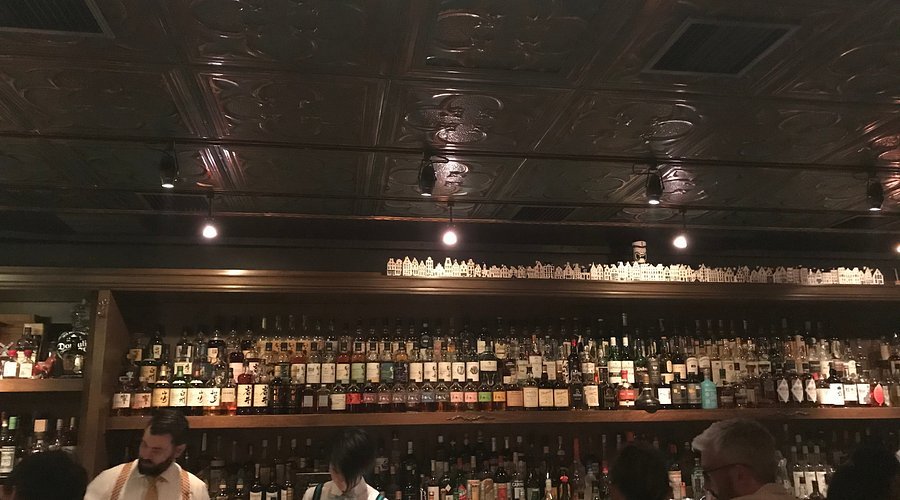
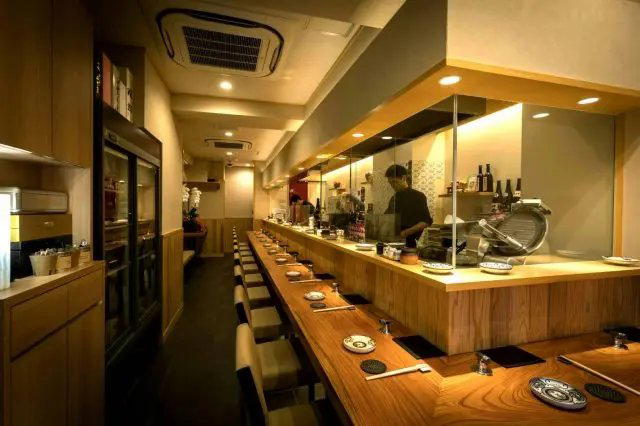
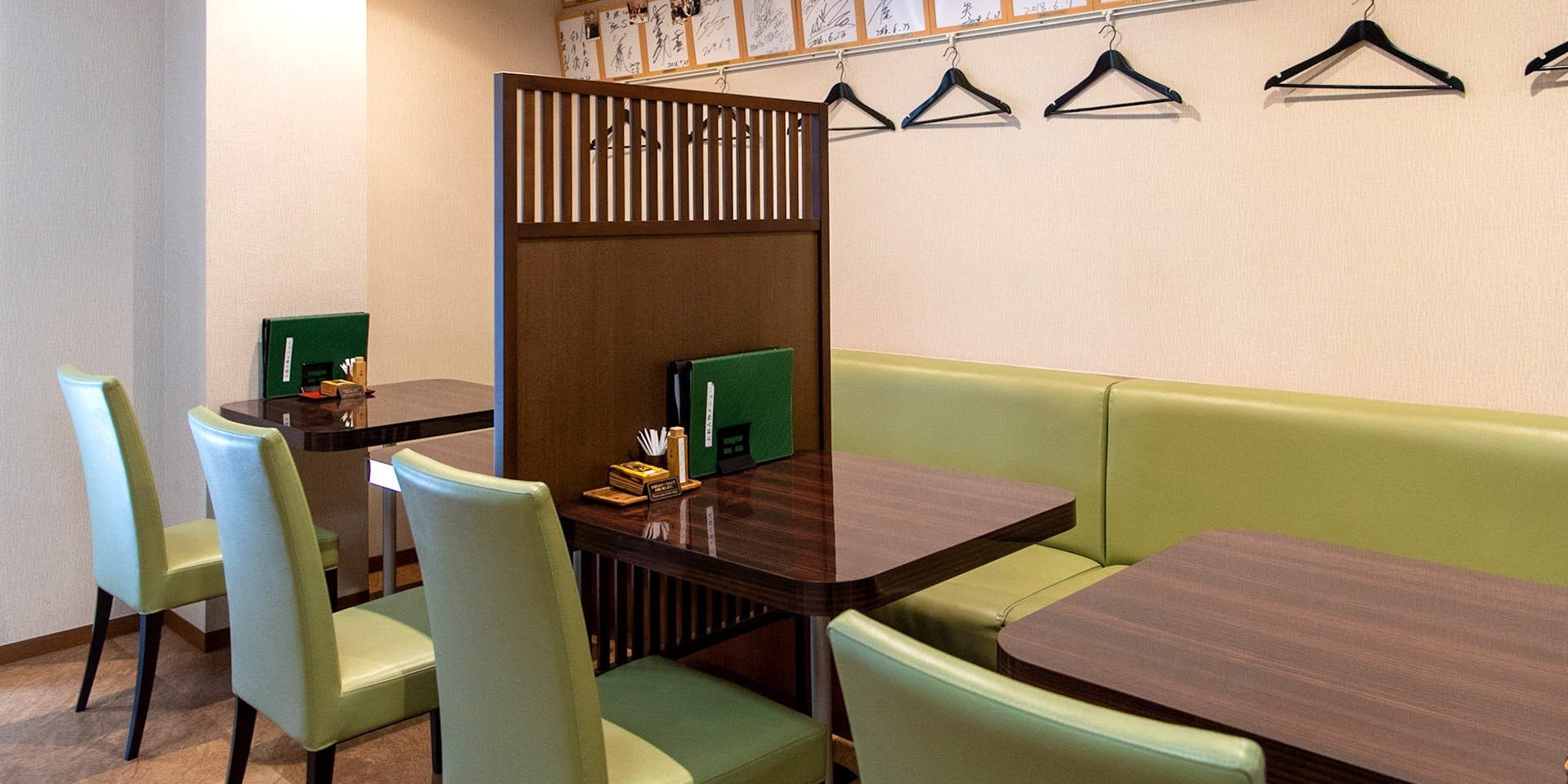
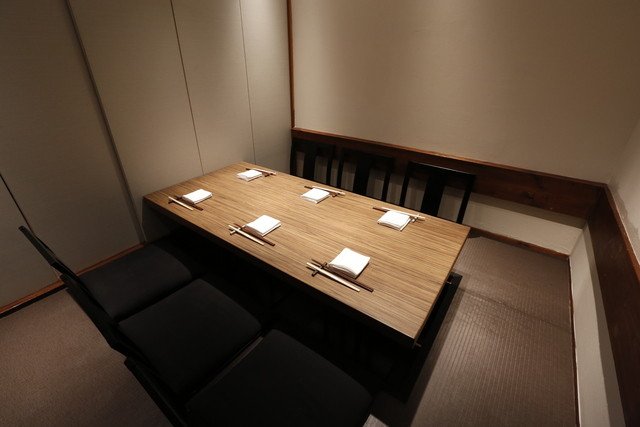
Modern Japanese interior with warm lighting, calm and relaxing atmosphere away from city hustle, refined adult space.
Tags
Vibe
Best For
Experience
Sourcing
At the Table
- Dress Code
- Smart Casual
- Noise Level
- Quiet
- Service Style
- Upscale Casual
- Meal Pacing
- Leisurely
- Capacity
- Medium
- Kitchen
- Modern
- Menu Format
- Set menu
- Wine Program
- Curated
- Drinks Focus
- Sake program
- Private Dining
- Available
Signature Dishes
- Hakata Takiniku Nabe
- Kyushu Black Wagyu and Kagoshima Black Pork Hotpot
Know before you go
Know Before You Go
- Getting there
- Japan, 〒106-0032 Tokyo, Minato City, Roppongi, 7 Chome−16−11 ヴェルデ六本木 2F
Planning details
Hours
- Monday
- 5–11 pm
- Tuesday
- 5–11 pm
- Wednesday
- 5–11 pm
- Thursday
- 5–11 pm
- Friday
- 5–11 pm
- Saturday
- 5–11 pm
- Sunday
- 5–10 pm
Location
Japan, 〒106-0032 Tokyo, Minato City, Roppongi, 7 Chome−16−11 ヴェルデ六本木 2F · Directions

Also consider
Also Consider
- Harutaka, Sushi, ¥¥¥¥
- RyuGin, Kaiseki, Japanese, ¥¥¥¥
- L'Effervescence, French, ¥¥¥¥
- HOMMAGE, Innovtive French, French, ¥¥¥¥
- Florilège, French, ¥¥¥
Restaurant context
Kintsuta operates in a different category from most of Tokyo's celebrated dining rooms, which makes direct comparison slightly awkward but also clarifying. Against RyuGin or Harutaka, the gap is format and price as much as quality: those rooms are tasting-menu and omakase experiences with corresponding price tags and booking difficulty. Kintsuta's OAD casual ranking signals it is genuinely good within its format, not merely accessible. If your Tokyo itinerary includes one fine-dining splurge, Kintsuta is the right complement to it, not a substitute for it.
Among the French options in the comparison set, L'Effervescence and HOMMAGE both sit at the ¥¥¥¥ tier with strong credentials and considerably more booking pressure. Florilège at ¥¥¥ is the closest French equivalent in terms of price positioning, and it carries similar OAD recognition. The choice between Florilège and Kintsuta comes down to format preference: a French tasting menu versus an interactive Japanese hot-pot. Both are worth a place on a multi-day Tokyo itinerary, and neither competes directly with the other.
For the explorer building a four- or five-night Tokyo dining schedule, a practical sequence might be: Kintsuta for a casual first-night arrival dinner, one of the French rooms mid-stay, and the sushi or kaiseki splurge as the anchor meal. Kintsuta's easy booking and dinner-only format make it the lowest-friction option in this comparison set, which is an advantage when the rest of the trip involves more complex reservations.
Explore Tokyo
Around this place
Discover more on Pearl
Unlock the full Kintsuta guide in Pearl, including awards, comparisons, FAQs, planning details, and nearby places.
Compare Kintsuta
| Venue | Location | Cuisine | Awards | Price |
|---|---|---|---|---|
| Kintsuta | Tokyo | Shabu shabu | 2026 OAD Casual in Japan Highly Recommended2025 OAD Casual in Japan Ranked · #1022024 OAD Casual in Japan Ranked · #922023 OAD Casual in Japan Ranked · #68 | , |
| Harutaka | Tokyo | Sushi | 2026 Tabelog Silver · #312026 OAD Top Restaurants in Japan Ranked · #1282026 Michelin 3 Stars2026 La Liste Top RestaurantsTabelog 100 - Sushi - TOKYO - 2025 · #372025 Asia's 50 Best Restaurants · #762025 OAD Top Restaurants in Japan Ranked · #1172025 La Liste Top Restaurants2025 Tabelog Bronze | ¥¥¥¥ |
| RyuGin | Tokyo | Kaiseki, Japanese | 2026 OAD Top Restaurants in Japan Ranked · #802026 Tabelog Bronze · #3772026 Michelin 3 Stars2026 La Liste Top RestaurantsTabelog 100 - Japanese cuisine - TOKYO - 2025 · #212025 OAD Top Restaurants in Japan Ranked · #542025 Michelin 3 Stars2025 La Liste Top Restaurants2025 The Best Chef Three Knives | ¥¥¥¥ |
| L'Effervescence | Tokyo | French | 2026 Tabelog Silver · #682026 OAD Top Restaurants in Japan Ranked · #103Star Wine Lists 20262026 Black Pearl 2 Diamond2026 Relais Chateaux Restaurants2026 La Liste Top Restaurants2026 Michelin 3 Stars2025 Asia's 50 Best Restaurants · #692025 OAD Top Restaurants in Japan Ranked · #92 | ¥¥¥¥ |
| HOMMAGE | Tokyo | Innovtive French, French | 2026 Tabelog Bronze · #1232026 OAD Top Restaurants in Japan Highly Recommended2026 Michelin 2 StarsTabelog 100 - French - TOKYO - 2025 · #762025 Asia's 50 Best Restaurants · #782025 OAD Top Restaurants in Japan Ranked · #1752025 Michelin 2 Stars2025 The Best Chef One Knife2025 La Liste Top Restaurants | ¥¥¥¥ |
| Florilège | Tokyo | French | 2026 Asia's 50 Best Restaurants · #312026 Tabelog Bronze · #712026 OAD Top Restaurants in Japan Ranked · #1242026 Black Pearl 1 Diamond2026 Michelin 2 Stars2026 La Liste Top Restaurants2025 Asia's 50 Best Restaurants · #172025 World's 50 Best Restaurants · #36Tabelog 100 - French - TOKYO - 2025 · #68 | ¥¥¥ |












How Kintsuta Tokyo compares with similar nearby venues.
FAQ
Frequently Asked Questions
How far ahead should I book Kintsuta?
A few days in advance is generally enough. Kintsuta's booking difficulty is rated easy, which is a genuine advantage over most OAD-ranked Tokyo restaurants where weeks-out reservations are standard. That said, Friday and Saturday evenings fill faster, so book those slots at least a week out to avoid the squeeze.
What should I order at Kintsuta?
Kintsuta specialises exclusively in shabu shabu, so the format is set: thinly sliced meat and vegetables cooked in broth at the table. The decision is which protein tier and broth to choose. Lean toward the higher-grade wagyu option if the budget allows — at an OAD Casual-ranked venue, the quality of the meat is the point.
Is Kintsuta good for a special occasion?
It works for a low-key celebration, but it is not a theatrical special-occasion venue. Kintsuta is a second-floor Roppongi shabu shabu restaurant — warm and consistent rather than grand. If the occasion calls for ceremony, a kaiseki counter like RyuGin will read as more event-like. Kintsuta is the better pick when the occasion is about great food without the production.
Is lunch or dinner better at Kintsuta?
Dinner only. Kintsuta opens at 5 pm seven days a week and does not offer lunch service, so there is no choice to make there. Sunday hours close an hour earlier at 10 pm, so factor that in if you are planning a Sunday visit and want a full, unhurried meal.
What are alternatives to Kintsuta in Tokyo?
For shabu shabu at a comparable or higher tier, Seryna in Roppongi is a long-established name in the format. If you are open to switching formats entirely, Harutaka is the benchmark sushi counter for precision and value within Tokyo's high-end dining tier. For a full kaiseki experience in the same city, RyuGin and L'Effervescence represent the ceiling of the category at a significantly higher price and booking difficulty.
Is Kintsuta good for solo dining?
Yes. Shabu shabu at counter or small-table settings is one of the more comfortable solo dining formats in Tokyo, and Kintsuta's easy booking makes it a practical choice for solo travellers who want a serious dinner without competing for a coveted reservation. The evening-only hours and Roppongi location also make it a natural standalone dinner rather than a rushed lunch slot.