
Kikanbo
Ramen · Chiyoda, Tokyo
Restaurant in Tokyo, Japan
 Book with Pearl
The Read
Adjustable-Heat Ramen Discipline
Chef
Various
Dress
Casual
Why go
Kikanbo is Tokyo's most credentialled spice-forward ramen counter in Chiyoda, ranked #22 on Opinionated About Dining's Casual Japan list for 2025 — up from #42 the year prior. The karashibi format (chilli heat plus Sichuan pepper) is the reason to go. Walk-in only, counter seating, low spend. Best for solo diners and pairs who want a focused, high-quality bowl without a reservation.
About Kikanbo
Who Should Book Kikanbo
Kikanbo is the right call if you want a bowl of ramen that has earned its reputation on merit rather than hype — and you want to eat well in Chiyoda without spending ¥¥¥¥ on a tasting menu. It is a strong choice for solo diners, ramen obsessives visiting Tokyo for the first time, or anyone anchored in the Akihabara or Kanda area who wants a lunch that punches above its surroundings. If you are celebrating with a group and need a private room or a sake list, look elsewhere. But for a focused, high-quality bowl in a no-ceremony setting, Kikanbo delivers.
Portrait
Kikanbo sits in Kajicho, a quiet pocket of Chiyoda City just south of Akihabara's main drag. The neighbourhood is dominated by office blocks and narrow backstreets rather than tourist circuits, which means the people eating here are largely regulars, workers, and diners who came specifically for the ramen. That local anchor is part of what gives Kikanbo its credibility — this is not a venue that lives off foot traffic from nearby electronics shops.
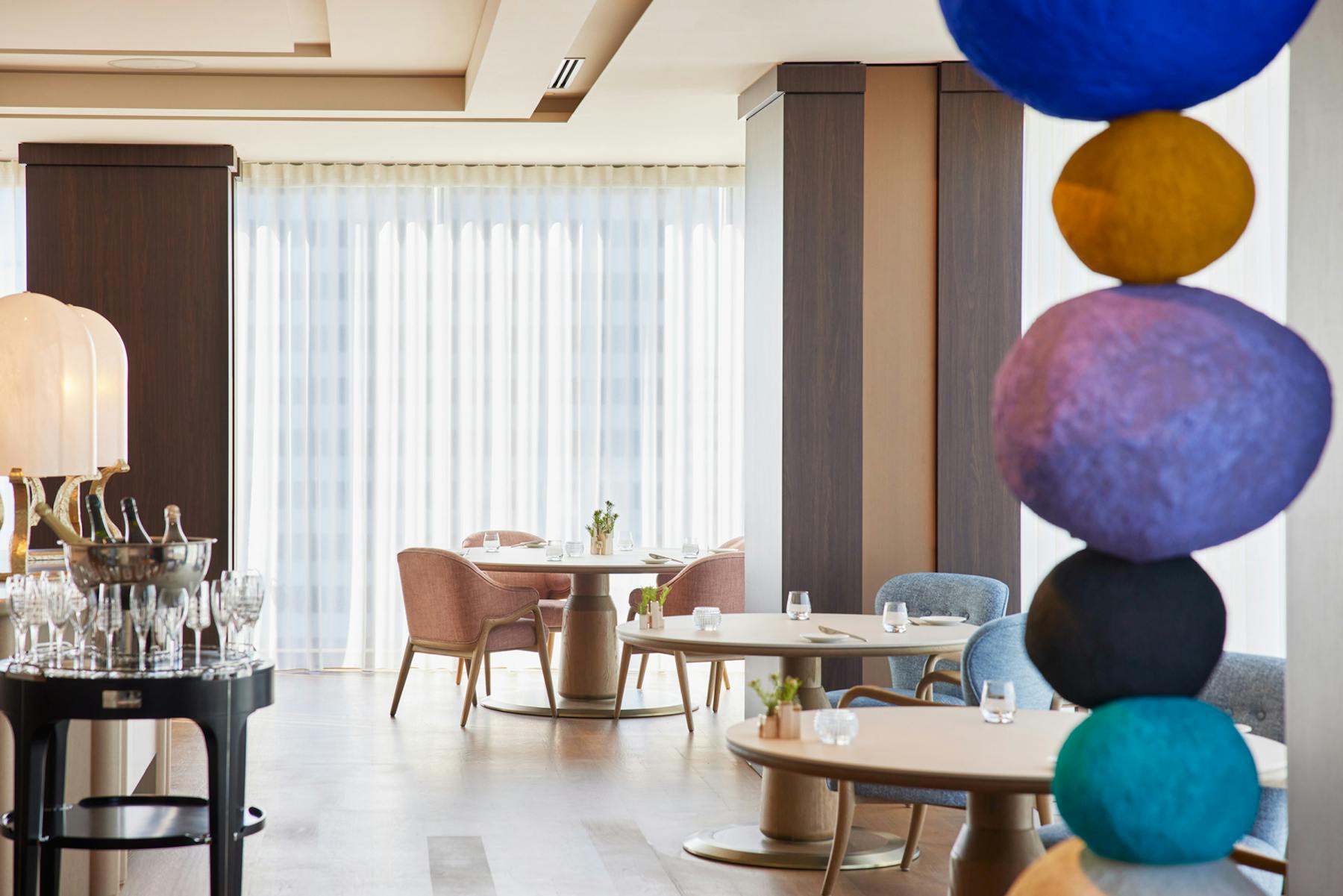
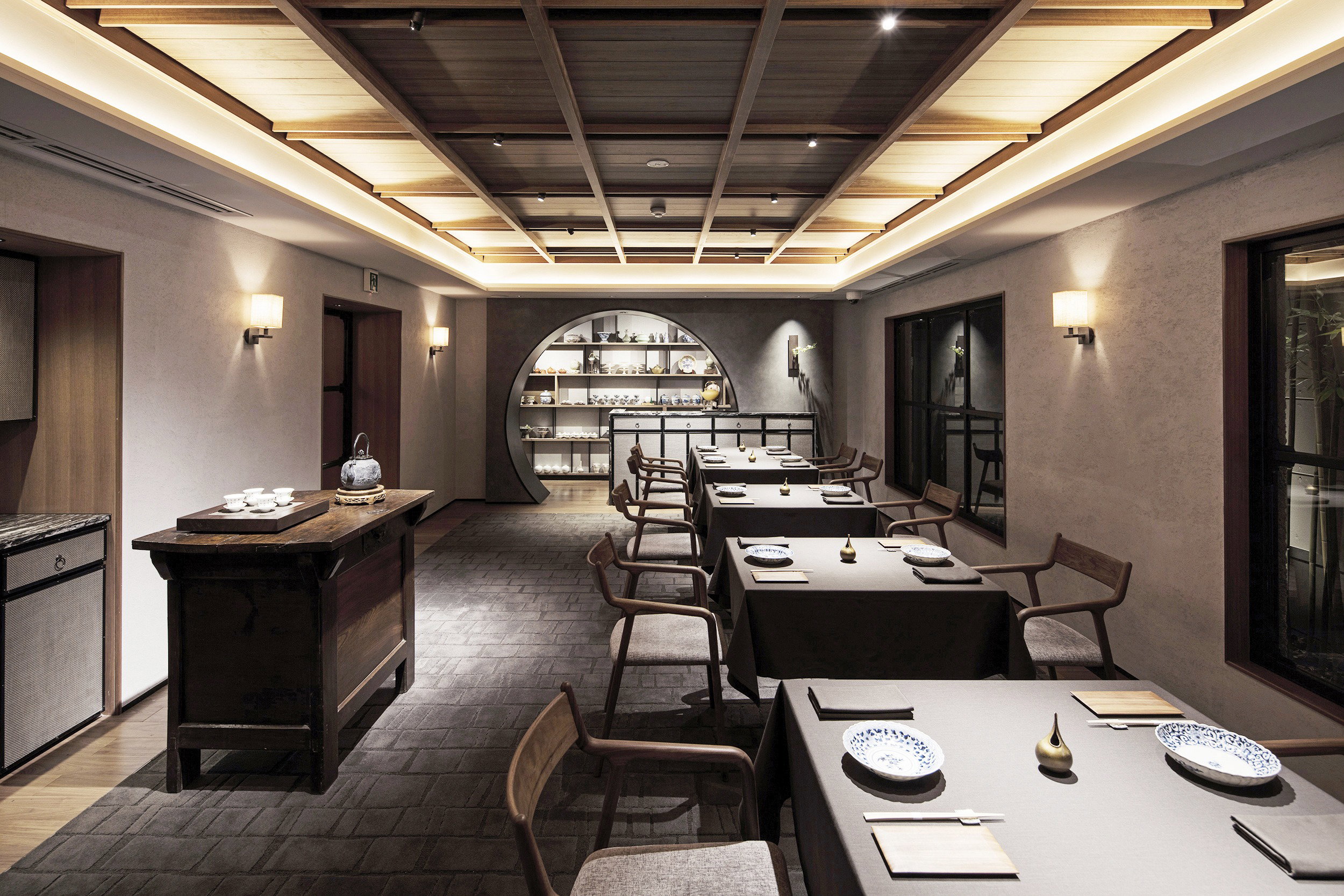
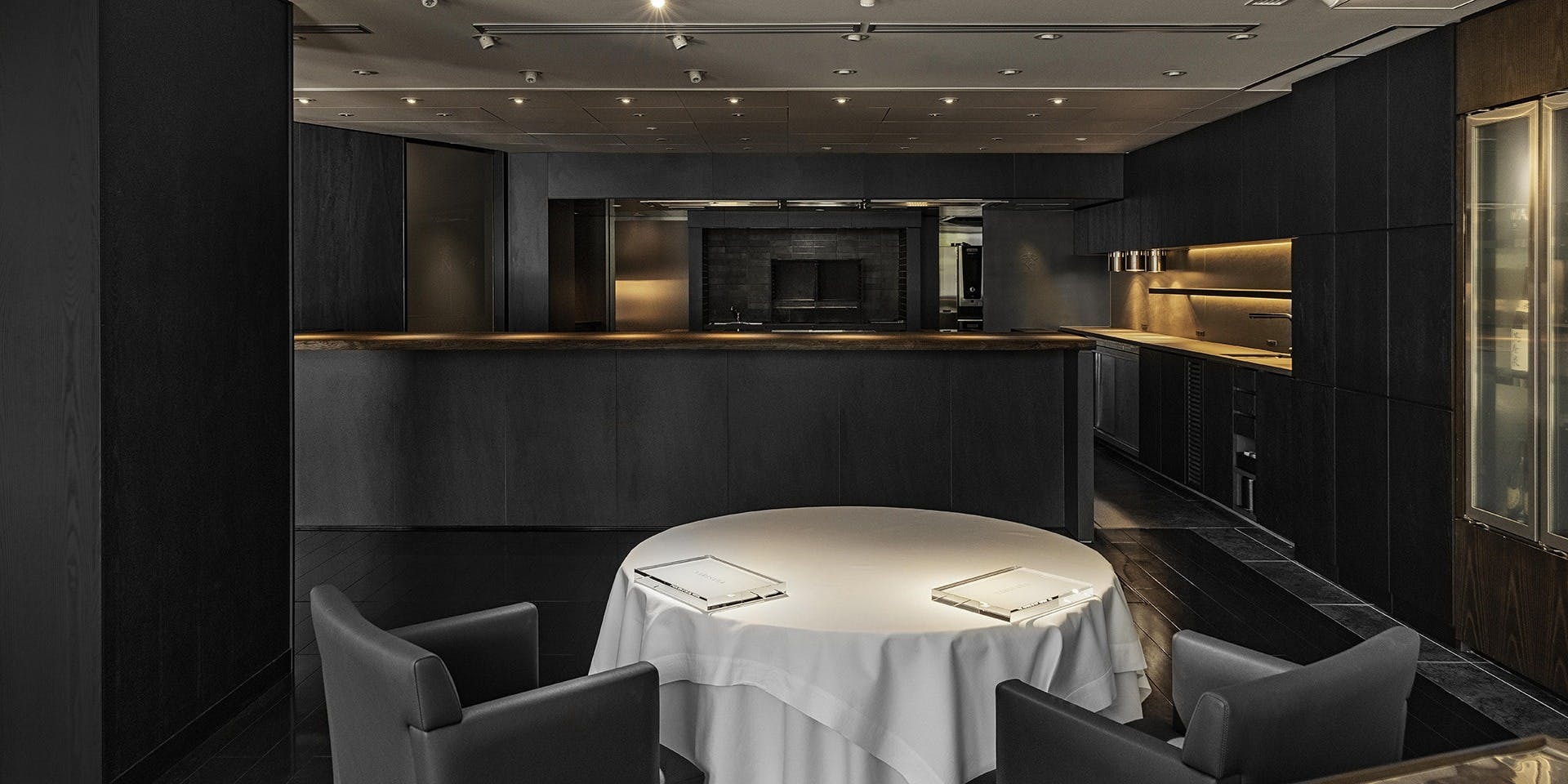
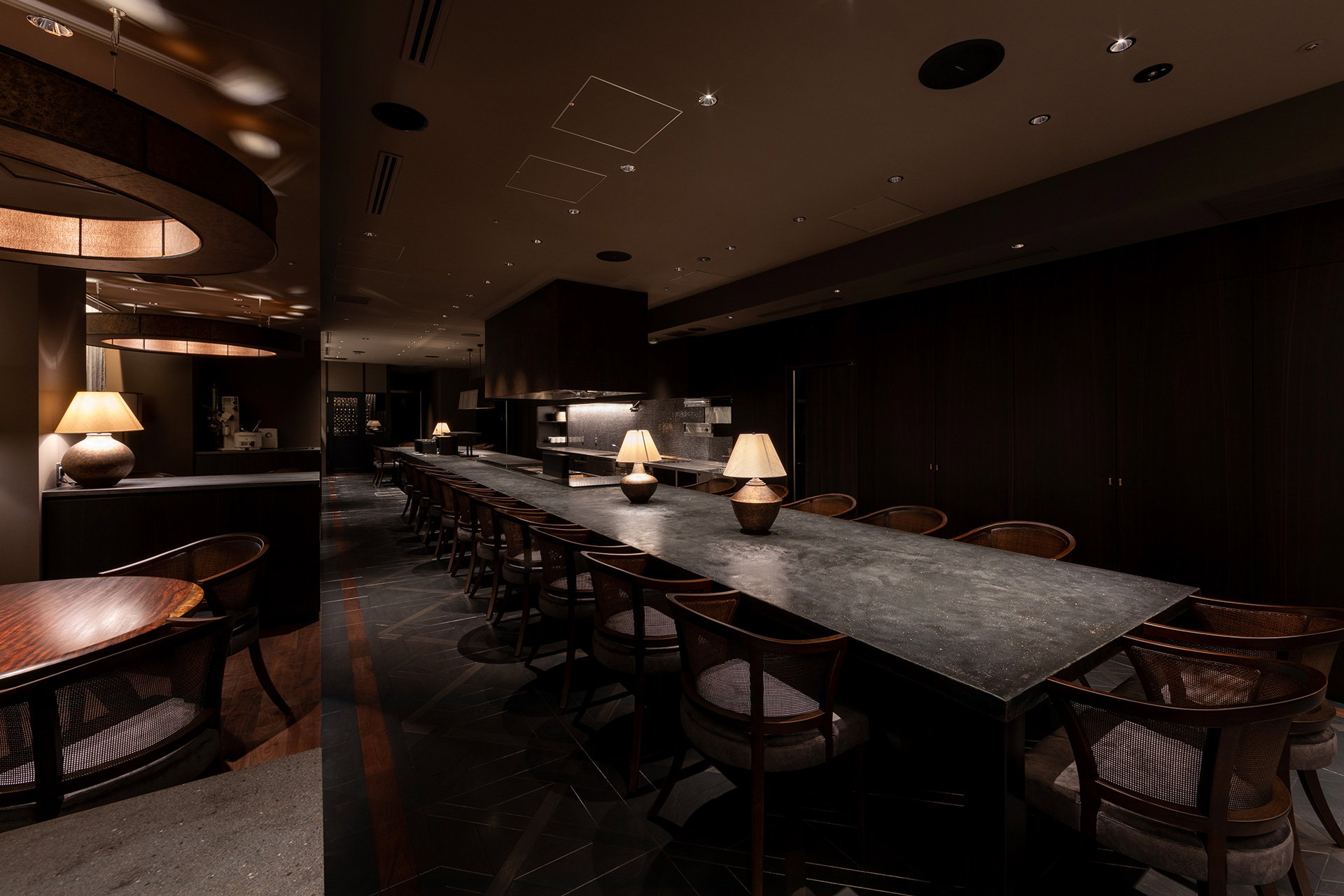
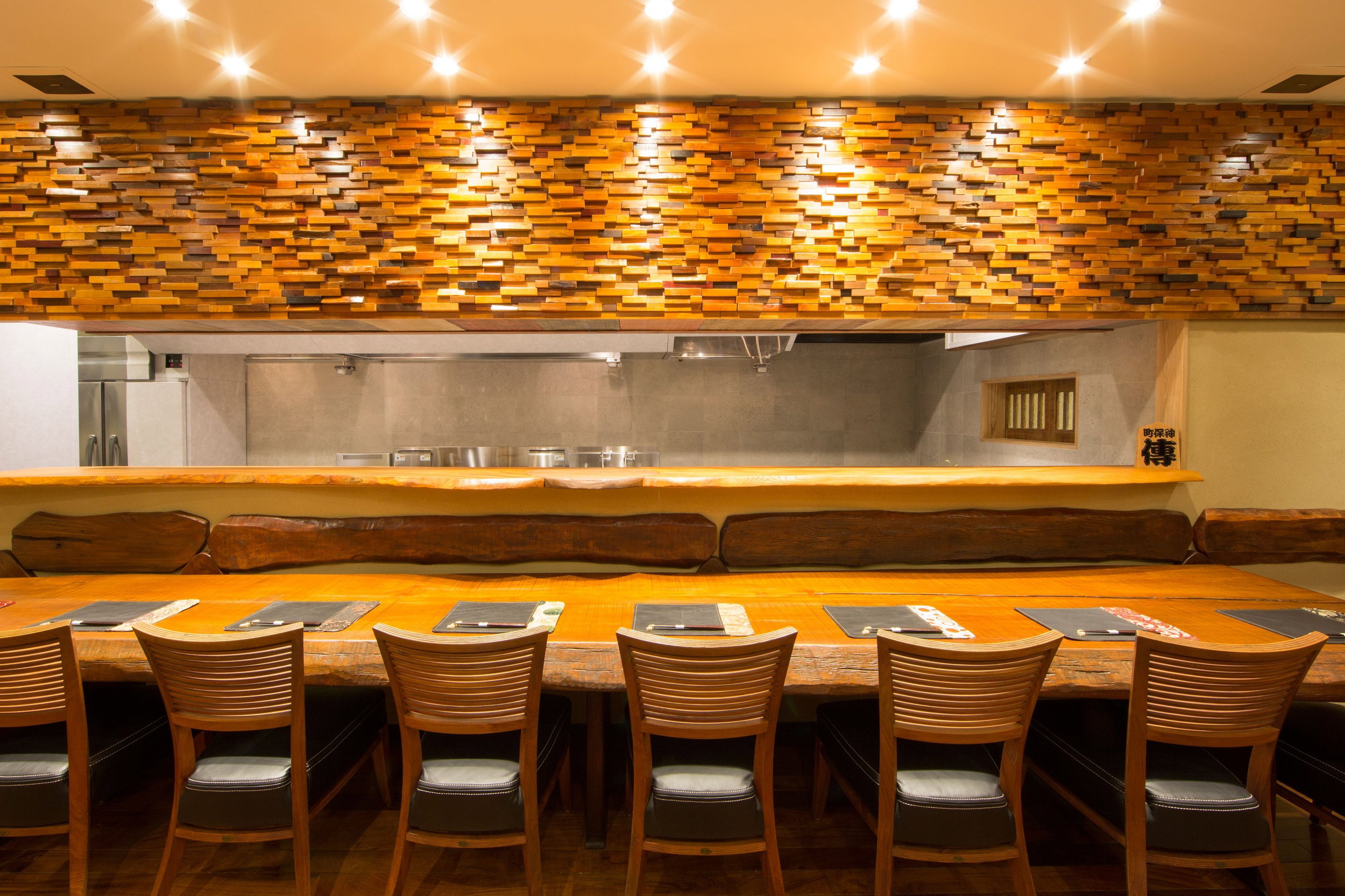
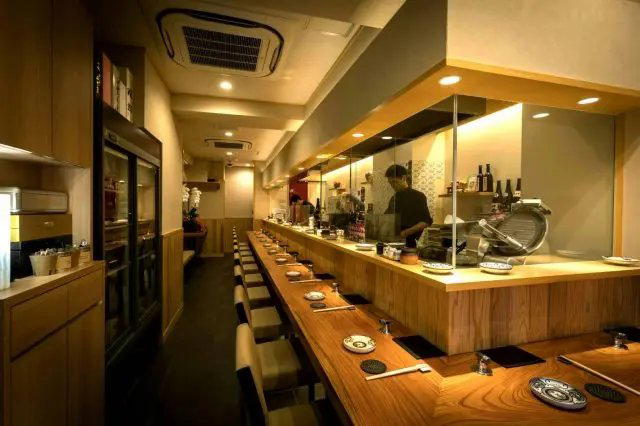
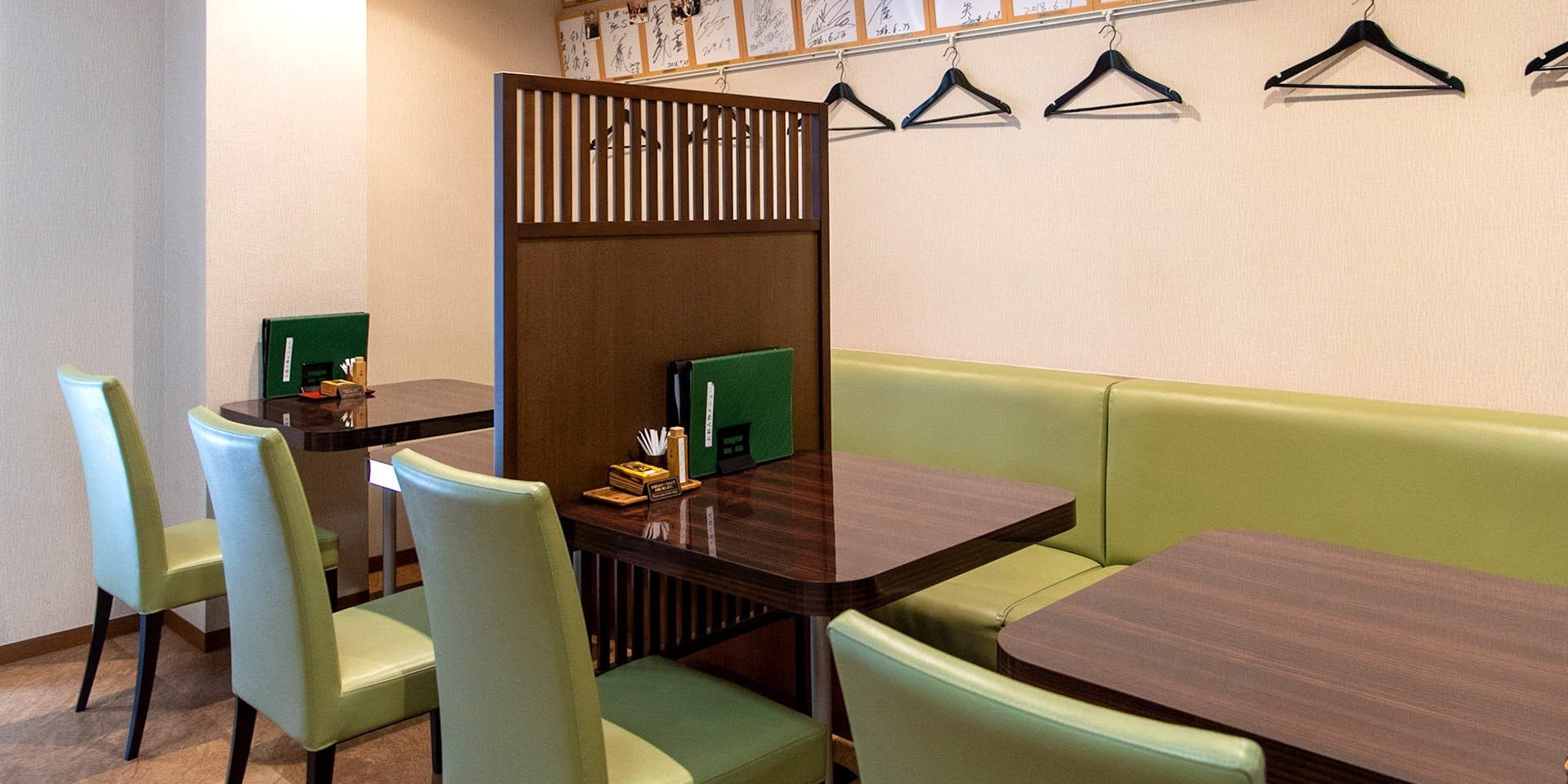
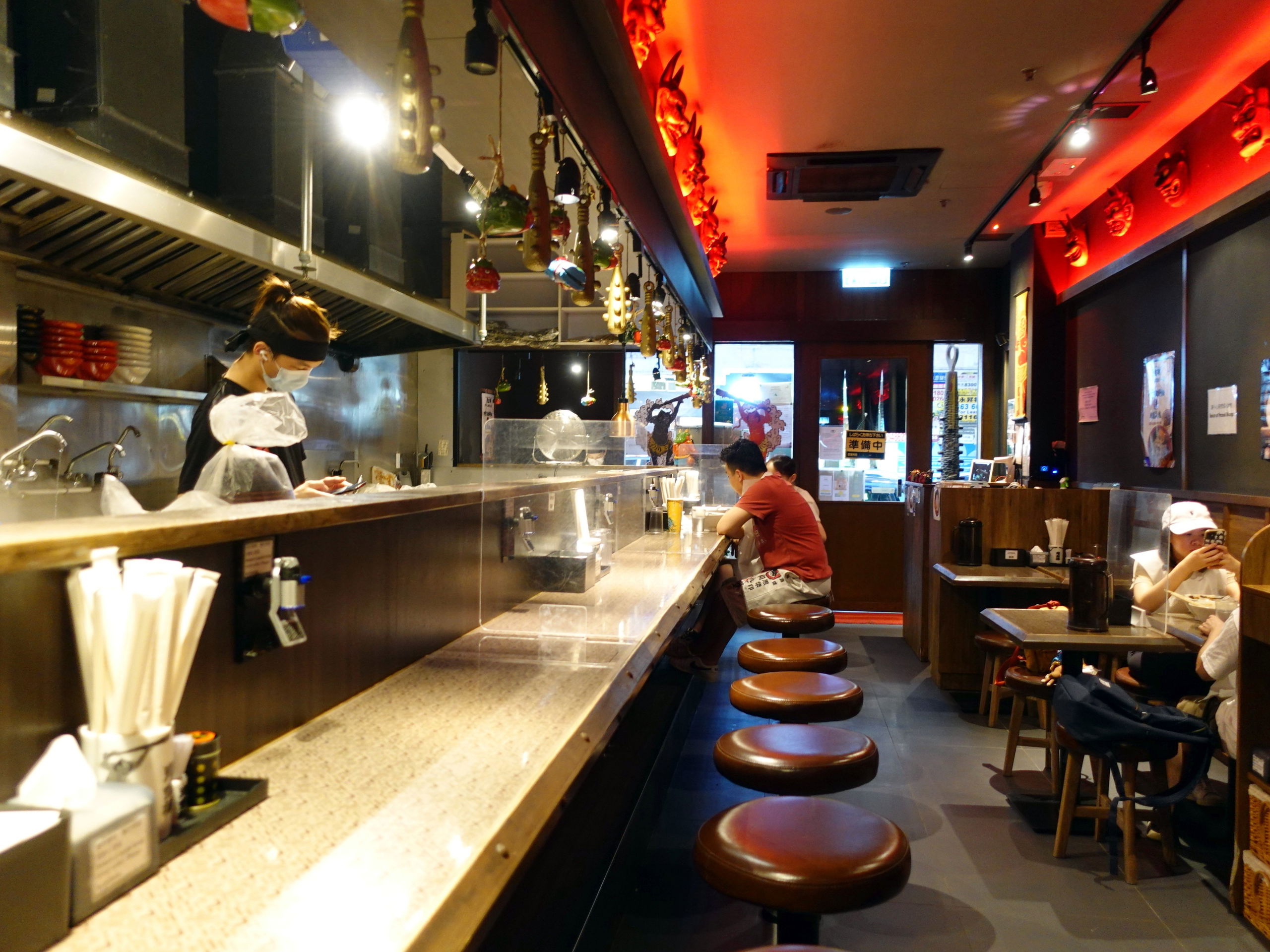
The physical space reflects the format: counter seating, close quarters, efficient service, no theatrical flourishes. The room is built for throughput and focus, not for lingering over cocktails or marking a milestone with a long table. If you need atmosphere in the candlelit-restaurant sense, adjust expectations before you arrive. What the space does deliver is the concentrated attention of a kitchen that has been doing this long enough to appear on Opinionated About Dining's Casual Japan list three consecutive years, ranked #29 in 2023, #42 in 2024, and climbing back to #22 in 2025. That consistency across multiple ranking cycles is a more reliable signal than a single high placement.
The cuisine is ramen, and the kitchen's reputation is built specifically around spice-forward bowls, Kikanbo is known in Tokyo ramen circles for its karashibi style, which layers chilli heat with Sichuan pepper numbness. The degree of spice is typically adjustable, which matters for first-timers or diners with lower heat tolerance. Beyond that, the menu is tight and focused. Do not arrive expecting variety in the way a multi-concept restaurant offers it; arrive expecting one thing done with precision.
Timing is worth thinking through. The venue runs Monday to Saturday 11am to 9:30pm, with Sunday hours cutting off at 4pm, plan accordingly if your Tokyo itinerary runs into Sunday evening. Lunchtime draws a queue, particularly on weekdays when the Chiyoda office crowd fills the area. An early arrival or a mid-afternoon visit on a weekday gives you the leading chance of a shorter wait. Dinner is generally quieter and a better option if you want to eat without rushing.
For context against Tokyo's broader ramen scene: Afuri offers a lighter, yuzu-forward profile and multiple locations for easier access; Fuunji in Shinjuku is the counter to consider if tsukemen is your preference; Chukasoba Ginza Hachigou and Chukasoba KOTETSU are worth checking if you want to benchmark shoyu-style bowls. For spice-led ramen with OAD recognition, Kikanbo is the most credentialled option currently ranked in Chiyoda. If you are building a broader Japan itinerary around food, Chinese Noodles ROKU in Kyoto and Chukasoba Mugen in Osaka are the regional ramen equivalents worth noting. For higher-end Tokyo dining around the same neighbourhood, see our full Tokyo restaurants guide.
Practical Details
Address: 2 Chome-10-9 Kajicho, Chiyoda City, Tokyo 101-0044. Hours: Monday to Saturday 11am–9:30pm; Sunday 11am–4pm. Booking: Walk-in. No reservation system in the standard format, arrive early to minimise queue time, especially at lunch. Budget: Ramen-category pricing; expect a low per-head spend consistent with Tokyo counter ramen. Dress: Casual. No dress code applies. Groups: Counter seating makes large groups impractical; well suited to solo diners or pairs.
Awards & Recognition
- Opinionated About Dining, Casual Japan #22 (2025)
- Opinionated About Dining, Casual Japan #42 (2024)
- Opinionated About Dining, Casual Japan #29 (2023)
The three-year OAD presence confirms this is not a flash-in-the-pan ranking. The upward movement from #42 to #22 between 2024 and 2025 suggests the kitchen is in a strong current period. If you are visiting Tokyo now, this is a well-timed moment to go.
Also Worth Considering in the Region
If your Japan trip extends beyond Tokyo, the following are Pearl-tracked venues worth adding to your itinerary: HAJIME in Osaka, Gion Sasaki in Kyoto, akordu in Nara, Goh in Fukuoka, 1000 in Yokohama, and 6 in Okinawa. For hotels, bars, and experiences in Tokyo, see our Tokyo hotels guide, bars guide, and experiences guide. Tokyo wineries are also tracked if that is relevant to your trip.
Planning details
- Hours
- Monday: 11 am–9:30 pm · Tuesday: 11 am–9:30 pm
- Location
- 2 Chome-10-9 Kajicho, Chiyoda City, Tokyo 101-0044, Japan
- Website
- kikanbo.co.jp
- Phone
- +81 3-6206-0239
The take
The Take
The Vibe
Kikanbo presents itself as quintessential Tokyo ramen: unflashy, fiercely focused and very much of the street. The editorial emphasizes queues on Kajicho as the primary signal of seriousness, not plush décor, and positions the shop within the karashibire tradition — a discipline defined by precise calibration of chilli heat and Sichuan pepper numbness. That combination and the shop’s steady climb in respected rankings underline a classic, workaday intensity: expect efficient, no‑frills service, a bustling entrance, and a communal sense that you’re lining up for something people return to again and again.
Best For
Kikanbo is best for diners who are hunting a rigorous bowl rather than an occasion‑led meal. It naturally suits solo diners and small groups who want an authentic ramen experience and don’t mind a line; the write‑up repeatedly frames the shop as part of Tokyo’s everyday ramen circuit and a reliable stop for karashibire enthusiasts. Given the persistent queue and the shop’s reputation, it’s also a solid choice for visitors who prioritize food credibility and consistency over ambience, and for anyone keen on tasting a recognized example of this spicy, numbing ramen style.
Ordering Tips
Order toward Kikanbo’s signatures: the Karashibire Miso Ramen and the Oni Ramen are the core expressions of its chili‑and‑Sichuan‑pepper discipline; the Deluxe Bowl with Extra Pork is the heartier alternative. The description stresses that karashibire is about balance — too much heat flattens the broth, too little undermines the concept — so be mindful of spice tolerance when choosing intensity. Expect to queue (the piece notes morning lines) and plan accordingly: arriving early or off‑peak reduces wait times and increases the chance of getting the exact preparation you want.
Venue details
Ambiance
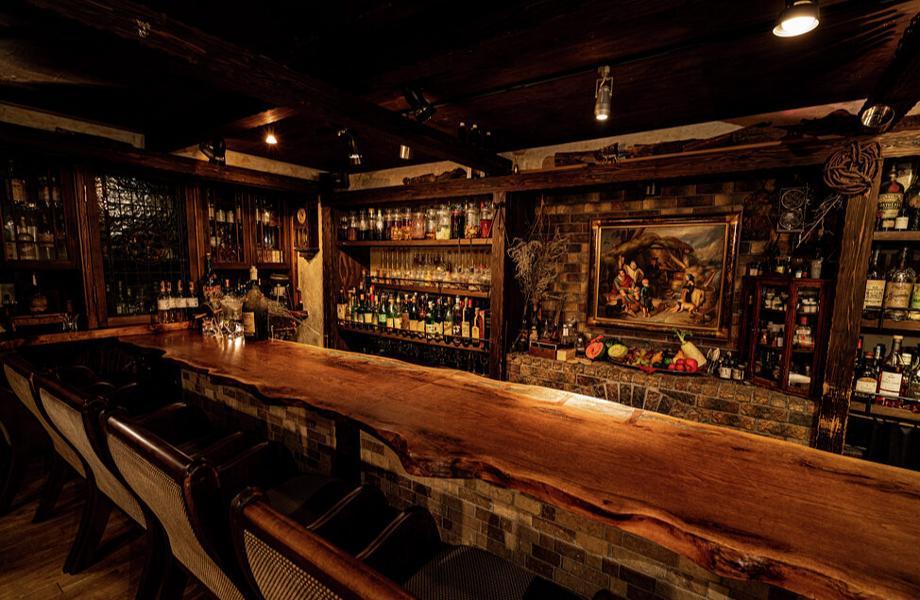
High-energy, no-nonsense ramen shop with a theatrical Japanese hell theme featuring dramatic taiko drumming, scary masks, and hanging kikanbo (metal clubs). Small counter seating with boisterous staff creates a lively, immersive atmosphere despite cramped quarters.
Tags
Vibe
Best For
Experience
At the Table
- Dress Code
- Casual
- Noise Level
- Loud
- Service Style
- Counter Service
- Meal Pacing
- Quick Bite
- Capacity
- Small
Signature Dishes
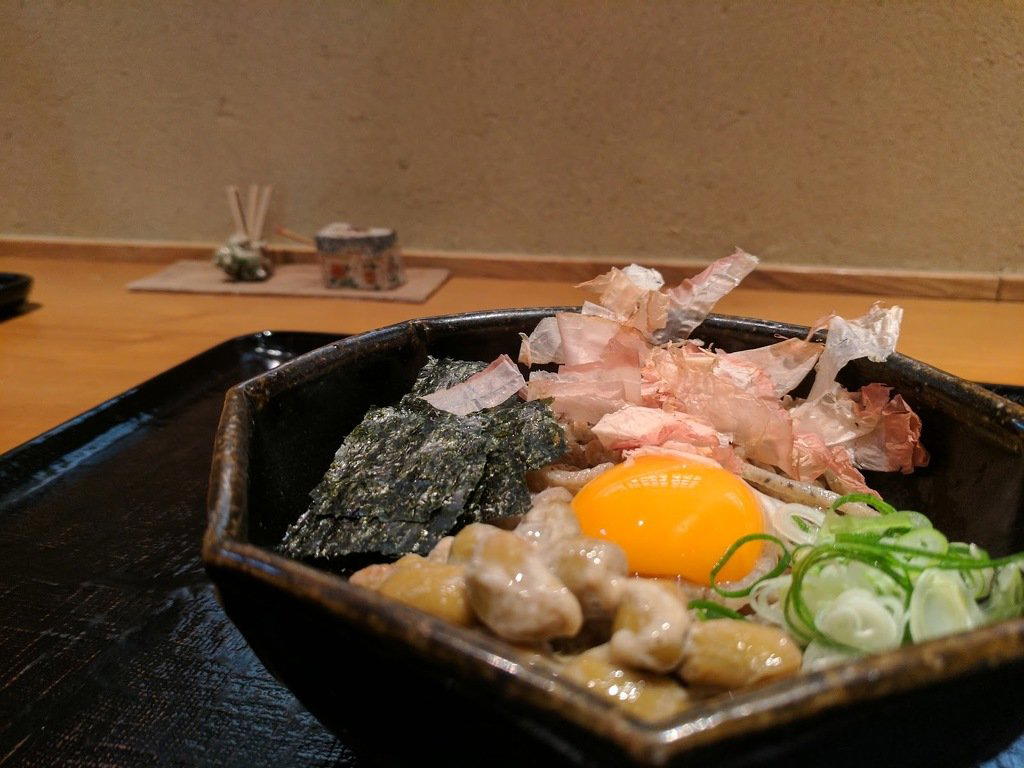
- Karashibi Miso Ramen
- Oni Ramen
- Deluxe Bowl with Extra Pork
Know before you go
Know Before You Go
- Getting there
- 2 Chome-10-9 Kajicho, Chiyoda City, Tokyo 101-0044, Japan
Planning details
Hours
- Monday
- 11 am–9:30 pm
- Tuesday
- 11 am–9:30 pm
- Wednesday
- 11 am–9:30 pm
- Thursday
- 11 am–9:30 pm
- Friday
- 11 am–9:30 pm
- Saturday
- 11 am–9:30 pm
- Sunday
- 11 am–4 pm
Location

Also consider
Also Consider
- Harutaka, Sushi, ¥¥¥¥
- RyuGin, Kaiseki, Japanese, ¥¥¥¥
- L'Effervescence, French, ¥¥¥¥
- HOMMAGE, Innovtive French, French, ¥¥¥¥
- Florilège, French, ¥¥¥
Restaurant context
Kikanbo and the other Pearl-tracked Tokyo venues in this comparison are not really competing for the same booking. Harutaka, RyuGin, L'Effervescence, and HOMMAGE are all ¥¥¥¥ venues requiring advance reservations, extended dining windows, and a different kind of commitment. If your Tokyo trip includes one high-spend dinner, those are the tier to evaluate. Kikanbo operates at a different price point and format entirely, a counter-ramen lunch or dinner that costs a fraction of a tasting menu and requires no reservation. The question is not which is better overall; it is which fits the occasion.
Within the ramen category, Afuri is the easier access option, multiple locations, lighter broth, less of a commitment on spice. Kikanbo is the better call if you specifically want heat-driven ramen with independent critical recognition behind it. Florilège at ¥¥¥ is worth comparing only if you are deciding between a casual ramen lunch and a slightly more formal French dinner at a similar (though still higher) budget, and those are genuinely different evenings, not substitutable experiences.
The practical answer: book one of the ¥¥¥¥ venues for your main Tokyo dining event, and fit Kikanbo in as a lunch on a separate day. It earns a place on any serious Tokyo food itinerary on the strength of its OAD consistency, and the walk-in format means there is no planning overhead. For solo travellers or pairs building a mixed-spend Tokyo trip, Kikanbo is the lowest-friction, highest-confidence casual meal on the list.
Explore Tokyo
Around this place
Discover more on Pearl
Unlock the full Kikanbo guide in Pearl, including awards, comparisons, FAQs, planning details, and nearby places.
Compare Kikanbo
| Venue | Location | Cuisine | Awards | Price |
|---|---|---|---|---|
| Kikanbo | Tokyo | Ramen | 2026 OAD Casual in Japan Ranked · #392025 OAD Casual in Japan Ranked · #222024 OAD Casual in Japan Ranked · #422023 OAD Casual in Japan Ranked · #29 | , |
| Harutaka | Tokyo | Sushi | 2026 Tabelog Silver · #312026 OAD Top Restaurants in Japan Ranked · #1282026 Michelin 3 Stars2026 La Liste Top RestaurantsTabelog 100 - Sushi - TOKYO - 2025 · #372025 Asia's 50 Best Restaurants · #762025 OAD Top Restaurants in Japan Ranked · #1172025 La Liste Top Restaurants2025 Tabelog Bronze | ¥¥¥¥ |
| RyuGin | Tokyo | Kaiseki, Japanese | 2026 OAD Top Restaurants in Japan Ranked · #802026 Tabelog Bronze · #3772026 Michelin 3 Stars2026 La Liste Top RestaurantsTabelog 100 - Japanese cuisine - TOKYO - 2025 · #212025 OAD Top Restaurants in Japan Ranked · #542025 Michelin 3 Stars2025 La Liste Top Restaurants2025 The Best Chef Three Knives | ¥¥¥¥ |
| L'Effervescence | Tokyo | French | 2026 Tabelog Silver · #682026 OAD Top Restaurants in Japan Ranked · #103Star Wine Lists 20262026 Black Pearl 2 Diamond2026 Relais Chateaux Restaurants2026 La Liste Top Restaurants2026 Michelin 3 Stars2025 Asia's 50 Best Restaurants · #692025 OAD Top Restaurants in Japan Ranked · #92 | ¥¥¥¥ |
| HOMMAGE | Tokyo | Innovtive French, French | 2026 Tabelog Bronze · #1232026 OAD Top Restaurants in Japan Highly Recommended2026 Michelin 2 StarsTabelog 100 - French - TOKYO - 2025 · #762025 Asia's 50 Best Restaurants · #782025 OAD Top Restaurants in Japan Ranked · #1752025 Michelin 2 Stars2025 The Best Chef One Knife2025 La Liste Top Restaurants | ¥¥¥¥ |
| Florilège | Tokyo | French | 2026 Asia's 50 Best Restaurants · #312026 Tabelog Bronze · #712026 OAD Top Restaurants in Japan Ranked · #1242026 Black Pearl 1 Diamond2026 Michelin 2 Stars2026 La Liste Top Restaurants2025 Asia's 50 Best Restaurants · #172025 World's 50 Best Restaurants · #36Tabelog 100 - French - TOKYO - 2025 · #68 | ¥¥¥ |












How Kikanbo Tokyo compares with similar nearby venues.
FAQ
Frequently Asked Questions
Is Kikanbo good for solo dining?
Yes, it's one of the better solo calls in Chiyoda City. Ramen counters are built for single diners, and walk-in entry means you're not coordinating a booking for one. You'll seat faster alone than with a group during peak lunch hours.
What should I wear to Kikanbo?
Come as you are. Kikanbo is a ramen shop in a working neighbourhood south of Akihabara — there is no dress expectation beyond being comfortable. Office workers and tourists eat side by side.
Does Kikanbo handle dietary restrictions?
Ramen as a format is not well-suited to strict dietary restrictions — broth bases typically contain pork, chicken, or both, and allergy customisation at high-volume walk-in shops is limited. If you have serious dietary requirements, verify directly before visiting; no information is available in Pearl's records on accommodation options here.
Is lunch or dinner better at Kikanbo?
Lunch draws office crowds from the surrounding Chiyoda blocks, so expect queues between noon and 1:30pm on weekdays. Dinner mid-week is likely to move faster. On Sundays the kitchen closes at 4pm, making it a lunch-only day by default — plan accordingly.
Can Kikanbo accommodate groups?
Counter seating and walk-in format mean large groups will either split up or wait considerably longer than solo diners or pairs. For groups of four or more, a weekday dinner visit is the lowest-friction option, but expect the process to be informal rather than managed.
How far ahead should I book Kikanbo?
No booking is required — or accepted. Kikanbo operates walk-in only, so the practical question is timing rather than lead time. Arrive before the noon rush or after 2pm on weekdays to keep queuing short.
What should a first-timer know about Kikanbo?
Kikanbo has ranked in Opinionated About Dining's Casual Japan list three consecutive years (2023, 2024, 2025), which puts it in serious company for a walk-in ramen shop. It's in Kajicho, a low-key office pocket of Chiyoda City — not a tourist strip — so navigate using the address: 2 Chome-10-9 Kajicho. The kitchen runs Monday to Saturday until 9:30pm and Sunday until 4pm.