百薬 by 徳山鮓
Chūō, Tokyo
Restaurant in Tokyo, Japan
 Book with Pearl
Why go
A good fit for diners who want a quieter Ginza booking with discovery value, not a fully documented, price-led choice. 百薬 by 徳山鮓 is easier to shortlist for a focused dinner than for a large group, since menu, price, and room-format details are not listed. Cross-shop Ginza Fujiyama for kaiseki clarity or Ishiyama for sushi intent.
About 百薬 by 徳山鮓
百薬 by 徳山鮓 is a Tokyo venue worth checking directly if you are interested in it for a trip or meal. Because details such as address, neighborhood, cuisine, menu format, pricing, hours, room layout, awards, and service style may vary, it is best to confirm the essentials with the venue before making plans.
Book with direct confirmation, not assumptions
The practical verdict is simple: shortlist 百薬 by 徳山鮓 if you are specifically interested in this Tokyo venue. Do not assume a particular dining format, seating style, group capacity, price level, dress code, or menu based on the name alone.
For planning the rest of the city, use Our full Tokyo restaurants guide, plus Our full Tokyo hotels guide and Our full Tokyo bars guide. Other Tokyo dining options to compare include Bigo no Mise Toukyou honten, Ginza Fujiyama, Ishiyama, MUJI Diner, and sukiyaki & shabu shabu Ginza Rangetsu.
Planning details
- Location
- Japan, 〒104-0061 Tokyo, Chuo City, Ginza, 4 Chome−4−2 松屋通り安田ビル 9階
- Reservations
- Book on Omakase
- Website
- salt-group.jp/shop/hyakuyaku
- Phone
- +81 3-5579-9760
The take
The Take
The Vibe
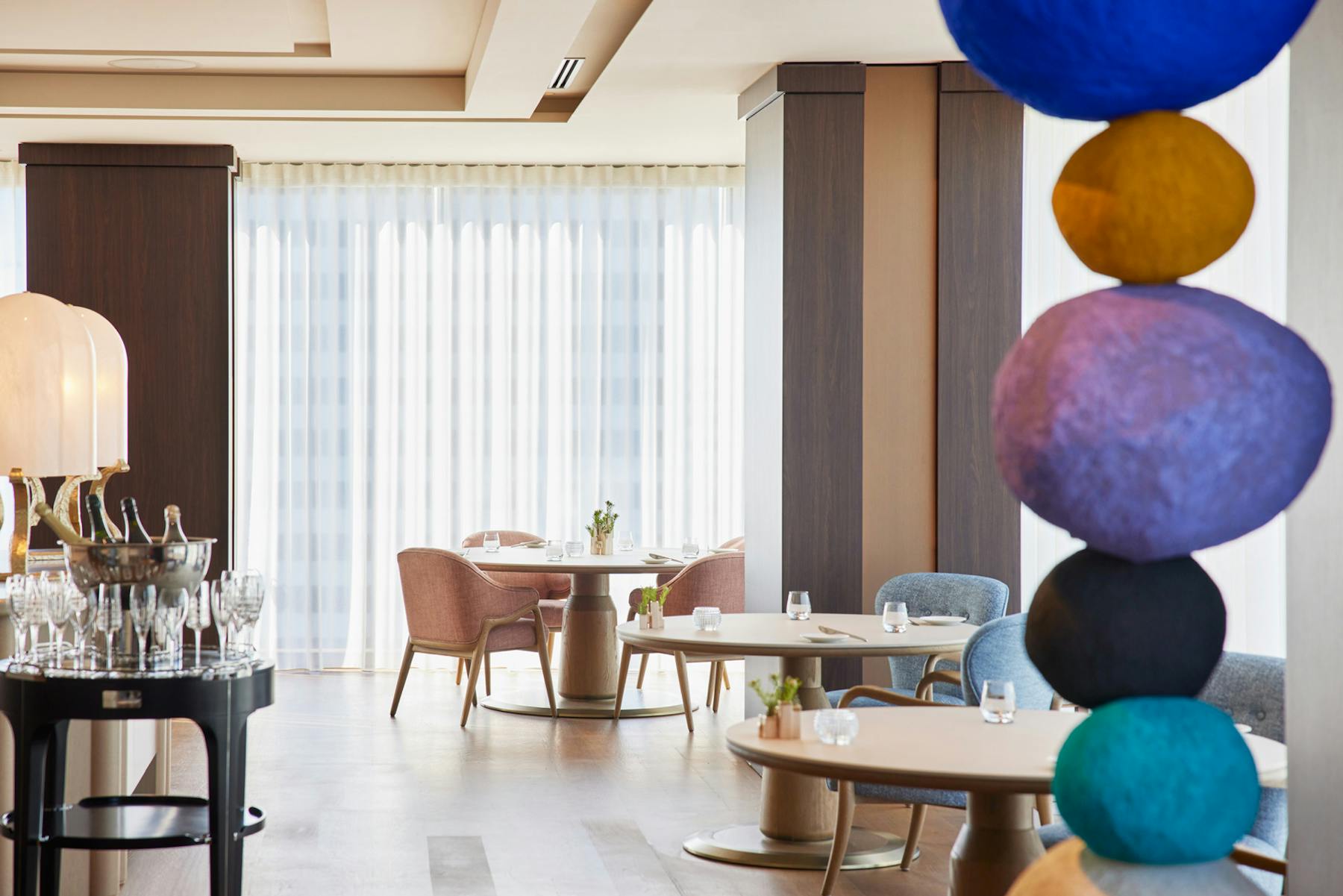
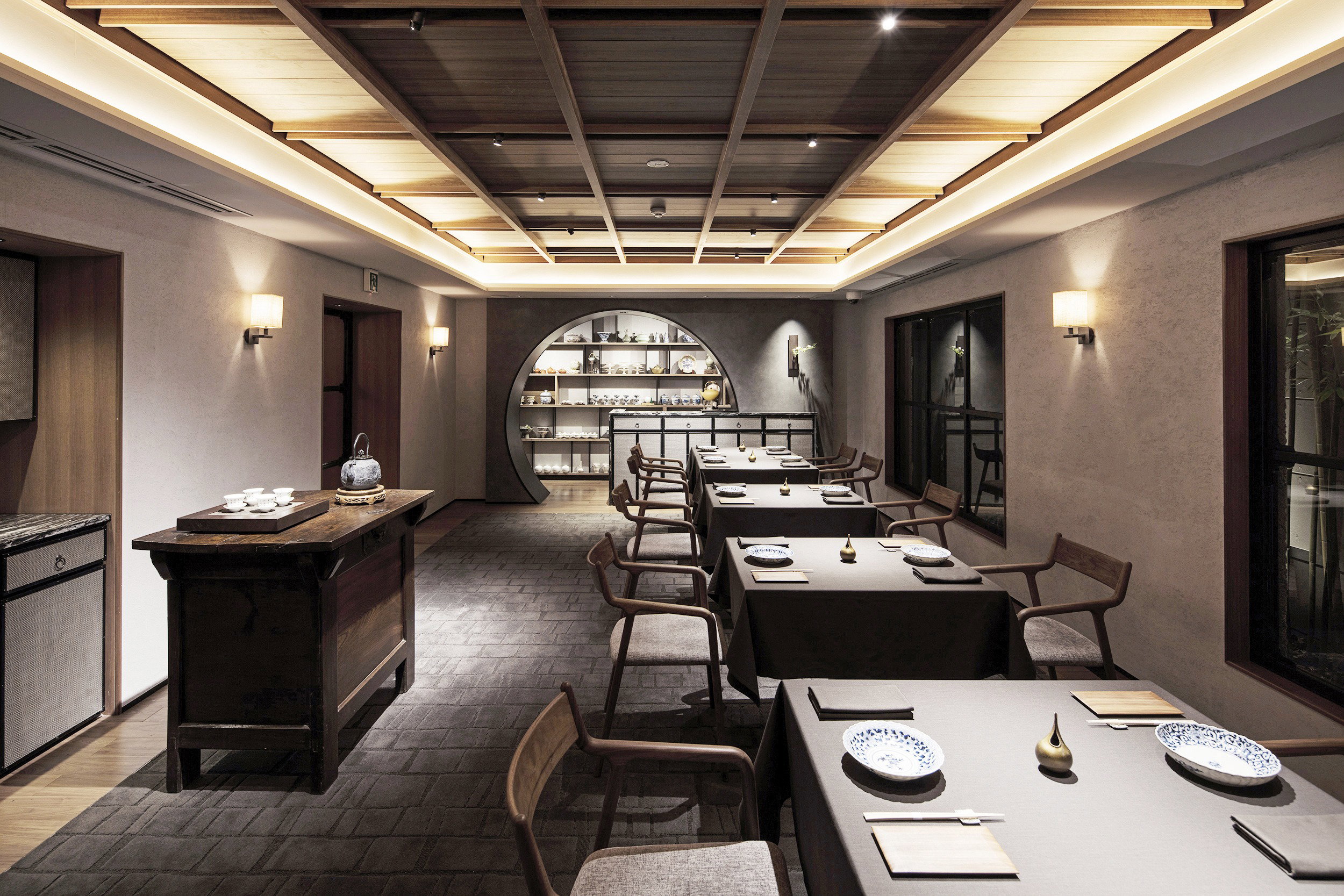
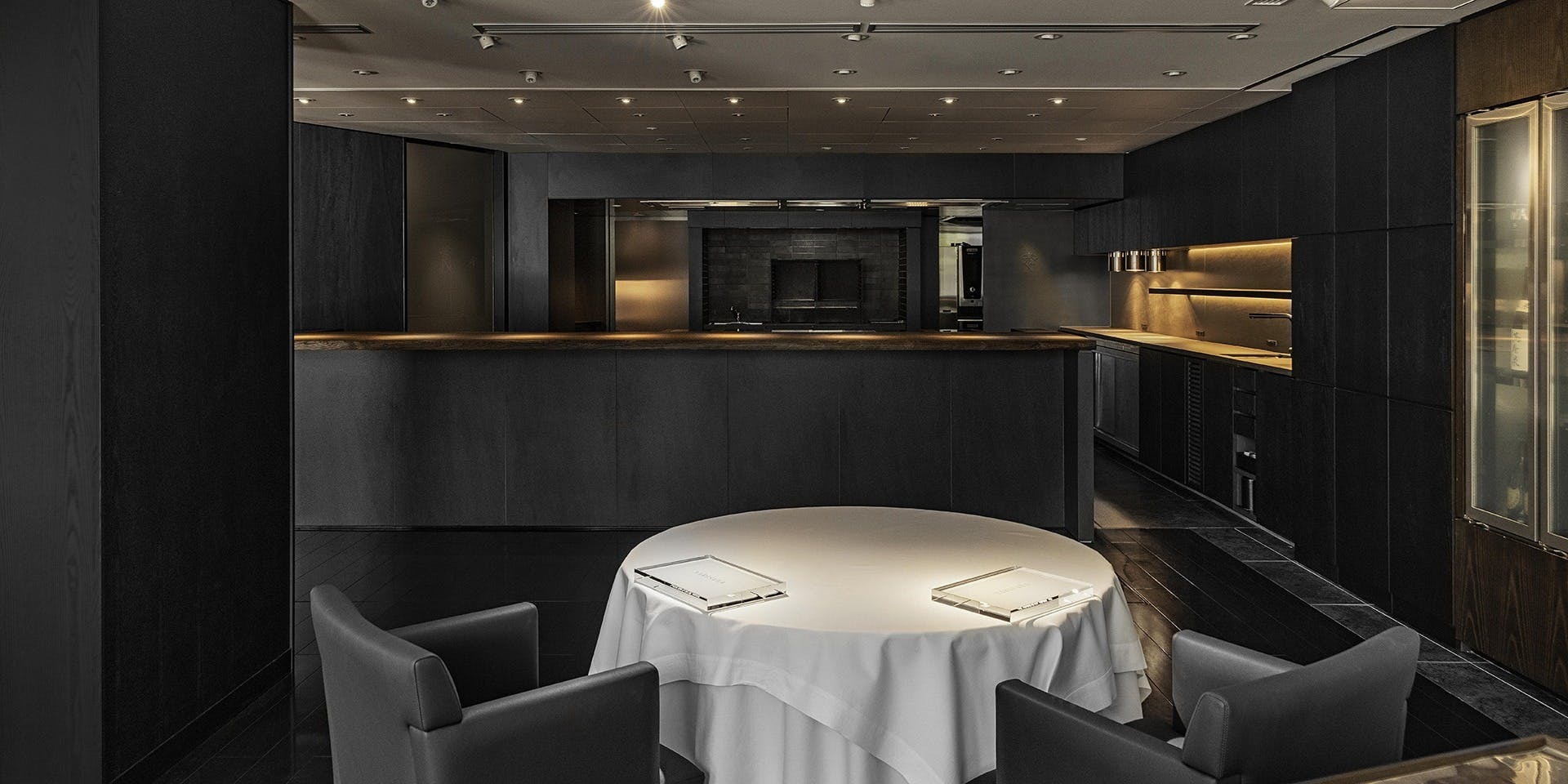
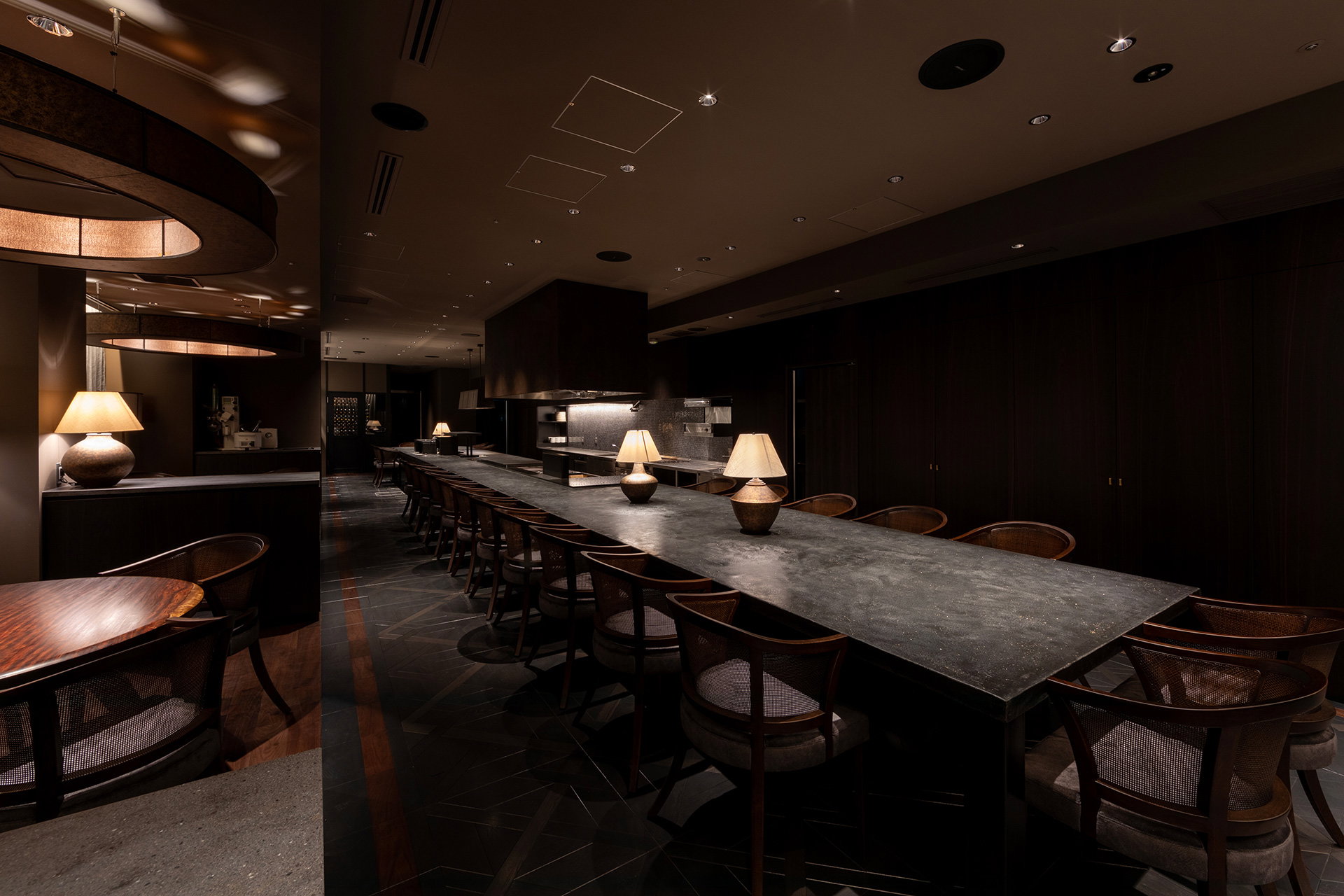
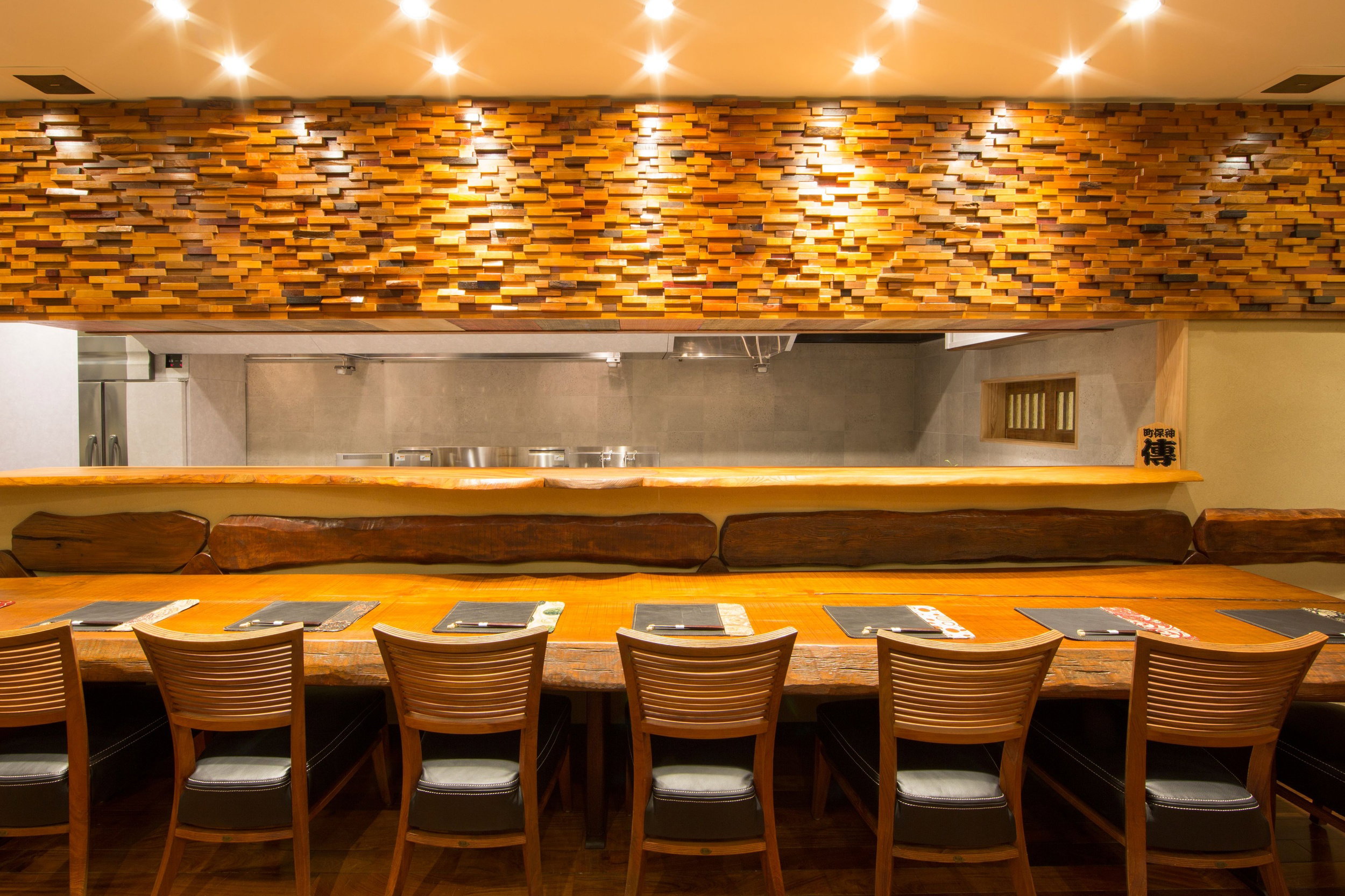
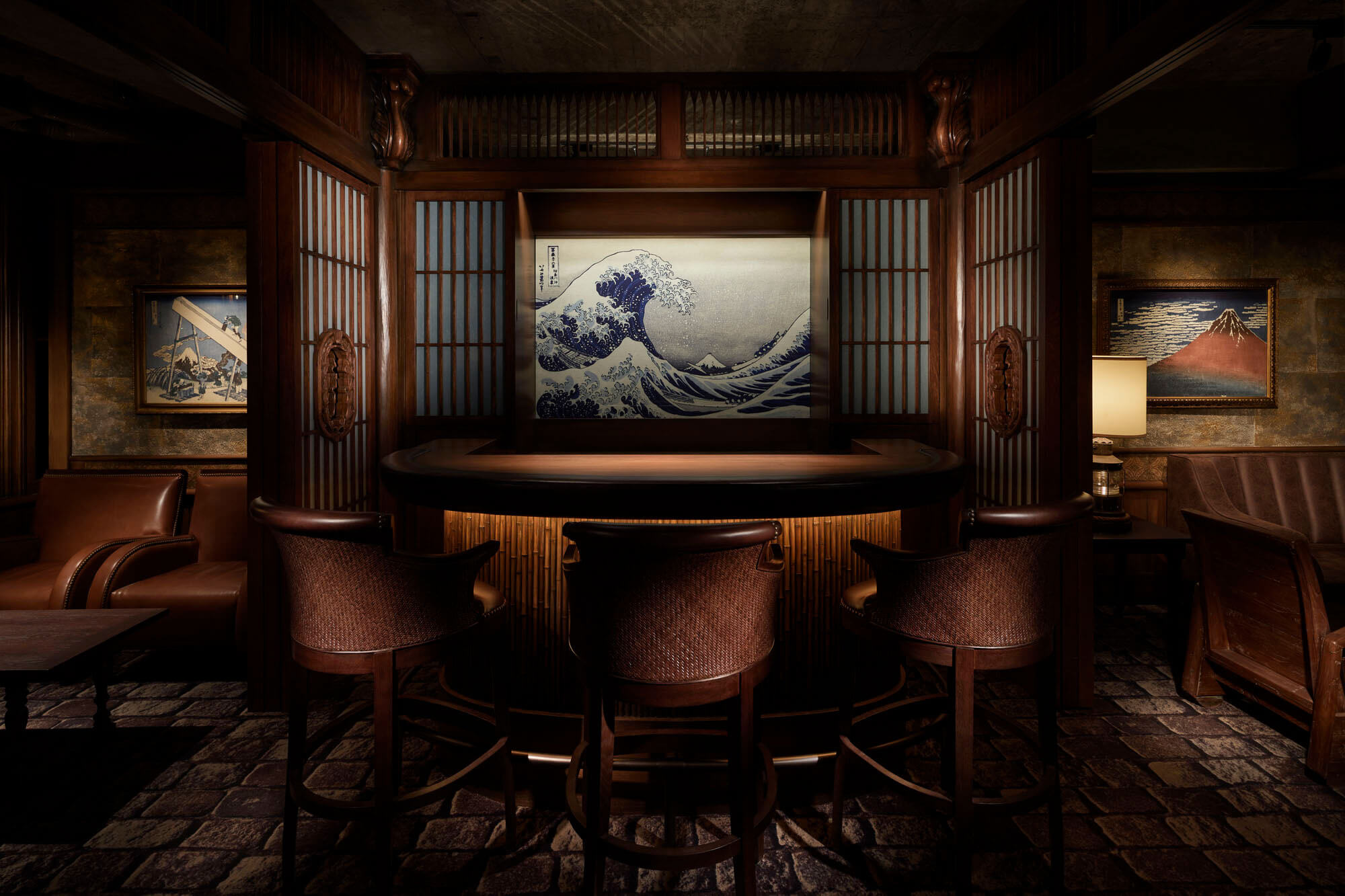
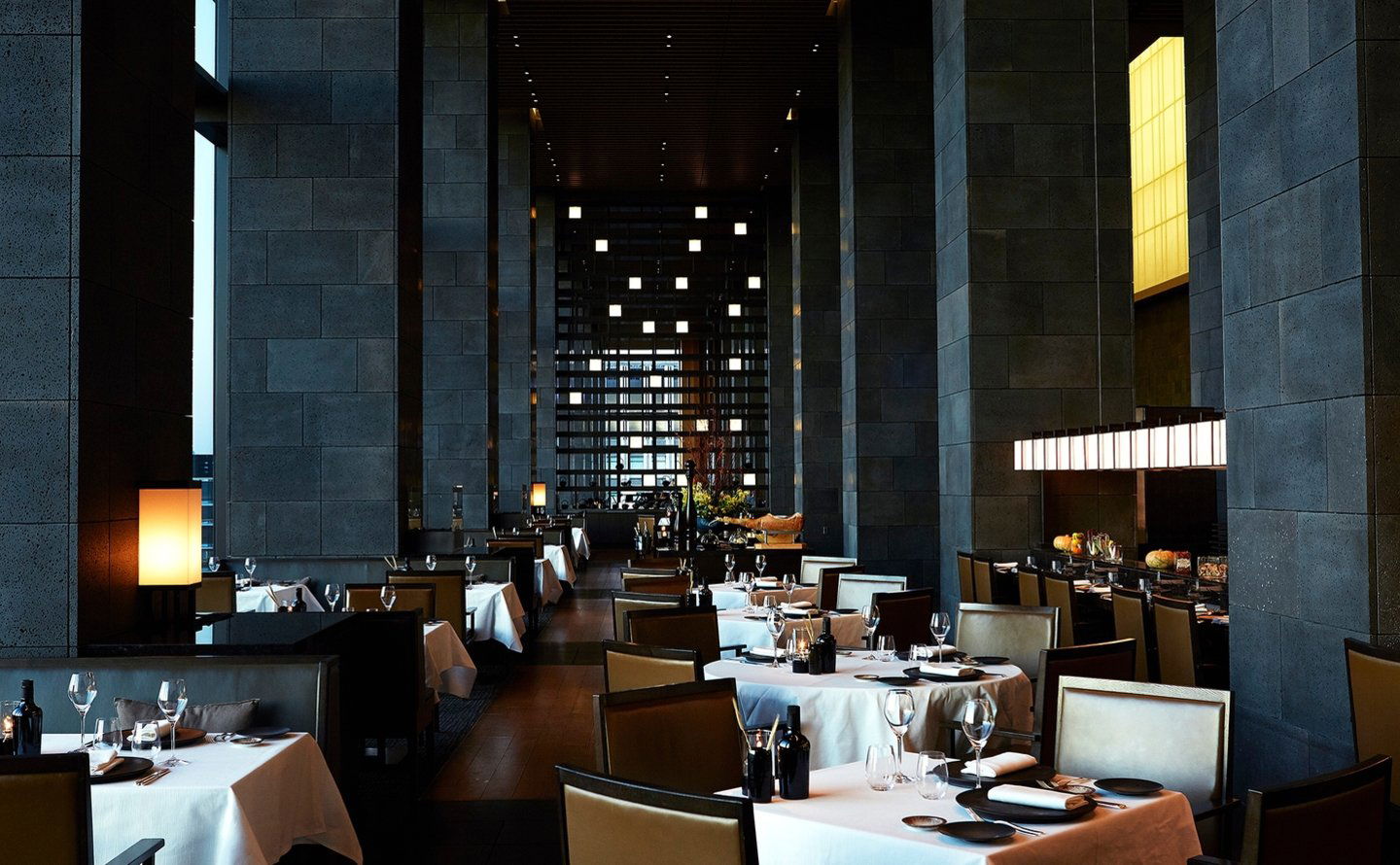
The restaurant presents a tightly focused, sophisticated counter experience on the ninth floor of a Ginza building. Instead of following the district's usual seasonal, market-driven omakase logic, the kitchen centers preservation: aged, fermented and preserved ingredients become the primary expressive tools. The result is an intimate, contemplative room that rewards attention to nuance: courses read as technical statements about time rather than quick seasonal snapshots. Service and pacing align with that premise, so the overall tone is refined and deliberate, tailored to diners who appreciate depth, umami complexity and a quieter, counter-led fine-dining rhythm.
Best For
This is best for diners seeking a considered, high-end counter experience in Ginza: ideal for date nights and special occasions where the meal itself is the focus. It particularly suits adventurous eaters and those familiar with omakase etiquette who are curious about fermentation and preservation as central techniques. Because the menu privileges aged and preserved preparations over market-brightness, it also appeals to guests who enjoy deep umami flavors and want a meal that reads like an intellectual argument about time as an ingredient rather than a conventional seasonal sequence.
Ordering Tips
Expect a tasting format centered on preserved and fermented preparations rather than the market-fresh sequence common to Ginza counters. The menu architecture intentionally foregrounds time and microbial complexity, so lean into the chef-led progression and be prepared to encounter bold umami profiles. If you’re used to bright, day-fresh sushi presentations, adjust expectations: the kitchen treats preservation as the primary technique. Ask the staff about the aging and fermentation methods if you want context; the restaurant rewards curiosity and prior knowledge about preserved fish traditions.
Venue details
Know before you go
Know Before You Go
- Getting there
- Japan, 〒104-0061 Tokyo, Chuo City, Ginza, 4 Chome−4−2 松屋通り安田ビル 9階
Planning details
Location
Japan, 〒104-0061 Tokyo, Chuo City, Ginza, 4 Chome−4−2 松屋通り安田ビル 9階 · Directions
Also consider
Where to look if this is not the right fit
Book Ginza Fujiyama instead if the meal needs a defined kaiseki frame. Pick Ishiyama if sushi is the non-negotiable brief.
For a lower-stakes meal, Bigo no Mise Toukyou honten gives clearer value, while MUJI Diner is the practical fallback for a casual Tokyo plan.
Restaurant context
How it compares in Ginza and nearby Tokyo
Choose 百薬 by 徳山鮓 when the priority is a quieter Ginza dinner with more discovery built into the decision. Ginza Fujiyama is the cleaner choice if kaiseki is the brief, because its category is clear before booking. Ishiyama is a sharper pick for diners specifically seeking sushi rather than an open-ended Ginza meal.
For value and low-commitment planning, Bigo no Mise Toukyou honten is easier to justify on budget, with a listed JPY 1,000 - JPY 1,999 range. MUJI Diner is the safer casual fallback when convenience matters more than occasion. sukiyaki & shabu shabu Ginza Rangetsu works better for diners who want a defined Japanese format that is simple to explain to a group.
Explore Tokyo
Around this place
Discover more on Pearl
Unlock the full 百薬 by 徳山鮓 guide in Pearl, including awards, comparisons, FAQs, planning details, and nearby places.
Compare 百薬 by 徳山鮓
Decision guide against nearby peers
百薬 by 徳山鮓 is the exploratory Ginza choice: stronger for a focused dinner than for a quick, price-driven meal. Ginza Fujiyama is better when the group specifically wants kaiseki, while Ishiyama is the clearer call for sushi.
If budget clarity matters, Bigo no Mise Toukyou honten has the advantage because its JPY 1,000 - JPY 1,999 range sets expectations before arrival. MUJI Diner is the easier casual choice, and sukiyaki & shabu shabu Ginza Rangetsu is better for a group that wants a familiar shared format.