
Azarphesha
Tbilisi
Restaurant in Tbilisi, Georgia
 Book with Pearl
The Read
Dress
Smart Casual
Why go
Book Azarphesha if the priority is a wine-led evening in Tbilisi rather than a delivery-friendly dinner. Star Wine List recognition makes it a useful pick for travelers who want confidence with Georgian bottles, but it is less compelling for fast meals, large groups, or anyone who needs a fully defined cuisine brief before arriving.
About Azarphesha
Azarphesha is a Tbilisi venue with smart casual dress code and late opening hours. Its most concrete public distinction is Star Wine List recognition in 2026, which makes it relevant for travelers who are comparing wine-oriented options in the city. For details such as cuisine, menu format, seating, pricing, and service style, contact the venue directly before planning the evening around them.
The practical appeal is the schedule: Azarphesha stays open until 2 AM every day, with opening times varying by day. That makes it easier to consider for an evening or late-night plan in Tbilisi. For takeout, delivery, dietary accommodations, group capacity, or a specific dining format, contact the venue rather than making assumptions.
Choose it for a late Tbilisi night with wine-list recognition
The strongest reason to keep Azarphesha on a shortlist is its Star Wine List 2026 recognition. That is a useful signal for travelers who care about wine when choosing where to spend an evening in Tbilisi. It does not, by itself, define the cuisine, chef, menu structure, price level, or occasion style, so compare it carefully if the meal itself needs to meet a specific brief.
For a broader crawl through the city, pair this page with Our full Tbilisi restaurants guide, then cross-check nearby categories through Our full Tbilisi bars guide, Our full Tbilisi hotels guide, Our full Tbilisi wineries guide, and Our full Tbilisi experiences guide. If the brief shifts away from Azarphesha, compare Tbilisi options such as Café Littera, Ghumeli, HOME 11, Iasamani, and Piano before locking the night.
Who should skip it
Skip it if you need firm details on cuisine, price, seating, dietary handling, takeout, delivery, or a particular service format before you go. Azarphesha is best framed as a smart casual Tbilisi venue with late hours and Star Wine List 2026 recognition.
Travelers building a wider Tbilisi itinerary can compare Azarphesha with other dining rooms in the city depending on the occasion. Café Littera, Ghumeli, HOME 11, Iasamani, and Piano are natural points of comparison if the priority is a different style of dinner plan, while Azarphesha remains most clearly defined by its late schedule, smart casual dress code, and Star Wine List recognition.
Planning details
- Location
- 0105, 2 Pavle Ingorokva St, Tbilisi, Georgia
- Website
- facebook.com/azarphesha
- Phone
- +995 598 46 23 89
The take
The Take
The Vibe
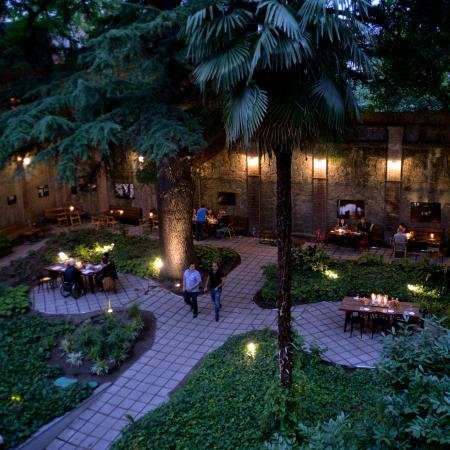
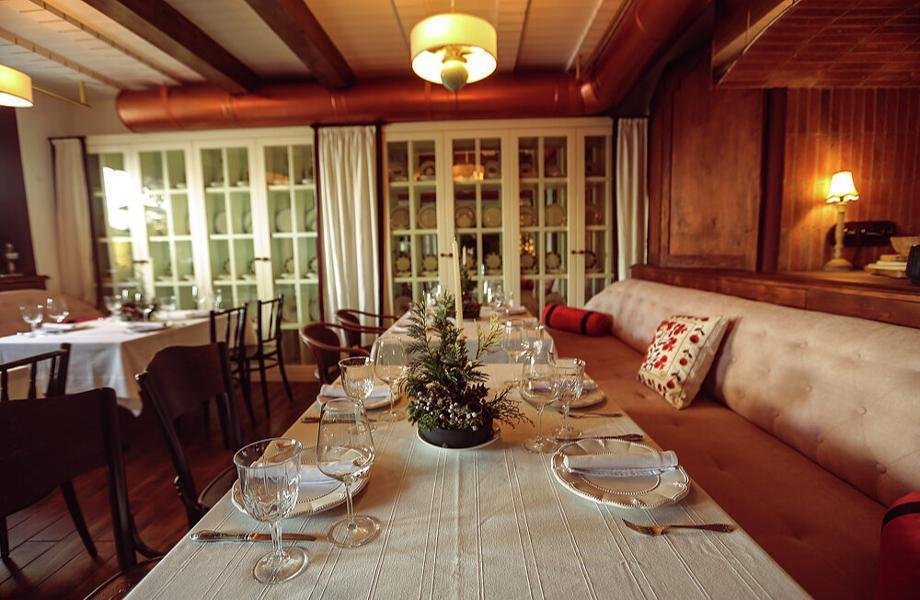
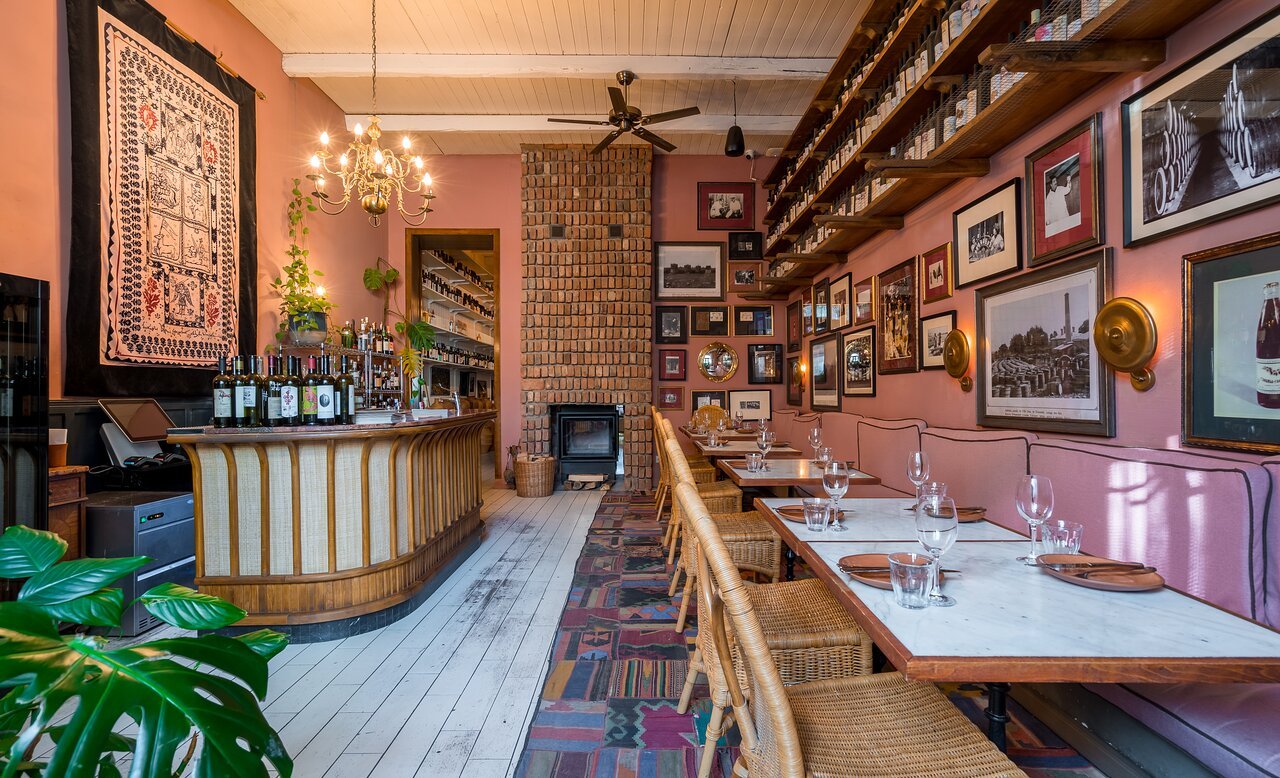
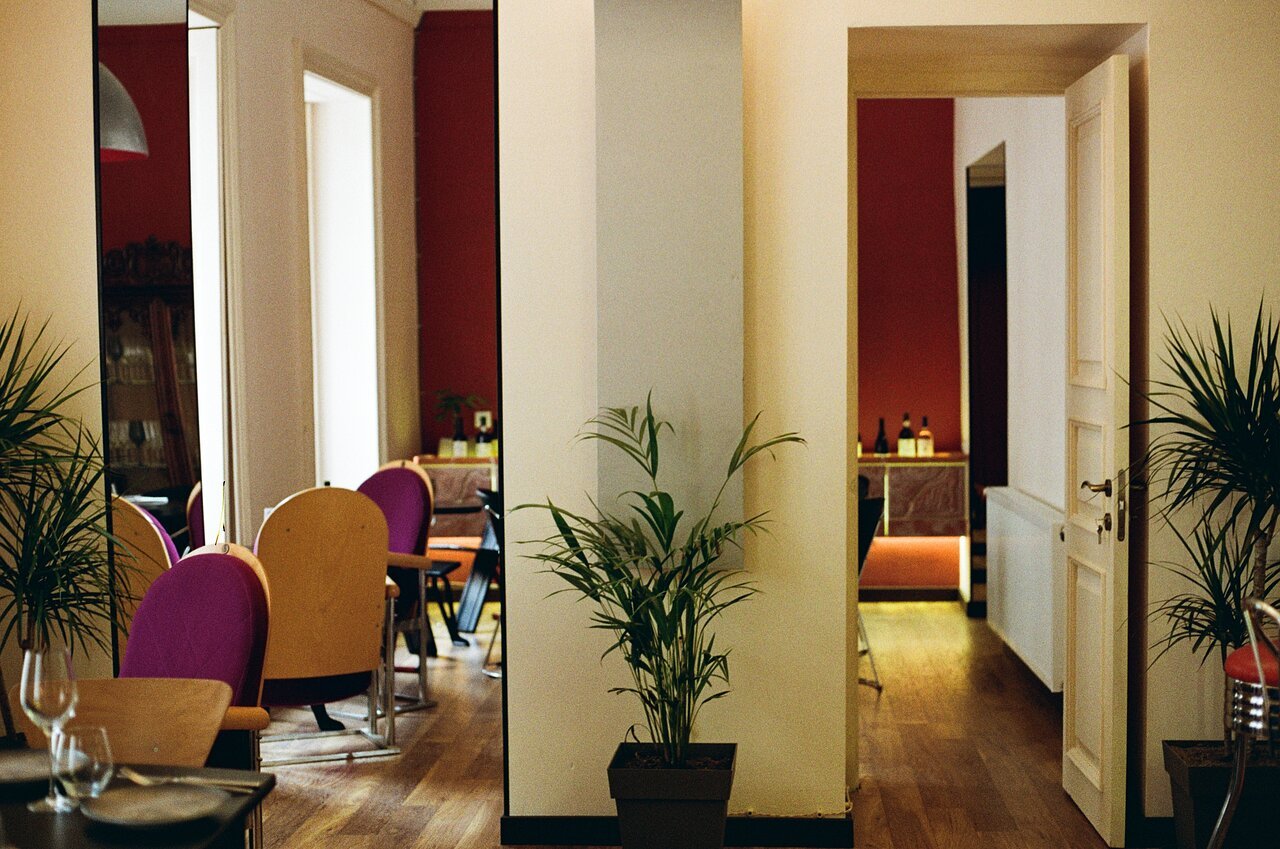
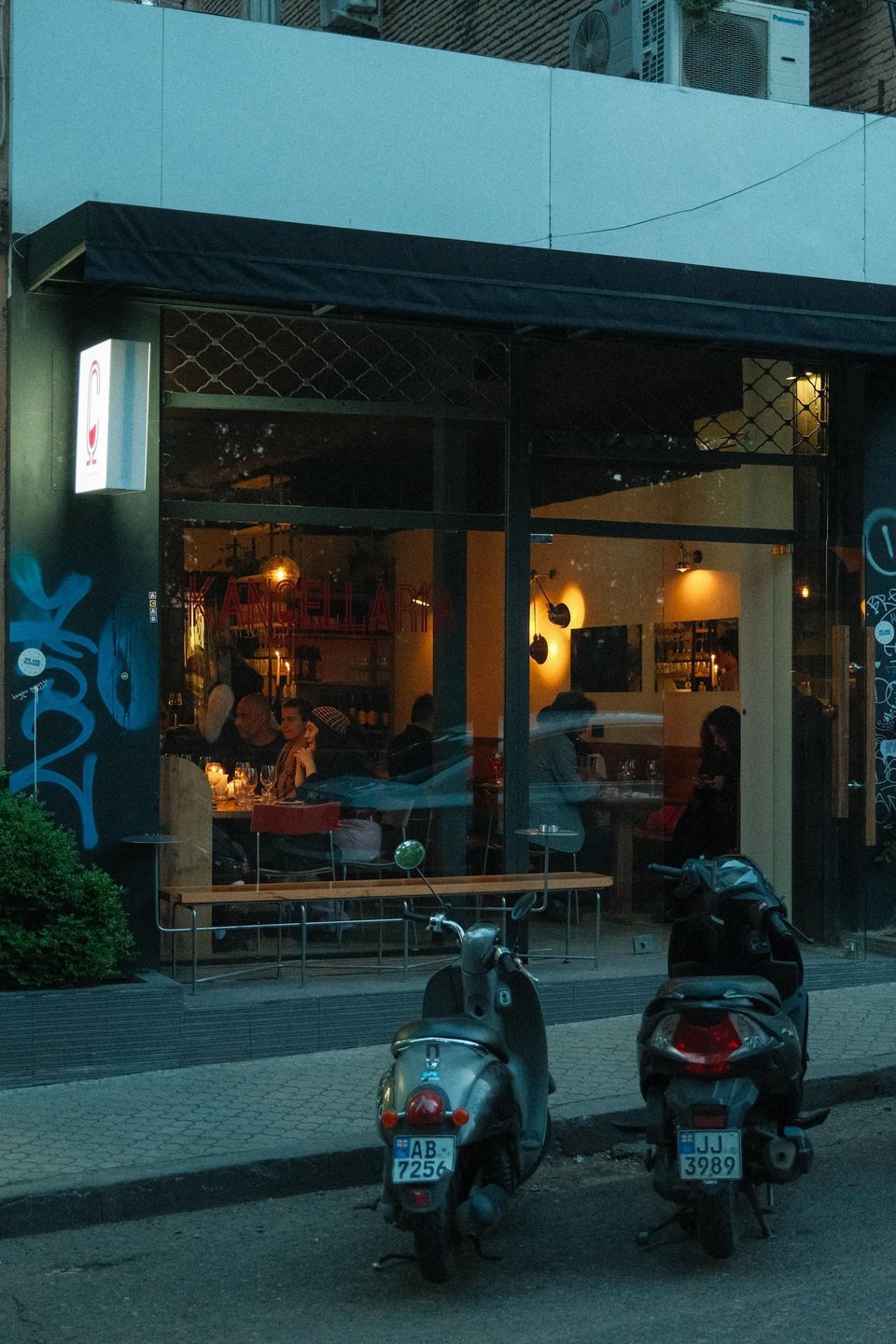
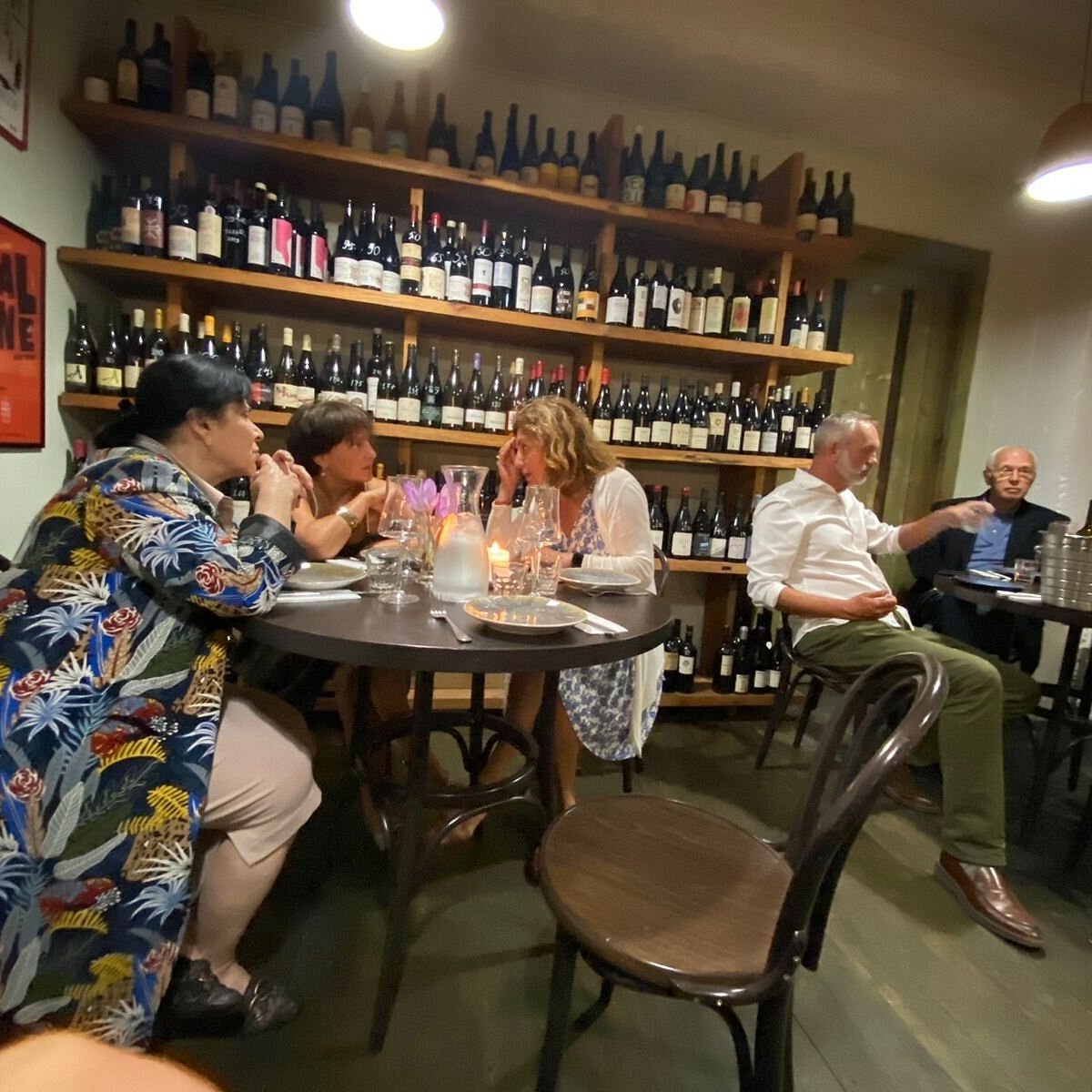
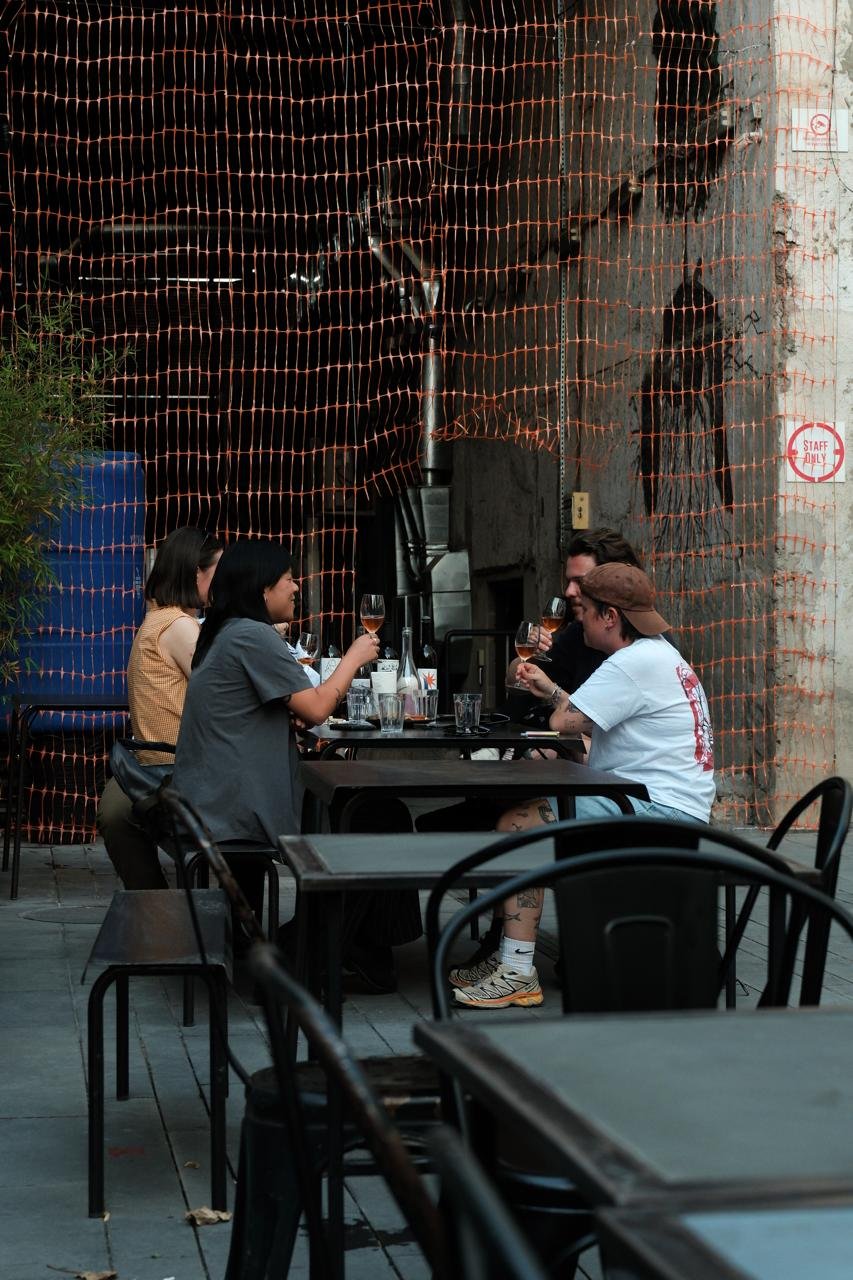
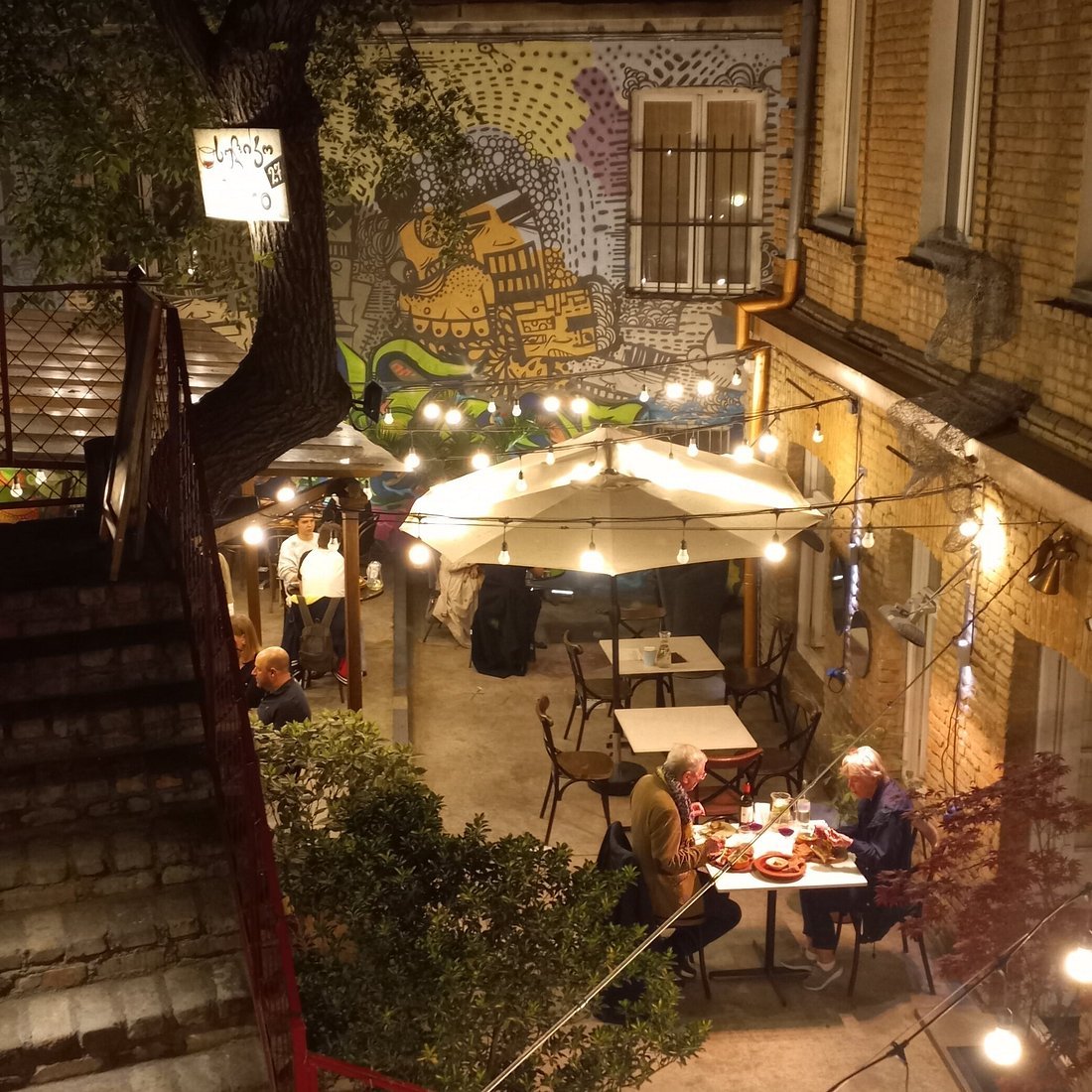
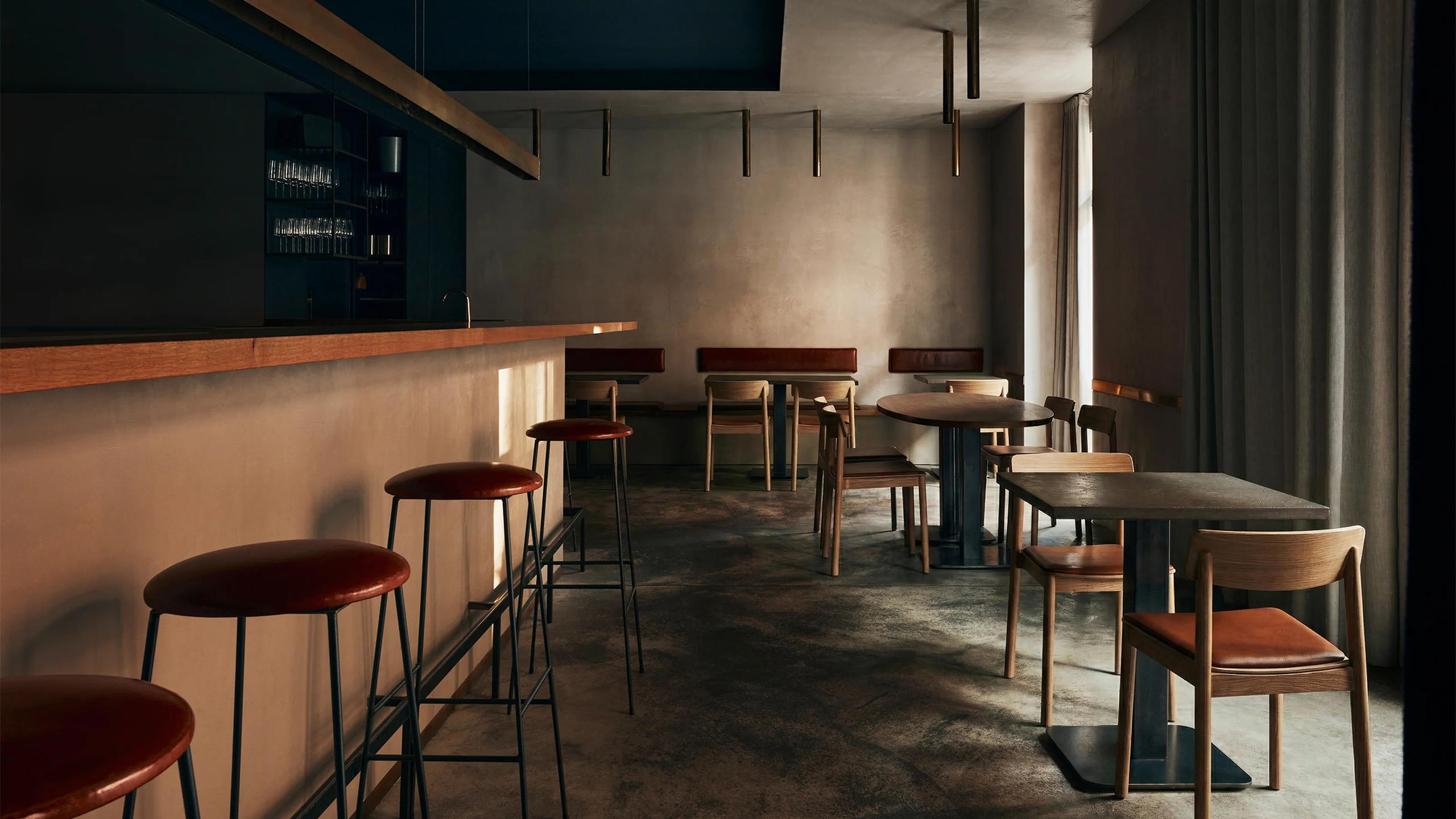
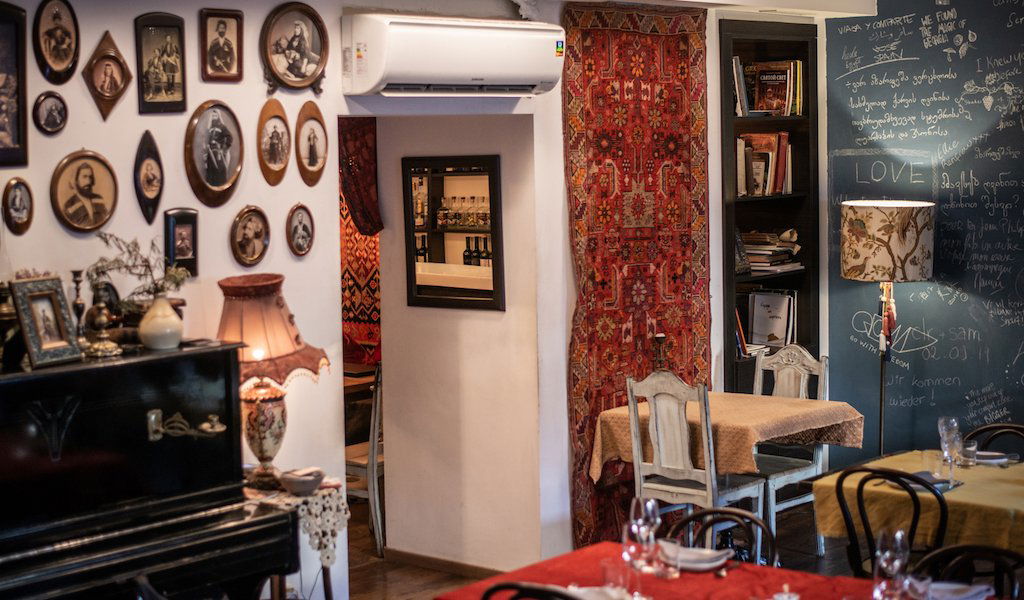
Azarphesha reads as quietly special: a homely, warmly lit room in Old Tbilisi that feels more lived-in than staged. The place leans into Georgian culinary and winemaking traditions — the name itself references the ceremonial ladle used to draw wine from buried qvevri — and that respect for history shapes the atmosphere. Close quarters and an emphasis on cooking over theatrics make the dining room intimate and charming, the sort of neighborhood spot cherished by locals rather than a tourist showcase. The overall impression is warm, rooted, and quietly historic.
Best For
Azarphesha is best suited to dinner occasions that value tradition and seasonality: date nights and special meals where the focus is on thoughtful food and native wines, as well as small group dinners among friends who appreciate regional specificity. Two minutes from Freedom Square but on a largely local street, it sits in a tier of considered Tbilisi restaurants where foraging and seasonal procurement guide the menu. Guests who come expecting ingredient-led cooking and a wine-forward program will find it rewarding for an evening of deliberate dining.
Ordering Tips
The kitchen works with wild, seasonal, local ingredients, so order with seasonality in mind and ask what’s freshest that day. Start with house specialties that showcase traditional Georgian technique and heft: Khinkali Mtiuluri and grilled kebabs or the pork ribs listed among signature dishes. Given the restaurant’s explicit connection to qvevri winemaking, inquire about its wines and any bottles or pours drawn from qvevri to complement the food. Portions and preparations reflect a considered, ingredient-first approach rather than standardized tourist fare.
Venue details
Ambiance
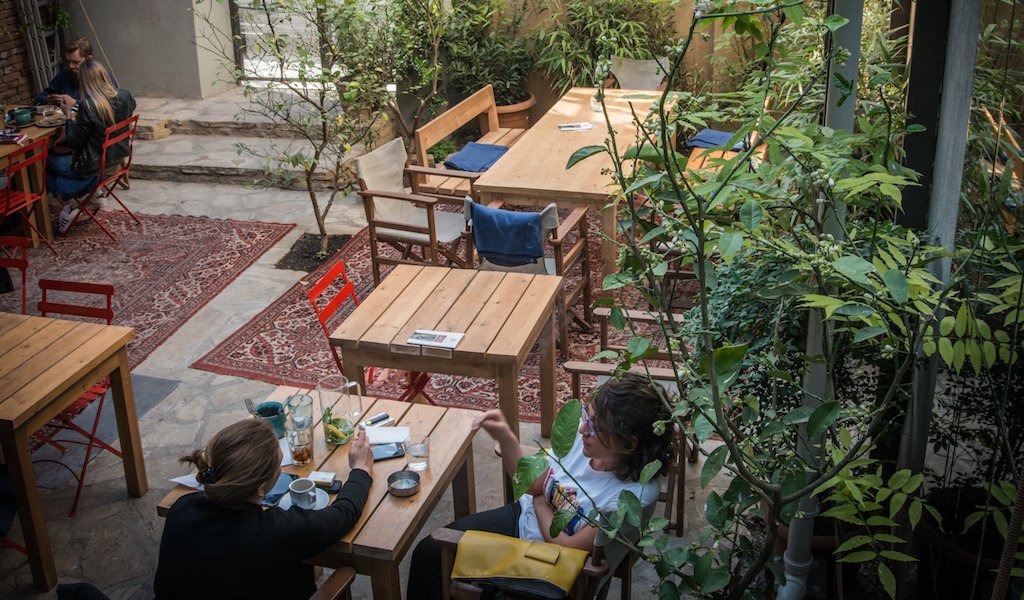
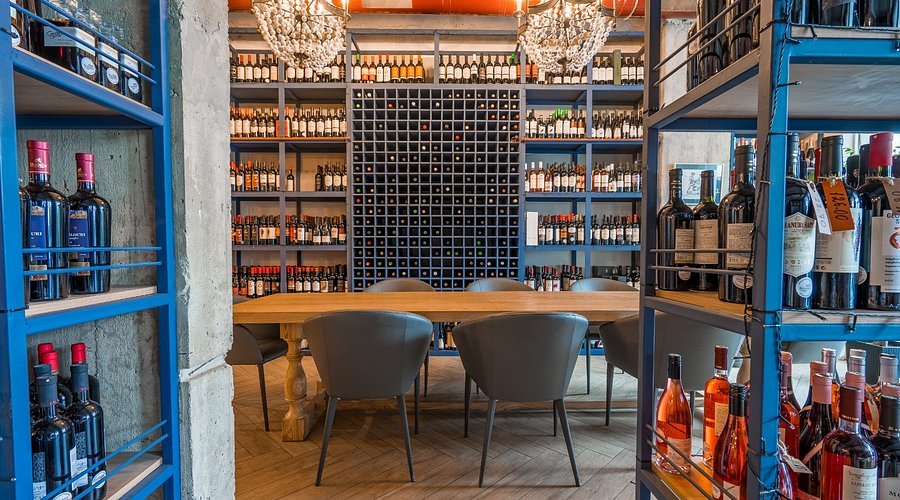
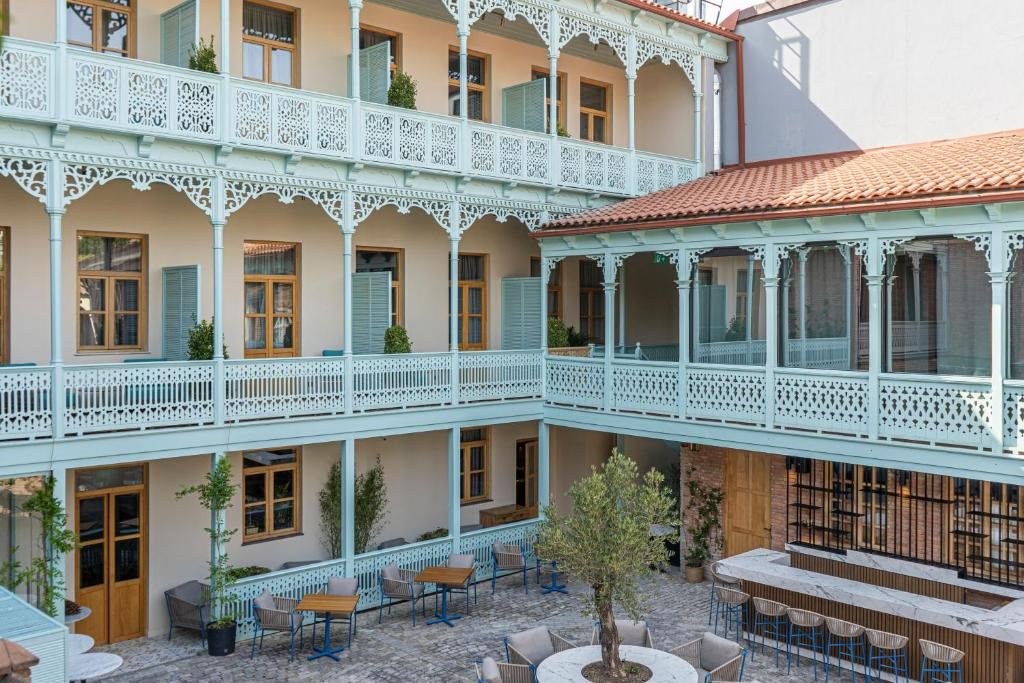
Cozy oasis with dim lighting, rustic charm, warm and friendly atmosphere resembling a living room or museum filled with old objects.
Tags
Vibe
Best For
Experience
Sourcing
At the Table
- Dress Code
- Smart Casual
- Noise Level
- Conversational
- Service Style
- Upscale Casual
- Meal Pacing
- Leisurely
- Capacity
- Intimate
- Kitchen
- Modern
- Menu Format
- Small plates, A la carte
- Wine Program
- Curated
- Drinks Focus
- Natural wine
- Dietary
- Vegetarian friendly, Vegan options, Gluten-free options
Signature Dishes
- Khinkali Mtiuluri
- kebab
- pork ribs
Know before you go
Know Before You Go
- Getting there
- 0105, 2 Pavle Ingorokva St, Tbilisi, Georgia
Planning details
Location
Recognition and awards

Also consider
Where to look if this is not the right fit
If the group wants a clearer Georgian Fusion dinner, choose Café Littera instead. If ambiance is the deciding factor and the party needs a more occasion-led room, compare Iasamani before committing.
Restaurant context
How Azarphesha compares in Tbilisi
Choose Azarphesha over Ghumeli, HOME 11, and Piano when the night is built around wine and conversation. The tradeoff is clarity: those peers may be easier to assess for a classic dinner plan, while Azarphesha is stronger when the beverage choice is central to the booking.
Café Littera is the more useful comparison for diners who want a clearer Georgian Fusion brief. If the priority is a composed meal with a cuisine label attached, start there. If the priority is a relaxed Tbilisi night where the list drives the experience, Azarphesha is the sharper choice.
Iasamani belongs on the same shortlist for groups comparing ambiance first. For a special occasion, pick the venue whose room and seating style fit the party size; for two people who care more about wine depth than ceremony, Azarphesha is easier to justify.
Around this place
Discover more on Pearl
Unlock the full Azarphesha guide in Pearl, including awards, comparisons, FAQs, planning details, and nearby places.
Compare Azarphesha
| Venue | Location | Cuisine | Awards |
|---|---|---|---|
| Azarphesha | Tbilisi | , | Star Wine Lists 2026 |
| Ghumeli | Tbilisi | No published awards | , |
| HOME 11 | Tbilisi | No published awards | , |
| Piano | Tbilisi | No published awards | , |
| Café Littera | Tbilisi | Georgian Fusion | 2026 OAD Newly Added European Restaurants2026 OAD Casual in Europe Recommended2026 La Liste Top Restaurants2025 La Liste Top Restaurants |
| Iasamani | Tbilisi | No published awards | , |


How Azarphesha Tbilisi compares with similar nearby venues.
FAQ
Frequently Asked Questions
Does Azarphesha handle dietary restrictions?
Contact Azarphesha directly about dietary accommodations before going. The venue is in Tbilisi and has a smart casual dress code, late hours, and Star Wine List 2026 recognition. If dietary needs are central to the plan, compare options such as HOME 11 and confirm details with each venue.
Can I eat at the bar at Azarphesha?
Ask Azarphesha directly if a bar seat or bar-focused meal format matters to your plan. Consider it as a Tbilisi venue with late hours and Star Wine List 2026 recognition. For another dinner comparison, Café Littera may be worth checking as part of the same Tbilisi shortlist.
Can Azarphesha accommodate groups?
Larger parties should contact Azarphesha before making plans. The hours are Mon 4 PM–2 AM; Tue 3:30 PM–2 AM; and Wed–Sun 3 PM–2 AM. For a larger or more structured meal, compare Ghumeli or Iasamani and confirm arrangements directly.
Is Azarphesha good for a special occasion?
Azarphesha may suit a special occasion if late hours, smart casual dress, and Star Wine List 2026 recognition match the mood you want. Ask ahead about cuisine, menu format, pricing, seating, and group setup before booking around an occasion. Piano is another Tbilisi comparison if you are weighing a different dinner plan.
What are alternatives to Azarphesha in Tbilisi?
Useful Tbilisi comparisons include Café Littera, Ghumeli, HOME 11, Iasamani, and Piano. Choose Azarphesha when its late hours, smart casual dress code, and Star Wine List 2026 recognition fit the plan, and confirm any additional details directly with the venue.