
8000 vintages
Tbilisi
Bar in Tbilisi, Georgia
 Book with Pearl
Why go
A practical Tbilisi pick for a wine-led evening, especially for first-timers who want Georgian wine to be the point of the night. The 2026 Star Wine List recognition adds confidence, but treat it as drinks-first unless food details matter less to the plan.
About 8000 vintages
For 8000 vintages in Tbilisi, it is open daily from 11 AM to 1 AM, the dress code is smart casual, and it has Star Wine List recognition for 2026. These key features make it most useful as a planning check rather than a detailed promise about cuisine, seating, service style, or a specific menu.
Choose it when these basics fit your night: a Tbilisi venue with late daily hours and a smart-casual expectation. It does not feature a specific food menu, price point, reservation format, outdoor seating, or named dishes, so avoid building the evening around particulars not detailed.
A Tbilisi option with late daily hours
The clearest planning advantage is schedule. 8000 vintages is open from 11 AM to 1 AM every day, which gives it flexibility for an earlier stop or a later evening plan in Tbilisi. If you are comparing separate venues, consider Rolling Stone Rooftop Bar or Tatuza Jazz Club as options to research.
For first-timers, when considering 8000 vintages, focus on its key features: Tbilisi location, daily late hours, smart-casual dress, and Star Wine List recognition in 2026. It is not primarily a choice for a specific cuisine or named dish. If food is a major part of the plan, pair this page with our full Tbilisi restaurants guide.
Who should choose it, and who should cross-shop instead
Choose 8000 vintages if its hours and smart-casual setting suit your plan. Cross-shop if the decision depends on details not available, such as a particular menu, outdoor seating, a specific price range, cocktails, live music, or a rooftop setting. For a different style of night, compare it with Pink Bar, Rolling Stone Rooftop Bar, Tatuza Jazz Club, Saamuri, or Sulico, and use our full Tbilisi bars guide for broader planning.
For a broader Tbilisi itinerary, use 8000 vintages as one possible evening anchor and plan the rest of the trip around your needs. If the trip is broader than one venue, use our full Tbilisi hotels guide and other Tbilisi planning resources to build the night around location, timing, and group preferences.
Bottom line: 8000 vintages is easiest to justify when you want a Tbilisi venue with daily 11 AM–1 AM hours, smart-casual dress, and Star Wine List recognition for 2026. It is less useful as a planning answer if your decision depends on undisclosed details such as a specific menu, seat count, price, or service format.
Planning details
- Location
- 26 Sulkhan Tsintsadze St, Tbilisi 0160, Georgia
- Website
- 8000vintages.ge
- Phone
- +995 32 288 00 11
The take
The Take
The Vibe
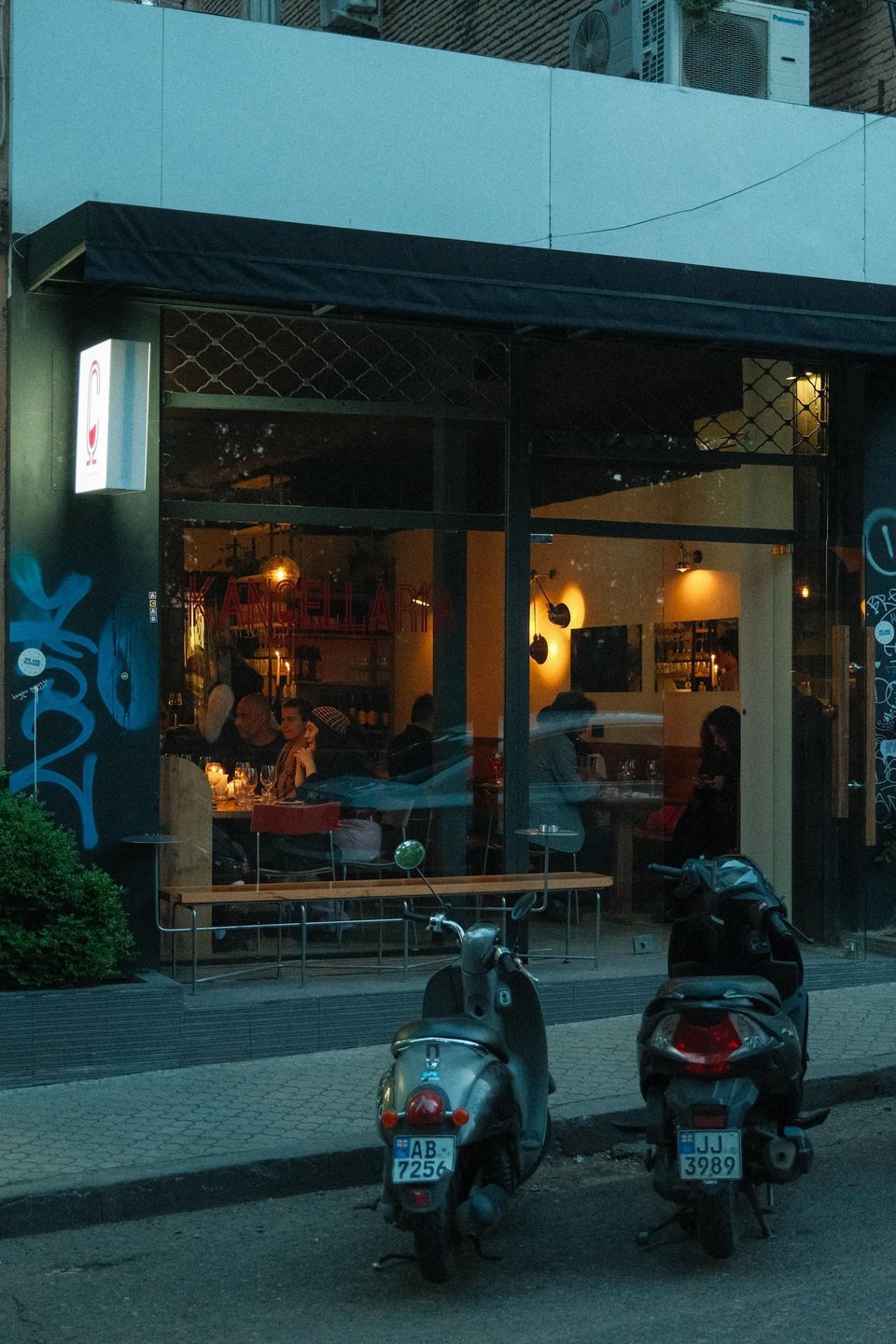
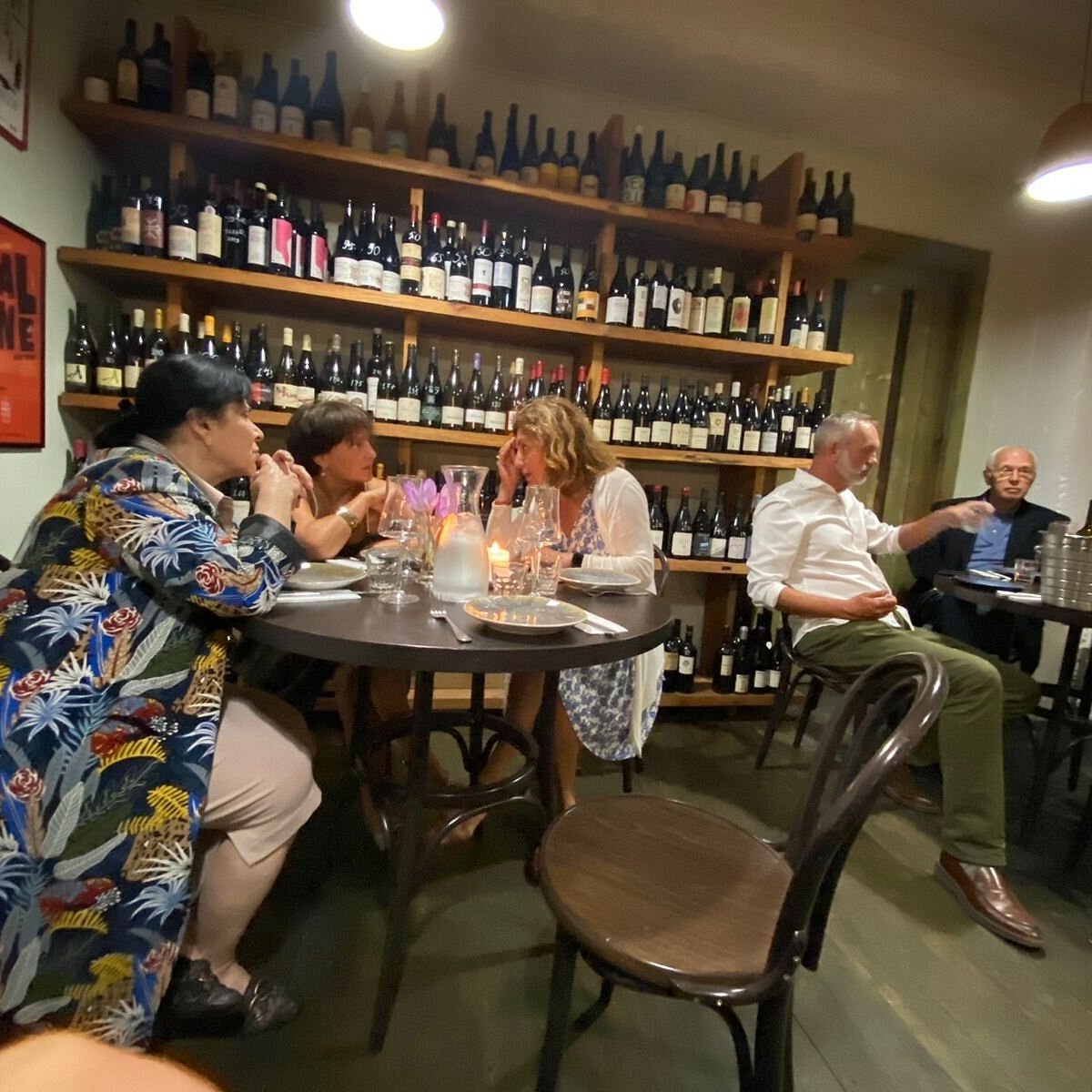
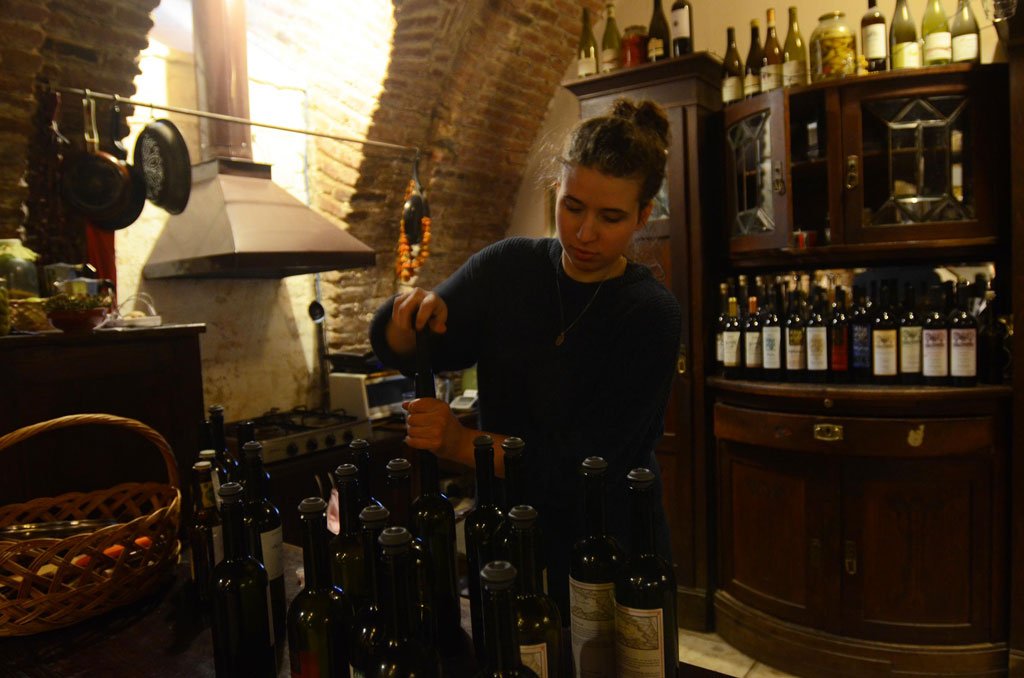
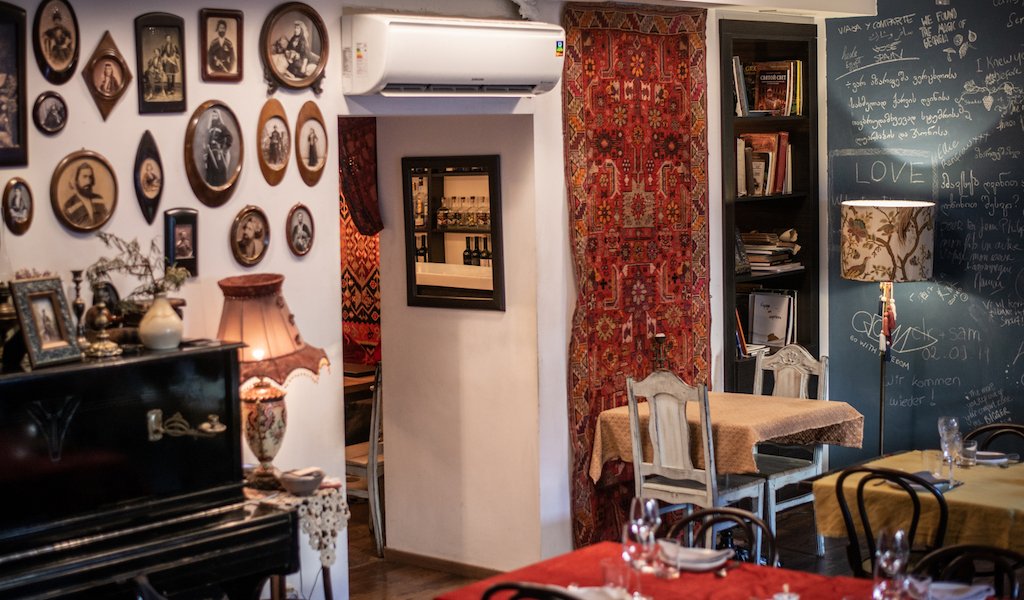
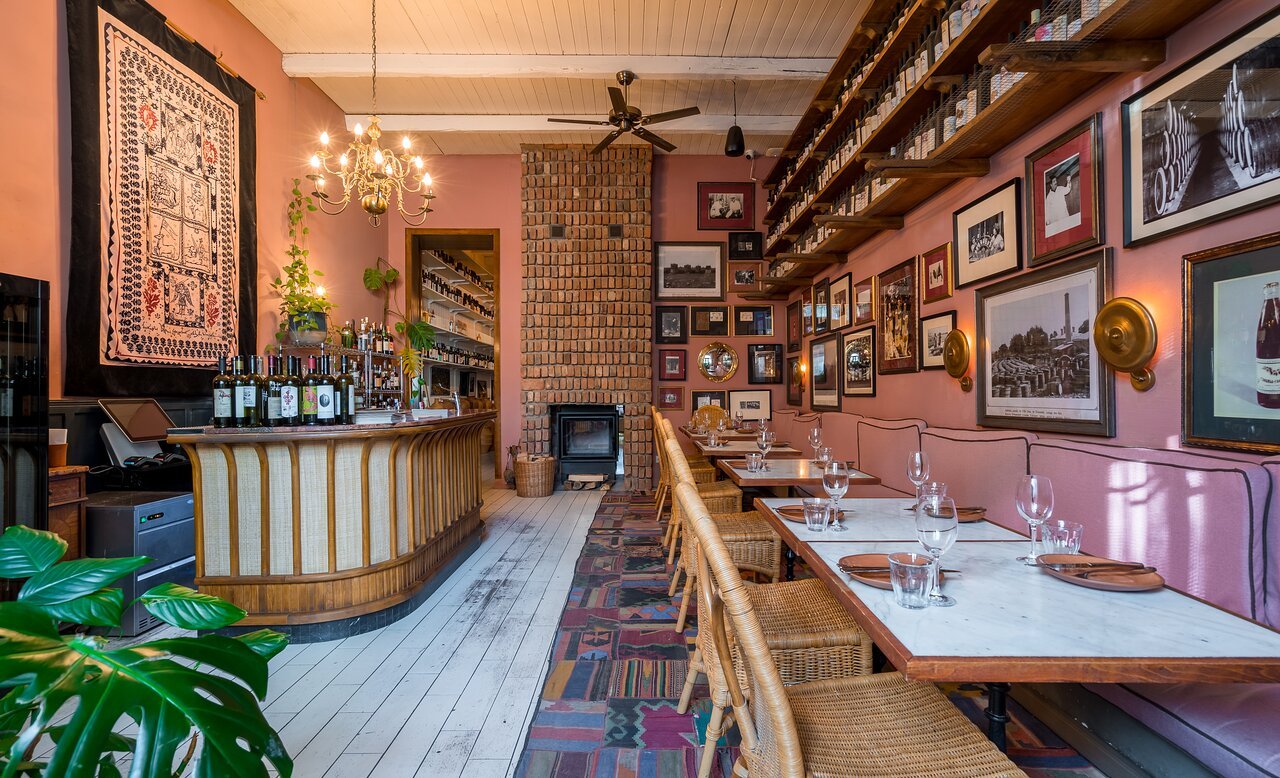
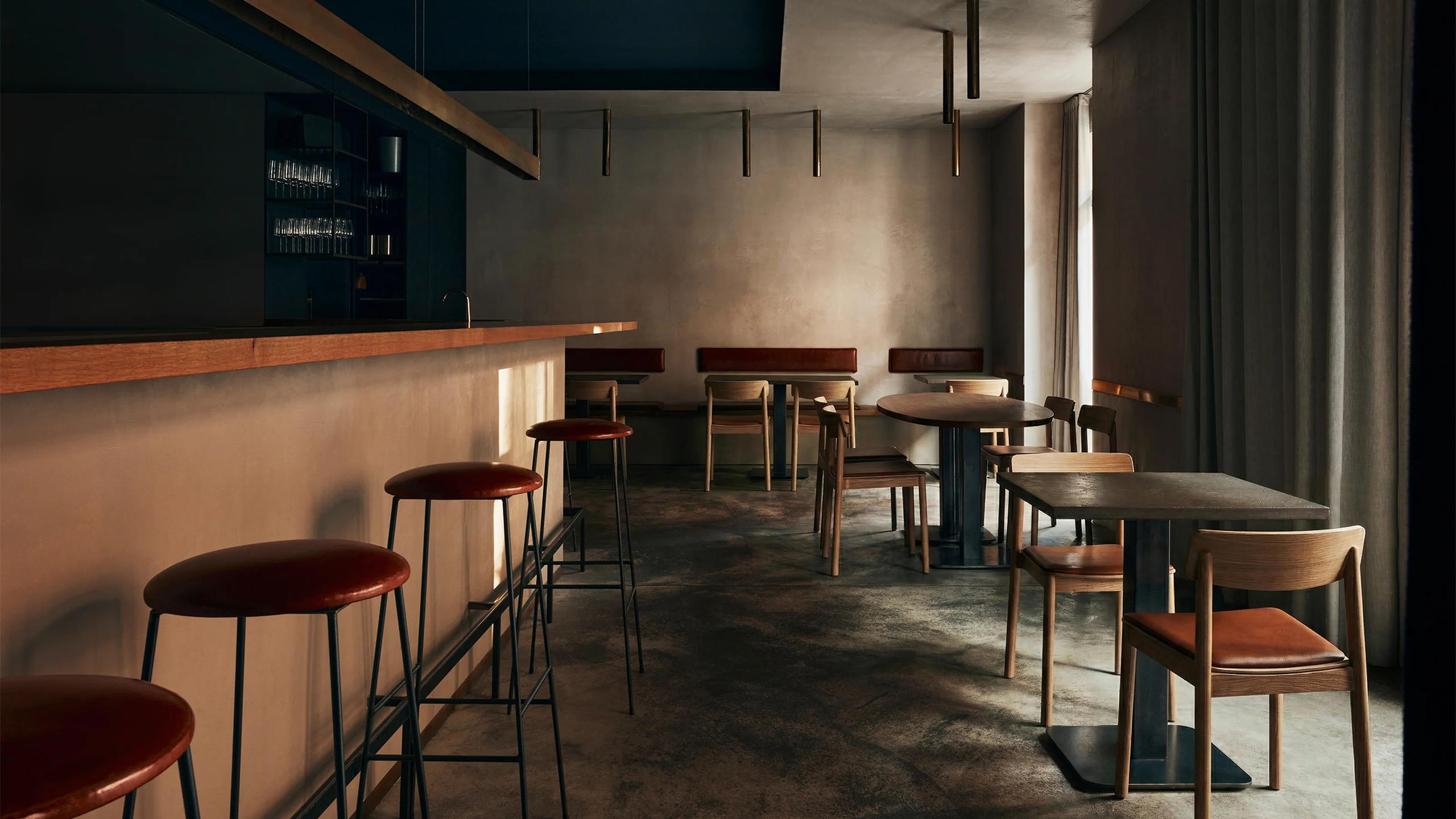
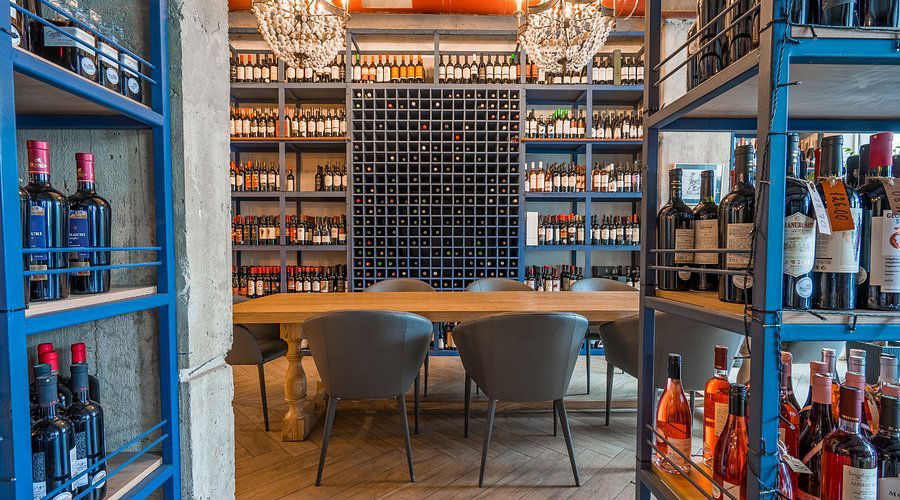
8000 Vintages reads like a focused study room for Georgian wine. The atmosphere skews quiet and deliberately instructional rather than theatrical: the retail-and-bar hybrid is set up so the bottles on the shelves function as a live catalogue and the bar lets you parse what you taste. The editorial, curatorial instinct shows in the selection, which spans from qvevri-aged amber wines to cleaner stainless-steel whites and reds. Overall the place feels refined and purposeful — a sober, sophisticated counterpoint to more performative wine bars in the city.
Best For
This is an ideal stop for anyone who wants to learn while they drink. The format suits curious visitors and local collectors equally: you can reserve a table for a calm, focused tasting over evening tapas, or browse the retail selection and take home a bottle you discover at the table. It also works well for low-key dates or quiet hangouts where the point of the evening is tasting and conversation rather than spectacle. The emphasis is squarely on education and provenance.
Ordering Tips
Treat the menu as a laboratory: order wines by the glass first to verify what you like, then take home a bottle from the retail selection if something stands out. The bar’s evening tapas are intentionally light so the wine stays front and center — choose small plates that let you sample through styles. When in doubt, ask about styles you don’t know: the selection explicitly ranges from tannic, oxidative qvevri wines to fresher stainless-steel whites and reds, so plan a tasting route that moves across that spectrum.
Venue details
Ambiance
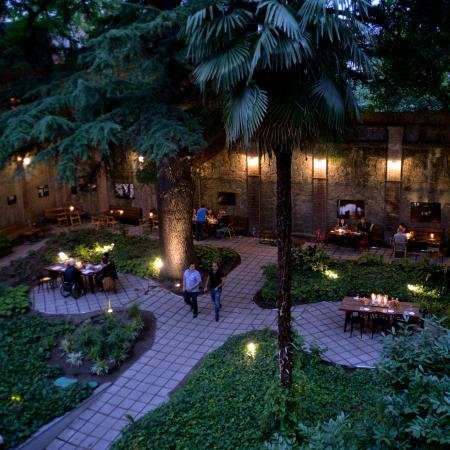
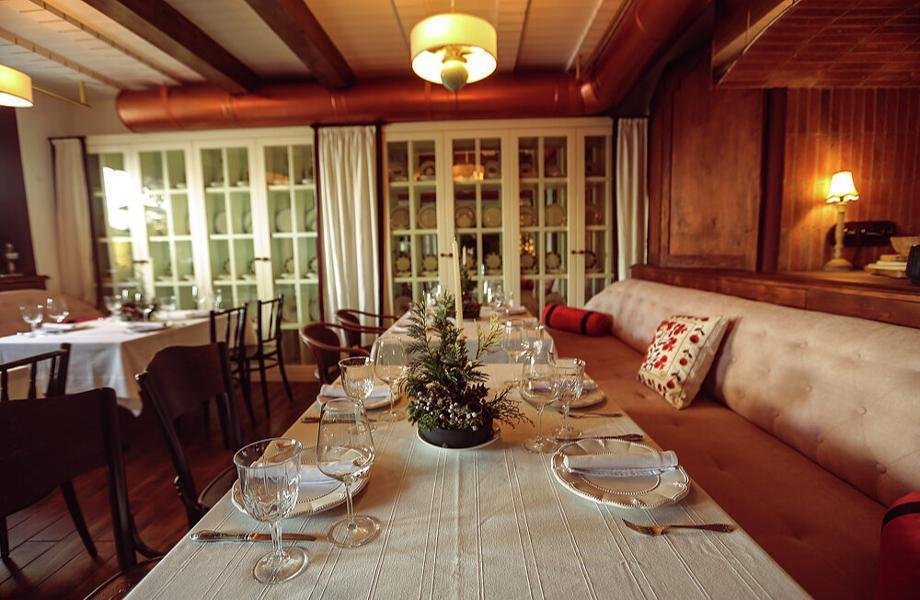
Cozy and relaxed atmosphere ideal for intimate wine enjoyment with warm lighting and knowledgeable service.
Tags
Vibe
Best For
Experience
Format
Accessibility
At the Bar
- Bar Category
- Wine Bar
- Late Night
- Open Until 2am
Know before you go
Know Before You Go
- Getting there
- 26 Sulkhan Tsintsadze St, Tbilisi 0160, Georgia
Planning details
Location
Recognition and awards

Also consider
Where to go if this is not the right fit
Pick Rolling Stone Rooftop Bar if the group wants a more view-led night, or Tatuza Jazz Club if music is the deciding factor. If the brief is simply a different Tbilisi bar mood, compare Pink Bar, Sulico, and Saamuri before committing.
Bar context
How it compares in Tbilisi
Choose 8000 vintages when wine is the main reason for going out. Against Sulico and Saamuri, it is the clearer fit for a first-timer trying to make sense of Georgian wine rather than simply picking a general bar. Booking difficulty is listed as easy, which makes it a lower-friction choice than any venue that depends on a narrower nightly format.
Pink Bar is the better cross-shop if the night is more about a bar mood than wine learning. Rolling Stone Rooftop Bar is the practical alternative for skyline energy or a more visually driven group plan. For conversation and wine focus, 8000 vintages is the safer recommendation.
If live music is part of the brief, Tatuza Jazz Club is the more direct match. If the group is split between wine curiosity and a casual night out, start at 8000 vintages, then move elsewhere if the evening needs more volume or performance.
Around this place
Discover more on Pearl
Unlock the full 8000 vintages guide in Pearl, including awards, comparisons, FAQs, planning details, and nearby places.
Compare 8000 vintages
| Venue | Location | Awards |
|---|---|---|
| 8000 vintages | Tbilisi | Star Wine Lists 2026 |
| Sulico | Tbilisi | No published awards |
| Pink Bar | Tbilisi | No published awards |
| Rolling Stone Rooftop Bar | Tbilisi | No published awards |
| Tatuza Jazz Club | Tbilisi | No published awards |
| Saamuri | Tbilisi | No published awards |
How 8000 vintages Tbilisi compares with similar nearby venues.
FAQ
Frequently Asked Questions
Does 8000 vintages have outdoor seating?
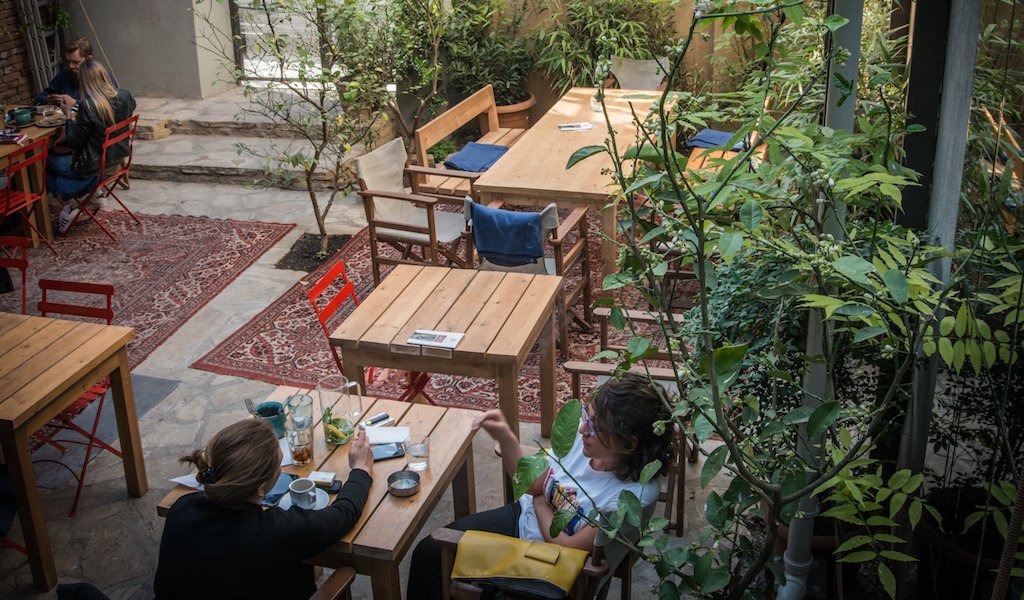
Outdoor seating information is not available, so do not plan around it. If that detail matters, compare it with another venue such as Rolling Stone Rooftop Bar before deciding.
Is the food good at 8000 vintages?
Information about a specific food menu, cuisine, dish, or price point is not available. If food is the main goal, compare with other dining options or consider Saamuri as another venue to research.
Is 8000 vintages good for a date?
It can be a practical date option if its features fit your plan: Tbilisi location, smart-casual dress, and daily 11 AM–1 AM hours. Details regarding a specific atmosphere, seating layout, or service style are not available.
Does 8000 vintages have happy hour deals?
Happy hour offers are not available, so do not plan around a discount window. If promotions are important, compare another venue such as Pink Bar before deciding.
What's the crowd like at 8000 vintages?
Information about the crowd is not available. Key planning details are its Tbilisi location, smart-casual dress code, daily 11 AM–1 AM hours, and Star Wine List recognition for 2026. Sulico is another venue to compare if you are deciding among evening plans.
What's the best time to go to 8000 vintages?
It is open from 11 AM to 1 AM every day. Choose a time based on your schedule, as details on peak periods, quiet hours, or reservation patterns are not available.
Is 8000 vintages open late?
Yes. 8000 vintages is open until 1 AM every day in Tbilisi. If you are comparing late-night plans, Tatuza Jazz Club is another option to research.