


Stamba Hotel
Tbilisi
Hotel in Tbilisi, Georgia
 Book with Pearl
The Read
Post-Industrial Atrium Heritage
Why go
Stamba Hotel is the design-first Tbilisi pick with serious external validation, including a Michelin 1 Key and a 93.5-point La Liste hotel score. Book it when the room and atmosphere are central to the trip; cross-shop The Biltmore Hotel Tbilisi for a more conventional business stay or Rooms Hotel Tbilisi for a similar local-hotel feel.
About Stamba Hotel
Stamba Hotel in Tbilisi has a clear external-recognition profile: Michelin 1 Key in 2025, 93.5 points on La Liste's 2026 hotel list, 2026 Design Hotels membership, and a 2026 Mr & Mrs Smith Seal of Approval. For travelers comparing premium stays in the city, those signals make it a hotel to consider when the stay itself matters, not just the itinerary around it.
Stamba Hotel offers a smart-casual, design-conscious stay in Tbilisi. Details like specific room types, facilities, restaurant details, transport logistics, or booking difficulty are not included. If those details will shape the trip, confirm them directly before anchoring plans around them.
Choose it for recognized design credentials
Stamba is the right call for travelers who care about a hotel with recognized design credentials. Its Design Hotels membership, Michelin 1 Key recognition, La Liste score, and Mr & Mrs Smith approval all point in the same direction: this is a Tbilisi property with meaningful external validation. That does not automatically make it the best fit for every trip, so compare it with The Biltmore Hotel Tbilisi if you are weighing another hotel stay.
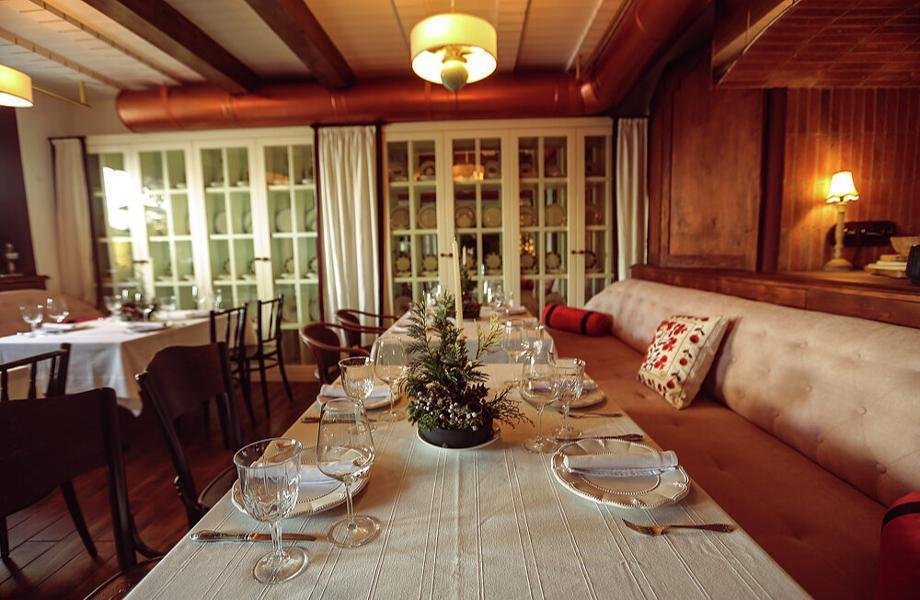
The dining question needs a practical answer. This is a hotel to book for the stay first, not solely for a destination restaurant meal. If the trip is food-led, treat the hotel as the base and plan dinners through Our full Tbilisi restaurants guide; if the night is meant to stay close to the room, confirm the current dining setup before anchoring the evening there.
Where it fits among Tbilisi hotels
Against Rooms Hotel Tbilisi, Stamba is easy to shortlist when external hotel recognition and design credentials are the deciding factors. Rooms Hotel Tbilisi is a natural comparison for travelers considering notable Tbilisi stays, while Stamba offers clear awards signals. Hotel Afisha and Artizan - Design Hotel are also useful names to compare when narrowing the field.
The Telegraph Hotel and The Biltmore Hotel Tbilisi are also worth checking if you are comparing premium options in Tbilisi. For a wider scan, use Our full Tbilisi hotels guide, then check Our full Tbilisi bars guide, Our full Tbilisi wineries guide, and Our full Tbilisi experiences guide to build the rest of the stay.
Inside Stamba Hotel
Planning details
- Location
- 14, 0108 Merab Kostava St, T'bilisi
- Website
- stambahotel.com
- Phone
- +995 32 202 11 99
The take
The Take
The Vibe
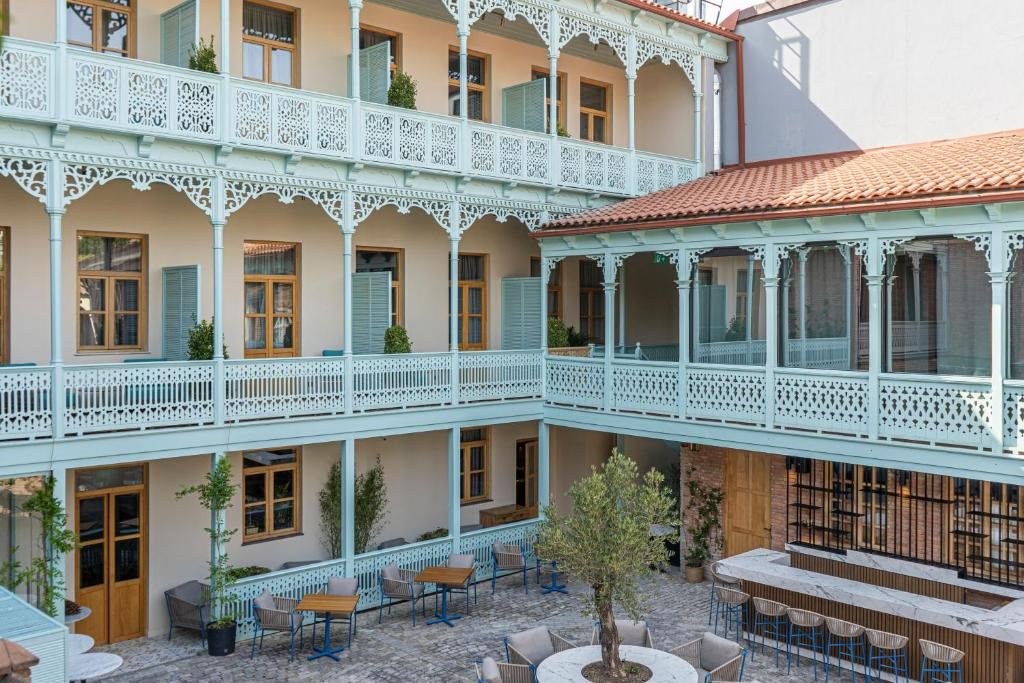
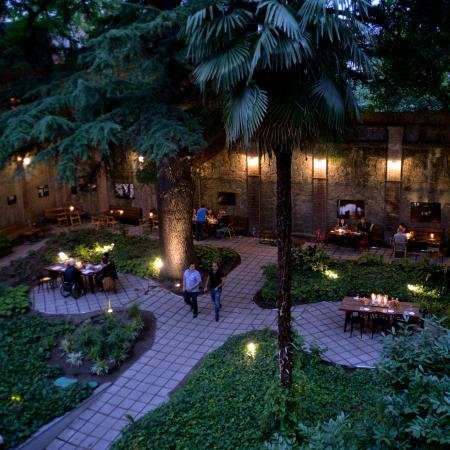
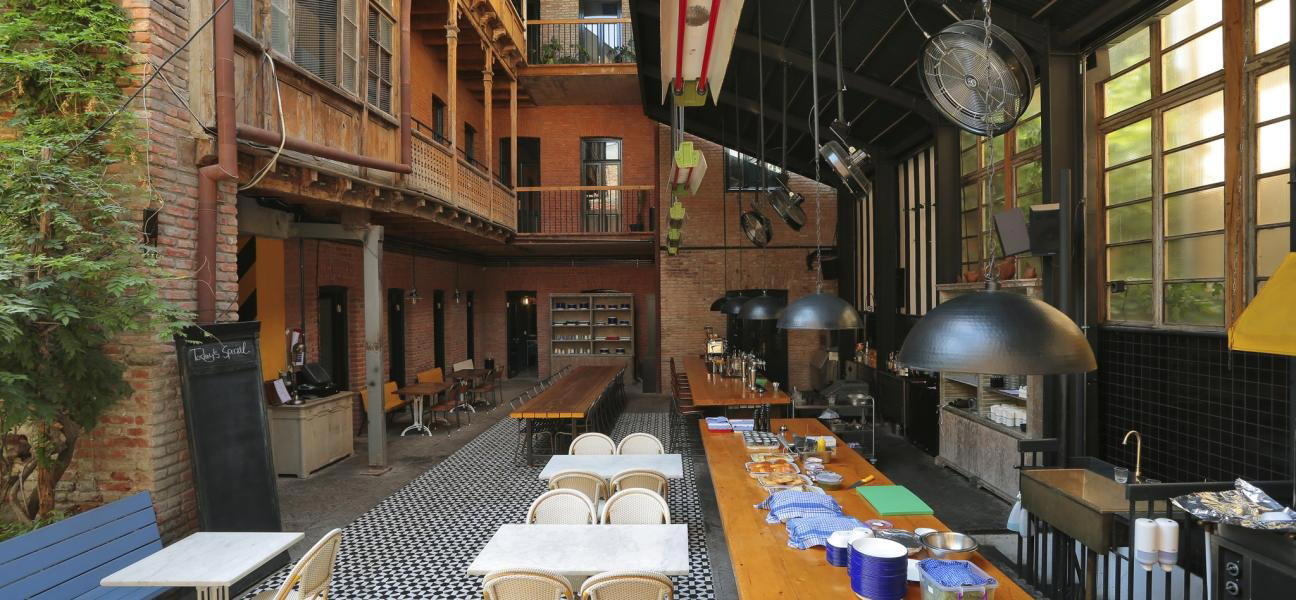
Stamba foregrounds its heritage architecture. Housed in a 1930s publishing house, the hotel preserves the building's post‑industrial patina — high ceilings, exposed concrete and generous proportions — and turns those elements into a central design motif. A five‑storey atrium with full‑grown trees and a skylight anchors the public spaces, creating an immediate sense of scale and place. The interior deliberately works with the original structure rather than concealing it, so guests experience a layered, site‑specific aesthetic that reads as both historic and carefully curated. Visitors regularly pause in the atrium; the space functions like an exhibit of architectural memory.
Best For
Stamba suits travelers who prize architecture, design and a strong sense of place. It appeals to cultural tourists and visitors drawn to Tbilisi's textured urban fabric, and to guests who prefer boutique hotels that earn their identity from their address rather than importing a generic aesthetic. The property's generous public spaces mean the hotel itself is part of the experience: guests who enjoy lingering in communal design-forward settings will find it especially rewarding. It also works for repeat visitors and those using central Tbilisi as a base for exploring the city's historic streets and neighborhoods.
Stay Tips
Allow time to experience the hotel beyond check-in: arrive during daylight to watch the skylight animate the five‑storey atrium and the canopies of trees that rise through it. Treat the atrium and communal spaces as part of the day's itinerary rather than mere circulation zones — the interior design is repeatedly noted as a highlight. Step outside to explore Merab Kostava Street so you can appreciate how the property earns its identity from its address; pacing the neighborhood helps orient you to the building's place within central Tbilisi.
Venue details
Ambiance
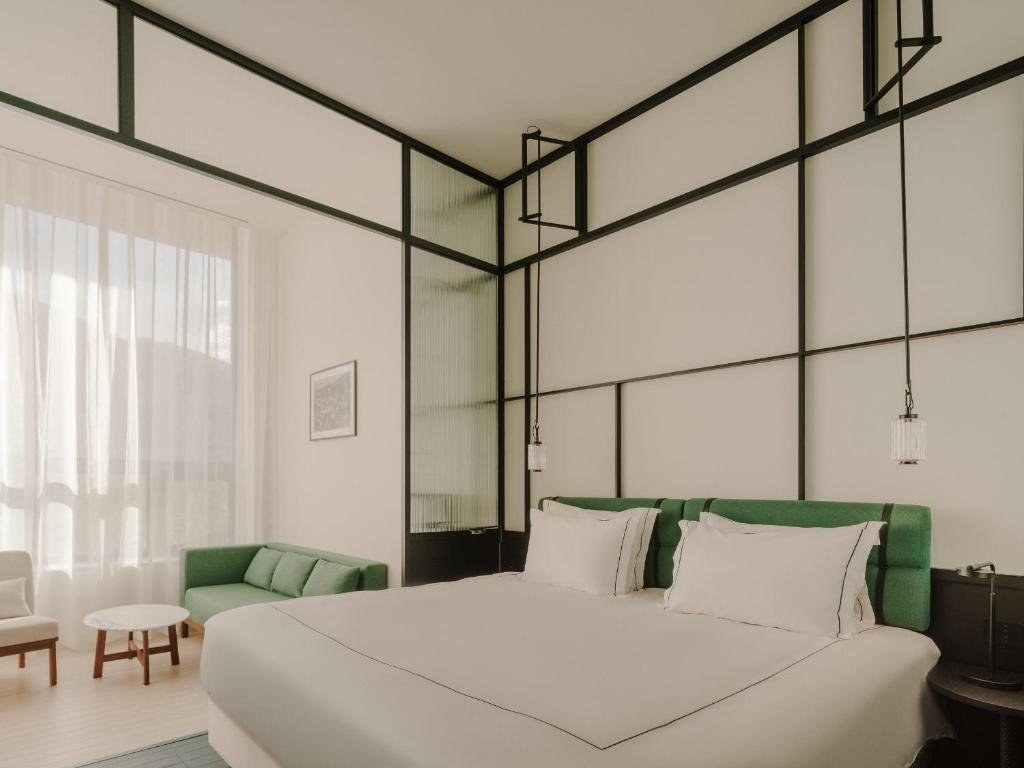
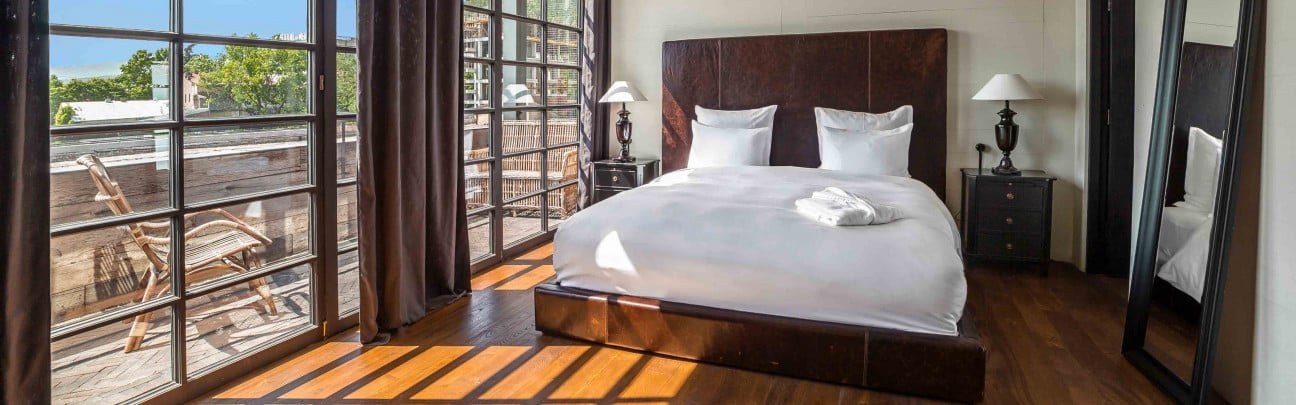
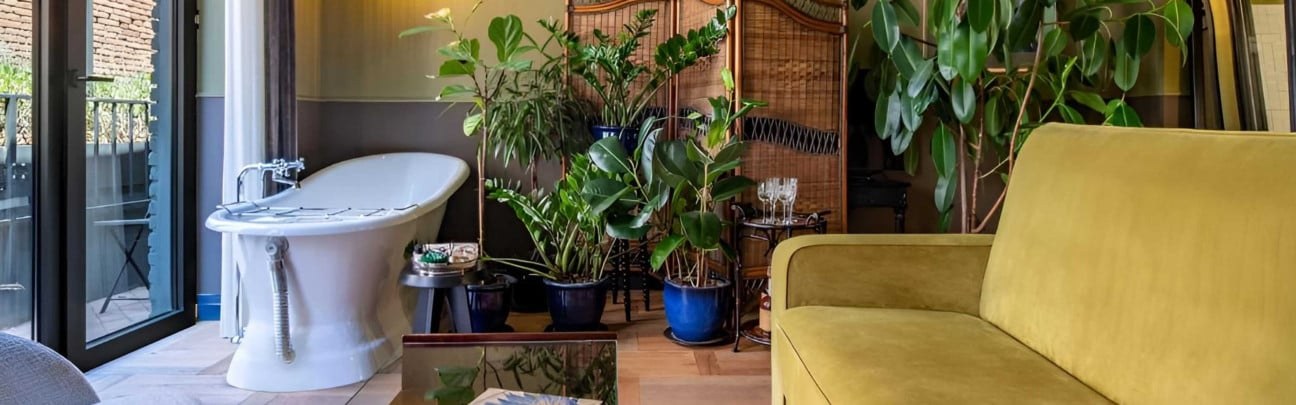
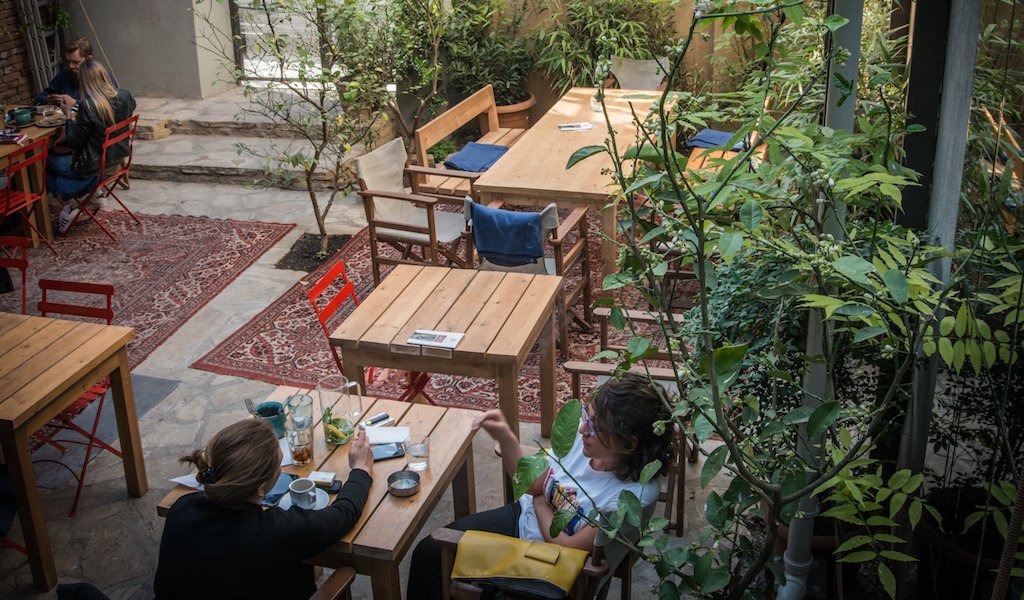
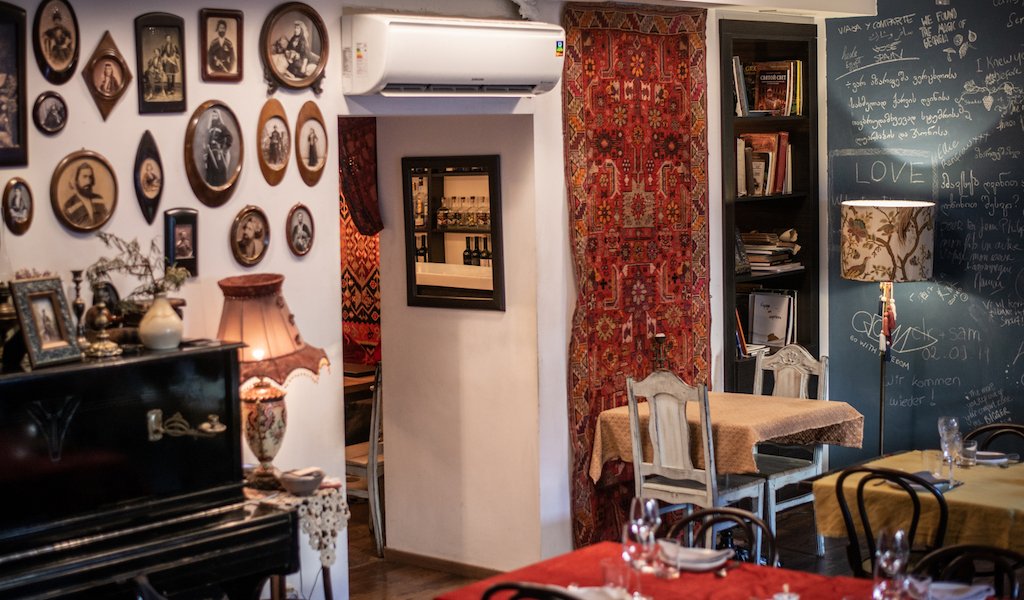
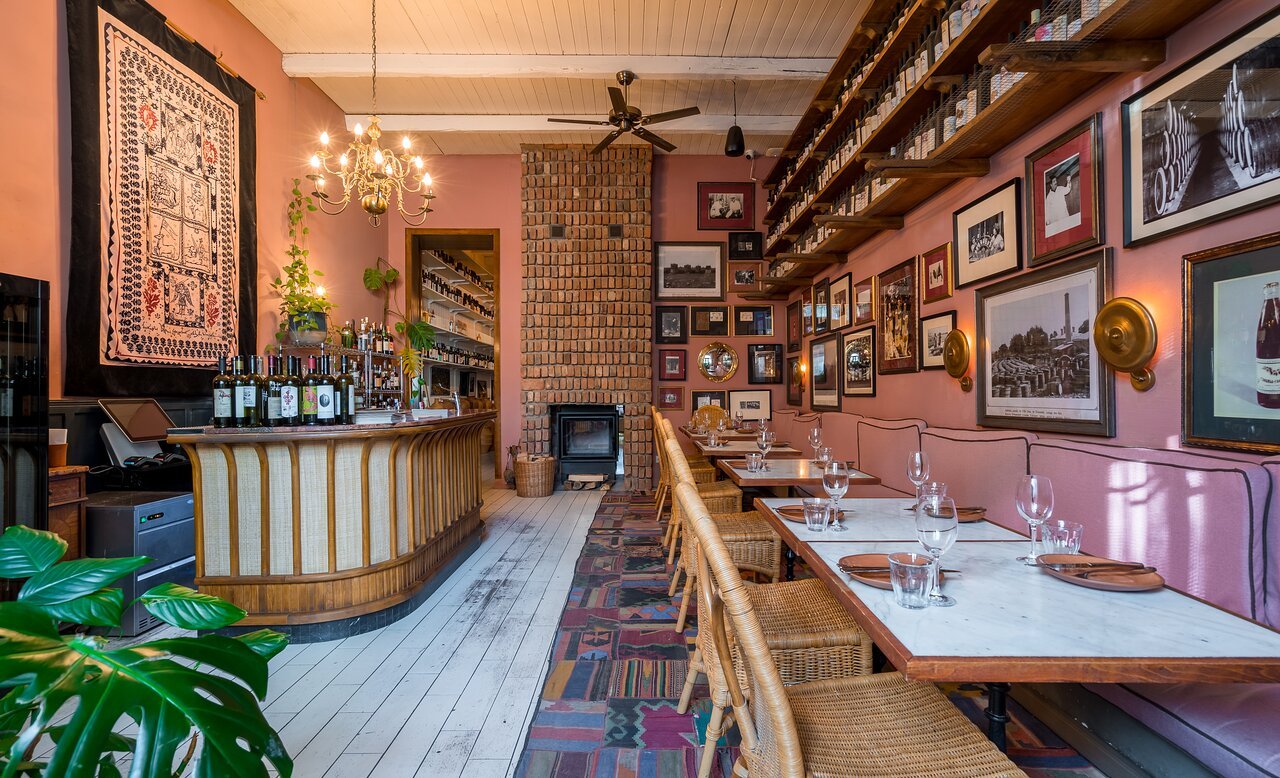
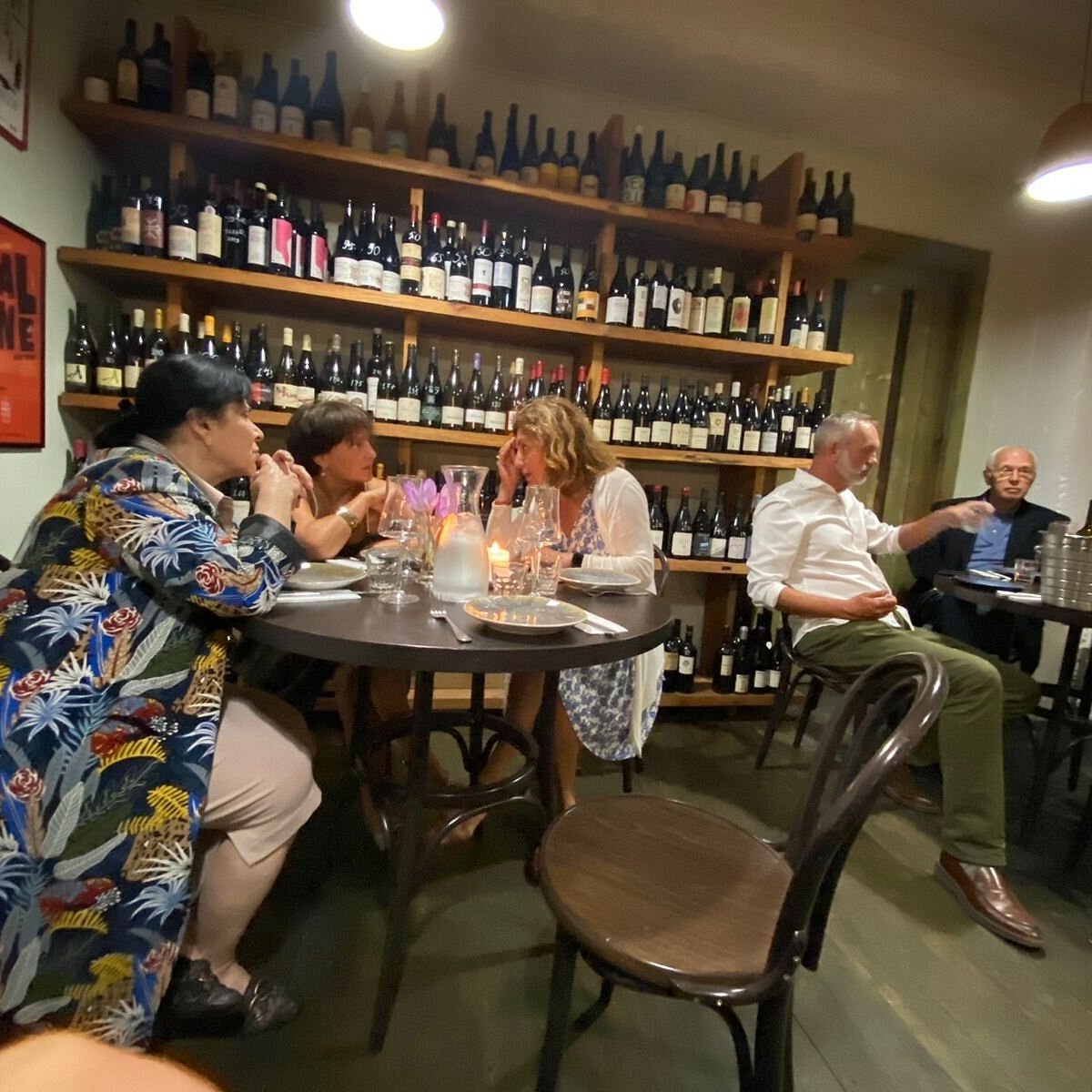
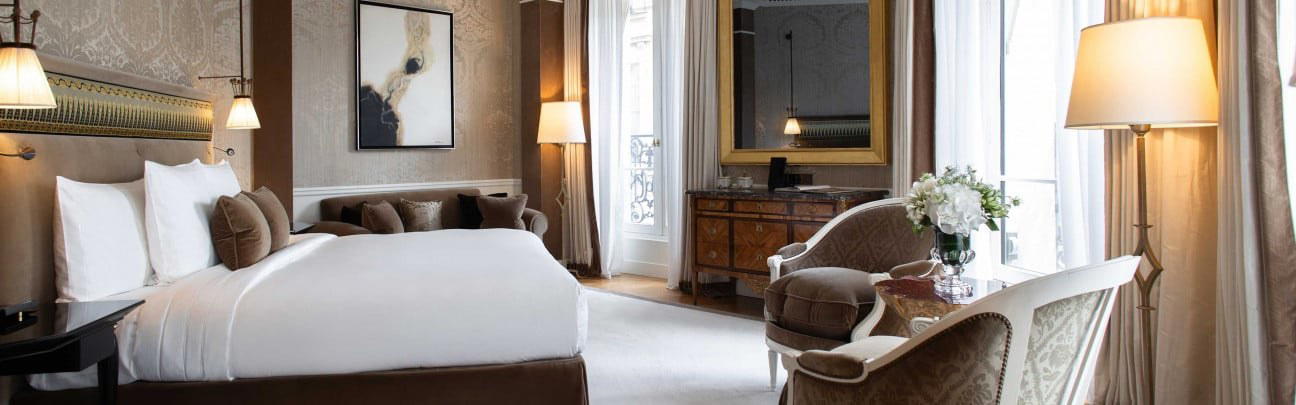
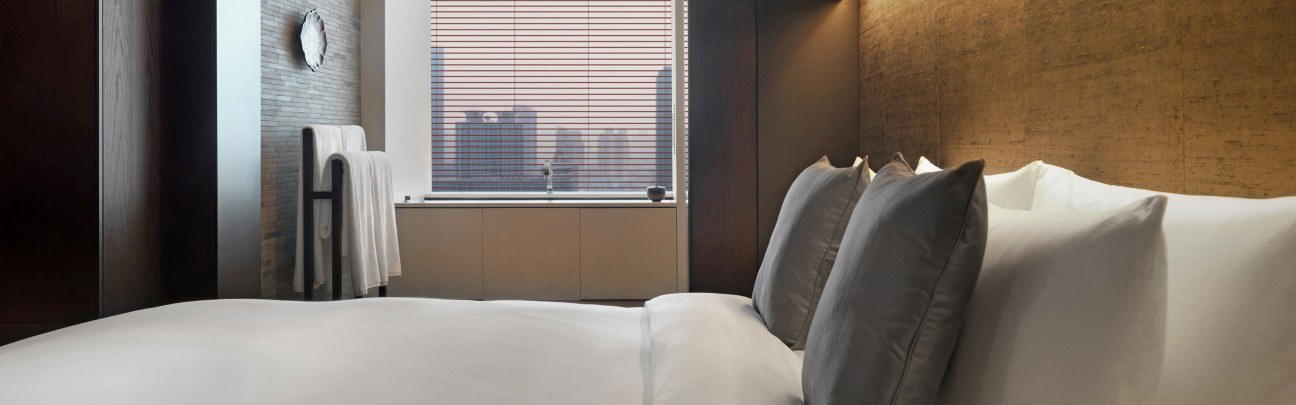
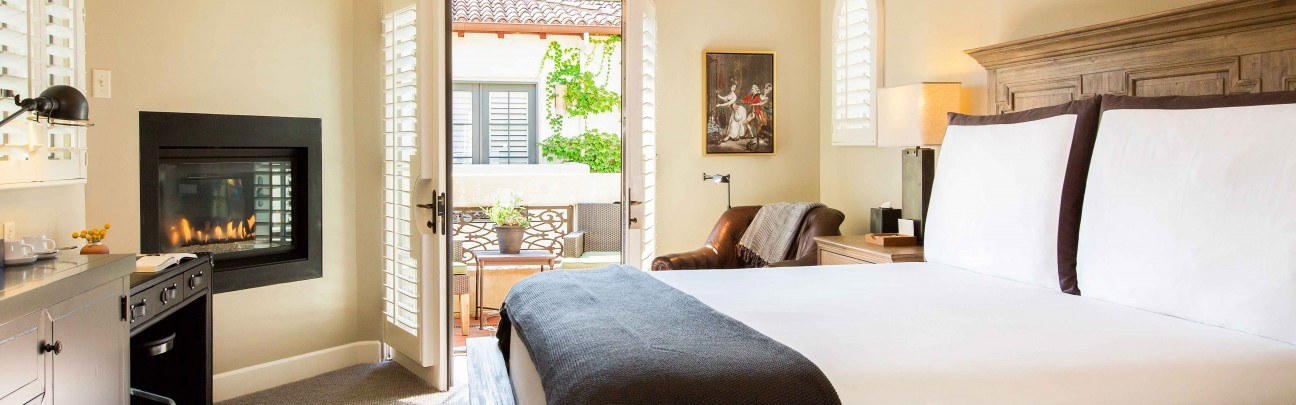
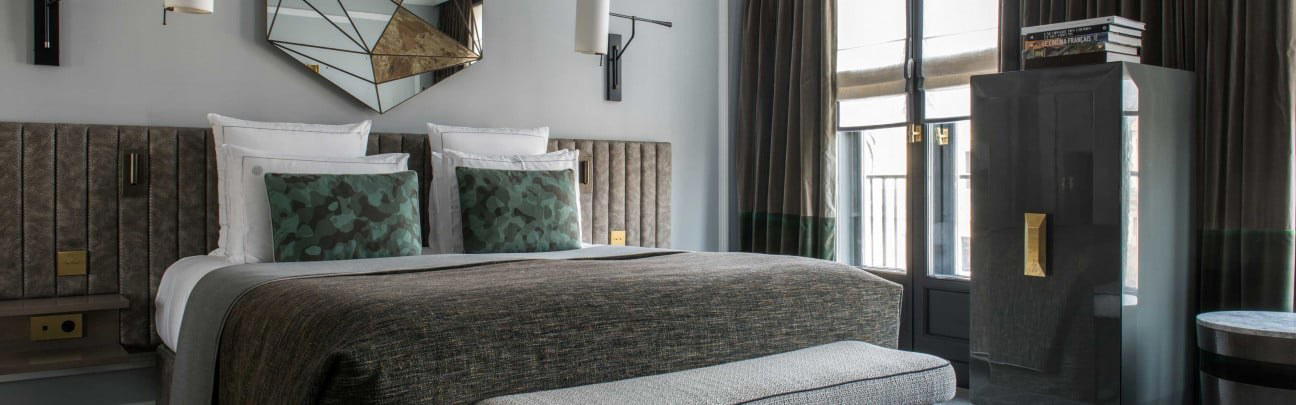
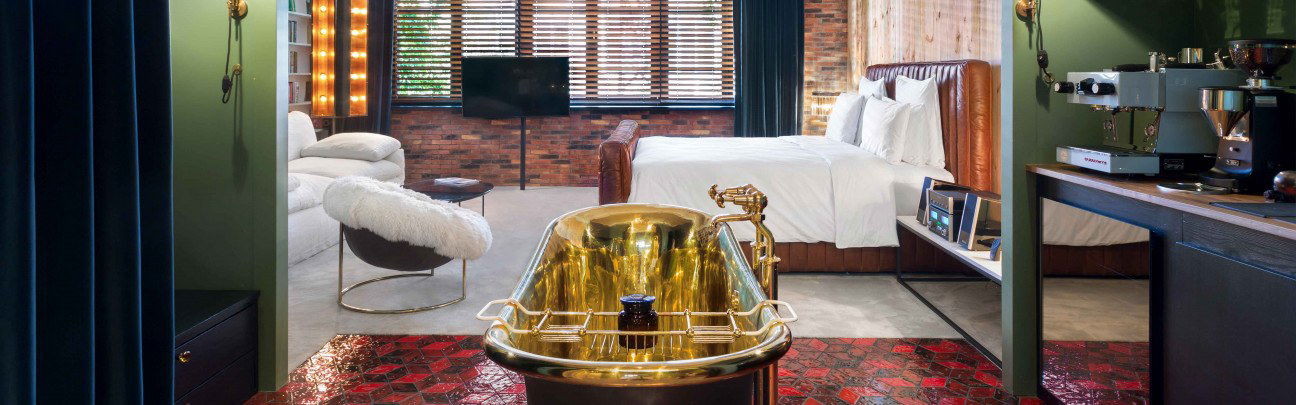
Sophisticated and artistic atmosphere with lush greenery, high ceilings, bookshelves, soft lighting in stylish rooms, and a relaxed yet trendy vibe.
Tags
Vibe
Best For
Experience
Amenities
View
Accessibility
About the Stay
- Rooms
- 42
- Check-in
- 15:00
- Check-out
- 11:00
- Property Style
- Post Industrial Repurposed Publishing House with Artistic and Eco Conscious Elements.
- Design Style
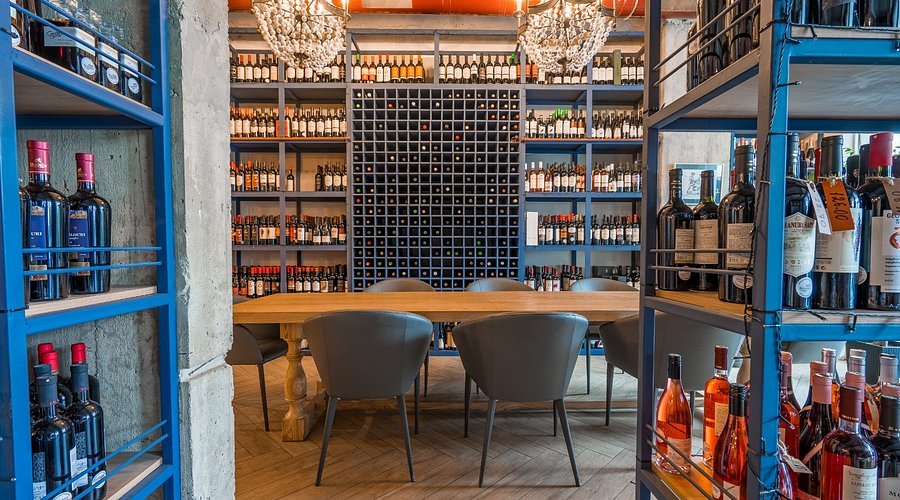
- Industrial Chic Blended with Modern Luxury, Retro Accents, Bookshelves, Brass Fixtures, and Lush Greenery.
Know before you go
Know Before You Go
- Getting there
- 14, 0108 Merab Kostava St, T'bilisi
Planning details
Location
Recognition and awards

Also consider
Where to look if Stamba is full
Try Rooms Hotel Tbilisi first if the goal is another characterful local stay. For business travel or a more predictable large-hotel experience, compare availability at The Biltmore Hotel Tbilisi.
Hotel context
How Stamba Hotel compares in Tbilisi
Stamba Hotel is the splurge-leaning design choice in this group, backed by Michelin 1 Key recognition and a 93.5-point La Liste score. Rooms Hotel Tbilisi is the closest peer for travelers who want a local-feeling hotel with atmosphere, but Stamba has the stronger external recognition signal.
Hotel Afisha and Artizan - Design Hotel are better cross-shops if value or easier availability matters more than award-backed design credentials. For a more conventional stay, The Biltmore Hotel Tbilisi is the safer business-travel comparison.
The Telegraph Hotel is the one to check if the priority is a polished city hotel rather than a design statement. Choose Stamba when the stay itself is part of the trip; choose the others when budget, predictability, or easier booking matters more.
Around this place
Discover more on Pearl
Unlock the full Stamba Hotel guide in Pearl, including awards, comparisons, FAQs, planning details, and nearby places.
Compare Stamba Hotel
| Venue | Location | Awards |
|---|---|---|
| Stamba Hotel | Tbilisi | 2026 Design Hotels Collection2026 Mr & Mrs Smith Luxury Hotels2026 La Liste Top Hotels2025 Michelin 1 KeyMichelin 1 Key 2025 |
| Rooms Hotel Tbilisi | Tbilisi | 2026 Design Hotels CollectionStar Wine Lists 20262026 Mr & Mrs Smith Luxury Hotels2025 Michelin 1 Key |
| Hotel Afisha | Tbilisi | No published awards |
| The Telegraph Hotel | Tbilisi | 2026 Forbes RecommendedHotel World Architecture and Design Award · 2026Leading Hotels of the World 20262025 Michelin 2 Keys |
| Artizan - Design Hotel | Tbilisi | No published awards |
| The Biltmore Hotel Tbilisi | Tbilisi | No published awards |





How Stamba Hotel Tbilisi compares with similar nearby venues.
FAQ
Frequently Asked Questions
What is check-in like at Stamba Hotel?
Specific check-in procedures or arrival details are not provided. Plan it as a hotel stay in Tbilisi and confirm timing, transport instructions, and any special requests directly with the property before arrival.
Are pool or spa details confirmed at Stamba Hotel?
Pool or spa details are not provided. Stamba Hotel's recognition includes Michelin 1 Key in 2025, La Liste Top Hotels 2026 with 93.5 points, 2026 Design Hotels membership, and a 2026 Mr & Mrs Smith Seal of Approval, but facility-specific details should be checked directly before booking.
Do loyalty programs work at Stamba Hotel?
Its 2026 Design Hotels membership is a program-style signal. Details about loyalty earning, redemption, elite benefits, or package details are not provided, so check the booking channel and hotel terms directly if those matter to the stay.
How does Stamba Hotel compare to other hotels?
Choose Stamba Hotel when recognition and design credentials are central to the decision. Rooms Hotel Tbilisi, The Biltmore Hotel Tbilisi, Hotel Afisha, Artizan - Design Hotel, and The Telegraph Hotel are useful comparison points when reviewing other Tbilisi hotel options.
Which room category is best at Stamba Hotel?
Specific room categories, layouts, views, or packages are not provided. If room choice matters, ask the hotel directly for the current room list and choose based on the space, configuration, and amenities that fit your trip.
Is Stamba Hotel good for business travel?
Stamba Hotel can be considered for a Tbilisi work trip if a recognized, design-oriented hotel is the priority. Business facilities or corporate services are not provided, so travelers who need specific meeting, workspace, or billing arrangements should check directly before booking.